Hye Joo Jun (b.1985) - K-ARTIST
Hye Joo Jun (b.1985)

Hye Joo Jun studied New Media and Stage Design at the Hochschule für Gestaltung Offenbach am Main in Germany, and earned a master’s degree in Art and Media from Berlin University of the Arts, where she also completed the Meisterschüler program. She currently lives and works in Incheon.

Solo Exhibitions (Brief)

Jun’s recent solo exhibitions include 《Endoskopeia》 (SONGEUN, Seoul, 2026), 《Patterns of Confinement》 (Shhh, Incheon, 2025), 《Delusion – How to Face the Lost Lives》 (Surim Cube, Seoul, 2025), and 《All-Over》 (Oil Tank Culture Park, Seoul, 2022).

Group Exhibitions (Brief)

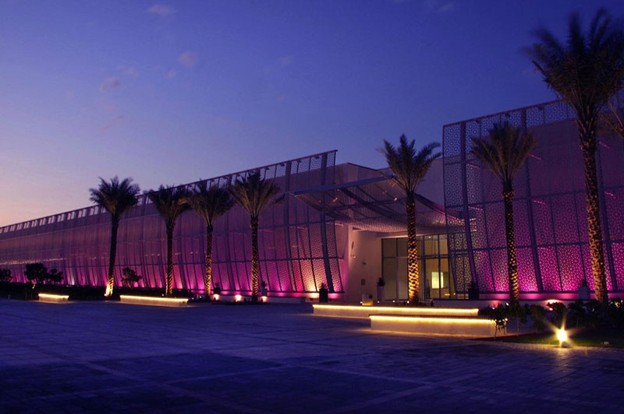
Jun has also participated in numerous group exhibitions, including 《AMOR EX MACHINA》 (Seoul Museum of Art, Seoul, 2026), 《LAYERED MEDIUM: WE ARE IN OPEN CIRCUITS》 (Manarat Al Saadiyat, Abu Dhabi, UAE, 2025), the 15th Gwangju Biennale 《PANSORI, a Soundscape of the 21st Century》 (Gwangju Biennale Exhibition Hall, Gwangju, 2024), 《At the End of the World Split Endlessly》 (Seoul Museum of Art, Seoul, 2024), 《The 22nd SONGEUN Art Award Exhibition》 (SONGEUN, Seoul, 2022), and 《Nothing makes itself》 (ARKO Art Center, Seoul, 2021).

Awards (Selected)

In 2023, Hye Joo Jun was awarded the Grand Prize of the 22nd SONGEUN Art Award.

Residencies (Selected)

Jun has been awarded residencies at Goyang Artist Residency(2025), SeMA Nanji Residency(2024), Jan van Eyck Academie Residency(Netherlands, 2022-2023), Incheon Art Platform(2018), Cheong-ju Art Studio(2017) and among others.

Collections (Selected)

Jun’s works are held in the collections of the Seoul Museum of Art, SONGEUN Art and Cultural Foundation, and MMCA Art Bank, among others.

Works of Art

The Self as a Constantly Changing State in Flux with the Outside

Originality & Identity

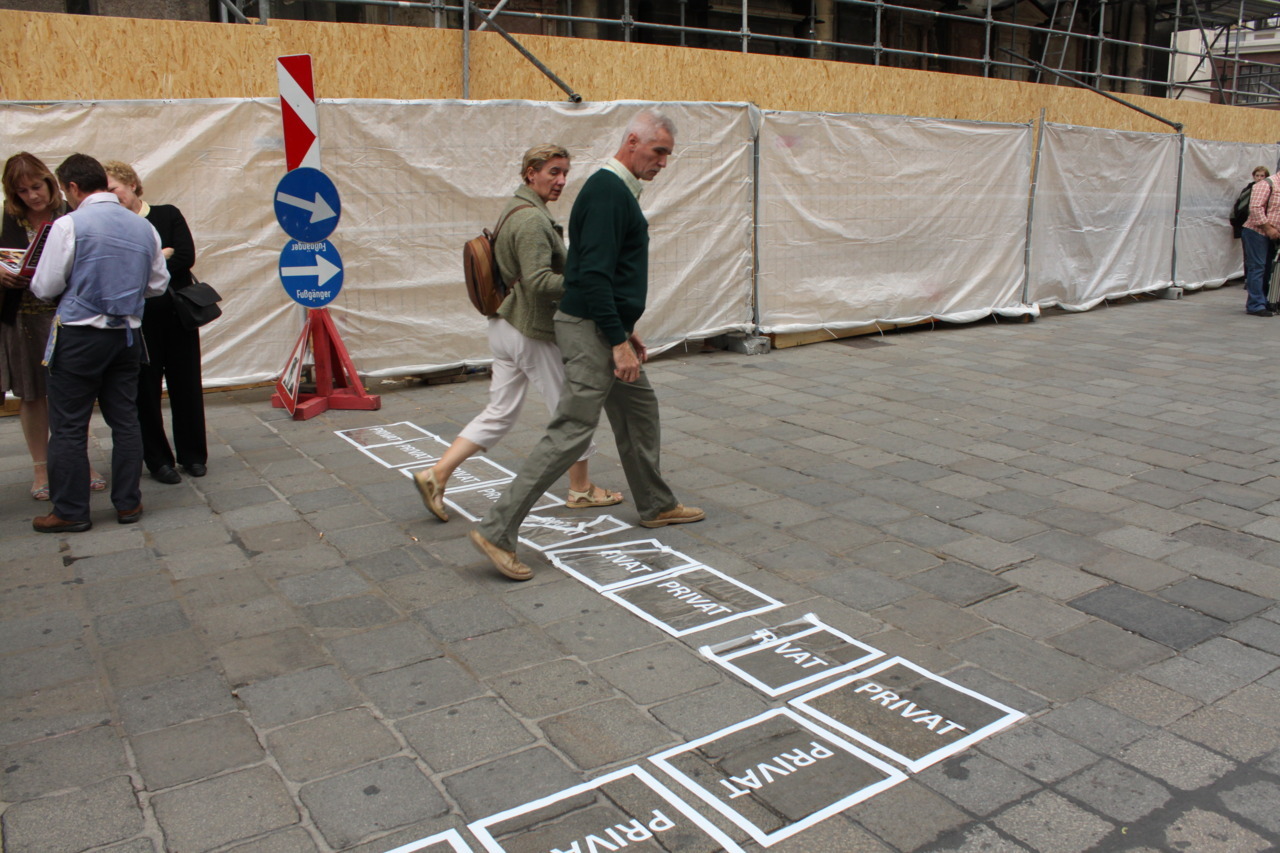
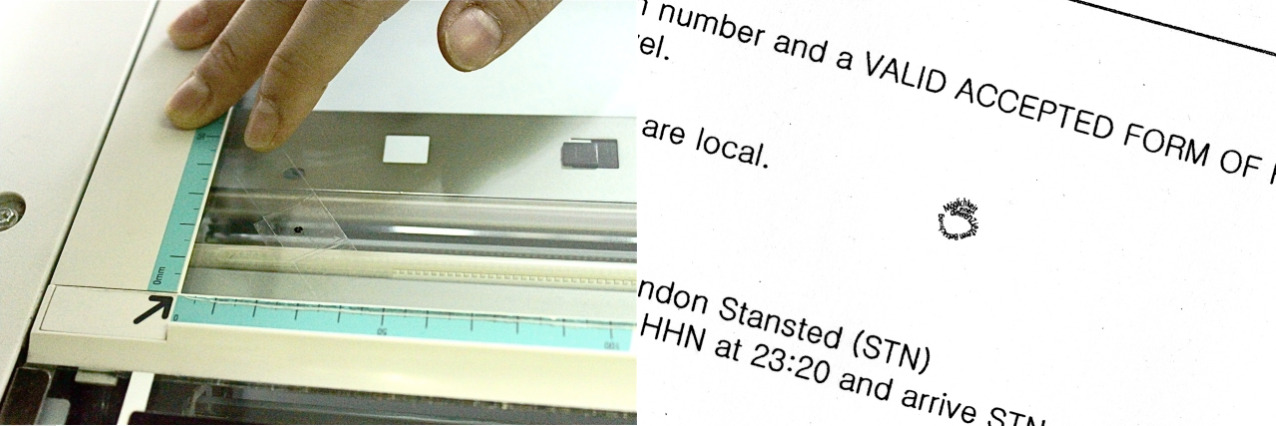
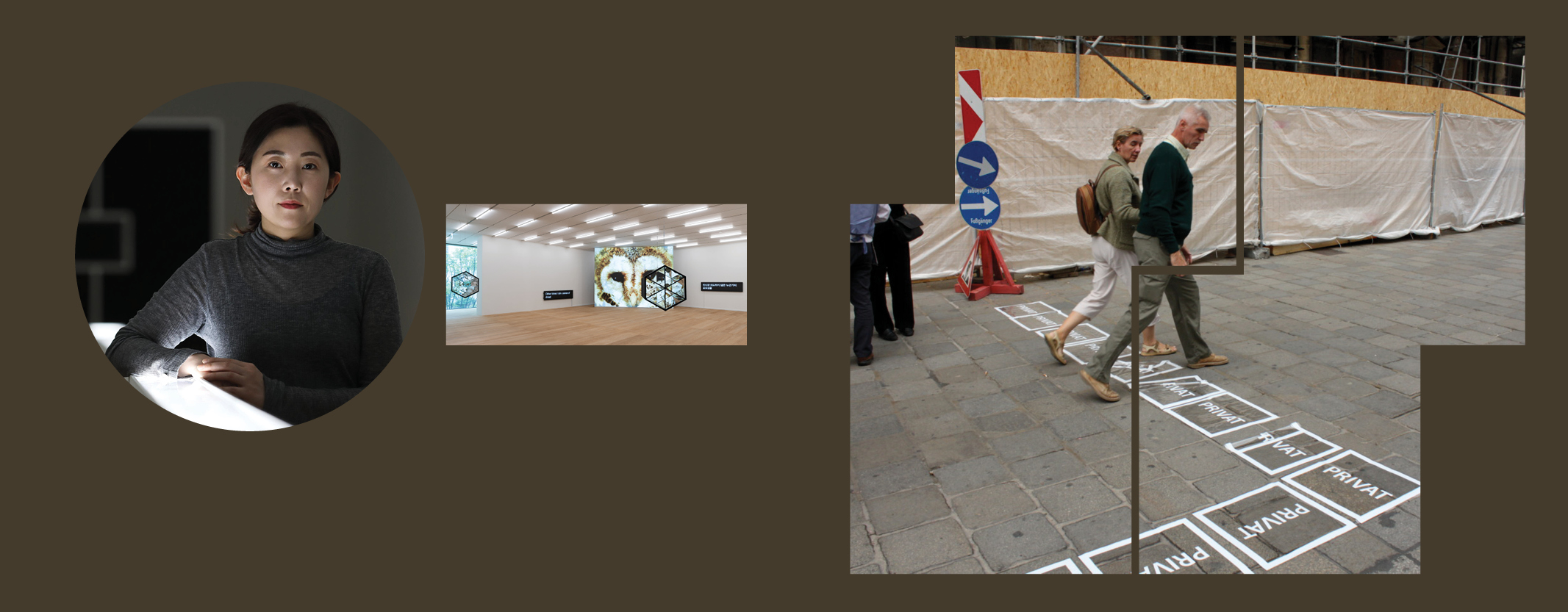
Hye Joo Jun’s practice begins with an attempt to read structures that are not readily visible through traces left in cities and spaces. Her early work PRIVAT(2009) temporarily disrupted the boundary between public and private space by placing markers bearing the word “Privat” in public areas, while Kopierfehler (copying errors)(2009) secretly inserted tiny texts onto public photocopiers, allowing messages to be copied and circulated without users realizing it.

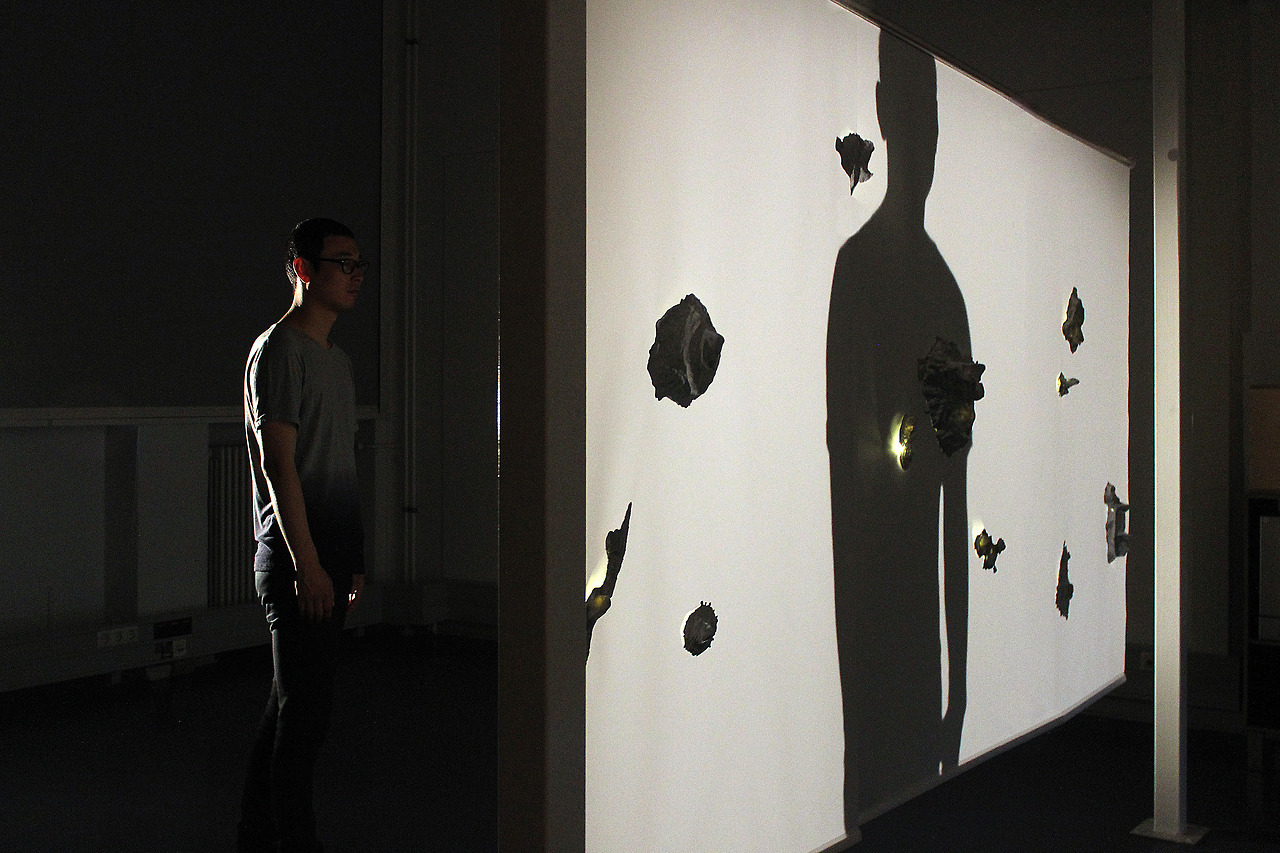
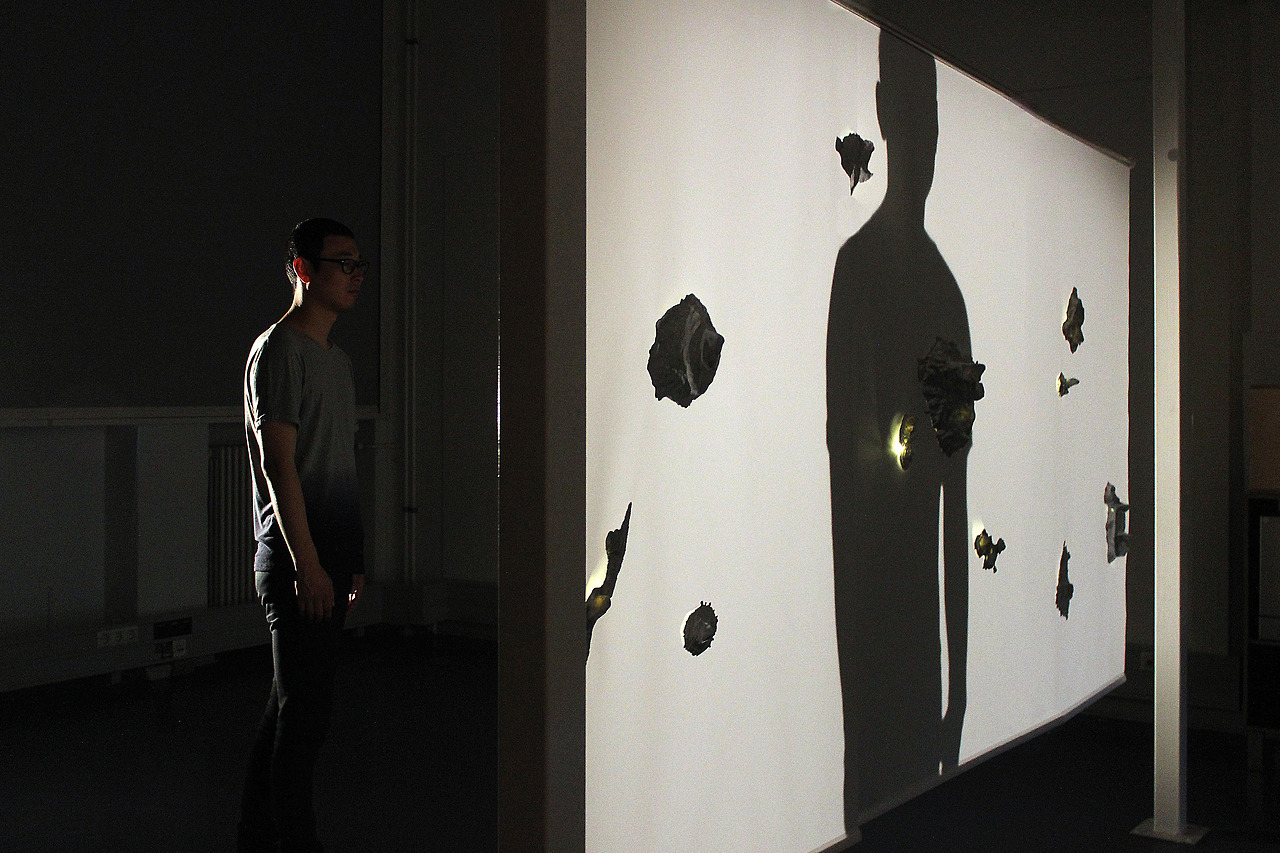
From this point onward, rather than directly representing large social structures, Jun has observed how those structures seep into everyday life and human perception. In Phantom Limb(2014), she 3D-scanned and cast bullet marks remaining on buildings in Berlin and superimposed them onto viewers’ shadows, making the traces of war that had become familiar on the city’s surface perceptible once again. Connecting accumulated time and memory embedded in specific places to the body in the present became an important axis running through her work during this period.
 
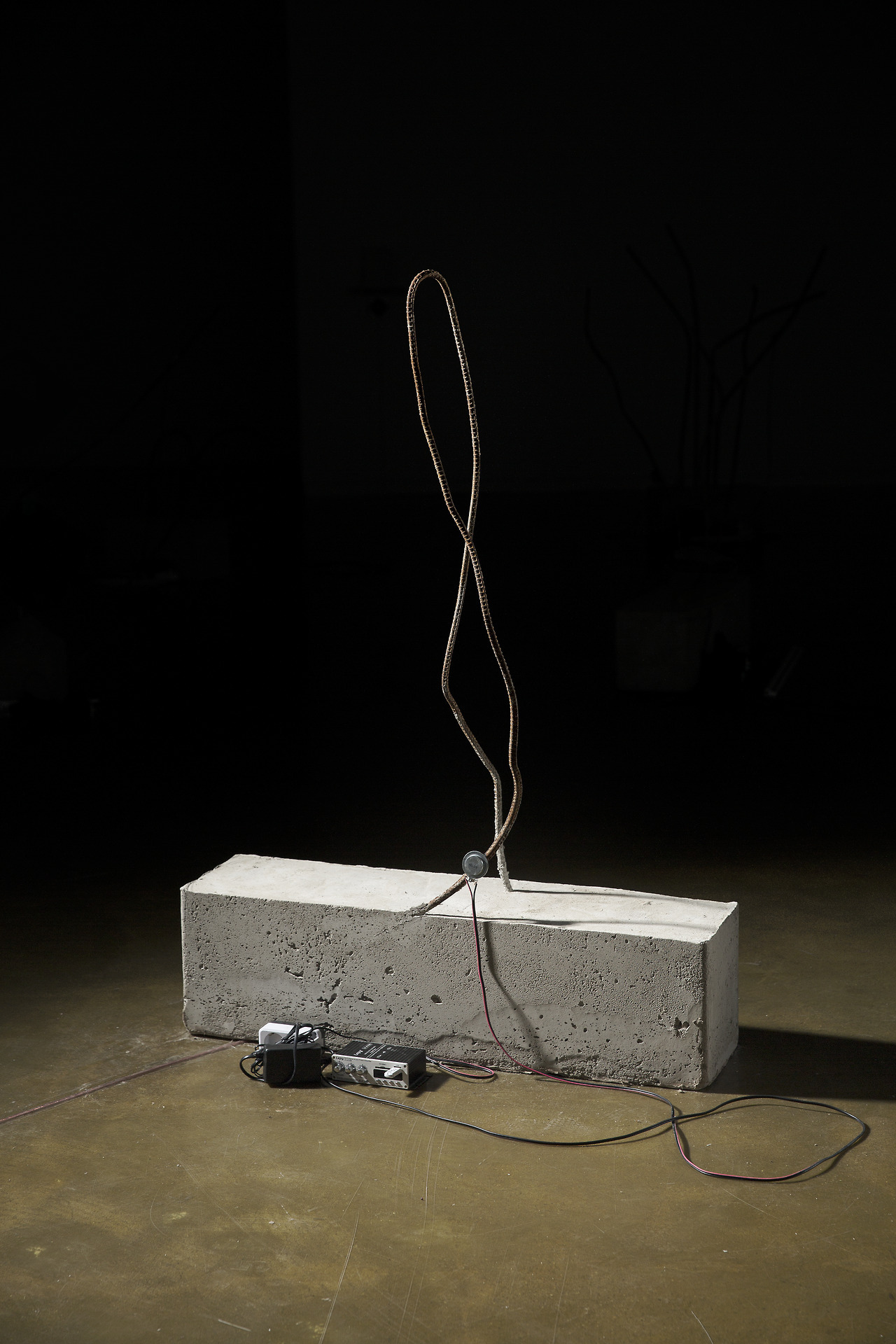
After returning to Korea, Jun expanded her scope by connecting the memory of places with personal narratives and material histories. No-mind, the Name of a Stream(2017) brings together the life of an individual she encountered at a redevelopment site in Cheongju, the region’s history of iron production, and rebar collected from demolished buildings. By inviting viewers to hold the actual rebar and listen to sound transmitted through its vibrations, the work presents urban history not as an abstract record but through matter, labor, and personal memory.

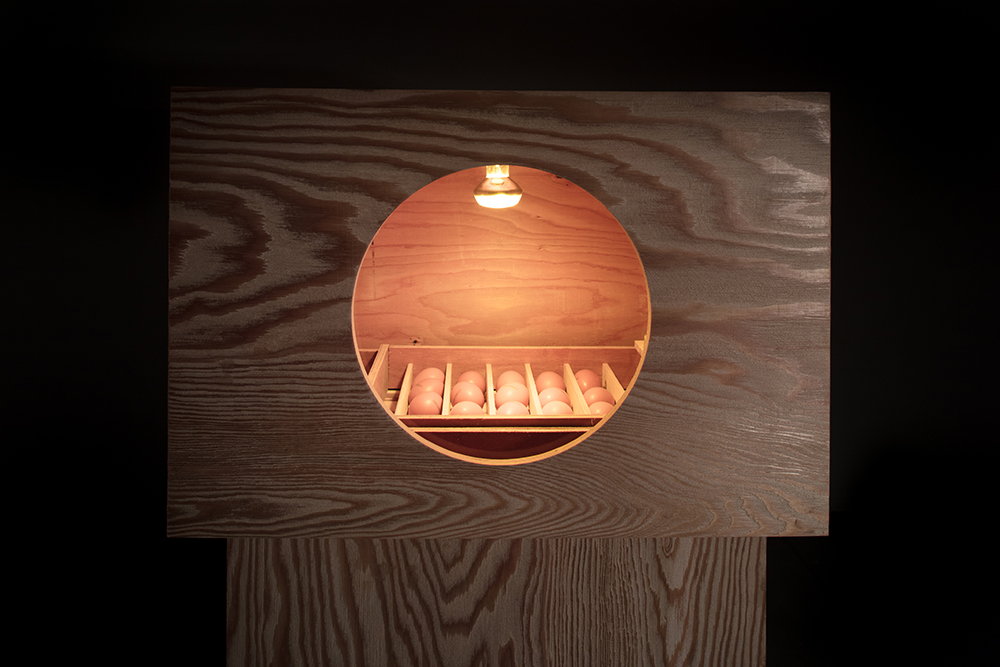
Horizon 00:00:00(2018) shifted her attention from urban history toward natural temporality by collecting mudflats and plants from Ganghwa Island and using them as natural dyes, while Whirl(2019) connected hatching eggs, a pyramid, and ancient epic narratives to address the cyclical creation and destruction of civilization and the anxieties embedded within it. Her observation of place thus gradually expanded toward a perspective that considered civilization and ecology together.
 
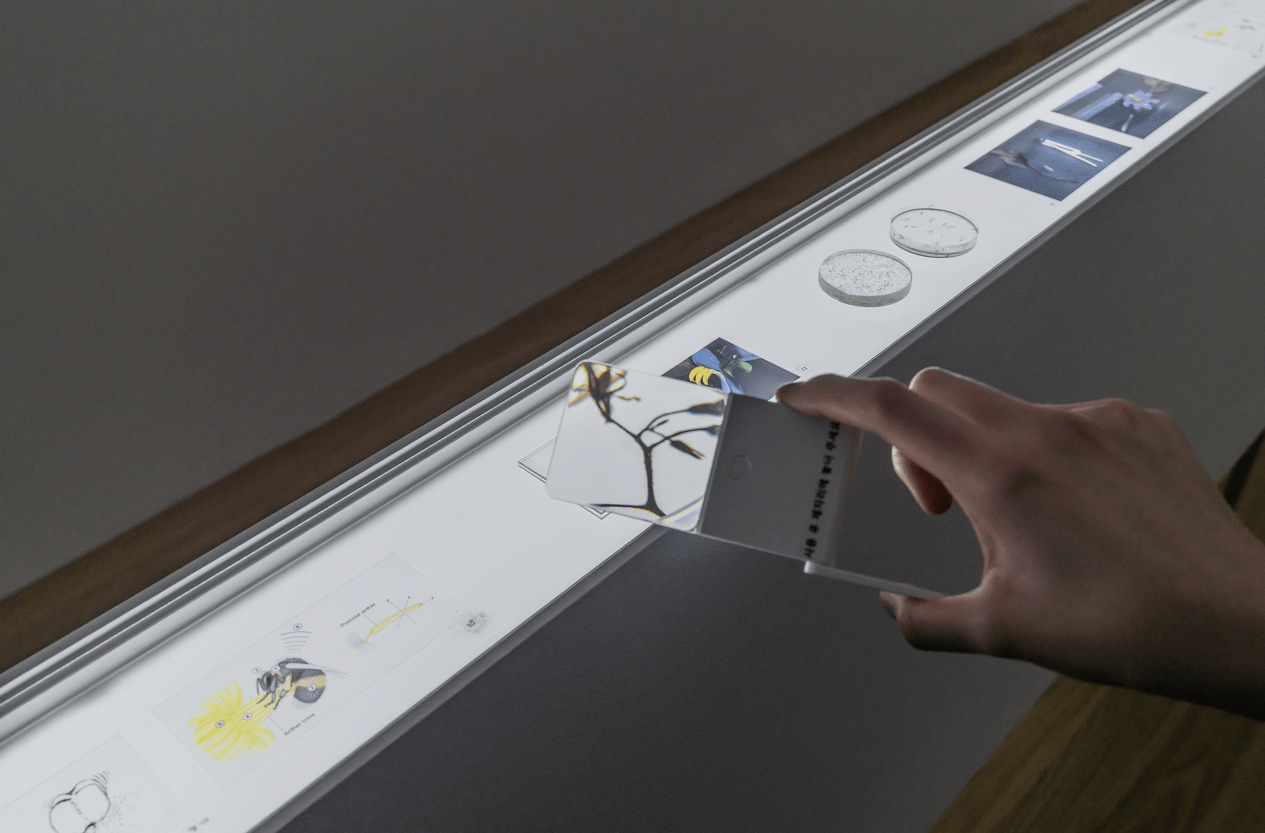
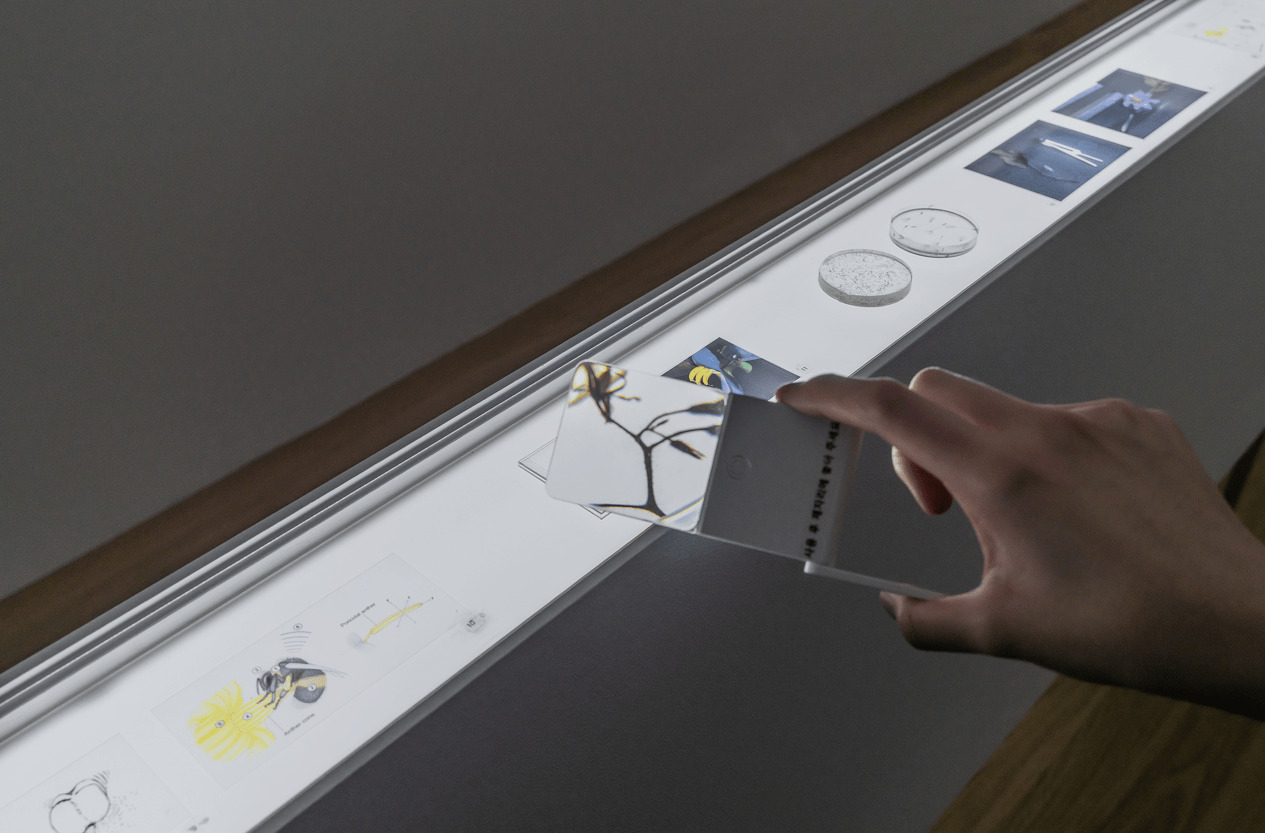
The year 2020 marked an important turning point as this trajectory moved into the microscopic world. In Forensis(2020), Jun collected pollen and microscopic particles from urban air, clothing, and surrounding environments and examined them under a microscope, tracing how a single place is constituted through countless invisible movements and contacts between materials.

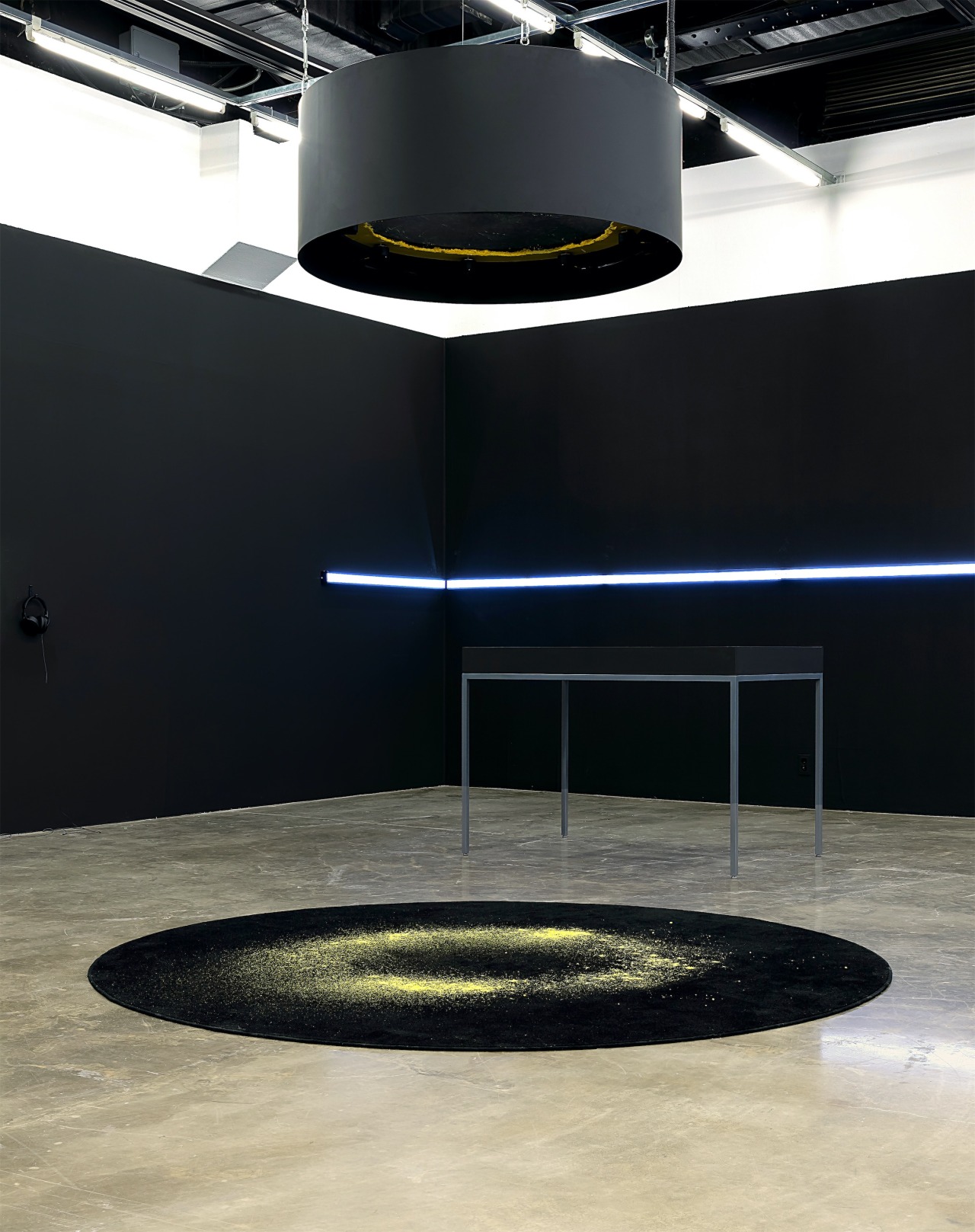
In the same year, Body Check(2020) investigated long-range acoustic devices, drones, and technologies of surveillance and control, examining how signals and waves that are difficult to perceive affect both the body and society. These two directions converged in Yellow Border(2021) and Hummer(2022).

By placing side by side materials that are visually difficult to distinguish, such as pollen and uranium concentrate, as well as bee vibrations and drone sounds, military technologies and everyday technologies, Jun questions the belief that nature and the artificial, life and danger, protection and control can be clearly separated. In her work, the “invisible” is not simply something small, but a clue that reveals the limitations in the ways we judge and categorize the world.
 
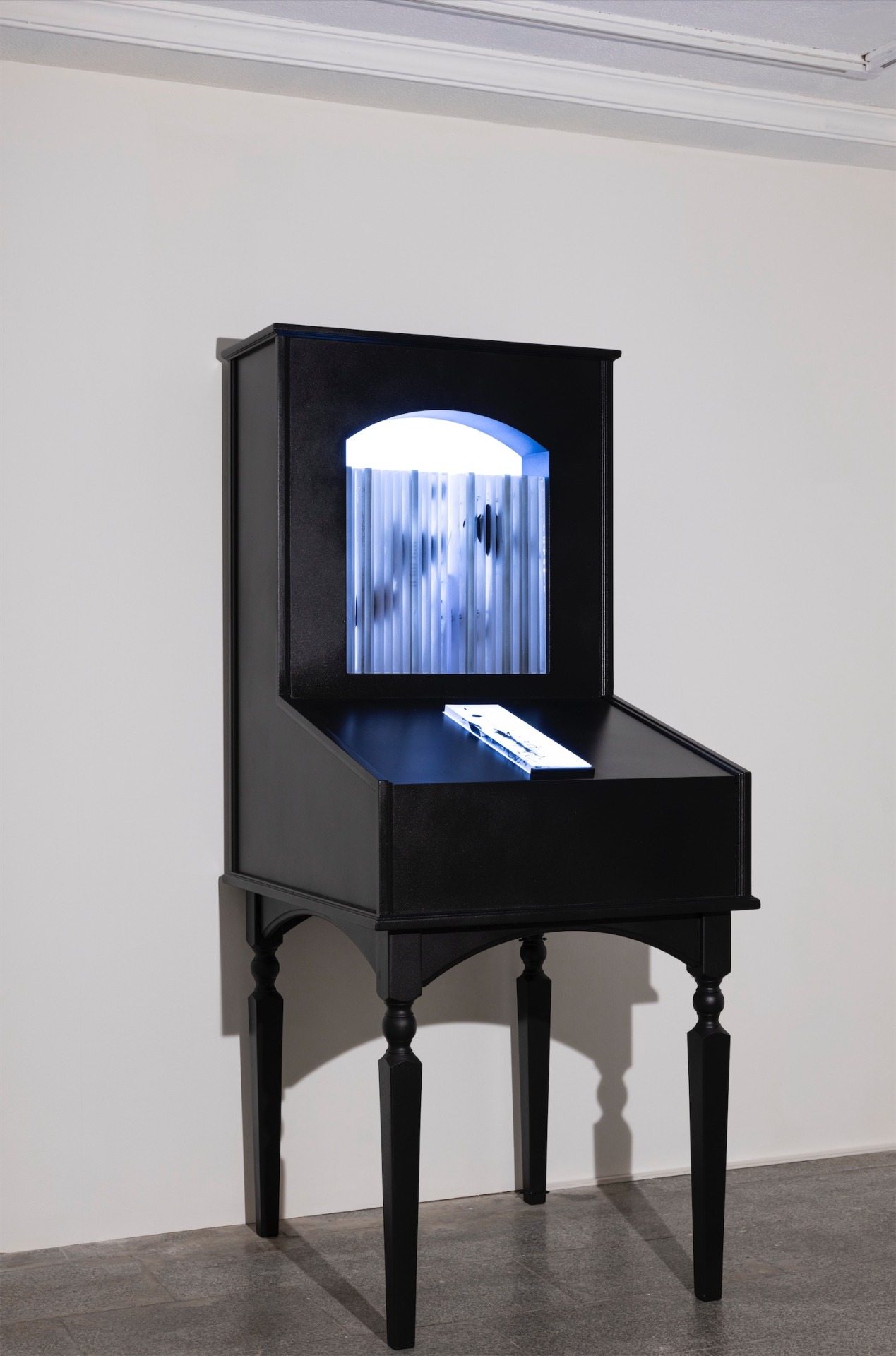
More recently, this microscopic observation has expanded toward questions of selection and replication in life, industry, and biopolitics. The Birth of a New Flower(2023–2024) traces the cross-border movement and breeding of plant resources, the seed industry, and international regulations to examine how humans attempt to control the movement and reproduction of plants. Patterns of Confinement(2025) critically examines images of “abundance” produced through agriculture, capital, and the replication and proliferation of life by repeating motifs of rice and wheat.

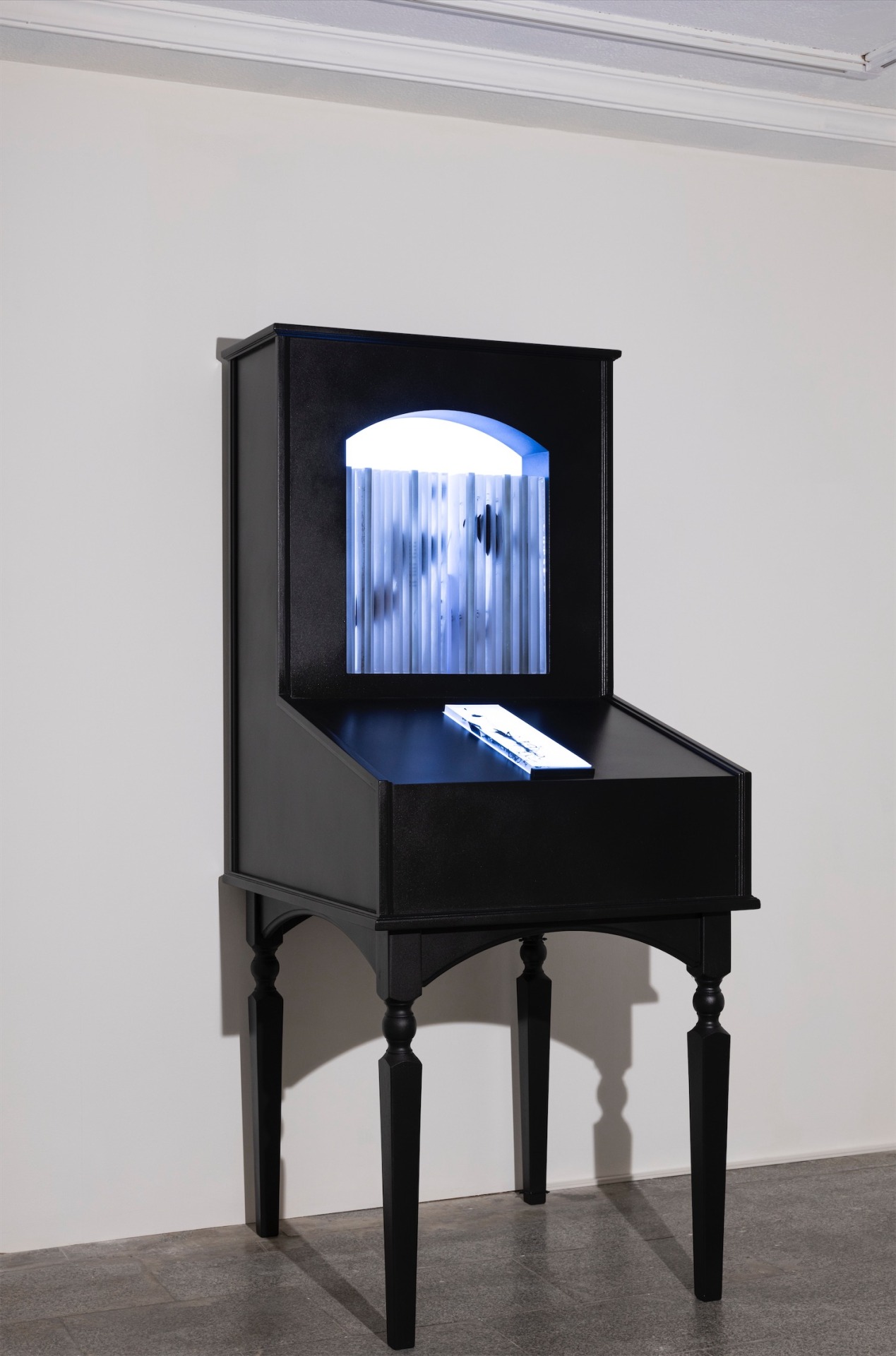
Delusion – How to Face the Lost Lives(2025) exposes the technological desire to predict and standardize life through the repetition of plants stripped of genetic diversity. 《Endoskopeia》(SONGEUN, 2026) then turns the gaze back toward the human body and the interior of architecture, treating the passage of air, humidity, mold, and pollen through bodies and buildings as an ecology in itself.

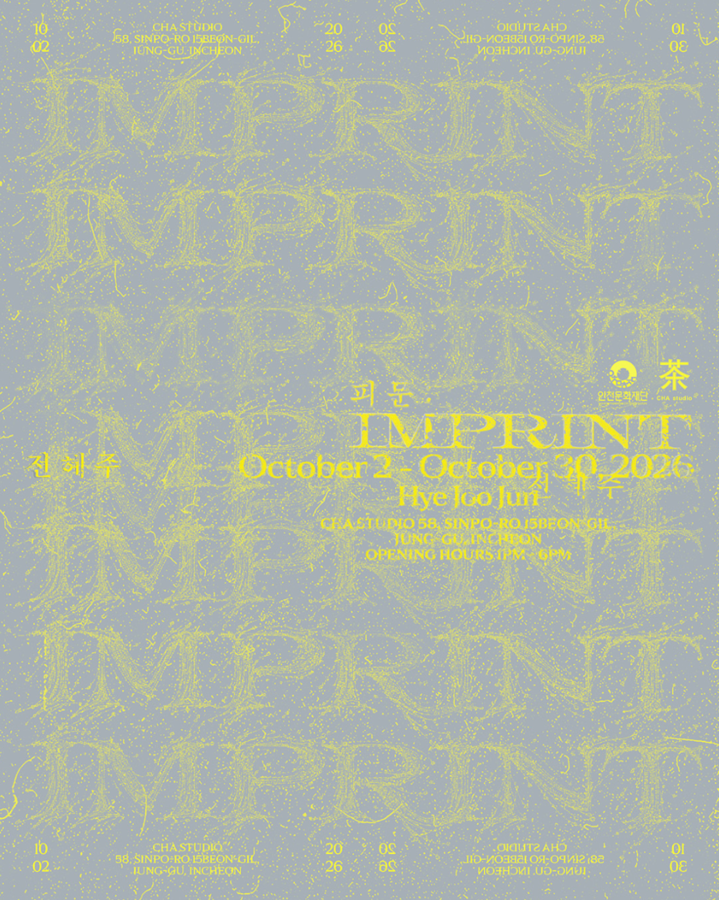
Most recently, 《IMPRINT》(Cha Studio, 2026) shifts this attention toward the “surface” of life, reading traces of long-accumulated selection and reproduction through patterns of repeatedly transferred organic matter.

Style & Contents

Hye Joo Jun’s practice has developed according to the question of how the subjects discovered through research can be made perceptible again. In her early works, she directly intervened in public spaces or employed web-based programs, projection, photography, and video. Tourist Gaze(2015) projected reviews posted by tourists on Google Maps back into actual urban spaces, showing how images of places are constructed through individual memories and online information.

A Blurred Path – Good Bye, Gaepo Jugong Tour(2017) took the form of a participatory walking tour through an apartment complex awaiting redevelopment, while No-mind, the Name of a Stream transformed rebar collected from a demolition site into vibrating speakers. Rather than simply displaying materials, Jun established early on a method of bringing the viewer’s body, movement, and hearing into the work itself.
 
Sound and vibration became important media for extending this approach into a more physical experience. In Whirl, the sound produced by eggs moving inside an incubator is converted into vibration and transmitted to a large sofa, transforming the subtle movement associated with birth into an anxiety resembling an earthquake.

In Body Check, highly directional acoustic technology allows viewers to experience the linearity and violence of invisible signals within the exhibition space. In Hummer, directional speakers likewise target the bodies of viewers standing in specific positions. Sound in Jun’s work is therefore less a background element for conveying narrative than a material device that allows normally imperceptible waves and forces to reach the viewer’s body directly.
 
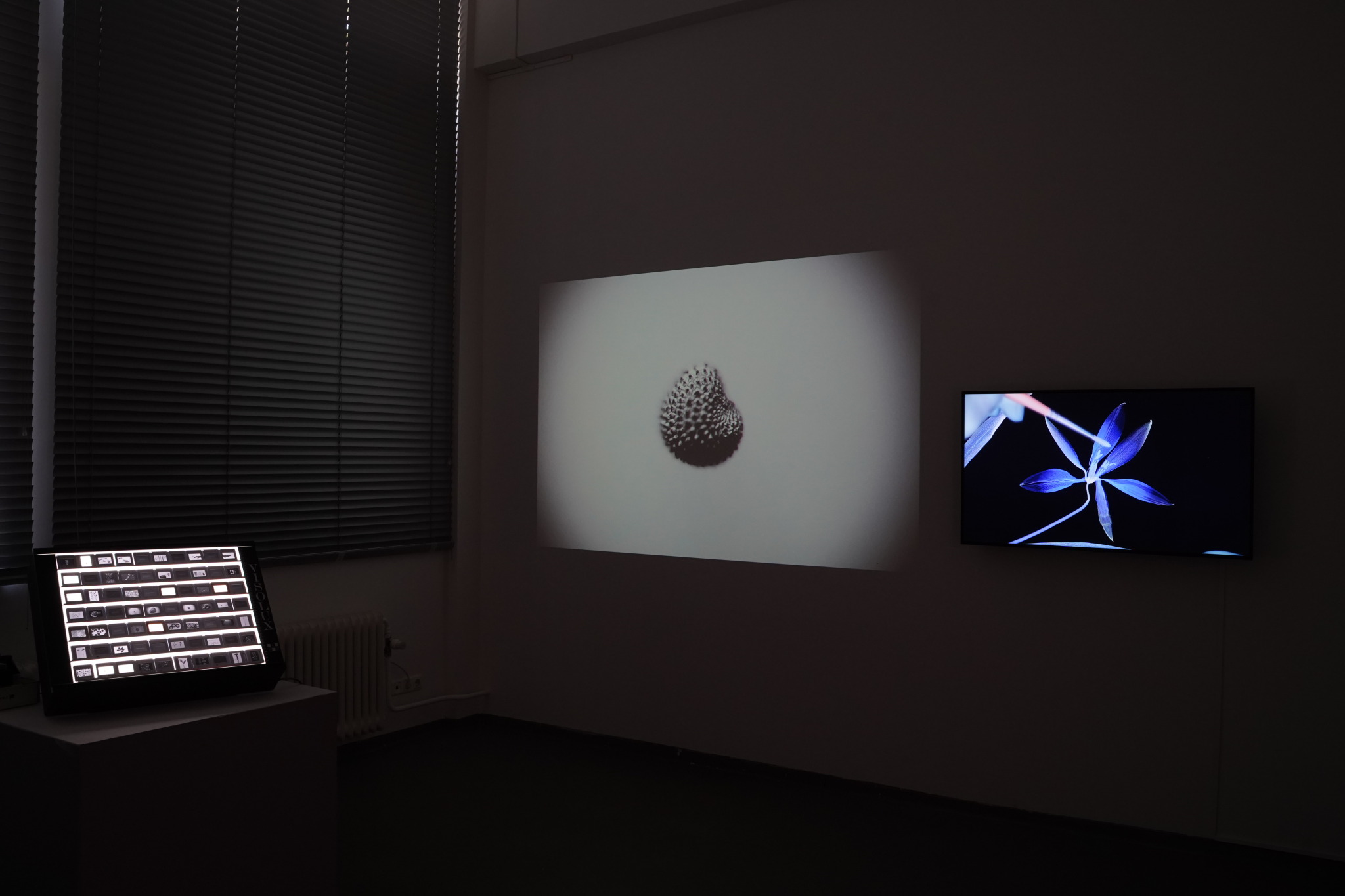
After Forensis, methodologies of collection, analysis, and archiving moved to the center of her practice. Jun personally observes pollen and airborne particles through a microscope, records the locations and times of collection, and dissects and preserves plant specimens. In The Land That Has Forgotten(2022), she collaborated with the Korea Institute of Geoscience and Mineral Resources to extract pollen and organic fossils from soil collected at the remains excavation site in Gollyeonggol, Sannae, Daejeon, and reconstructed them through video, photography, and archival materials.

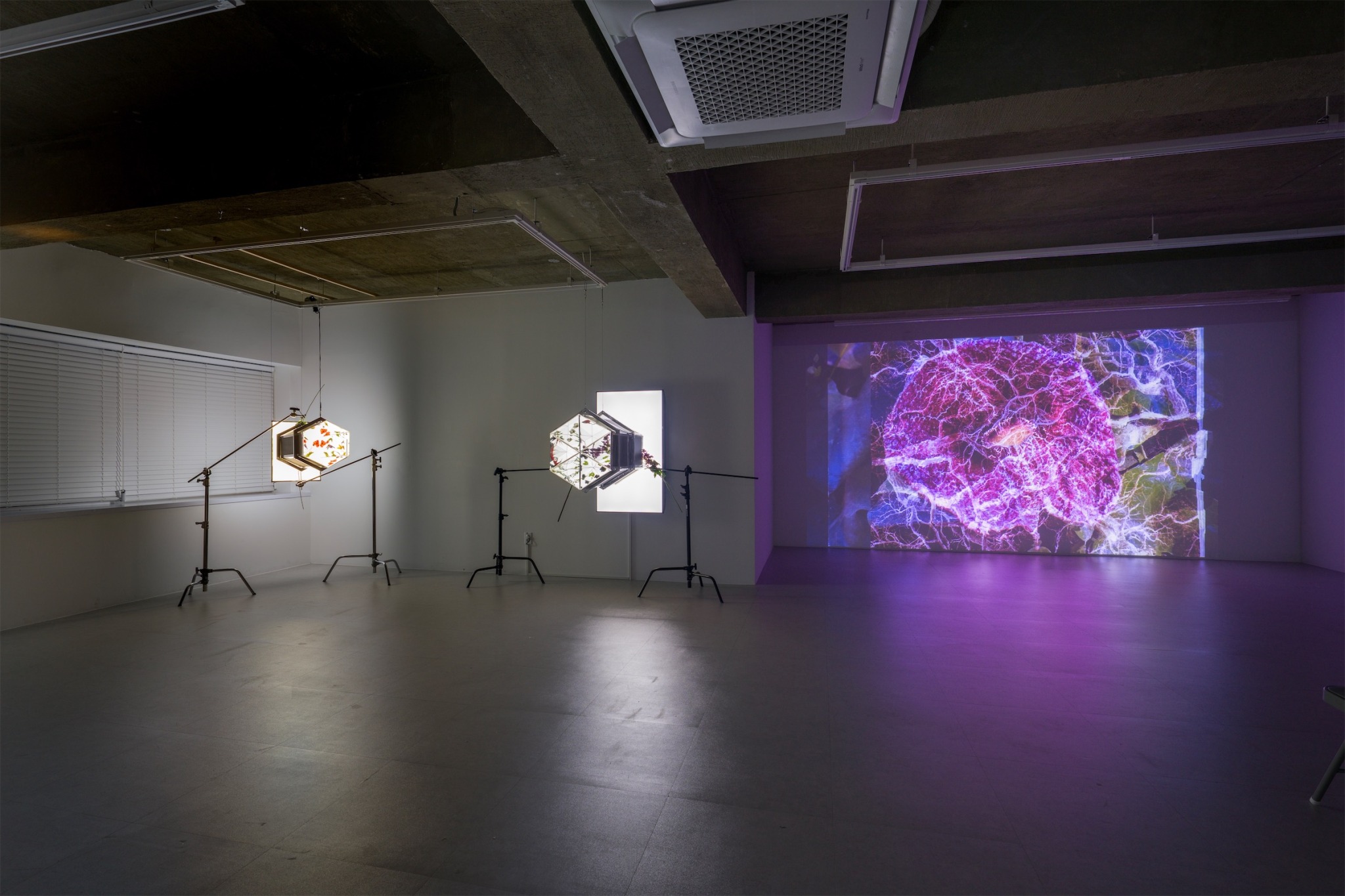
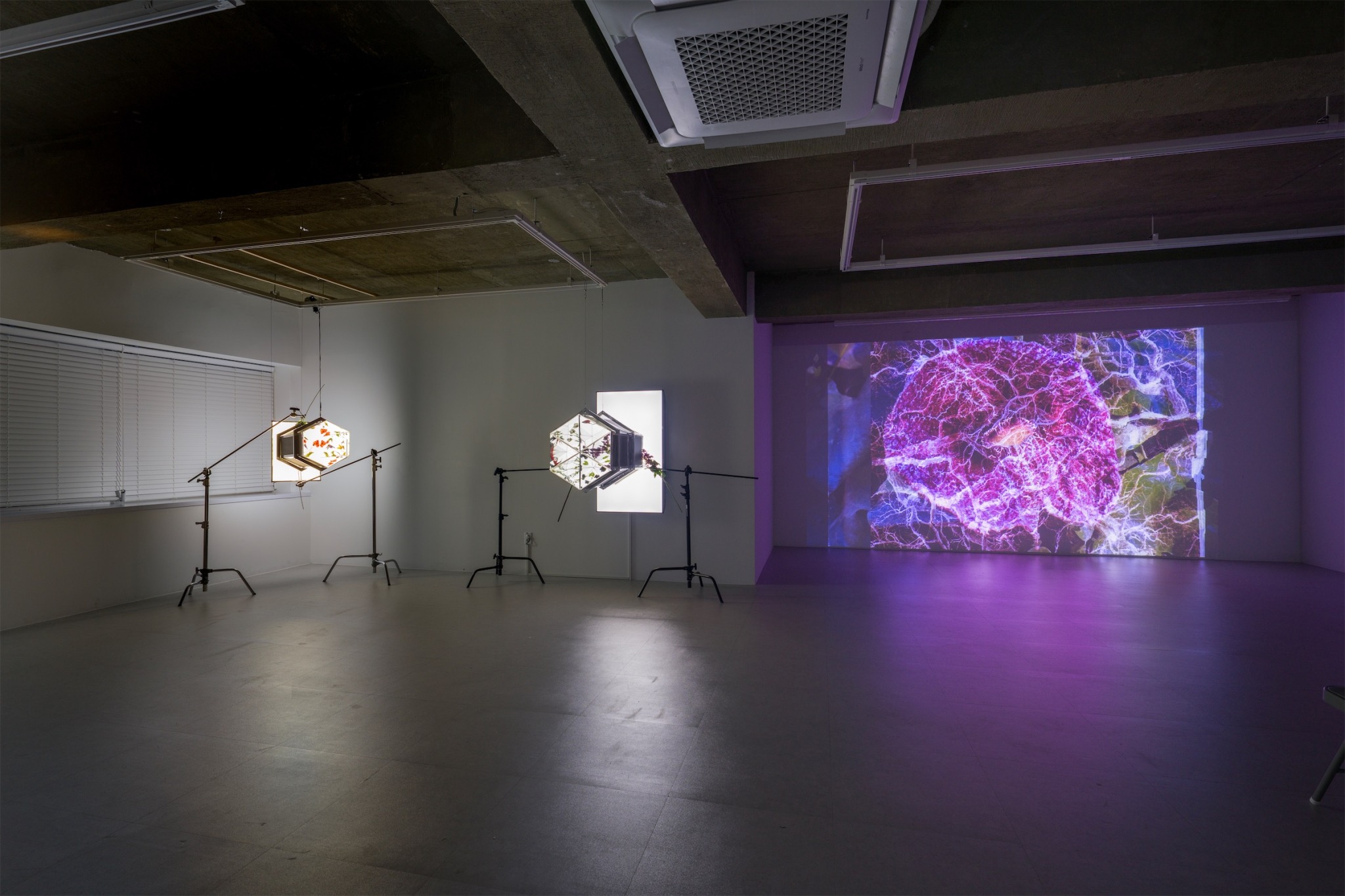
In 《All-Over》(Oil Tank Culture Park, Seoul, 2022), these microscopic organic forms were enlarged through moving image, sound, and 3D printing and transformed into an environment. Although Jun borrows methods from scientific research, her aim is not to prove scientific facts. Rather, she focuses on how small specimens and data can connect history, place, industry, and human perception, with strong formal intervention occurring as research is translated into exhibition form.
 
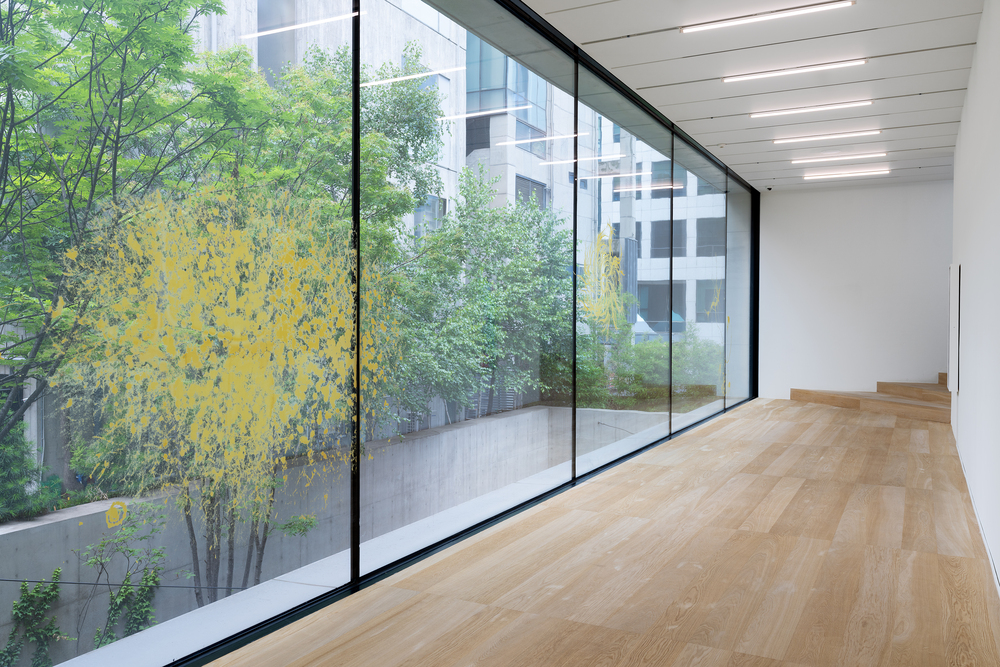
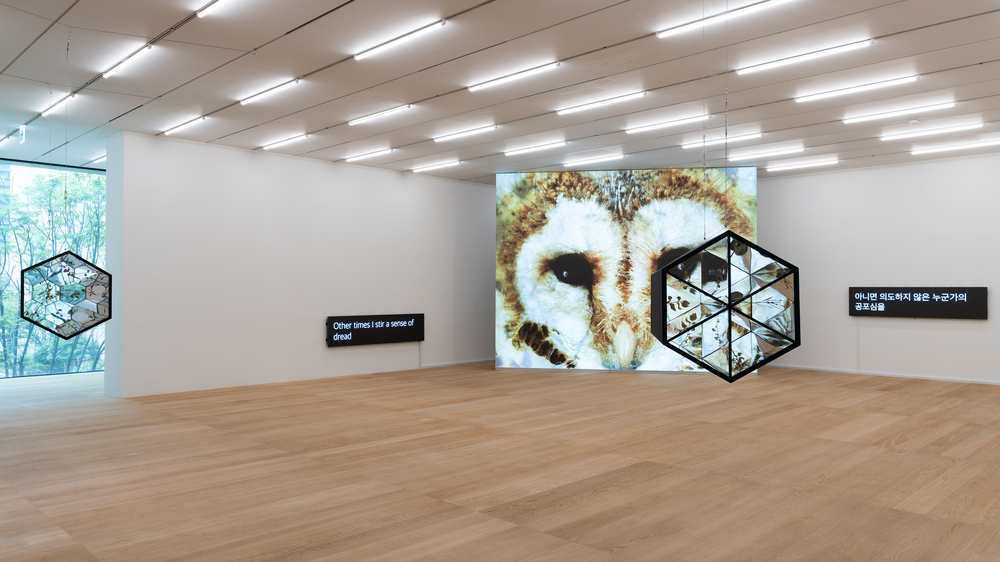
More recently, her work has moved from observing specimens toward constructing the exhibition space itself as an environment. In 《Endoskopeia》, Endoscope(2026) films the ventilation shafts and mechanical rooms of the SONGEUN building as though through an endoscope, treating architecture as a body. Refugia(2026) uses glass windows like skin where inside and outside meet, visualizing the movement of pollen and mycelial networks.

Atmosphere, Place
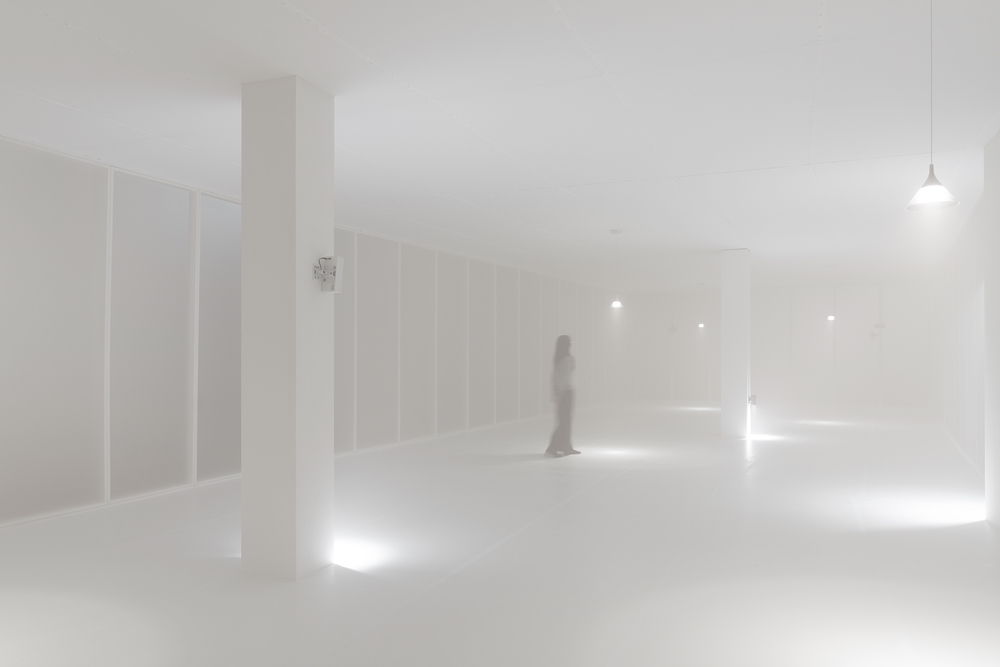
(2026) uses fog, humidity, directional sound, and light to make viewers perceive the space through skin and hearing before vision. In IMPRINT(2026), the repeated imprinting of microscopic organic matter creates surfaces resembling the proliferation and replication of life. What began with small collected specimens has now expanded into a circulatory structure that encompasses architecture, air, and the viewer’s body.

Topography & Continuity

One of the most distinctive features of Hye Joo Jun’s practice is the way she traces large social issues through very small clues. The history of war begins with bullet marks, the memory of a city with rebar and a single person’s voice, nuclear technology and energy industries with yellow powder, and military control with waves that are inaudible or difficult to locate.

More recently, her attention has moved toward even smaller entities such as pollen, mold, dust, mycelia, and plant reproduction, yet the issues contained within them have grown broader. She reads cross-border resource movement, agriculture and capital, biotechnology, military technology, the environment, and the body as parts of a single network. This structure, in which her social and historical perspective expands as the scale of her subjects becomes smaller, is a defining characteristic of her work.
 
Compared with other research-based practices, Jun places particular emphasis on translating information into sensory experience rather than stopping at explanation. Pollen physically falls through vibration, rebar transmits stories when held in the hand, and waves from directional speakers pass directly through the body. More recently, fog, humidity, and the circulation of air have also become part of the work itself.

Her archive is therefore less an accumulation of objective data than a starting point for asking how invisible relationships might be physically felt. This is also why scientific observation, historical research, sound, and installation are combined within a single work. Her practice allows seeing and reading, researching and sensing, to move continuously back and forth rather than remain separate.
 
Viewed over a longer trajectory, her sustained interest in “boundaries” is equally clear. Her early works dealt with boundaries between public and private space, tourist and resident, past and present; later, this expanded toward nature and the artificial, safety and danger, life and technology. More recently, 《Endoskopeia》 demonstrates that the inside and outside of the body, as well as the interior and exterior of architecture, are in fact continuously connected through the movement of air and particles.

In 《IMPRINT》, rather than looking directly inside, Jun reads the time life has passed through in its outermost skin and patterns. Instead of clearly separating what is inside from outside, natural from artificial, her work has deepened toward an interest in states of movement, mixture, and transformation occurring between them.
 
Hye Joo Jun studied at the Hochschule für Gestaltung Offenbach am Main and the Berlin University of the Arts, and has participated in international research and residency environments including Olafur Eliasson’s Institute for Spatial Experiments and the Jan van Eyck Academie.

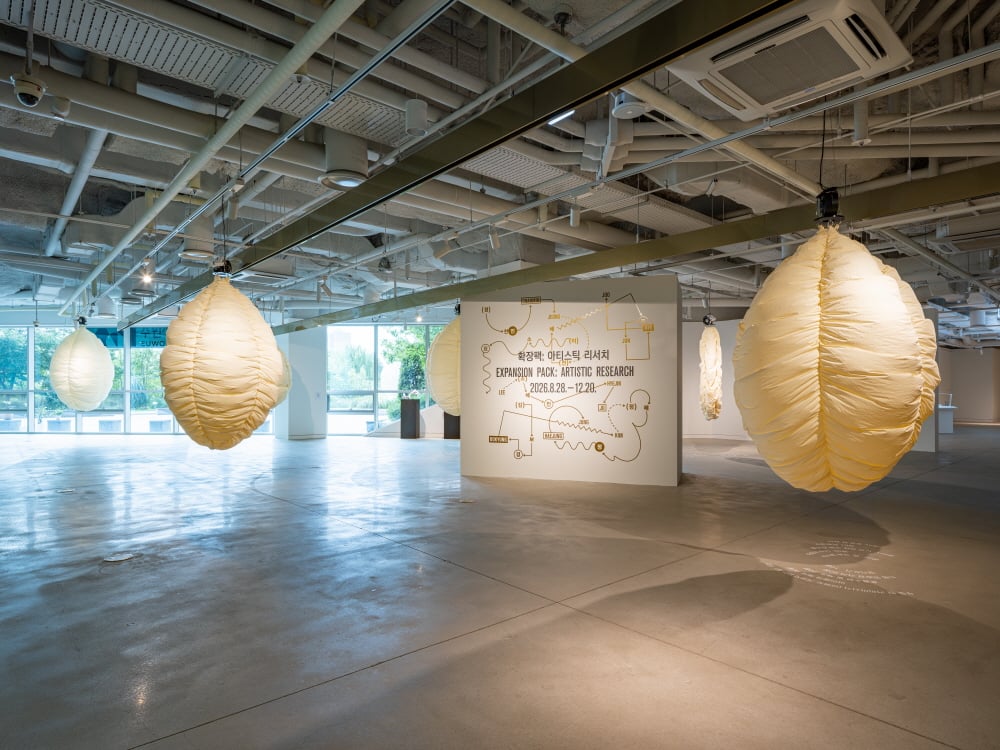
She received the Grand Prize of the 22nd SONGEUN Art Award in 2023 and has participated in major exhibitions in Korea and abroad, including the 15th Gwangju Biennale 《PANSORI, a Soundscape of the 21st Century》(Gwangju Biennale Exhibition Hall, Gwangju, 2024), 《LAYERED MEDIUM: WE ARE IN OPEN CIRCUITS》(Manarat Al Saadiyat, Abu Dhabi, 2025), and 《AMOR EX MACHINA》(Seoul Museum of Art, Seoul, 2026). The inclusion of her work in 《Expansion Pack: Artistic Research》(Suwon Art Space Gwanggyo, 2026) within the context of “artistic research” also reflects this trajectory clearly.

As her observations have moved from the surface of the city toward microscopic particles and ecology, biopolitics, and the interior of the body, Jun’s practice appears likely to continue not by remaining fixed to a particular subject or medium, but by locating subtle connections between seemingly distant historical, ecological, and technological phenomena and translating them into environments that can be physically sensed.

Works of Art

The Self as a Constantly Changing State in Flux with the Outside

Articles

Exhibitions

Activities