Donghwan
Kam’s practice begins with questions about the “boundary” that arises between
object and object, person and person, place and place. Rather than fixing an
object within a single name, function, or domain, he observes how it changes as
it enters into relationships with other beings. From his early works, Kam has
paid attention to states that cannot be clearly divided, and to conditions in
which two different things exist at once.
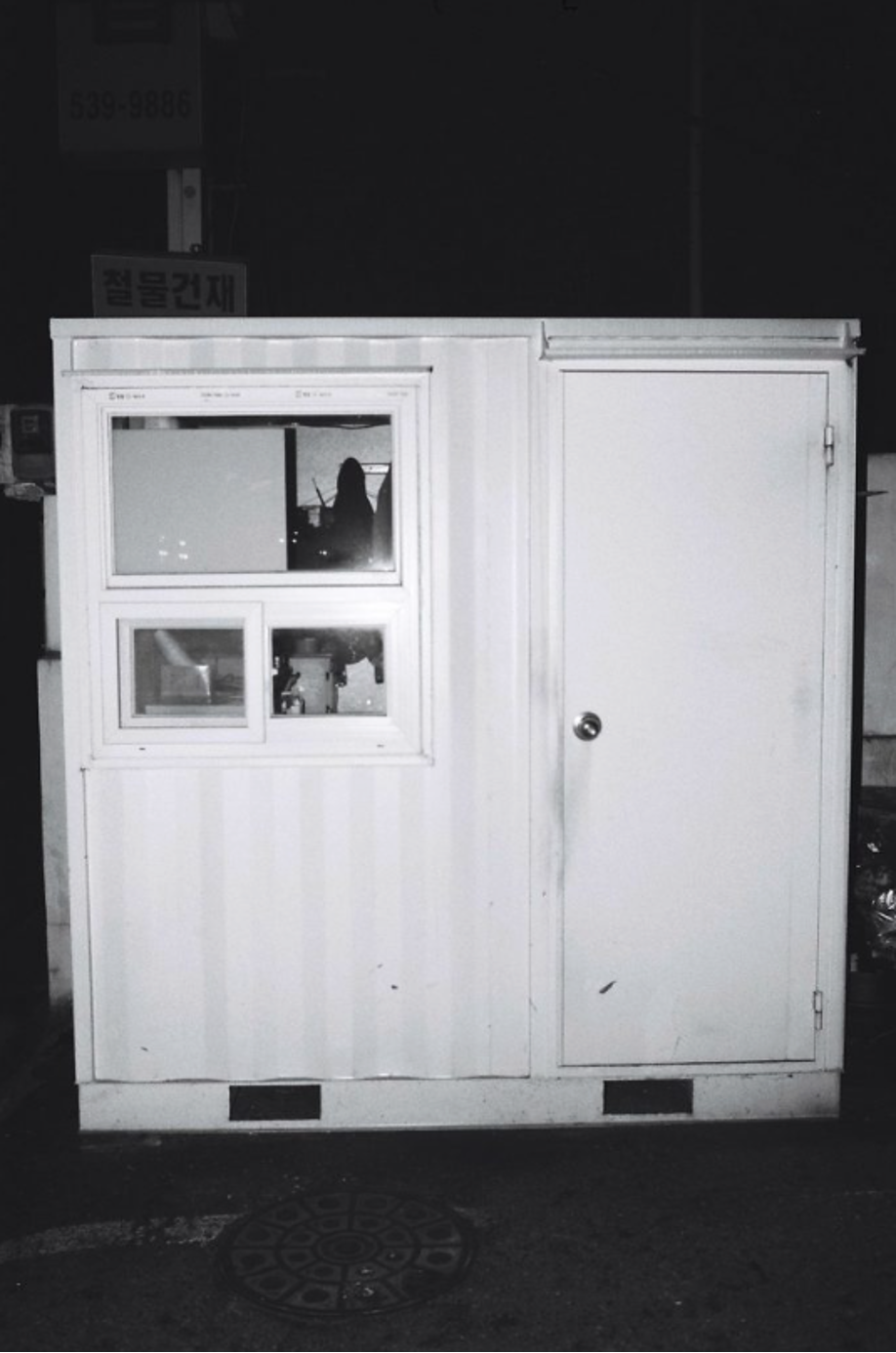
If Smallest Units(2010)
approached the smallest residential units hidden across Seoul as a typological
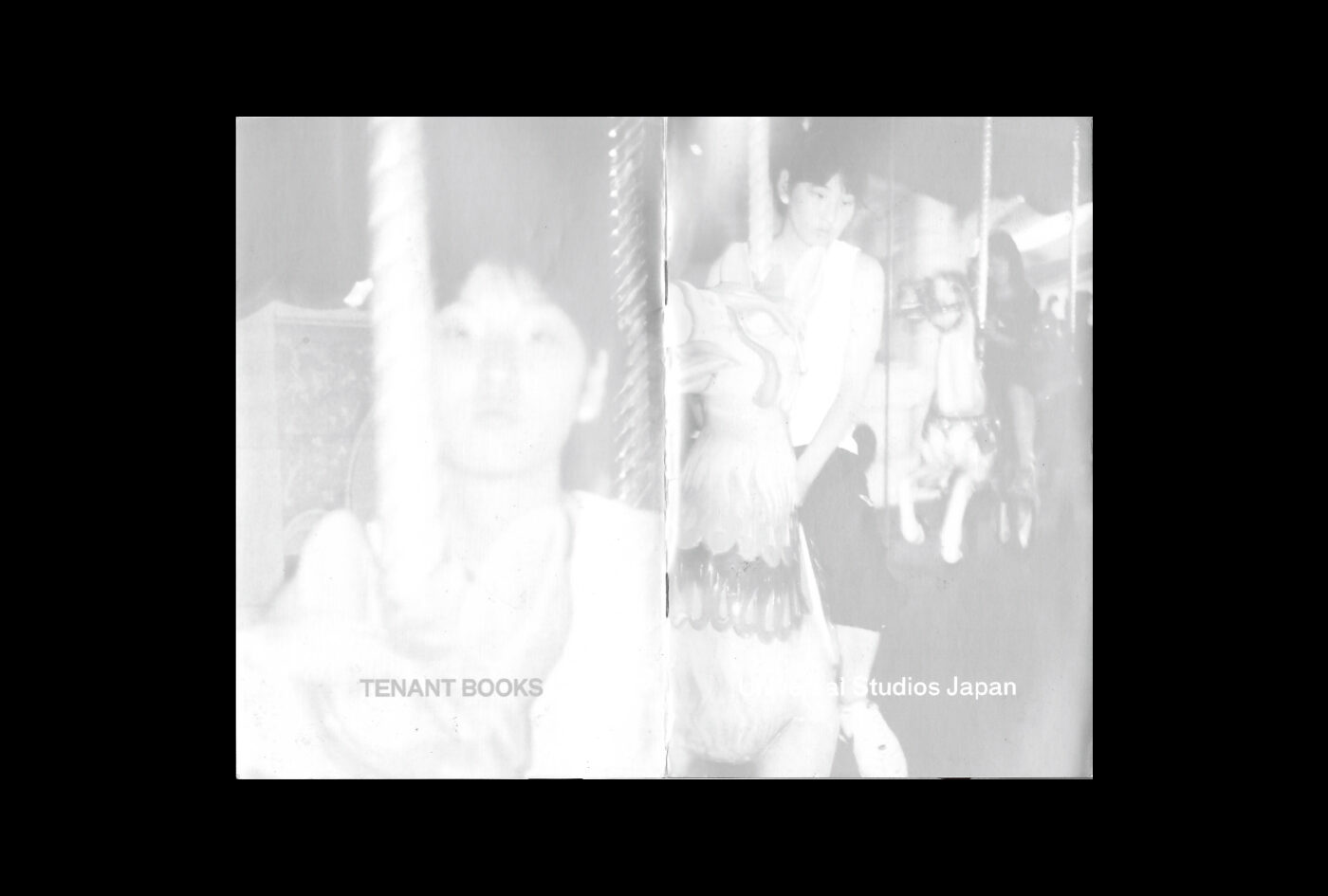
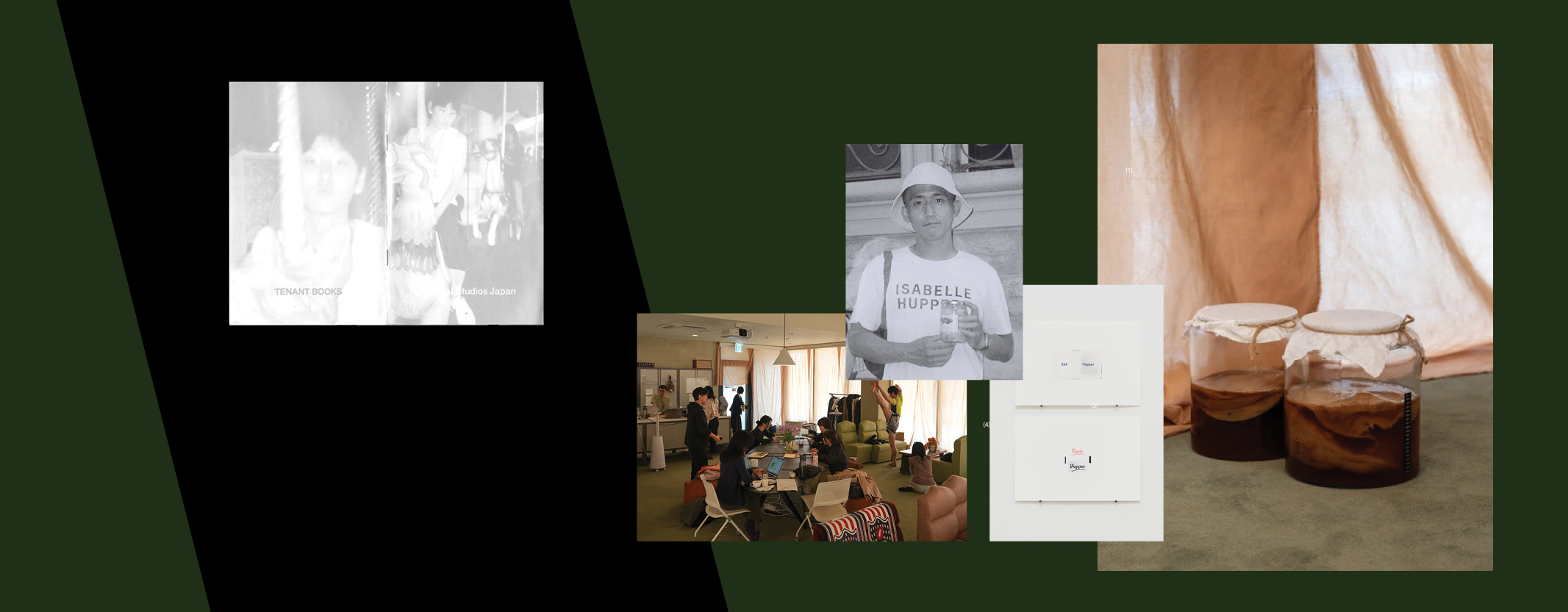
photographic archive, and Universal Studios Japan(2014)
gathered anonymous scenes left on someone else’s film into a silver monochrome
offset-printed publication, then even at this stage Kam was already exploring
the ambiguous position between object and image, record and anonymity,
visibility and invisibility.
His work
later expanded from collecting and recontextualizing objects toward experiments
in participation, care, and communal relations.
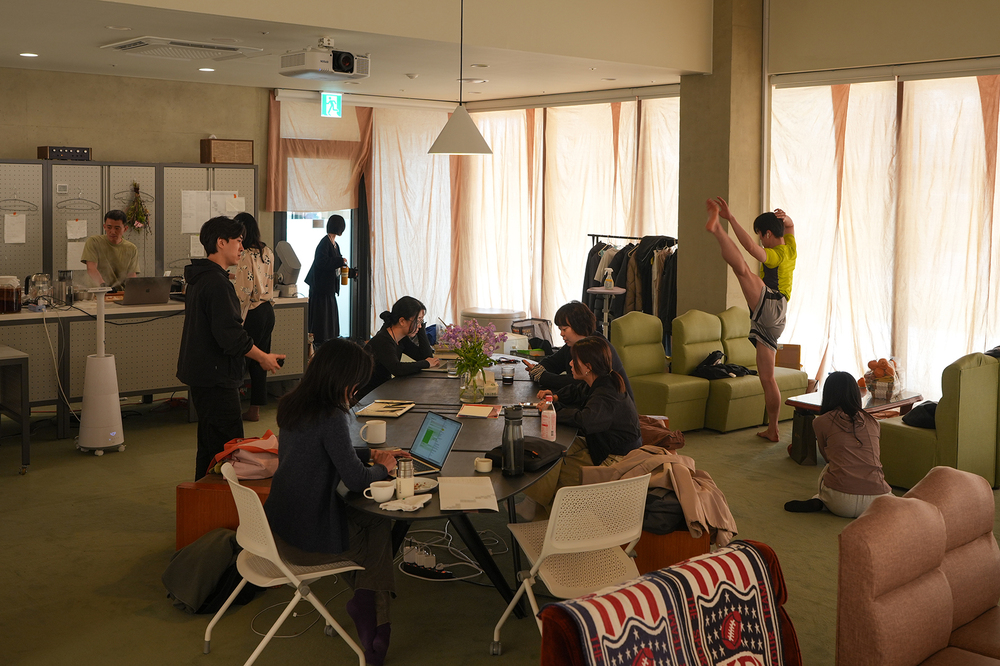
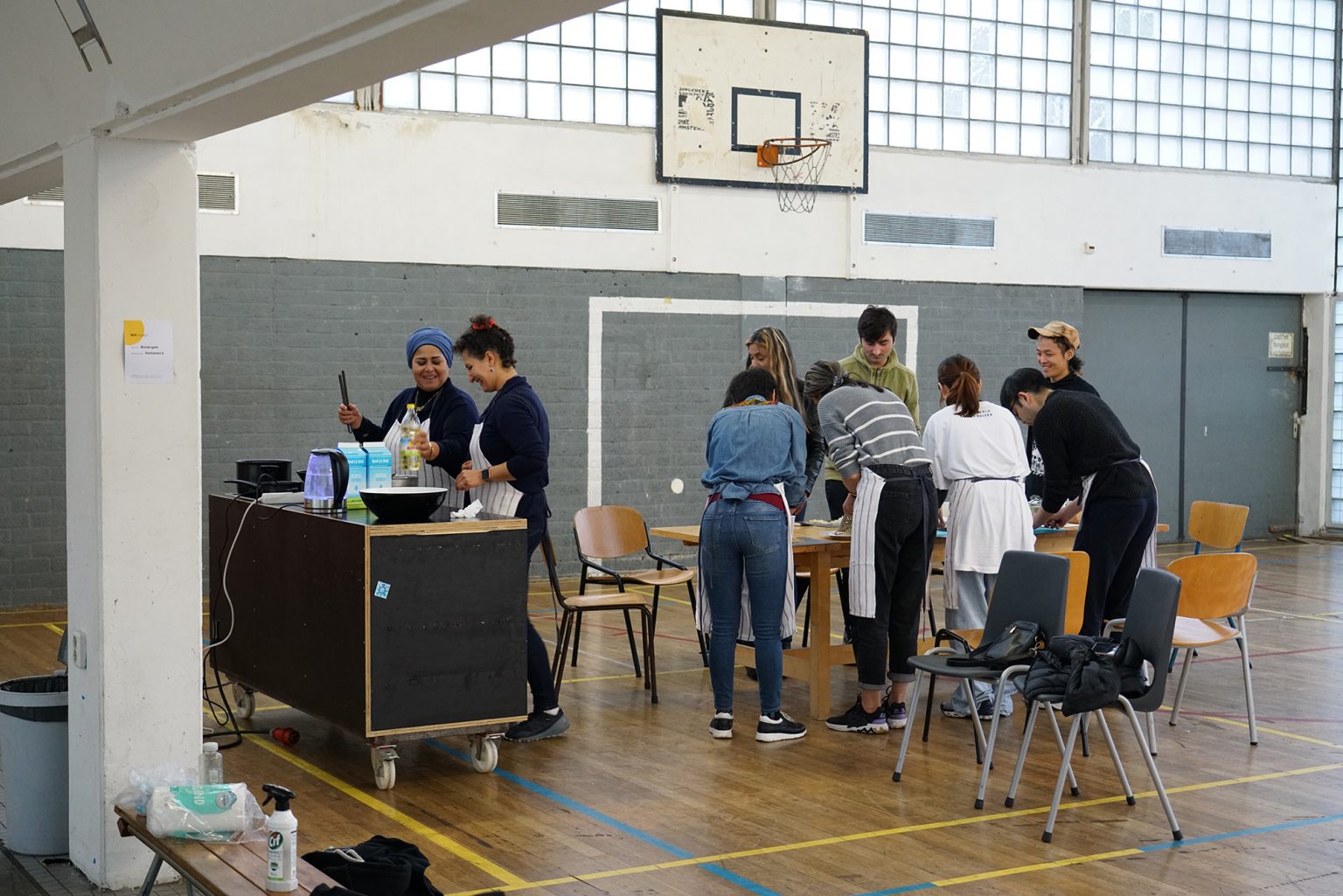
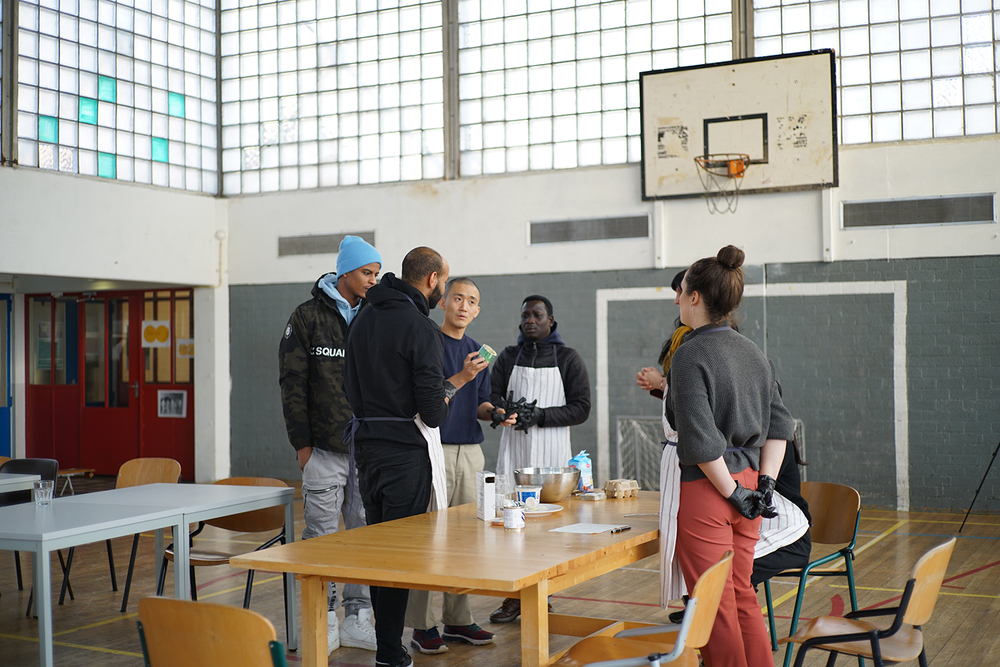
Kitchen(2019-2021), begun during his Rijksakademie
residency, asks how a sense of “us” is formed through a space where people from
different social and cultural backgrounds cook, eat, and drink together.
Kam
took on the role of caretaker, responsible for maintaining the kitchen, and
after returning from a holiday, he photographed the neglected space, including
rotten food and white mold growing over rice left in a pot. He printed these
images, pasted them onto the wall, and scraped them away, leaving them like
wounds or scars. Through this process, the kitchen becomes not simply a
domestic space, but a site where communal relations are formed, unsettled, and
inscribed again.
Time
operates in Kam’s practice as a condition of waiting and as a medium through
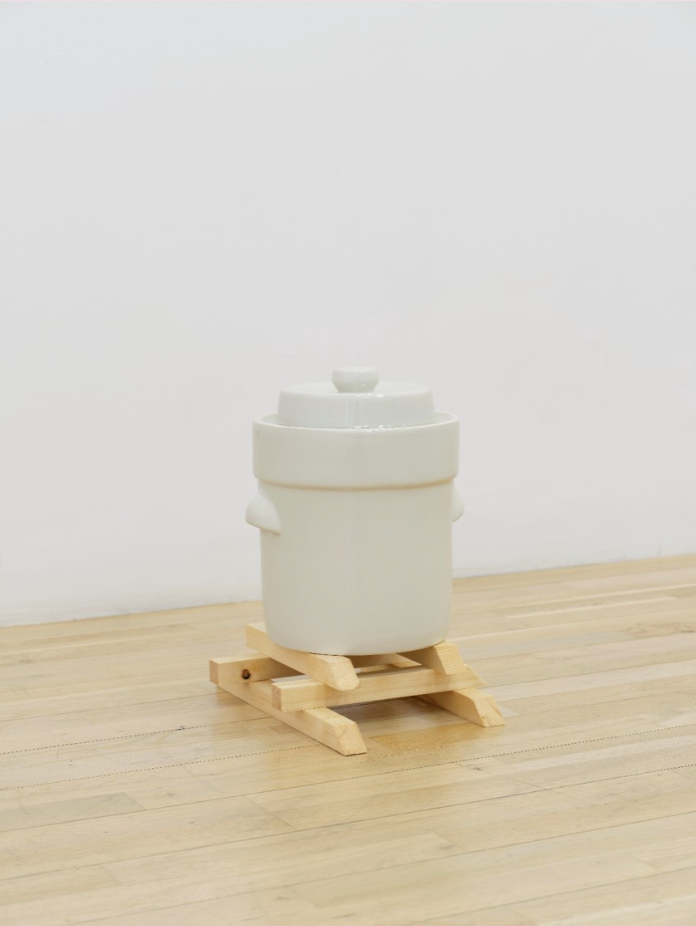
which objects and living beings transform together. Fermentation
Garden(2020-2021) consisted of growing cabbages in the Rijksakademie
garden, making and fermenting kimchi, and eventually sharing kimchi pancakes
with fellow artists. Plants(2021) took the long process of
collecting abandoned plants, moving them to the sunniest available space, and
caring for them as the substance of the work.
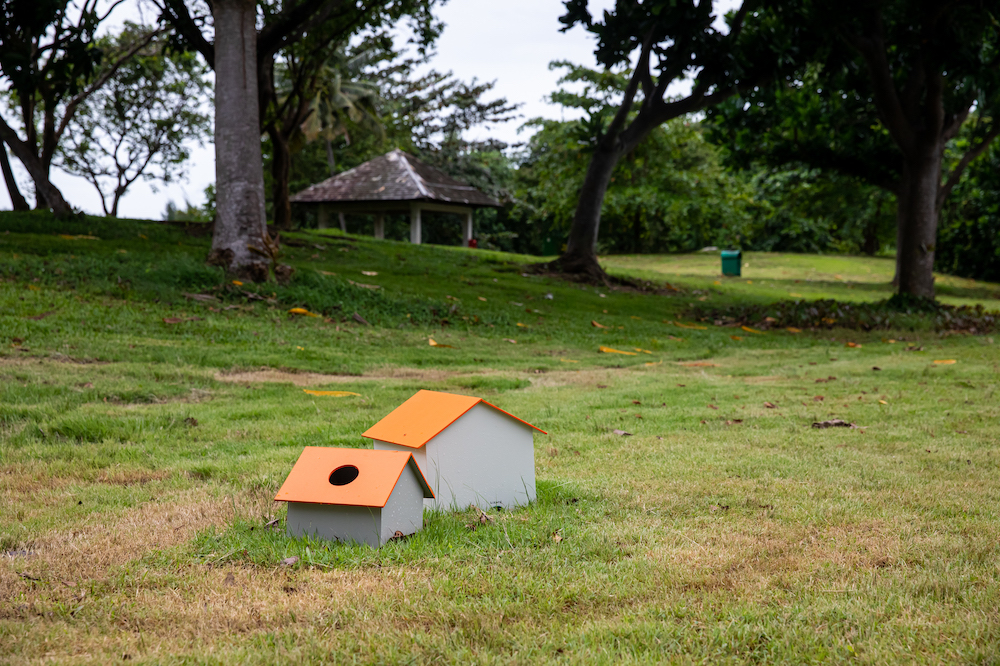
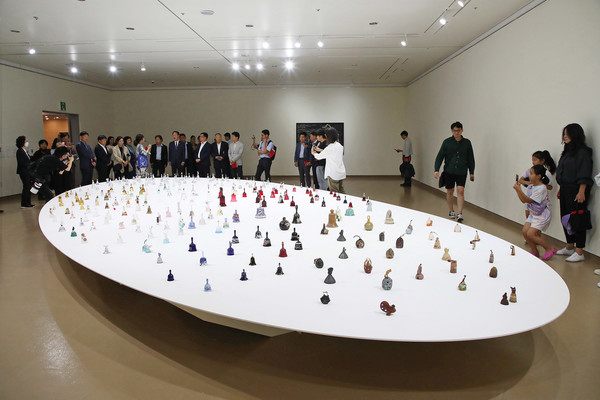
The ‘Fermentation House’(2022)
series, presented at the 7th Singapore Biennale 《NATASHA》(Singapore Art Museum, Singapore,
2022), fermented soy sauce inside miniature houses and later served it to
visitors with dumplings. In this sense, Kam’s work is less a matter of the
artist unilaterally producing form than of constructing situations in which
time, microorganisms, materials, and audiences collectively shape the outcome.
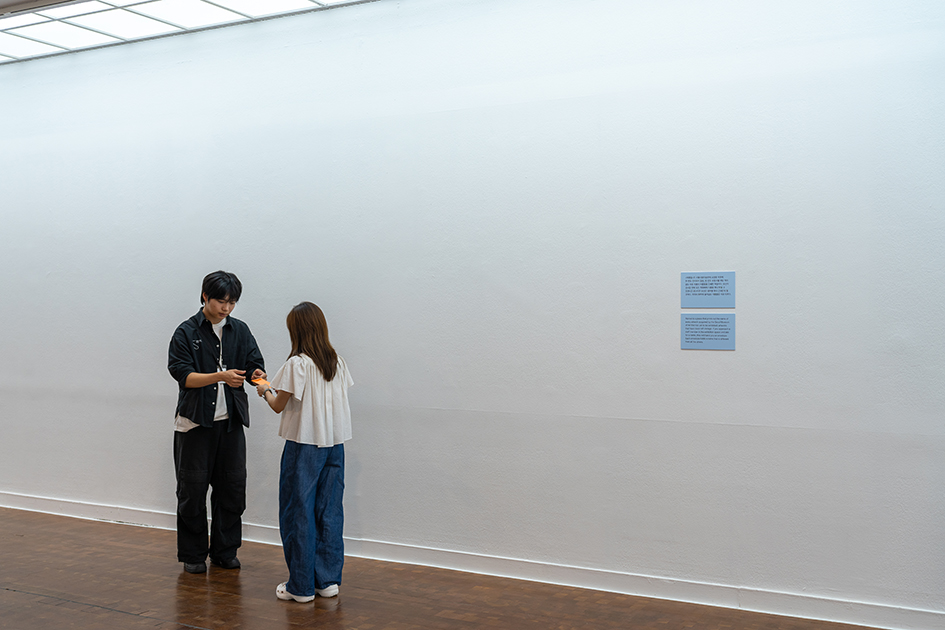
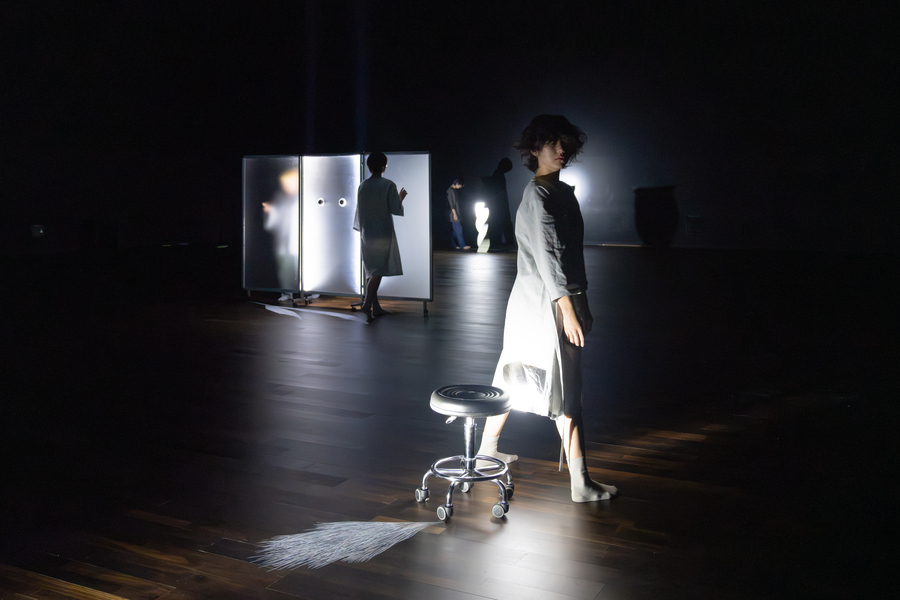
《To the beaver’s house》(Buk-Seoul Museum of
Art, Seoul, 2024) marks an important turning point in which Kam’s thinking on
boundaries comes together through literature, sculpture, installation, and the
artist’s book. The exhibition begins from a novel of the same title written by
the artist, using the body of a beaver—an animal that lives between land and
water—to address the anxiety and possibility of an existence that cannot be
divided by binary categories.
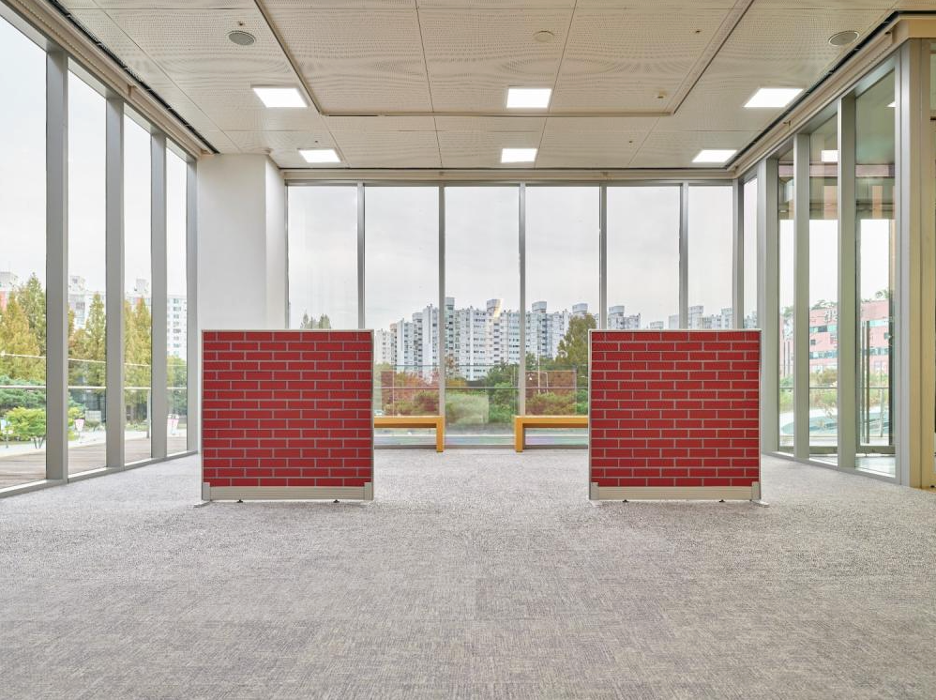
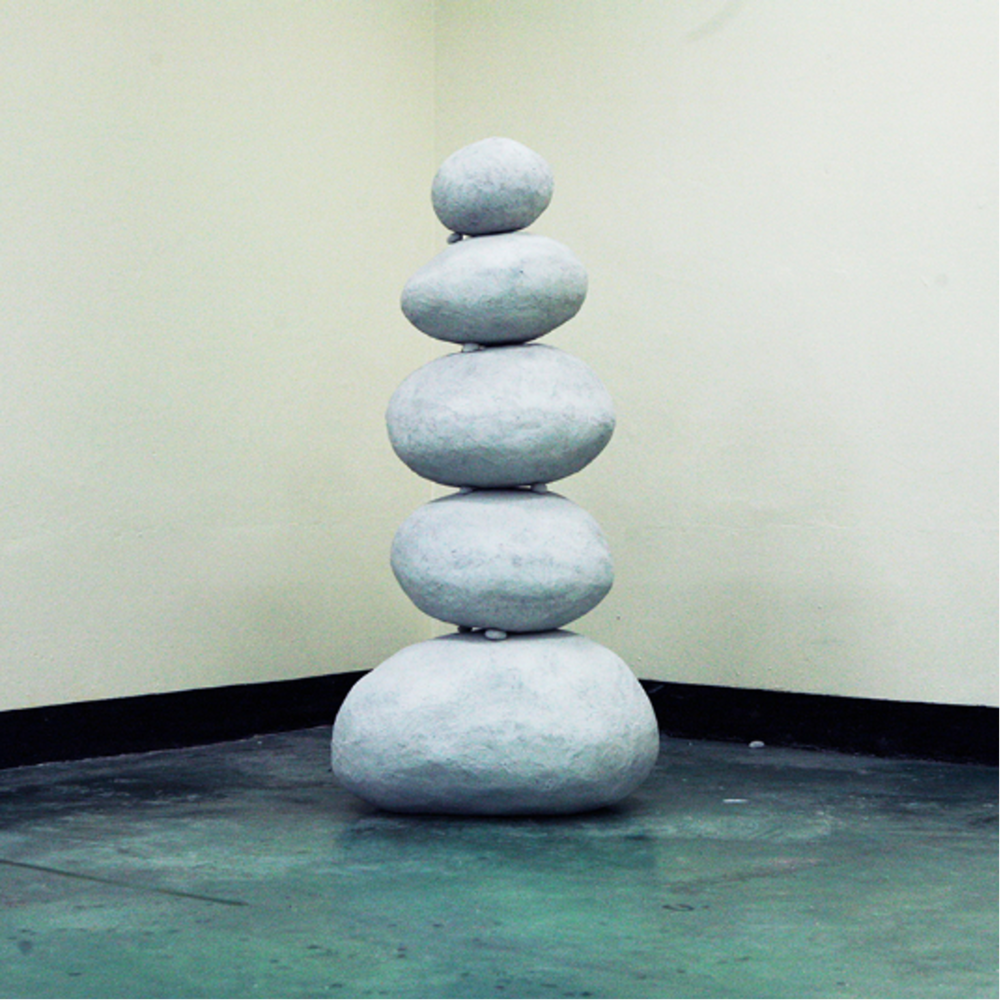
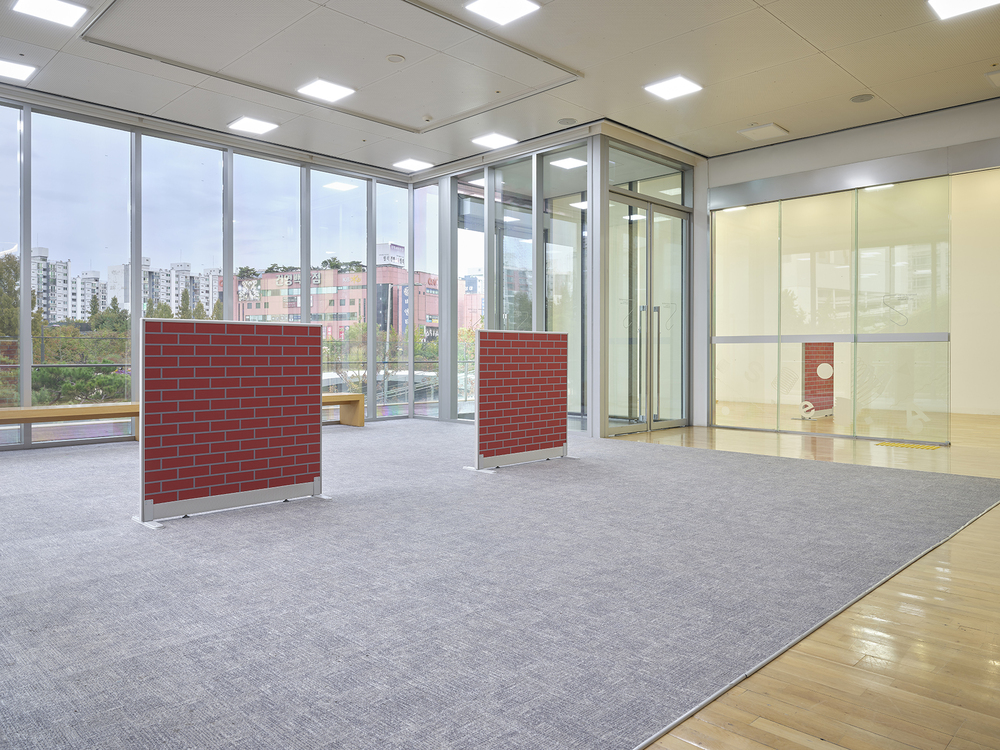
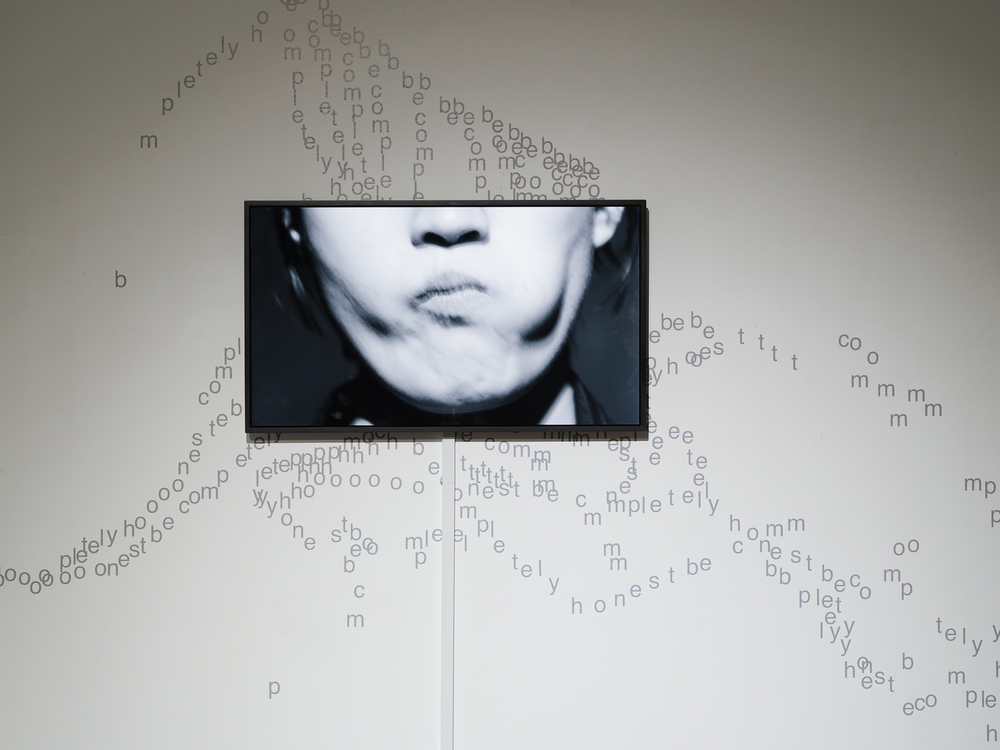
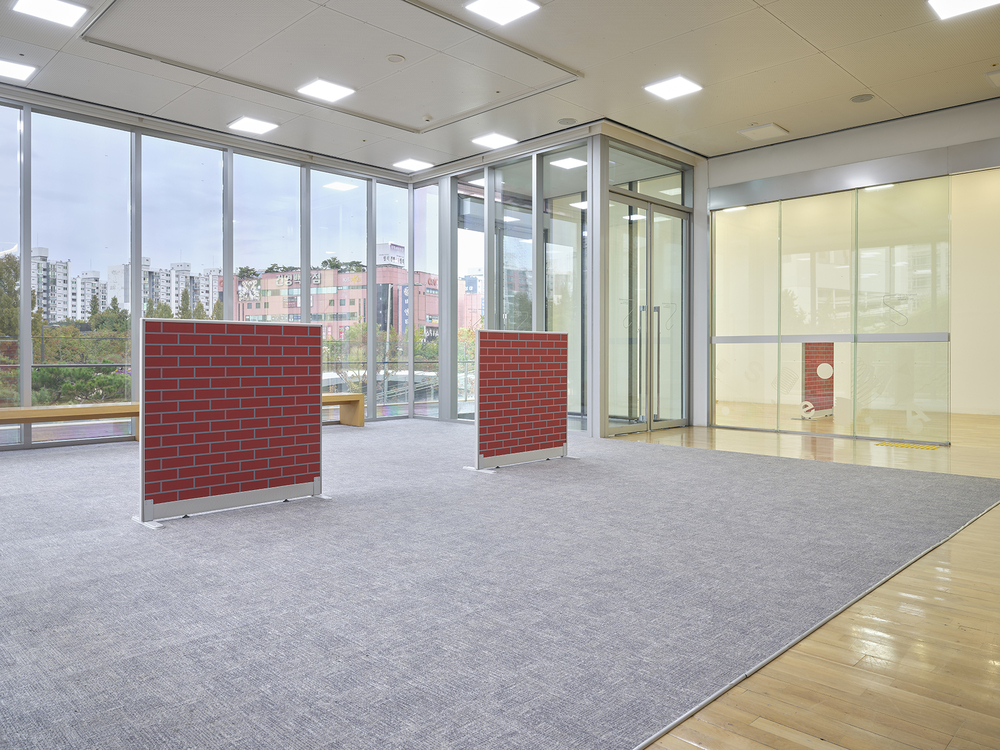
Salt-and-pepper(2024), Wall-Shaped
Wall(2024), The small mysterious body that can burn down a
dwelling or pick one’s teeth(2024), and Humans who kept a
fire going late into the night, drinking makgeolli and talking(2024)
all derive from words, sentences, and objects in the novel.
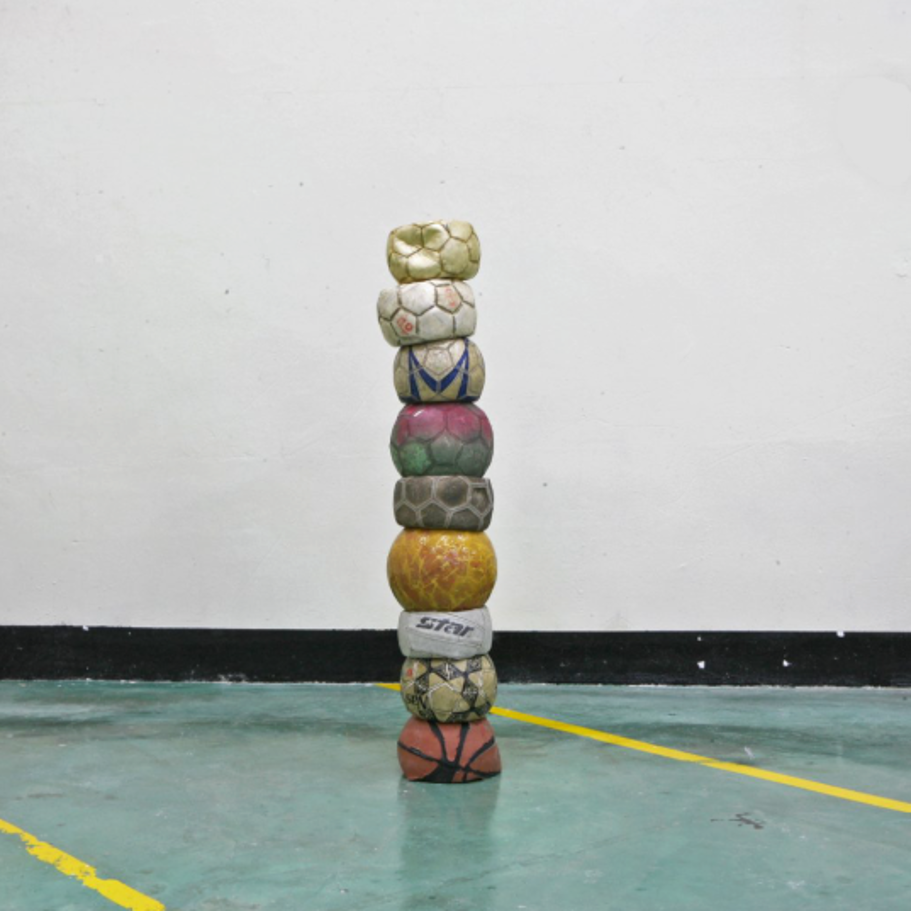
Here, objects are
not illustrations of the story, but sculptural devices that show how two
different things may be attached as one, or refuse to be separated under a
single name. Through this exhibition, Kam shows that a boundary is not merely a
line of opposition, but a site where new relations and potentialities can
emerge.