Don Sunpil (b.1984) - K-ARTIST
Don Sunpil (b.1984)

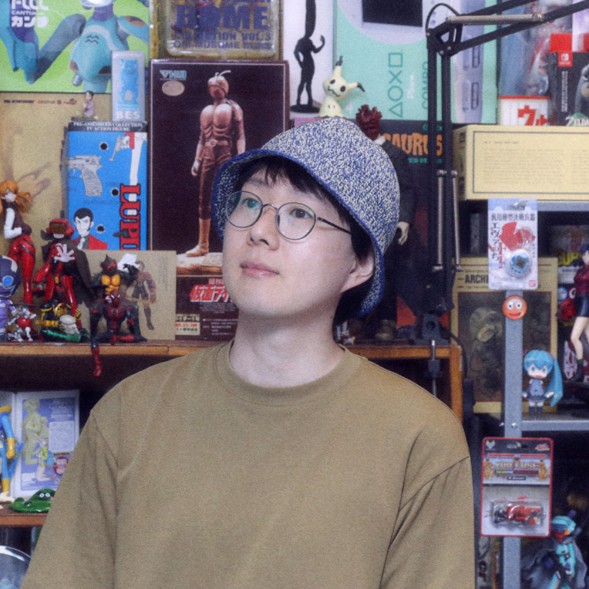
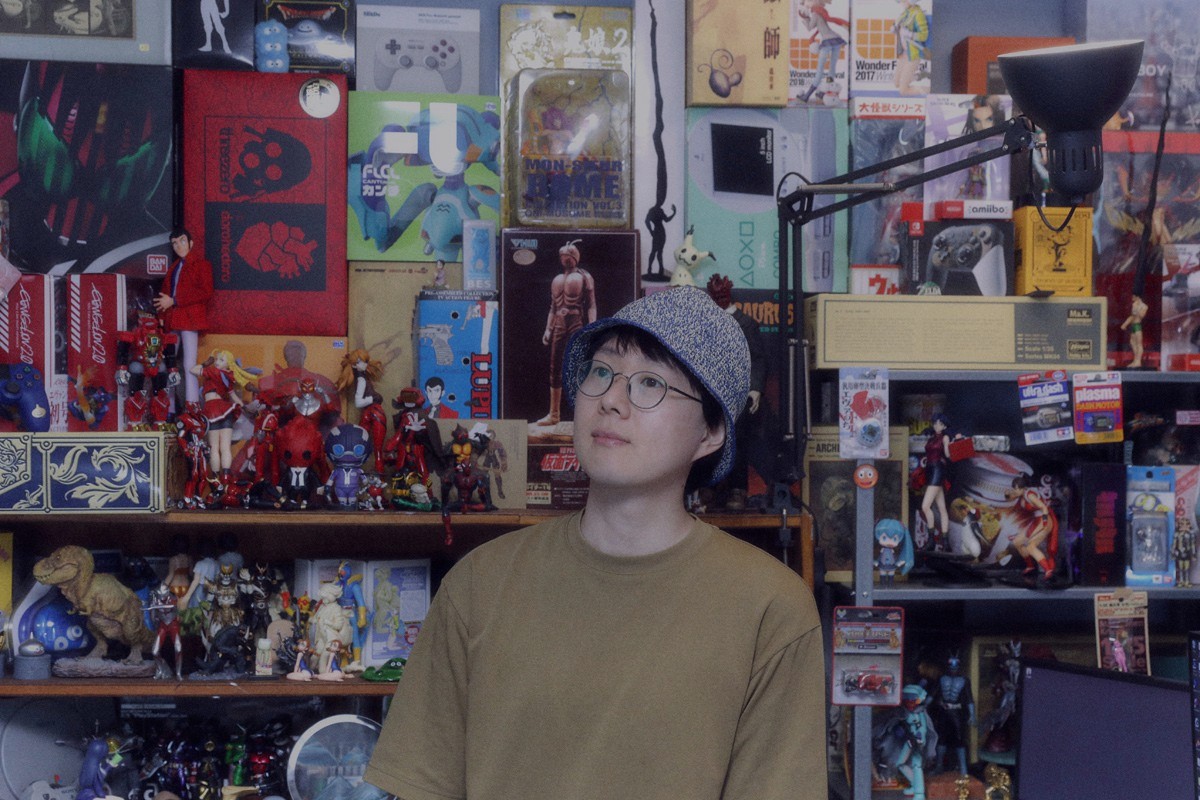
Don Sunpil received a BFA in Printmaking from the Department of Fine Art at Hongik University and an MFA in Fine Arts from Seoul National University of Science and Technology. He currently lives and works in Seoul.

Solo Exhibitions (Brief)

Don Sunpil has held solo exhibitions including 《Dreary Tangerine》 (Perigee Gallery, Seoul, 2025), 《Electronic Tomb Raider》 (Kukje Electronic Center, Seoul, 2024), 《Industrial Bishōjo》 (Arario Gallery, Seoul, 2023), and 《Kai • Ju • People》 (YPC Space, Seoul, 2022).

Group Exhibitions (Brief)

Don has also participated in numerous group exhibitions, including 《Reverse Cabinet》 (COEX, Seoul, 2025), 《Kitsch & Pop: Korean Pop Art Now》 (Korean Cultural Center China, Shanghai, 2025), 2024 Art Spectrum 《Dream Screen》 (Leeum Museum of Art, Seoul, 2024), 《Unboxing Project 3: Maquette》 (New Spring Project, Seoul, 2024), 《Fake it Real》 (Digital Art Center, Taipei, 2022), 《The Fable of Net in Earth》 (ARKO Art Center, Seoul, 2022), and 《Sculptural Impulse》 (Buk-Seoul Museum of Art, Seoul, 2022).

Awards (Selected)

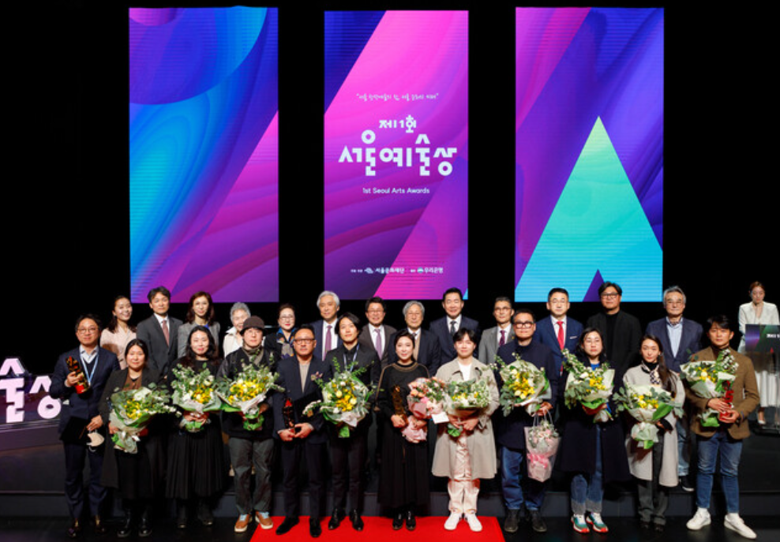
In 2023, Don Sunpil received the Excellence Award in the Visual Arts category at the 1st Seoul Arts Award.

Collections (Selected)

Don’s works are held in the collections of the MMCA Art Bank, Seoul Museum of Art, Busan Museum of Art, and Arario Collection, among others.

Works of Art

The Materialization of Contemporary Language and Society

Originality & Identity

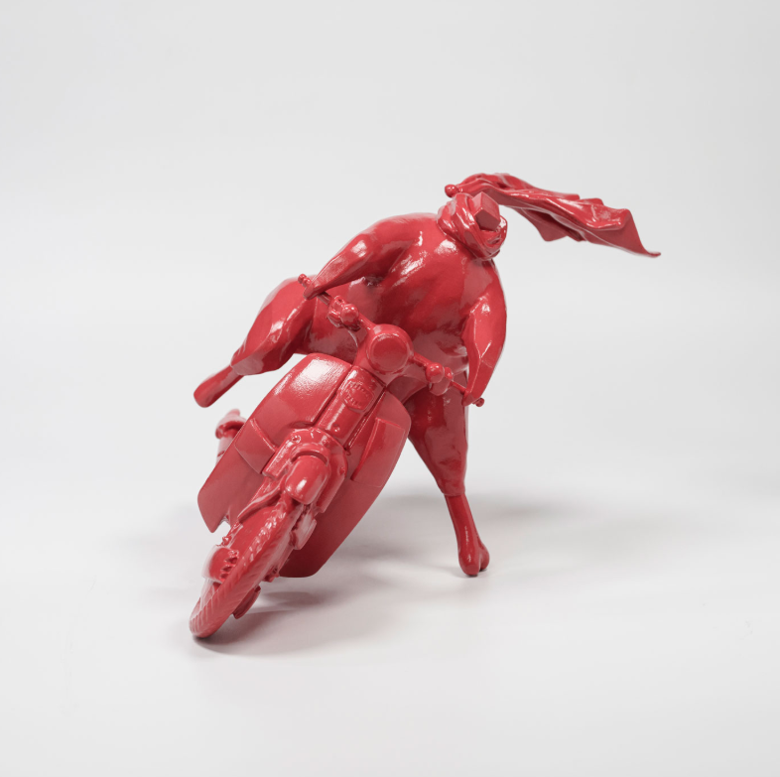
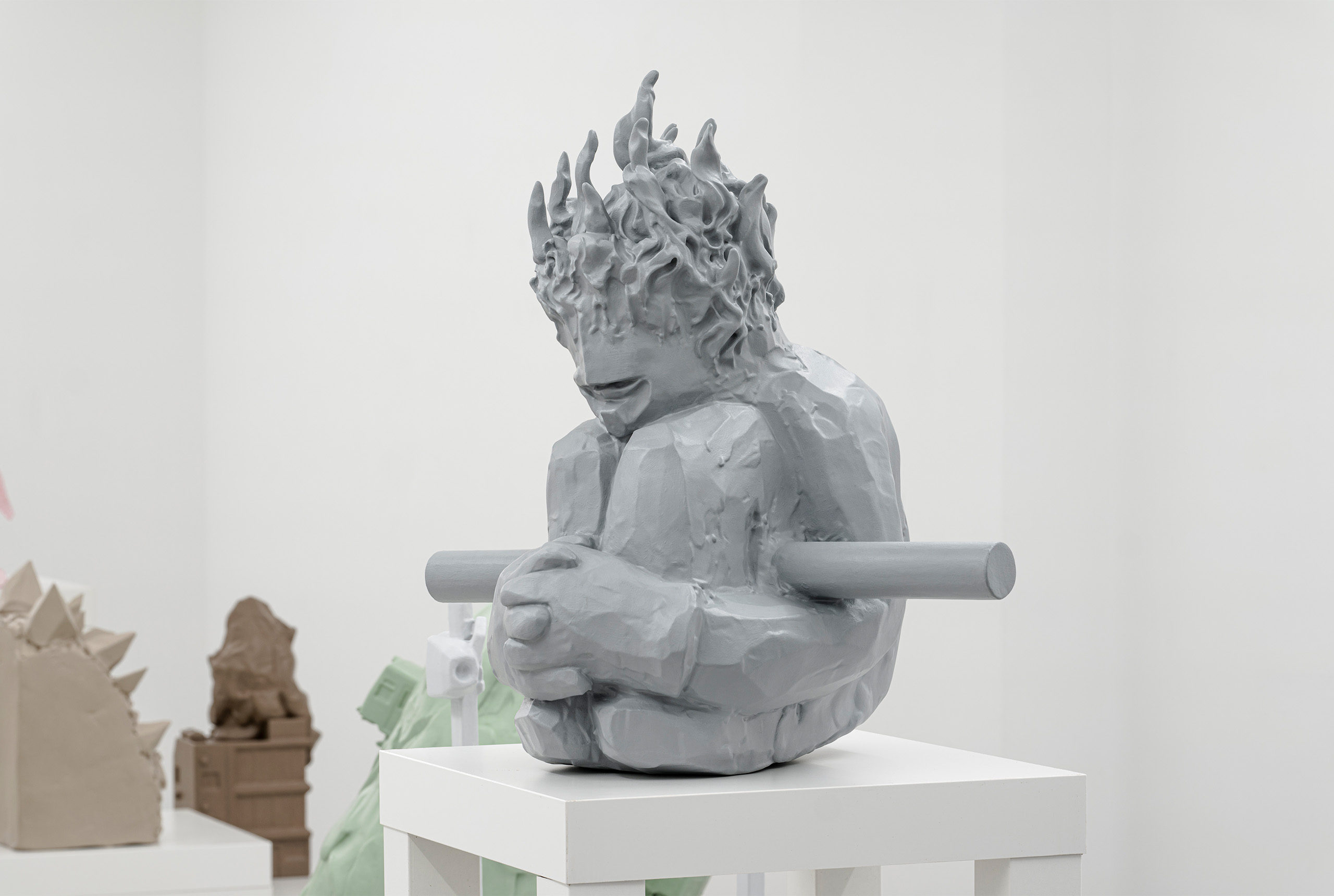
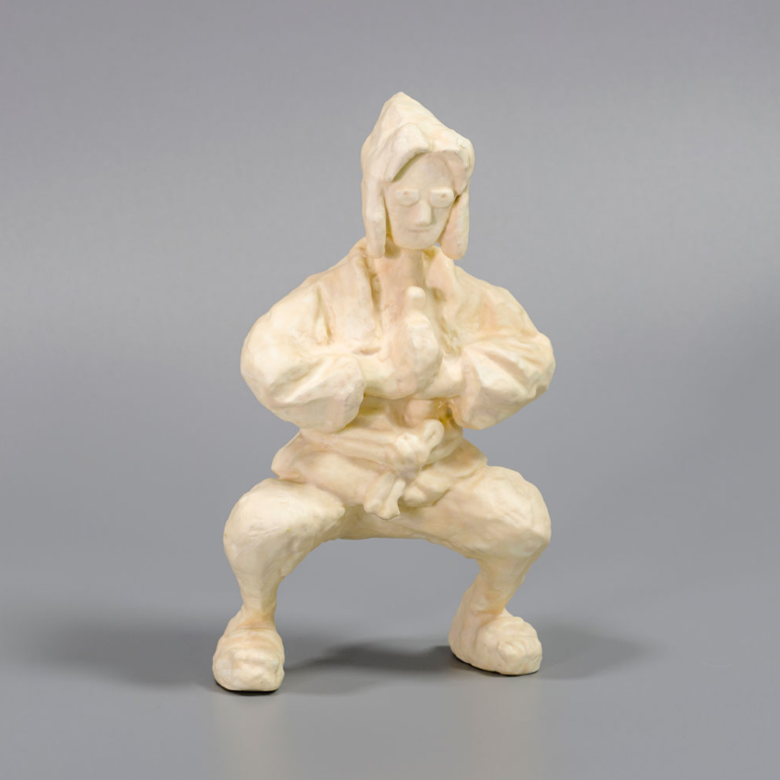
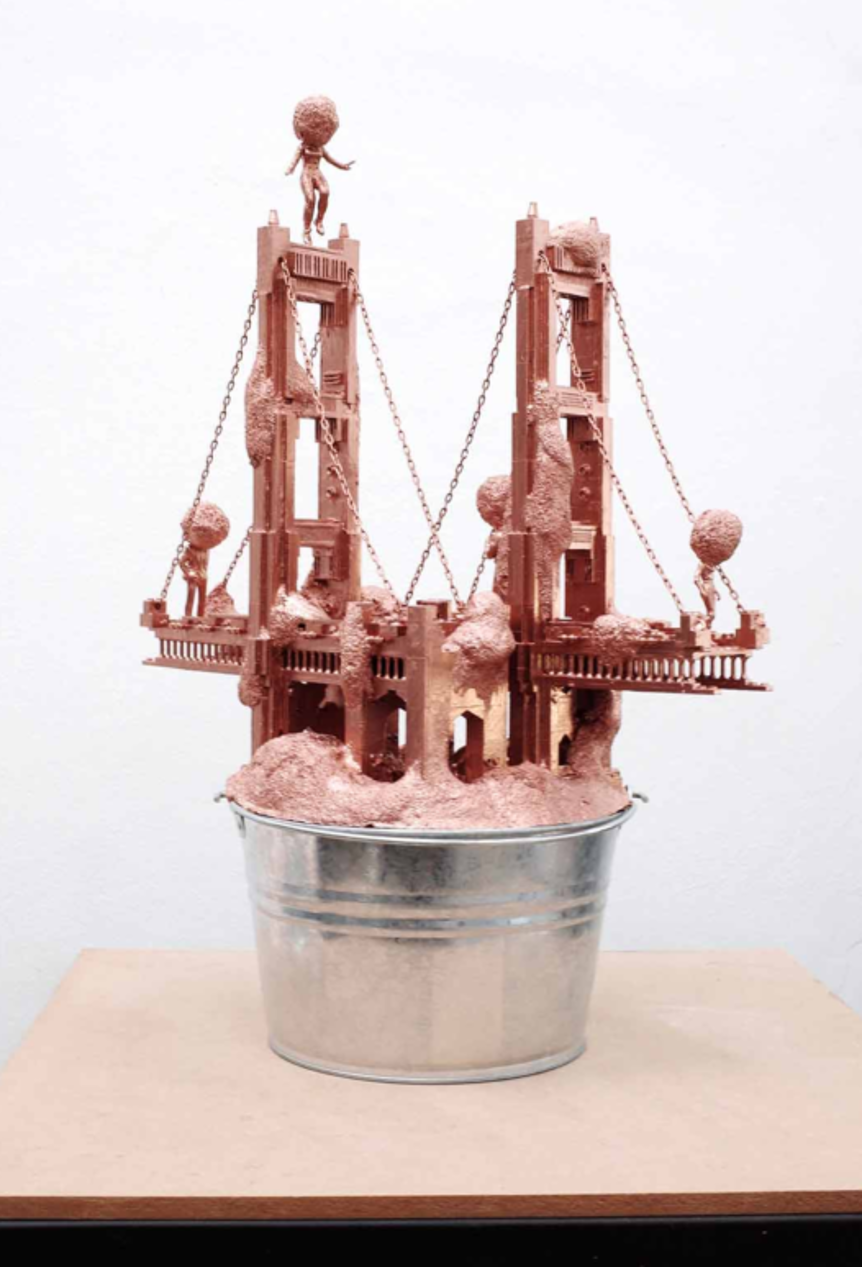
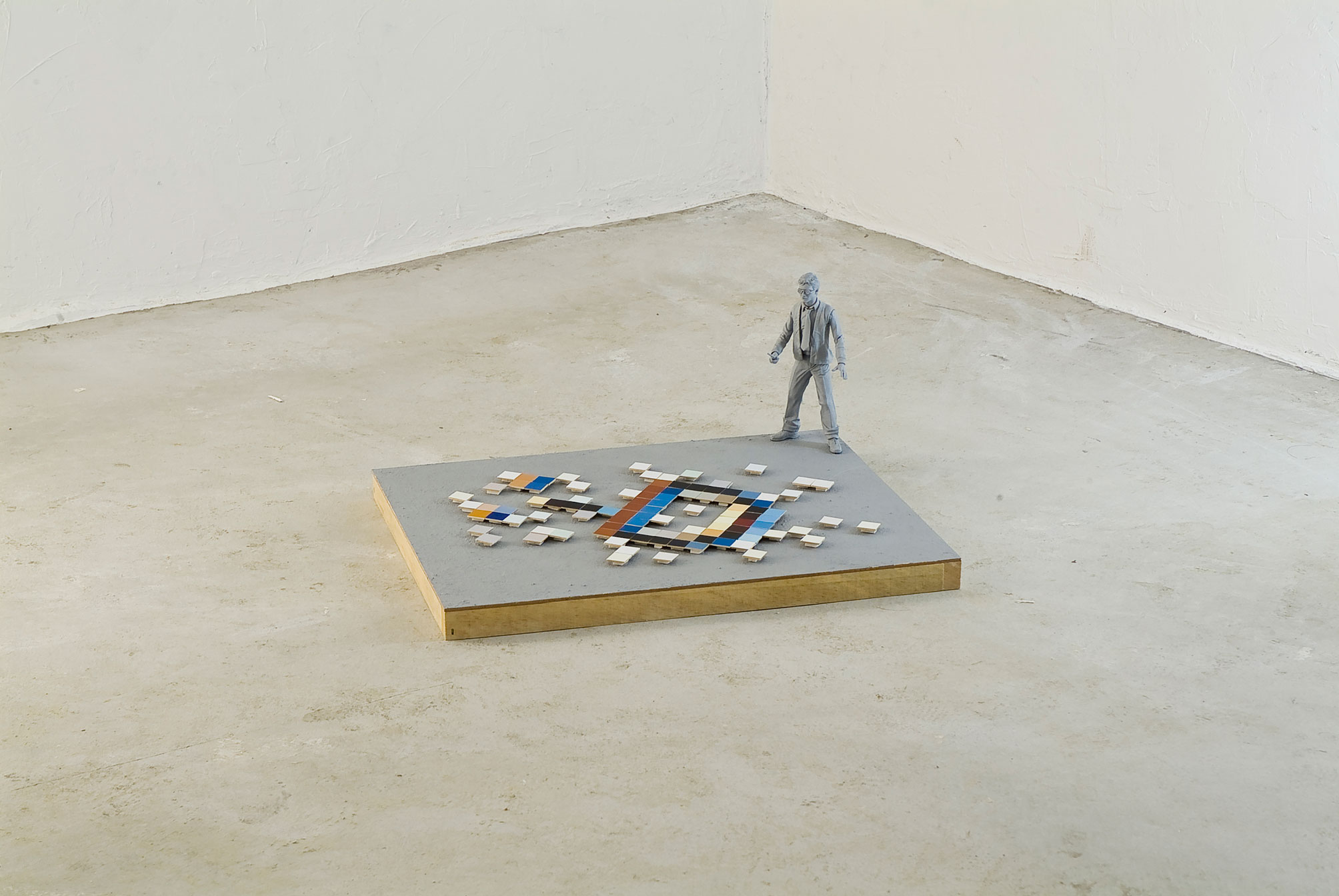
Don Sunpil’s practice begins with an interest in “materialization,” the process of giving concrete form to intangible things such as emotions, thoughts, images, and fictional settings. The figure, which he has examined for many years, provides one of the clearest examples of this process.

When a two-dimensional character from animation or games is transformed into a three-dimensional object through the labor and technical expertise of numerous people, the information contained in the original is never reproduced exactly. Certain elements are omitted, while others are exaggerated or newly added. Don Sunpil does not regard these differences simply as errors or failures, but rather as part of the process through which an image passes through different media and the conditions of reality to become a new entity.

In 《Minmay Attack: Re-Re-Cast》(Audio Visual Pavilion, 2016), rather than treating poorly finished figures as defective products, he focused on the minimal signs that still allow a particular character to be recognized and on the transformed forms that result, developing the idea of “degraded replication” as a way of examining the relationship between original and copy.
 
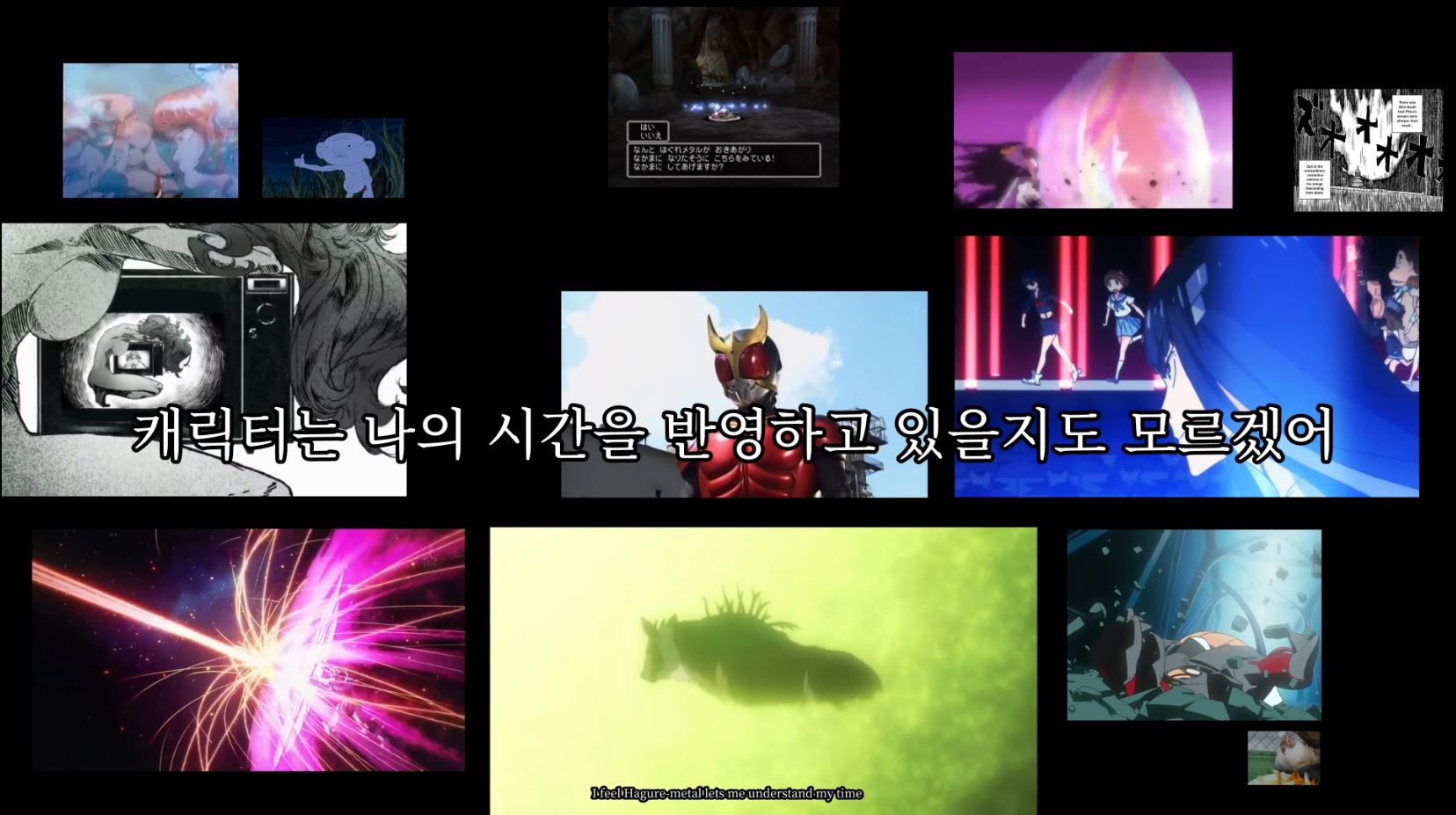
The figure subsequently expands beyond the specific context of collecting culture to become a way of understanding time, memory, and socially shared conventions. 《METAL EXP: Loner’s Moving Time》(Taste House, 2018) interprets “Hagure Metal,” a monster from the RPG Dragon Quest, as a form in which the time required for leveling up is condensed, giving tangible shape to otherwise formless ideas of time and chance.

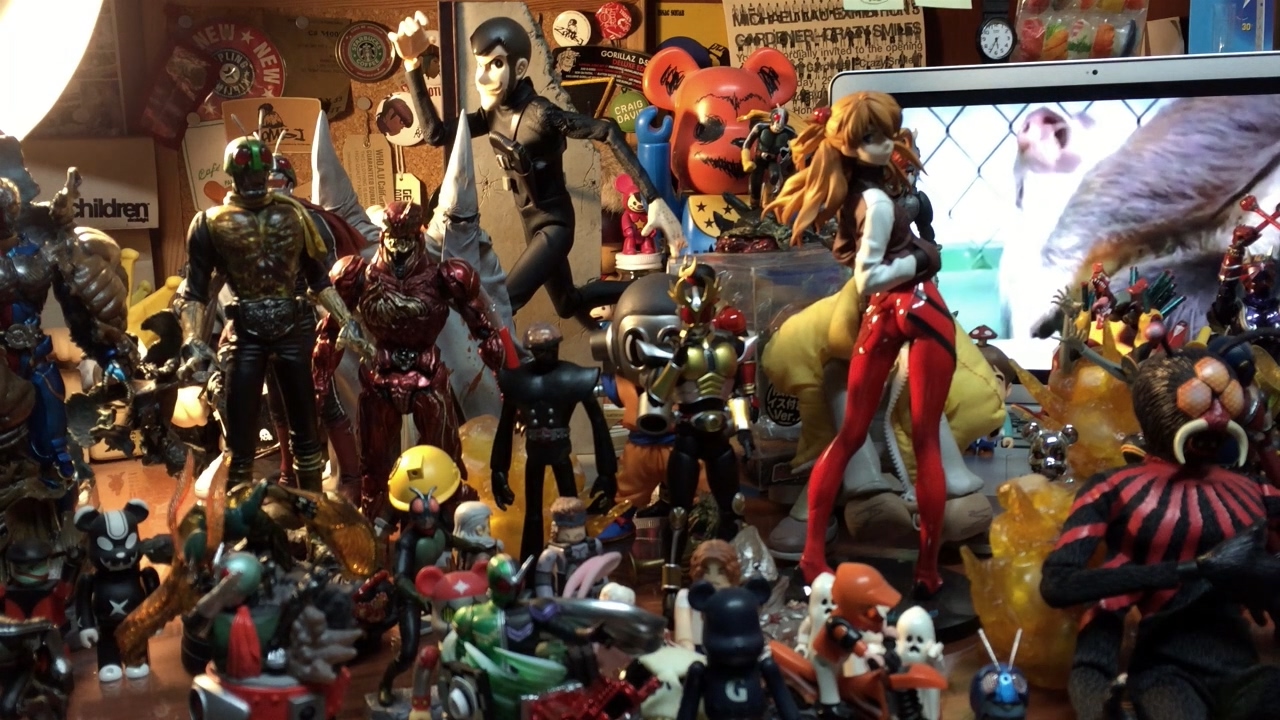
In 《Kitsutaiten 喫態店》(Arario Museum, 2019), this perspective expands to encompass the exhibition itself. Figures, figure-like sculptures, display cases, and the structure of a shop are intermingled so that the entire exhibition space functions like an enlarged “figure,” while individual objects embody the memories and ways of life of particular periods. From this point onward, the figure in Don Sunpil’s practice comes to signify less a miniature replica than a material state in which collectively shared images, tastes, and memories have taken concrete form.
 
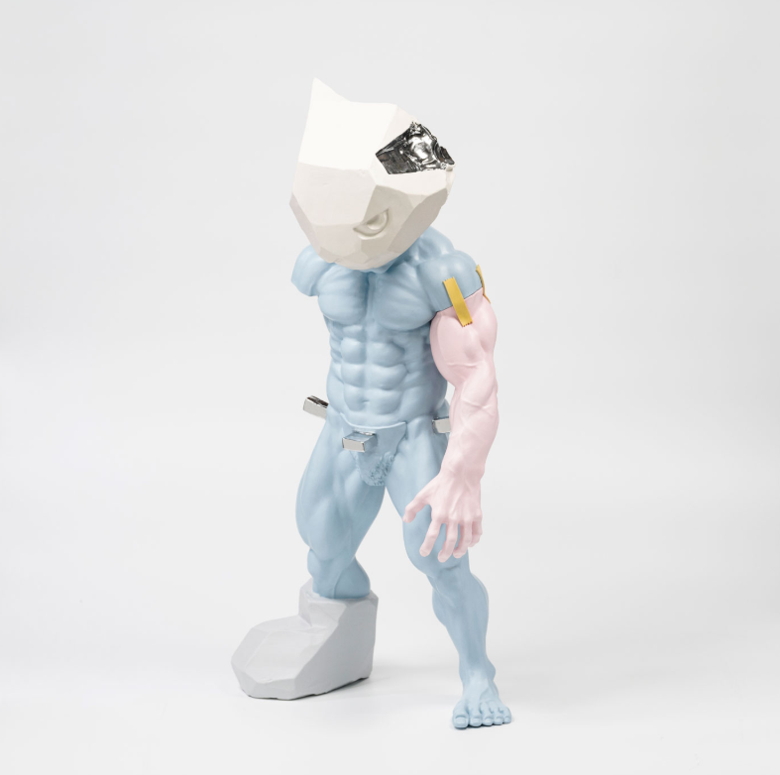
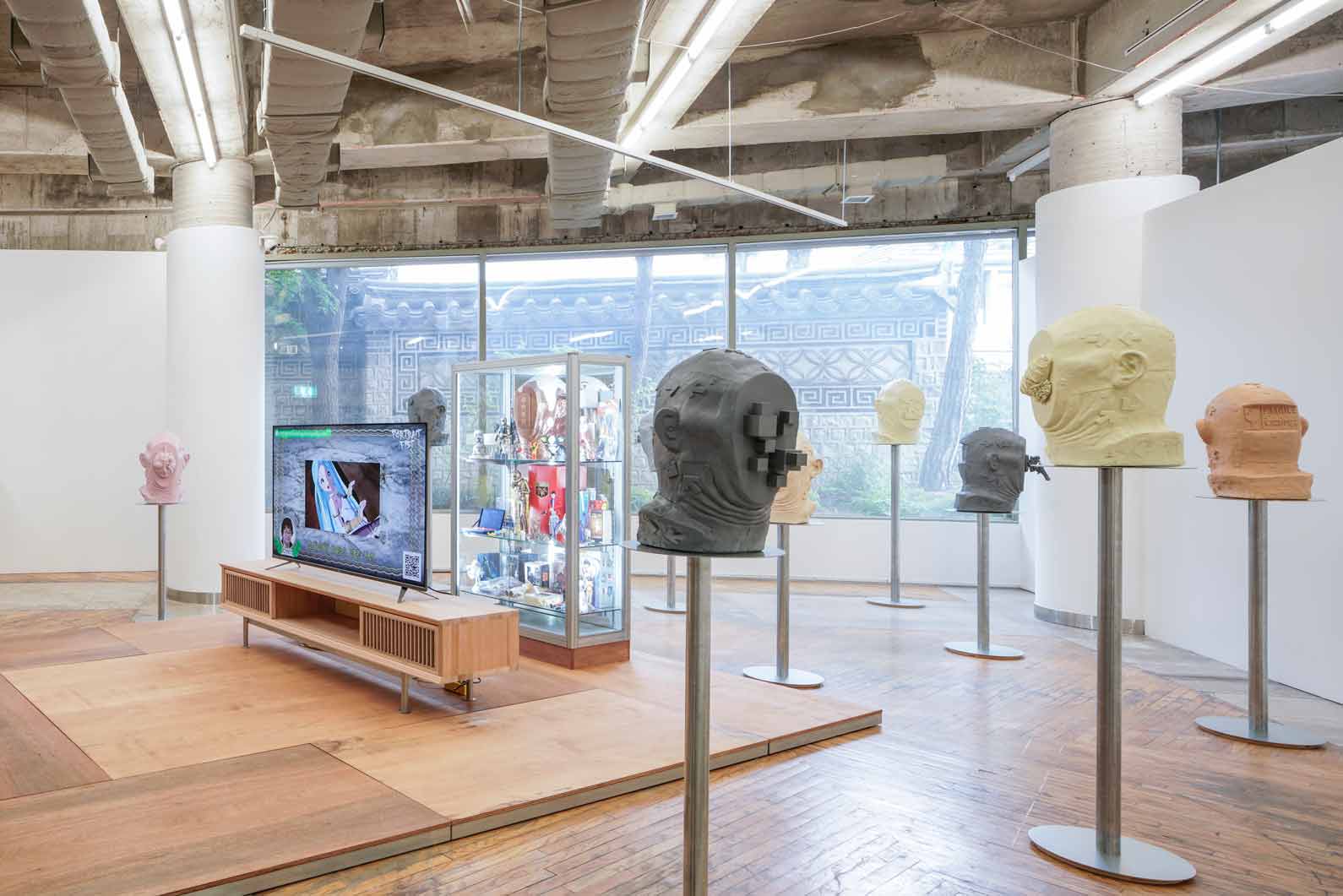
《Portrait Fist》(Art Sonje Center, 2020) shifts this interest toward the more universal image of the “face.” Unlike the portrait of an actual person, the face of an animated “kyara” is recognized as a face even through highly simplified features, while the character’s identity is often dispersed across elements outside the face, such as hairstyle, color, and costume.

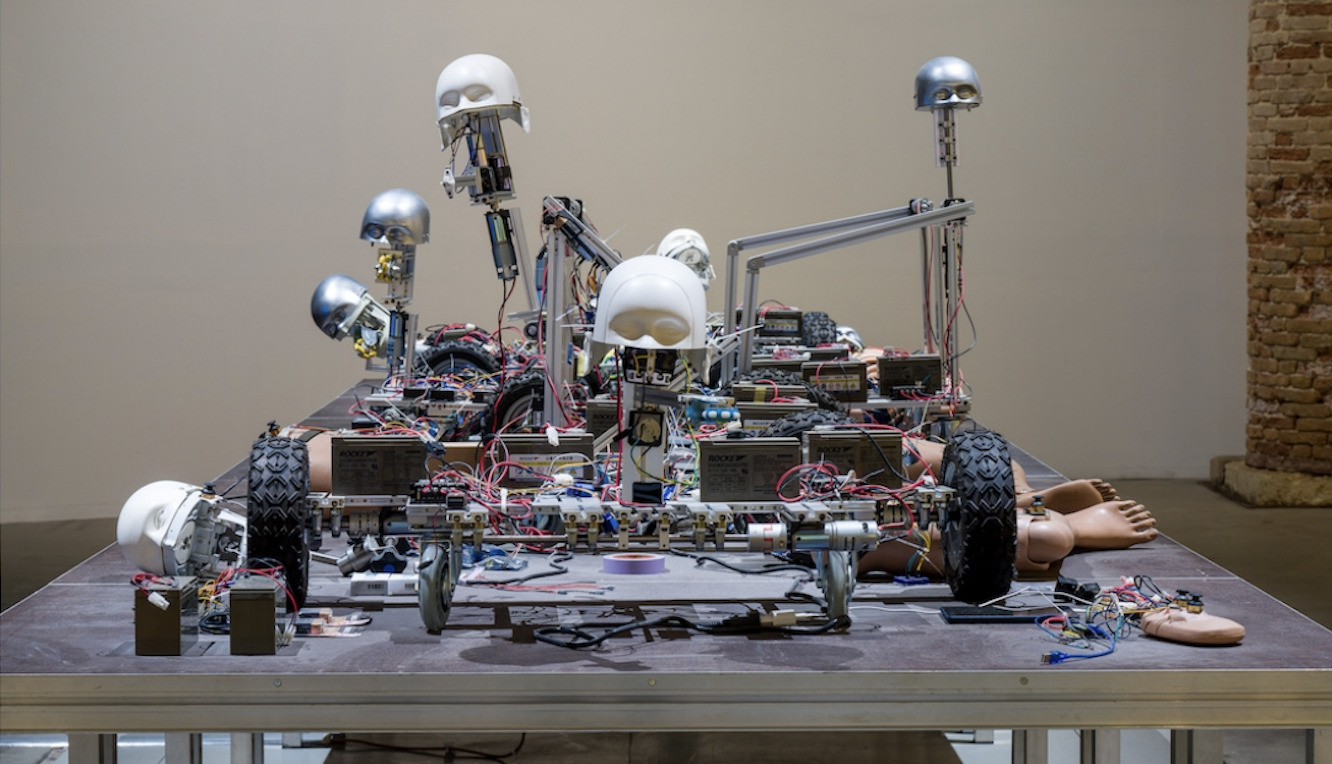
Through this, Don Sunpil asks what allows something to be perceived as a face, and what kinds of meaning and power an image acquires as it comes to stand in for a person or character. This line of inquiry continues through Specimen of Affect Phenomenon (SAP): Error+Conservation(2022) and 《Kai • Ju • People》(YPC Space, 2022), extending toward the relationship between abstract states, emotions, and reality.

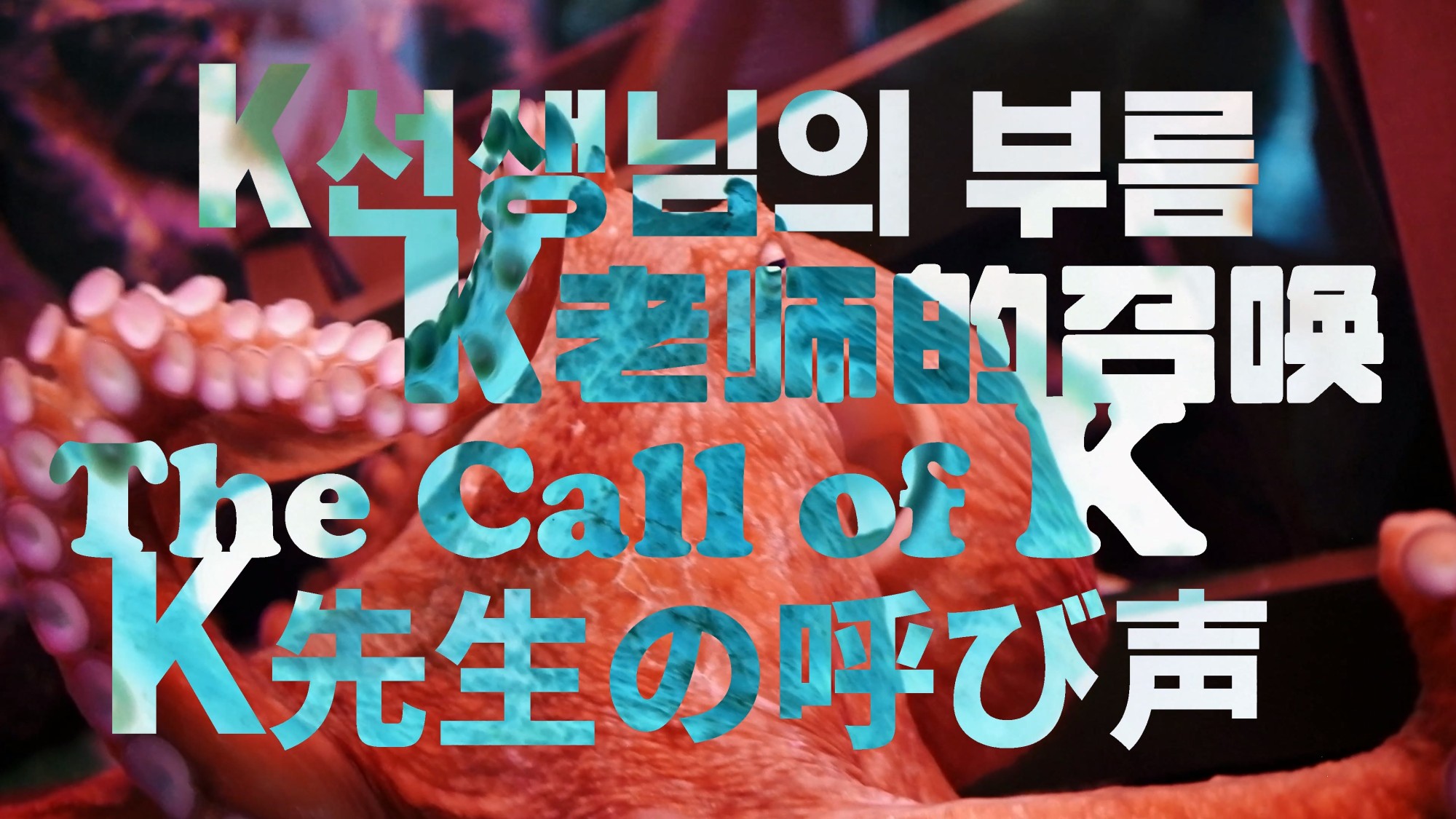
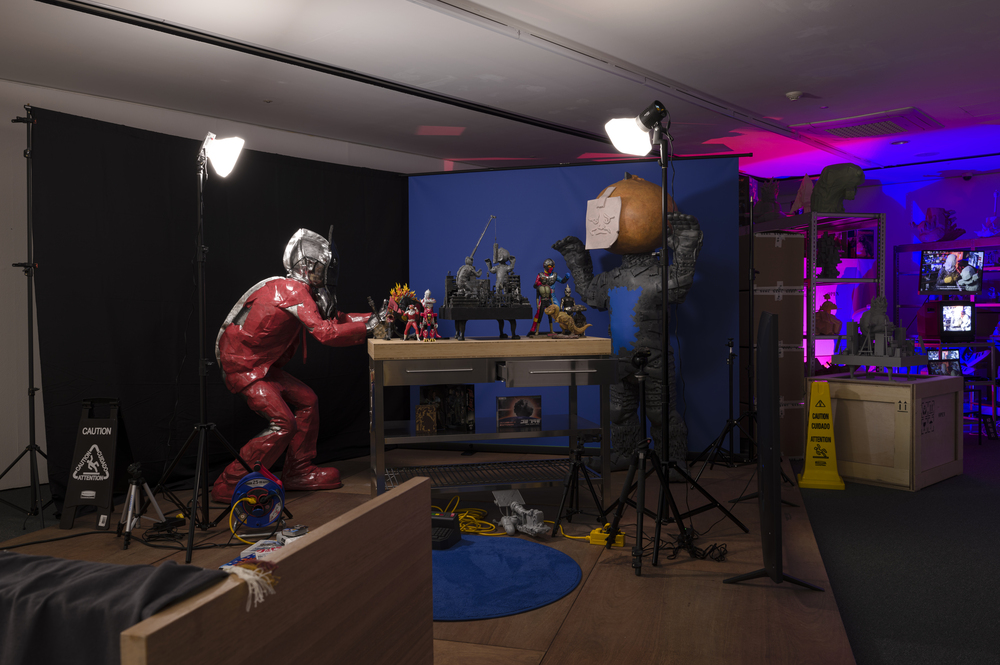
In particular, 《Kai • Ju • People》 turns to the methodology of tokusatsu, which works through physical limitations and practical constraints rather than eliminating them, and explores whether reality can be preserved precisely by accepting such imperfections rather than overcoming them through flawless CG imagery.
 
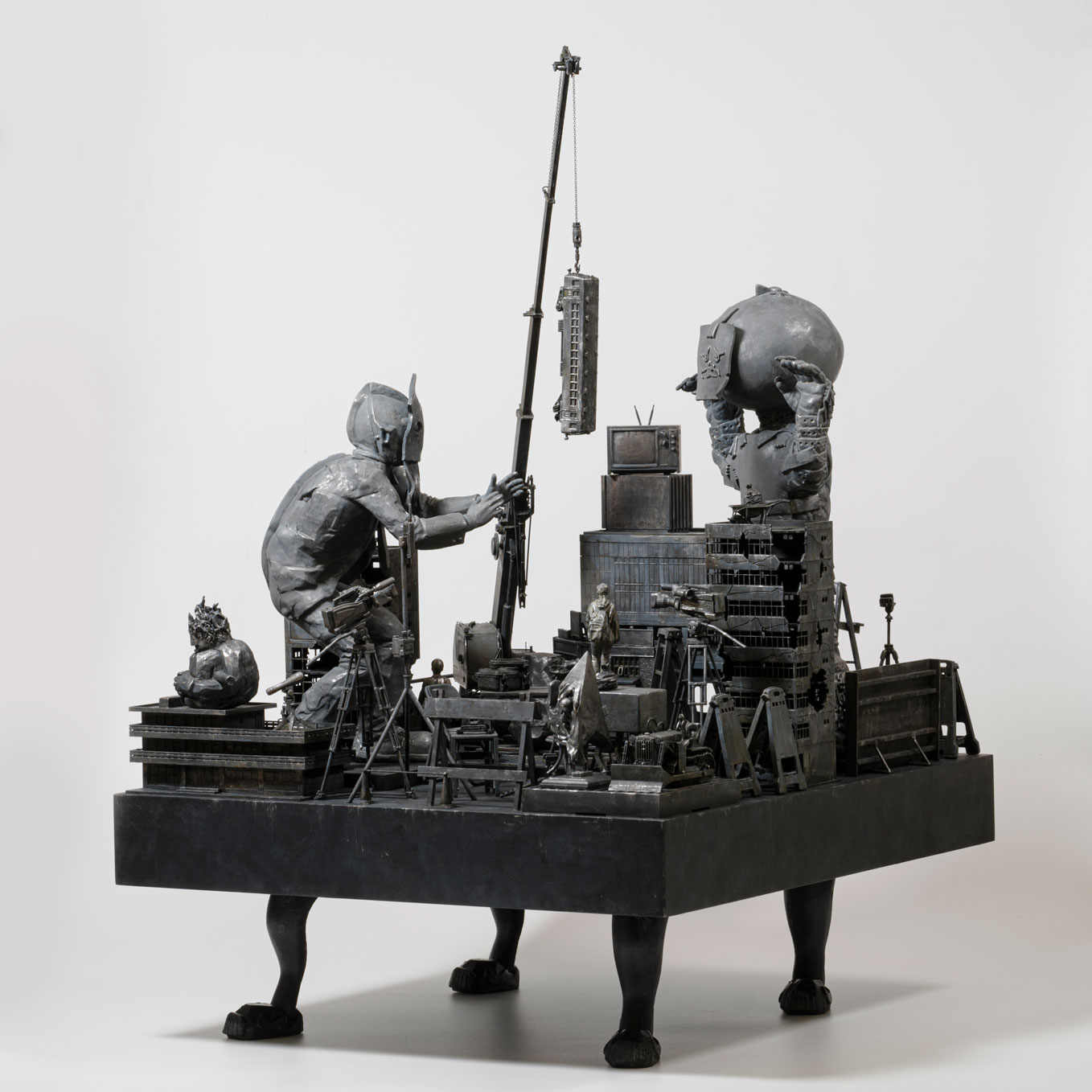
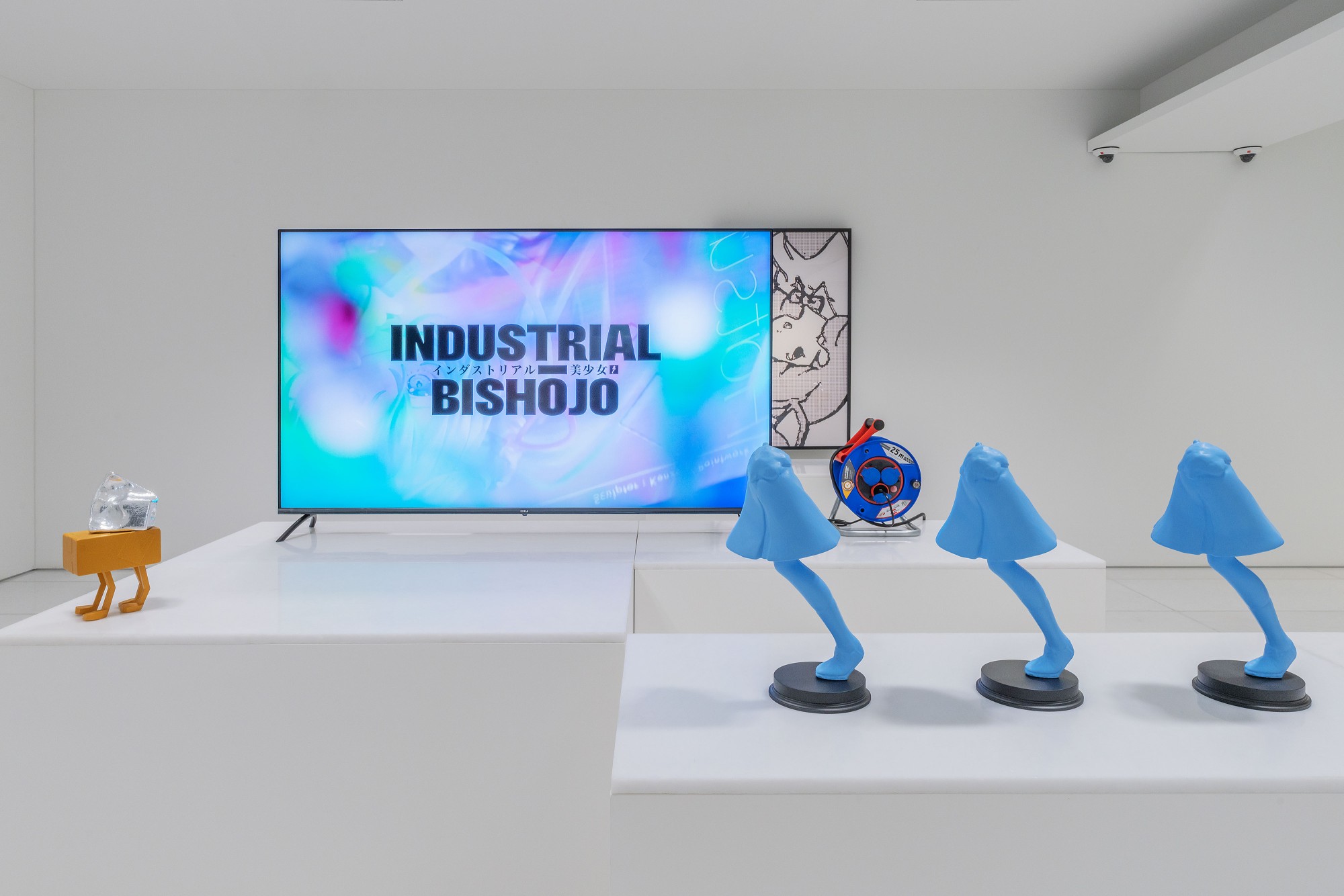
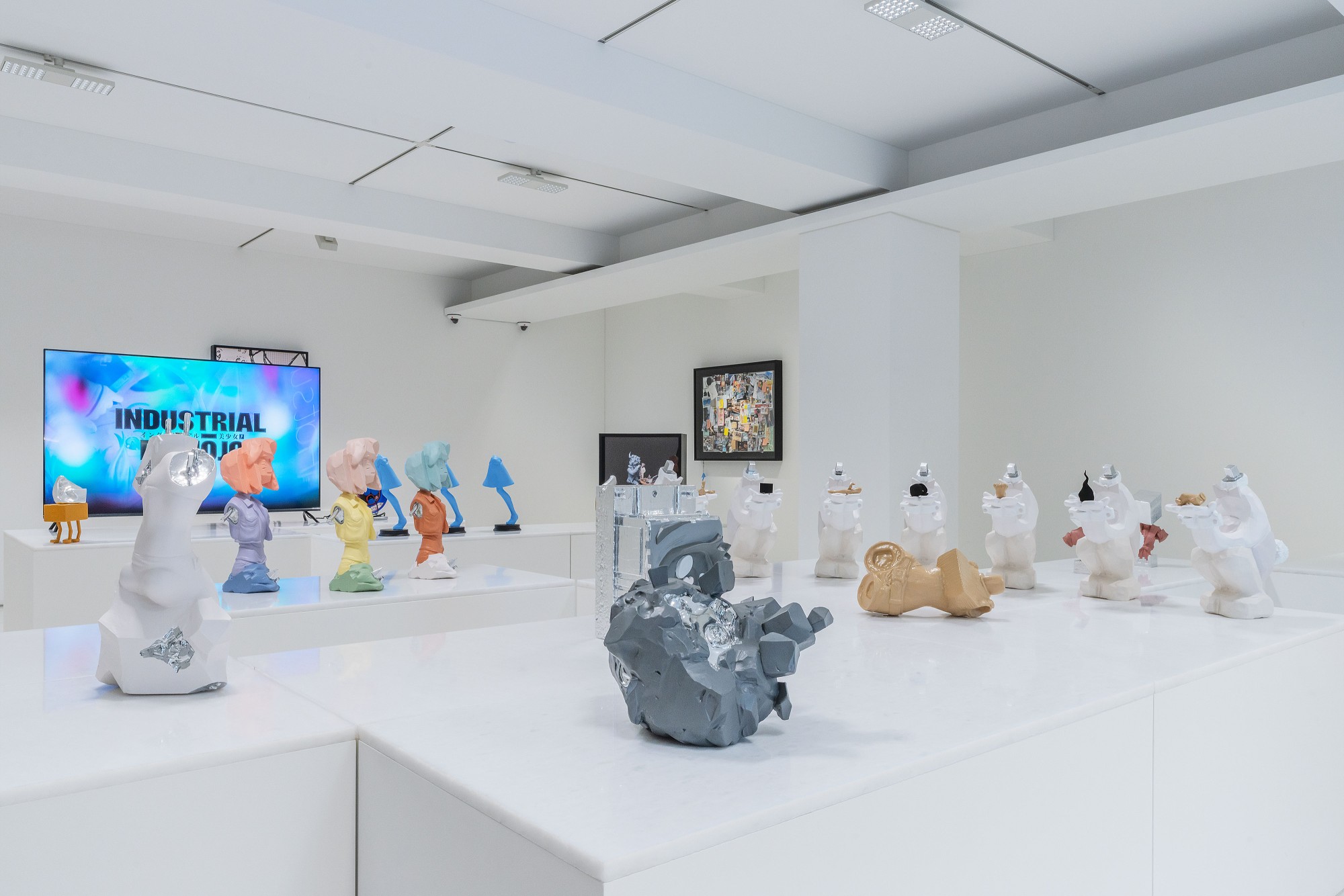
This trajectory develops into a more structural inquiry in 《Industrial Bishōjo》(Arario Gallery, 2023) and 《Dreary Tangerine》(Perigee Gallery, 2025). The former steps back from the position of the consumer viewing a completed figure and turns instead toward producers, model sculptors, molds, painting processes, and repetitive industrial conventions. The latter extends beyond the figure to consider tokusatsu itself as a broader system of materialization.

Masks, suits, monster bodies, and miniature sets are produced to represent fictional worlds, yet they remain behind as physical objects even after filming ends. For Don Sunpil, what matters is this incomplete separation between the virtual and the real, and the mismatches and residues produced in the process of translating one into the other.

If his earlier notion of “degraded replication” concentrated on the difference between an original and its copy, his more recent work increasingly turns toward the technical, economic, and physical conditions that produce those differences in the first place.

Style & Contents

Although sculpture remains central to Don Sunpil’s practice, he works across readymade objects, figures, video, writing, publications, display structures, and exhibition environments. From an early stage, he has cut apart and recombined existing figures, added new forms to them, and altered the scale and surfaces of existing industrial products.

Beginning with the reworked figures in 《Minmay Attack: Re-Re-Cast》, this approach developed into more actively hybrid forms in 《Kitsutaiten 喫態店》. Synthetic-resin sculptures that resemble figures without fully being figures, existing objects, and sculptural forms share the same display cases, blurring the distinctions between merchandise and sculpture and between manufacturing and artistic creation.

Works such as Debugging Station (6/1 Scale)(2019), which enlarges an actual industrial device to roughly the scale of the viewer, likewise reverses the conventional logic of the figure as a reduced representation and foregrounds form over function.
 
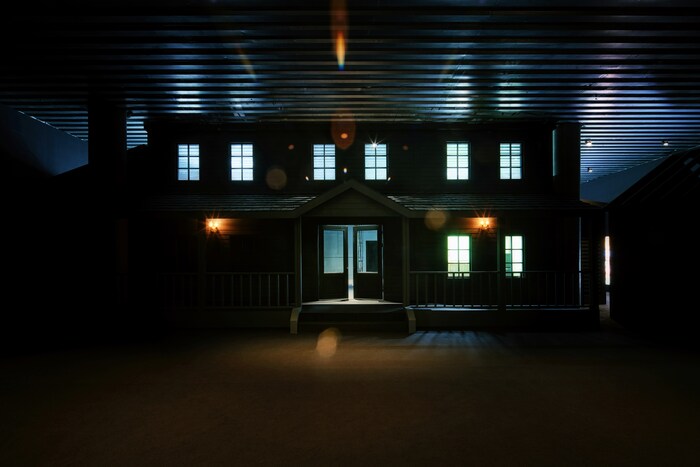
The construction of the exhibition space itself also becomes an important part of the work. In 《METAL EXP: Loner’s Moving Time》, mass-produced objects such as a sofa, television, game console, and robotic vacuum cleaner created an environment resembling a dry, ordinary domestic room, within which the accidental movement of “Metal” suggested an experience of time and chance.

《Kitsutaiten 喫態店》 borrowed the structure of glass showcases and a shop, allowing viewers to move among the sculptures as though browsing actual merchandise, while 《Electronic Tomb Raider》(Kukje Electronic Center, 2024) relocated the exhibition directly into a functioning commercial environment.

Don Sunpil thus moves beyond presenting works as autonomous sculptures and incorporates the environments in which objects are originally circulated and consumed into the formal structure of the exhibition. The overlapping boundaries between personal collecting and consumption, exhibition and sale, studio and shop make the movement of the figure into the field of art increasingly concrete. The fact that his recent solo exhibitions have taken place not only in institutional galleries but also in places such as the Kukje Electronic Center reflects this sustained interest in the conditions of space.
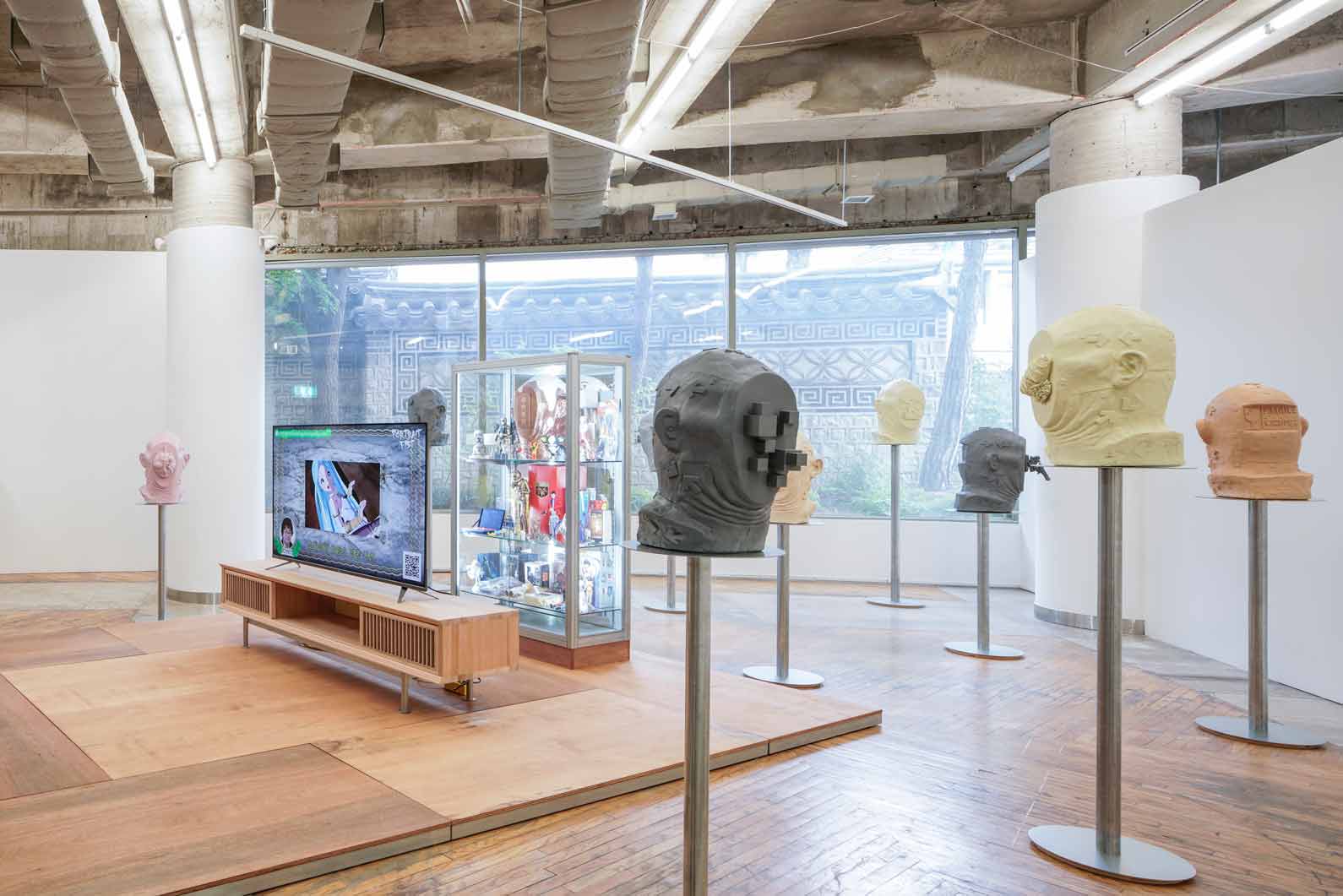
 
Video functions not simply as an explanatory supplement to sculpture, but as another axis through which the time and processes behind objects can be revealed. In 《Portrait Fist》, video and sculpture examine the differences between faces, characters, and actual people, while 《Kai • Ju • People》 uses the format of “Dr. Hakase’s science broadcast” to explore how abstract states appear in the form of concrete objects.

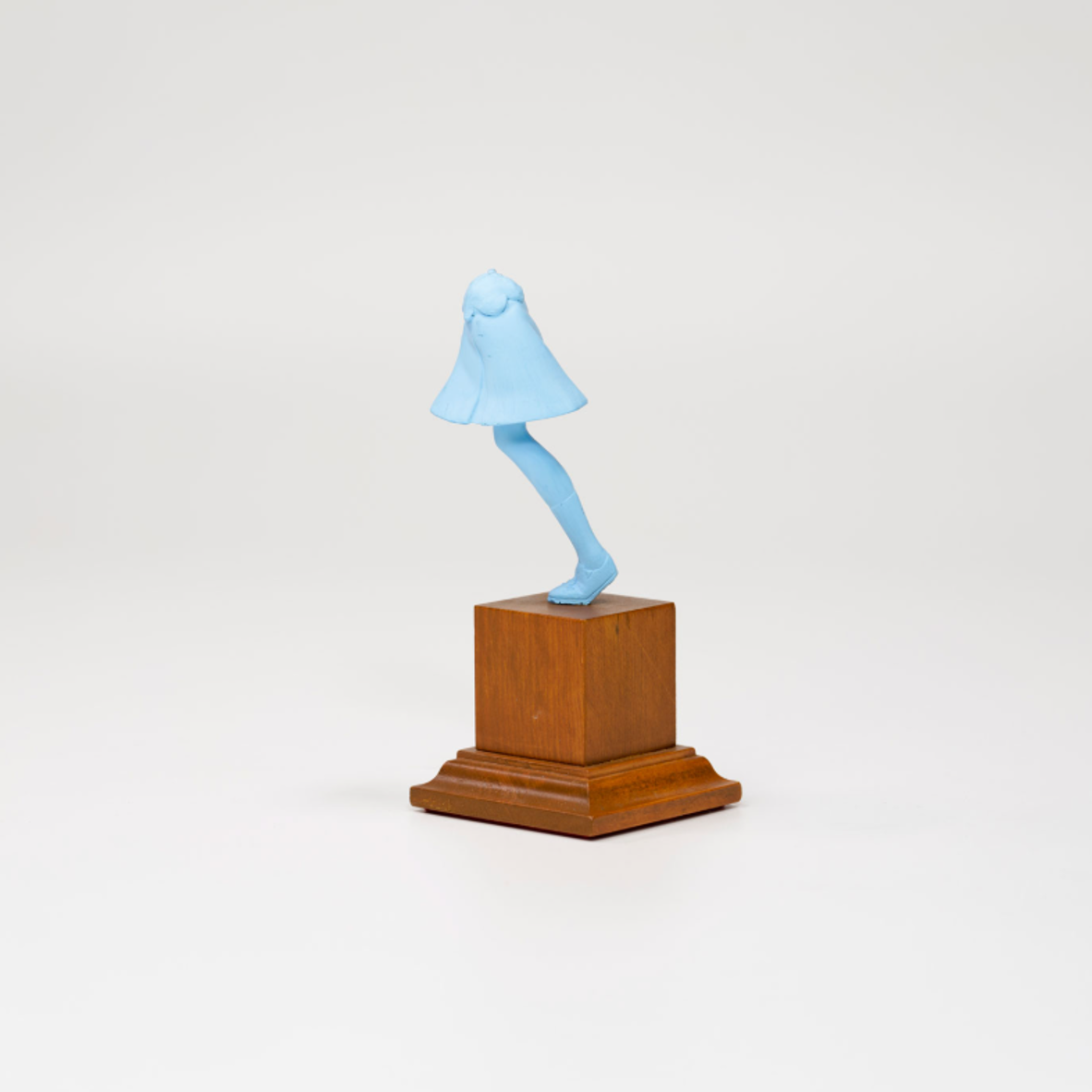
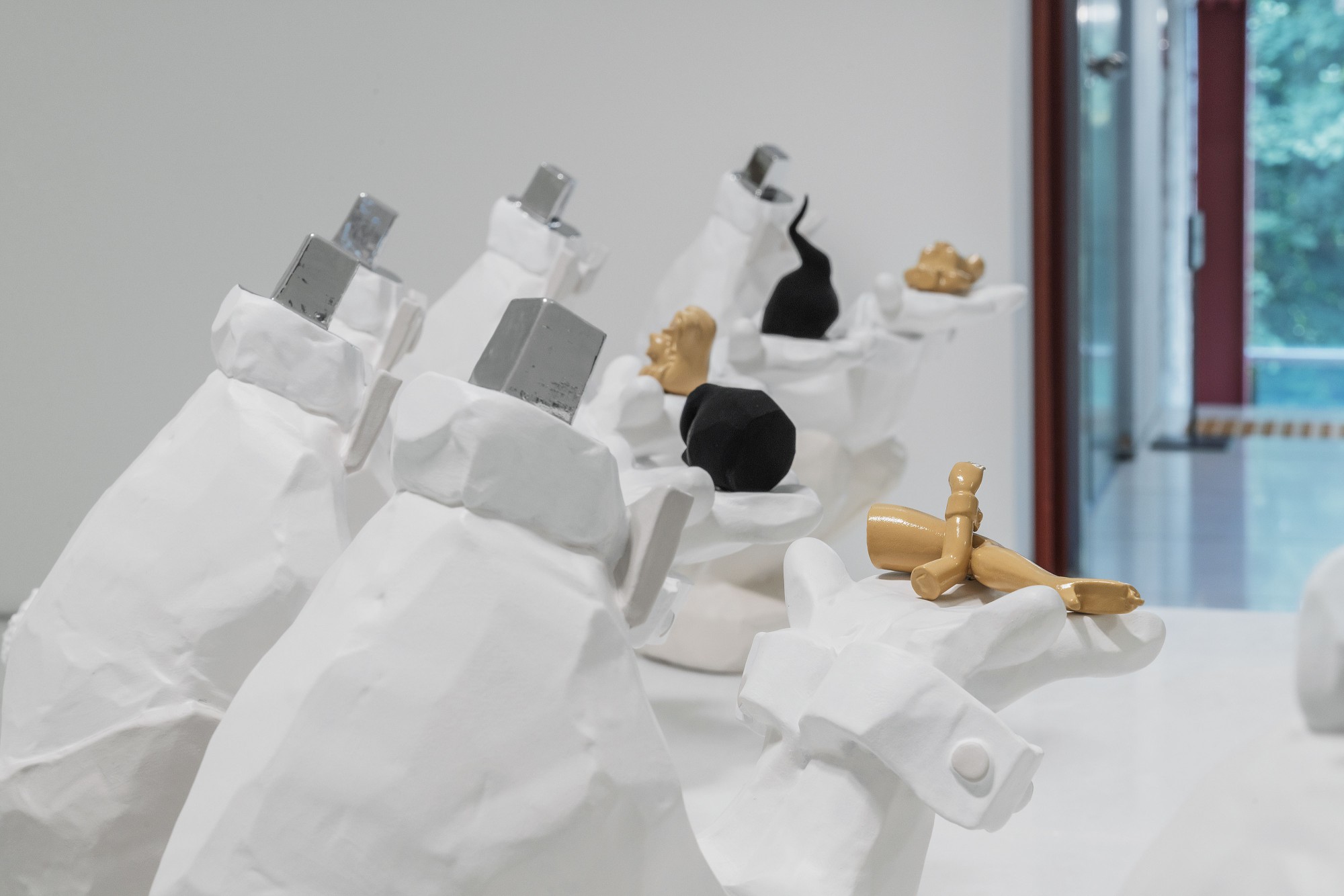
In 《Industrial Bishōjo》, the video presents the thoughts of Engineer J as he struggles between aesthetic preferences, industrial standards, and repeatedly employed production methods, while the gallery contains headless bunny girls, identical forms painted differently, and fragments that appear to have been separated during production rather than completed figures.

If video carries the thinking and temporality of production, sculpture presents its material outcomes. By foregrounding intermediate stages rather than finished products, the exhibition makes visible the labor of model sculptors and producers that ordinarily remains concealed within figure culture.
 
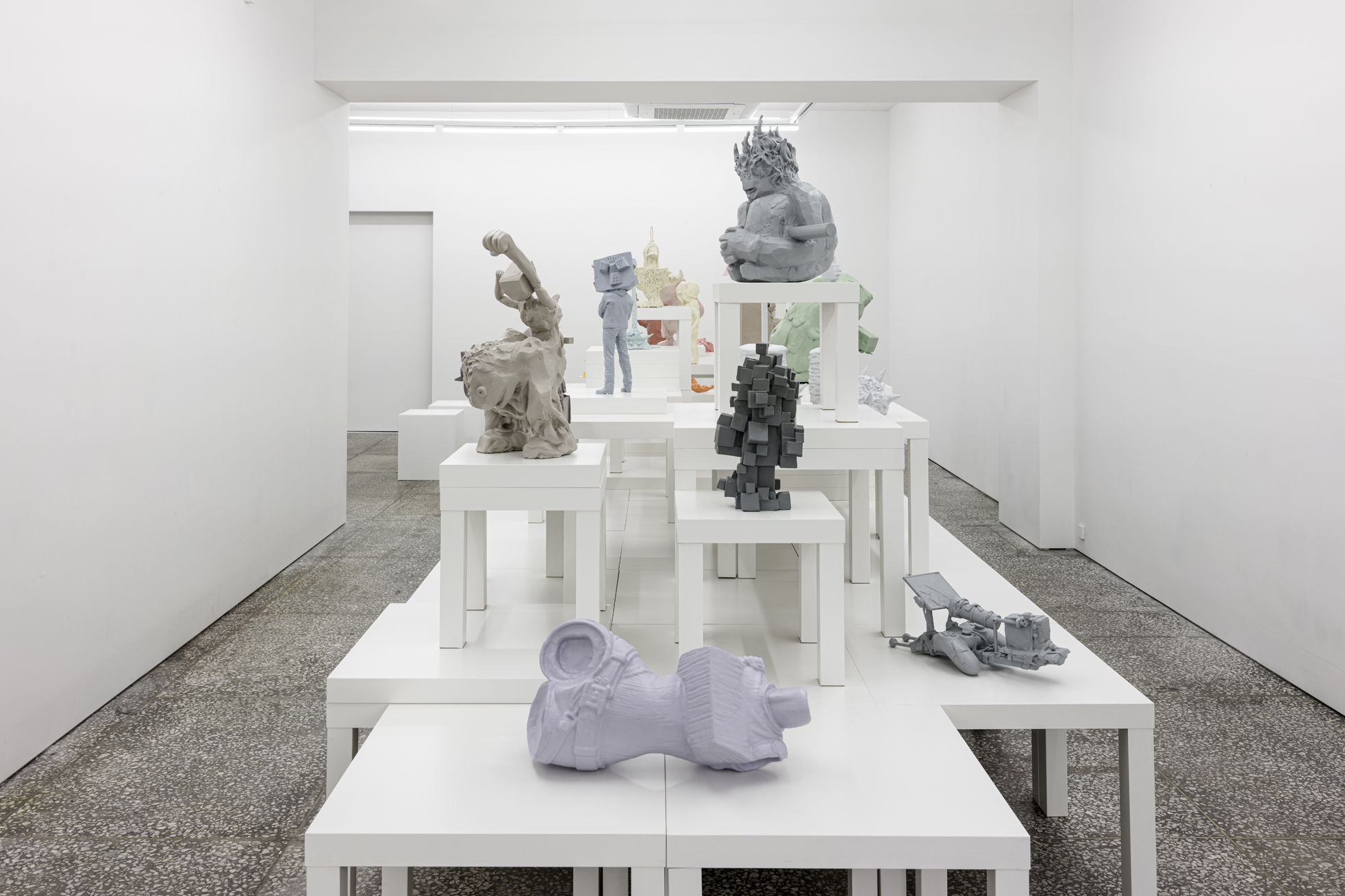
In 《Dreary Tangerine》, the relationships among these media become looser and more cyclical. Stories originating in personal experience and hobbies become writing, move into video and sculpture, and then return once more as objects, while works from different periods are recombined within a single exhibition.

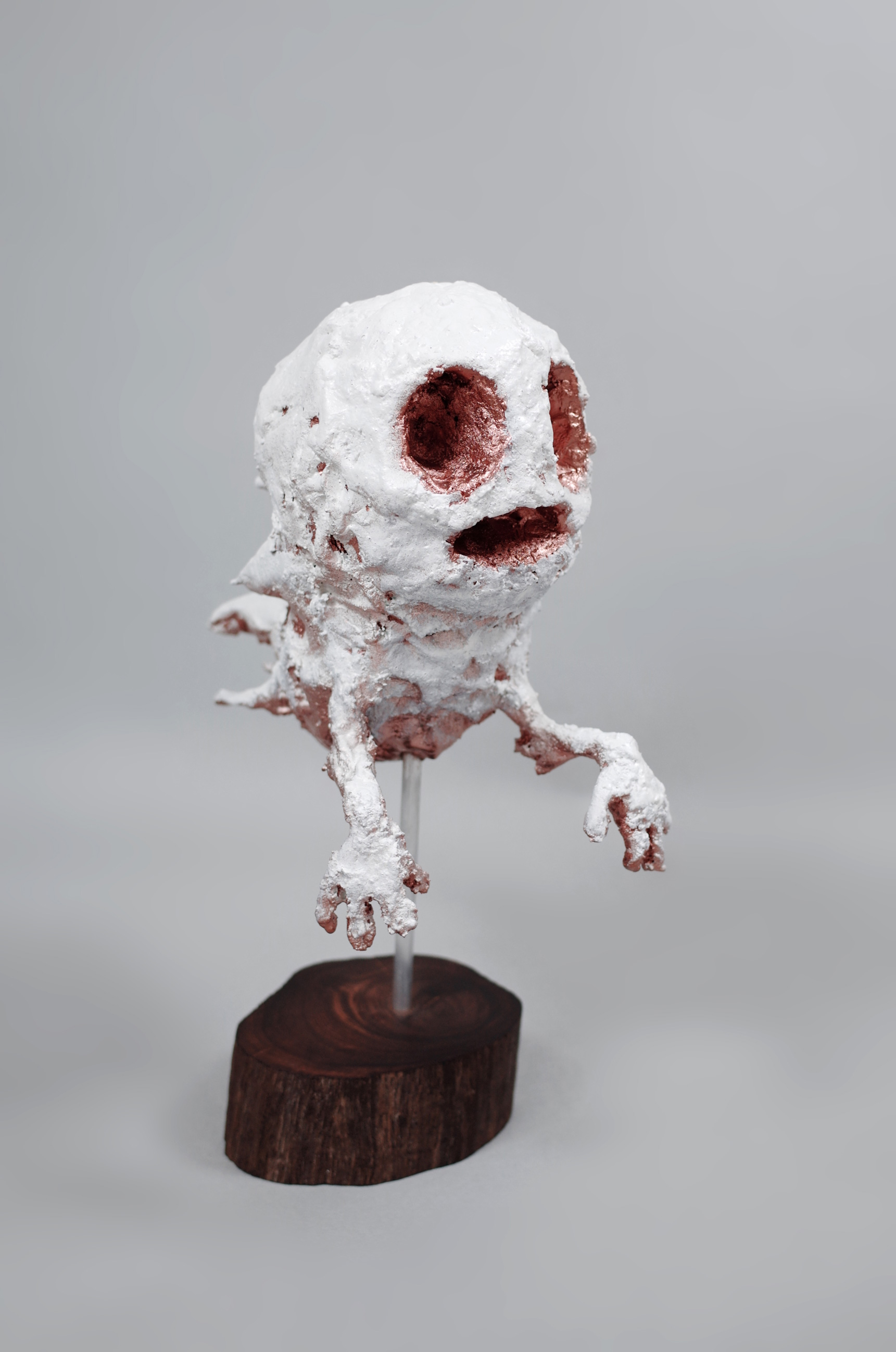
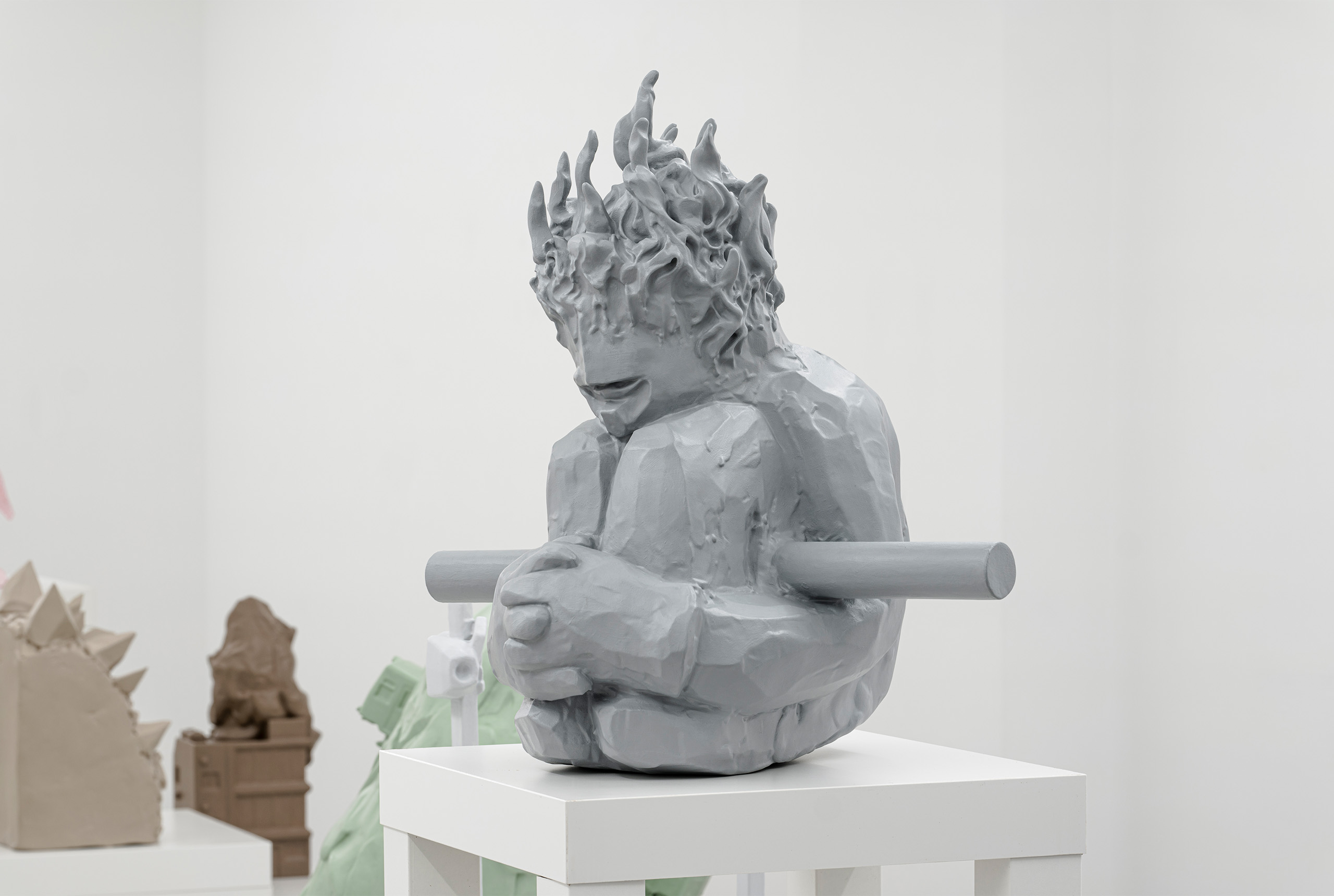
In sculptures such as FFWS_Dreary Tangerine(2025), which combine stereolithography, resin, wood, plastic kits, and painting materials, the emphasis lies less on material purity than on the conjunction of industrial production and handwork, pre-existing components and newly fabricated forms. Cracks in surfaces and differences between materials are likewise not completely concealed.

This corresponds to Don Sunpil’s broader attitude of accepting the differences and traces produced as images and objects pass through the conditions of reality, rather than pursuing seamless reproduction.

Topography & Continuity

The distinctiveness of Don Sunpil’s practice lies not simply in his use of figures and Japanese subculture as sources of personal taste or visual motifs. He treats the figure not as a completed character product, but as a complex object produced through the convergence of images, labor, technology, capital, fan desire, and social conventions. In this sense, “otaku culture” in his work is less a specialized world to be represented than a condensed social field through which one can observe how contemporary images are produced, recognized, and circulated.

Compared with many post-internet or pop-oriented practices that appropriate online imagery or bring popular-cultural icons into the context of art, Don Sunpil is distinguished by his sustained attention to how an image becomes a three-dimensional object, and to the standards, labor, compromises, and failures required to produce it. His inclusion in 《KITSCH & POP: Korean Pop Art Now》(Korean Cultural Center in Shanghai, 2025), alongside artists examining Korean pop art after the emergence of the post-internet environment, also indicates this position.
 
This interest has remained consistent while steadily expanding in scope. 《Minmay Attack: Re-Re-Cast》 began with the imperfect reproduction of figures; 《METAL EXP: Loner’s Moving Time》 gave form to time and chance through the logic of a game; and 《Kitsutaiten 喫態店》 expanded the condition of the figure to encompass an entire shop and exhibition. 《Portrait Fist》 addressed the face as a social sign, while 《Kai • Ju • People》 and 《Industrial Bishōjo》 brought real-world constraints and industrial production structures more explicitly into the center of his research.

By the time of 《Dreary Tangerine》, the figure has become one example within a broader framework of materialization connecting tokusatsu, cosplay, characters, objects, and affect. What began with a particular object of hobby culture has therefore developed into a broader inquiry into how abstract concepts and images are given physical form and subsequently accepted as reality.
 
This approach also provides a basis for the work to be understood across different cultural contexts. Japanese animation, games, figures, and tokusatsu may originate from particular regional histories, but they now circulate through global systems of visual culture and industry, while the questions of original and derivative, 2D and 3D, virtual and real are by no means geographically limited.

Don Sunpil has presented a solo exhibition at Little Art Sonje Center at Kunsthal Aarhus and has participated in exhibitions including 《Fake it Real》(Digital Art Center, Taipei, 2022), the Rirkrit Tiravanija-curated 2024 Art Spectrum 《Dream Screen》(Leeum Museum of Art, 2024), and 《KITSCH & POP: Korean Pop Art Now》 at the Korean Cultural Center in Shanghai.

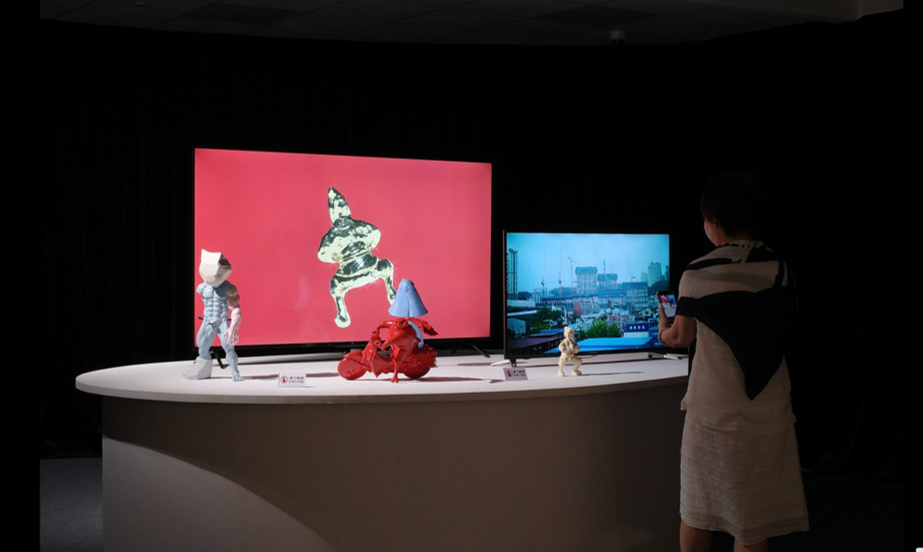
In particular, 《Dream Screen》 brought together artists from eleven Asian countries around the ways experiences mediated through the internet, games, films, and other screens have altered perceptions of the physical world, situating Don Sunpil’s long-standing exploration of virtual images and material objects within a broader generational and regional discussion.
 
Rather than inventing entirely new images, Don Sunpil’s practice is likely to continue expanding through a close examination of how existing images and objects come into being. Just as his focus has broadened from the figure to tokusatsu, new technologies and industries through which characters and virtual images acquire physical bodies and spaces provide further contexts in which his idea of “materialization” may continue to develop.

More important than following any particular technology is the persistence of his attention to the inevitable discrepancies produced between the virtual and the real, and to the material residues left behind in that translation. What began as an investigation of a small figure has expanded across sculpture, video, publishing, exhibition space, and industrial systems; the question of how far his practice can continue to extend the category of “form” remains one of the most compelling points through which to consider its continuity.

Works of Art

The Materialization of Contemporary Language and Society

Articles

Exhibitions

Activities