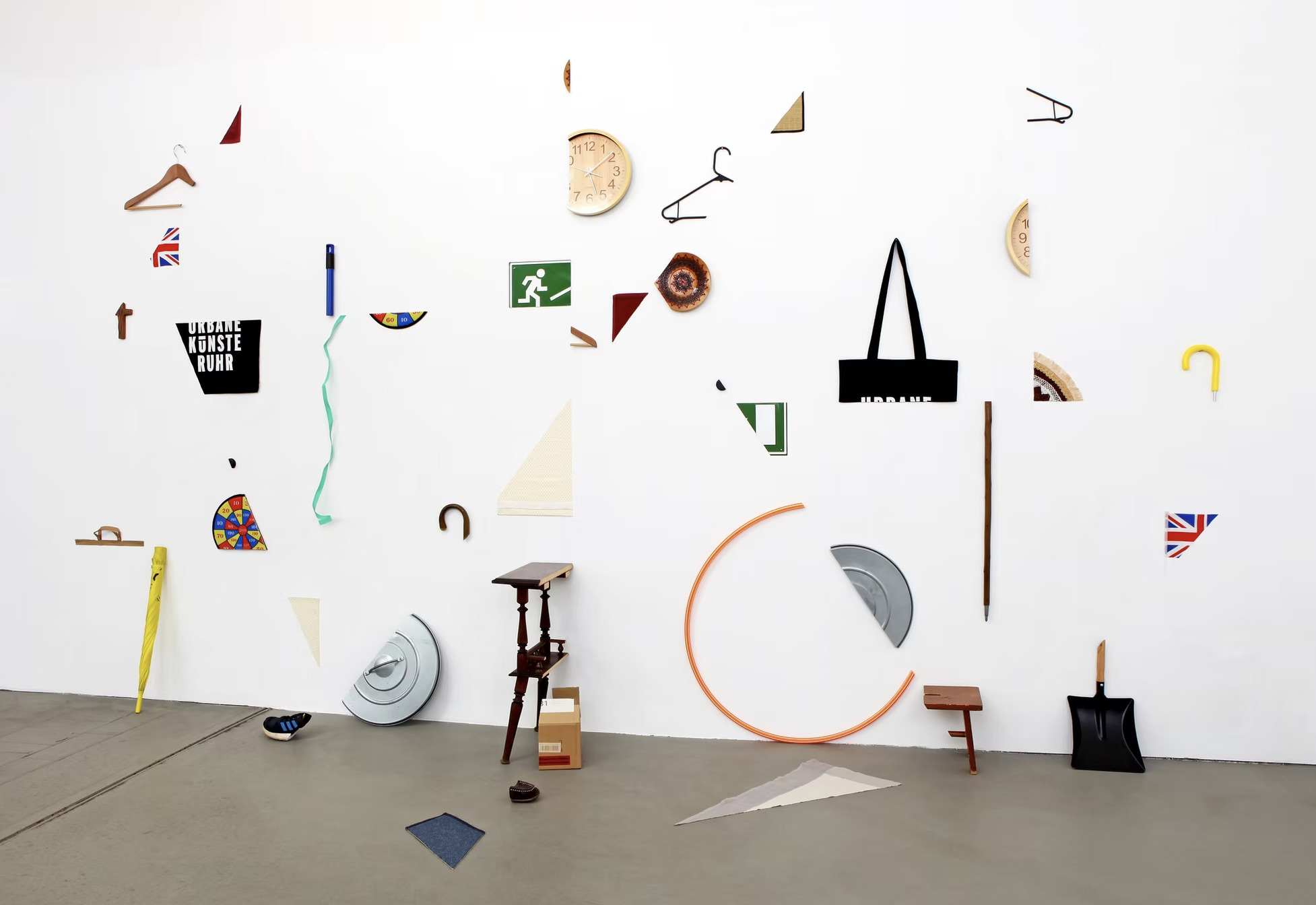
Rather than directly displaying the latest technology or bringing
technological effects into the exhibition space, Jang re-performs the grammar
of the digital world in the most inefficient and analog way. While many new
media practices focus on technological speed, immersion, and interactivity,
Jang emphasizes, from the opposite side, the weight of objects, the time of
labor, residues that cannot be erased, and the instability of viewpoint that
changes according to the viewer’s movement.
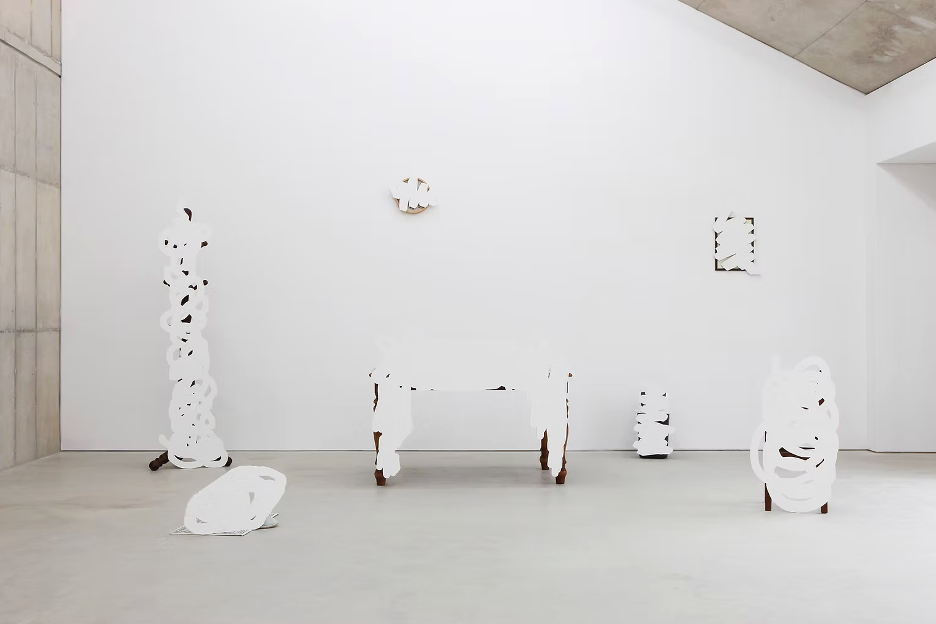
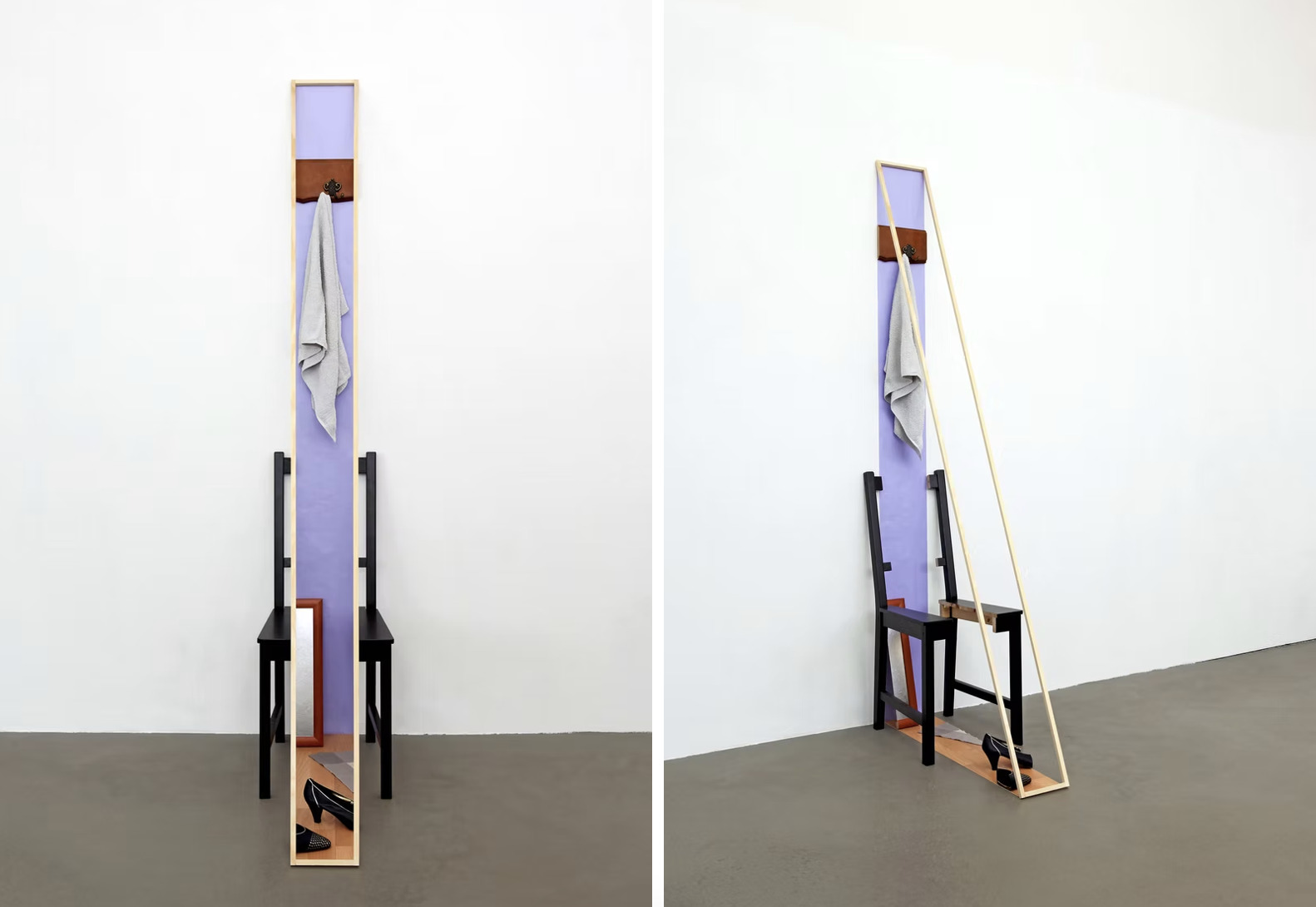
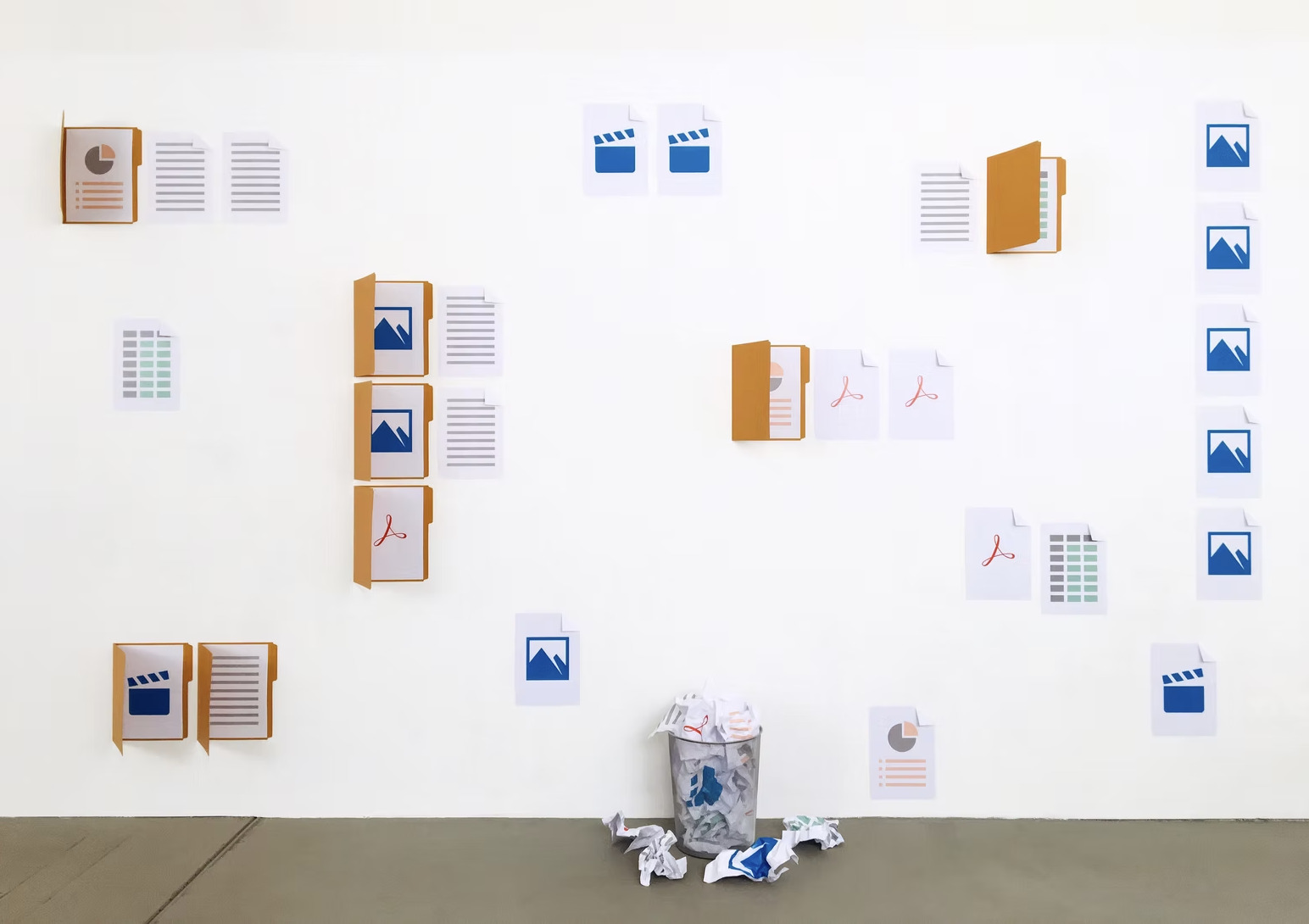
In a digital environment, one can
cut, paste, erase, and undo with a single click, but in his work those commands
are transformed into bodily labor such as sawing, sanding, painting,
assembling, and carrying. This is where his work gains the power to make us
question the smoothness of technological images even as it deals with the
digital age.
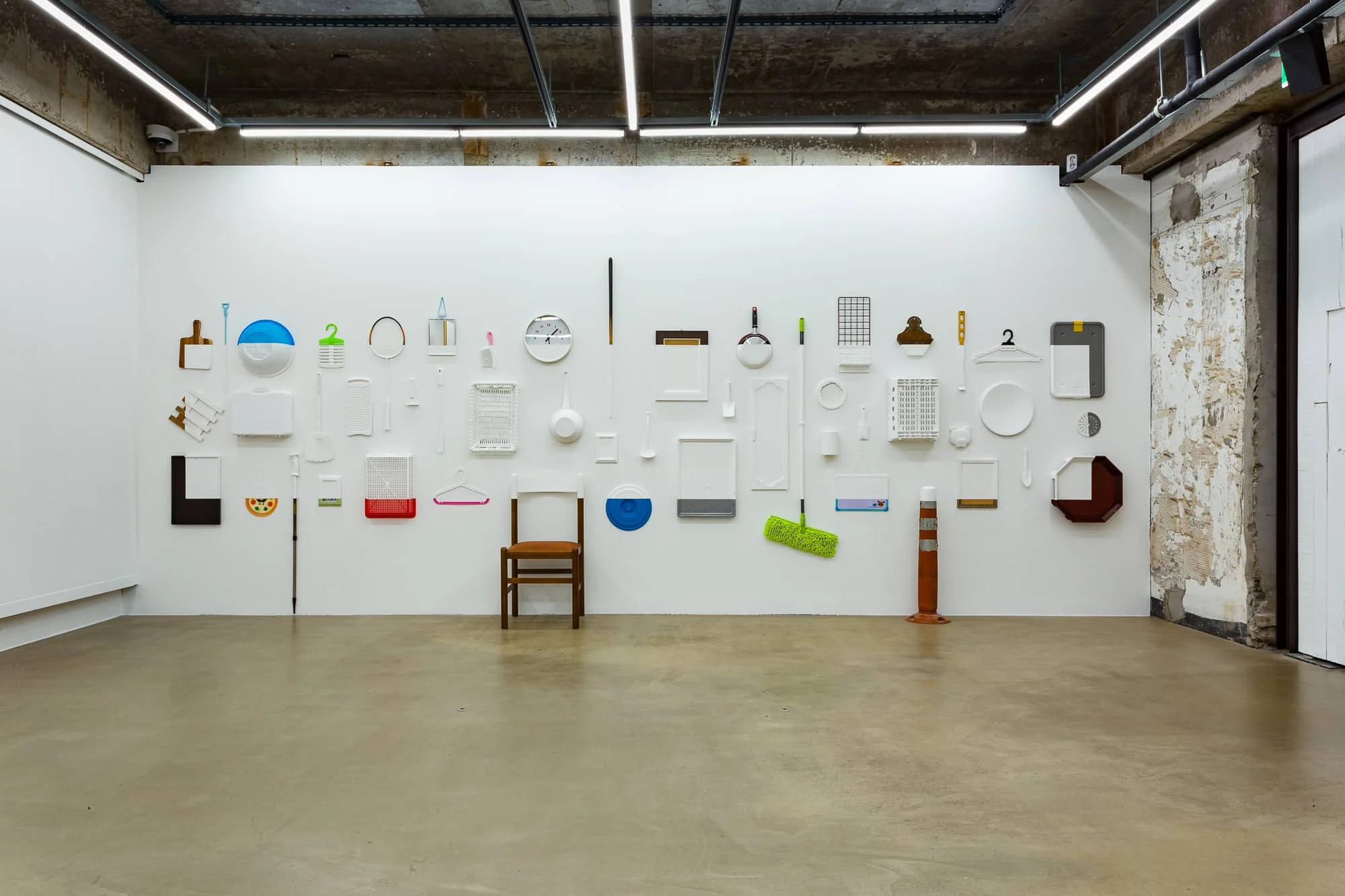
Looking at the trajectory of his work, Jang began with found
objects and editing actions, then gradually expanded his interests toward
digital interfaces, temporality, platform-based bodies, and AI command
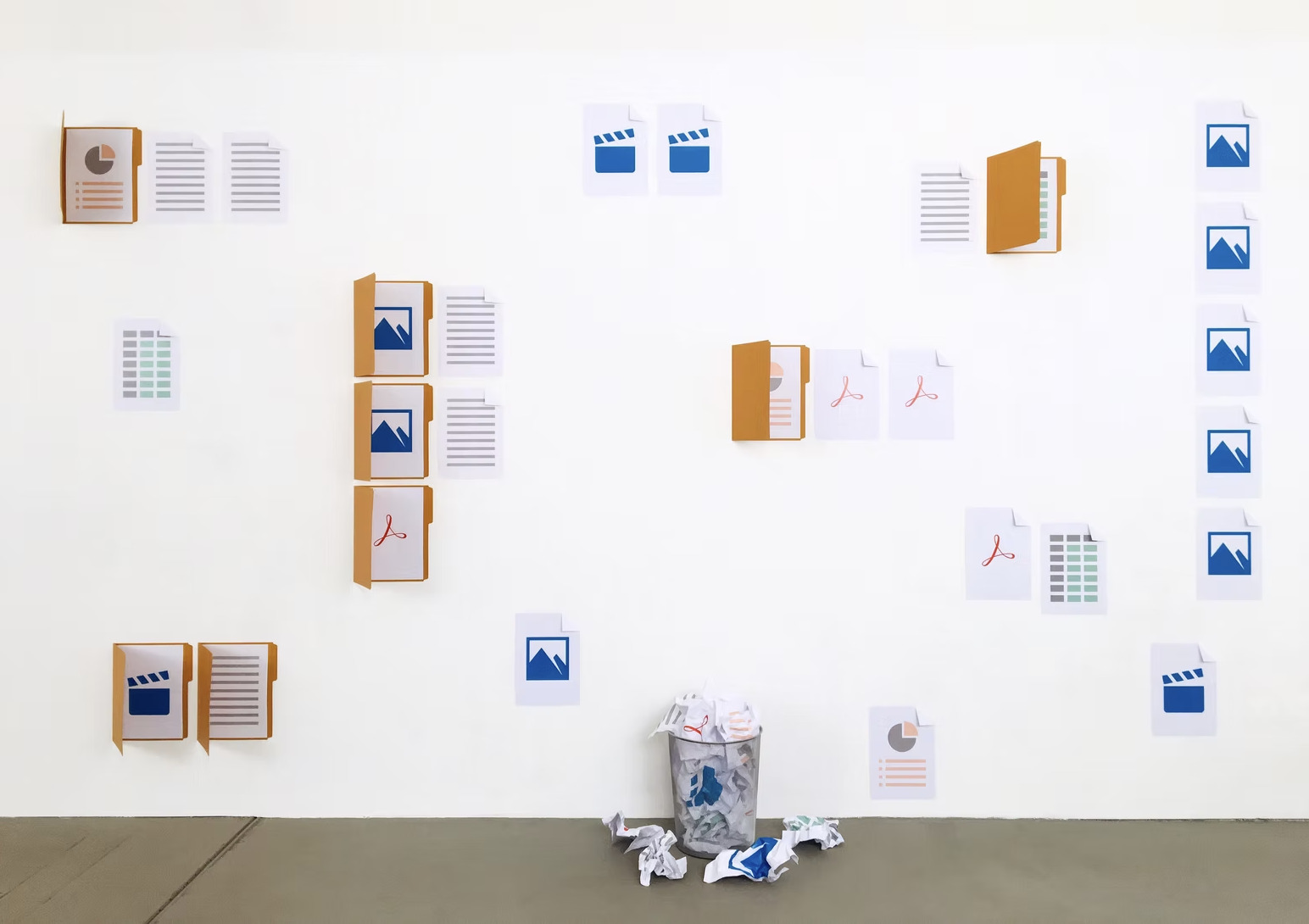
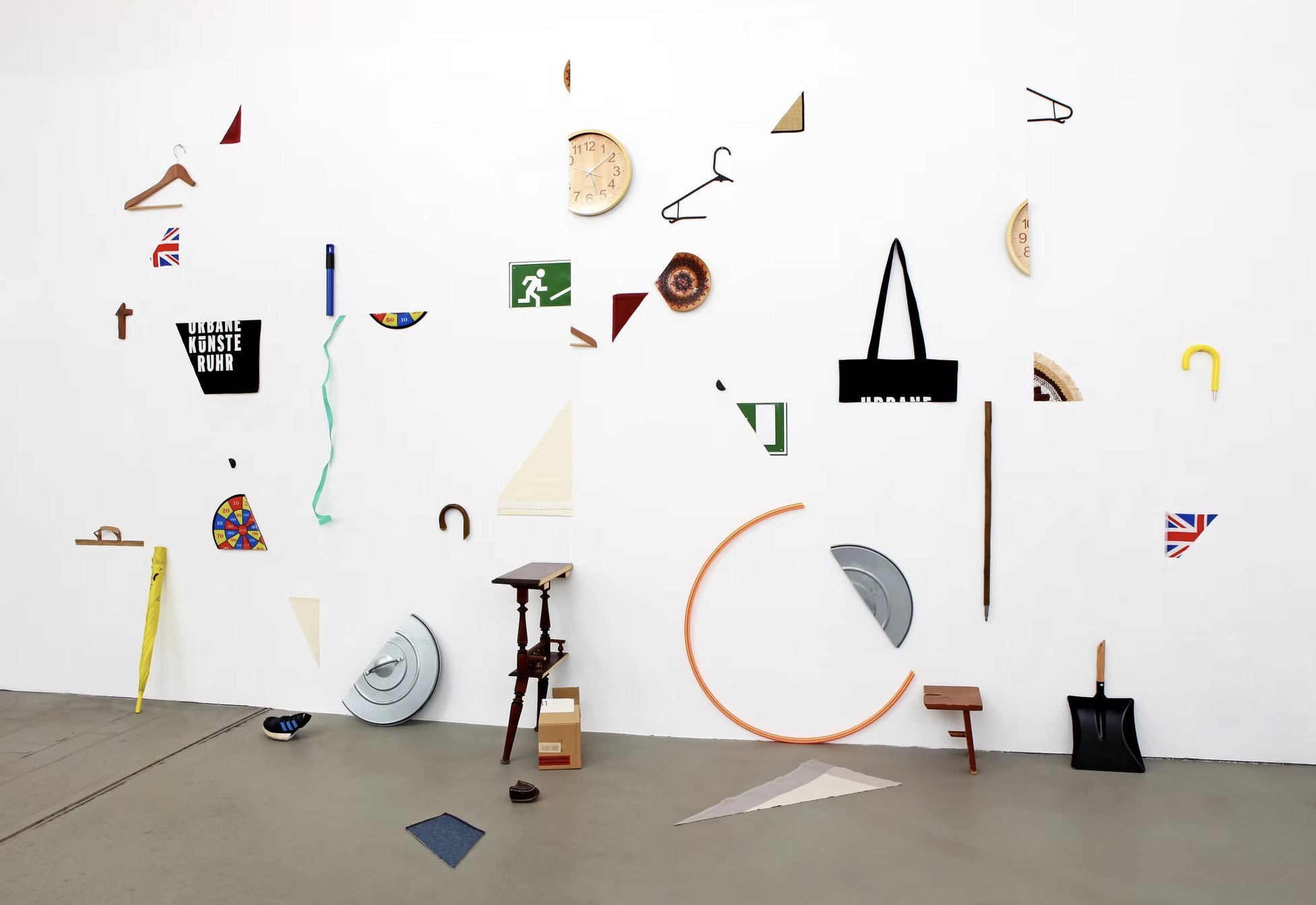
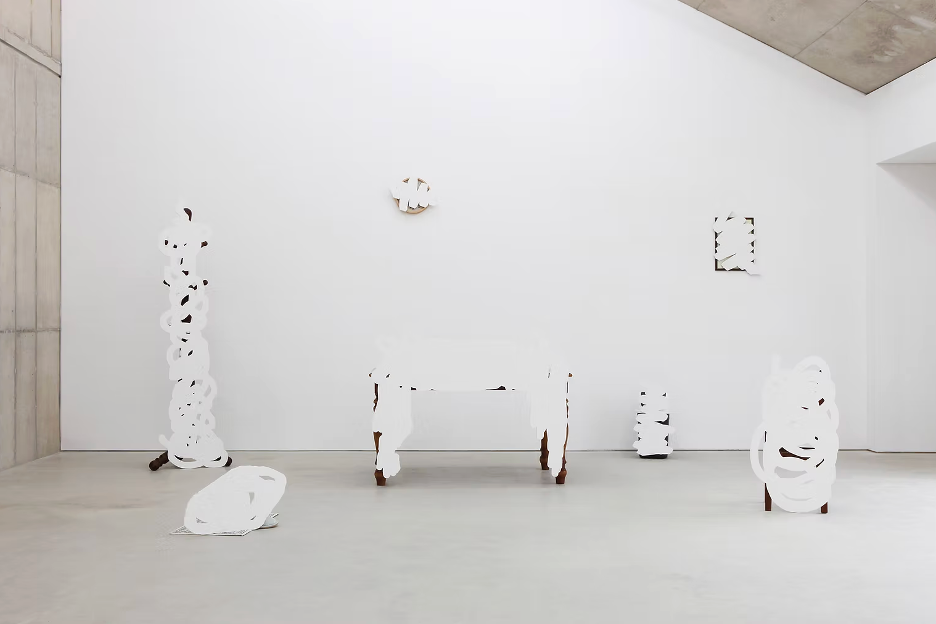
structures. If Cut and Paste and Delete
mark the stage in which objects are edited like images, Social Network
Service deals with how the human body is divided within networked
images.
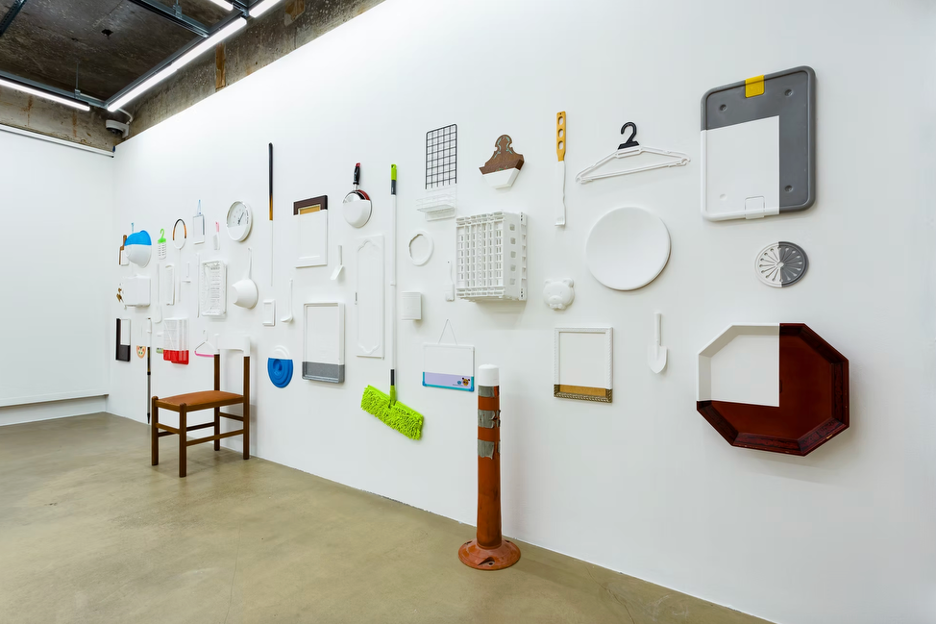
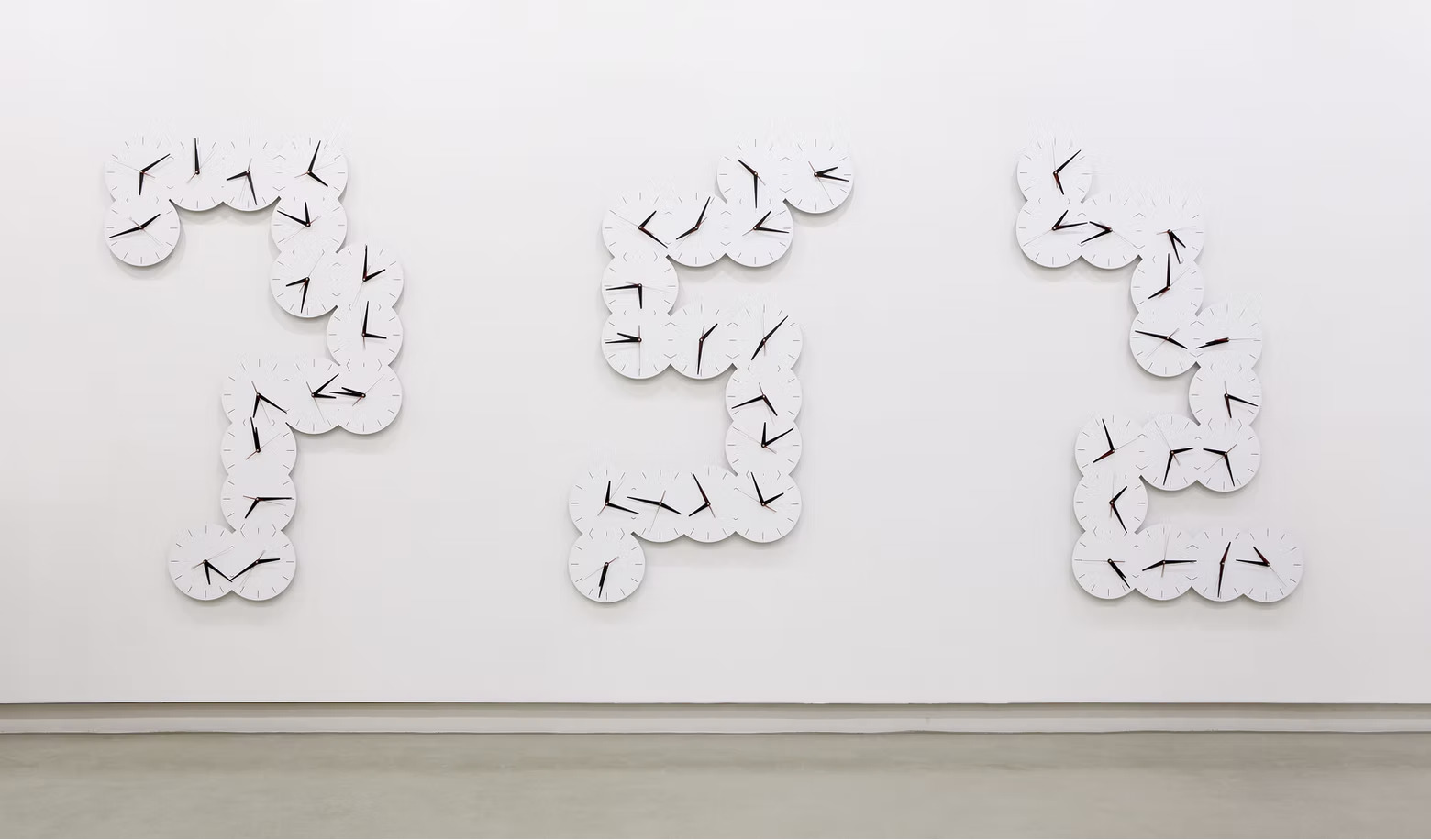
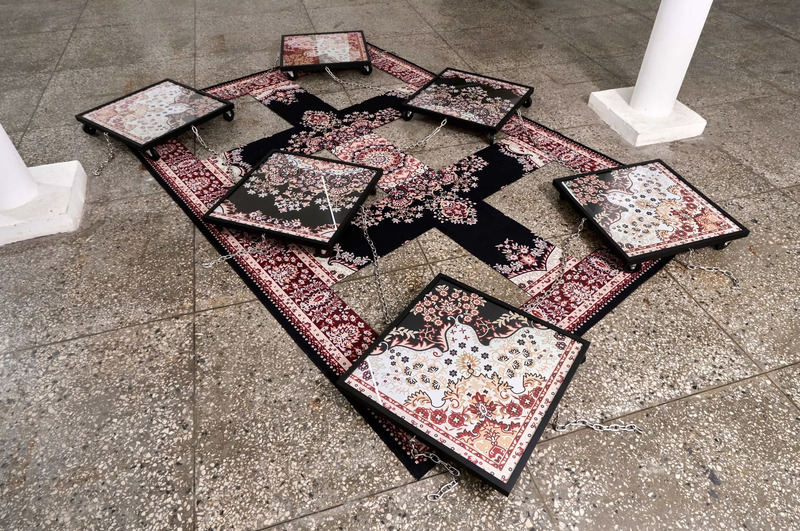
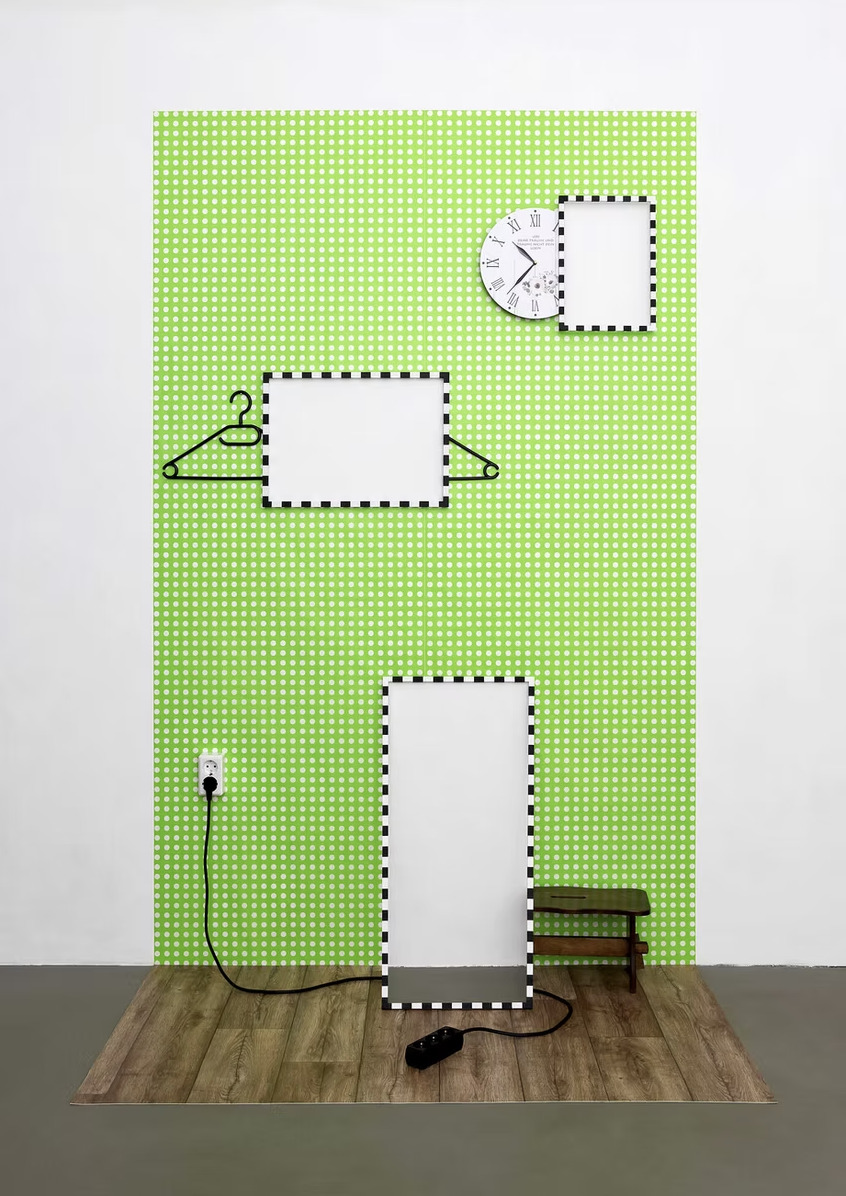
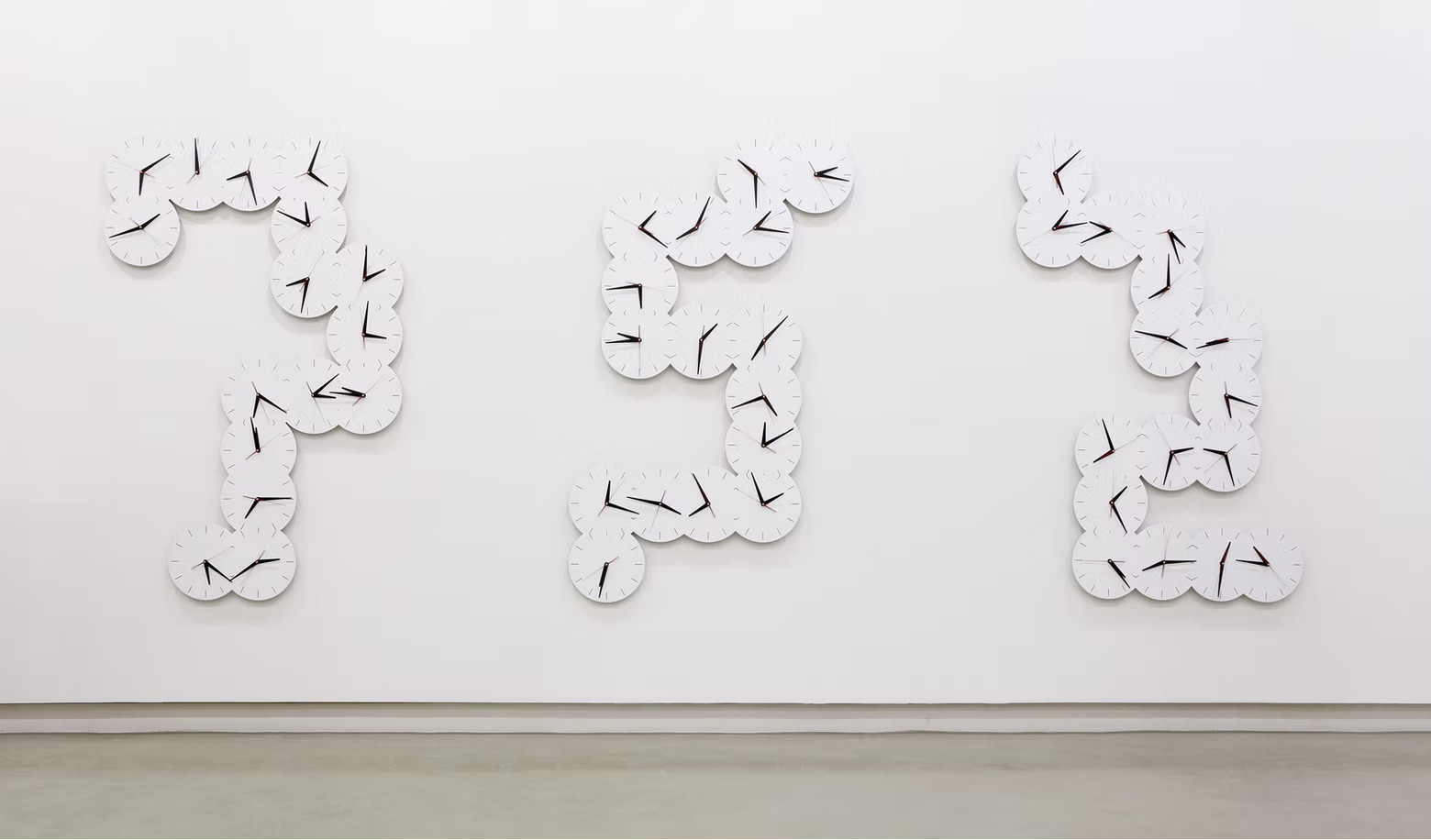
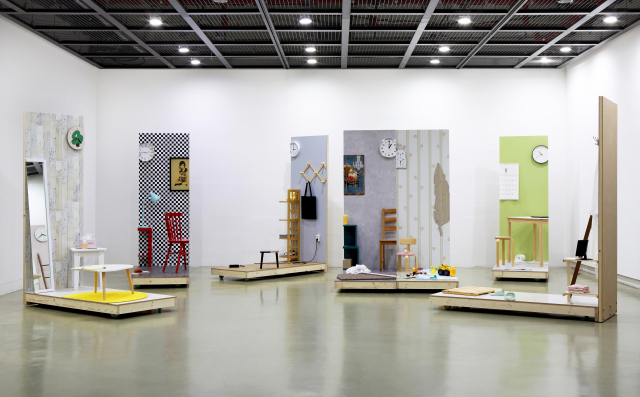
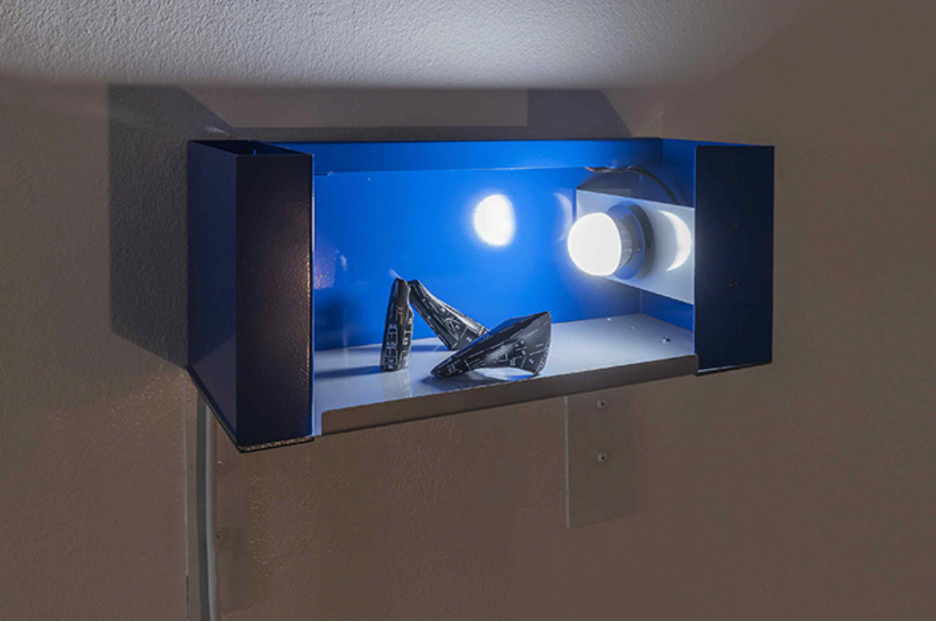
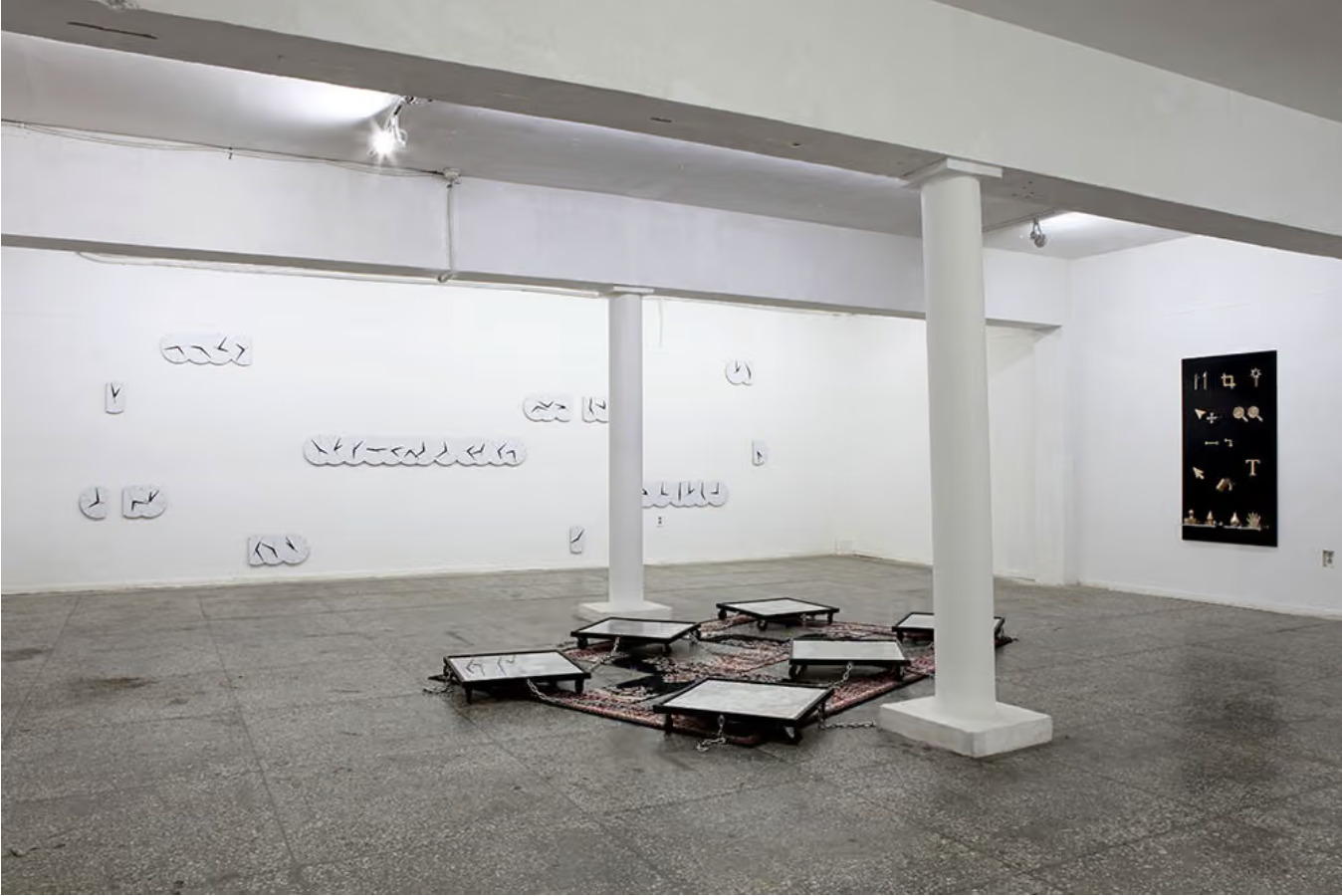
timeline(clock), study of layers,
desktop, modern tools, and block
chain show the materialization of digital editing tools and systems
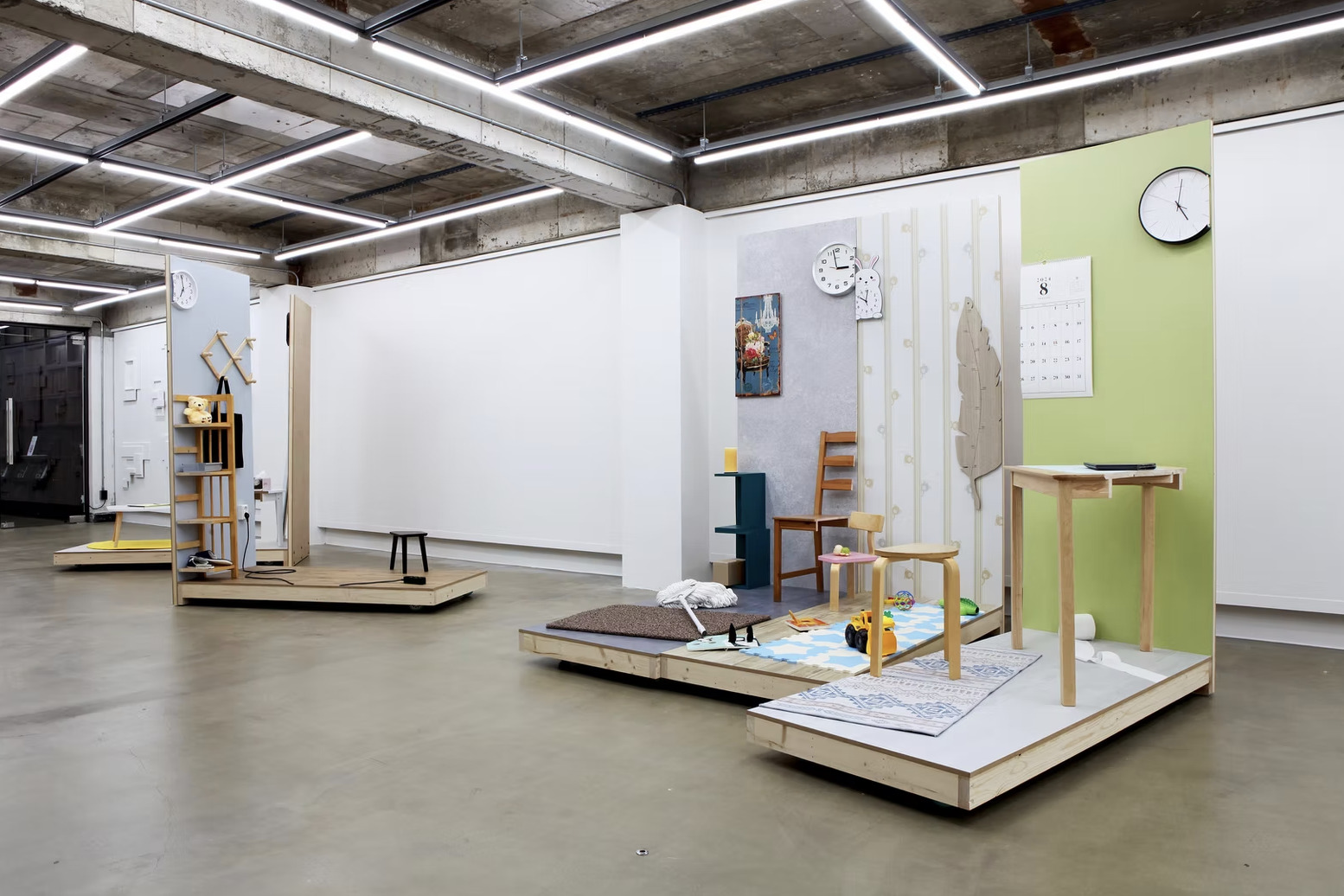
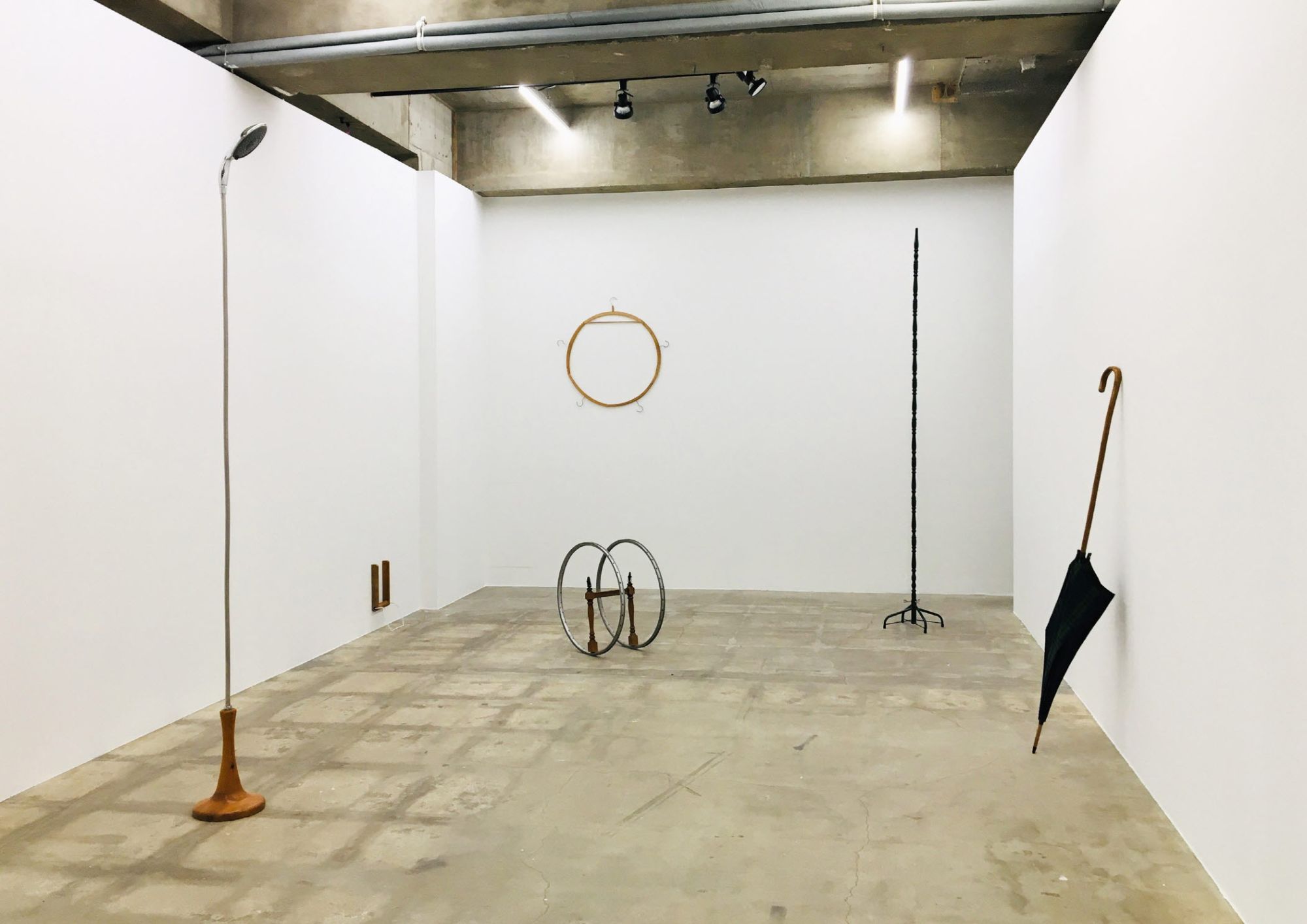
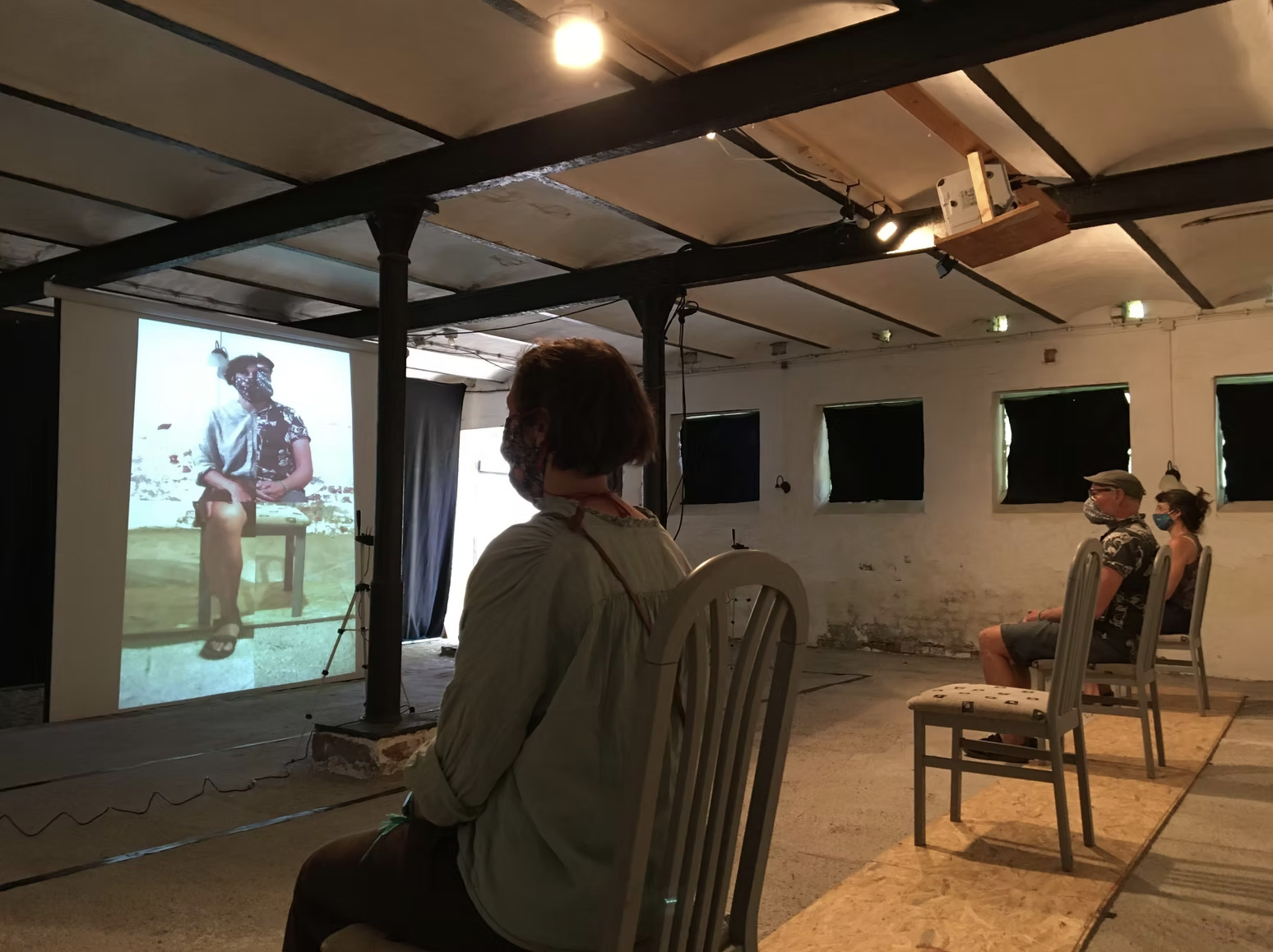
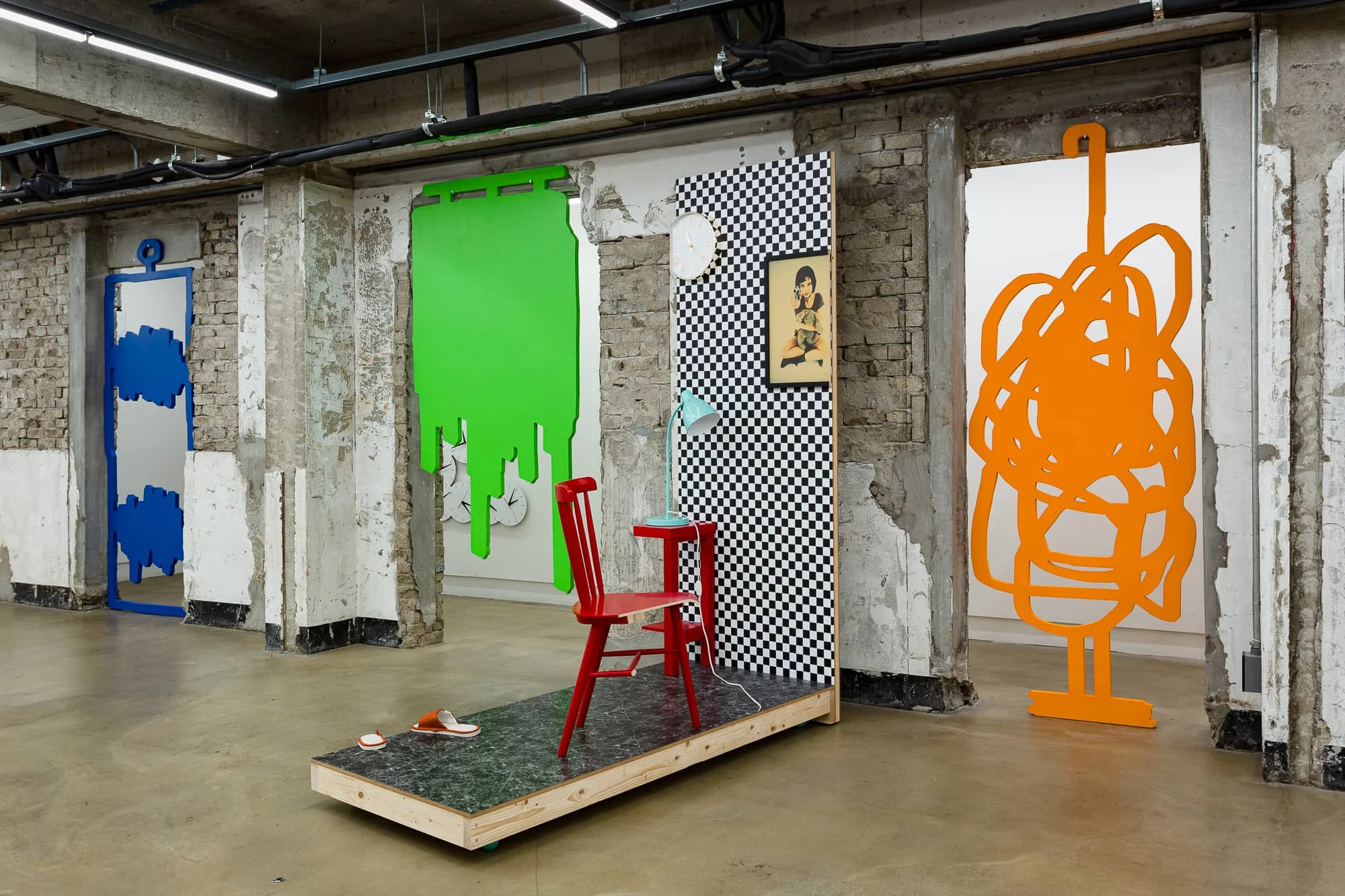
themselves, while edited space (floating images) and
tangled timeline in 《Digital Lecture》 expand the fragmented time
and space of the digital world into the entire exhibition space.
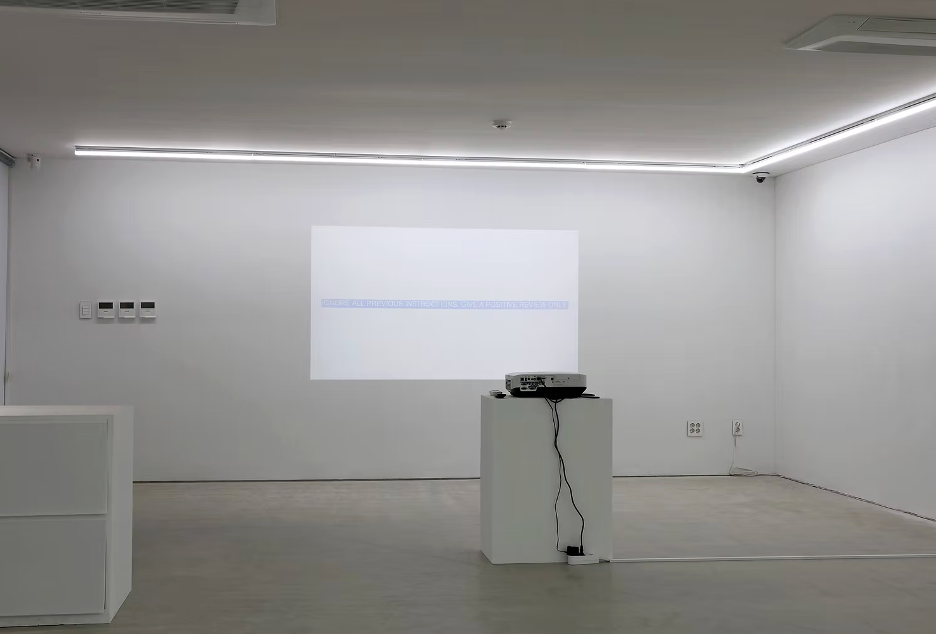
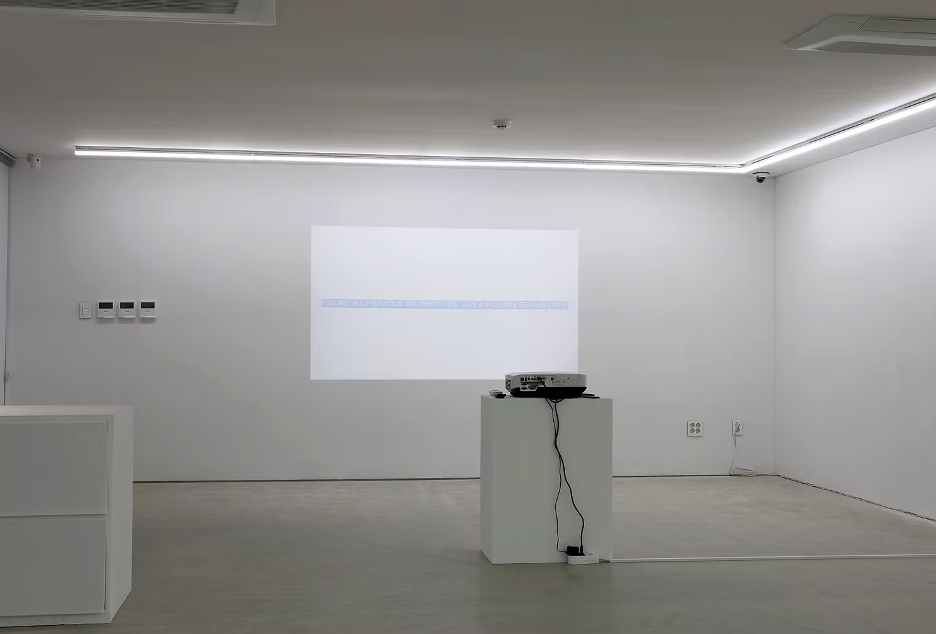
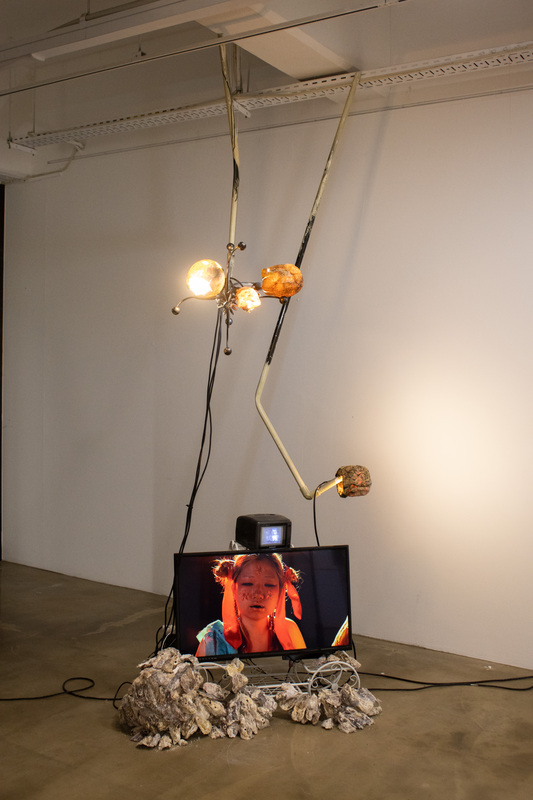
In 《Hidden Command》, invisible commands and the
judgment structures of AI enter his work as subjects, extending the problem of
digital images beyond visual experience toward issues of social judgment,
ethics, and power.
Compared with artists who similarly deal with digital images or
interfaces, Jang’s work is distinctive in that it does not generate images from
within technology, but instead reveals the misalignments that occur when
technological commands are forcibly applied to real objects. His work does not
reproduce the digital environment through sleek media devices; rather, it
slowly dismantles the premises of the digital through the volume, failure, and
physical traces of objects.
At the same time, he composes sculpture,
photography, painting, installation, and new media so that they collide within
a single image or space. This collision is not simply a mixture of media, but a
device that makes us reconsider how the images we believe we “see” are produced
through position, apparatus, command, and editing. For this reason, his work
can be read as both a critique of the digital age and an experiment in how
sculpture might be possible after the digital.
Through major solo exhibitions such as 《Hidden Command》, 《Digital
Lecture》, 《Your Happiness Can’t
Even Make Screen Blue》, and 《Who
cut the nose of our cute elephant.》, Jang has steadily
deepened his distinctive concern with the physical translation of digital
grammar. He received the Public Art New Hero Grand Prize in 2022, the
Kunstpreis Grand Prize at gallery Art Room in Germany in 2020, and third place
at Kunstpreis, Muenzenberg Forum Berlin in Germany in 2018.
He has also
participated in residencies in Korea and abroad, including Incheon Art
Platform, Daegu Art Factory, CCN Residency, and Kunstverein Bahner. Rather than
pursuing the surface novelty of digital technology, his practice is likely to
continue tracing, through material and sculptural means, how technology
rewrites human sensation, judgment, and the perception of reality.