
Hayoun Kwon (b.1981) - K-ARTIST
Hayoun Kwon (b.1981)

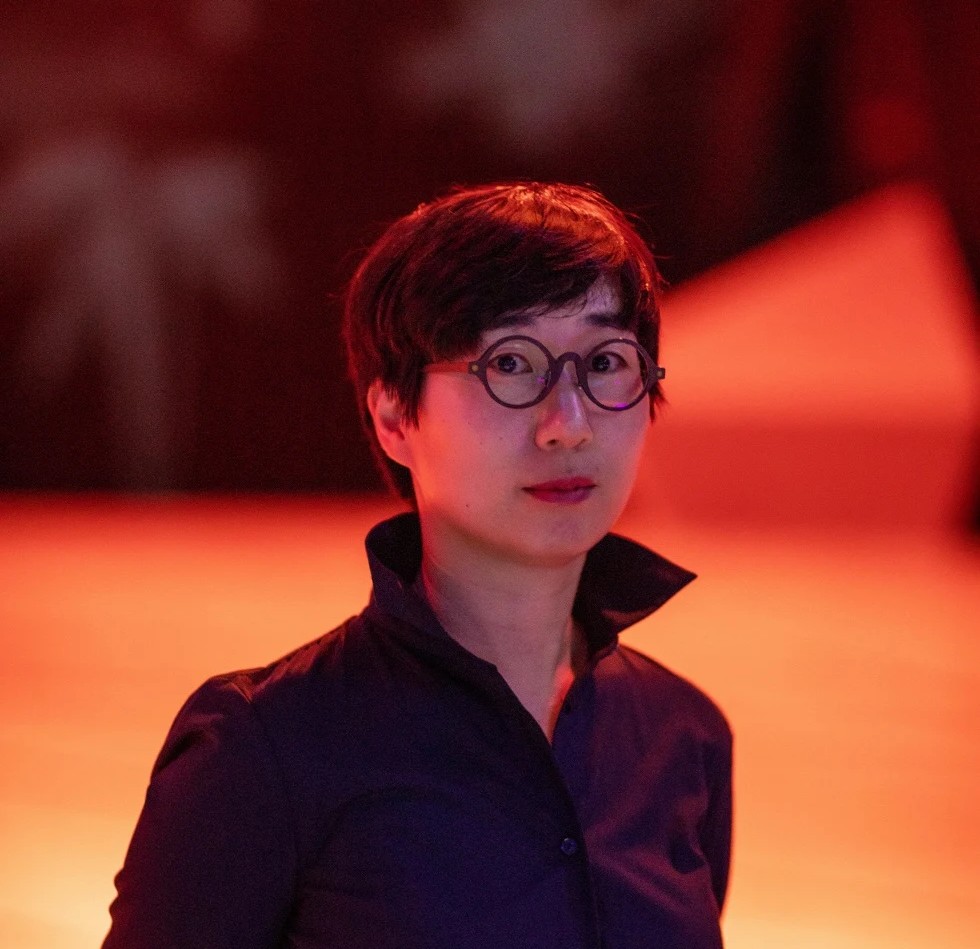
Hayoun Kwon was born in Seoul, South Korea. She studied Fine Arts and Visual Arts at École des Beaux-Arts Nantes Saint-Nazaire in France, and later earned her Master’s degree from Le Fresnoy - Studio national des arts contemporains, a prestigious national contemporary art studio in France. She is currently based in Paris, actively working and exhibiting both in France and internationally.

Solo Exhibitions (Brief)

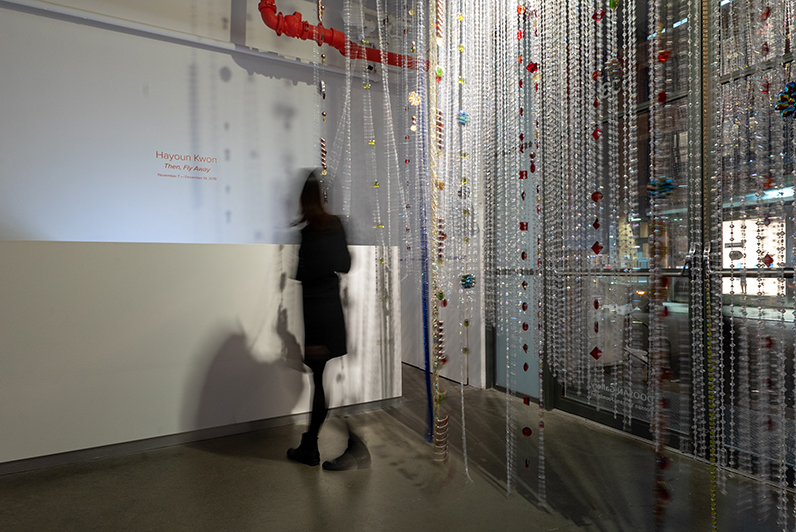
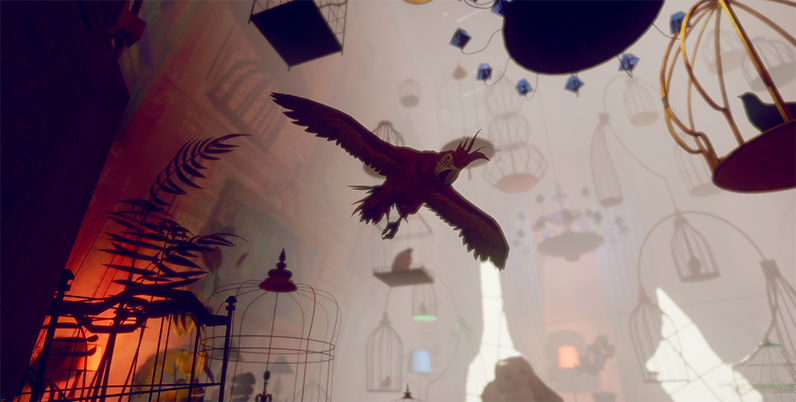
Hayoun Kwon has participated in approximately 11 solo exhibitions across various countries, including Korea (Seoul), the United States (New York, Berkeley), France (Paris, Châteauroux, Lectoure), and China (Shanghai). Her major solo exhibitions include 《Le voyage interdit》 (2015, L’École des Beaux-Arts de Châteauroux, Châteauroux, France), 《Le Paradis Accidentel》 (2015, Galerie Dohyang LEE, Paris, France), 《489 Years》 (2016, Le Centre d’Art de photographie de Lectoure, Lectoure, France), 《The Bird Lady》 (2017, Palais de Tokyo, Paris, France), 《J’entends soudain des battements d’ailes》 (2018, Galerie Sator, Paris, France), 《Levitation》 (2018, DOOSAN Gallery, Seoul, Korea), 《Then, Fly Away》 (2019, DOOSAN Gallery, New York, USA), 《Si proche et pourtant si loin》 (2019, ARARIO Gallery, Shanghai, China), and 《Strange Walkers》 (2023, Leeum Samsung Museum of Art, Seoul, Korea).

Group Exhibitions (Brief)

Hayoun Kwon has participated in approximately 63 group exhibitions and screenings across various countries, including Korea, the United States, France, Germany, the United Kingdom, Belgium, Luxembourg, Israel, Bosnia, Denmark, the Netherlands, and Iran, from 2006 to the present (2025).

Her selected group exhibitions include 《Inhabiting the World》 (2014, Busan Museum of Art, 7th Busan Biennale, Busan, Korea), 《REAL DMZ PROJECT》 (2015, Art Sonje Center, Seoul, Korea), 《Digital Promenade》 (2018, Seoul Museum of Art, Seoul, Korea), 《Immortality in the Cloud》 (2019, Ilmin Museum of Art, Seoul, Korea), 《Rumeurs et légendes》 (2019, Musée d’Art Moderne de Paris, Paris, France), 《The Gold Rush》 (2020, Ilmin Museum of Art, Seoul, Korea), 《Global(e) Resistance》 (2020, Centre Pompidou, Paris, France), 《XXth Attempt Towards the Potential of Magic》 (2021, National Museum of Modern and Contemporary Art, Seoul, Korea), 《The Shape of Time》 (2023, Philadelphia Museum of Art, Philadelphia, USA), 《Remembering/Sensing – Community of Experience》 (2023, Asia Culture Center, Gwangju, Korea), 《Watch and Chill 3.0: Streaming Suspense》 (2023, National Museum of Modern and Contemporary Art, Seoul, Korea), 《Open Systems 1: Open Worlds》 (2023, Singapore Art Museum, Singapore), and 《Korea Artist Prize 2024》 (2024, National Museum of Modern and Contemporary Art, Seoul, Korea).

Her screenings include 《Geneva International Film Festival》 (2023, Geneva, Switzerland), 《Tribeca Film Festival》 (2022, New York, USA), 《REPLAY THE FUTURE 8》 (2022, Fondazione MAXXI, Rome, Italy), and 《Video At Large – Intimacy》 (2022, Red Brick Art Museum, Beijing, China / Musée d’Art Moderne de Paris, Paris, France).

Awards (Selected)

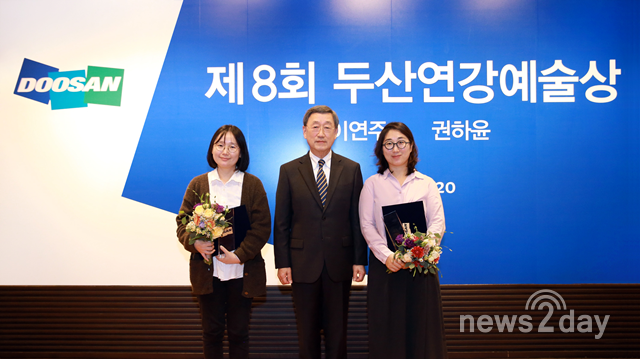
Hayoun Kwon has received several prestigious awards, including the DOOSAN Artist Award (2017, Korea), the Prix Ars Electronica Award of Distinction (2018, Austria), the NewImages Festival Prix Spécial du Jury – LBE (2022, France), the Tribeca Film Festival StoryScape Award for Best Immersive Experience (2022, New York, USA), and the Geneva International Film Festival REFLET D’OR for Best Immersive Experience (2023, Switzerland).

Collections (Selected)

Hayoun Kwon’s works are housed in the collections of major institutions, including National Museum of Modern and Contemporary Art (Korea), Seoul Museum of Art (Korea), Centre national des arts plastiques (France), Musée d’Art Moderne de Paris (France), Berkeley Art Museum & Pacific Film Archive(USA).
Works of Art

Virtual Spaces Realized by Technology

Originality & Identity

Hayoun Kwon’s work explores memory and documentation, the boundaries between reality and the virtual, and the multilayered nature of history. Utilizing virtual reality (VR), animation, and documentary formats, she investigates the gaps between personal memory and collective history, questioning how certain events are remembered and others forgotten. In her animated documentary Lack of Evidence (2011), she examines the reality faced by asylum seekers whose testimonies fail to be recognized as legal evidence, thereby highlighting the conflict between personal experience and the state-sanctioned historical record. Model Village (2014), on the other hand, reconstructs North Korea’s propaganda village, Kijong-dong, as a miniature model rather than filming the actual site, emphasizing the presence of unseen or inaccessible spaces.

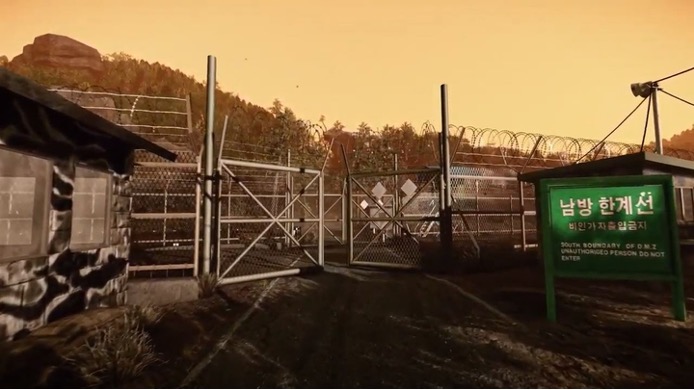
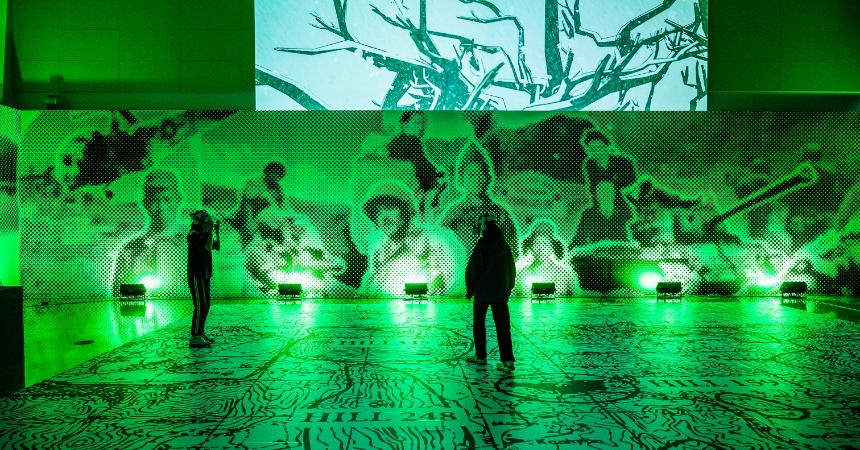
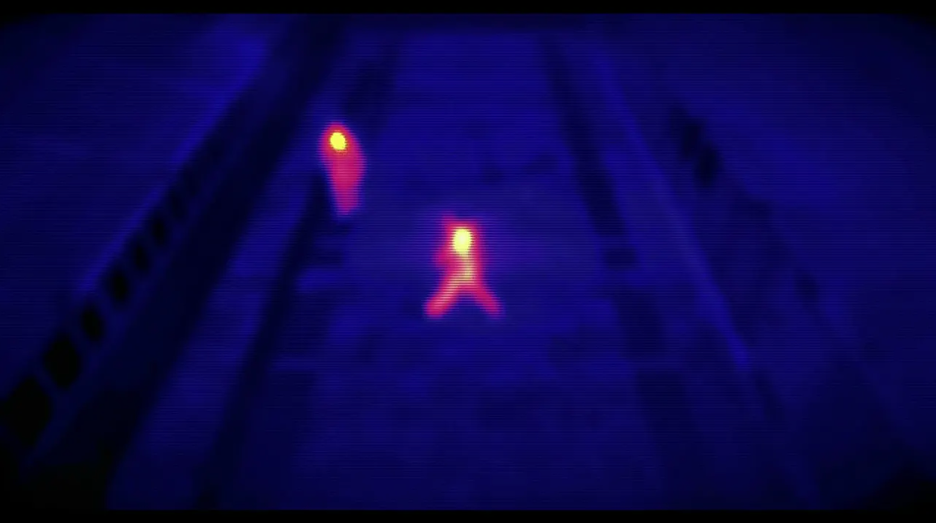
Kwon’s approach has evolved into an experiment on how memory is generated through direct audience participation and experience. In 489 Years (2016), she visualizes the testimony of a former South Korean soldier who patrolled the DMZ by reconstructing the landscape through VR. This work transcends the mere transmission of historical facts by allowing viewers to become part of the narrative, constructing their own memory of the event and engaging in a space where multiple perspectives and truths intersect.

Style & Contents

Kwon’s artistic practice began with animated documentaries that explored the gaps between testimony and record, but it has since evolved through the incorporation of VR and performative elements. While Lack of Evidence and Model Village  exposed unseen borders through voice and constructed space, 489 Years and Bird Lady (2017) introduced immersive VR environments, enabling the audience to participate in these virtual spaces.

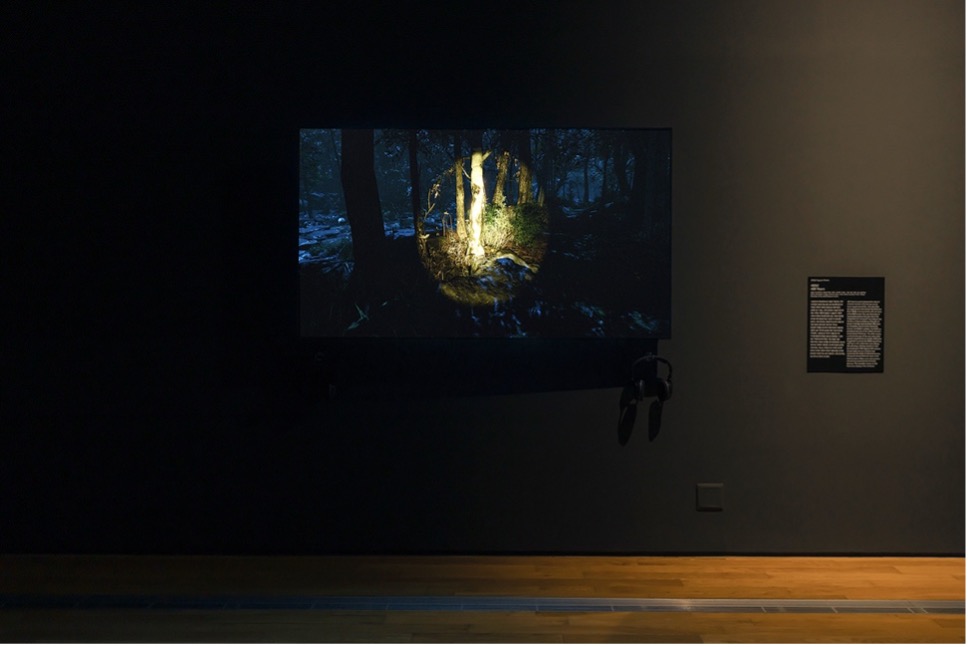
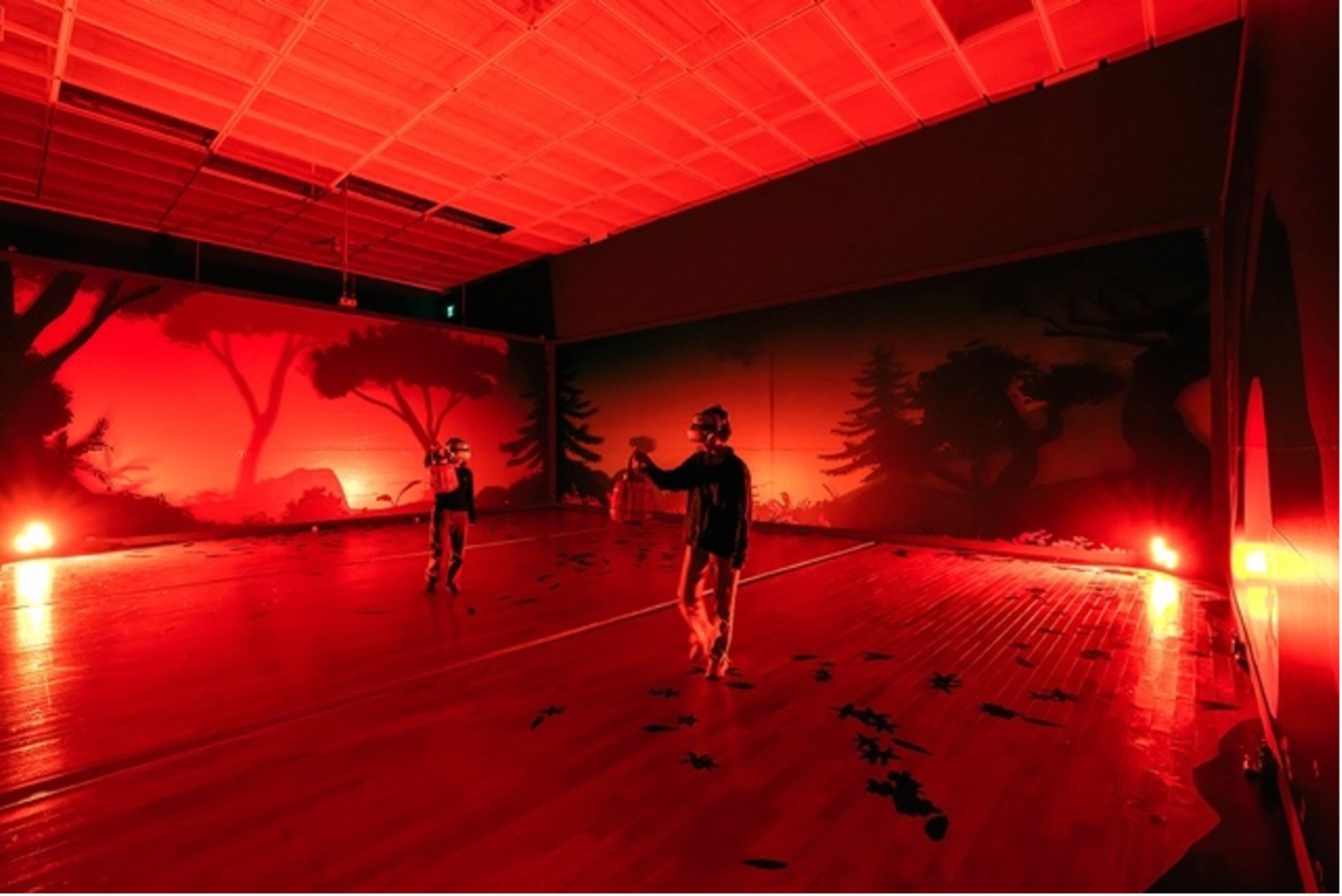
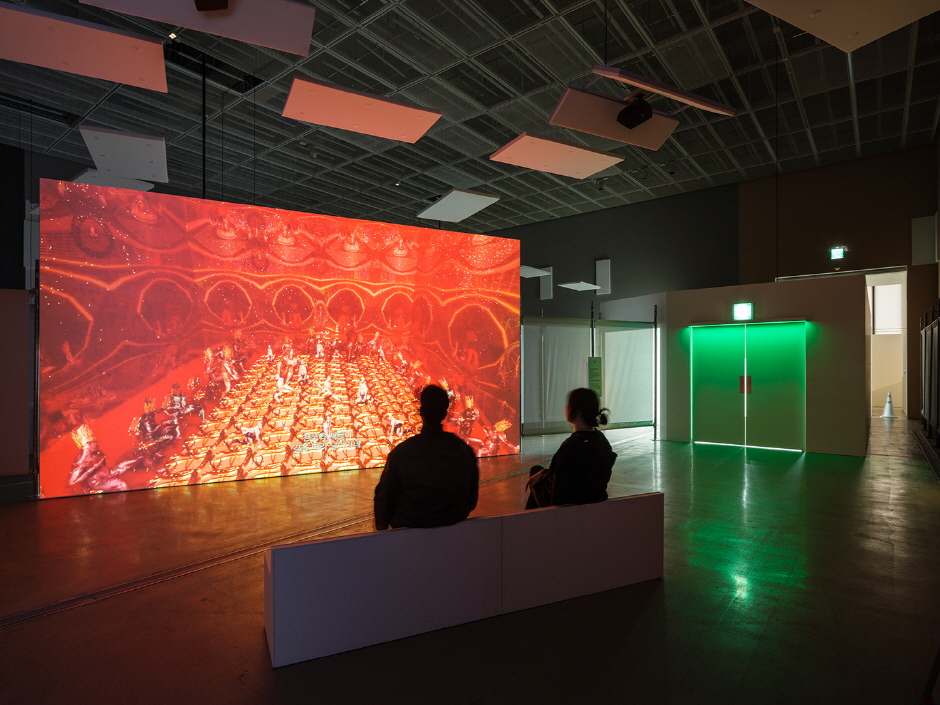
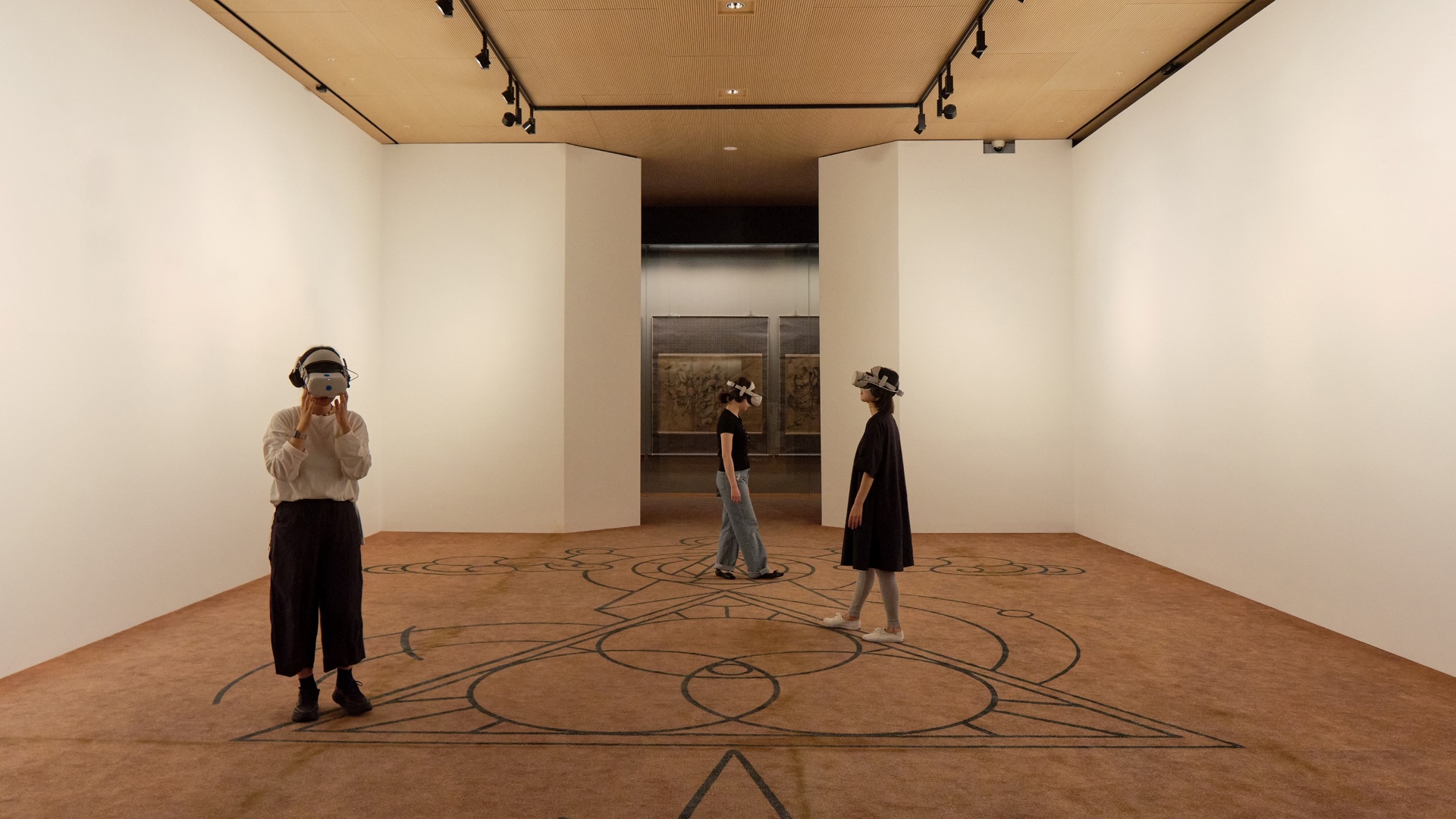
Her latest work, The Guardians of Jade Mountain(2024), exhibited at the 《Korea Art Prize 2024》 at the MMCA, expands upon the history of colonial-era East Asia, particularly focusing on the indigenous Bunun people of Taiwan under Japanese imperial rule. By integrating extensive research on real-life figures such as Mori Ushinosuke, indigenous culture, and the geography and flora of Jade mountain, Kwon creates a highly immersive virtual environment. Through the use of translucent screen installations, interactive VR elements, and physical objects like bamboo lanterns, she heightens the sense of presence within this virtual space, enabling deeper audience engagement.

Topography & Continuity

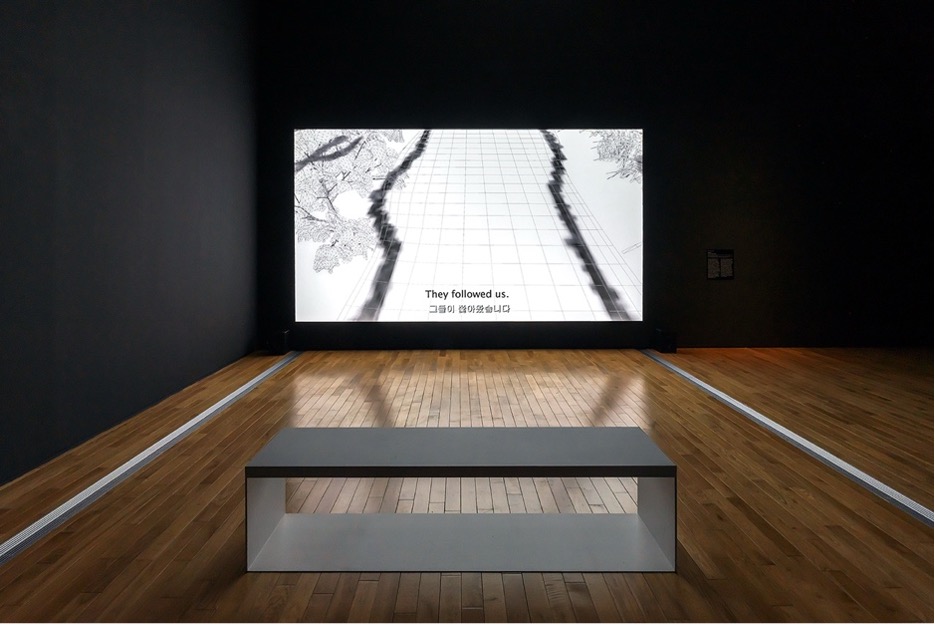
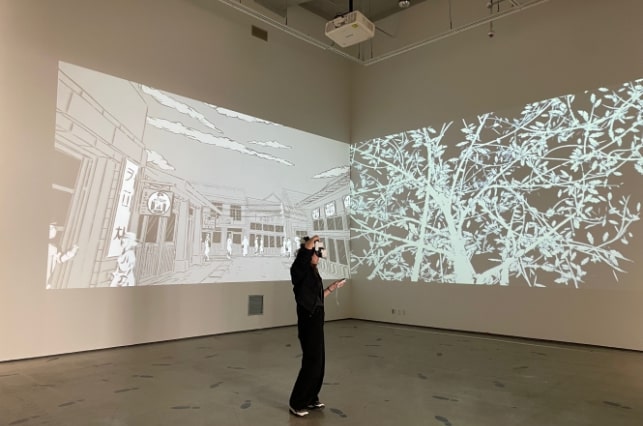
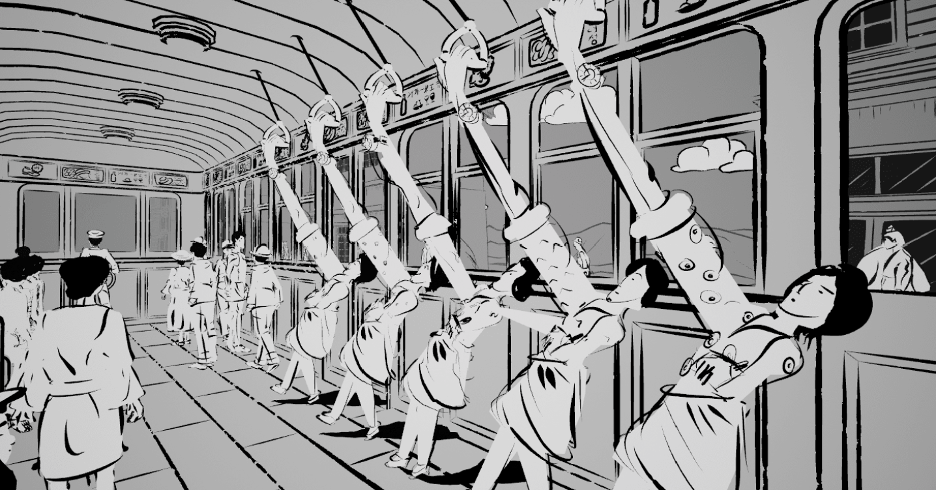
Since 2020, Kwon’s work has shifted from exploring personal memories to examining broader historical narratives. Kubo, Walk City (2020) reconstructs early 20th-century colonial Seoul using newspaper archives, while The Forgotten War (2023) visualizes the layered memories surrounding the Korean War. The Guardians of Jade Mountain sheds light on the historical erasure of indigenous narratives, demonstrating how personal experiences can serve as tools for rewriting history.

Kwon’s work invites audiences into spaces where the boundaries between reality and fiction collapse, offering a new methodology for constructing collective memory. By integrating VR with historical narratives, she significantly contributes to contemporary documentary practices and media art, pushing the boundaries of how history is experienced and reinterpreted.

Works of Art

Virtual Spaces Realized by Technology

Articles

Exhibitions

Activities