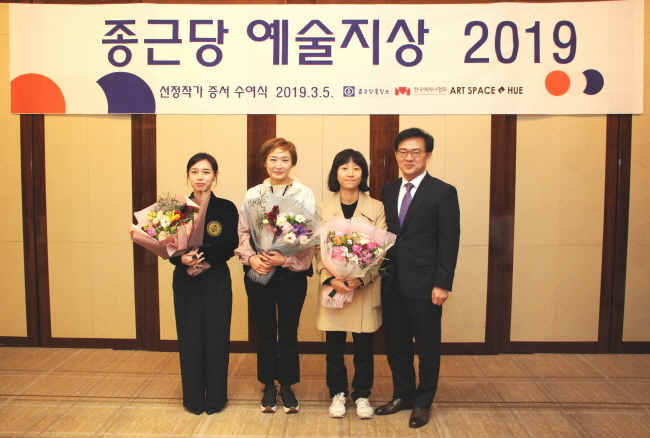
Yooyun
Yang’s work begins with an attention to how anxiety, solitude, and wounds
rooted in the individual’s inner world are transformed and expanded within
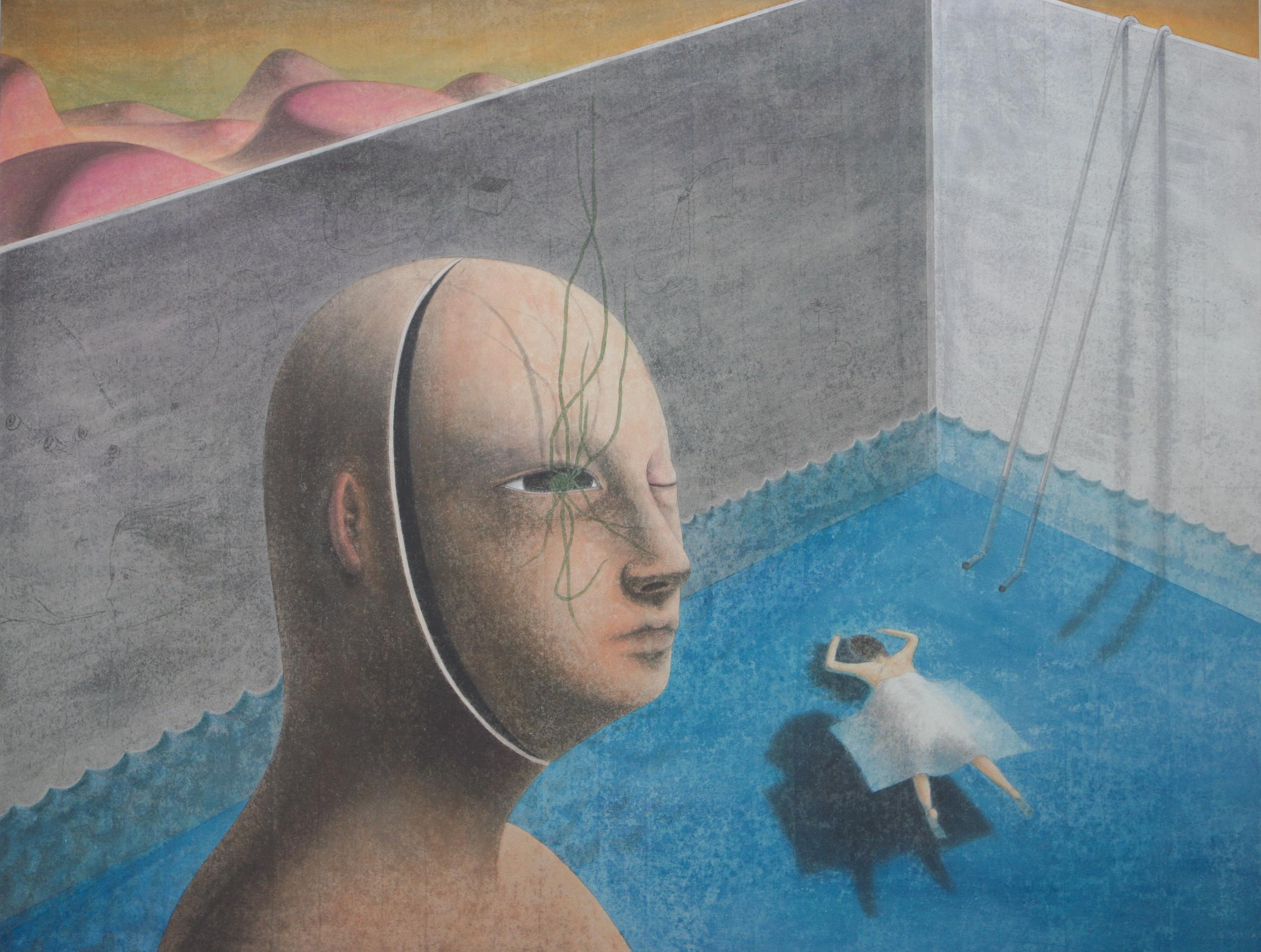
social environments. In her early work, the artist projected childhood memories
and unstable inner sensations onto the human figure. In works such as
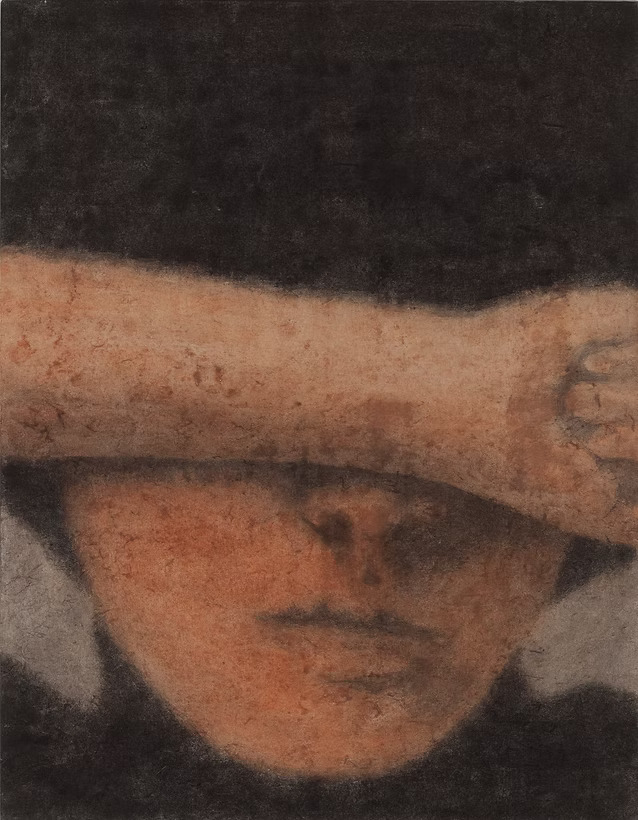
The Afterimage of that Time(2009) and Face
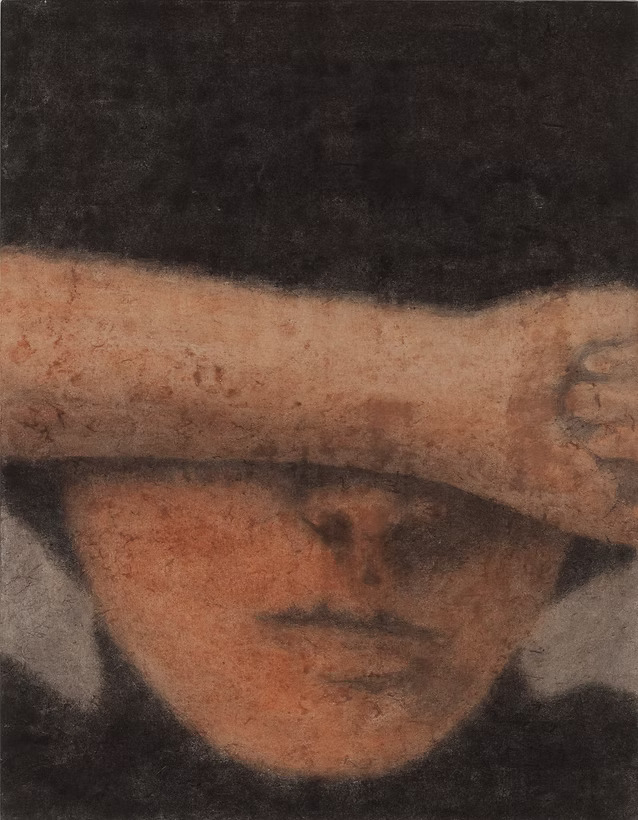
1(2011), figures appear with missing brains or holes in their hearts,
cover their faces with long hair, or lie face down on the ground in incomplete
states.
Yet the titles of the works, such as For No Reason
and Returning Home, are presented in a detached, almost
cynical tone. This gap between image and title reveals the artist’s attitude of
transferring her wounds onto anonymous figures rather than confessing them
directly, and of observing them from a certain distance. In this process,
personal memory does not remain a private narrative, but expands into a sense
of anxiety and isolation that anyone may experience.
The 2012
solo exhibition 《Daydream》(Gallery SoSo, Seoul, 2012) marks an important point at which the
artist’s gaze moves from the interior self toward the external world. In
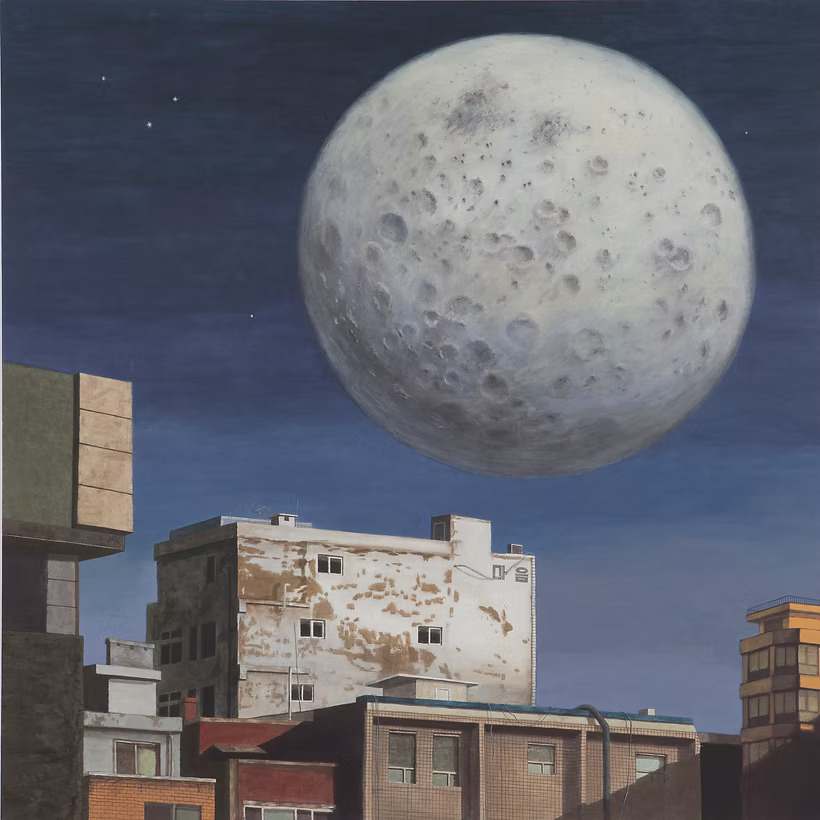
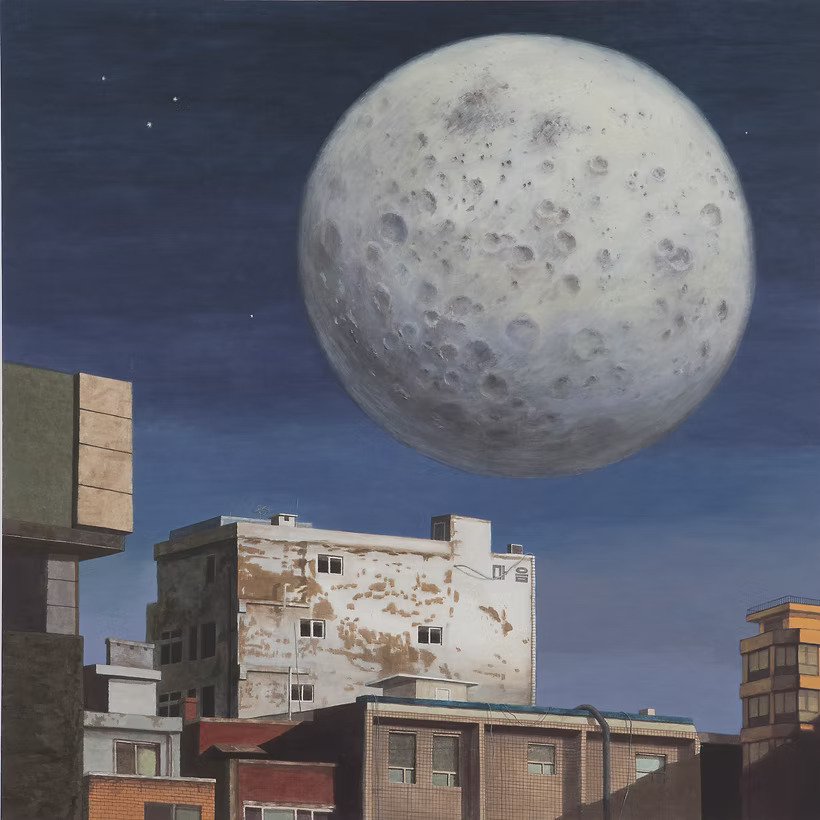
One Day(2012) and At that Time(2012),
Yang places a monumental moon together with old buildings and urban landscapes
awaiting redevelopment.
The distant moon appears so close that it almost seems
within reach, while its dark, hollowed craters resemble the facades of aging
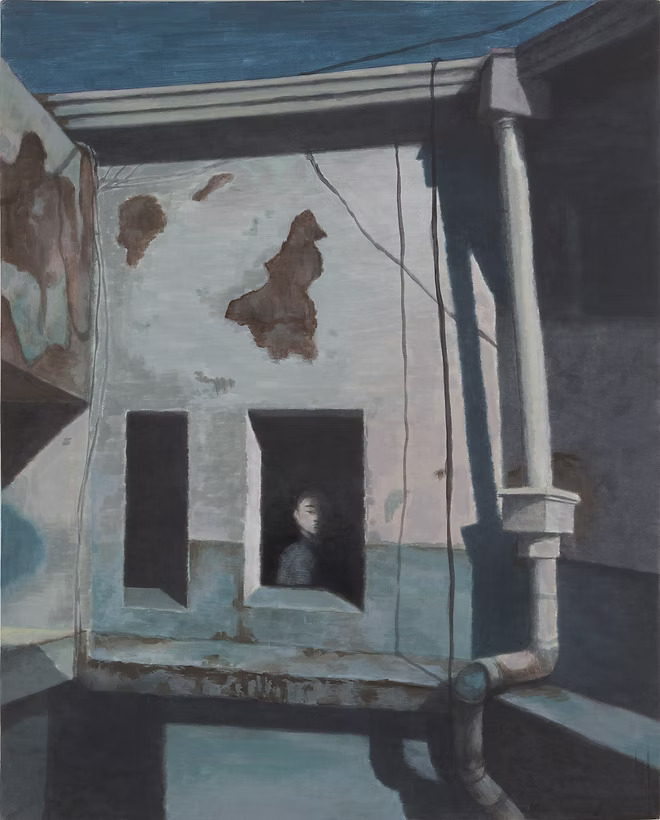
apartment blocks, perforated floors, and sunken walls. Gazing at the scars and
worn structures scattered across the city, the artist overlays the sensations
of wounds remaining deep inside herself onto the external landscape. In works
from this period, the emotion of the “I” is not spoken directly, but is
transformed into a social atmosphere through the relationship between moon and
city, building and shadow.
Yang’s
work later expands into questions of solitude, distrust, anonymity, and social
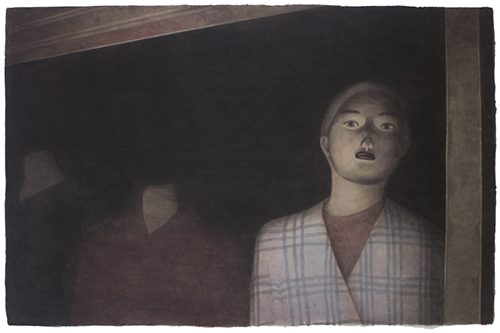
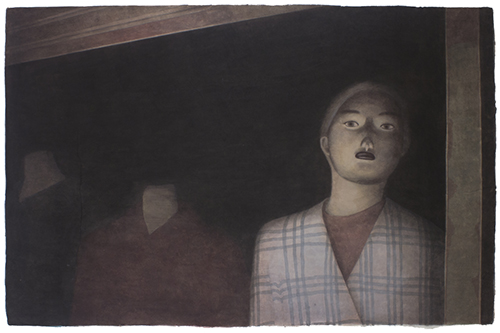
uncertainty. In 《Distrust and
Overtrust》(Gallerylux, Seoul, 2016), the artist took
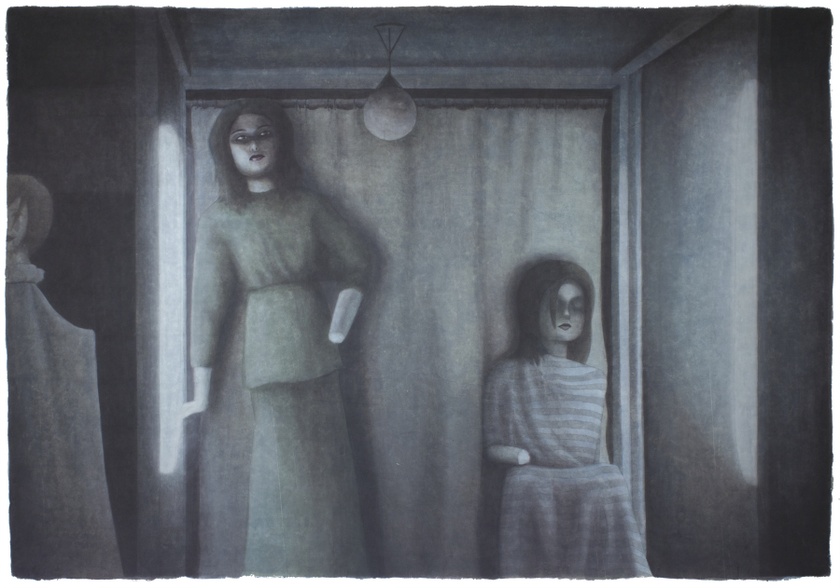
the mannequin—an object that resembles the human body but is not human—as a
central motif. The fragmented mannequin bodies and rigid faces in works such as
Contrast(2016) and Stuck(2016) reveal the
bewilderment, sense of betrayal, and confusion of identity that arise when what
was once trusted becomes an object of distrust.
The mannequin looks like a
human being with emotion, but at the same time remains an empty object.
Precisely because of this in-between state, it becomes a surrogate for the
uncertain emotions contemporary individuals feel toward others and society.
Through these artificial objects, Yang does not express solitude, melancholy,
and anger in an overly dramatic way, but allows them to settle into cold and
unfamiliar landscapes.
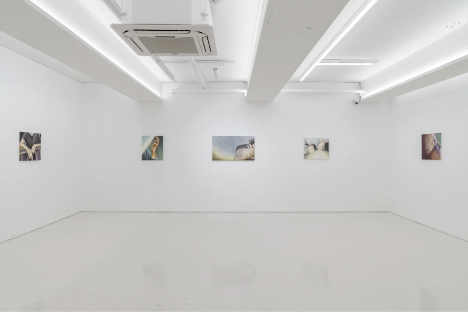
After the
2019 solo exhibition 《I know the day
will come》(Amado Art Space, Seoul, 2019), the artist’s
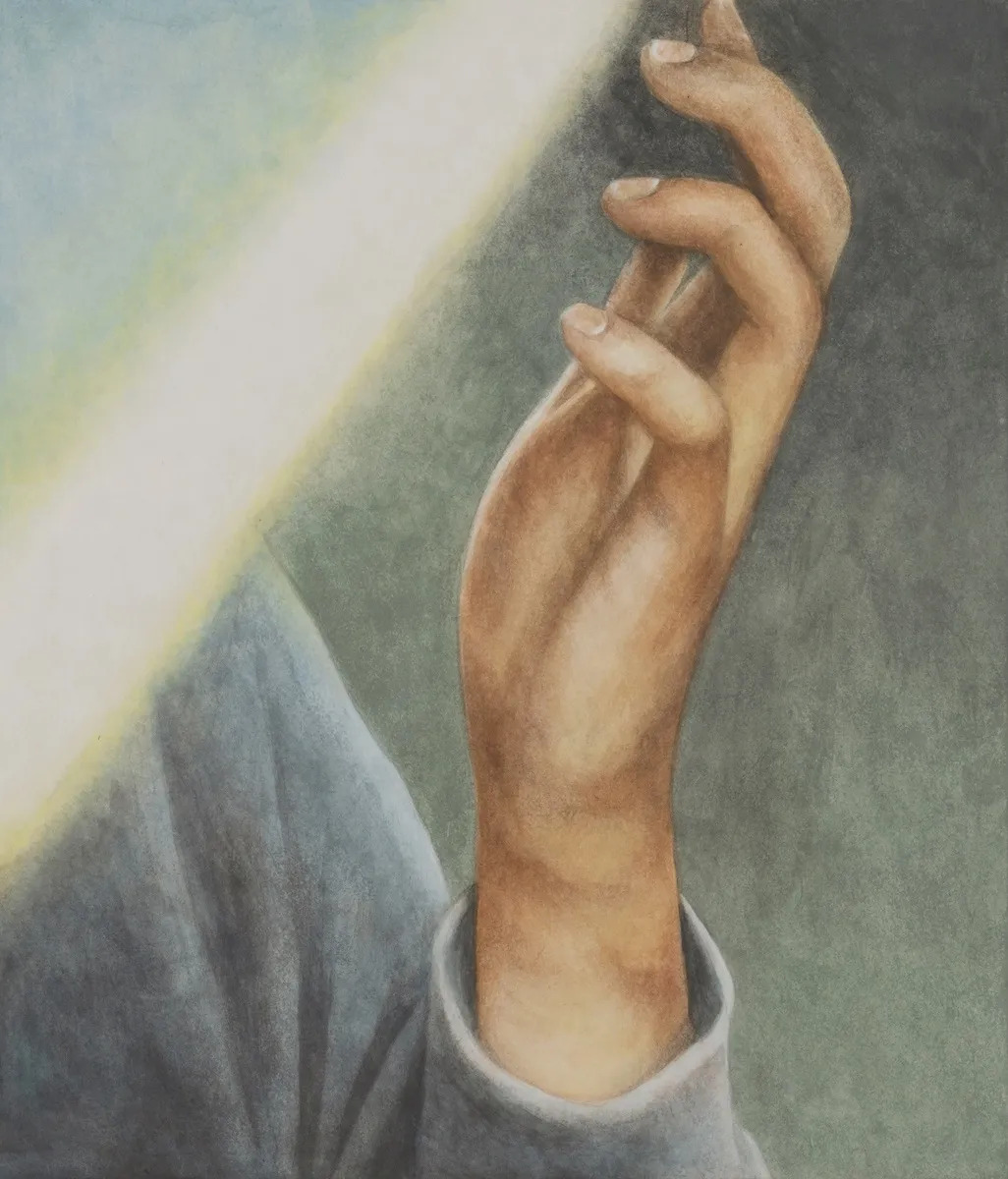
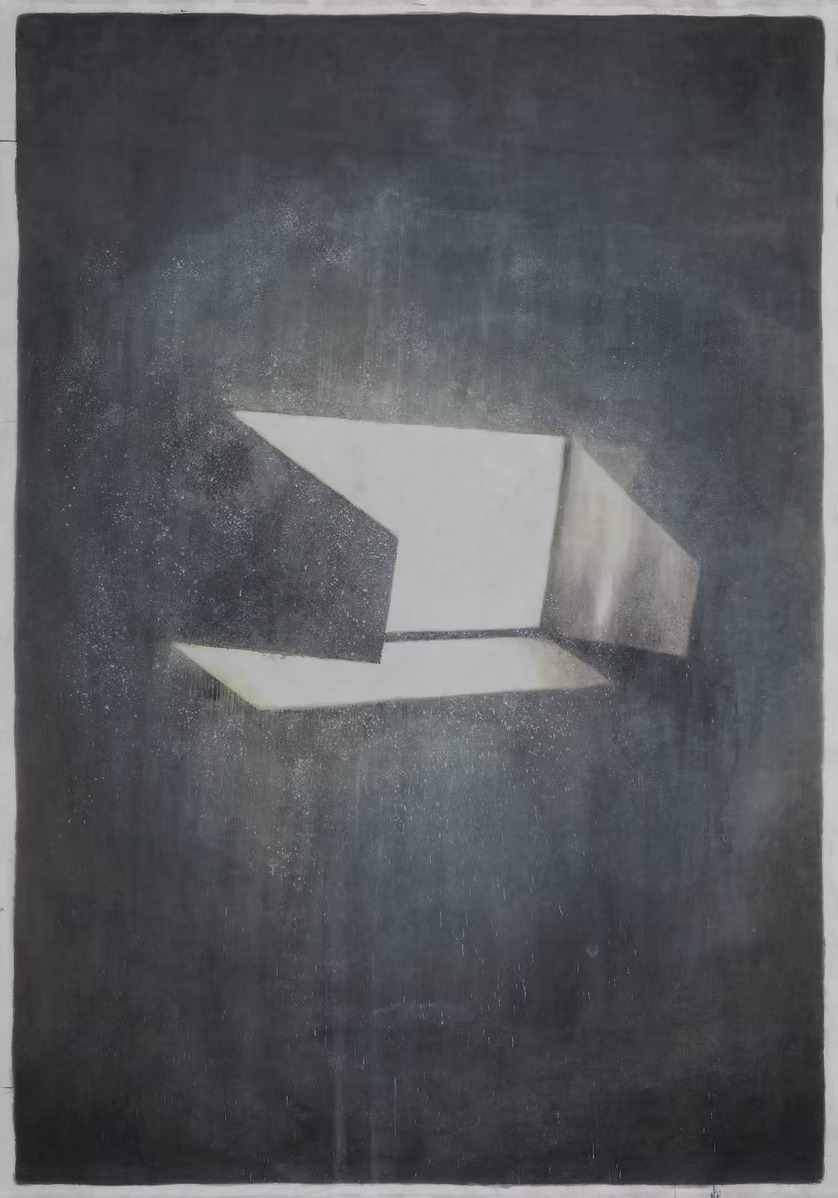
attention shifts from darkness itself toward a “presence that illuminates the
darkness” and the afterimage of light. Illumination(2019)
addresses the fear and emptiness felt from ambiguous subjects through a subtle
balance between light and darkness.
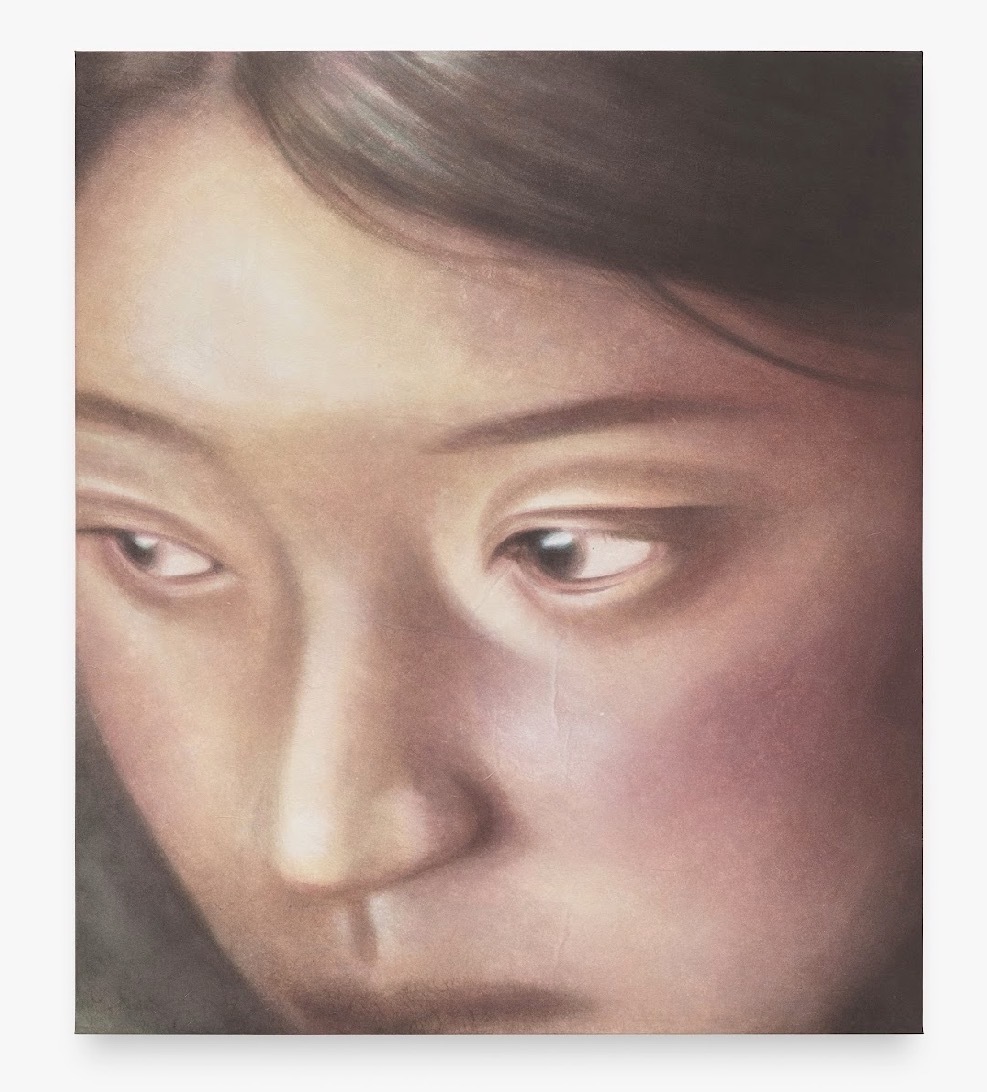
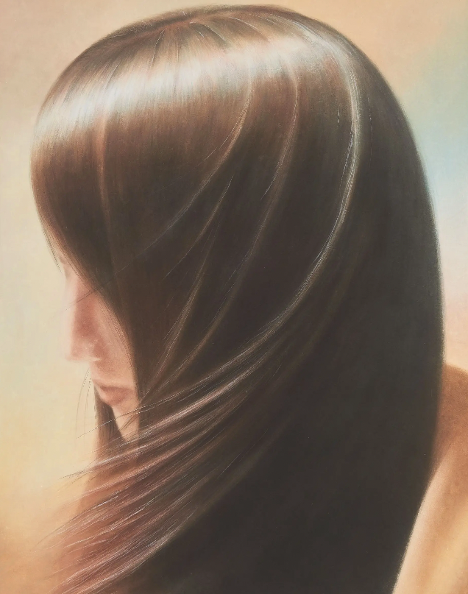
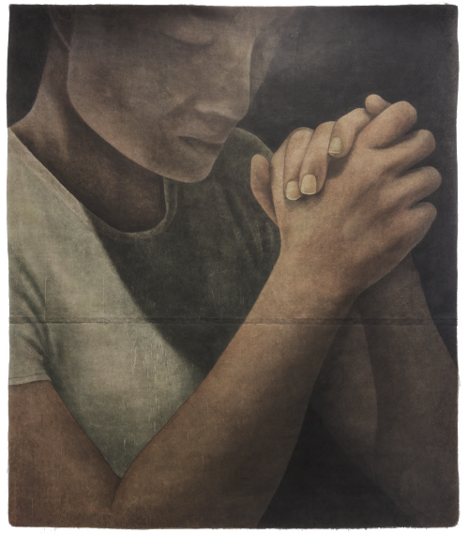
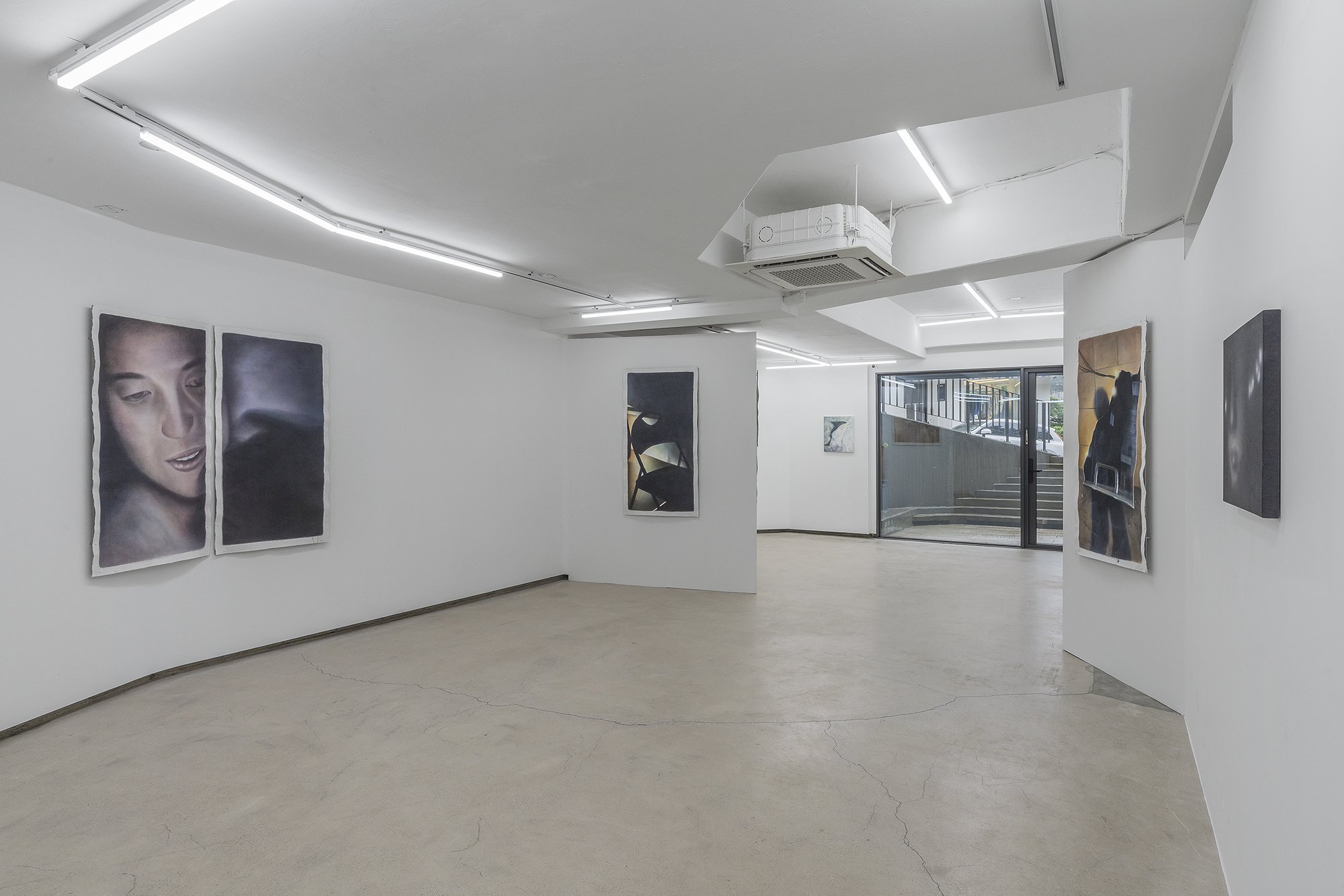
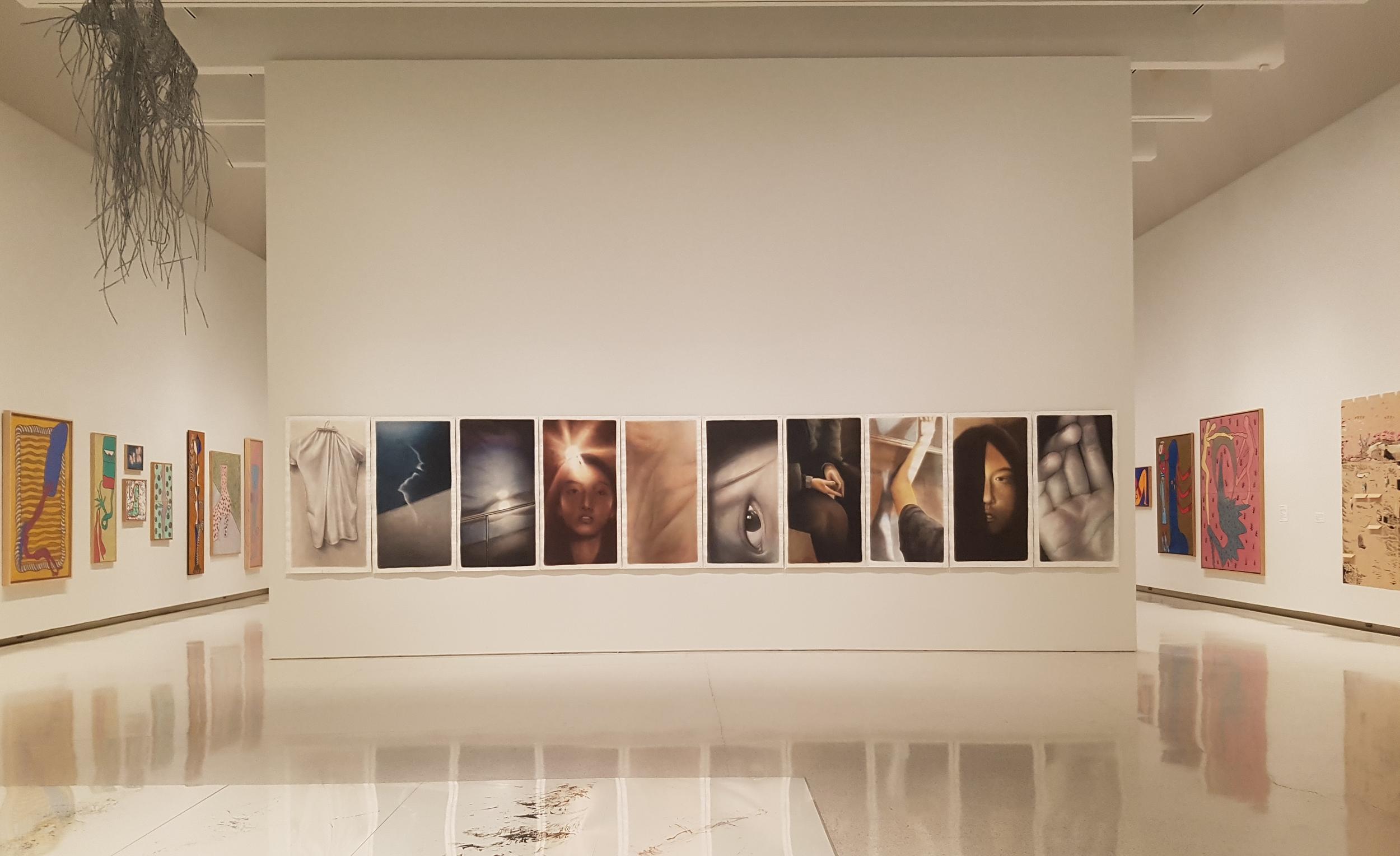
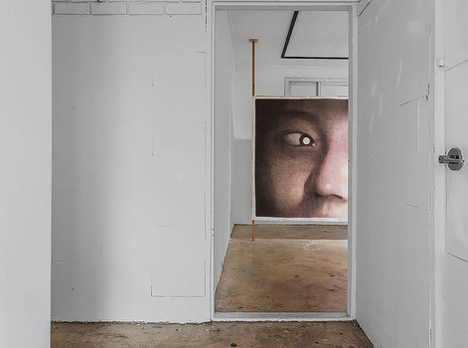
In 《Face》(Chapter II, Seoul, 2022), Yang explores “familiar fear” through
everyday records and collected images. In works such as
Grid(2022), LAY(2022), and
Tangled(2022), figures appear exposed to excessive light or
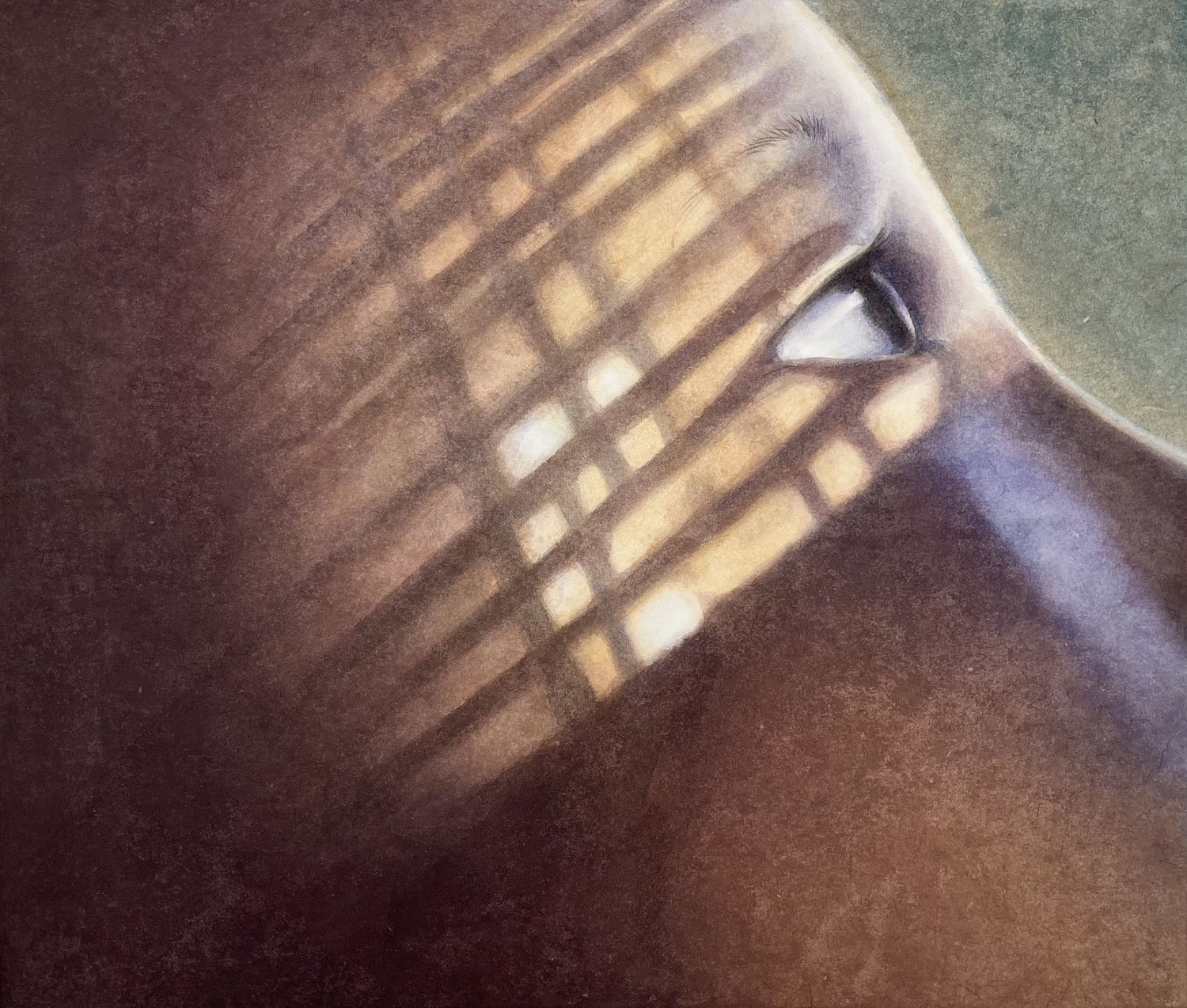
seem to turn away from it. By the time of 《Afterglow in
Between》(Primary Practice, Seoul, 2023), faces,
objects, shadows, and divided frames interlock to create subtle sensations
between anxiety and calm, emptiness and vitality.
In Yang’s painting, light is
not simply a device that illuminates objects, but a central condition that
reveals the tension between the visible and the invisible, familiarity and
strangeness, silence and emotion.