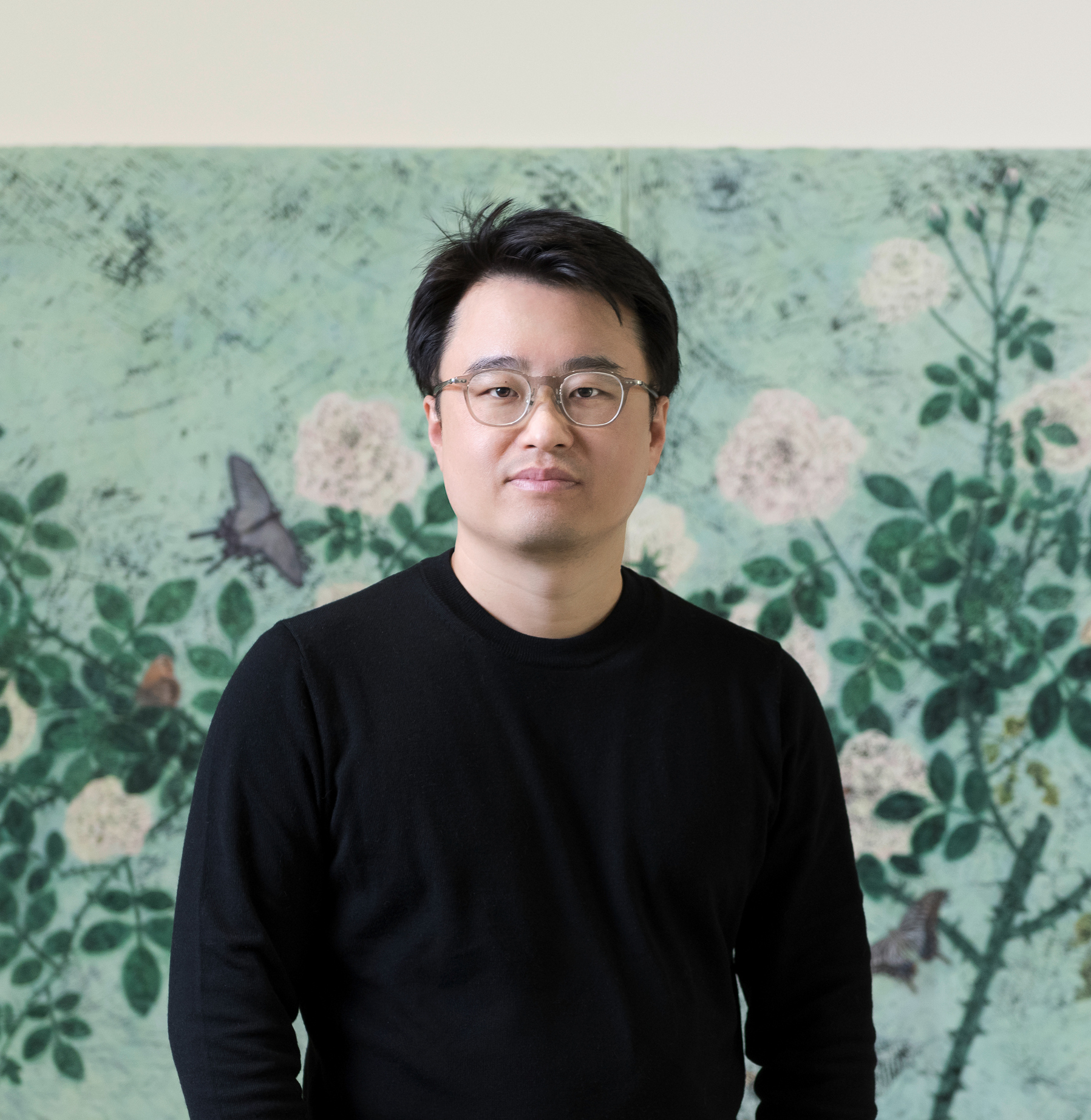
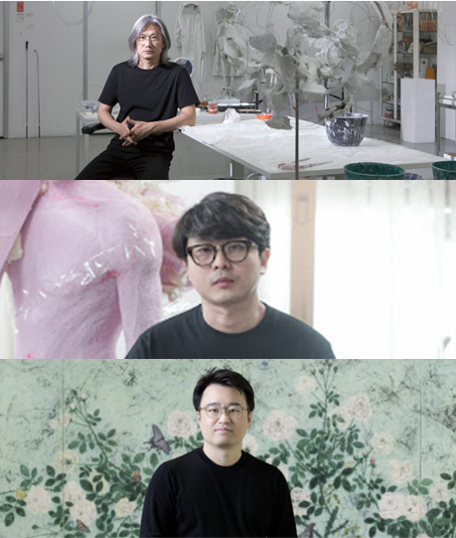
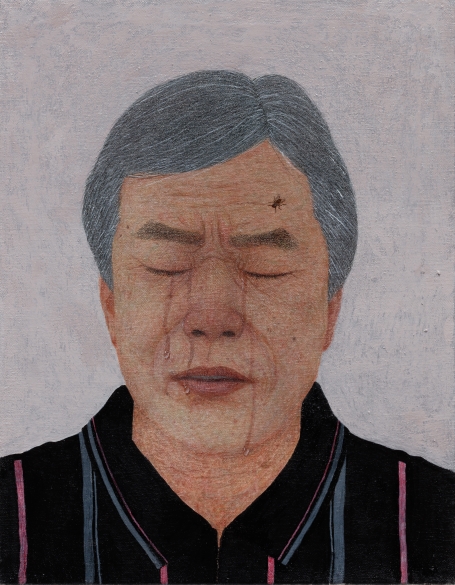
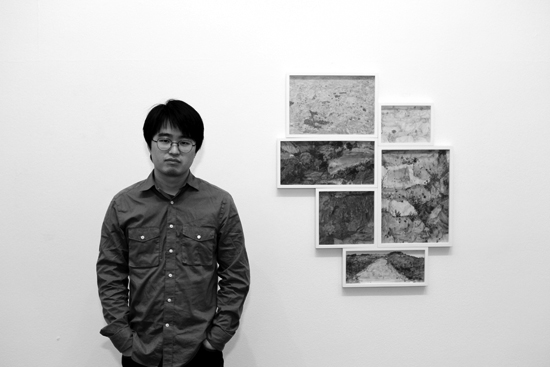
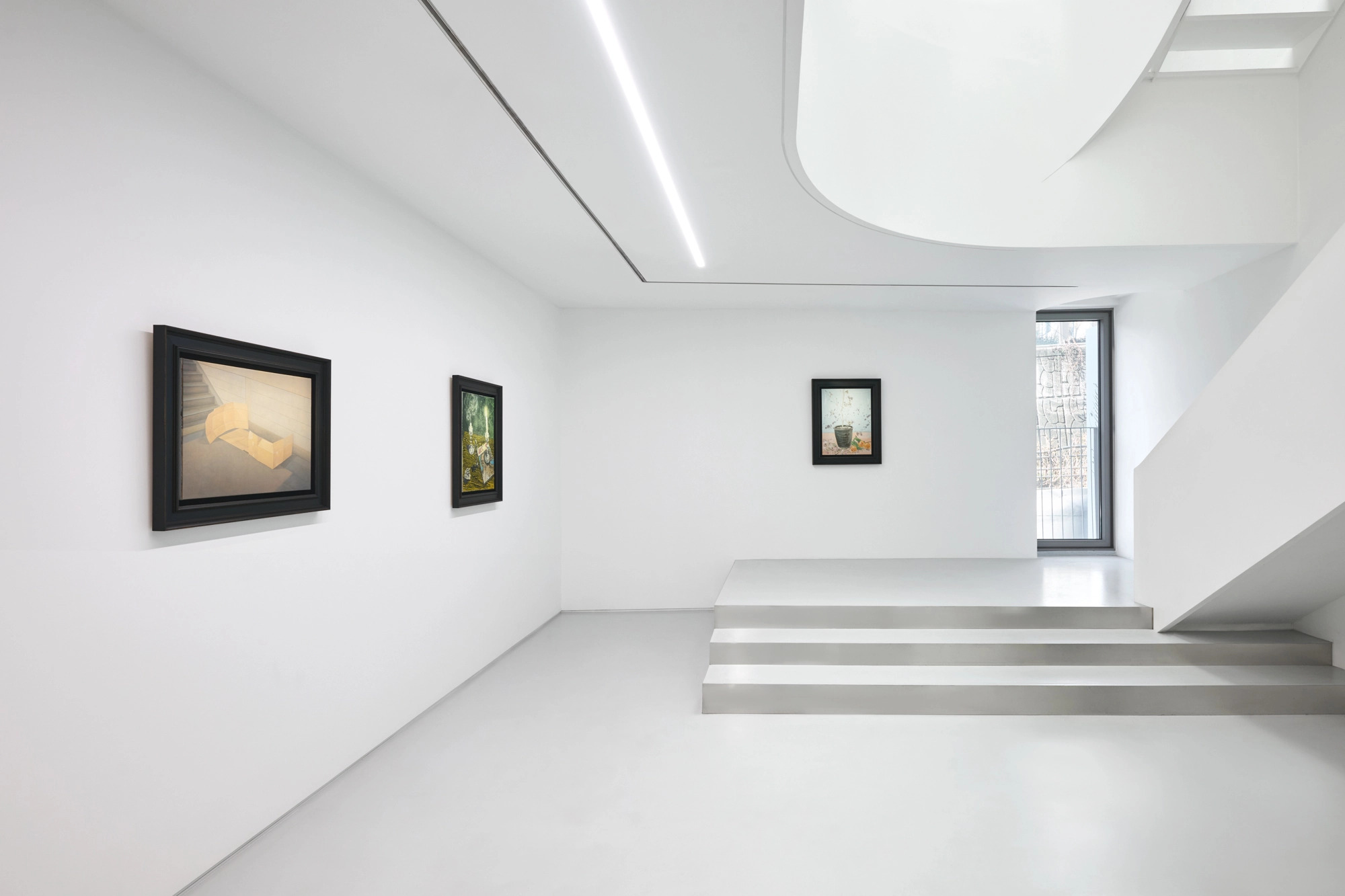
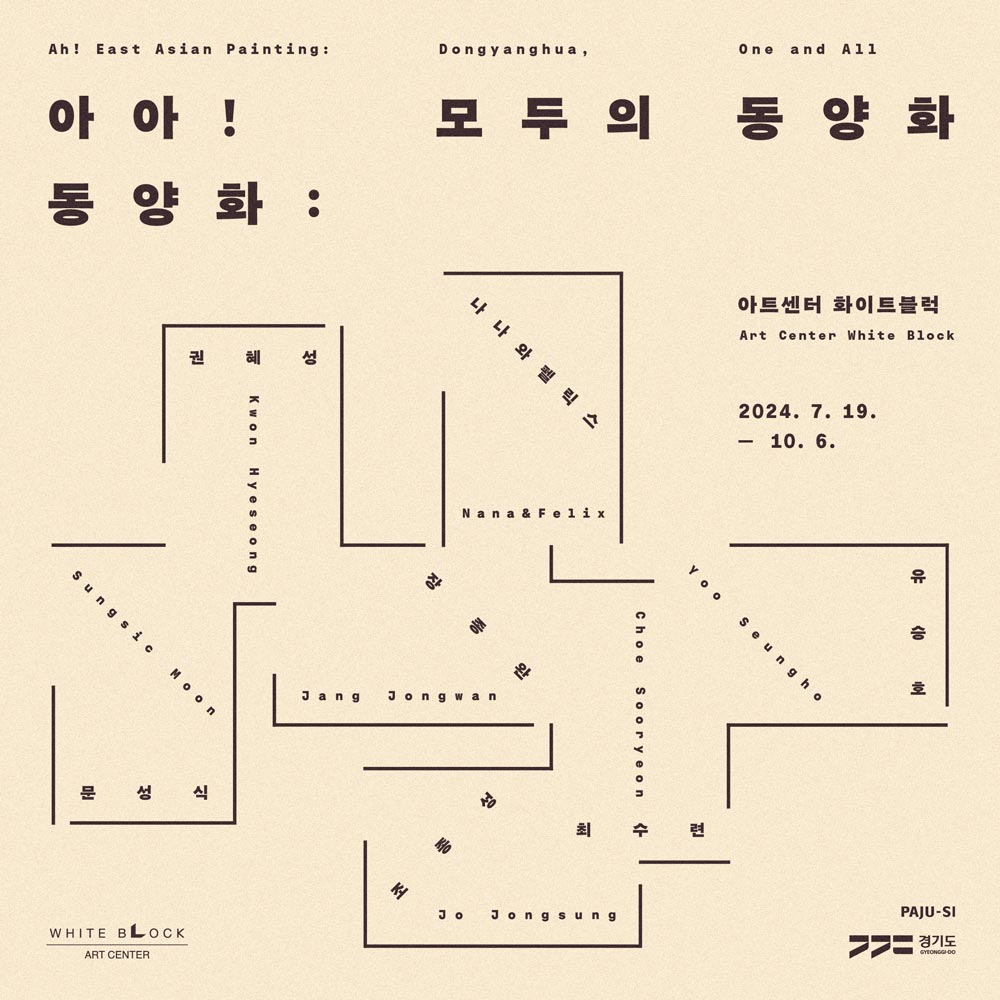
Sungsic Moon first gained significant attention in 2005 as the youngest artist to participate in the Korean Pavilion at the 51st Venice Biennale. Over the past two decades, he has remained deeply committed to the act of painting itself, maintaining a distinctive trajectory within contemporary Korean art.
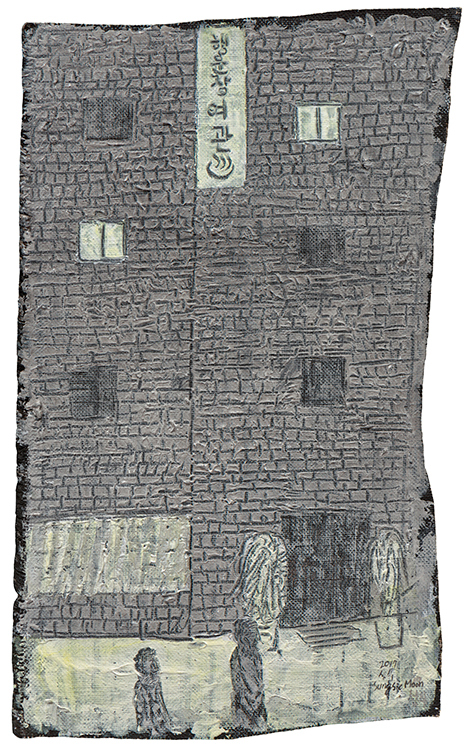
While his early works focused on childhood memories and the ironies of everyday life, his practice has gradually expanded to encompass broader themes such as nature, family, aging, mortality, and the conditions of human existence. Although his subjects and formal strategies have evolved, his sustained interest in observing and reflecting upon life has remained constant.
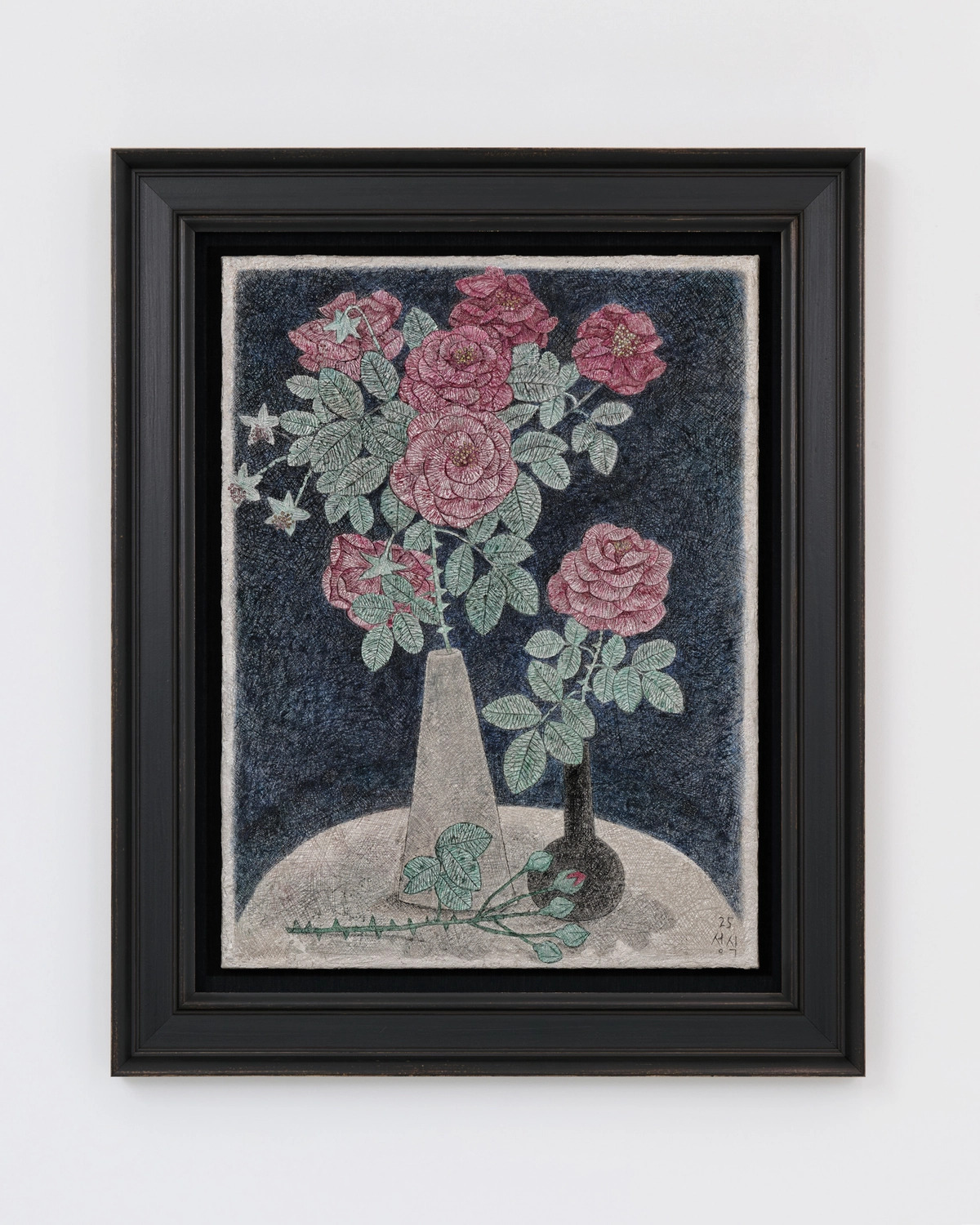
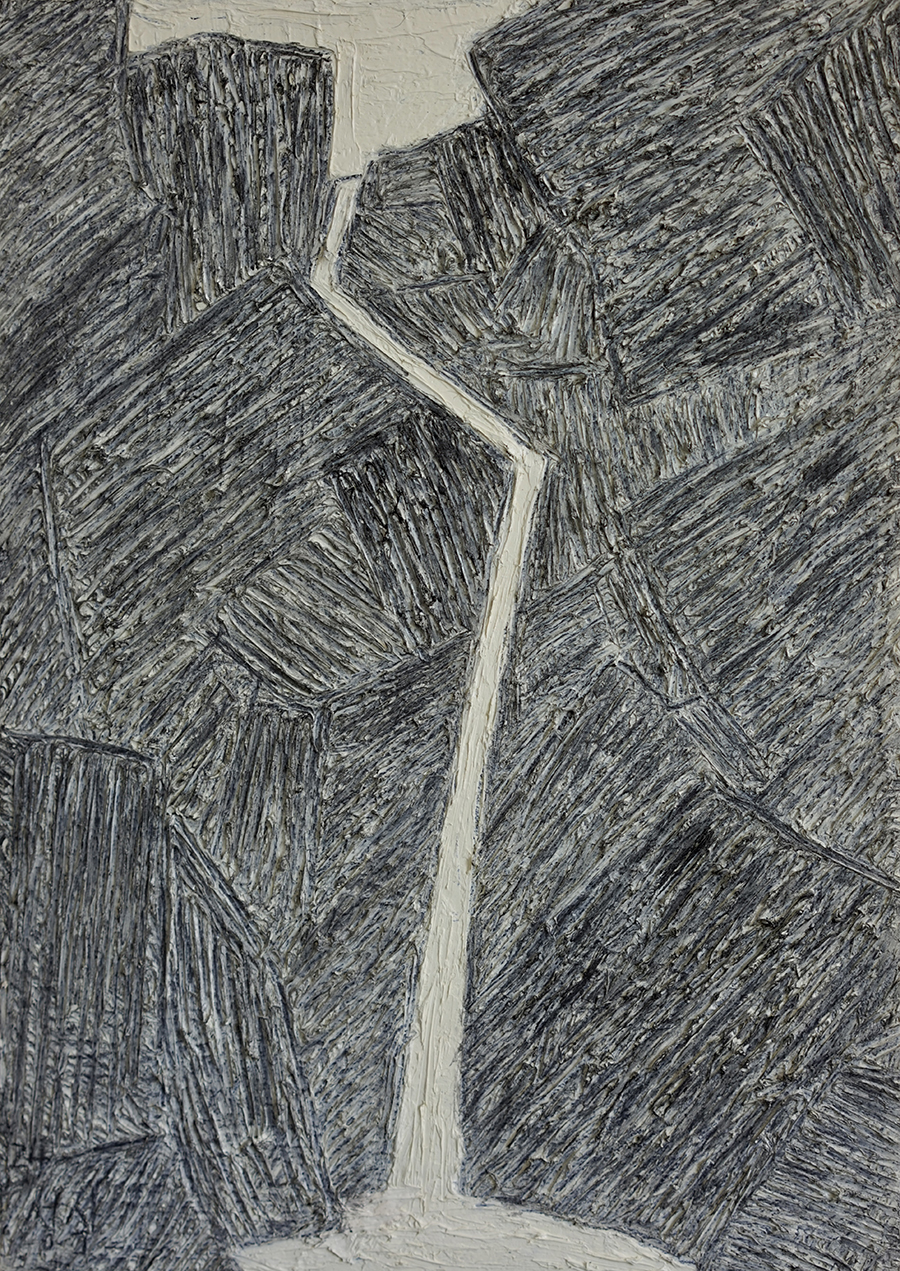
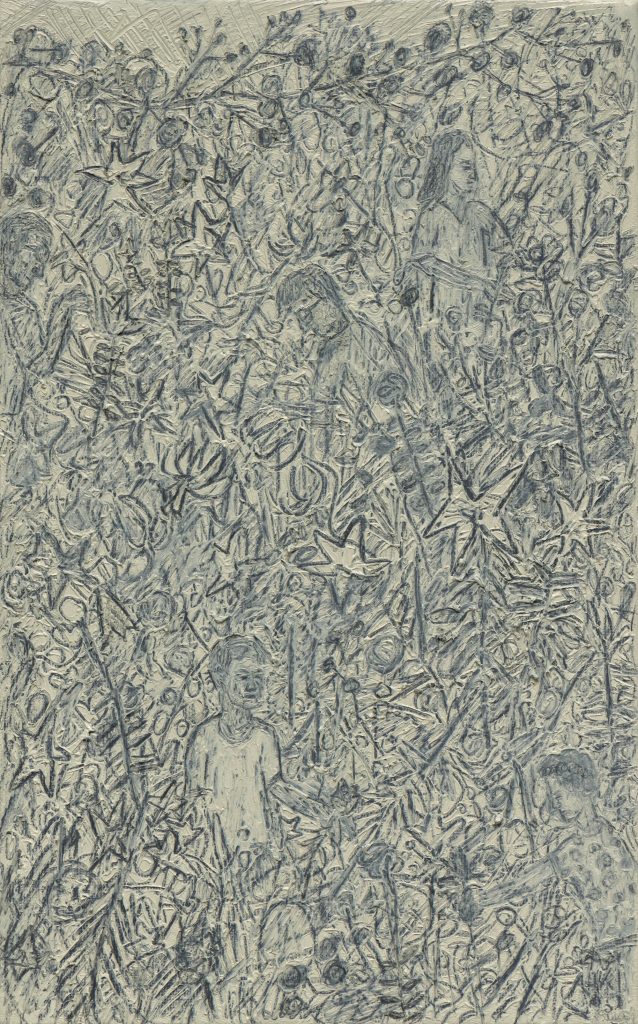
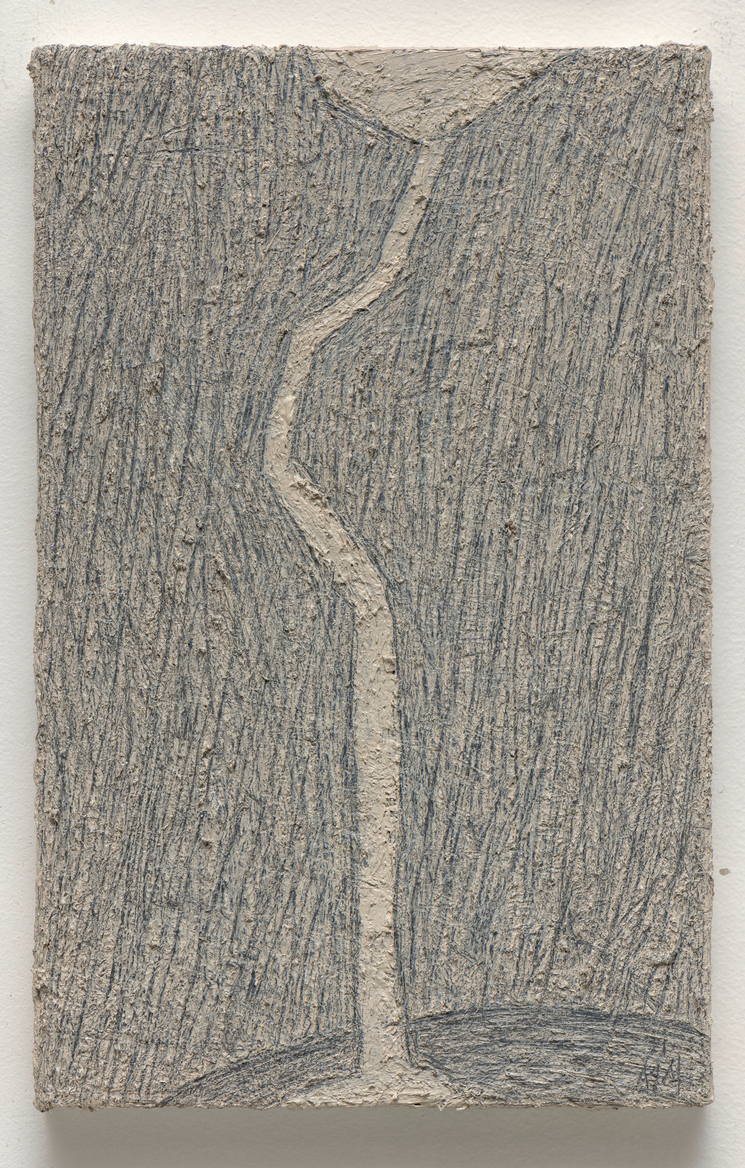
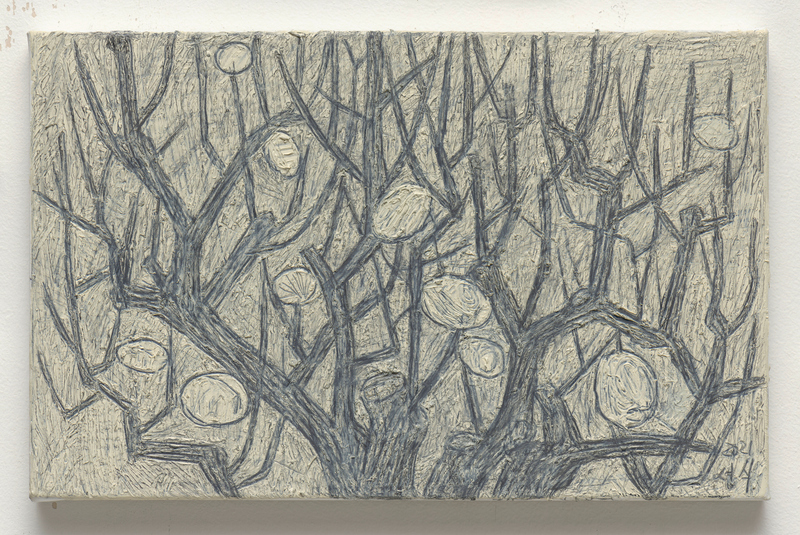
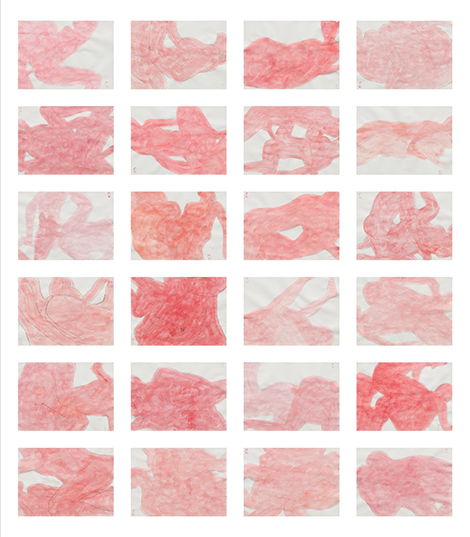
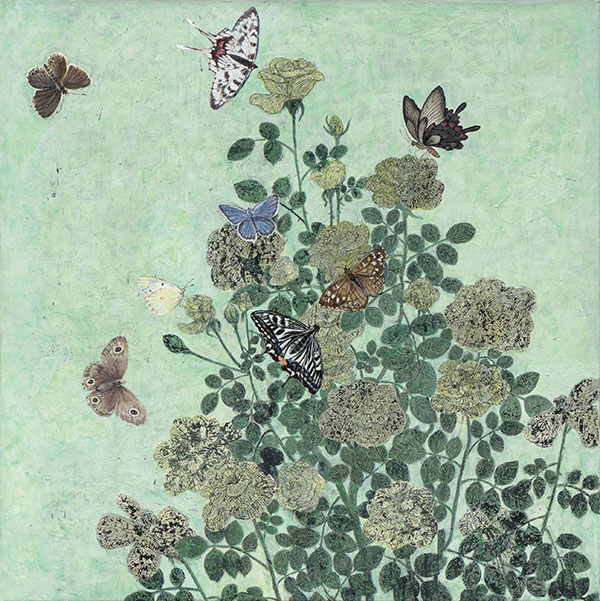
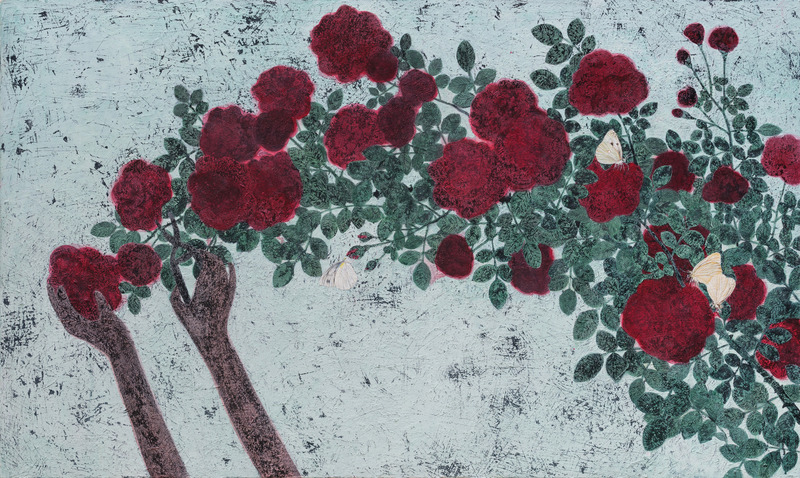
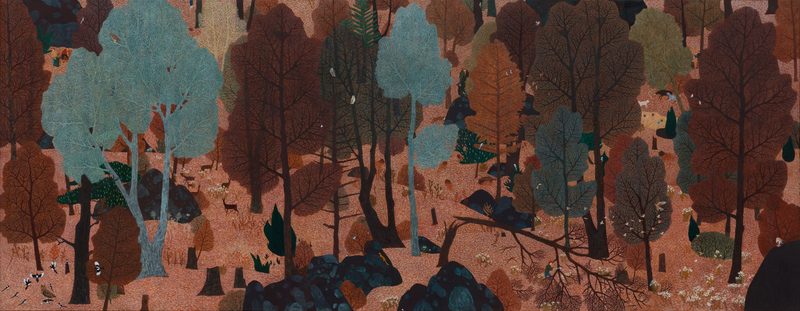
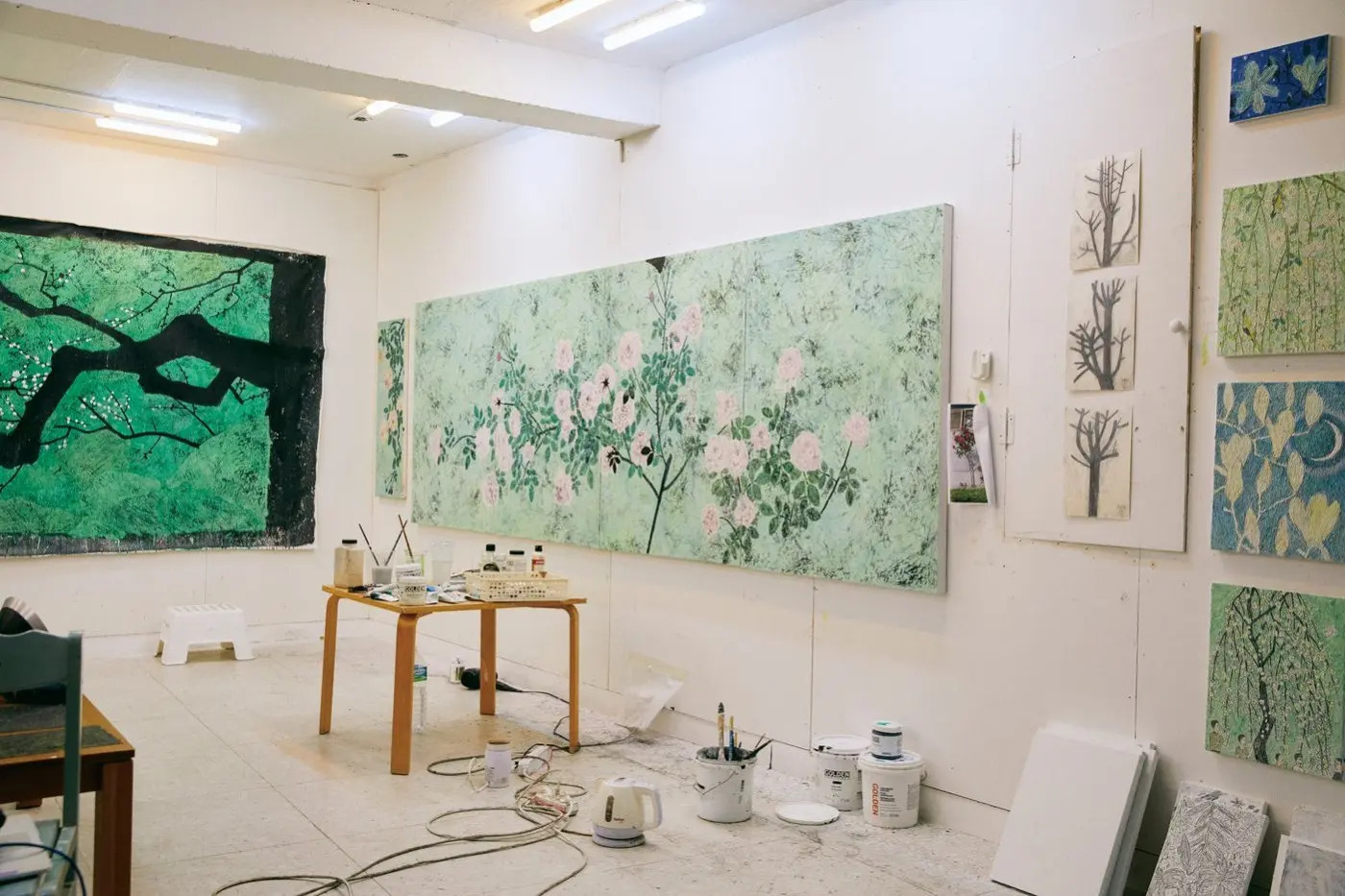
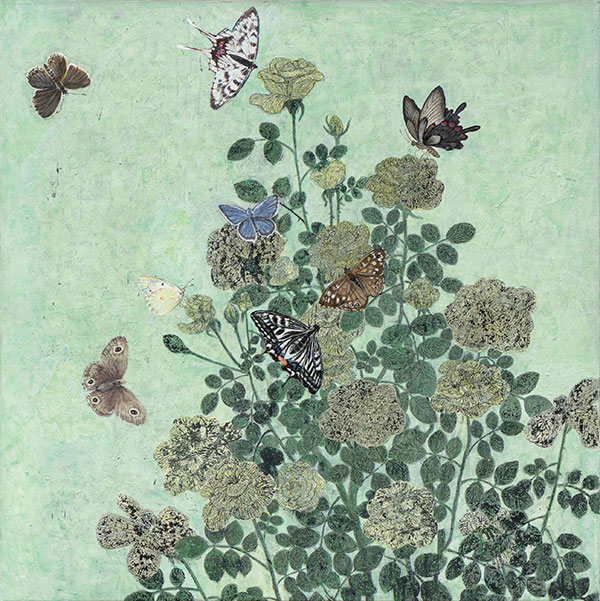
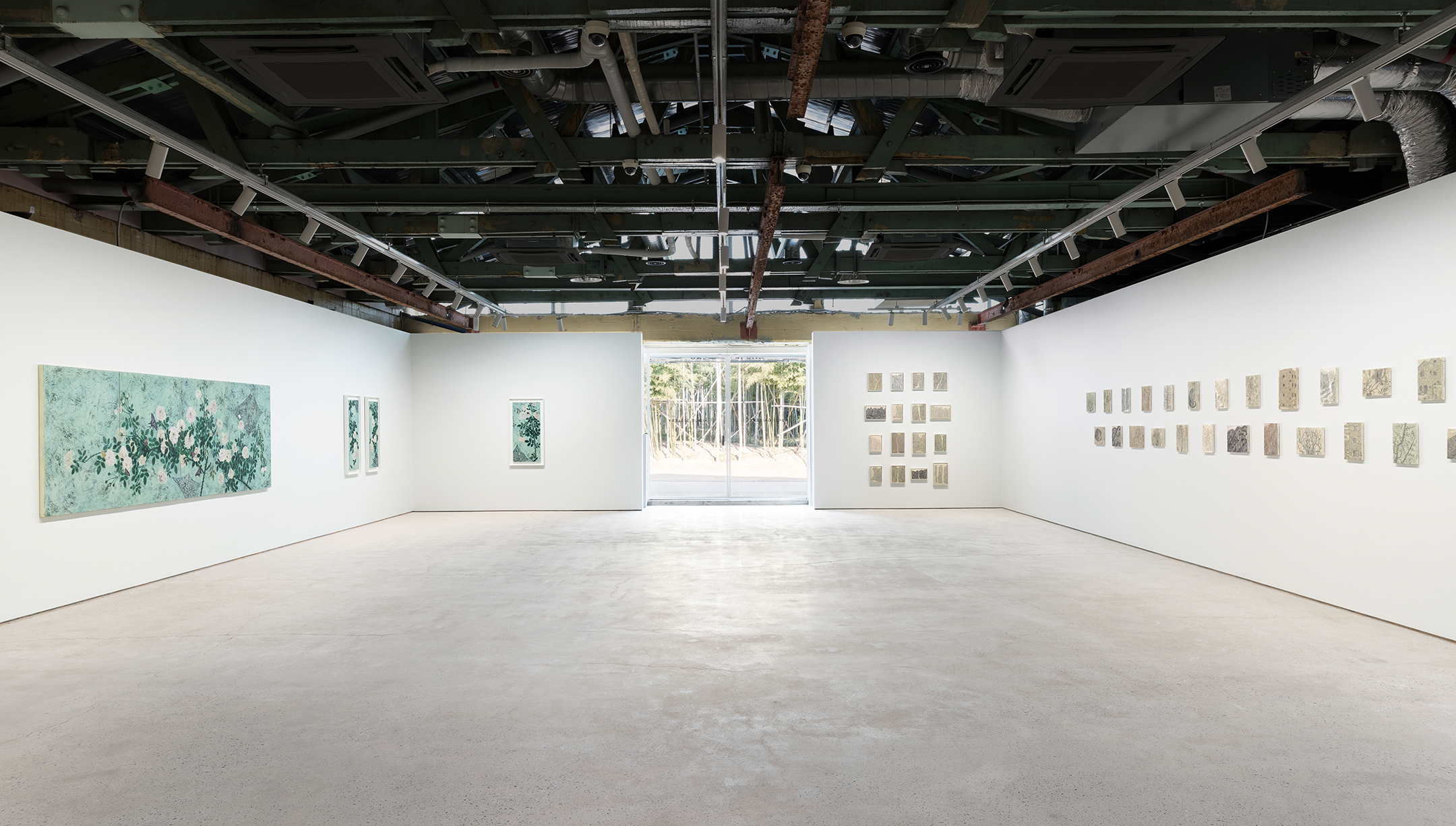
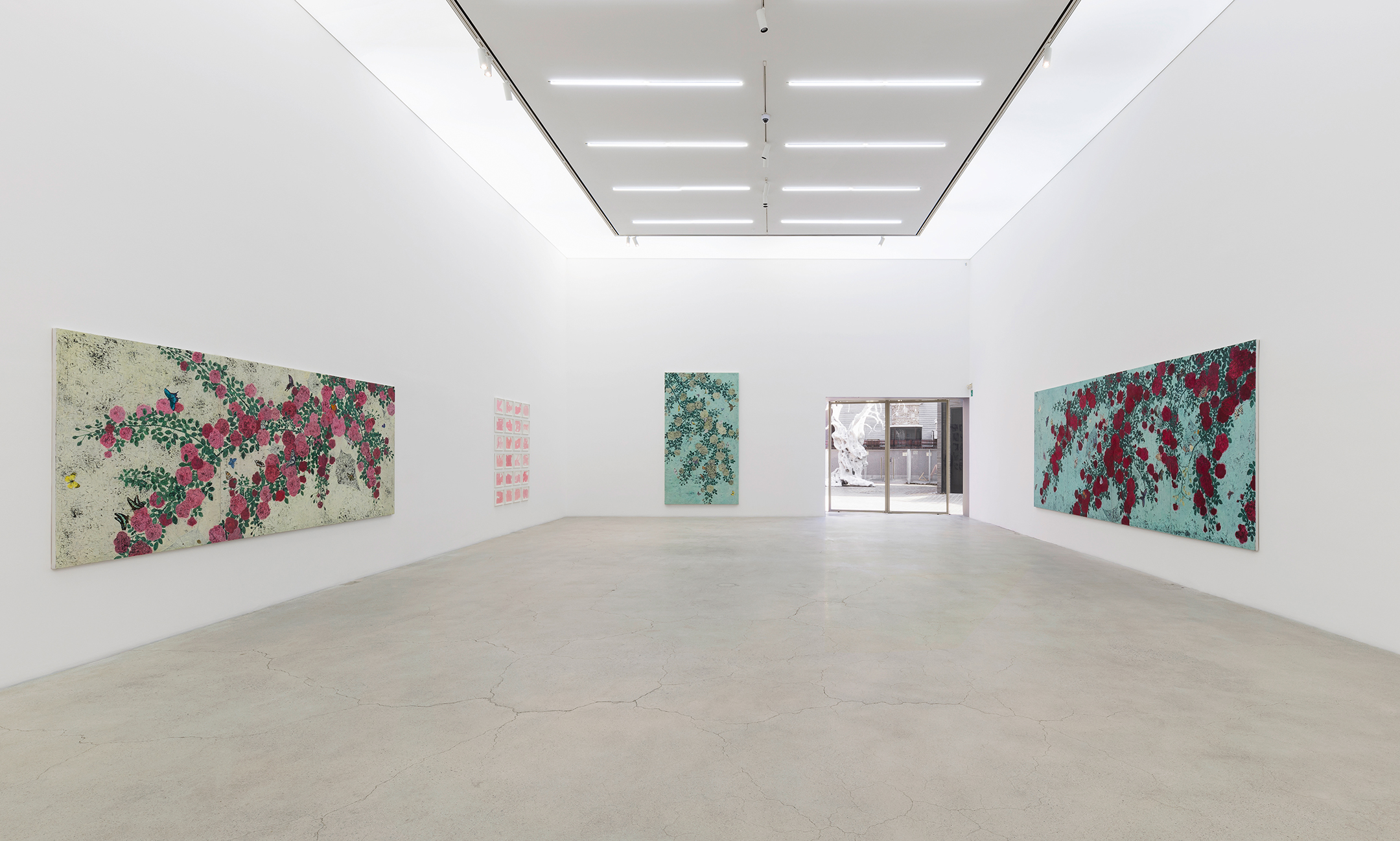
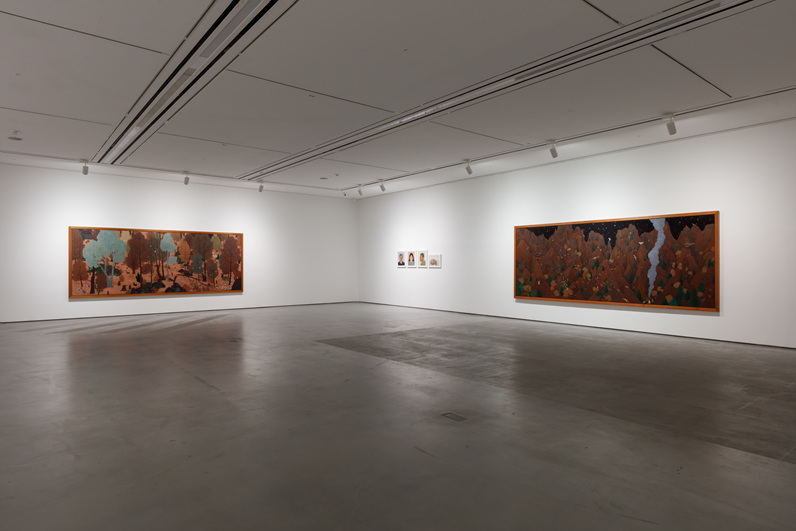
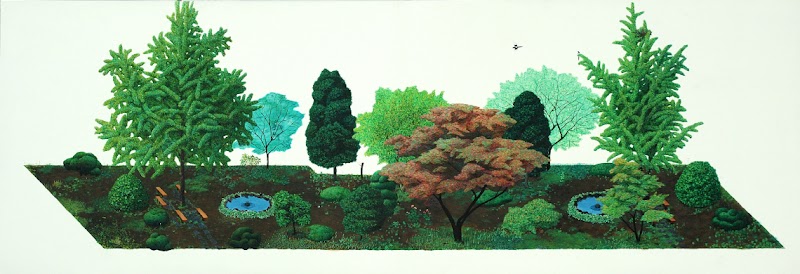
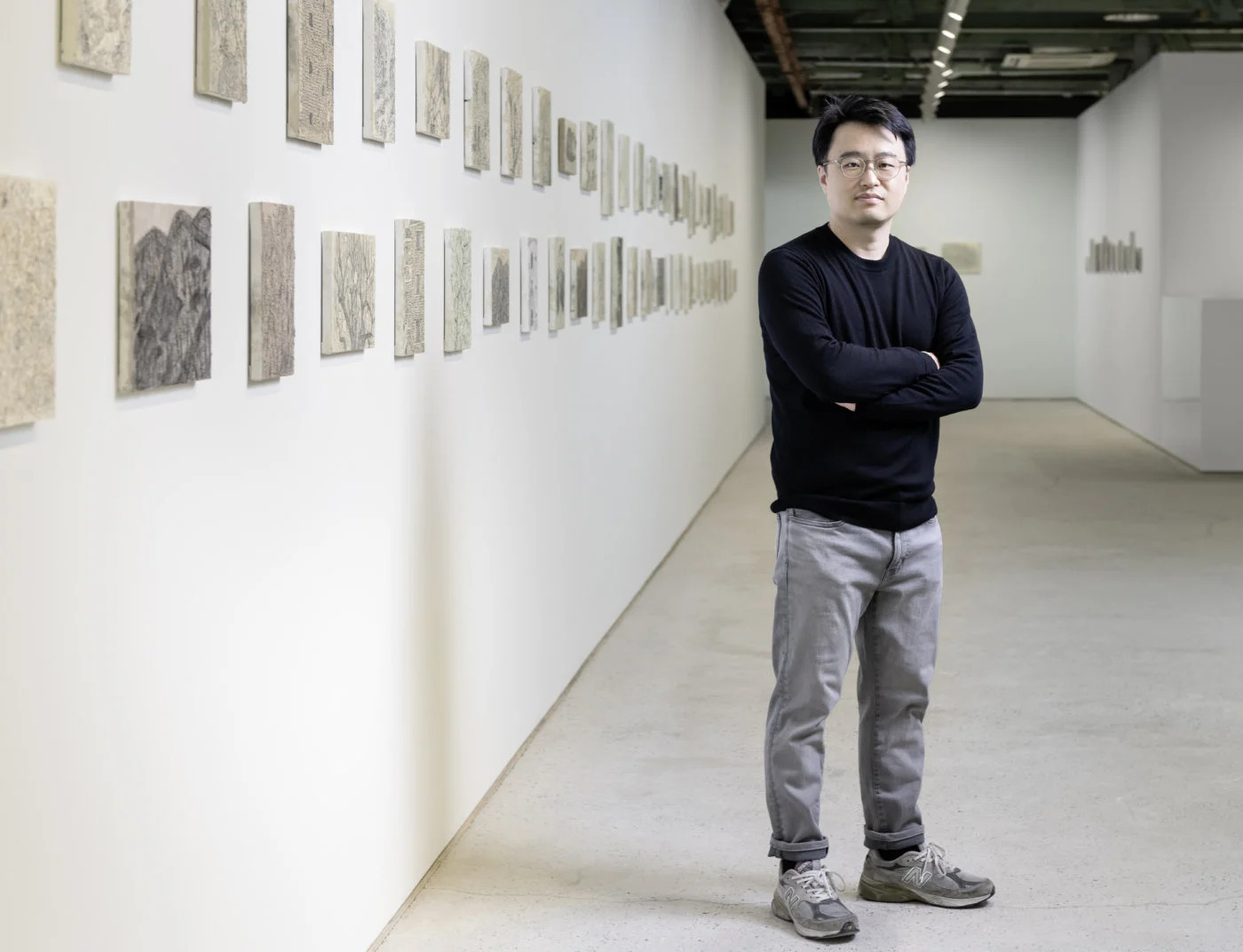
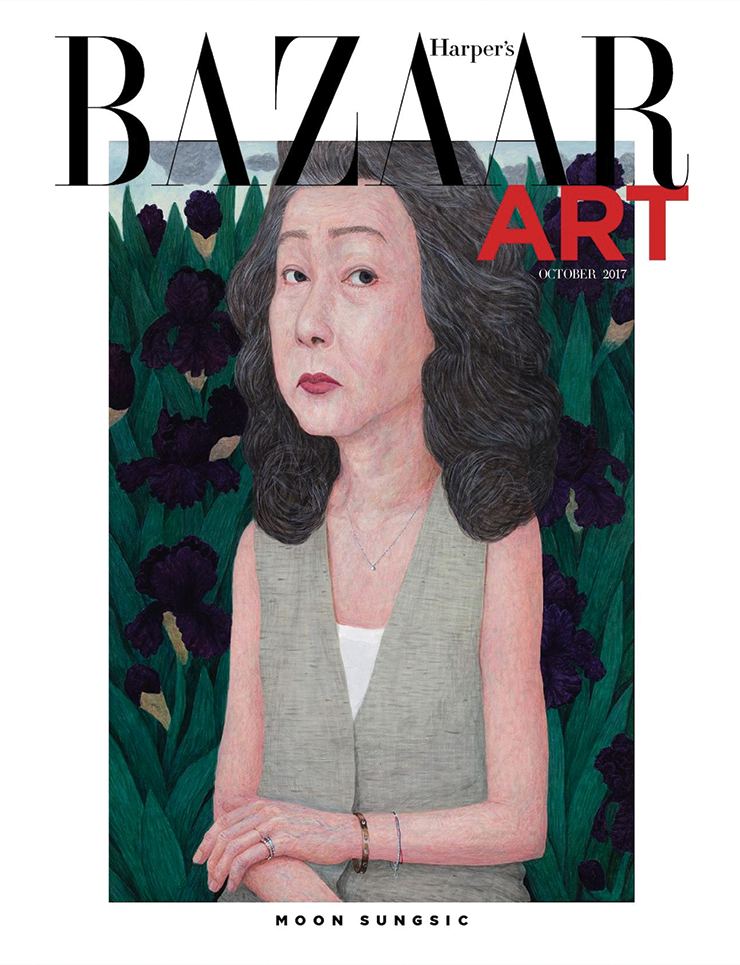
Rather than aligning himself with a particular movement or stylistic trend, Moon has developed his practice through an ongoing exploration of painting’s possibilities. From meticulous pencil drawings and large-scale oil paintings to panoramic works on hanji and, more recently, scratch-based paintings, each phase of his work introduces new formal approaches.
Yet these shifts are less a series of ruptures than a process of accumulation, with each body of work extending or reinterpreting concerns that emerged in earlier periods.
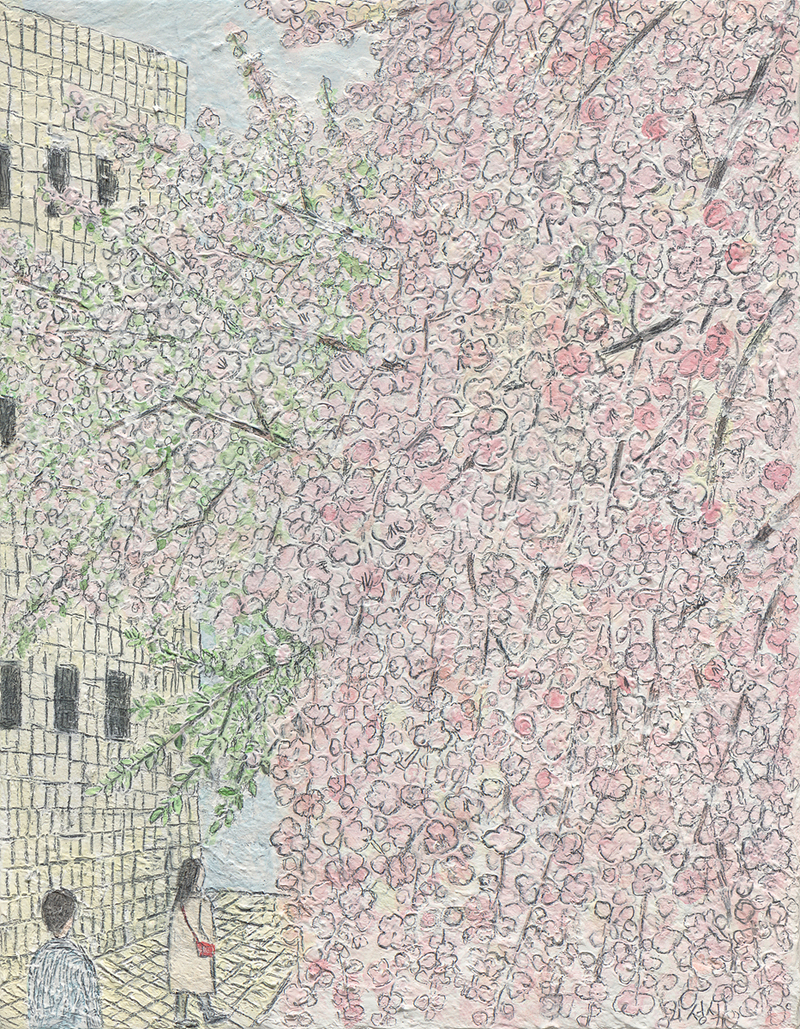
A notable trajectory within Moon’s practice is the gradual movement from paintings rooted in memory toward paintings grounded in present experience. While personal recollections long served as a primary source for his imagery, he has increasingly turned his attention to the landscapes, sensations, and encounters of everyday life, as well as to the act of painting itself.
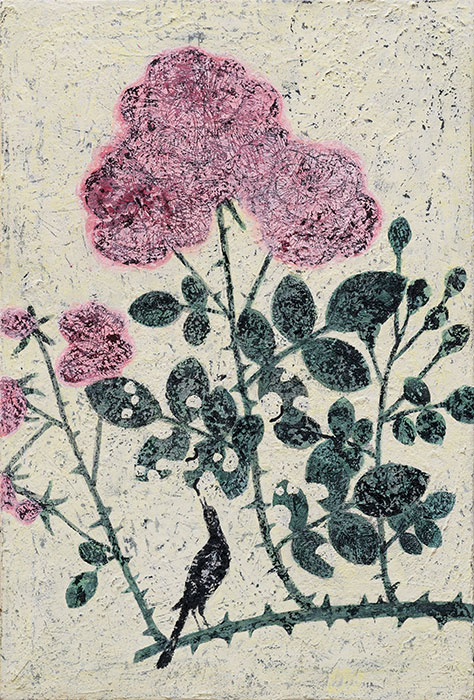
This shift reflects an understanding of painting not merely as a vehicle for storytelling, but as a means of preserving moments and materializing perception. The recurring appearance of roses, gardens, forests, and other natural motifs in his recent work emerges from this continuing engagement with lived experience.
For Moon, continuity does not lie in repeating the same imagery or visual formula. Instead, it resides in maintaining a consistent attitude toward life and a sustained belief in painting as a meaningful human activity.
Even as he experiments with new materials, techniques, and pictorial structures, he remains committed to the idea that painting can hold memory, emotion, and time. It is this balance between transformation and persistence that has enabled his work to occupy a singular position within contemporary art and to be understood as an ongoing record of a life lived through painting.