Sungsic Moon (b.1980) - K-ARTIST
Sungsic Moon (b.1980)

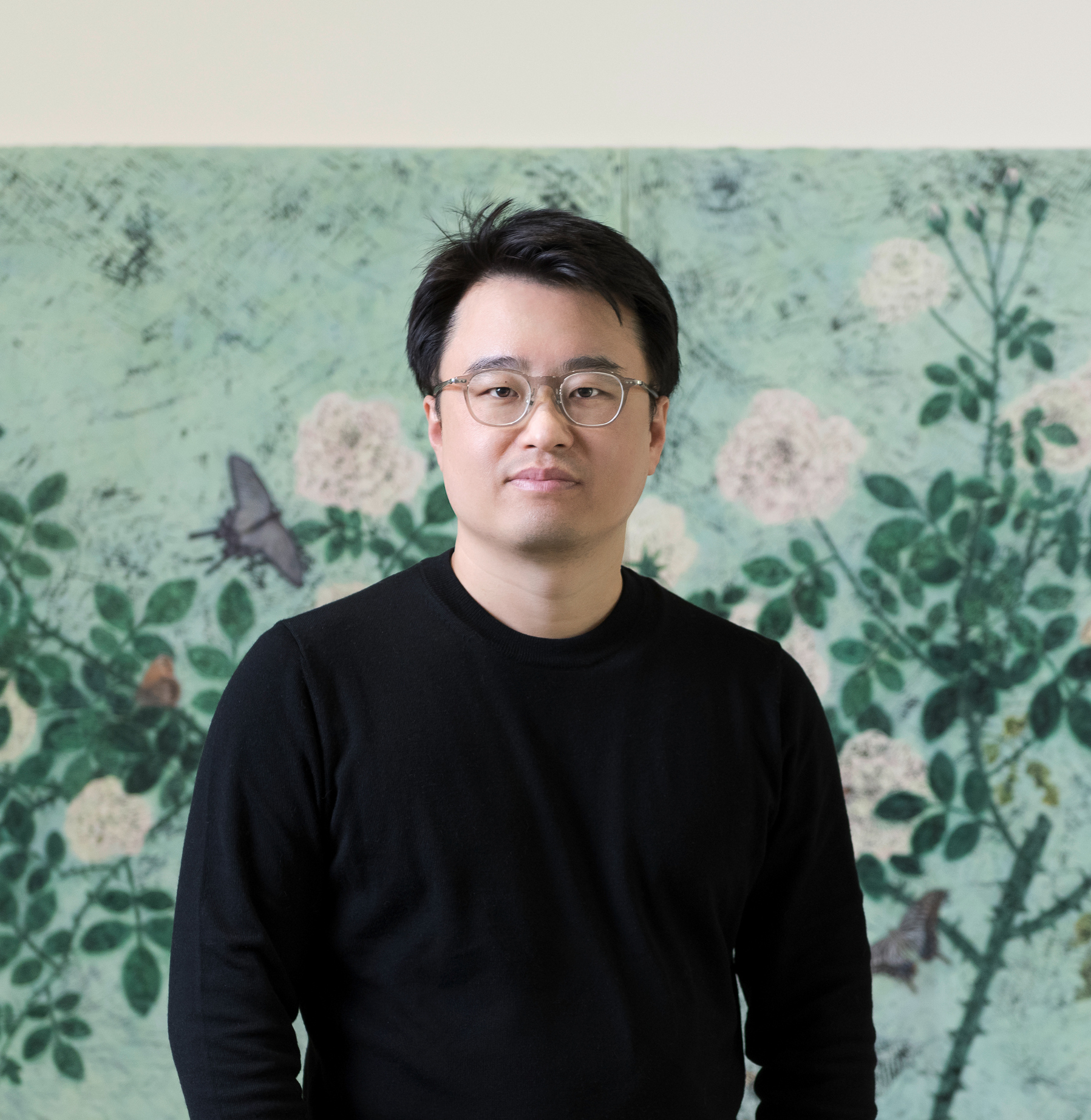
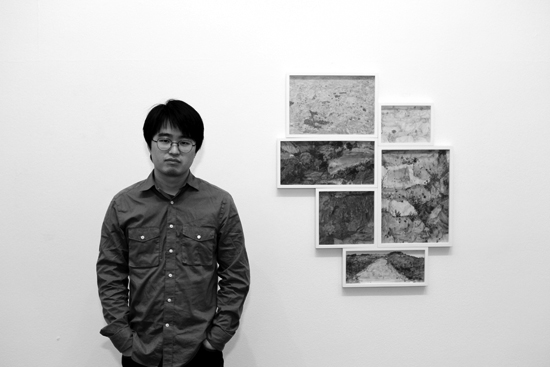
Sungsic Moon was born in Gimcheon, Korea, in 1980, and received both his BFA and MFA in Fine Arts from Korea National University of Arts. He first gained recognition as the youngest artist to participate in the Korean Pavilion at the 51st Venice Biennale in 2005, and has since maintained an active exhibition practice in Korea and abroad. He currently lives and works in Seoul and Busan, Korea.

Solo Exhibitions (Brief)

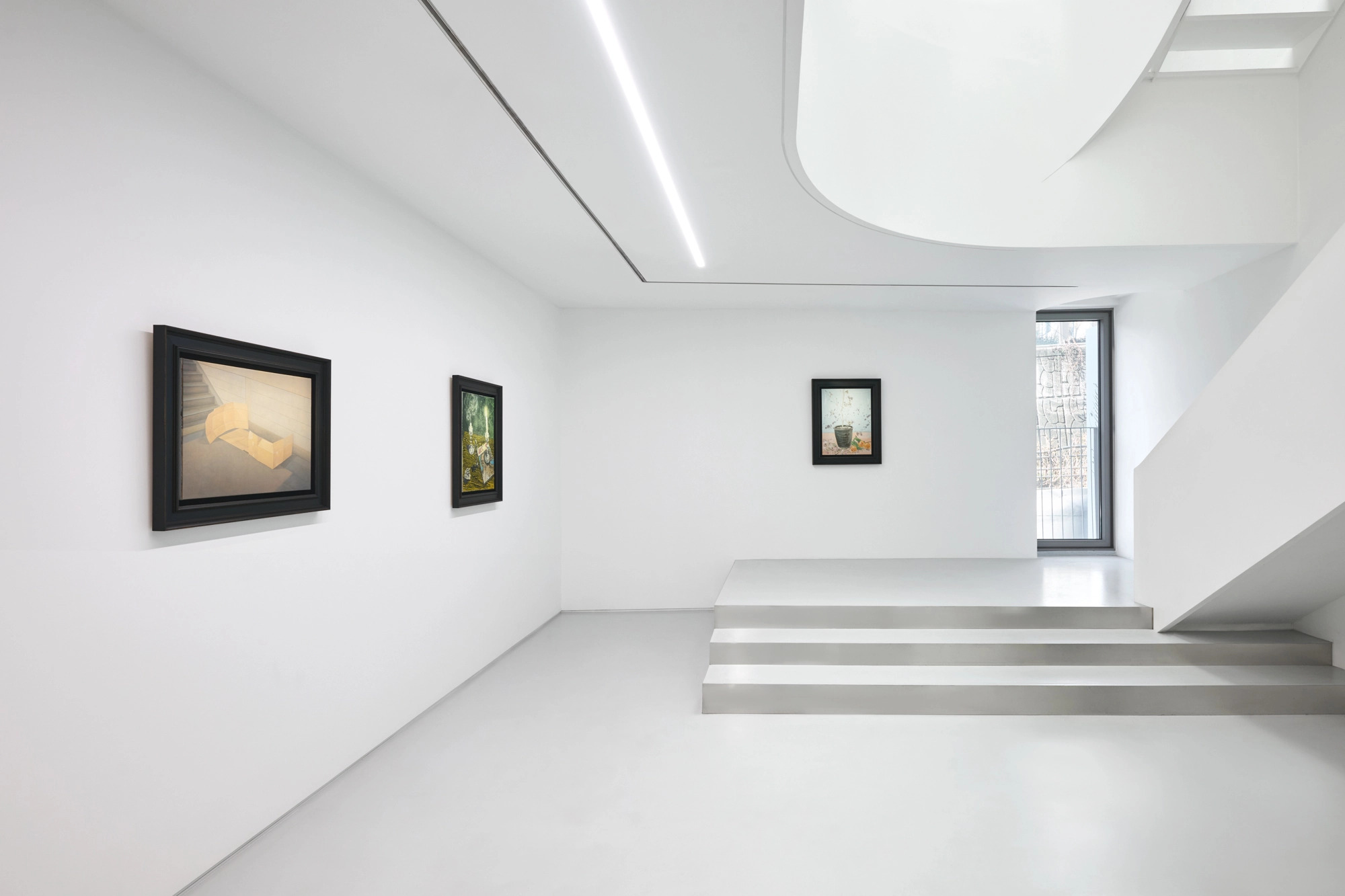
Sungsic Moon has presented solo exhibitions at Kukje Gallery (2011, 2019, 2022), DOOSAN Gallery New York (2013), and DOOSAN Gallery Seoul (2016), building a sustained exhibition practice across Korea and abroad.

Group Exhibitions (Brief)

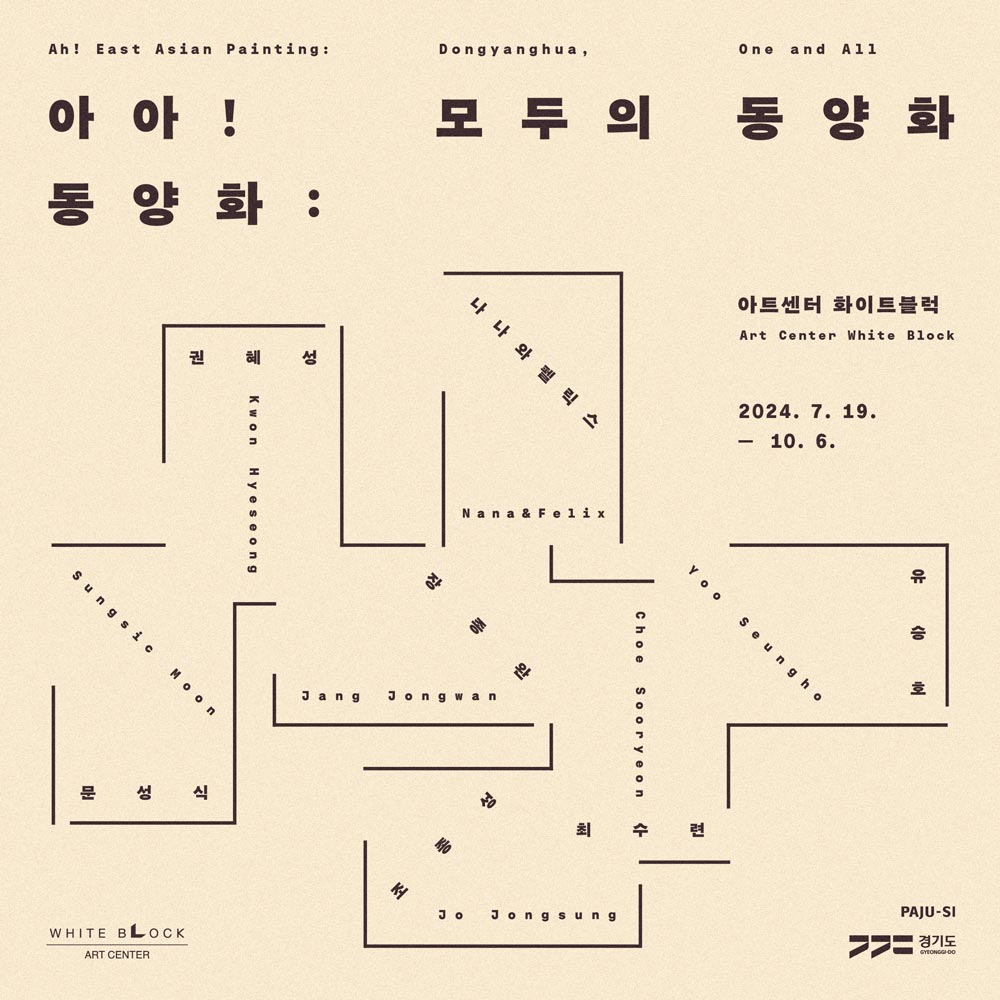
Sungsic Moon has participated in major exhibitions including the Korean Pavilion of the Venice Biennale (2005), Prague Biennale 4 (2009), Biennale Monza (2011), and the Jeonnam International SUMUK Biennale (2021), as well as exhibitions at Seoul National University Museum of Art (2022), Denver Art Museum (2023), and Rockefeller Center (2023), maintaining an active international exhibition practice.

Residencies (Selected)

Sungsic Moon has participated in residency programs including MMCA Goyang Residency, Mongin Art Space, SeMA Nanji Residency, DOOSAN Residency New York, and Myeongnyundong Studio of Can Foundation.

Collections (Selected)

Works by Sungsic Moon are held in the collections of Leeum Museum of Art, Seoul Olympic Museum of Arts, HITE Collection, DOOSAN ART CENTER, and KOO HOUSE.

Works of Art

Painting the Moments of Life

Originality & Identity

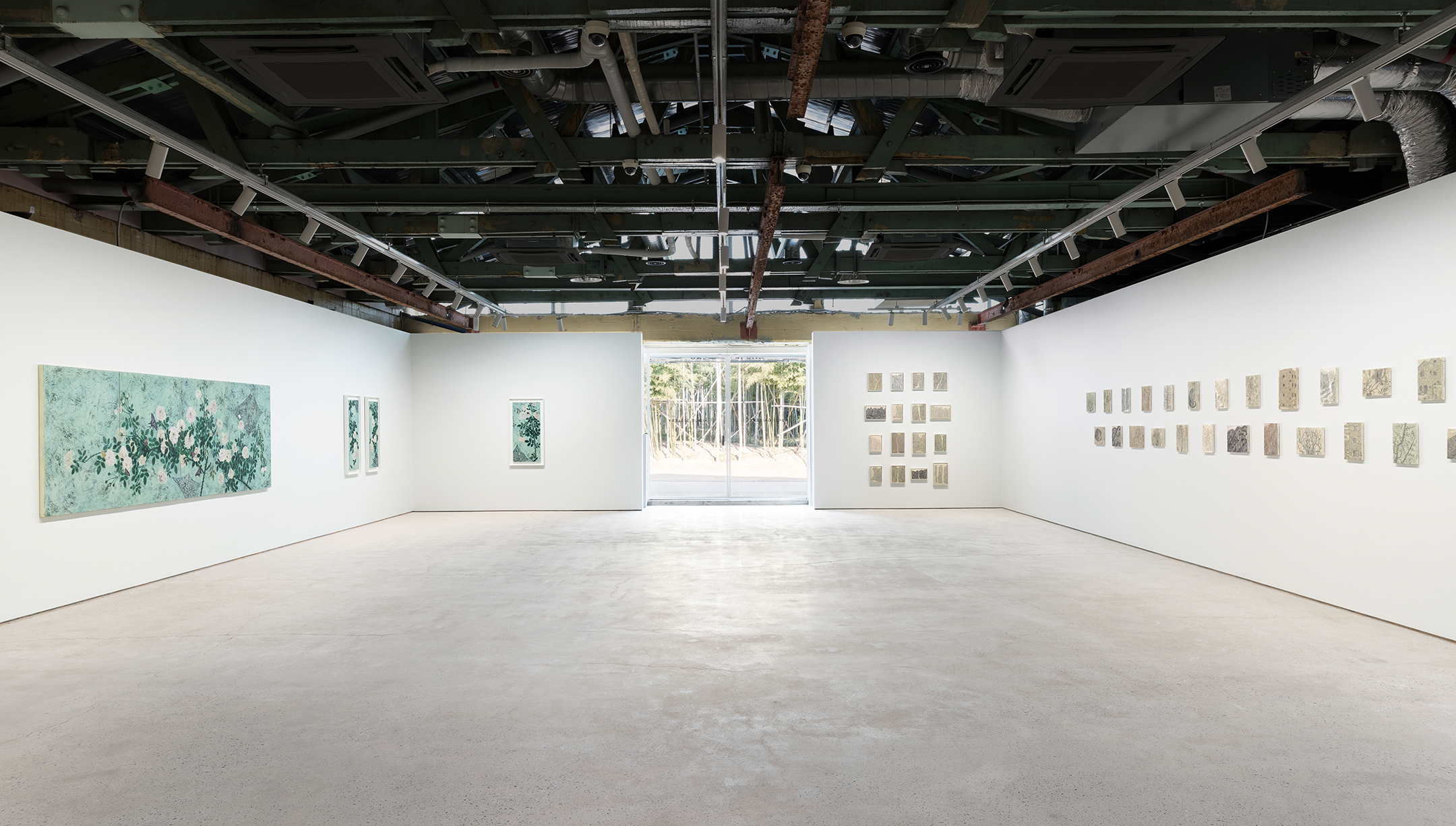
Sungsic Moon has long observed and documented the world around him. Memories of his childhood in Gimcheon, scenes of family members and neighbors, rural landscapes, and seemingly ordinary moments encountered in everyday life have remained recurring subjects throughout his practice.

By recalling fleeting impressions and memories that linger in the mind, Moon transforms accumulated emotions and experiences into painting, giving visual form to the passage of time embedded within personal memory.

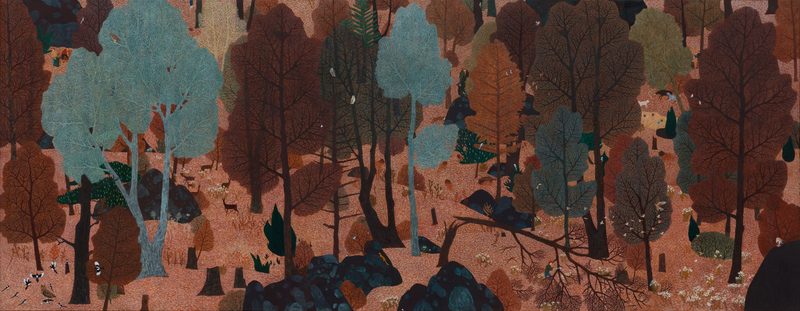
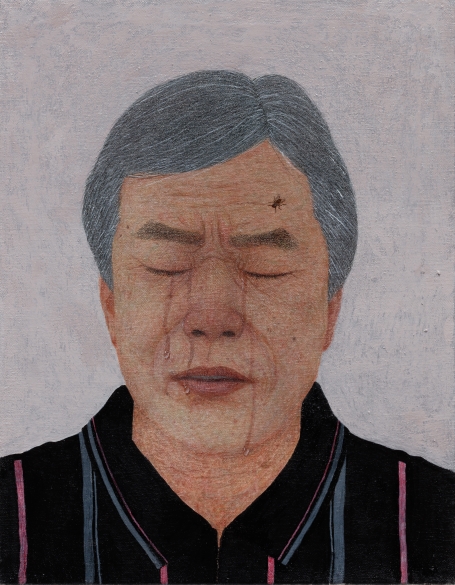
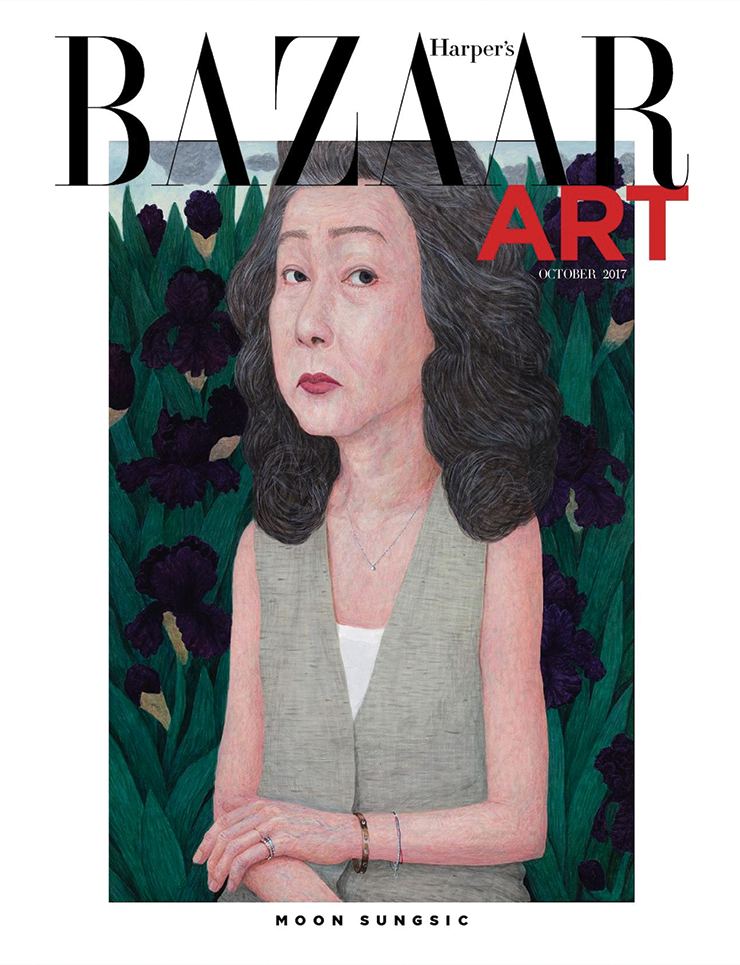
At the core of his work is an interest in the complex emotional dimensions of human life. Love and loss, desire and regret, birth and death—universal experiences that shape the human condition—have consistently appeared as central themes in his paintings. Figures in tears, aging bodies, family portraits, and animals inhabiting dense forests all evoke moments in which beauty and sorrow coexist.

Rather than dramatizing these scenes, Moon approaches them with a measured and attentive gaze, inviting a profound sense of empathy toward human existence.

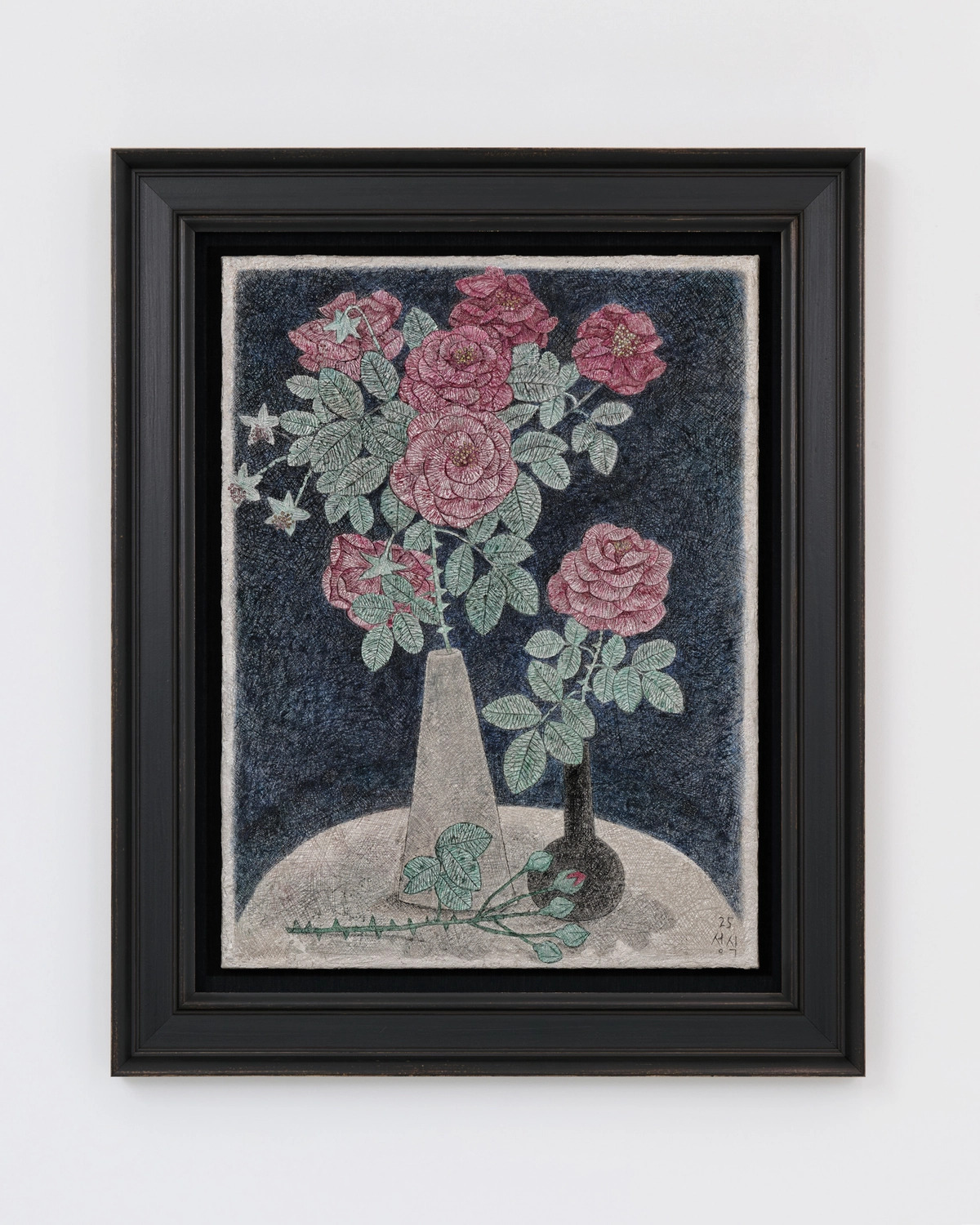
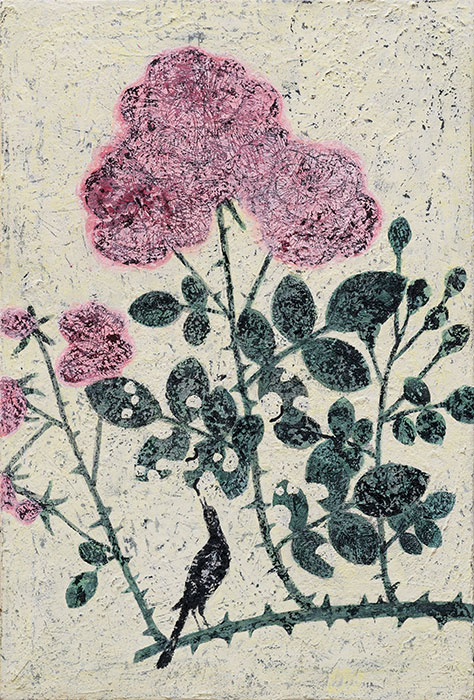
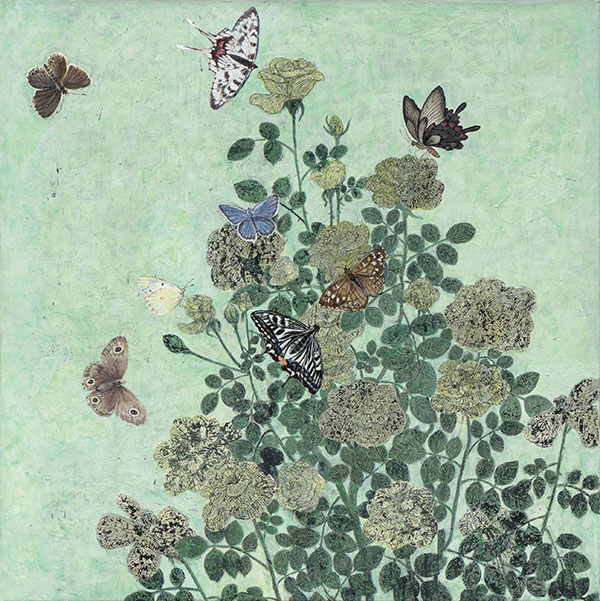
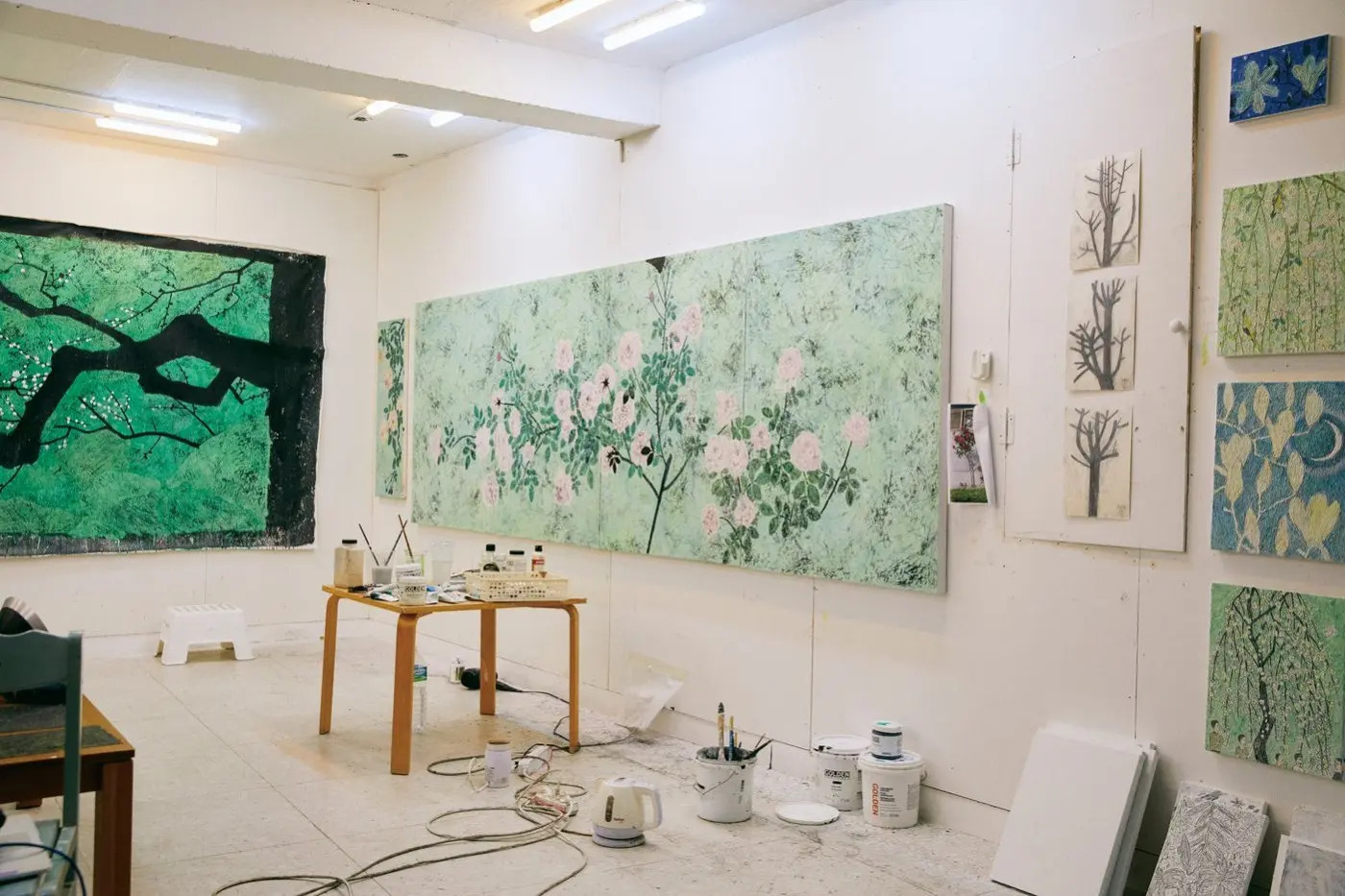
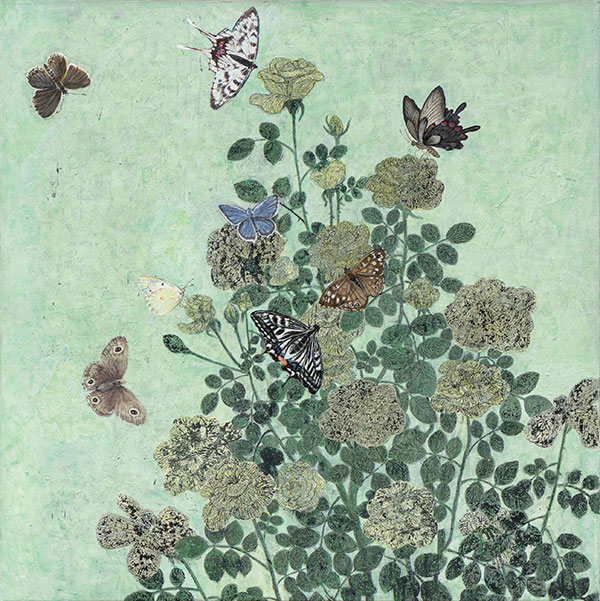
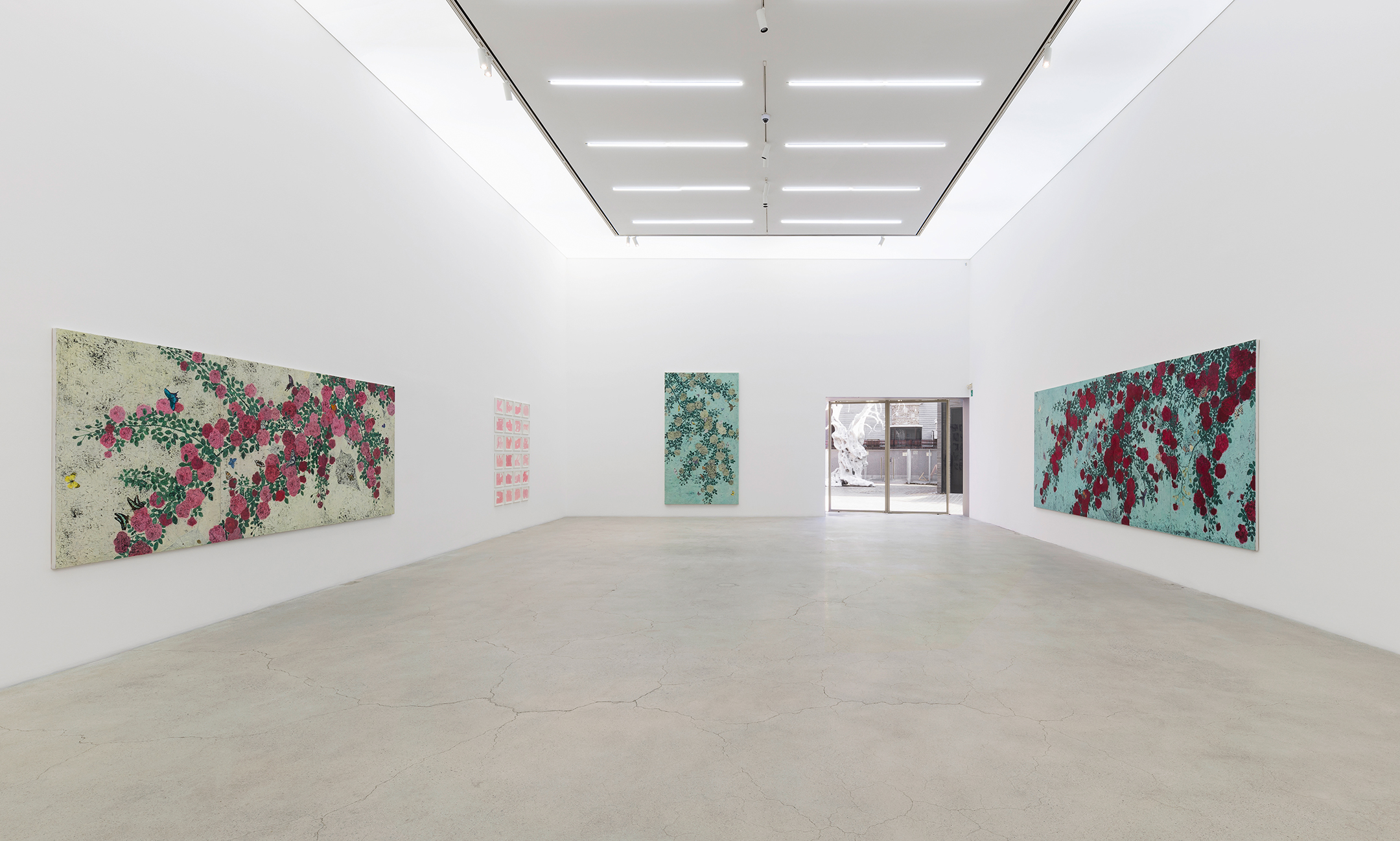
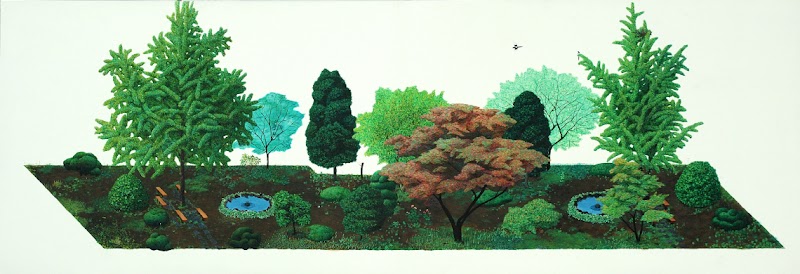
Nature provides another important key to understanding Moon’s work. Forests, gardens, flowers, and trees have appeared consistently throughout his practice, from his early works to his recent rose series, functioning as landscapes through which human emotions and experiences are reflected.

In particular, his recent works draw parallels between the cycles of growth and decline, emergence and disappearance found in nature and the trajectory of human life, leading to a deeper contemplation of life’s continuous cycles.

Moon has also maintained a sustained interest in the visual perspectives and spatial sensibilities of East Asian painting. A mode of seeing that moves across the entire pictorial surface, compositions that place individual elements in parallel rather than hierarchical relationships, and an approach that views nature and humanity as parts of a shared landscape can all be found throughout his work.

These enduring concerns with memory and observation, humanity and nature, life and time persist across changes in medium and form, forming the distinctive identity of Moon’s painting practice.

Style & Contents

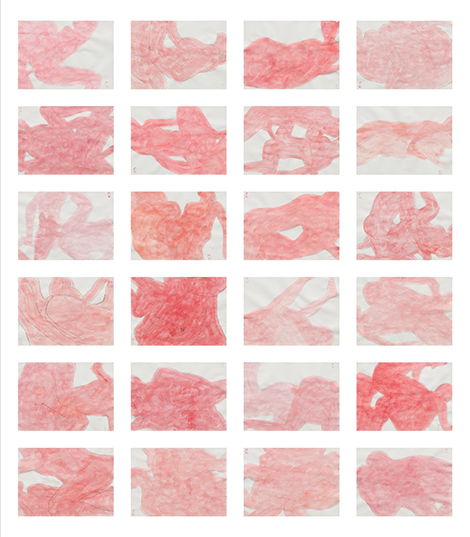
Line is the most fundamental formal element in Sungsic Moon’s practice. For many years, he has used drawing as a means of recording memory and emotion, and his paintings likewise are constructed through the accumulation of lines.

Whether made with pencil or brush, these repeated marks function not only as descriptive devices but also as a way of perceiving and understanding the world. This approach has remained consistent throughout his practice, from his early drawings to his most recent paintings.

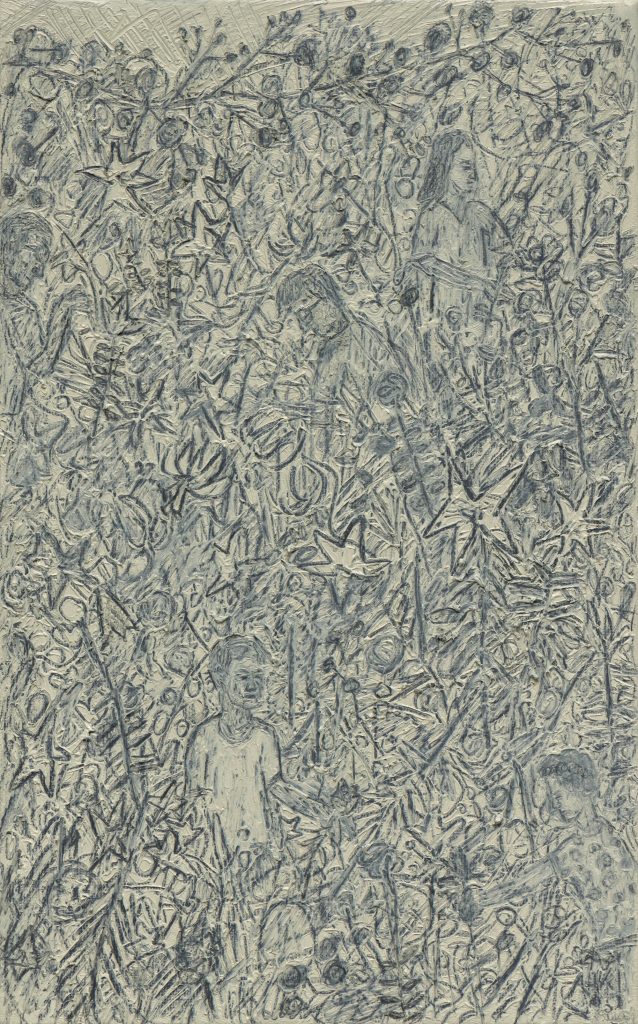
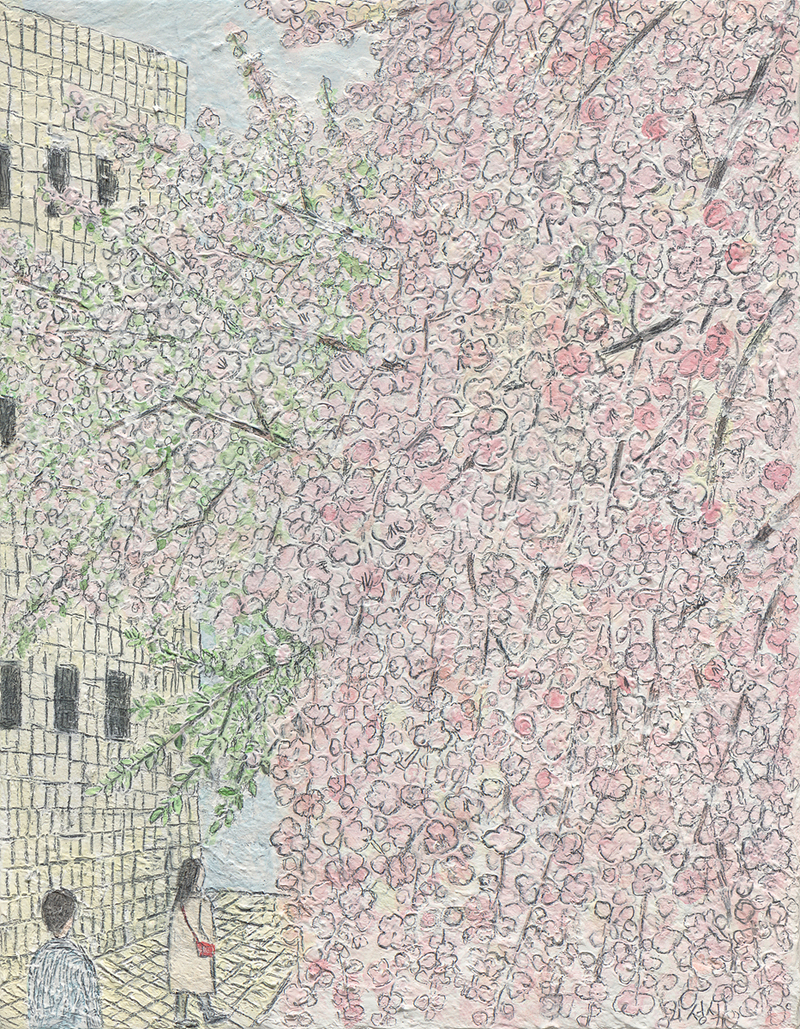
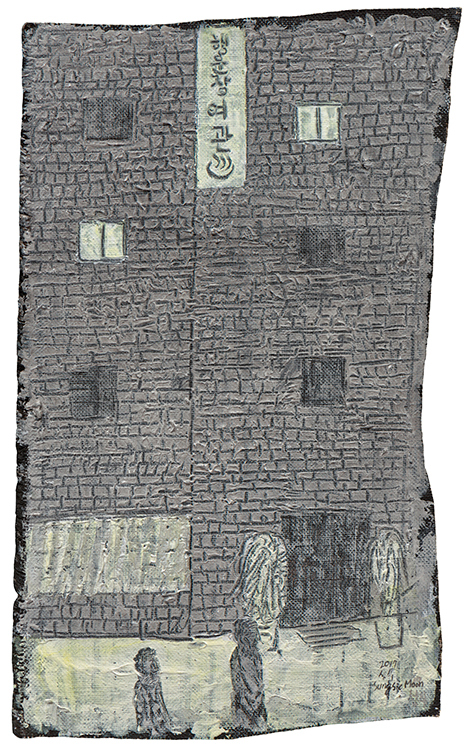
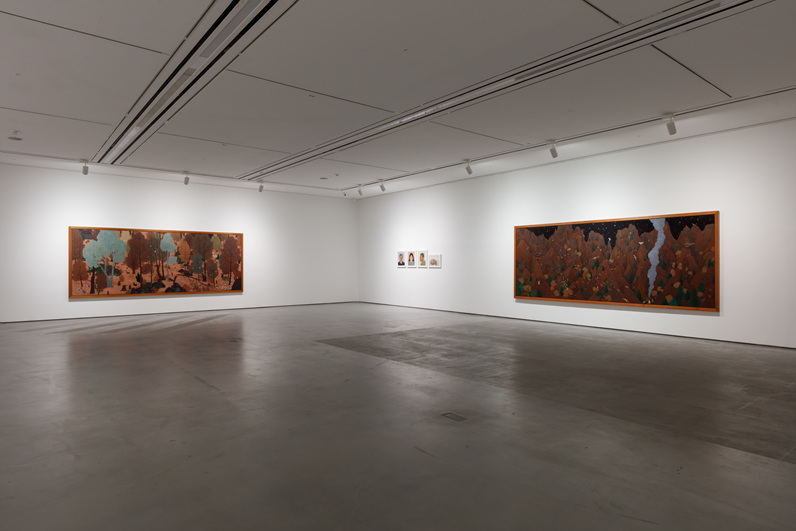
Moon’s early works are characterized by densely worked surfaces built through meticulous mark-making. Forests, gardens, villages, and figures emerge through the accumulation of countless lines and strokes, while observations, incidents, and fragments of everyday life unfold across the pictorial field.

Rather than directing the viewer toward a single narrative, these compositions encourage a gradual process of discovery, reflecting a mode of seeing that resonates with the spatial sensibilities of East Asian painting.

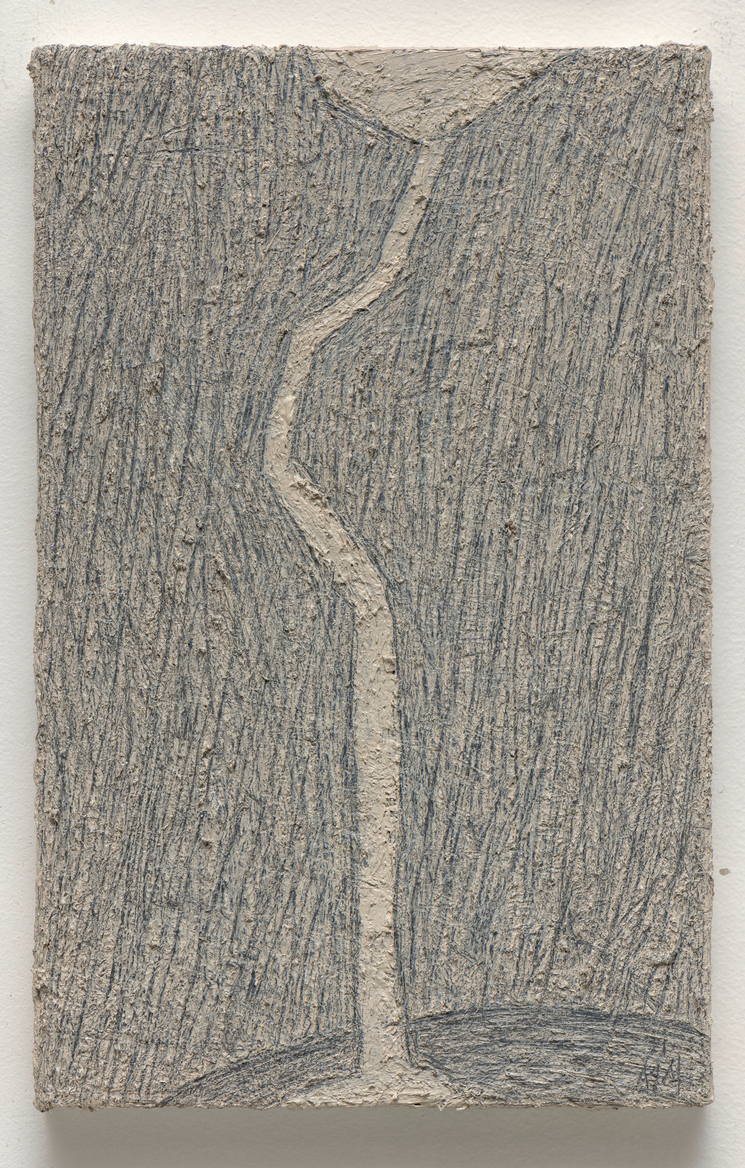
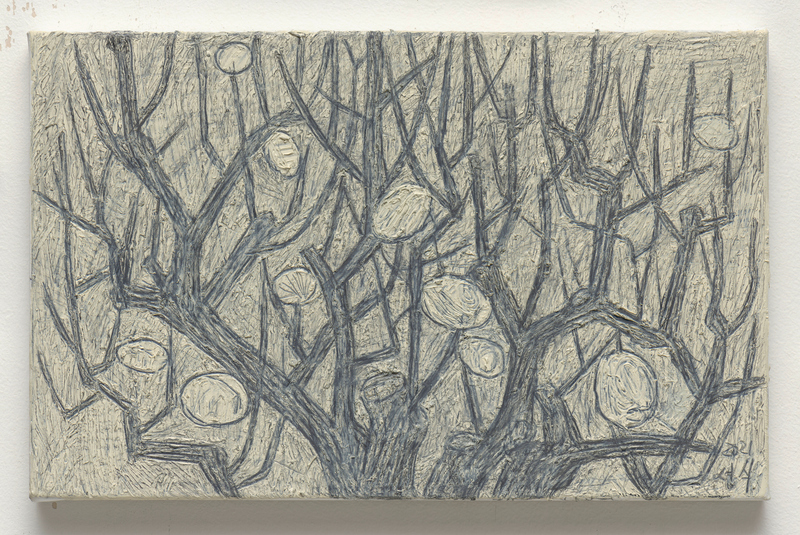
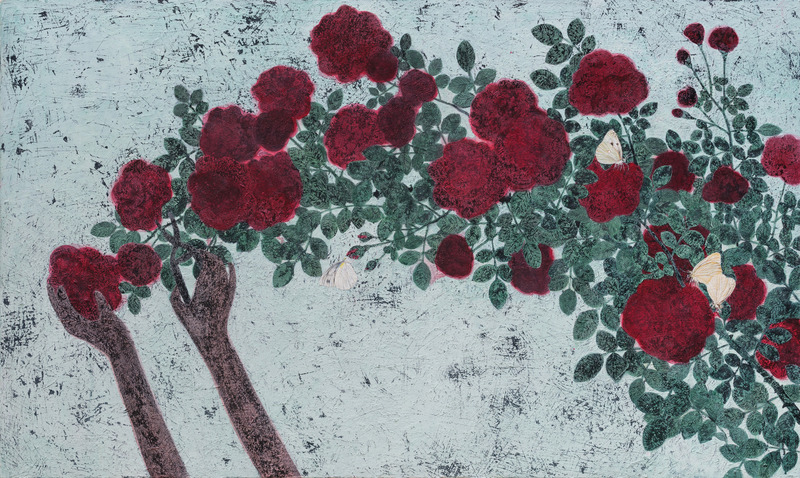
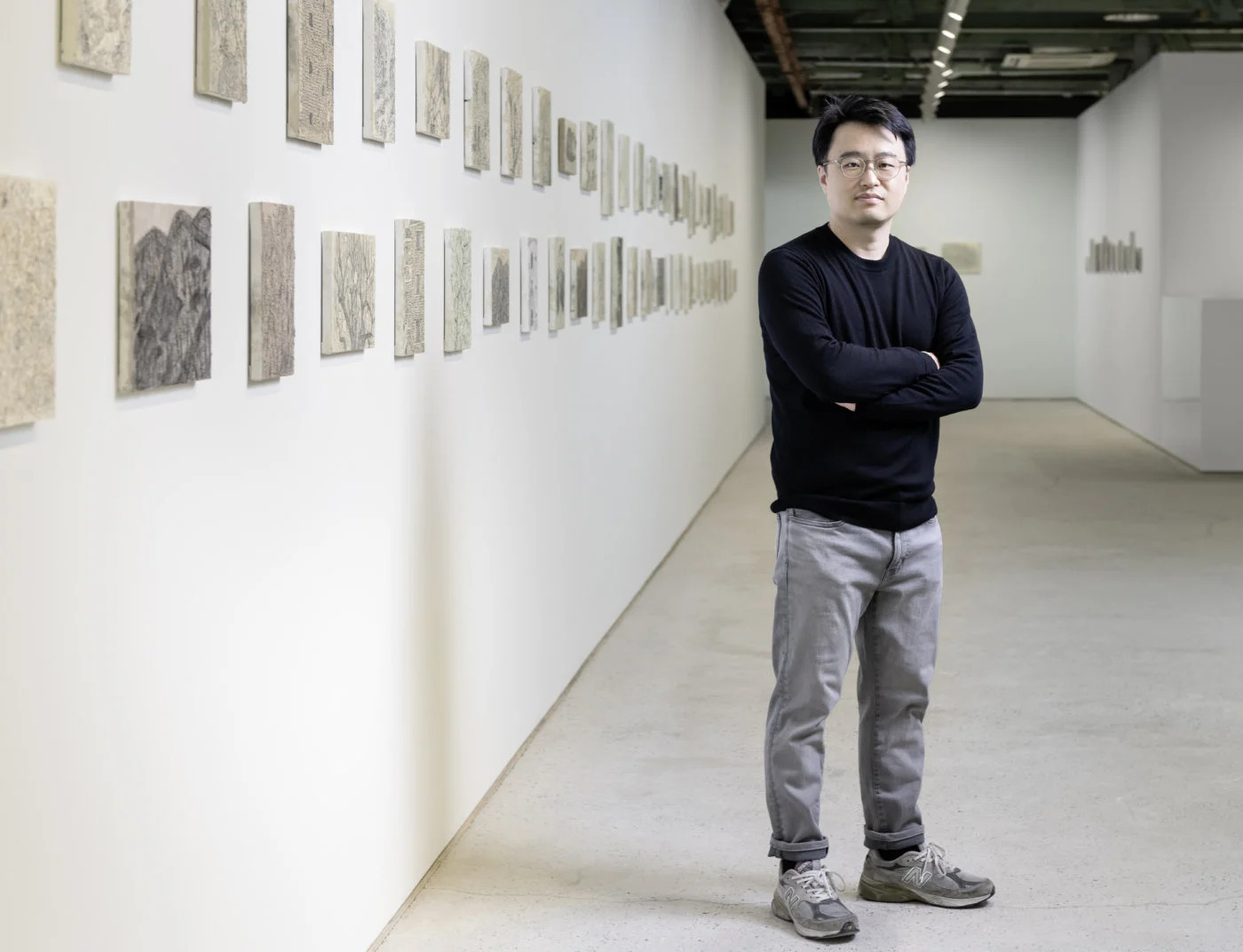
From the late 2010s onward, Moon began to investigate more actively the relationship between drawing and painting. The scratch technique that emerged prominently in his 2019 exhibition 《Beautiful. Strange. Dirty.》 marked an important turning point in this development.

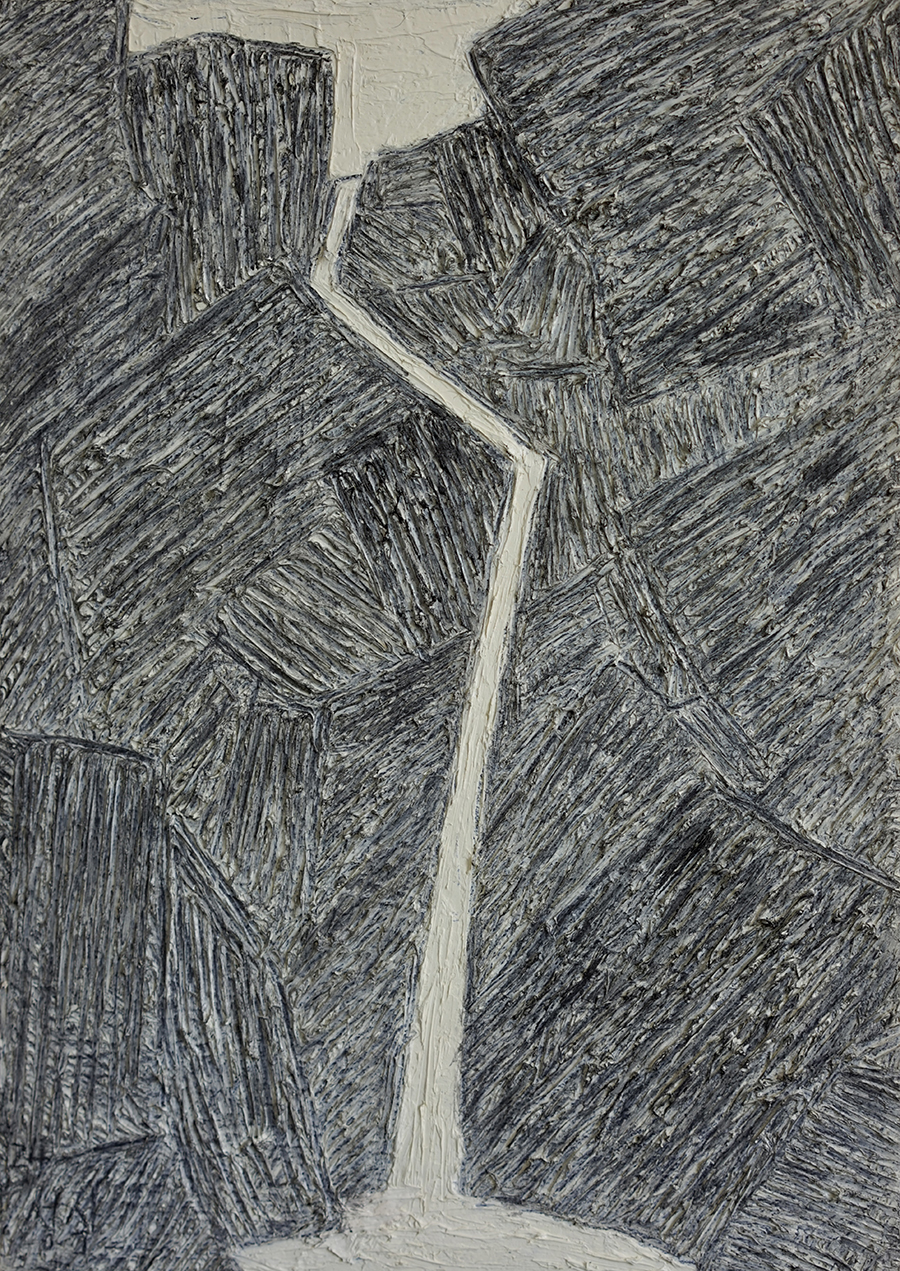
By layering gesso and paint over dark surfaces and then scratching away the material to reveal images, Moon combines the acts of drawing, painting, and engraving within a single process. The resulting lines, shaped by both intention and chance, bring a heightened sense of vitality to the surface while dissolving conventional distinctions between drawing and painting.

Rather than remaining within a single stylistic framework, Moon has continuously expanded the possibilities of painting through a wide range of materials and techniques. Pencil drawing, oil painting, acrylic, gouache, and scratch-based methods all appear throughout his practice, yet they are united by a sustained commitment to the act of observing and translating experience through line.

The traces of time, labor, and gesture embedded in his surfaces contribute to the distinctive materiality and visual density that characterize his work.

Topography & Continuity

Sungsic Moon first gained significant attention in 2005 as the youngest artist to participate in the Korean Pavilion at the 51st Venice Biennale. Over the past two decades, he has remained deeply committed to the act of painting itself, maintaining a distinctive trajectory within contemporary Korean art.

While his early works focused on childhood memories and the ironies of everyday life, his practice has gradually expanded to encompass broader themes such as nature, family, aging, mortality, and the conditions of human existence. Although his subjects and formal strategies have evolved, his sustained interest in observing and reflecting upon life has remained constant.

Rather than aligning himself with a particular movement or stylistic trend, Moon has developed his practice through an ongoing exploration of painting’s possibilities. From meticulous pencil drawings and large-scale oil paintings to panoramic works on hanji and, more recently, scratch-based paintings, each phase of his work introduces new formal approaches.

Yet these shifts are less a series of ruptures than a process of accumulation, with each body of work extending or reinterpreting concerns that emerged in earlier periods.

A notable trajectory within Moon’s practice is the gradual movement from paintings rooted in memory toward paintings grounded in present experience. While personal recollections long served as a primary source for his imagery, he has increasingly turned his attention to the landscapes, sensations, and encounters of everyday life, as well as to the act of painting itself.

This shift reflects an understanding of painting not merely as a vehicle for storytelling, but as a means of preserving moments and materializing perception. The recurring appearance of roses, gardens, forests, and other natural motifs in his recent work emerges from this continuing engagement with lived experience.

For Moon, continuity does not lie in repeating the same imagery or visual formula. Instead, it resides in maintaining a consistent attitude toward life and a sustained belief in painting as a meaningful human activity.

Even as he experiments with new materials, techniques, and pictorial structures, he remains committed to the idea that painting can hold memory, emotion, and time. It is this balance between transformation and persistence that has enabled his work to occupy a singular position within contemporary art and to be understood as an ongoing record of a life lived through painting.


Works of Art

Painting the Moments of Life

Articles

Exhibitions

Activities