

Kang Seung Lee (b.1978) - K-ARTIST
Kang Seung Lee (b.1978)

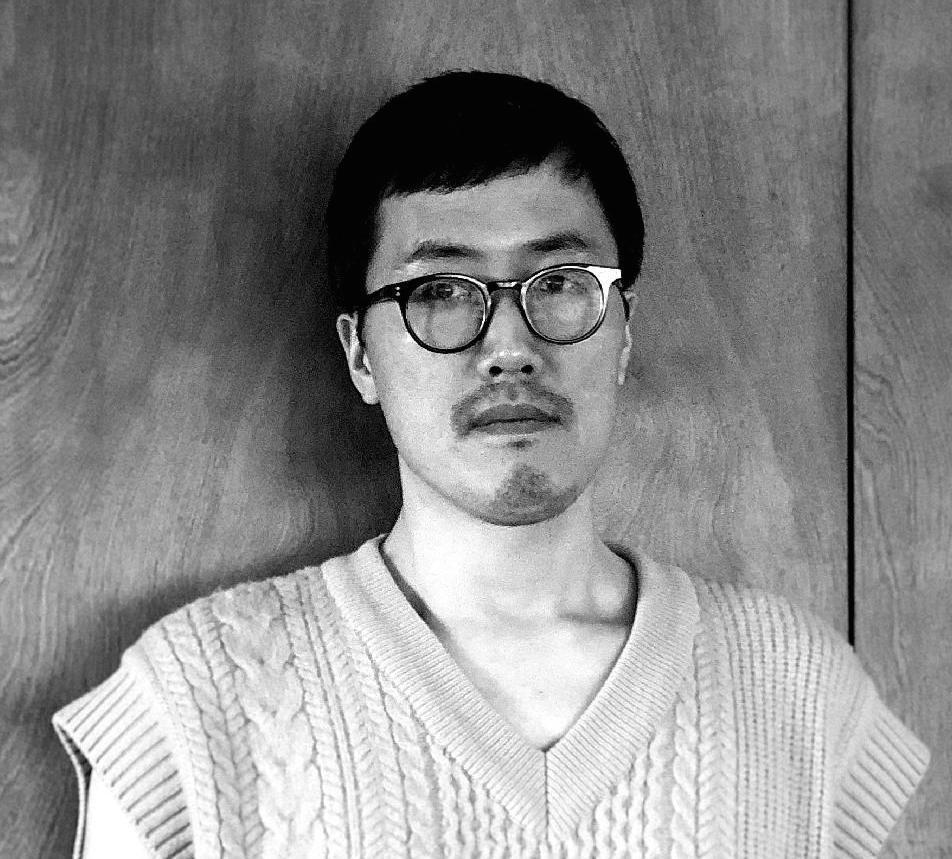
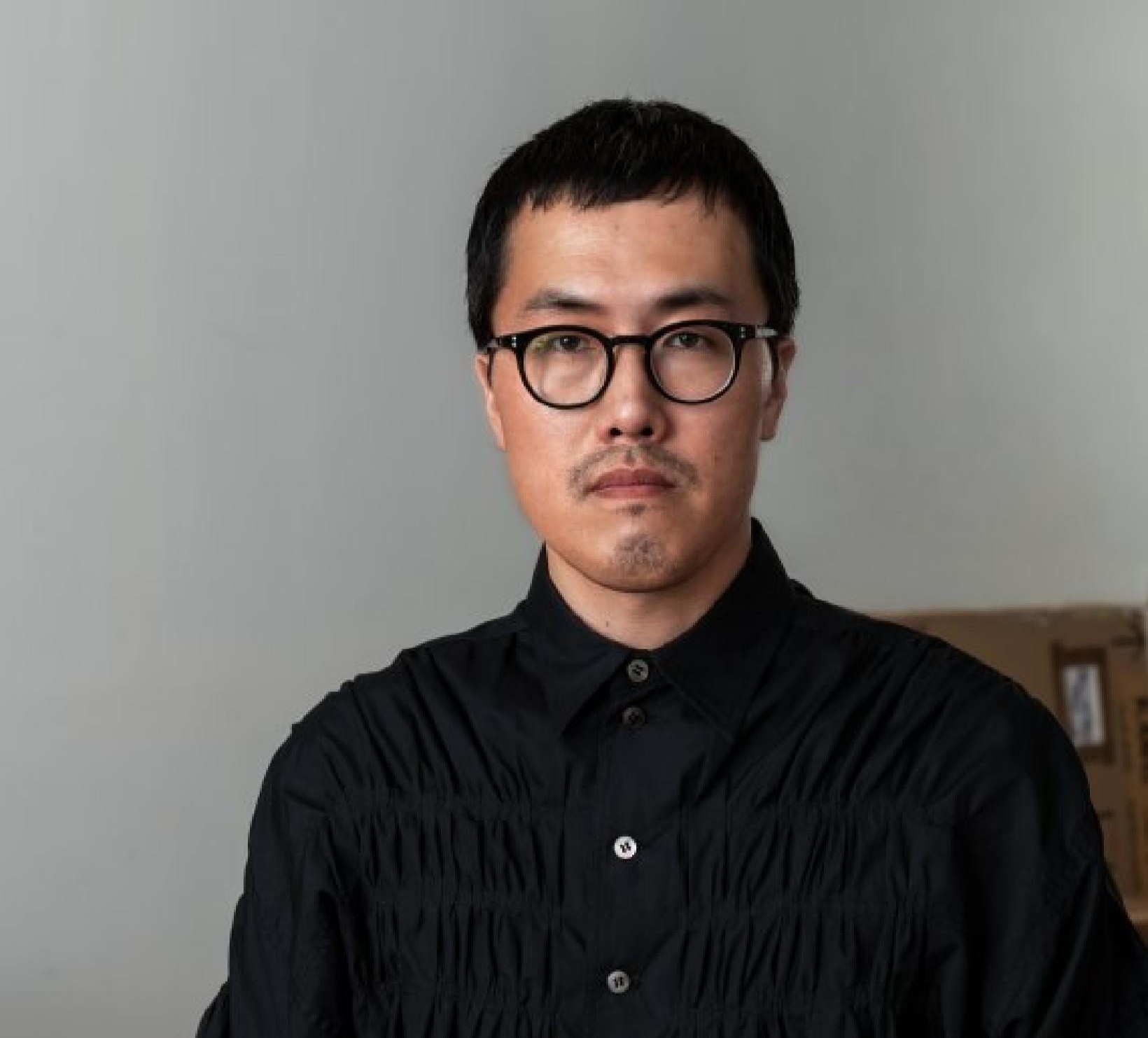
Kang Seung Lee (b. 1981) was born in Seoul and received his MFA from the California Institute of the Arts. He is represented by Gallery Hyundai (Seoul), Commonwealth and Council (Los Angeles, USA), and Alexander Gray Associates (New York, USA). Based in Seoul and Los Angeles, he continues his artistic practice across both locations.

Solo Exhibitions (Brief)

Kang Seung Lee has had solo exhibitions at Centro Cultural Border, Mexico City, Mexico (2012); Pitzer College Art Galleries, Claremont, CA (2015); Los Angeles Contemporary Archive, Los Angeles, CA (2016); Commonwealth and Council, Los Angeles, CA (2016, 2017, 2021); Artpace San Antonio, TX (2017); One and J. Gallery, Seoul, South Korea (2018); Gallery Hyundai, Seoul (2021); Vincent Price Art Museum, Los Angeles, CA (2023); and MASP (Museu de Arte de São Paulo), São Paulo, Brazil (2024).

Group Exhibitions (Brief)

Kang Seung Lee has participated in numerous group exhibitions, including 《ART ON PAPER 2012》(Weatherspoon Art Museum, 2012), 《Pardon My Condition》(Raymond Gallery, Art Center College of Design, 2014), 《De la Tierra a la Tierra》(Centro Cultural Metropolitano, 2016), 《Luck of the Draw》(DiverseWorks, 2017), 《Reconstitution》(LAXART, 2017), 《A Person Who Loves》(Canton Gallery, 2018), 《Altered After》(Participant Inc, 2019), 《Touching History: Stonewall 50》(Palm Springs Art Museum, 2020), 《Spores of Solidarity》(Asia Culture Center, 2020), 《MMCA 2020 Asia Project: Looking for Another Family》(National Museum of Modern and Contemporary Art, Seoul, 2020), 《This Space, That Place: Heterotopia》(Daelim Museum, 2020), 《Let’s Talk: Vulnerable Bodies, Intimate Collectives》(Whitney Museum of American Art, New York, USA, 2022), 《Out of the Night of Norms (Out of the Enormous Ennui)》(Palais de Tokyo, Paris, France, 2023), 《Made in LA: Acts of Living》(Hammer Museum, Los Angeles, USA, 2023), 《2023 Artist of the Year: Who Cares for the Caretakers?》(National Museum of Modern and Contemporary Art, Korea, 2023), 《Modern and Contemporary Korean Embroidery: Birds That Try to Catch the Sun》(National Museum of Modern and Contemporary Art, Deoksugung, 2024), and 《Open Hands》(Gallery Hyundai, 2024).

Additionally, he participated in the 13th Gwangju Biennale 《Minds Rising, Spirits Tuning》 in 2021 and the 60th Venice Biennale 《Foreigners Everywhere》 in 2024.

Awards (Selected)

Kang Seung Lee was selected as a finalist for the Korea Artist Prize 2023 at the National Museum of Modern and Contemporary Art(MMCA), Korea.

Collections (Selected)

Kang Seung Lee's works are in the collections of the National Museum of Modern and Contemporary Art, Korea; Solomon R. Guggenheim Museum, New York, USA; Los Angeles County Museum of Art, Los Angeles, USA; Hammer Museum, Los Angeles, USA; The Getty Research Institute, Los Angeles, USA; Cantor Arts Center, Stanford University, Stanford, USA; and Rhode Island School of Design Museum, Providence, USA.
Works of Art

Rewriting the History of Queer Communities

Originality & Identity

Kang Seung Lee’s work focuses on visually reconstructing marginalized individual histories and collective memories. He challenges the white, male, and heteronormative perspective embedded in historical timelines, exploring queer histories, social oppression, and narratives of mourning. His work does not merely aim to reproduce historical events but instead seeks possibilities for solidarity across time and space, bringing visibility to individuals and communities that have been left out of official records. He examines how specific events, such as the HIV/AIDS crisis and the 1992 Los Angeles Uprising, serve as points of connection between queer artists and activists who lived and worked in different temporal and geographical contexts.

Kang Seung Lee conducts extensive research into historical archives, drawing from public and private collections—including art and craft archives, libraries, and LGBTQIA+ archives—to recover erased personal histories and expand the boundaries of art history. His work also investigates the artistic practices and acts of resistance embedded within queer history, reinterpreting them through a contemporary lens.

Style & Contents

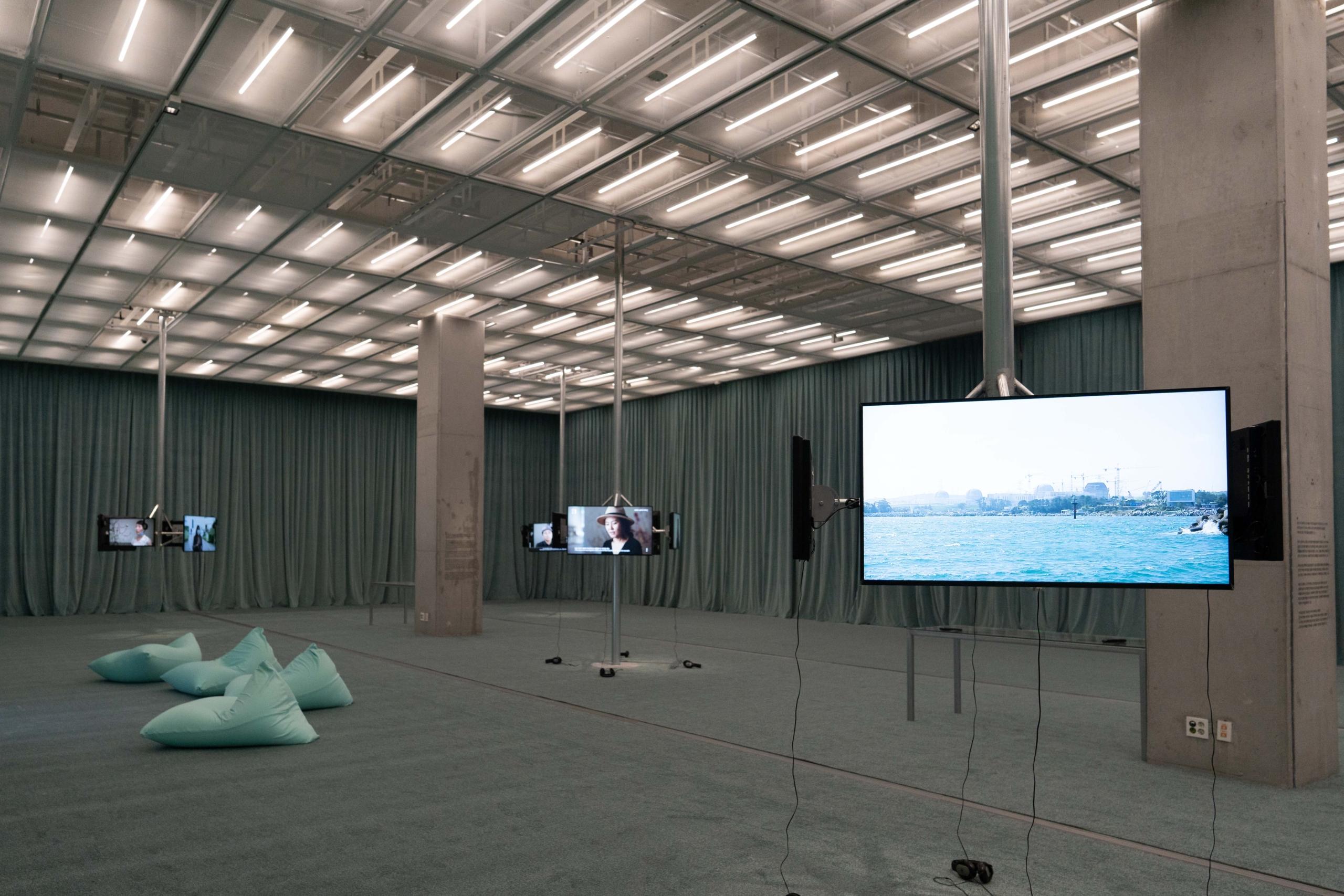
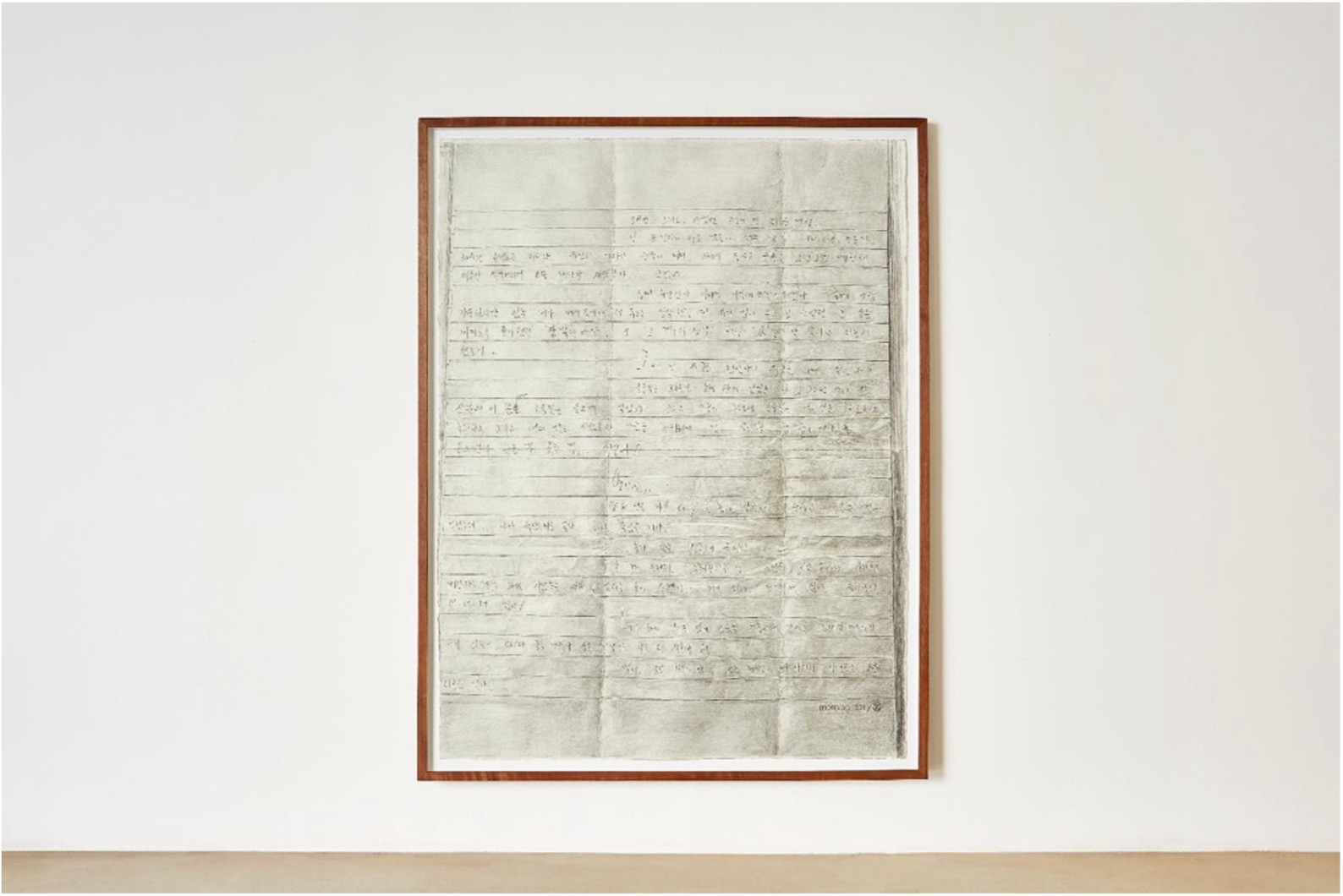
Kang Seung Lee’s work spans various media, including drawing, embroidery, tapestry, ceramics, installation, and video. However, at the core of all his works lies a labor-intensive process involving meticulous handcraftsmanship. Rather than directly reproducing historical narratives, he employs a method that reveals fragments and textures, subtly evoking concealed memories.

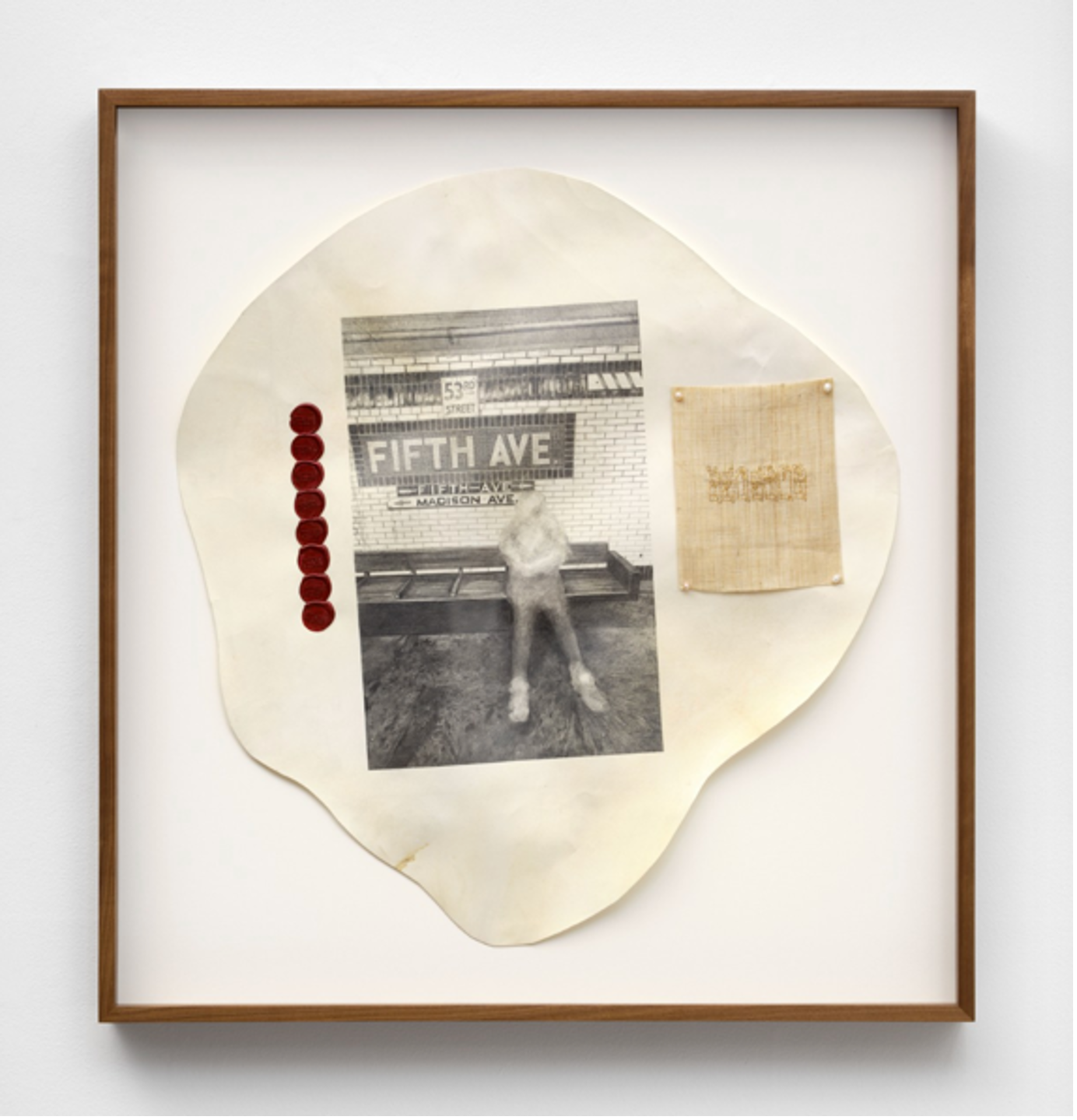
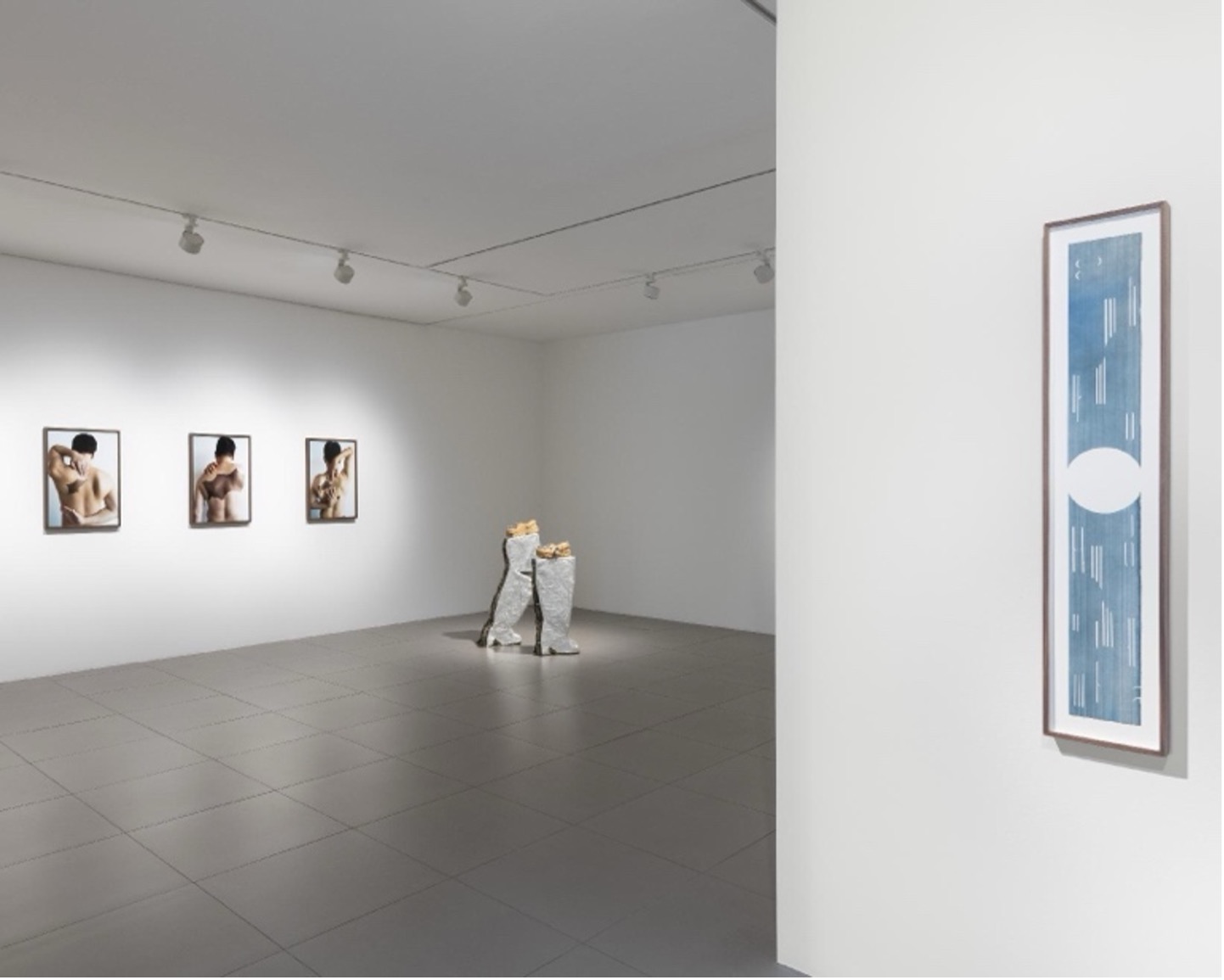
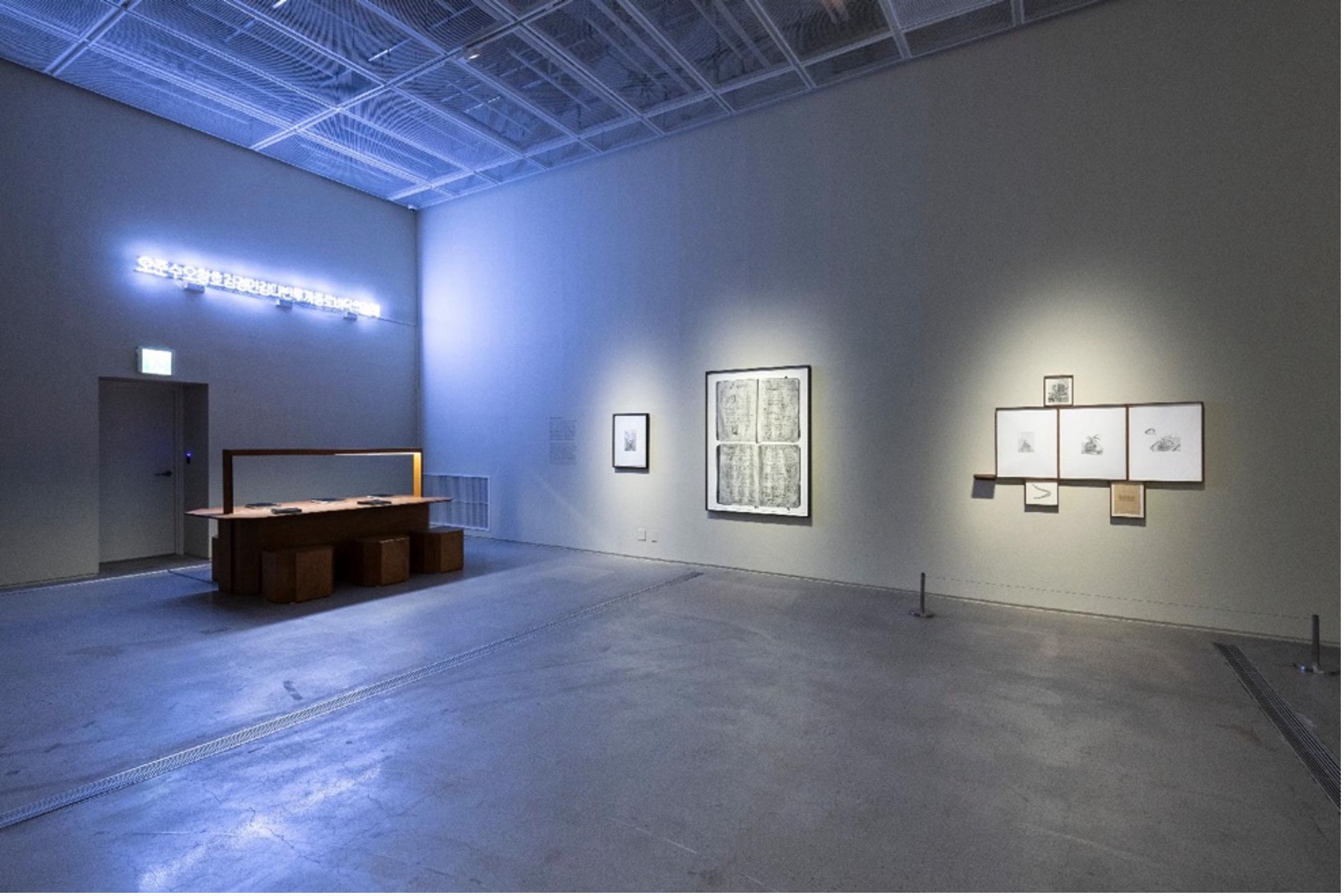
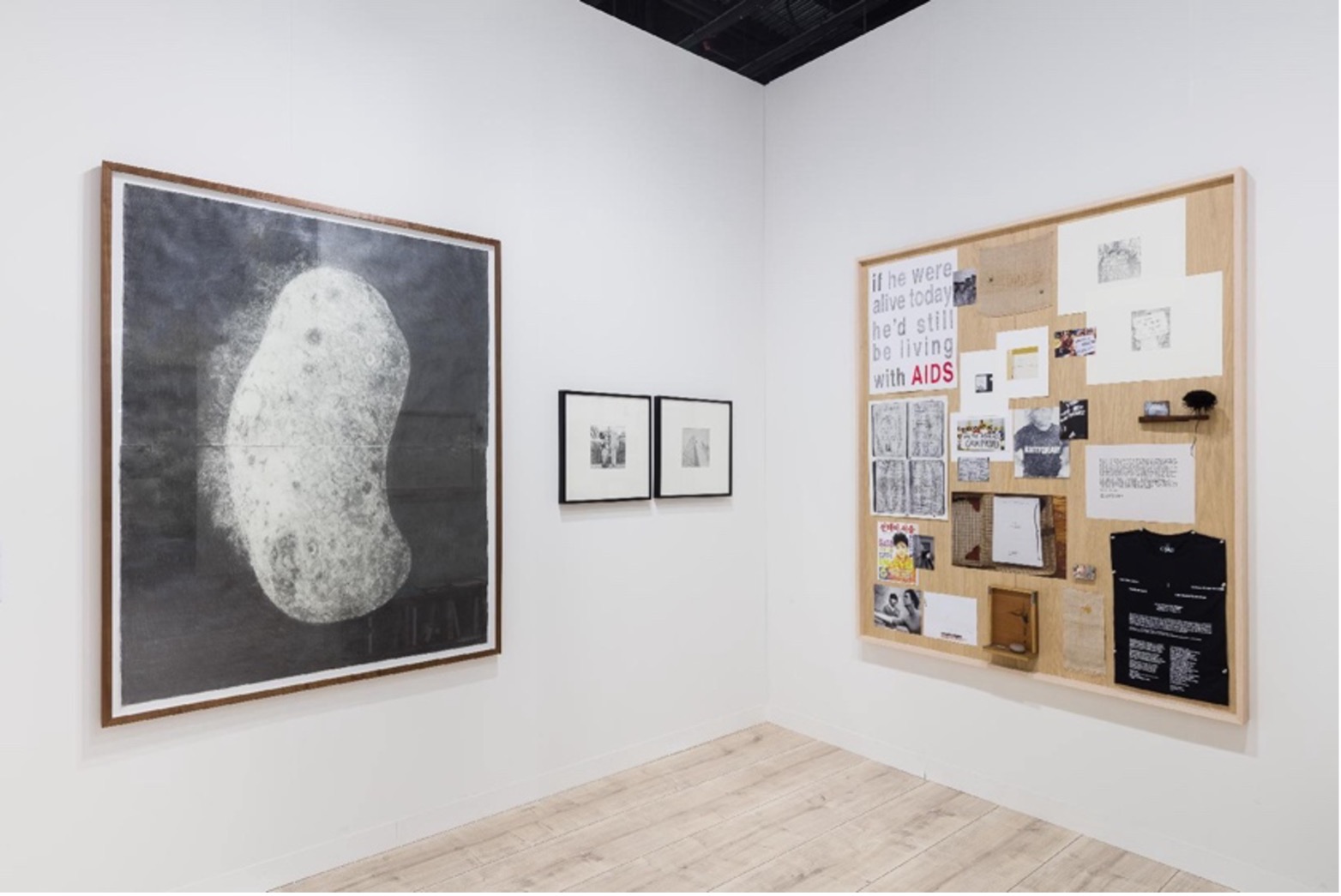
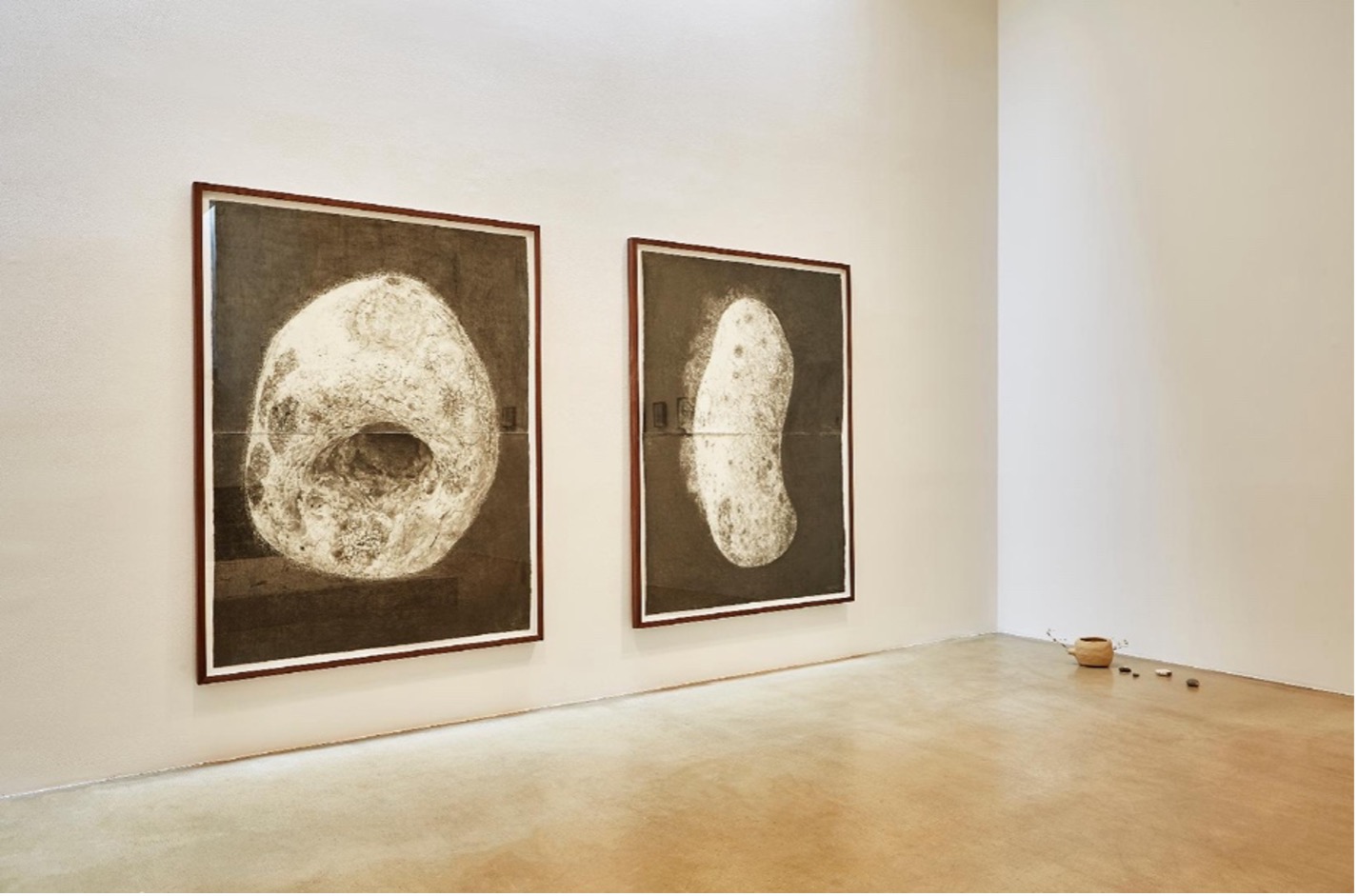
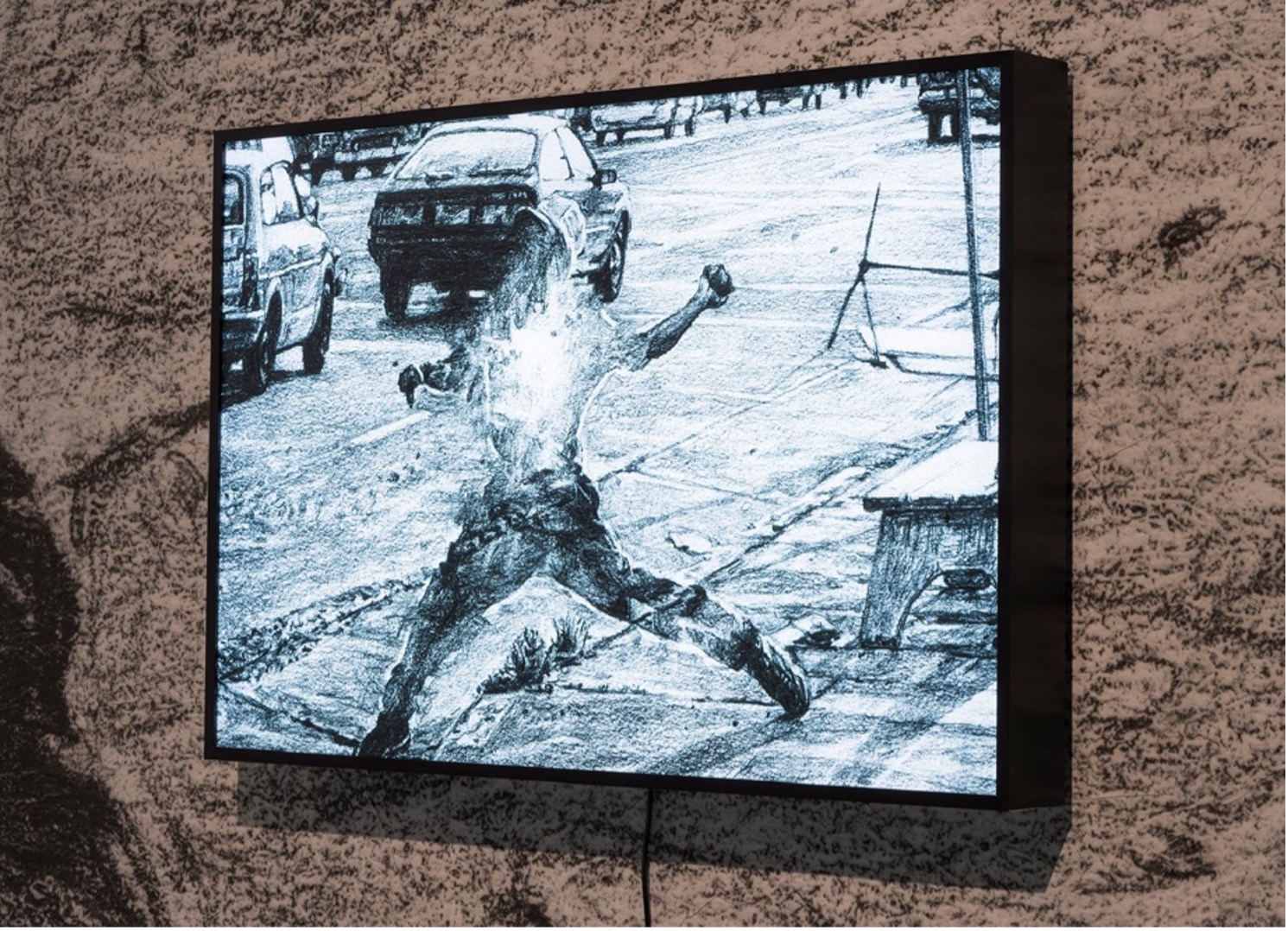
His graphite drawings are based on historical photographs, yet they depict figures erased or rendered indistinct. For example, in the ‘Absence without Leave’ (2016-2017) series, he meticulously recreated images such as Peter Hujar’s portrait of David Wojnarowicz, photographs of Martin Wong, and scenes of gay cruising at the Hudson River piers. However, the figures themselves are intentionally removed, highlighting the absence created by social oppression and the AIDS crisis while leaving open the possibility of continued remembrance and reinterpretation.

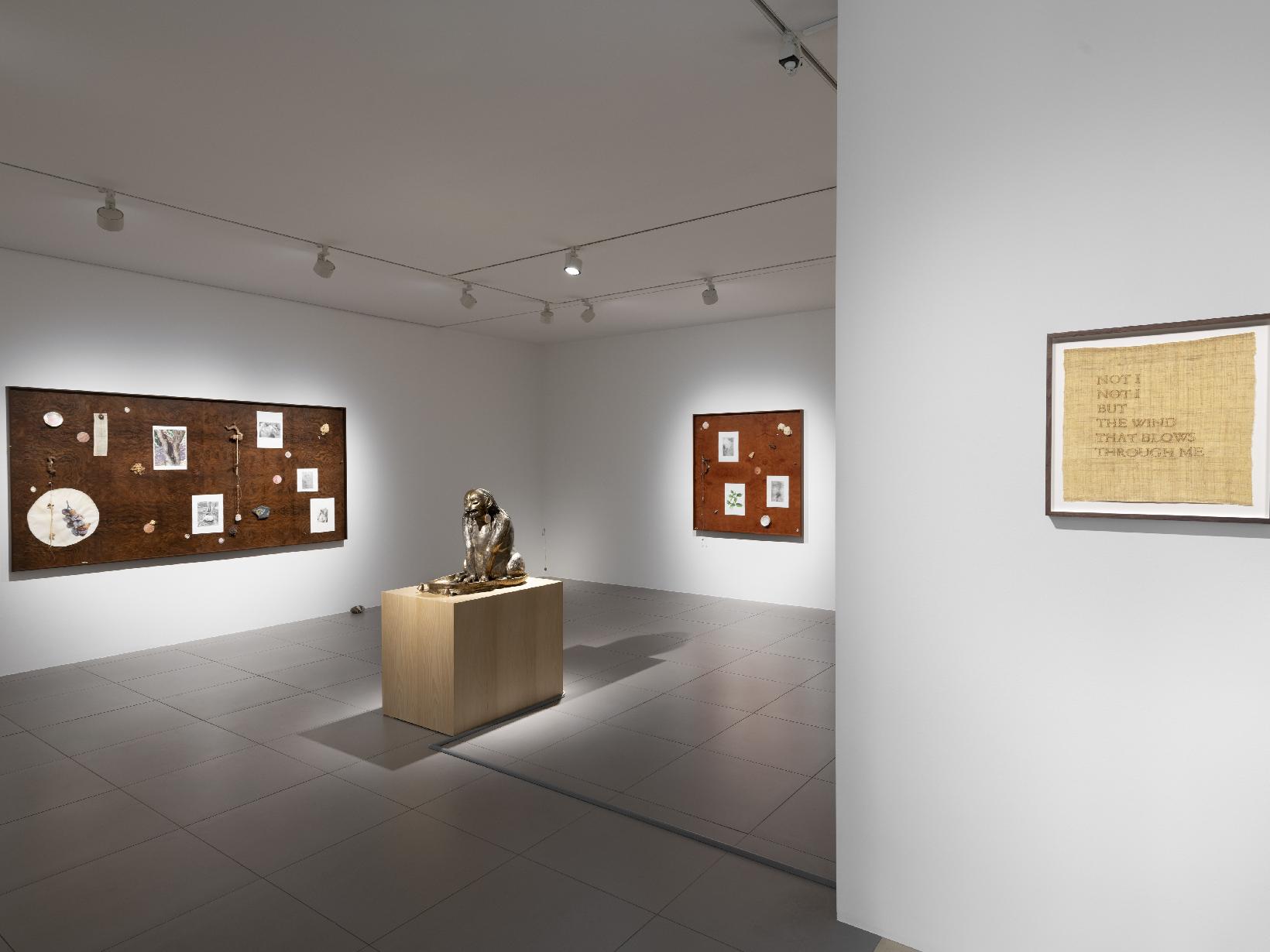
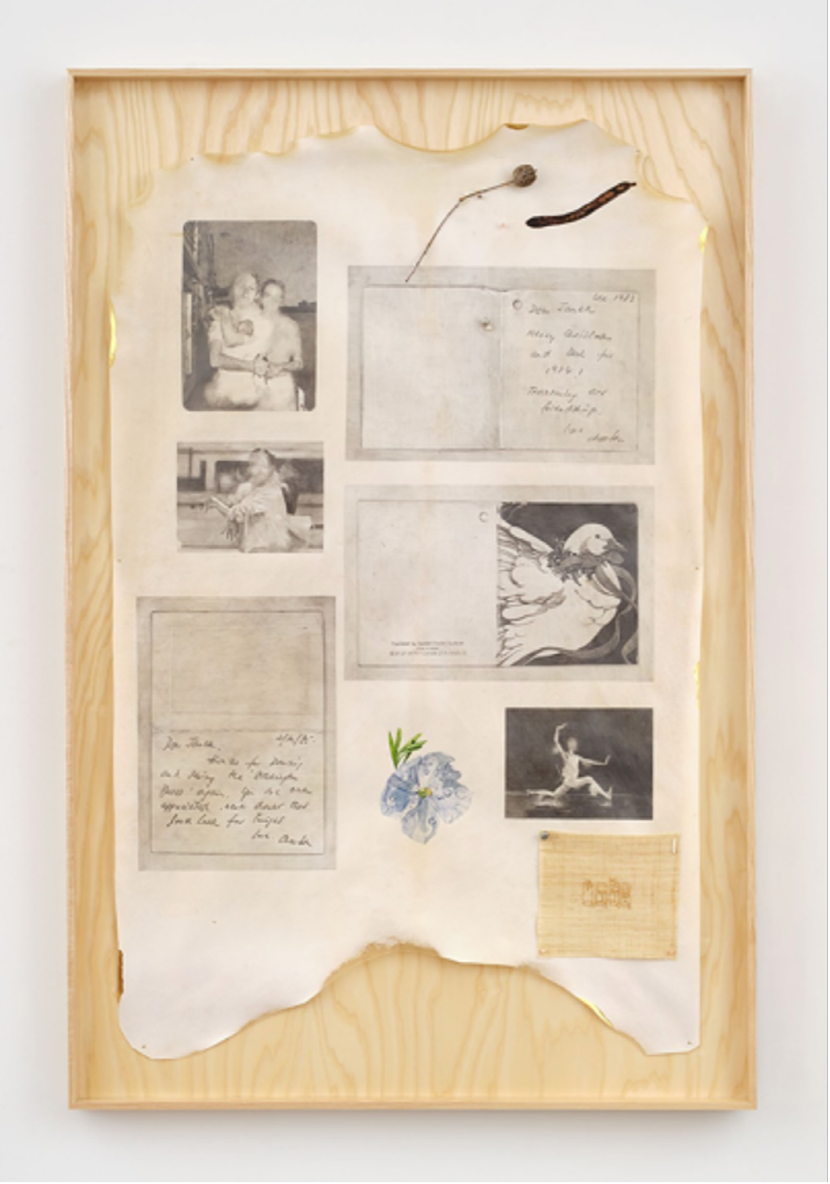
Since 2017, he has been producing embroidery works using 24K Nishijin gold thread on Sambe, a traditional Korean hemp cloth associated with mourning and funerary rites. Gold thread, signifying sanctity and permanence, is combined with Sambe to honor the lives and legacies of queer individuals lost to AIDS. A representative work in this medium is Untitled (Cover) (2018), an embroidered piece based on the cover image of Joon-soo Oh’s memorial book.

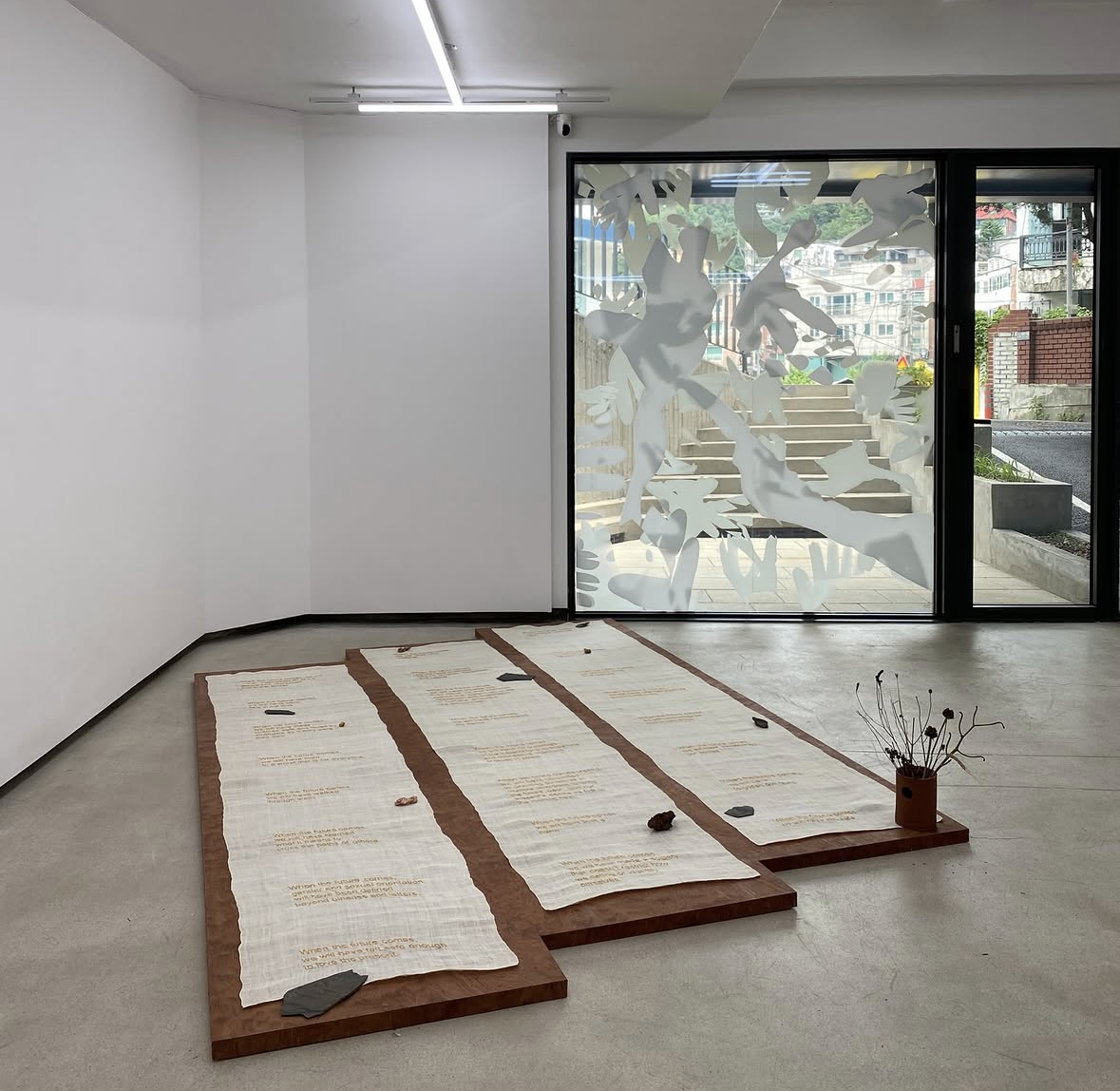
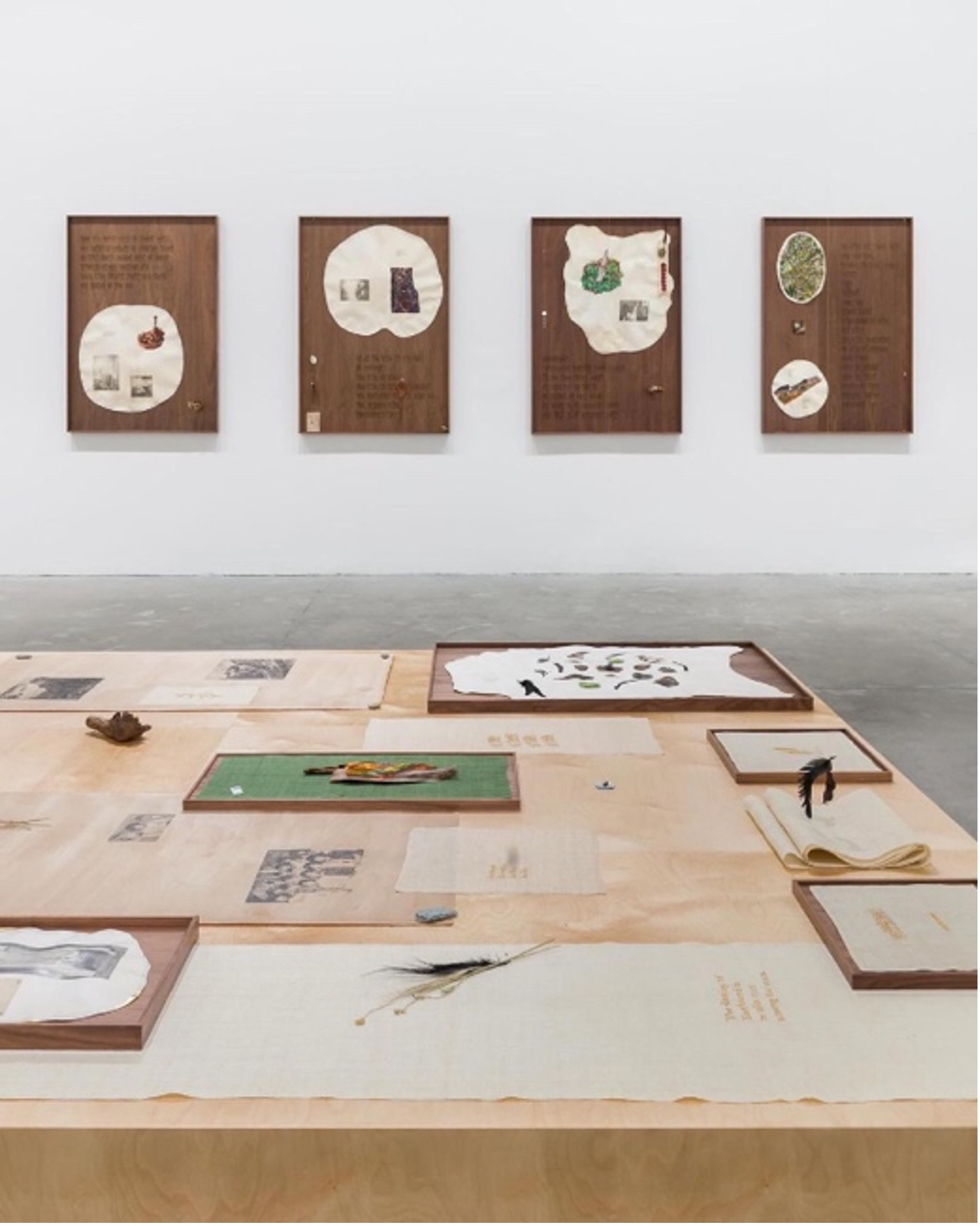
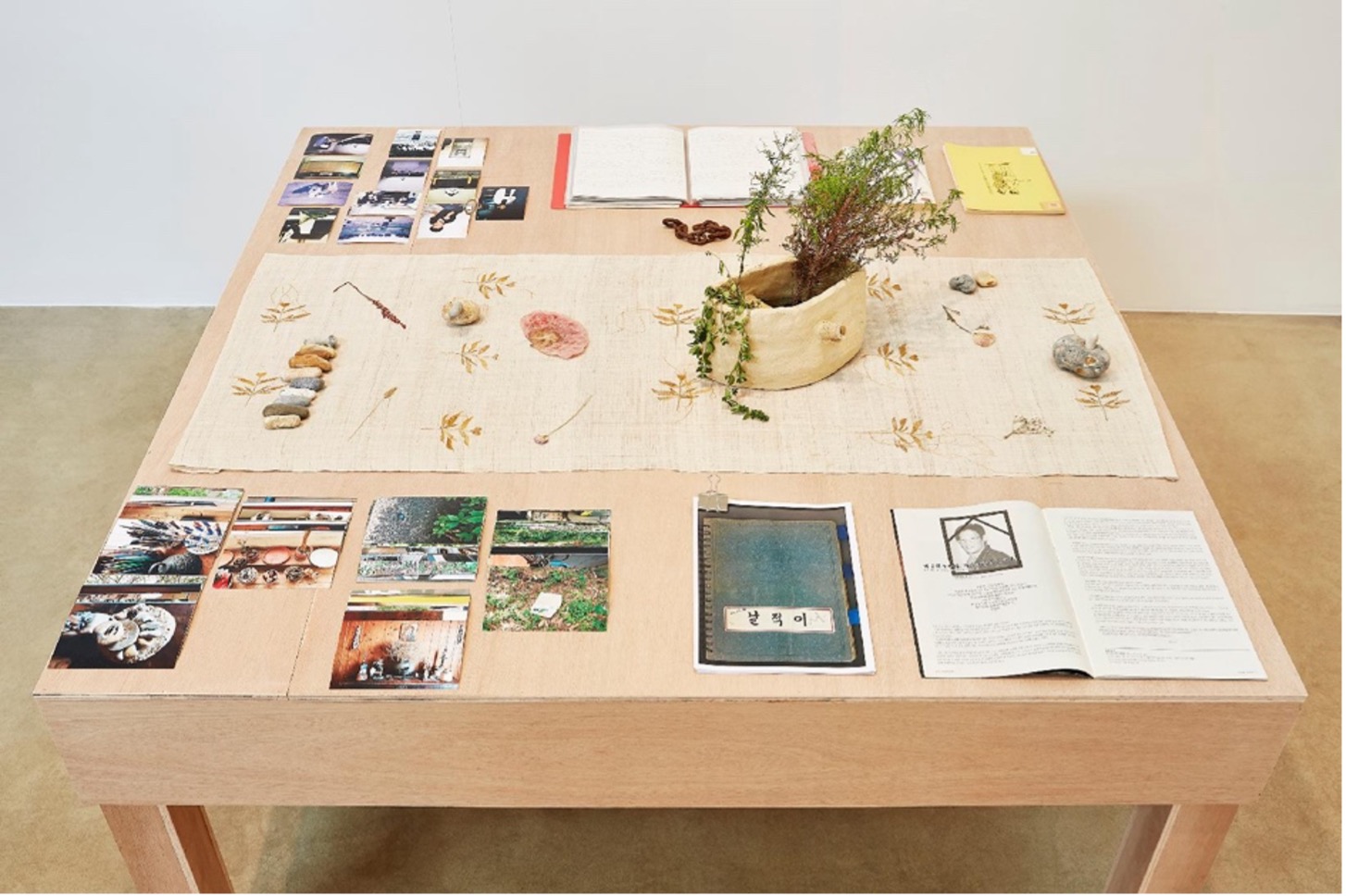
His installation and object-based works function as connectors between specific locations and histories. In his solo exhibition 《Garden》(2018) at One and J. Gallery, he brought together pebbles from Derek Jarman’s Prospect Cottage, soil collected from Tapgol Park and Namsan in Seoul, and Joon-soo Oh’s rosary ring. These elements were assembled into a collage-like composition that forges a temporal and spatial linkage, weaving together past and present layers of memory.

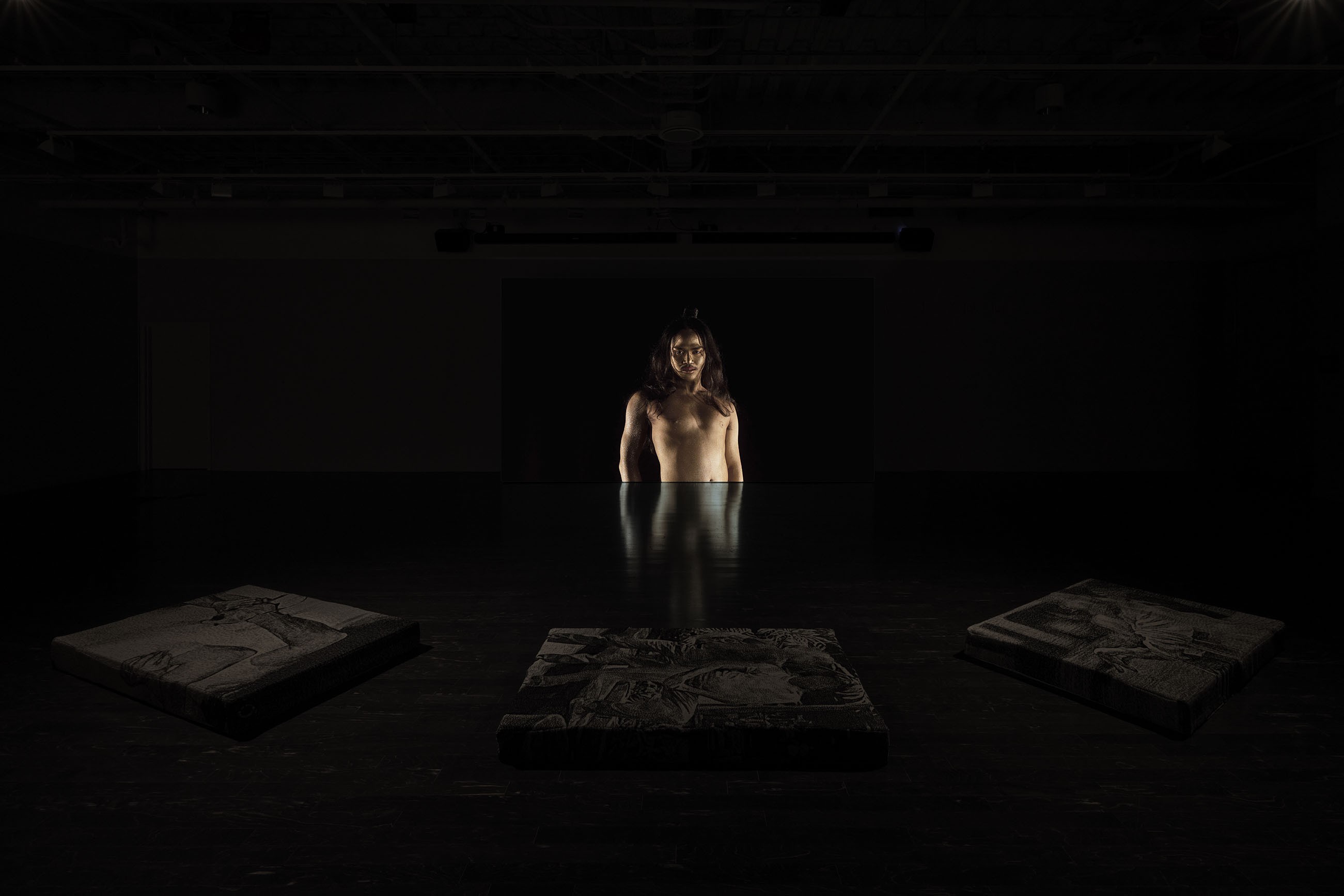
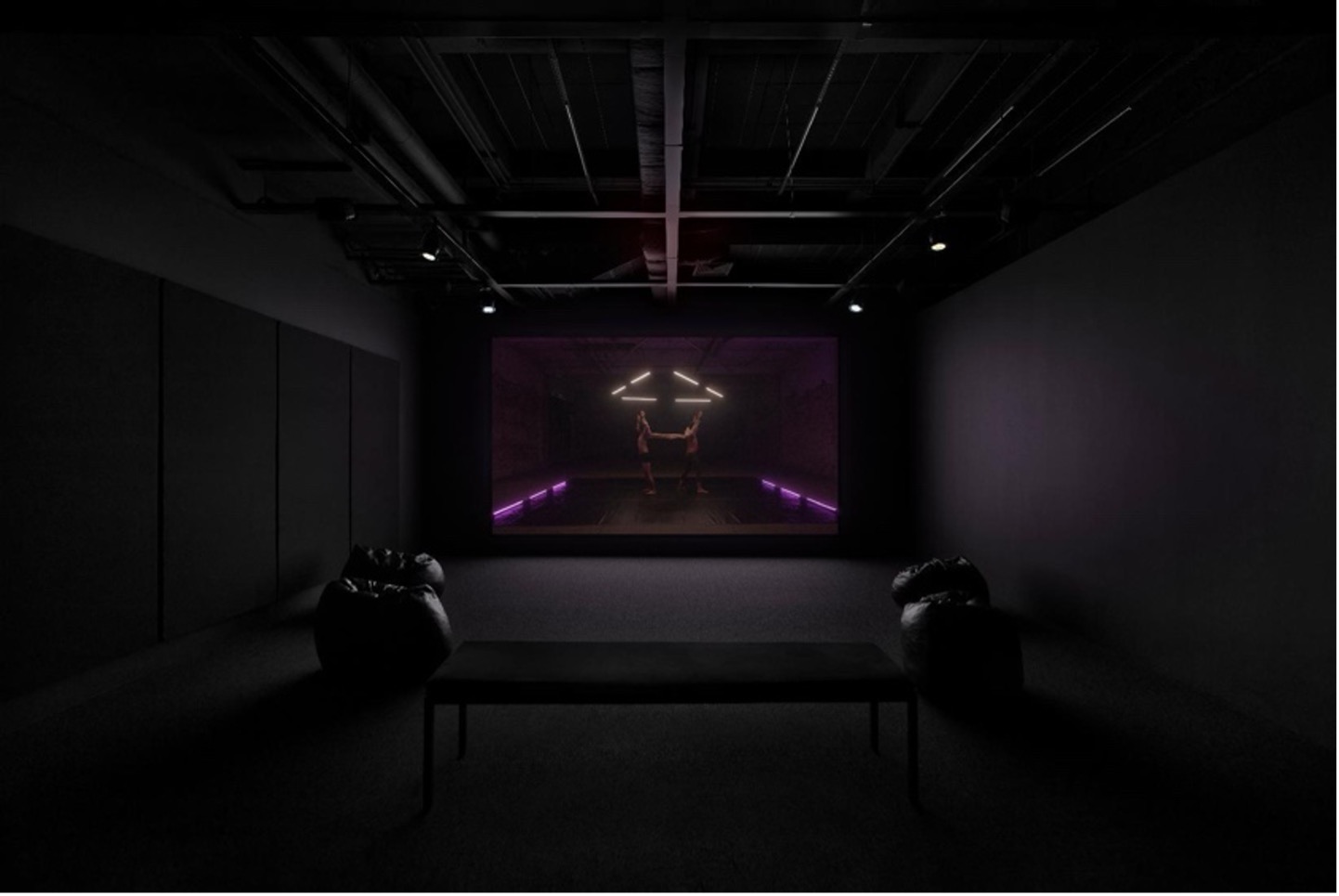
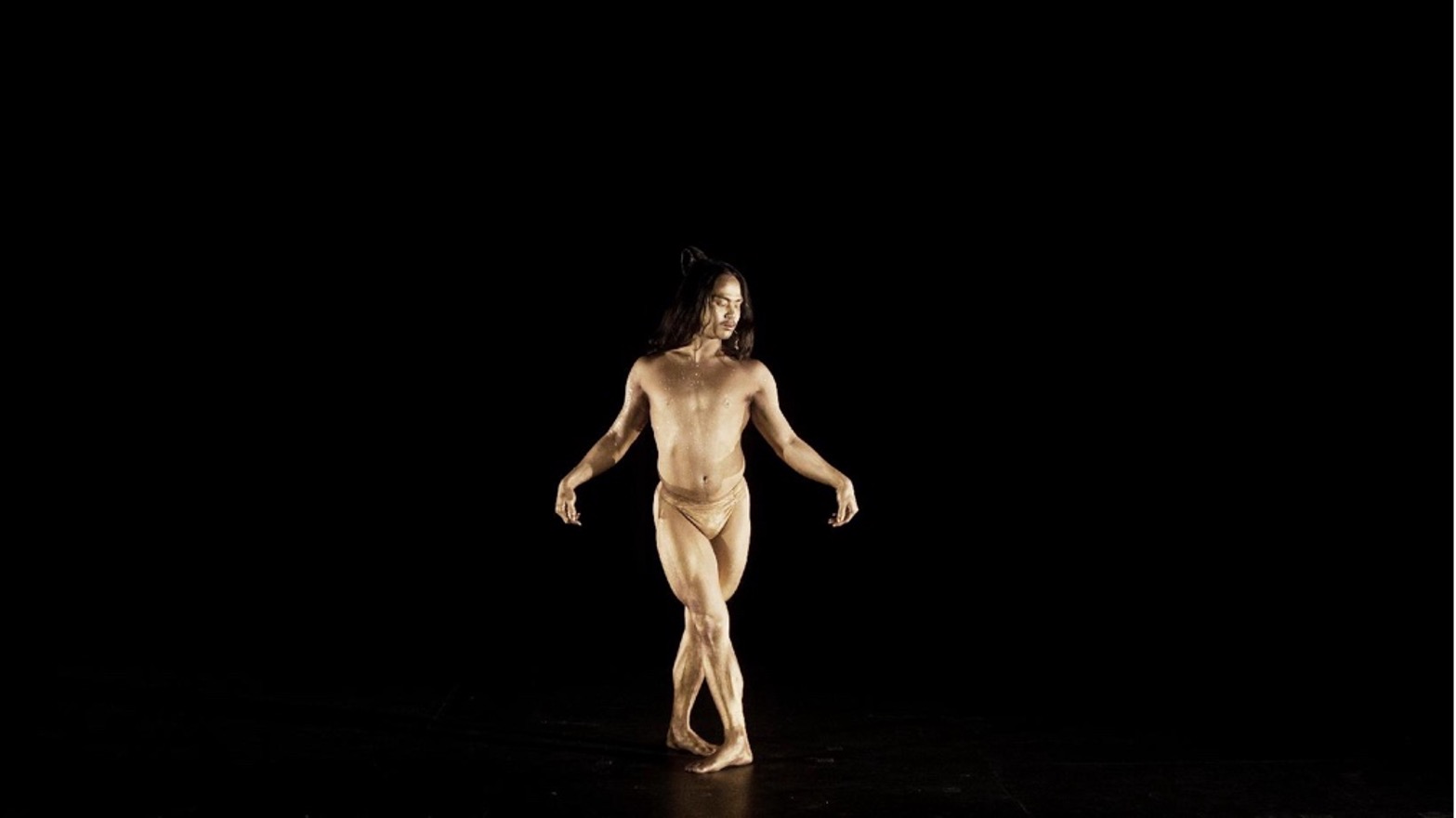
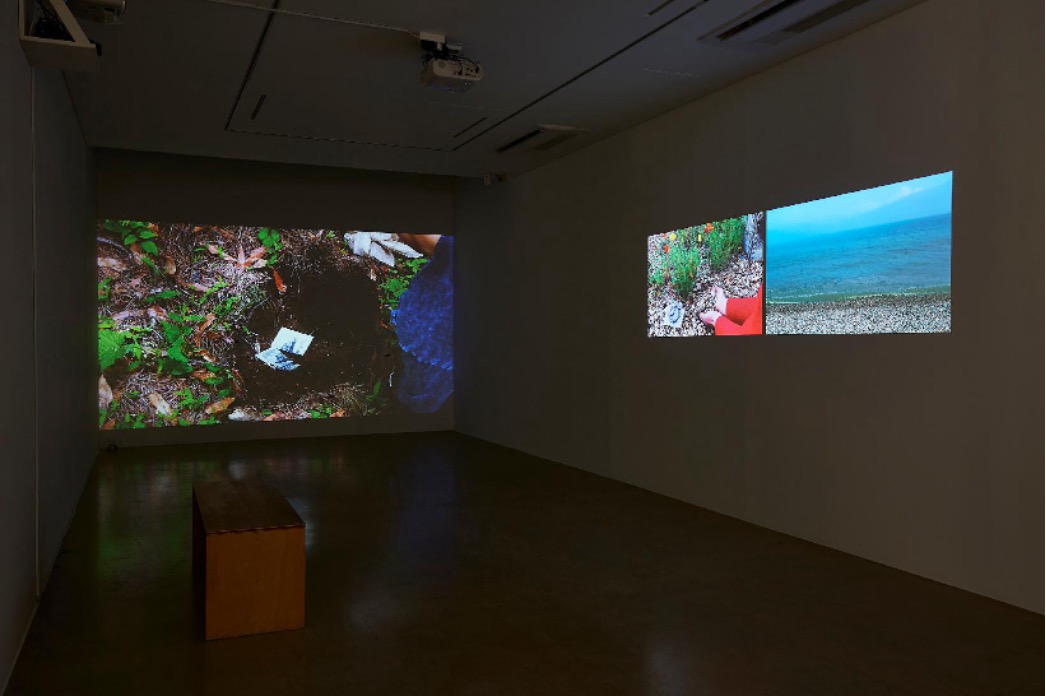
He has also explored queer artists’ bodily movements and dance in his video and performance works. In the video The Heart of A Hand (2023), exhibited at the Vincent Price Art Museum (Los Angeles, USA), he highlighted the legacy of Singaporean-born ballet choreographer Goh Choo San. Collaborating with Brussels-based non-binary dancer Joshua Serafin, he examined the physicality and desires of queer bodies. Similarly, in Lazaro (2023), he reinterpreted the final work of Brazilian conceptual artist José Leonilson through performance.

Topography & Continuity

Kang Seung Lee’s work is a continuous artistic practice centered on remembrance and mourning, while simultaneously expanding into contemporary forms of queer solidarity and resistance. Rather than merely recalling the past, his work operates by forging connections between the present and the future.

Beyond his solo practice, he actively engages in community-based collaborative projects. In exhibitions such as 《QueerArch》 (2019, Hapjungjigu) and 《Briefly Gorgeous》 (2021, Gallery Hyundai), he worked with queer artists, designers, and archival researchers to collectively document and reconstruct queer histories. Additionally, he has expanded his practice beyond conventional art exhibitions into public art projects with institutions such as the Los Angeles County Museum of Art (LACMA). His augmented reality (AR) project la revolución es la solución! (2022), developed in collaboration with LACMA and Snapchat, revisited the experiences of Central American immigrant communities during the 1992 Los Angeles Uprising, shedding light on silenced historical narratives through digital interventions.

His work simultaneously restores the historical visibility of queer artists while challenging and expanding the boundaries of art history itself. By bridging queer artistic legacies from the United States, Europe, and Asia, he investigates how these histories can be inscribed within the broader art historical canon. This approach does not simply replicate past narratives but instead envisions the continuity and future potential of queer communities.

Works of Art

Rewriting the History of Queer Communities

Articles

Exhibitions