In her
early works, Kwon follows a conventional documentary photographic approach. In
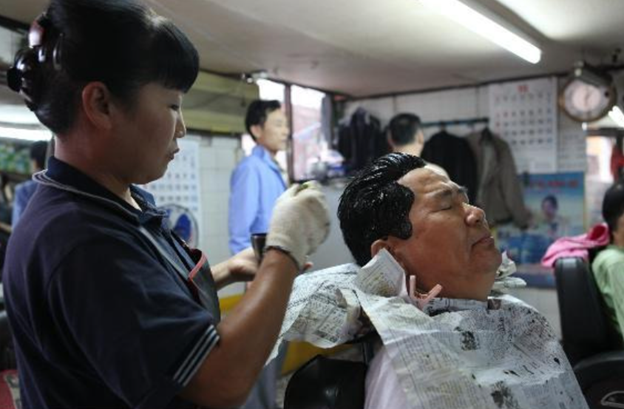
the ‘A History of Haircuts’ series, she stays within specific sites and
photographs them over time, combining portraiture with spatial documentation to
capture both the barbershop and the lives of its workers. Photography here
extends beyond image production into a long-term process encompassing research,
site visits, negotiation, and communication.
In later
works dealing with socially charged locations, she focuses on capturing the
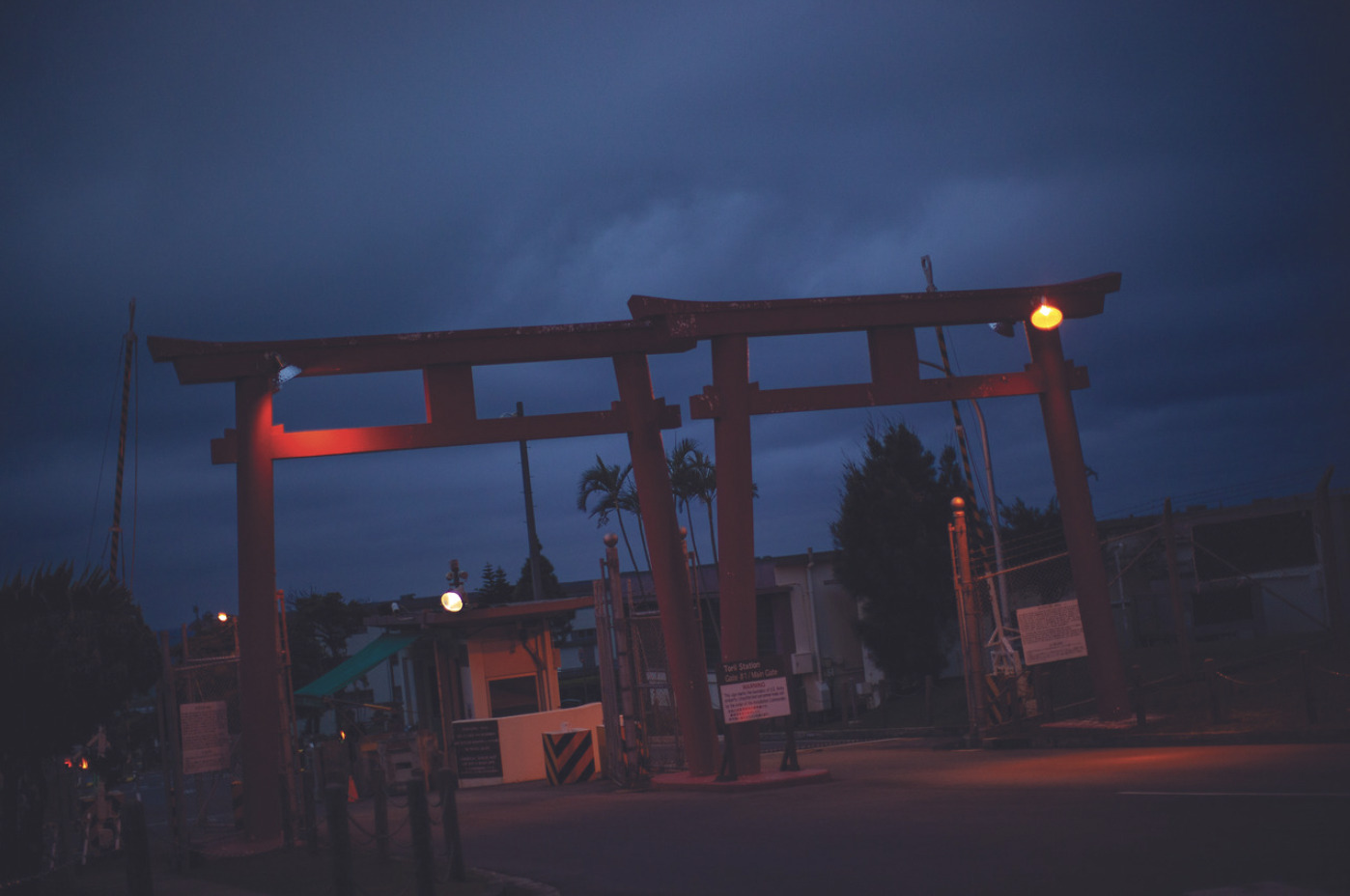
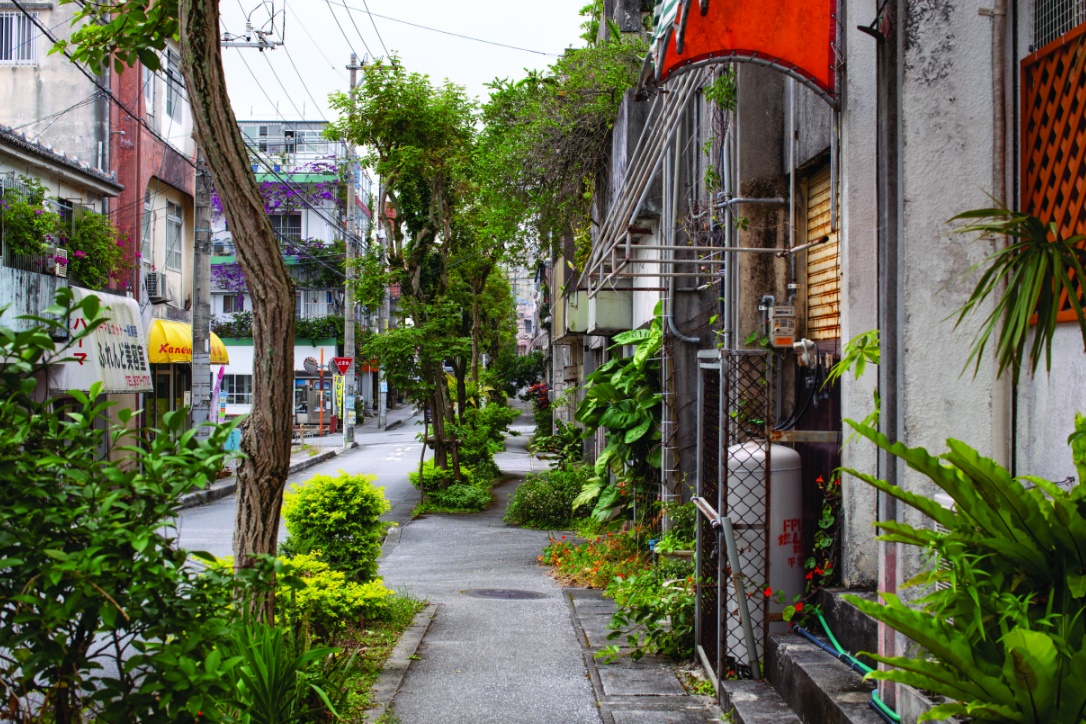
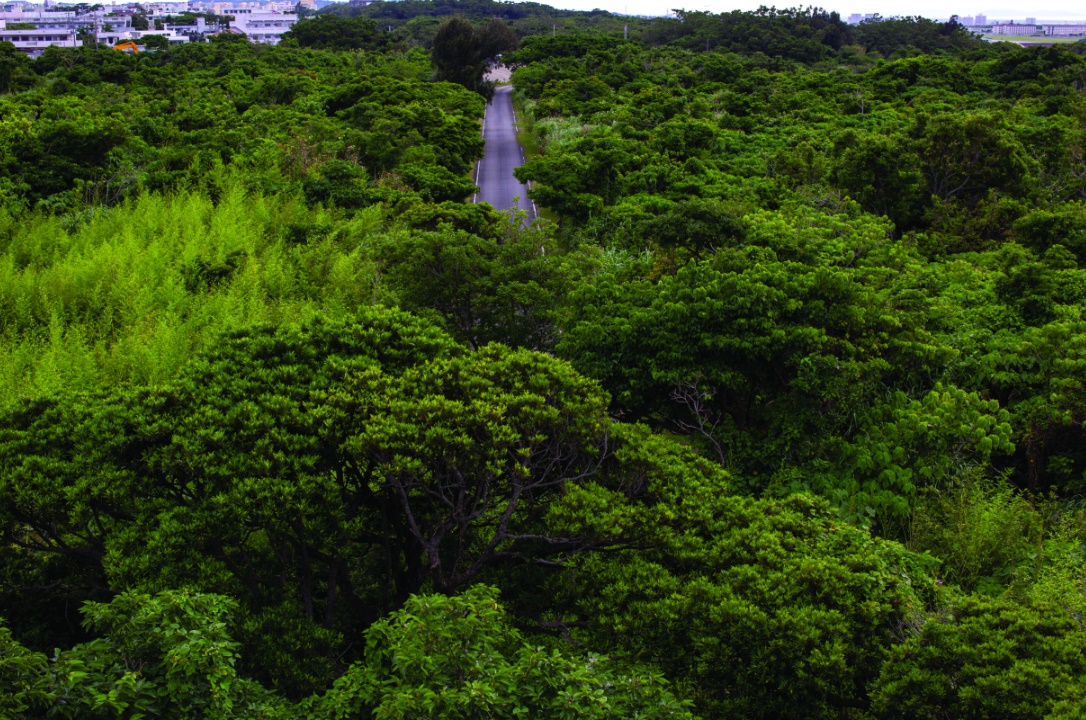
present condition of these sites. As seen in Kadena Air Base,
Okinawa(2016), rather than directly representing specific events or
issues, she conveys the historical tension embedded in a place through its
atmosphere and landscape. The images maintain a balance between documentation
and emotion, allowing meaning to emerge through the scene itself without
excessive narrative framing.
With the
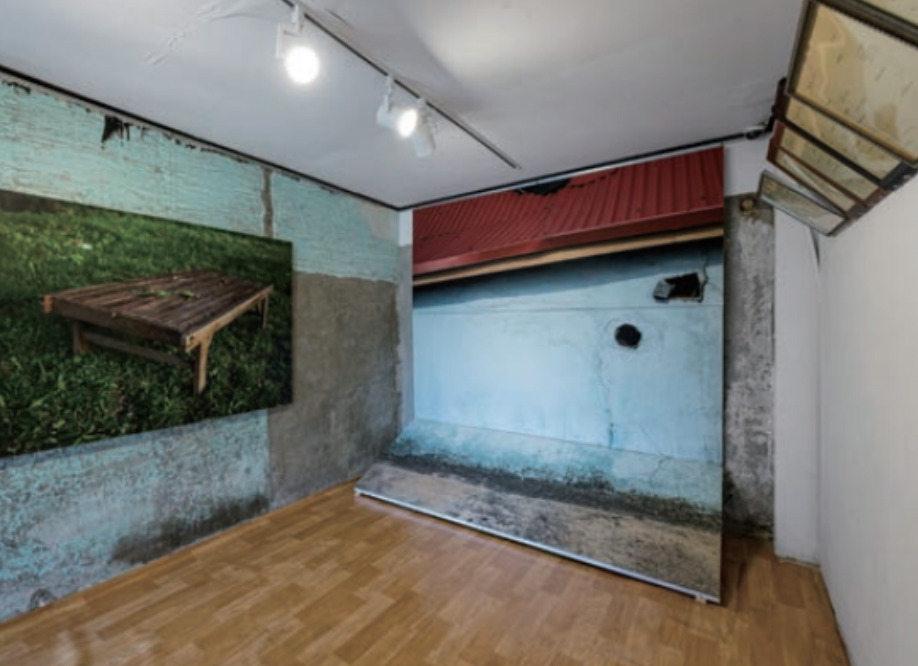
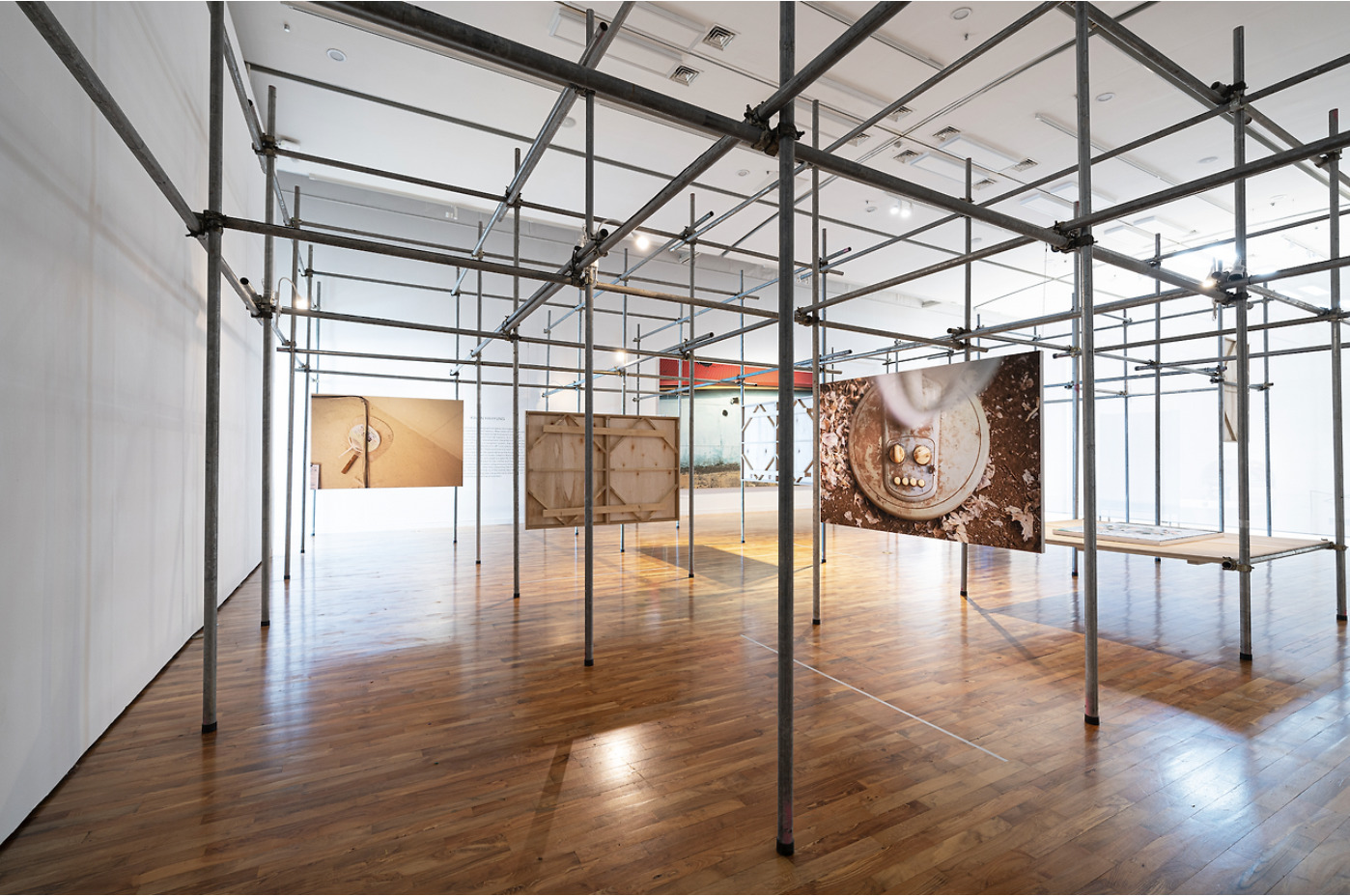
‘(Maybe) Deviated Map’ series, both medium and exhibition format expand.
In (Maybe) Deviated Map #1, pigment prints on canvas
transform photography from a flat image into a physical object, while
installations using steel structures encourage viewers’ movement. As audiences
navigate between suspended works, they physically experience the notion of
“deviation,” creating a close integration between image content and spatial
structure.
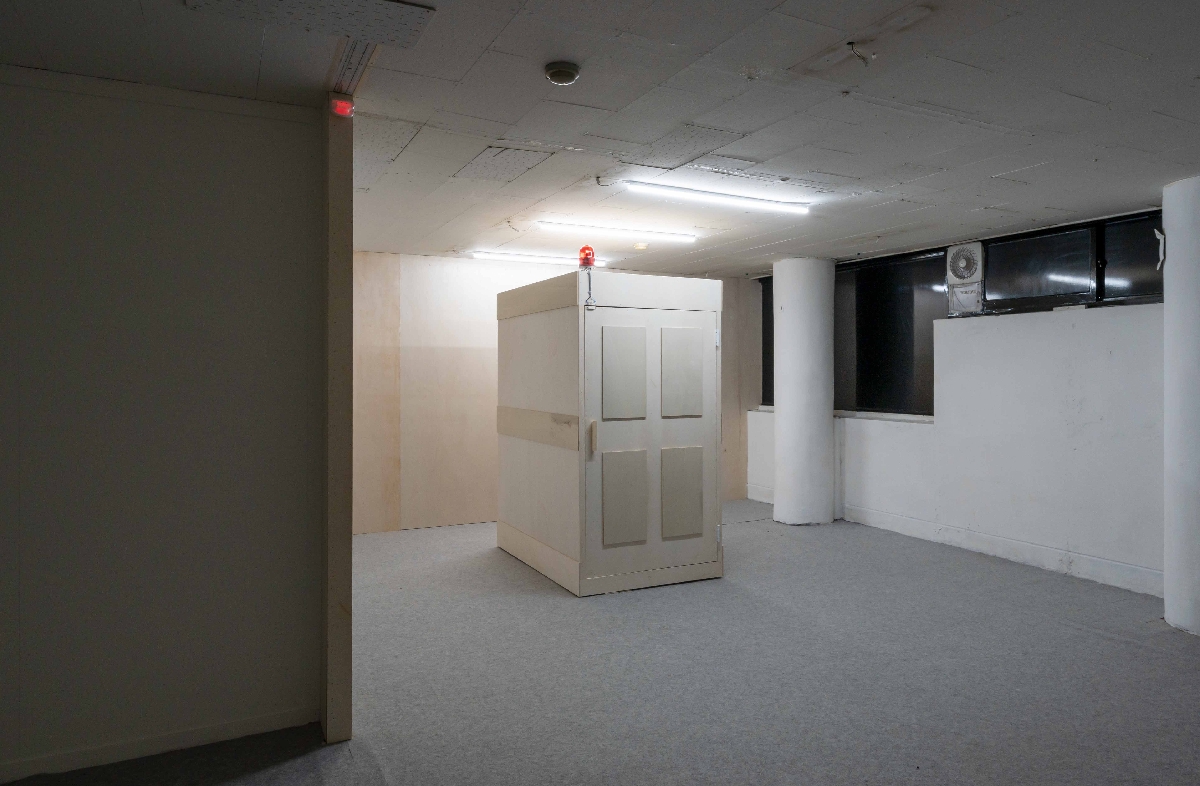
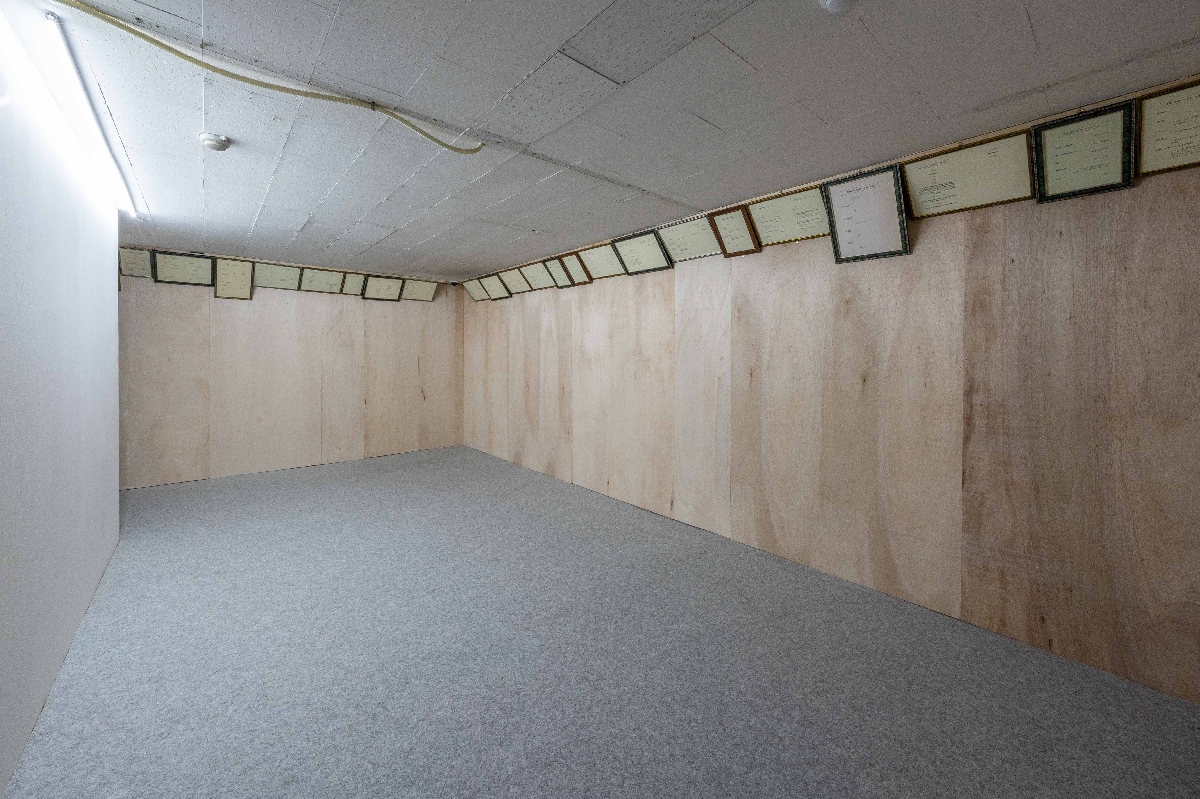
In 《Room Without Night》(Space Heem, Busan,
2022), her practice moves beyond photography into
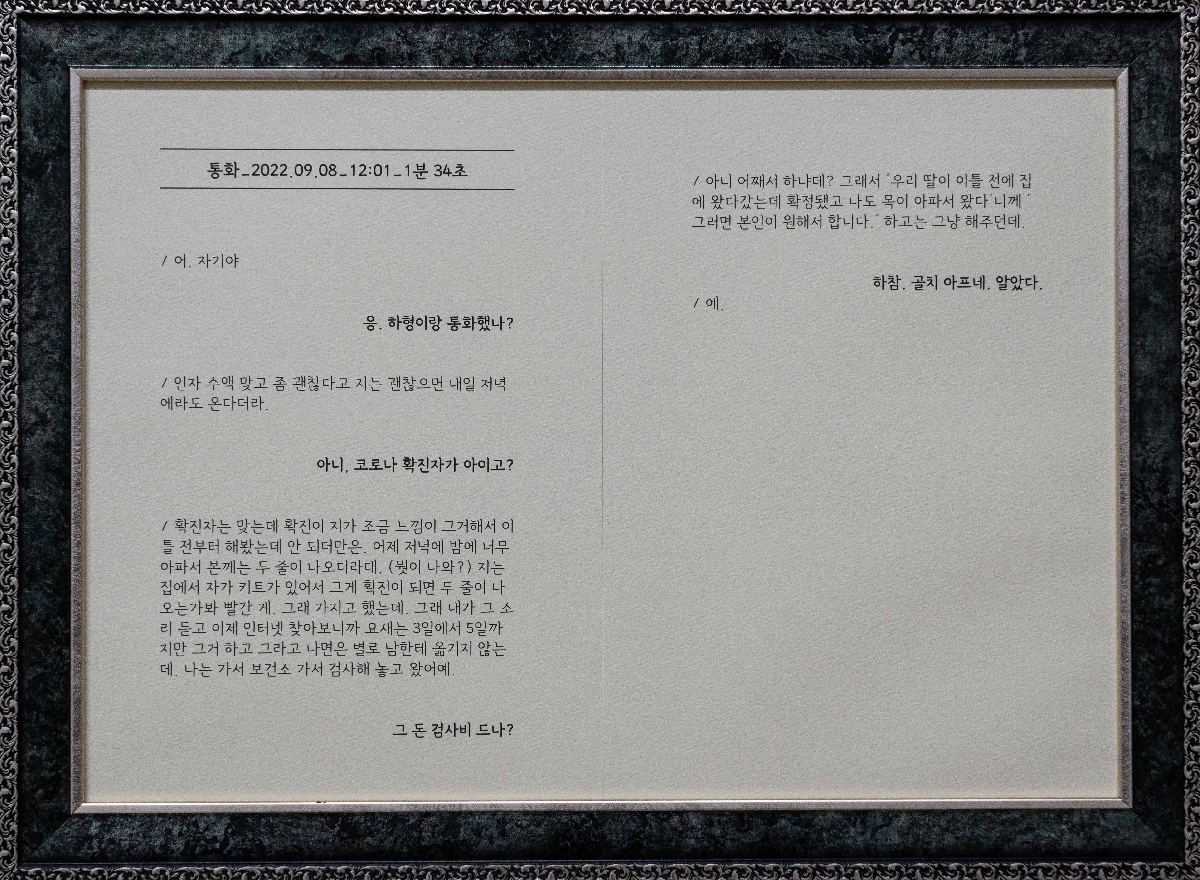
installation. Detailed Services(2022)
and Calling(2022) draw on transcripts of family phone
conversations to reveal the relationship between language and power, combining
text, sound, and spatial elements. Here, photography is no longer the central
medium but becomes one among multiple forms through which the artist
articulates experience, forming a point where autobiographical narrative
intersects with social structures.