

Park Jung Hyuk (b.1974) - K-ARTIST
Park Jung Hyuk (b.1974)

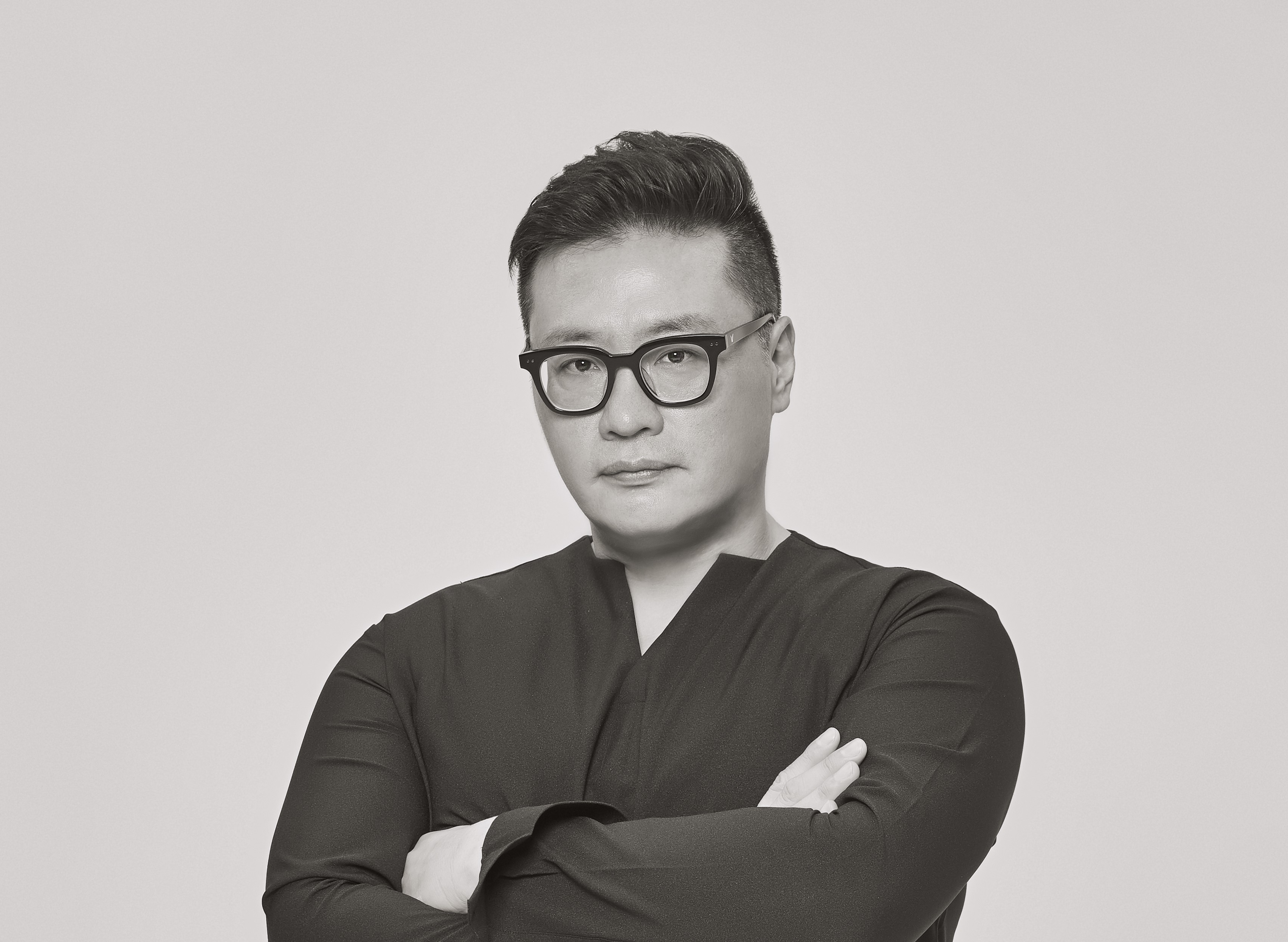
Park Jung Hyuk graduated from Hongik University’s Department of Painting in 2000 and obtained a master’s degree from the Department of Painting at the same graduate school in 2014. He currently lives and works in Seoul.

Solo Exhibitions (Brief)

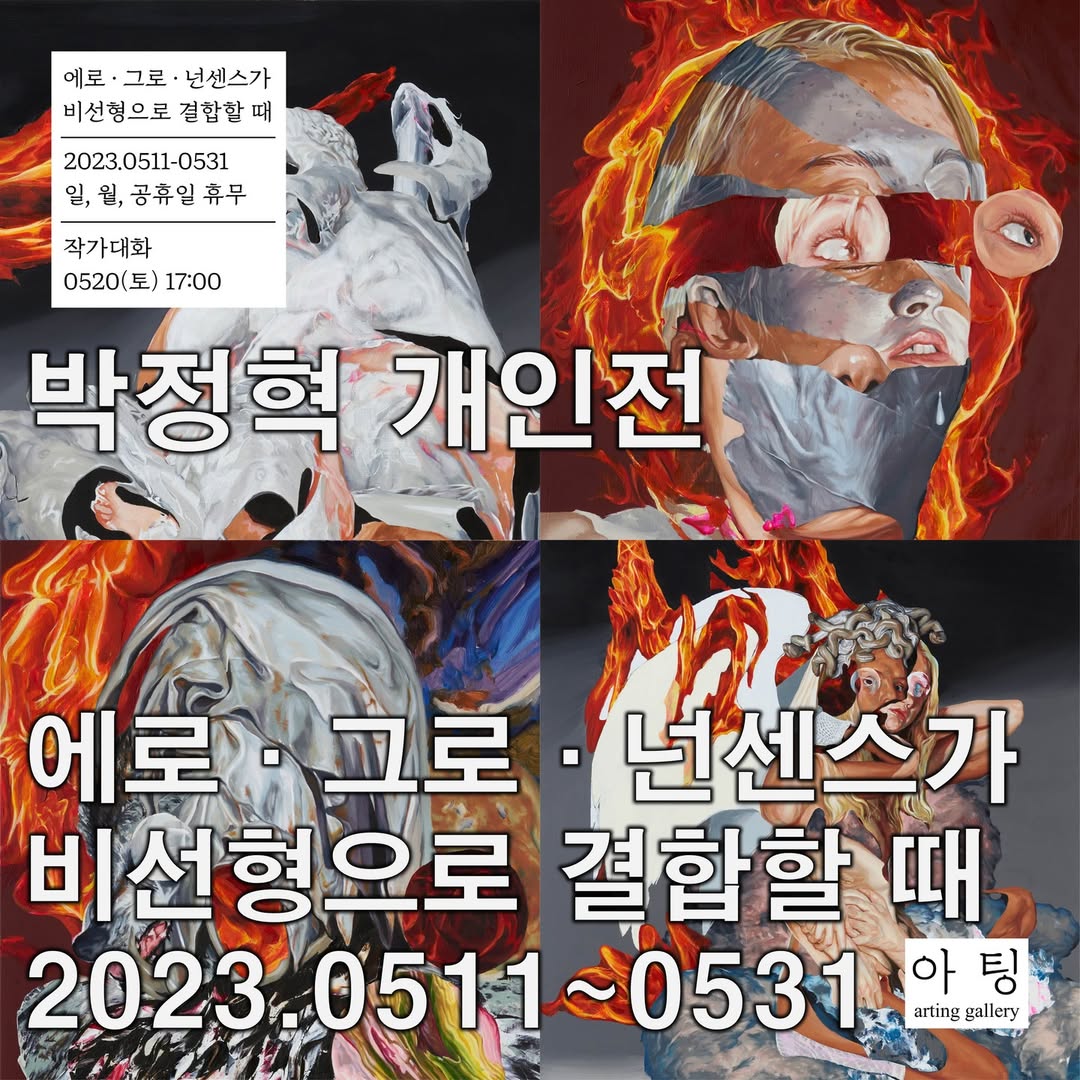
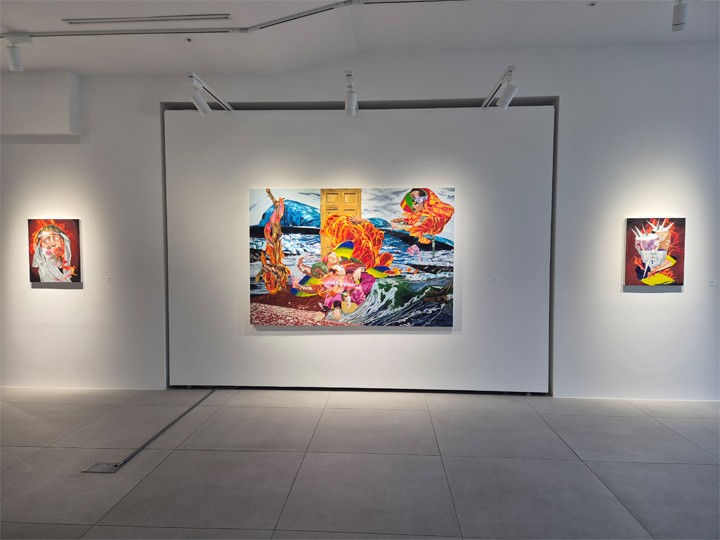
Park Jung Hyuk’s solo exhibitions include 《Rebellious possibility》(Yeol Jeong Gallery, Seoul, 2025), 《When Ero·Gro·Nonsense Combines Nonlinearly – Episode 1》(Museum1, Busan, 2024), 《When Ero·Gro·Nonsense Combines Nonlinearly》(Arting Gallery, Seoul, 2023), 《Myth, Representation of the Era》(Artertain, Seoul, 2022), 《Drowsy Floating》(Artertain, Seoul, 2019), 《Flowing Memory》(Alternative Space Epo, Seoul, 2019), 《Temperature of Sensation – Park’s Memory》(Dorothy Salon, Seoul, 2018), 《Ordinary People》(Gallery Absinthe, Seoul, 2011), 《Resupination》(Insa Art Space, Korea Culture & Arts Foundation, Seoul, 2004), and 《Malocclusion》(Artspace Hue, Seoul, 2003), among others.

Group Exhibitions (Brief)

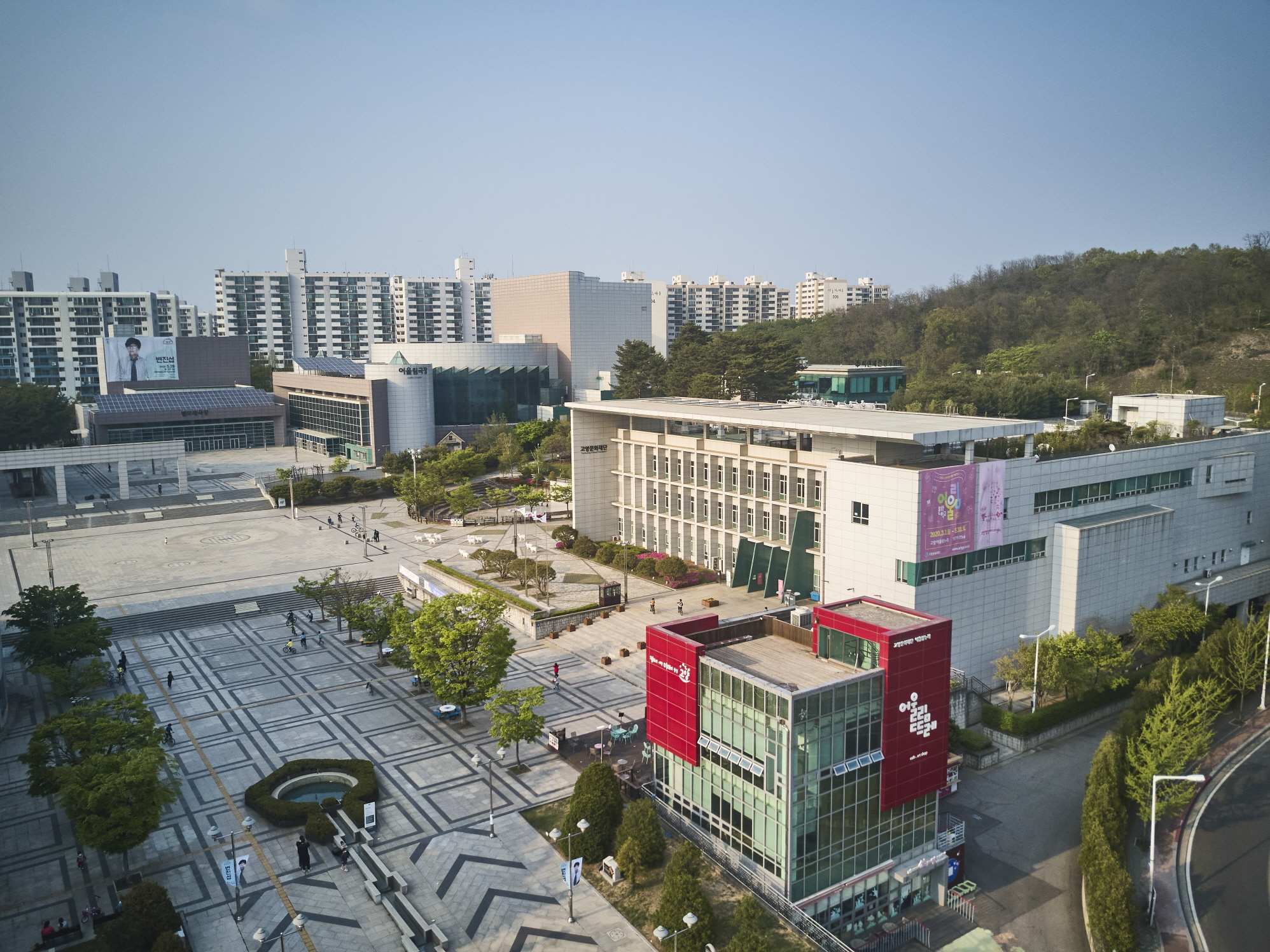
He has participated in major group exhibitions including 《Matching Show 2》(Arting Gallery, Seoul, 2026), 《Empathy 2025》(Artreon, Seoul, 2025–2026), 《Su! Su! Susu! Supernormal!!》(Space Supernormal, Seoul, 2025–2026), 《Myth: The Beginning Story》(Museum1, Busan, 2024–2025), 《ART Ground London》(Saatchi Gallery, London, 2023), 《Rumination: Chewing the Cud》(CMGG, Seoul, 2023), 《Maze: Aesthetics of Painting》(One Edition Art Space, Seoul, 2021), 《The Moment of ㄱ》(Seoul Arts Center, Seoul, 2021), 《Collection for All》(Seoul Museum of Art Seosomun Annex, Seoul, 2020), 《Beyond Thinking》(Goyang Aram Nuri Arts Center, Goyang, 2018), 《Playart: Reading Art through Games》(Suwon iPark Museum of Art, Suwon, 2016), 《No Comment》(Seoul National University Museum of Art, Seoul, 2013), 《Korea Tomorrow》(SETEC, Seoul, 2010), 《Collage of Memories》(Soka Gallery, Beijing, 2010), 《Printemps Parfum》(Centre des Arts d’Enghien-les-Bains, Paris, 2010), 《Media-Archive Project》(Arko Art Center, Seoul, 2009), 《Korean Eye: Moon Generation》(Saatchi Gallery, London, 2009), 《Media City Seoul》(Seoul Museum of Art, Seoul, 2004), and 《In Club》(Gwangju Biennale, Gwangju, 2004), among others.

Collections (Selected)

Park Jung Hyuk’s works are included in the collections of the National Museum of Modern and Contemporary Art, Korea (MMCA) Art Bank, the Seoul Museum of Art (SeMA), and numerous major public institutions, museums, galleries, corporate collections, and private collections in Korea and abroad.
Works of Art

Park's Land

Park's Memory

Park's Park

Originality & Identity

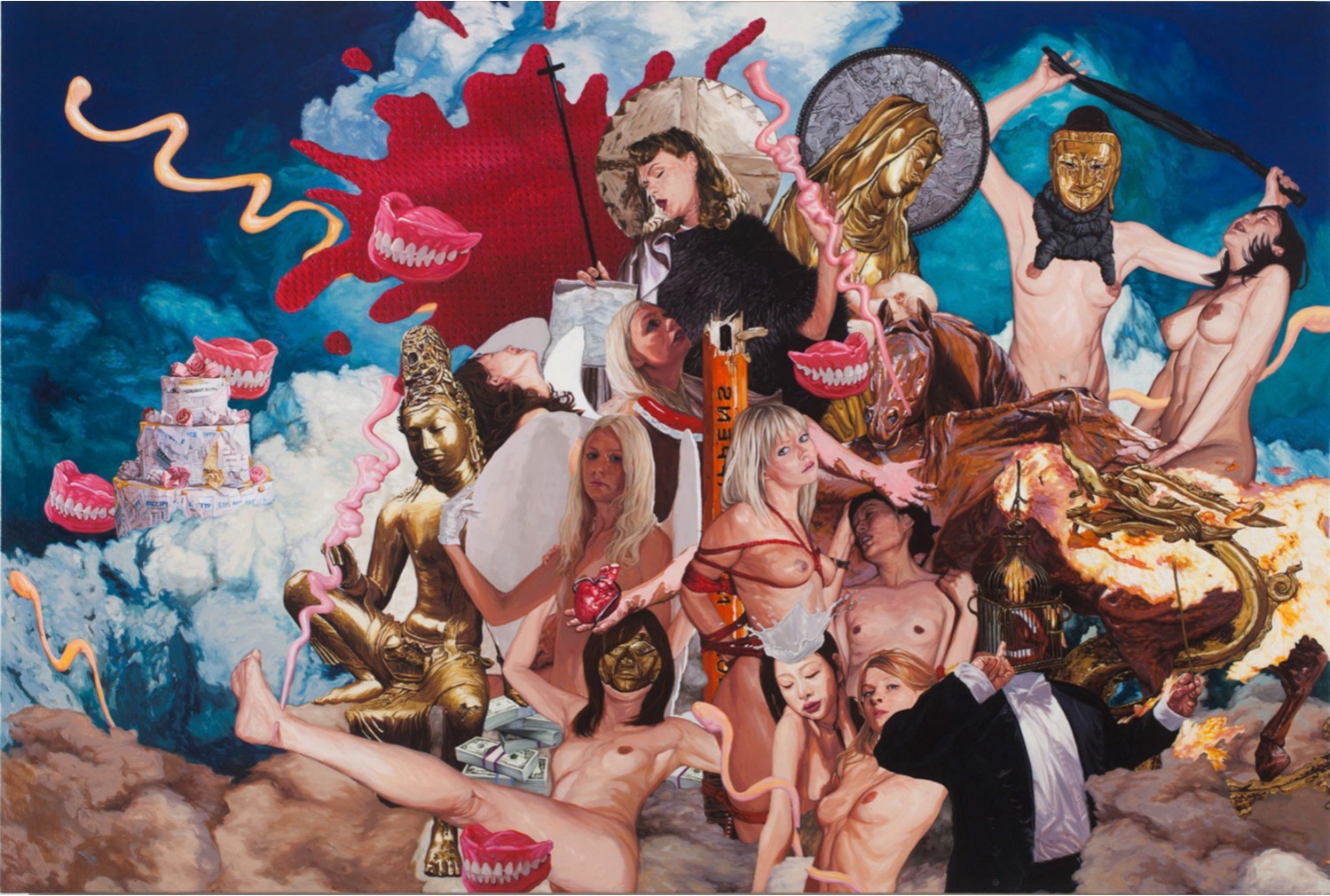
Park Jung Hyuk does not treat images as tools for representing the world, but as devices that organize perception and social structures. His work begins by questioning how the logic, common sense, and systems of meaning we take for granted are formed and sustained.
 
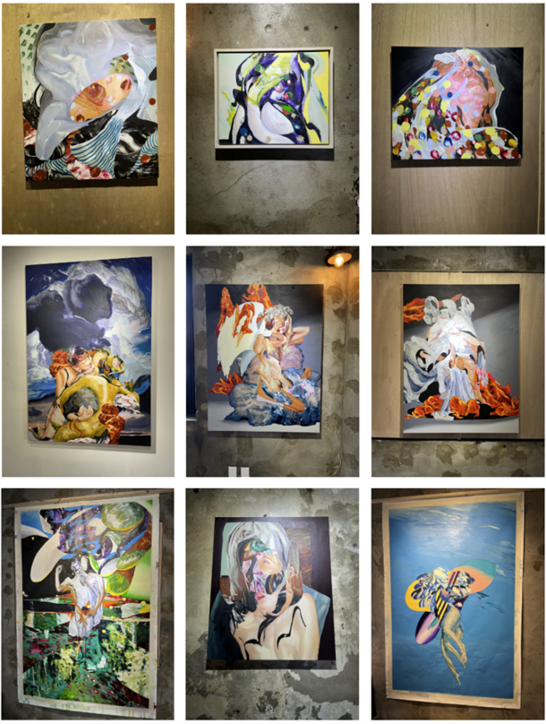
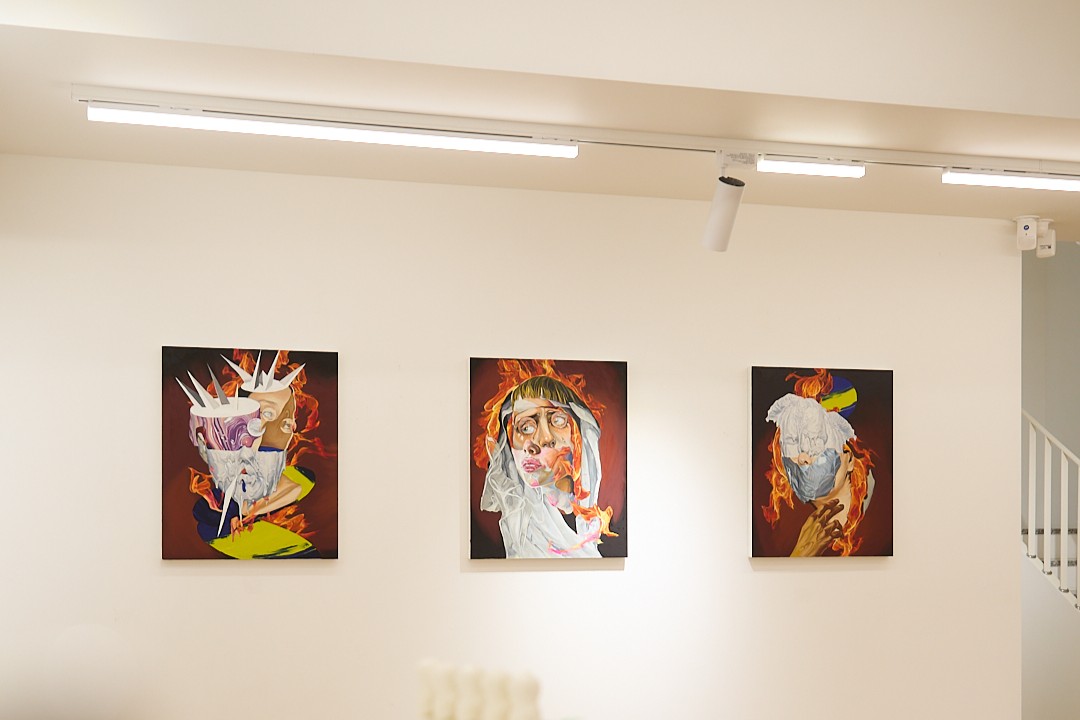
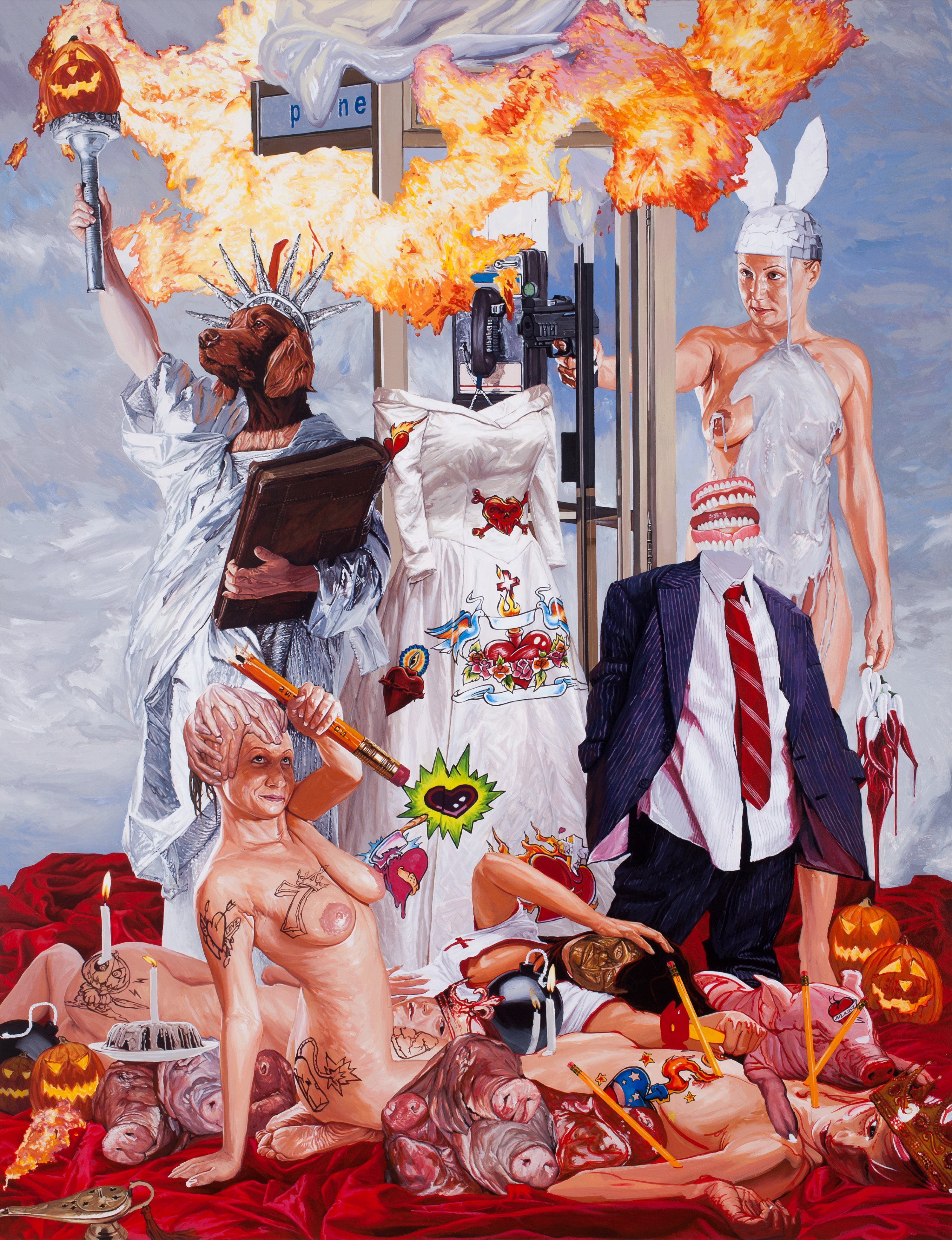
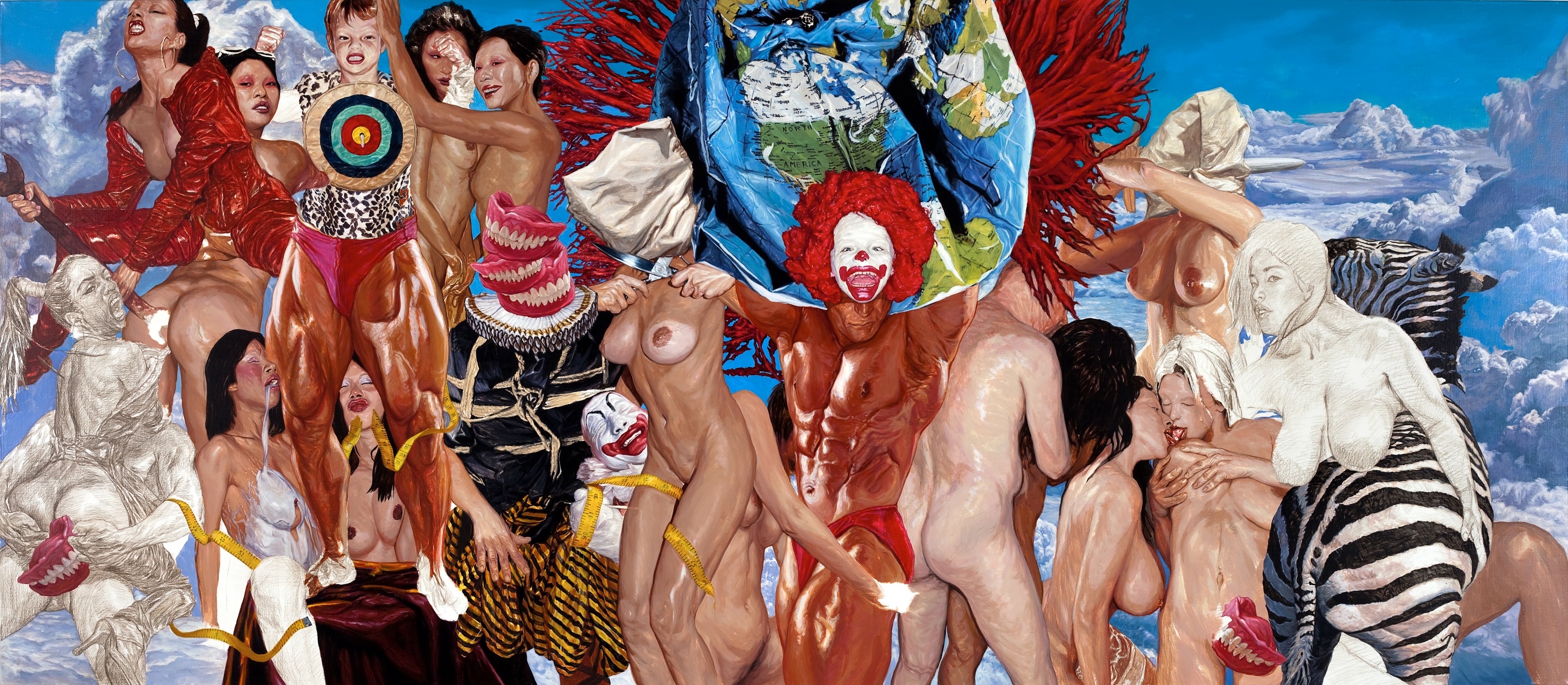
In the early ‘Park’s Park’ series, images appropriated from films, advertisements, and magazines are detached from their original contexts and repositioned within new relationships, where meaning is no longer fixed but continuously reconfigured. This act of appropriation and rearrangement reveals that images do not simply reflect reality, but actively participate in constructing it.
 
The discontinuities produced by the collision of heterogeneous images expose the artificial nature of the narratives and orders we tend to believe in. These images operate not merely as visual information, but as mechanisms that organize desire and consumption, reflecting the structures through which images are repeatedly produced and circulated within a capitalist visual environment.
 
In this sense, images function not as representations but as elements within a system that reproduces specific values and desires. Their relationships extend beyond simple juxtaposition, destabilizing one another and intensifying the instability of meaning. This process unsettles the viewer’s mode of perception, revealing that the act of seeing is never neutral.
 
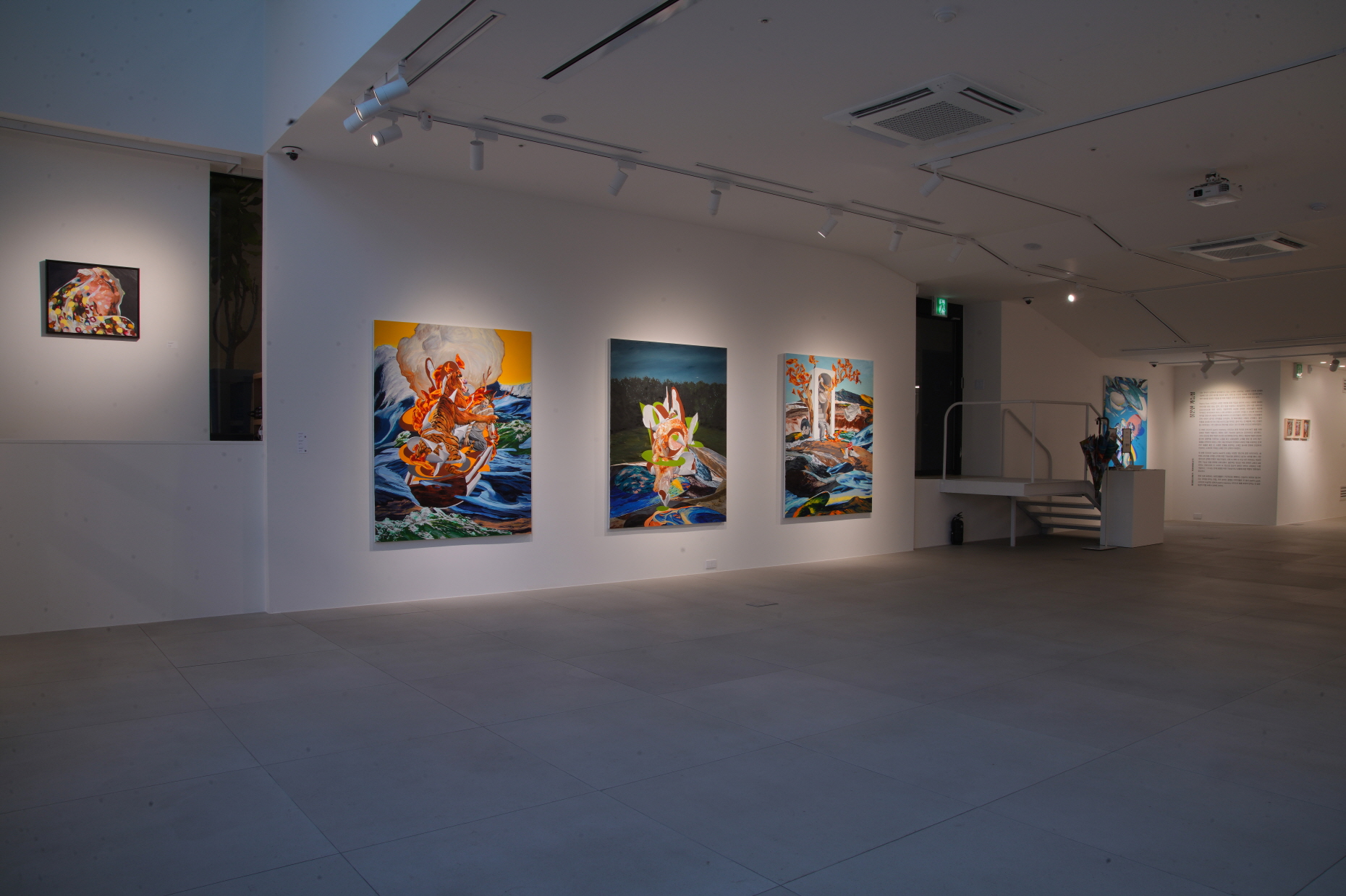
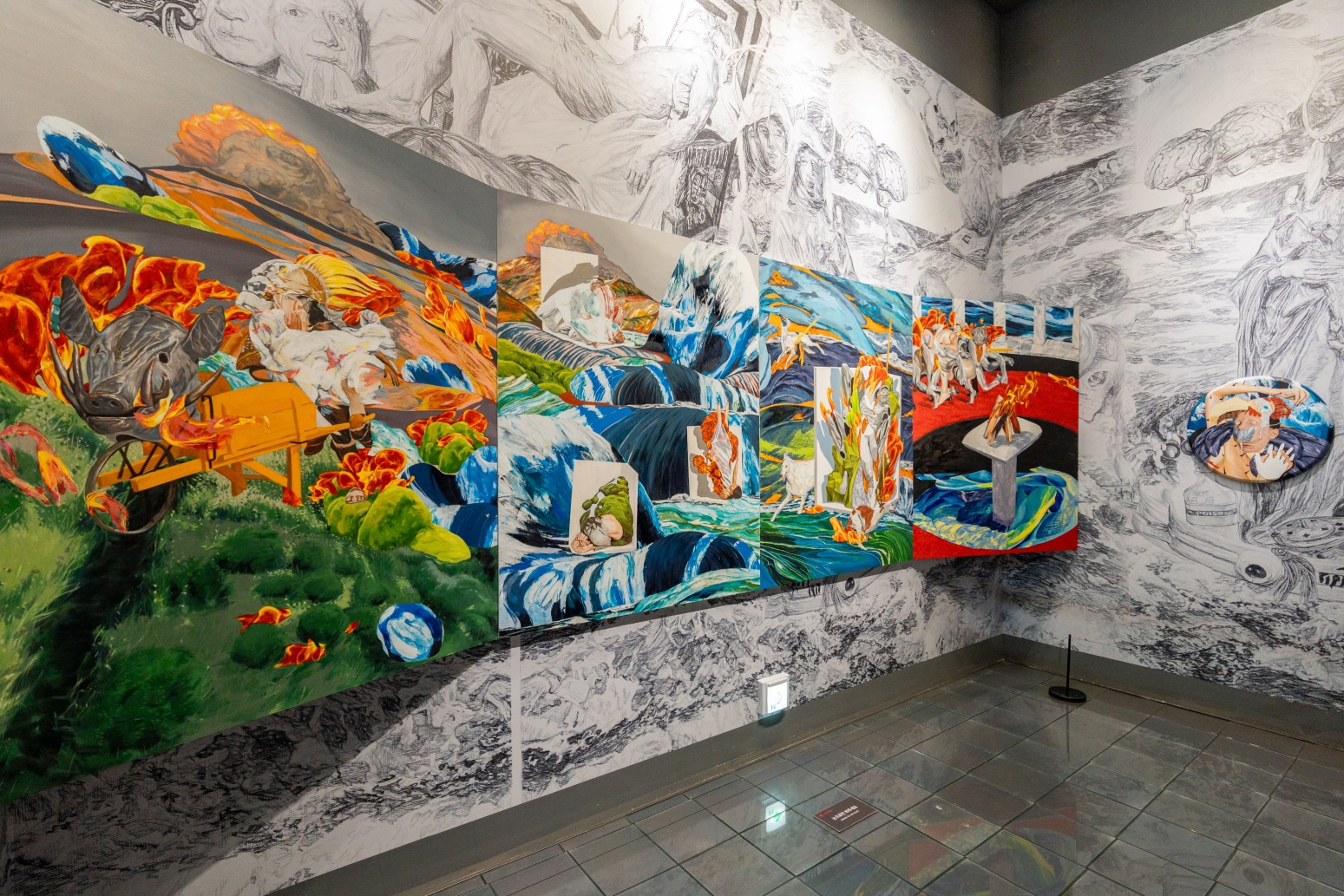
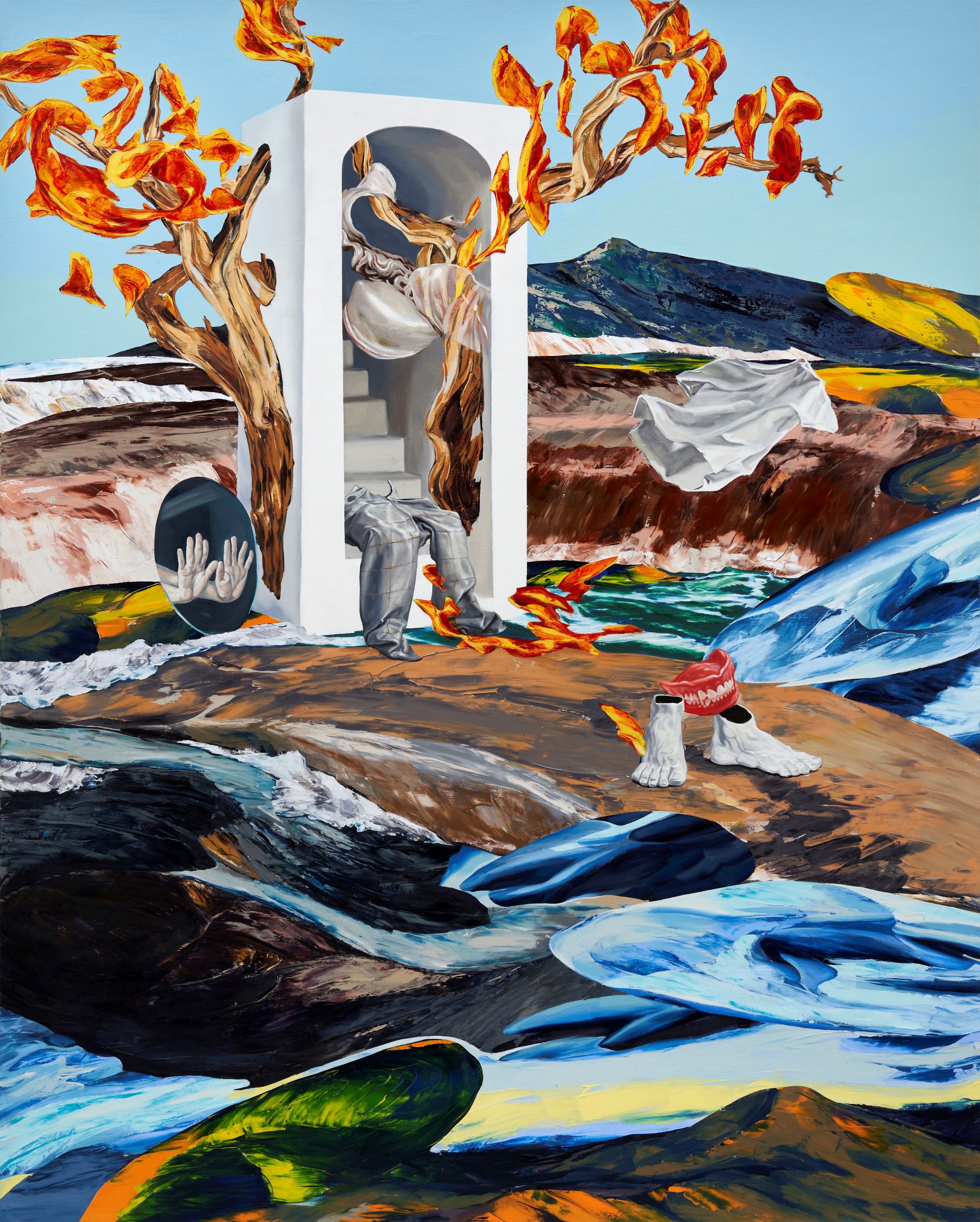
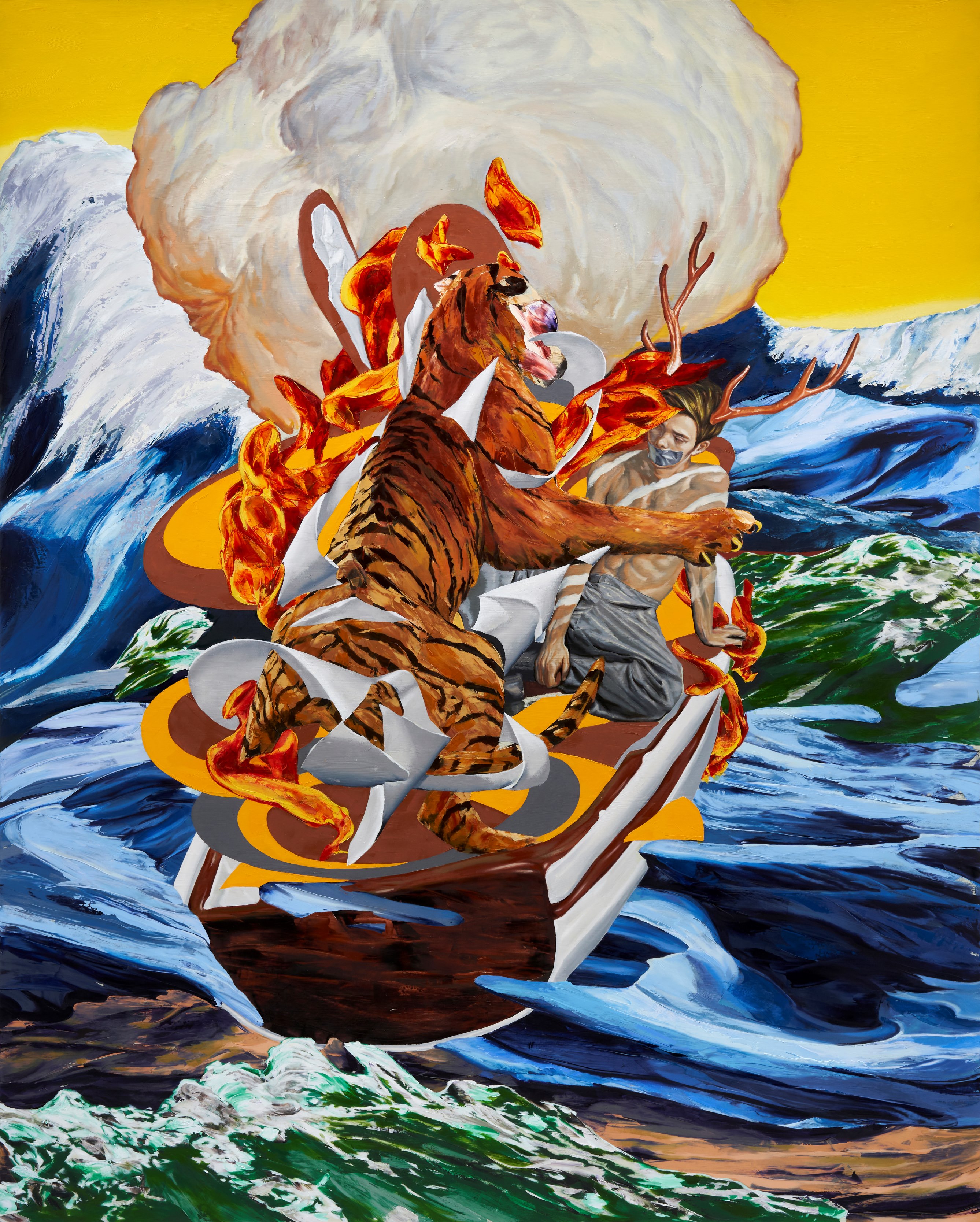
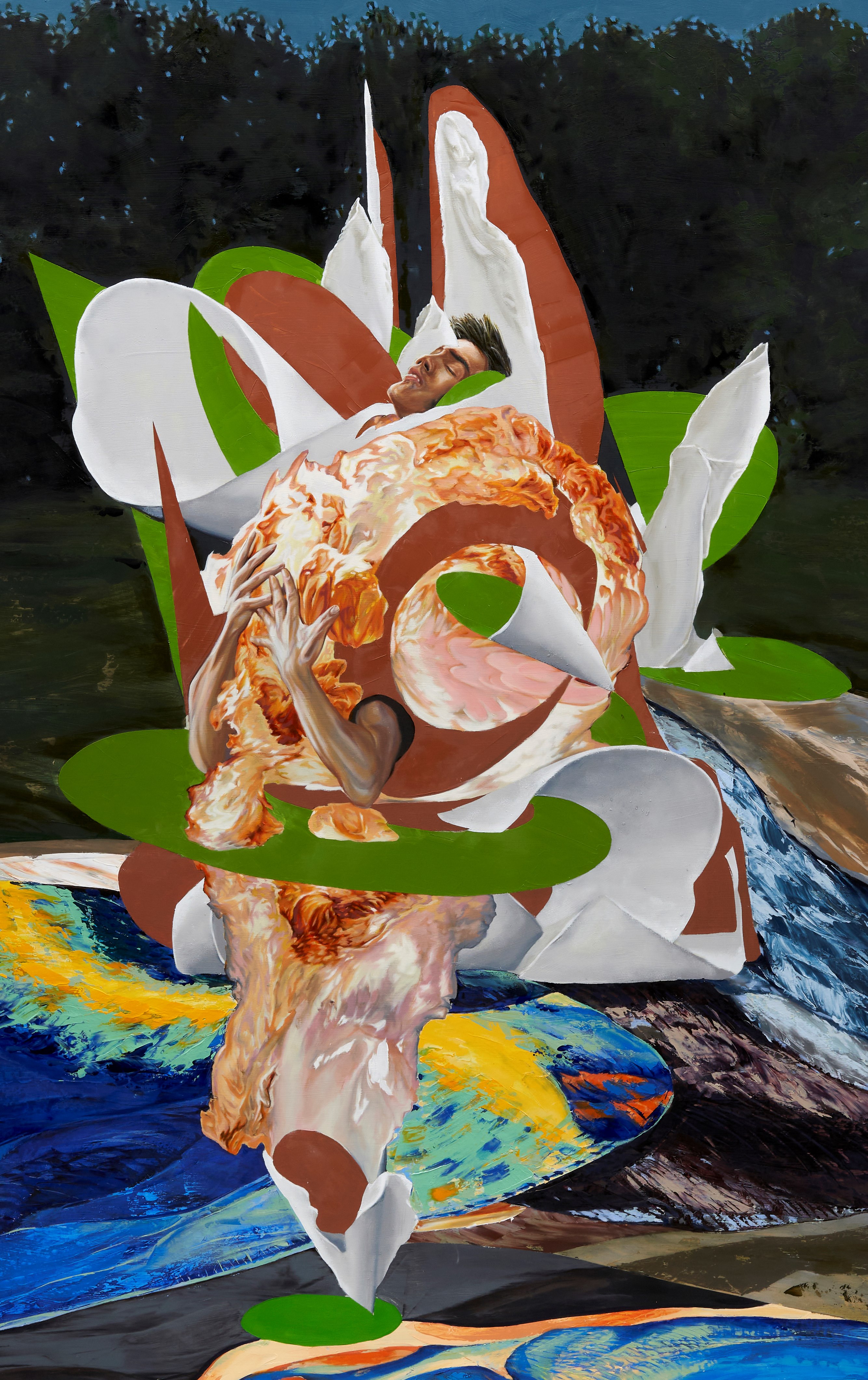
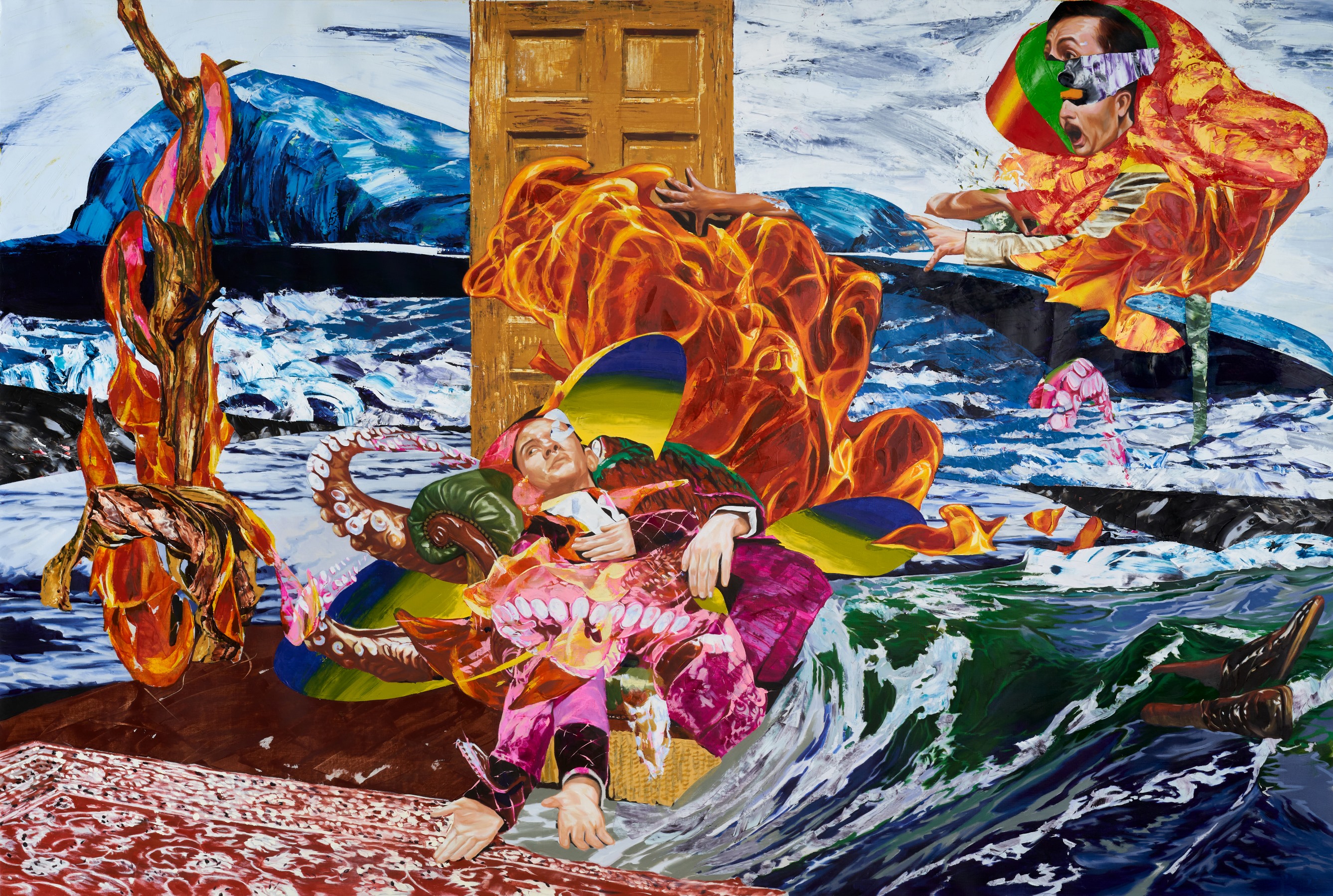
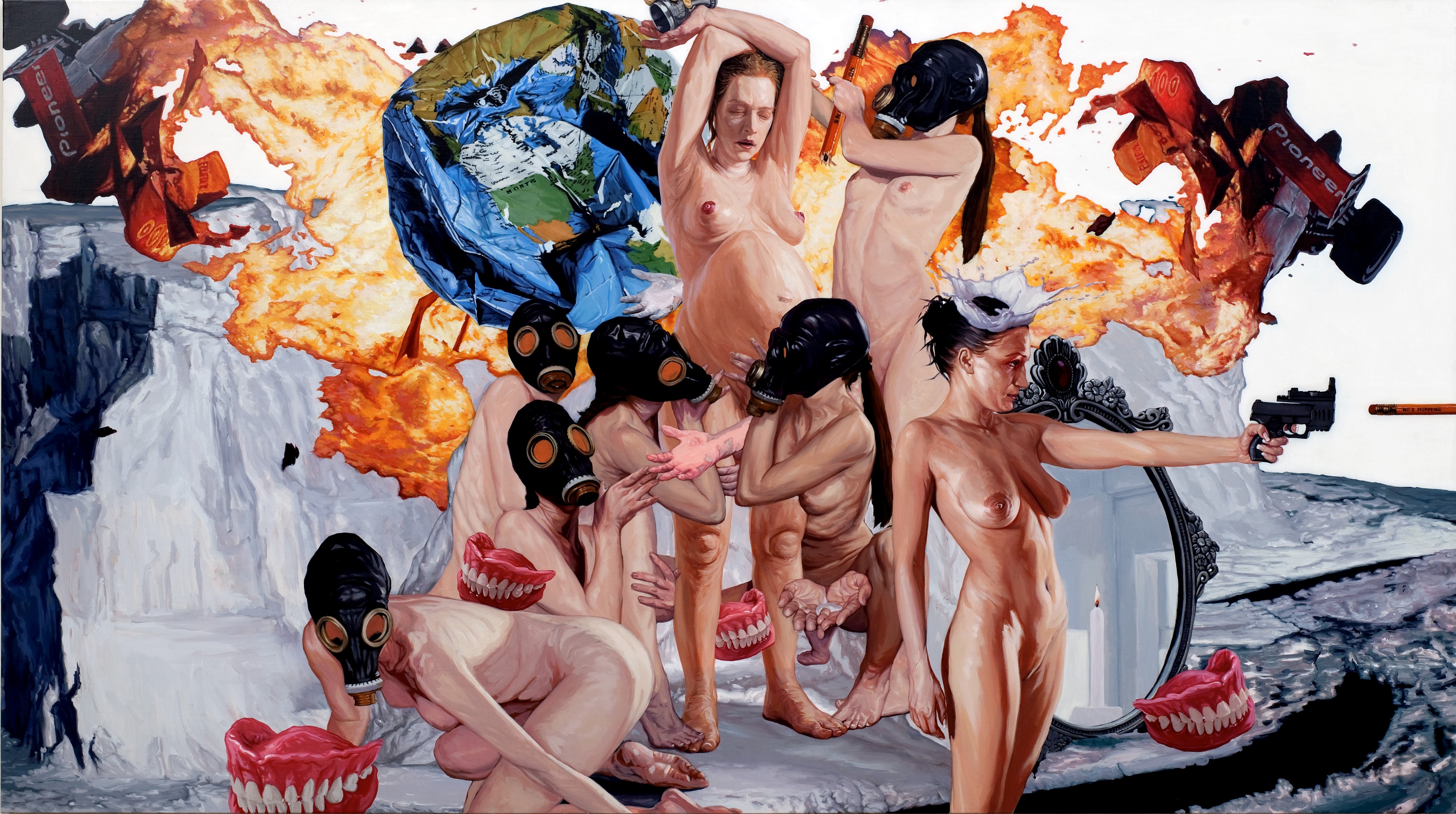
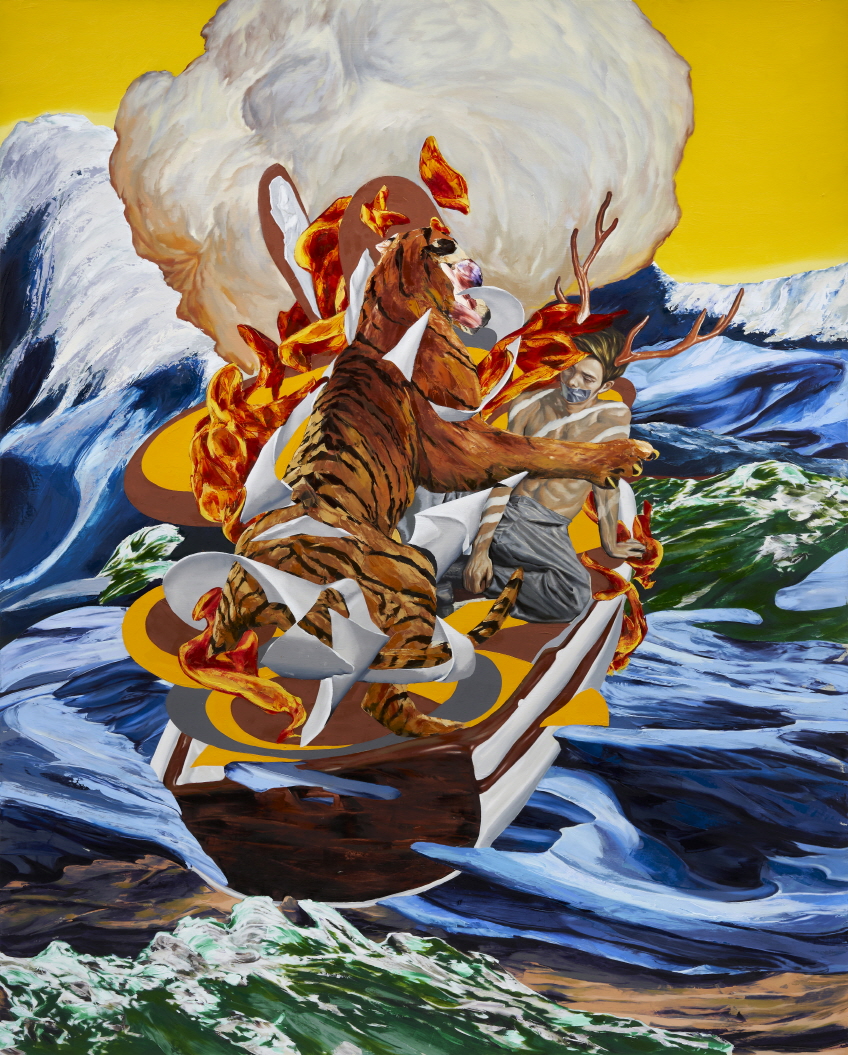
In the later ‘Park’s Land’ series, images become increasingly layered and transformed, foregrounding the instability of perception itself. Park shifts images from objects of interpretation to conditions of perception, suggesting that the way we understand the world is structured within a given system.
 
This reconfiguration of images goes beyond visual effect, altering the very process through which meaning is produced and encouraging the viewer’s active engagement. Images are no longer fixed carriers of messages, but dynamic conditions that continuously change within relational structures.

Style & Contents

In Park Jung Hyuk’s practice, form is not a mere visual choice but operates as the very structure through which meaning is produced. In the ‘Park’s Park’ series, collage functions as a method of juxtaposing and colliding images drawn from films, advertisements, and magazines, dismantling existing narratives while reorganizing the relationships between images.

In this process, images are detached from their original contexts and no longer form a singular narrative; instead, they coexist in a fragmented state, prompting the viewer to actively construct meaning. Such discontinuous compositions destabilize the perceived coherence of visual messages, generating a condition in which interpretation remains in constant flux.

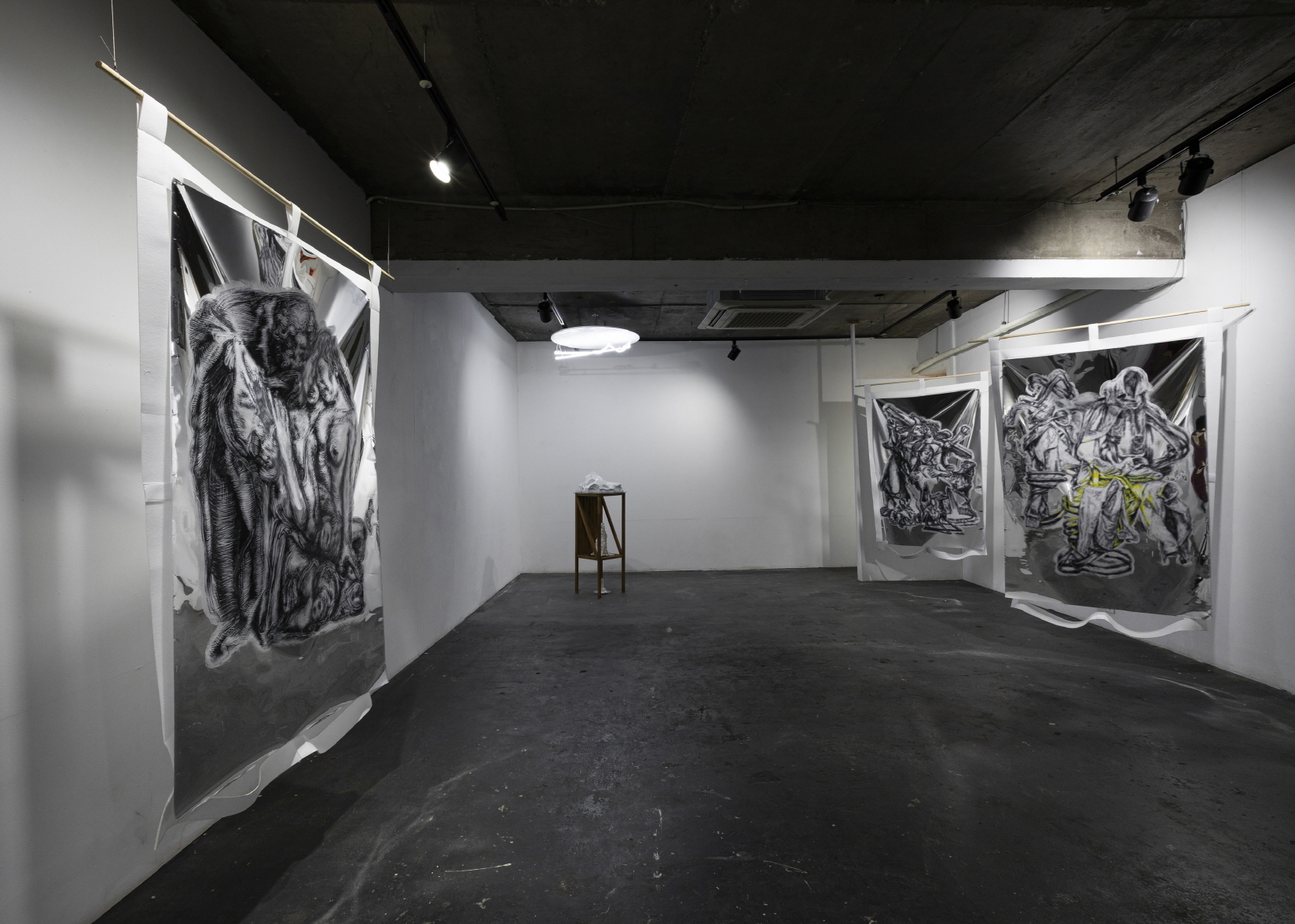
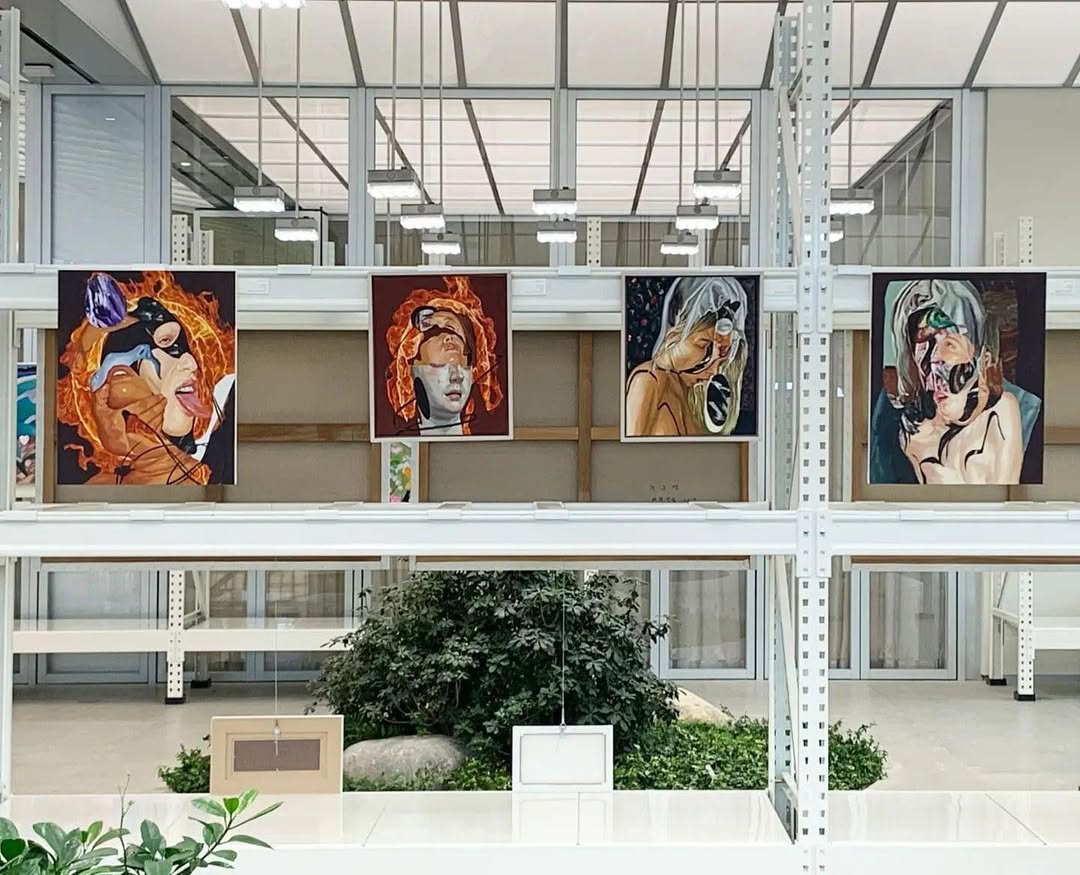
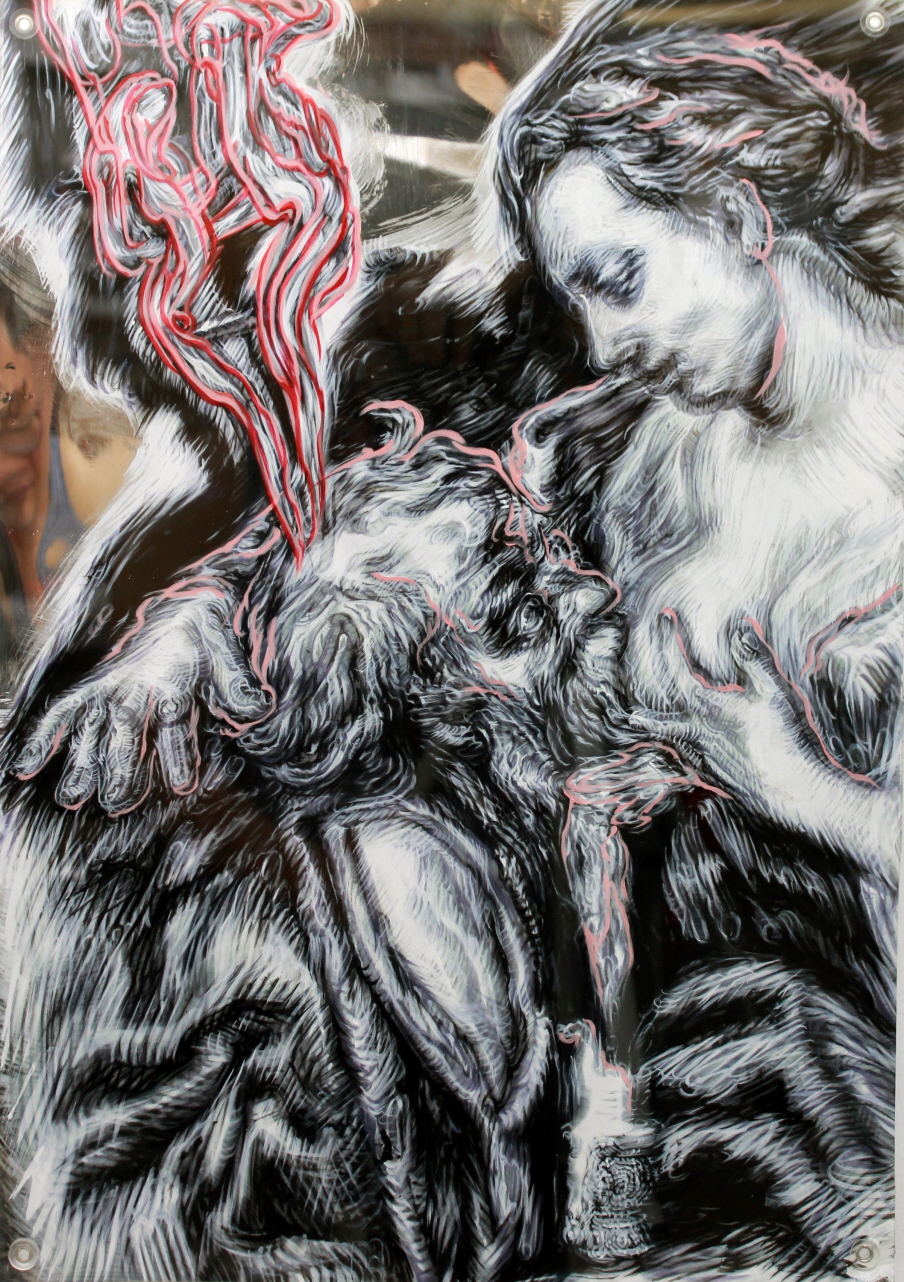
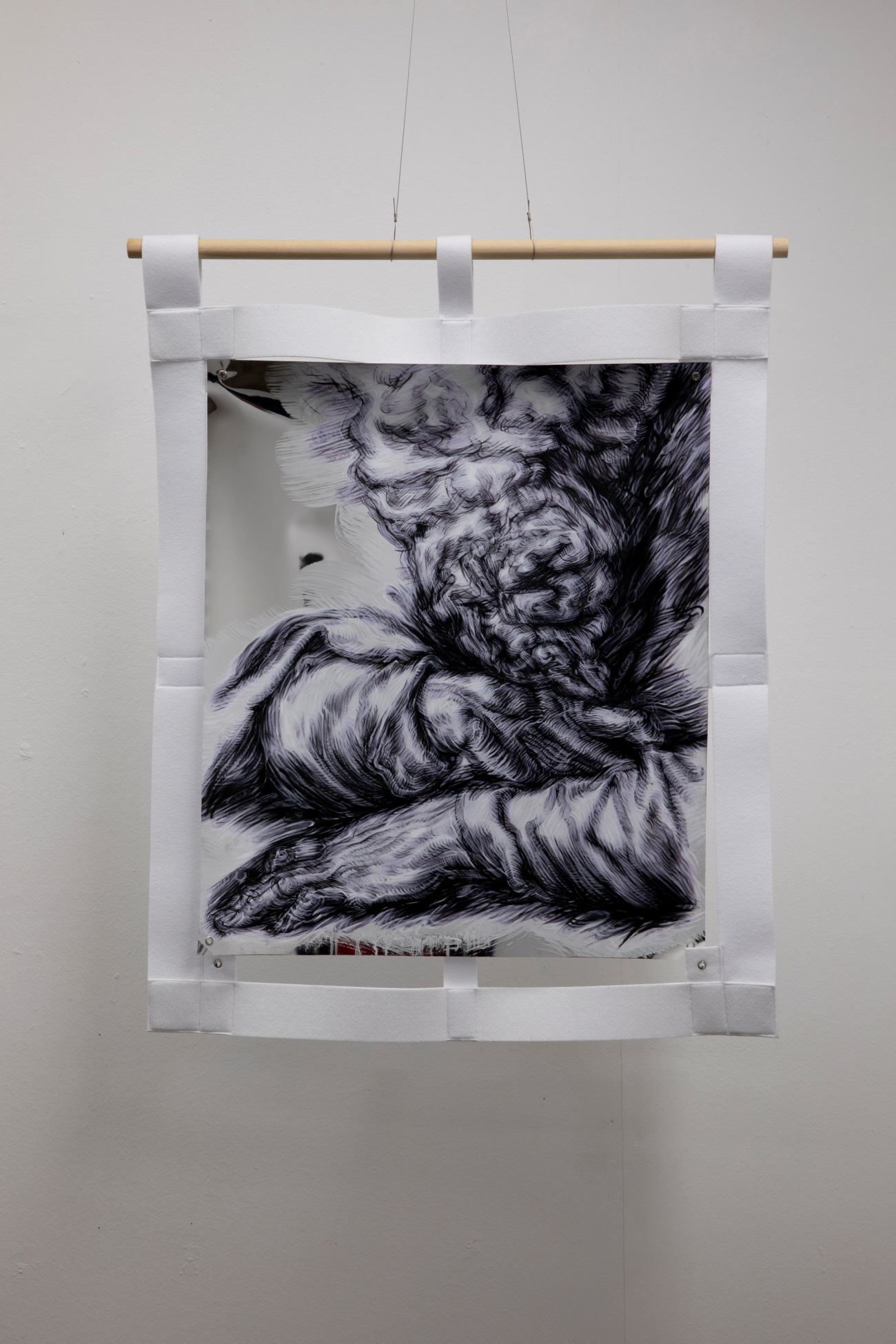
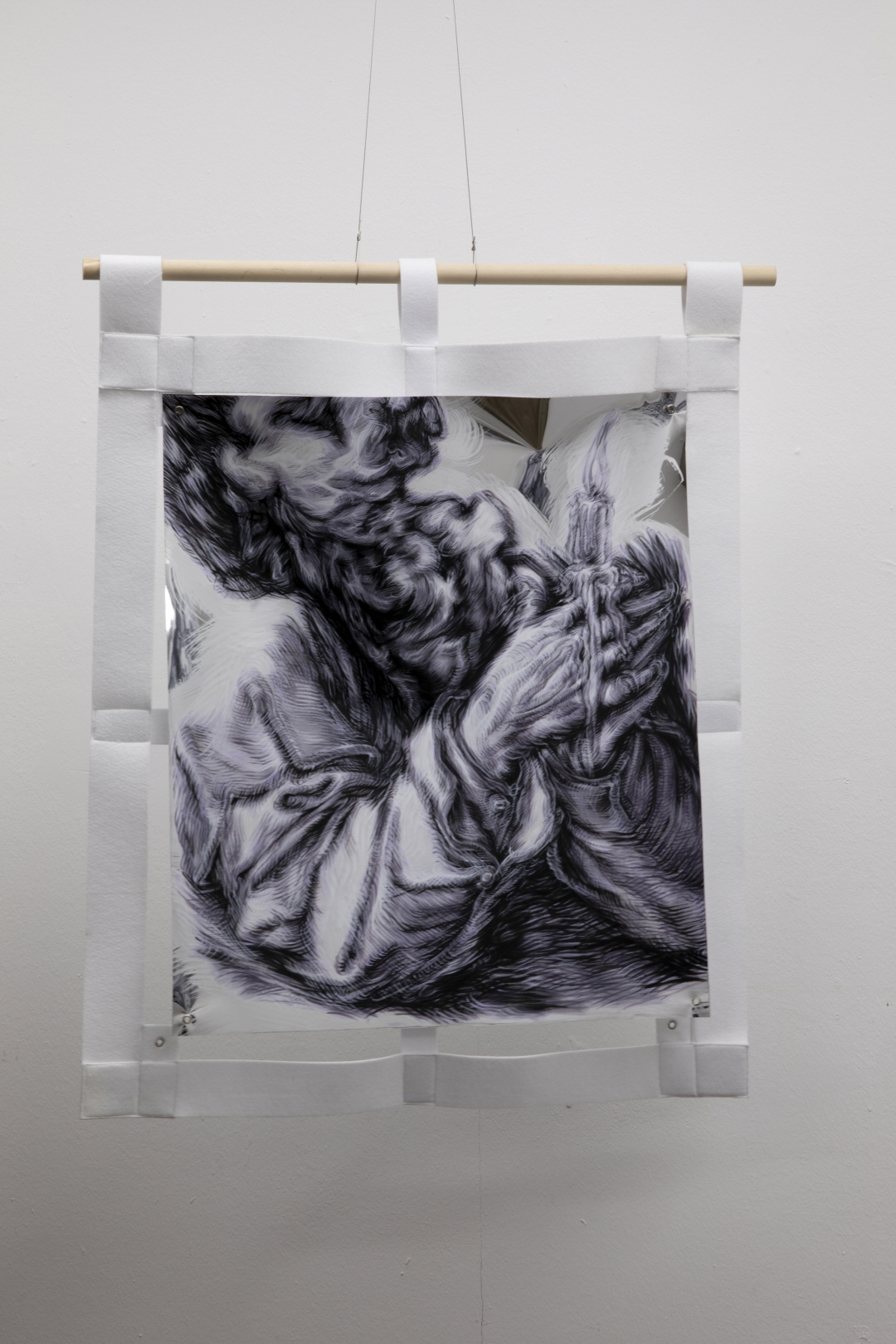
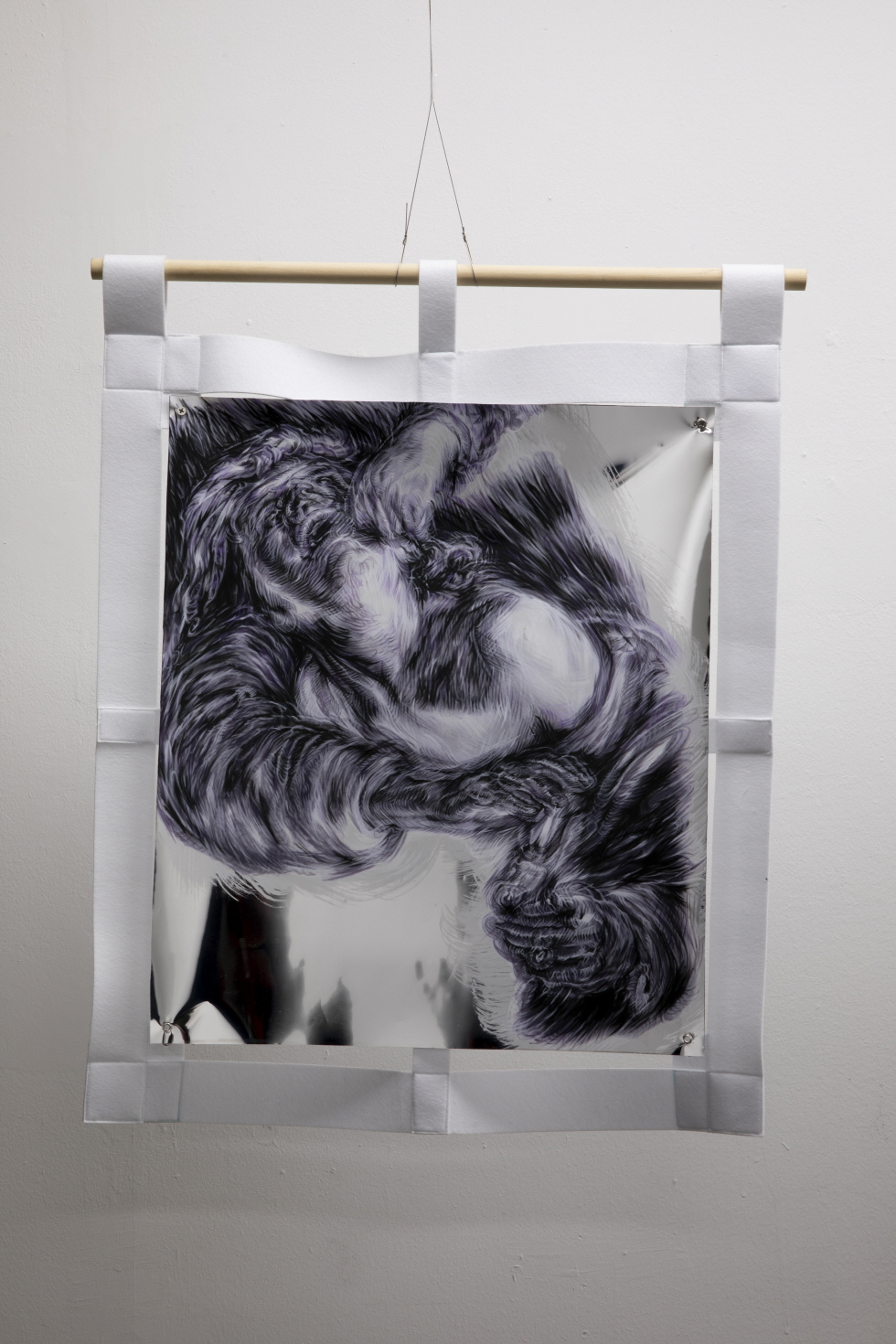
In the ‘Park’s Memory’ series, painting is executed on silver PET film, creating a surface defined by reflectivity and translucency. This shifts the image away from being a fixed object and instead establishes conditions that actively incorporate the viewer’s gaze and surrounding environment. The image changes according to the viewer’s position and the conditions of light, transforming into a fluid state in which the relationship between image and viewer is continuously reconfigured.

In the ‘Park’s Land’ series, this formal logic expands further, as images move beyond simple juxtaposition to penetrate, merge, and transform one another. The boundaries between individual images gradually dissolve, becoming reconstituted within an integrated structure. In this process, form no longer serves as a container for content but functions as a mechanism that reveals the very process through which meaning is generated and dismantled.

The formal distinctions across each series do not represent stylistic shifts but rather indicate transformations in how images operate. Structures that begin with juxtaposition gradually intensify relational density, disrupting the viewer’s mode of perception. Through this process, visual experience is no longer presented as a fixed outcome but as a continuously reconfigured condition.

Topography & Continuity

Park Jung Hyuk’s work unfolds not as a linear development of a fixed style, but as a structure in which a consistent set of concerns is repeated, transformed, and accumulated over time. The appropriation and recontextualization of images initiated in the ‘Park’s Park’ series expands into questions of materiality and perception in the ‘Park’s Memory’ series, and further intensifies in the ‘Park’s Land’ series, where the work reveals the structure of a complex image environment itself.
 
These shifts do not constitute abrupt ruptures, but rather processes in which the same questions are reiterated and reconfigured under different conditions. The formal transition from juxtaposition to fusion, and from separation to layering, indicates that images no longer function as independent units but instead generate meaning through relational structures.
 
As a result, his practice forms not a linear progression but a topological structure composed of overlapping layers. Through repetition and transformation, it reveals how the conditions of perception are continuously renewed. This structure of repetition and variation is not merely a formal strategy, but is closely tied to a mode of thinking that runs throughout the work. Each series does not exist as an isolated outcome, but calls back to earlier problems and rearticulates them through different approaches.
 
The relationships that accumulate in this process do not converge toward a single center, but instead intertwine across multiple layers, expanding the work into an open structure. In doing so, it reflects the shifting conditions of perception over time while also suggesting the potential for ongoing renewal.

Works of Art

Park's Land

Park's Memory

Park's Park

Articles

Exhibitions