

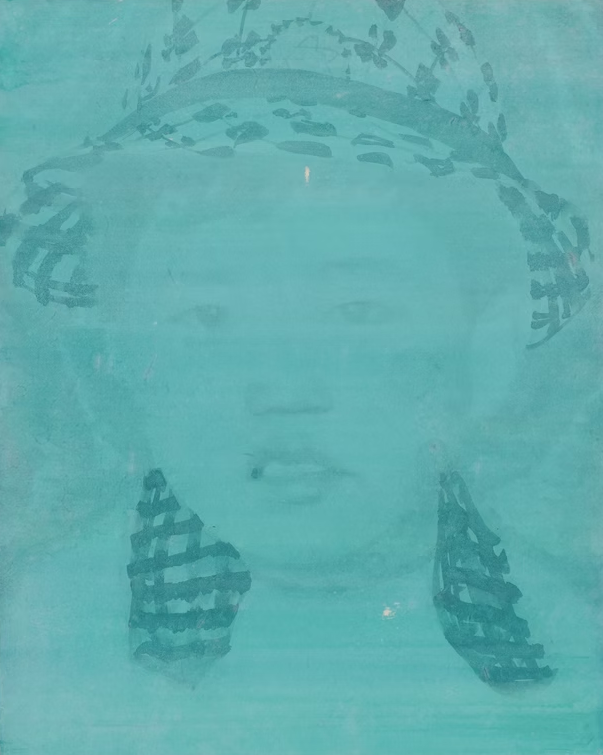
Sejin Kwon (b.1988) - K-ARTIST
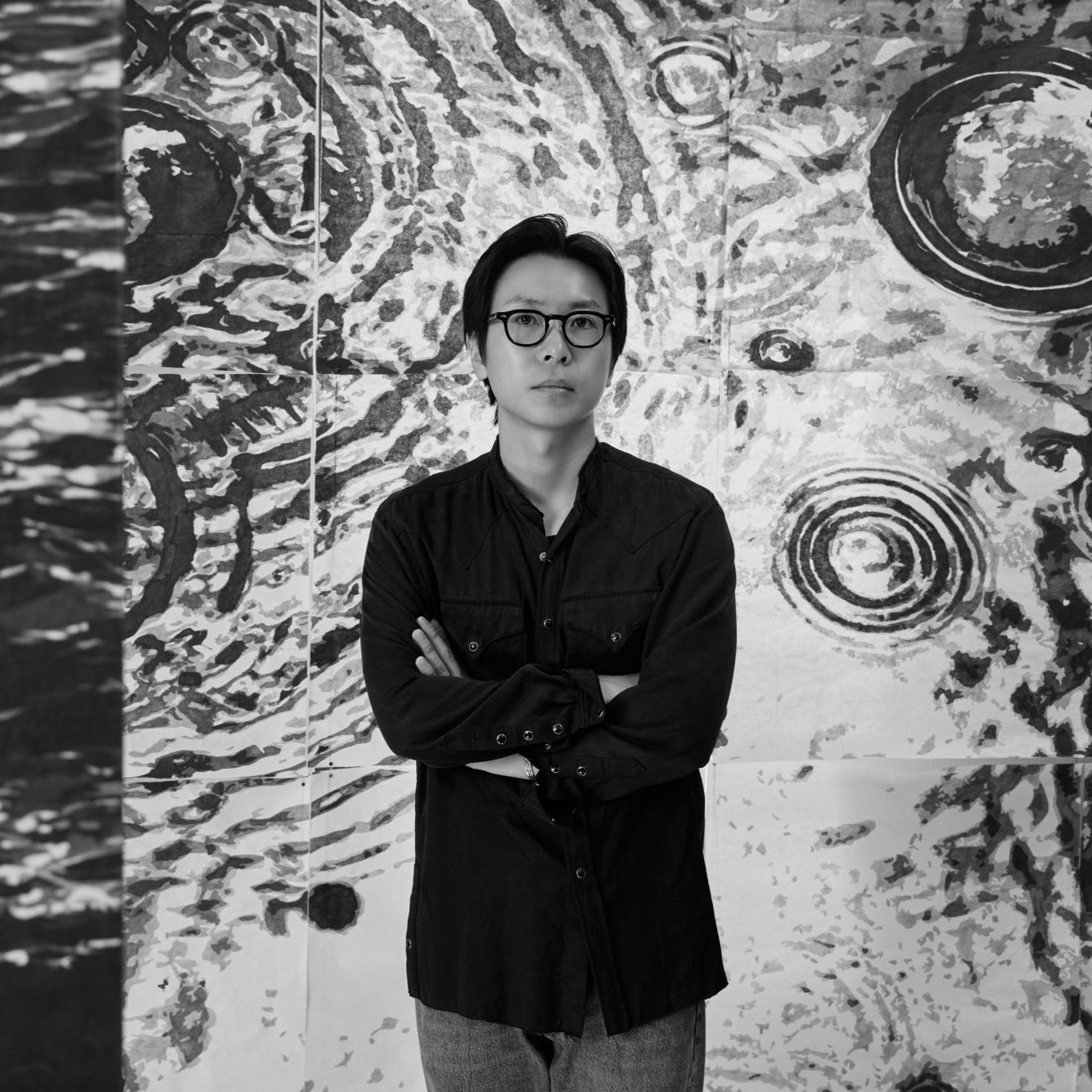
Sejin Kwon (b.1988)

Sejin Kwon was born in Pohang, Gyeongsangbuk-do. He majored in Korean painting at Kyungpook National University, where he also received his master’s degree, and later earned his doctorate in Oriental Painting from the Graduate School of Hongik University. He currently lives and works in Seoul and is represented by Gallery2.

Solo Exhibitions (Brief)

Kwon’s solo exhibitions include 《Quite Time》 (Artside Gallery, Seoul, 2026), 《Perpetual》 (Gallery2, Seoul, 2023), 《Distance》 (Gallery2 Joongsun Nongwon, Jeju, 2023), and 《CMYK》 (Gallery2, Seoul, 2021).

Group Exhibitions (Brief)

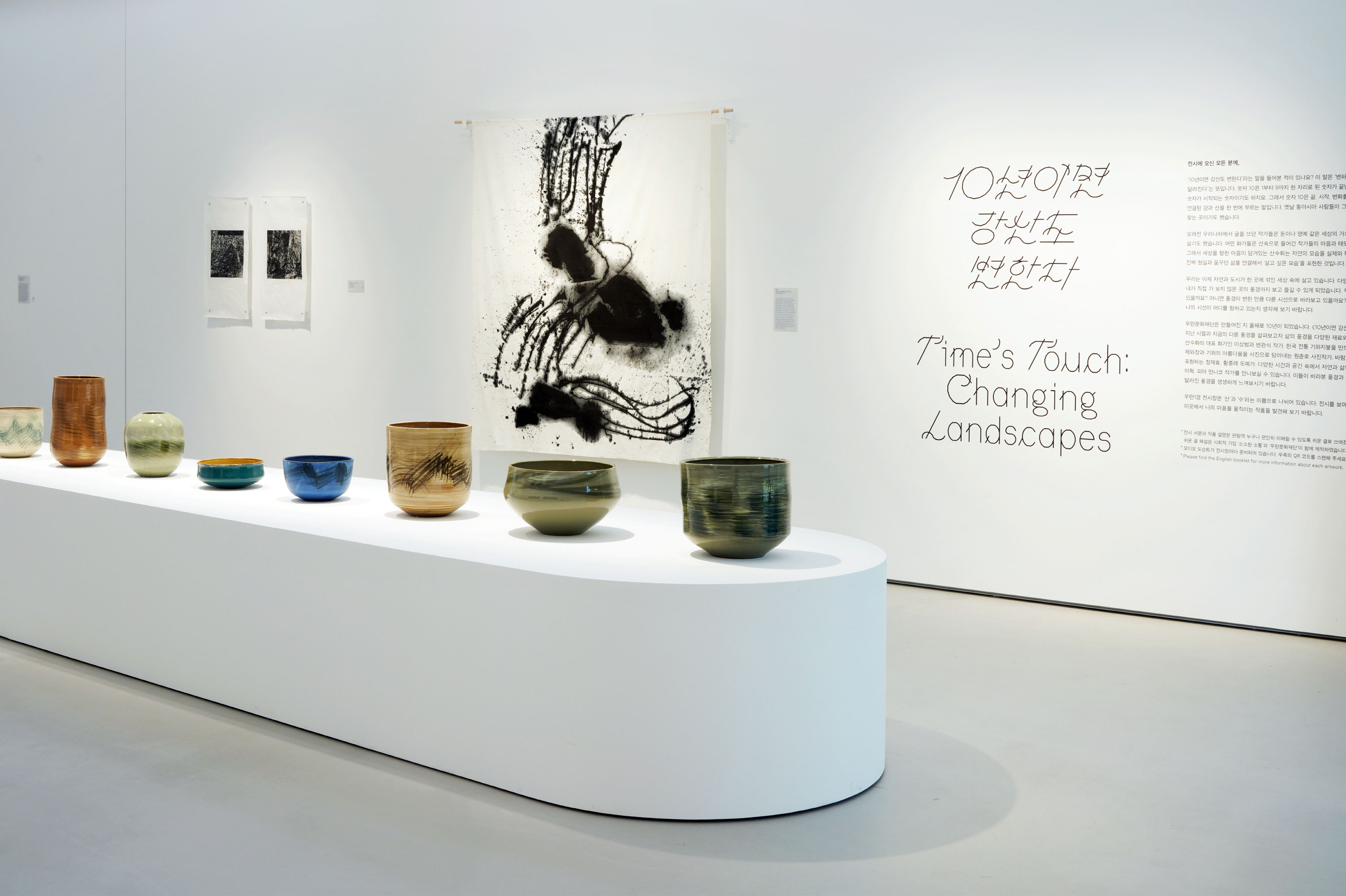
Kwon has also participated in numerous group exhibitions, including 《Still Life: Objects of Our Time》 (Esther Schipper Seoul, Seoul, 2026), 《2025 Platform Artists: 11 Words》 (Incheon Art Platform, Incheon, 2025), 《Time Touch: Changing Landscapes》 (Wooran Foundation, Seoul, 2024), the Jeonnam International Sumuk Biennale 《Flour Mountain, Suspended Water》 (Mokpo Art Center, Mokpo, 2023), 《Monumental》 (Museumhead, Seoul, 2023), 《Unboxing Project》 (New Spring Project, Seoul, 2022), and 《Succession and Segmentation》 (Seoul National University Museum of Art, Seoul, 2022), among others.

Awards (Selected)

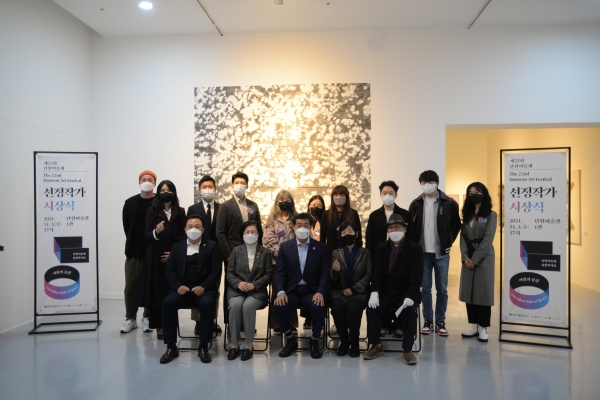
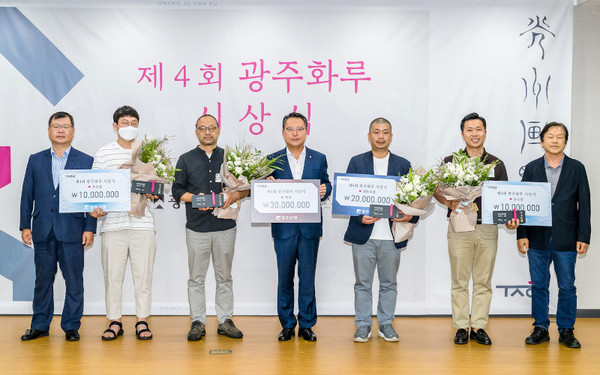
Kwon was selected as an artist for the Danwon Art Festival at Danwon Art Museum, Ansan (2021), and received the Excellence Award at the Gwangjuhwaru Award presented by Gwangju Bank, Gwangju (2020).

Residencies (Selected)

In 2025, Kwon was an artist-in-residence at Incheon Art Platform.

Collections (Selected)

Kwon’s works are held in the collections of several institutions, including the Wooran Foundation, Pohang Museum of Steel Art, Seoul Museum of Art, and Jeonnam Museum of Art.
Works of Art

Paintings That Reveal the Layers of Time

Originality & Identity

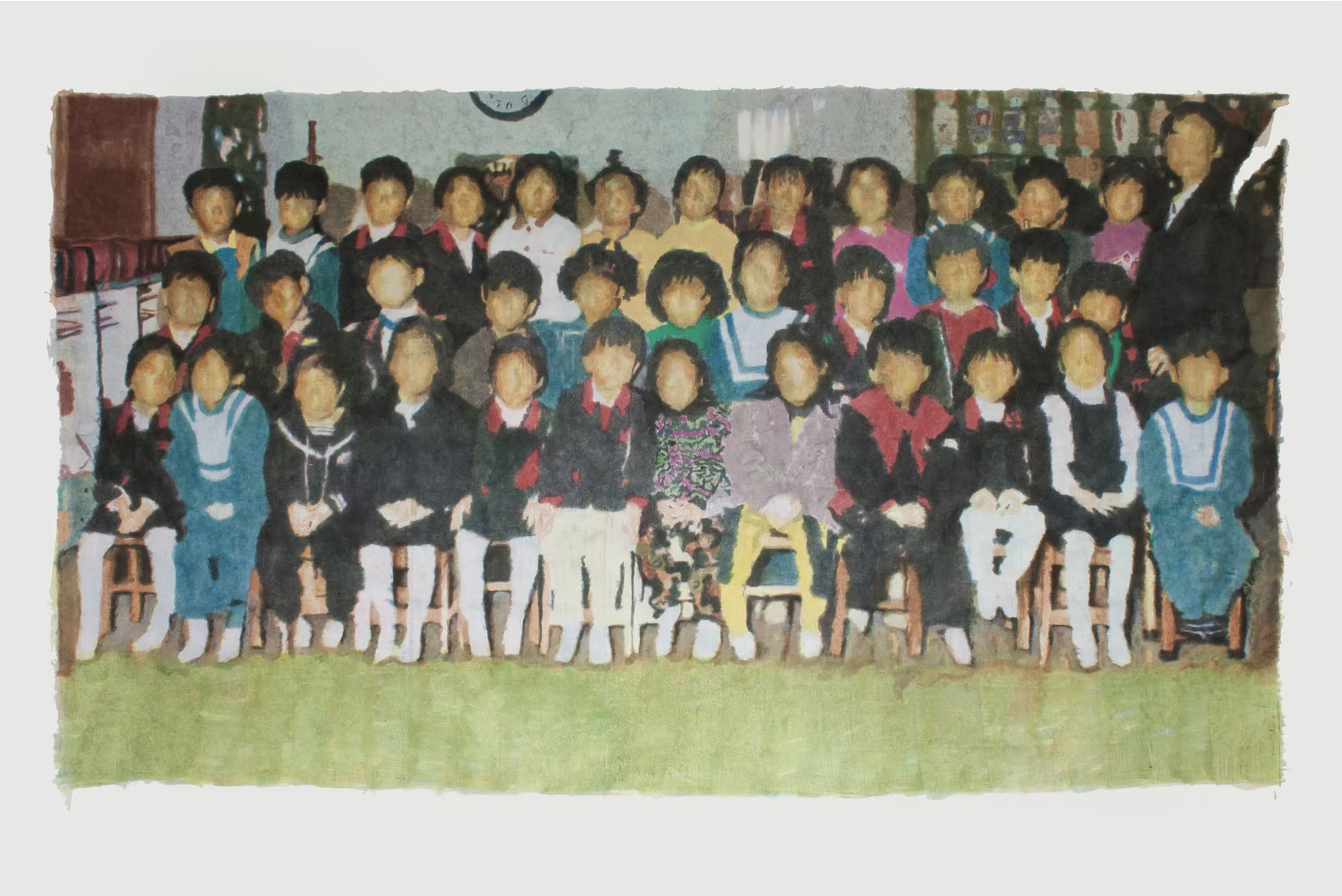
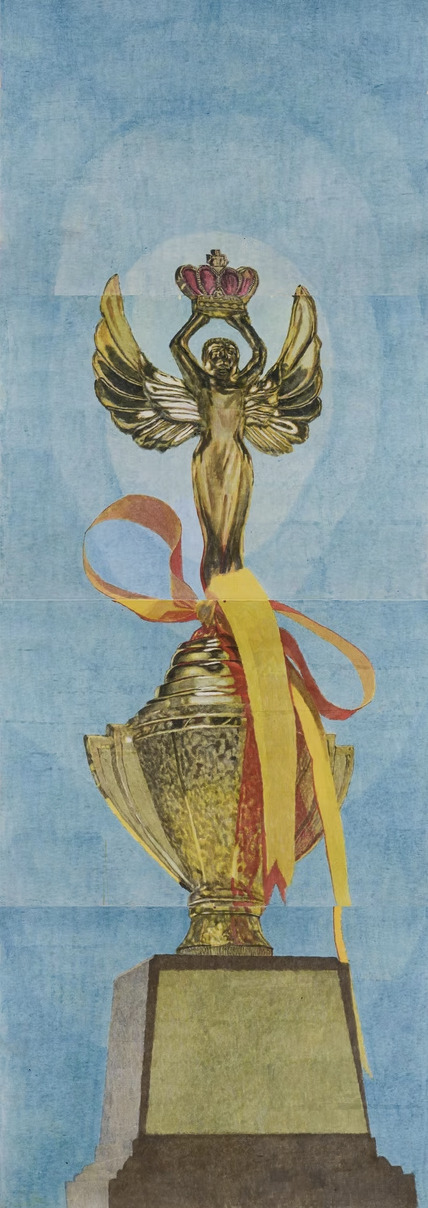
Sejin Kwon’s practice begins with a question about how the language of East Asian painting can be reconnected to contemporary landscape and perception. While retaining traditional materials such as hanji and ink, he brings photography and digital imagery into painting as active agents of translation. In early works such as Trophy(2014), Graduate(2015), and Ceiling, he turned away from the sublime tone of classical landscape painting and instead focused on everyday scenes, interior views, and ordinary modern objects. Rather than repeating inherited motifs, he sought to reconsider how present-day images might be seen again through traditional materials. What matters in his work is not only what is depicted, but how contemporary life can be re-experienced through a different temporality and sensibility.
 
This interest soon developed into an inquiry into memory and place. The 'Blurred Landscape'(2014) series began from his return to childhood sites and a closed elementary school, reconstructing vanished places through painting while also acknowledging that they cannot truly be restored. These works do not document places with precision; they evoke the dislocated temporality of recollection, like afterimages suspended between past and present. For Kwon, landscape becomes less a visible scene than a surface in which time and feeling have been absorbed.
 
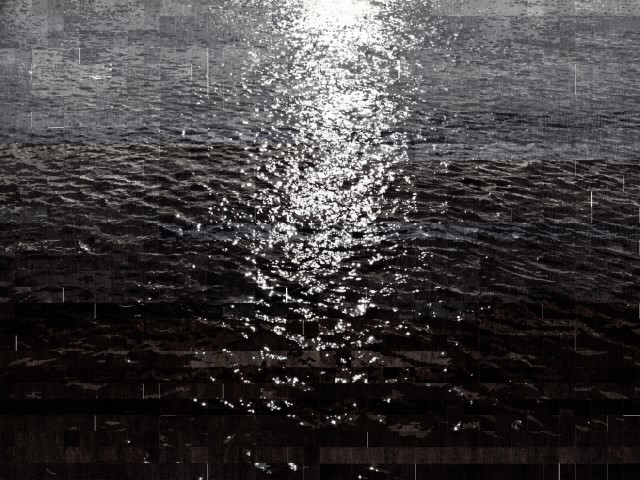
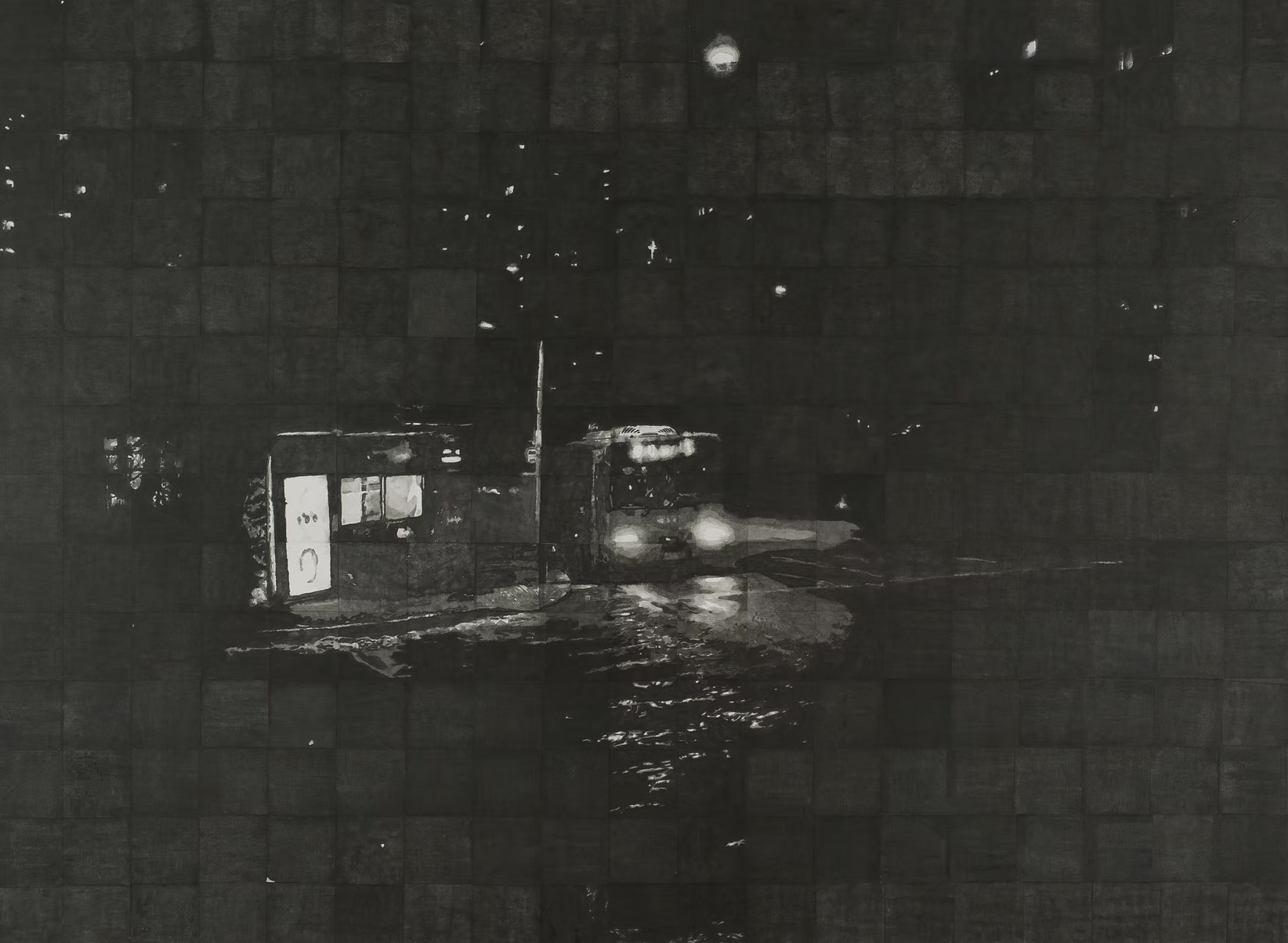
From 2017 onward, his attention shifted from remembered places to present emotion and everyday psychology. The 'Return'(2017–2018) series, together with Deep night(2018), Night Temperature(2018), and Wave(2018), reflects the sense of estrangement he experienced after moving from Daegu to Seoul and the heightened emotional register of nighttime. Night and the surface of water weaken fixed place-based readings. Although the images are drawn from actual scenes, the paintings increasingly privilege emotional density and spatial ambiguity over geography. At this point, his work begins to operate both as landscape and as a more abstract condensation of memory and mood.
 
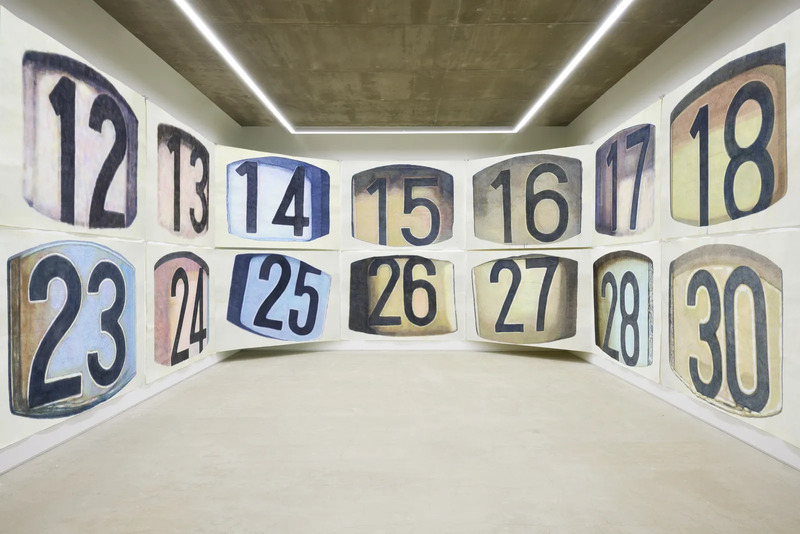
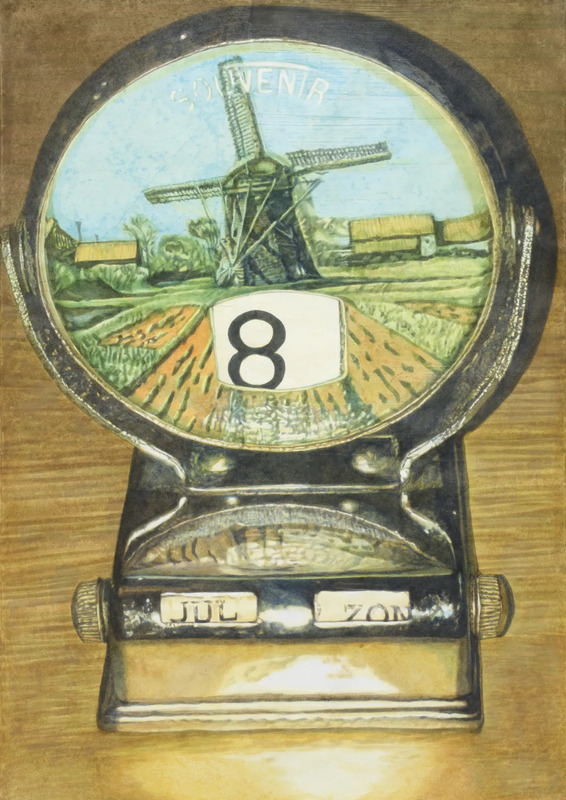
In recent works, these concerns expand toward broader layers of time and collective memory. In 《CMYK》(Gallery2, Seoul, 2021), photographs taken by the artist are transferred with little manipulation, yet the process of painterly translation transforms them into surfaces marked by fading and temporal distance. In 《Perpetual》(Gallery2, Seoul, 2023), the perpetual calendar becomes a way to think beyond personal memory toward anonymous durations, traces of handling, wear, and the layered past embedded in found images. Across these shifts, Kwon’s central concern becomes clear: he paints not only landscapes, but the ways time settles into images, objects, and feeling.

Style & Contents

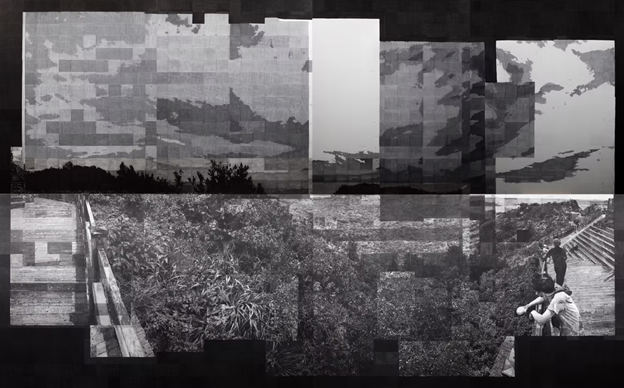
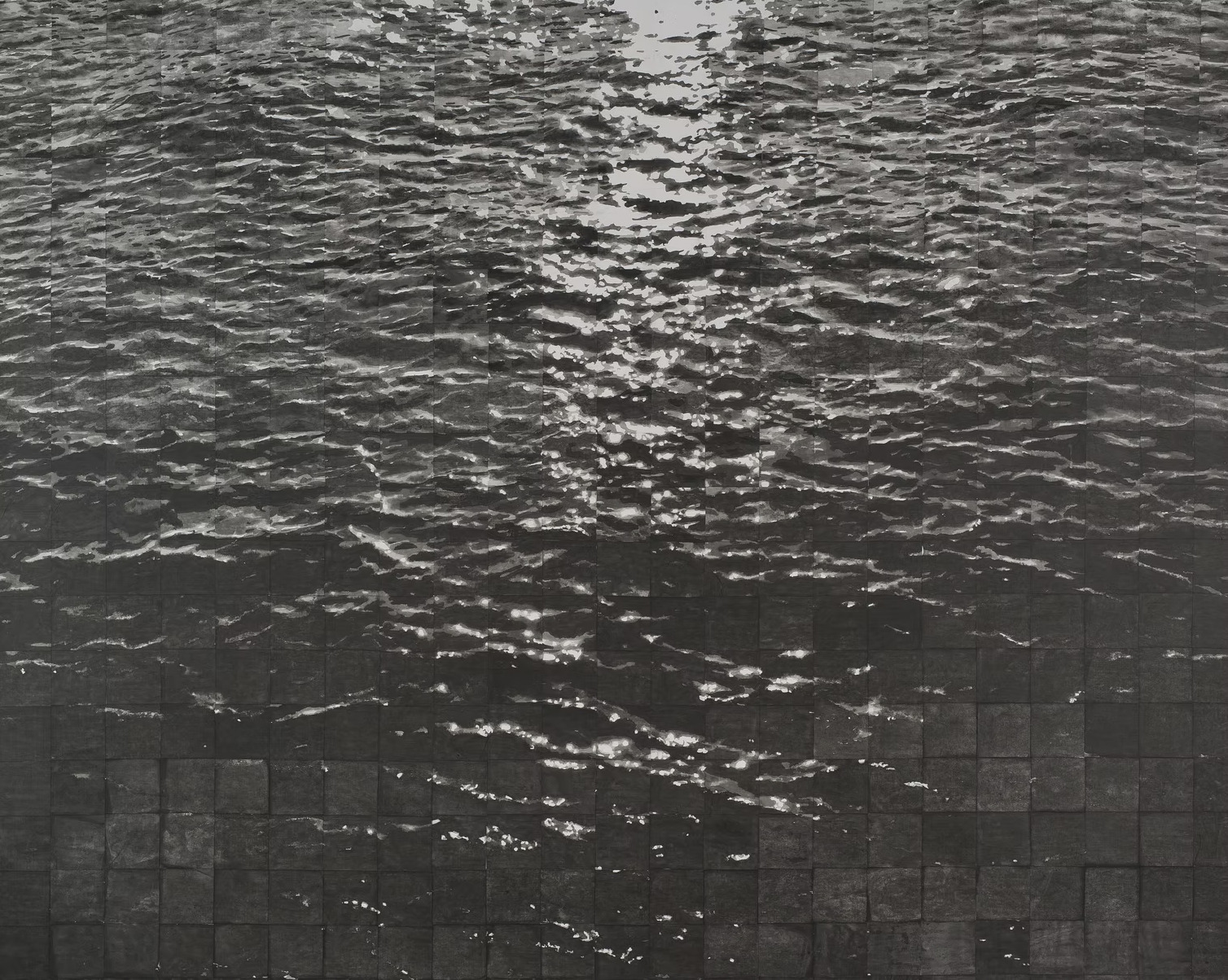
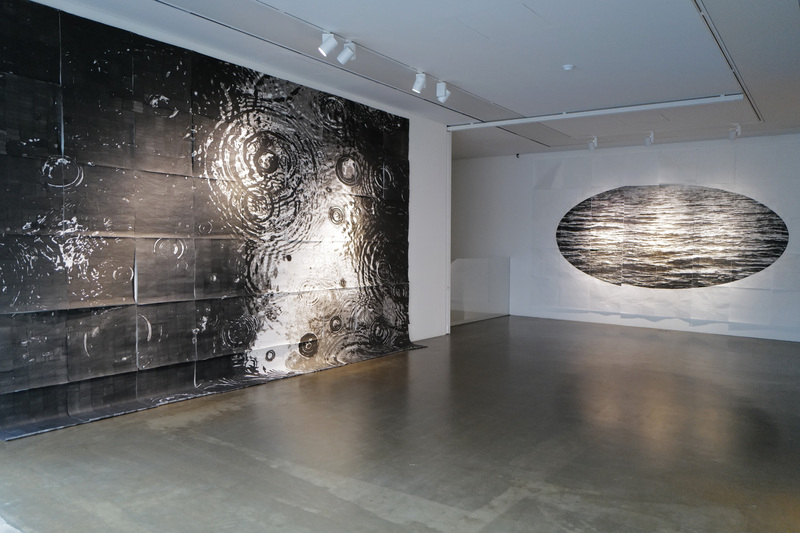
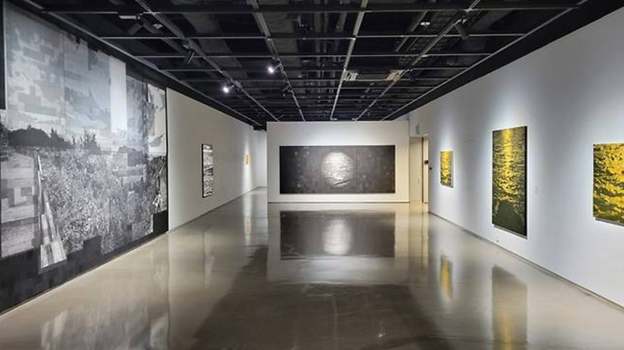
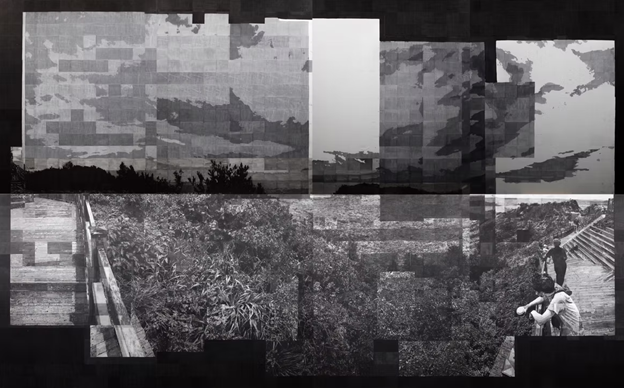
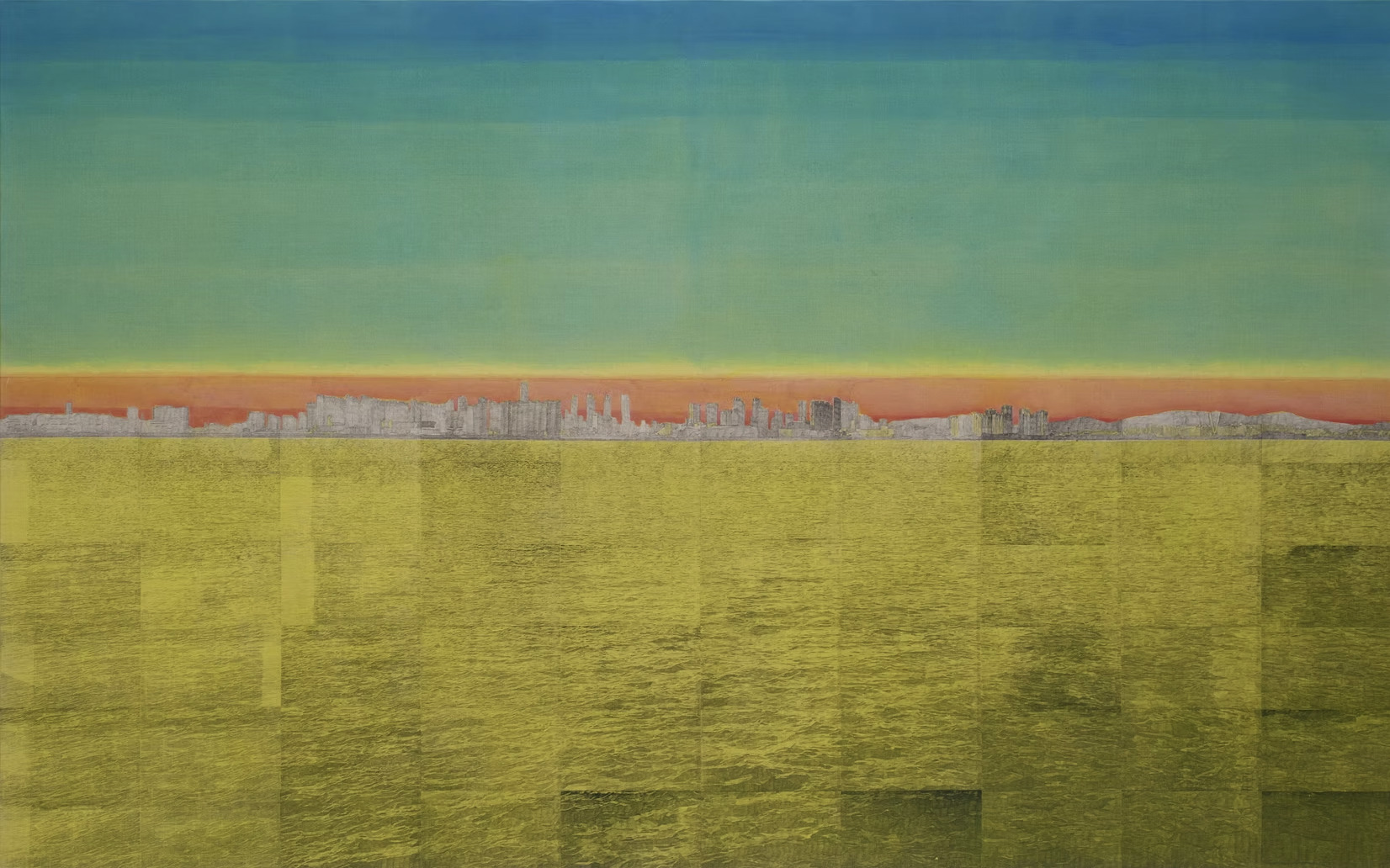
A defining feature of Kwon’s work is the way he deconstructs and recomposes photographic images. Although he begins with photographs he has taken himself, he does not simply translate them into painting. Instead, he fragments, transfers, layers, or rearranges them so that the image is rebuilt through a different temporal and material logic. In 《1248》(Gallery2, Seoul, 2019), Surface of the Water(2019) and Section of the Sea were derived from a single photograph of the ocean surface, divided into 1,200 or 48 painted units. Each fragment functions as an independent painting while also serving as a cell within a larger image, allowing the viewer to move between part and whole.
 
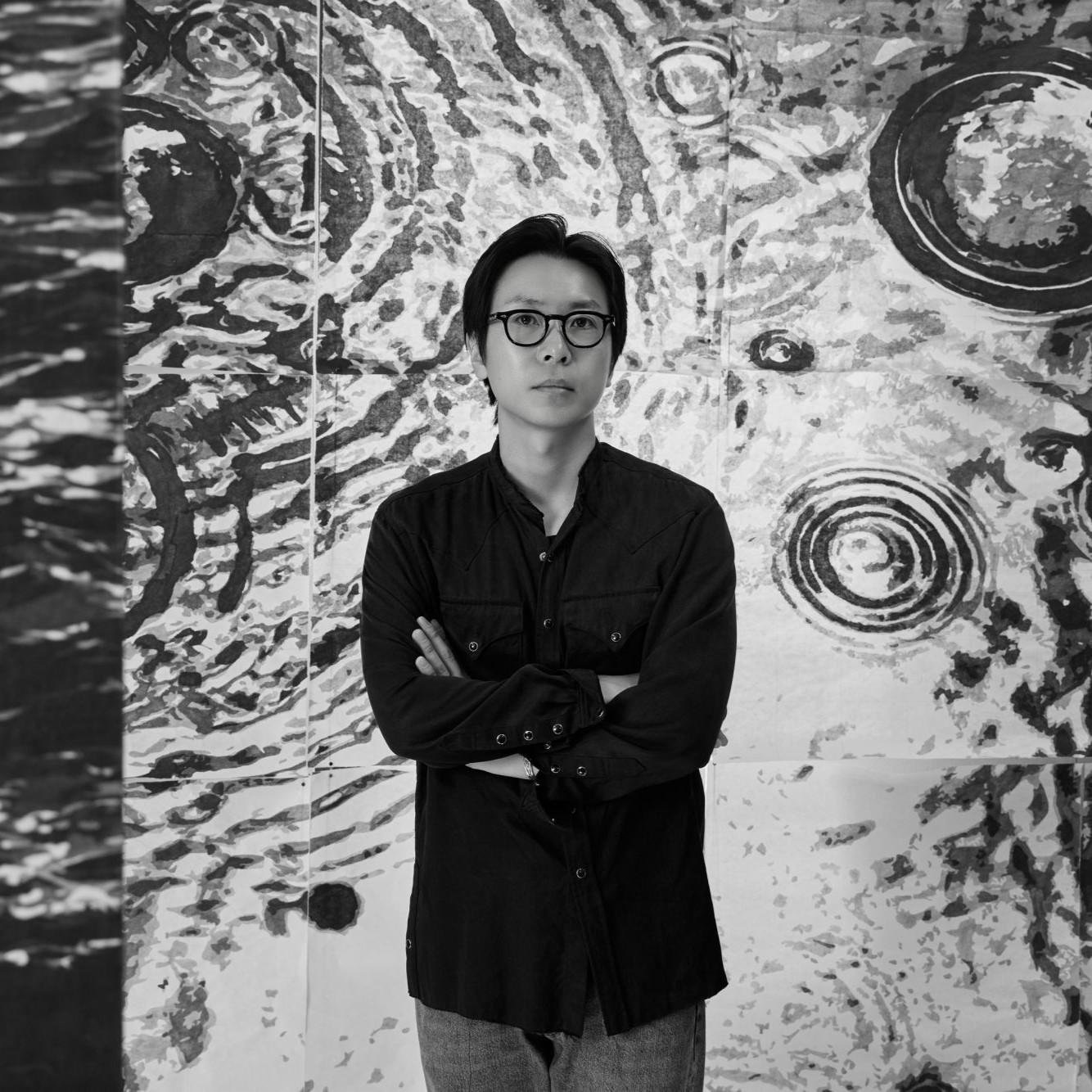
Material is equally central to his method. Hanji and ink are not treated as fixed symbols of tradition, but as active pictorial agents. The spreading of ink, tonal gradation, reflection, and the translucency of paper all become events that shape the image. In the 'Surface of the water' series, Kwon experimented with different kinds of ink so that waves, shadow, and reflected light could emerge through subtle relations between density and dilution. His decision to install unmounted sheets directly on the wall, or to adapt the traditional baechae technique so that color glows softly from the reverse side, extends painting into a field where image, matter, and space interact.
 
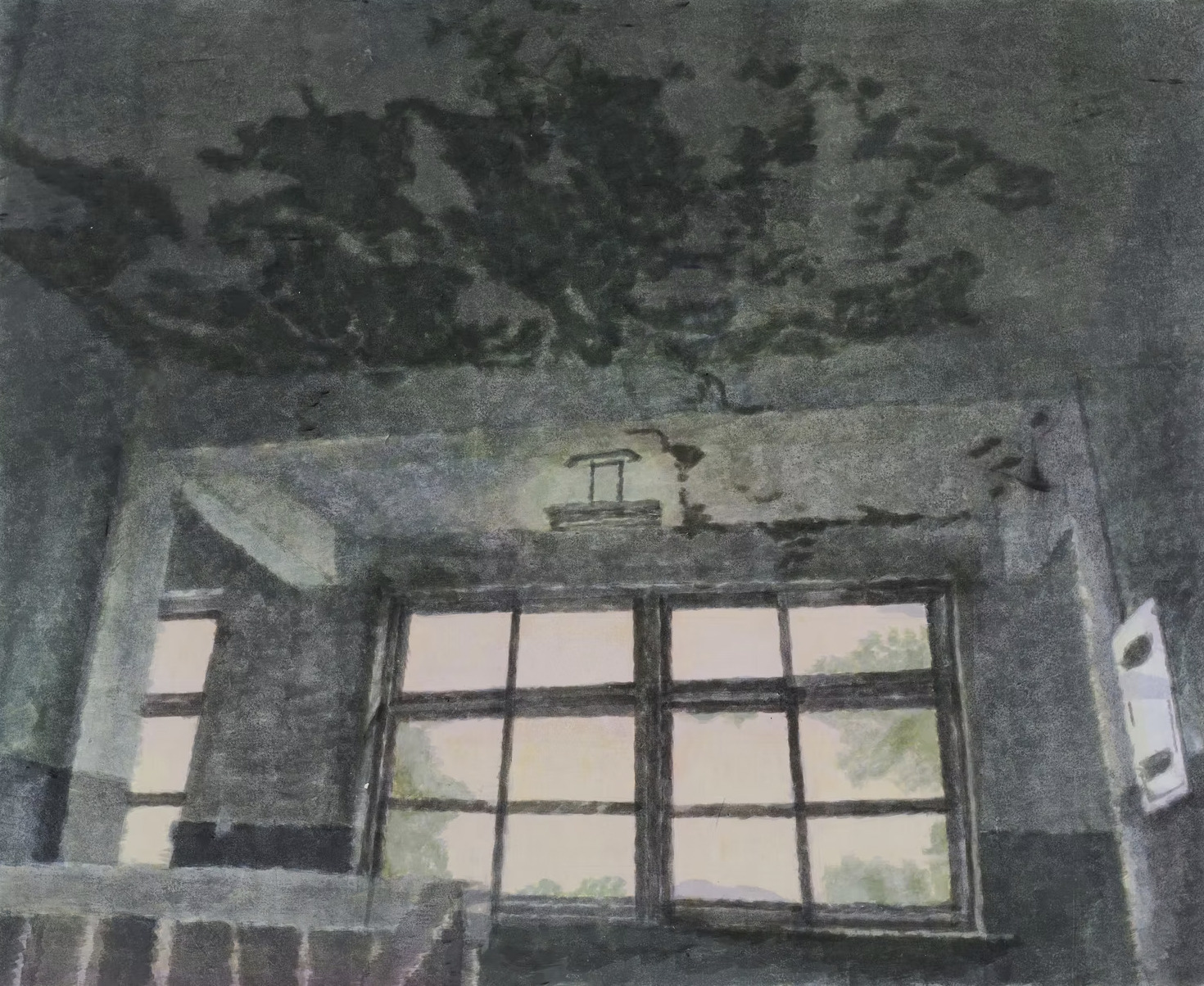
The 'CMYK'(2021) series marks another important development. Borrowing from the East Asian logic of rubbing and from the mechanics of print reproduction, Kwon transfers landscape photographs onto canvas using carbon paper and then colors them only with Cyan, Magenta, and Yellow. Works such as Yellow Line(2021), Window(2021), and Sunrise(2021) layer the temporal structure of photography, print, and hand-made painting within a single surface. The result retains photographic clarity while simultaneously acquiring the faded quality and accumulated temporality of an old printed image.
 
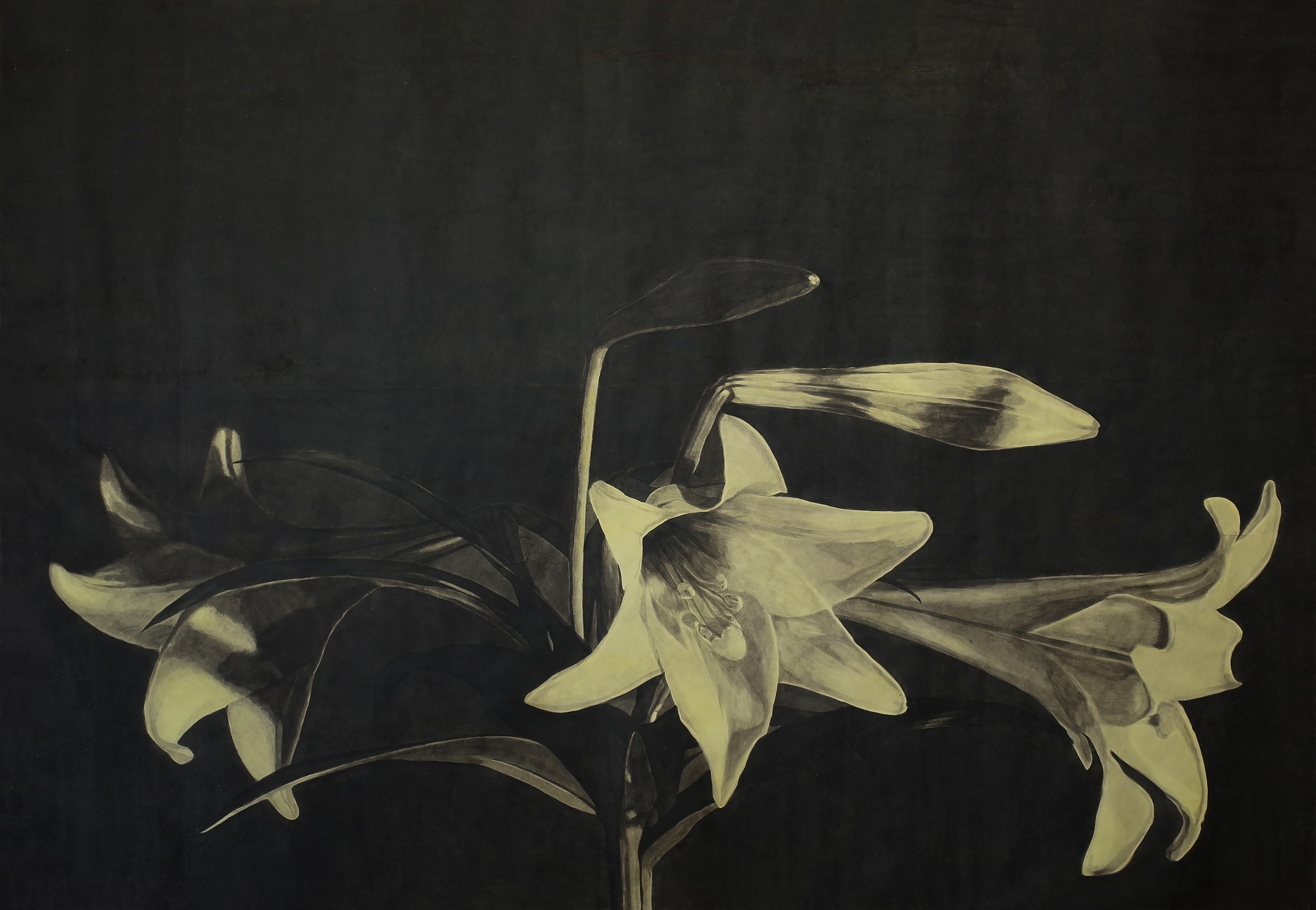
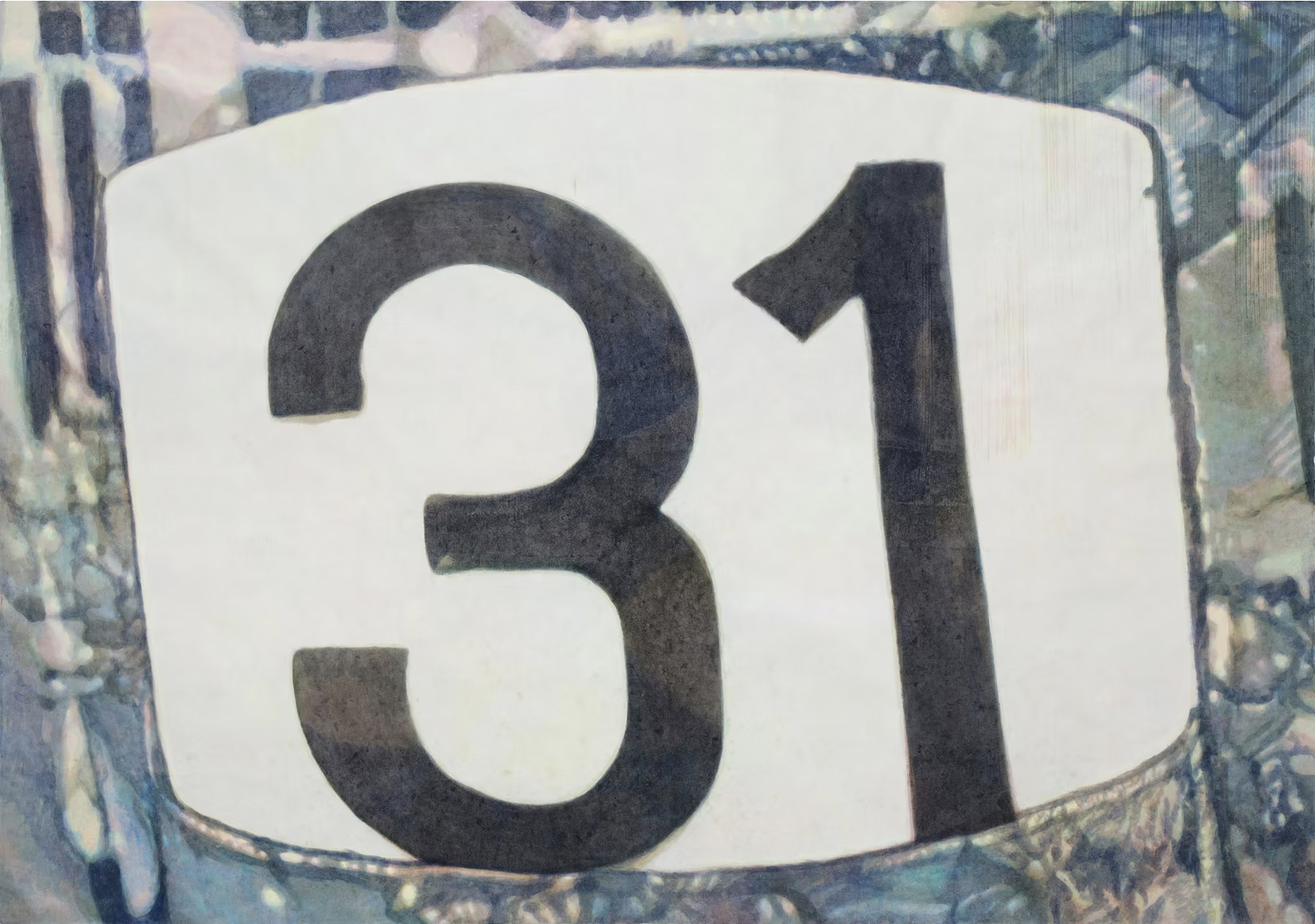
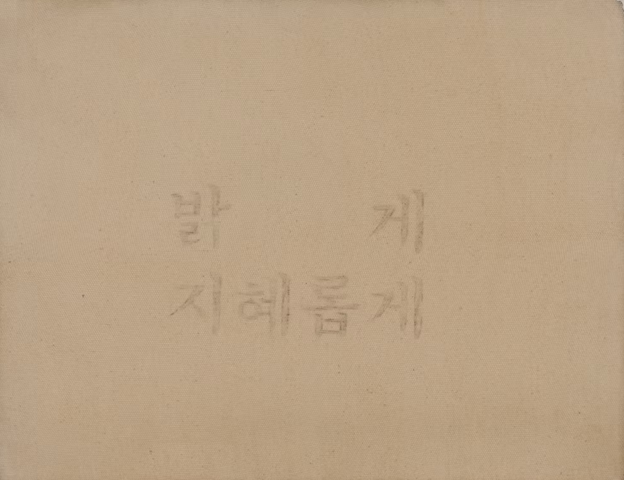
From 《Perpetual》 onward, his images become more reduced while emotional intensity deepens. Working from images of perpetual calendars found on overseas secondhand marketplaces, he painted July 2(2023), Today 31(2023), and later the 'Today' series, in which only numbers, light, and shadow remain. These works still begin with concrete objects, but they move closer to abstract rhythm through flatness, repetition, subtle color shifts, and the structure of the square itself. Seen in relation to more recent works such as Quite Time_Lily(2026), this trajectory suggests a gradual movement from specific landscape toward signs through which time and memory are quietly activated, while the tension between photography and painting remains central throughout.

Topography & Continuity

Sejin Kwon’s work cannot be defined simply by the fact that he uses traditional Korean painting materials. His distinctiveness lies in the way he refuses to treat hanji and ink as fixed signs of cultural continuity. Instead, he places them in contact with photography, digital imagery, and the logic of printing in order to generate new pictorial structures. While many artists working with traditional media emphasize symbolic inheritance or stylistic revival, Kwon is more concerned with analyzing how images are produced, remembered, and transformed. In that sense, his painting uses traditional materials while asking what painting after photography can still do.
 
His approach to landscape is equally distinctive. Rather than focusing on the identity of a specific site, he treats landscape as a reservoir of time and emotion. If 'Blurred Landscape' summoned the temporality of personal memory, the 'Return' and 'Surface of the water' series translated present feeling and urban displacement into landscape. With 'CMYK' and 'Perpetual', he moved further toward the temporal layers embedded in images and objects themselves. To paint landscape, in his case, is not simply to depict a place but to show how time alters an image and how feeling settles within it.
 
His recent plans at Incheon Art Platform, especially the idea of ‘unit drawing’ and the reconstruction of urban landscape through drawing and installation, seem like a natural extension of this trajectory. The exploration of coastlines and modern historical sites, and the gathering of sensory and structural fragments, expands his long-standing methods of segmentation, recomposition, and accumulation into a more spatial mode. Seen alongside exhibitions such as 《Time Touch: Changing Landscapes》(Wooran Foundation, Seoul, 2024) and 《2025 Platform Artists: 11 Words》(Incheon Art Platform, Incheon, 2025), his work appears to be moving beyond studio-based pictorial inquiry toward more site-responsive and spatially aware forms.
 
Kwon’s paintings do not rely on immediate impact. Their strength lies in the way they ask the viewer to look slowly, to notice layered surfaces, faded images, repeated brushwork, numbers, shadows, and minor shifts in tone. These elements invite viewers to draw out their own memories and emotions rather than receive a fixed message. Whatever direction his future work takes, it is likely to continue through subtle shifts in the relationship between material, image, place, and time. His practice has steadily accumulated a language that remains between tradition and contemporaneity, record and recollection, representation and abstraction—without forcing those terms into a single conclusion.

Works of Art

Paintings That Reveal the Layers of Time

Exhibitions

Activities