
Haneyl Choi (b.1991) - K-ARTIST
Haneyl Choi (b.1991)

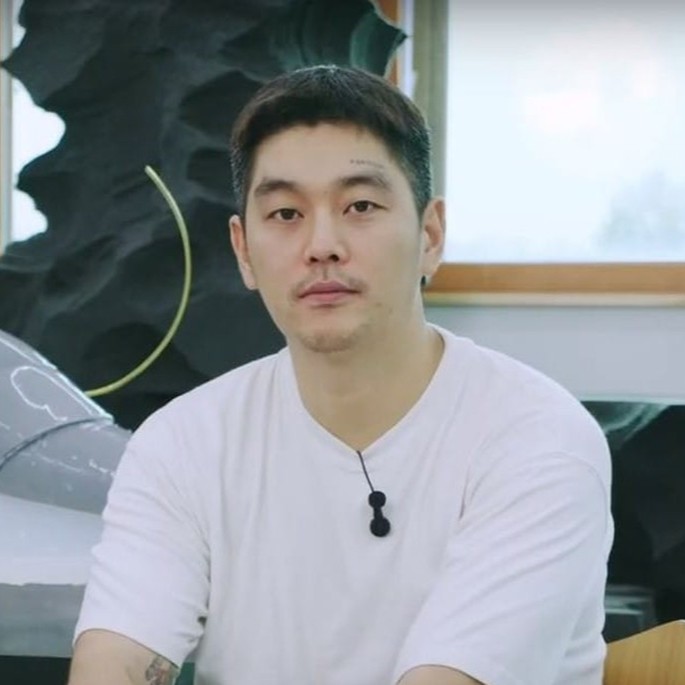
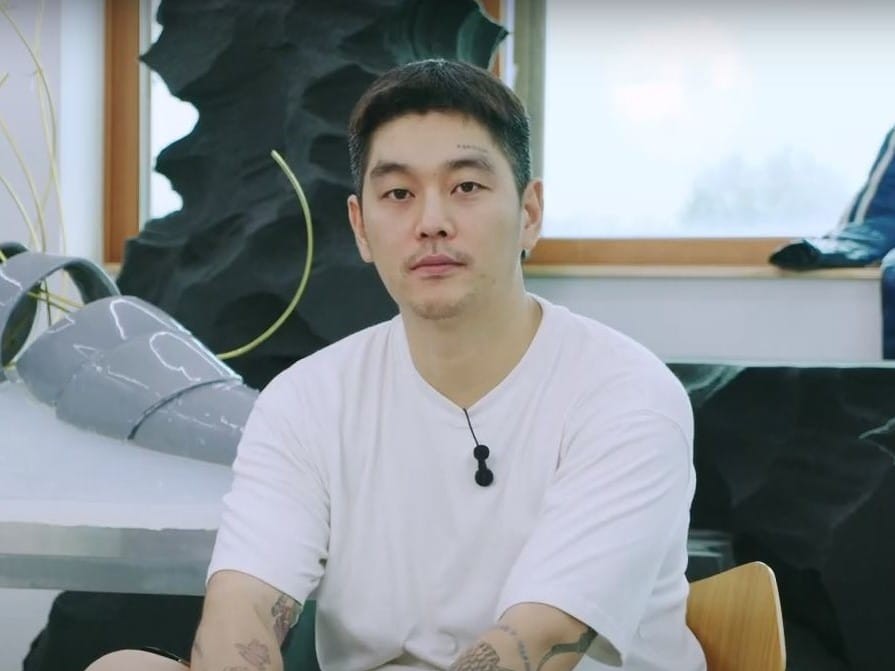
Haneyl Choi graduated from Seoul National University's Dept. of Sculpture and received a master's degree from Dept. of Fine Arts at the Korea National University of Arts. He is a represented artist of P21 and currently lives and works in Seoul.

Solo Exhibitions (Brief)

Choi’s solo exhibitions include 《Manner》 (P21 & Gallery2, Seoul, 2022), 《Bulky》 (ARARIO MUSEUM, Seoul, 2021), 《Siamese》 (P21, Seoul, 2020), 《Traitor’s Patriotism》 (Commonwealth & Council gallery, Los Angeles, 2018), and more.

Group Exhibitions (Brief)

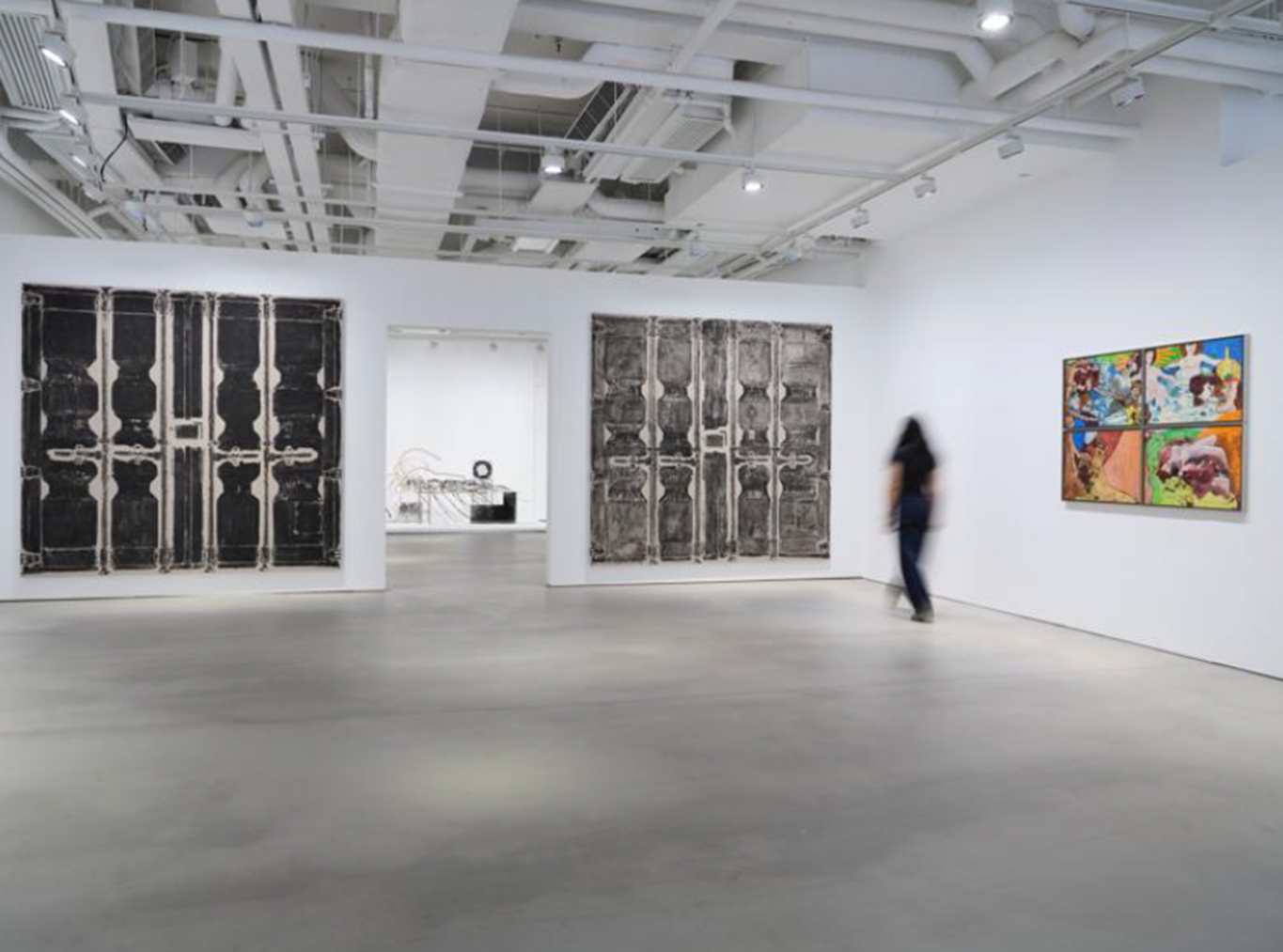
Choi has also participated in numerous group exhibitions, including 《Pigment Compound》 (P21, Seoul, 2025), 《Aura Within》 (Hauser & Wirth, Hong Kong, 2025), the 15th Gwangju Biennale 《Pansori, a soundscape of the 21st century》 (Gwangju, 2024), 《UNBOXING PROJECT 3: Maquette》 (New Spring Project, Seoul, 2024), 《DUI JIP KI》 (Esther Schipper, Seoul, Berlin, 2023), 《Fantastic Heart》 (Para-Site, Hong Kong, 2022), 《The Other Self》 (Ilmin Museum of Art, Seoul, 2022), and 《Human, 7 questions》 (Leeum Museum of Art, Seoul, 2021).

Residencies (Selected)

Haneyl Choi participated as an artist-in-residence at the SeMA Nanji Residency (2021) and the Seoul Foundation for Arts and Culture’s Seoul Art Space Geumcheon (2019).

Collections (Selected)

Choi’s works are held in the collections of the High Museum of Art, Atlanta; the Sunpride Foundation, Hong Kong; the Institute of Contemporary Art, Miami; and the Daegu Art Museum.
Works of Art

A Scene Recontextualized as a ‘Body’

Originality & Identity

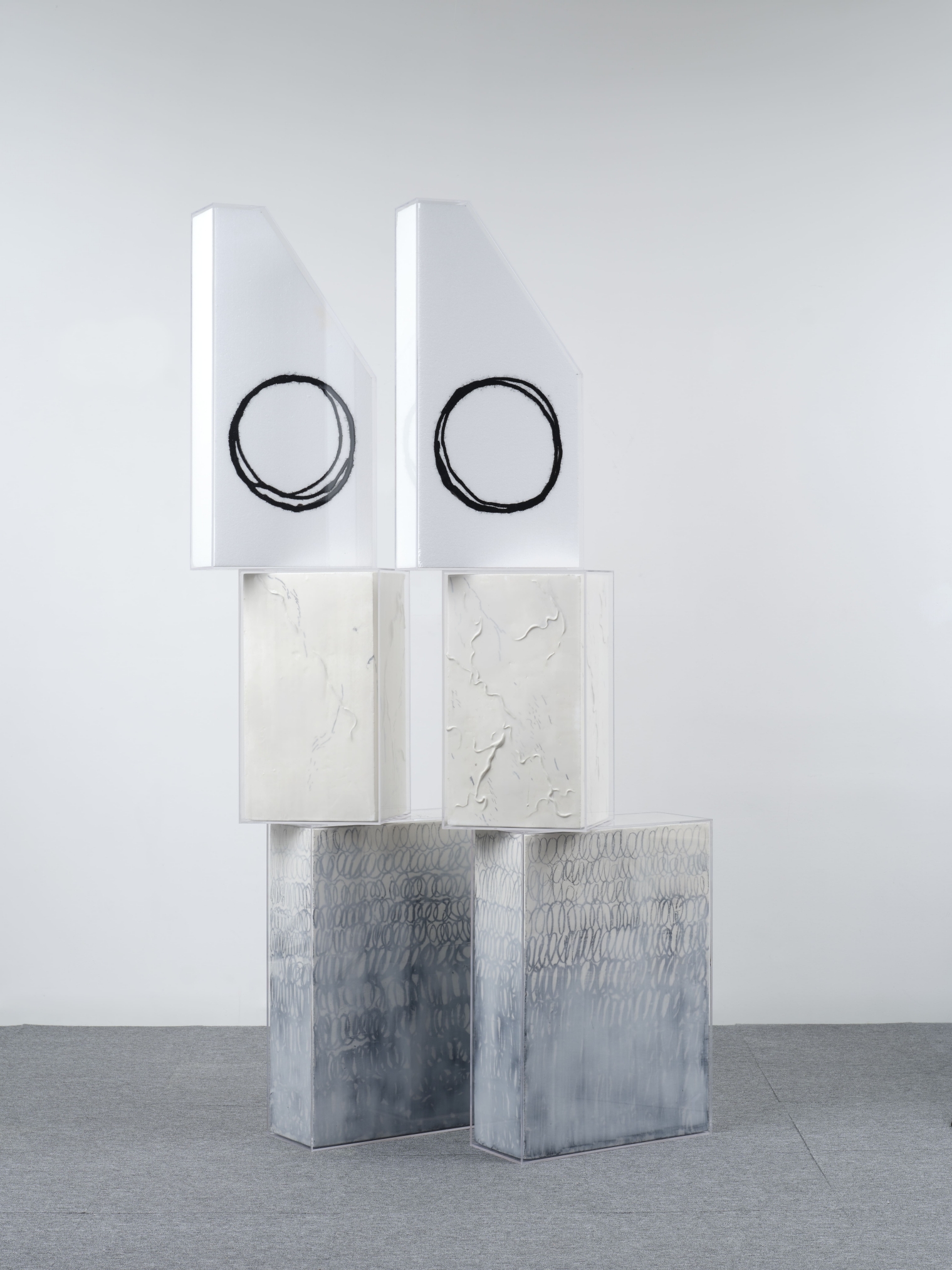
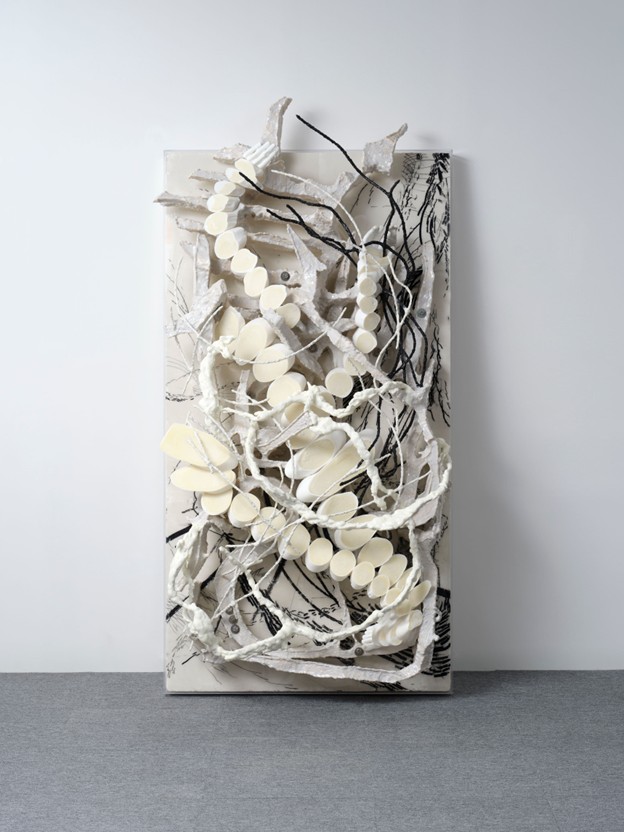
Haneyl Choi’s practice can be understood as a sustained inquiry into the points where body, emotion, and social structures intersect through the medium of sculpture. Rather than treating sculpture as a single mass or a completed form, he has persistently posed the question “What is a body?” by working with bodies in fragmented or dismantled states, or with bodily conditions that have yet to be fixed. While this line of inquiry begins from personal experience and queer identity, it does not remain within an individual narrative; instead, it expands toward social norms, institutions, and visual conventions.

His first solo exhibition, 《No Shadow Saber》(Hapjungjigu, 2017), marks the point of departure for this attitude. By cutting into sculptures, exposing their internal cross-sections, and then reassembling them, Choi destabilized the conventional way of perceiving three-dimensional objects as fixed forms, proposing “ways of seeing” themselves as a trainable mode of perception. This was an attempt to reconsider the role sculpture might play amid the flattened visual experience produced by digital environments.

Subsequently, through the ‘New Perspective’ (2019) series presented in 《Young Korean Artists 2019: Liquid, Glass, Sea》(National Museum of Modern and Contemporary Art, Korea, 2019), the artist expanded the body into a more explicit field of social and political metaphor. In these works, concepts that are difficult to reconcile—such as race, gender, generation, mobility and settlement—coexist within a single body, proposing a mixed and mutable state of being in place of a unified identity.

Since 2020, Choi’s work has brought queer identity to the foreground, developing into a critique of normative bodies and institutional structures within Korean society. His solo exhibitions 《Siamese》(P21, 2020), 《Bulky》(ARARIO MUSEUM, 2021), and 《Manner》(P21 & Gallery2, 2022) all share a skepticism toward the notion of the “normal body,” visualizing structures of desire, power, and vulnerability through deformed or exaggerated bodies. More recent works—such as the ‘Uncle’ series, Crying Uncle’s Room(2024), and Nephew (2025)—address queer life, family, and belonging within an increasingly individualized and isolated society, engaging these themes on a more emotional register.

Style & Contents

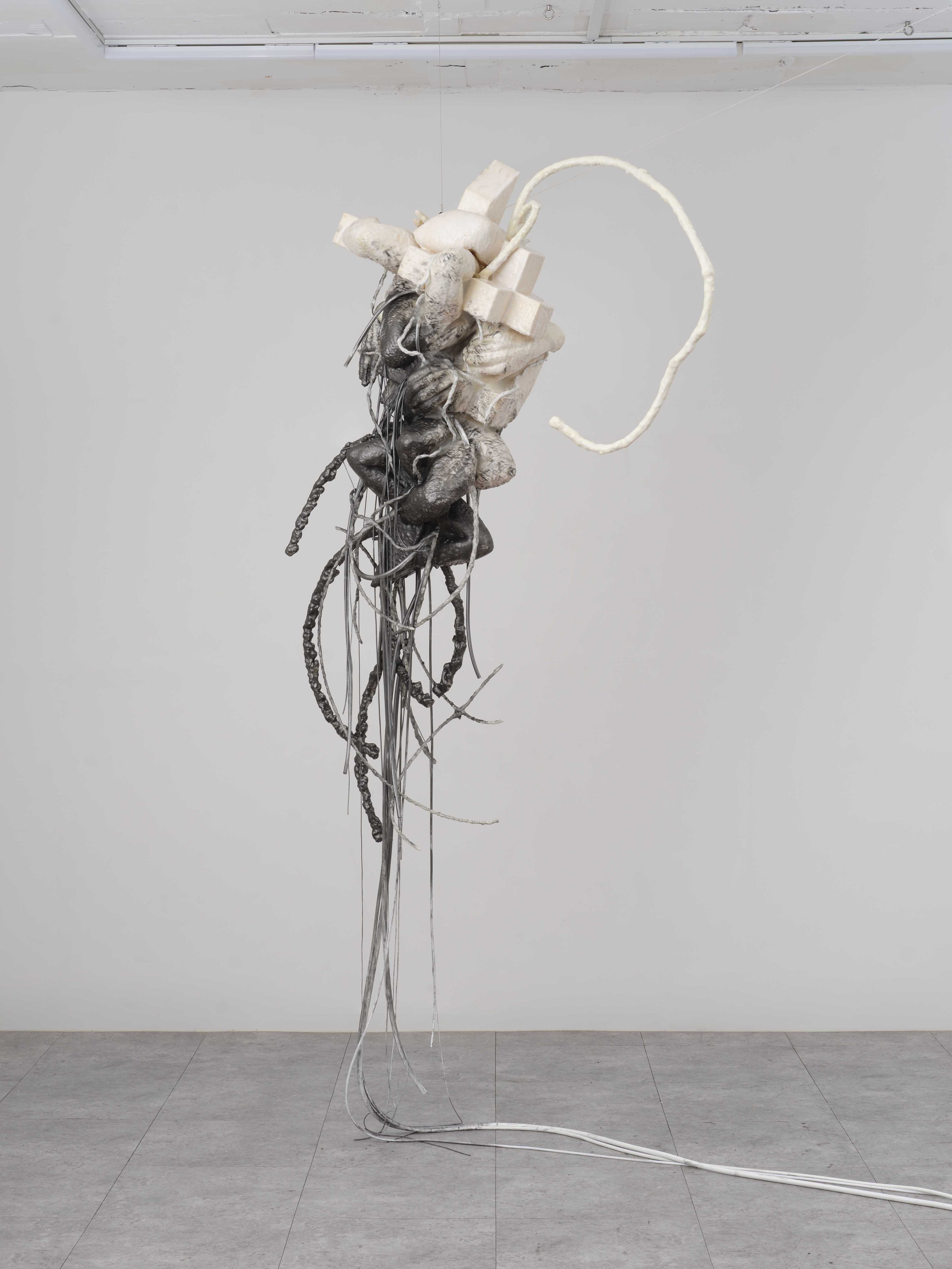
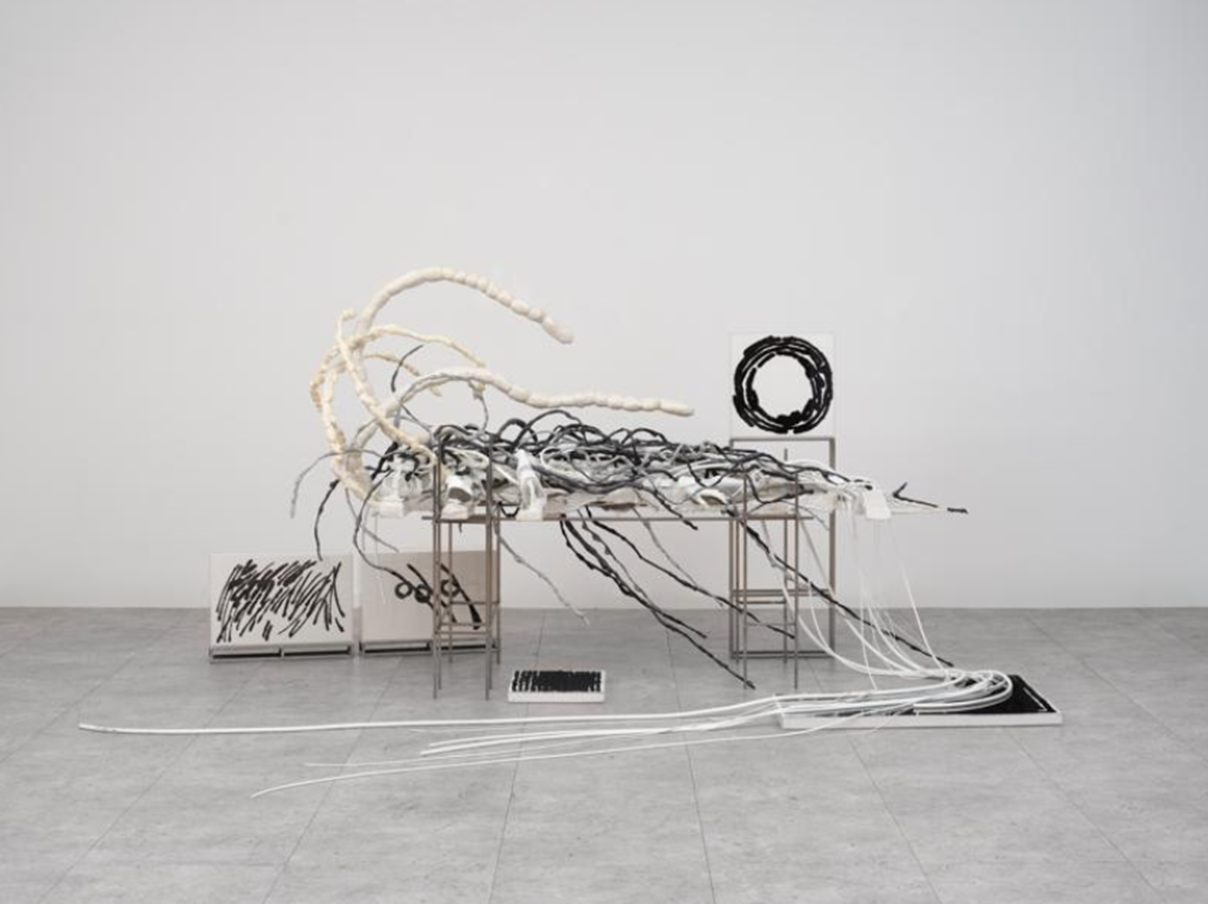
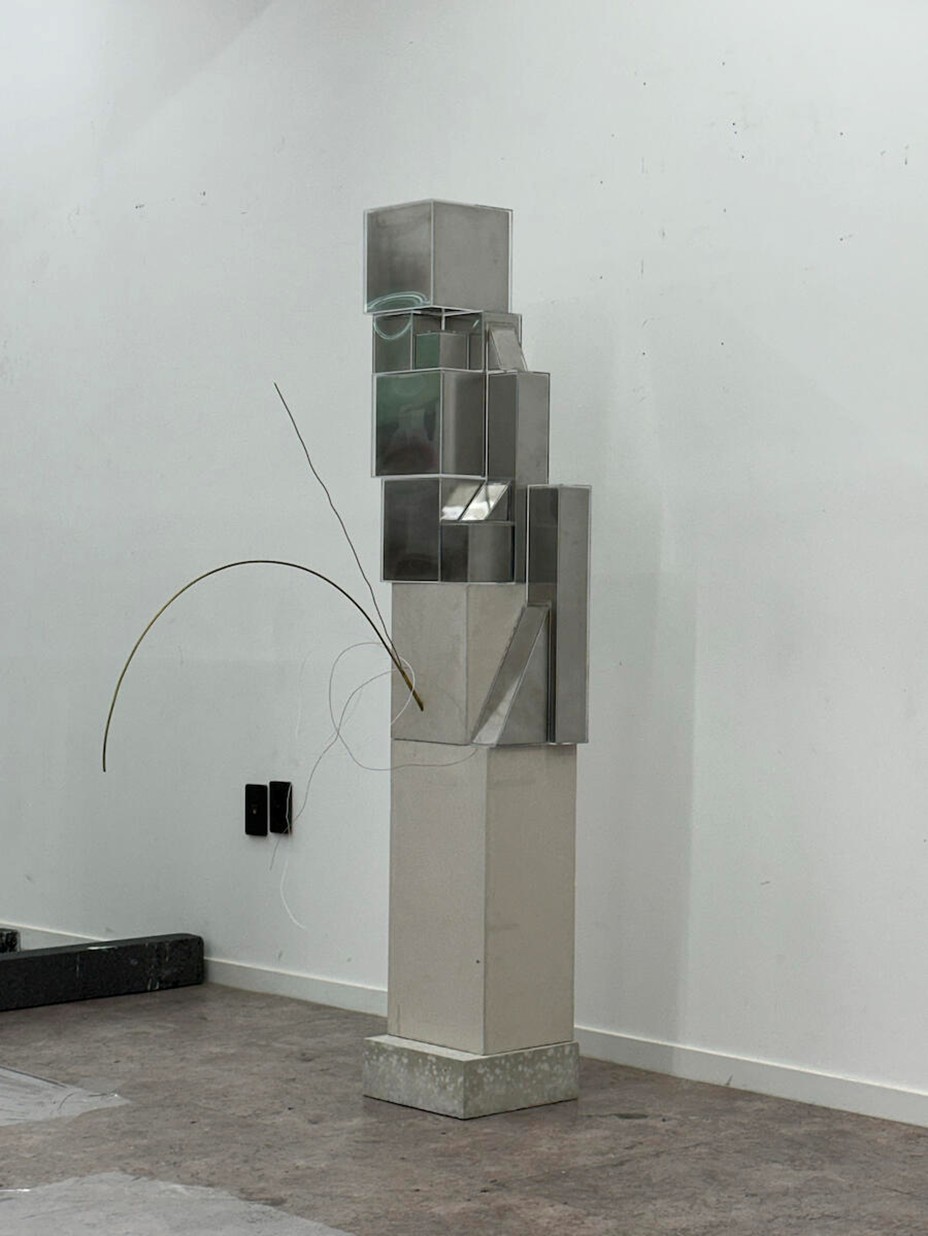
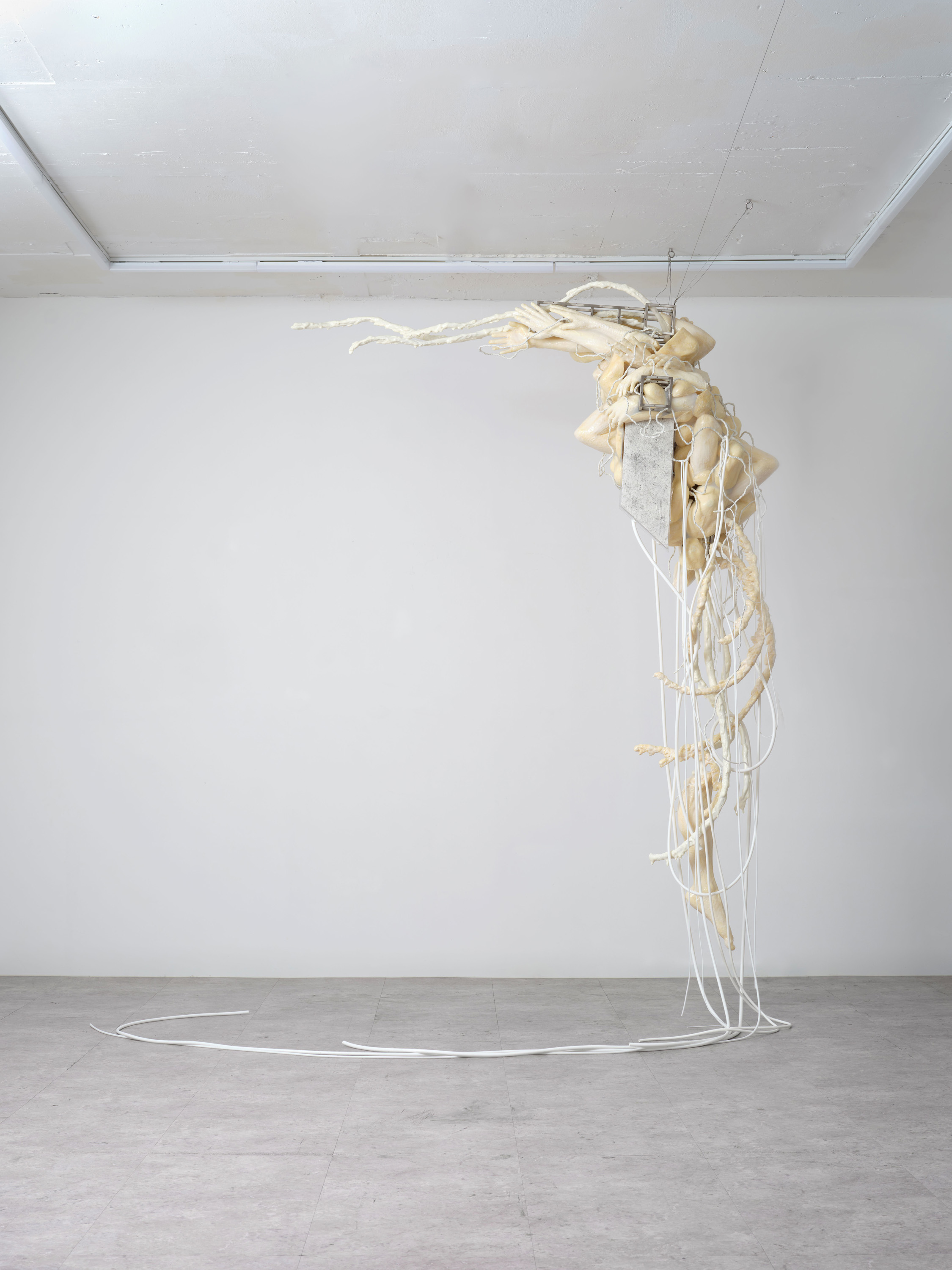
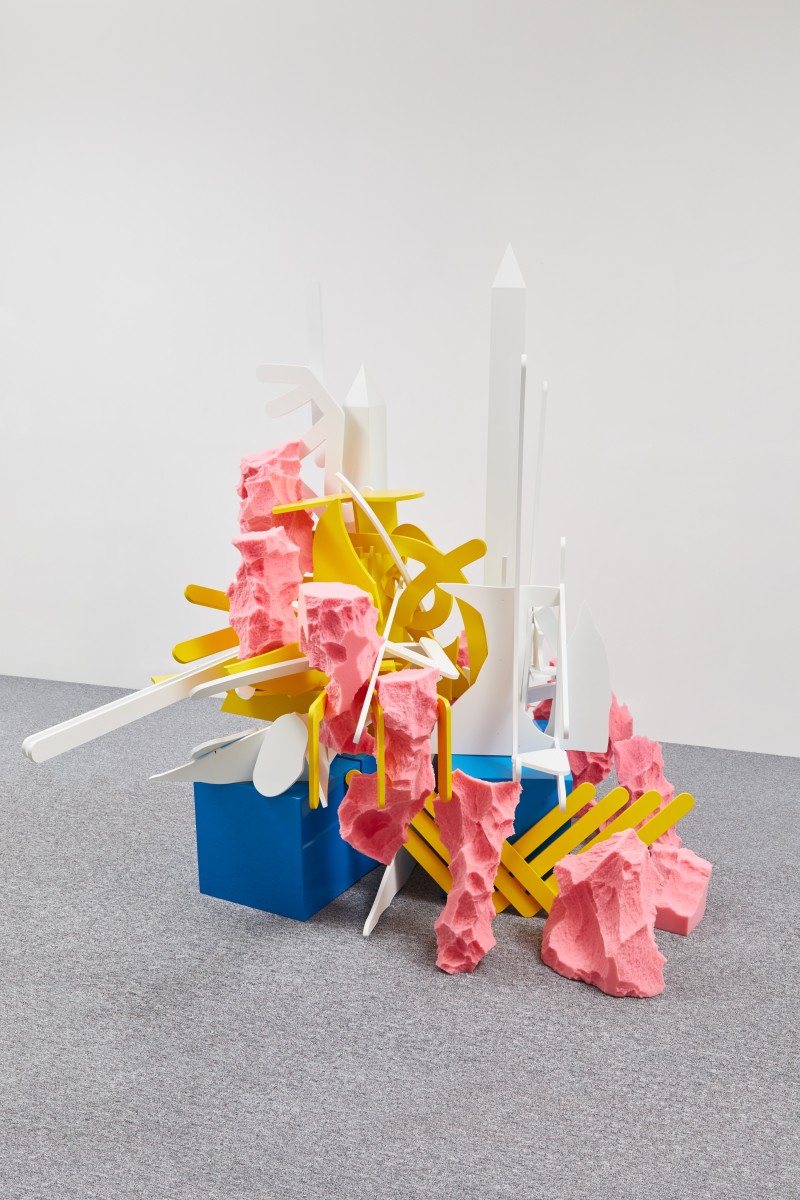
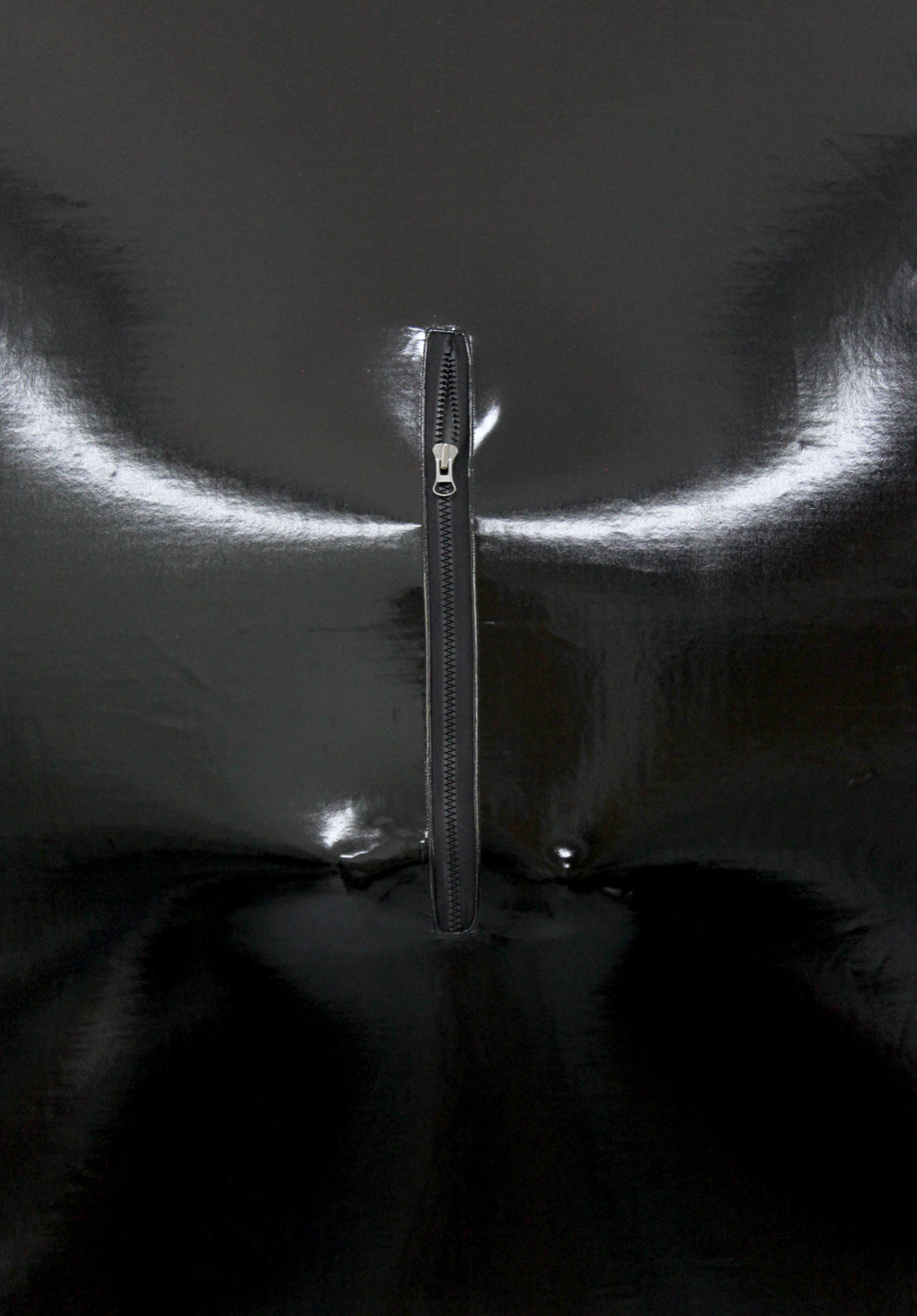
Haneyl Choi continually subverts and hybridizes the traditional grammar of sculpture while remaining grounded in it. He juxtaposes permanent and mutable materials—FRP, expanded polystyrene, urethane resin, epoxy, sponge, metal, digital images, and QR codes—presenting sculpture simultaneously as a solid object and as a provisional state. This material strategy functions as a means of articulating bodily vulnerability and social conditions at the level of materiality itself.

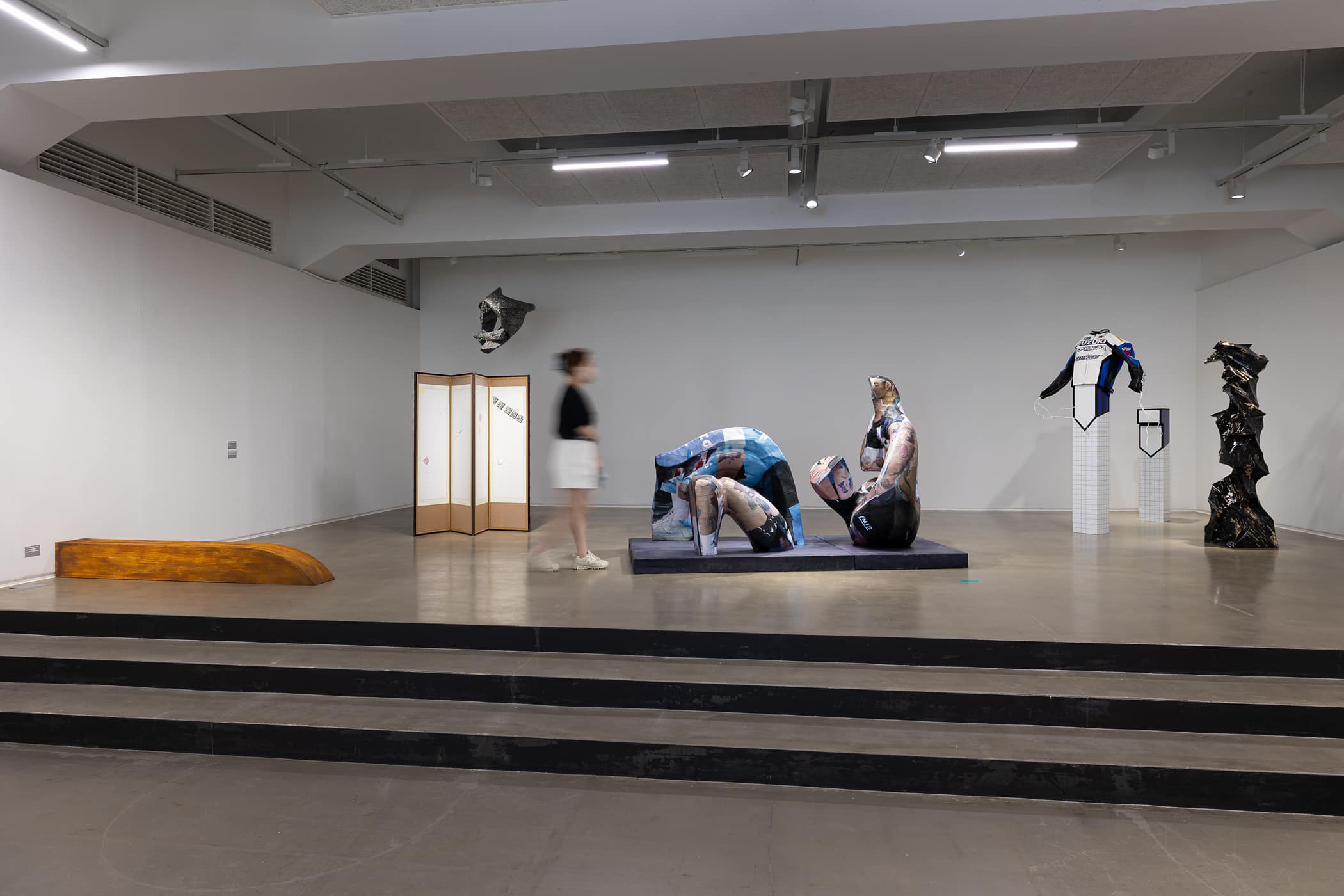
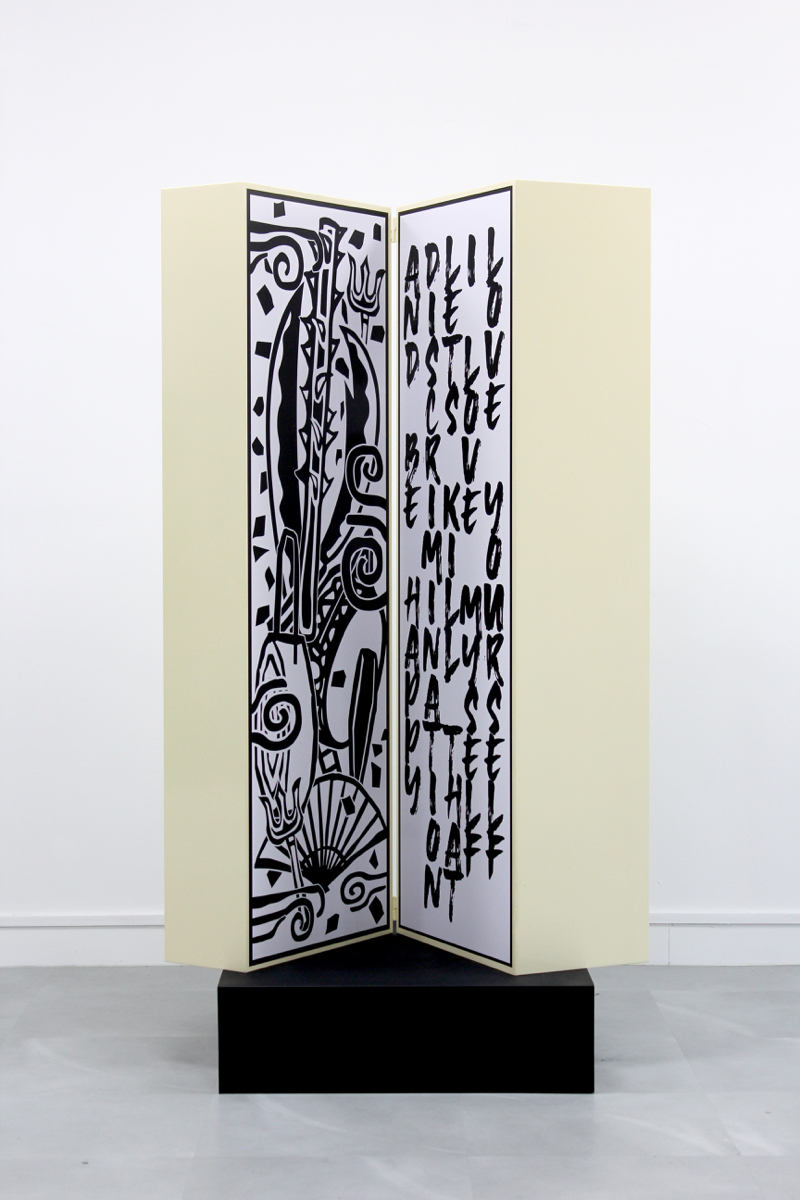
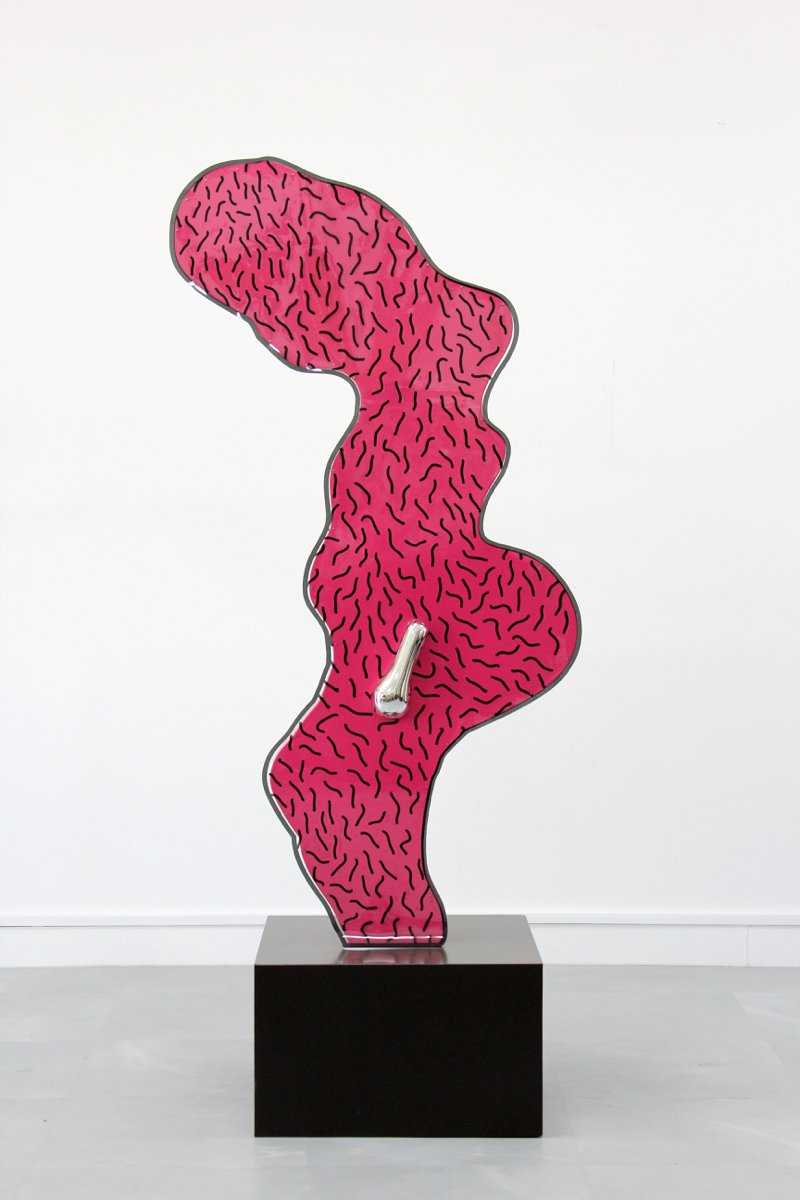
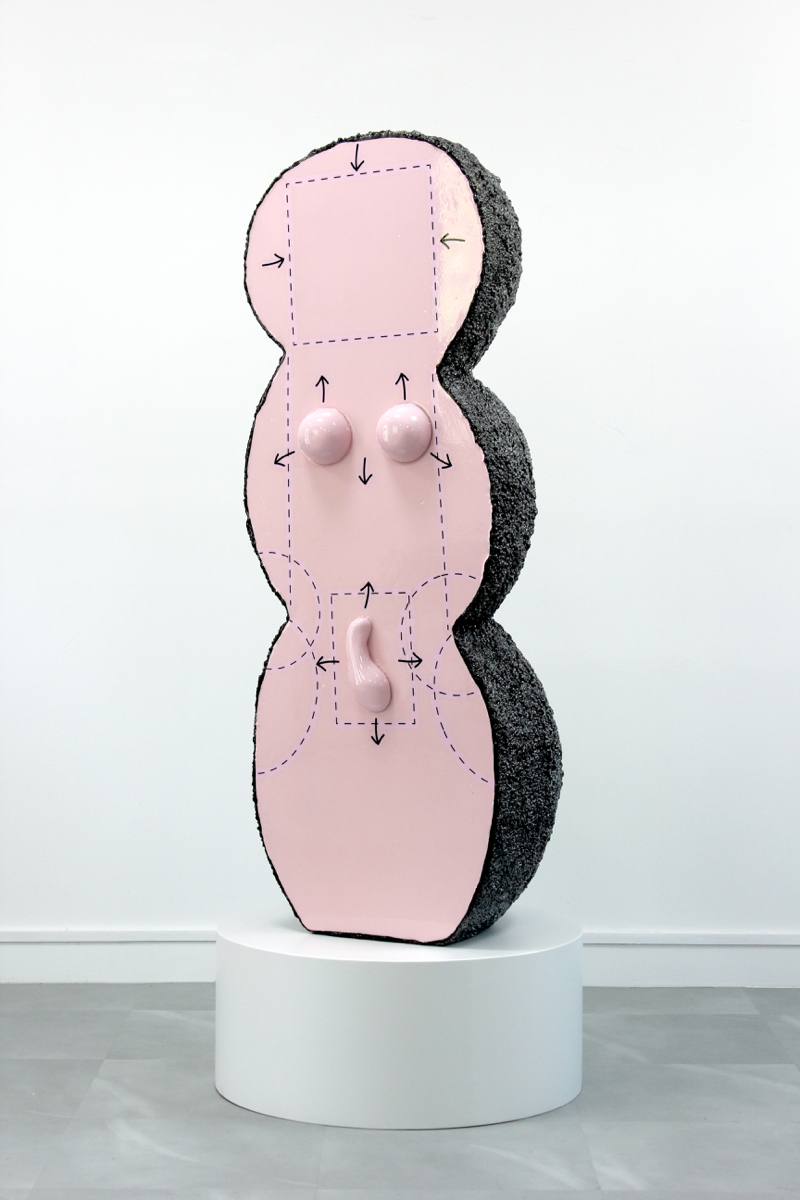
The Other Part of His Siamese 2: Hermaphrodite(2020), shown in 《Siamese》, is a representative example. Referencing the forms of Korean modernist sculpture while overlaying them with a queer surface of desire, the work distorts and exaggerates the human-scale and ascetic sculptural language associated with the body, revealing a corporeal state that cannot be reduced to a single gender or identity.

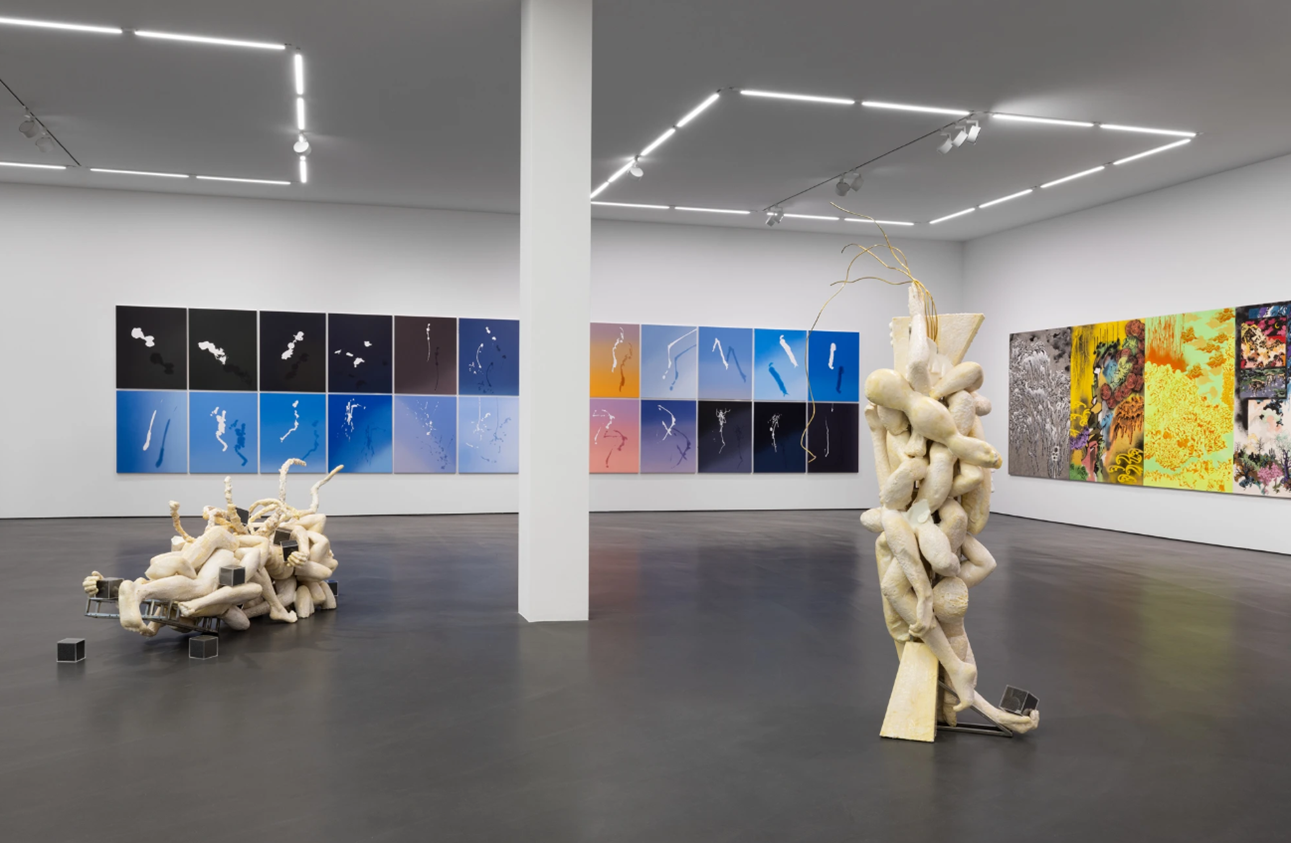
In 《Bulky》, sculpture and queerness are positioned together as entities occupying marginal positions. The ‘Bulky_fusion’ (2021) series borrows the combinatory structure of Japanese robot animation, in which multiple figures merge into a single body. By linking the works to social media platforms through QR codes, the series demonstrates how sculpture actively engages contemporary conditions that traverse material and immaterial realms, as well as offline and online spaces.

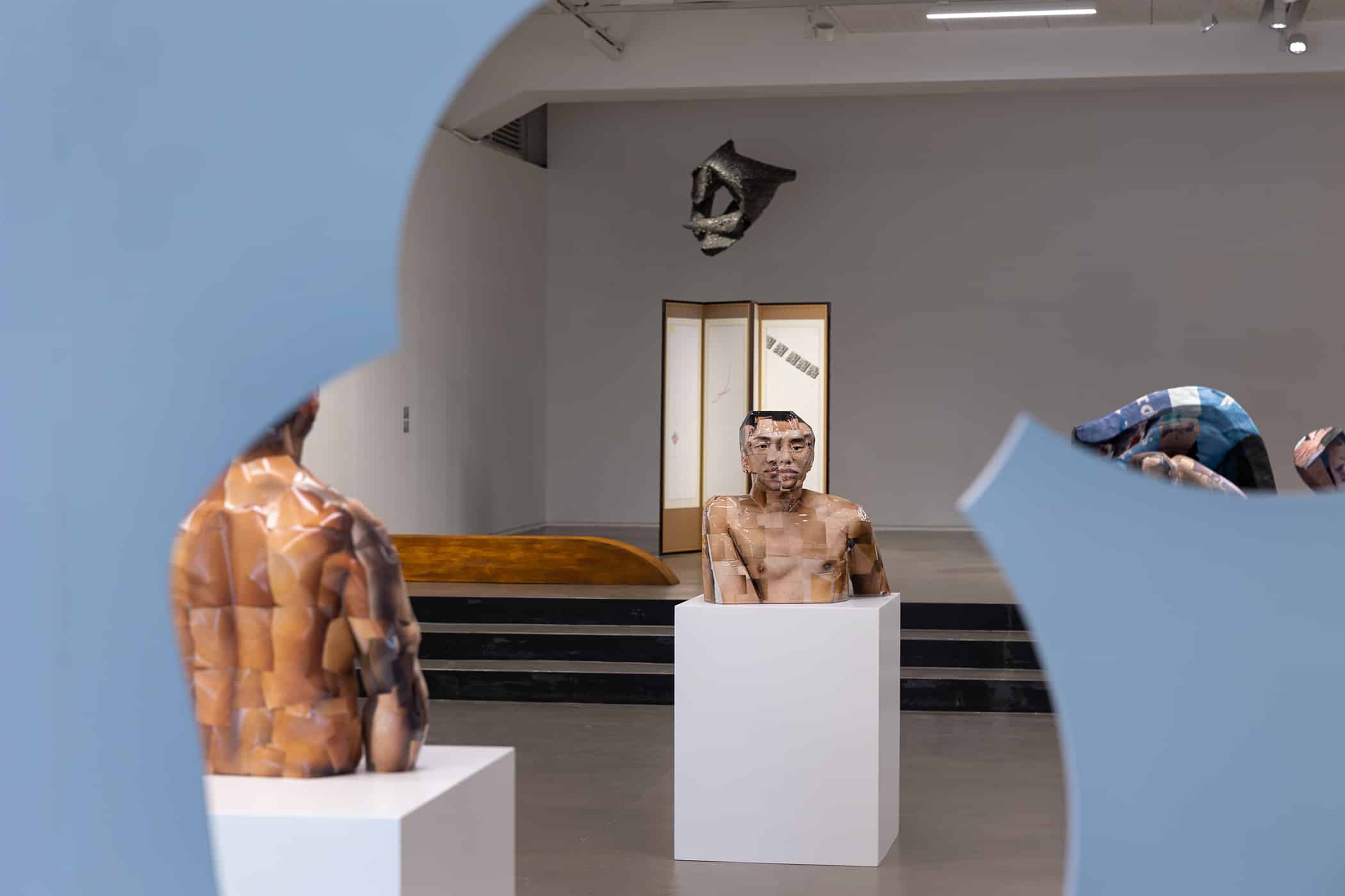
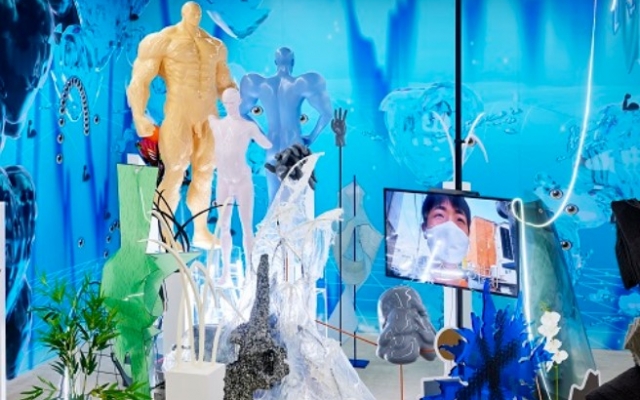
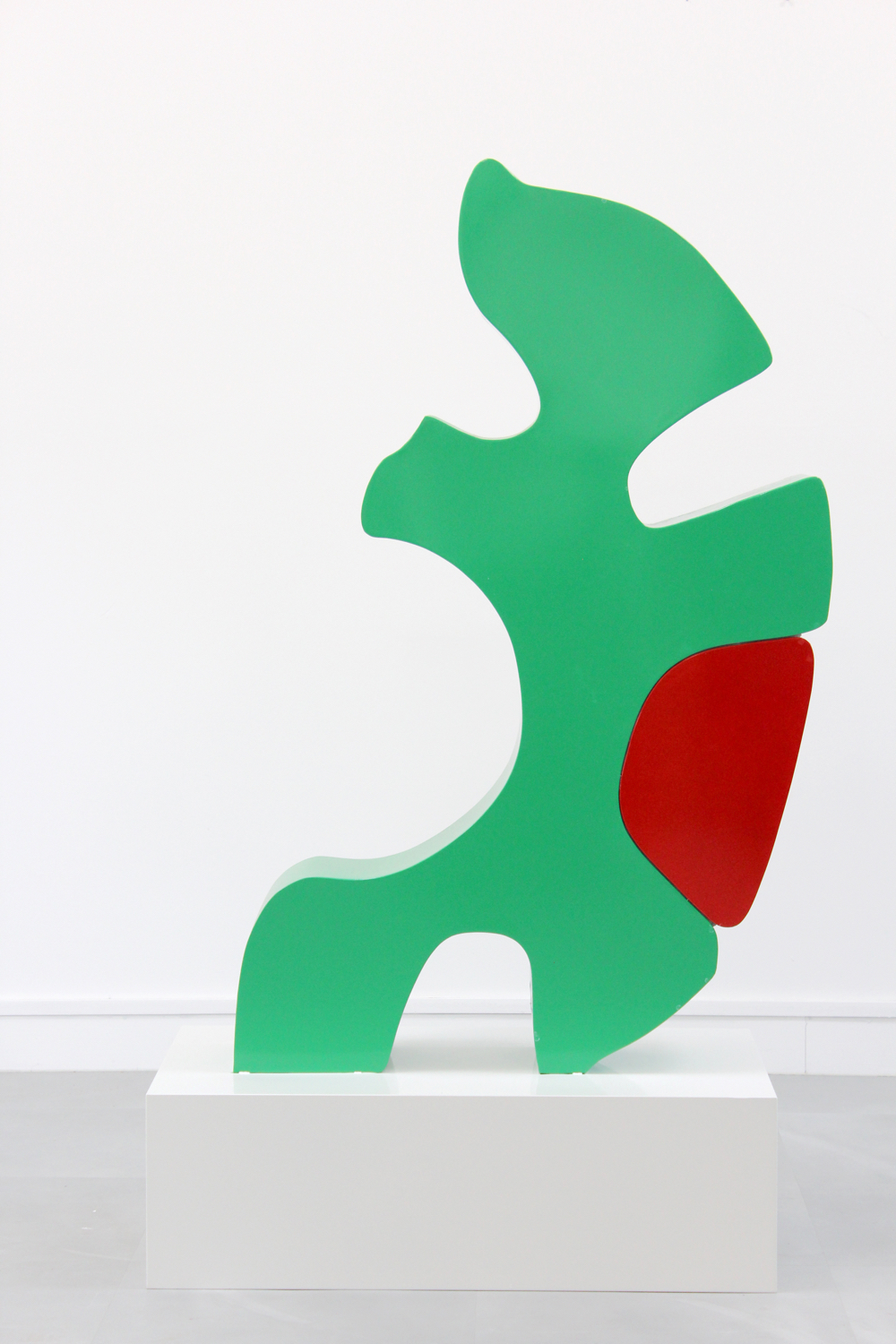
In 《Manner》, sculptures based on body parts and standing male figures appear alongside one another, juxtaposing extreme masculinity, passivity, and ostentatious postures. The three FRP male figures possess smooth, solid surfaces, yet their relational arrangement suggests an unstable power structure. Rather than seeking to remove or correct the “damaged” body, this formal configuration leads toward an attitude that recognizes the state itself as meaningful.

Topography & Continuity

Haneyl Choi is among the few contemporary Korean sculptors who have consistently integrated queer identity into both the form and concept of their work. Rather than consuming queerness merely as a theme or narrative, his practice allows it to permeate sculptural processes, material choices, and exhibition structures, thereby constructing a distinctly “queer sculptural language.” This approach moves beyond identity politics, operating instead as a rethinking of the conditions of sculpture as a medium.

Over time, his work has expanded from questions of perception toward hybrid bodies, then to queer bodies and social structures, and further toward the reconfiguration of family and relationships. Recent works such as In the act of dying(2025) and new projects developed under the rubric of “family” indicate a shift beyond individual identity toward a stage that interrogates institutional and communal structures.

Choi’s sculptures are also consistently positioned in a state that resists completion. Fragmented bodies, provisional assemblages, and immaterial extensions (SNS, AR, QR codes) all reject fixed form, instead being continually reassembled through the viewer’s experience. This stance aligns with an understanding of sculpture not as a finished product, but as an ongoing process.

Participation in major Korean museums and biennales, as well as international exhibitions such as the Hauser & Wirth group show 《Aura Within》(2025), demonstrates that Choi’s work occupies a position capable of engaging global queer discourse and the future of sculpture beyond a local context. Moving forward, he is expected to continue using his bodily and social experiences as a point of departure, exploring new forms of relationship and solidarity through sculpture.

Works of Art

A Scene Recontextualized as a ‘Body’

Exhibitions