

Gijeong Goo (b.1990) - K-ARTIST
Gijeong Goo (b.1990)

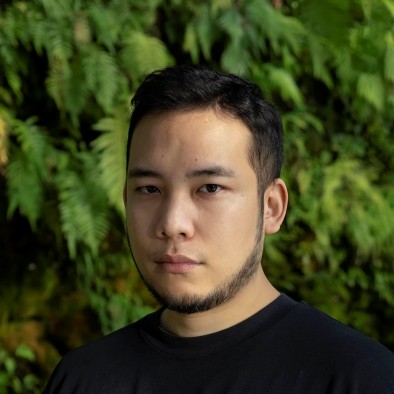
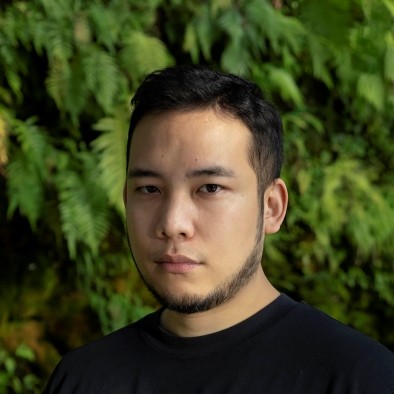
Gijeong Goo holds a BFA in Communication Design from Hongik University and an MA in Photography from ECAL/École cantonale d'art de Lausanne. He currently lives and works in Seoul, Korea.

Solo Exhibitions (Brief)

Goo’s recent solo exhibitions include 《Route 0》 (Seoho Museum of Modern Art, Namyangju, 2024), 《Exceeded Scenes》 (Gwanghwamun Square, Seoul, 2023), 《Contrology》 (Hall1, Seoul, 2022), 《Defaulted》 (N/A, Seoul, 2020), and 《Virtual Writing》(Societiet.Sexyland, Amsterdam, 2017).

Group Exhibitions (Brief)

Goo has also actively participated in numerous group exhibitions both in Korea and abroad, including 《At The End of The World Split Endlessly》 (Seoul Museum of Art, Seoul, 2024), 《Hybrid Landscape is Isolated》 (Thematic Pavilion, Malta Biennale, National Museum of Archaeology, Valletta, 2024), 《SeMA Anthology: Ten Enchanting Spells》 (Buk-Seoul Museum of Art, Seoul, 2023), 《Get Set》 (Dutch Design Week, Strijp-T, Eindhoven, 2022), 《Nothing Makes Itself》 (ARKO Art Center, Seoul, 2021), and 《Mirage Club》 (Paris Photo, 24 Rue Beaubourg, Paris, 2018).

Residencies (Selected)

Goo was an artist-in-residence at the Seoul Museum of Art Nanji Residency (2024) and selected as a 2025 Zero1ne Creator by Hyundai Motors.
Works of Art

The Human-Machine-Nature Relationship Between Reality and Virtuality

Originality & Identity

Gijeong Goo's work primarily focuses on exploring the relationships between humans, machines, and nature. He pays special attention to the boundaries between reality and virtuality, presenting numerous works that investigate how technology influences human perception and cognition.
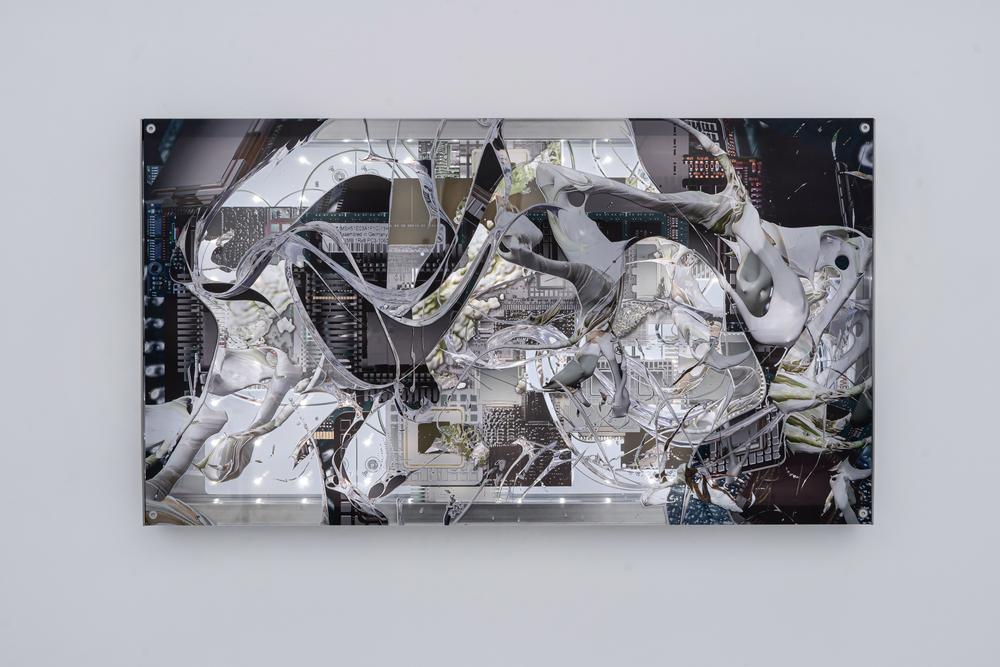
In his early works, Goo addressed themes of "augmented reality" and communication errors caused by media. He experimented with the loss of originality through technological layering and duplication. This approach is evident in Coagulation(2019), where the digitally processed natural images evoke an ambiguous sense of reality, leading viewers to question their perceptions.

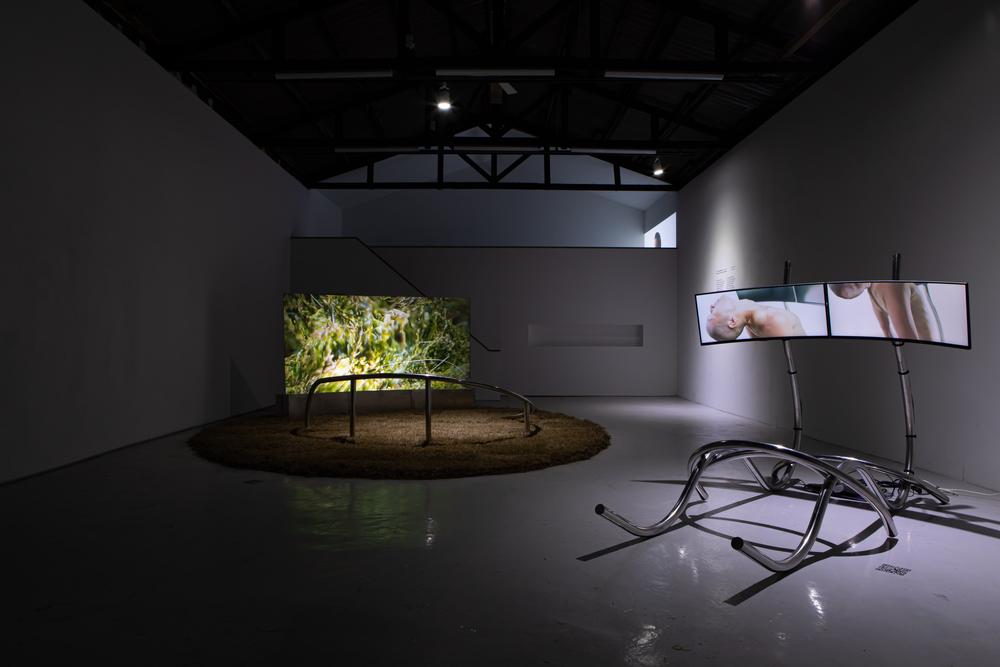
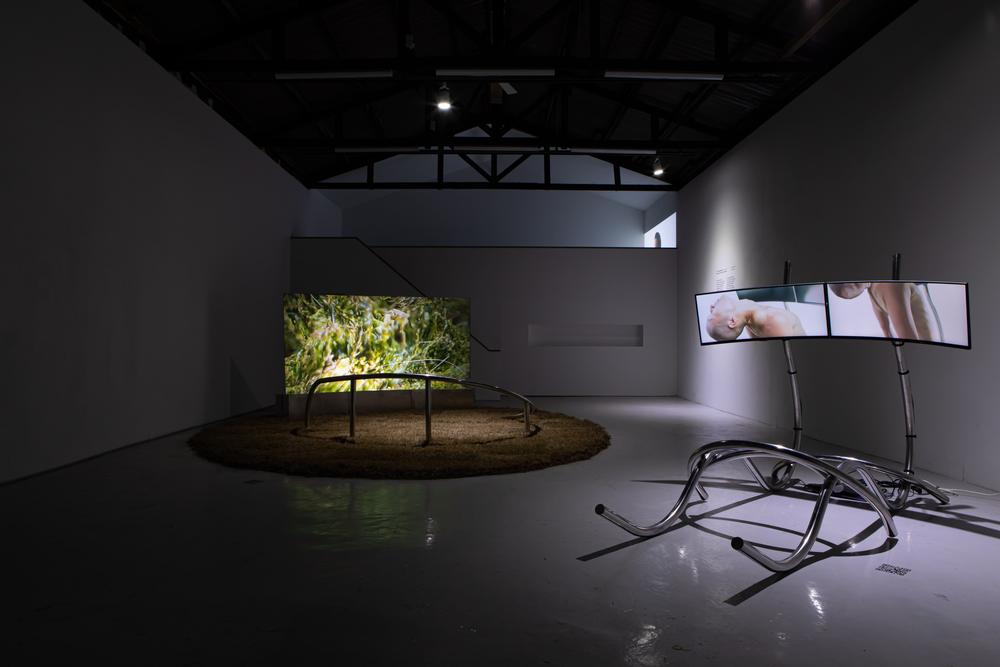
Goo's artistic vision later expanded to center on the relationship between technology and the human body. In 《Contrology》(Hall1, Seoul, 2022), the work Contrology(2022) criticizes both the exaggerated body image reinforced by media and the rigidity of bodily experiences mediated by digital devices. The piece particularly examines how excessive stimuli from media distort human physicality, expressed through performance and installation.

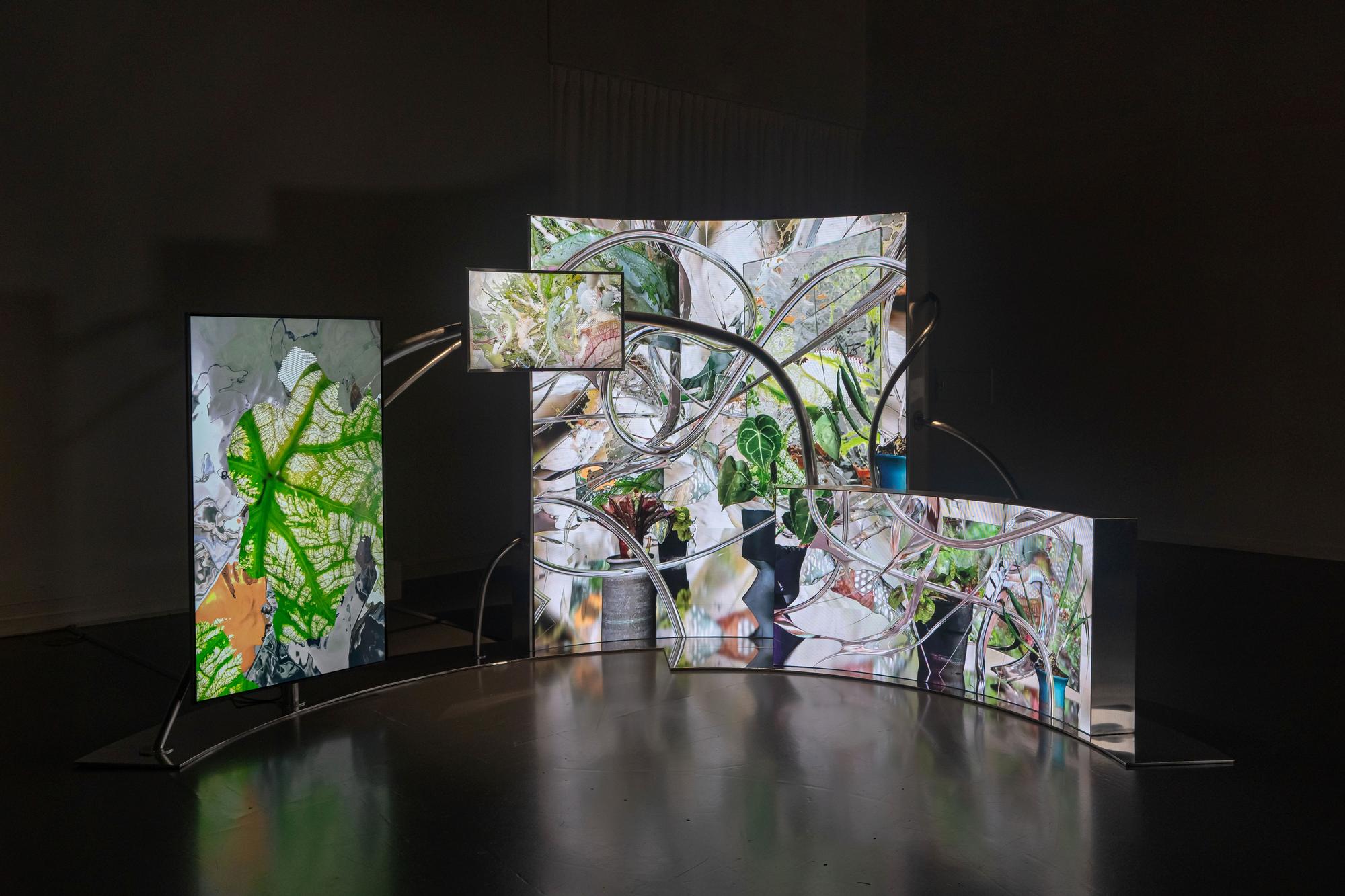
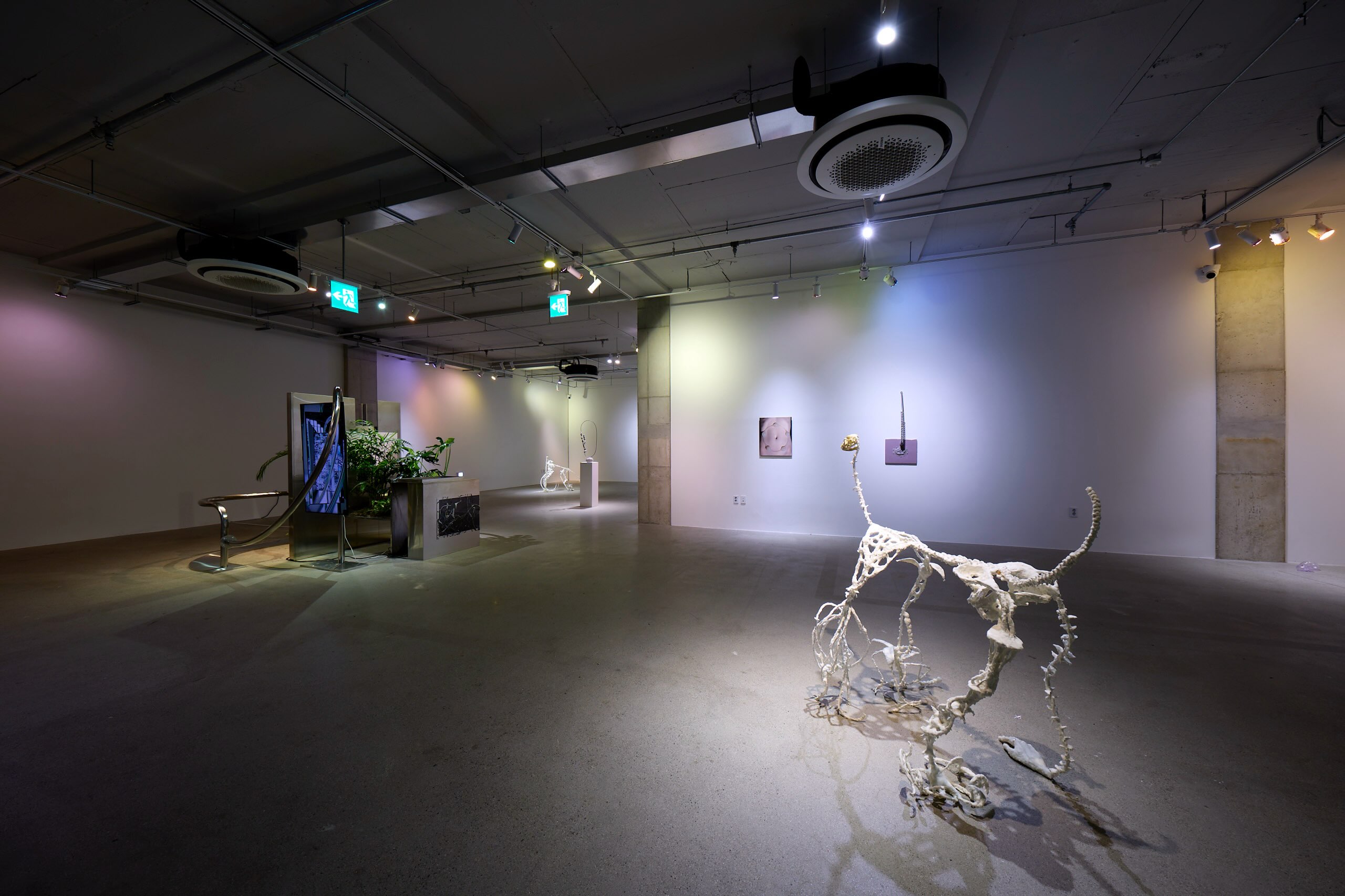
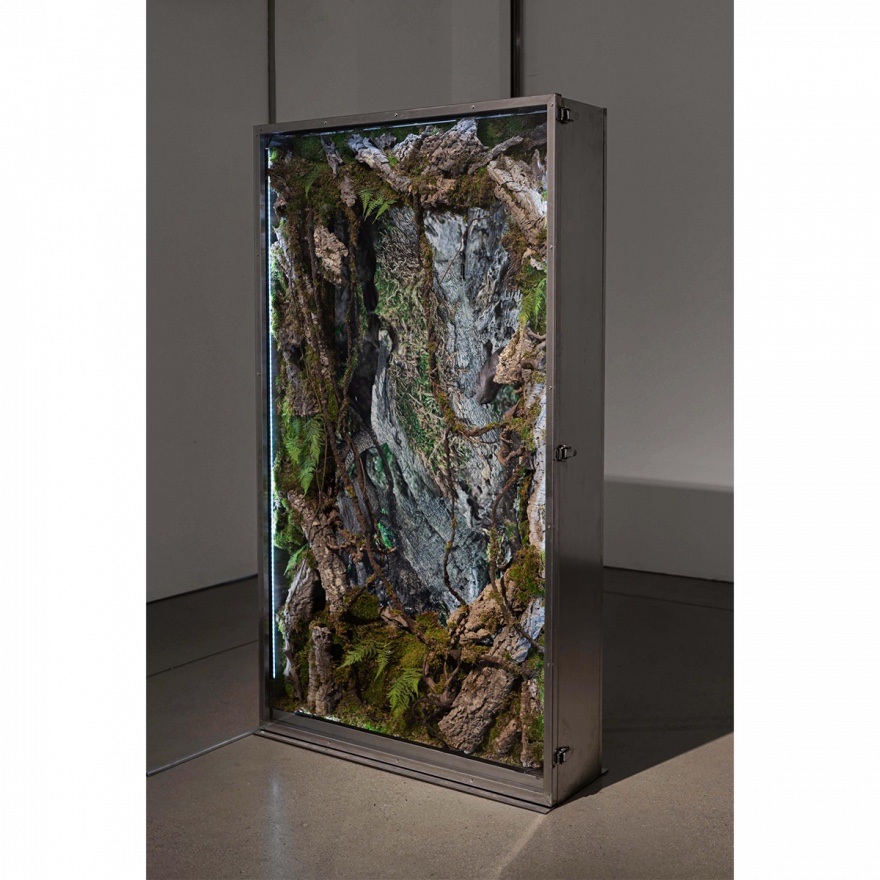
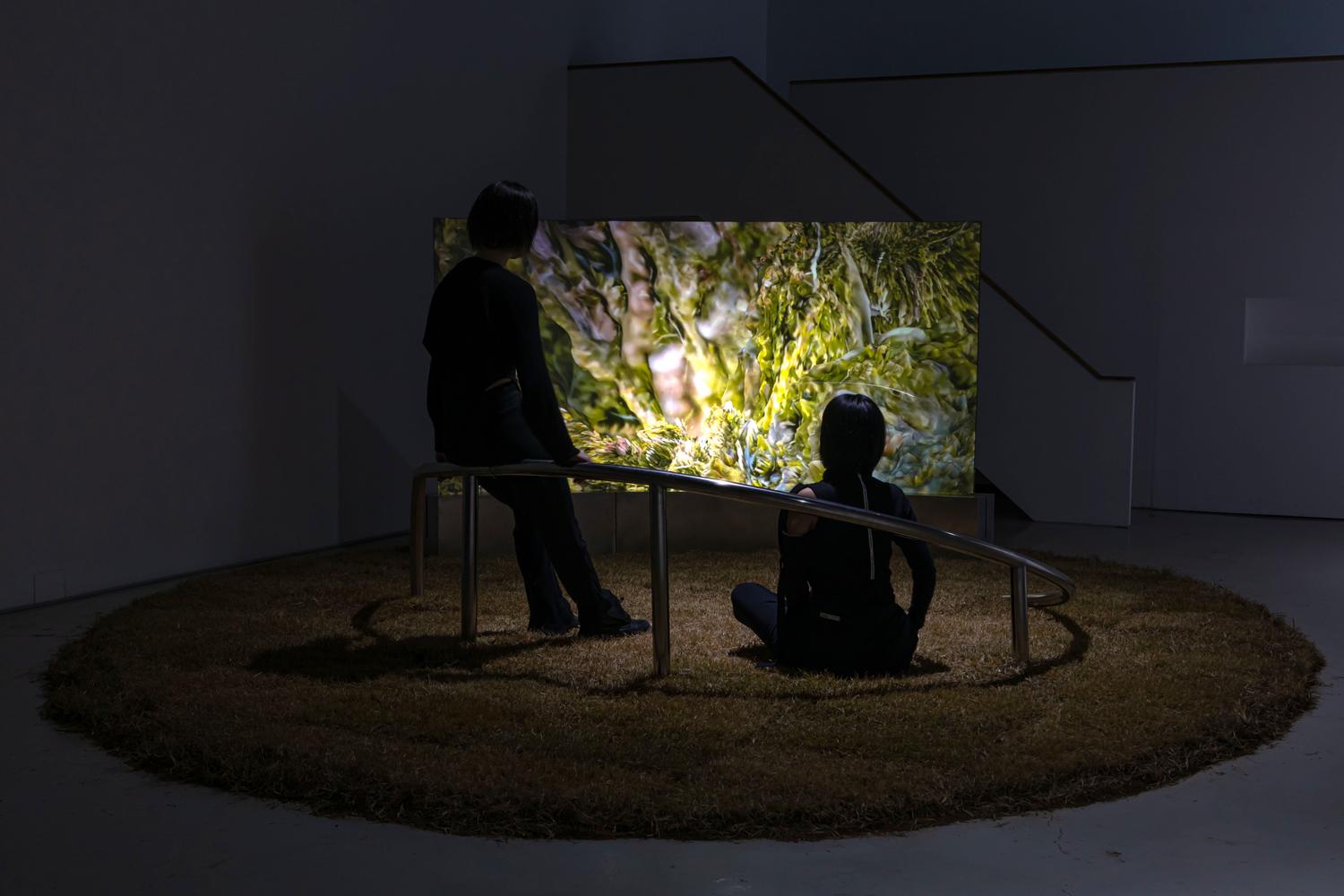
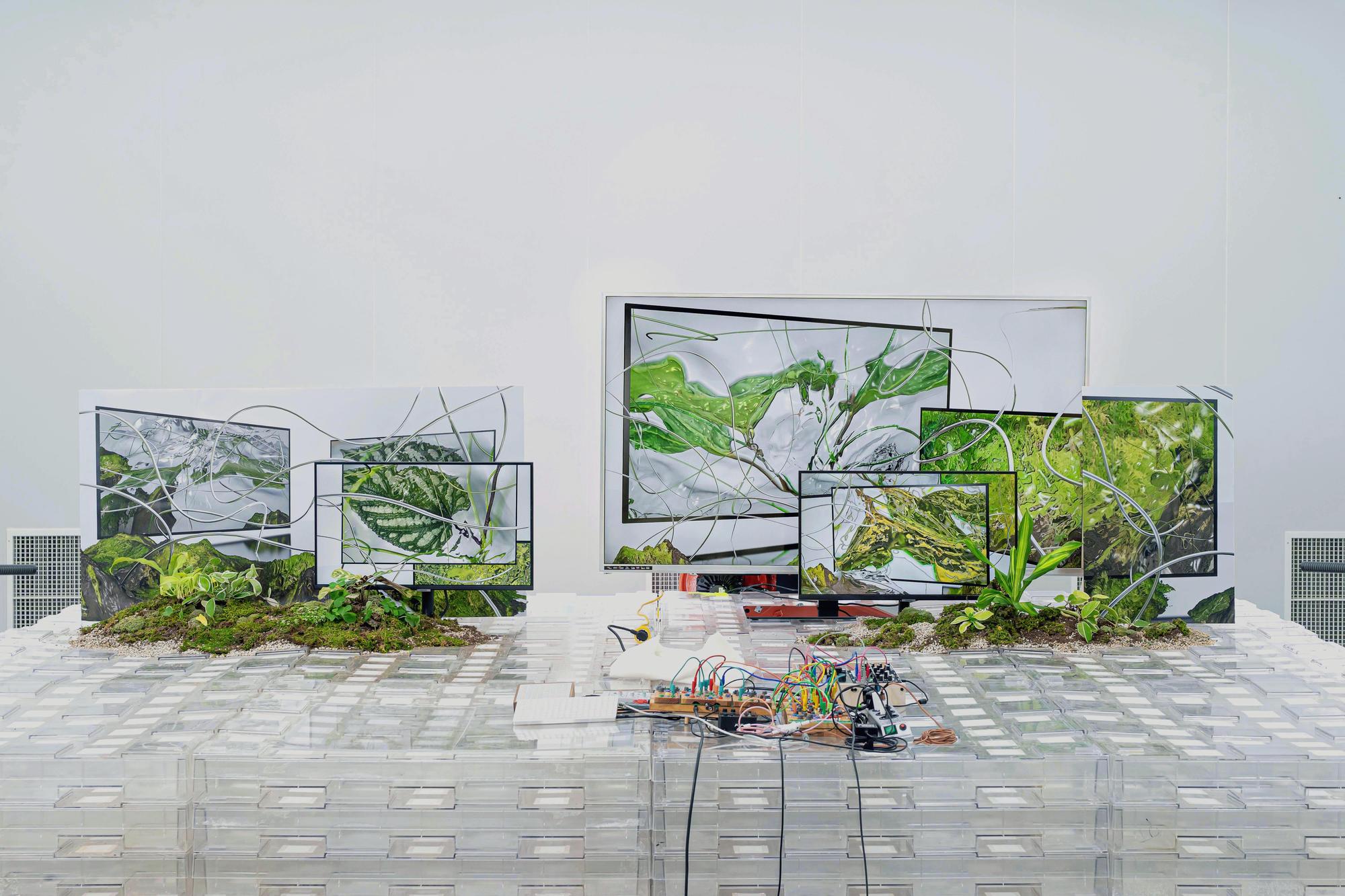
The fusion of nature and digital environments is a recurring theme in Goo’s works. In 《At The End of The World Split Endlessly》(Seoul Museum of Art, 2024), the piece MACROMACHINEPLANTINCUBATOR(2024) raises questions about how humans coexist with nature within urban settings. By juxtaposing digitally rendered natural images with real plants, the work challenges anthropocentric perspectives on nature, highlighting the coexistence of reality and virtuality.

Thus, Gijeong Goo's work is an ongoing attempt to reinterpret human sensory perception and the understanding of nature within a digitally mediated reality. He not only explores how technology distorts human perception but also suggests the possibility of reimagining reality through virtual images.

Style & Contents

Gijeong Goo's work employs various media and technical experiments to visually manifest the boundary between reality and virtuality. In his early works, he used devices like photocopiers, cameras, and Google Translate to explore how images become duplicated and transformed. These methods aimed to visualize the collapse of originality and authenticity in the digital age.

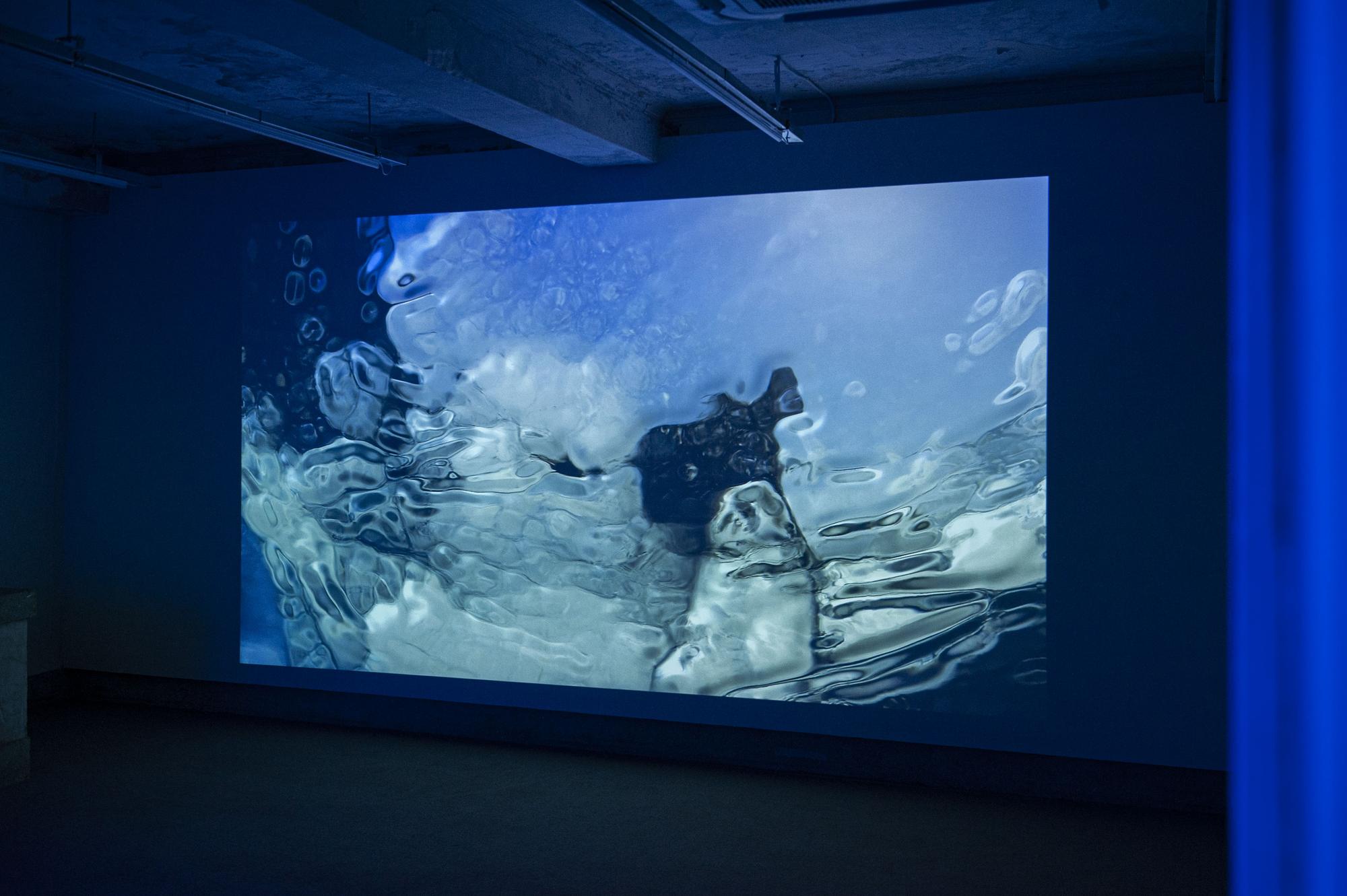
The solo exhibition 《Defaulted》 held at N/A Gallery in 2020 marked a significant turning point in his practice. One of the key works, Water is Transparent(2020), used Content Aware Fill and Bump Mapping techniques to create digitally processed natural images with an excessively realistic appearance. This paradoxical characteristic of digital images leads viewers to question the authenticity of what they see, symbolizing the blurred line between reality and virtuality in contemporary society.

Goo's formal approach later evolved to incorporate the intersection of digital technology and the human body. In Contrology, the combination of performance and video installation critiques how media-generated bodily images, internalized by humans, lead to physical rigidity. The performer in the piece mimics a distorted body shaped by media, while the movement on the screen invites the audience to mirror the actions, creating a participatory dynamic.

His recent works prominently feature experiments that merge nature and digital technology. In Rendered Nature(2019) and MACROMACHINEPLANTINCUBATOR, Goo utilizes high-resolution cameras, CGI, and 3D techniques to metaphorically represent nature through various media. By placing virtual plants alongside artificial lighting within physical installations, he emphasizes both the realism and artificiality of nature, making the virtual appear more tangible than reality itself.

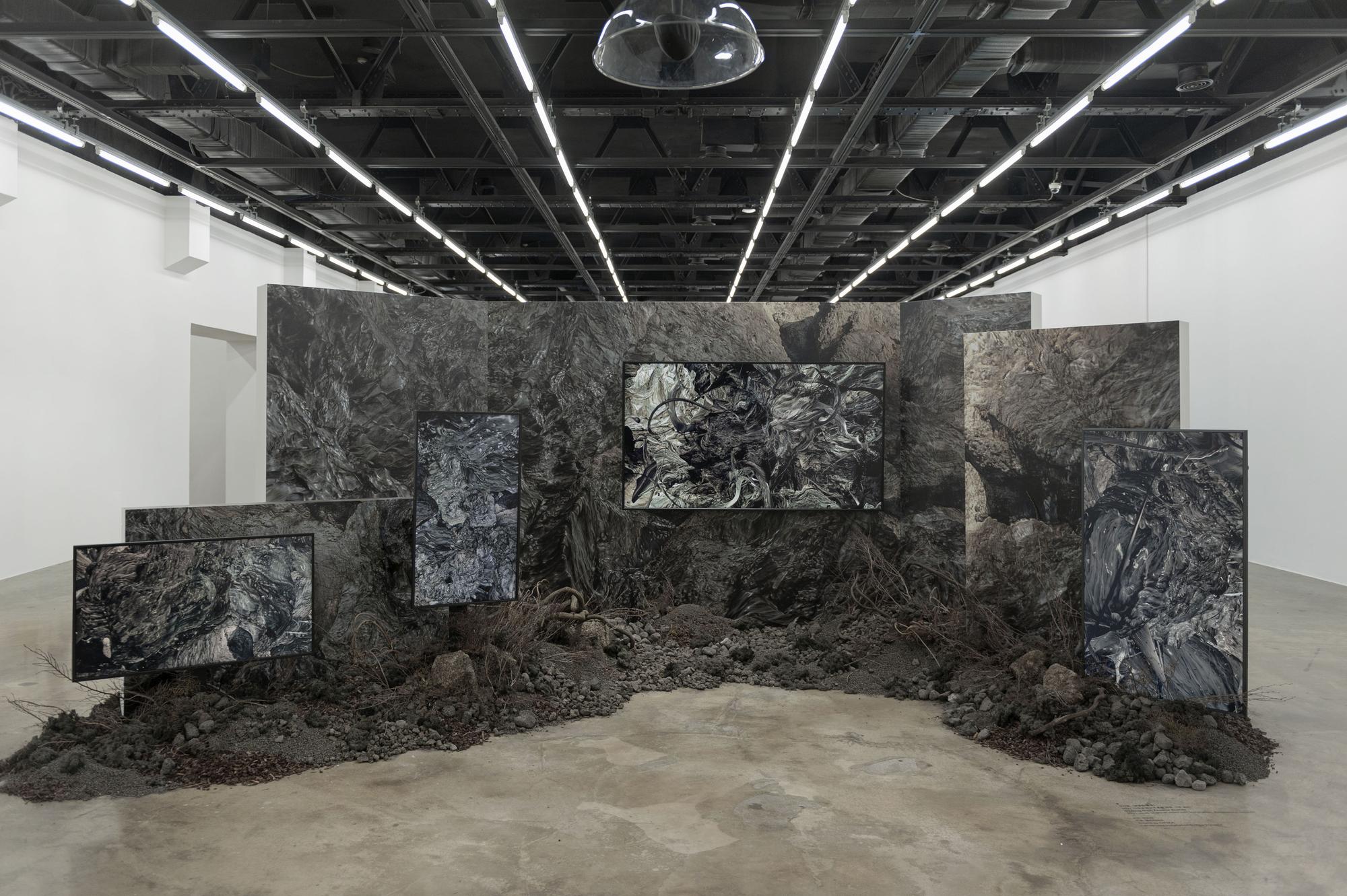
Goo also prefers installation methods that encourage physical immersion. In Exceeded Scenes(2025), he uses natural materials such as moss, soil, and saprolite, allowing the digital images to interact with physical substances. This setup enables viewers to move between natural and virtual spaces, fostering a bodily engagement with the work.

Topography & Continuity

From the beginning of his career, Gijeong Goo has consistently focused on the relationships between technology, humans, and nature. He critically examines how digital technology distorts visual perception and how it transforms human sensory experiences. While his early works concentrated on the collapse of originality through technological reproduction and image layering, his recent projects explore how digital environments reconstruct human bodily experiences and reconfigure human-nature relationships.

Goo’s practice sensitively captures the complex perceptual structures shaped by technological progress while offering new visualizations of how humans and nature can coexist through digital media. By presenting technology, the human body, and nature as interconnected rather than separate, his work proposes a new paradigm for coexistence in the digital age.

His projects transcend traditional visual art, using media to reconstruct human sensory experiences through installations and performances. By creating environments where viewers can actively participate, his works encourage the audience to become aware of the fluid boundary between reality and virtuality. This participatory aspect highlights the evolving sensory dynamics of contemporary life.

As Gijeong Goo continues his artistic journey, he is expected to further explore future scenarios where digital technology and nature coexist. His work challenges anthropocentric thinking by suggesting new interactions between technology and nature, maintaining his critical approach to how digital media reshapes human experience.

Works of Art

The Human-Machine-Nature Relationship Between Reality and Virtuality

Exhibitions

Activities