
Yona Lee (b.1986) - K-ARTIST
Yona Lee (b.1986)
Yona Lee (b.1986)

Yona Lee earned her BFA and MFA at the University of Auckland Elam School of Fine Arts.

Solo Exhibitions (Brief)

Yona Lee has held notable solo exhibitions including 《Wall, Floor, Ceiling》 (Fine Arts Sydney, Sydney, 2025), 《Spatial Layout Seoul》 (Art Sonje Center, Seoul, 2024), 《An Arrangement for 5 Rooms》 (Auckland Art Gallery Toi o Tāmaki, Auckland, 2022), 《Kit-set In-transit》 (Fine Arts Sydney, Sydney, 2021), and 《In Transit》 (City Gallery Wellington, Wellington, 2018–2019). Through these exhibitions, Lee has explored architectural space and the boundaries of public and private domains via site-specific sculptural language.

Group Exhibitions (Brief)

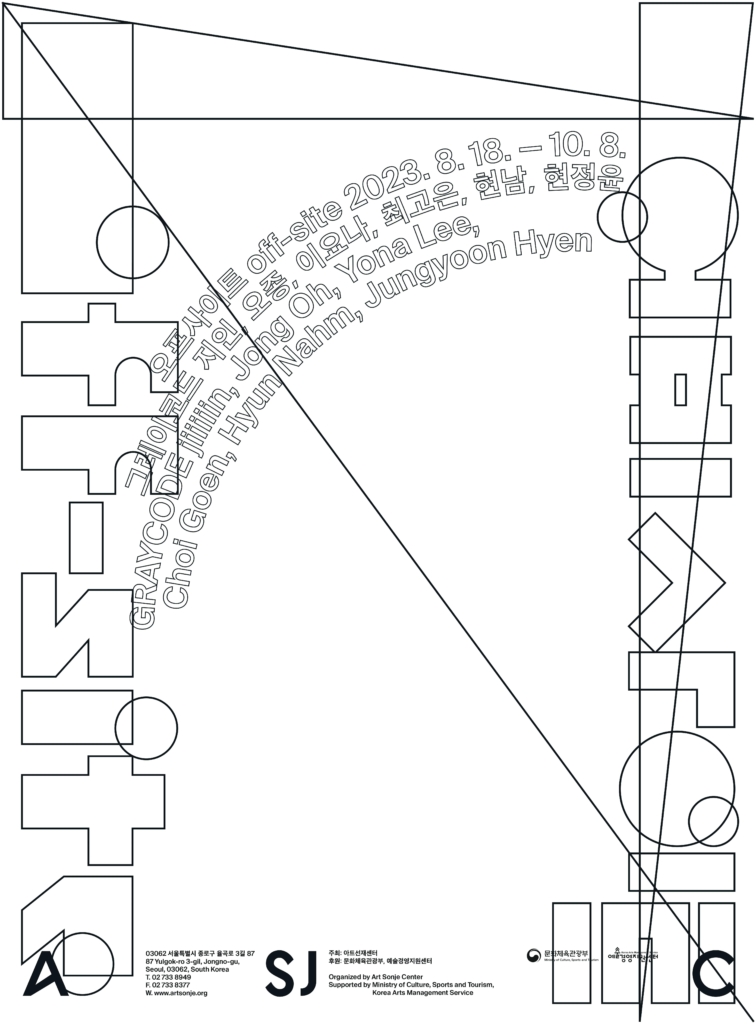
Yona Lee has participated in numerous international group exhibitions and biennales, including Buxton Contemporary (Melbourne, 2024), Art Sonje Center (Seoul, 2023), Dunedin Public Art Gallery (Dunedin, 2022), Busan Biennale (Busan, 2020), Lyon Biennale (Lyon, 2019), Sungkok Art Museum (Seoul, 2016), and Changwon Sculpture Biennale (Changwon, 2016). Her installations often engage with architectural structures and urban environments through materials and gestures that reframe spatial experience.

Residencies (Selected)

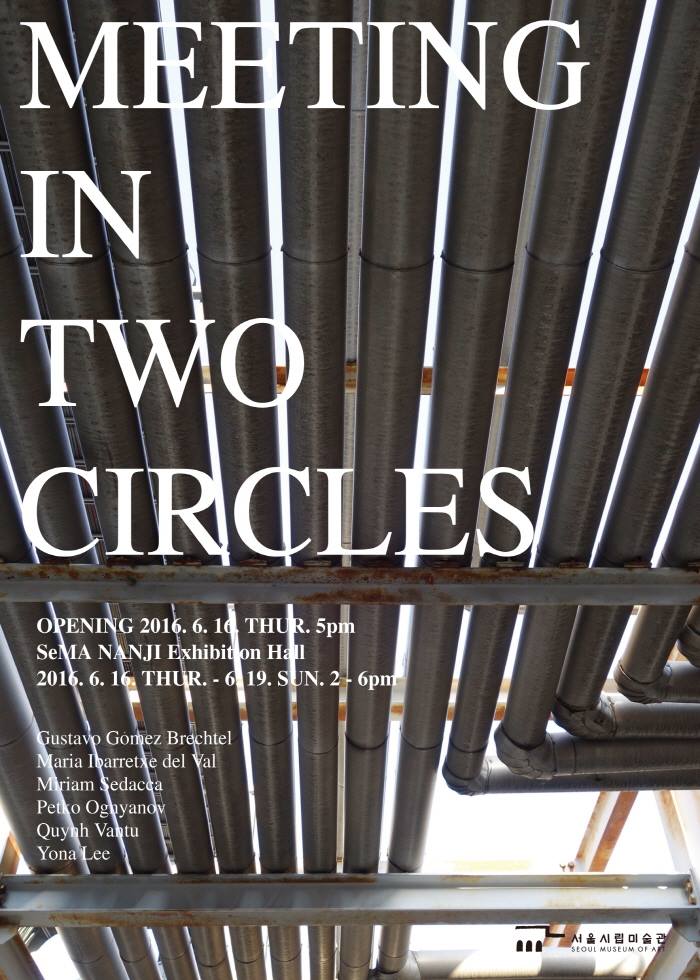
Lee has been selected for major residencies including Jan van Eyck Academie (Maastricht, Netherlands, 2021–2022), Govett-Brewster Art Gallery (New Plymouth, New Zealand, 2020), Nanji Residency (Seoul Museum of Art, 2016), and Geumcheon Art Factory (Seoul, 2016). These experiences have contributed significantly to her exploration of spatial response and sculptural strategies.

Works of Art

Dismantles Spatial Boundaries

Originality & Identity

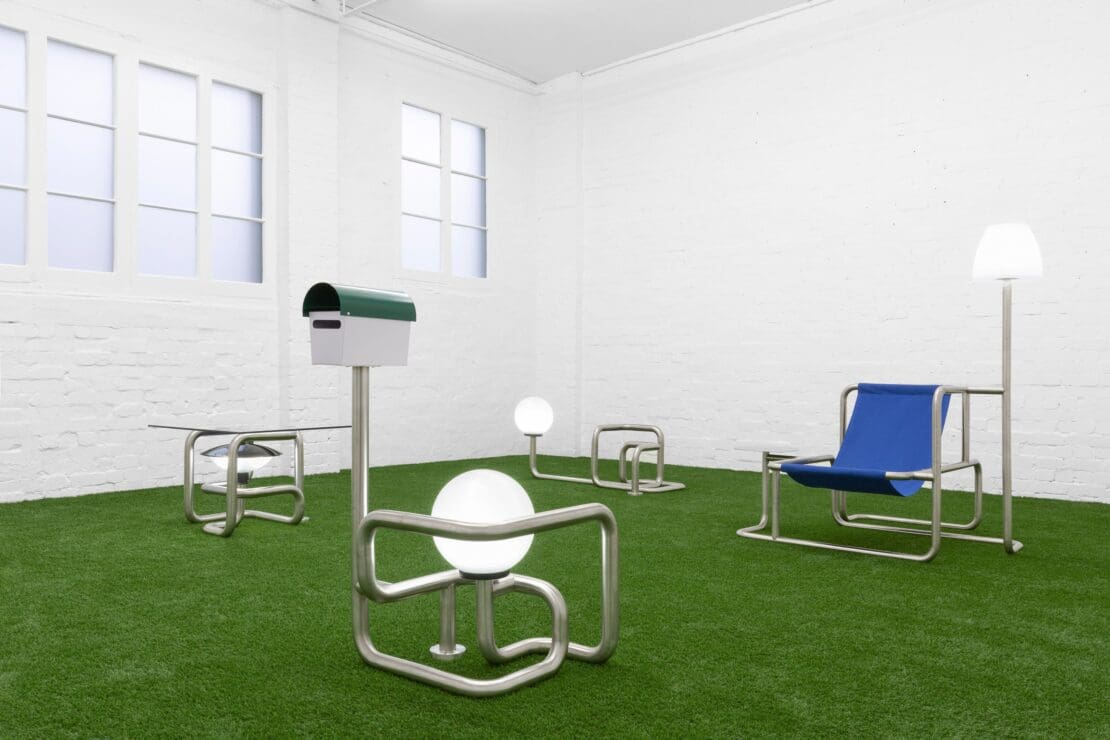
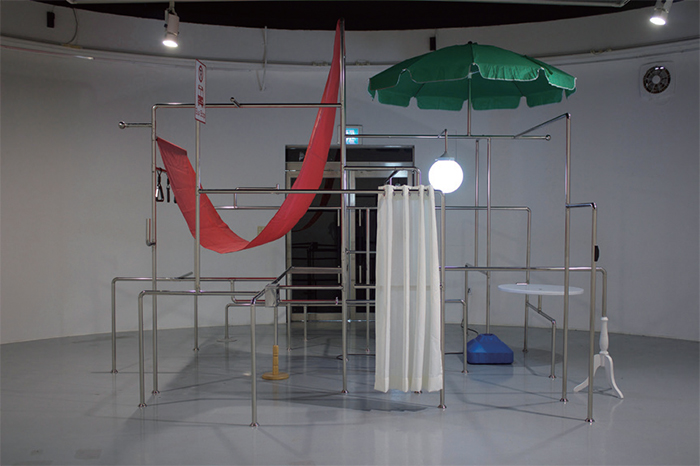
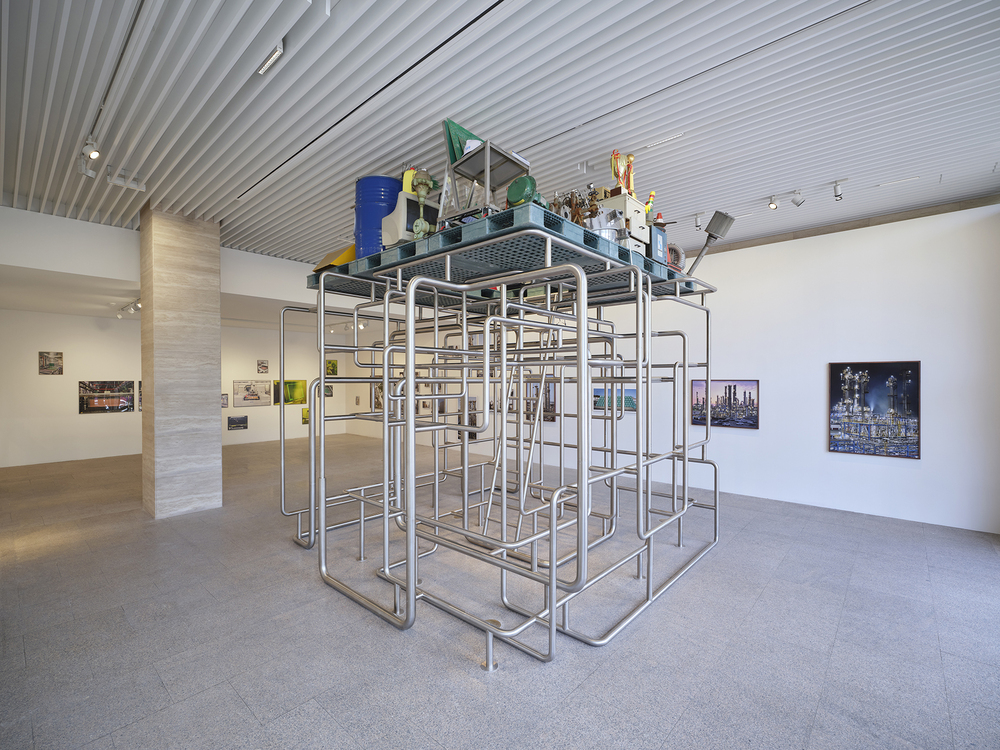
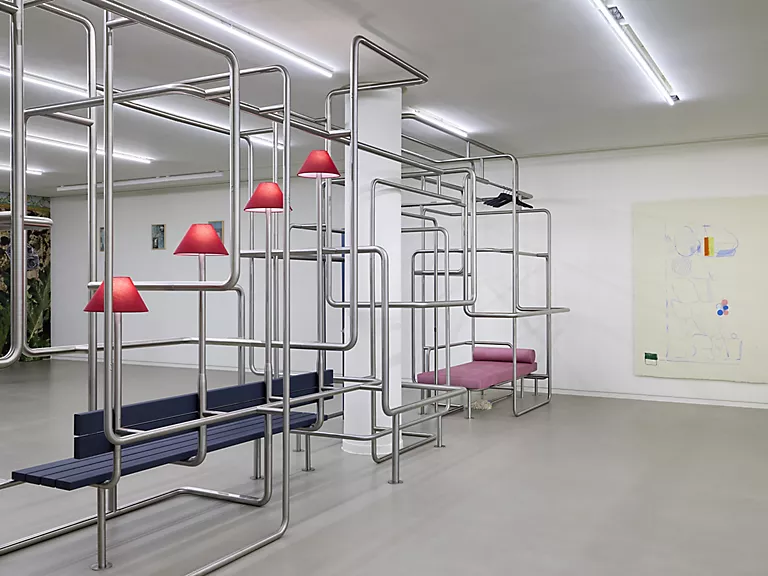
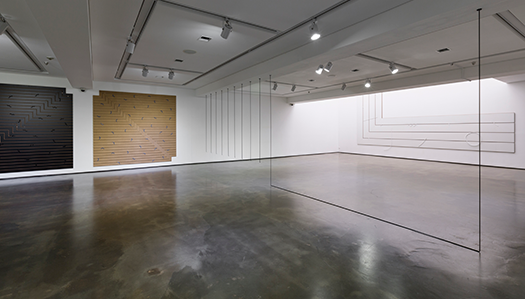
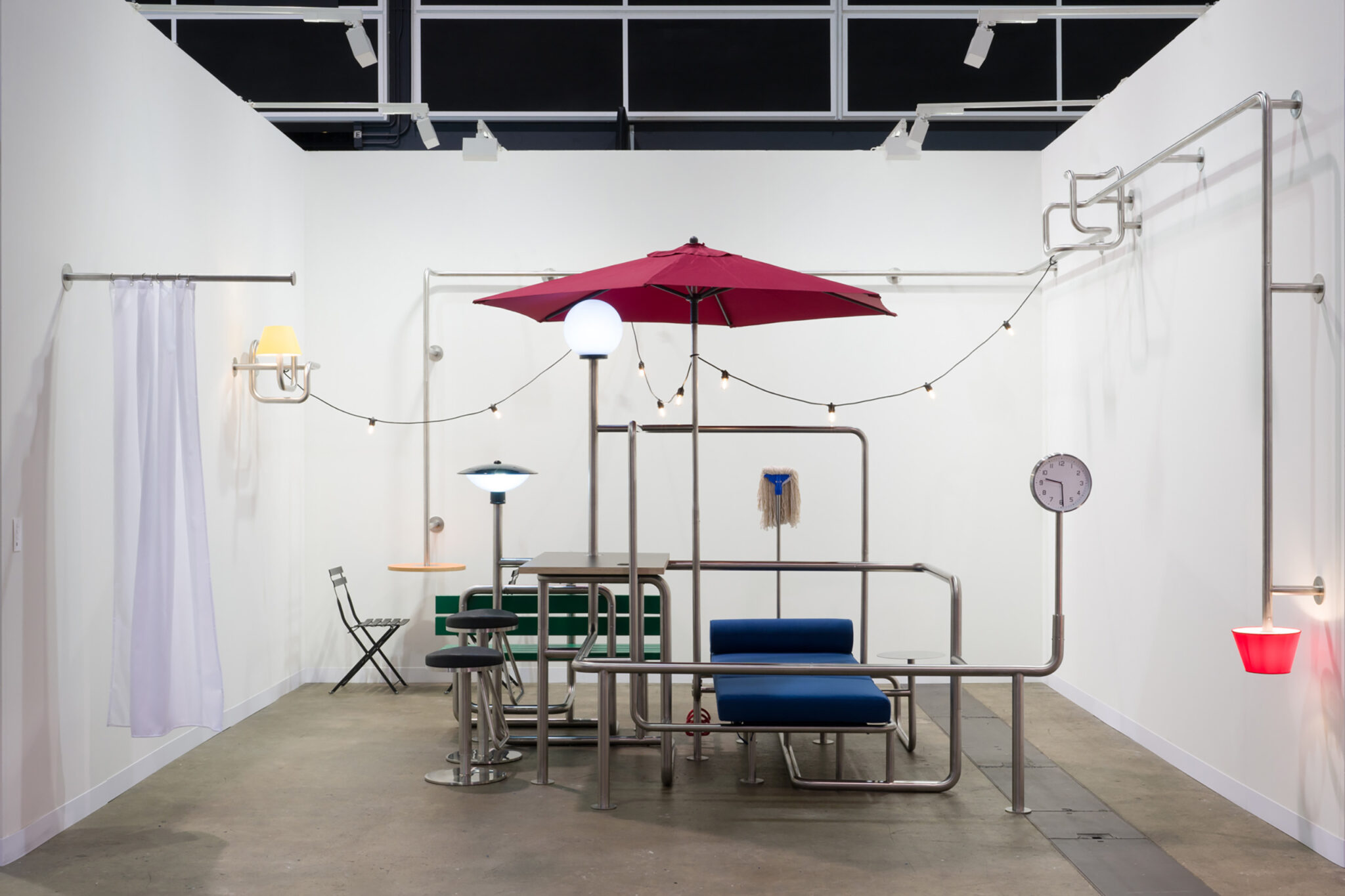
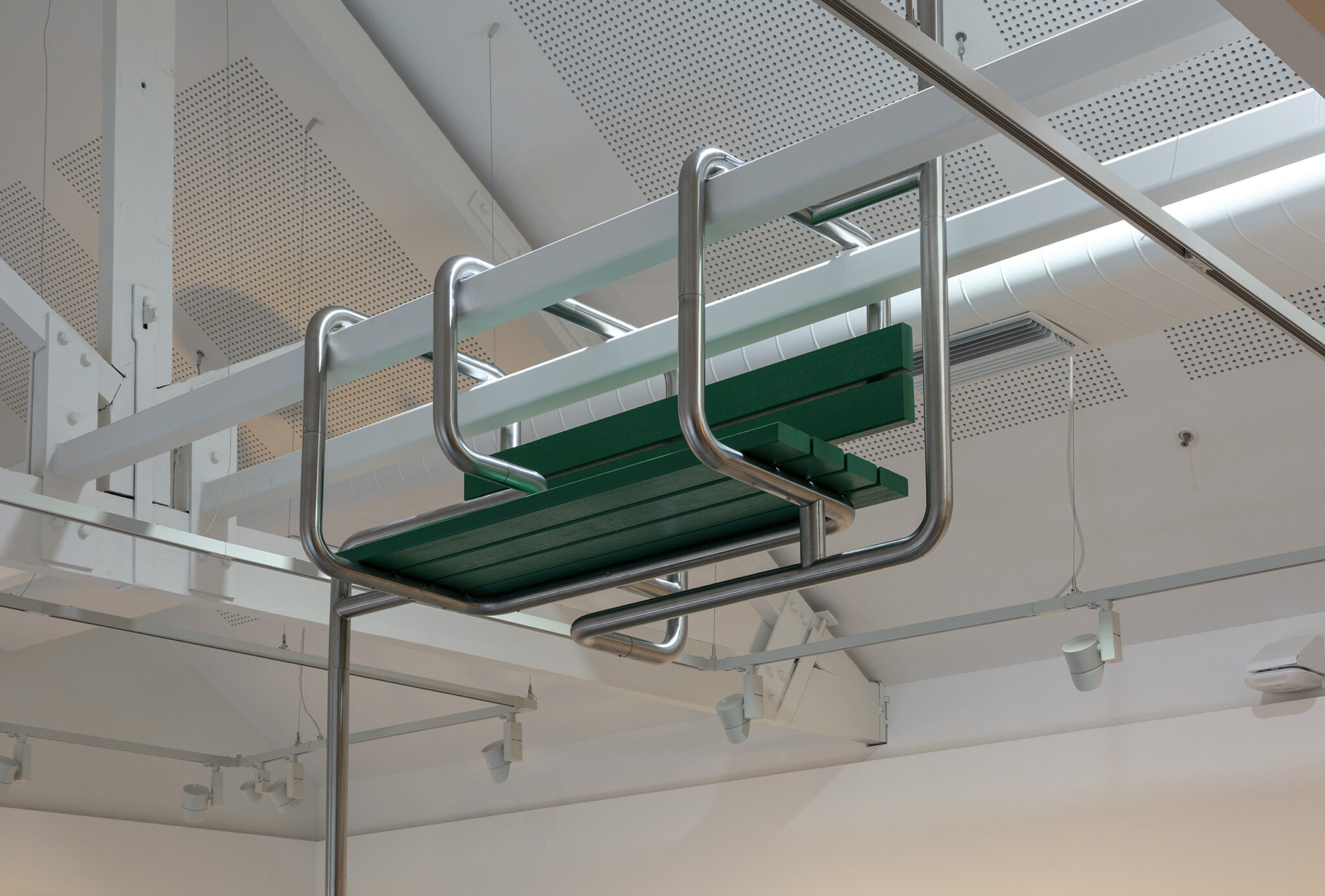
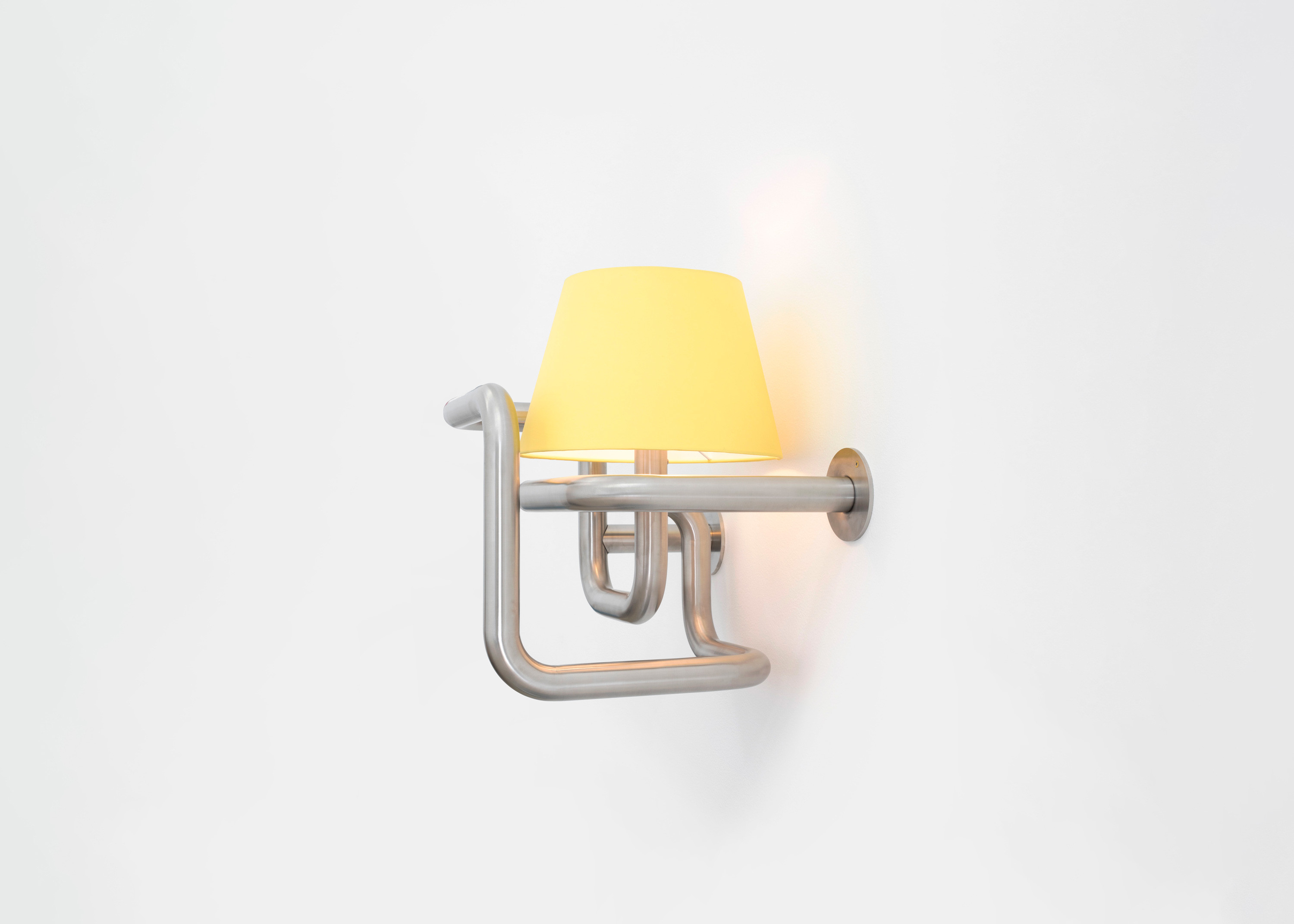
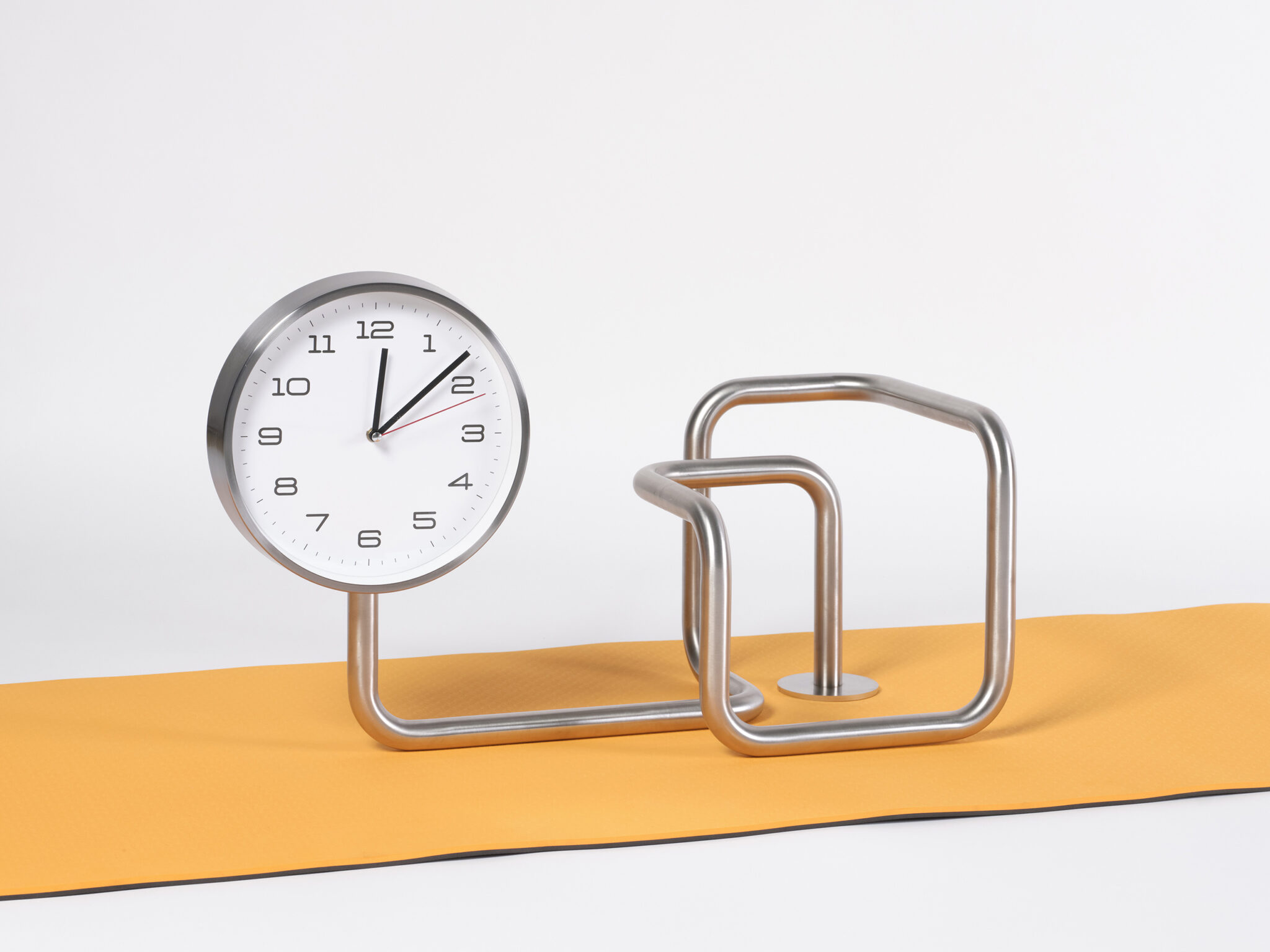
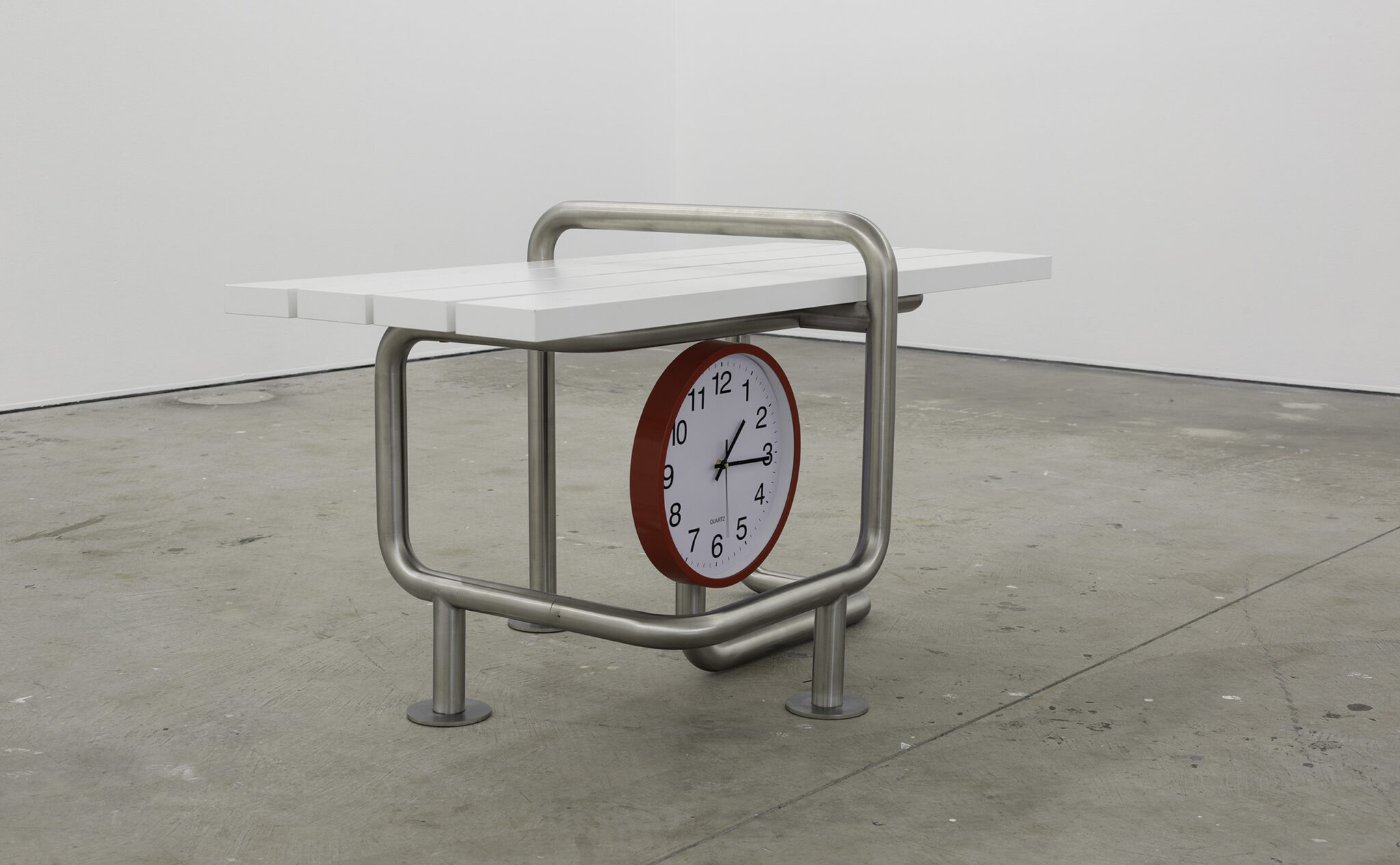
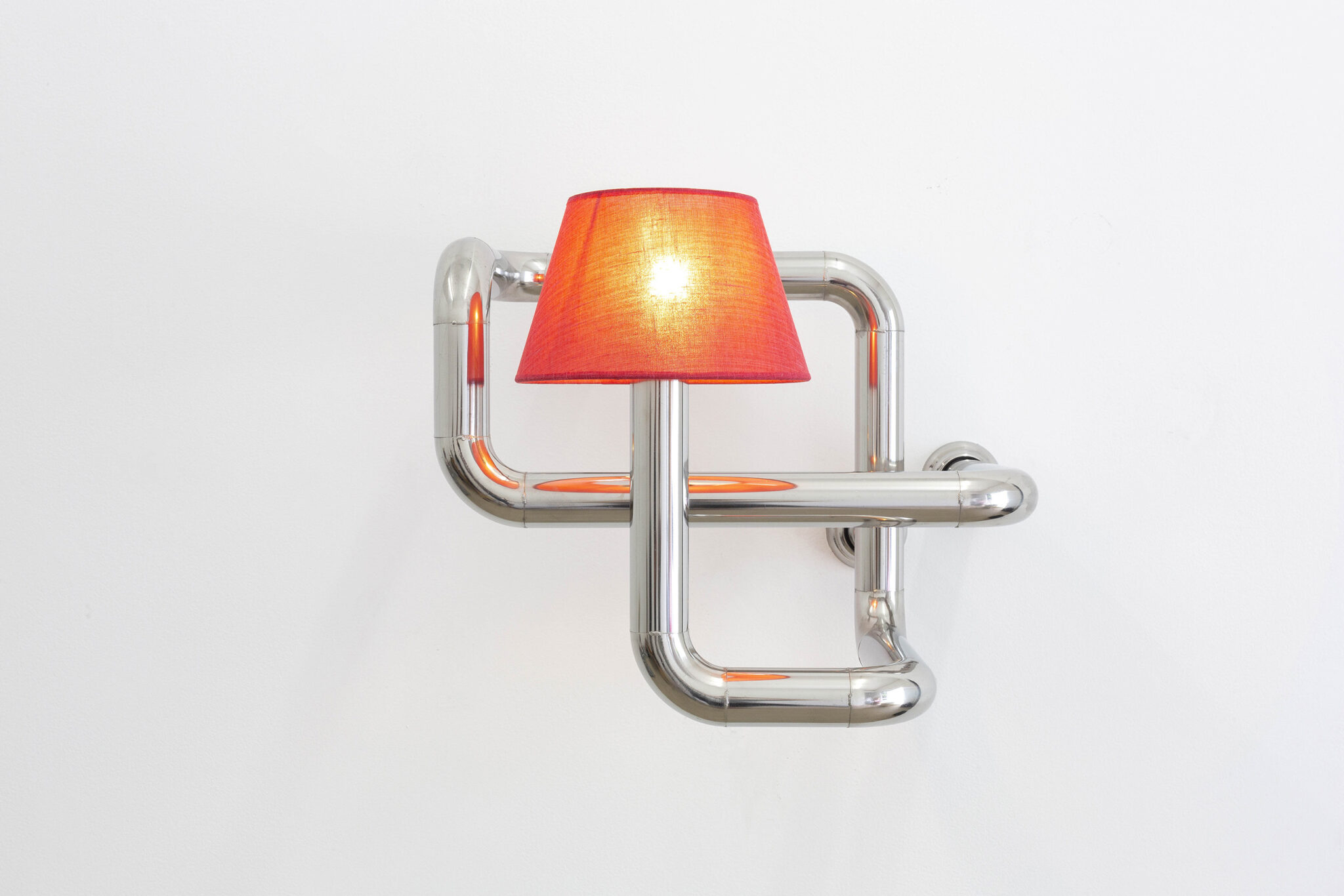
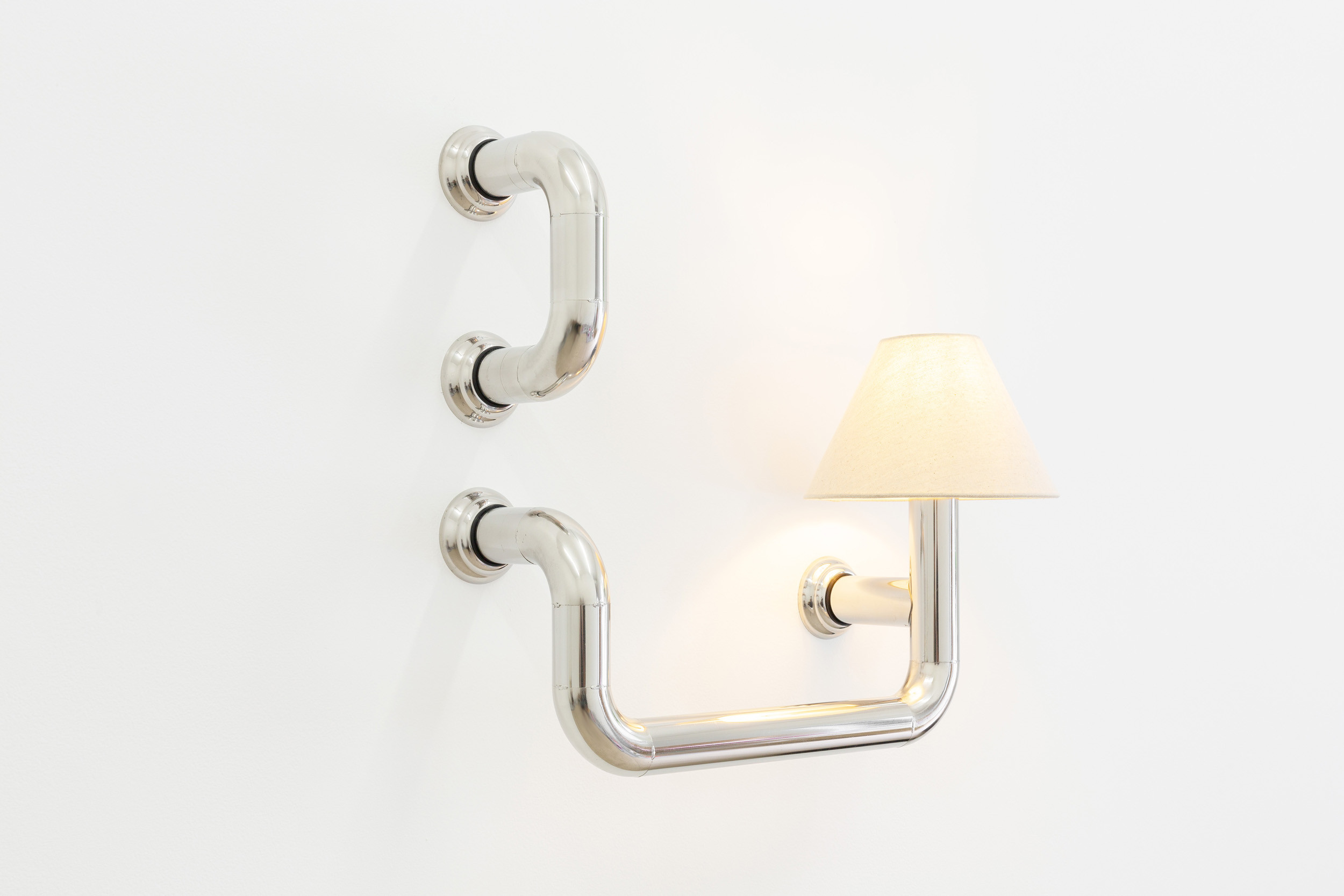
Yona Lee is known for her sculptural installations that combine stainless steel pipes with everyday objects to question the architectural and ideological frameworks embedded in urban spaces. Drawing from her early experiences as a cellist, she transitioned into the visual arts after a wrist injury, translating her fascination with sound into a visual language of lines, rhythm, and spatial resonance. Her works resist binary readings, proposing instead a dynamic understanding of place, infrastructure, and embodied navigation.

Her formative question—“What if the cello’s endpin extended endlessly into space?”—sparked her ongoing use of steel rods, a material that now forms the core of her site-responsive vocabulary. She is particularly interested in standard, ubiquitous objects found in cities—handrails, furniture, partitions—and reconfigures them in ways that both mirror and destabilize our physical relationship to space.

Style & Contents

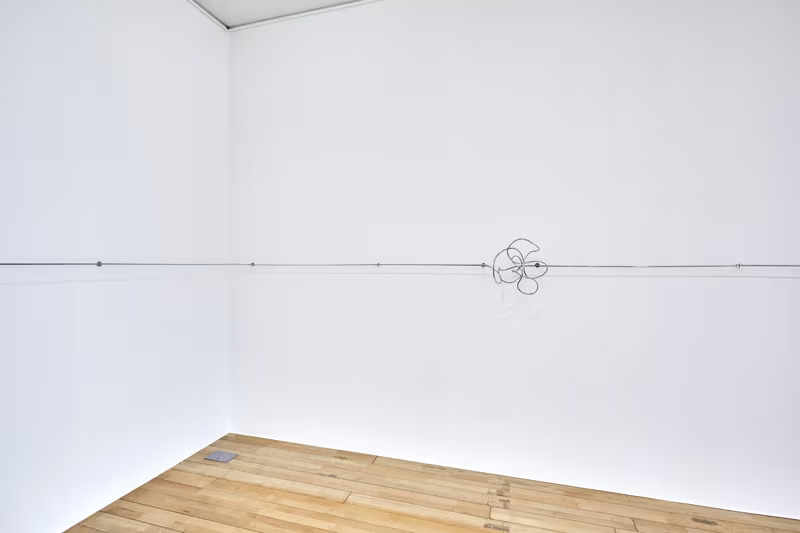
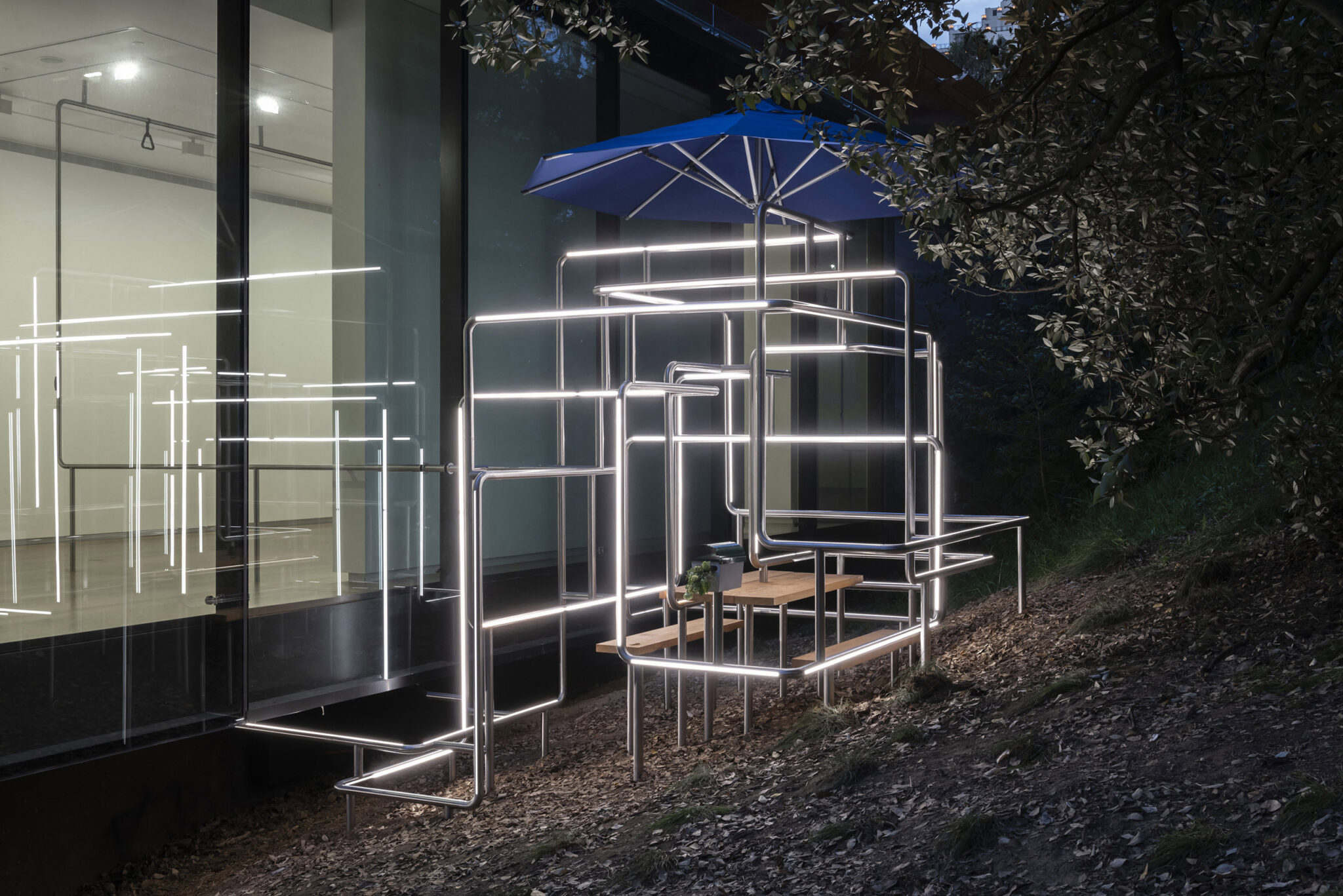
Lee’s practice is architectural in scale but personal in gesture. In early works like Line Works (2012), inspired by minimalism and constructivism, she used steel lines to trace abstract relationships within specific rooms. Her later pieces such as Tangential Structures (2013) introduced hybrid materials—plastic tables, parasols, tarpaulin—to create chaotic compositions that evoke sensory dislocation.

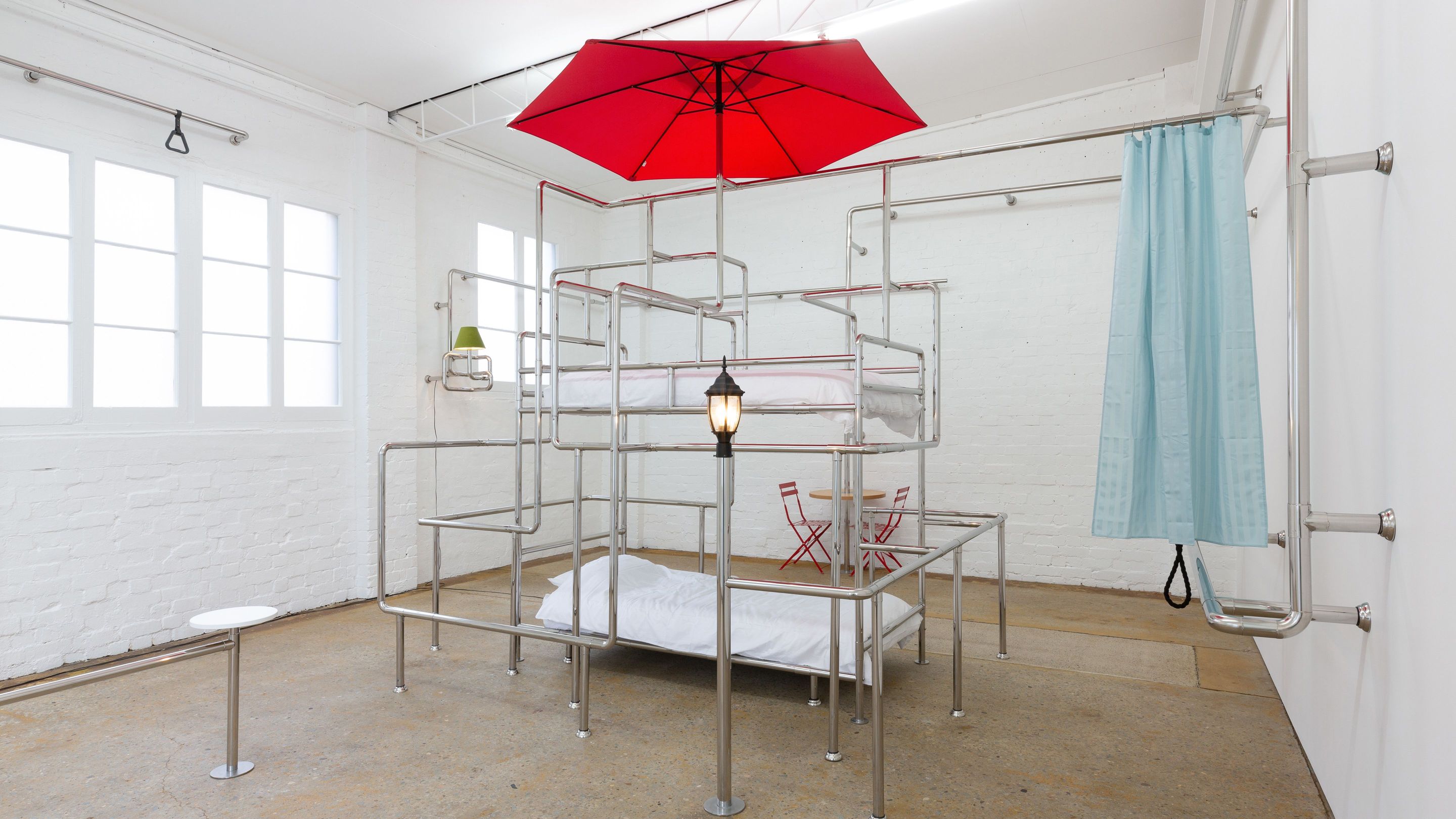
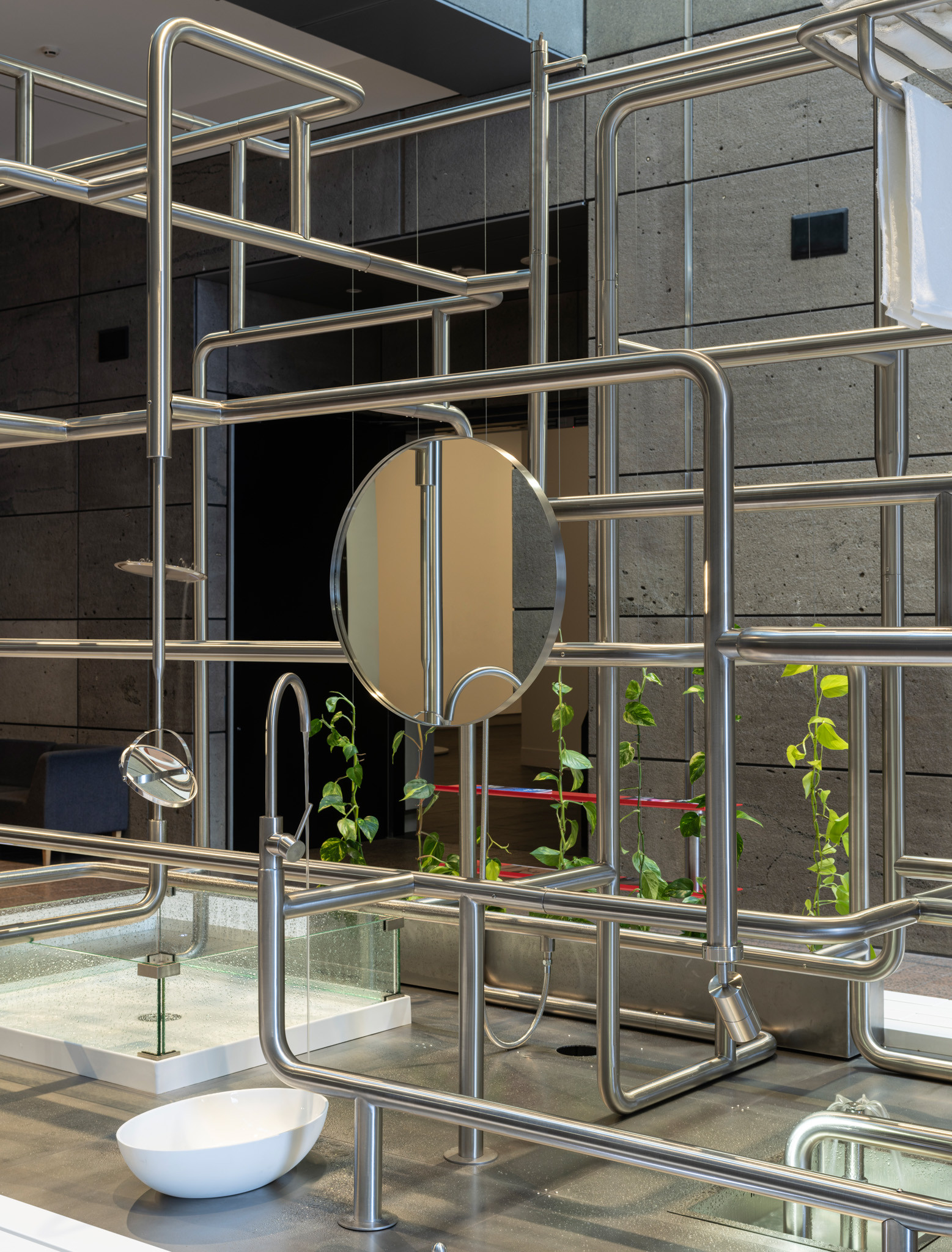
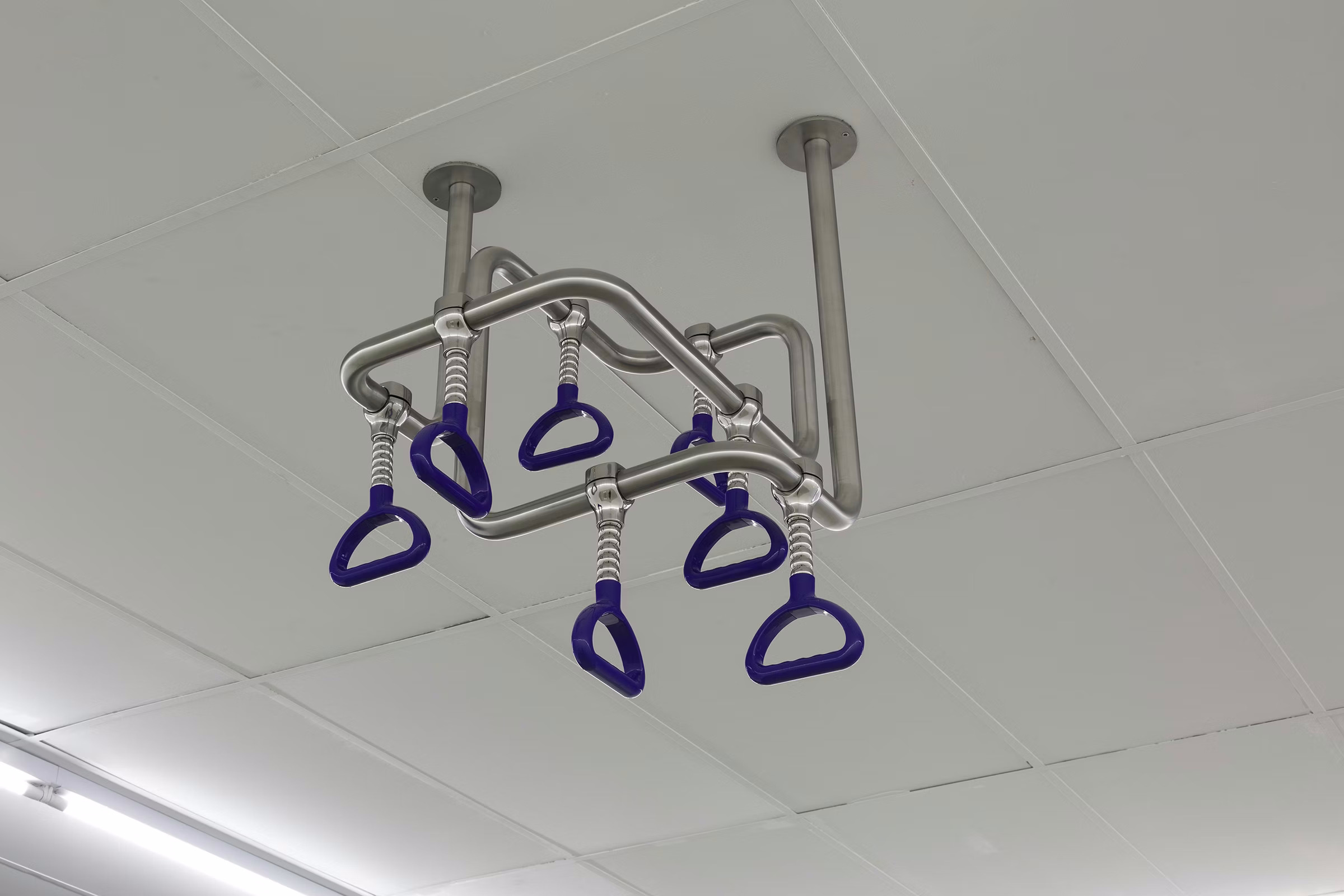
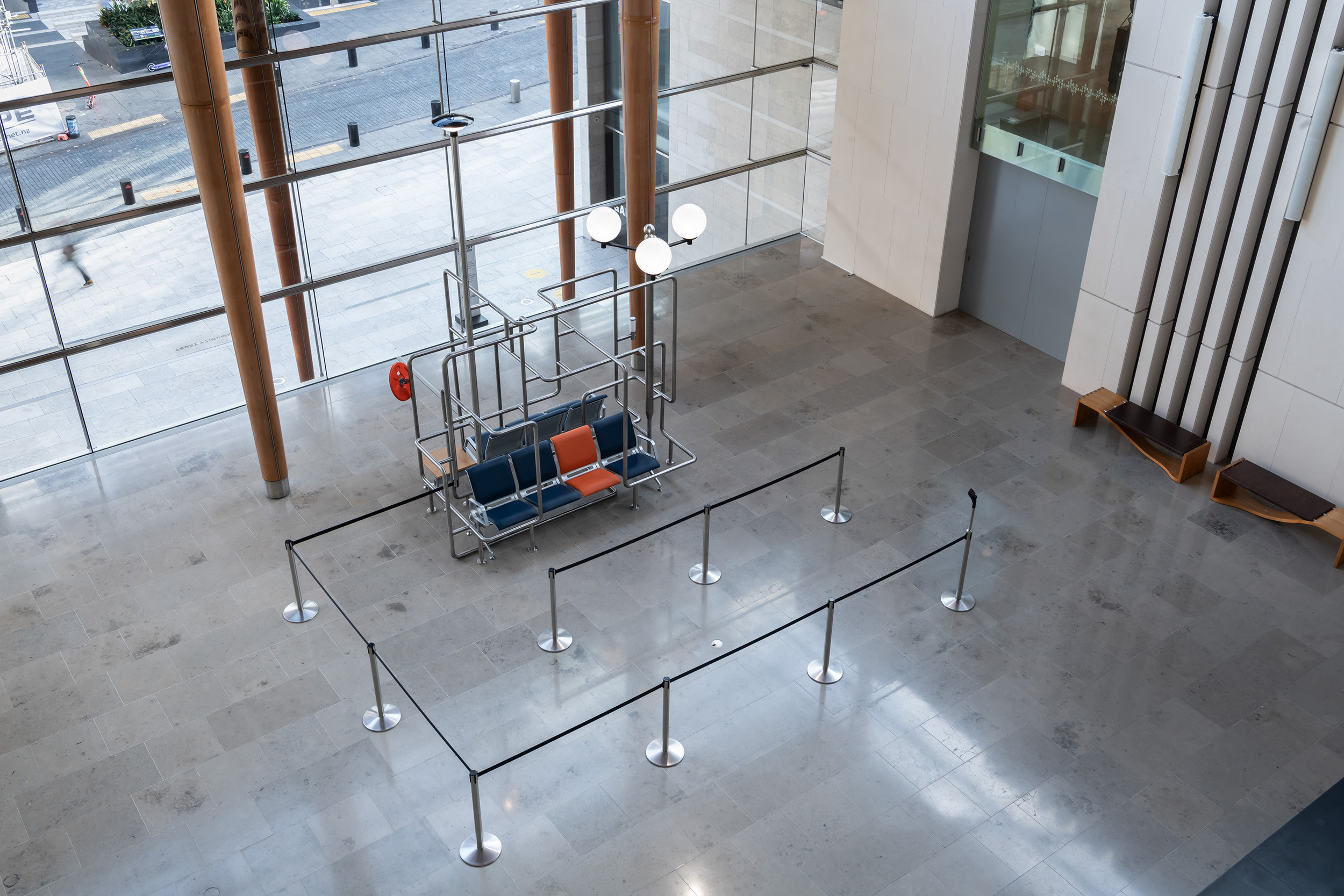
She often begins by studying the site: observing audience flow, mapping structural details, and modeling the space digitally using software like SketchUp or Blender. The resulting installations engage viewers through guided movement, blocked passages, layered visibility, and disrupted expectations. Steel handrails, subway straps, and household fixtures—repurposed as sculptural lines—become both functional and symbolic, referencing urban control as well as individual navigation.

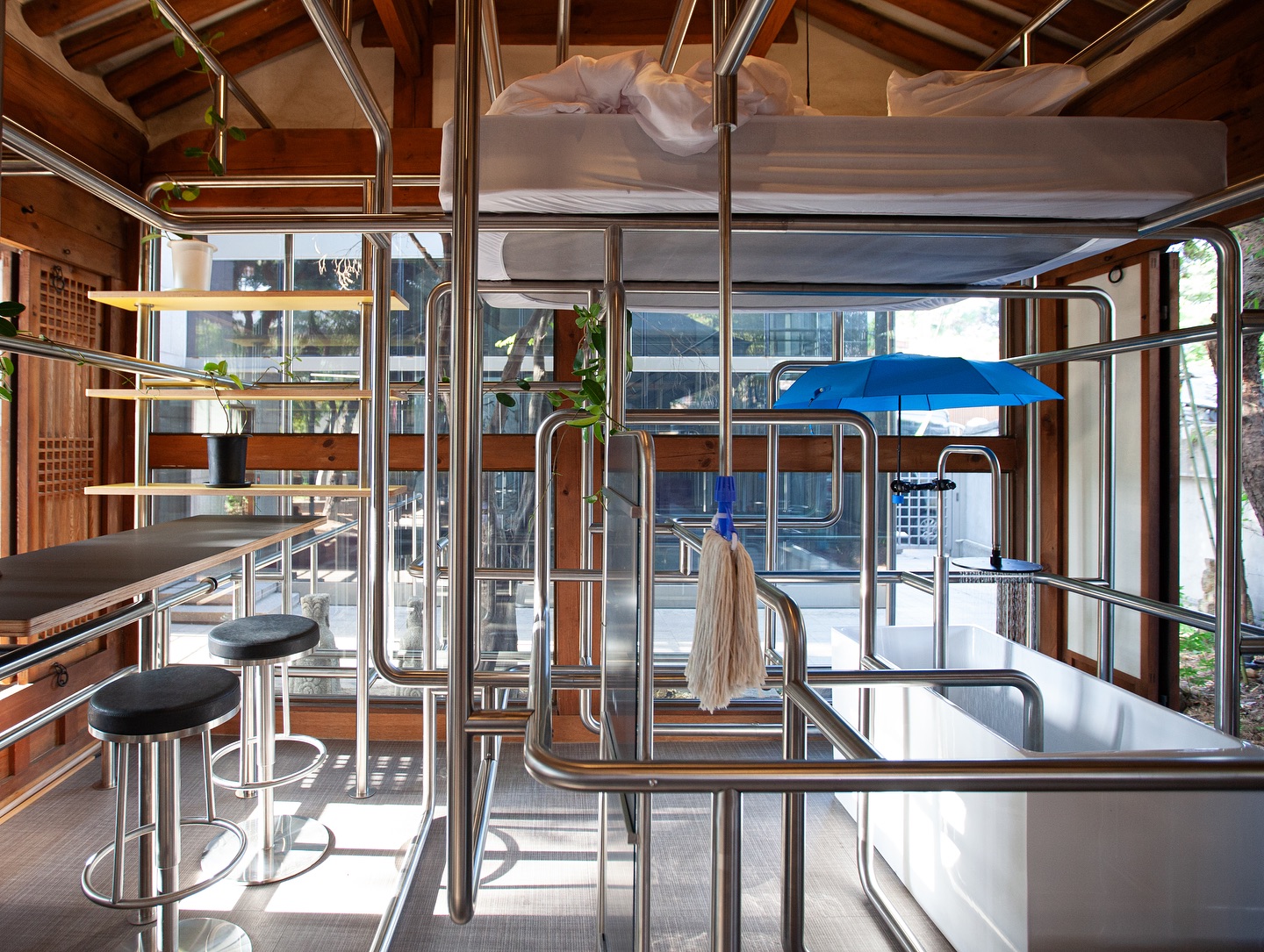
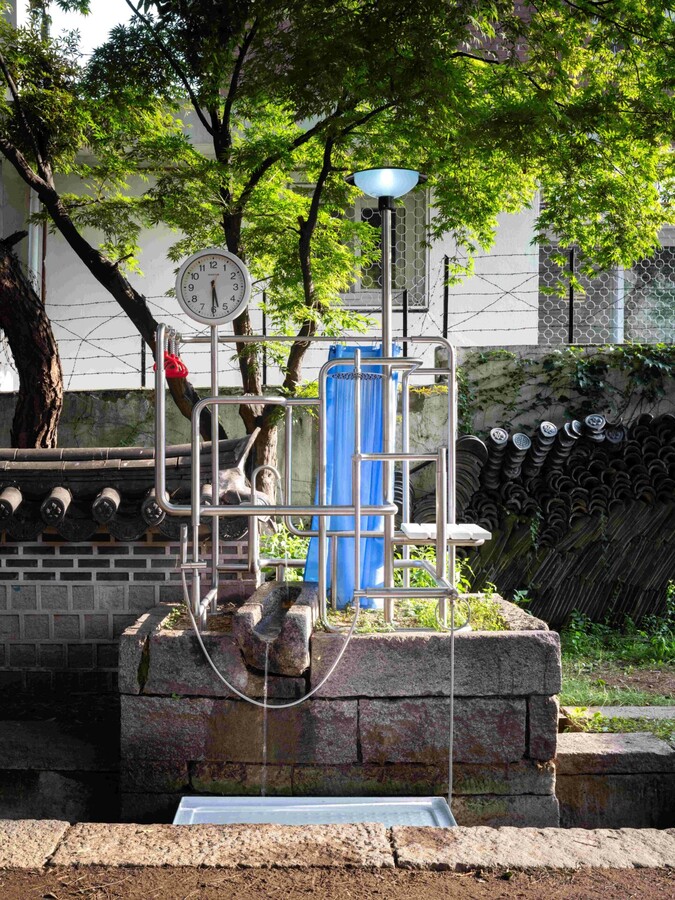
In works like In Transit (2016–2017), Fountain In Transit (2023), and Spatial Layout Seoul (2024), Lee complicates distinctions between public/private, inside/outside, and traditional/modern spaces. These installations—often beginning in a hanok and ending on a rooftop—reflect Seoul’s vertical spatiality, layered temporality, and fragmented urban memory. They act as heterotopic passageways that connect divergent realities into one embodied flow.

Topography & Continuity

Across cities like Busan, Seoul, and Lyon, Lee Yona’s installations anchor her sculptural logic to site-specific research. In En Route Home (Busan Biennale, 2020), she responded to the industrial and migratory history of Yeongdo Island by filling a warehouse with personal domestic objects—beds, toothbrushes, canned goods—inside a maze of stainless steel. In Fountain In Transit (2023), she animated a dormant courtyard fountain using bathroom fixtures and public infrastructure to create a temporary functional sculpture.

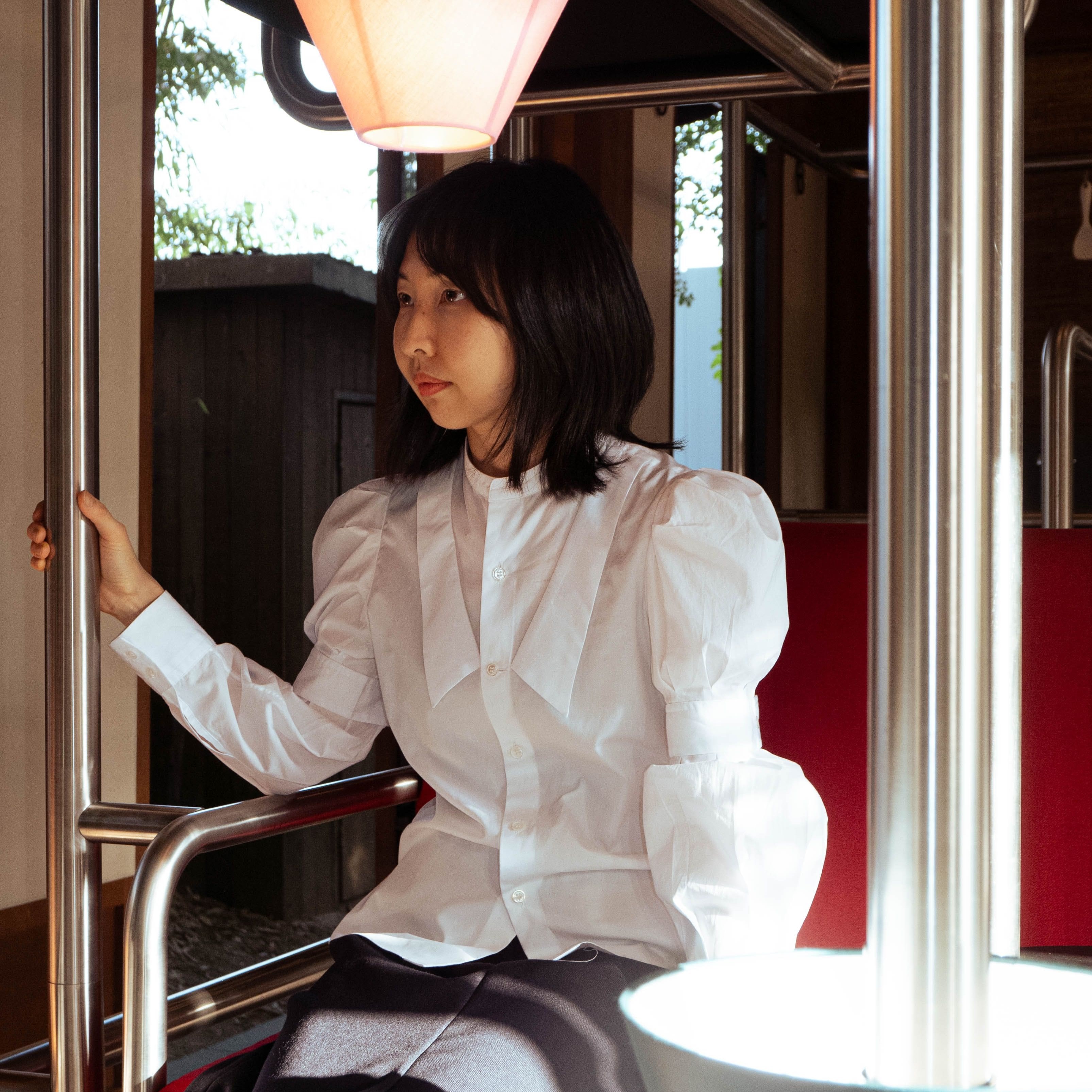
In Spatial Layout Seoul (2024), Lee mapped a route from a hanok to the rooftop of Art Sonje Center, incorporating subway motifs, household furniture, and standard building materials to explore Seoul’s dense topology. Her use of public transit references (bells, straps, lights) transforms her sculptural environments into fluid spatial narratives. The viewer becomes a traveler, constantly crossing boundaries and reconfiguring orientation.

Her heterotopic installations stage encounters between the familiar and the uncanny, constructing alternate geographies that are rooted in lived experience yet open to poetic reimagination. Lee’s practice is ultimately an invitation to rethink urban existence through sensory detours and unexpected spatial intimacy.

Works of Art

Dismantles Spatial Boundaries

Articles

Exhibitions

Activities