Yoon Young Park (b.1968) - K-ARTIST
Yoon Young Park (b.1968)

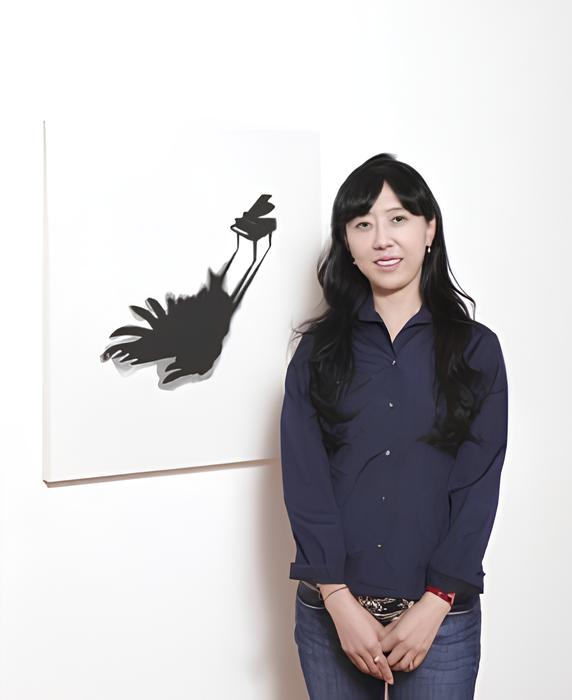
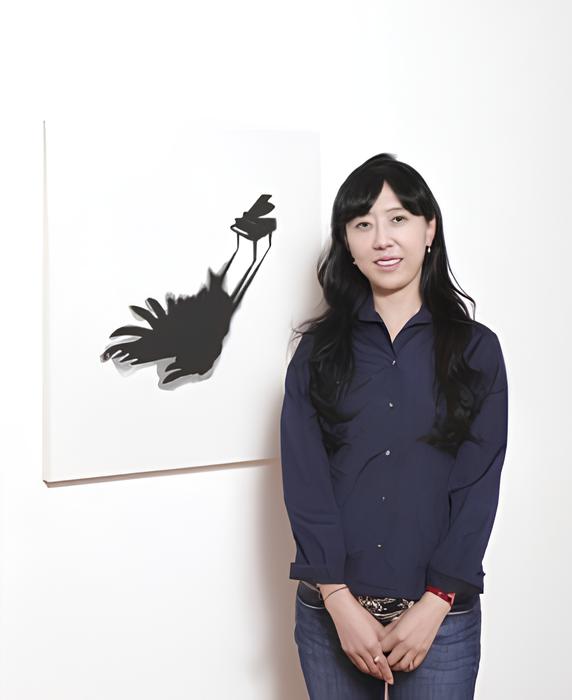
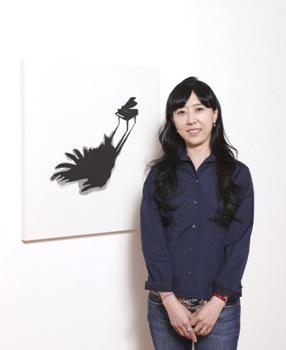
Yoon Young Park received her B.F.A. and M.F.A. in Korean Painting from Ewha Womans University in Seoul, Korea. Park lives and works in both Canada and Seoul, Korea.

Solo Exhibitions (Brief)

Park has had solo exhibitions at Ilmin Museum of Art (Seoul, 2019-2020), DOOSAN Gallery (New York, 2011), Mongin Art Center (Seoul, 2010), ARARIO GALLERY (Cheonan, Korea, 2007), and Insa Art Space (Seoul, 2005).

Group Exhibitions (Brief)

Her work has also been included in various group exhibitions at the world’s leading institutions including the National Museum of Modern and Contemporary Art, Korea (Gwacheon, Korea, 2010), Atelier Hermes (Seoul, 2009), The National Museum of China (Beijing, 2007), Leeum Museum of Art (Seoul, 2006) and UNESCO (Paris, 2006). 

Awards (Selected)

Park received Hermès Foundation Missulsang in Hermes Foundation.

Residencies (Selected)

Park was selected for the DOOSAN Residency New York(2011), Changdong Art Studio(2004).

Works of Art

Reconstructs Real-life Events Through Artistic Imagination

Originality & Identity

Yoon Young Park’s practice begins by blurring the boundaries between brutal real-world incidents and personal experiences, persistently questioning and dismantling the truthfulness of what we consider “facts.” In works such as Pickton Lake (2005), the artist explores real serial murder cases, uncovering hidden emotions and narratives buried beneath official reports and records. These events, when filtered through Park’s imagination, form multilayered stories that reveal a tense interplay between reality and fiction.

Park is particularly drawn to forgotten or marginalized places, people, and inexplicable incidents, often sparked by a sense of curiosity. In Sleep Walking on Pad (2004), for instance, she links an idealized depiction of menstruation in a television commercial to a parody of the traditional painting Mongyu Dowondo (Dream Journey to the Peach Blossom Land), thereby critiquing utopian illusions embedded within everyday life. Through such approaches, she deconstructs social myths and media representations, reconfiguring them with a grounded and critical perspective.

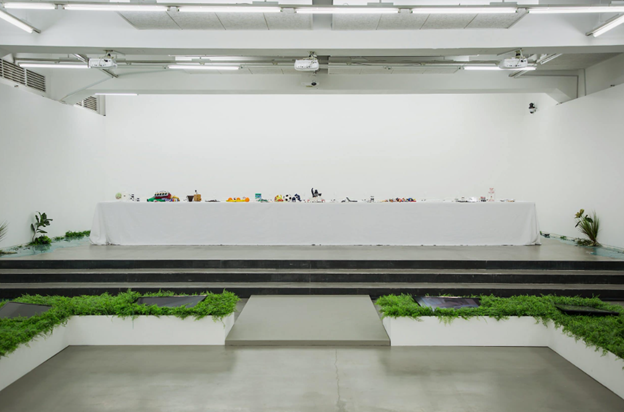
In her solo exhibition 《Ixtlan Stop》(Arario Gallery, 2007), Park imagines a fictional place called “Ixtlan” as a site where tragic events in the world could be healed. This conceptual space allows her to explore an alternative narrative structure, one that transcends trauma and reclaims the possibility of existence beyond re-enactment. Her poetic imagination expands in these works, not by denying reality, but by attempting to transform it.

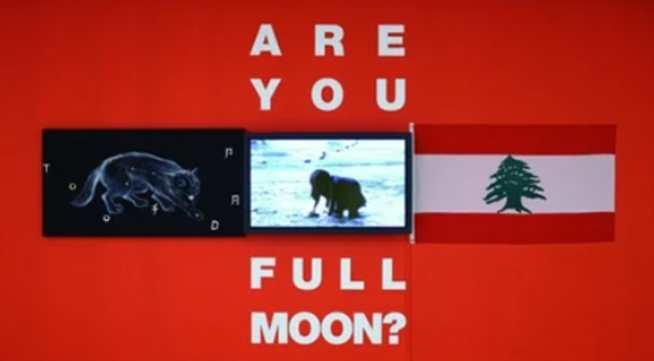
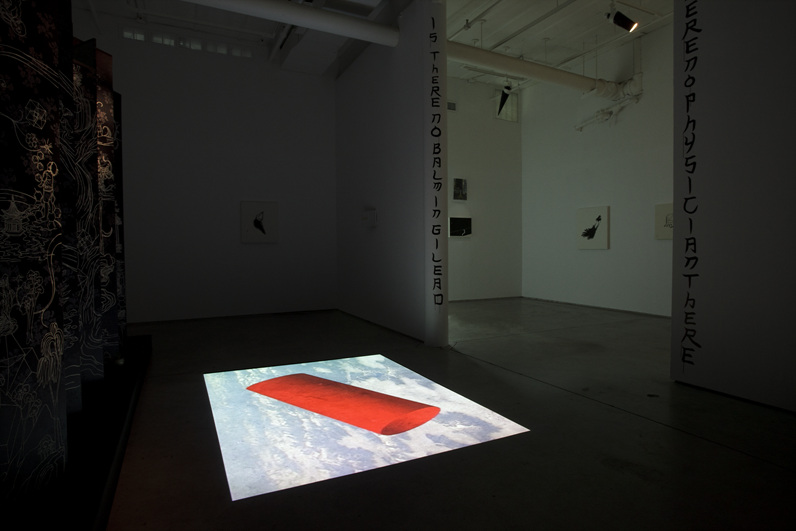
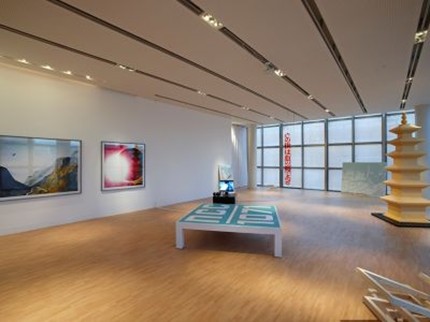
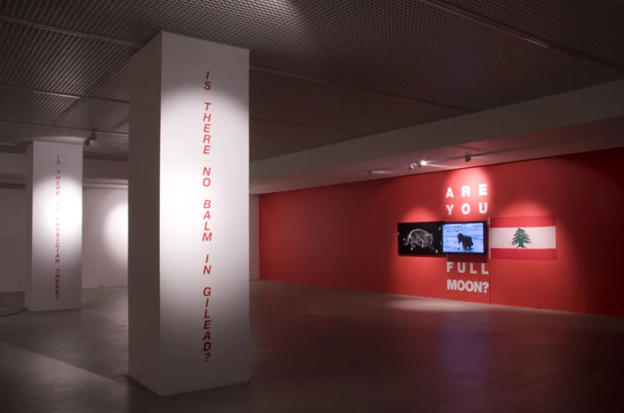
In a more recent solo exhibition, 《YOU, Live!: Twelve-Door Handles》(Ilmin Museum of Art, 2019), Park juxtaposes large-scale contemporary disasters—such as Chernobyl, Fukushima, and the invasion of Libya—with the personal symbolism of “door handles.” Through overlapping fragments of time, space, and memory, she leads viewers away from linear cause-and-effect storytelling and into nonlinear, poetic speculation.

Style & Contents

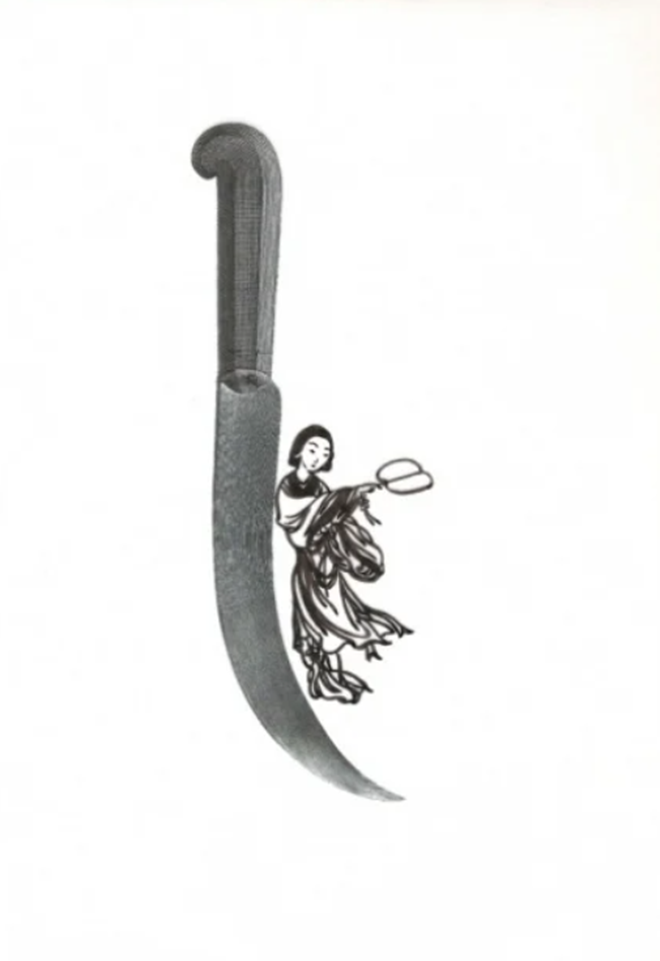
Yoon Young Park constructs her own visual language by drawing from the formal grammar of traditional Korean painting while integrating diverse elements such as logos, pictograms, photographs, videos, texts, and installations. In her early work Kleenex Landscape (2003), she humorously and incisively painted a landscape on an everyday tissue box, creating a subtle tension between reality and fantasy. This early experiment marked her departure from the boundaries of fixed media and her reconfiguration of traditional formats.

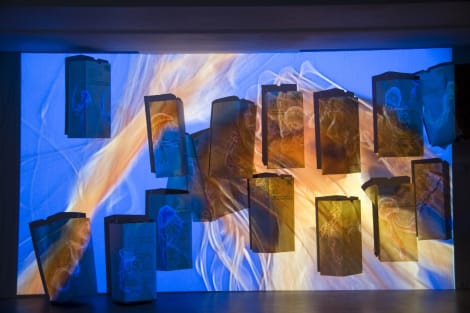
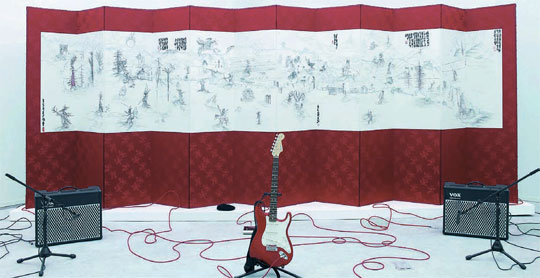
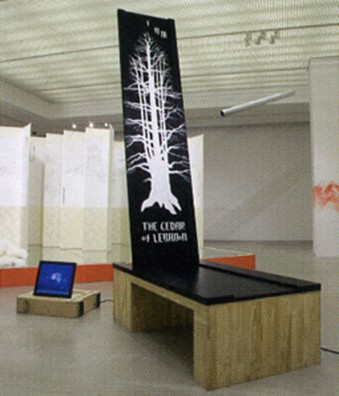
In works like Pickton Paradise (2004) and The Shadow Lake (2005), Park adopted the structure of a traditional folding screen, using it as a multi-image platform capable of containing fragmented narratives. The folding screen served not merely as a pictorial support, but as a complex device that integrates painting, sculpture, installation, and video—allowing her to construct narrative environments out of scattered visual clues. This structural approach later developed into her multimedia theater-exhibition hybrid in 《YOU, Live!: Twelve-Door Handles》.

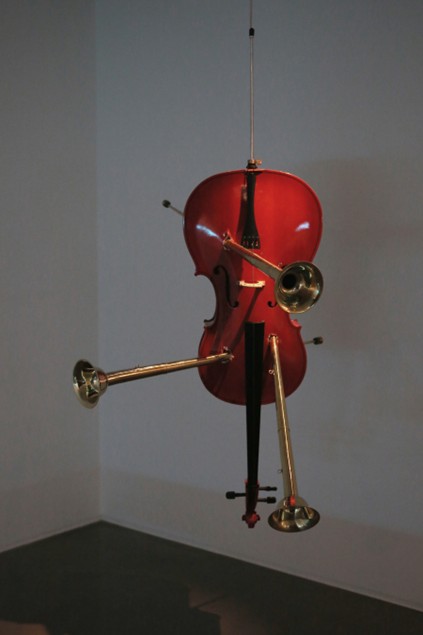
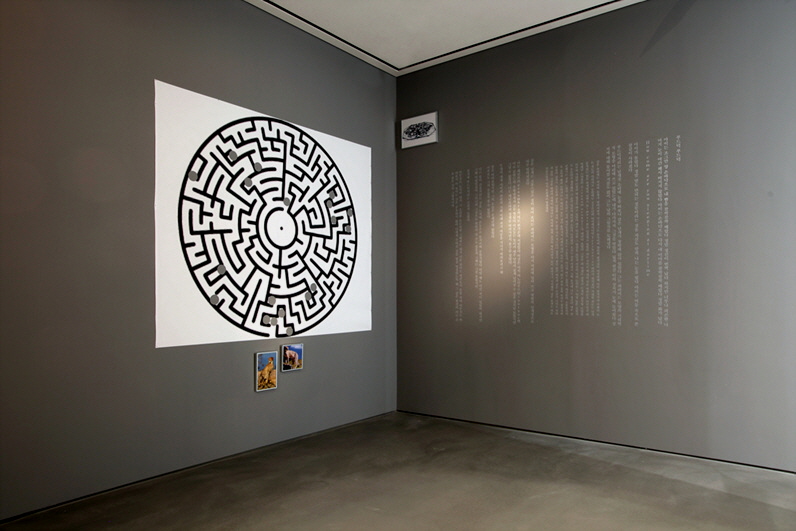
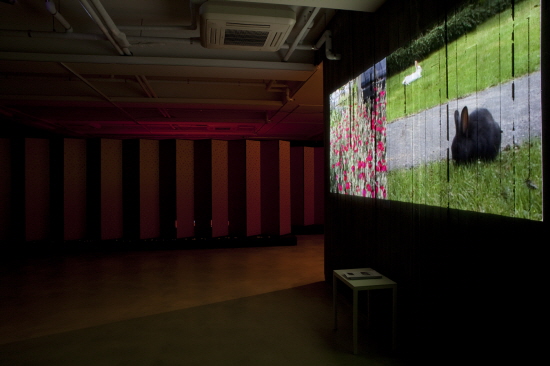
That exhibition is composed of twelve interwoven scenarios combining the artist’s autobiographical reflections and research into historical disasters. It employs a mix of scripts, drawings, sounds, videos, archives, and sculptures to form a unified installation. Park doesn’t limit storytelling to a single medium; rather, she distributes it across multiple dimensions of space and time, effectively weaving the exhibition into a single narrative structure.

In 《Ixtlan Stop》, hallucinogenic plants such as peyote, jimson weed, and psilocybin mushrooms are visualized as organic entities that grow over and envelop physical triggers of violence, such as guns and oil tankers. This motif borrows from traditional ink painting’s symbolism of growth and spread, suggesting a process of healing and regeneration in the face of human tragedy.

Topography & Continuity

Yoon Young Park has developed a unique visual and narrative language by linking the aesthetics of Korean painting to contemporary incidents. Her formal experiments with pictogram landscapes and logo landscapes, initiated in the early 2000s, evolved alongside her interest in re-investigating real-life events. Over time, her work has transformed into an expanded narrative structure encompassing painting, installation, scriptwriting, and video.

Rather than simply recreating or documenting tragedy, Park configures speculative intermediary spaces—such as “Ixtlan” or the world behind a “door handle”—where reality might be transcended or transformed. Her worldview, which constructs poetic and alternative responses to catastrophic events, is highly distinctive in the Korean contemporary art scene. Park stands out as one of the few artists capable of merging pictorial imagination with a dramaturgical mode of narrative construction.

If her early work in the mid-2000s focused on dismantling and reassembling the grammar of Korean painting, her more recent work in the 2010s has expanded into theatrical storytelling and participatory narrative structures. Exhibitions like 《YOU, Live!: Twelve-Door Handles》 reveal a new phase in her practice, marked by fragmented timelines and performative narration—elements likely to deepen in future works.

Currently based in both Seoul and Canada, Park is expected to further expand her narrative inquiries on a global stage. Her continued sensitivity to sociopolitical realities and flexible use of form position her as a key figure in the future of Korean contemporary art—particularly in its evolving engagement with narrative, memory, and imagination.

Works of Art

Reconstructs Real-life Events Through Artistic Imagination

Articles

Exhibitions

Activities