Sunny Kim (b.1969) - K-ARTIST
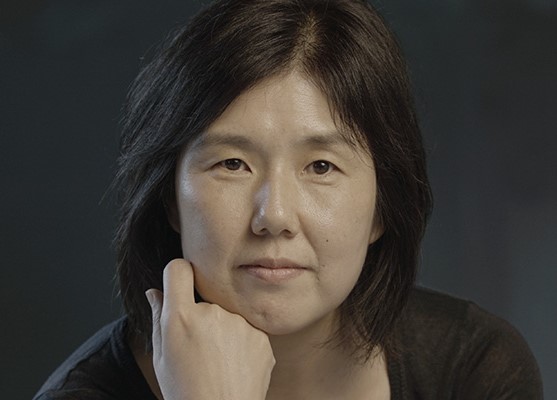
Sunny Kim (b.1969)
Sunny Kim (b.1969)

Sunny Kim received her BFA from The Cooper Union, N.Y. and her MFA from Hunter College, N.Y. She currently resides and works between Seoul and New York.

Solo Exhibitions (Brief)

Kim has held solo exhibitions at various venues, including Nathalie Karg Gallery (New York, 2021), A-Lounge (Seoul, 2020), Incheon Art Platform Theater (Incheon, 2014), Space bm (Seoul, 2013), Gallery Hyundai 16 bungee (Seoul, 2010), and Ilmin Museum of Art (Seoul, 2006).

Group Exhibitions (Brief)

Additionally, Kim has participated in numerous group exhibitions at prominent institutions, such as the National Museum of Modern and Contemporary Art (Seoul, 2021), Art Center White Block (Paju, 2019), A.P.T (London, 2018), the MMCA’s "Korea Artist Prize" (Seoul, 2017), Culture Station Seoul 284 (Seoul, 2012), and Kunsthalle Wien (Vienna, 2007).

Awards (Selected)

Sunny Kim was selected as a finalist for the MMCA Artist of the Year Award in 2017.

Residencies (Selected)

Sunny Kim was selected for the MMCA Changdong Residency in 2004 and the Triangle Arts Residency in New York, USA, in 2024.

Collections (Selected)

Sunny Kim’s works are included in the collections of the National Museum of Modern and Contemporary Art, the Seoul Museum of Art, the Government Art Bank, Coreana Cosmetics Inc., Kim & Chang Law Firm, and the National Museum of Art, Osaka.
Works of Art

Blurred Memories and Imagined Images

Originality & Identity

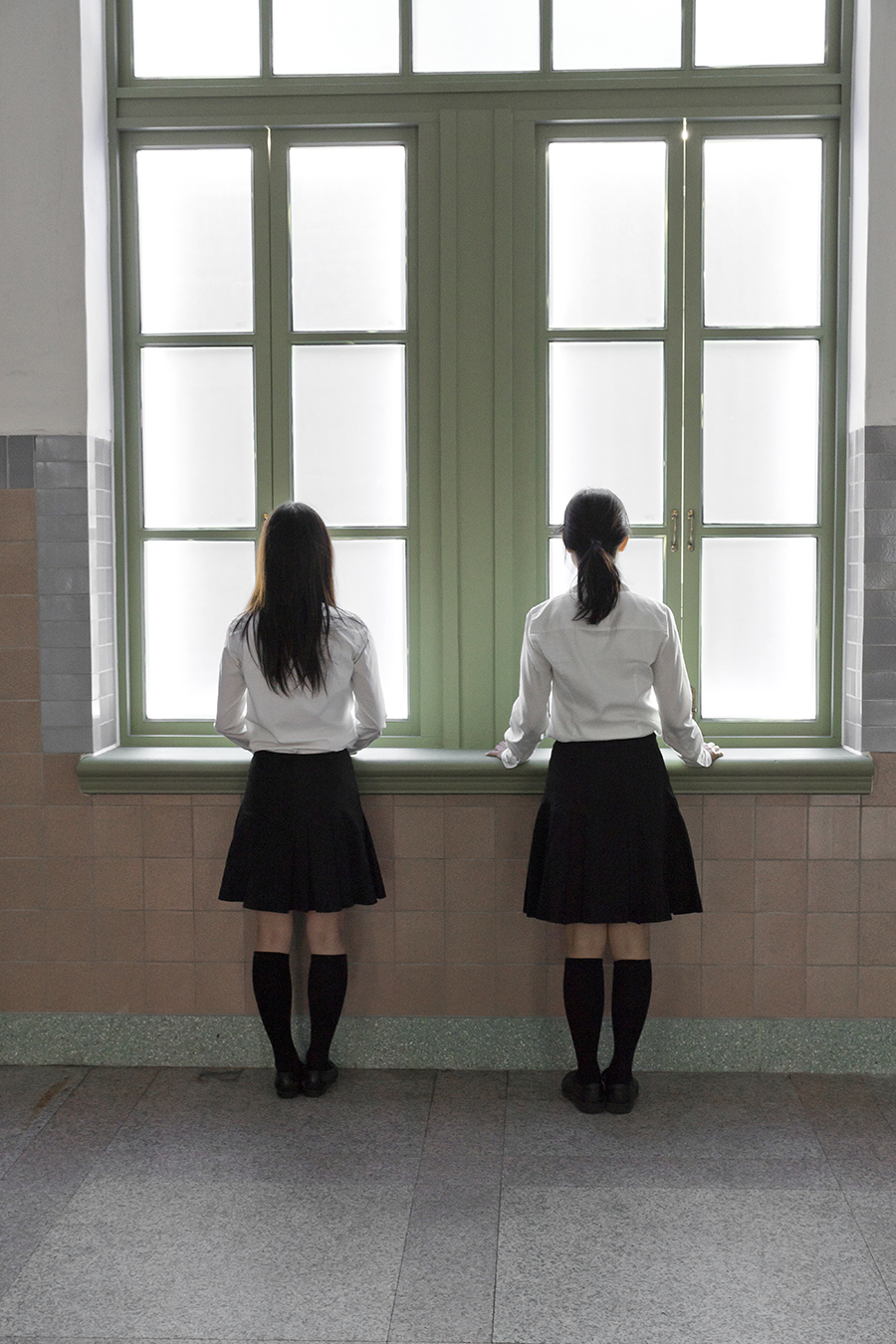
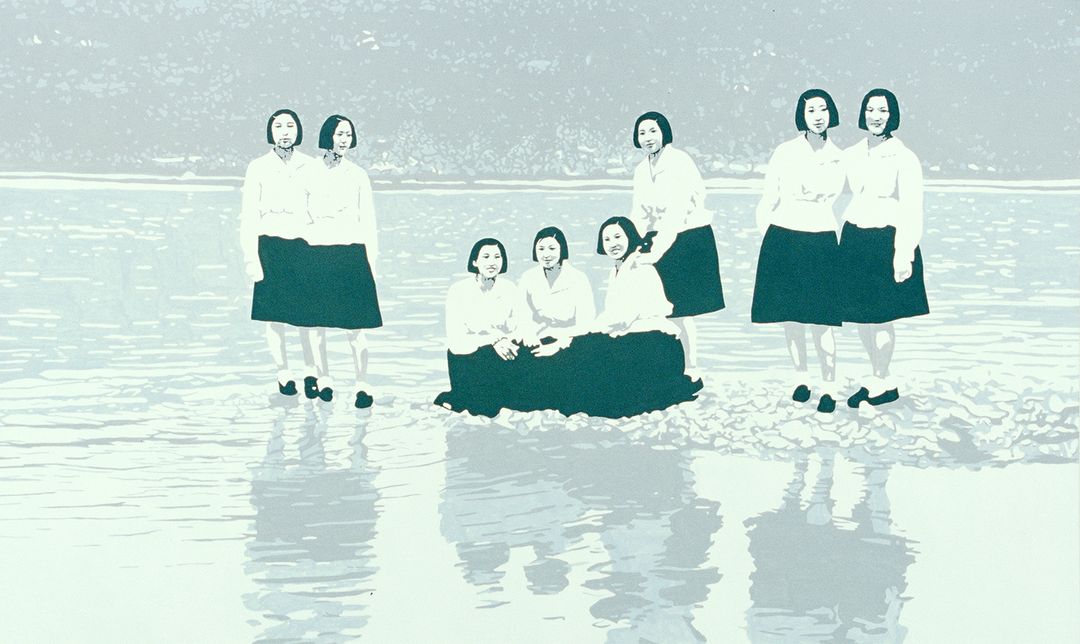
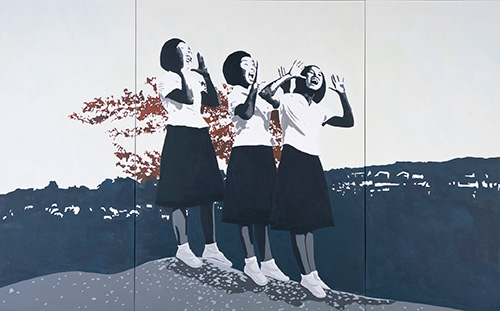
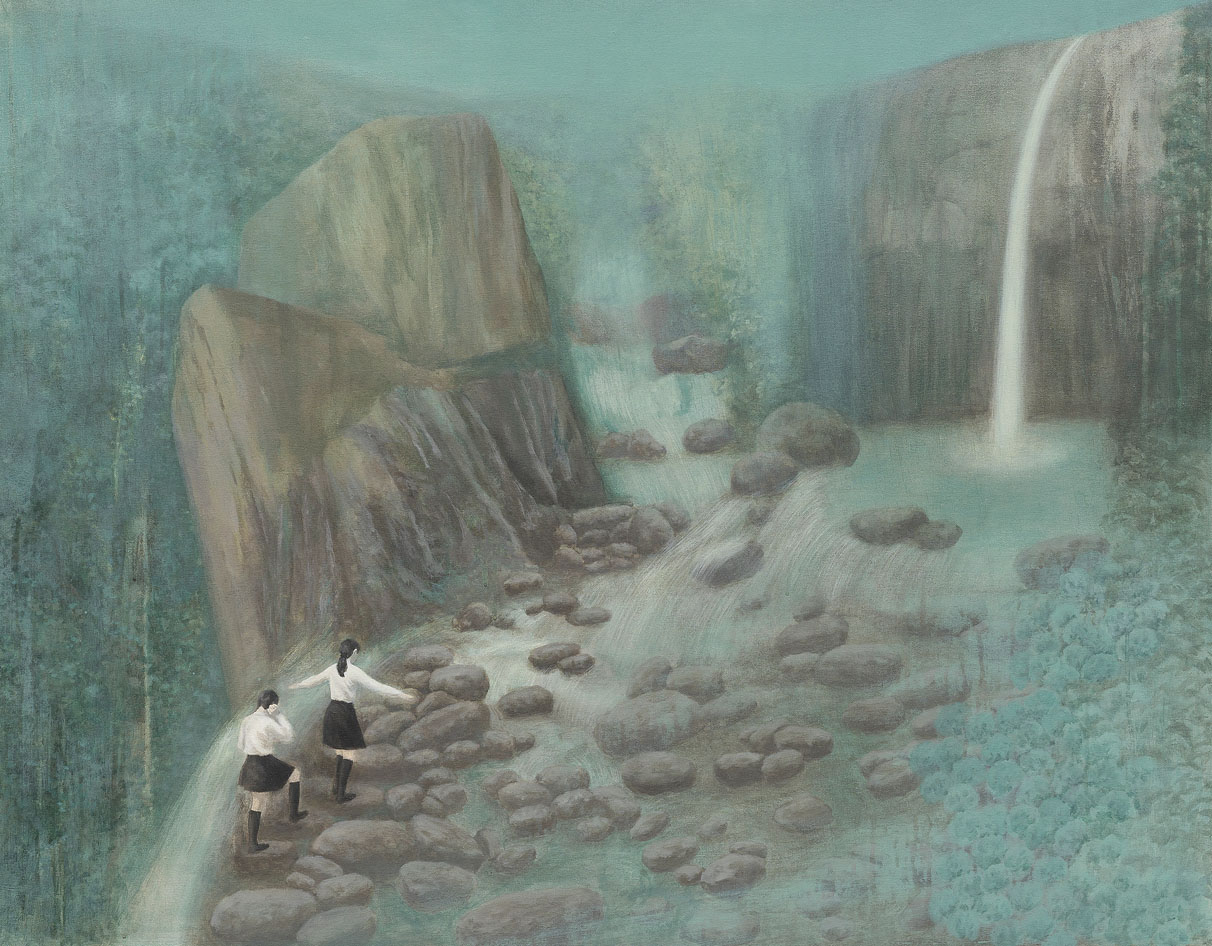
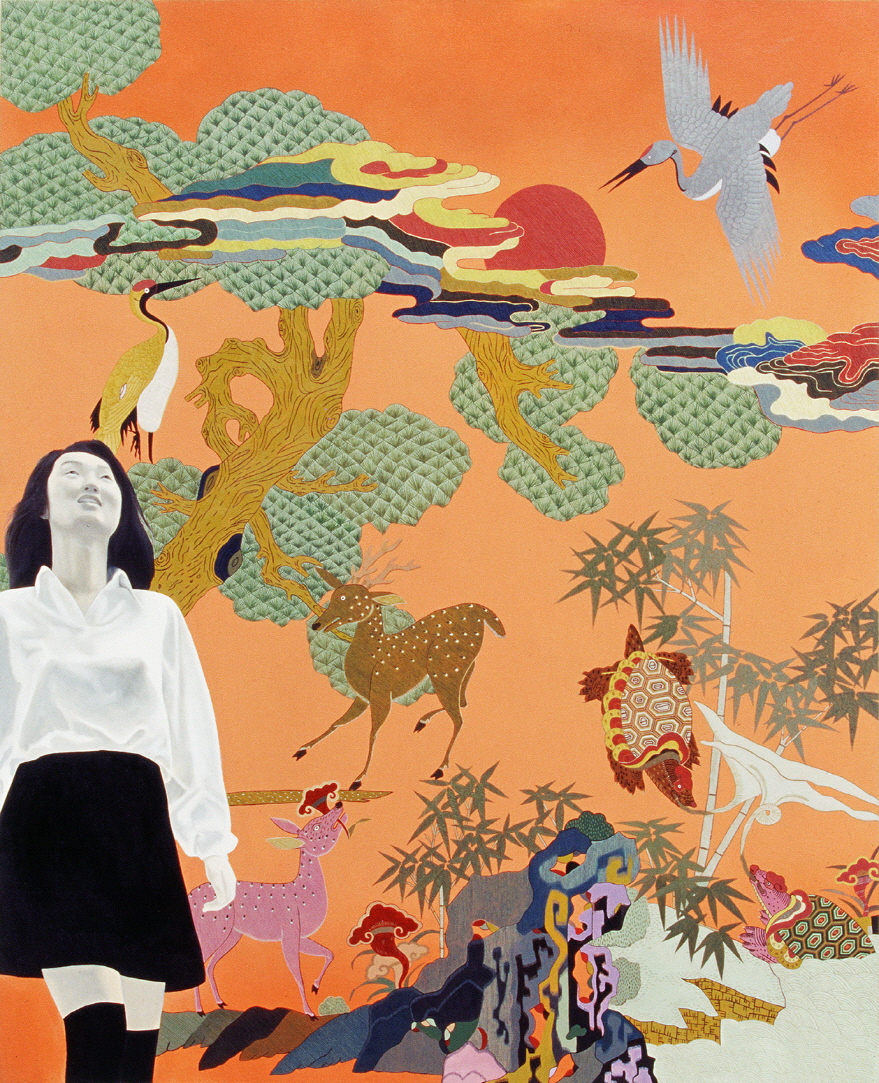
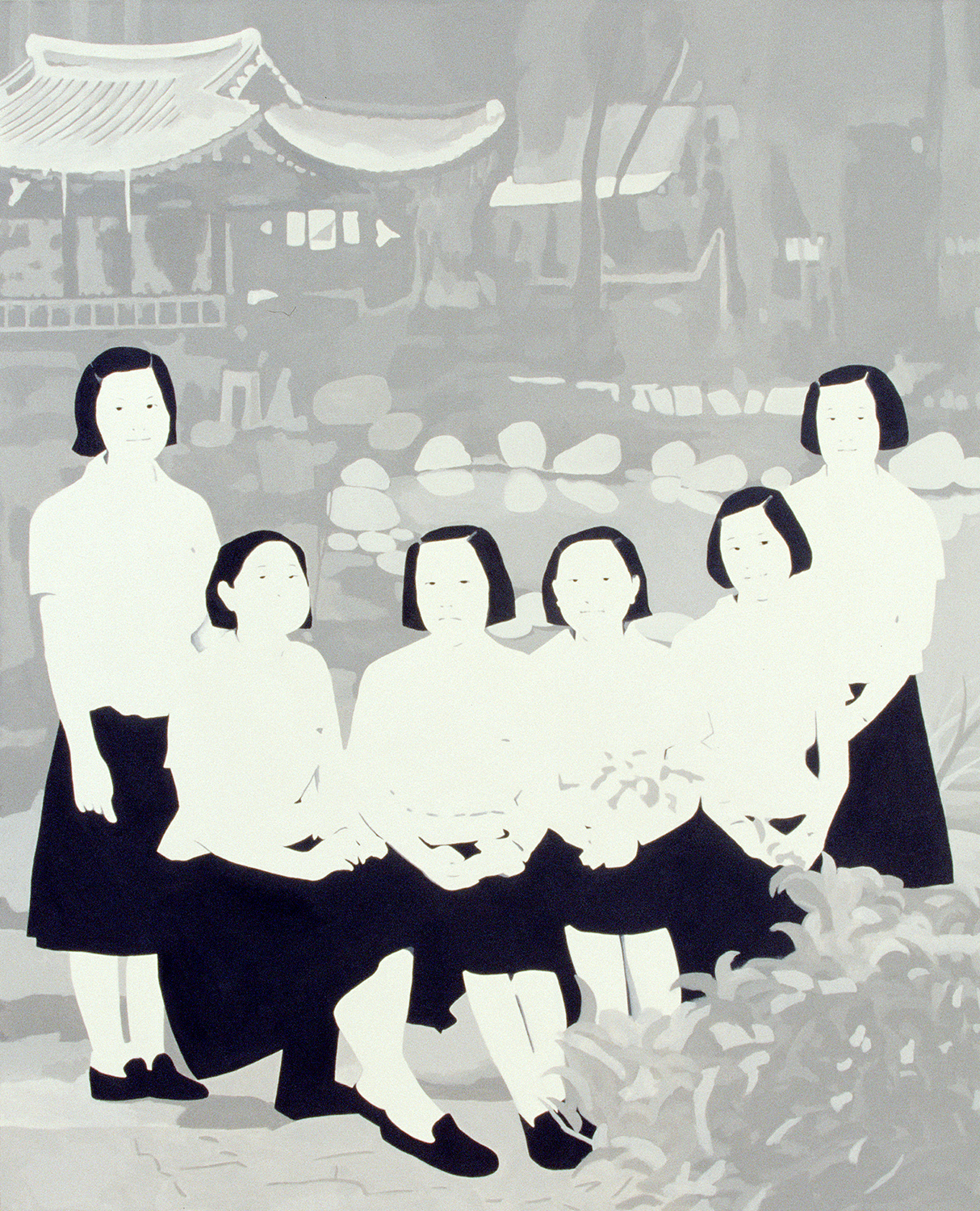
Sunny Kim’s work is centered on the incompleteness of memory and the experience of loss. School Trip(1999) and the Girls in Uniform(2001) series summon the symbolic image of “girls in uniforms,” condensing the artist’s brief childhood in Korea. These figures function as devices where oppression and regulation, collectivity and individuality, familiarity and estrangement intersect, serving as icons that project the instability of identity experienced as an immigrant.

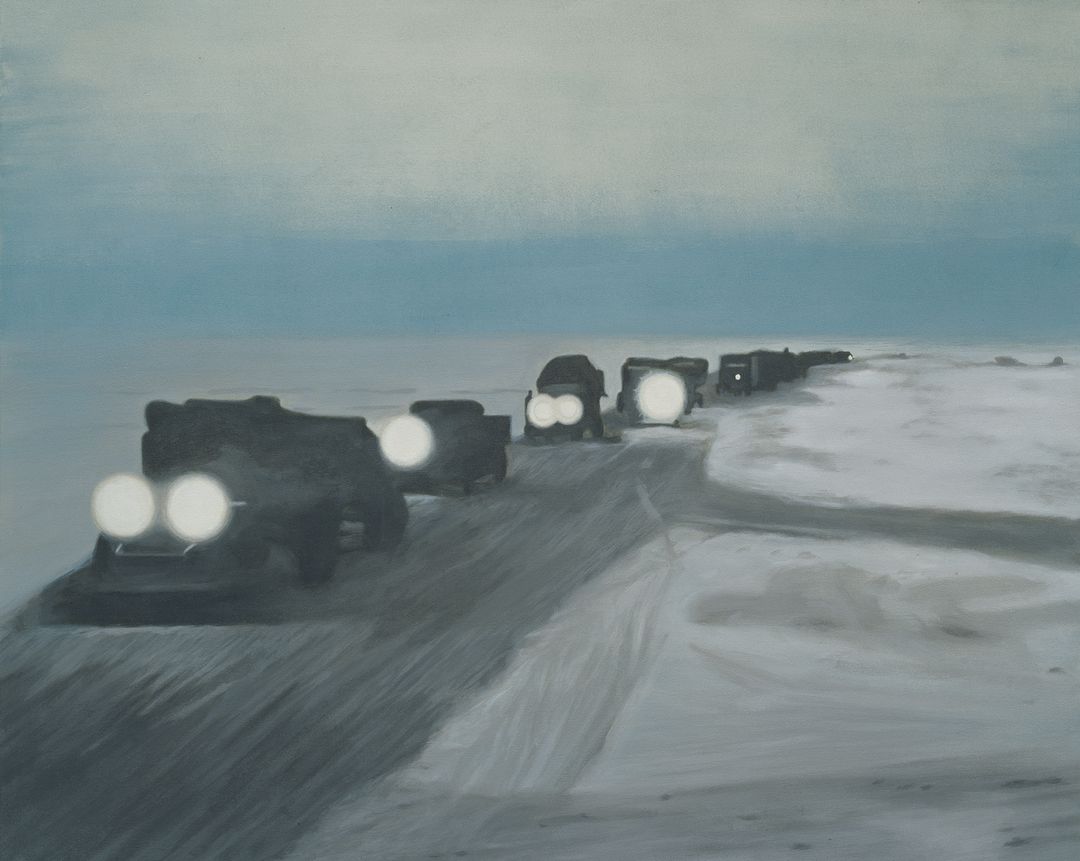
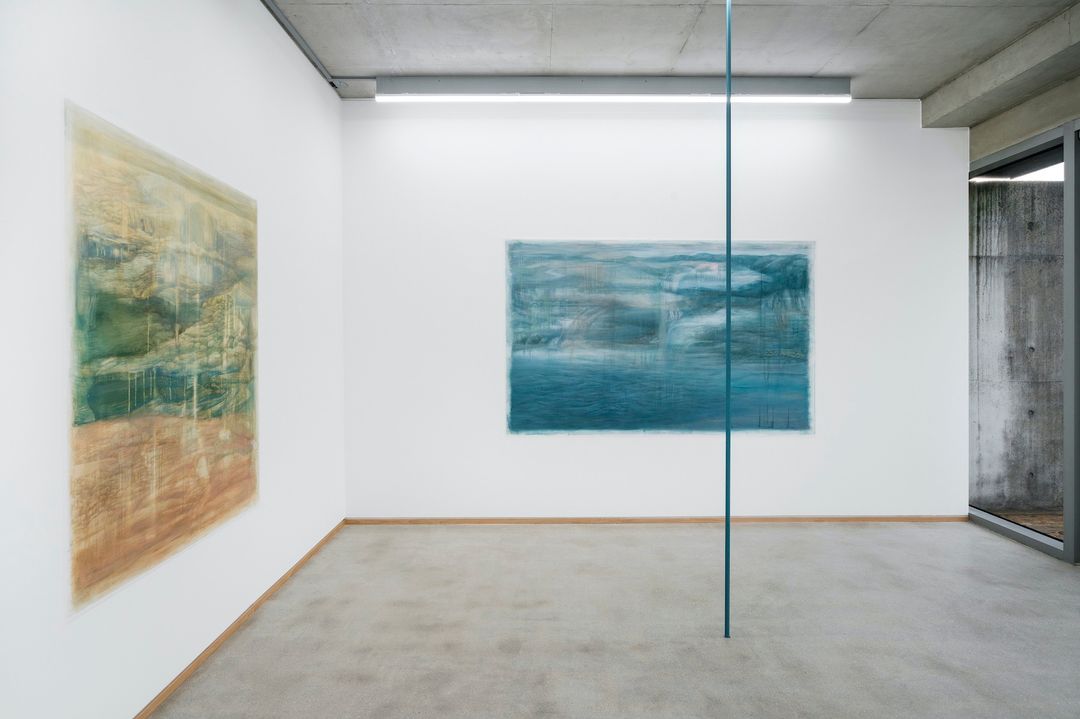
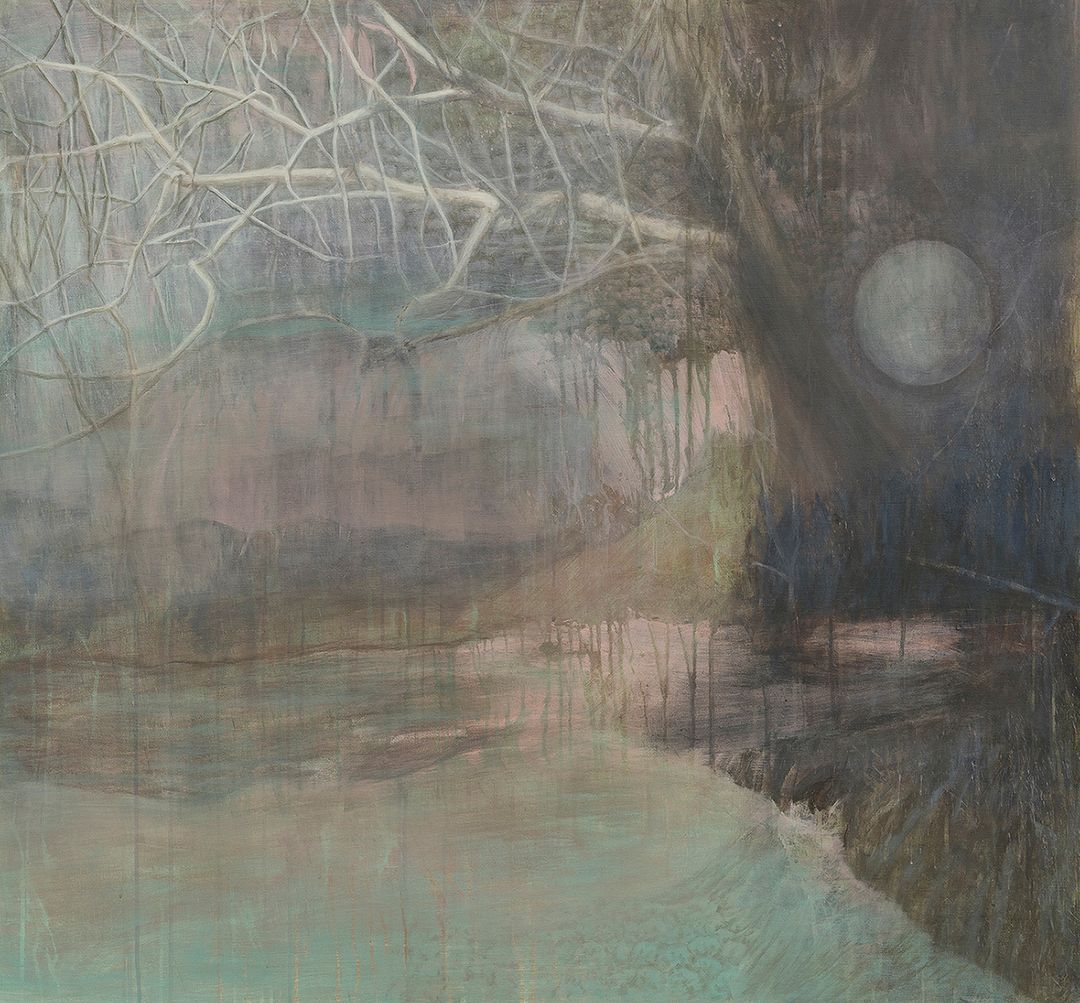
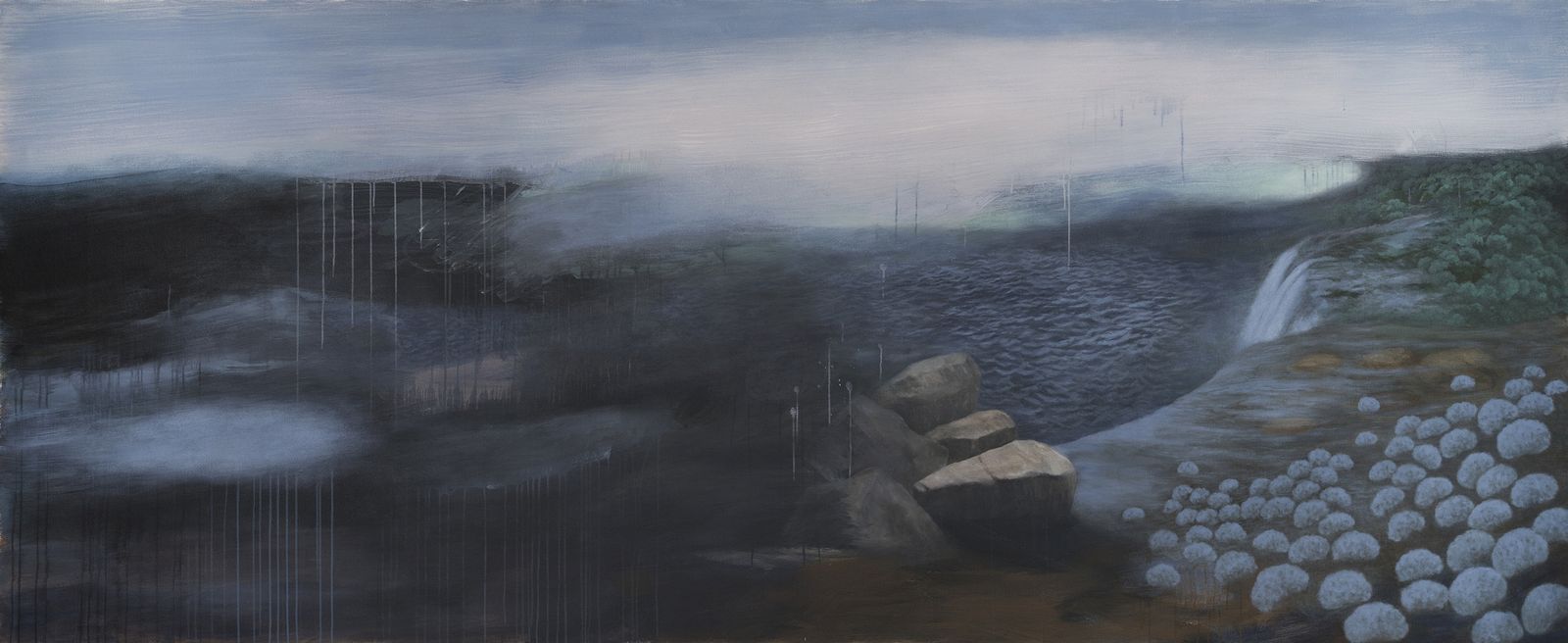
Later, in her solo exhibition 《Rolling Fog》(Gallery Hyundai 16 Bungee, 2010), blurred landscapes appeared as spaces emptied of figures. Within these scenes where the boundary between reality and imagination trembles, the artist takes as her subject the very process of generating nonexistent memories and allowing them to disappear again. This is not a simple act of retrospection but rather the realization of an inner space where memory and loss are continuously reenacted.

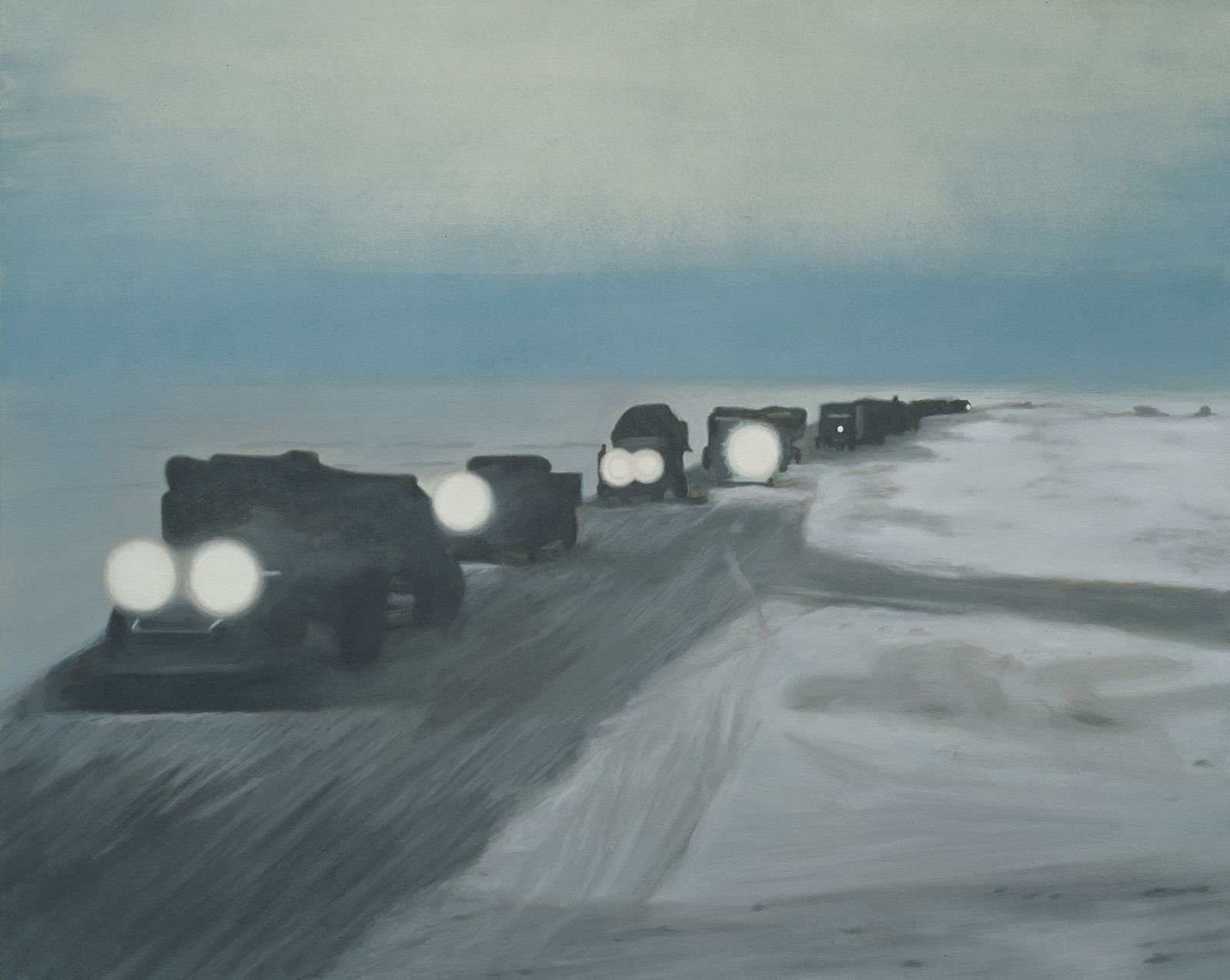
Works such as Line(2013) and Encounter(2017) present ambiguous and unstable sites, such as border zones or mist-shrouded landscapes. Here, landscape functions not as a mere backdrop but as a psychological stage where the boundaries of identity and emotion are revealed. In Encounter, the black field cutting across the canvas interrupts immersion in the scenery, demonstrating that memory can never be fixed into perfect representation.

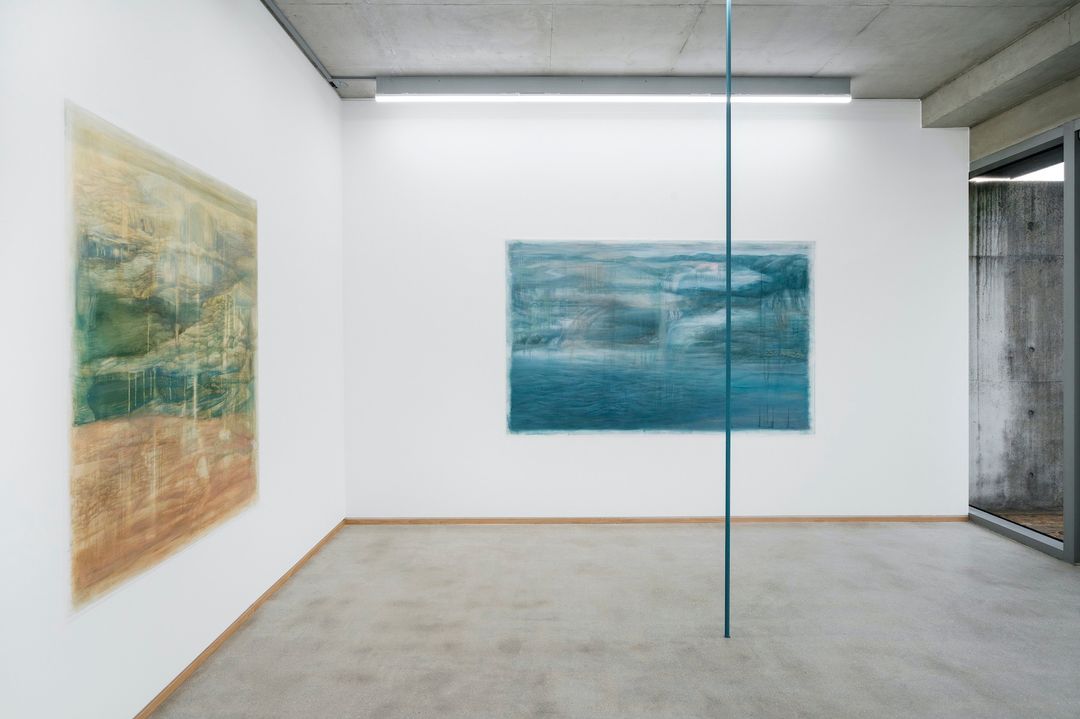
Her recent exhibitions 《If Different Day is a Same Day…》(A-Lounge, 2020) and 《Echo》(A-Lounge, 2024) bring the circulation of time and memory to the forefront. The “living memories” recalled during the pandemic, or the narrative device of an echo resonating from the edge of a cliff, demonstrate how the act of invoking memory expands from the realm of personal experience into universal resonance.

Style & Contents

Formally, Kim’s work often begins from photographic images reinterpreted in the painterly medium. The Girls in Uniform series visualizes the fragmentary and uncertain nature of memory through textures resembling damaged black-and-white film. In works such as Courtyard(1999), she juxtaposes girls in uniforms with traditional embroidery motifs such as Sipjangsaeng, allowing two distinct systems of imagery to symbolically collide and transform one another.

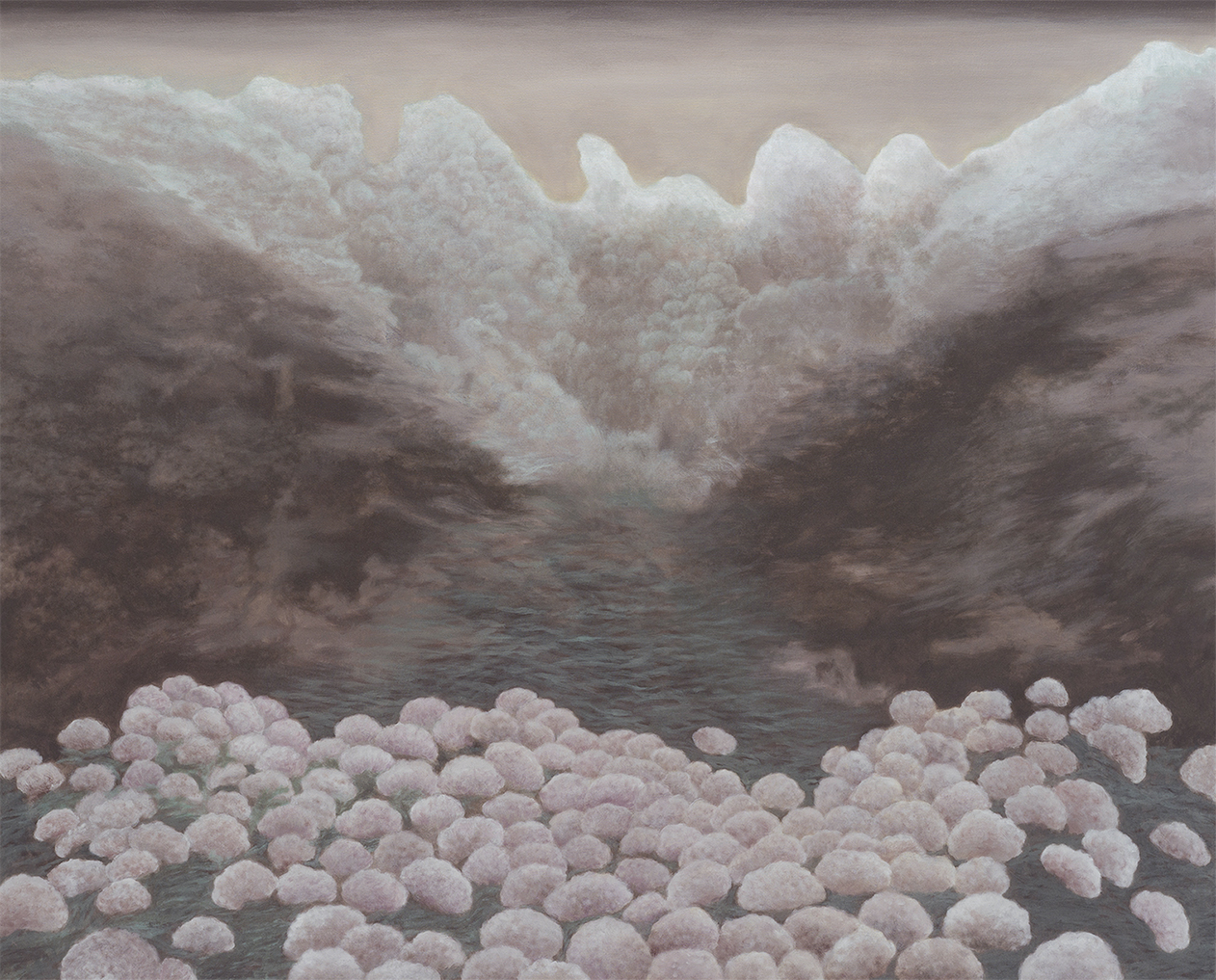
Her subsequent landscapes expand her practice by evoking loss and anxiety through the absence of figures. Line and Encounter employ hazy brushwork emphasizing ambiguity and borders, embedding both the artist’s emotional state and temporality into the scenery. Such painterly language occupies an intermediate zone—neither traditional landscape representation nor purely abstract surface.

In the performance Landscape(Incheon Art Platform, 2014), figures from her paintings moved onto the stage. Video projections, recited poetry, and the re-enactment of poses by actors overlapped, extending the theatricality of painting into real space. Later, at 《Korea Artist Prize》(MMCA, 2017), her installation combined paintings, video, and objects to construct a “living room of images,” transforming the essential questions of image and memory into embodied spatial experience.

More recent works such as Migration(2021) or the curated exhibition 《Islands》(Natalie Karg Gallery, 2022) reveal the juxtaposition of abstract organic forms with traditional landscape motifs. This demonstrates how Kim’s early experiments with pictorial surfaces have expanded into installation, performance, and the construction of psychological and visual landscapes. Her practice traverses boundaries between media, rendering the theme of memory and loss through diverse sensory languages.

Topography & Continuity

At the core of Kim’s practice lies a longing for “nonexistent memories” and the pursuit of a “perfect image.” From the Girls in Uniform series to her recent solo exhibition 《Echo》, she has consistently sought to summon the absence of memory through images. This constitutes a sustained investigation not only into visual representation but also into the psychological and emotional strata of memory realized within painting and space.

At the same time, her formal explorations have functioned as processes of expanding the boundaries of painting. The layered surfaces of 《Rolling Fog》, the performative qualities of Landscape, and the narrative use of video in 《If Different Day is a Same Day…》 represent experimental reinterpretations of painting’s possibilities across different media. Yet at the center remains the persistent affect of unstable memory and loss.

Today, Kim works between Korea and the United States, translating dual identity and fragmented memory into the language of contemporary art. Participation in international group exhibitions such as 《Collection 1: Portraits of Her》(The National Museum of Art, Osaka, 2024–2025) highlights the potential for her personal narratives to be articulated within global discourse.

Looking ahead, her work is poised to expand issues of memory, landscape, loss, and identity into broader cultural and geographic contexts. Her synthesis of performance, installation, video, and painting positions her as a distinctive and enduring voice in the field of global contemporary art.

Works of Art

Blurred Memories and Imagined Images

Exhibitions

Activities