
Minouk Lim (b.1968) - K-ARTIST
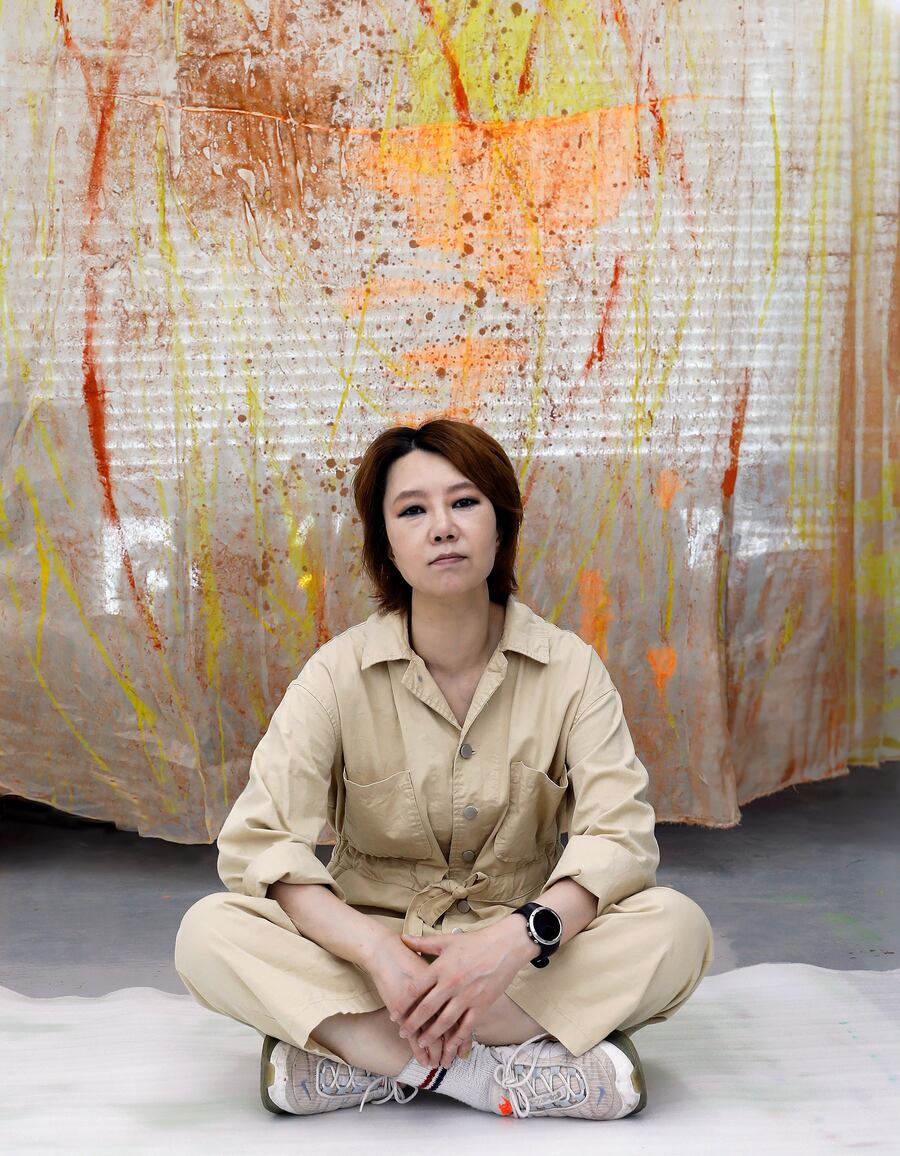
Minouk Lim (b.1968)
Minouk Lim (b.1968)

Minouk Lim holds a Diplôme National Supérieur d'Arts Plastiques (DNSAP) from École Nationale Supérieure des Beaux-Arts de Paris.

Solo Exhibitions (Brief)

Minouk Lim has been the subject of solo exhibitions and projects at such important institutions as the National Museum of Modern and Contemporary Art, Seoul (2018); Centre Pompidou, Paris (2017); PLATEAU, Samsung Museum of Art, Seoul (2015); Portikus, Frankfurt (2015); Walker Art Center, Minneapolis (2012); and the National Museum of Asian Art, Smithsonian Institution, Washington, DC (2011).

Group Exhibitions (Brief)

Lim’s work has been included in group exhibitions at museums throughout the world, including Schirn Kunsthalle, Frankfurt (2022); MAXXI, Rome (2019); Museum of Contemporary Art, Tokyo (2015); and Kunsthalle Wien (2015). She has also participated in numerous international biennials, including Gwangju (2021, 2014, 2008, 2006), Lyon (2019), Sydney (2016), Liverpool (2010), and Istanbul (2007), as well as in the Asia Pacific Triennial, Brisbane (2021) and the Paris Triennale (2012).

Awards (Selected)

Minouk Lim was a recipient of the 7th Hermès Foundation Missulsang (2007) and the MMCA Korea Artist Prize (2012), was selected as a finalist for the Obayashi Foundation Research Program (2023), and received the Asia Society’s Asia Arts Game Changer Award in New York (2024).

Residencies (Selected)

Minouk Lim has been selected for residencies including the Hyde Park Art Center Residency (Chicago, USA), the DAAD Berlin Artists-in-Residence Program (Berlin, Germany), and the Rauschenberg Residency (Florida, USA).

Collections (Selected)

Minouk Lim’s works are held in the collections of leading institutions worldwide, including the Solomon R. Guggenheim Museum, the Philadelphia Museum of Art, Tate, the Centre Pompidou, Leeum Museum of Art, the National Museum of Modern and Contemporary Art, Korea (MMCA), the Seoul Museum of Art (SeMA), and the Gyeonggi Museum of Modern Art.
Works of Art

The Relationship between Human Beings and Nature

Originality & Identity

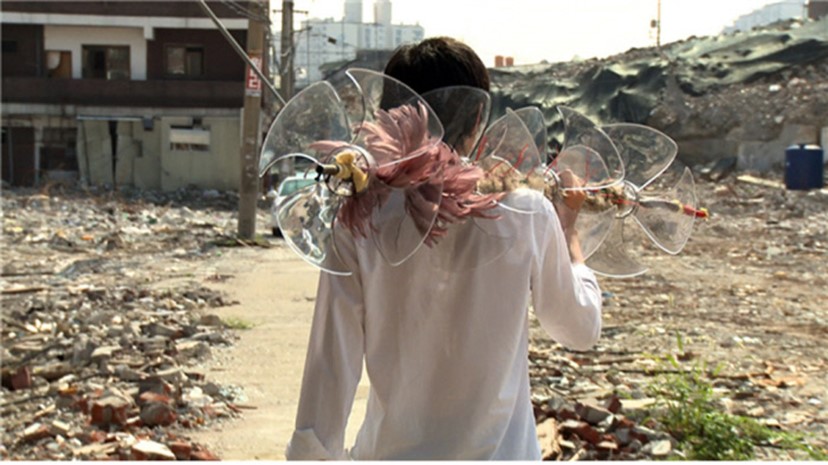
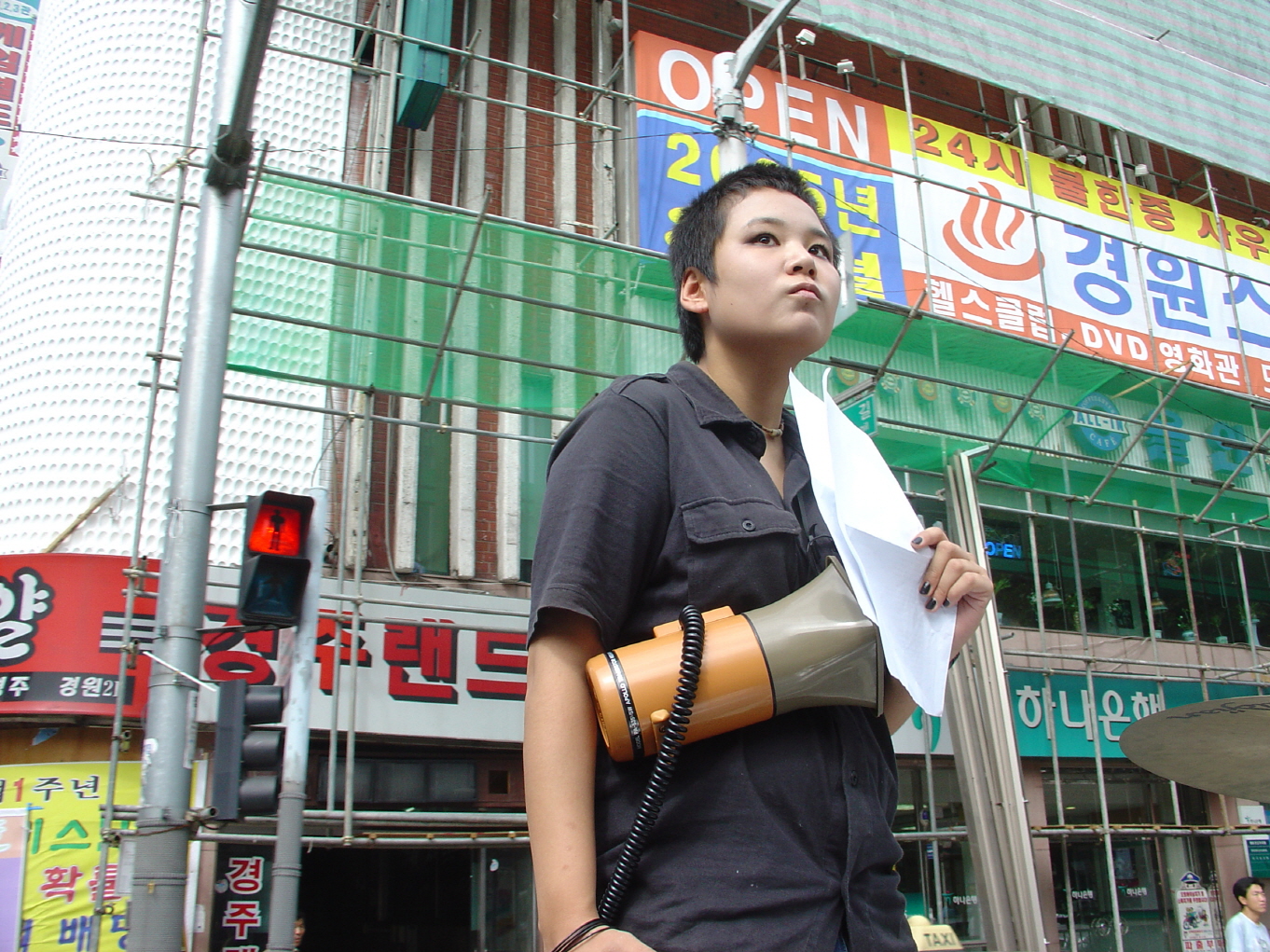
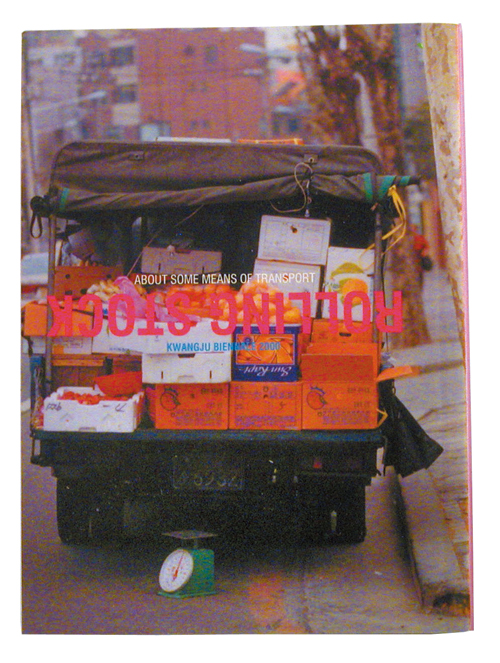
Minouk Lim restores the voids produced by ruptured history and rapid urban modernization through a sense of “flow.” The early work Rolling Stock (2000) moves between booklet and single-channel video, “re-rolling” fleeting scenes moving at the speed of the city to accumulate and record them. New Town Ghost (2005), set against the Yeongdeungpo New Town redevelopment site, staged a live performance atop a moving truck to confront redevelopment discourse with the reactions of people on the street. Both works seize disappearing moments and reassign them as cues to collective memory.

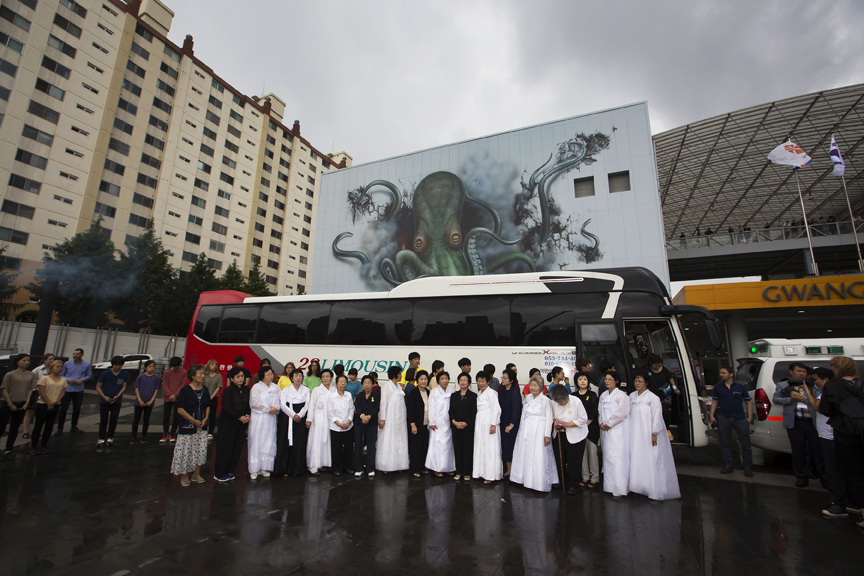
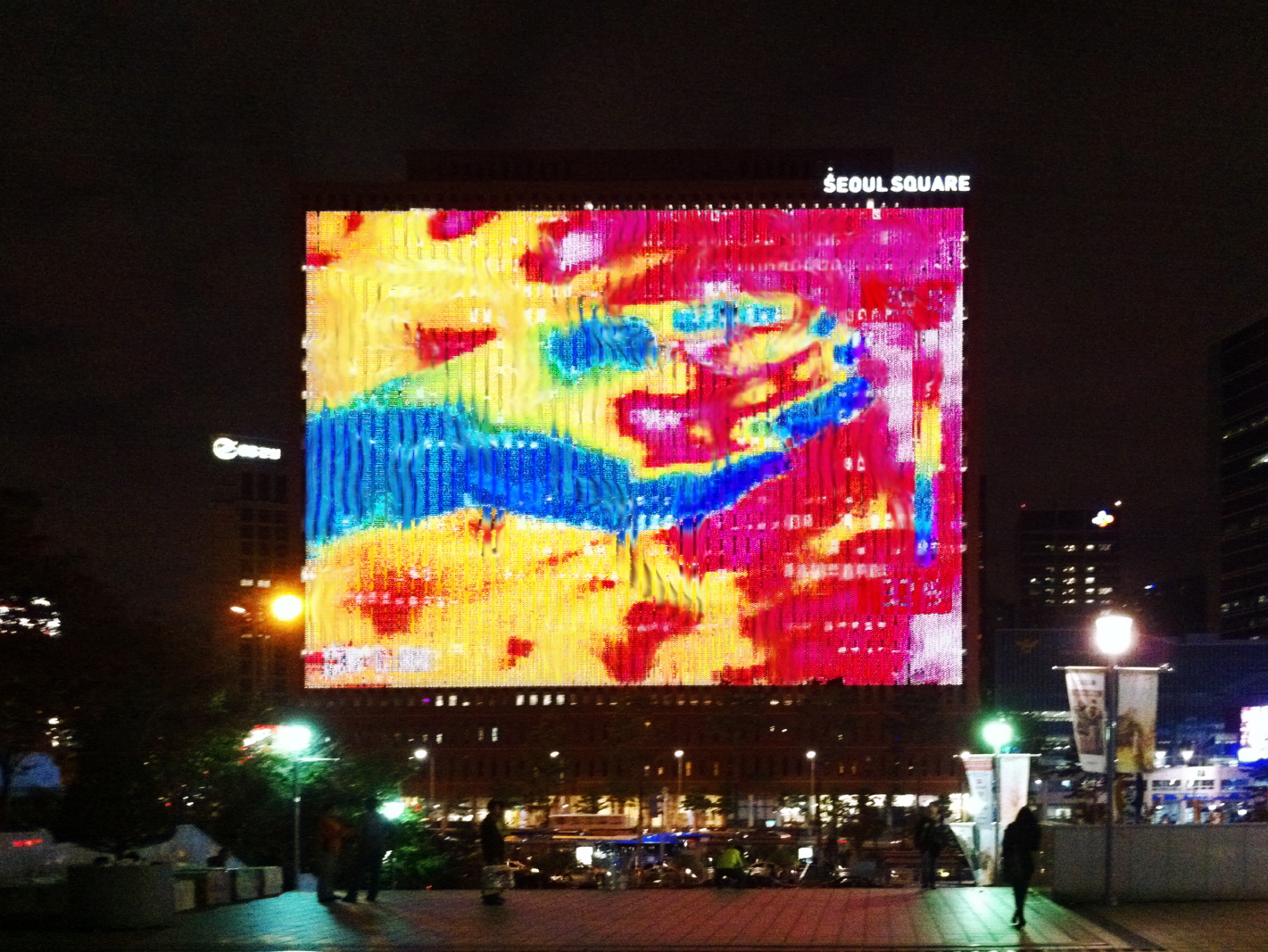
In 2009, S.O.S. – Adoptive Dissensus took a Han River cruise ship as its stage to dramatize the tensions between development/preservation, human/city, and speed/memory. Along a choreographed route of movement, sound, and lighting, viewers shift positions between witness and performer, putting the very place of “the spectator” into question. The Museum of Modern and Contemporary Art (MMCA) collection work International Calling Frequency (2011) spreads a wordless chorus through the city, translating the realities of demolition and redevelopment into the “language of waves” and testing how powerless voices can resonate.

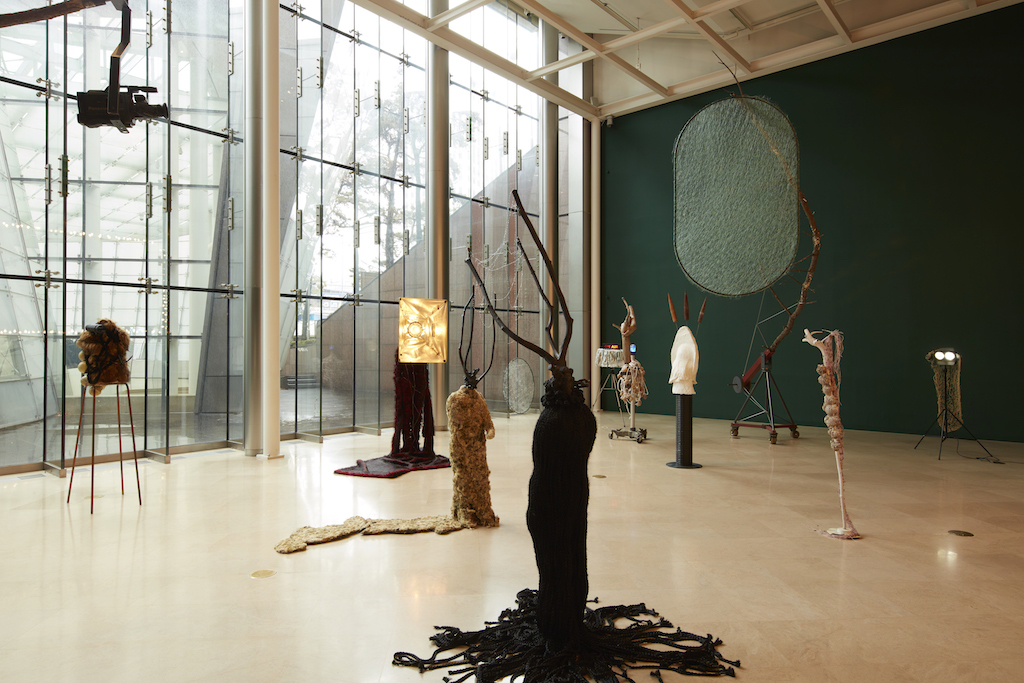
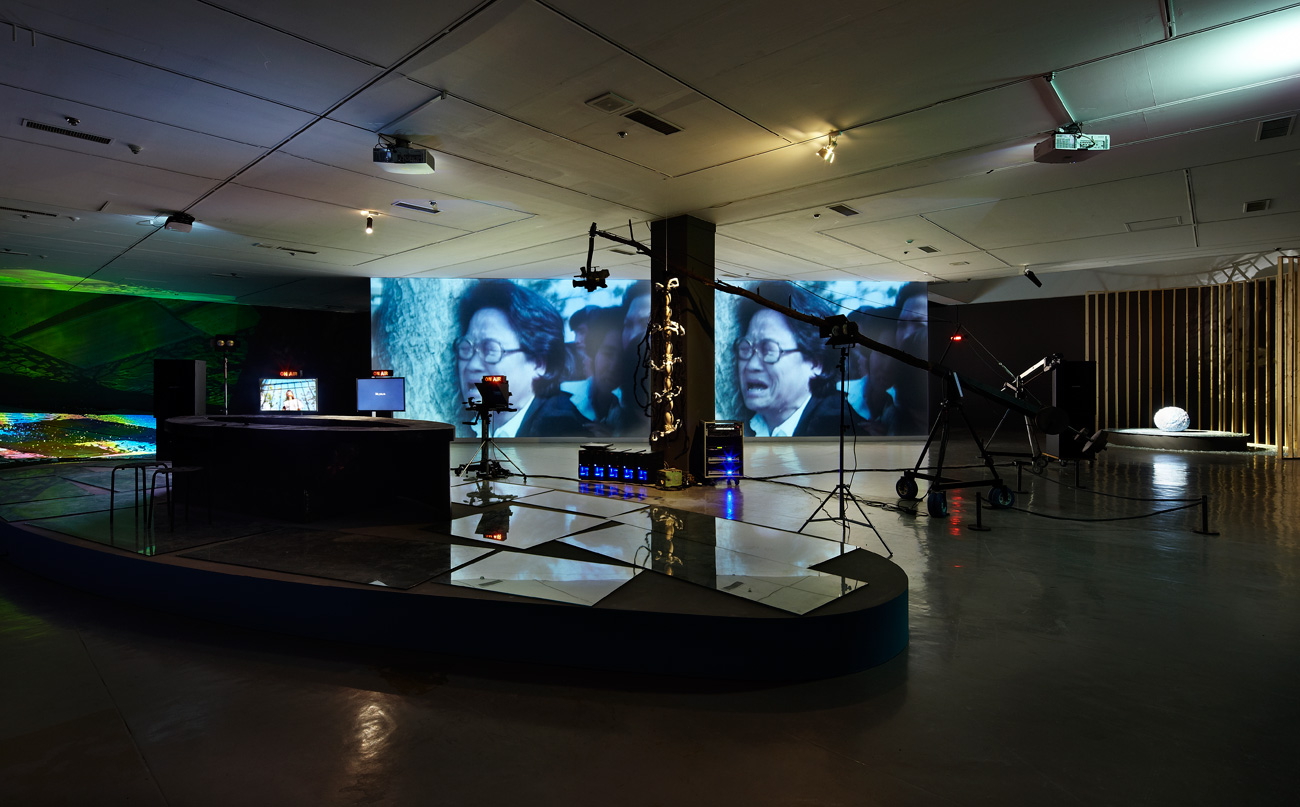
From the 2010s onward, her practice makes explicit the perspective of “media = messenger.” In the solo exhibition 《The Promise of If》 (PLATEAU, Samsung Museum of Art, 2015–2016), Running on Empty (2015) summoned organic residues—candle wax, latex, feathers, bone fragments—to sensorially re-layer grief and memory. It’s a name I gave myself (2018) revisits KBS’s 1983 program “Finding Separated Families,” asking about the moment when a public broadcaster was, in effect, “taken over” by citizens’ reunions.

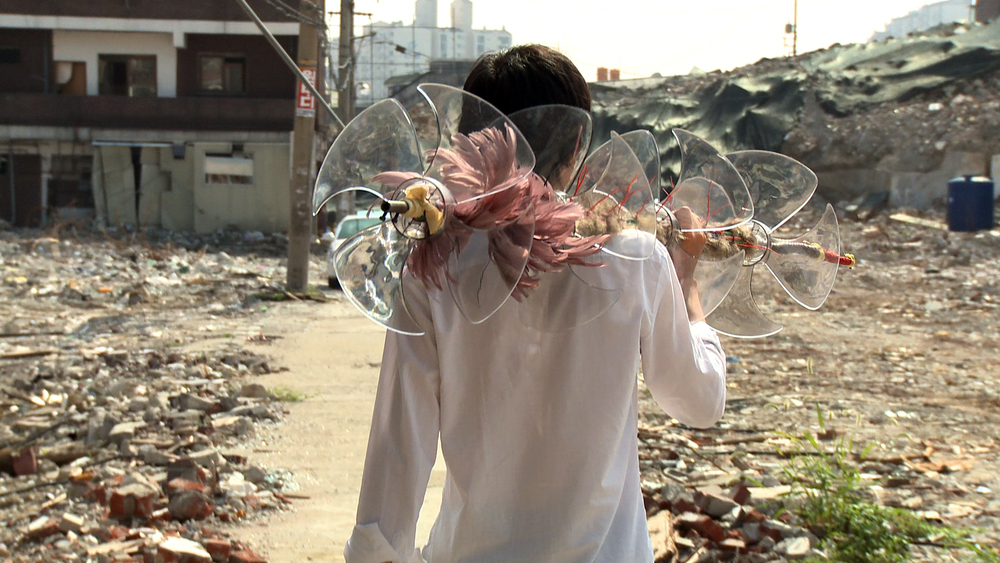
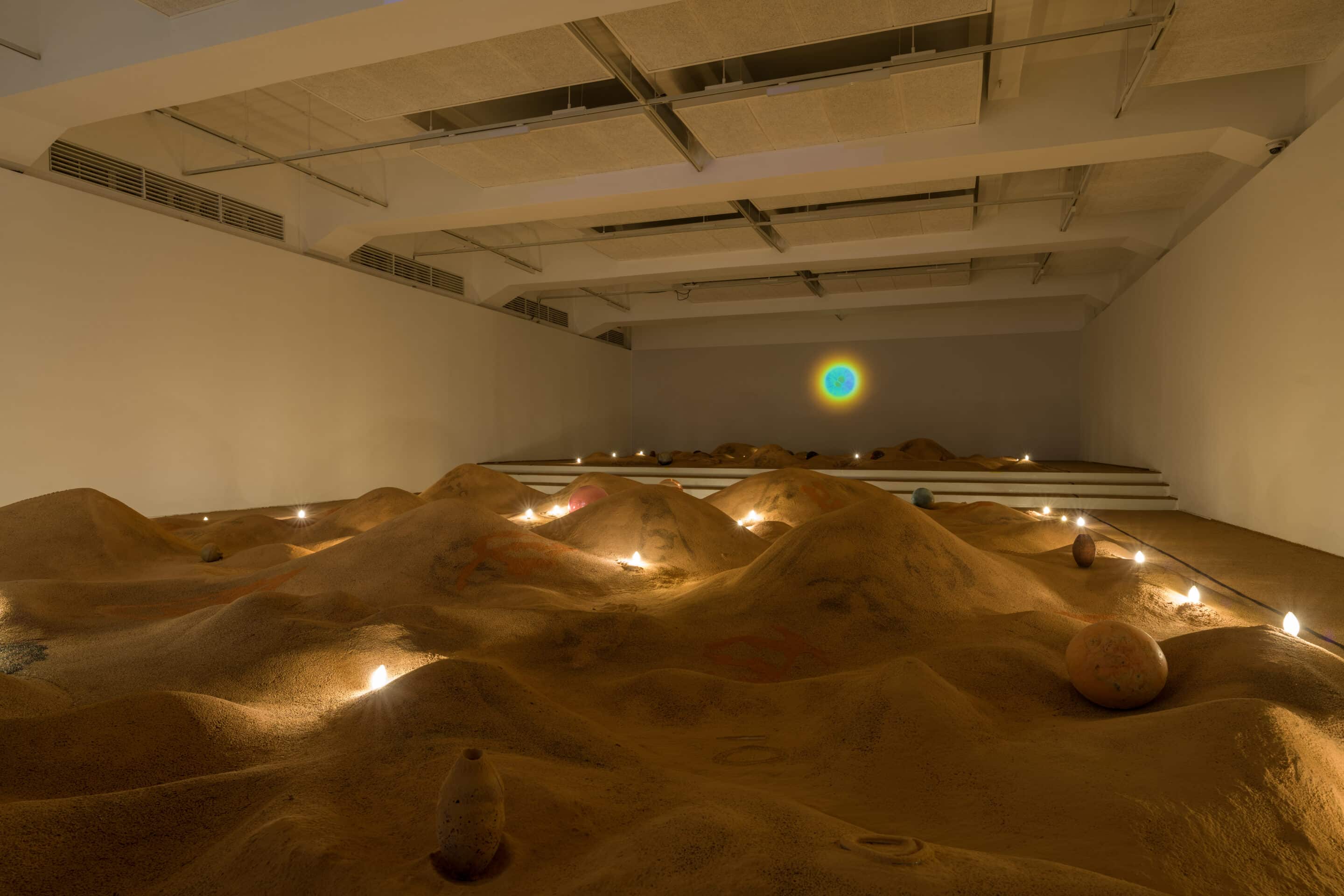
In the solo exhibition 《Fossil of High Noon》 (Tina Kim Gallery, 2022), Portable Keeper_Sea explores the suturing of images across the thresholds of sea/sky, life/death, and tradition/present.

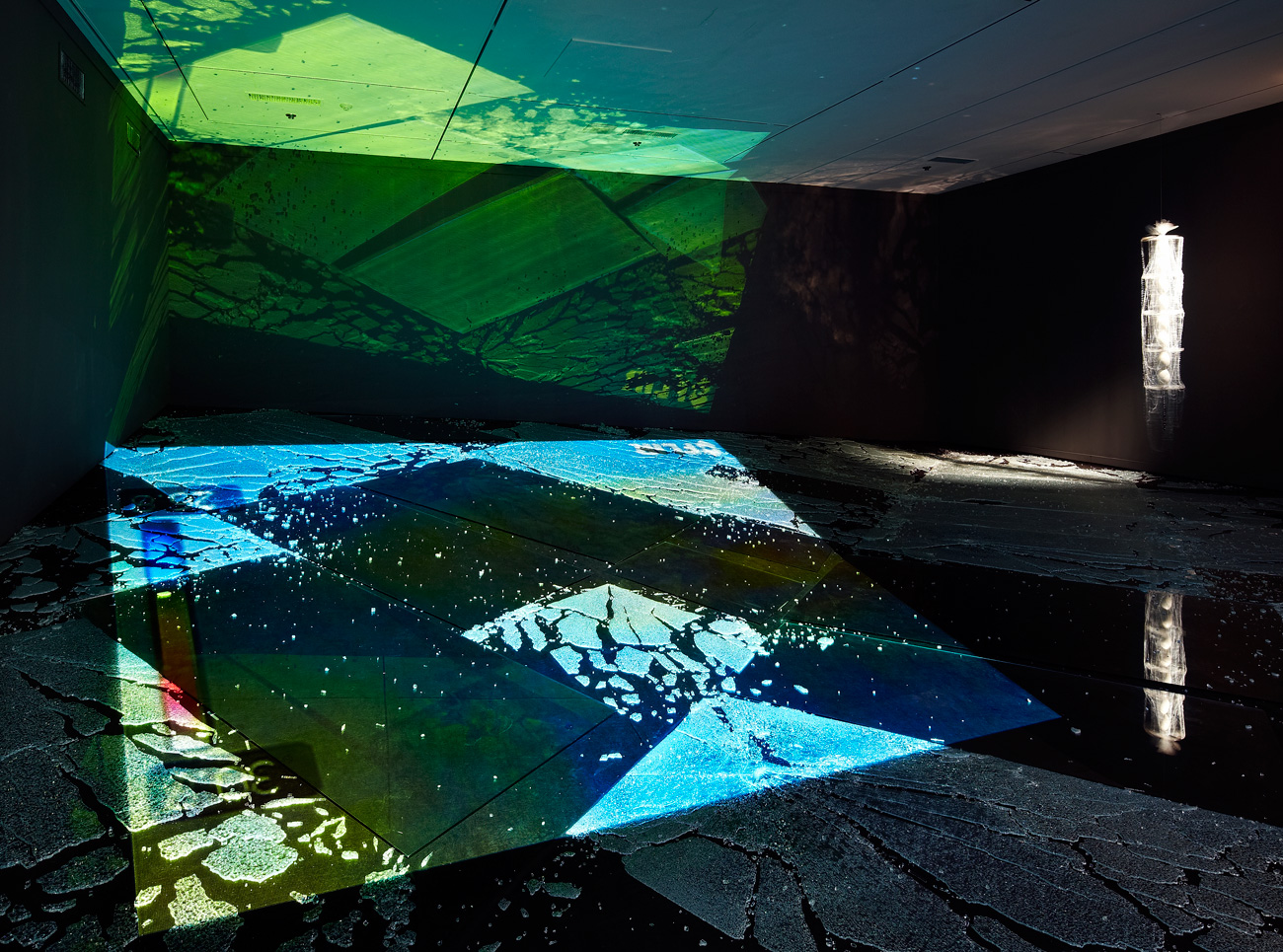
Recently, her work has expanded toward myth, ritual, totemic motifs, nonhuman witnesses, and Anthropocene time. 《Fossil of High Noon》 (2022) reflects on the nonsynchronicity of present and past through the paradox of high-noon sun and fossil. In her recent BB&M solo exhibition, Almost Too Calm 1 (2024) embeds cuttlefish bones, barnacles, seaweed, and everyday remnants, hinting at an “archaeology of the future.” Works such as Si tu me vois, je ne te vois pas (2019) and O Tannenbaum (2020) extend the contact point between personal feeling and shared sensibility through ritual signs, natural materials, and song.

Style & Contents

gaze in real time through the rhythm of moving truck, megaphone, and drums. From here on, Lim’s camera functions both as a recording device and as a mediator that opens the “in-between.”

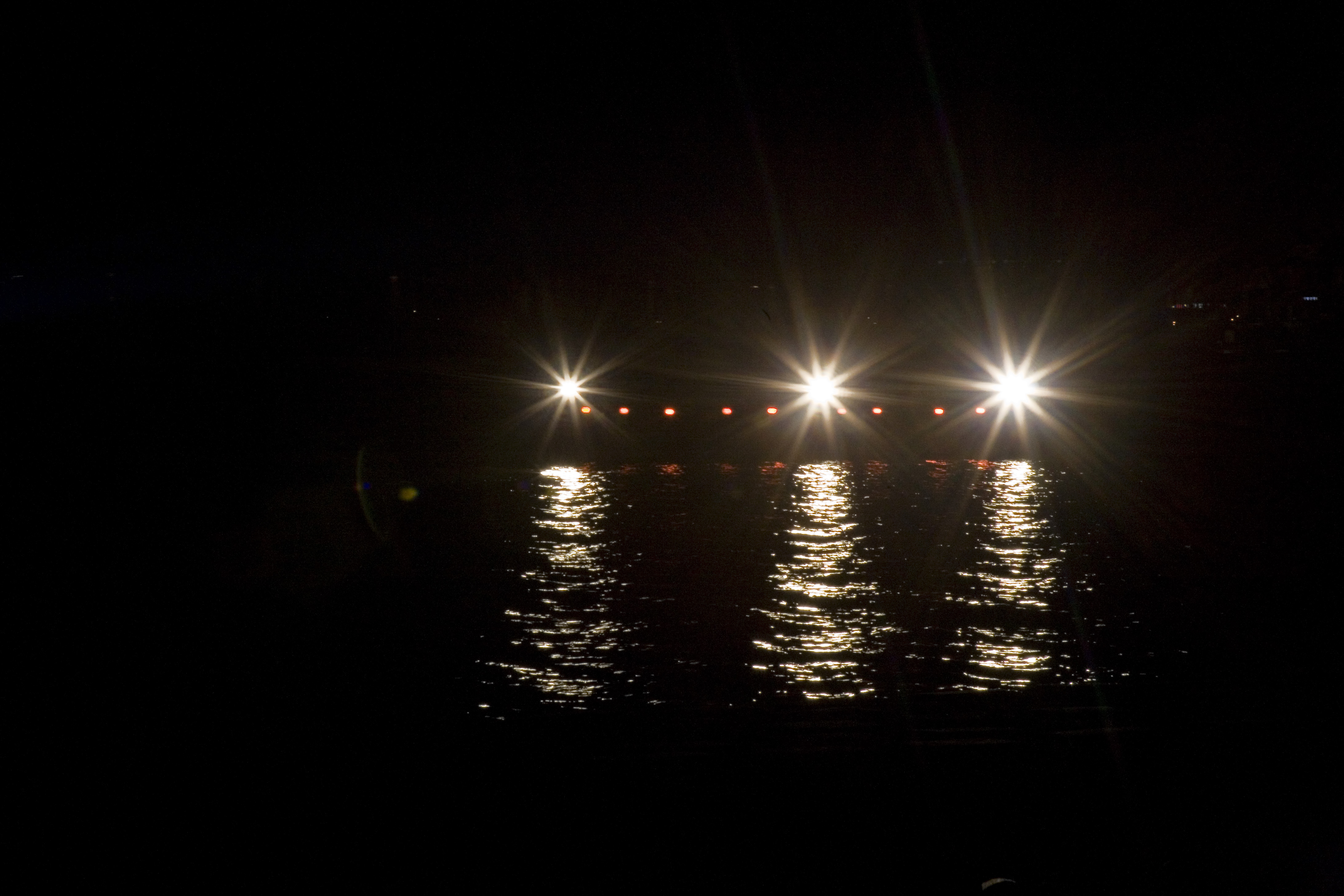
In S.O.S. – Adoptive Dissensus, the cruise ship doubles as camera, stage, and actor. The captain’s briefing, protesters holding mirrors, the trajectories of lovers, testimony from an unconverted long-term political prisoner, and lights raking the bridge piers are all edited into a route of movement that constantly shifts the audience’s position. International Calling Frequency realizes “participation = production” through composing, scoring, and singing, proposing a way that the city’s street-level sound accumulates as urban metadata.

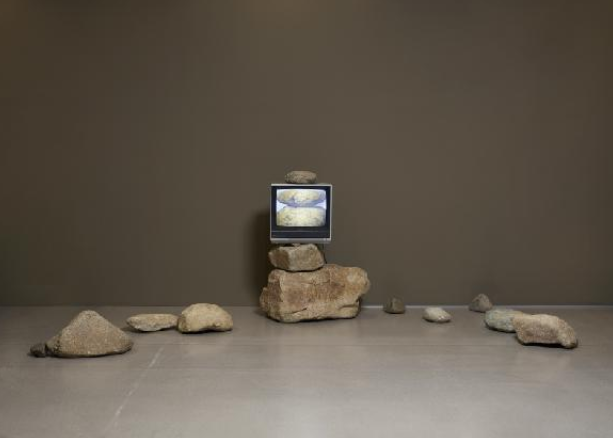
Material and sensory strata are maximized in installation. Running on Empty binds liquids, latex, candle wax, feathers, and bones with temperature, lighting, and sound to summon the affect of “residue.” On Air (2017) combines LED, black mirror, buoys, incense, infrared lamp, camera, and more into a doubled set of “broadcast station/ritual ground,” visualizing the artist’s mechanism that shuttles between document and rite, encounter and transmission.

In the 2020s, translation and inter-media transfer broaden further. O Tannenbaum (2020) juxtaposes a folk-song register with contemporary scenes through two-channel video and sound editing. Si tu me vois, je ne te vois pas constructs a site-specific symbolic system using a hot spring, mirrored metal sphere, masks, plants, and velvet. Almost Too Calm 1 fixes natural and everyday remnants as “specimens” encased in urethane, making time visible. Taken together, her work has evolved across performance/video/object/painting into a composite apparatus that reciprocally translates record, ritual, and testimony.

Topography & Continuity

Within contemporary Korean art, Lim is one of the most consistent practitioners of the view that “media = messenger.” Through urban redevelopment (New Town Ghost), collective voice (International Calling Frequency), and mourning and reunion (Running on EmptyIt’s a name I gave myself), she designs a “stage of flow” where historical specters meet present-day testimony. Her works have entered major collections including the Guggenheim Museum, Tate, Centre Pompidou, Leeum Museum of Art, MMCA, Seoul Museum of Art, and Gyeonggi Museum of Modern Art, underscoring their contemporary significance.

The trajectory is clear. In the early–mid 2000s, the conjunction of urban sites with performance-documentary gives way in the 2010s to the memory politics of media/broadcast and the sensoriality of mourning, then expands in the 2020s toward myth/ritual and nonhuman/geologic time. Recently, this arc has been recontextualized within institutional exhibitions such as 《Collection Display: Modern and Contemporary Art》 (Leeum Museum of Art, 2025) and 《Immaterial to Hypermaterial》 (Gyeonggi Museum of Modern Art, 2025).

The foundations of Lim’s continuity lie in collaboration, site-responsiveness, and inter-media translation. Selections for residencies such as Hyde Park Art Center (Chicago), DAAD Berlin, and the Rauschenberg Residency (Florida, USA), and awards including the 7th Hermes Foundation Missulsang (2007), MMCA Artist of the Year (2012), and Asia Society’s Asia Arts Game Changer (2024), have supported an ecosystem that links research, production, and circulation. This consolidates her method, where “the technology of making scenes” (stage/ritual/testimony) intersects with “the technology of leaving records” (video/sound/object/painting).

Works of Art

The Relationship between Human Beings and Nature

Exhibitions

Activities