Inhwan Oh (b.1965) - K-ARTIST
Inhwan Oh (b.1965)
Inhwan Oh (b.1965)

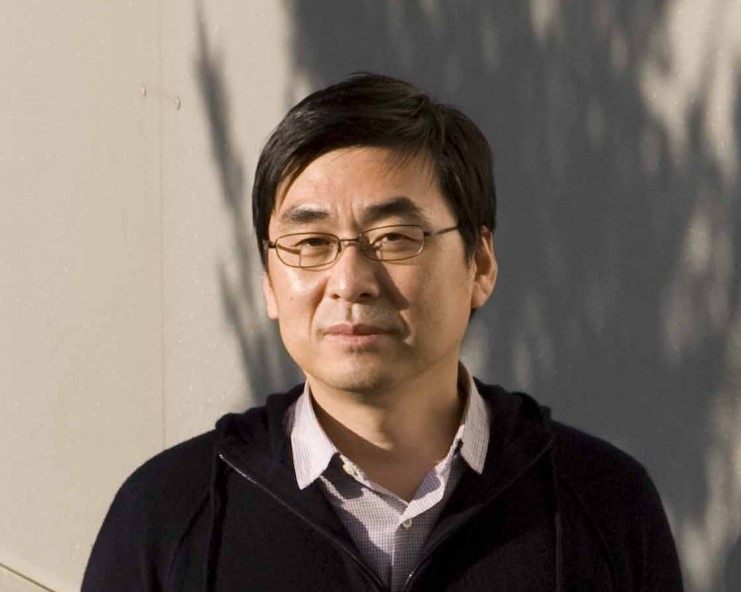
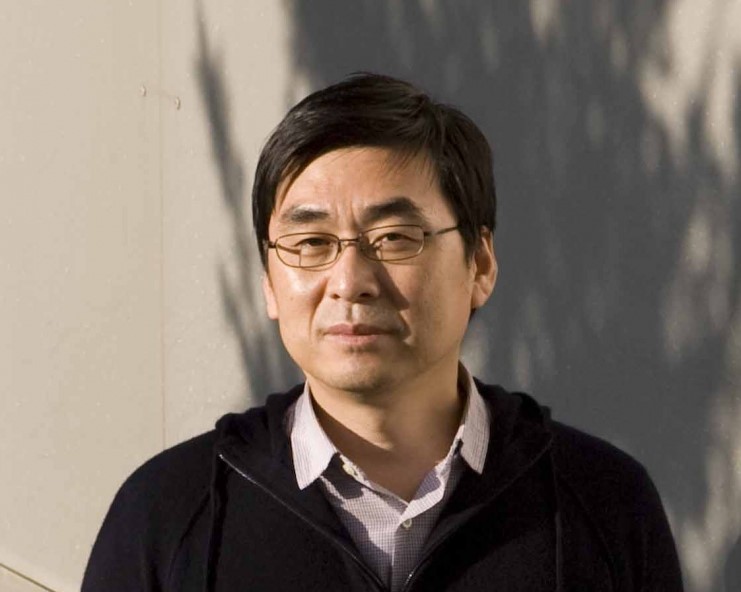
Inhwan Oh studied sculpture at Seoul National University and graduated from Hunter College Graduate School in New York. He is currently a professor at the Seoul National University College of Fine Arts.

Solo Exhibitions (Brief)

Oh has held solo exhibitions in Korea and abroad at various institutions such as Commonwealth & Council/ Baik Art (Los Angeles, U.S.A., 2019), Space Willing N Dealing (Seoul, 2018), Art Sonje Center (Seoul, 2009), Mills College Art Museum (Oakland, U.S.A., 2002), and Project Space Sarubia (Seoul, 2002).

Group Exhibitions (Brief)

Oh has also participated in group exhibitions at the National Museum of Modern and Contemporary Art Korea (Seoul, 2024), Navy Officer's Club in Arsenale (Venice, Italy, 2019), Nam-Seoul Museum of Art (Seoul, 2017), Kyoto Art Center (Nijo-Castle, Kyoto, Japan, 2017), and Plateau (Seoul, 2014).

Awards (Selected)

Oh was selected as the artist of the 2015 Korea Artist Prize by the National Museum of Modern and Contemporary Art Korea. 

Works of Art

Specific Time and Space

Originality & Identity

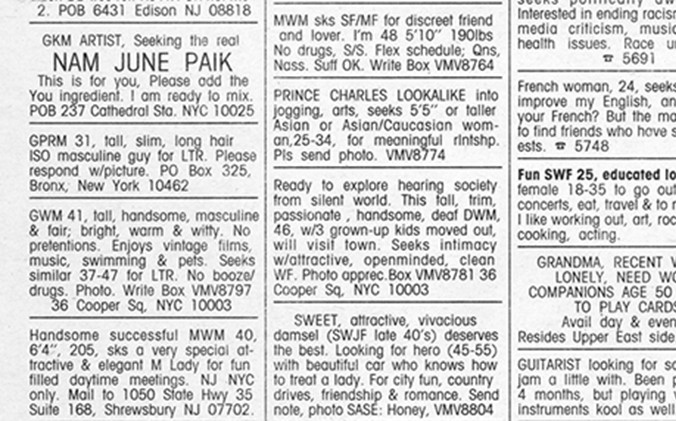
Inhwan Oh’s work begins with the clash between personal identity and social context. The early piece Personal Ads(1996) openly declared the artist as a “gay Korean male artist (GKM),” turning the personal experience of coming out into the starting point of creation. The work posed a fundamental question of identity—“who is real?”—and marked a shift in which the artist himself became the subject of his own work.

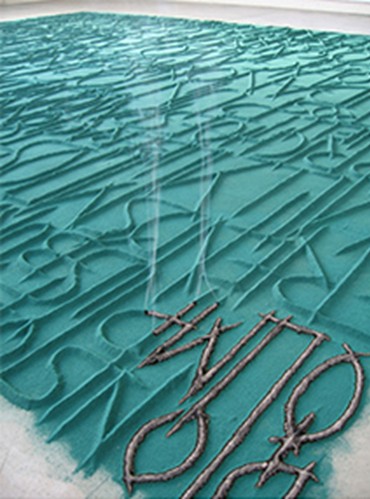
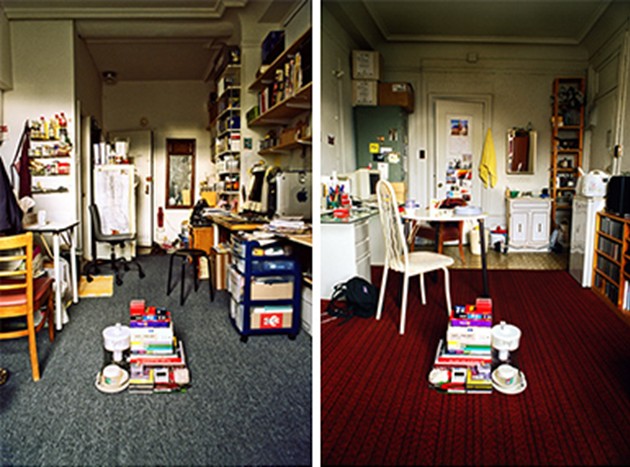
This interest became more concrete in Meeting Time(1999-). Photographs of wristwatches set to different time zones redefine relationships under the condition of “difference,” dismantling the concept of universal sameness. Furthermore, Where He Meets Him(2001-) inscribed the names of gay bars and clubs in incense powder and burned them, exposing the hidden sites of queer communities and transforming them into an artistic language bound with social visibility.

Lost and Found(2002) is one of the representative early examples in which this thematic orientation was expanded. By transforming the “Lost and Found Center” of the Gwangju Biennale into an artistic device, it posed the question, “what have we lost and what have we found?” The process of losing and recovering personal items extended beyond a mere physical exchange, becoming a record of social relations and a reconfiguration of the boundary between subject and object.

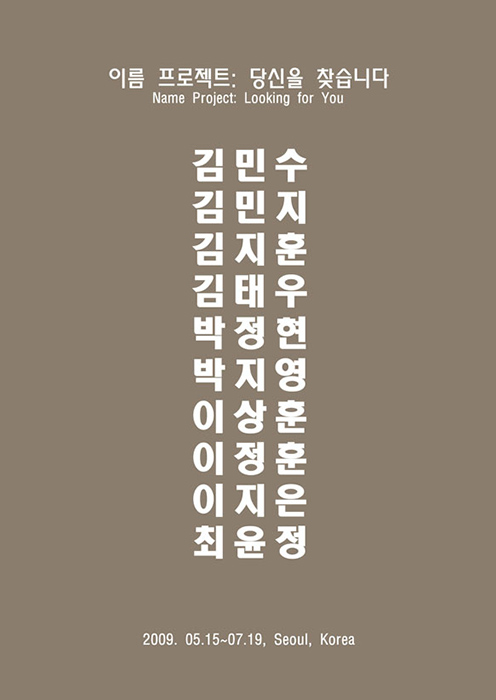
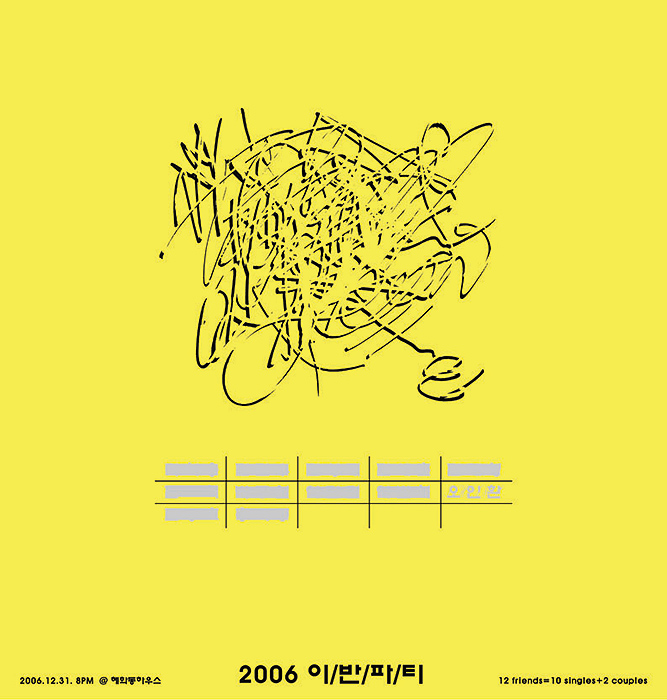
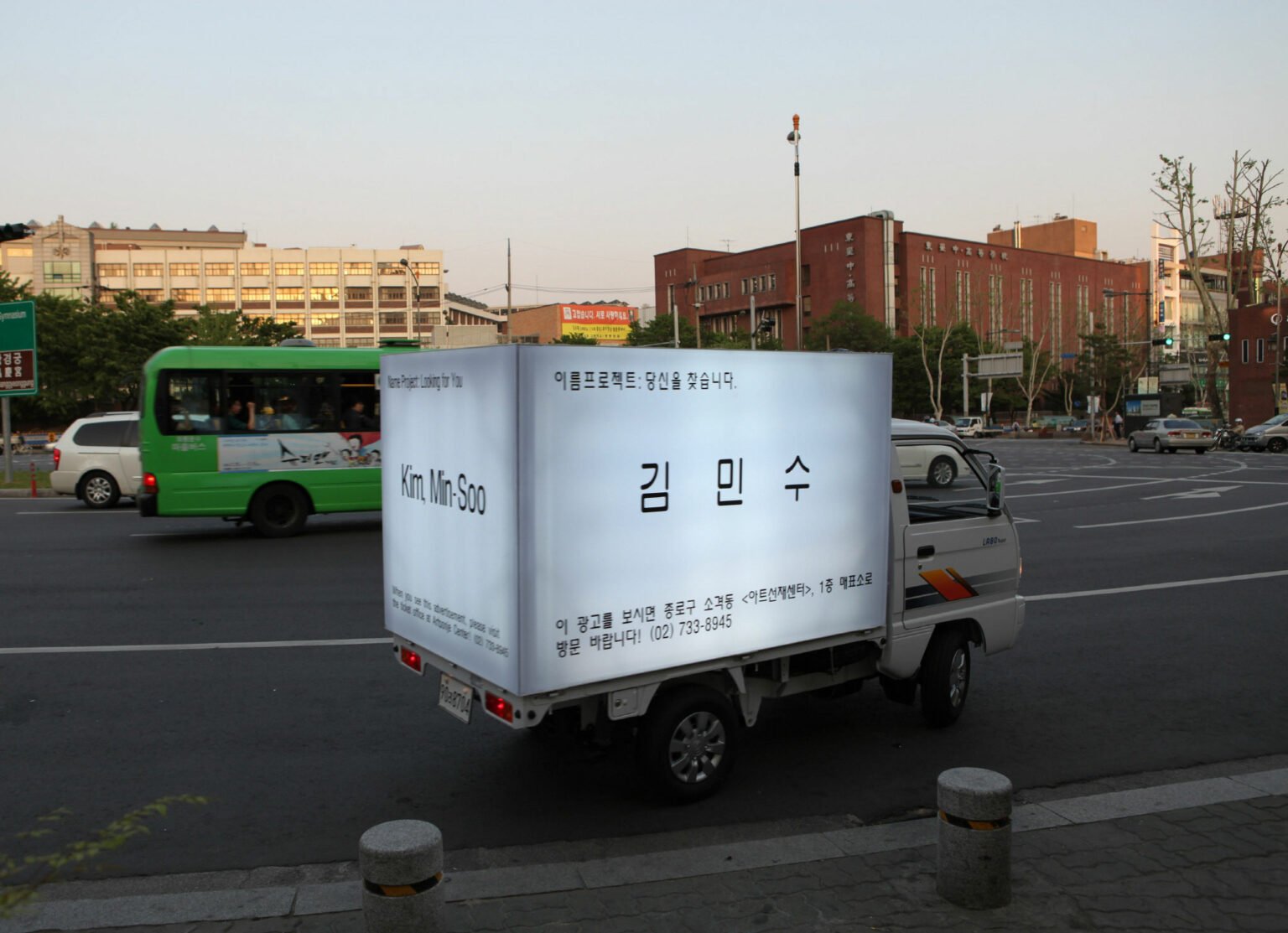
Name Project: Looking for You in Seoul(2009) and Name Project: Ivan Party(2006-) subvert social codes by using names as the medium of identity and community. Whether by searching for people with common names or creating posters to commemorate year-end parties of the gay community, these acts inscribe the existence of invisible minorities into the social landscape, while leaving the condition of “anonymity” as artistic evidence.

Style & Contents

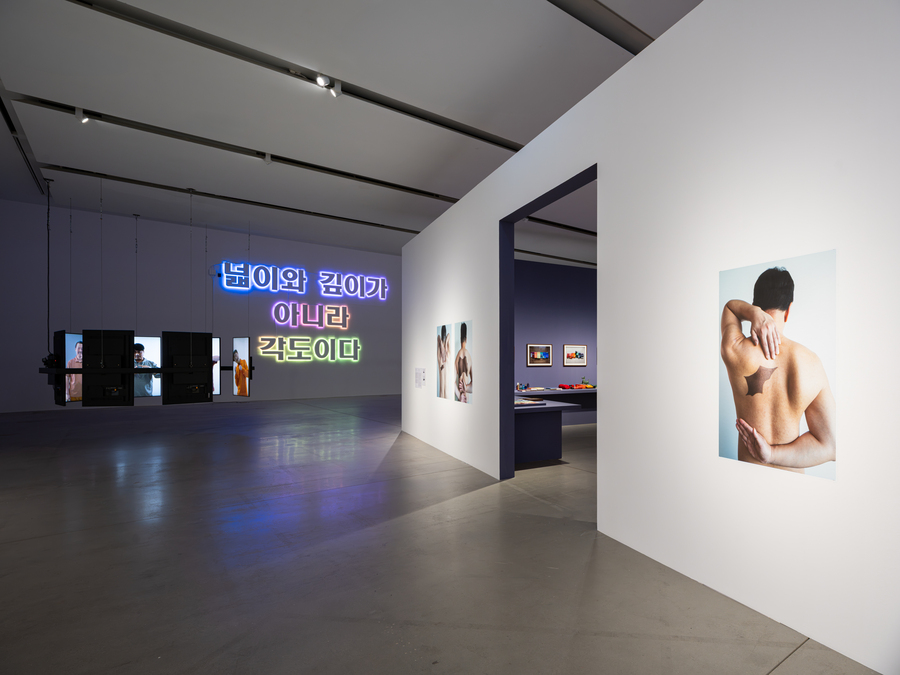
Formally, Oh traverses the boundaries of photography, video, installation, and performance. Meeting Time invites audience participation through documentary photographs and postcards, while Where He Meets Him infiltrates the viewer’s sense of smell and body through the burning of incense. This sensory expansion exemplifies the artist’s orientation toward privileging process and experience over material results.

In Lost and Found, the artist utilized the institutional setting of the Biennale, turning the act of visitors submitting and reclaiming lost objects into an artwork. Photographs, objects, and records were juxtaposed, revealing how ordinary actions could be transformed into artistic events within institutional contexts. Meanwhile, the Name Project series appropriated social sign systems such as advertising trucks, billboards, and posters to occupy public space, bringing voices outside institutions into institutional frames.

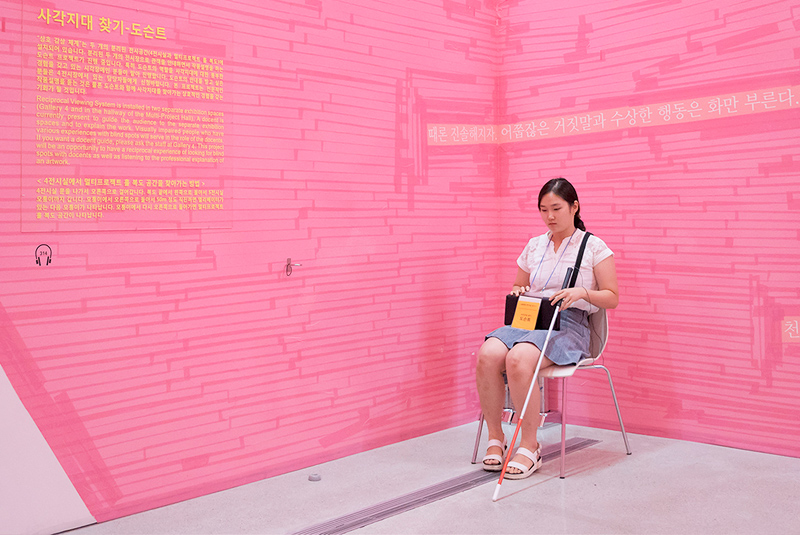
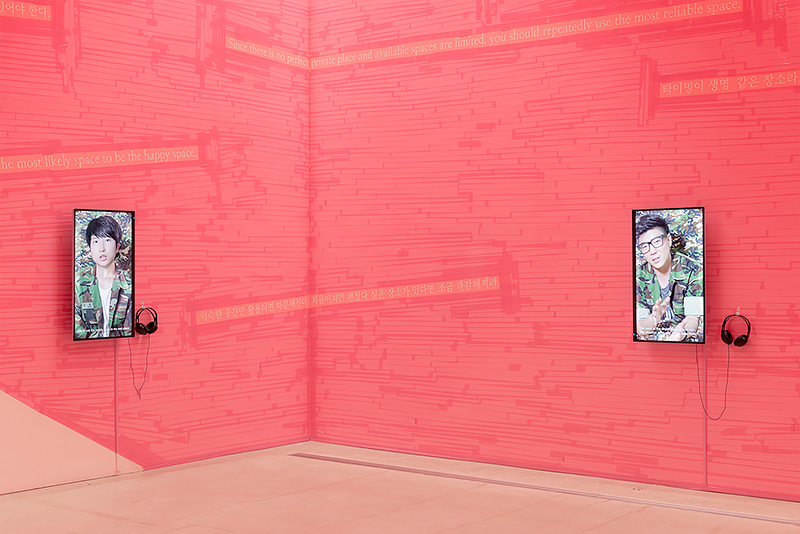
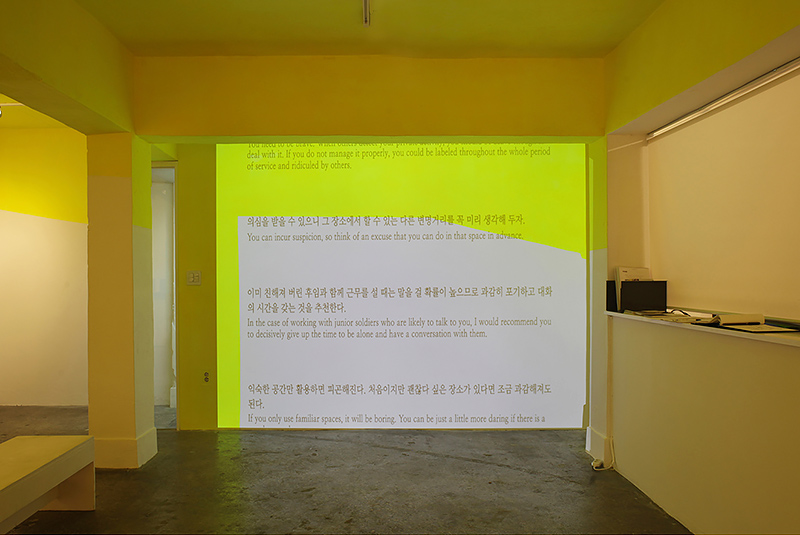
Security Guard and I(2014) and Reciprocal Viewing System(2015) transformed surveillance cameras—originally tools of monitoring and control—into artistic media for documenting collaboration, participation, and difference. Likewise, the posters of Name Project: Ivan Party functioned not merely as prints but as social devices, visualizing collective existence through layered signatures while simultaneously protecting individual anonymity.

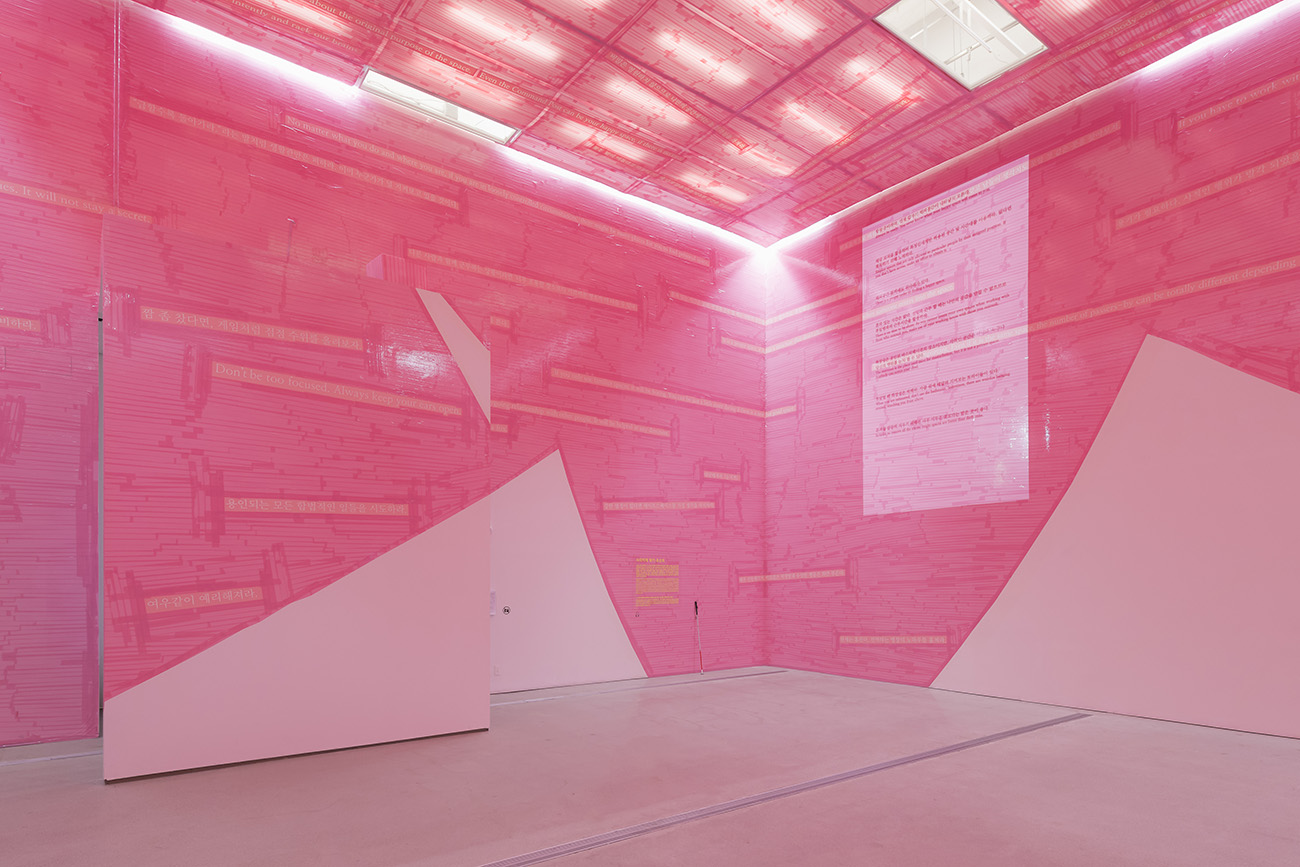
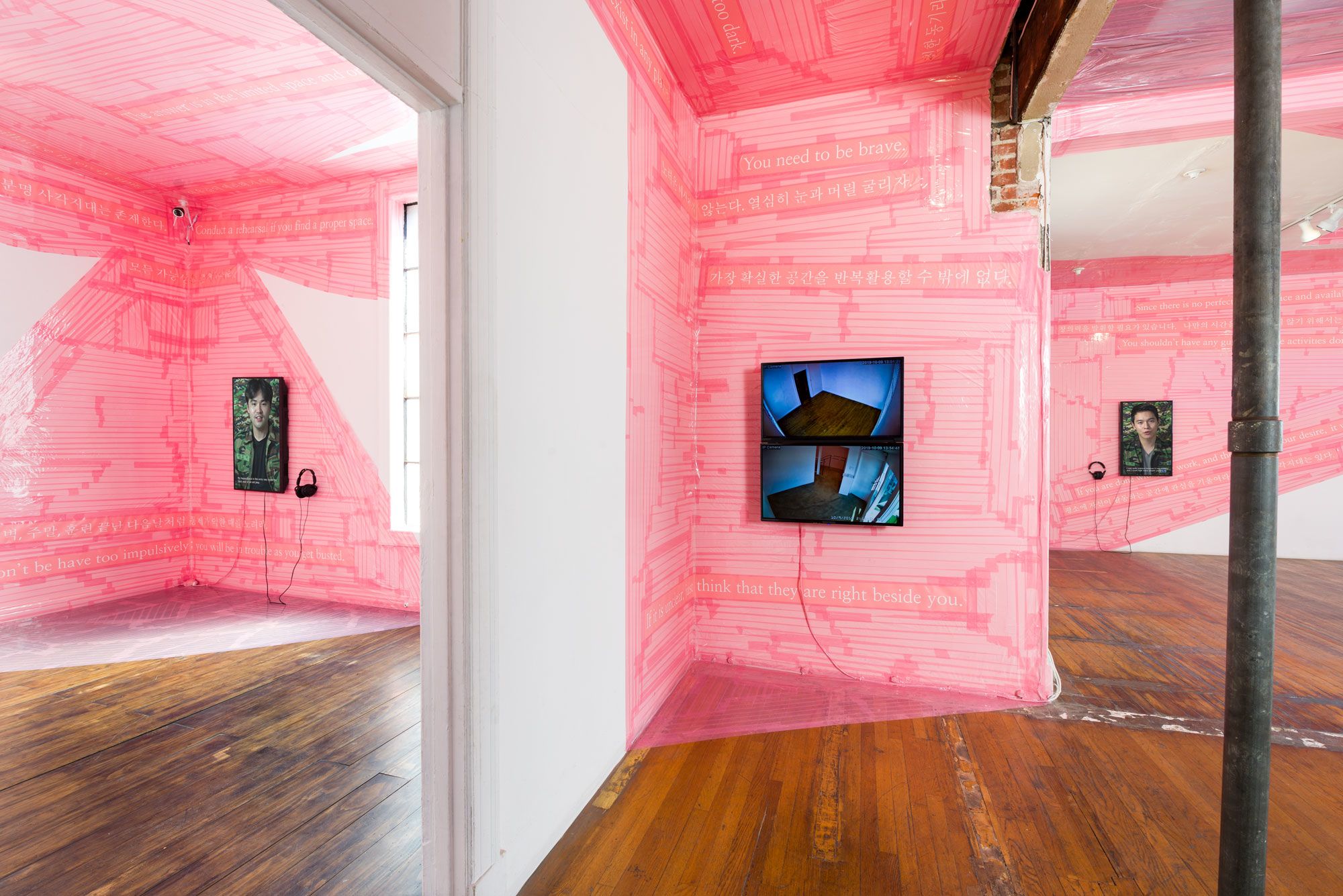
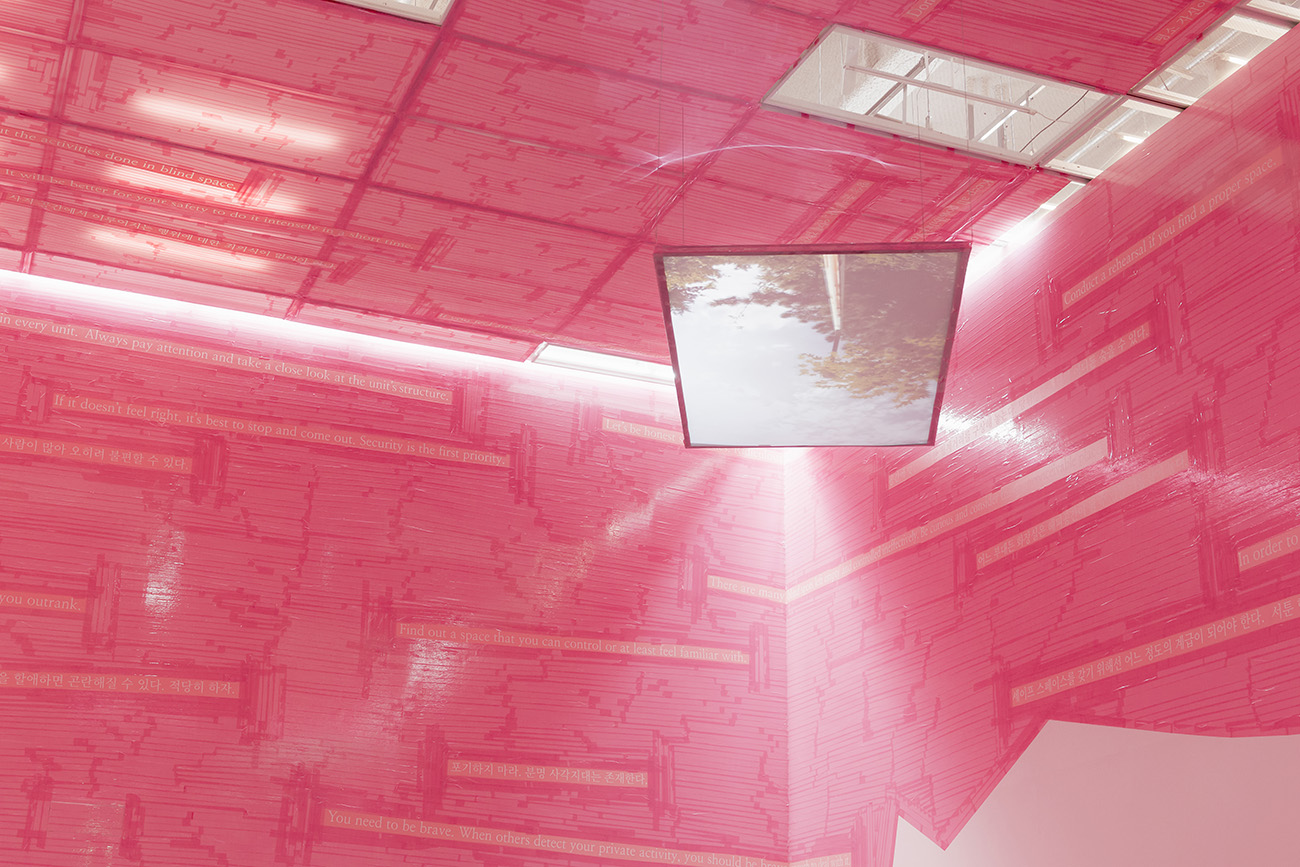
Even in later works such as My Own Blind Spots(2015), the artist continues to explore gaze, surveillance, space, and identity through the metaphor of the “blind spot.” By marking areas invisible to CCTV with pink tape, Oh reveals the limits of technological apparatus and imagines new spaces for personal desires and differences within surveillance society.

Topography & Continuity

From the beginning, Oh’s practice has consistently centered on identity and difference. From the personal coming out in Personal Ads, to the relationships recorded through “difference” in Meeting Time, and to the community revealed through common or anonymous names in Name Project, all his works engage with the problem of how invisible subjects can be articulated within the social landscape.

He has also consistently emphasized participation and process. Whether it be the recovery of objects in Lost and Found, the advertising truck of Name Project, or the collaborative process of Security Guard and I, the outcome of his works has always depended on the choices and actions of the audience or participants. This aligns with a significant tendency in contemporary art—audience participation—while concretizing it through the artist’s own socio-cultural critique.

In Korea, his work was spotlighted institutionally through the 《2015 Korea Artist Prize》(MMCA, Seoul), while internationally he has been positioned as a representative figure of Korean contemporary art in exhibitions such as 《The Shape of Time: Korean Art after 1989》(Philadelphia Museum of Art, 2023). This shows how he has developed a language rooted in the specificity of Korean society while resonating globally.

Inhwan Oh occupies a distinctive position in contemporary Korean art as an experimental figure who subverts social norms and institutional orders. His works intersect personal experience with social context, constructing an original form of inquiry into cultural blind spots. This sustained exploration, both in Korea and abroad, offers a new topography for contemplating identity, institution, difference, and normativity in contemporary art.

Works of Art

Specific Time and Space

Exhibitions

Exhibitions 《My Names》, 2019.10.16 – 2019.12.11, Smith Gallery at Davidson College (North Carolina, U.S.A.) 2019.10.15 Smith Gallery at Davidson College (North Carolina, U.S.A.)
Exhibitions 《My Own Blind Spots》, 2019.09.21 – 2019.11.02, Commonwealth and Council (LA) 2019.09.20 Commonwealth and Council (LA)
Exhibitions 《I am Not One》, 2018.09.04 – 2018.09.28, Space Willing N Dealing 2019.09.04 Space Willing N Dealing
Exhibitions 《TRAnS》, 2009.05.15 – 2009.07.19, Art Sonje Center 2009.05.15 Art Sonje Center

Activities