Kiwon Park (b.1964) - K-ARTIST
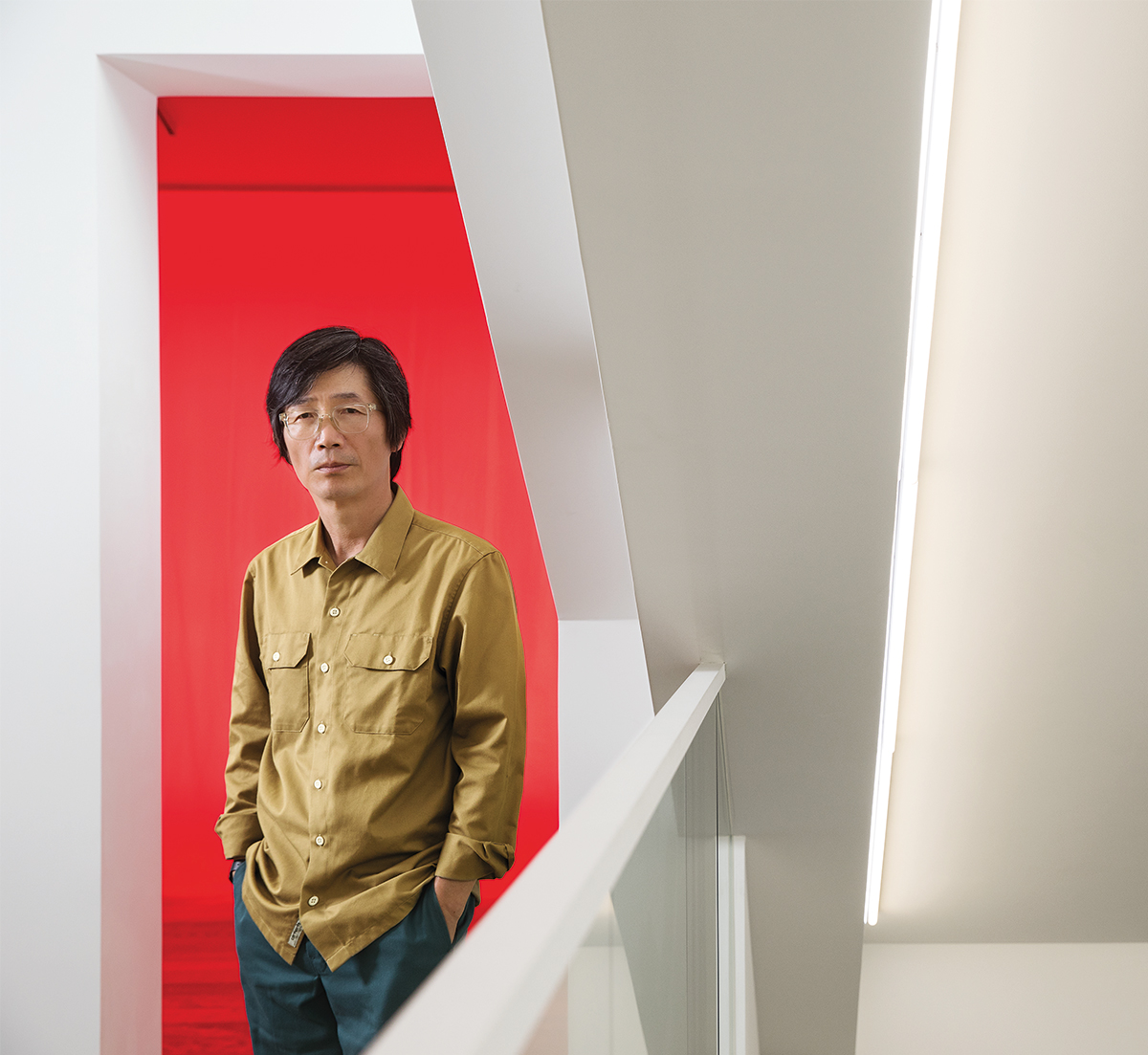
Kiwon Park (b.1964)
Kiwon Park (b.1964)

Kiwon Park majored in Western painting at Chungbuk National University, Department of Art Education.

Solo Exhibitions (Brief)

Park’s solo exhibitions include 313 Art Project, Seoul (2019, 2016); National Museum of Modern and Contemporary Art, Gwacheon (2010); Museo Nacional Centro de Arte Reina Sofia, Madrid (2006); and ARKO Art Center (2006).

Group Exhibitions (Brief)

Park has also participated in group exhibitions including Suwon Museum of Art Art Space Gwanggyo (2020); Cheongju Museum of Art (2019); OCI Museum (2018); National Museum of Modern and Contemporary Art, Gwacheon (2016); Amorepacific Museum of Art, Seoul (2016); Esprit Dior, DDP, Seoul (2015); Kumho Museum of Art, Seoul (2015); Galleria Continua, Les Moulins, France (2014-15); East Side Gallery Berlin, Berlin (2014); Busan Museum of Art, Busan (2013). In 2005, he was selected as a participating artist in the Korean Pavilion at the 51st Venice Biennale, and in 2000, he participated in a special exhibition at the Gwangju Biennale.

Awards (Selected)

Kiwon Park was selected as the Artist of the Year by the National Museum of Modern and Contemporary Art in 2010. In 2022, he received the 36th Kim Sejoong Sculpture Award.

Collections (Selected)

Park’s works are included in the collections of the National Museum of Contemporary Art(Seoul), Seoul Museum of Art(Seoul), Arko Art Center(Seoul), Amore Pacific Museum of Art(Seoul), Fondation Louis Vuitton(Paris), Daegu Museum(Daegu), and Cheongju Museum of Art(Cheongju).
Works of Art

Conversation with Empty Space

Originality & Identity

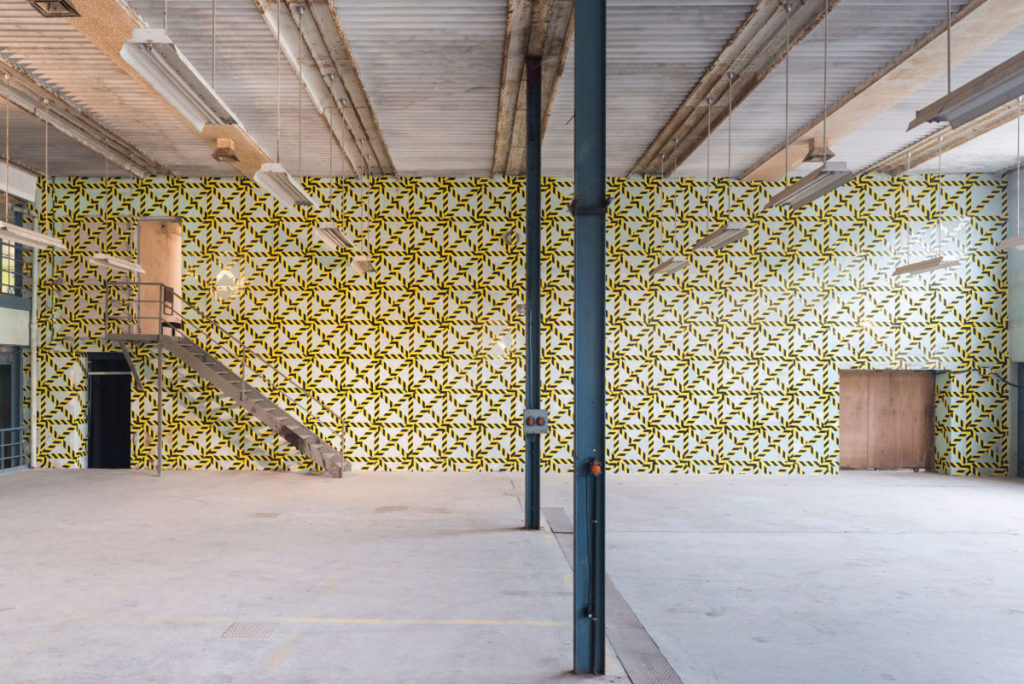
Kiwon Park’s practice begins with an attempt to reinterpret the essence of space. In his early work Move(1996, Gaain Gallery), the artist sensed subtle “movements” in a blank wall where nothing was installed and visualized them through the repetitive arrangement of FRP boards. This was an early case that clearly revealed his inquiry of enabling viewers to “experience space as artwork” rather than making a “space for artworks.”

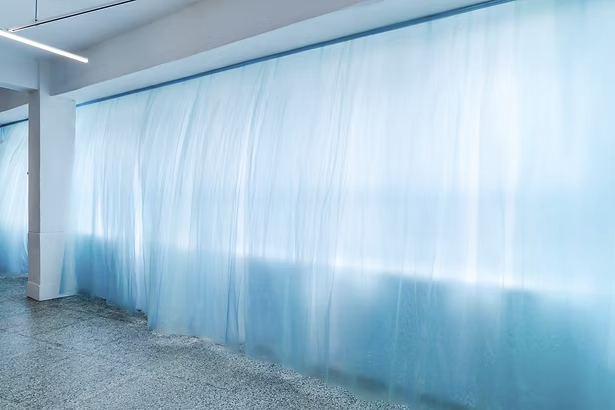
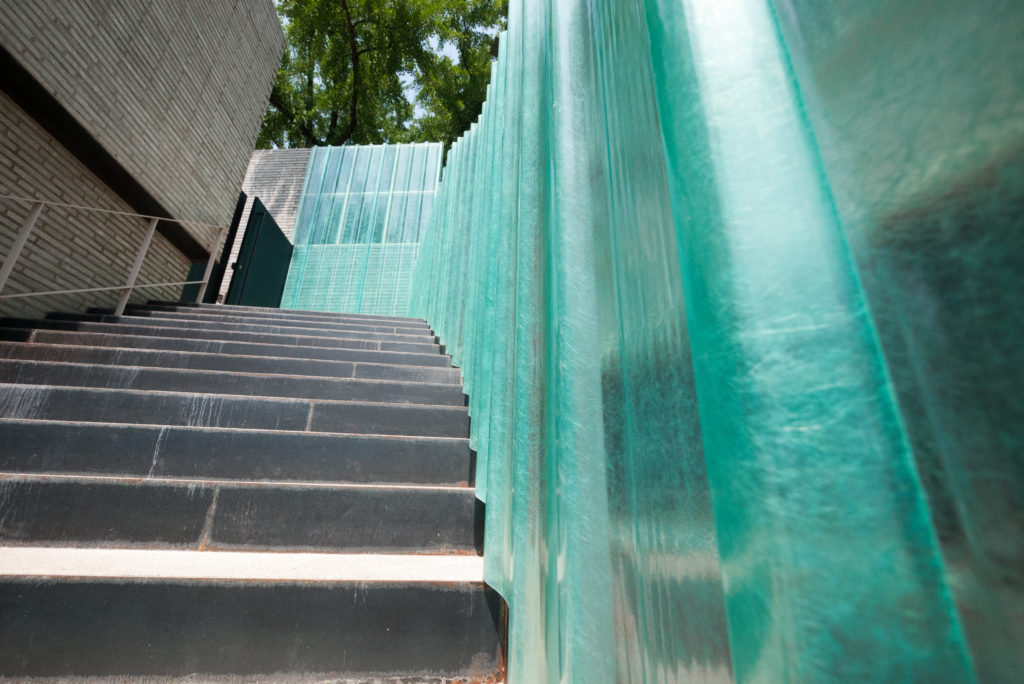
Later, in Diminish(2005) at the Korean Pavilion of the Venice Biennale, he wrapped the entire exterior wall of the pavilion with jade-colored FRP boards and transformed the entire circulation path into a work, thereby realizing a “spatial-sculpture” that drew in the context of the site and the external landscape. Such an approach is connected to his philosophy of turning space not into a backdrop of artworks but into an integral part of the work itself.

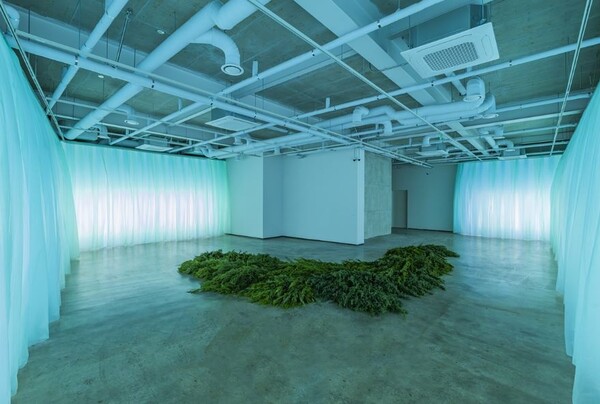
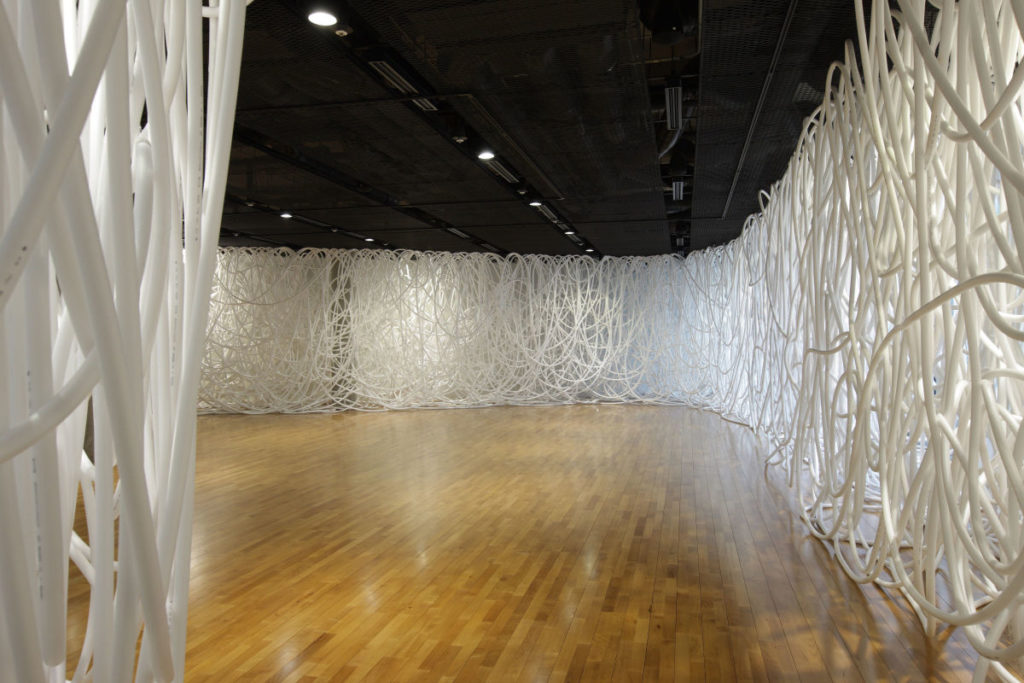
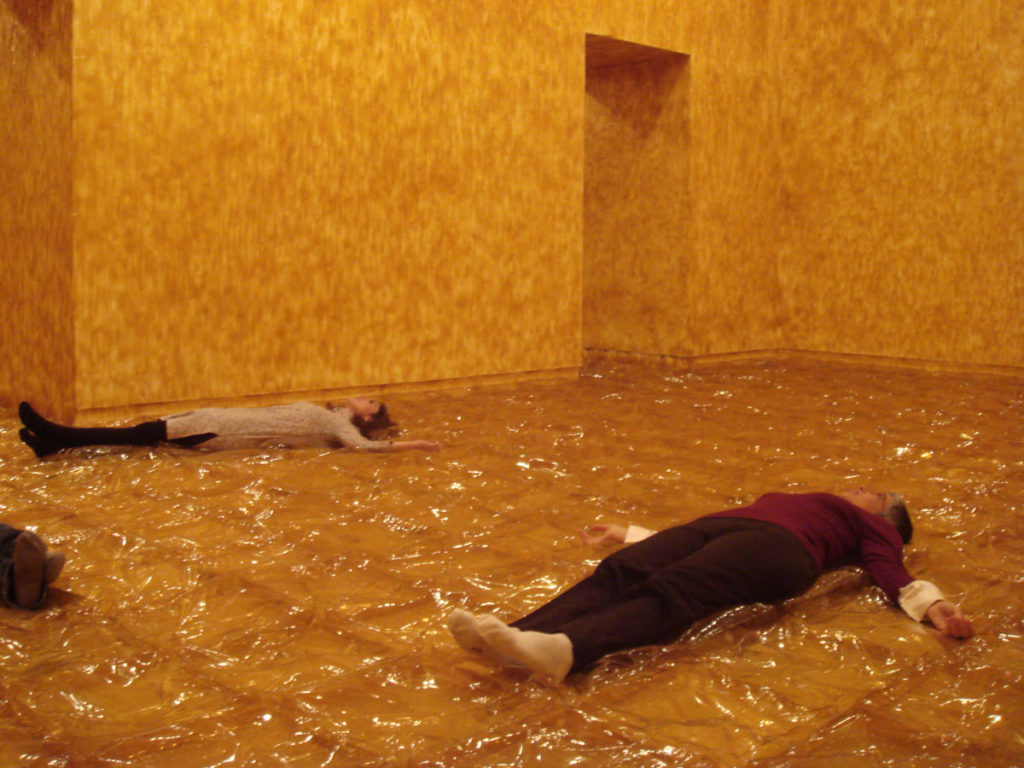
His interest does not remain at the level of physical structures of space alone. Light Weight(2006, Museo Nacional Centro de Arte Reina Sofía) responded to the heavy and thick stone construction of the museum by arranging soft tubes and light gel, thereby transforming the materiality of space. Visitors could lie down or walk over this work, experiencing a “lightness within heaviness,” which can be evaluated as a sensory experiment that transformed spatial experience.

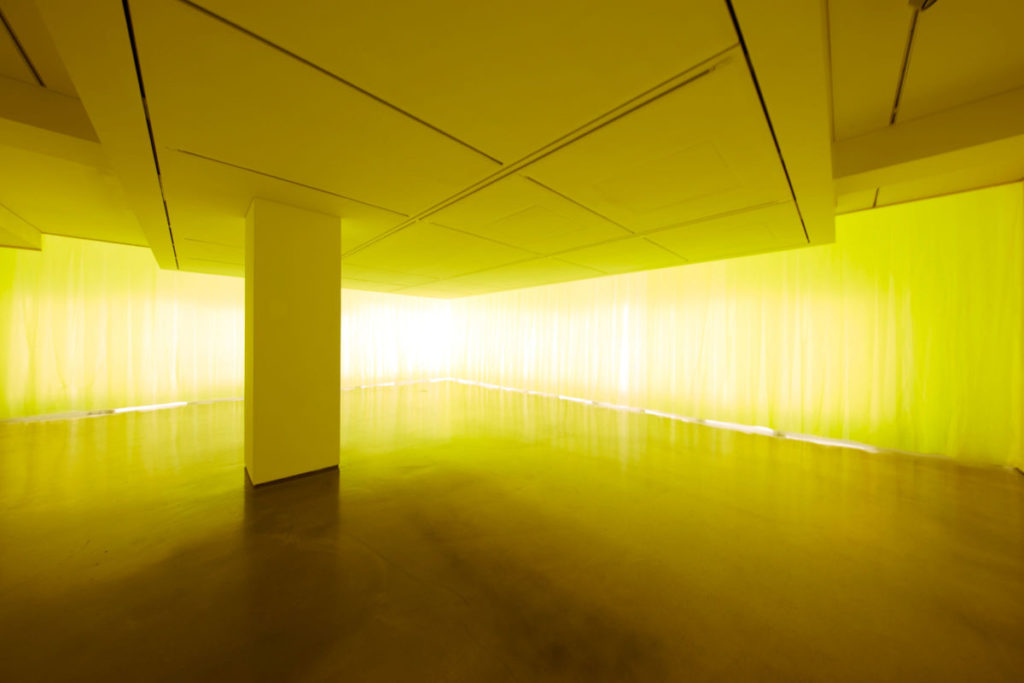
In 2010, selected as “Artist of the Year” by the National Museum of Modern and Contemporary Art, Korea, he presented his solo exhibition 《Who’s Afraid of Museums》 at the Gwacheon venue. Among the exhibited works, Scenery reflected the structure and atmosphere of the central concourse while transforming its granite wall surface into a jade-green hue, creating a space that felt both familiar and strange. This was a concentrated example of his consistent thematic orientation: “respecting the history and identity of space while evoking new sensations.”

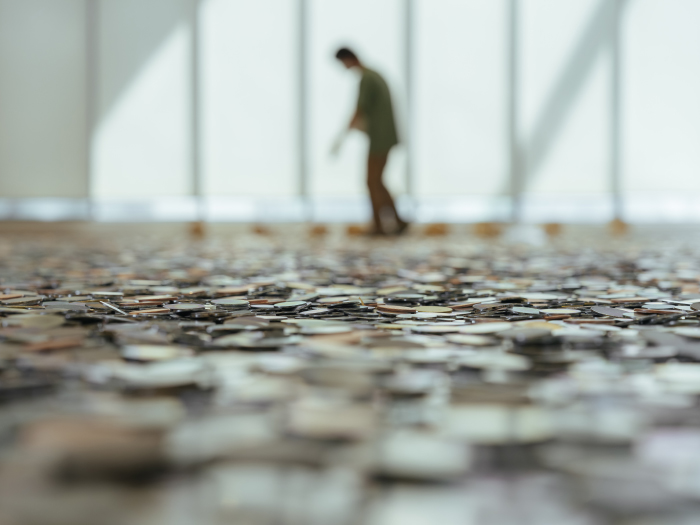
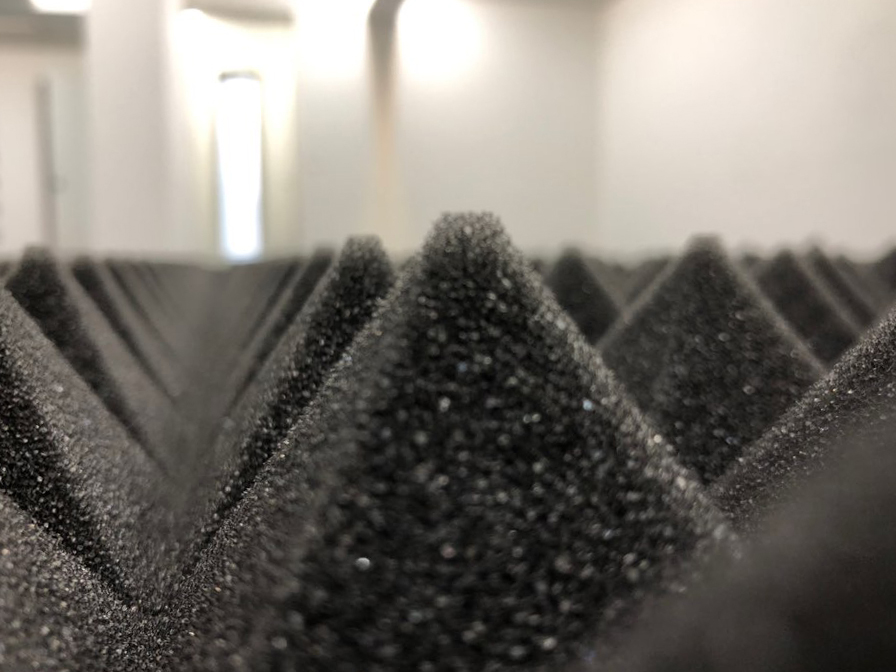
His recent work Dialogue(2022, Seoul Botanic Park) combines site-specificity with personal experience. Using the act of stepping on fallen leaves as a motif, it invited visitors to walk on the work and listen to the sound produced, thereby engaging in a silent dialogue with themselves. This re-enacted the theme of “subtle stimuli and air currents” that has continued since Move, while expanding toward the contemporary subject of reflecting on the relationship between nature and human beings. Consequently, Park’s themes show a trajectory that began with the “reinterpretation of space and site-specificity” and expanded toward the “interaction of space, body, and sensory perception.”

Style & Contents

Kiwon Park’s formal language is characterized by revealing the essence of space through minimal material intervention. In Move, he arranged thin, translucent FRP boards side by side, providing a new visual rhythm without undermining the purity of the space. Rather than erecting massive sculptural forms like other large-scale installations, this was an extremely restrained expression that awakened the latent potential of the space itself.

In Diminish, the FRP boards functioned not as mere wall decoration but as a device that transformed the entire exhibition hall into a circulation and medium. By allowing other artists’ works to be installed upon them, he overturned the hierarchy between “space” and “artwork” and reconfigured them into a mutually dependent relationship. This approach shows a formal characteristic of his work that comes alive in contexts of publicity and collaboration.

In Light Weight, he transformed the heavy museum environment into a “place of rest” through non-traditional materials such as gel and tubes. This was an attempt to deconstruct the conventional form of sculpture and to reconstruct space sensorially by combining the materiality of materials with the bodily experience of viewers.

In large-scale installations such as Scenery, painterly elements (oil-painted sheets) and architectural structures are combined. This was a formal experiment crossing the boundary between painting and installation, and it was completed through the active participation of viewers who mediated between the artwork and the space. Furthermore, in Dialogue, objects, actions, and auditory elements are combined, expanding space into a “breathing field.” This work does not merely produce auditory effects but immediately evokes the relationship between the viewer’s body and the contemplative space of the botanical garden.

Topography & Continuity

Kiwon Park has consistently maintained a thematic orientation of revealing and transforming the essence of space and material. His work is not simply installation art but is closer to process-based art that transforms space itself into a work and is completed through the mediation of the viewer’s senses and body. This has established a distinctive position in contemporary Korean art as a pioneer in the “reconfiguration of space and viewing experience.”

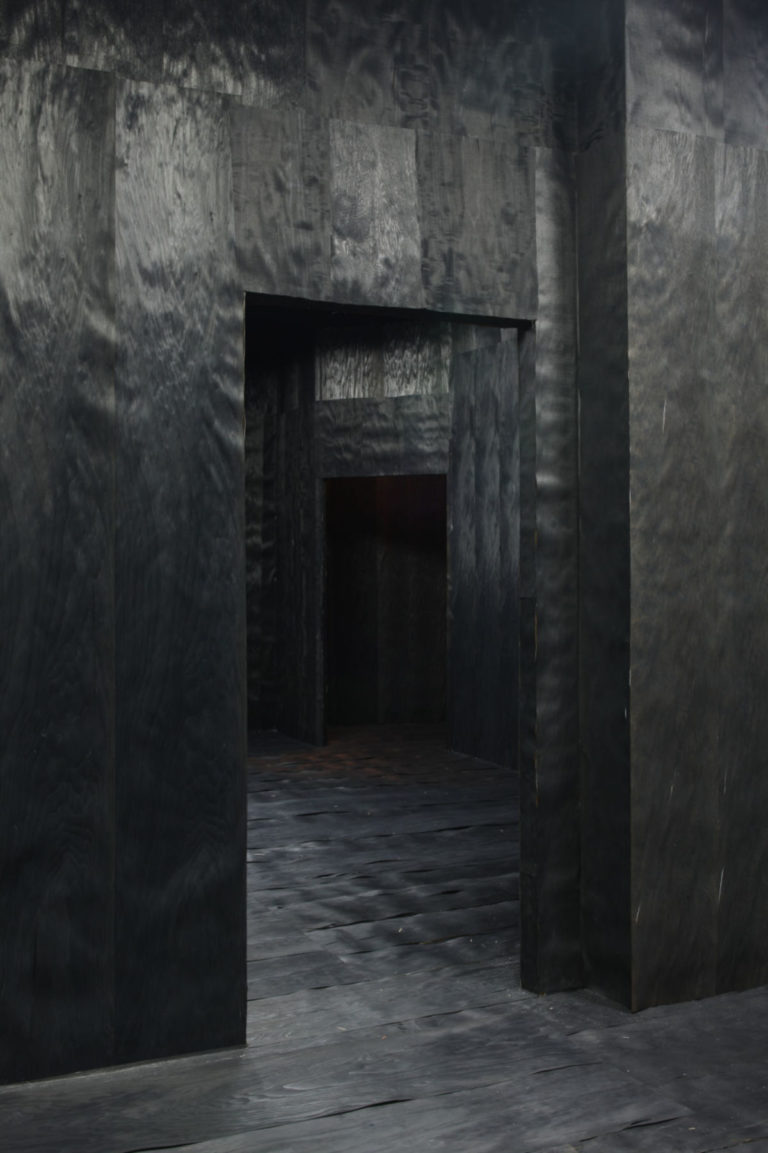
His formal trajectory began in the 1990s with minimalist planar experiments using plywood and objects, expanded in the 2000s into spatial installations using FRP boards and vinyl, and developed in the 2010s into complex works that combined painting and installation across large-scale museum spaces. More recently, it has evolved into works such as Dialogue, which integrate the actions and auditory experiences of the audience.

Kiwon Park has contributed greatly to expanding the international stature of Korean installation art by highlighting the aesthetic potential and public significance of art rather than relying on the glamorous discourses or image consumption of the art market. His body of work has constructed a unique form that realizes “maximum spatial transformation through minimal intervention,” thereby shaping an important landscape of contemporary Korean installation art. Furthermore, based on international sensibilities accumulated through exhibition experiences in major cities such as Venice and Madrid, he has been expanding his minimalist aesthetics, rooted in a Korean material sensibility, into site-specific practices across museums and public spaces worldwide.

Works of Art

Conversation with Empty Space

Articles

Exhibitions

Activities