

Proposal For The Reconstitution Of Ritual Elements For The Sun Pyramid At Teotihuacan - K-ARTIST

Proposal For The Reconstitution Of Ritual Elements For The Sun Pyramid At Teotihuacan

2019
Polyurethane, acrylic
Letter to Juan Manuel Garibay Barrera, National Museums and Exhibitions Coordinator, INAH (History and Anthropology National Institute), Mexico
About The Work

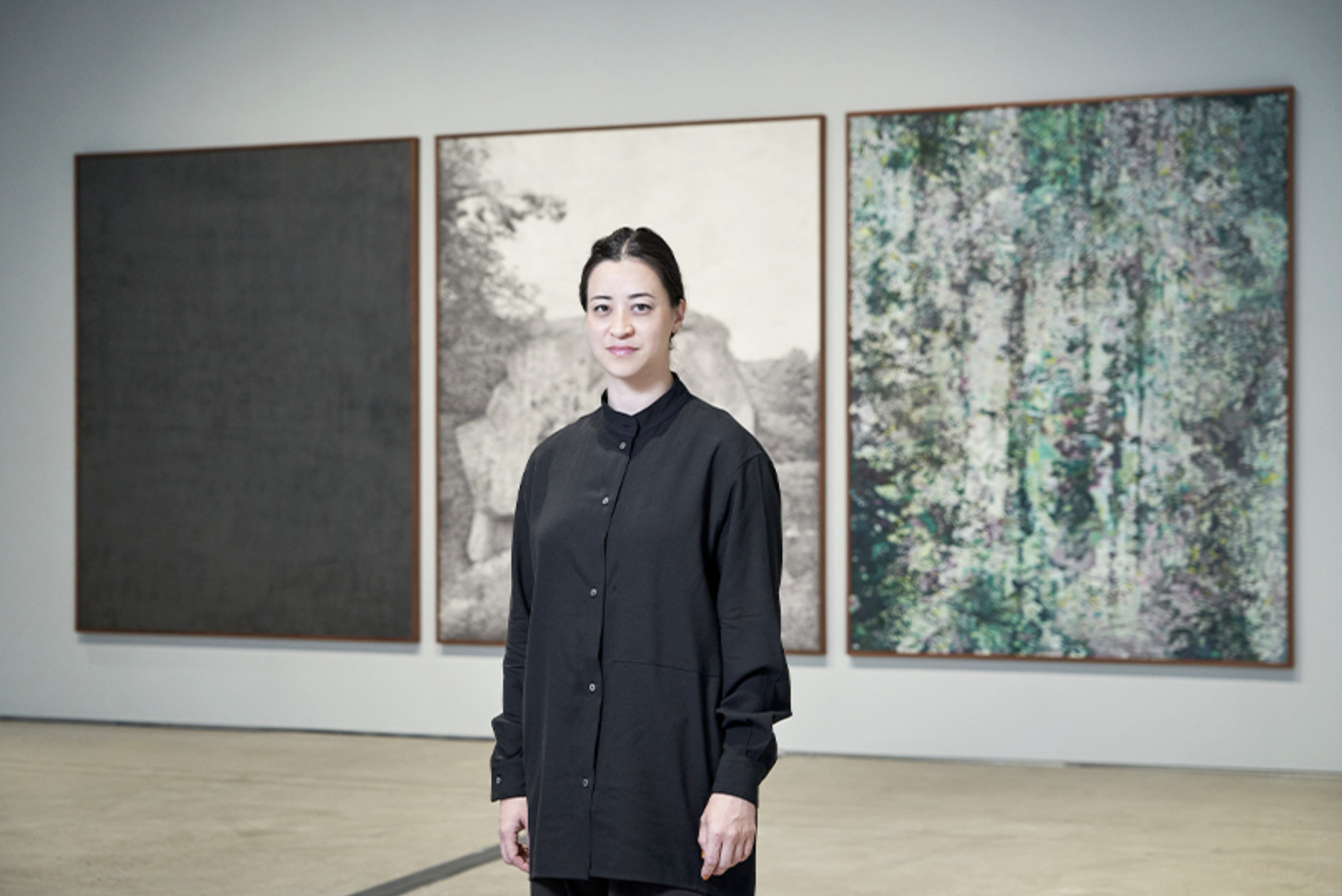
Gala Porras-Kim has critically explored how relics originating from past civilizations are redefined within contemporary institutional frameworks. She focuses on ancient objects—such as dolmens, sarcophagi, and temple relics—that were created to revere life and death but have lost their original functions, now reclassified as “artworks” or “national treasures” within museums and galleries.
 
She closely traces how ancient relics—particularly those created to revere death or serve ritualistic functions—are recontextualized with new meanings and purposes within contemporary institutional environments after their excavation.
 
Porras-Kim critically examines how objects, detached from their original contexts, are reconstituted within systems of display and preservation. Grounded in interdisciplinary research spanning archaeology, religious studies, and legal frameworks, she has engaged in collaborative practices with institutions to reconsider and revise existing institutional norms. She carefully captures the intersection of reality and ritual, myth and science through the material, function, and place of relics, seeking to reconstruct contemporary understandings of culture and history.

Solo Exhibitions (Brief)

She has had 22 solo exhibitions at major institutions including National Museum of Contemporary Art, Korea (Seoul), Leeum Museum of Art (Seoul), MUAC (Mexico City), Kadist (Paris), Amant Foundation (New York, USA), Gasworks (London), and CAMSTL (St. Louis, USA).

Group Exhibitions (Brief)

The artist has participated in group exhibitions at Sprüth Magers (2024, Berlin), Kunsthall Trondheim (2024, Norway), Brooklyn Museum (2020, New York), Hammer Museum (2019, Los Angeles), Museum of Contemporary Art Chicago (2019, Chicago), and Seoul Museum of Art (2017, Seoul).

In addition, she has taken part in numerous international biennials, including the Whitney Biennial (2019), Ural Industrial Biennial (2019), Gwangju Biennale (2021), São Paulo Biennial (2021), Jeju Biennale (2022–2023), and Liverpool Biennial (2022–2023).

Awards (Selected)

Gala Porras-Kim has received awards from the Art Matters Foundation (2019, New York), the Thomas Sillman Vanguard Award (2019, Vincent Price Art Museum, USA), and the Joan Mitchell Foundation (2016, New York).

Residencies (Selected)

She was a Fellow at the Radcliffe Institute for Advanced Study at Harvard University (2019) and the artist-in-residence at the Getty Research Institute (2020-2022), and she is a Senior Critic at Yale sculpture department.

Collections (Selected)

Gala Porras-Kim’s works are included in the collections of the Museum of Modern Art, New York; Whitney Museum of American Art, New York; Brooklyn Museum, New York; Museum of Contemporary Art, Los Angeles; Hammer Museum, Los Angeles; Los Angeles County Museum of Art; Museum of Contemporary Art, Chicago; DePaul Art Museum, Chicago; Dallas Museum of Art, Texas; Seoul Museum of Art, Korea; FRAC Pays de la Loire, France; and Tate Modern, United Kingdom.
Works of Art

The Life of Relics Within Institutional Spaces

Originality & Identity

Gala Porras-Kim has critically explored how relics originating from past civilizations are redefined within contemporary institutional frameworks. She focuses on ancient objects—such as dolmens, sarcophagi, and temple relics—that were created to revere life and death but have lost their original functions, now reclassified as “artworks” or “national treasures” within museums and galleries.

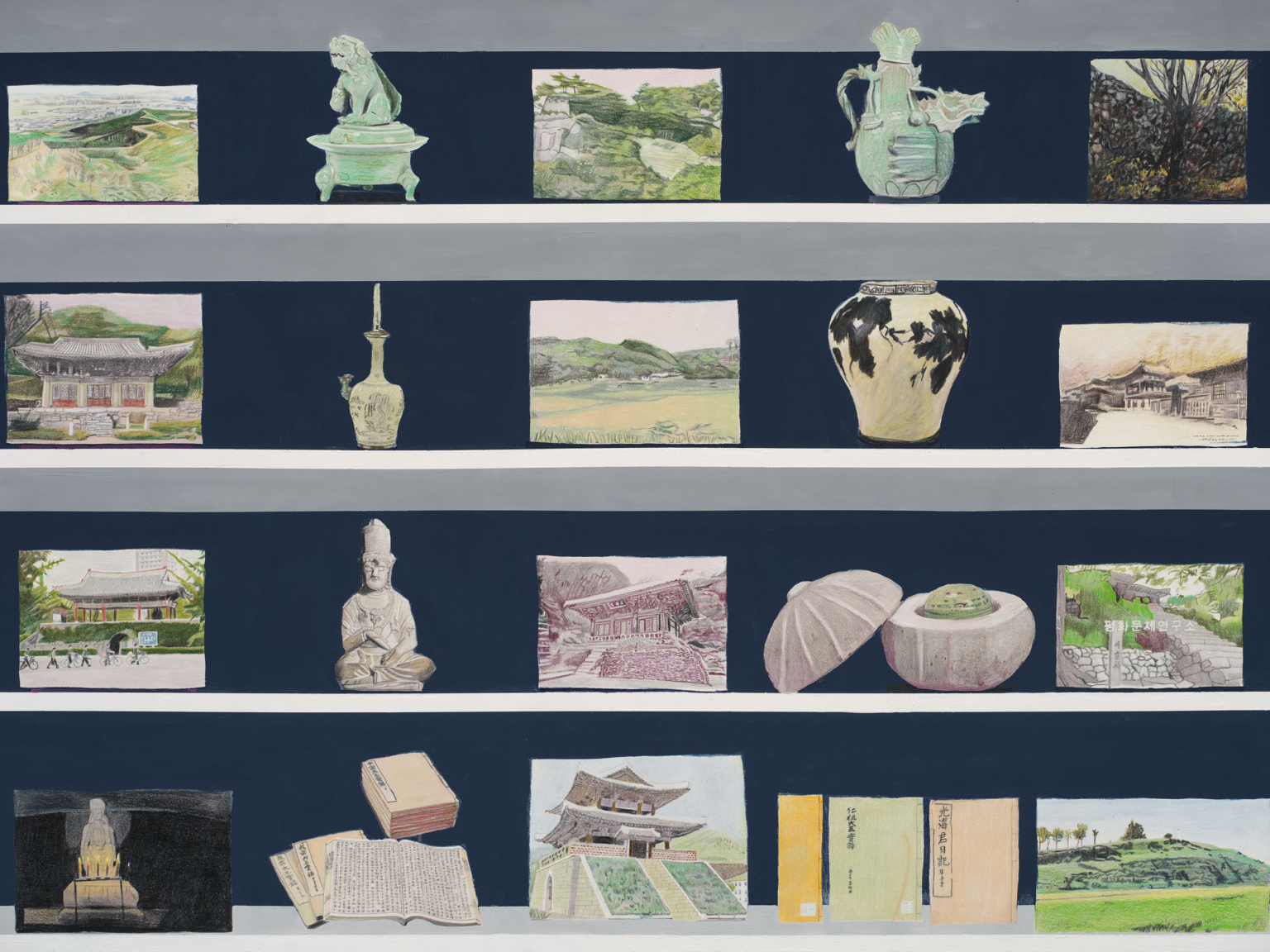
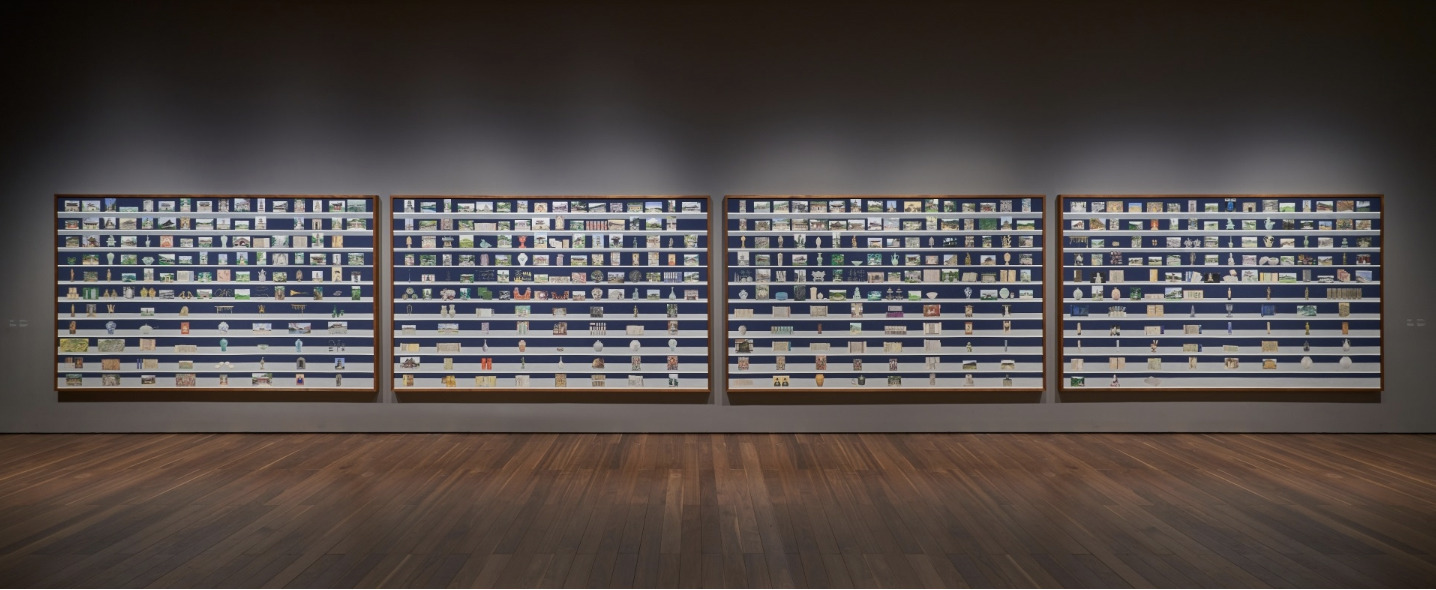
In her solo exhibition 《Gala Porras-Kim: National Treasures》(2023, Leeum Museum of Art), the work 530 National Treasures(2023) reassembles national treasures separately designated by South and North Korea after division, metaphorically exposing the politicization and historical division underlying the designation of cultural heritage.

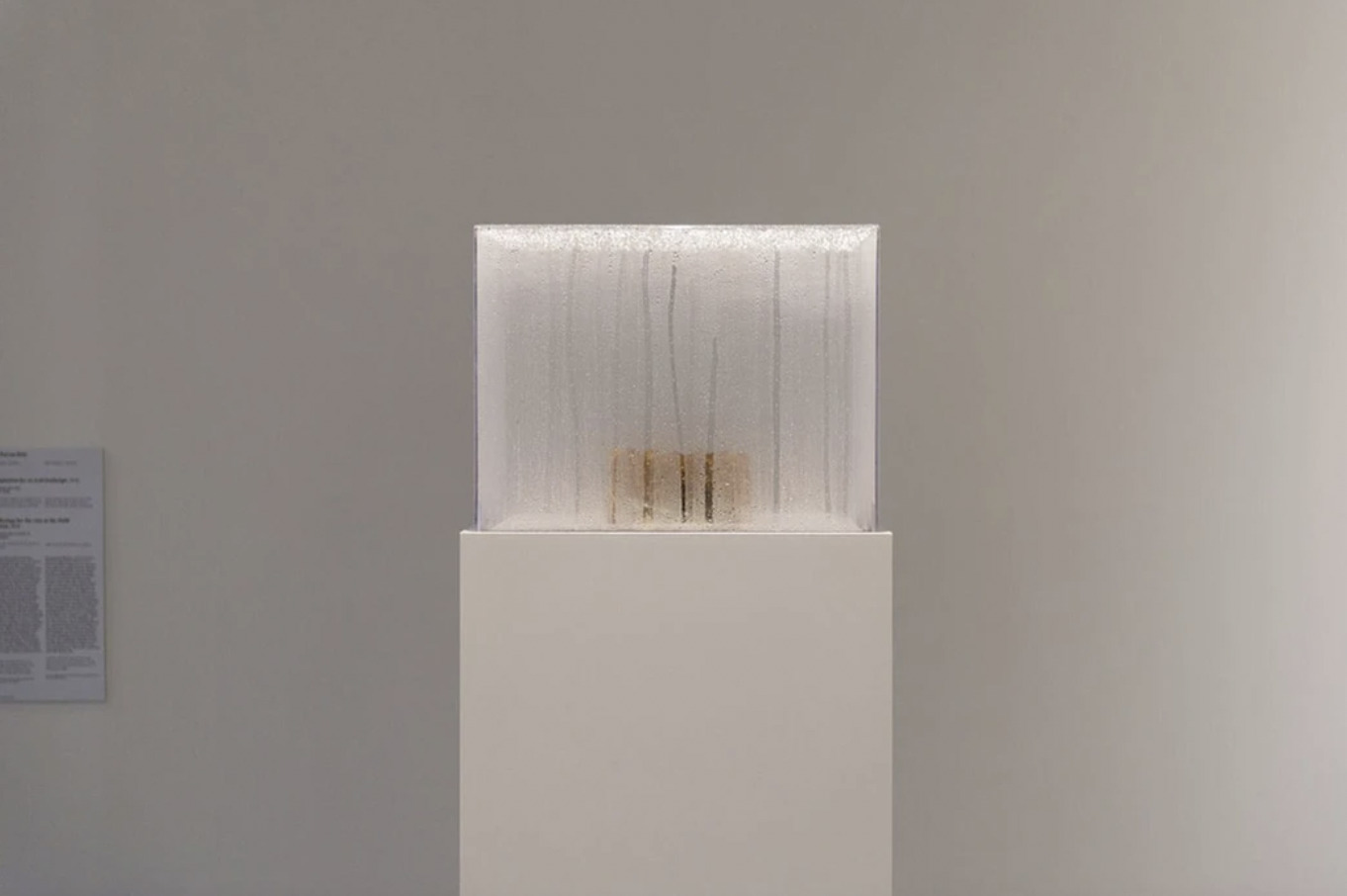
Her work does not merely question the contemporary status of ancient relics; it actively seeks ways to revive their original contexts and spiritual significance. In the ongoing project Precipitation for an Arid Landscape(2021–), Porras-Kim critiques the displacement of artifacts from environments like the Maya cenotes and proposes ritual reconnections with their original cosmological meanings.

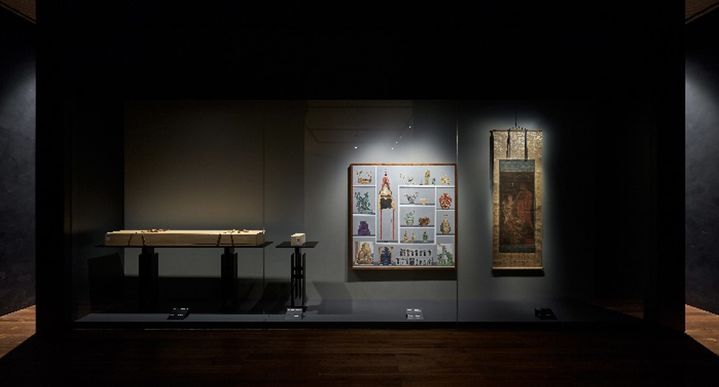
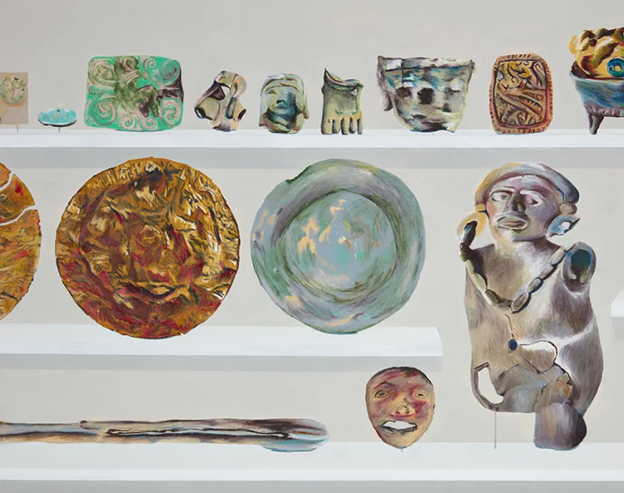
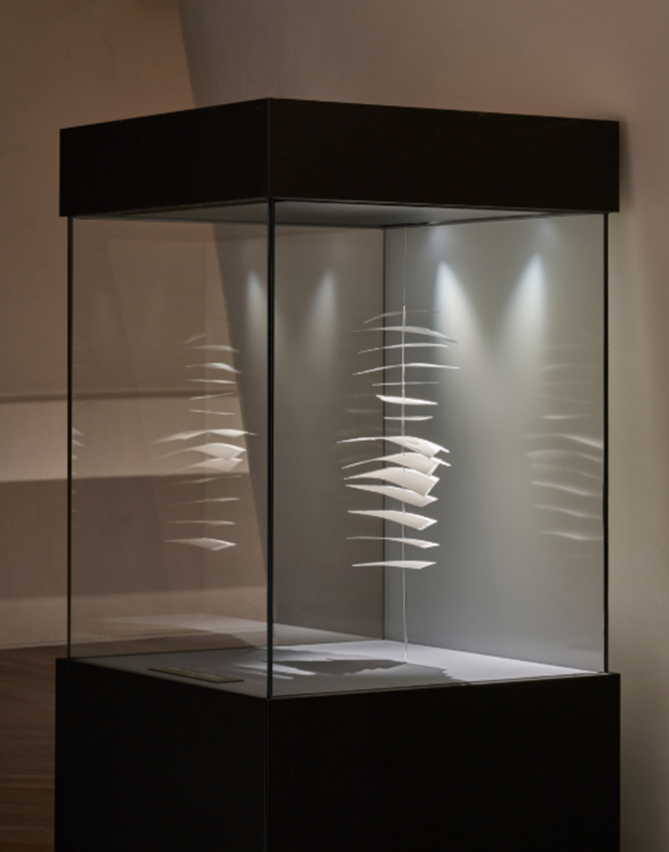
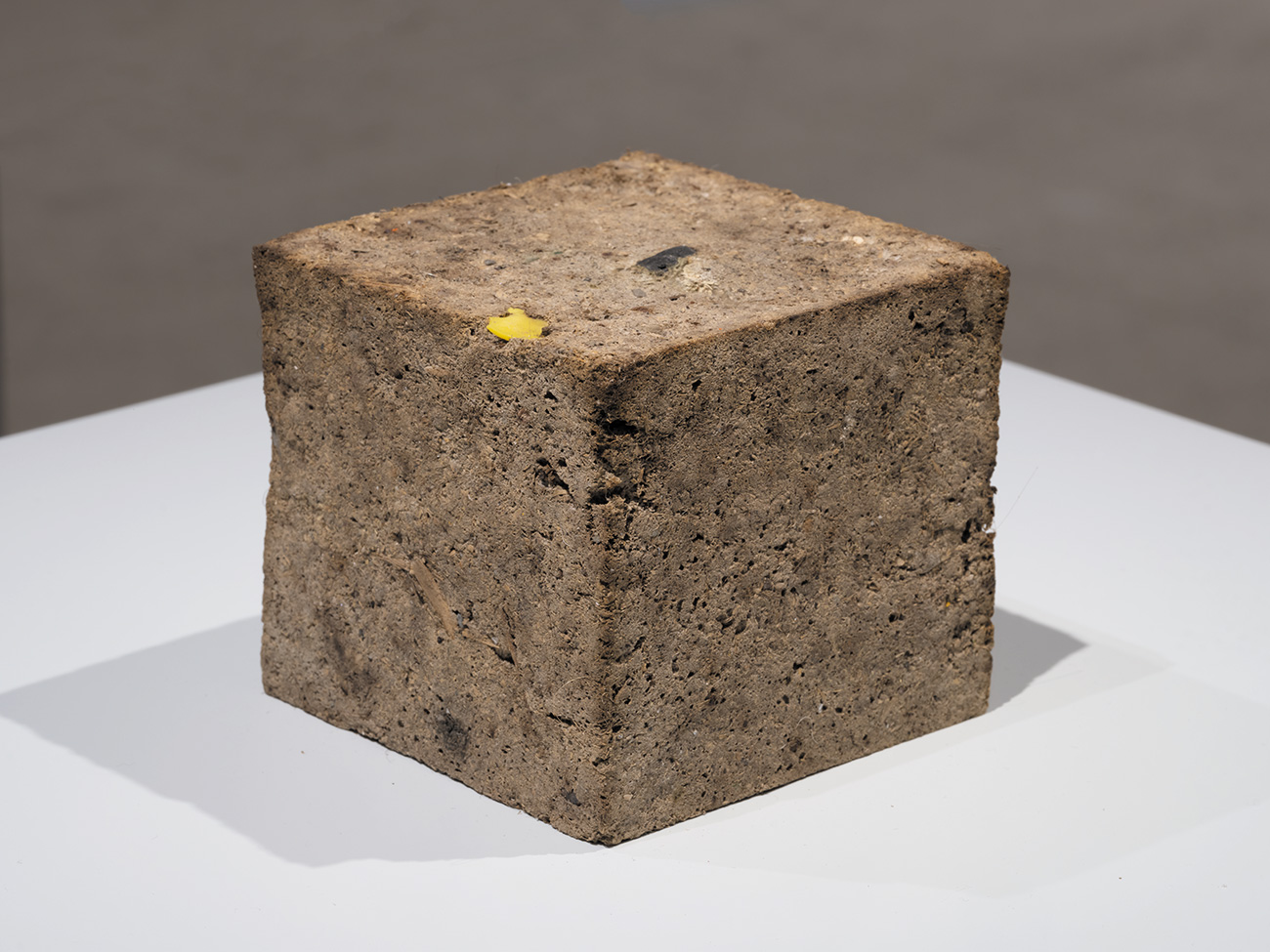
She creates new objects by mixing dust collected from museum storage with copal resin, and suggests reinstalling these in ways that allow encounters with water, reviving their sacred contexts. Similarly, in Proposal for the Reconstituting of Ritual Elements for the Sun Pyramid at Teotihuacan(2019), she directly communicates with institutions through formal proposals, seeking collaborative transformations of institutional practices.

Porras-Kim also consistently explores language, record, and the inaccessibility of vanished information. Her early work Whistling and Language Transfiguration(2012) translates the endangered tonal Zapotec language, historically used as a form of resistance against Spanish colonizers, into whistled sound recorded on vinyl. Through this work, she reflects on linguistic extinction, oral traditions, and the survivability of non-written cultures.

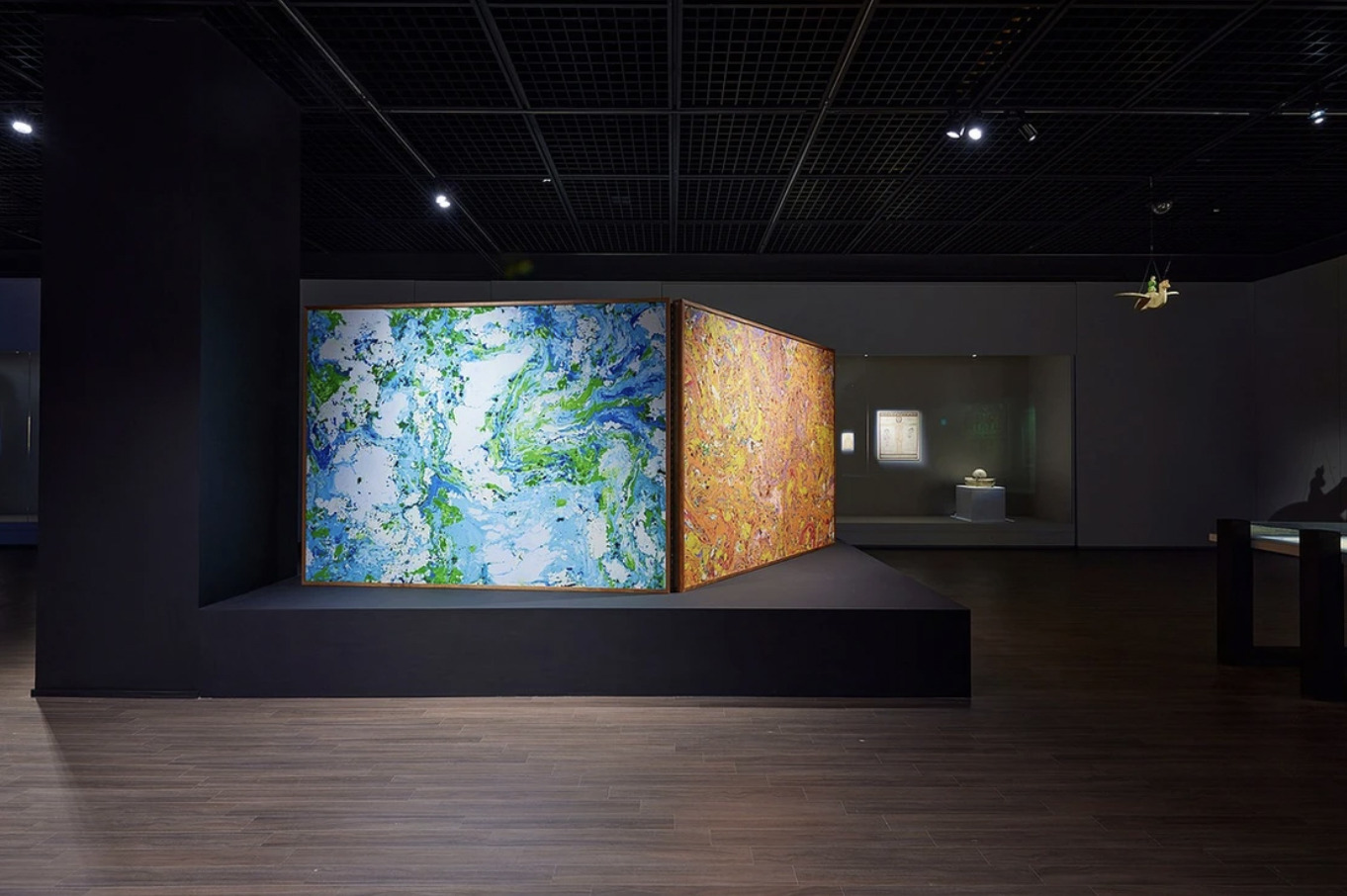
In A terminal escape from the place that binds us(2020–), she attempts an imaginative communication with unidentified human remains exhibited in museums, proposing alternative resting places through marbled divination drawings.

Porras-Kim thus treats language not merely as a tool for communication but as an ontological mediator, consistently questioning the authority of institutional language systems and proposing that artifacts might possess their own self-expressive agency.

Style & Contents

Gala Porras-Kim visualizes the narrative systems of museums and their artifacts through media such as drawing, installation, documents, and performance. Her drawings, often composed with modest materials like pencil, graphite, and paper, function as a method of visualizing archaeological thought.

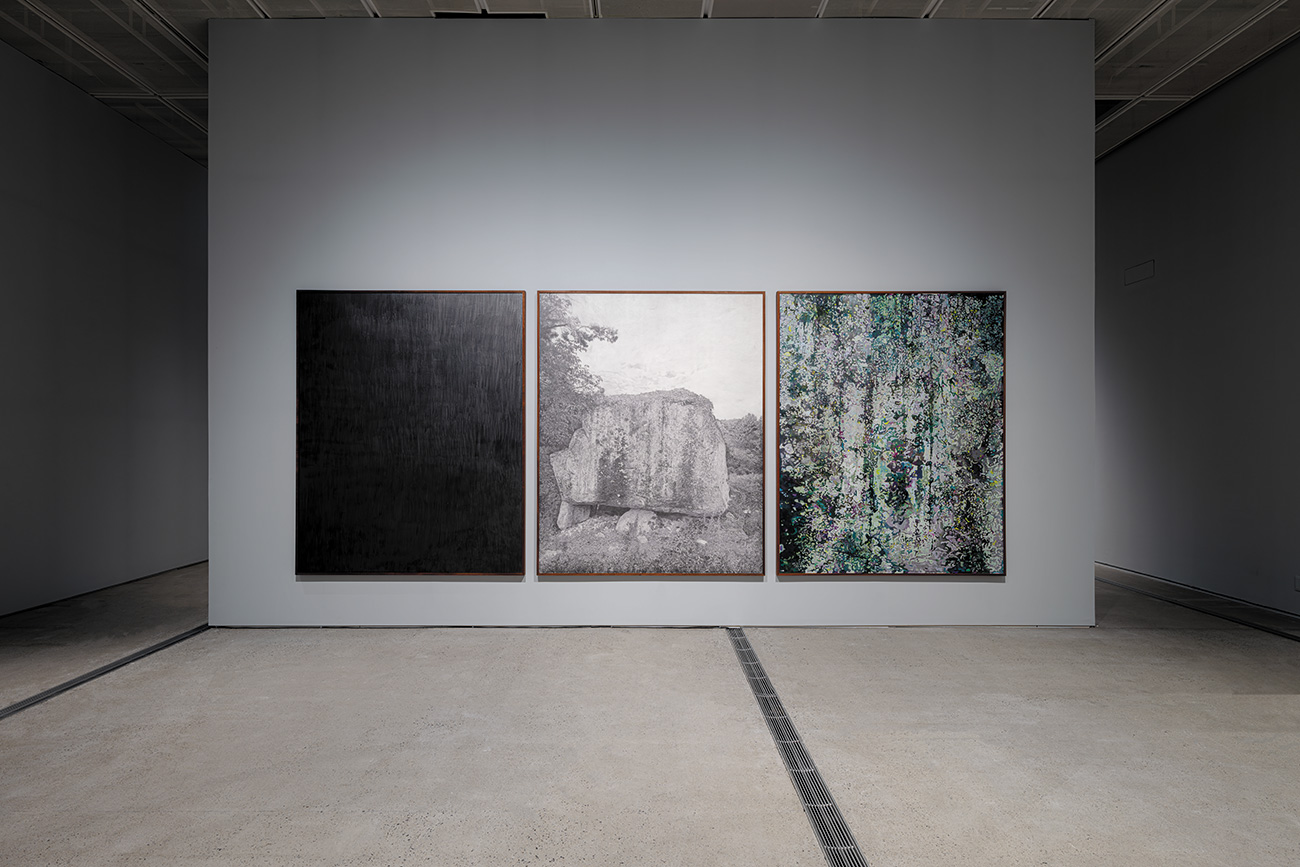
In The weight of a patina of time(2023), she stratifies temporal layers within the composition by fragmenting the dolmen—a relic—into the perspectives of "the deceased," "the viewpoint of cultural heritage," and "the perspective of moss."

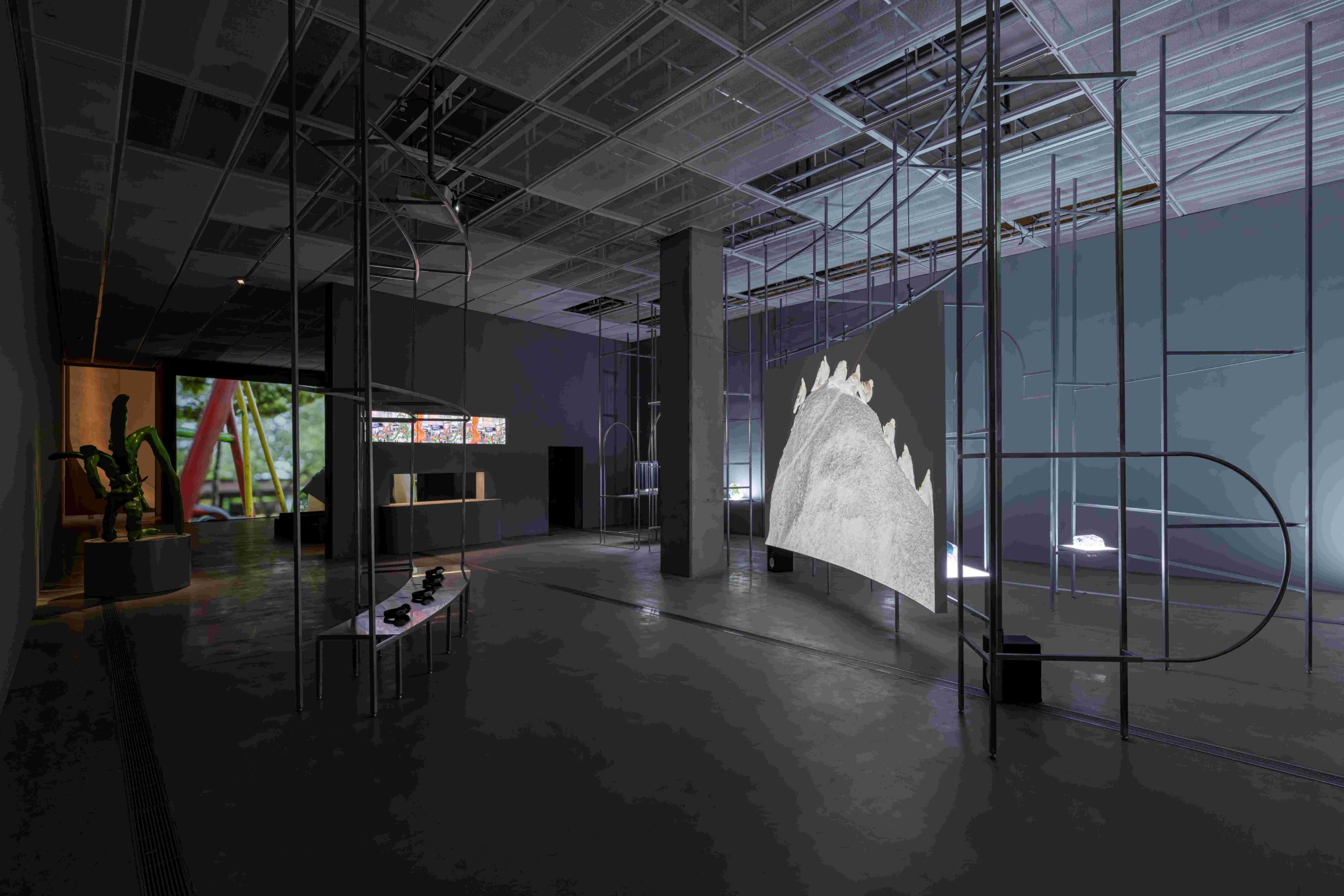
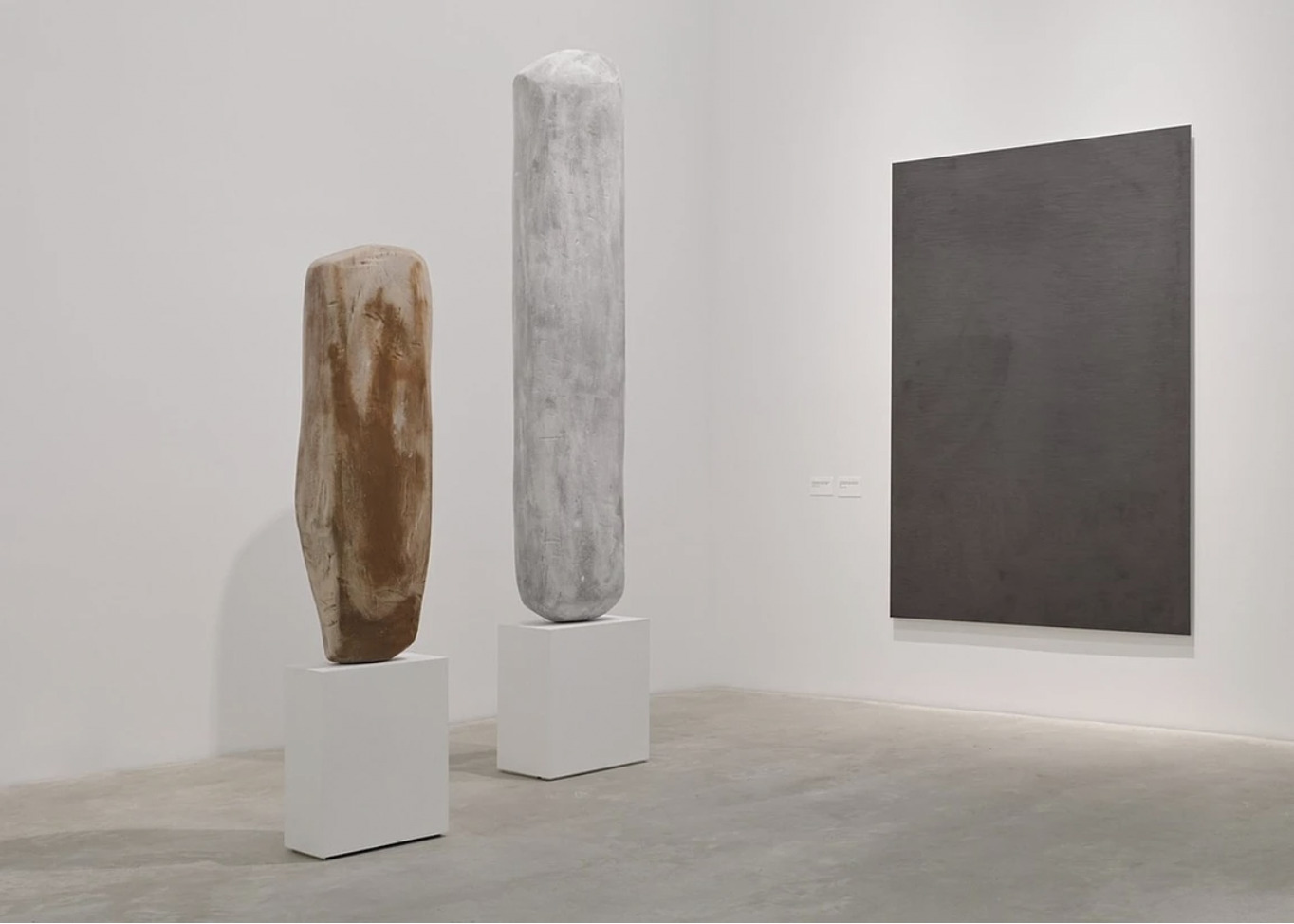
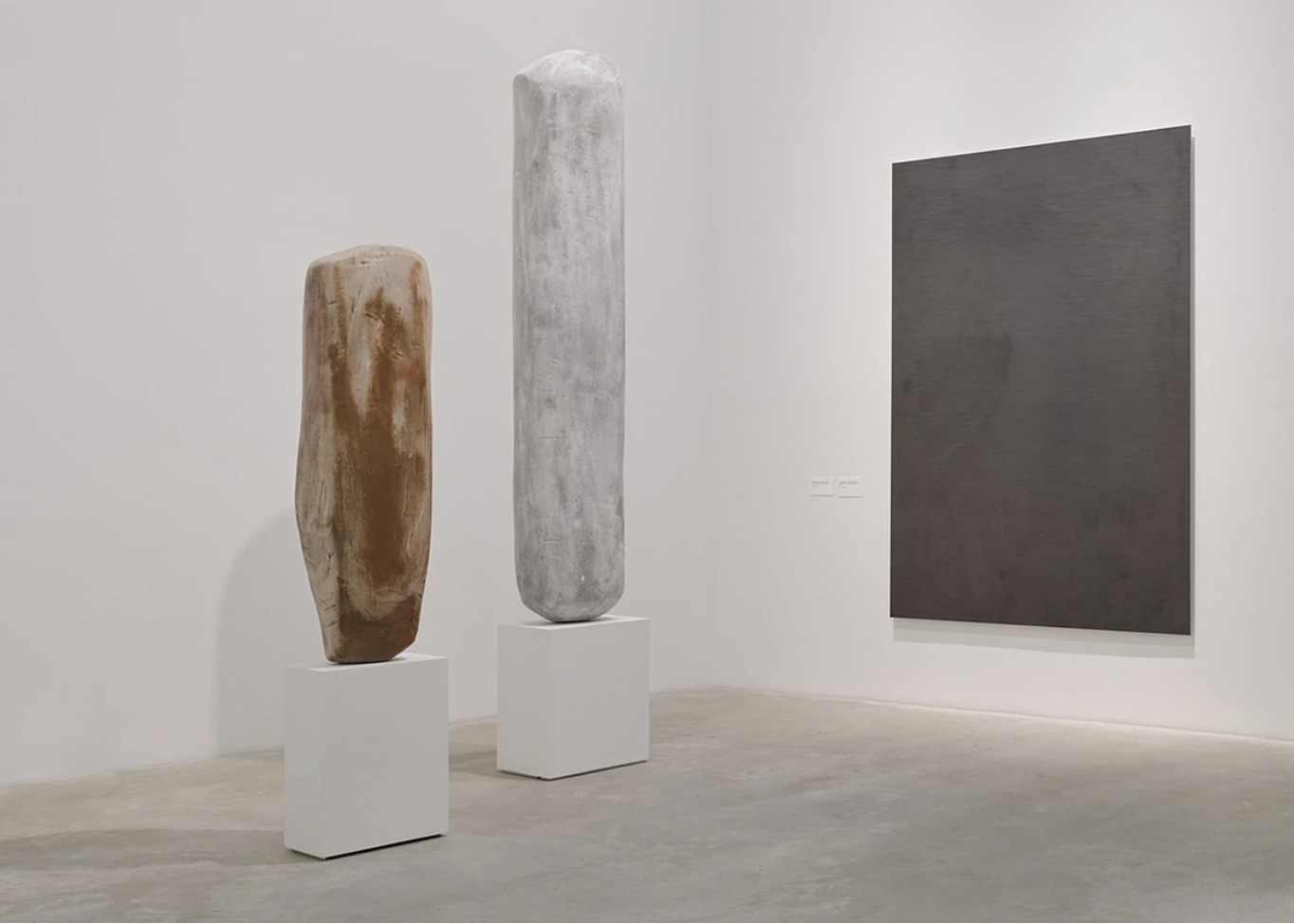
Her installation works vividly expose the collision between institutional structures and material realities within the museum space. Proposal for the Reconstituting of Ritual Elements for the Sun Pyramid at Teotihuacan(2019) questions the gap between the museum's preservation methods and the original ritualistic functions by replicating artifacts that once stood atop the pyramid.

Paired with this is Two Plain Stelas in the Looter Pit at the Top of the Sun Pyramid at Teotihuacan(2019), a graphite drawing that meticulously renders the dark sky seen from within the pyramid, poetically summoning the cosmological worldview of the ancient Teotihuacanos.

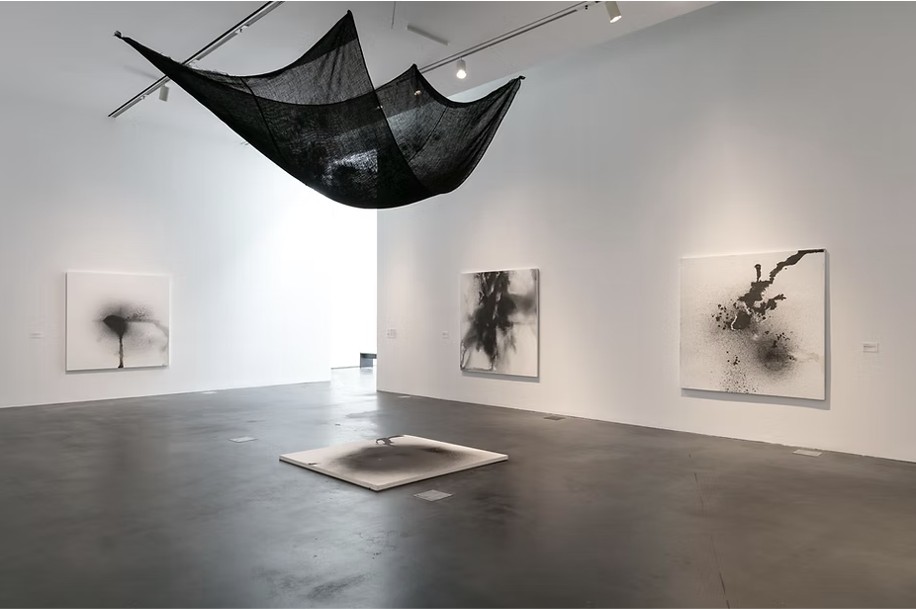
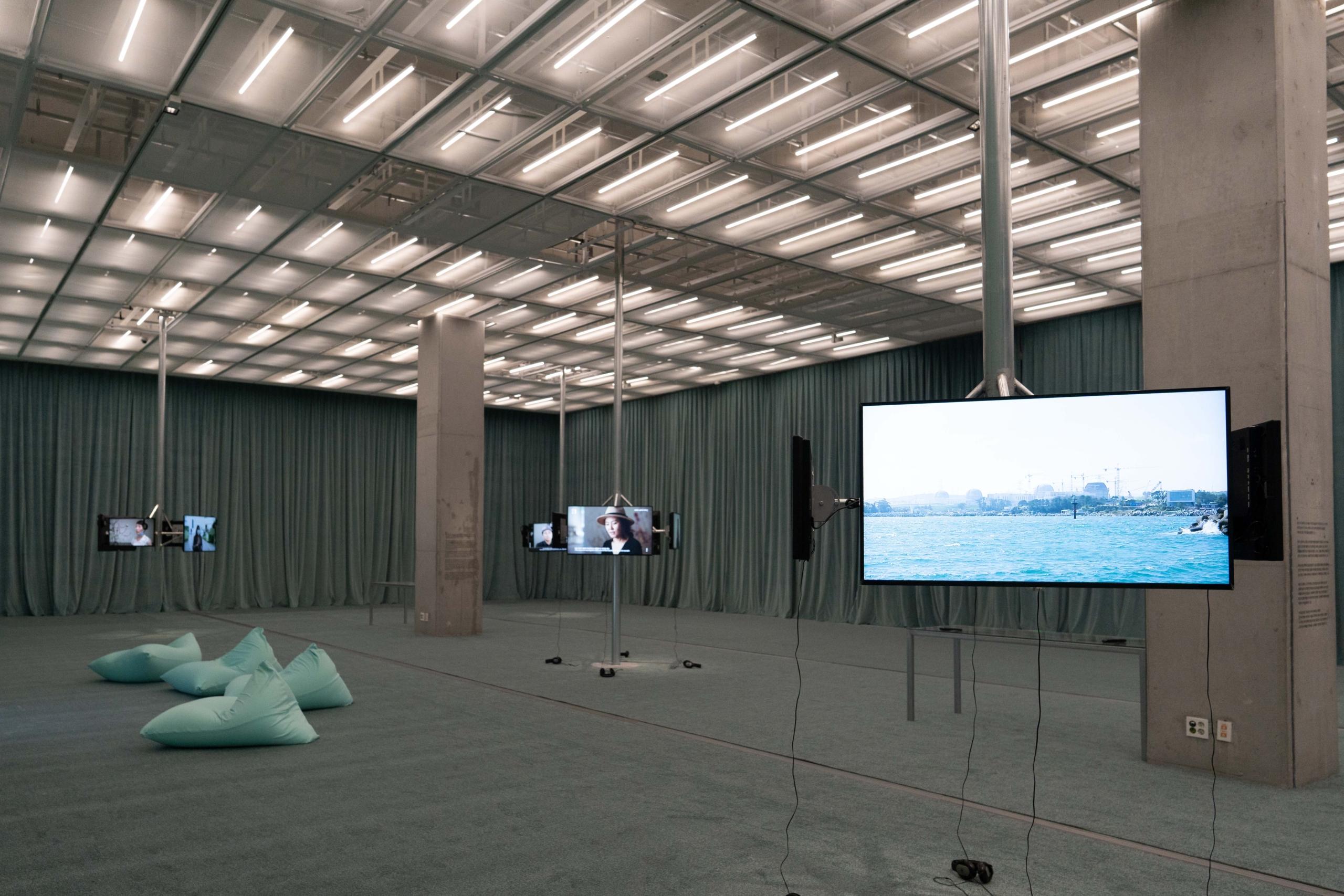
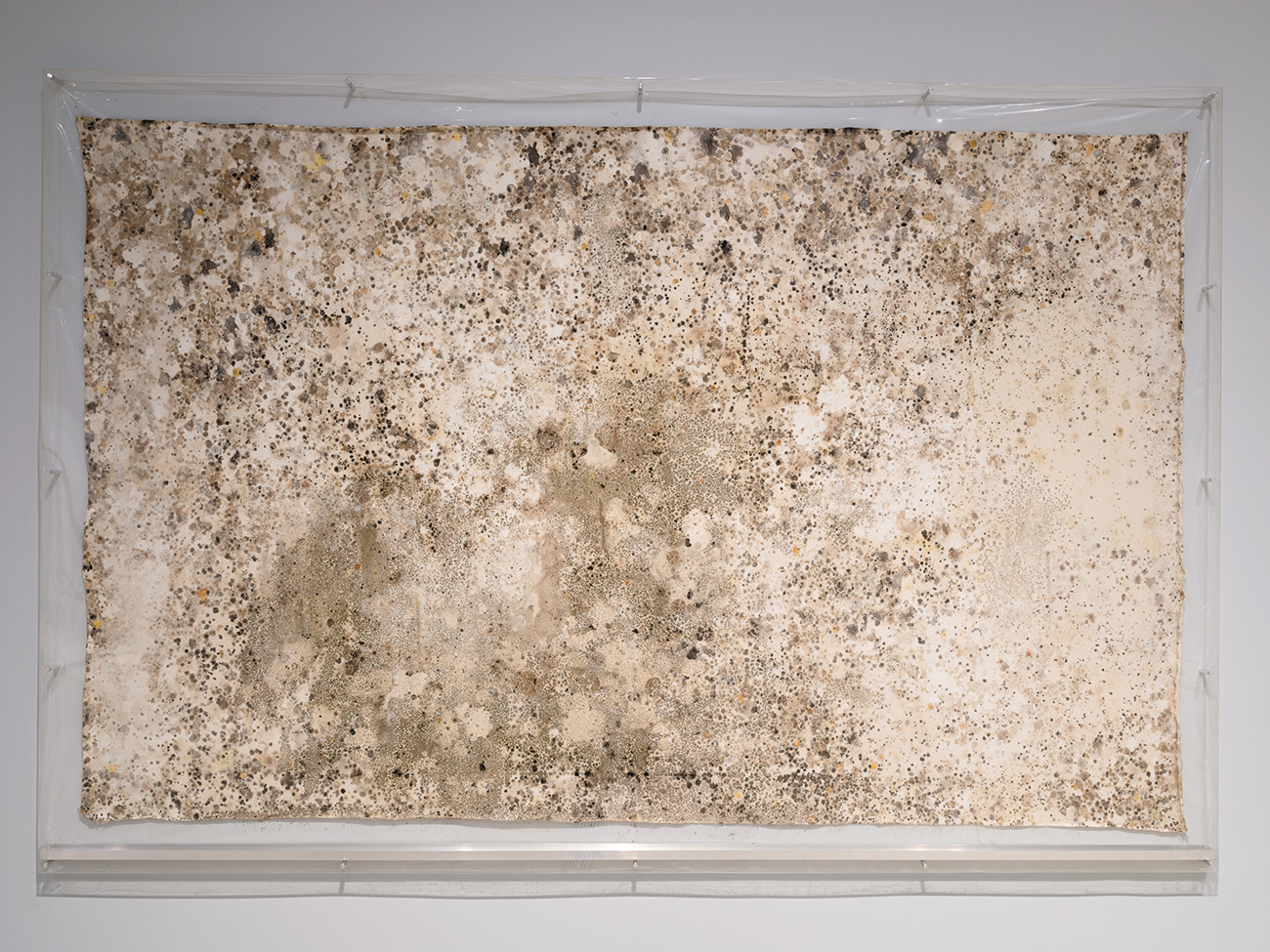
Furthermore, Porras-Kim employs non-human agents such as dust, bacteria, and mold surrounding artifacts to highlight the limitations of institutional preservation practices. In Out of an instance of expiration comes a perennial showing(2022), presented at the National Museum of Modern and Contemporary Art, Korea in 《Korea Artist Prize 2023》, she depicts the process of mold spores collected from museum storage gradually proliferating within fabric, embodying the coexistence of preservation and decay.

Her works simulate a material reconfiguration of the museum’s internal language and order, mediated through materials, time, institutions, and belief systems.

Topography & Continuity

Gala Porras-Kim perceives artifacts not merely as objects collected by museums and galleries, but as living entities that have traversed the flow of time. She closely traces how ancient relics—particularly those created to revere death or serve ritualistic functions—are recontextualized with new meanings and purposes within contemporary institutional environments after their excavation.

Porras-Kim critically examines how objects, detached from their original contexts, are reconstituted within systems of display and preservation. Grounded in interdisciplinary research spanning archaeology, religious studies, and legal frameworks, she has engaged in collaborative practices with institutions to reconsider and revise existing institutional norms.

Her practice of tracing the lives of artifacts within the institutional structures of museums and galleries has steadily expanded. Initially focusing on reviving vanishing languages, invisible memories, and ephemeral information, she has gradually moved toward multilayered projects that interweave institutional systems, legal codes, religious beliefs, and natural phenomena. She carefully captures the intersection of reality and ritual, myth and science through the material, function, and place of relics, seeking to reconstruct contemporary understandings of culture and history.

Works such as Precipitation for an arid landscape and A terminal escape from the place that binds us exemplify her expansion of sculpture into domains of documentation, institutional collaboration, and ritual performance. Meanwhile, in 530 National Treasures, she visualizes the structural origins of division and colonial legacies in East Asia, broadening the intersection between contemporary art and institutional critique.

Having exhibited at major institutions such as the National Museum of Modern and Contemporary Art, Korea; Leeum Museum of Art; Thaddaeus Ropac, Seoul; the Fowler Museum at UCLA; as well as the Whitney Biennial(2019), Liverpool, Jeju, and São Paulo Biennales(2021–2023), Porras-Kim continues to dismantle the structures of power and temporality surrounding artifacts through her critical collaborations with institutions. She is now regarded as one of the most significant voices in contemporary art.

Looking ahead, she is expected to continue her expansive practice based on interdisciplinary imagination and international collaboration networks, prompting new reflections on the relationships between global heritage and institutional systems.

Works of Art

The Life of Relics Within Institutional Spaces

Articles

Exhibitions

Activities