Conflict and Reaction – Wido Ttibaetnori, Buan - K-ARTIST

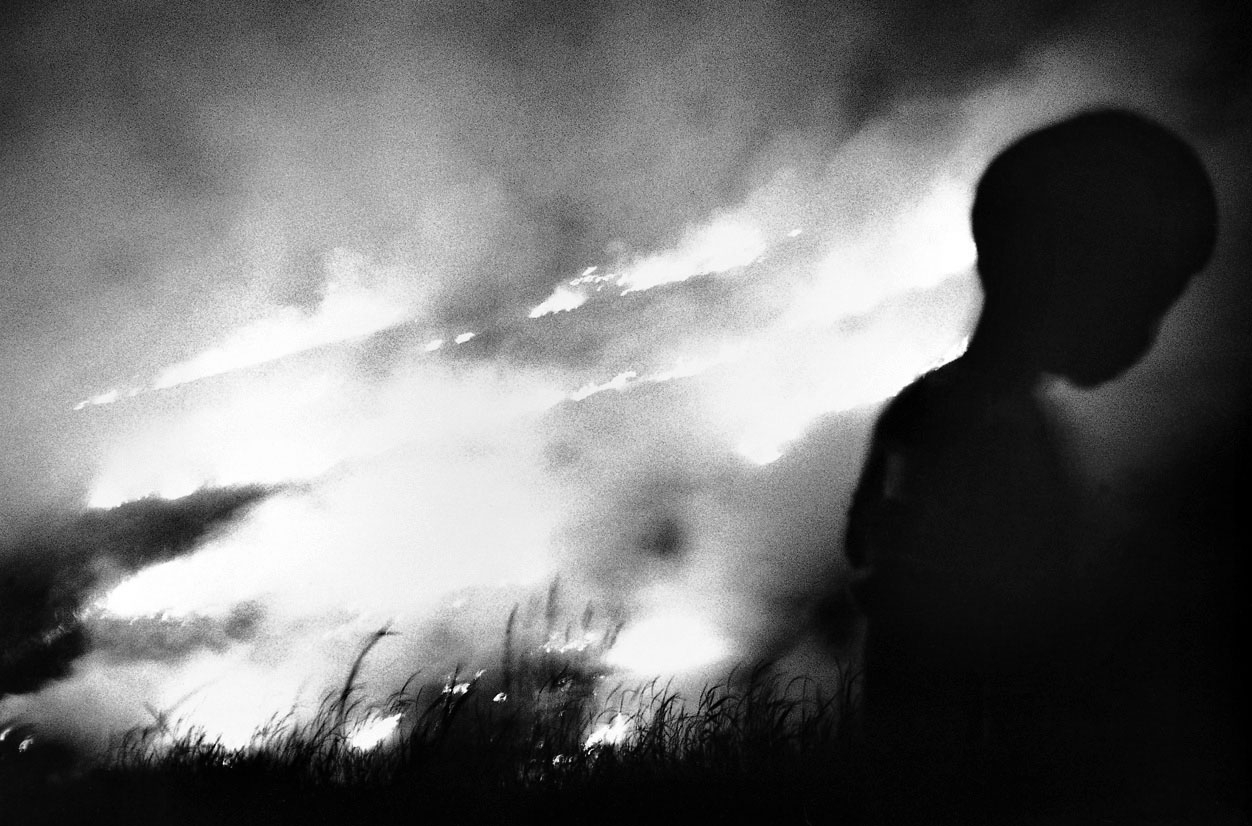
Conflict and Reaction – Wido Ttibaetnori, Buan

2000
About The Work

Lee Gapchul began his career as a documentary photographer and recently gained prominence in the contemporary art field for works that confuse the boundary between the real and the unseen. Photography serves as a medium to draw out the deeply embedded unconsciousness of the mind and to portray the Korean peninsula—its landforms and countryside, its agrarian and folk cultures—as the site of profound spiritual and emotional presences.
 
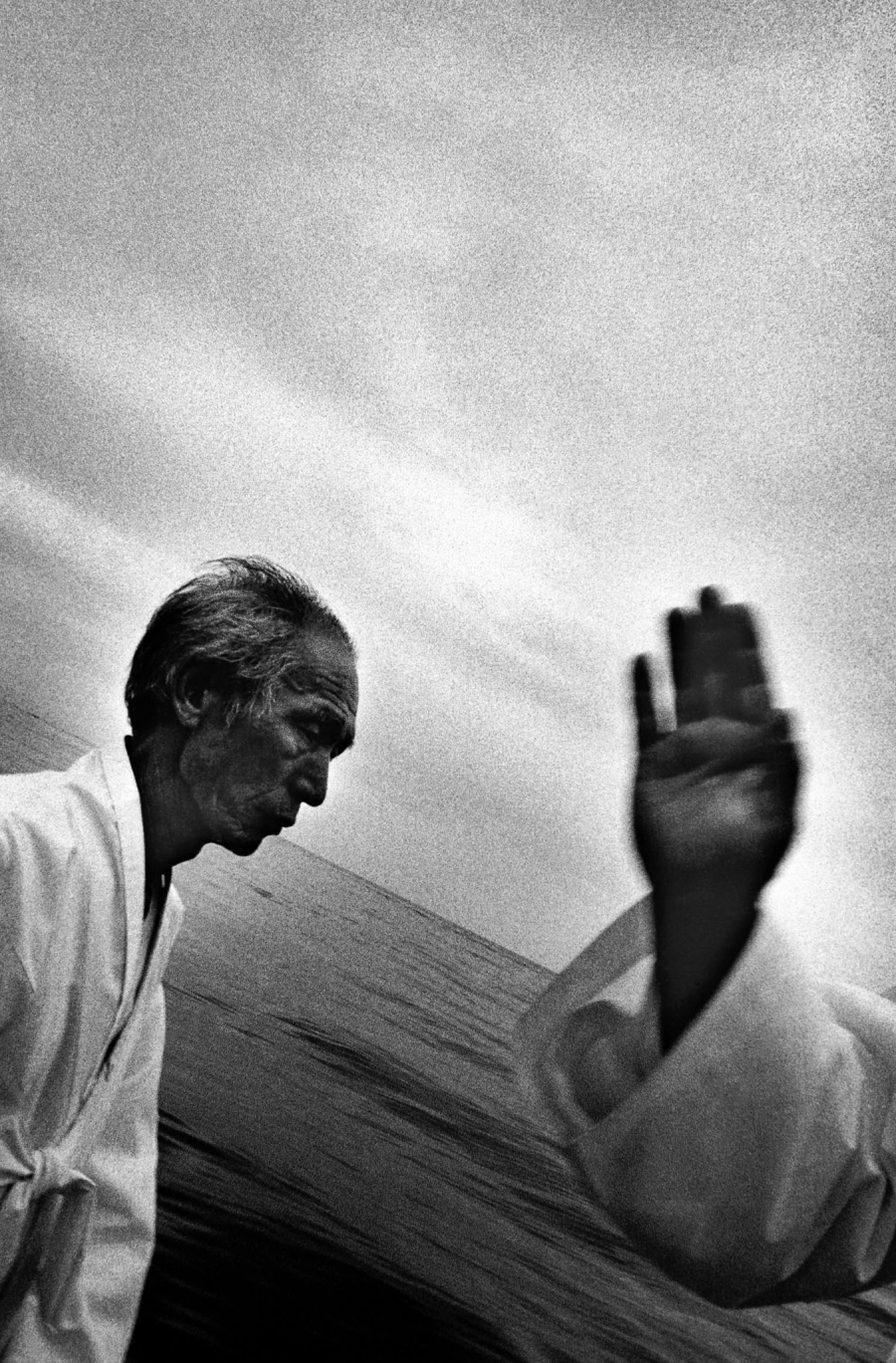
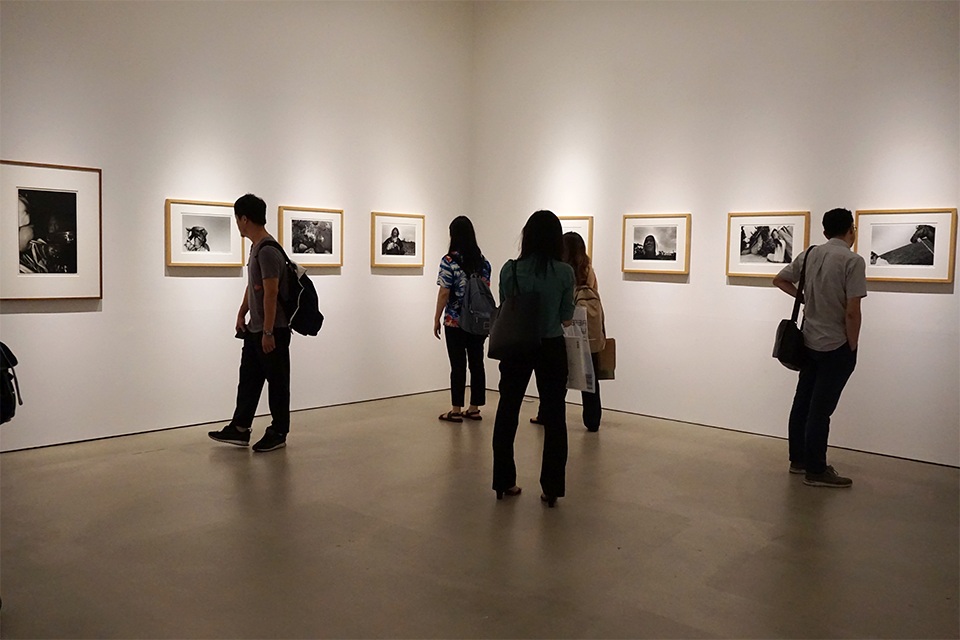
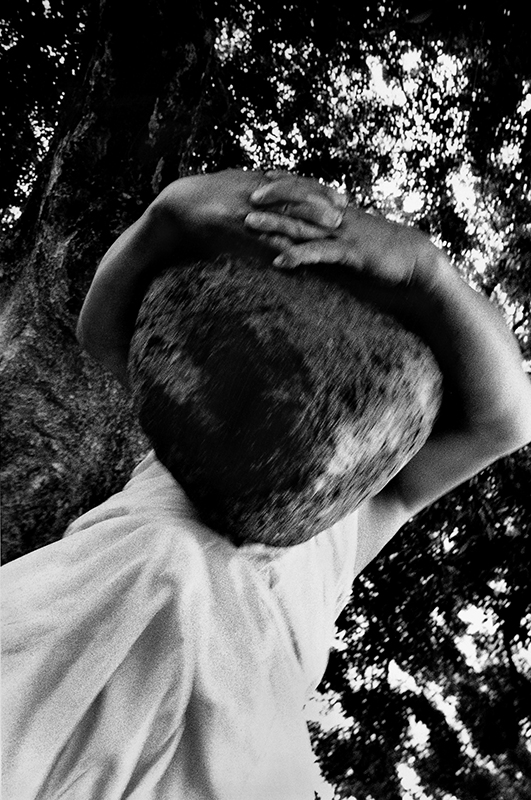
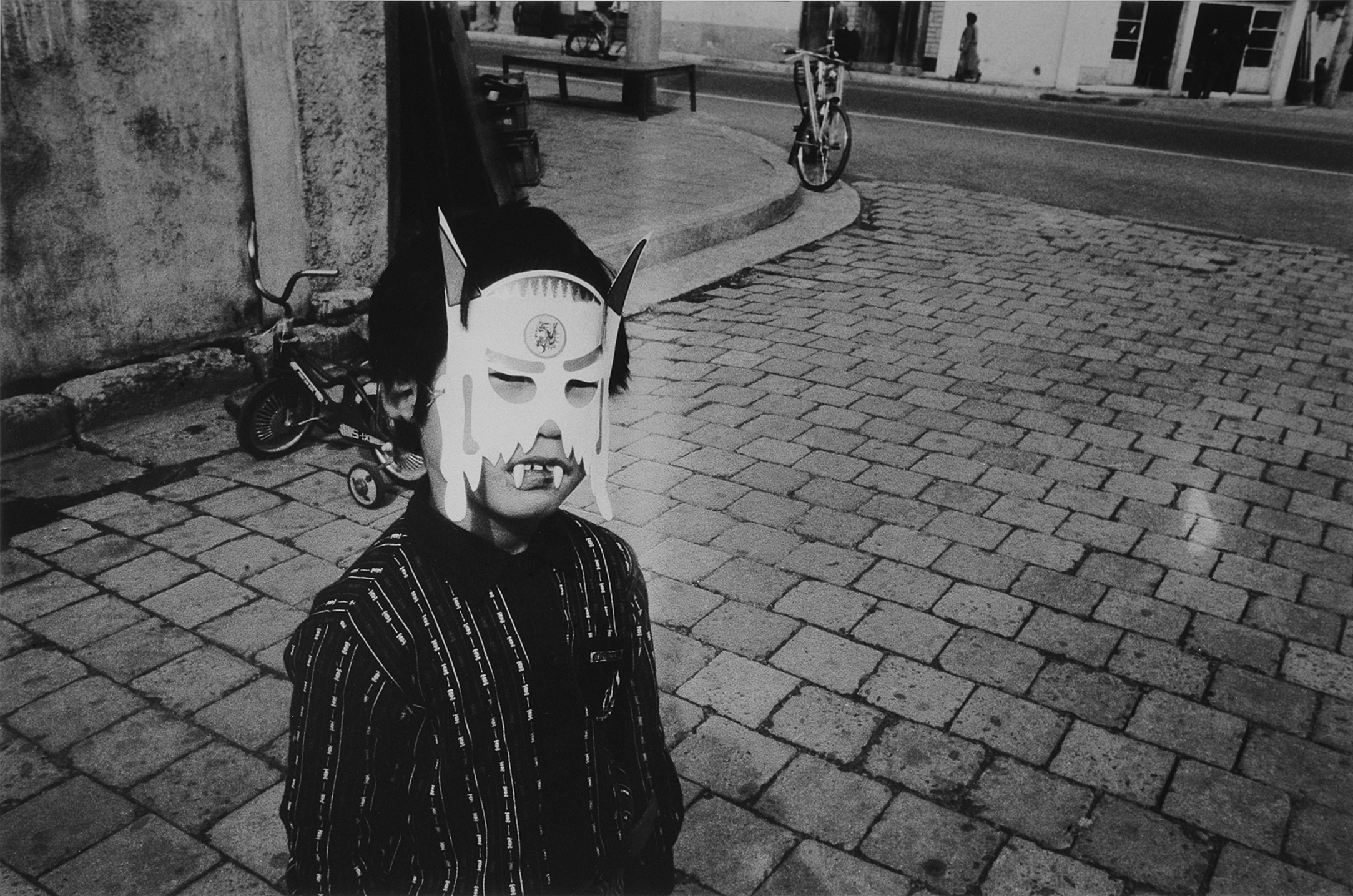
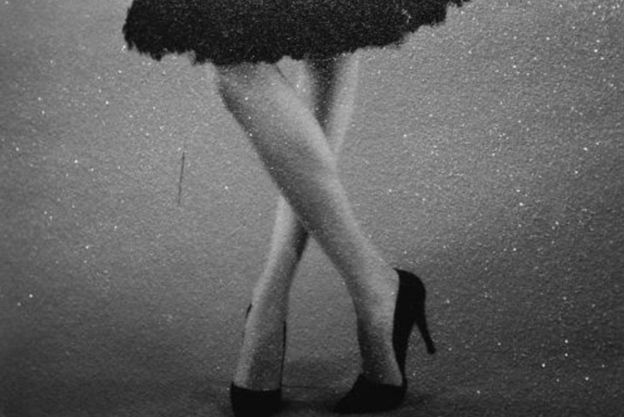
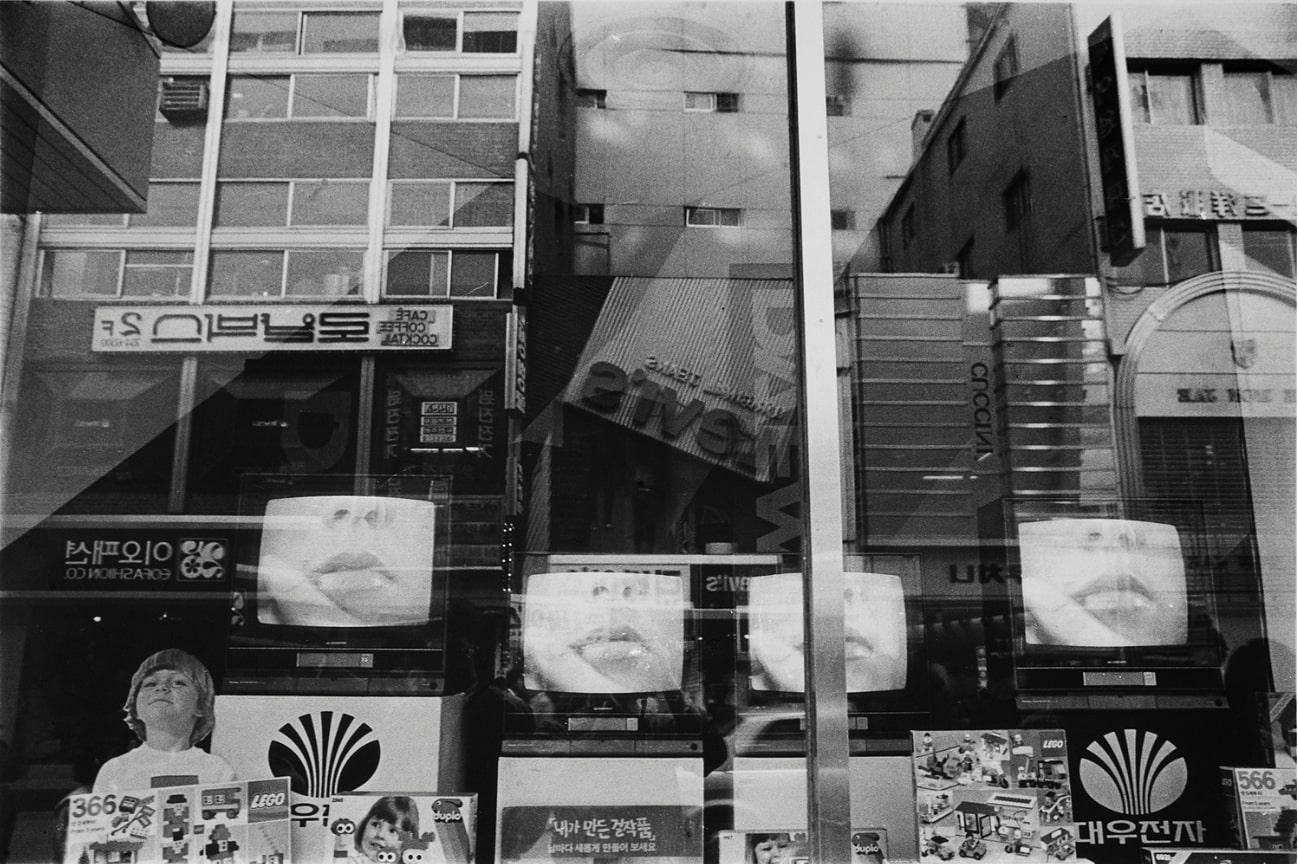
Lee's photography captures the people and nature of our land using a straightforward technique, while simultaneously evoking a sense of unfamiliarity and surrealism. His photos employ devices like quick snapshots, tilted frames, and missed focus to bring out hidden memories and the unconscious. In other words, Lee Gapchul does not simply photograph something; he leaves a space in the photograph for the unseen. The "residual darkness" in his photographs transcends the conscious realm perceived by the eye and penetrates into our psychological and spiritual world, the realm of the unconscious.
 
For him, photography is a reflection of his own sentiments toward the world and an exploration of the spiritual roots of Koreans, his own roots. Lee Gapchul's photography exists not as a "record" but as a field where he "tells" the story of Korean identity within the realm of the individual.

Solo Exhibitions (Brief)

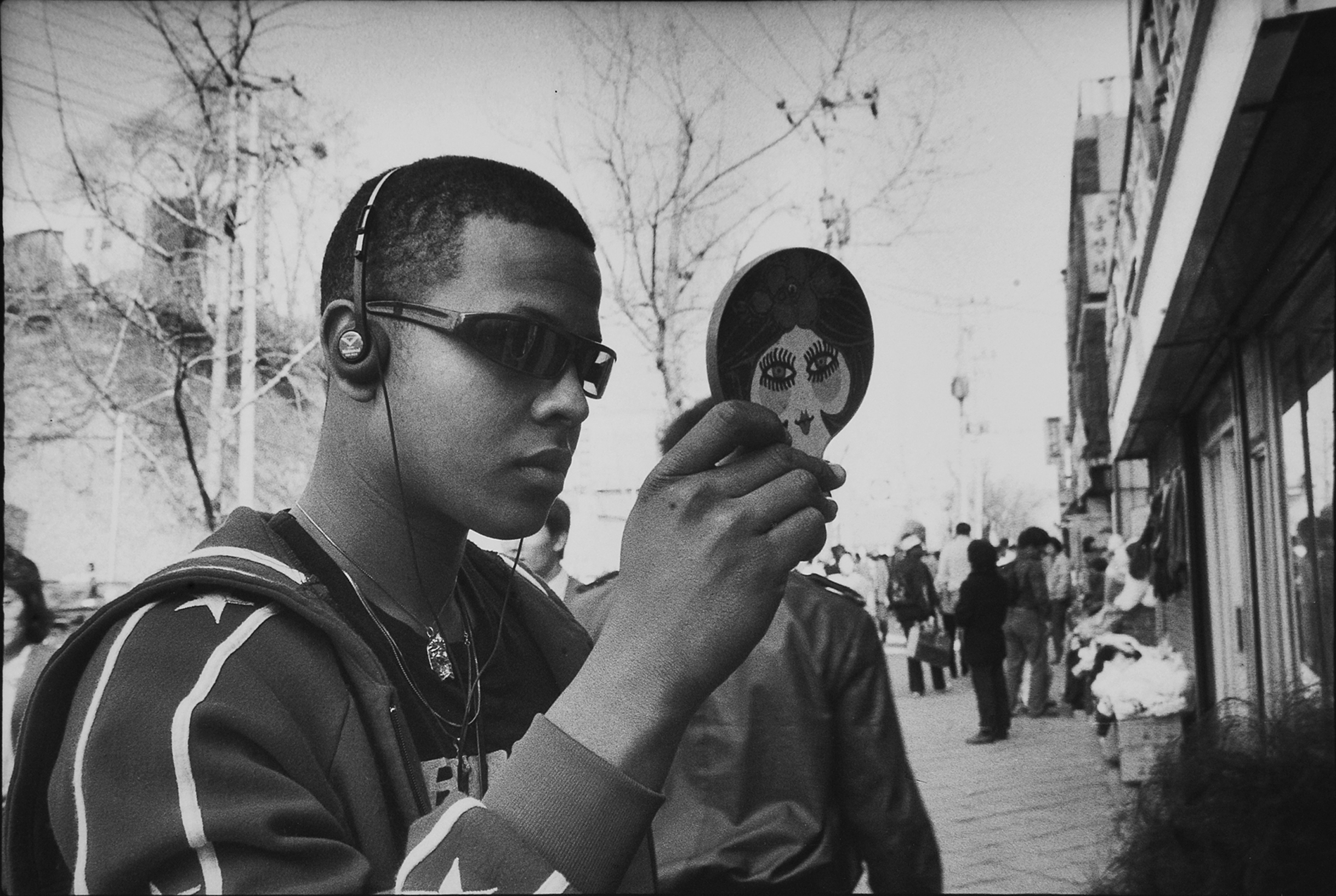
Lee has held solo exhibitions such as 《Yankees on the Streets》 (Hanmadang Gallery, Seoul, 1984), 《Images of the City》 (Hanmadang Gallery, Seoul, 1986), 《Land of Others》 (Kyung-In Museum of Fine Art, Seoul, 1988), 《Conflict and Reaction》 (Kumho Museum of Art, Seoul, 2002), and 《Energy (氣)》 (Museum Hanmi, Seoul, 2007, 2008). 

Group Exhibitions (Brief)

Lee Gapchul has participated in numerous major group exhibitions at leading museums in Korea and abroad, including 《Documentary Style》 (GoEun Museum of Photography, Busan, 2012), 《Chaotic Harmony: Korean Contemporary Photography》 (Museum of Fine Arts, Houston, Texas, USA, 2009), 《2009 Odyssey》 (Seoul Arts Center, Seoul, 2009), 《60 Years of Korean Contemporary Photography: 1948–2008》 (National Museum of Modern and Contemporary Art, Gwacheon, 2008), and 《Paris Photo》 (Louvre Museum, Paris, 2005), among many others.

Awards (Selected)

Lee has received several major awards, including the 2nd Korean Savings Bank Violet Award for Documentary Photographers (2008), the 2nd Donggang Photography Award (2003), and the Sagamihara Asia Photographer Award (Japan, 2003).

Collections (Selected)

Lee’s works are held in the collections of the National Museum of Modern and Contemporary Art, the Kumho Museum of Art, the Hanmi Museum of Photography, the DongGang Museum of Photography, and the Santa Barbara Museum of Art, among others.
Works of Art

The Space of Invisible Things

Originality & Identity

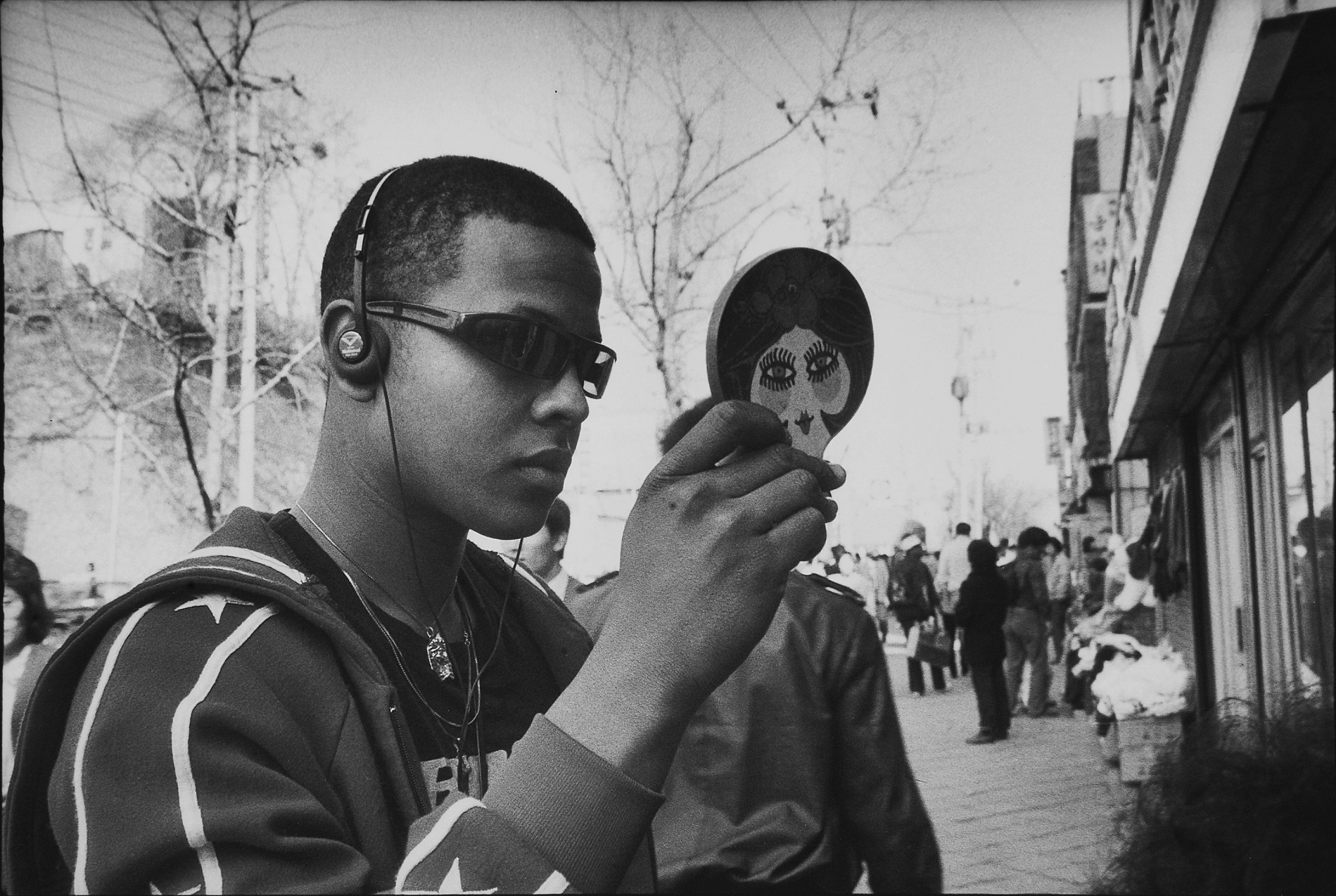
Lee Gapchul’s practice can be understood as a sustained trajectory that begins with the realities surrounding Korean society and individual lives, yet gradually extends beyond mere documentation toward the inner world of human consciousness, the unconscious, and the foundations of Korean spirituality. His early series set in urban contexts of the 1980s—‘Yankees on the Street’ (1984), ‘Images of the City’ (1986), and ‘Land of Others’ (1988)—foreground themes of everyday estrangement, social alienation, and anxiety emerging amid rapid industrialization and political repression. Traveling through Seoul and across the country, Lee revealed fractures within Korean society by photographing landscapes that were familiar yet no longer felt like “our own.”

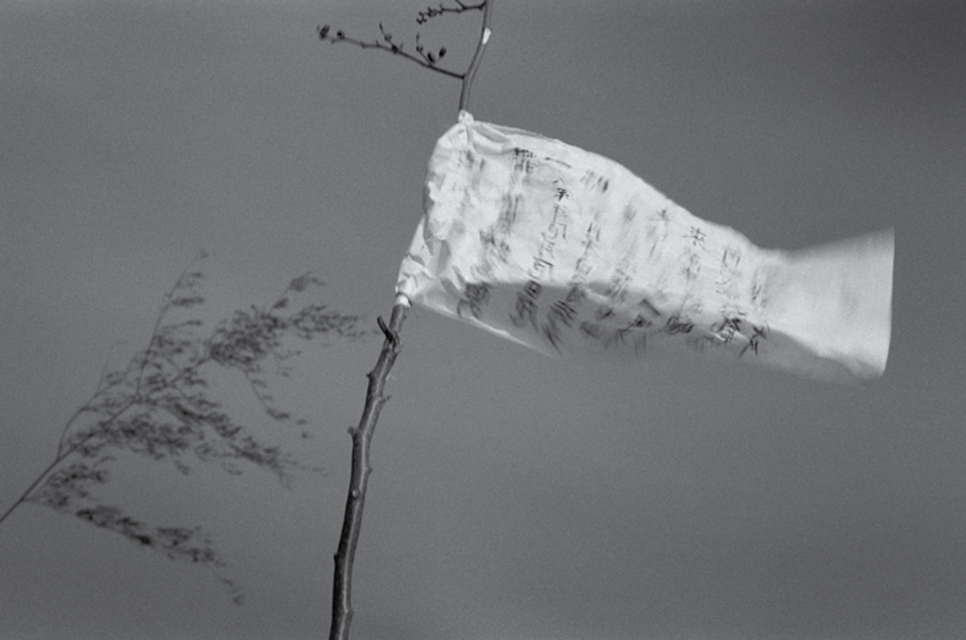
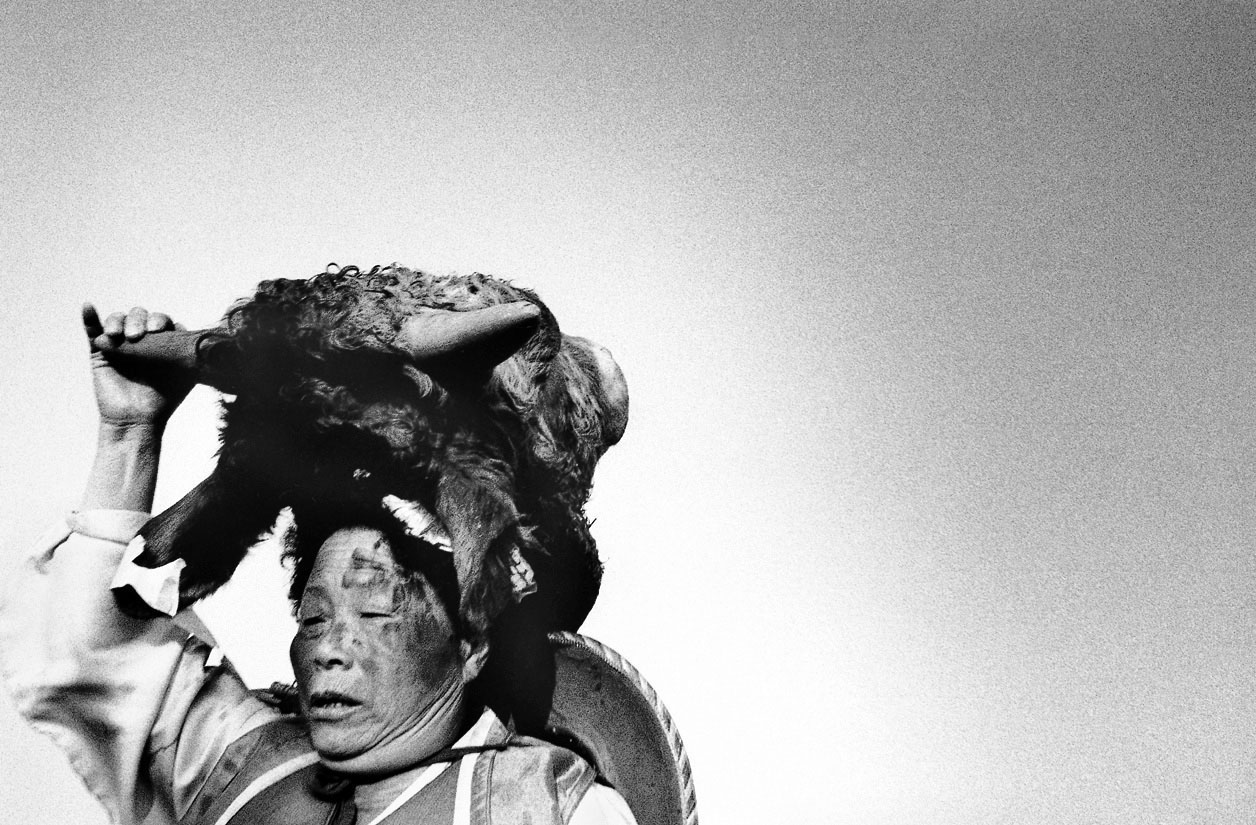
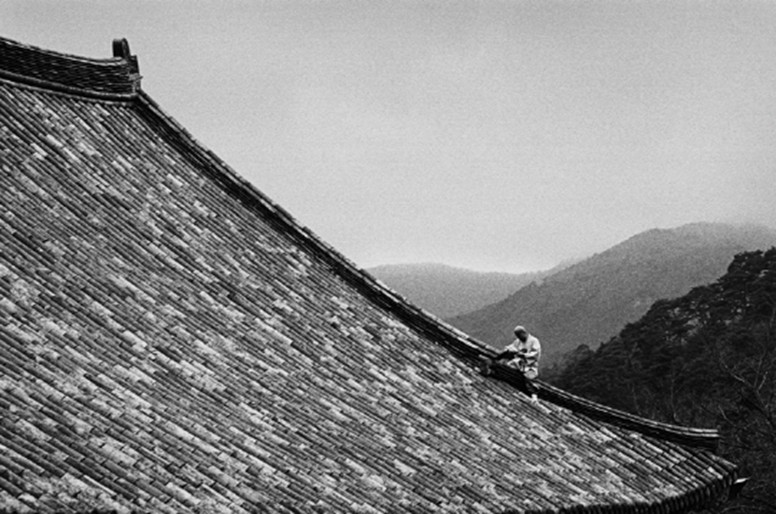
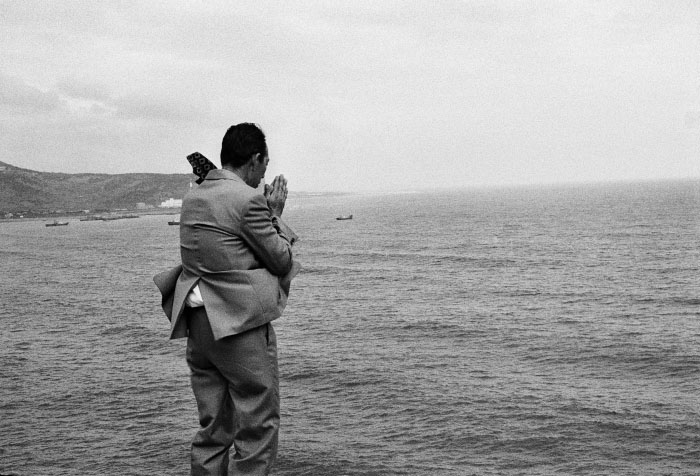
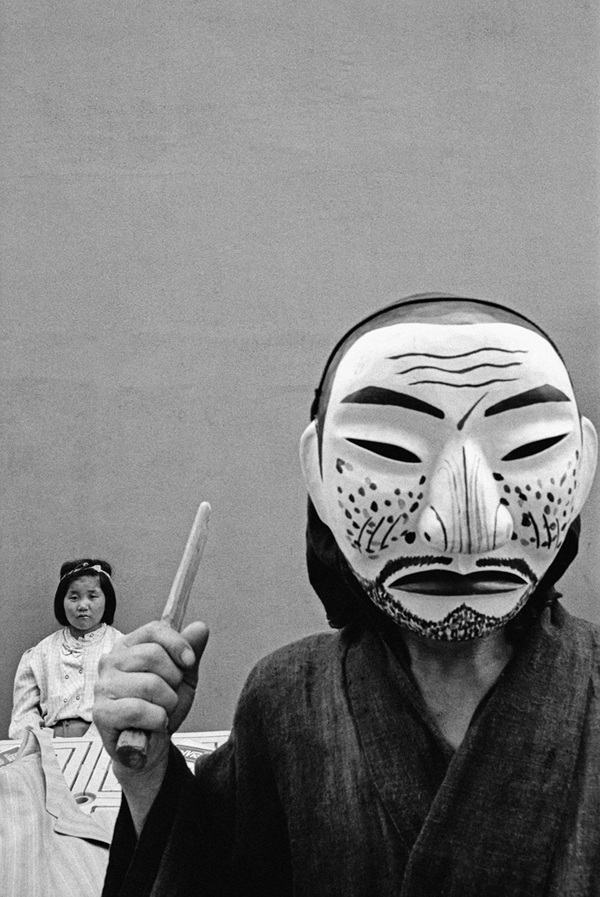
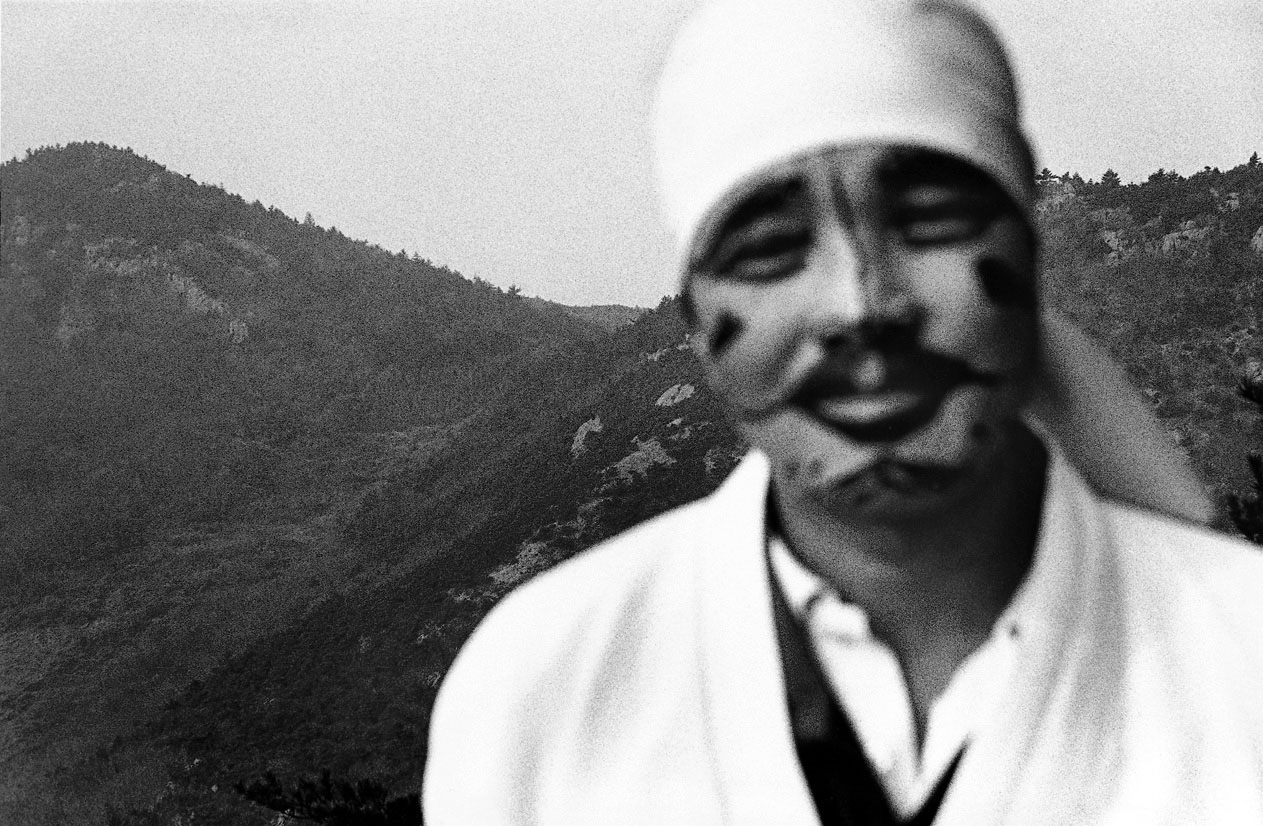
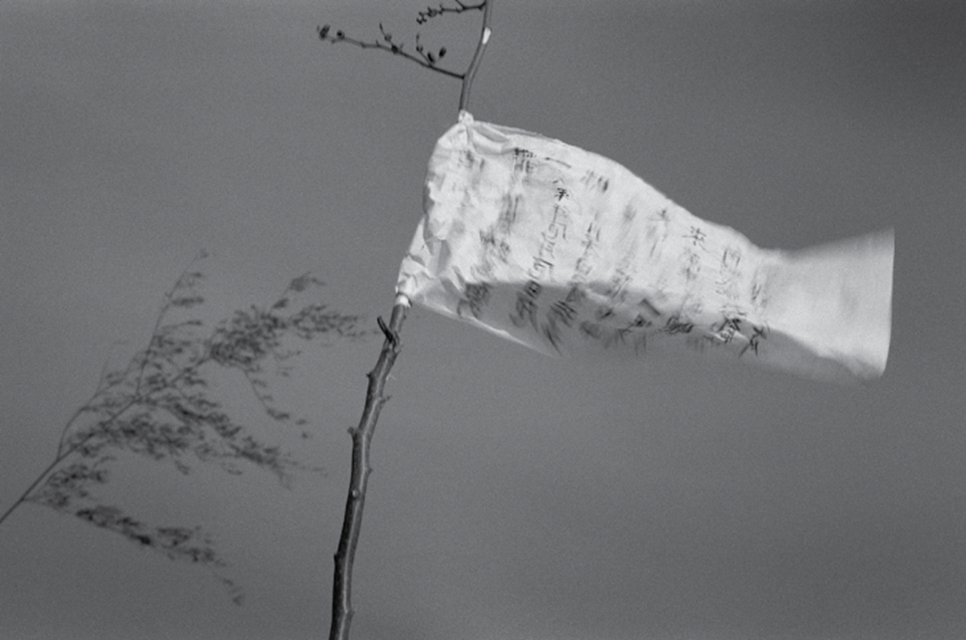
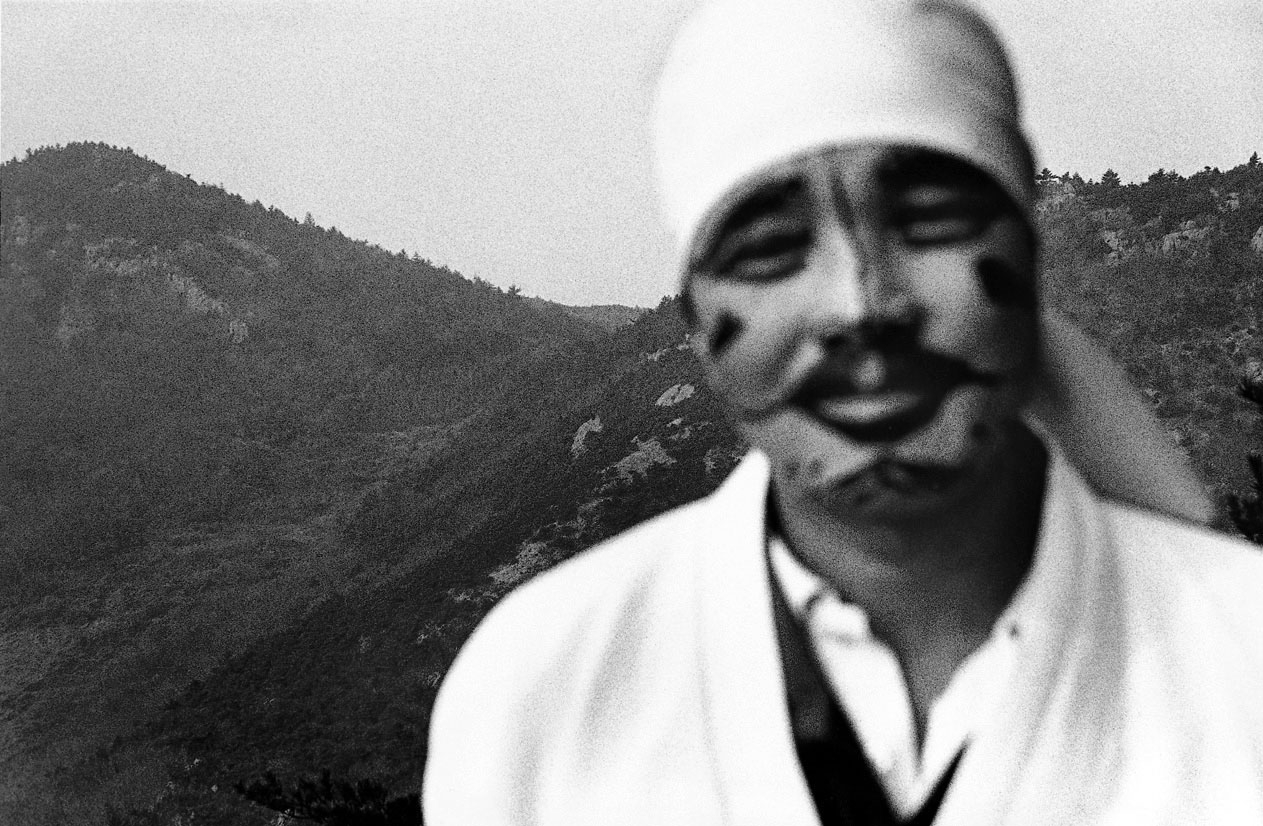
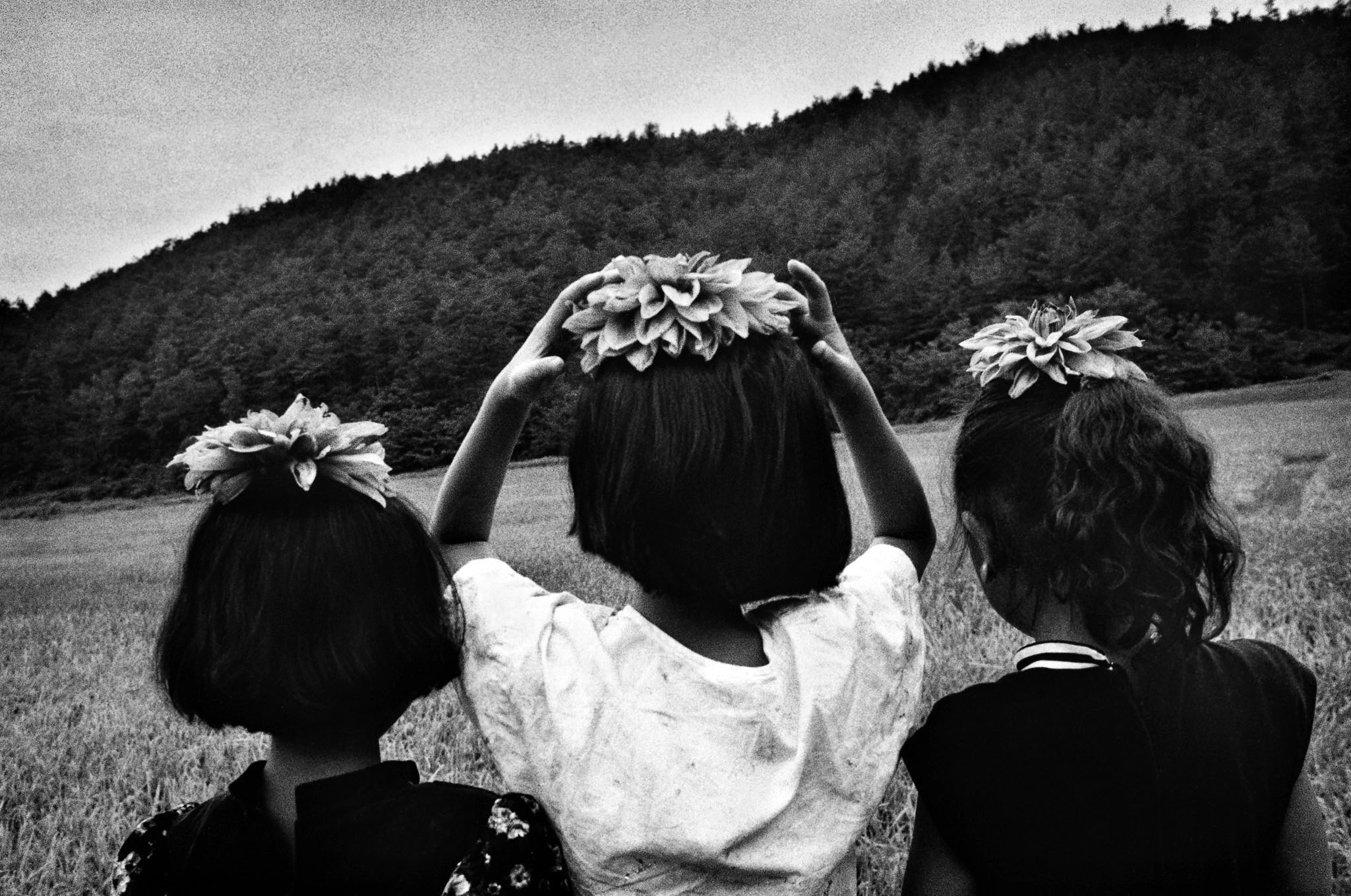
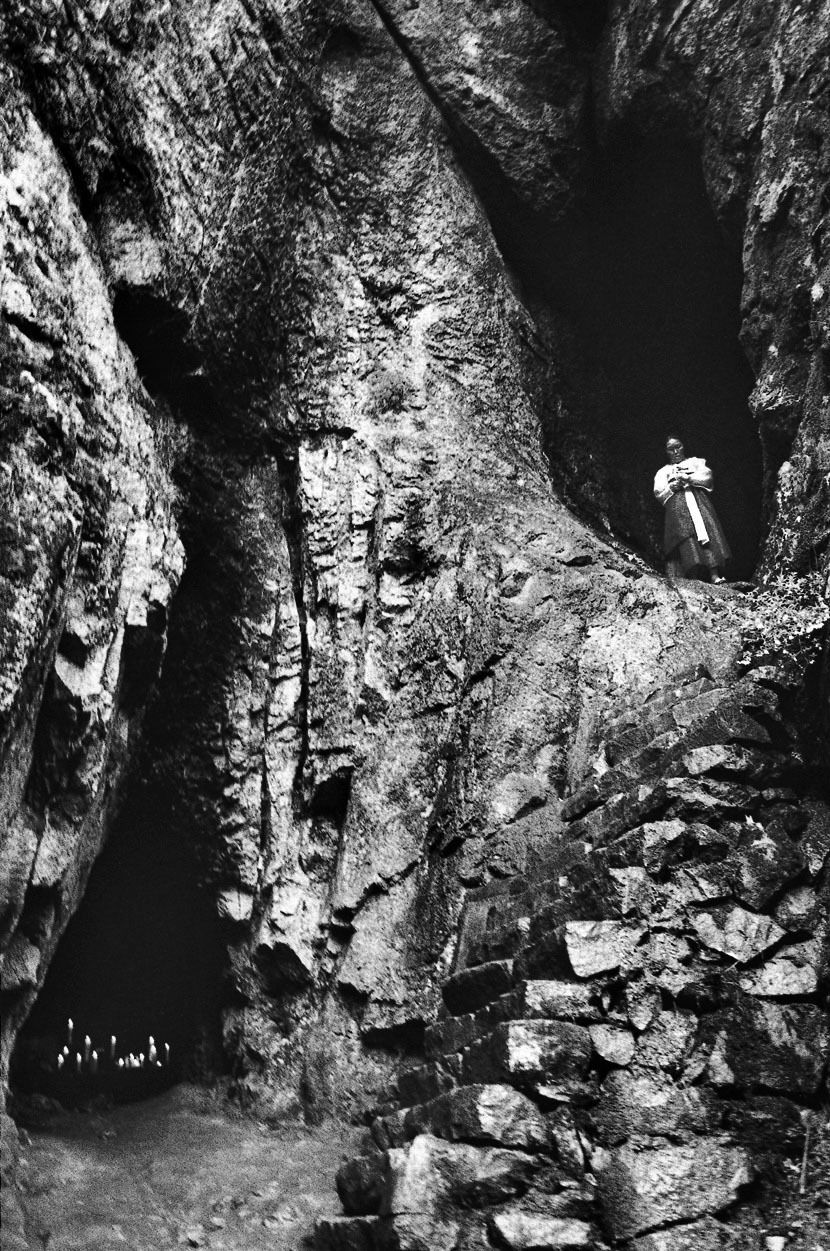
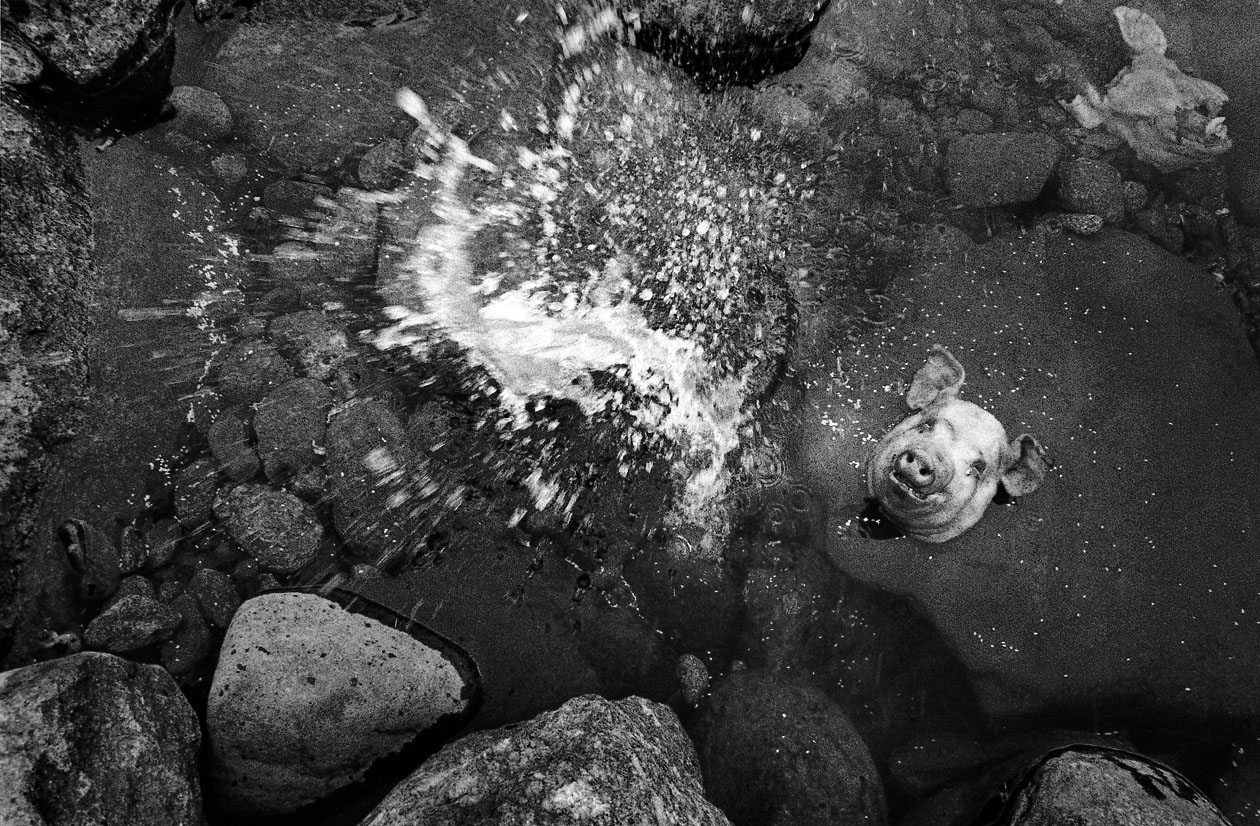
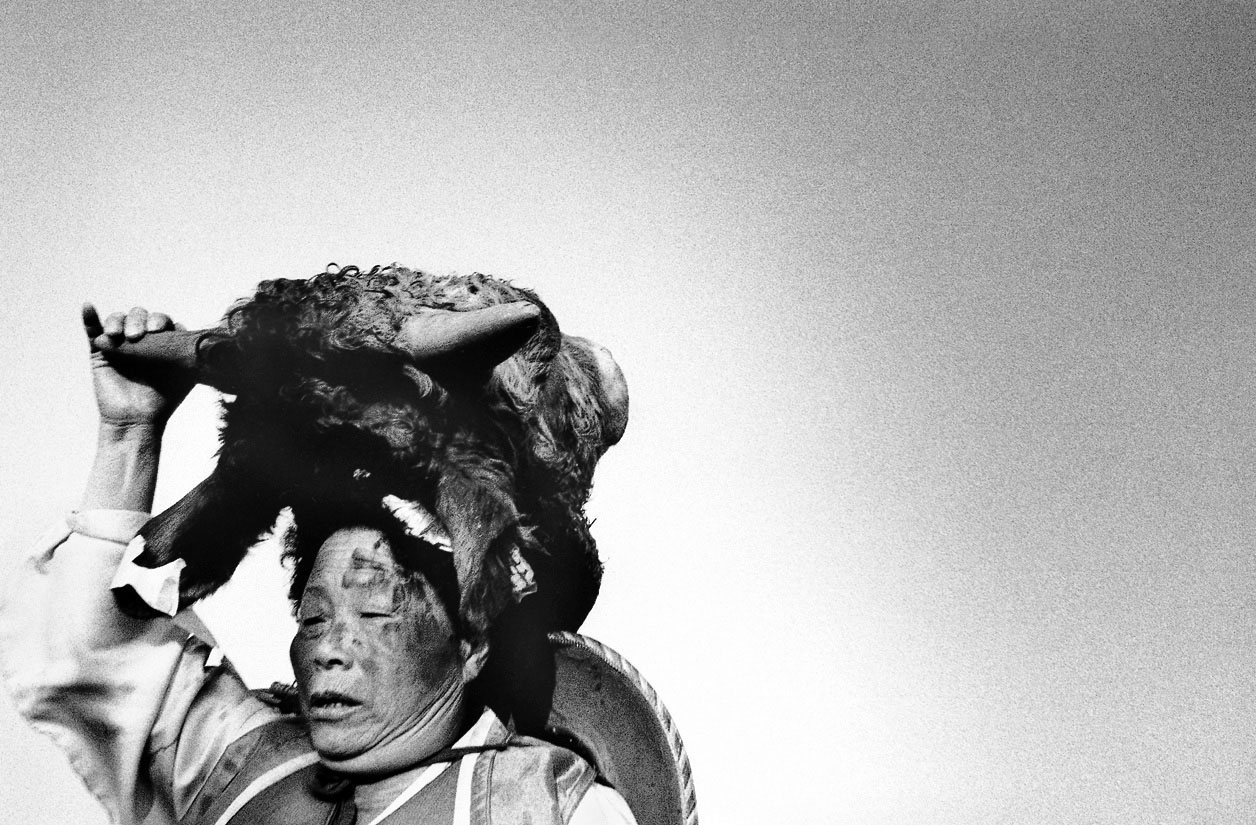
In the 1990s, Lee’s focus shifted from social reality to the spiritual and metaphysical layers that have long underpinned Korean society. The ‘Conflict and Reaction’ (1990–2002) series draws on scenes of ancestral rites, shamanistic rituals, and Buddhist ceremonies—moments where life and death intersect—to bring forth invisible worlds, human emotions, collective sorrow, and ecstatic energy. This marked a transition from documentary photography as explanation toward a mode that invokes sensation and the unconscious beyond visible reality.

This trajectory continues in the ‘Energy (Gi)’ (2004–) series, in which Lee explores the concept of gi—understood in Korean thought as an energy believed to permeate all things—through photographic means. Employing slow shutter speeds and residual afterimages, these works focus less on reproducing specific events or scenes than on capturing traces of time and the flow of energy itself. Here, photography functions not as social testimony but as an instrument for perceiving the world through intuition and sensation.

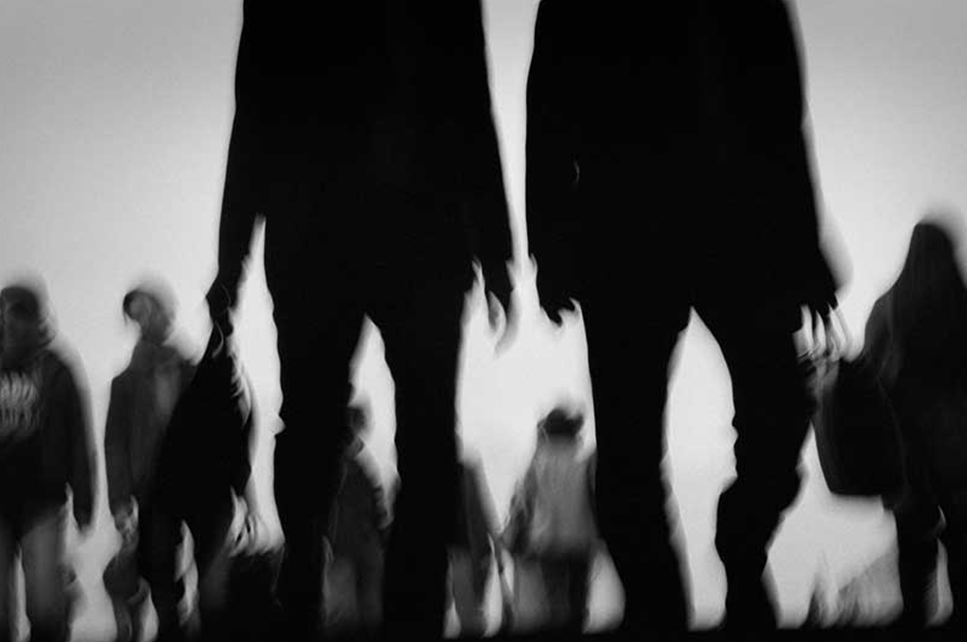
From the late 2000s onward, the ‘Silent Landscape–City of Symptoms’ series traverses both nature and the city, centering on sensations of stillness and extinction, solitude and desolation. In this phase, Lee’s work expands beyond specific locations or folkloric scenes to sense emotional and psychological symptoms circulating across contemporary society as a whole.

Style & Contents

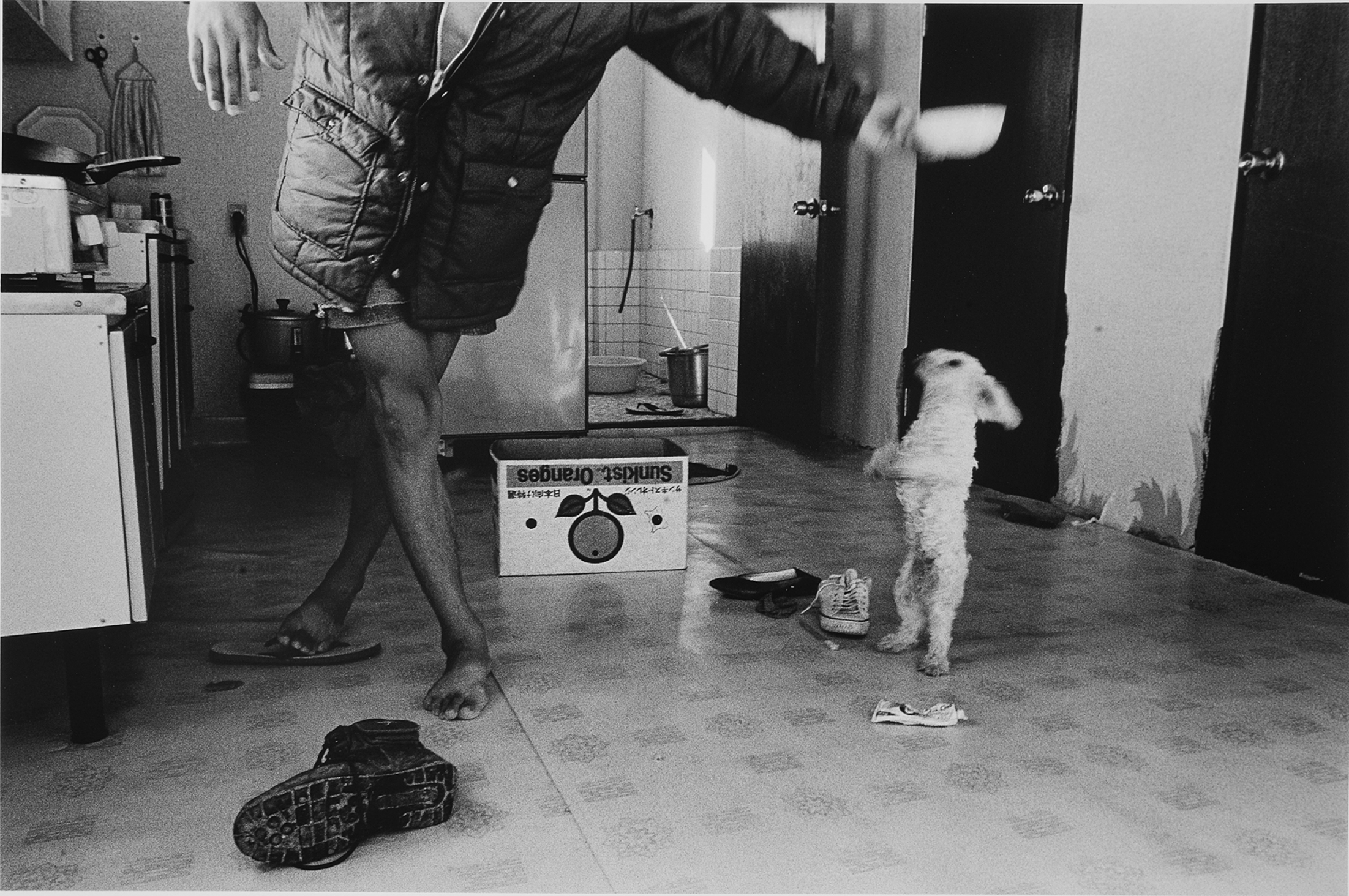
While maintaining the foundational language of documentary photography, Lee Gapchul has consistently distorted and expanded its conventions. Rapid snapshots, tilted frames, deliberately missed focus, and coarse black-and-white grain are already prominent in early works such as the ‘Images of the City’ and ‘Land of Others’ series, visually amplifying tension and unease between urban environments and human figures. These formal strategies foreground a subjective gaze shaped by the artist’s sensibility rather than objective representation.

In the ‘Conflict and Reaction’ series, these formal characteristics are deployed with even greater intensity. Figures preparing rituals, shamans wearing ox heads, and scenes from monastic funerals appear within unstable, fragmented frames rather than balanced compositions or clear focal points. Rather than explaining ritual acts, these images function as devices that allow viewers to experience the energy and immediacy of the ritual moment itself.

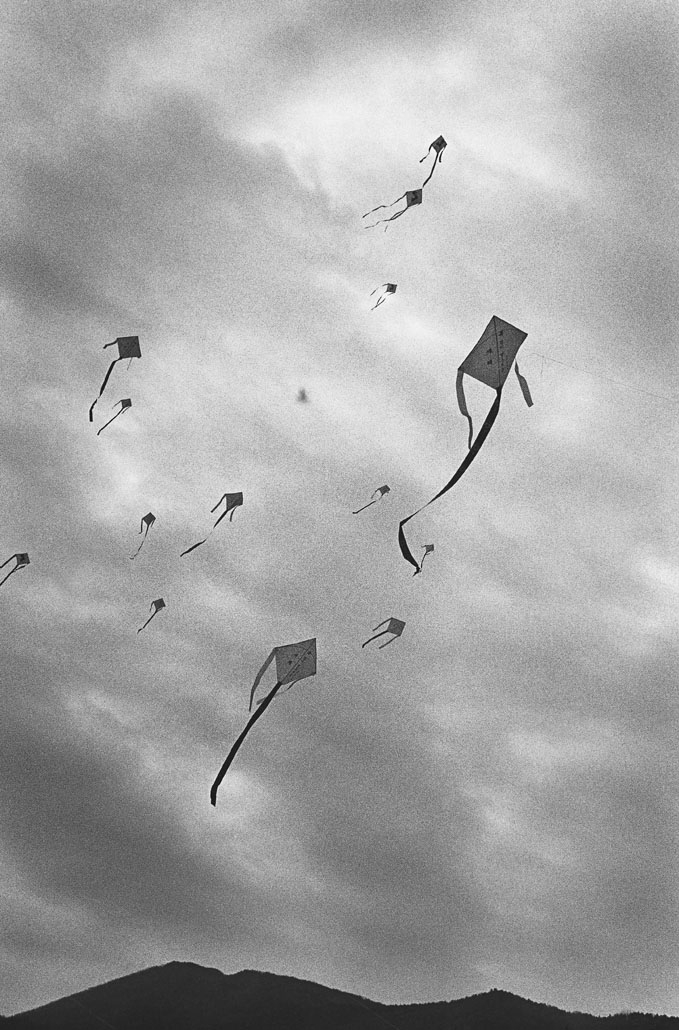
In the ‘Energy (Gi)’ series, Lee uses slow shutter speeds to embed traces of time and afterimages within the photograph. Landscapes appear not as fixed entities but as accumulations of flowing energy between shutter intervals, suggesting the presence of something intangible yet perceptible. This approach reflects Lee’s distinctive interpretation of photographic temporality.

In ‘Silent Landscape–City of Symptoms,’ dark negative space—referred to by the artist as “yeoheuk,” or residual darkness—emerges as a key formal element. Light in the city serves less to reveal objects than to deepen surrounding darkness, while empty spaces within the frame become sites for viewers’ sensory and interpretive engagement. In these works, atmosphere and premonitory signs take precedence over clearly defined subjects.

Topography & Continuity

Lee Gapchul may be regarded as a pivotal figure who moved beyond the paradigm of “objectivity” that characterized Korean documentary photography from the 1980s onward, actively incorporating subjective perception and the unconscious. His early series, including ‘Yankees on the Street’ and ‘Land of Others,’ are grounded in social reality yet already depart from straightforward representation through fractured framing, displaced viewpoints, and unstable compositions. These strategies laid the groundwork for a photographic language that gradually shifted toward personal sensibility and Korean spiritual consciousness.

The ‘Conflict and Reaction’ and ‘Energy (Gi)’ series, in particular, constitute landmark examples of translating Confucian, Buddhist, and Daoist thought, as well as shamanistic worldviews embedded in Korean culture, into photographic form. In these works, photography no longer functions solely as a tool for describing social conditions but expands into a medium that reveals invisible energies, sensory experience, and collective unconsciousness. This shift represents both an expansion of documentary photography and a redefinition of the boundary between record and expression.

With ‘Silent Landscape–City of Symptoms,’ Lee’s gaze moves beyond specific regions or ethnographic scenes toward the anxiety, loneliness, and unarticulated symptoms permeating 21st-century urban life. His refusal to distinguish sharply between nature and the city, treating both within the same sensory register, demonstrates the expansion of his work from place-specific observation to a more universal psychological and emotional terrain. Throughout this progression, his distinctive photographic grammar—fractured frames, dark voids, and displaced focus—remains consistent.

Within this trajectory, Lee Gapchul has established himself as both a documentary photographer and a contemporary artist who translates invisible realms into sensory form. Grounded in Korean identity and spirituality, his work has been consistently introduced and evaluated within international contexts through its engagement with universal themes of urban life, human existence, sensation, and the unconscious. He has been represented by the Paris-based agency VU, forming sustained connections with the European photography scene, and has participated in major exhibitions at institutions such as the Louvre Museum, the Museum of Fine Arts, Houston, and the Santa Barbara Museum of Art. Lee’s photography has thus moved beyond regional cultural documentation to become a sustained point of reference within contemporary Korean photography, firmly positioned within a global discourse on image, perception, and inner experience.

Works of Art

The Space of Invisible Things

Articles

Exhibitions