
Deconstruction series #047 - K-ARTIST

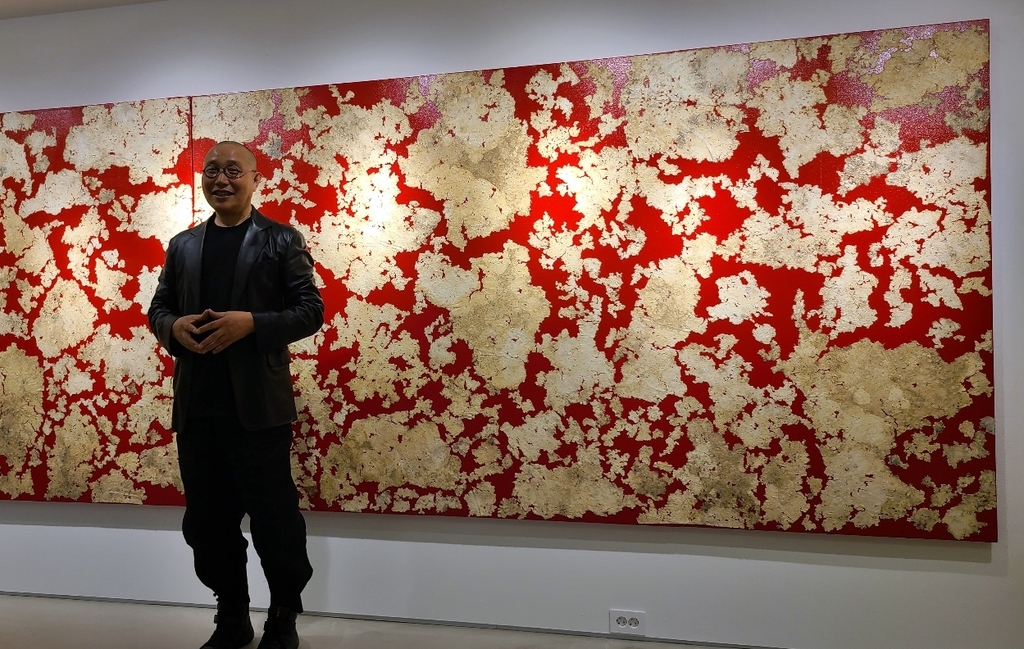
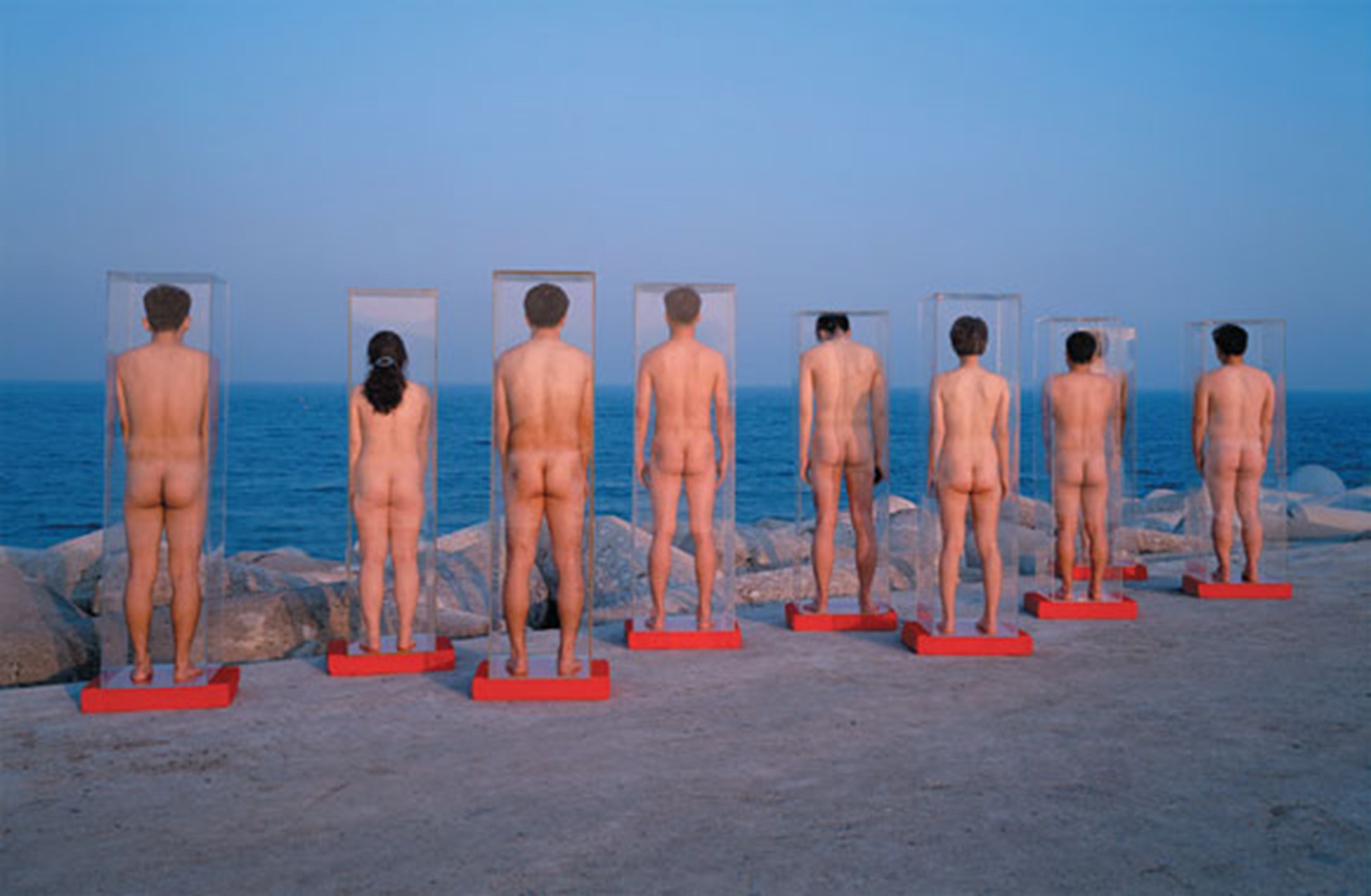
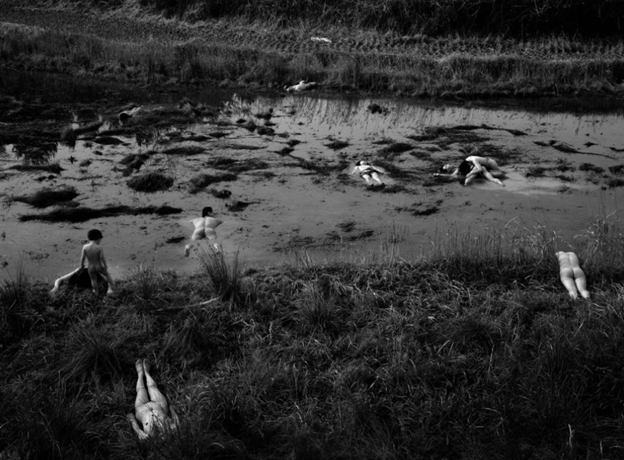
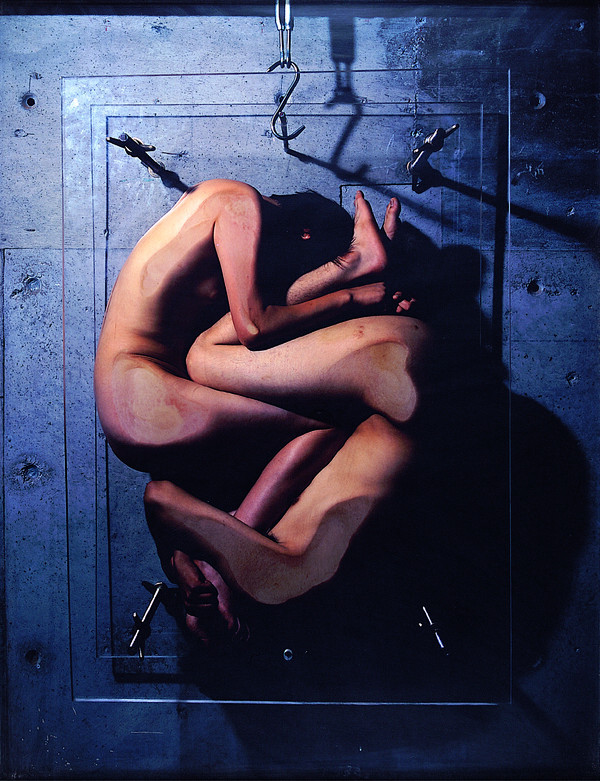
Deconstruction series #047

1994
About The Work

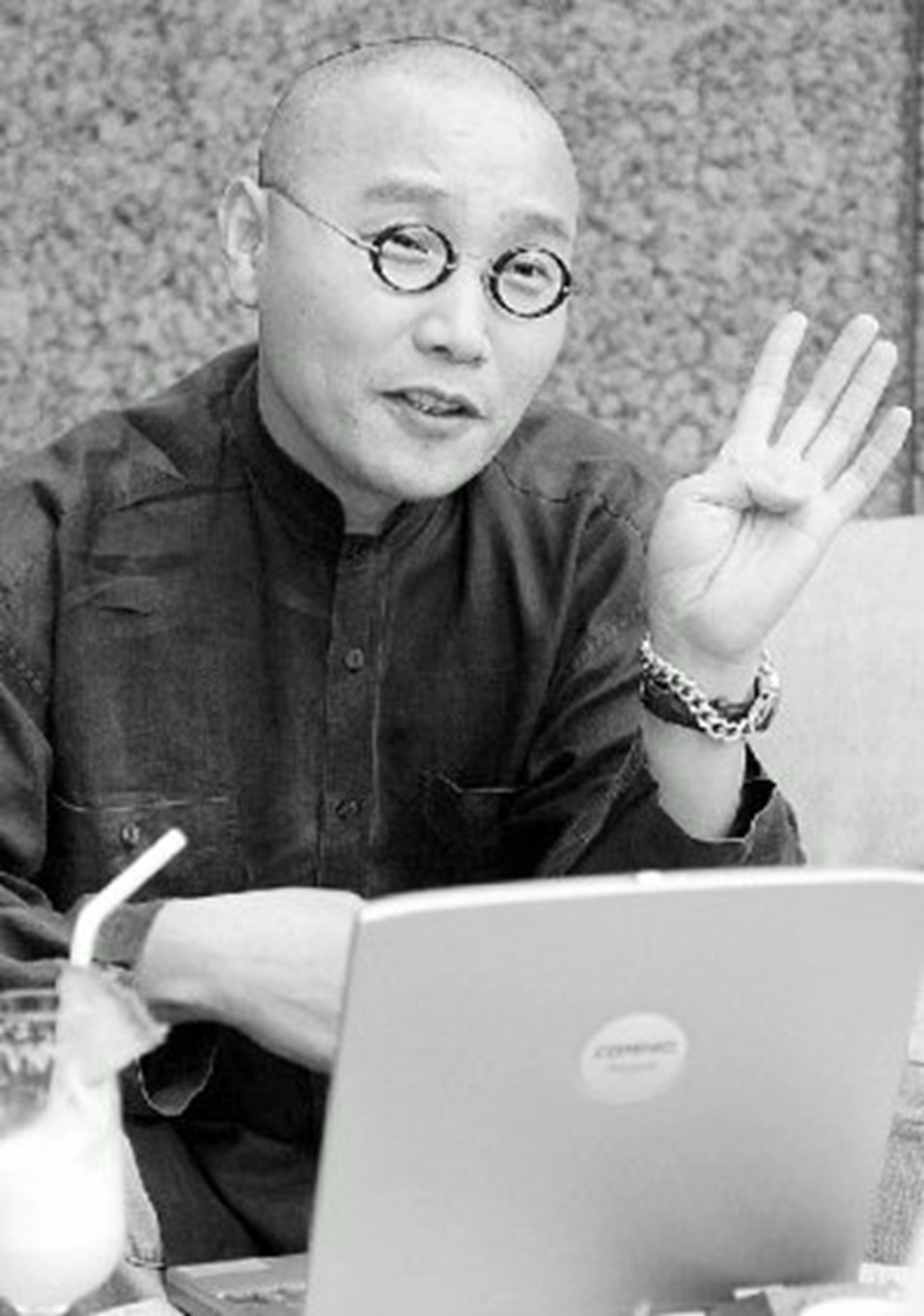
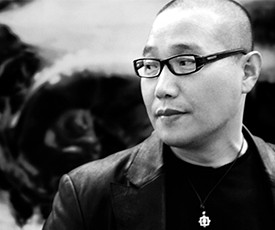
Atta Kim's curiosity about the outside world has led him to photograph people from diverse backgrounds, and he has expanded his recognition as an artist.
 
Atta Kim’s practice has consistently begun with a fundamental question—“What is existence?”—since the mid-1980s. At the core of his thinking lies the idea that “all beings are born and die,” an understanding that leads him to view existence not as an autonomous subject but as something that emerges and dissolves within relationships.
 
This perspective is also reflected in the artist’s name, “Atta Kim,” which combines the Chinese characters for “I” (我) and “other” (他), underscoring his philosophical stance that existence is always conceived in relation to others.
 
Beginning with the question of existence, Kim has presented his own ontological thoughts through various media such as photography, installation, and performance. As he says, existence is always in the relationship, influencing each other, living and dissolving. In an era of global turmoil marked by various social and environmental issues, such as the climate crisis and wars, Kim's reflections become increasingly meaningful to us.

Solo Exhibitions (Brief)

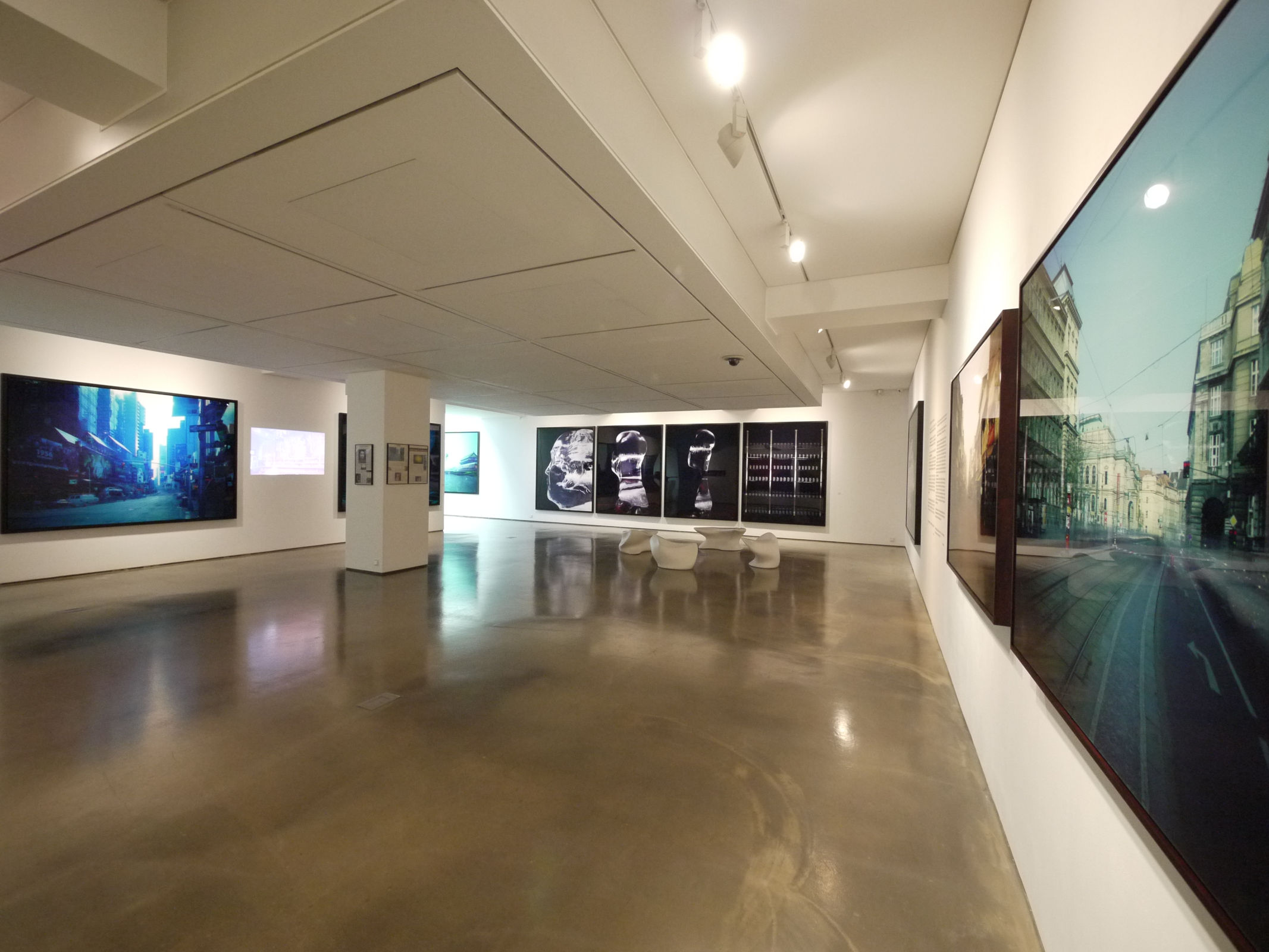
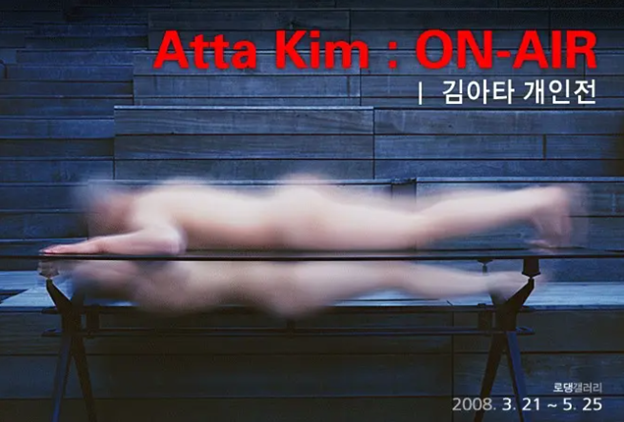
Atta Kim was invited to participate in the 53rd Venice Biennale in 2009, had a solo exhibition at the Rodin Gallery, Leeum Museum of Art in 2008, and was the first Asian to have a solo exhibition at the International Center for Photography in New York in 2006.

Group Exhibitions (Brief)

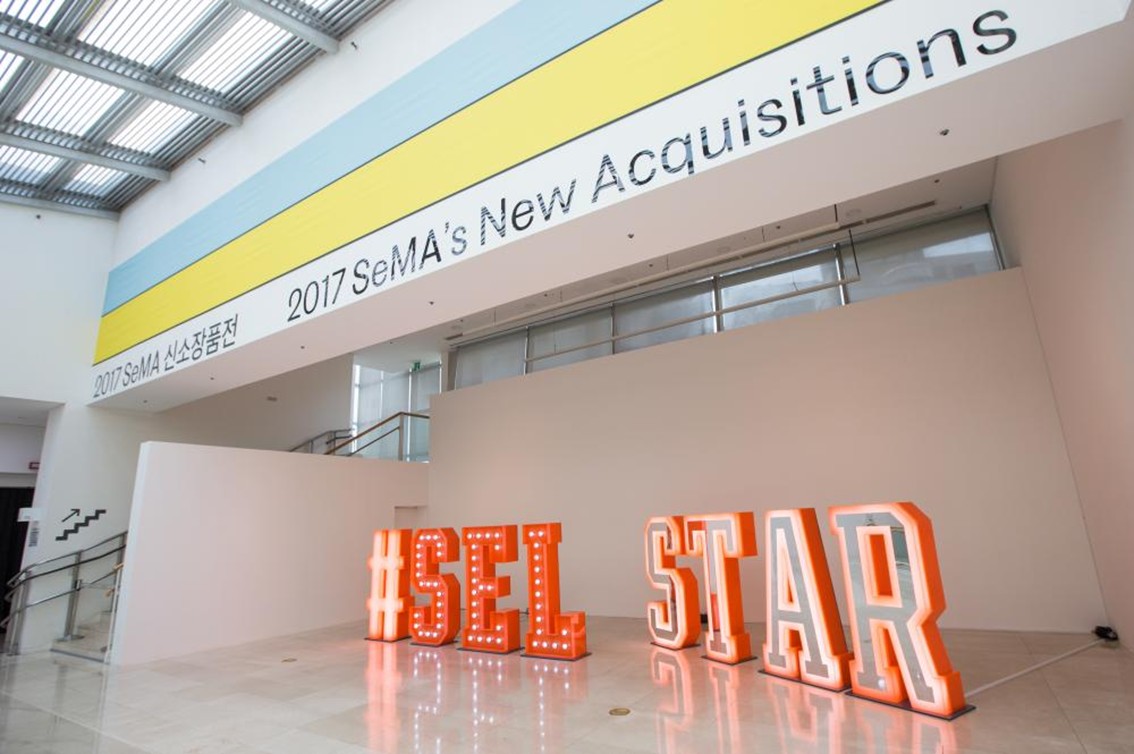
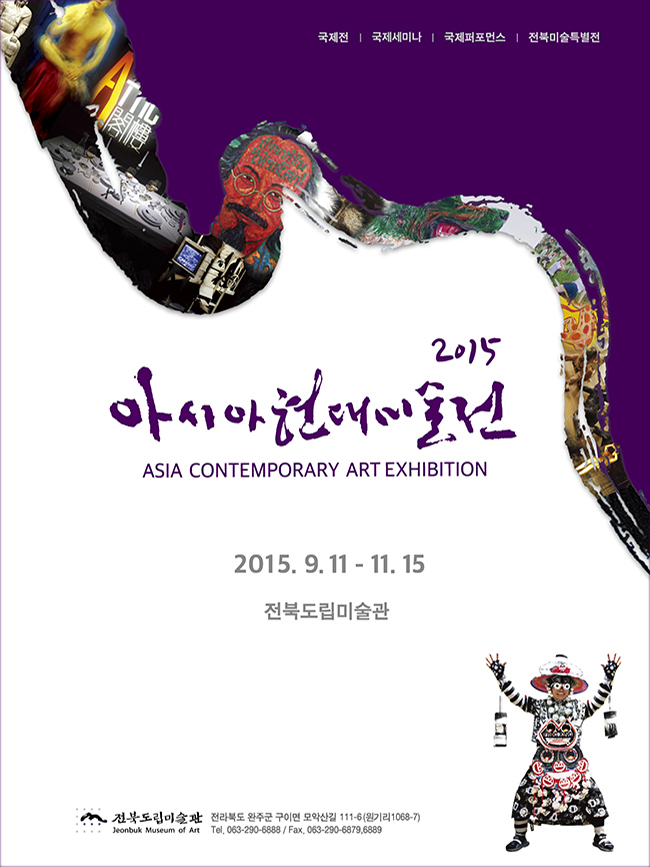
Atta Kim has presented his work in numerous group exhibitions, including 《SeMA New Acquisitions: Sky, Earth, People》 (Seoul Museum of Art, Seosomun Main Branch, Seoul, 2017), 《Asia Contemporary Art Exhibition 2015》 (Jeonbuk Museum of Art, Jeonju, 2015), 《Uproarious, Heated, Inundated》 (National Museum of Modern and Contemporary Art, Seoul, 2017), 《FAÇADE BUSAN》 (Busan Museum of Art, Busan, 2013), and 《HAEIN ART PROJECT 2011》 (Haeinsa Temple, Hapcheon, 2011), among many others. In 2002, he also participated as the representative artist of the Korean Pavilion at the 25th Bienal de São Paulo.

Awards (Selected)

Kim has received numerous major awards, including the Artist of the Year Award (Photography Art History, Korea, 1997), the International Photo Prize (1st Hanam International Photo Festival, Hanam, Korea, 2002), the Lee Myoungdong Photo Prize (Seoul, Korea, 2003), the 6th Dong-gang Photo Prize (Gangwon-do, Korea, 2007), and the 6th Ha Chong-Hyun Art Award (Seoul, Korea, 2008).

He was also selected as one of the “World’s 100 Leading Photographers” by Phaidon Press (UK, 2002), and in 2008 was named one of the “10 Artists Not to Be Forgotten Even 100 Years from Now” in a special feature curated by The Chosun Ilbo.

Collections (Selected)

Kim’s works are in the collections of many museums in Korea and abroad, including The Los Angeles County Museum of Art USA, Hood Museum at Dartmouth College USA, New Britain Museum of American Art USA, Museum of Fine Arts, Houston USA, National Museum of Modern and Contemporary Art Korea, Leeum Museum of Art, Seoul Museum of Art, Busan Museum of Art, Daelim Museum, and Art Sonje Center.
Works of Art

Invisible Things and Visible Things

Originality & Identity

Atta Kim’s practice has consistently begun with a fundamental question—“What is existence?”—since the mid-1980s. At the core of his thinking lies the idea that “all beings are born and die,” an understanding that leads him to view existence not as an autonomous subject but as something that emerges and dissolves within relationships. This perspective is also reflected in the artist’s name, “Atta Kim,” which combines the Chinese characters for “I” (我) and “other” (他), underscoring his philosophical stance that existence is always conceived in relation to others.

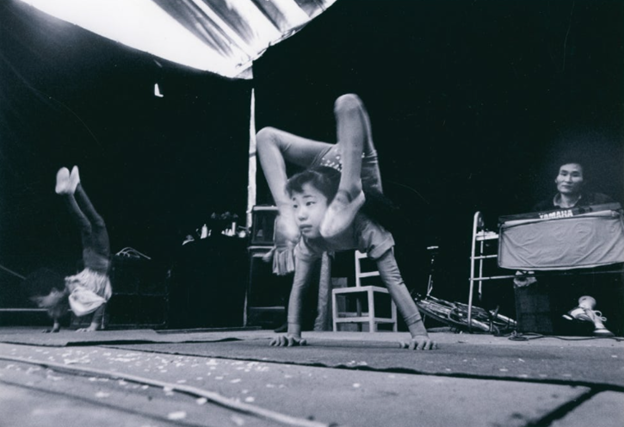
In his early works, Kim explored existence through close engagement with individual lives and inner states. In the ‘Human Cultural Assets’ series (1998), he lived alongside designated human cultural heritage holders and documented their lives, while his experiences photographing inside psychiatric hospitals and coal mines represent his effort to observe the conditions of human existence in extreme environments. These works are grounded in a view of humans as beings shaped by historical and social contexts.

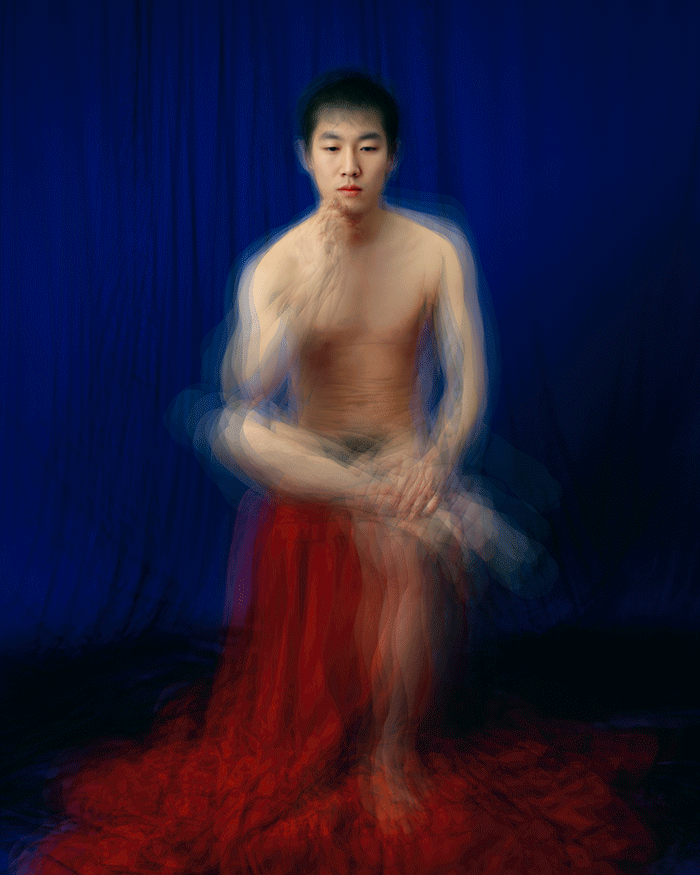
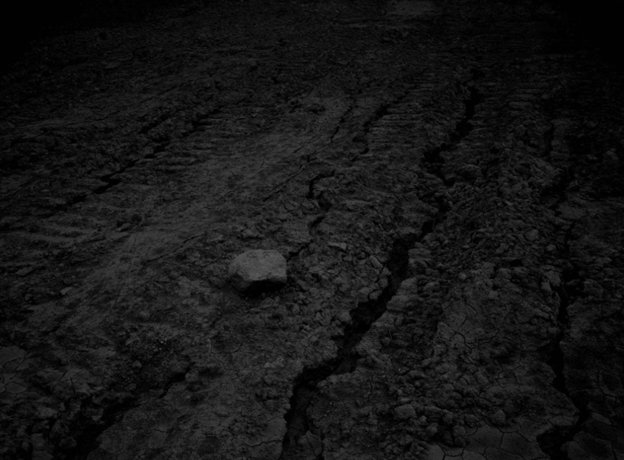
Over time, Kim expanded his focus beyond a human-centered perspective toward existence in a broader sense. The ‘in-der-Welt-sein’ series draws on Martin Heidegger’s ontology, revealing that not only humans but also stones, grass, and natural objects exist through relationships within the world. Created through long exposures taken at dawn, this series captures moments in which subject and environment are no longer clearly separated, marking a conceptual shift toward understanding existence as a relational process rather than an independent entity.

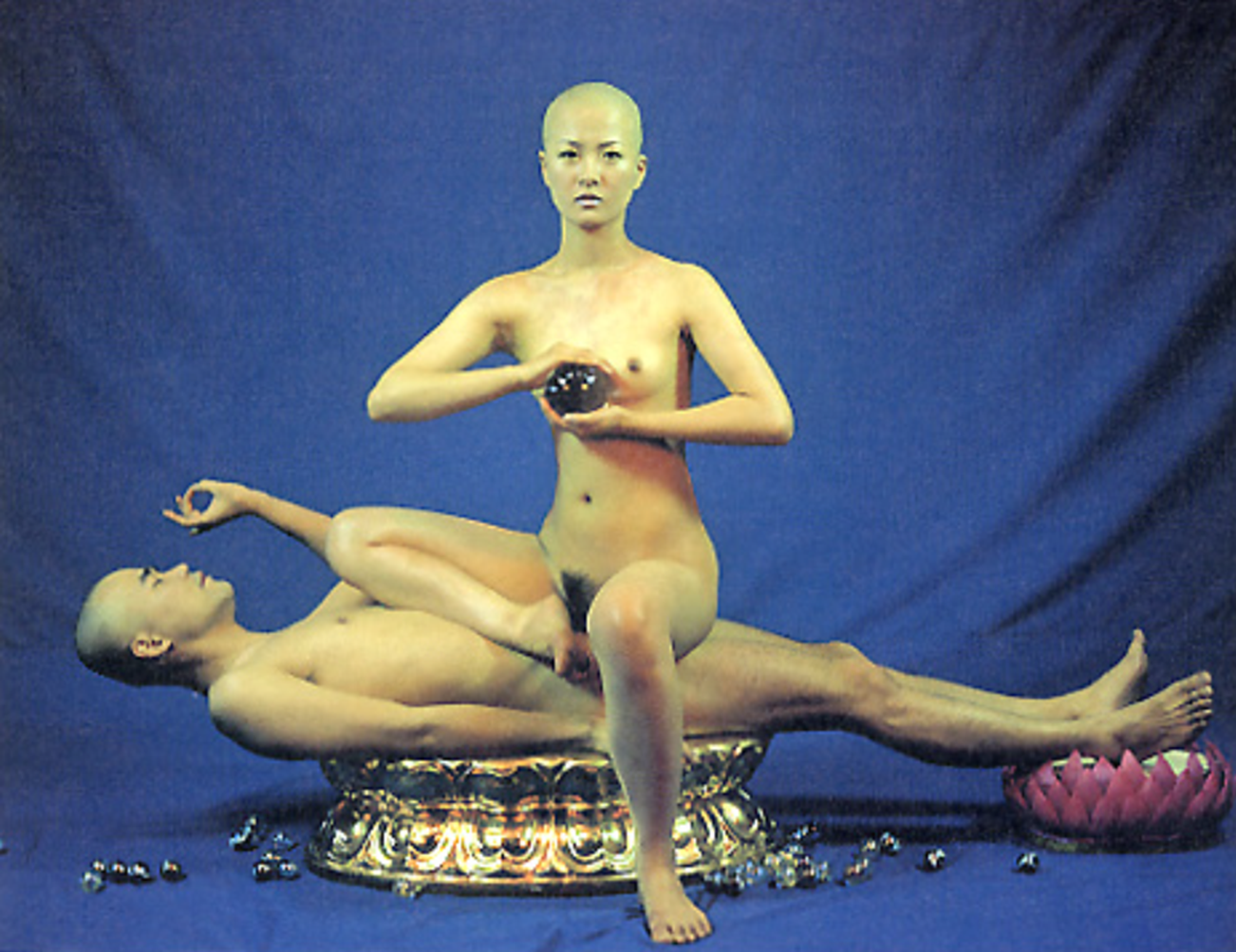
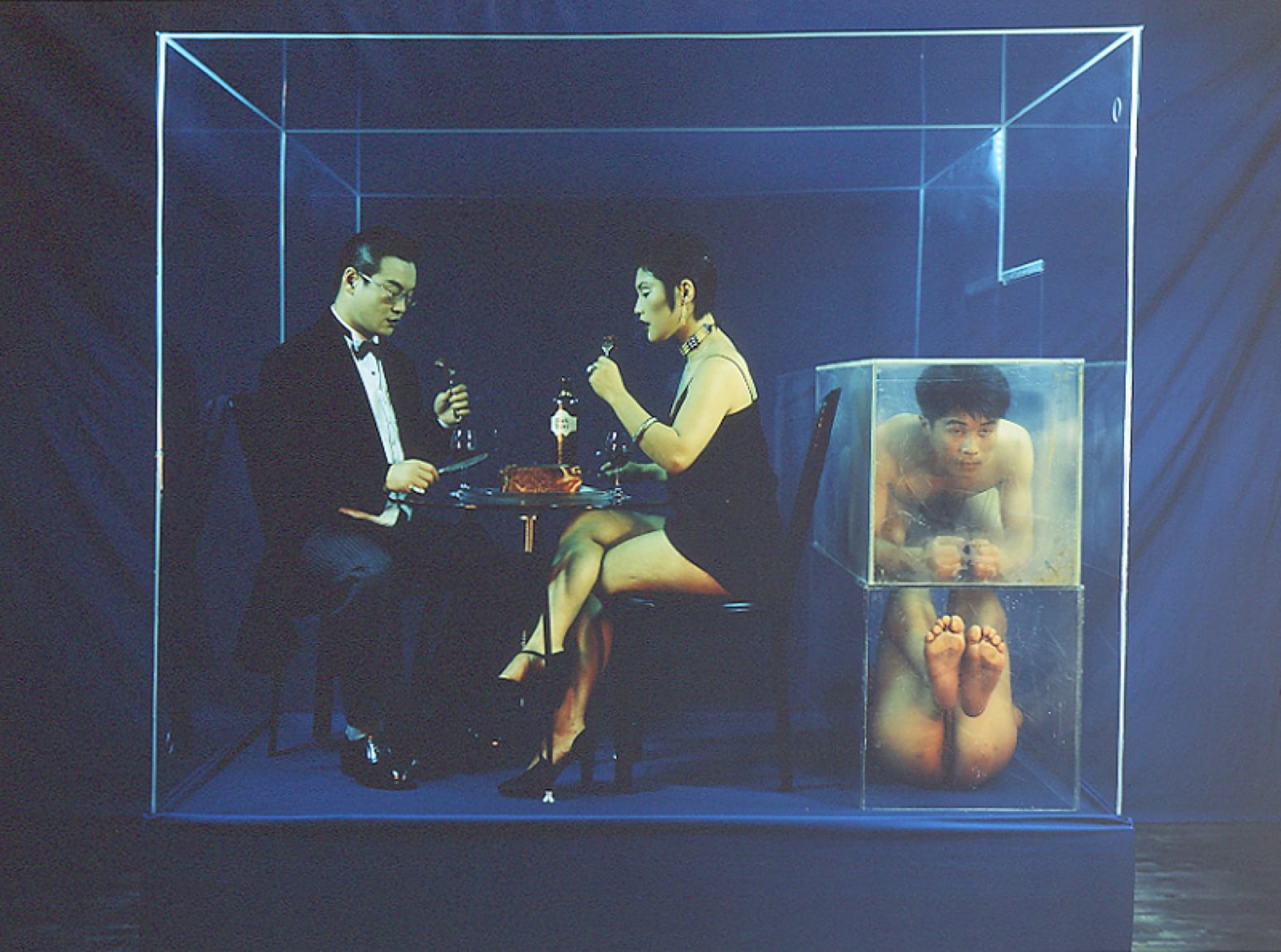
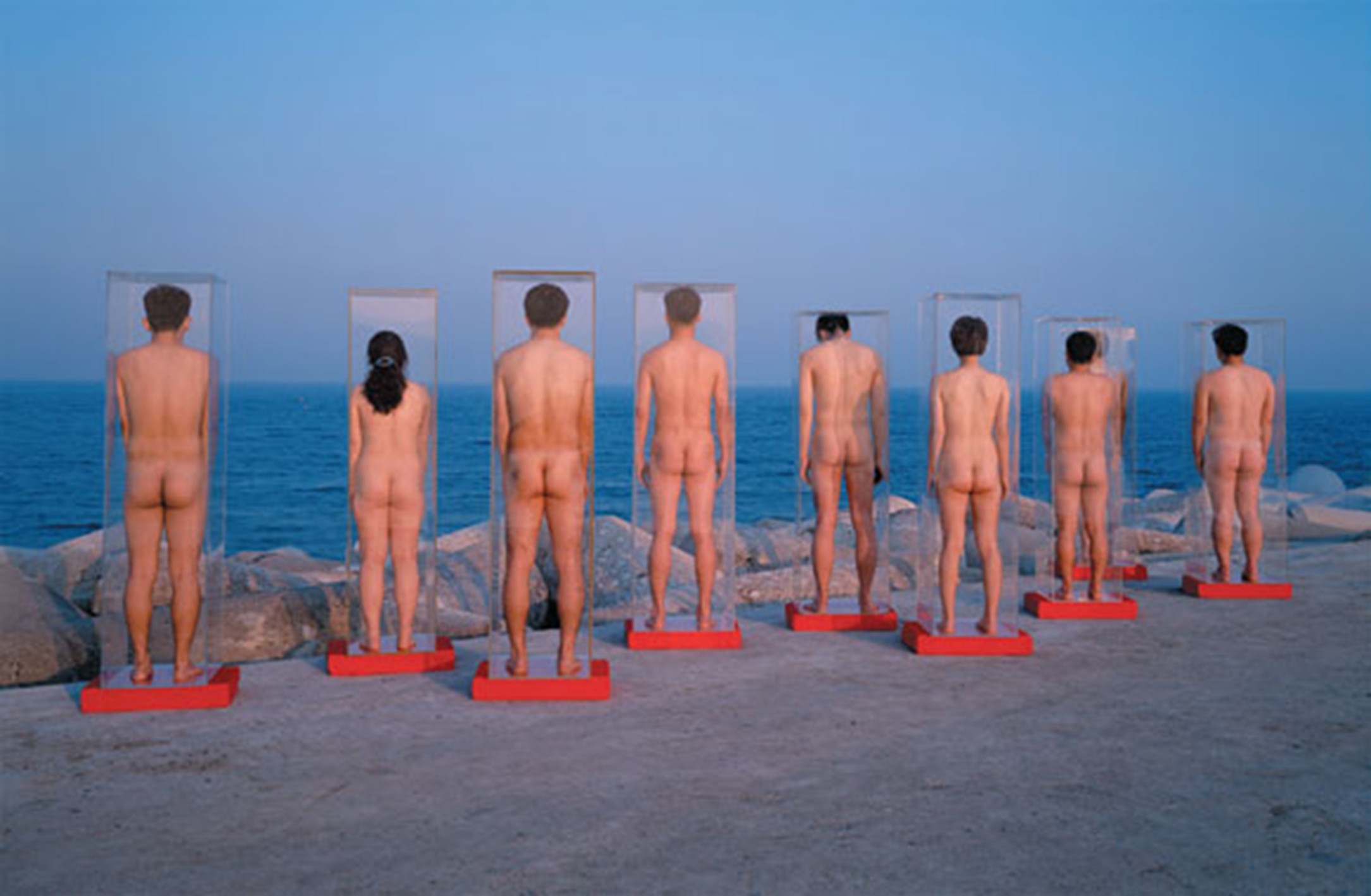
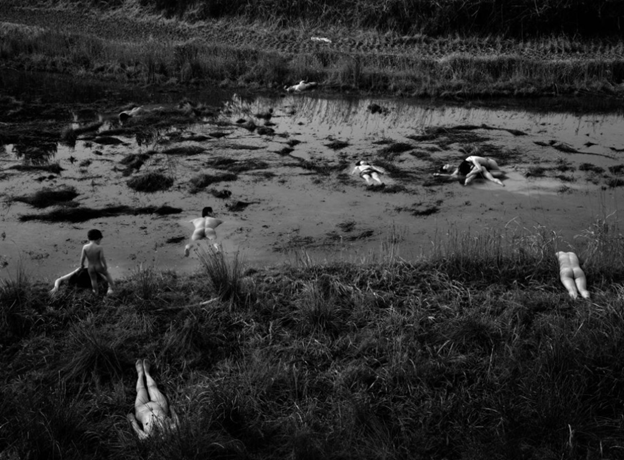
This trajectory becomes more explicit in the subsequent ‘Deconstruction’ series, the ‘Museum Project,’ and the ‘ON-AIR Project.’ By dispersing the human subject into natural environments or “exhibiting” people within acrylic boxes, Kim dismantles anthropocentric value systems and proposes an egalitarian view in which all beings within the world possess equal significance. In his work, existence is not a fixed substance but a constantly forming and dissolving field of relations.

Style & Contents

Although Kim’s work originates in photography, he has continuously questioned and expanded the medium’s conventional roles of documentation and representation. His early portrait-based works adopt a documentary approach grounded in direct experience, but gradually evolve through long exposure, image layering, and installation elements that push photography beyond its traditional limits. These strategies aim not merely to record subjects, but to visualize the flow of time and the processes of existence itself.

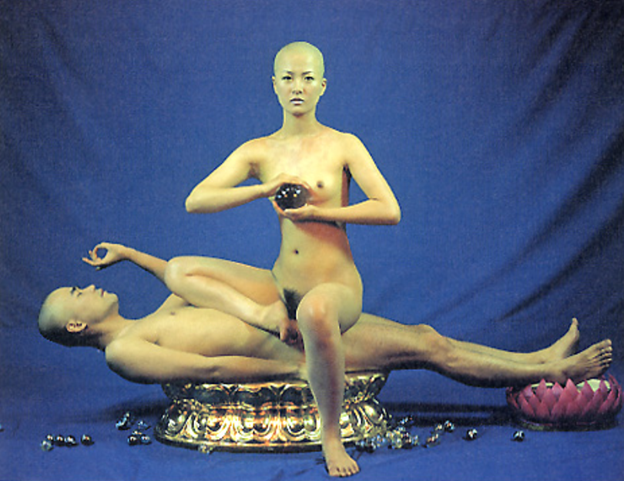
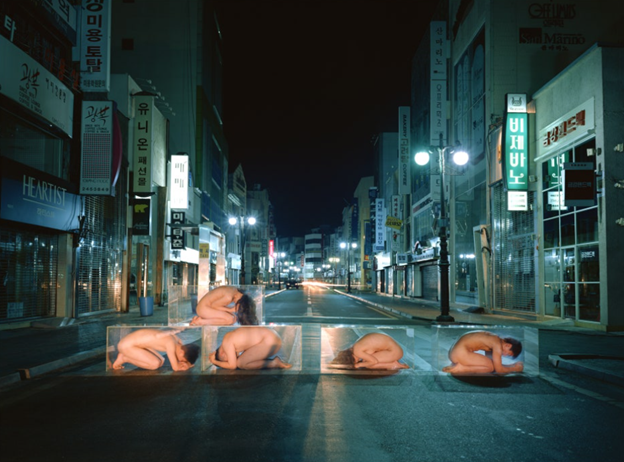
In the ‘Deconstruction’ series, nude human figures are placed within natural settings such as rice fields, blurring the boundary between human beings and nature. The figures are no longer emphasized as dominant subjects; instead, they appear as elements equivalent to stones or grass in their surroundings. This formal experiment displaces humans from an ideological center and reintegrates them as part of the natural order.

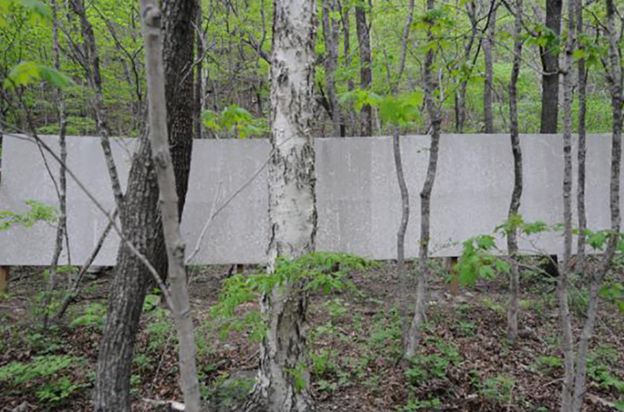
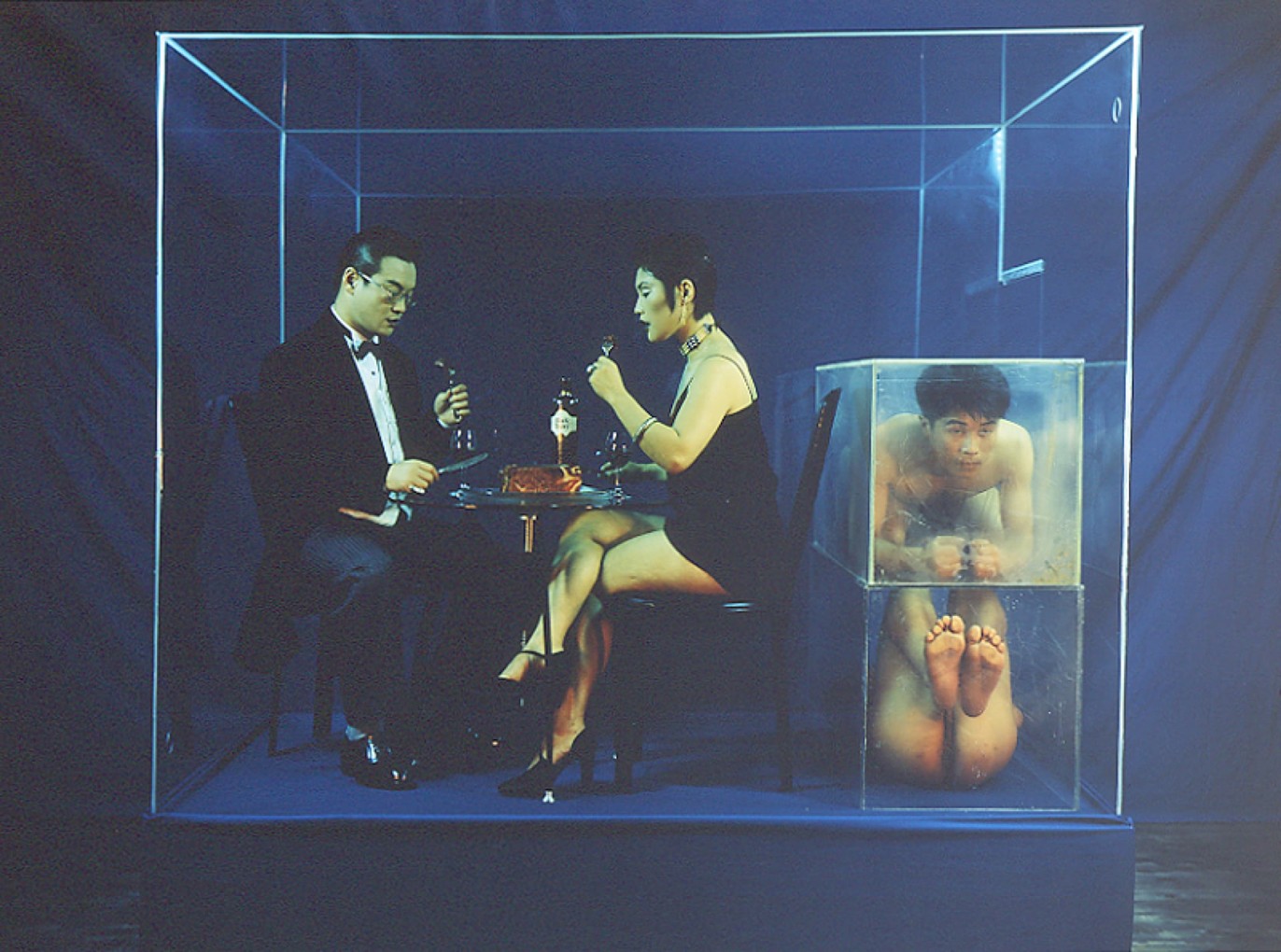
The ‘Museum Project,’ initiated in 1995, marks a pivotal moment in Kim’s formal experimentation. Using transparent acrylic boxes as sculptural and photographic devices, he installed human figures in forests, on roads, in department stores, and temples, or staged scenes in the studio featuring wounded war veterans and lovers. Moving fluidly between photography, installation, and performance, the series critically appropriates the museum system—traditionally dedicated to preservation and display—to assert that everyday existence itself is worthy of being exhibited.

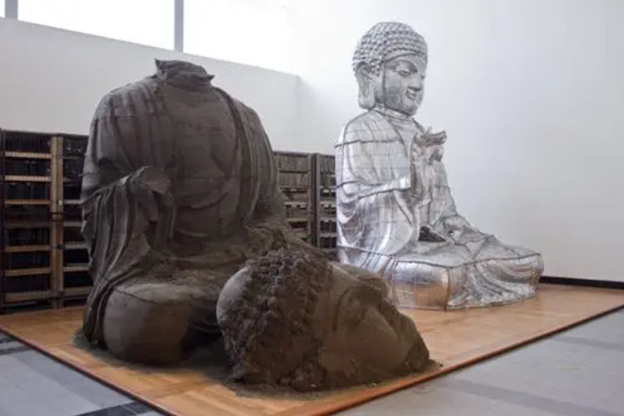
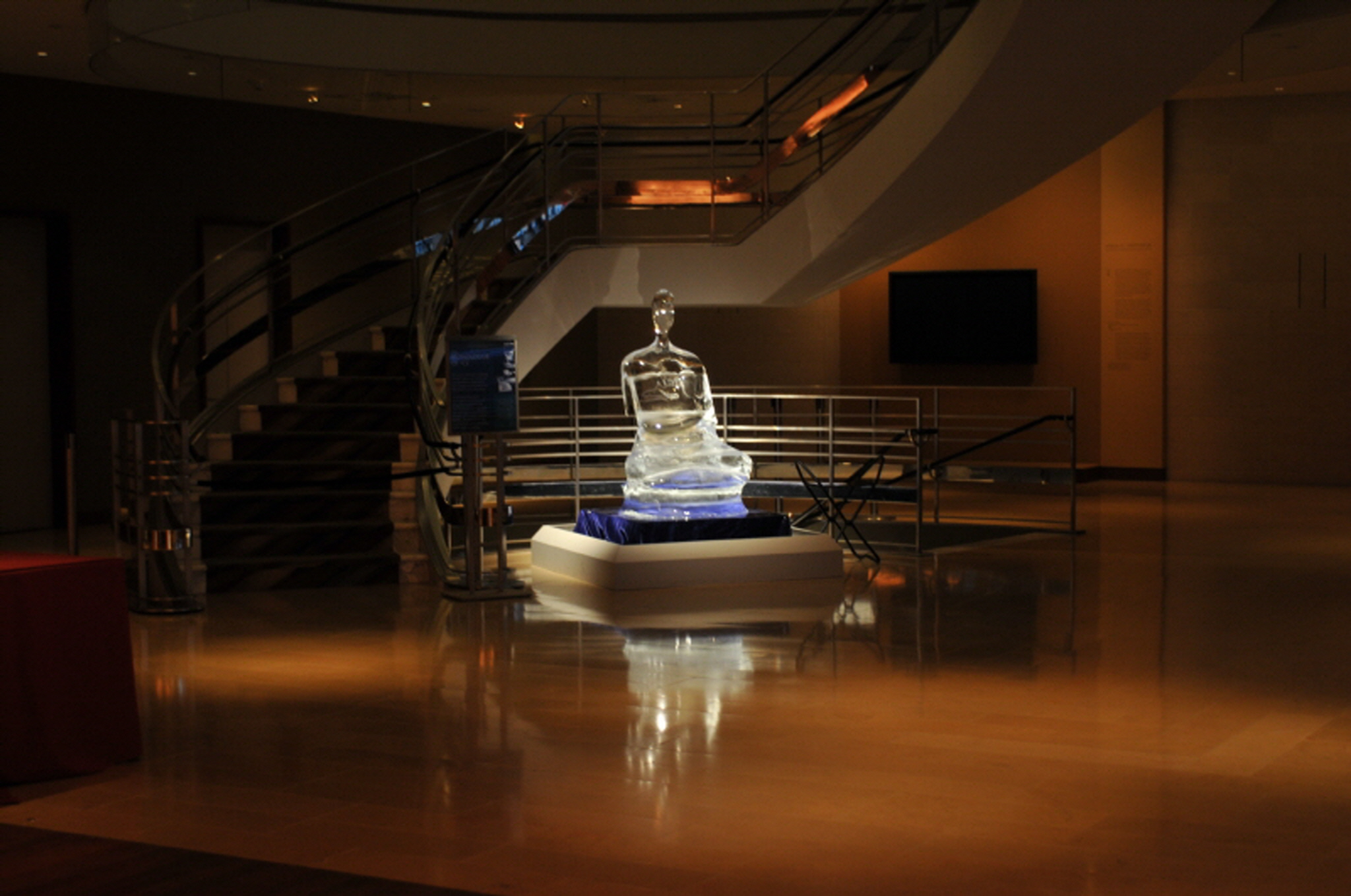
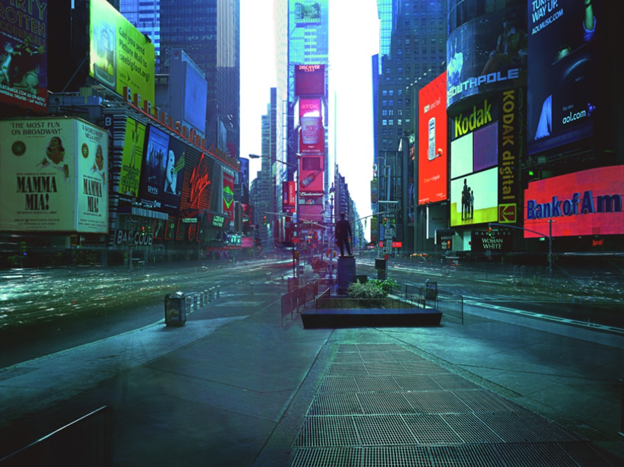
The ‘ON-AIR Project’ addresses the disappearance of existence through long exposure, image layering, and the material properties of ice. In the representative work ON-AIR Project 110-7-New York Series (2005), eight hours of time are compressed into a single image, leaving only faint traces of the immense energy of a capitalist metropolis. In the subsequent ‘Monologue of Ice’ series, the gradual melting of ice sculptures is presented within the exhibition space itself, allowing temporal and material transformation to become an integral part of the work.

Topography & Continuity

What remains constant throughout Atta Kim’s practice is his view of existence as a matter of relationships and processes. Beginning from a human-centered inquiry, he has progressively embraced humans, nature, objects, and environments as equal forms of being, understanding generation and dissolution as part of a continuous cycle. This philosophical consistency is rare within the context of Korean photography.

Rather than treating photography as a fixed medium, Kim has expanded his practice to include installation, performance, and forms shaped by natural forces and time. In the ‘Indala’ series, thousands of urban images are layered to form abstract compositions, while in ‘The Project Drawing of Nature,’ nature itself becomes the agent that “draws” on the canvas. These approaches reflect Kim’s sustained exploration of images beyond photography.

Within the landscape of contemporary Korean art, Kim occupies a distinctive position as an artist who has pushed photography into the realm of philosophical inquiry. His work transcends the categories of documentary or purely aesthetic photography, translating ontological questions into a visual language of his own. This position has been consistently affirmed on the international stage, including his participation in the 2002 São Paulo Biennial and his solo exhibition at the International Center of Photography in New York in 2006.

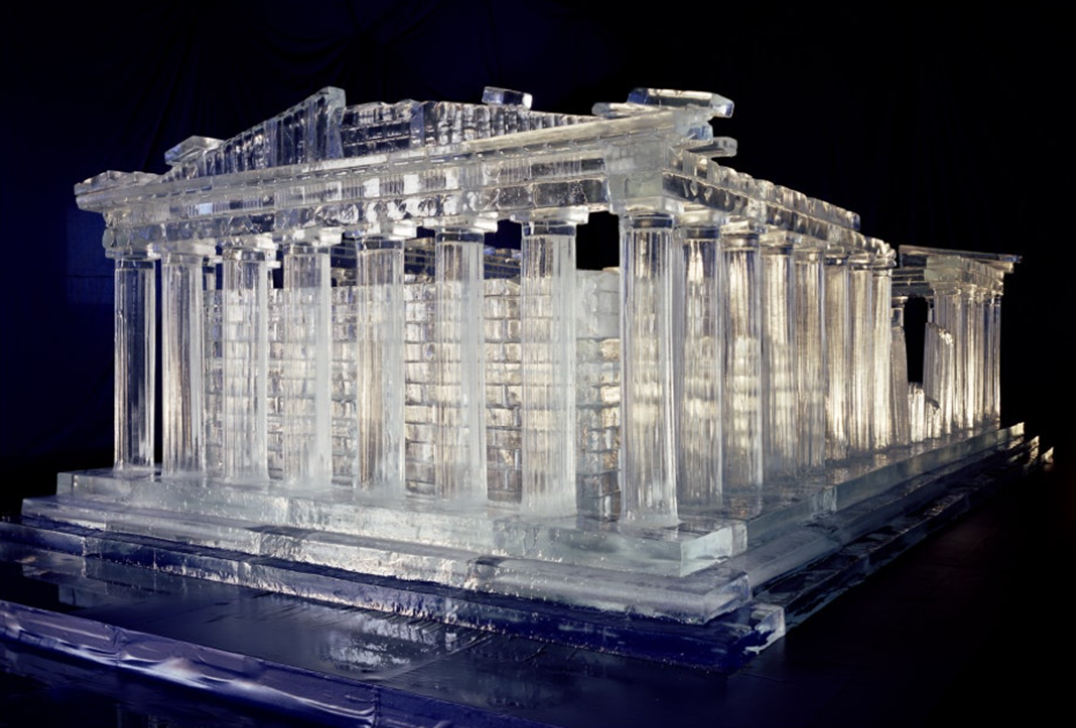
Recent works, along with the establishment of the contemplative space Art+Parthenon in 2020, demonstrate how Kim’s thinking has expanded beyond individual artworks into spatial and environmental dimensions. From an initial focus on human existence to a broader engagement with nature and the world as a whole, his practice continues to evolve. Moving forward, Kim’s work suggests a sustained exploration of the “life of being” through diverse media and sites on a global scale.

Works of Art

Invisible Things and Visible Things

Articles

Exhibitions

Activities