



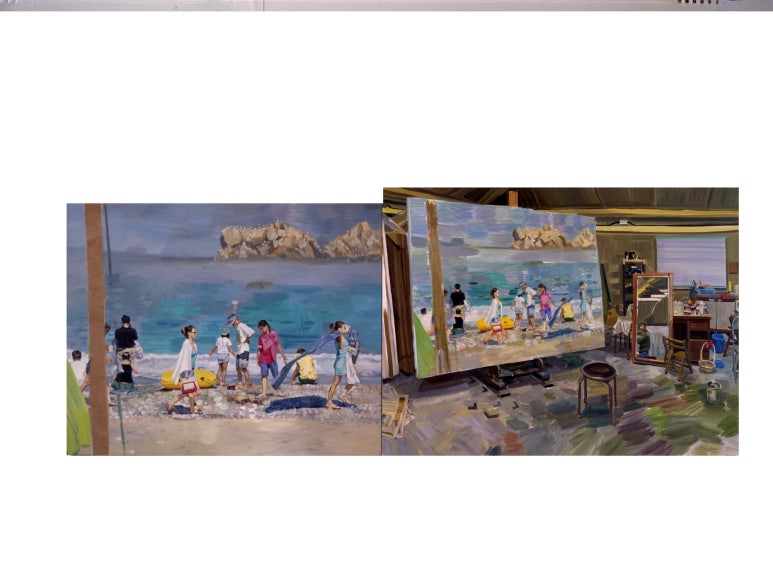
The Pink letters - K-ARTIST

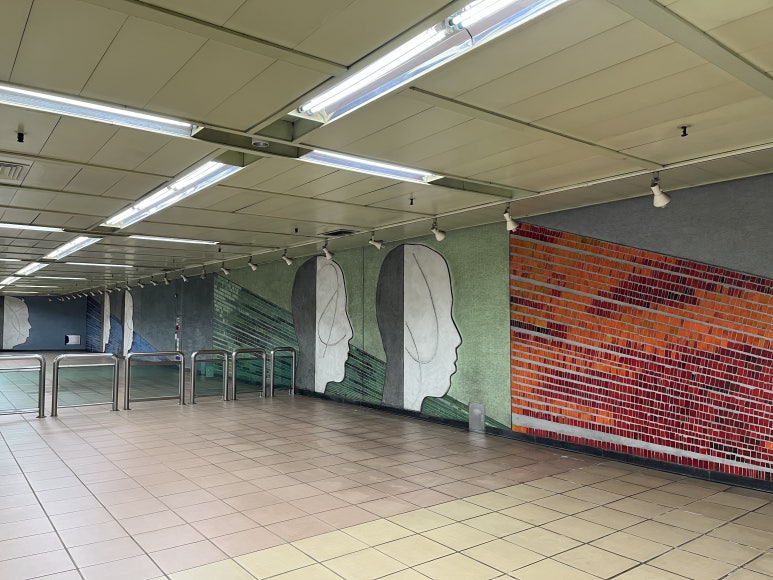
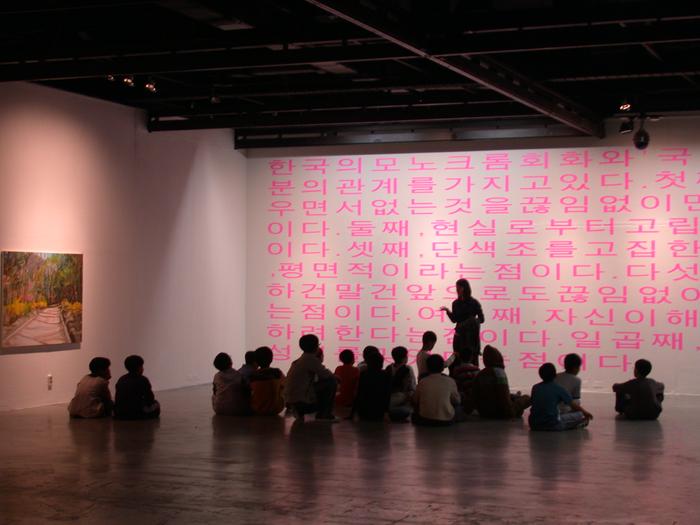
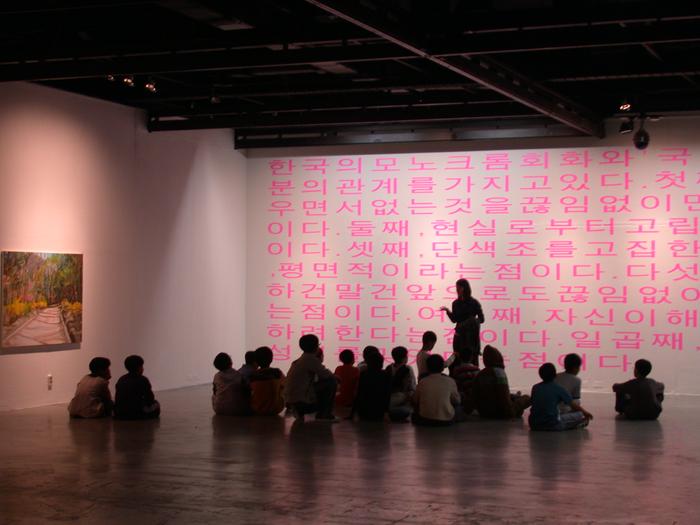
The Pink letters

2005
Adhesive sheets on the wall
400 × 1186 cm
About The Work

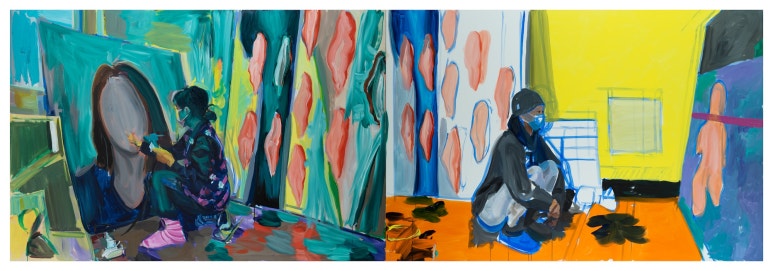
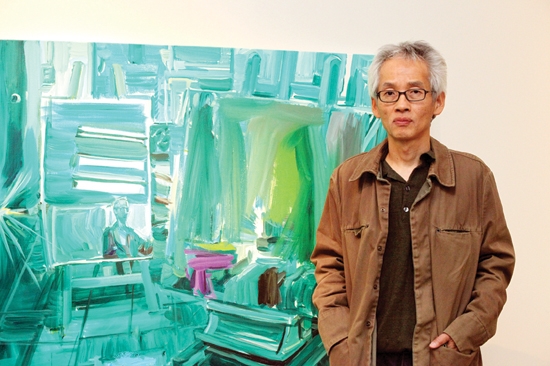
In Choi Gene Uk’s work, ‘realism’ does not function as a fixed style or ideological position. Rather than asking what is represented, his paintings begin with a question of how the world and the individual come into contact through perception. The artist has described this approach as ‘emotional realism,’ understanding realism not as an objective depiction of external reality but as a process through which reality is imprinted on the body through sensation. In this sense, realism is not a language that presents a completed world, but a state of cognition that emerges where certainty about the world begins to falter.

Self-portraits, the studio, and everyday landscapes recur throughout his work, yet they do not serve to fix identity or articulate personal confession. Instead, the subject is repeatedly objectified and reconstituted within a cyclical structure in which the self is continuously fragmented and re-encountered. Moving between the studio and the outside world, personal experience and historical reality, his work follows a long, cyclical trajectory. Early self-portraits and studio scenes give way to landscapes and socially inflected imagery, before returning again to the studio in recent works.

This continuity does not signal thematic repetition, but an evolving reexamination of perception under changing conditions. Choi’s paintings do not arrive at definitive conclusions; instead, they persist as open-ended questions. It is this sustained inquiry itself that ultimately constitutes the enduring core of his artistic practice.

Solo Exhibitions (Brief)

Choi Gene Uk began his career with a solo exhibition in 1985 at United States Cultural Center in Seoul, and has since held solo exhibitions at major institutional venues in Korean art, including Hangaram Art Museum in Seoul Arts Center (1991), Kumho Museum of Art (1997, 2002), ARKO Art Center (2005), and Ilmin Museum of Art (2011). More recently, through solo exhibitions at Gallery Indipress (2020) and Artside Gallery (2022, 2024), he has continued to develop a body of work that accumulates and unfolds fleeting moments of everyday life and contemporary social realities through painting.

Group Exhibitions (Brief)

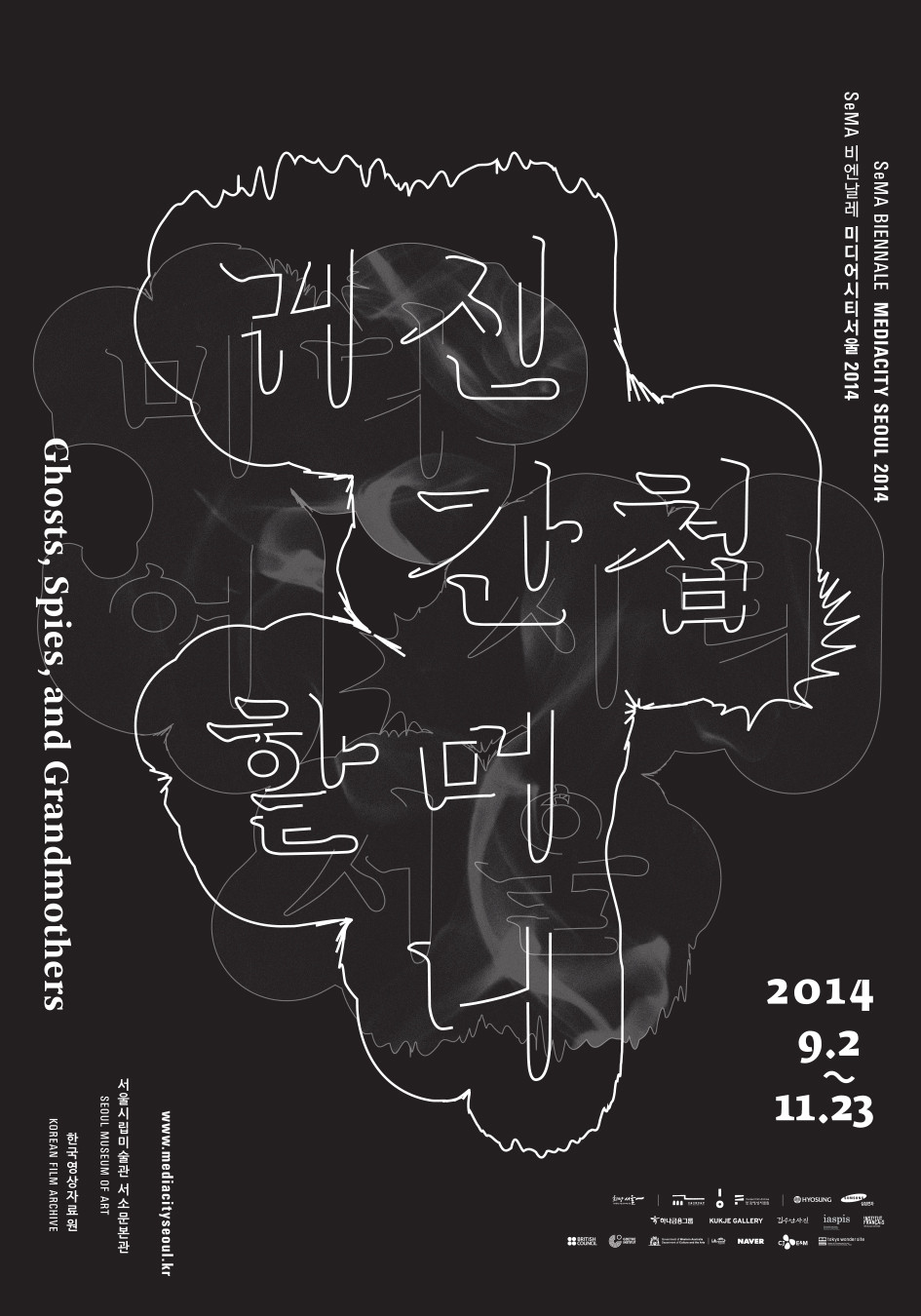
Through participation in major institutional exhibitions at National Museum of Modern and Contemporary Art(2003, 2006, 2013, 2017) and Seoul Museum of Art(1990, 2014), as well as large-scale international platforms such as Gwangju Biennale(2002) and Busan Biennale(2004), Choi Gene Uk has continued to situate painting within broader social and historical contexts of contemporary Korea.

Collections (Selected)

Choi Gene Uk’s works are held in the collections of major public institutions in Korea, including National Museum of Modern and Contemporary Art, Seoul Museum of Art, Daejeon Museum of Art, Jeonnam Museum of Art, Kumho Museum of Art, Art Sonje Center, and Ilmin Museum of Art.
Works of Art

Korean Society as Seen through an Individual Perspective

Originality & Identity

In Choi Gene Uk’s work, ‘realism’ does not function as a fixed style or ideological position. Rather than asking what is represented, his paintings begin with a question of how the world and the individual come into contact through perception. The artist has described this approach as ‘emotional realism,’ understanding realism not as an objective depiction of external reality but as a process through which reality is imprinted on the body through sensation. In this sense, realism is not a language that presents a completed world, but a state of cognition that emerges where certainty about the world begins to falter.
 
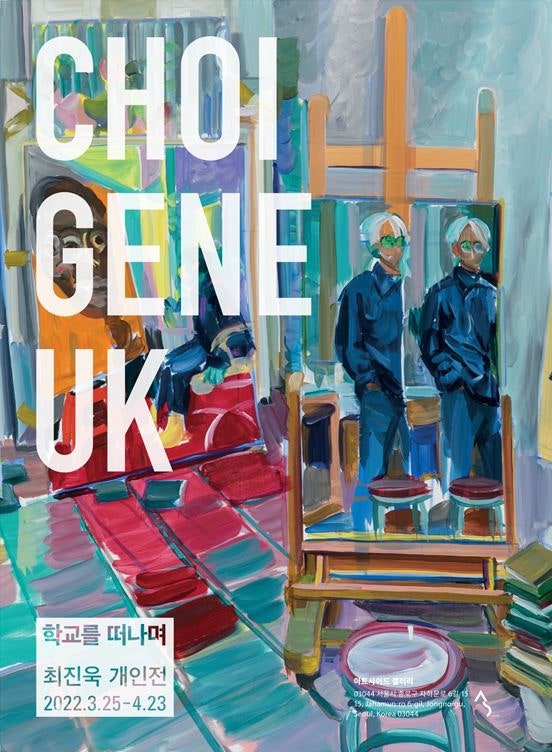
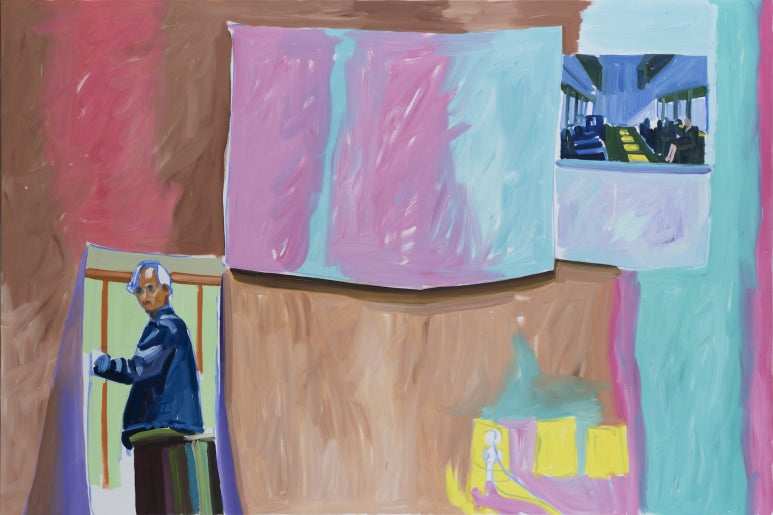
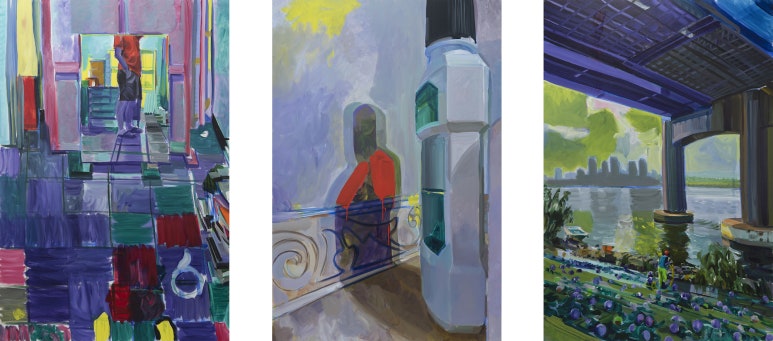
Self-portraits, the studio, and everyday landscapes recur throughout his work, yet they do not serve to fix identity or articulate personal confession. Instead, the subject is repeatedly objectified and reconstituted within a cyclical structure in which the self is continuously fragmented and re-encountered. Mirrors, images within images, and the overlapping gazes of painter, painting, and viewer reveal that reality does not exist on a single, stable plane. Choi’s originality lies precisely here: in making the mode by which reality is sensed and perceived—rather than the subject depicted—the central concern of painting.

Style & Contents

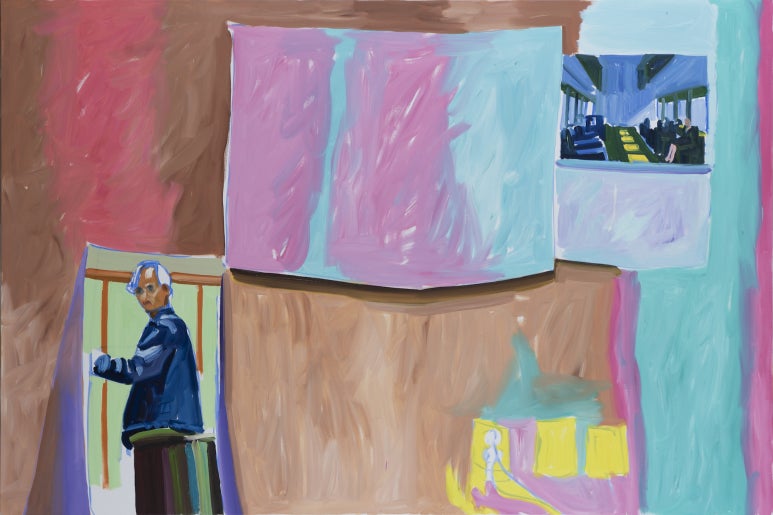
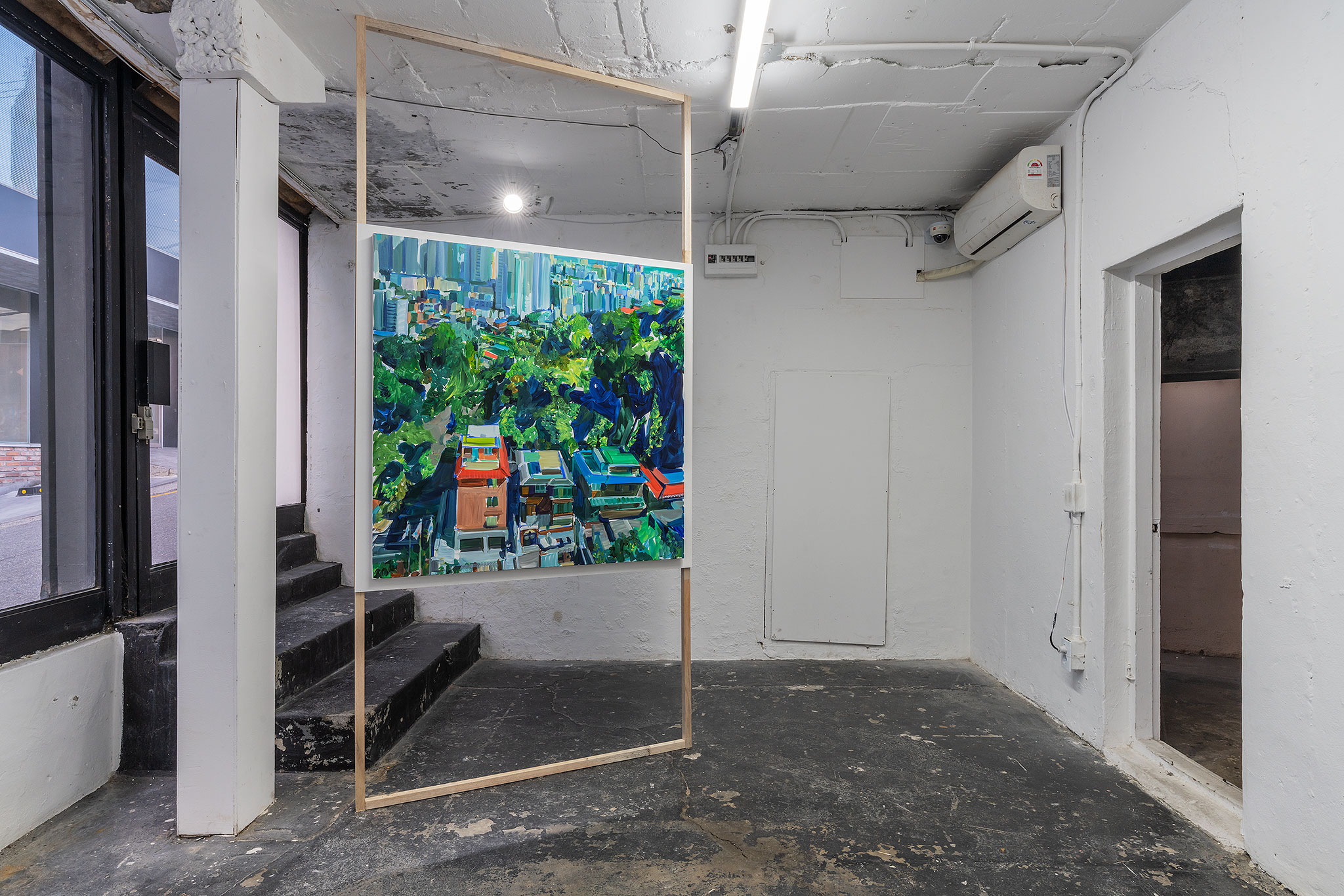
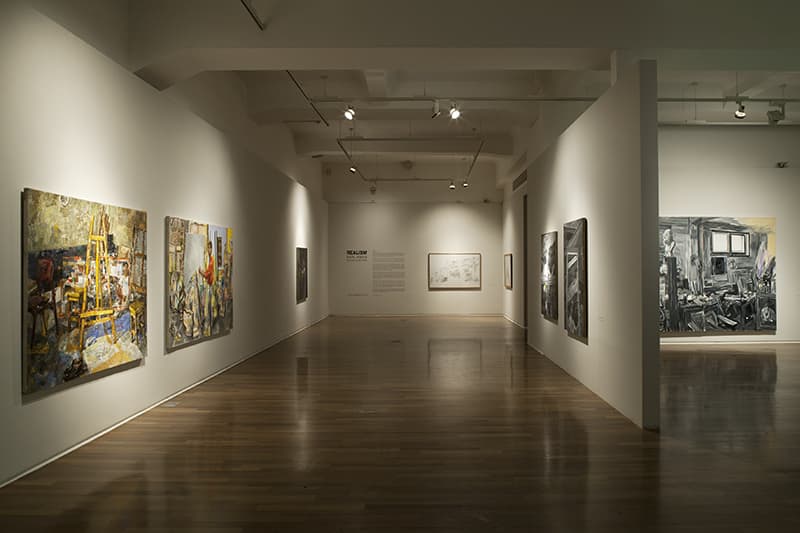
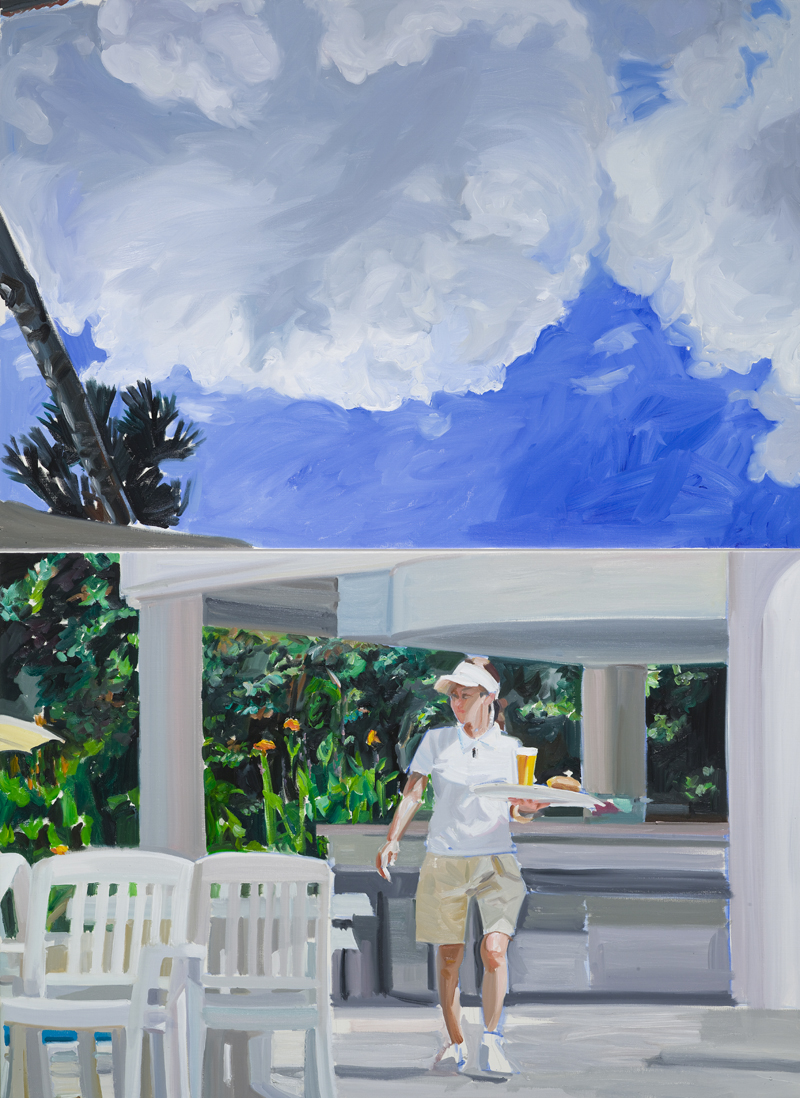
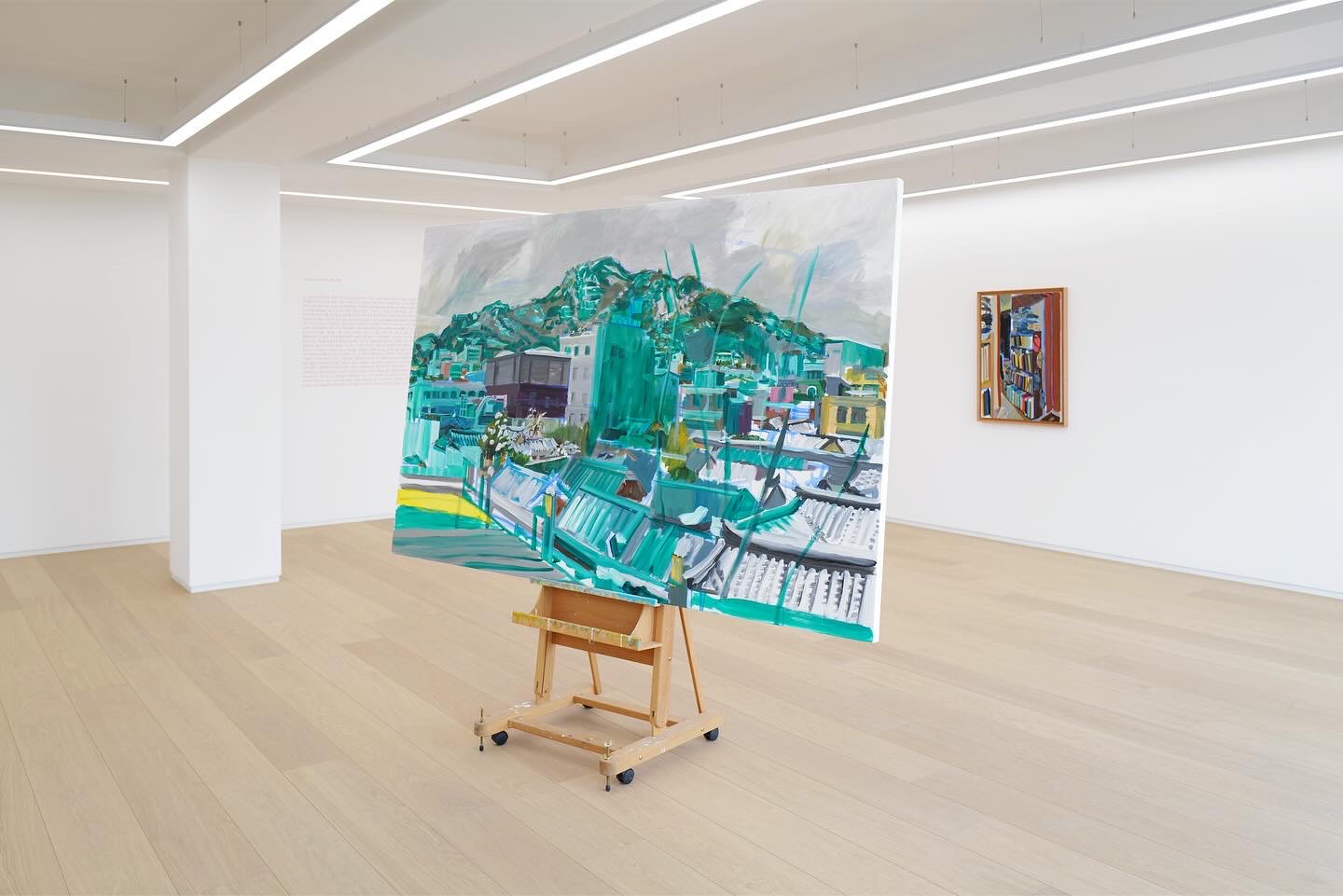
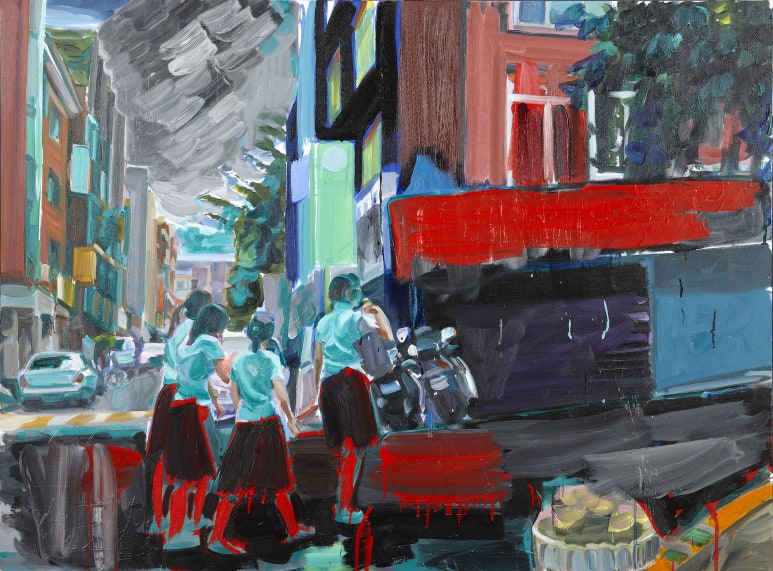
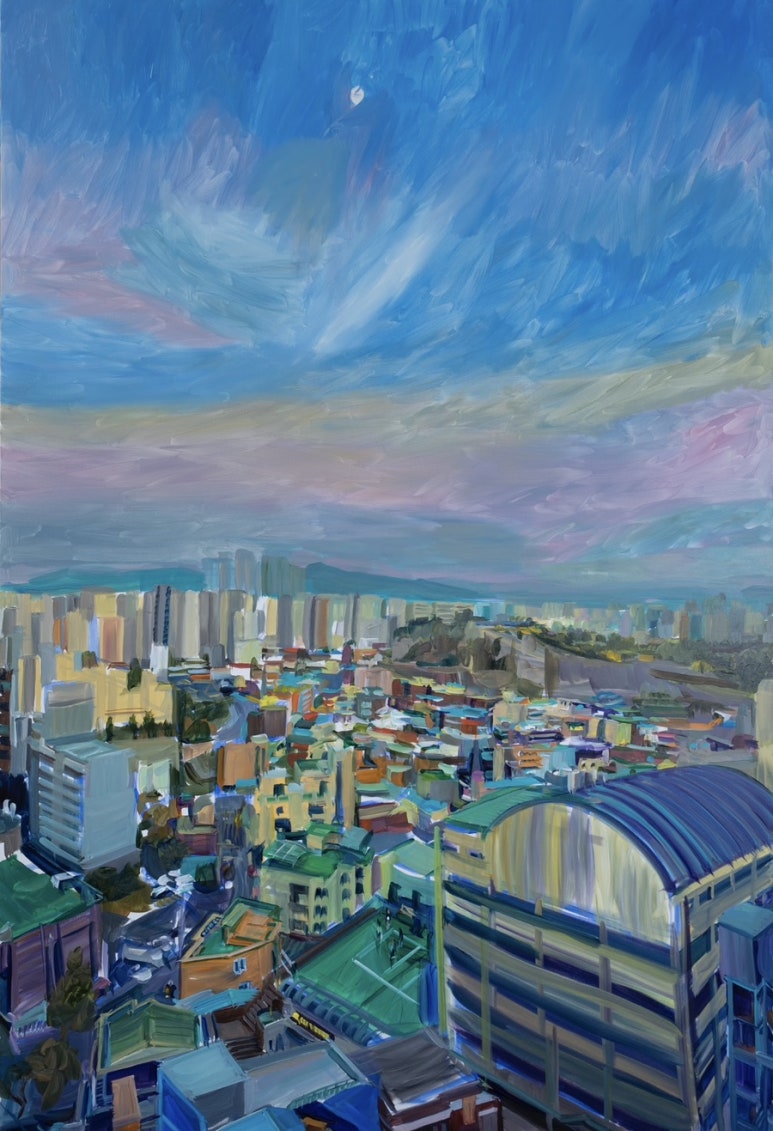
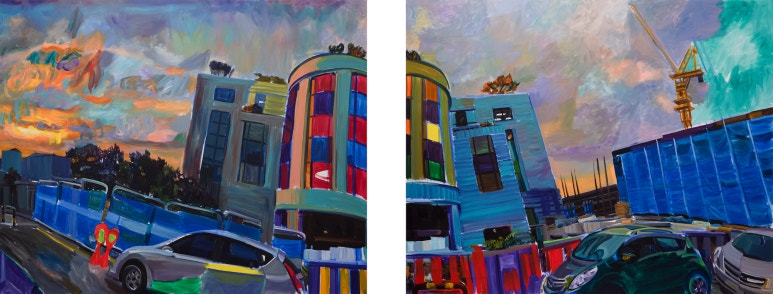
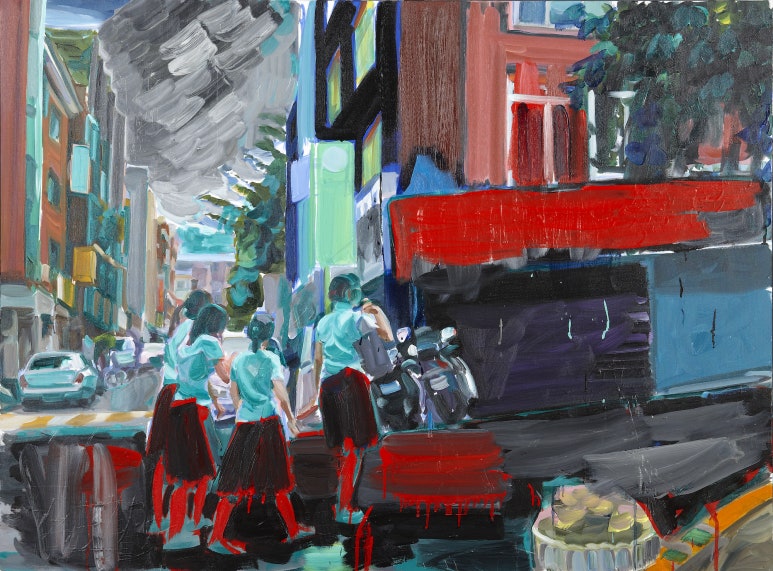
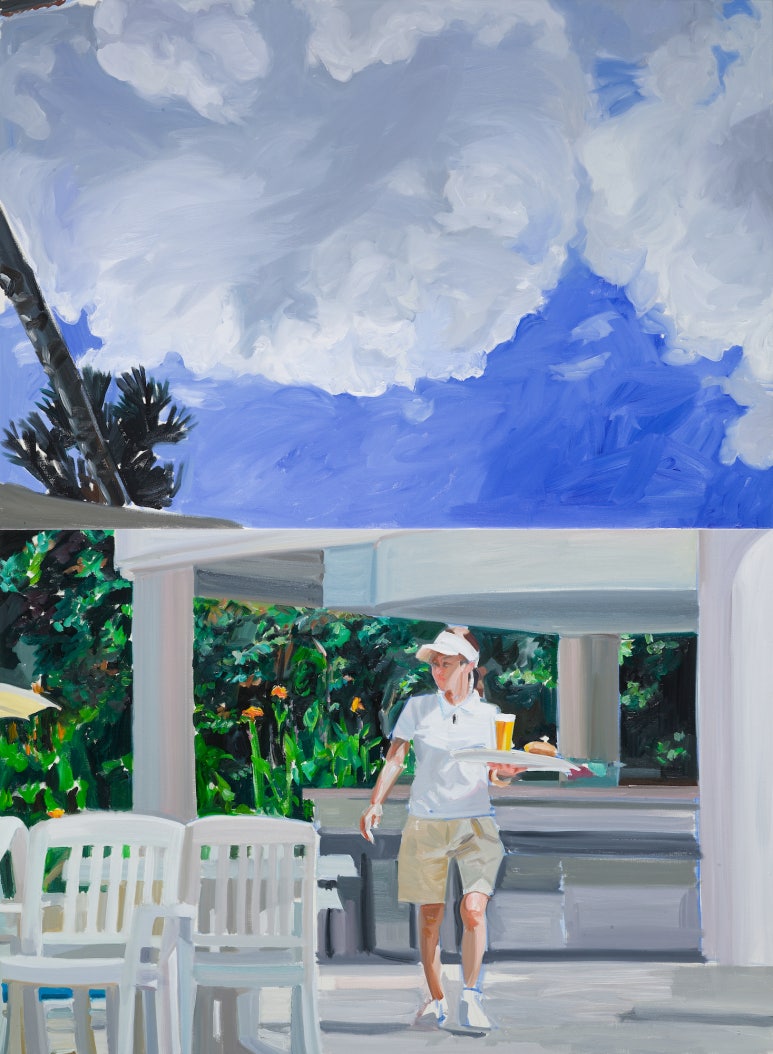
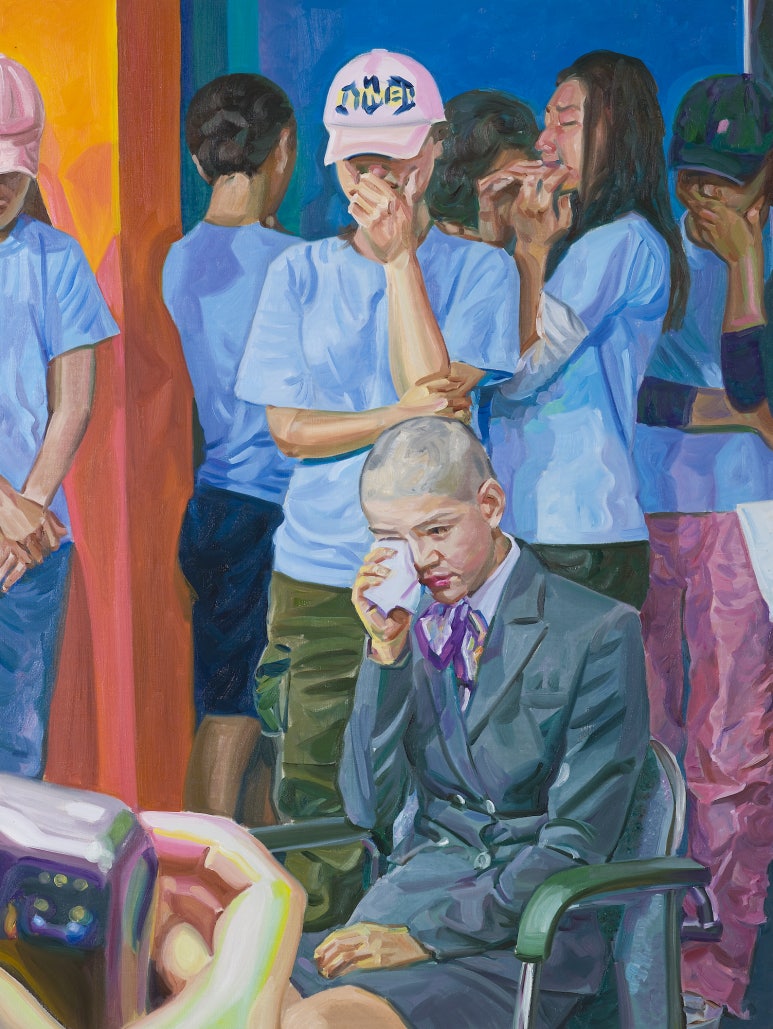
In Choi Gene Uk’s paintings, form and content remain inseparable, held together in sustained tension. His practice of photographing a scene and subsequently reconstructing it through painting dismantles the simultaneity of real space, producing unfamiliar compositions in which fragments of experience collide. Divided and layered canvases, disrupted perspectives, and temporal disjunctions estrange everyday scenery, transforming familiar objects into sites where perception itself becomes unstable.
 
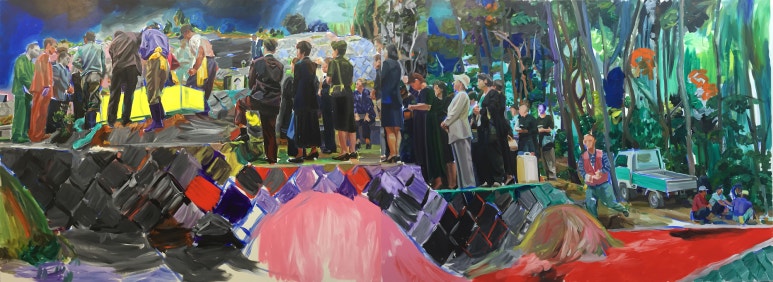
His surfaces often contain chromatic dissonance, spatial rupture, erased traces, and residual voids. Figures obscured beneath darkened planes or canvases that appear cut and reassembled refuse visual completion, foregrounding the inherent opacity of painting. This opacity is not a deficiency but a critical condition: for Choi, painting does not explain what is visible but tests the very conditions under which seeing becomes possible. Through this process, painterly form intersects with historical and social contexts, allowing individual sensation to enter into dialogue with the structures of its time.

Topography & Continuity

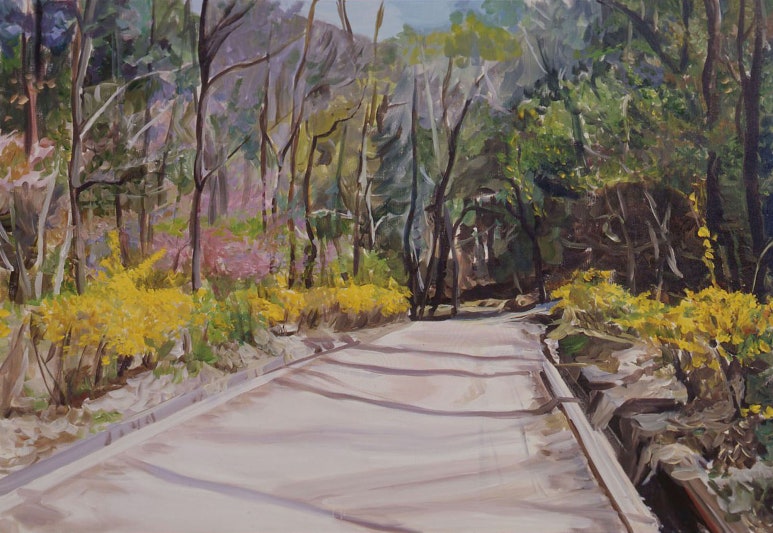
Choi Gene Uk’s work has developed across the shifting terrain of Korean contemporary art since the 1980s. Rather than aligning with binary oppositions—realism versus modernism, or socially engaged art versus formalist painting—his practice has persistently explored the tensions between them. This approach reflects less a repetition of period-specific attitudes than an ongoing effort to renew the way painting apprehends the world.
 
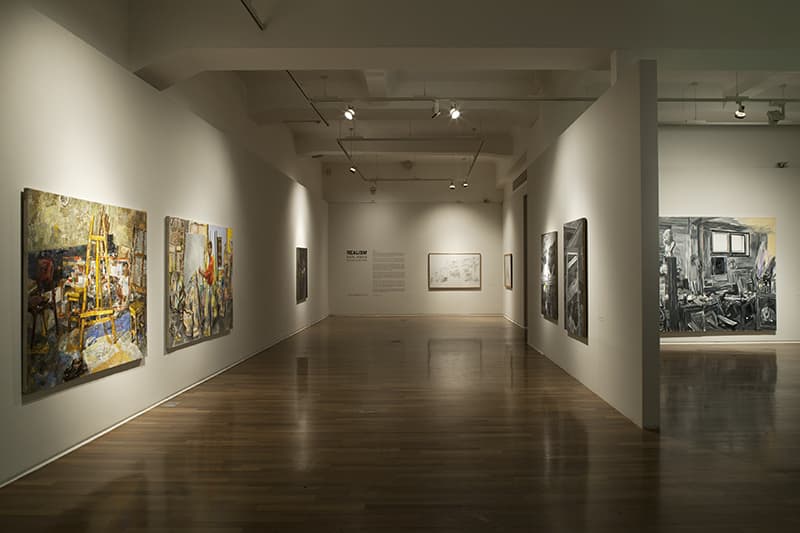
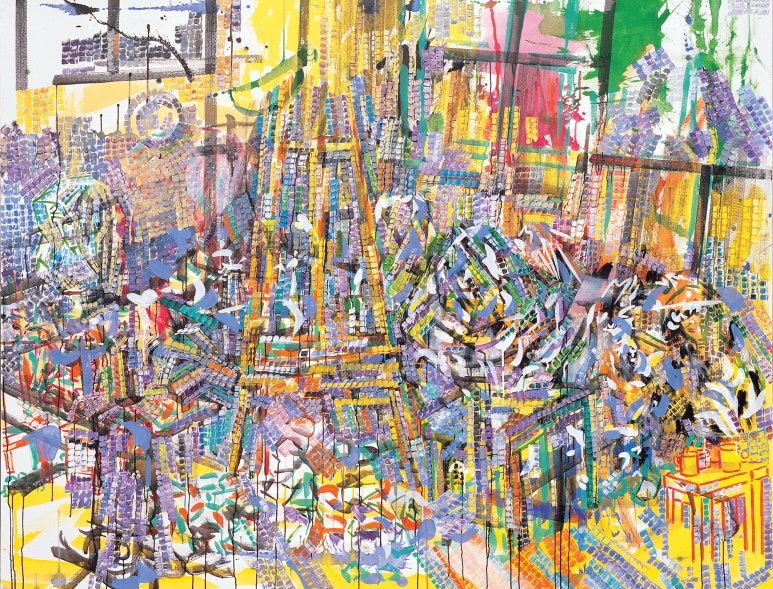
Moving between the studio and the outside world, personal experience and historical reality, his work follows a long, cyclical trajectory. Early self-portraits and studio scenes give way to landscapes and socially inflected imagery, before returning again to the studio in recent works. This continuity does not signal thematic repetition, but an evolving reexamination of perception under changing conditions. Choi’s paintings do not arrive at definitive conclusions; instead, they persist as open-ended questions. It is this sustained inquiry itself that ultimately constitutes the enduring core of his artistic practice.

Works of Art

Korean Society as Seen through an Individual Perspective

Articles

Exhibitions