
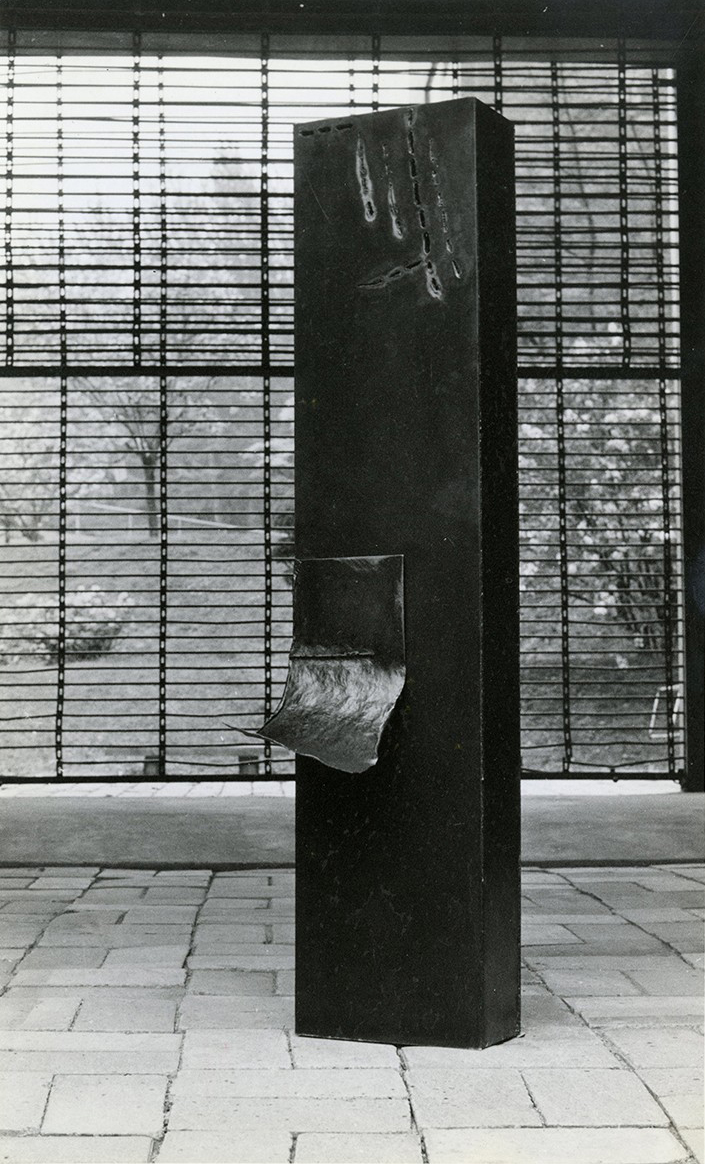
Red - K-ARTIST

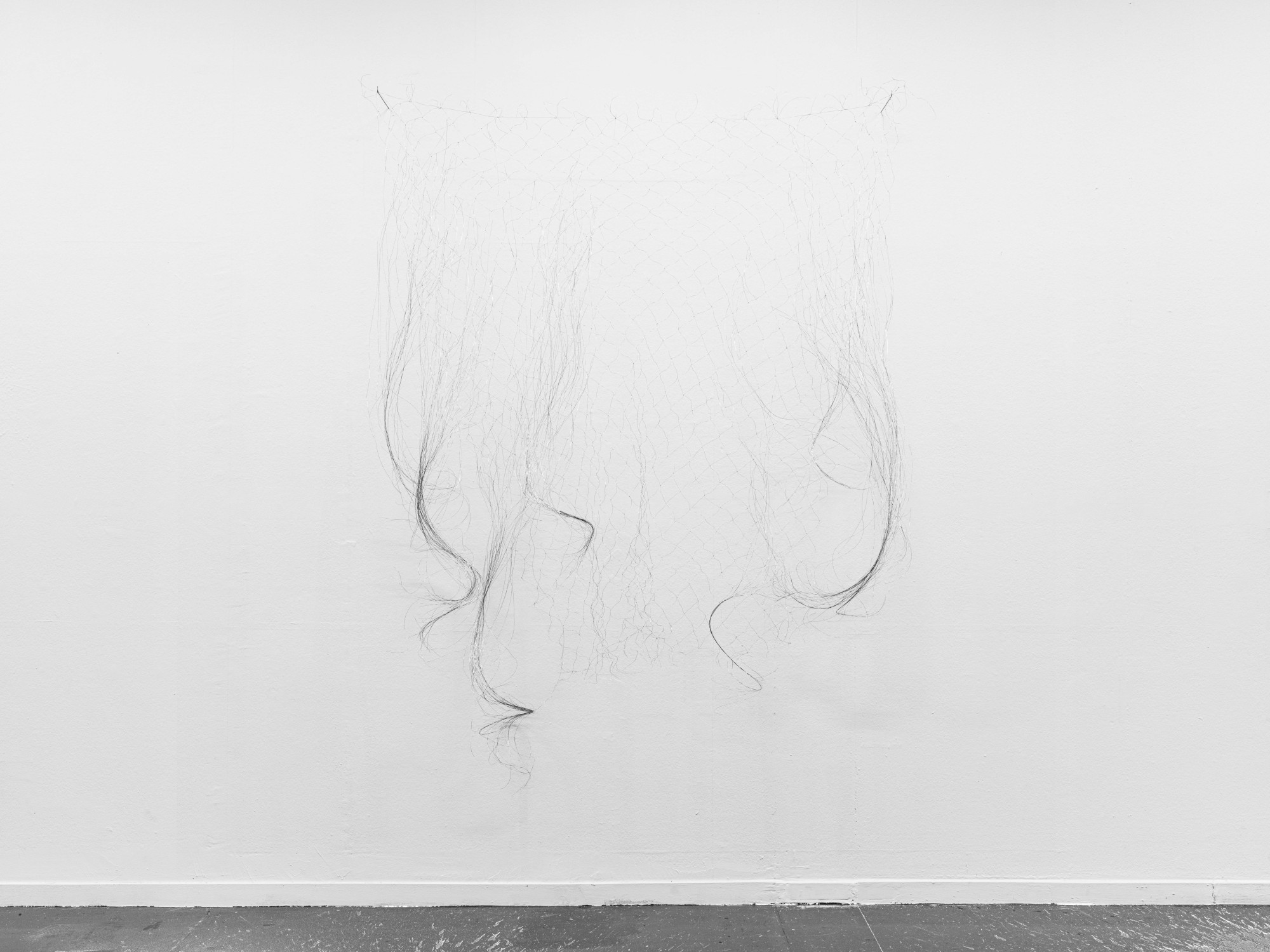
Red

2024
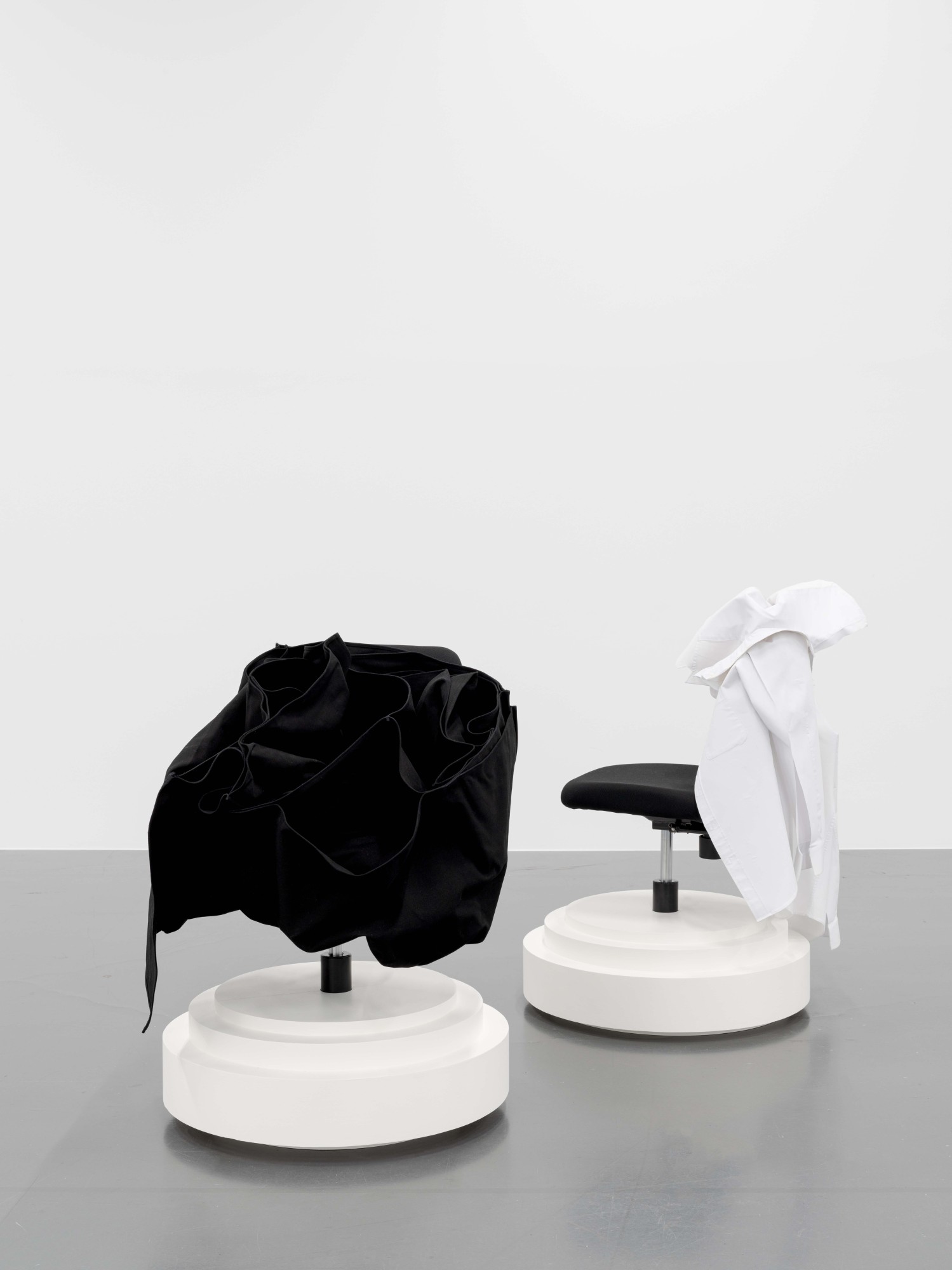
Textile, badge, stainless steel wire, hanger
Dimensions Variable
About The Work

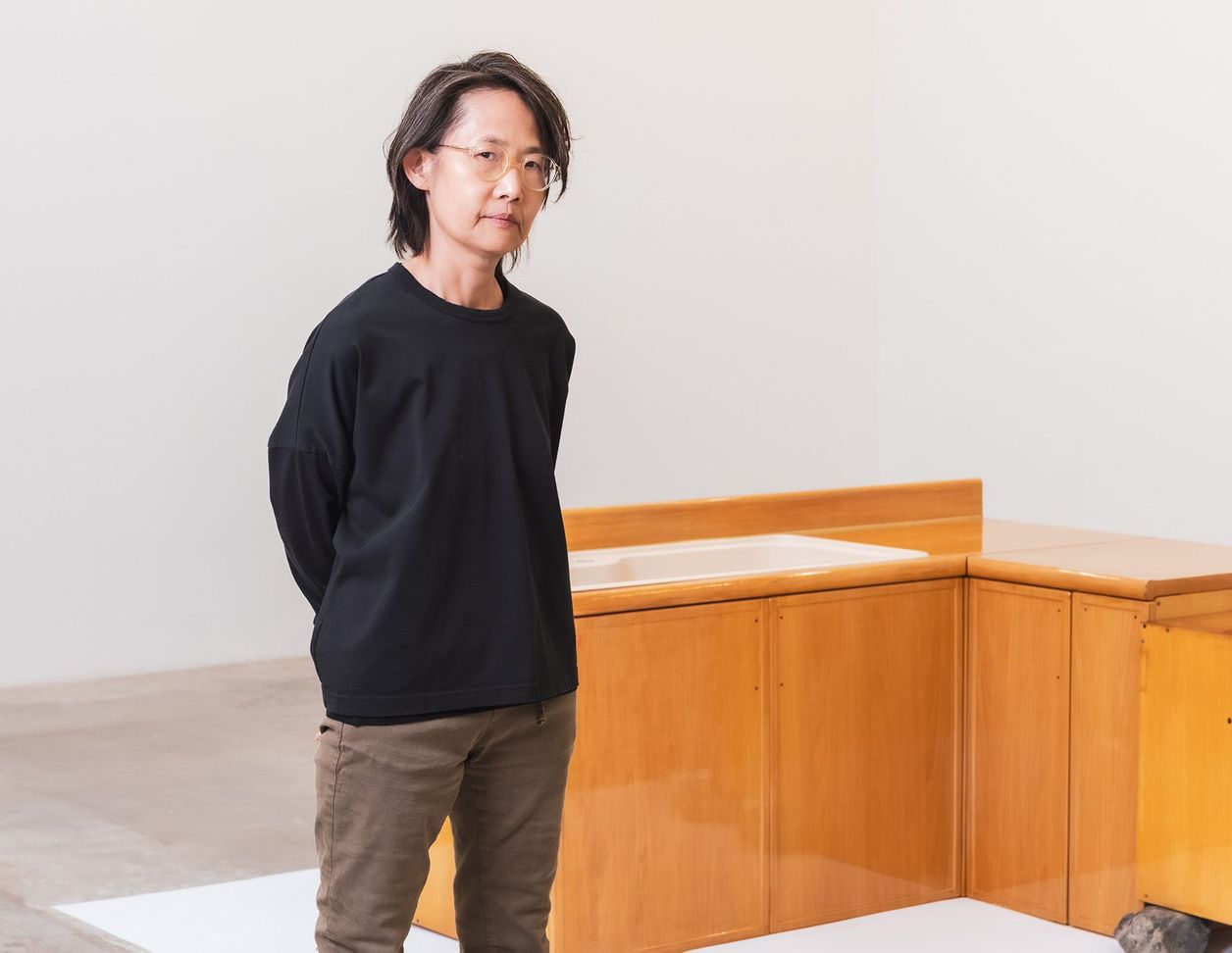
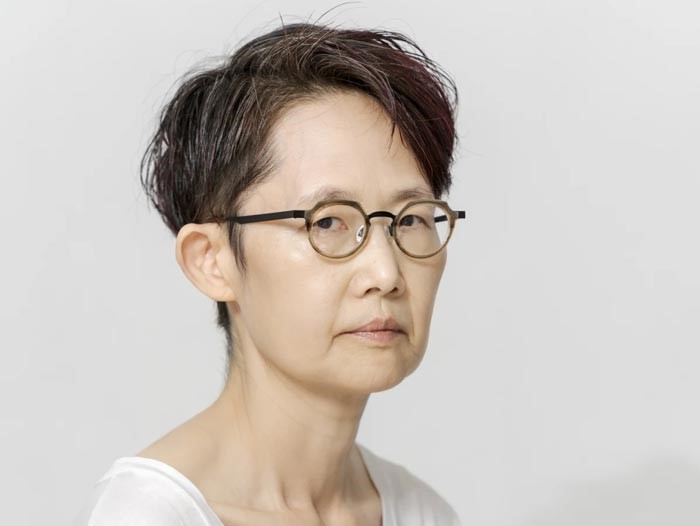
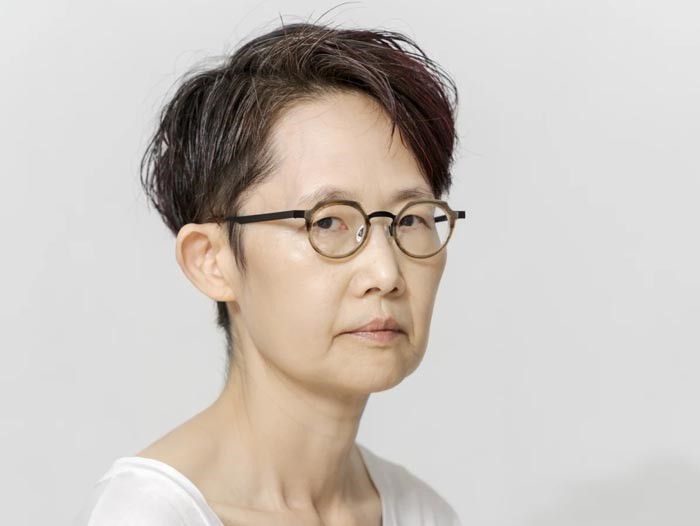
Playing a leading role in the establishment of “Korean Contemporary Art” as a new category of contemporary art in the 1990s, sculptor Chung Seoyoung has been addressing fundamental questions concerning sculpture itself by incorporating the unrealistic gaps in the rapidly changing atmosphere of Korean society into her sculptures.
 
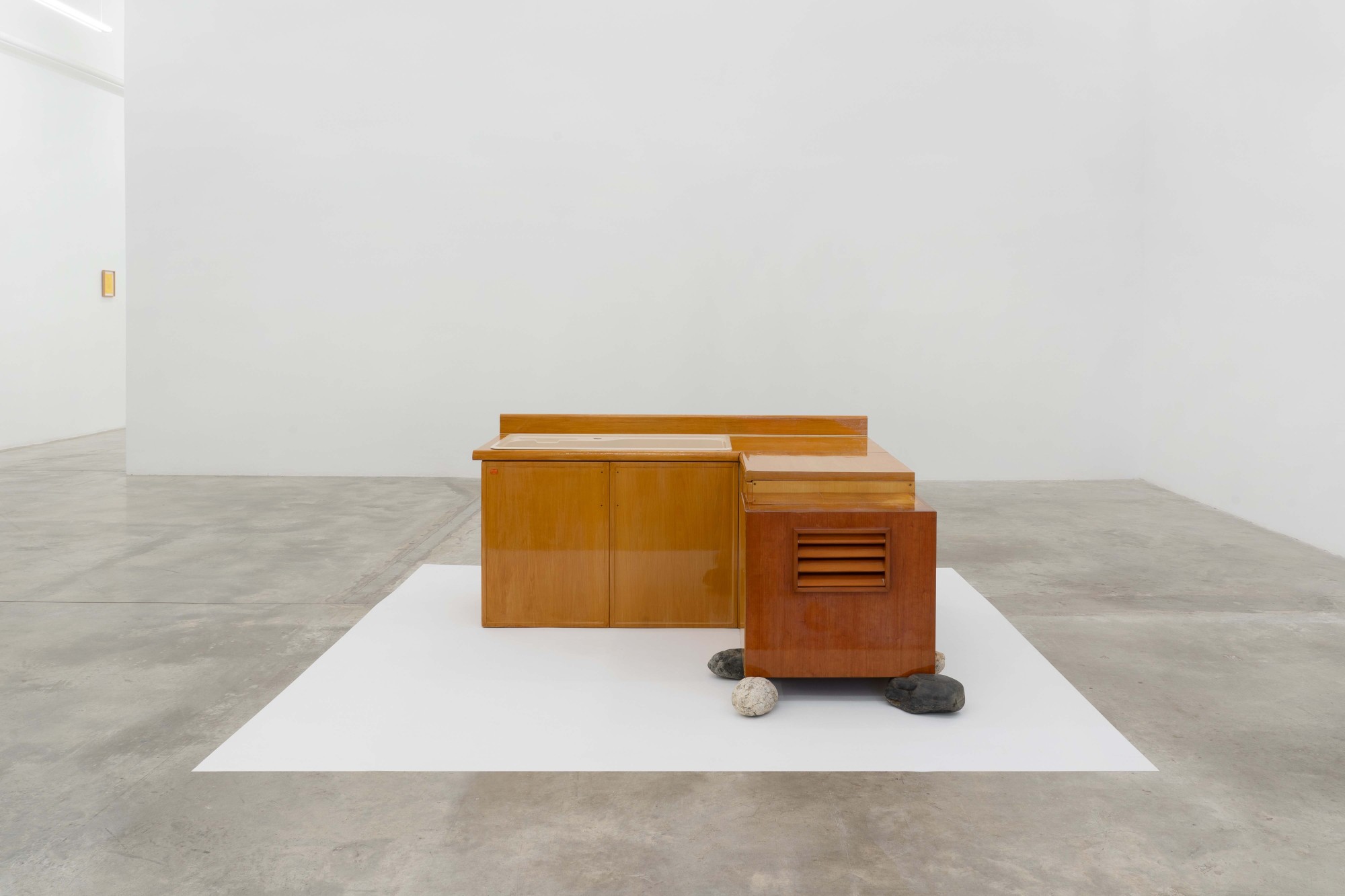
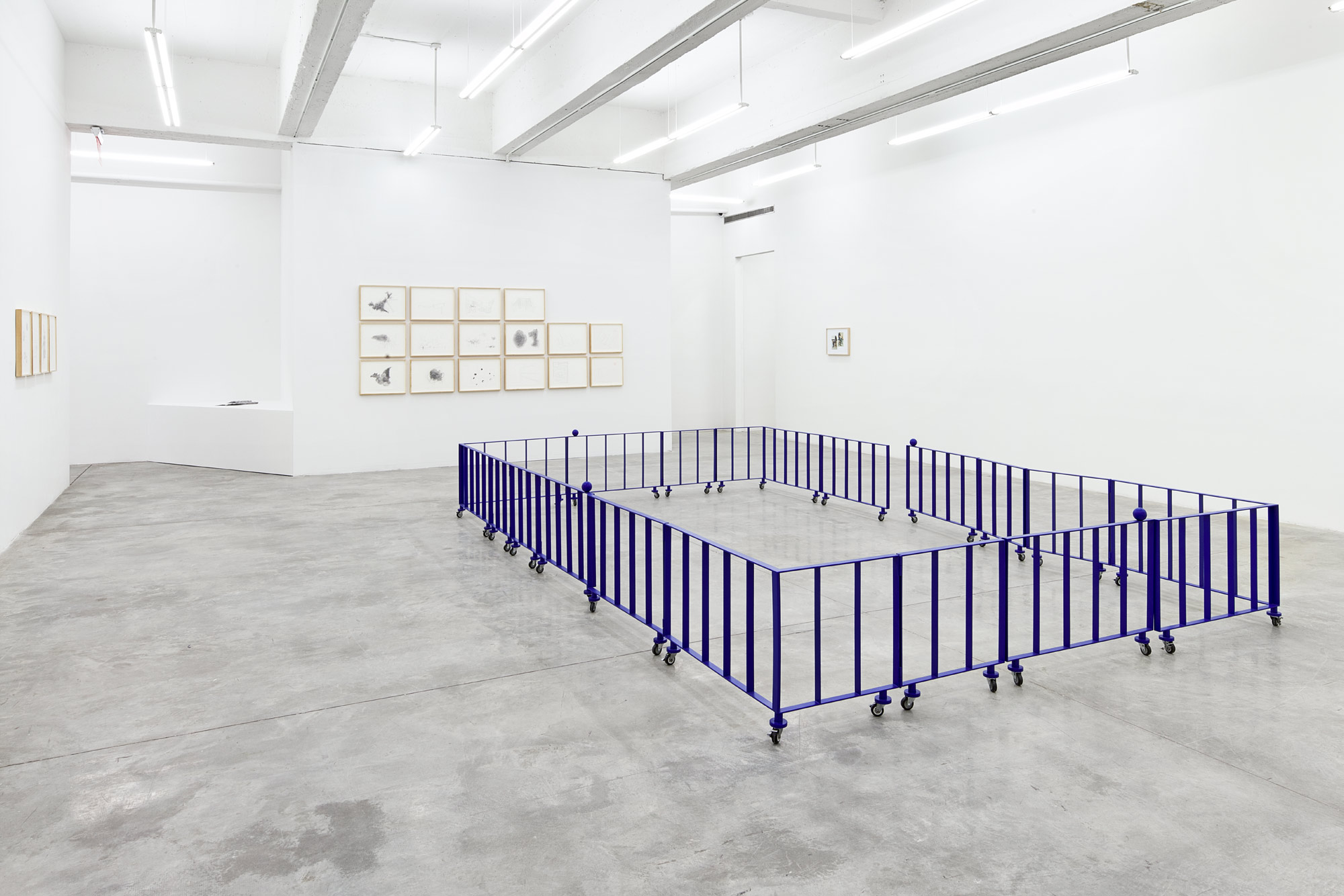
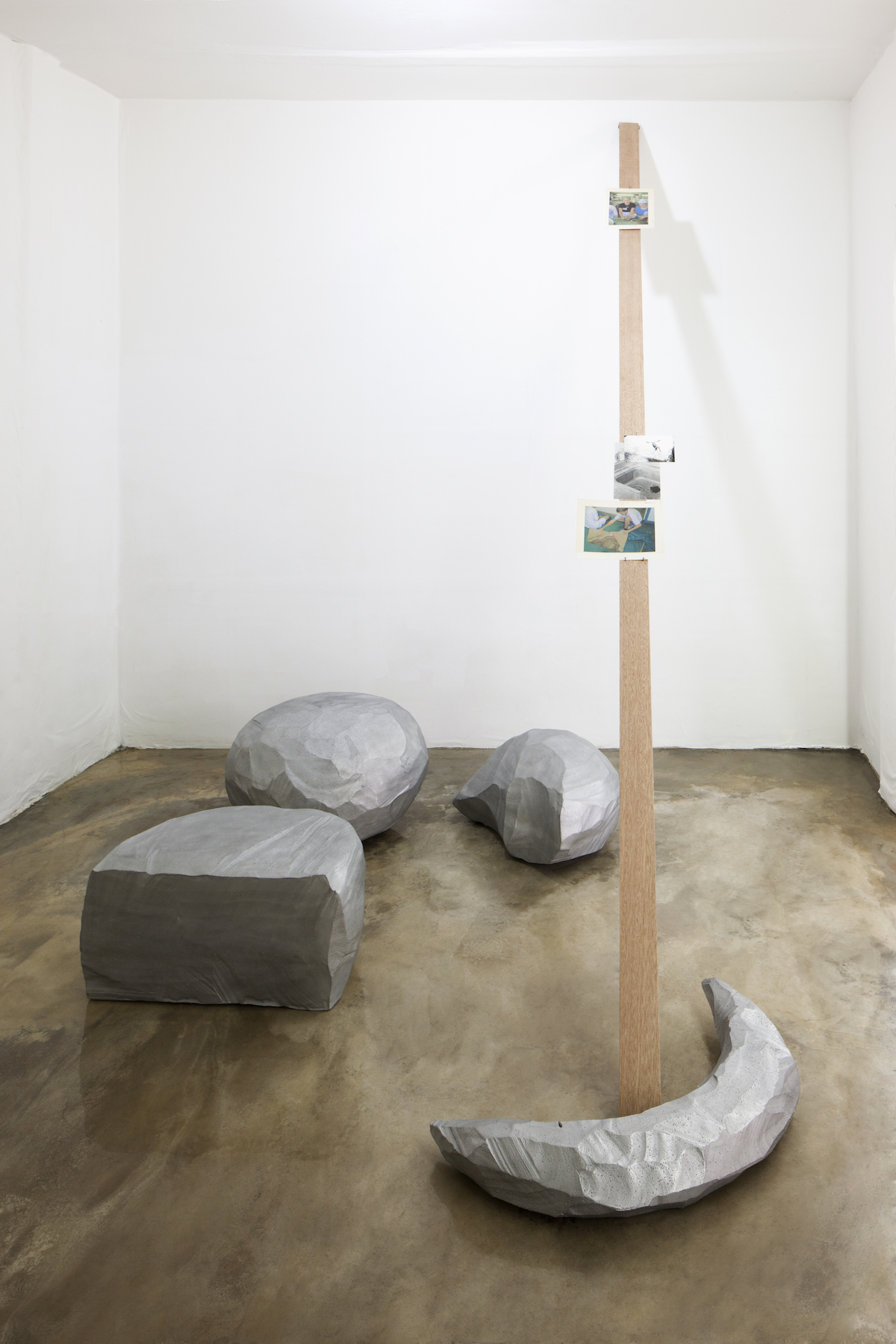
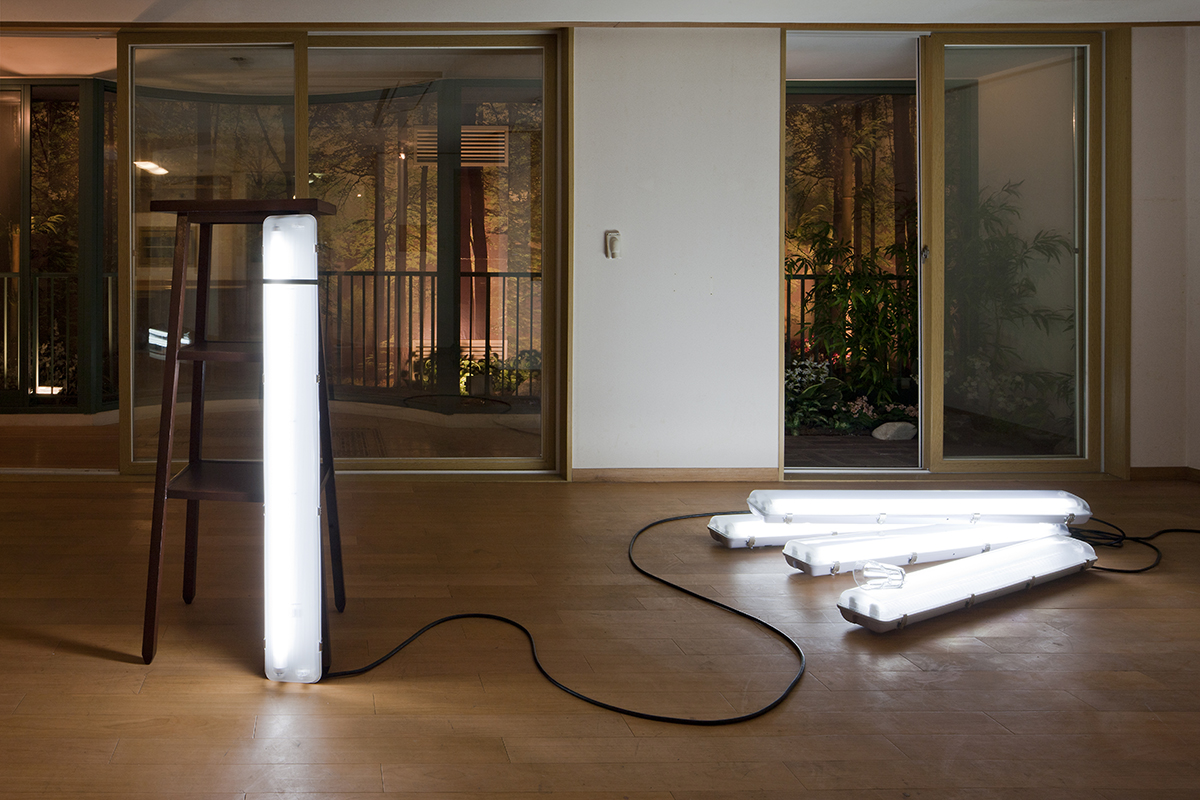
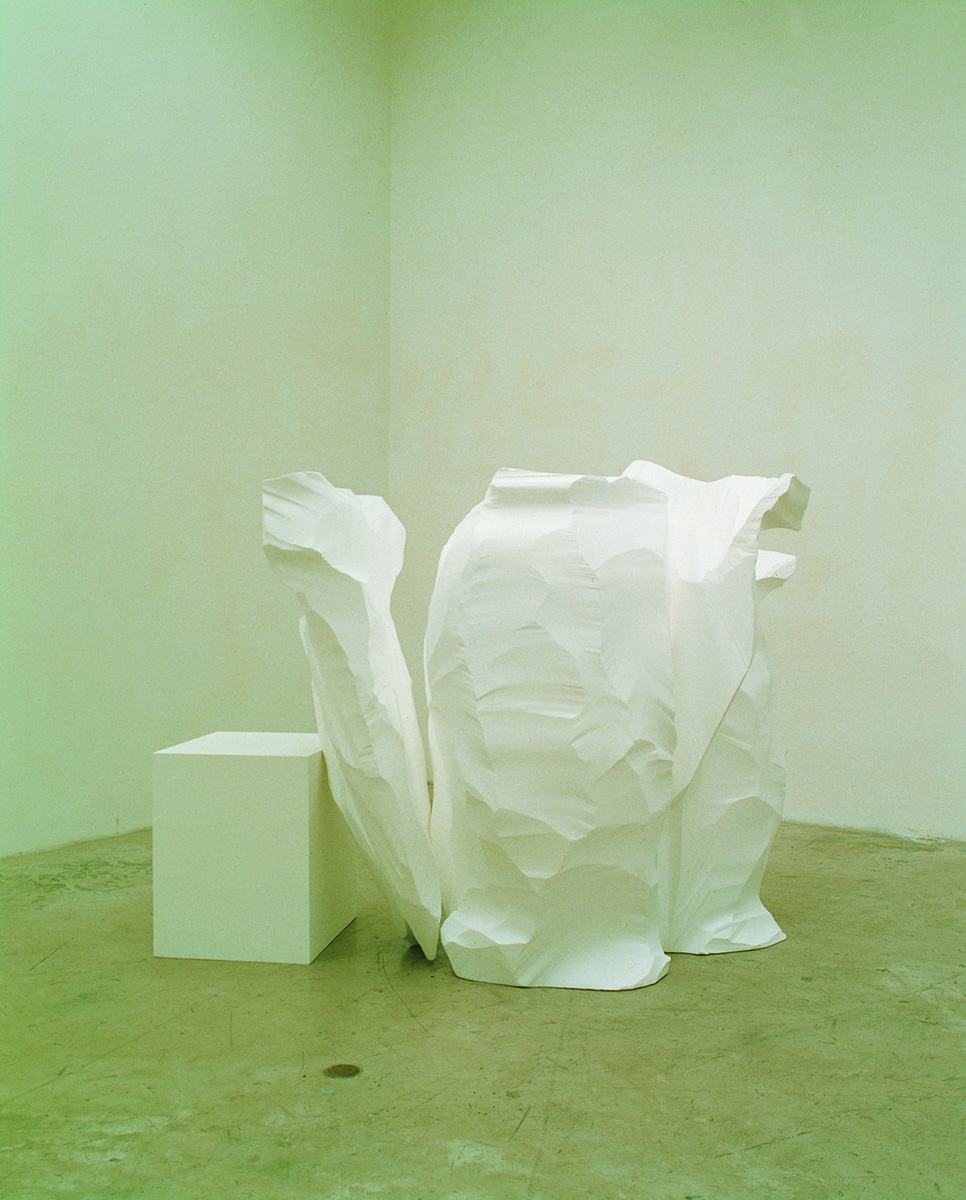
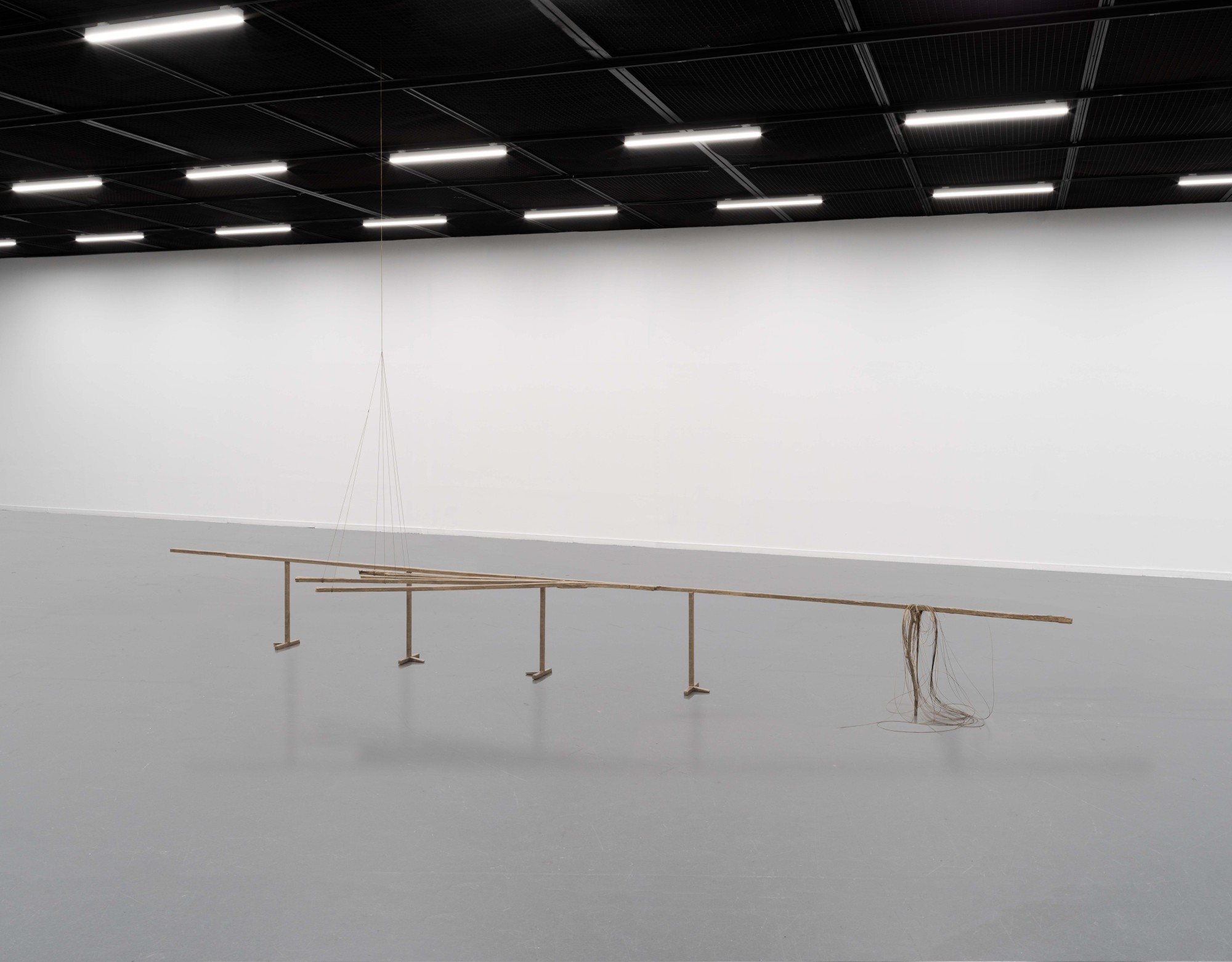
In particular, the artist has garnered attention for her practice of reassembling and transforming everyday commodities found in industrialized societies, such as Styrofoam, plastic, plywood, and sponges, into a sculptural state. She incorporates the unrealistic gaps and contradictions embedded within industrialized society as core sculptural elements, raising fundamental questions about the definition of sculpture itself. Chung conceptualizes the “sculptural moment” not as the completion of a formal object, but as the sudden emergence of a relationship between object, language, and situation.
 
To date, Chung continues to experiment with sculpture in a variety of media and fields, including drawing, sound, video, and performance.

Solo Exhibitions (Brief)

Chung Seoyoung has held solo exhibitions at the Seoul Museum of Art, Barakat Contemporary, Portikus Frankfurt, Art Sonje Center, Atelier Hermès, and Ilmin Museum of Art. Most recently, in 2025, she presented a solo exhibition at Tina Kim Gallery in New York, USA.

Group Exhibitions (Brief)

Chung Seoyoung has participated in group exhibitions such as the 50th Venice Biennale, the 4th and 7th Gwangju Biennale, PLATEAU Samsung Museum of Art, National Museum of Modern and Contemporary Art, Korea, Media City Biennale, Shiseido Gallery in Tokyo, Taipei Fine Arts Museum, and Hong Kong Arts Centre.

Awards (Selected)

Chung Seoyoung received the Kim Se-jung Young Sculptor Prize in 2003.

Residencies (Selected)

Chung Seoyoung was selected for the 2002 Changdong Art Studio, Korea and the 1998 Ssamziespace studio program, Korea.

Collections (Selected)

A number of Chung’s works are included in the collections of various public and national museums and institutions in South Korea, including the National Museum of Modern and Contemporary Art, Seoul Museum of Art, Gyeonggi Museum of Art, and Art Sonje Center.
Works of Art

‘Sculptural Moments’ from the Objects

Originality & Identity

Since the mid-1990s, Chung Seoyoung’s practice has critically responded to the rapidly shifting atmosphere of contemporary Korean society, emerging as a leading figure in Korean sculpture. In particular, her early work -Awe (1996) reveals how she incorporates the unrealistic gaps and contradictions embedded within industrialized society as core sculptural elements, raising fundamental questions about the definition of sculpture itself. Chung conceptualizes the “sculptural moment” not as the completion of a formal object, but as the sudden emergence of a relationship between object, language, and situation.

Her work Ghost, Wave, Fire (1996, 1998) exemplifies this critical approach toward language. Through a singular abstract form, the work exposes the multiplicity and indeterminacy of linguistic directionality. As the viewer’s perception shifts, the sculpture transforms endlessly—a wave, a fire, a ghost—embodying the unstable relationship between language and reality. This process reflects a philosophical foundation that embraces non-determinacy and instability throughout her oeuvre.

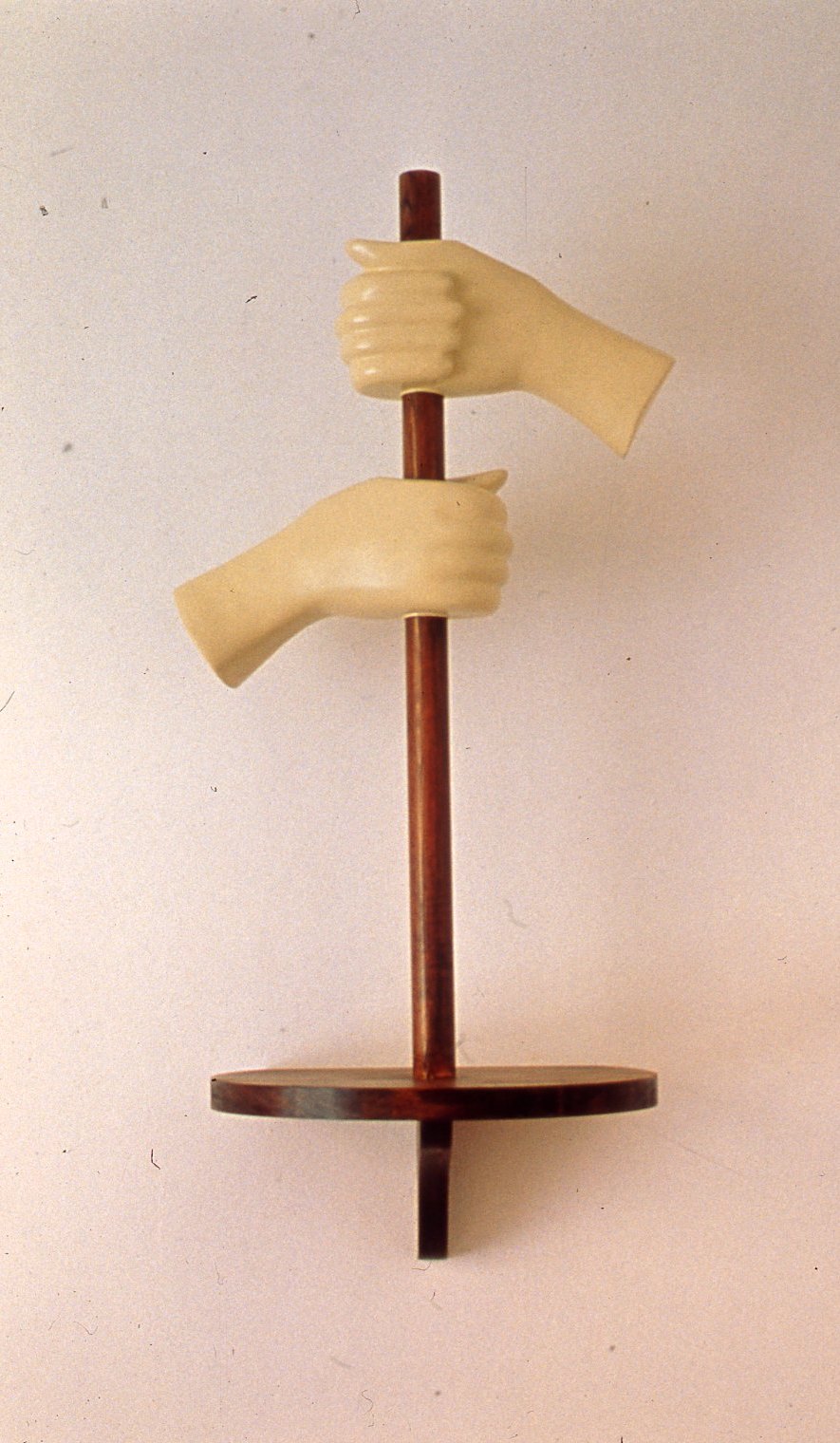
In subsequent works such as Lookout (1999) and Athletic Flower Arrangement (1999), the reconfiguration of relationships emerges through the juxtaposition of everyday objects, collapsing the perceptual distance between reality and imagination, body and object. In Lookout, for instance, Chung translates a fingernail-sized image of an observatory into physical sculpture, prompting contemplation on the boundaries between the imagined and material dimensions. Her sculptures thereby function not merely as objects but as linguistic and psychological devices that reinterpret and reorganize the world.

At the 50th Venice Biennale (2003), Chung deepened her investigation into spatiality and performativity with works such as A New Life (2003) and The Adventure of Mr. Kim and Mr. Lee (2010). A New Life deconstructs and transforms physical space, expanding the very definition of sculpture by incorporating the architectural environment. Hidden boundaries, passageways, and concealed exits become central sculptural themes, revealing the invisible structures within social and spatial systems.

Style & Contents

Chung Seoyoung’s formal experimentation originates in transforming non-sculptural materials into a “sculptural state.” In -Awe (1996), linoleum flooring—a ubiquitous industrial material found in Korean homes—is recontextualized as canvas, inscribed with the phonetic utterance “awe,” often used to fill gaps in speech. This work disrupts the functional and formal roles of objects, expanding sculpture into a language of ambiguity and non-functionality.

In works like Ghost, Wave, Fire (1996, 1998) and Athletic Flower Arrangement (1999), materials such as zinc, sponge, plastic, and plywood are minimally processed, retaining their raw materiality while exposing their embedded socio-political traces. Athletic Flower Arrangement juxtaposes boxing gloves and floral elements, creating unfamiliar symbolic associations and generating new semantic layers within the sculptural form.

With A New Life (2003), Chung’s sculptural investigation expands into direct spatial interventions. By revealing a hidden exit within the Korean Pavilion and concealing architectural columns through A New Pillar (2003), she transforms architectural structures into sculptural components. This practice provokes perceptual shifts that extend beyond formal alteration, engaging psychological and social dimensions of space.

Since the 2010s, Chung has expanded her sculptural language to include sound, video, and performance. The Adventure of Mr. Kim and Mr. Lee (2010) manipulates the relationship between performers and spectators, testing the temporality and situational potential of sculpture. More recently, in her solo exhibition 《Knocking Air》(Barakat Contemporary, 2020), she incorporated new materials such as ceramic, aluminum, and jesmonite alongside text drawings and video installations. By metaphorically “knocking on air”—an impossible, intangible action—the work reorganizes reality through an expanded sculptural vocabulary, emphasizing the material limits and possibilities of sculpture.

Topography & Continuity

Chung Seoyoung emerged during the critical transitional period when Korean art entered the realm of “contemporary art” in the 1990s, redefining the boundaries of sculpture. Her early works such as -Awe (1996) and Ghost, Wave, Fire (1996, 1998) translate linguistic ambiguity and the non-fixity of objects into sculptural language, while Lookout (1999) and Athletic Flower Arrangement (1999) visualize perceptual gaps through the unconventional juxtaposition of everyday objects.

In the early 2000s, exemplified by A New Life (2003), she expanded sculpture beyond discrete objects into space, structure, and context, while her performance The Adventure of Mr. Kim and Mr. Lee (2010) introduced temporality and performative action as key sculptural concerns. With her recent solo exhibition 《Knocking Air》(2020), Chung incorporated immaterial elements such as air into her sculptural discourse, dissolving conventional material boundaries altogether.

Through her independent and consistent experiments, Chung has radically expanded the definition of sculpture within the Korean contemporary art scene and beyond. Her recent solo exhibitions at Tina Kim Gallery in New York, participation in Frieze London, and presentations at the Venice Biennale reflect her growing presence on the global stage. By continuously addressing the invisible dimensions of space, the indeterminacy of language, and the situational ambiguity of reality, Chung contributes significantly to advancing sculptural discourse in contemporary art worldwide.

Her ongoing practice will undoubtedly continue to redefine the relationship between objects, language, and circumstances, reshaping the very definition of sculpture through persistent disruption and recombination.

Works of Art

‘Sculptural Moments’ from the Objects

Exhibitions

Activities