

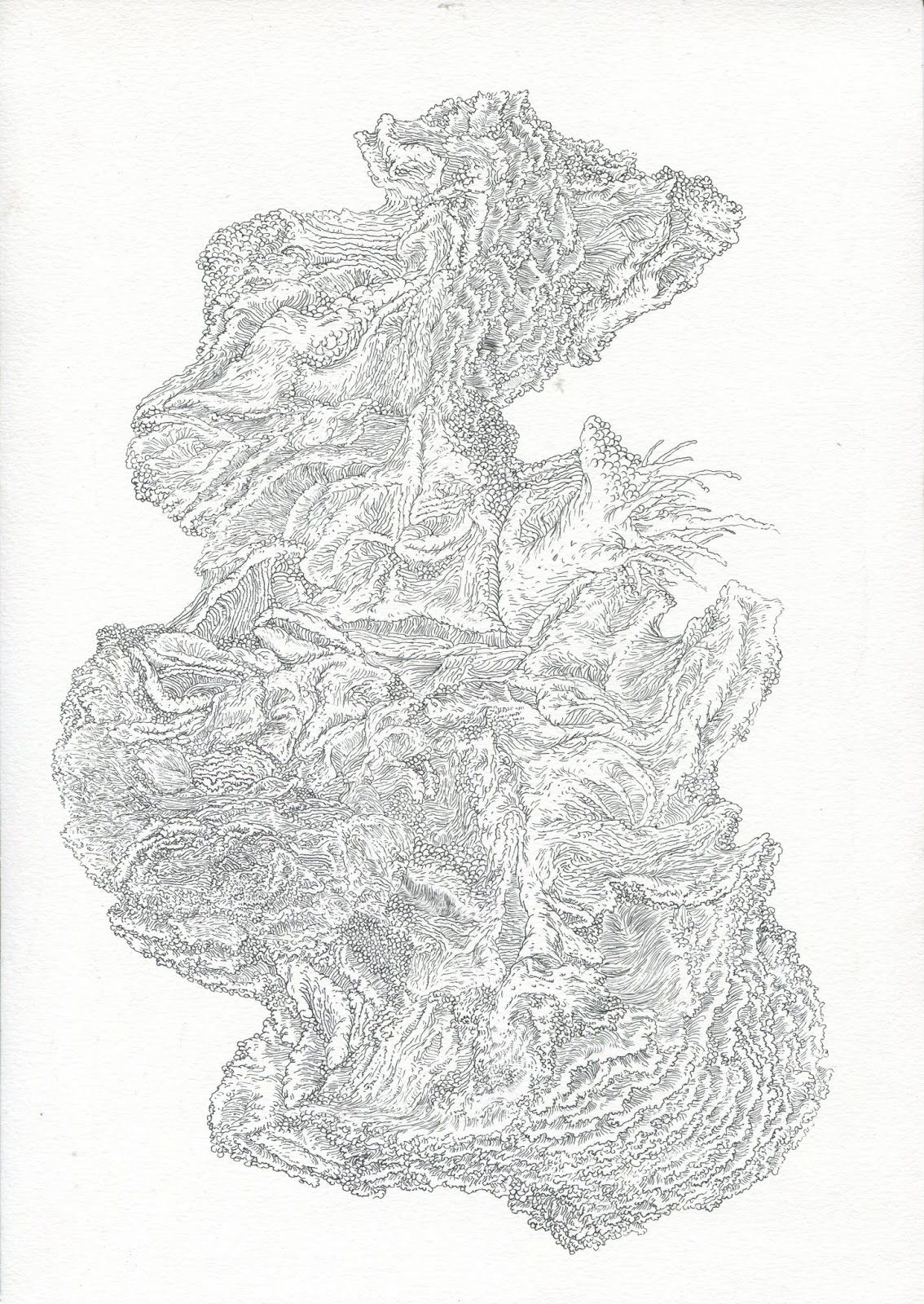
The Eight Sorrow Events - Nirvana - K-ARTIST

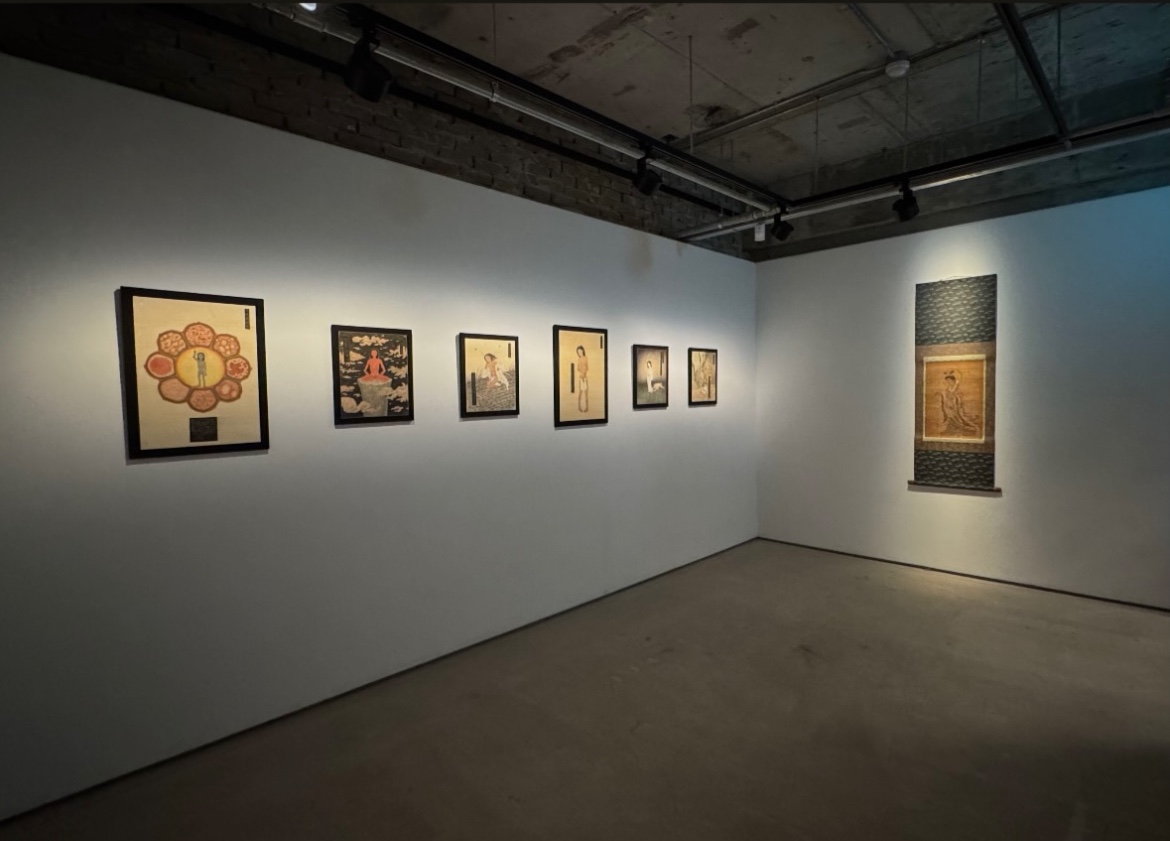
The Eight Sorrow Events - Nirvana

2024
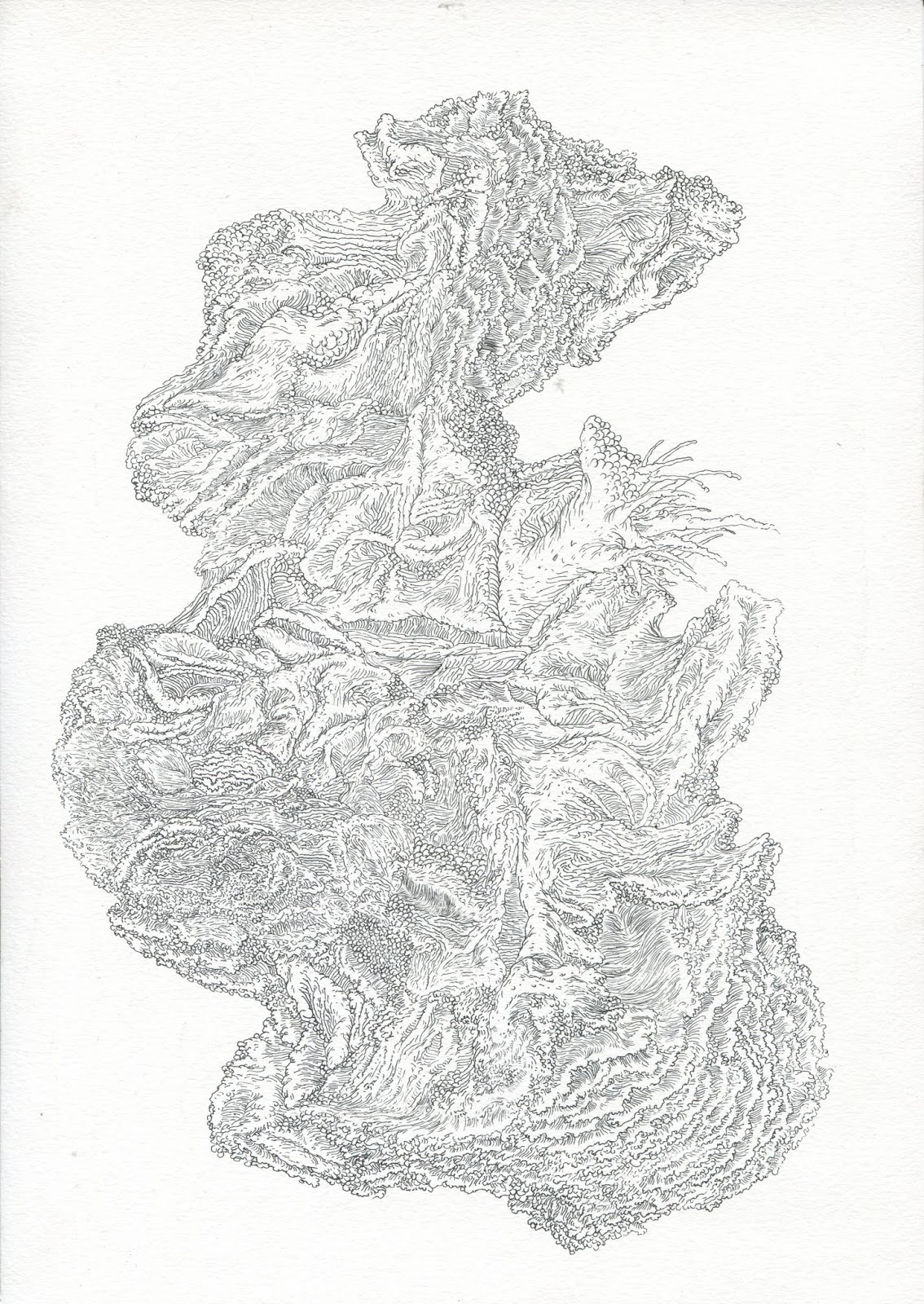
Pigment on paper
40 x 51.5 cm

About The Work

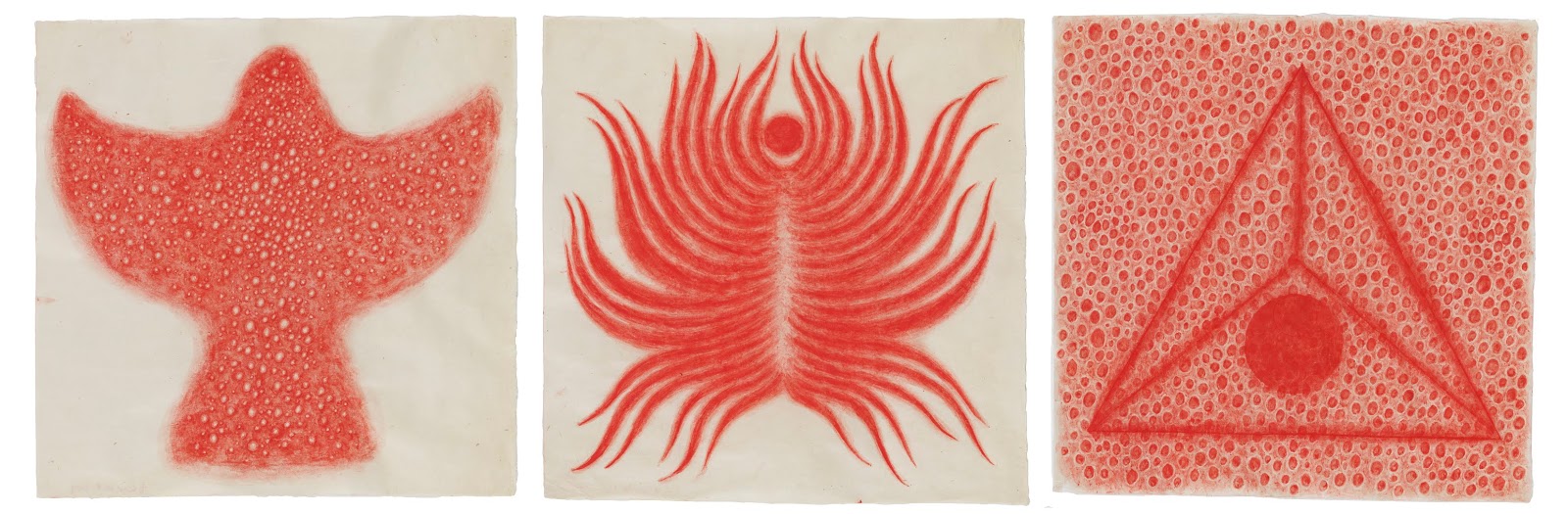
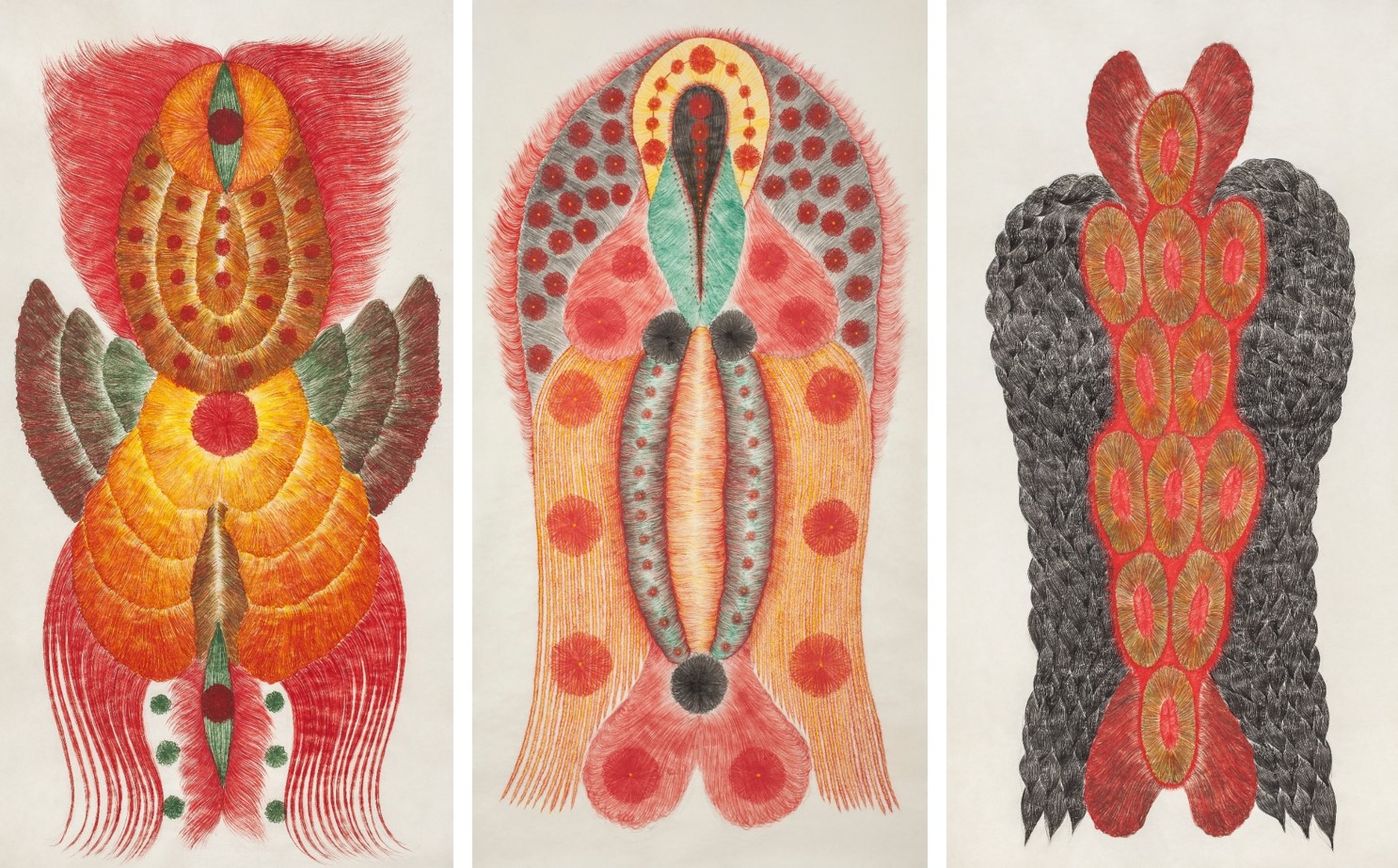
Park Wunggyu explores the painterly potential of classical Buddhist iconography by adopting symbolic structures derived from traditional Buddhist paintings and recontextualizing them through the modern lens of “negativity.” Sensitive to what he refers to as the “impure,” “improper,” or “rejected” aspects of existence—impure things, improper conditions, and disavowed emotions—Park consistently dismantles binary oppositions such as sacred/profane, pure/defiled, or positive/negative.

Solo Exhibitions (Brief)

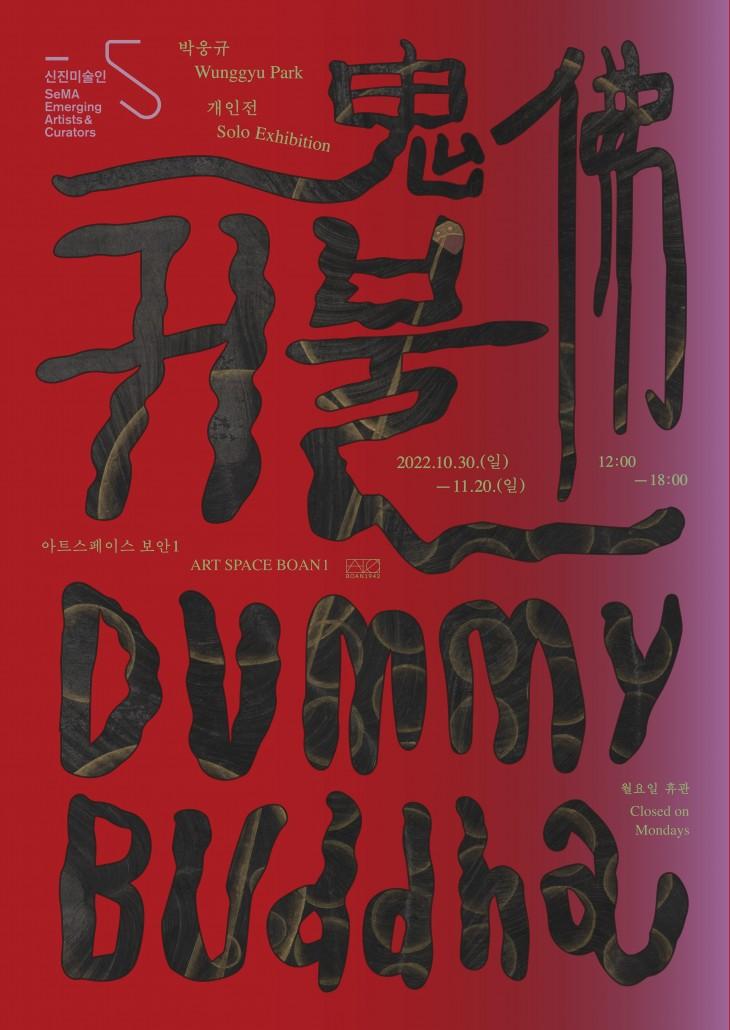
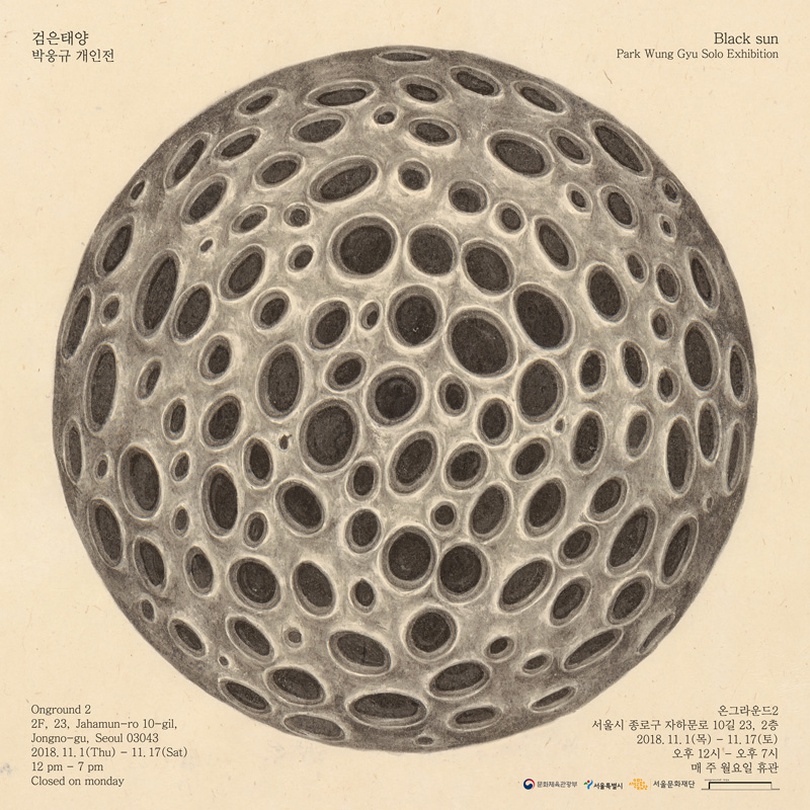
Park Wunggyu has held solo exhibitions at various institutions such as ARARIO GALLERY SEOUL (Seoul, 2023), Art Space Boan1(Seoul, 2022), Onground2 (Seoul, 2018), and Space Kneet (Seoul, 2017), and Cheongju Art Studio (Cheongju, Korea, 2016).

Group Exhibitions (Brief)

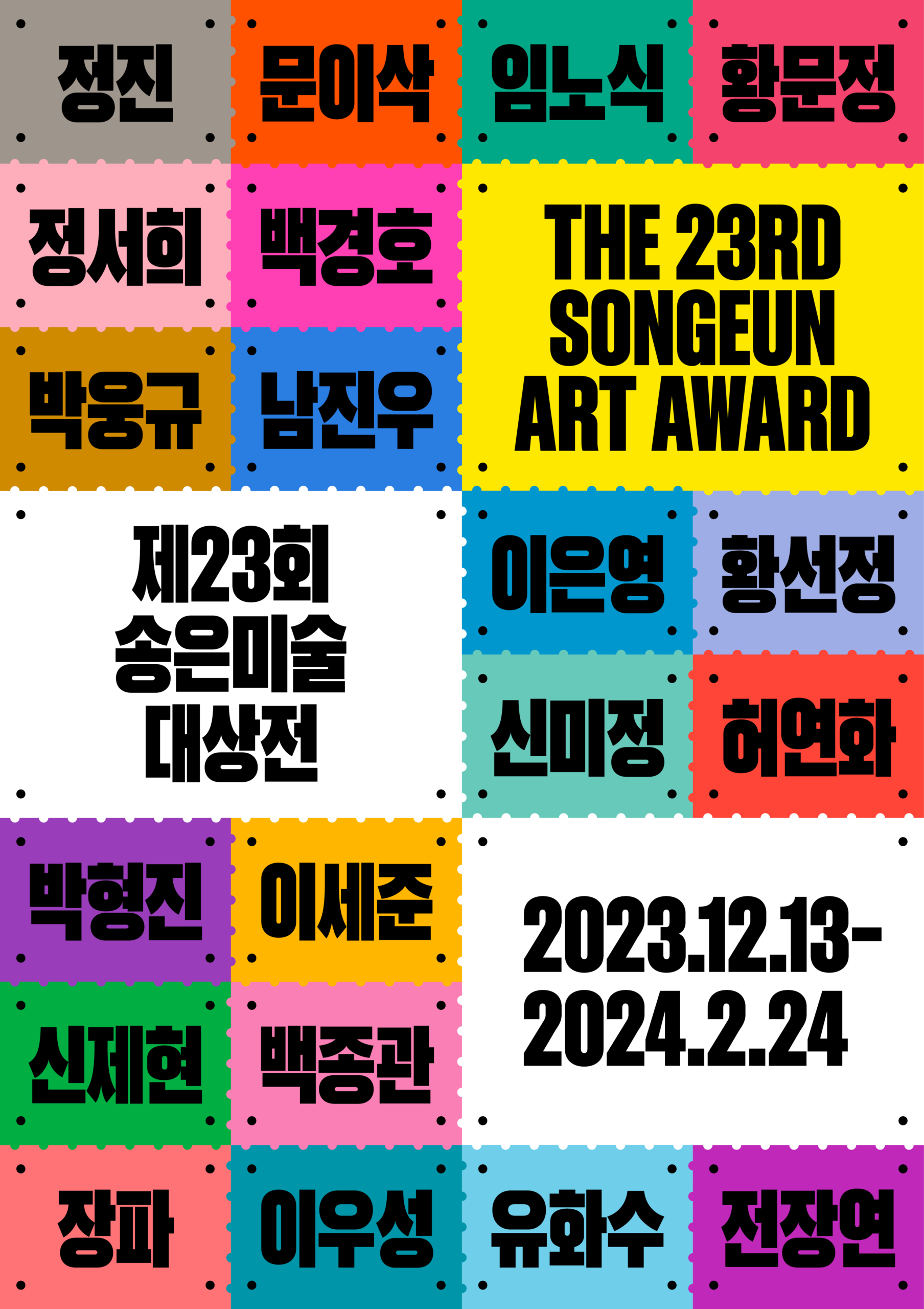
He has also participated in various group exhibitions held at Chamber (Seoul, 2024), SONGEUN (Seoul, 2023), Museum of Contemporary Art Busan (Busan, Korea, 2023), Ilmin Museum of Art (Seoul, 2023), Seoul Museum of Art (Seoul, 2022), Danwon Art Museum (Ansan, Korea, 2021), Art Sonje Center (Seoul, 2021), Aram Art Museum (Goyang, Korea, 2019), and more.

Awards (Selected)

In 2024, He was selected as one of ‘the 13th Chong Kun Dang Arts Awards Artists of the Year.’

Residencies (Selected)

Park Woong-gyu was selected as an artist-in-residence at the Cheongju Art Studio in 2016.

Collections (Selected)

His works are part of the collections at institutions including the Seoul Museum of Art, Museum of Contemporary Art Busan and ARARIO MUSEUM in Korea.
Works of Art

Painterly Possibilities of Traditional Buddhist Painting

Originality & Identity

Park Wunggyu explores the painterly potential of classical Buddhist iconography by adopting symbolic structures derived from traditional Buddhist paintings and recontextualizing them through the modern lens of “negativity.” Sensitive to what he refers to as the “impure,” “improper,” or “rejected” aspects of existence—impure things, improper conditions, and disavowed emotions—Park consistently dismantles binary oppositions such as sacred/profane, pure/defiled, or positive/negative.

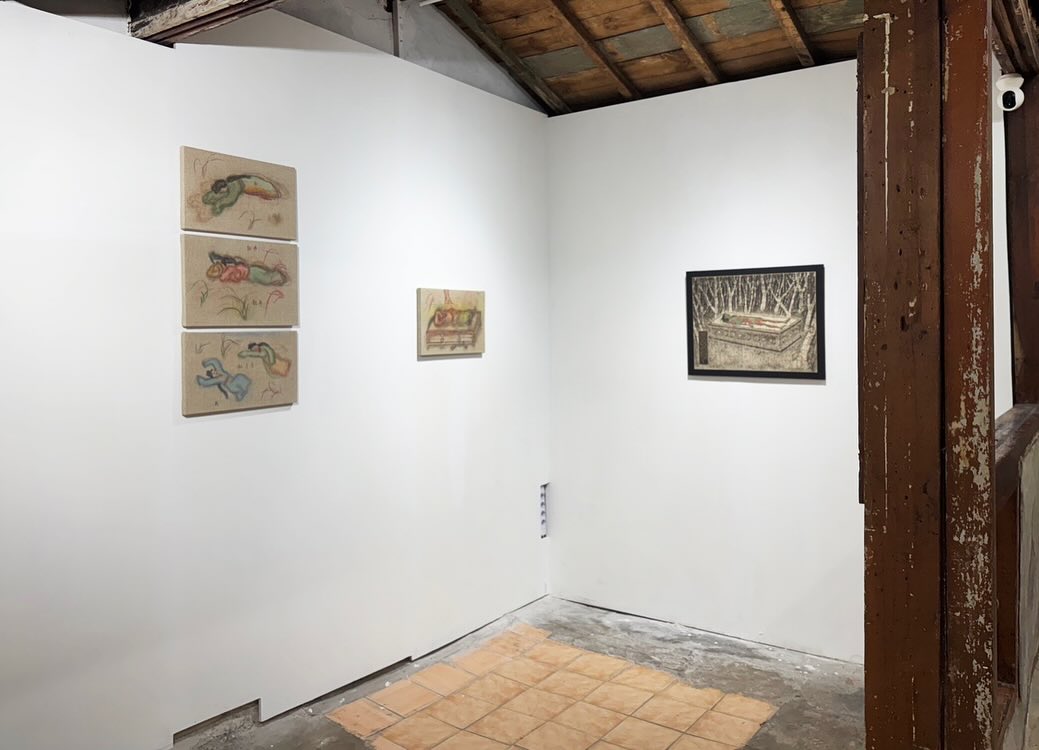
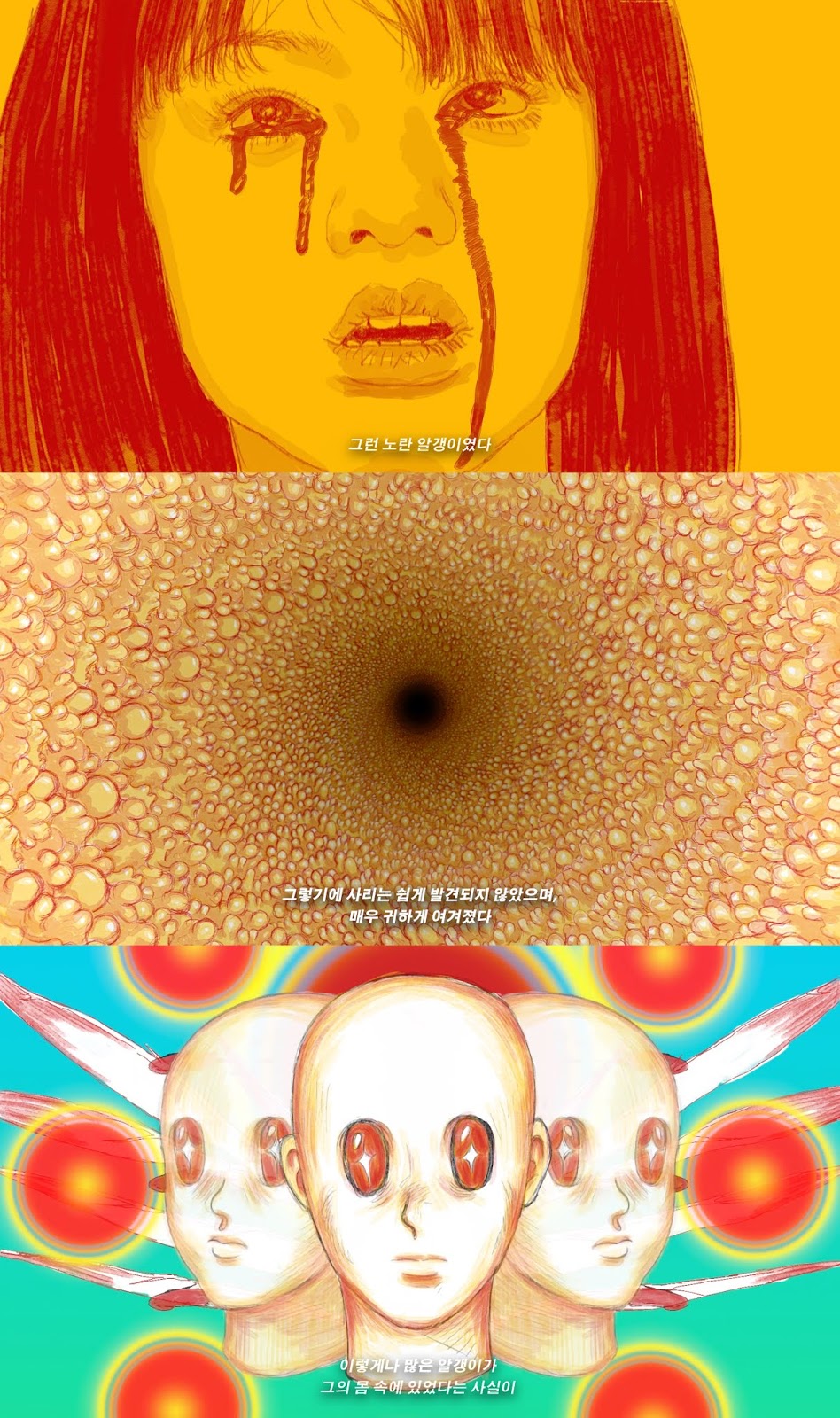
His early series ‘Sputum’ (2012–), for instance, reimagines bodily secretions such as spit and phlegm as sacred relics (sarira), confronting the viewer with an ambiguous visual system where the filthy and the sublime intersect. This conceptual foundation gradually expands to encompass existential and ontological themes, where negativity—originating in bodily functions—extends toward religious iconography, death, and unstable identities. More recently, in the series ‘The Eight Sorrow Events’ (2024), Park appropriates the compositional structure of traditional Buddhist paintings to construct new narratives for socially marginalized figures, transforming the concept of negativity into one of redemption. His practice consistently engages with liminal states, converting discomfort and contradiction into aesthetic rituals.

Style & Contents

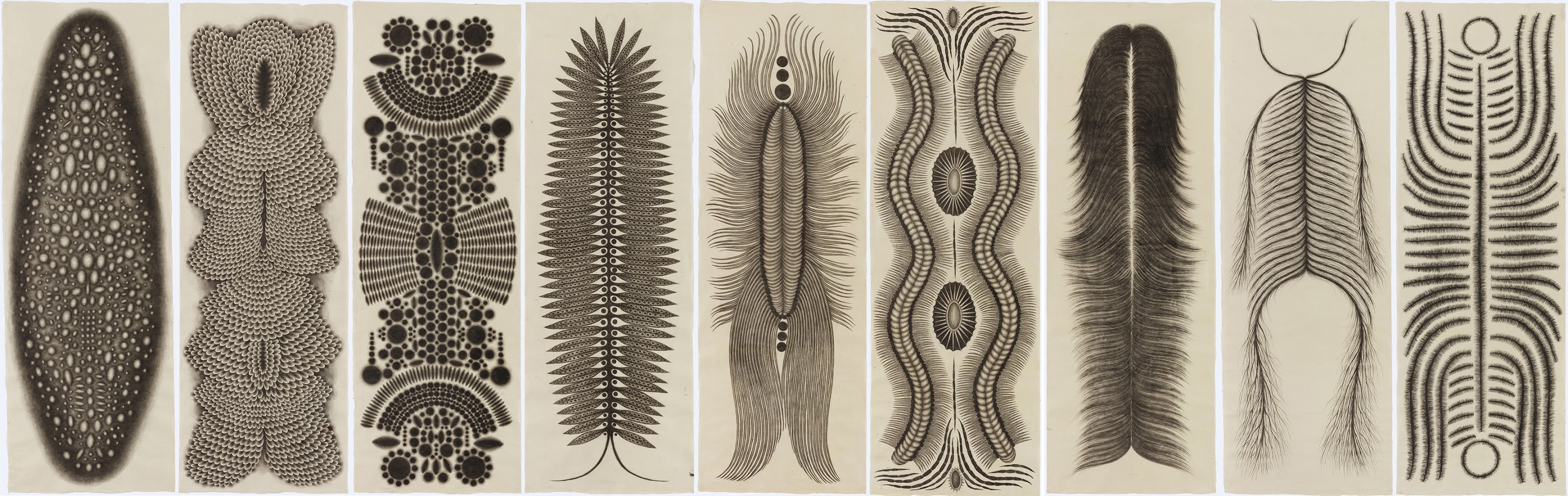
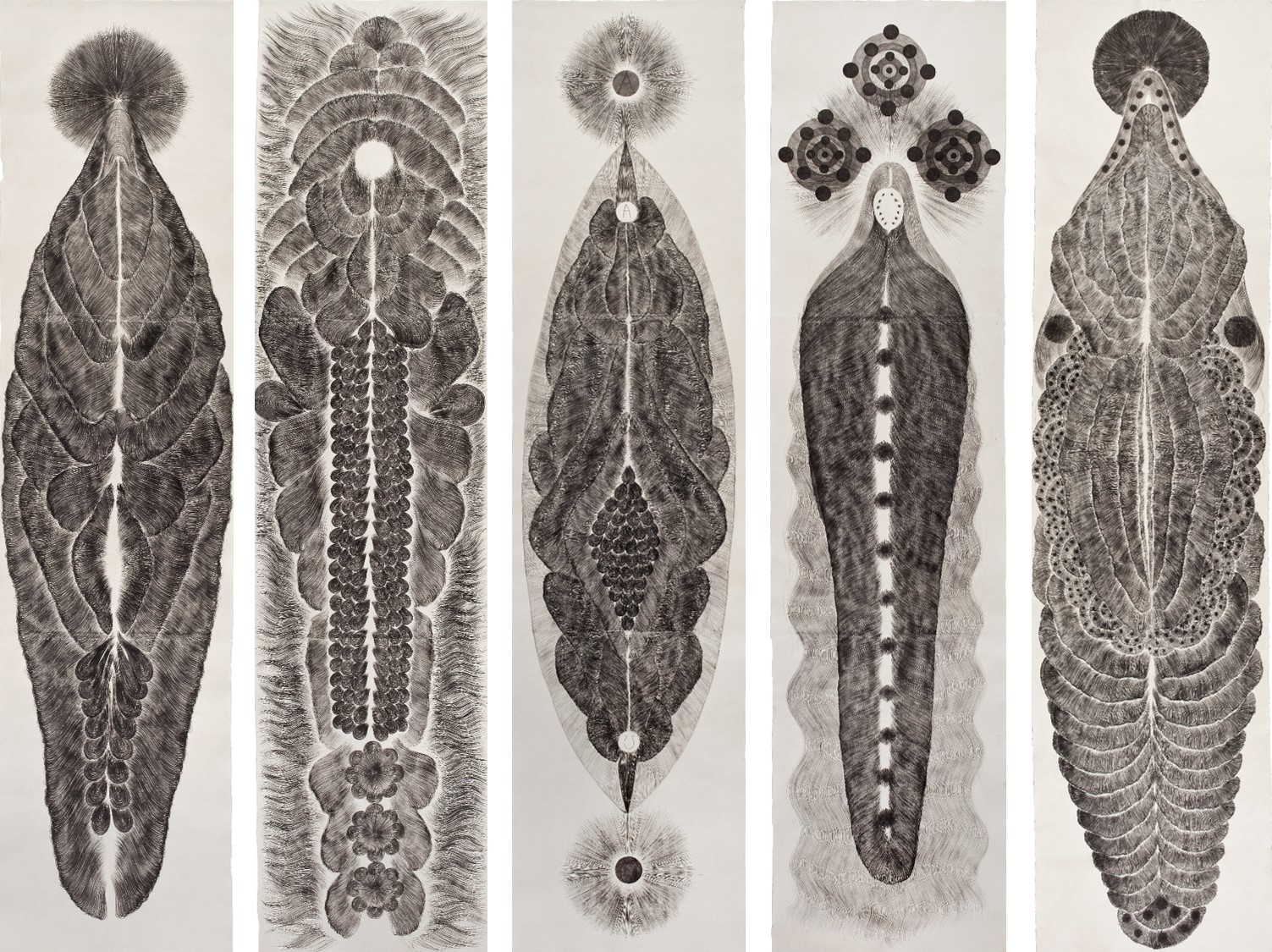
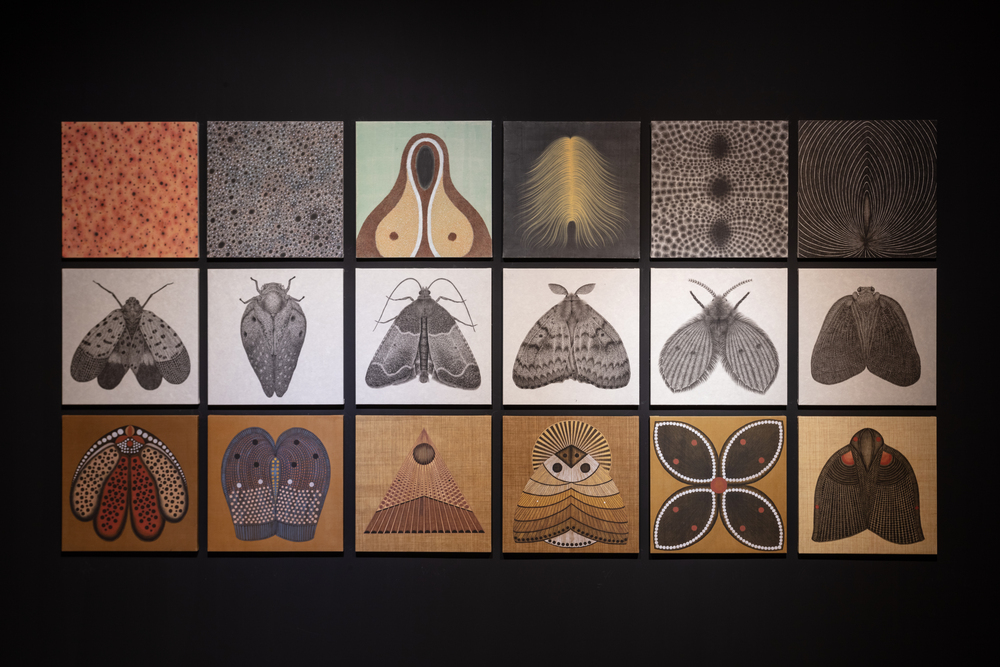
Park Wunggyu actively applies the ‘Six Principles of Painting (hwa-yuk-beop)’ from East Asian painting traditions as a formal strategy. The six methods—imitation, composition, form, texture, transformation, and application—serve not merely as stylistic guidelines but as mechanisms through which he visualizes negativity. His early works merged ink and color techniques using traditional Korean materials such as jangji (Korean mulberry paper), ink, and pigments, which came to full expression in the ‘Dummy’ (2015–) series. This series depicts hybrid figures resembling deities and monsters, fusing relics and genitals, insects and icons, revulsion and reverence into one coherent yet disturbing visual vocabulary.

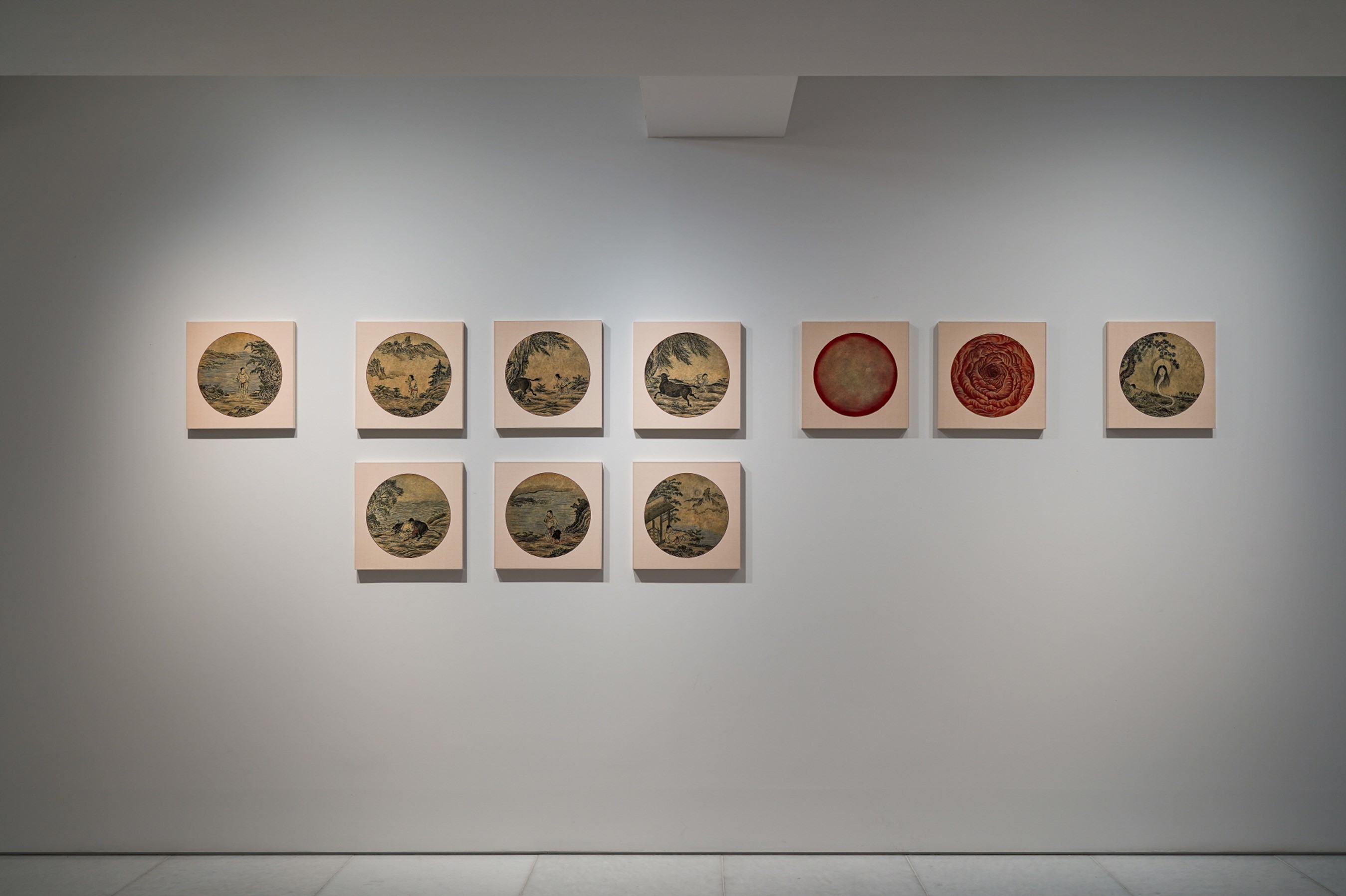
Since 2019, Park’s work has evolved toward more concretely defined subjects and increasingly detailed methods of depiction. In the ‘Nine Pieces of the Dummy’ (2019) series, for example, he visualizes the nine stages of bodily decomposition after death—a concept rooted in Buddhist eschatology—through formal transformations in texture, dryness, and fragmentation using ink and paper. In his solo exhibition 《Intestine for Ritual》 (Arario Gallery, 2023), Dummy No.91–100 (2023) enlarges and meticulously depicts segments of bovine intestines, combining organic patterns with religious iconographic arrangements. In ‘The Ten Oxherding Pictures’ (2023), Park translates the Buddhist allegory of enlightenment into a bodily ritual of consumption, digestion, and transcendence, transforming Buddhist narrative structures into biological metaphors.

Topography & Continuity

From the outset, Park Wunggyu’s practice has centered on the concept of negativity, which he has uniquely combined with traditional East Asian painterly language. Beginning with the Sputum series, his work has developed through ‘Dummy’, ‘Nine Pieces of the Dummy’, ‘The Ten Oxherding Pictures’, and most recently ‘The Eight Sorrow Events’. Although the thematic content has expanded, his persistent focus on the marginal, the ambiguous, and the abject has remained constant. In doing so, Park has secured a distinctive position in contemporary art by critically and meditatively addressing disgust, resistance, the sacred, and the body through a lens grounded in East Asian formal aesthetics.

More recently, Park has begun incorporating the narrative structures of traditional Buddhist paintings into his work, creating space for alternative histories and addressing the social Other. His formal strategies are now layered with narrative and philosophical dimensions. Going forward, he is expected to continue producing intricate reinterpretations of Buddhist iconography, visualizing the tension between bodily sensation and immaterial belief. Park’s work represents a contemporary renewal of painterly experimentation in East Asian art, breaking down the boundaries between religion, corporeality, and negativity in visually and conceptually rigorous ways.

Works of Art

Painterly Possibilities of Traditional Buddhist Painting

Exhibitions

Activities