
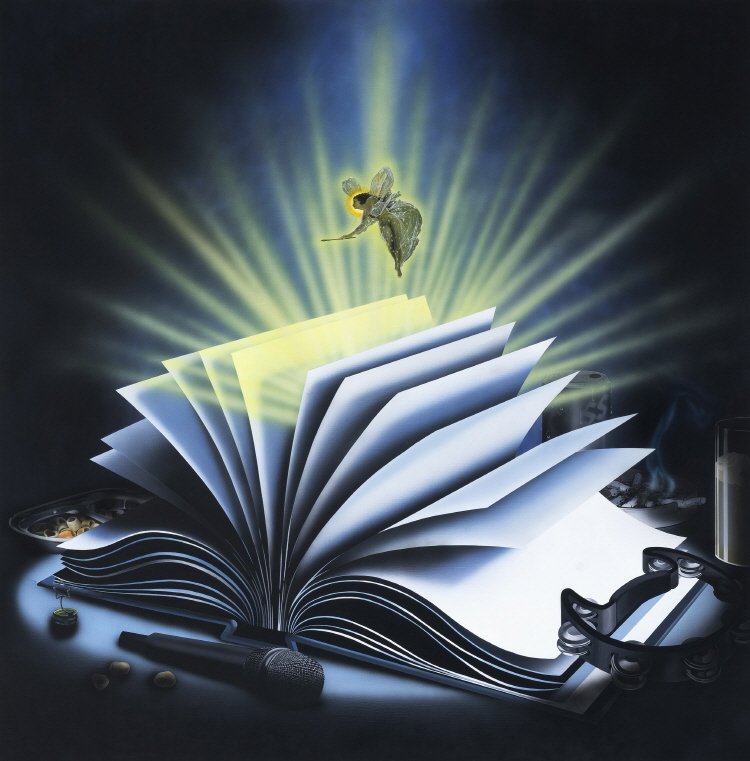
Three Graces - K-ARTIST

Three Graces

2018
Acrylic on canvas
162 x 390 cm 
About The Work

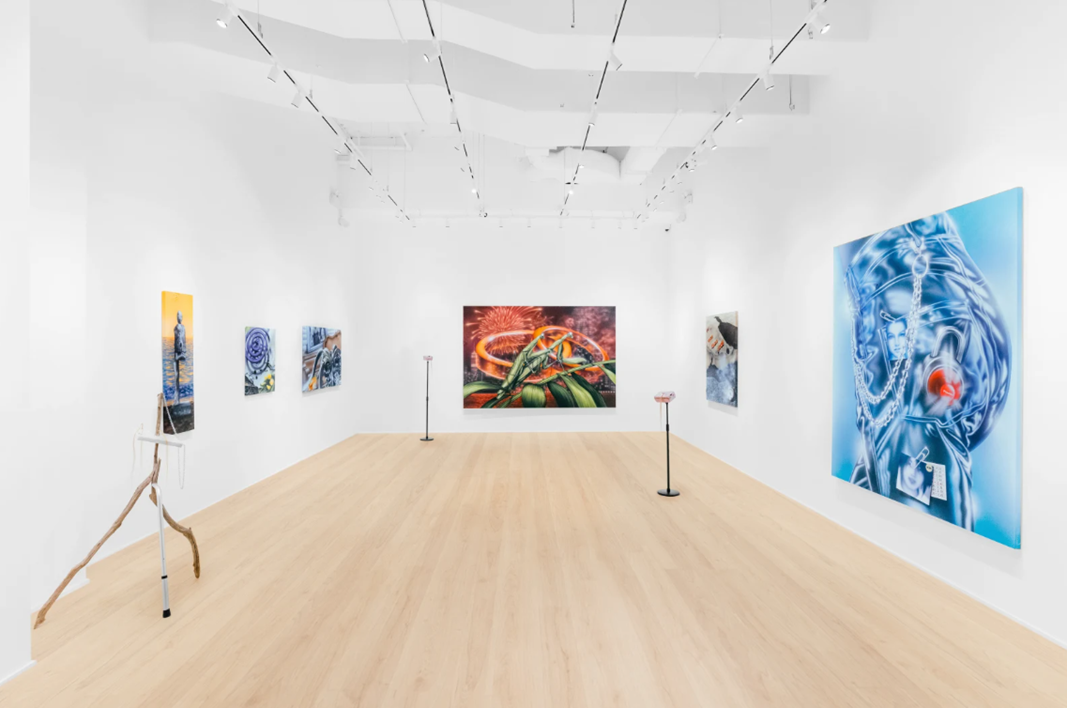
Sun Woo’s practice extends the boundaries of painting as a traditional medium, grounded in a critical inquiry into the circulation and consumption of images, and their relationship to corporeality and labor in the digital age. Her works keenly capture the tension between technology and sensation, between image and body, while evolving toward more organic, emotionally resonant expressions.

In recent years, she has increasingly worked across painting, sculpture, and installation to investigate the interstitial space where digital imagery, bodily sensation, and memory converge. Sun Woo’s practice proposes a unique visual grammar—what might be called “digital tactility”—that reconfigures the relationship between physical and non-physical space.

Solo Exhibitions (Brief)

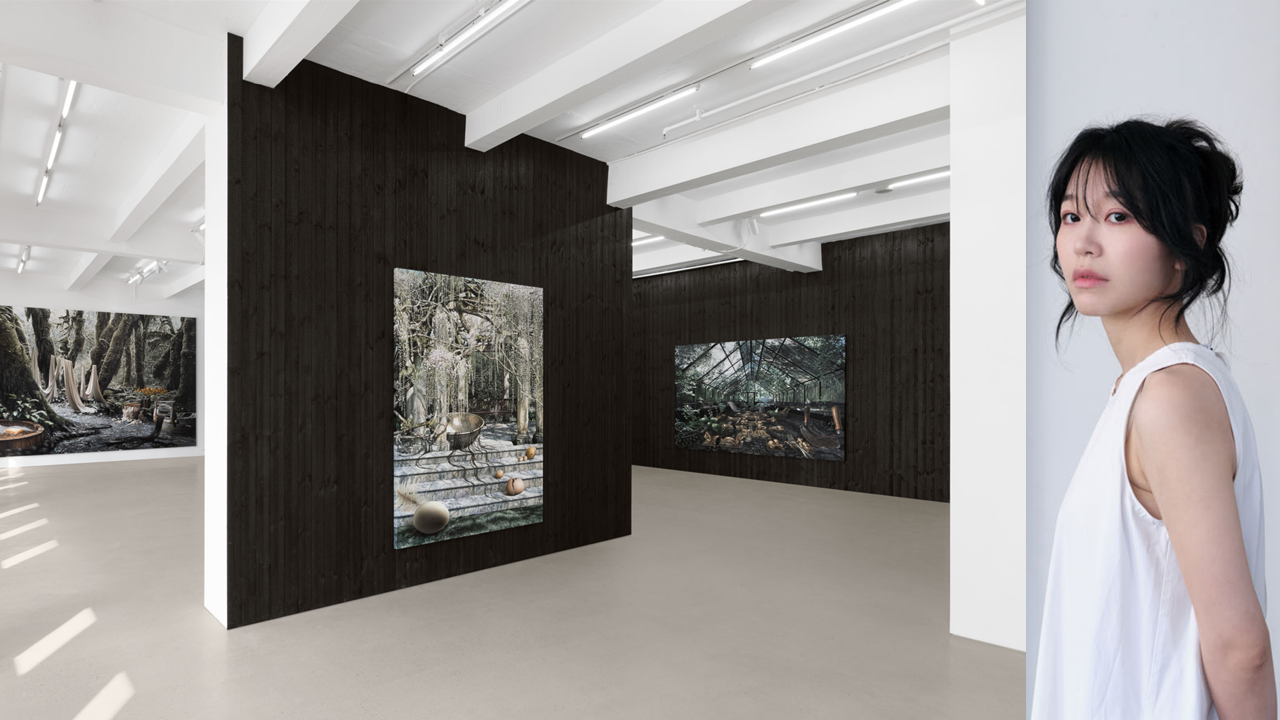
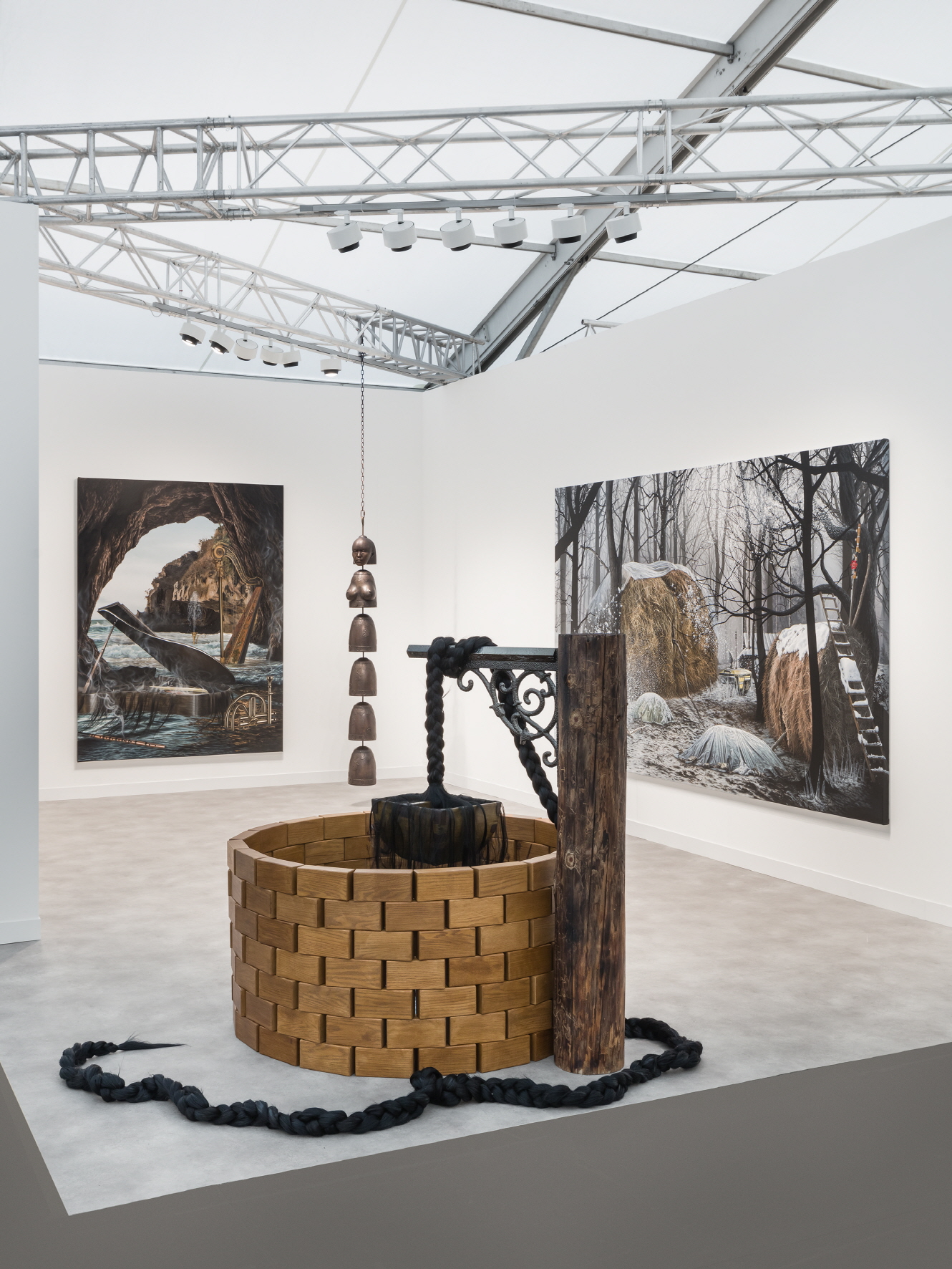
She held her first solo exhibition at Foundwill Arts Society in Seoul in 2020 and has since held numerous solo exhibitions at institutions such as Cylinder (Seoul, 2021), Woaw Gallery (Hong Kong, 2021), Carl Kostyál (London, 2022), Make Room (Los Angeles, 2023), and Frieze London (London, 2024).

Group Exhibitions (Brief)

Recent group exhibitions she has participated in include 《Cities in the Room》 (SeMA Bunker, Seoul, 2023), 《Materi-delia》 (Ulsan Art Museum, Ulsan, 2023), 《Wetting Your Whistles》 (Art Sonje Center, Seoul, 2023), and 《Myths of Our Time》 (Thaddaeus Ropac, Seoul, 2023).

Collections (Selected)

Sun Woo’s works are in the collections of The Perimeter, London and Museu Inimá da Paula, Belo Horizonte.
Works of Art

Convergence of Digital and Painting

Originality & Identity

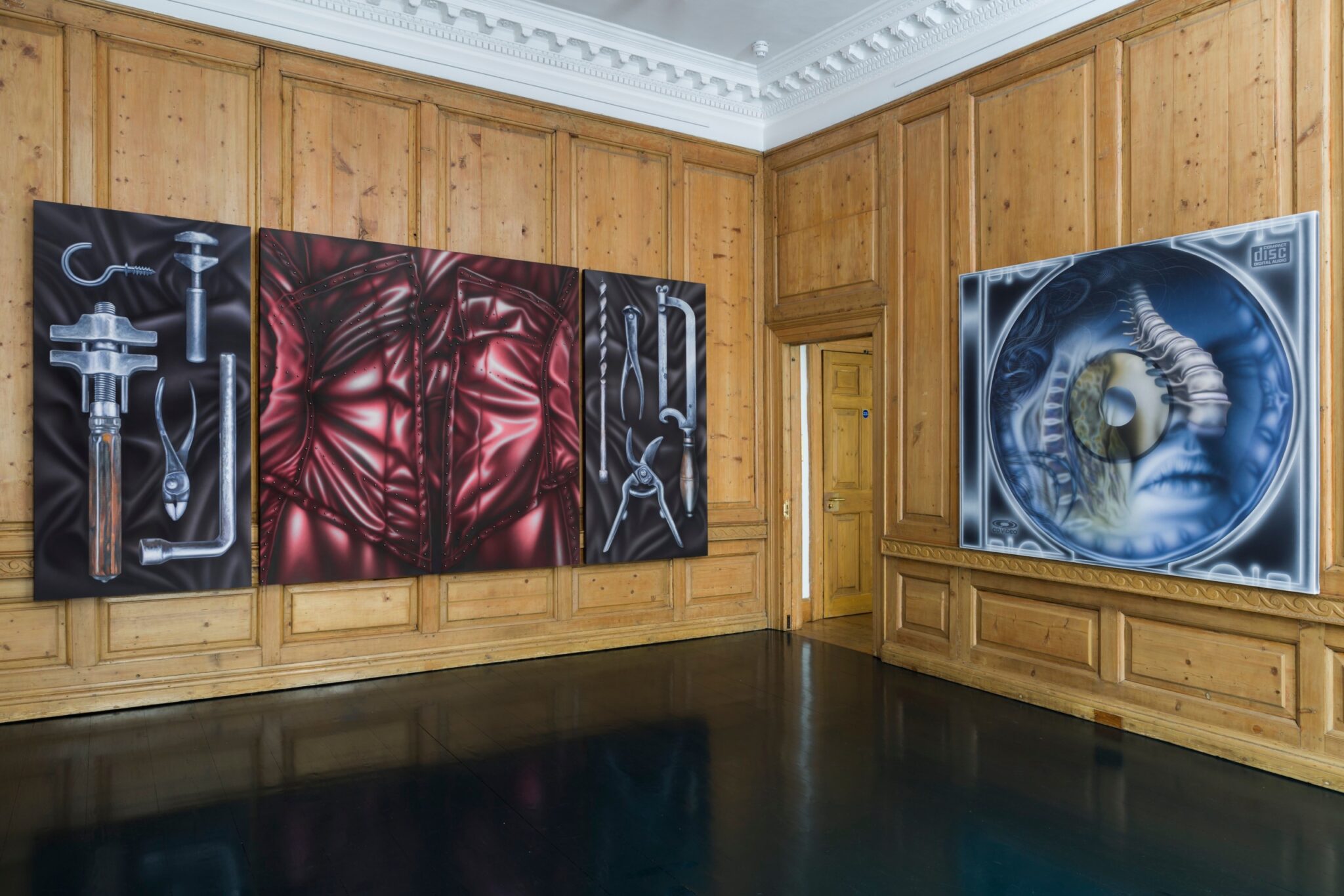
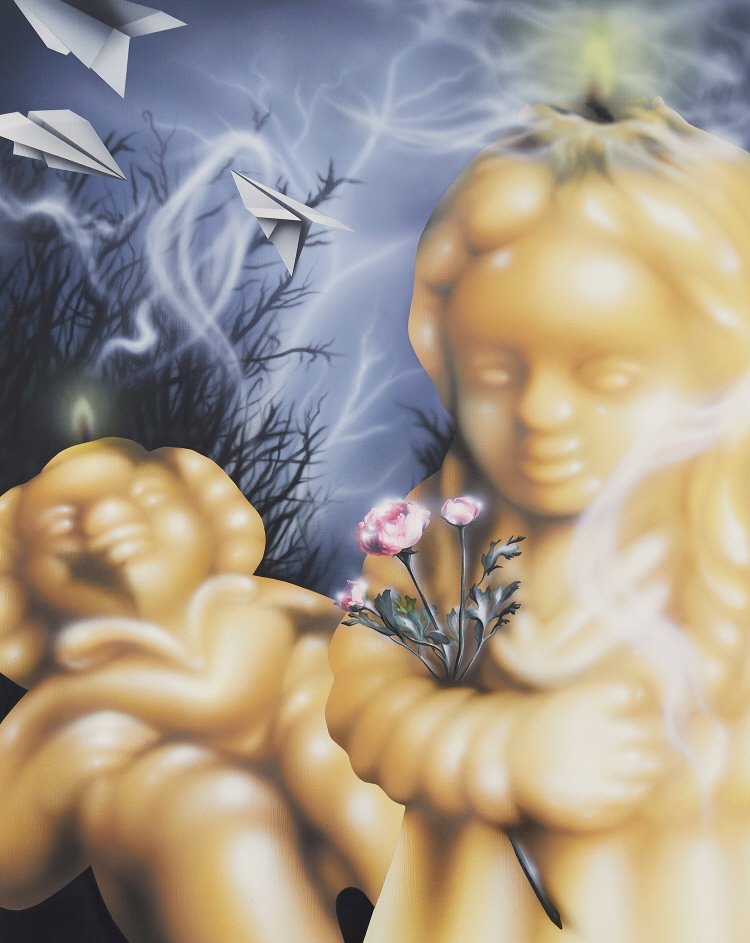
As both a digital native and an immigrant, Sun Woo has consistently explored how identity and corporeality are restructured by technological environments. Her early works, such as Three Graces (2018) and Birth of Venus (2019), focus on the consumption of female body imagery in media. Drawing from the visual vocabularies of K-pop and Japanese animation, she collects and re-edits audiovisual symbols, translating them into hybrid forms through digital printing and painting. These works examine how image production, distribution, and consumption influence the construction of the body and self in the digital age, forming a multilayered pictorial world infused with both personal and contemporary sensibilities.

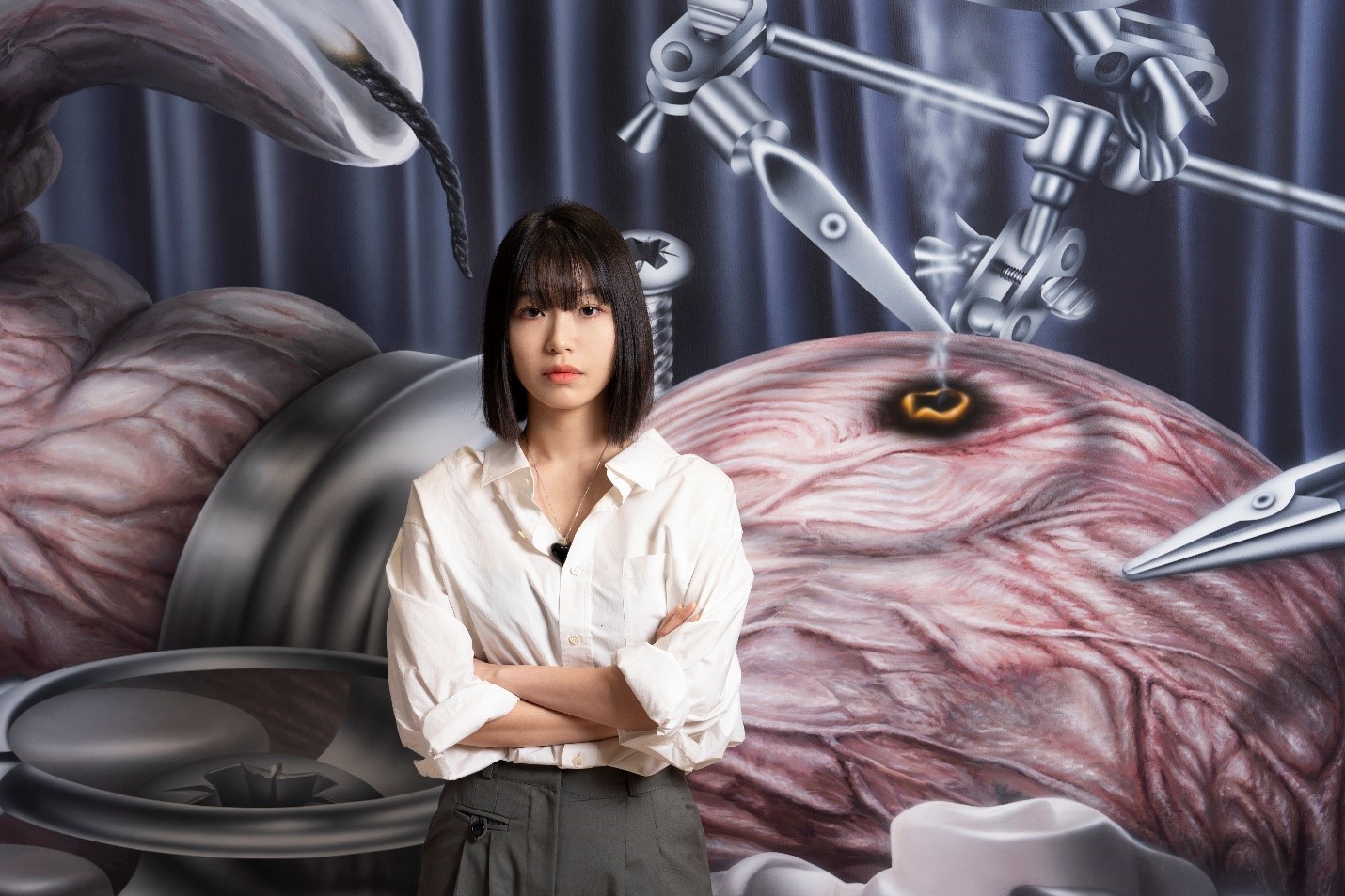
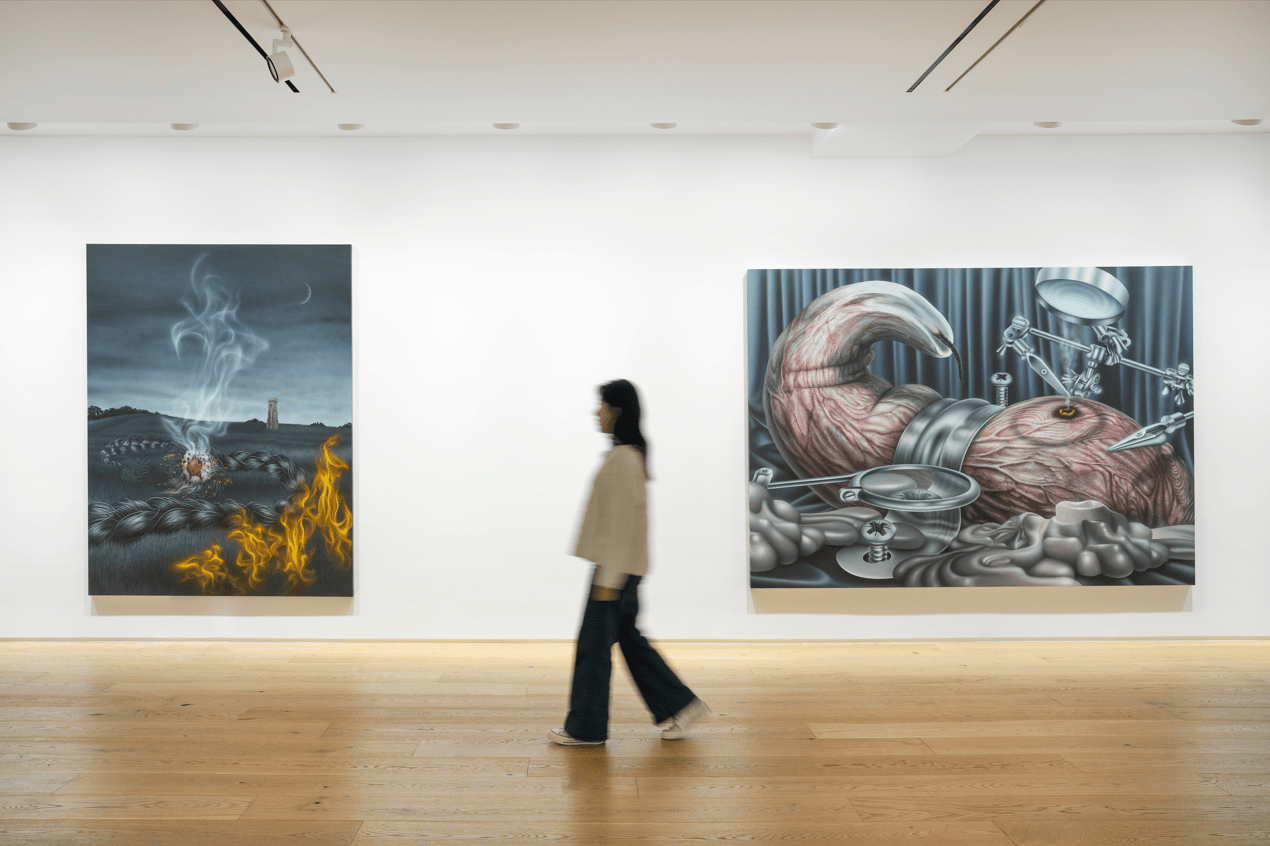
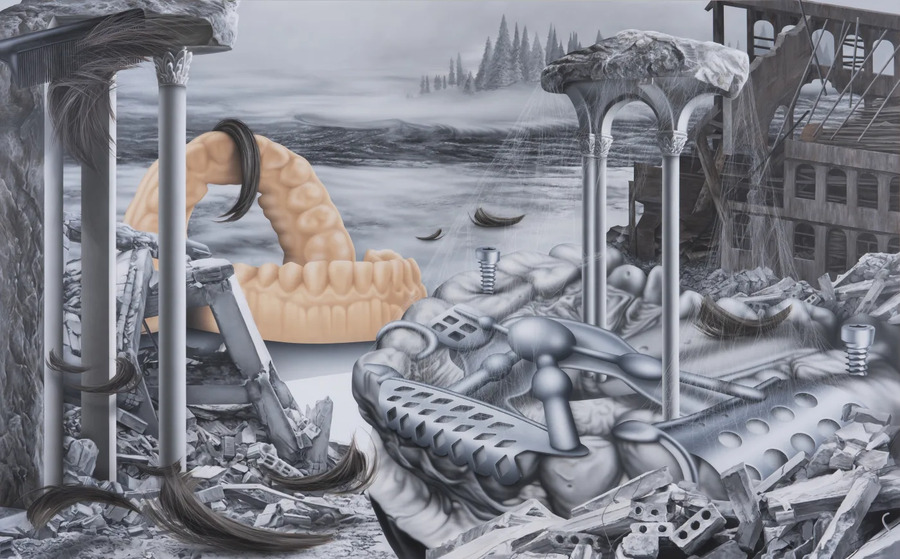
In more recent works, Sun Woo regards the body as an unstable and mutable presence shaped by digital systems, one that is vulnerable yet capable of regeneration. For instance, in Land of Hollow (2022) and The Fifer (2024), fragmented bodily forms blend mechanical, architectural, and organic elements, alluding to the finitude of the human body while simultaneously evoking a sense of emotional and vital restoration. Her portrayal of such bodies suggests that even in an era of disintegration, new forms of affect and belonging remain possible.

Style & Contents

Sun Woo has developed a hybrid painterly language that merges digital sensibility with material tactility. In her early approach, she partially printed digital collages created in Photoshop onto canvas and layered them with hand-painted interventions—as seen in I’m Your Genie (2020)—blurring distinctions between digital and analog, past and present, East and West.

During the pandemic, she expanded her materials by working on steel surfaces instead of canvas. Works like Dance (2020) and Address Unknown (2020) blur physical boundaries and perceptual expectations, reflecting the increasing dissolution of the boundary between interior and exterior space as daily life moved online.

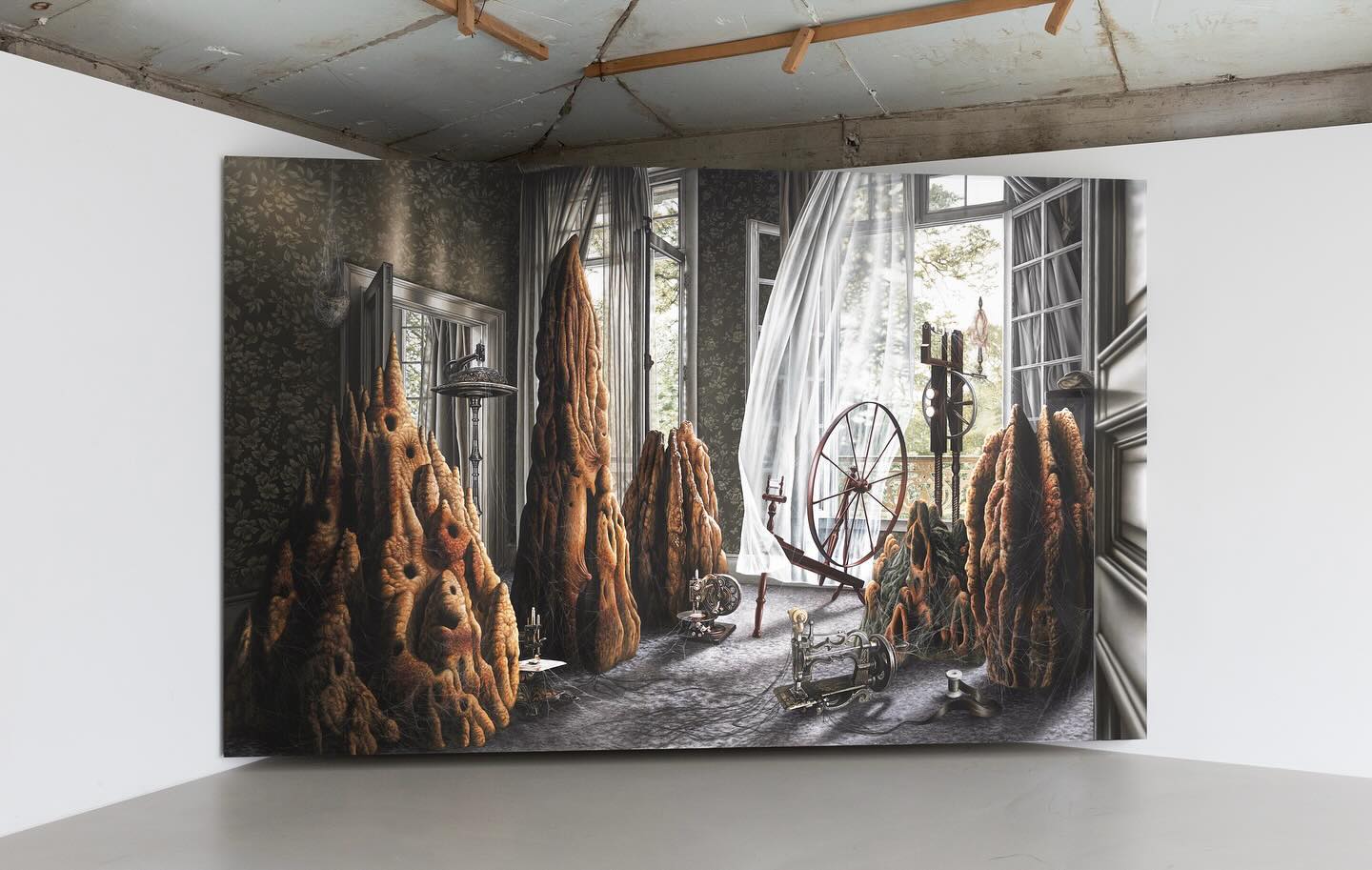
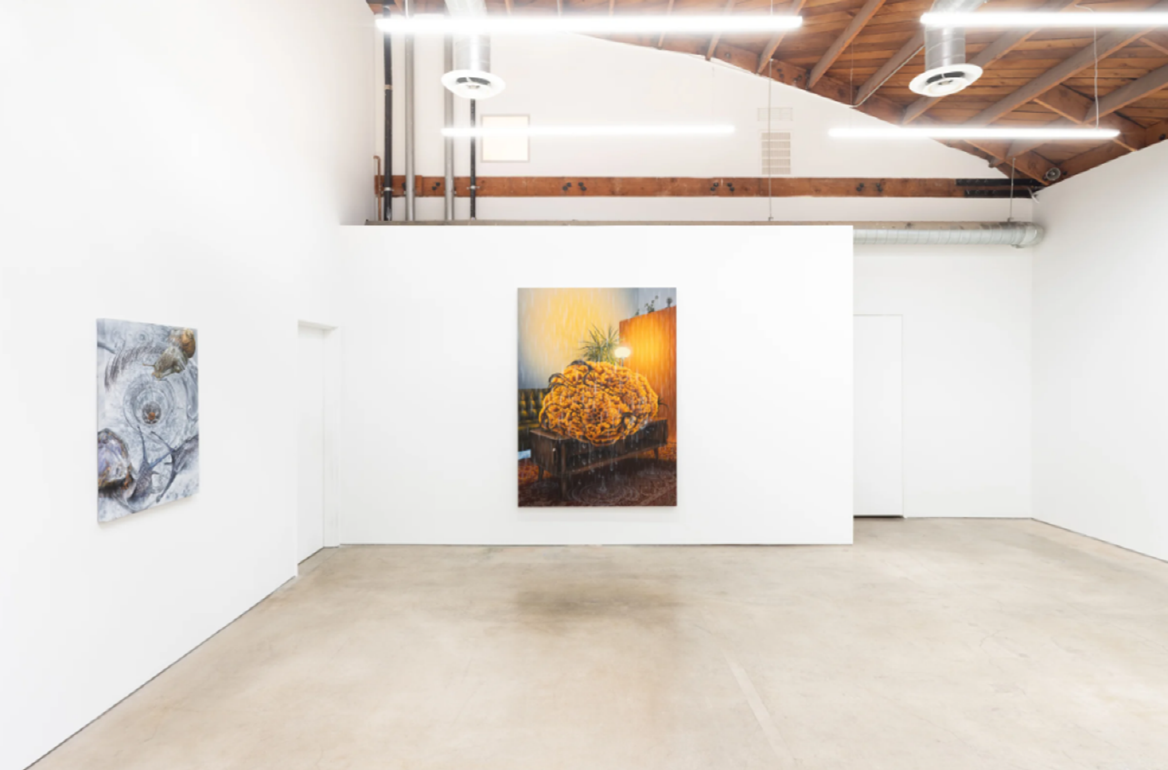
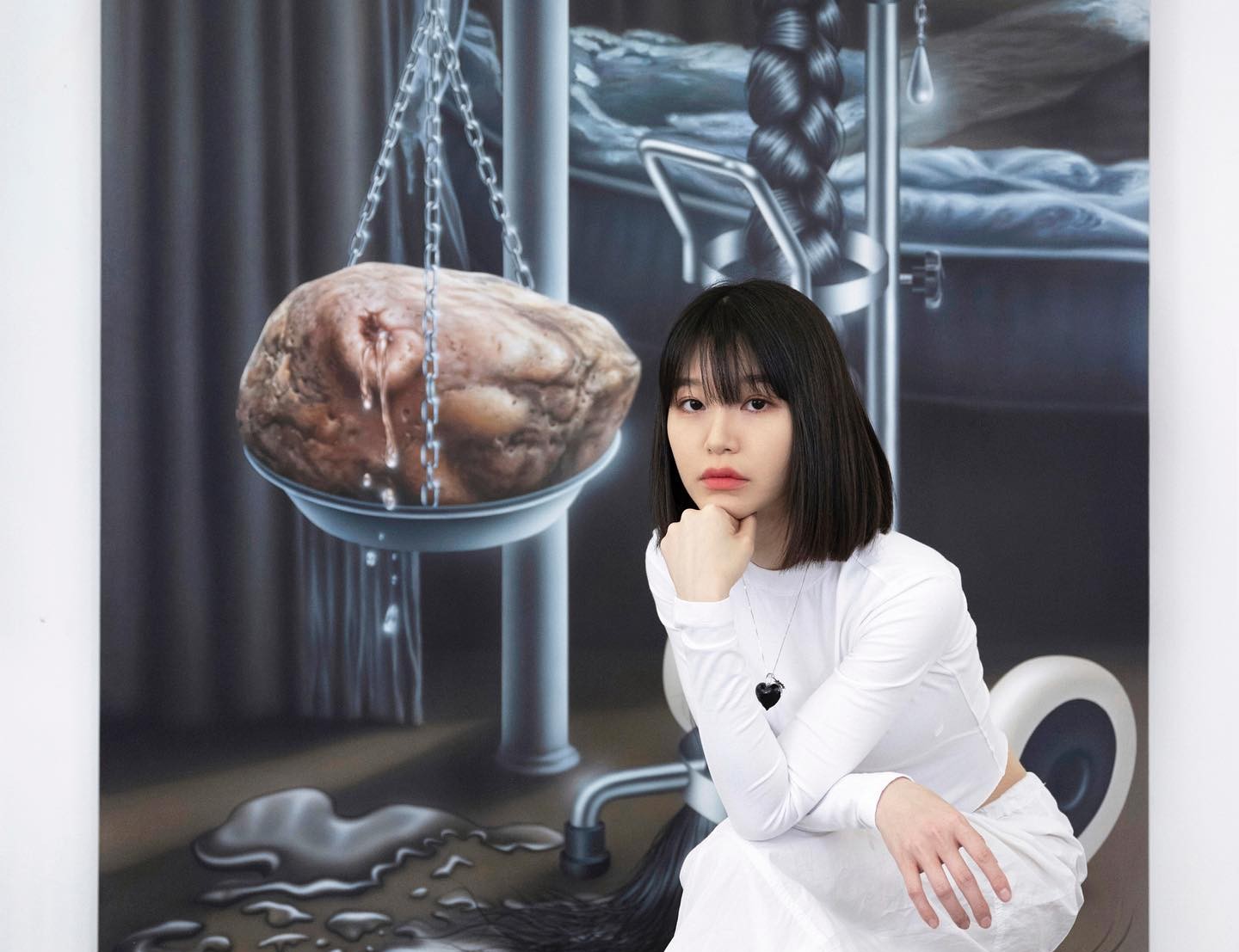
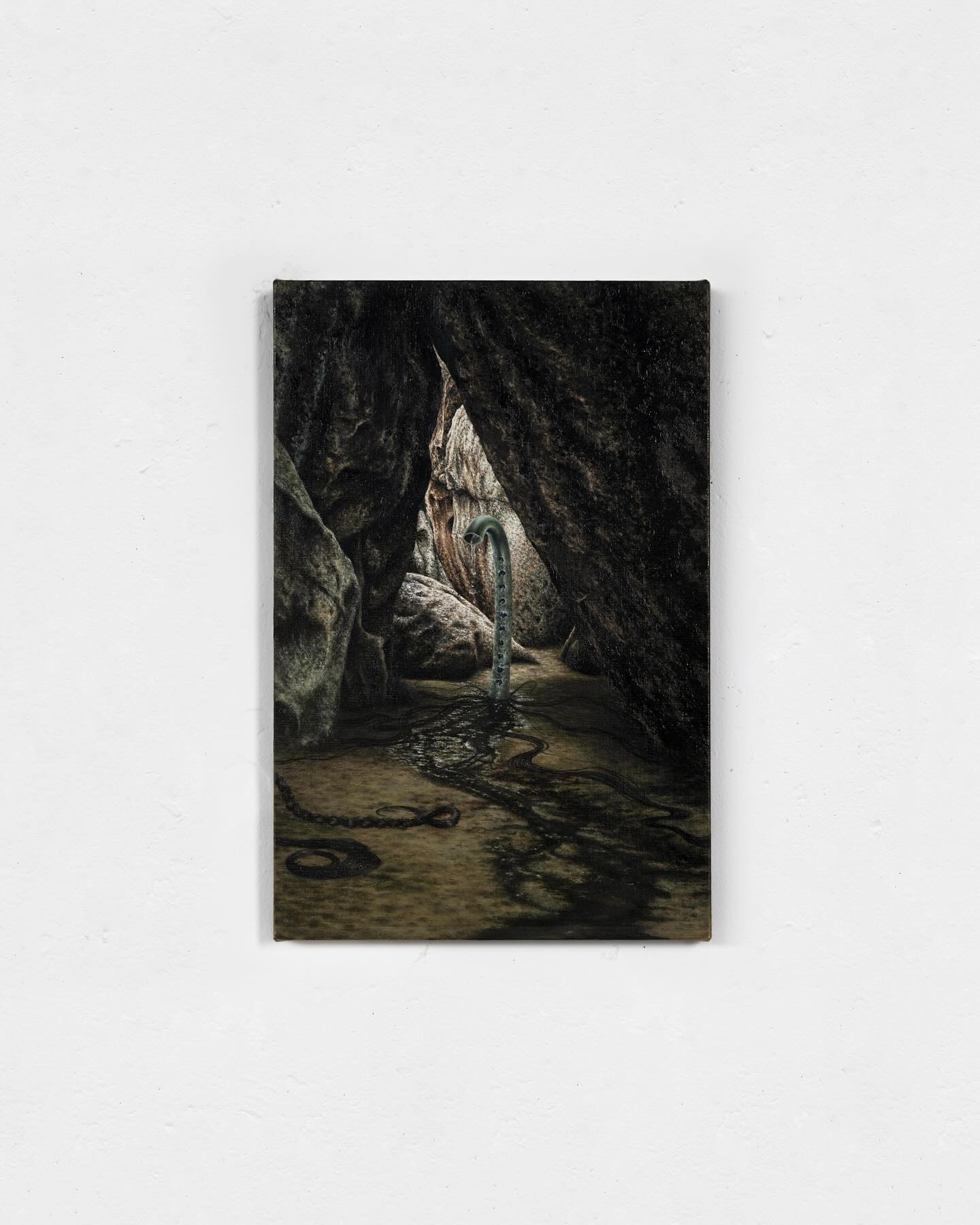
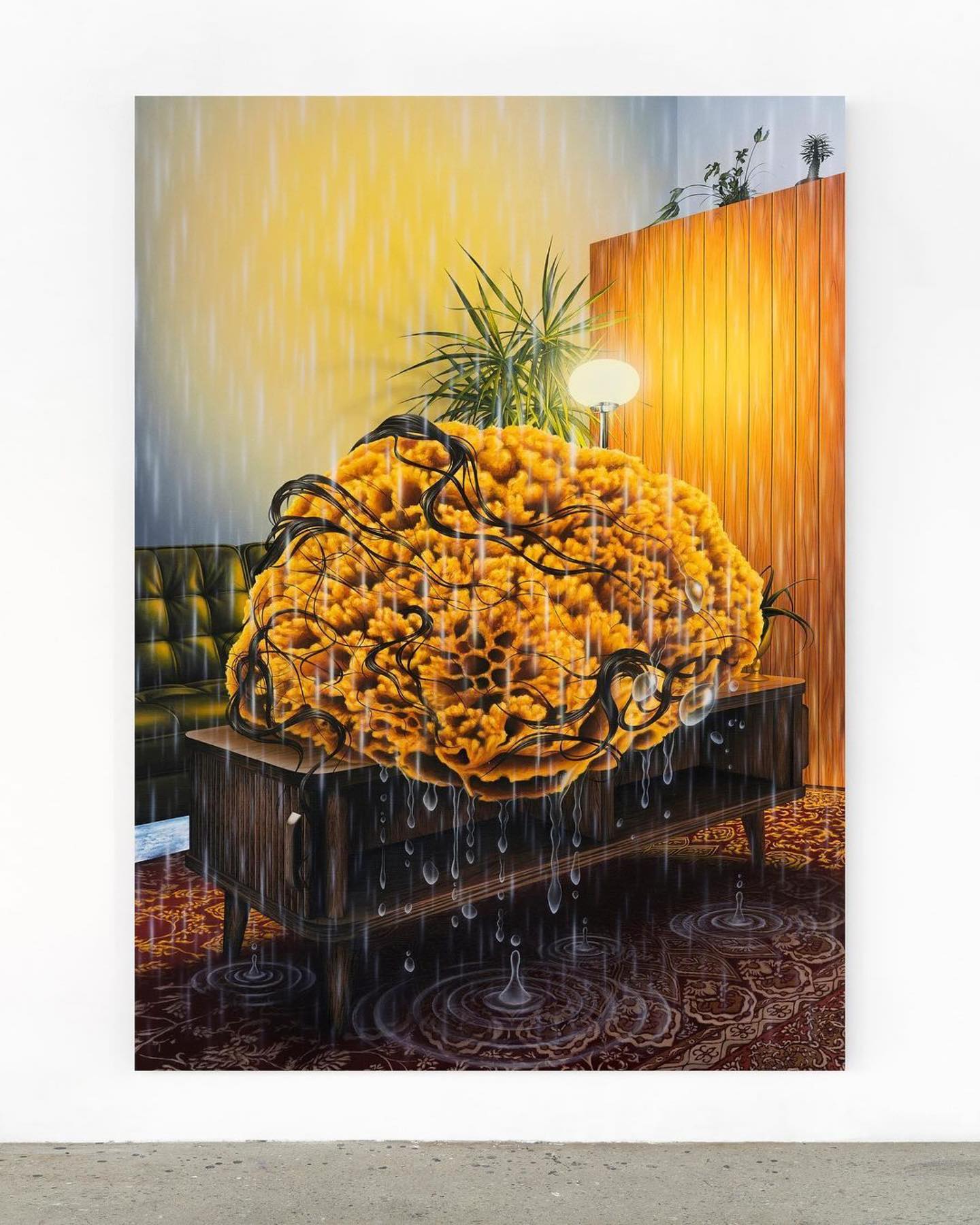
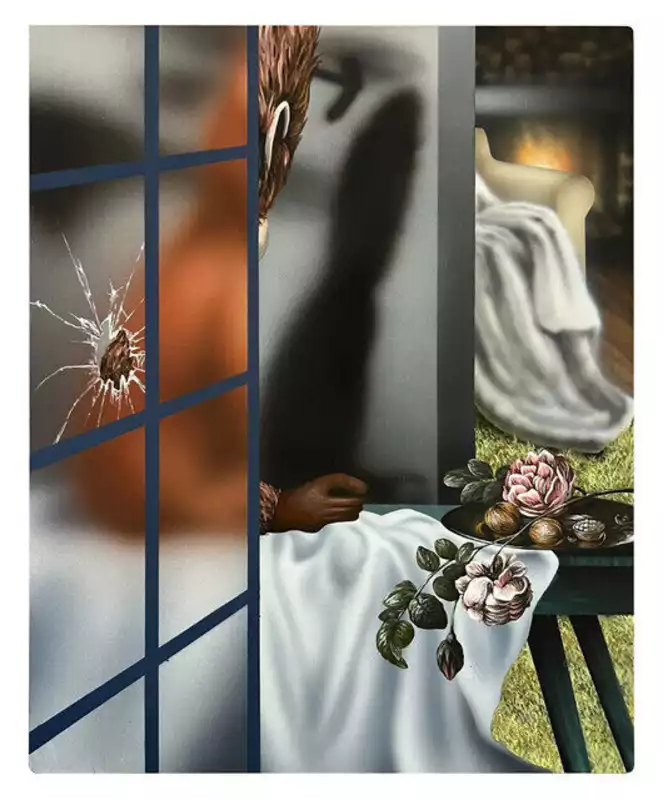
In contrast to the rapid, flat consumption of digital images, her paintings seek to restore tactile and material presence. Long Shower (2023) reconstructs a haptic climate through scenes of dampened interior spaces, bent metal structures, and fragmented bodily remains—expanding the painterly language into a sensory field where memory, body, and space intersect. In Weavers’ Room (2024), she layers rugged, wrinkled masses reminiscent of fragmented female bodies with Western architectural elements and antique props. These works reflect on the silenced history of women's labor while interrogating how painting, in the digital age, can once again function as a site of tactile experience and embodied recollection.

Topography & Continuity

Sun Woo’s practice extends the boundaries of painting as a traditional medium, grounded in a critical inquiry into the circulation and consumption of images, and their relationship to corporeality and labor in the digital age. Her works keenly capture the tension between technology and sensation, between image and body, while evolving toward more organic, emotionally resonant expressions. Paintings such as Land of Hollow (2022) and Weavers’ Room (2024) explore the ruins of disembodied imagery while recovering the possibility of narrative and sensory connection within them.

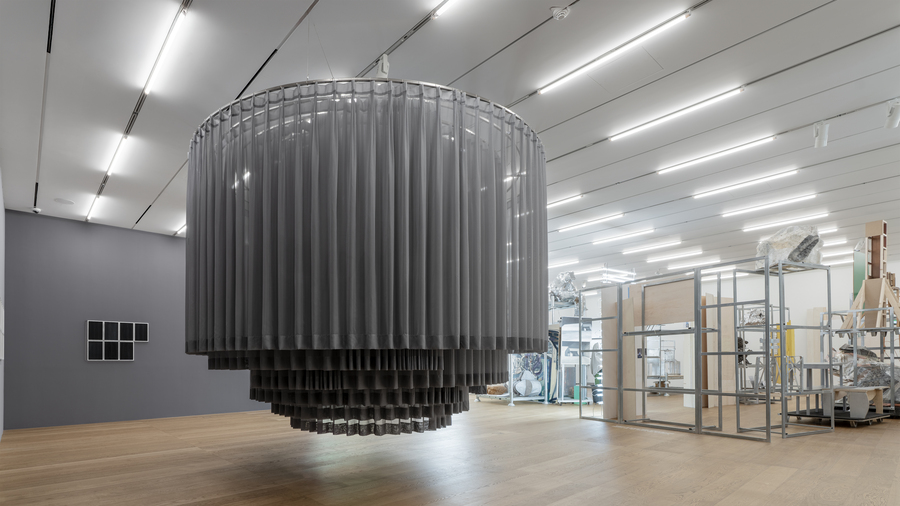
In recent years, she has increasingly worked across painting, sculpture, and installation to investigate the interstitial space where digital imagery, bodily sensation, and memory converge. Sun Woo’s practice proposes a unique visual grammar—what might be called “digital tactility”—that reconfigures the relationship between physical and non-physical space. In a world where images are generated and consumed in real time, her work occupies a distinctive place in contemporary art by rendering the digital palpable and embodied, pointing toward a sustained global practice that traverses both screens and skin.

Works of Art

Convergence of Digital and Painting

Exhibitions

Activities