

Seonnyeo (Celestial Maiden) - K-ARTIST

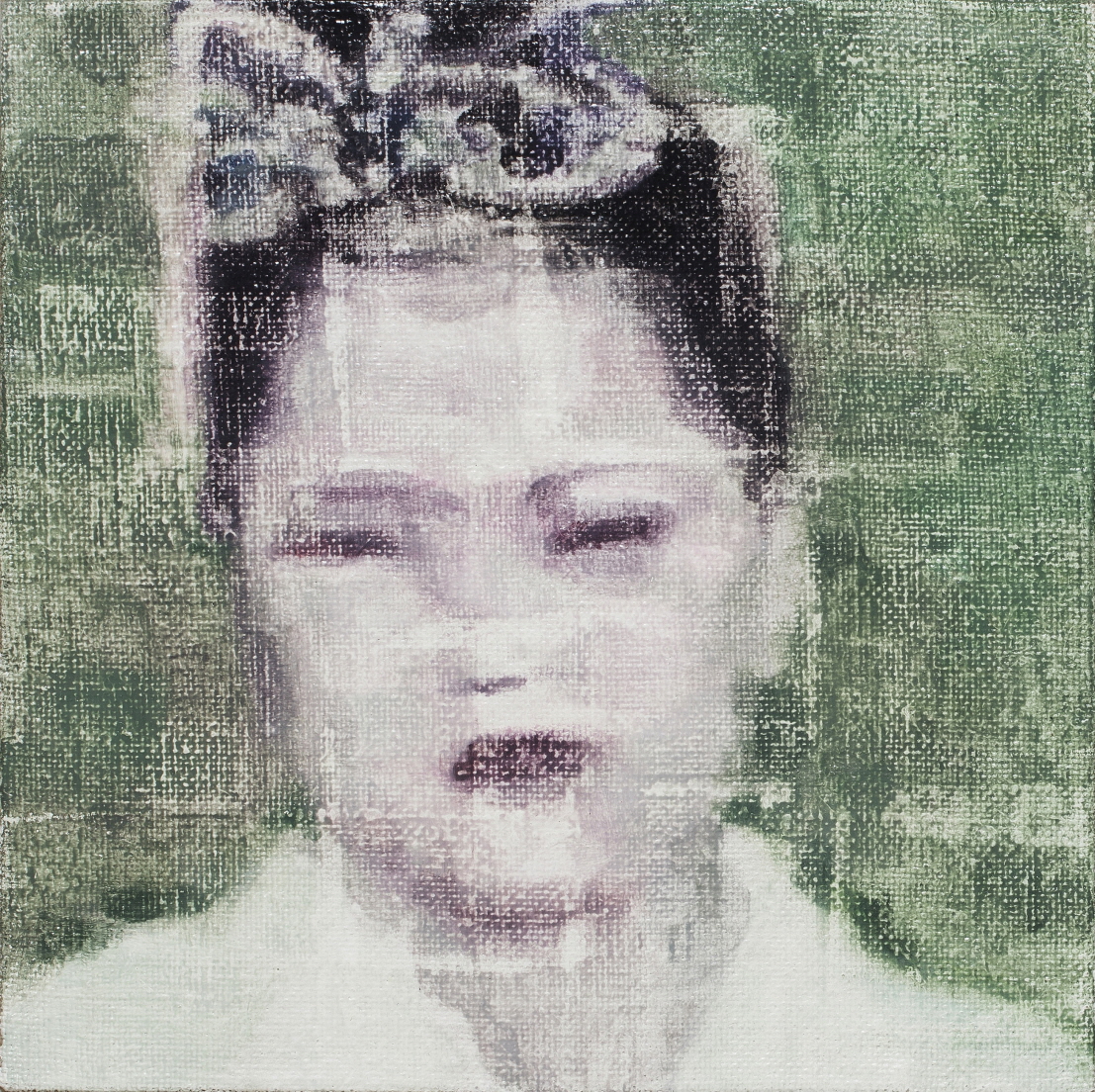
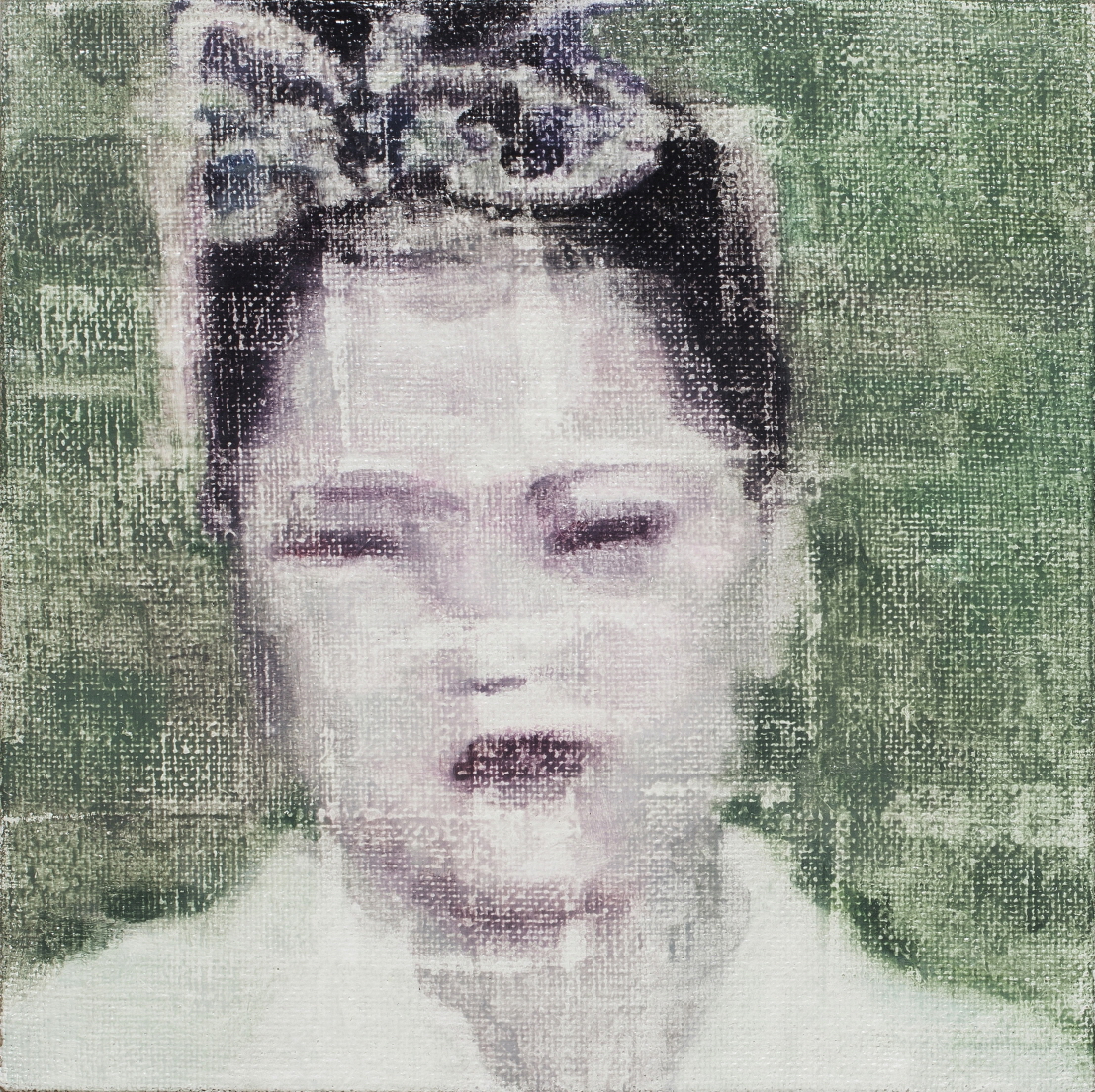
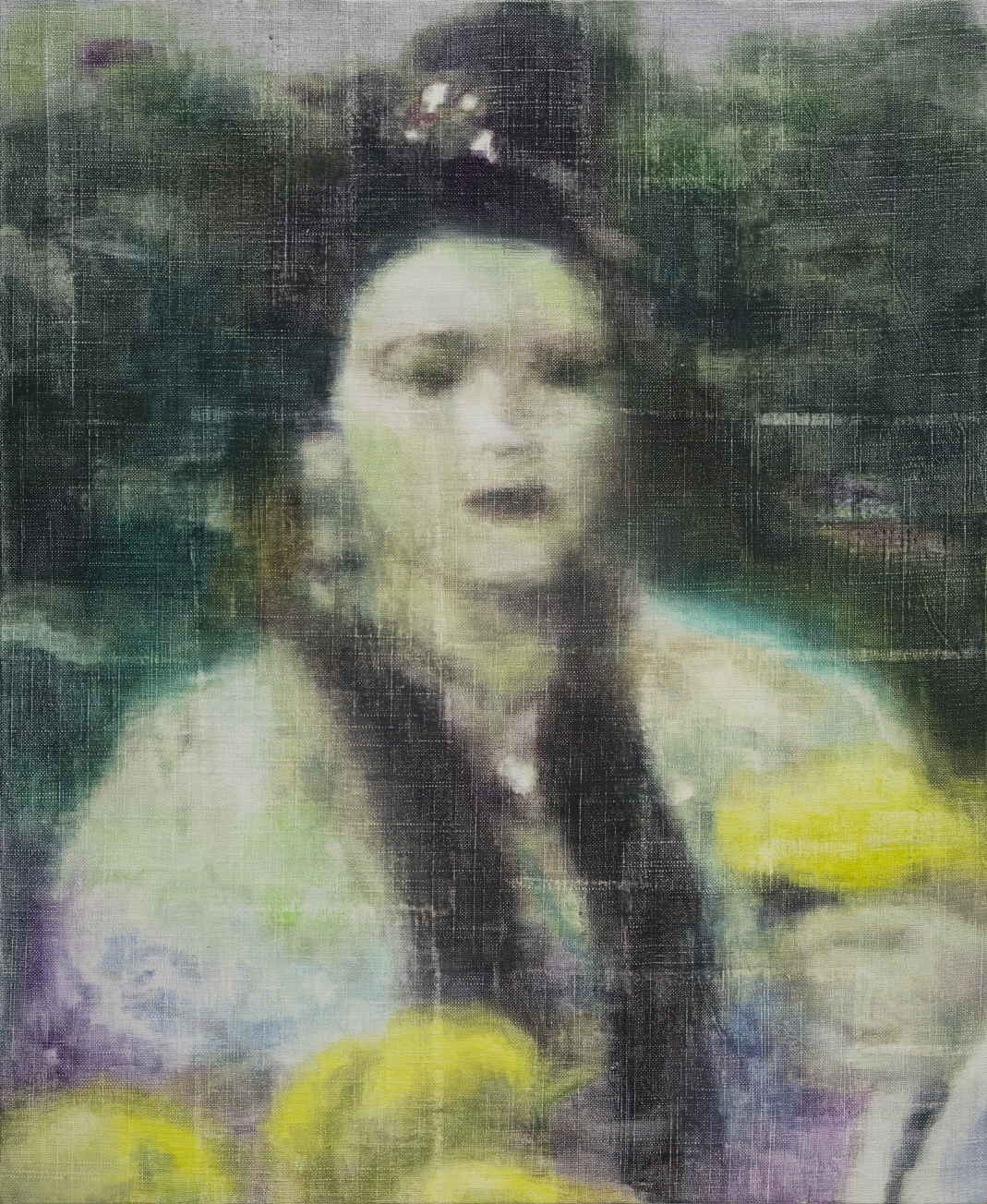
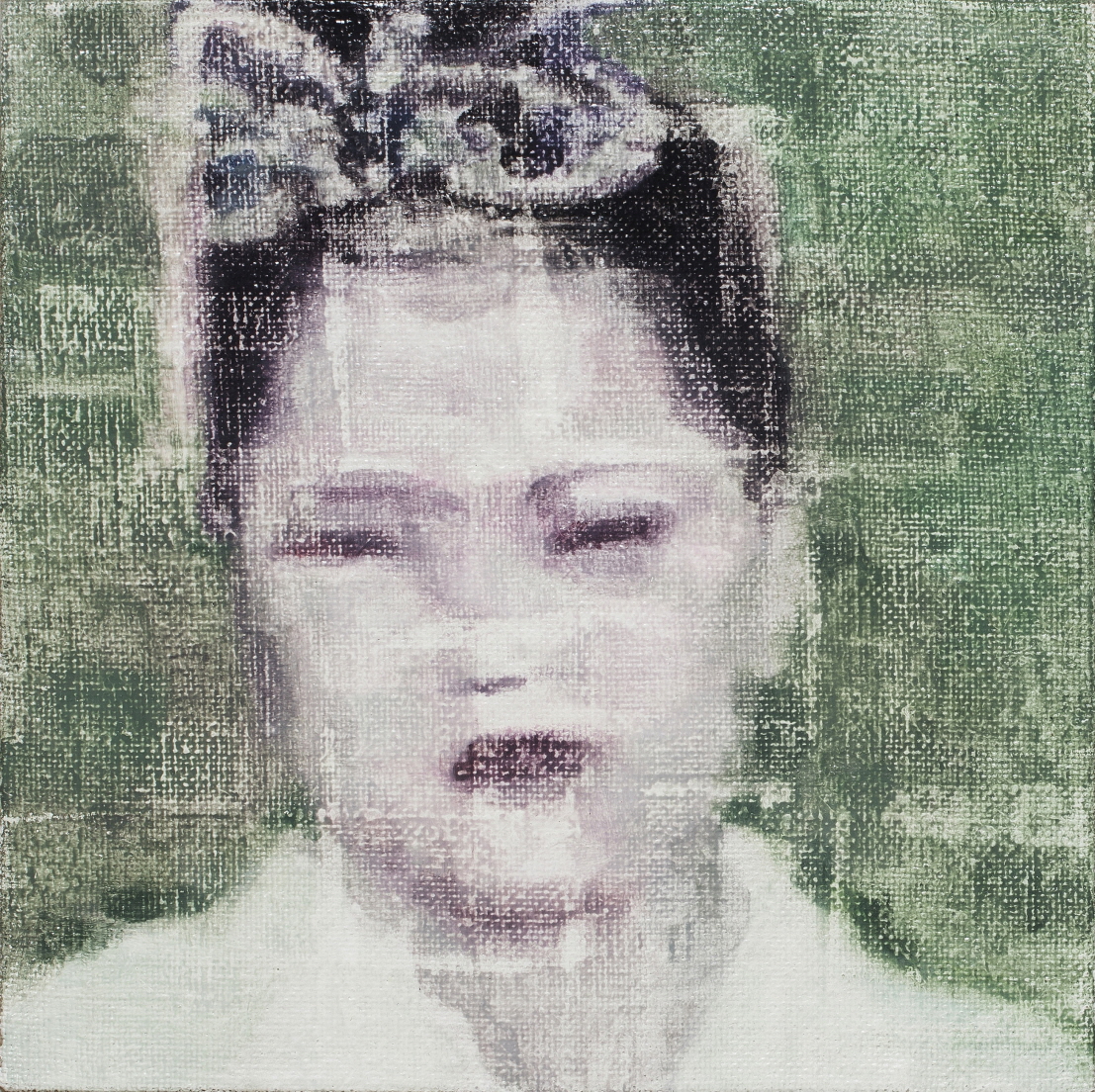
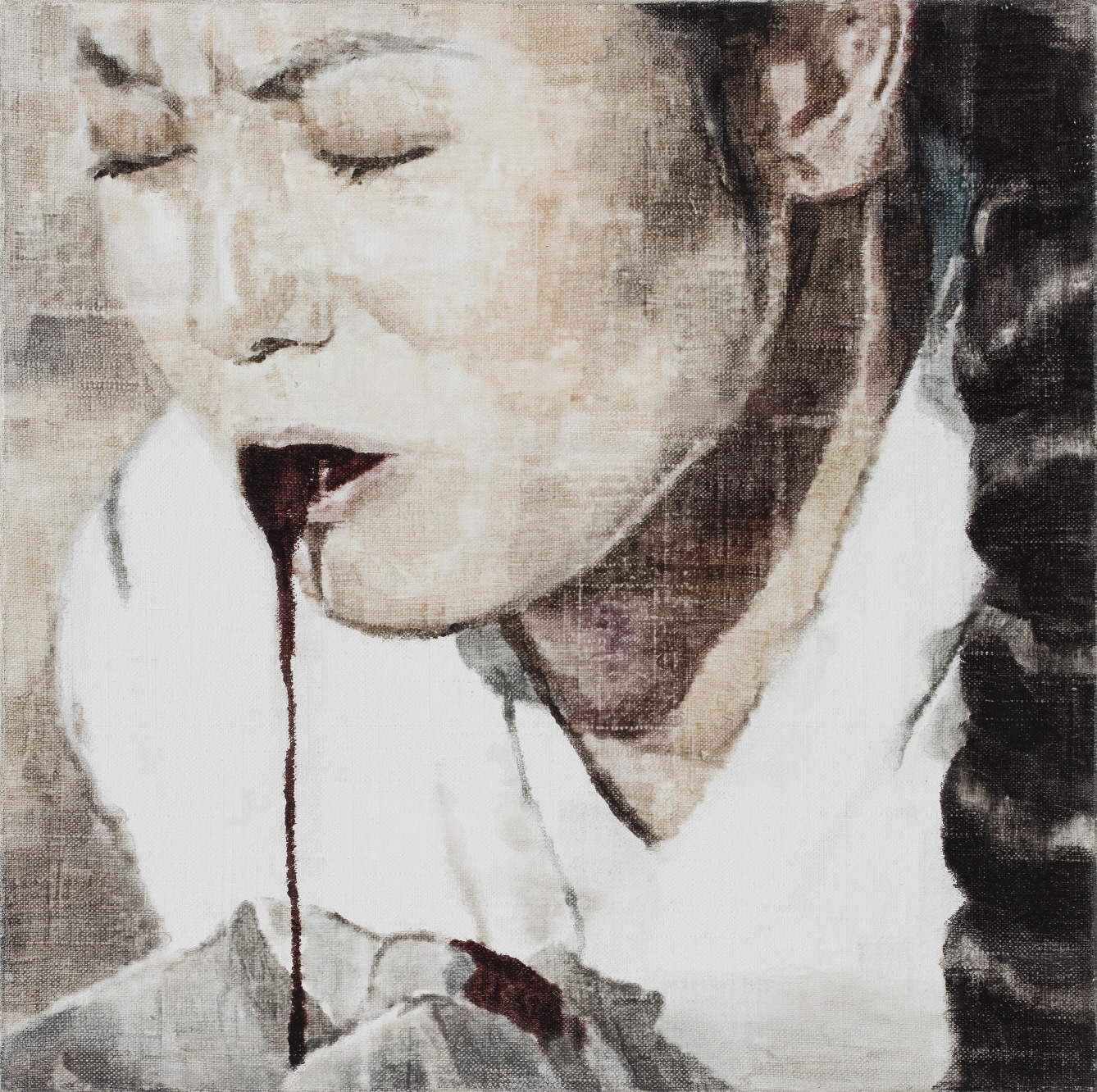
Seonnyeo (Celestial Maiden)

2017
Oil on jute
38 x 38 cm 
About The Work

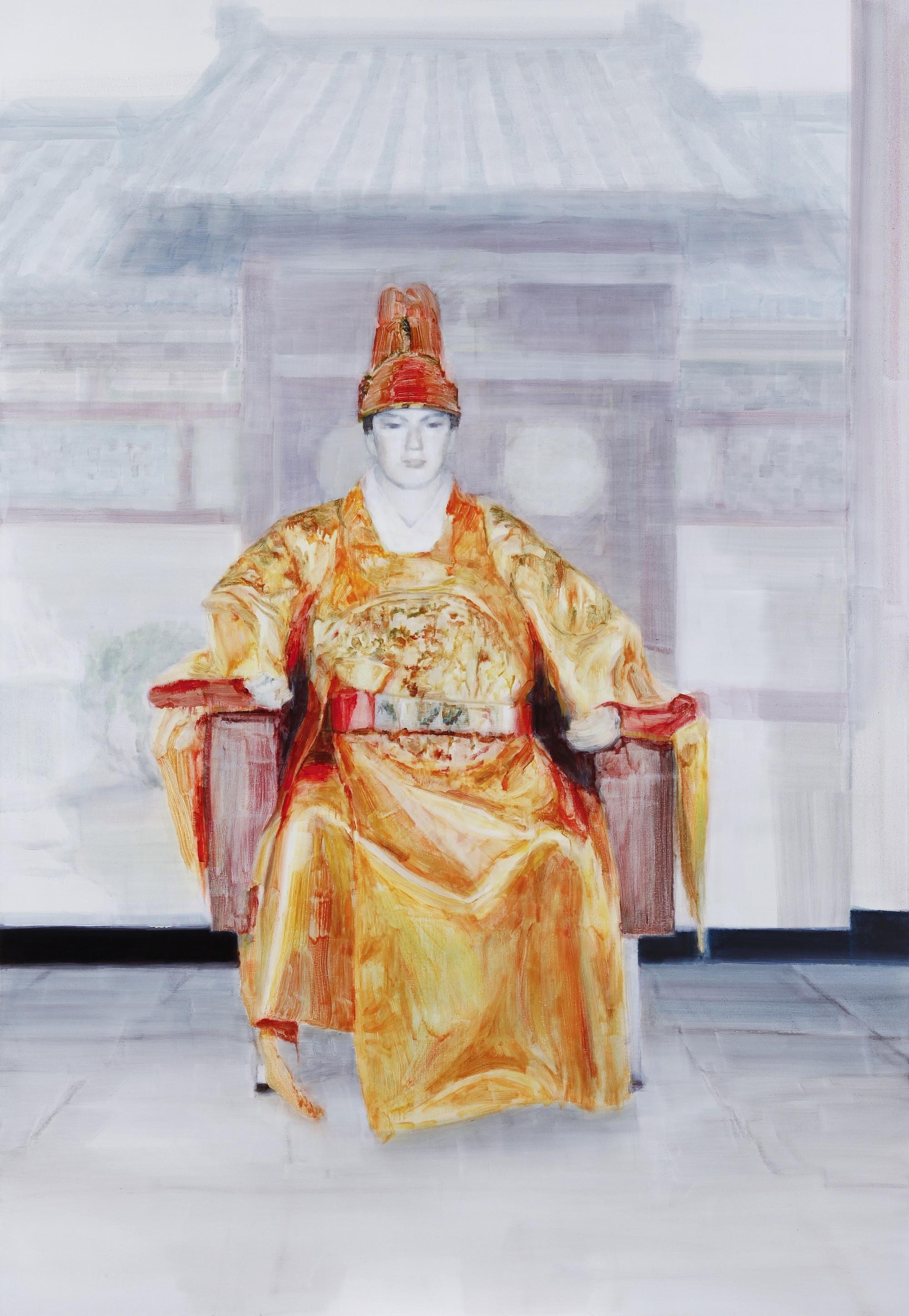
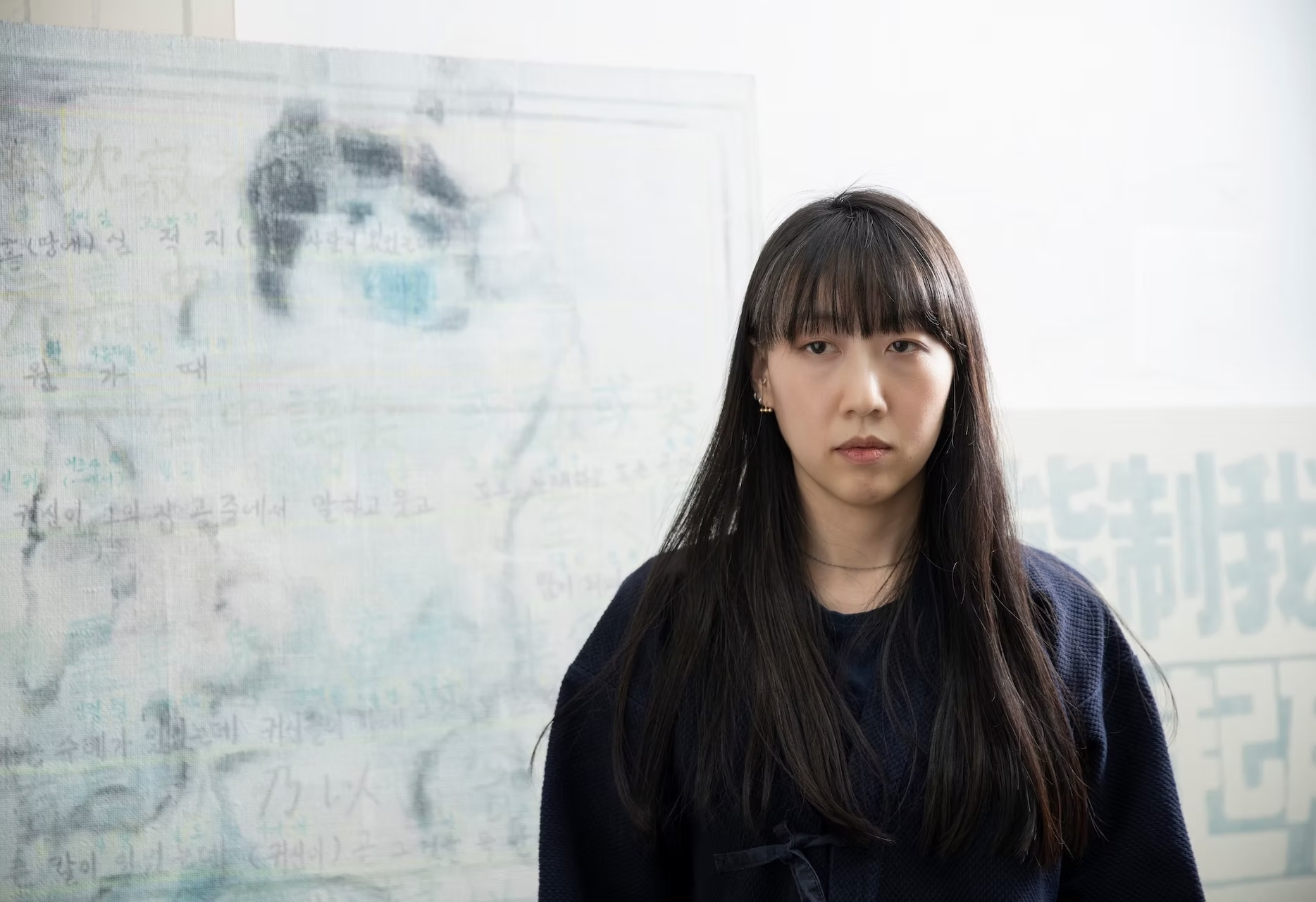
Choe Sooryeon observes the aspects of so-called "Oriental-style" imagery and how it is consumed, reflecting these observations in her paintings. To do so, she collects traditional cliché images shared across Northeast Asia from classic Korean and Chinese films. Based on these images, her paintings reveal themes of sorrow, femininity, disconnection from reality, inner Orientalism, doubt, ignorance, and absurdity.

Her work may seem to address something classical and traditional, that is, from the 'past', but the artist examines the surrounding contemporary context, depicting the sorrow, doubt, absurdity, and ignorance inherent in her generation and our society today.

Solo Exhibitions (Brief)

Choe Sooryeon’s recent major solo exhibitions include 《Hoe for painted and Hwa for painting》 (Gallery Chosun, Seoul, 2023), 《Drawing in the Fog》 (Sansumunhwa, Seoul, 2020), 《Pictures for Use and Pleasure》 (Incheon Art Platform, Incheon, 2020), 《Music from a decaying country》 (Cheongju Art Studio, Cheongju, 2019), and more. She also participated in two-person show 《Bead & Orchid》 (Chamber, Seoul, 2024).

Group Exhibitions (Brief)

Choe has also participated in numerous group exhibitions at institutions such as Gallery Chosun, Gyeonggi Museum of Modern Art, ARKO Art Center, Museumhead, ThisWeekendRoom, Seoul Museum of Art, HITE Collection, Insa Art Space, and Art Space Pool.

Awards (Selected)

She has been part of residency programs at Studio Whiteblock (Cheonan, 2022-24), Incheon Art Platform (Incheon, 2020-2021), Factory of Contemporary Arts in Palbok (Jeonju, 2019), and Cheongju Art Studio (Cheongju, 2018). She received the 2020 Chongkundang Yesuljisang

Collections (Selected)

Her works are currently housed in the collections of the Seoul Museum of Art, Seoul National University Museum of Art, and the MMCA Art Bank.
Works of Art

Recontextualizes Traditional

Originality & Identity

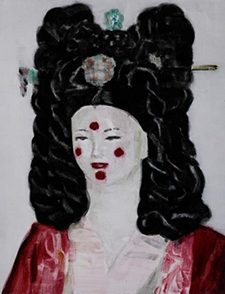
Choe Sooryeon’s artistic practice begins with a critical exploration of the reproduction and consumption of traditional East Asian imagery. Drawing from classic Korean and Chinese films, she examines the clichés embedded in these cultural references—melancholy, femininity, dissonance with reality, internalized Orientalism, doubt, ignorance, and absurdity—through painting. Her early work, ,Eight Seonnyeos (Celestial Maidens)(2013), utilizes the visual language of traditional Eastern motifs while recontextualizing mythical female archetypes within contemporary South Korean society. She highlights how tradition is not merely a legacy of the past but an evolving cultural construct that undergoes distortion and reiteration in contemporary contexts.

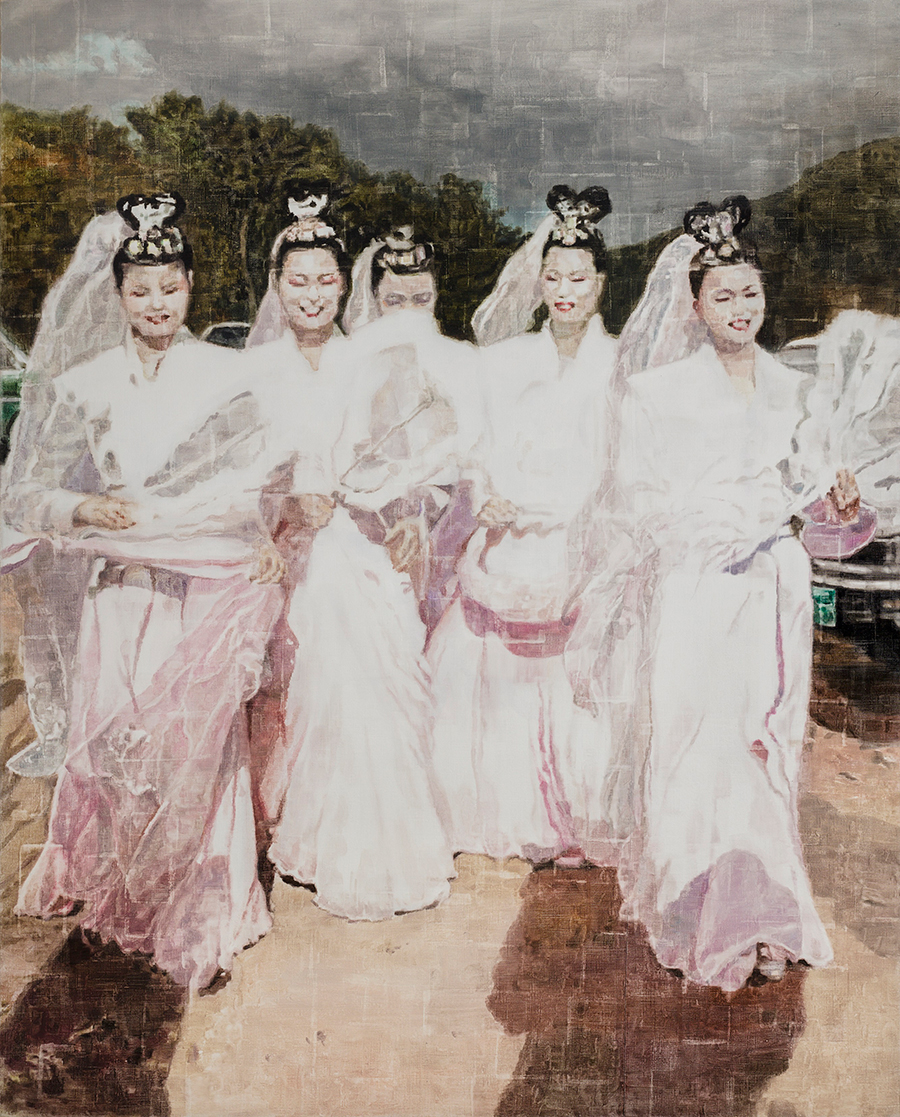
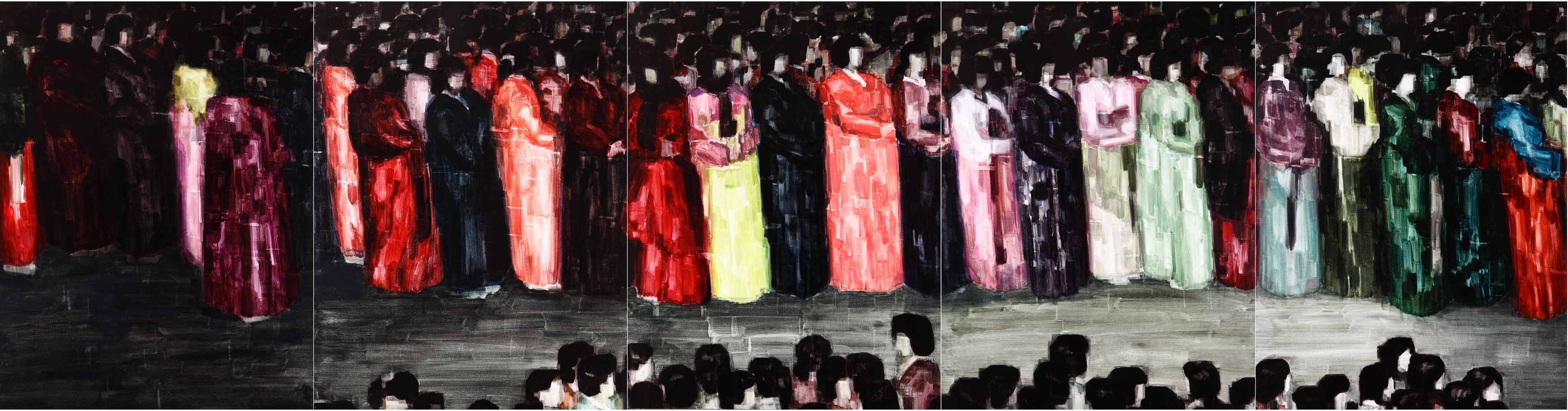
The ‘Seonnyeo (Celestial Maiden)’(2017–) series, an extension of Eight Seonnyeos (Celestial Maidens), is among her most representative works. These paintings capture real women dressed in traditional attire at regional events, often appearing fatigued or indifferent, challenging the idealized and romanticized image of the East Asian celestial maiden.

In the ‘Carefree Woman’(2019–) series, she reconstructs the sorrowful female figures frequently depicted in 1980s and 1990s Chinese period films, further investigating the recurring stereotypes in East Asian narratives of women. Her interest is not confined to a particular era or location but extends to understanding how the Orientalist gaze is internalized and perpetuated within the culture itself.

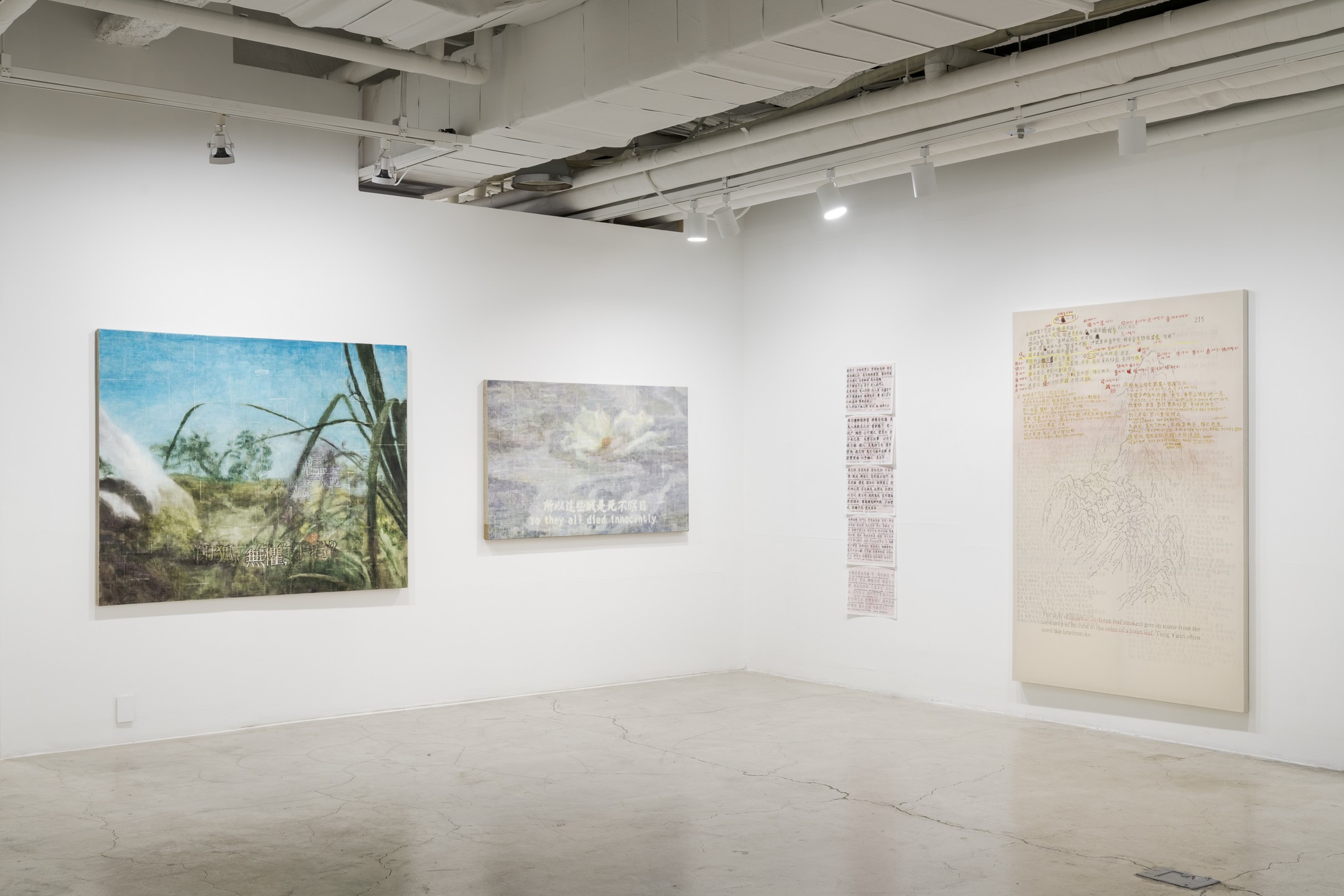
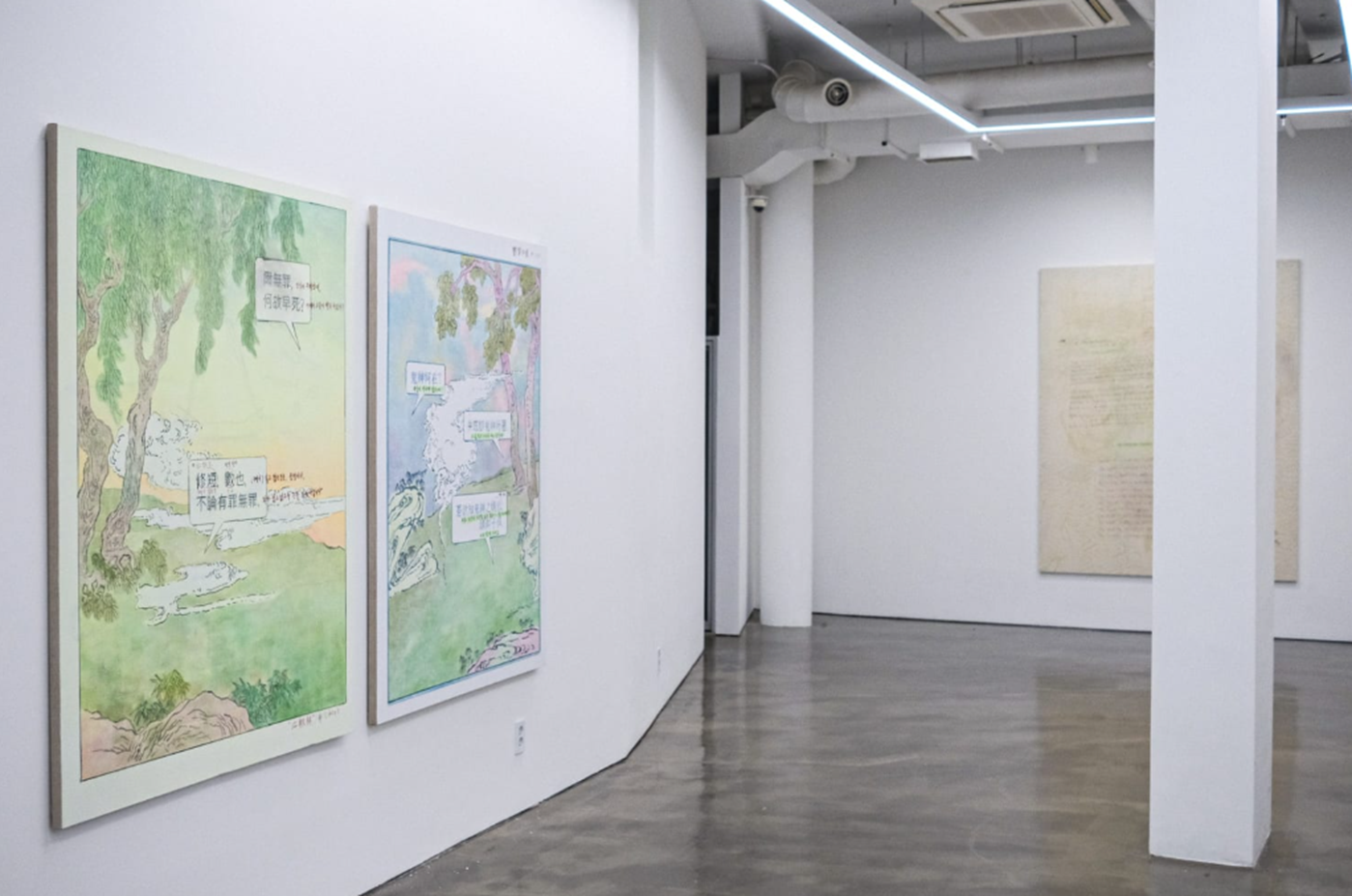
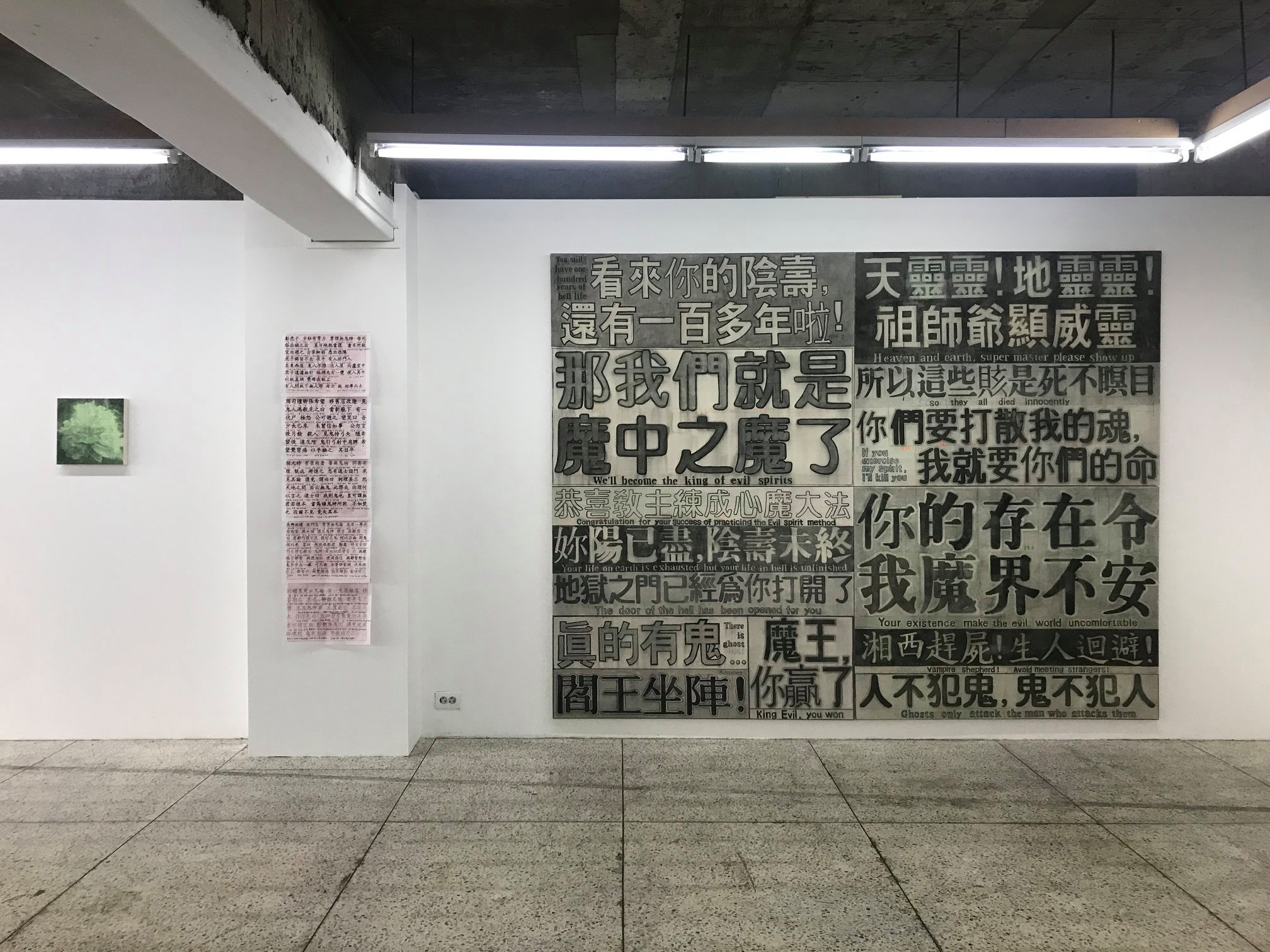
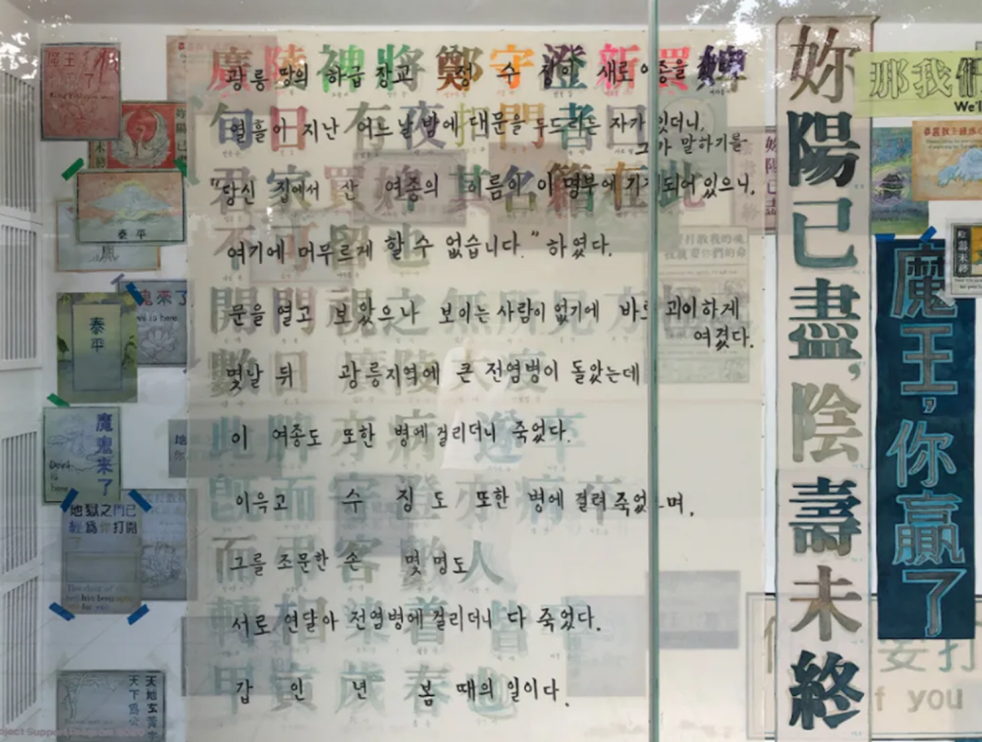
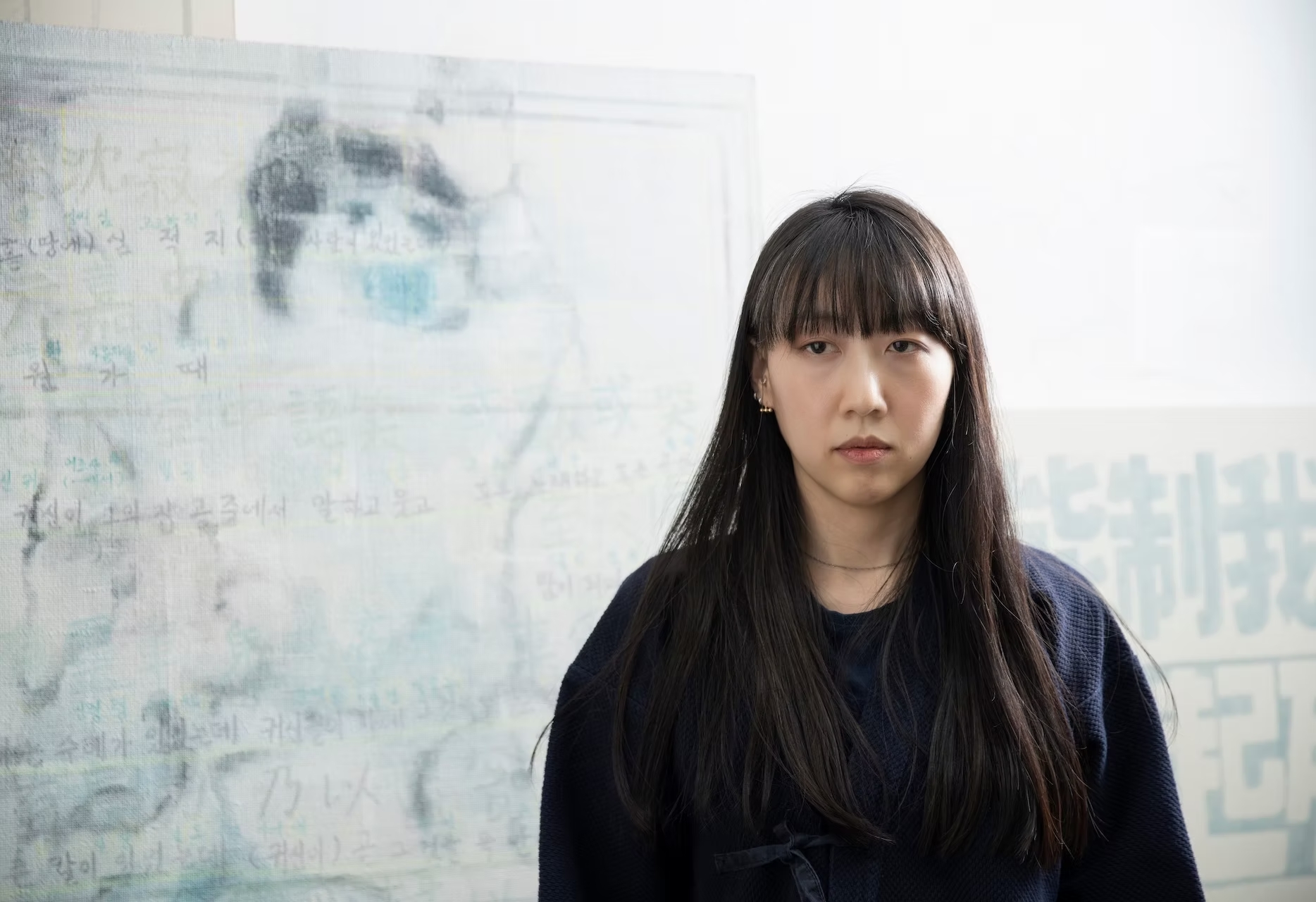
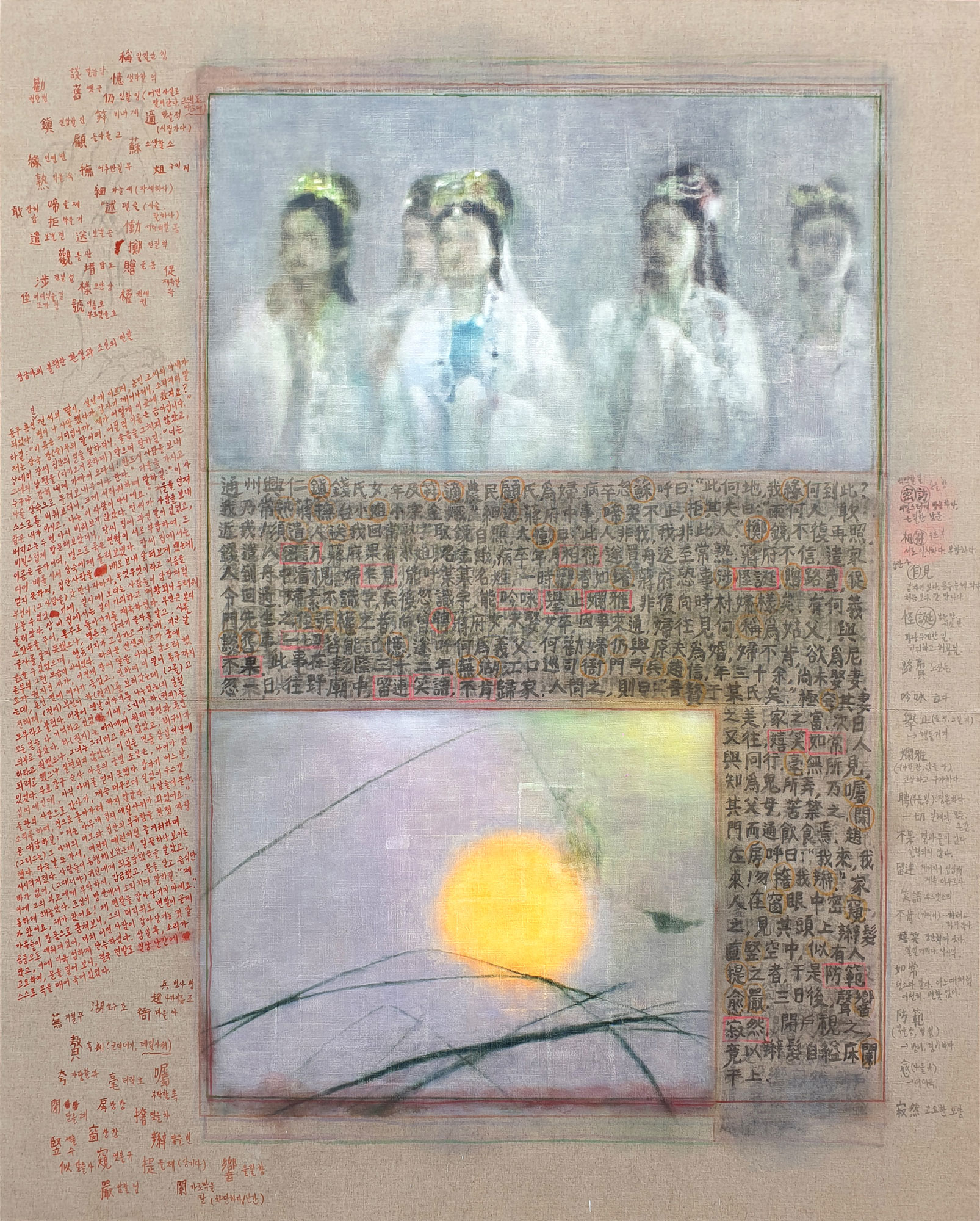
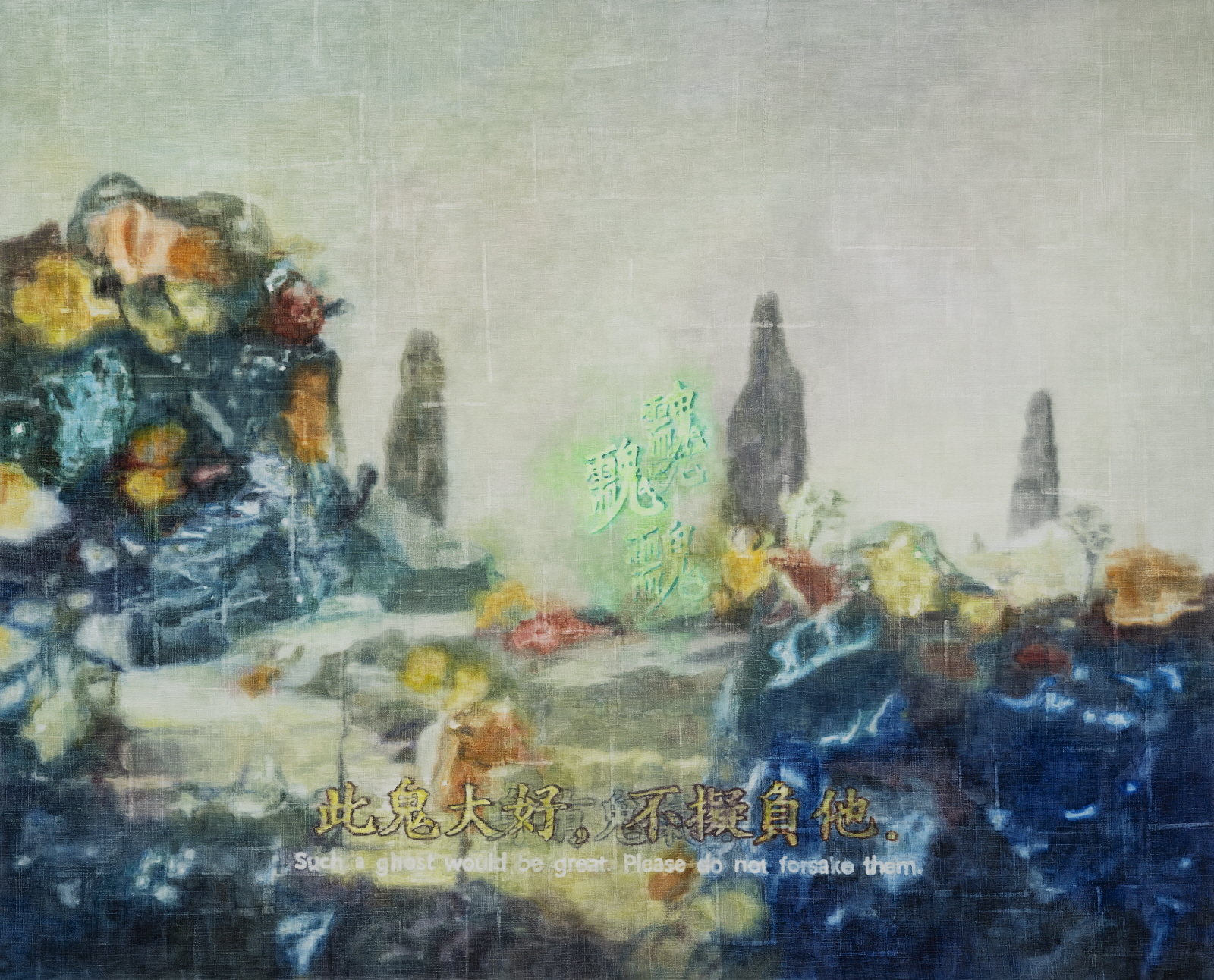
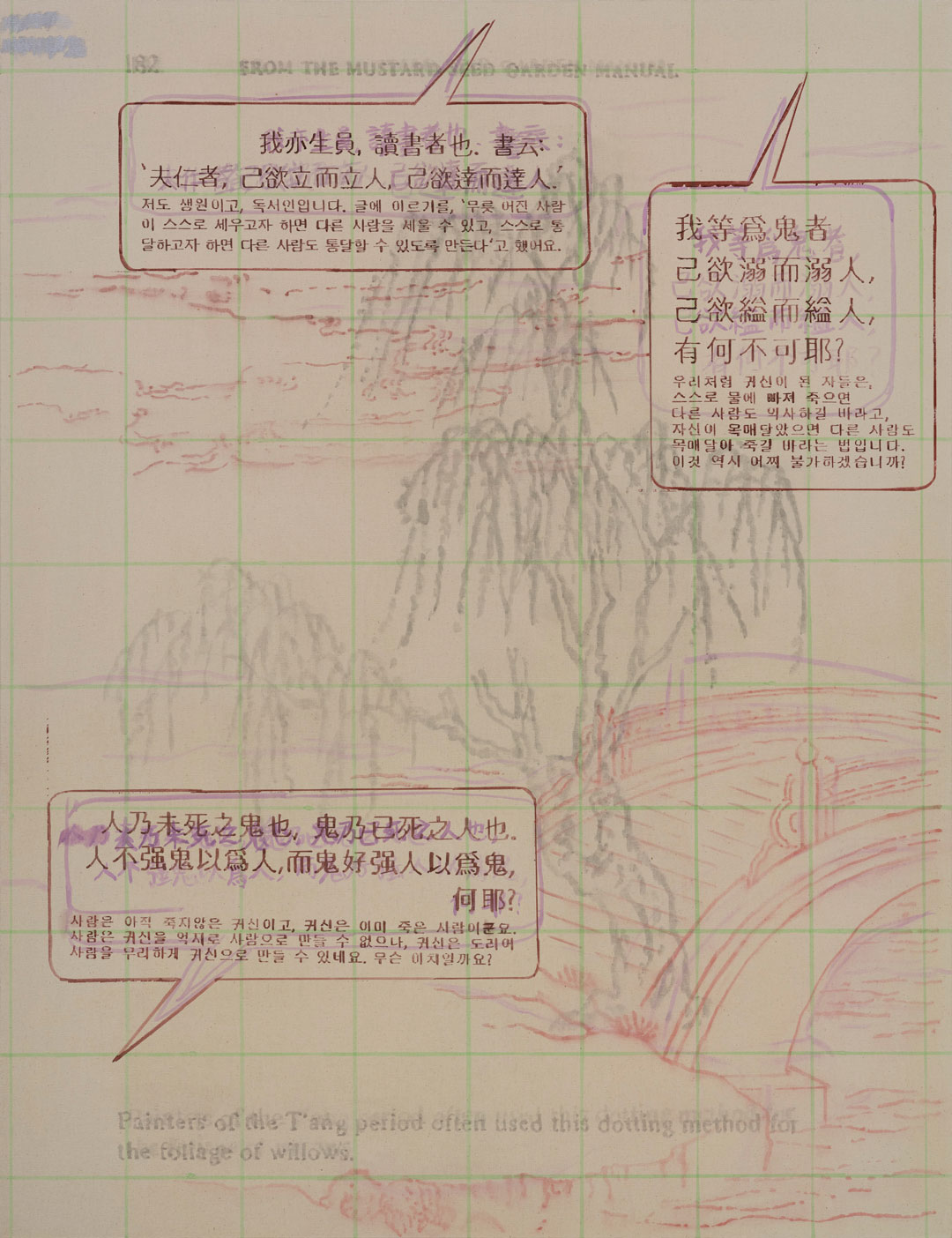
Recently, she has expanded her practice by incorporating text and transcription, blending painting with literary narratives. In Sutra Copying for the Hangul Generation (The Principle of Ghosts)(2022), she collects dialogues spoken by ghosts in classic films and transcribes them into Hangul, highlighting the intersection of traditional language systems with contemporary sensibilities. In Jiang Jin’e’s Unfortunate Reincarnation and Zhao Xin’s Queue(2024), she borrows the format of Islamic manuscript illustrations, juxtaposing classical folktales with paintings in a non-hierarchical manner to reveal the absurdity of incomprehensible tragedy.

Style & Contents

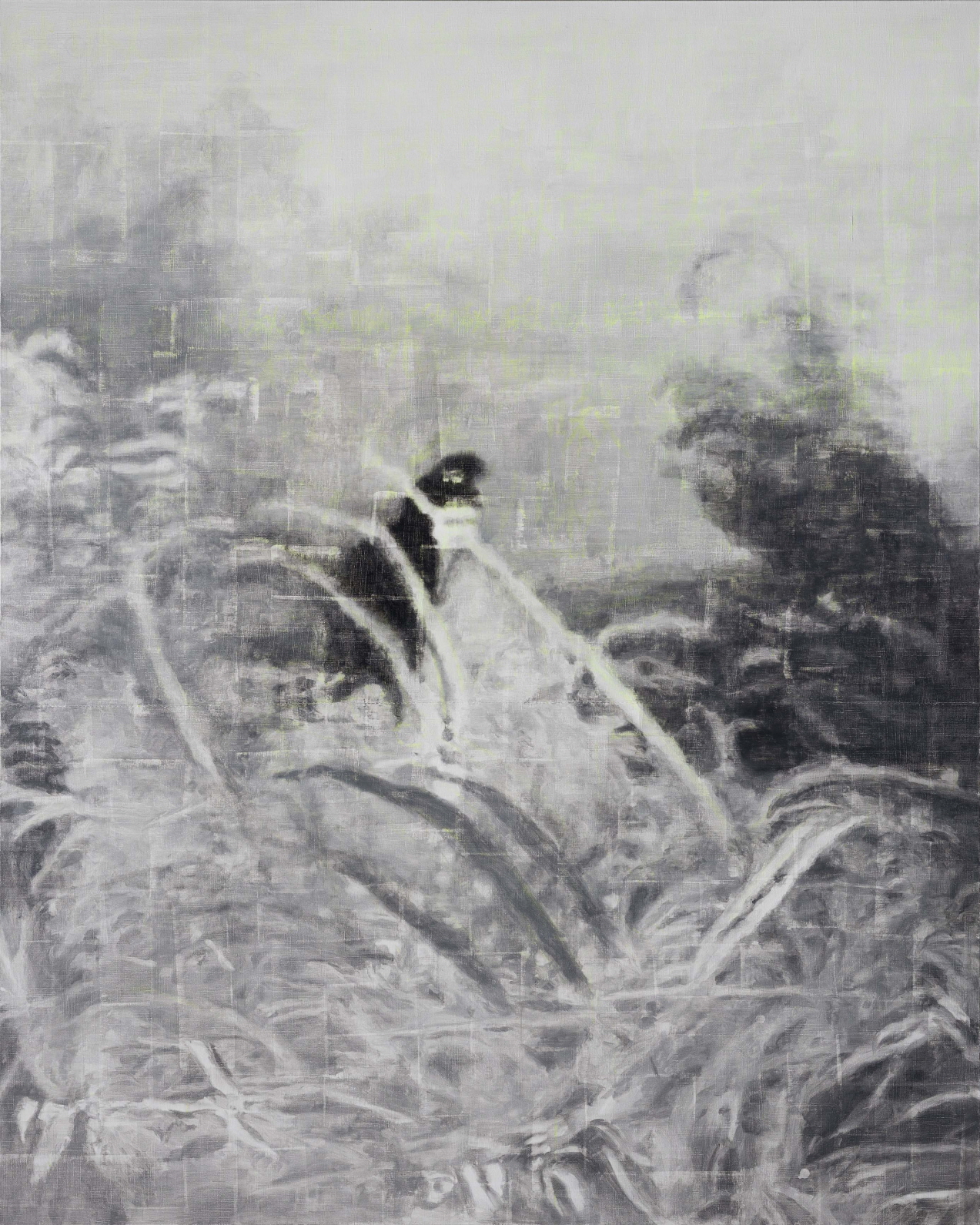
Choe Sooryeon’s works are primarily developed through the medium of painting, yet they continuously evolve through the incorporation of narrative elements and material experimentation. In her early practice, she utilized a method of transforming low-resolution images captured from photographs or videos into paintings. Great Believer(2014) reenacts ritualistic scenes from Korea’s new religious movements, blending documentary realism with painterly ambiguity. Her paintings emphasize translucent brushstrokes and the raw texture of linen or hemp, prioritizing the deconstruction of illusionistic representation over concrete form.

Her approach uniquely merges traditional painting techniques with contemporary methodologies. While borrowing compositional structures from classical portraiture, she employs the transparency of oil paint to blur the boundaries of form. She meticulously prepares her surfaces by treating linen or jute(hemp) with animal glue, creating a foundation suited to her technique. By mixing a high proportion of medium into her oil paint, she enhances transparency, working swiftly in single, uninterrupted layers. In the final stage, she applies oil over the painting, partially erasing previous layers to produce a hazy, faded effect, a process that functions as a visual metaphor for the instability of historical narratives and memory.

In recent works incorporating transcription, she expands her exploration of painting beyond image reproduction, demonstrating its capacity to construct meaning on a linguistic level as well. Through these experimental approaches, she continues to push the boundaries of form, emphasizing the interplay between text and image in her evolving artistic practice.

Topography & Continuity

Choe’s work has developed around a painterly approach to folkloric "Oriental-style" cliché imagery and a critical recontextualization of the underlying structures of traditional narratives. Her works, from Eight Seonnyeos (Celestial Maidens) to Seonnyeo (Celestial Maiden) and Carefree Woman, highlight the disparity between the representations of women in traditional narratives and their realities in contemporary society while simultaneously expanding into material explorations within painting.

Her practice presents a unique perspective that intersects tradition and contemporaneity, painting and narrative, reality and illusion. Experimental attempts such as the parallel placement of text and image in works like Sutra Copying for the Hangul Generation (The Principle of Ghosts) and Jiang Jin’e’s Unfortunate Reincarnation and Zhao Xin’s Queue demonstrate her increasing shift toward multilayered narrative structures. Choe Sooryeon’s works serve as a significant example of how traditional subjects can be reinterpreted in contemporary Korean art, offering new possibilities for engaging with historical imagery today.

Works of Art

Recontextualizes Traditional

Exhibitions