

I am the King - K-ARTIST

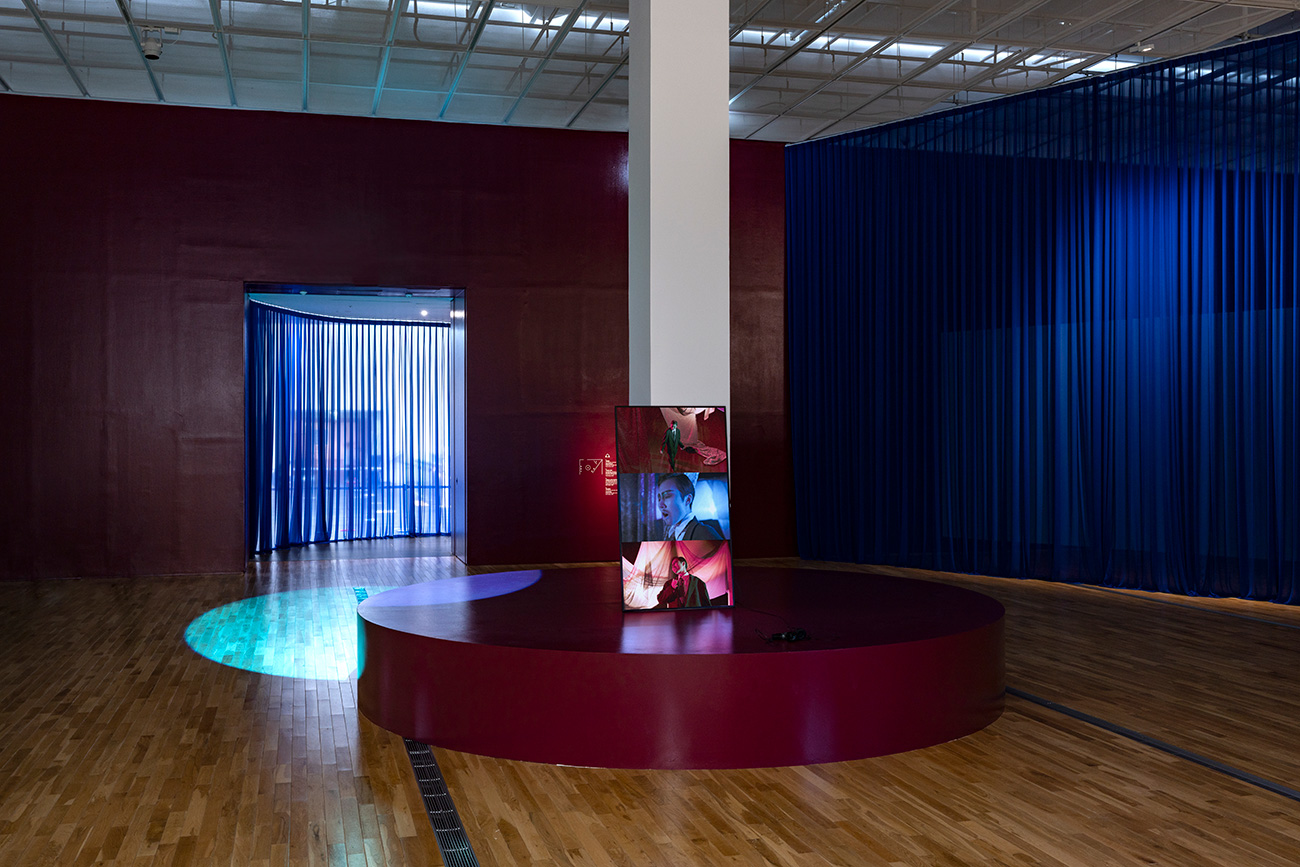
I am the King

2018
Single channel video, HD, color, sounds
6min 23sec 
About The Work

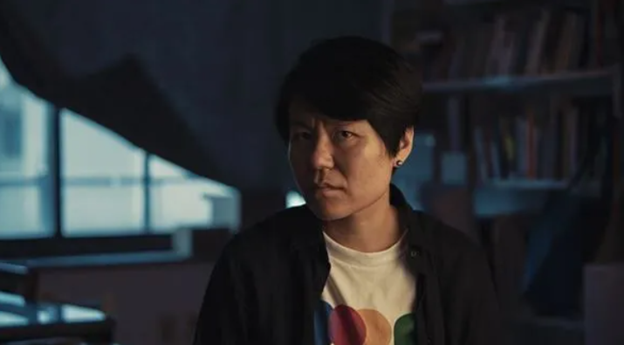
Siren eun young jung  has been dedicated to researching marginalized and forgotten histories, reviving them in the present and repositioning them within the realm of art. Among her notable projects is an artistic exploration of “Yeoseong Gukgeuk,” a genre of performance art that gained popularity in the 1950s but faded into obscurity without securing its place as either traditional or modern theater.

Her body of work seeks to uncover voices of resistance that challenge the patriarchal and binary frameworks surrounding gender and sexuality. Through diverse artistic mediums such as video, performance, and archival practices, she recontextualizes these voices within contemporary discourse.

Solo Exhibitions (Brief)

Siren eun young jung has held approximately 13 solo exhibitions from 2006 to the present (2025) in various cities, including Seoul, Incheon, Singapore, Kyoto, Düsseldorf, and Montreal. Notable solo exhibitions include 《The Wandering Diseases》(2006, brainfactory, Seoul), 《Trans-Theatre》(2015, Art Space Pool, Seoul), 《Wrong Indexing》(2016, Sindoh Art Gallery, Seoul), 《Wrong Indexing: The Yeoseong Gukgeuk Archive》(2017, NTU CCA Singapore, Singapore), 《Foolish or Mannish》(2018, d/p, Seoul), 《Deferral Theatre》(2020, Kunstverein für die Rheinlande und Westfalen, Düsseldorf), 《To Die as a Fish》(2021, Arko Art Theatre, Seoul), 《The Yeoseong Gukgeuk Project: Hijack the Gender!》(2023, Leonard & Bina Ellen Art Gallery, Montreal), and 《To Die as a Fish, SPAF (Seoul Performing Arts Festival)》(2023, Cesil Theatre, Seoul).

Group Exhibitions (Brief)

Notable group exhibitions include 《kkk^^;》(2006, Ssamzie Space, Seoul), 《Network Plus: Memory》(2006, Alternative Space Pool, Seoul), 《Neighborhood》(2007, New Museum of Contemporary Art, New York, USA), 《Perspective Strikes Back》(2009, Doosan Gallery, Seoul), 《Up-And-Commers》(2012, Total Museum of Contemporary Art, Seoul), 《Happy Window》(2012, Art Center Nabi, Seoul), 《Unbound Archive》(2012, Arko Art Center, Seoul), 《The Songs of Slant Rhyme》(2013, Kukje Gallery, Seoul), 《Hermes Foundation Missulsang》(2013, Atelier Hermes, Seoul), 《The Future is Now》(2014, MAXXI, Rome, Italy; 2015, La Friche Belle de Mai, Marseille, France), 《FANTasia: Asia Feminism》(2015, Seoul Museum of Art, Seoul), 《As the Moon Waxes and Wanes》(2016, National Museum of Modern and Contemporary Art, Gwacheon), 《Polyphonies》(2016, Centre Pompidou, Paris), 《Body Collective》(2019, AAA at Art Basel in Hong Kong, Hong Kong), 《History has Failed Us, But No Matter》(2019, Korean Pavilion, La Biennale di Venezia, Venice), 《Human: 7 Questions》(2021, Leeum Museum of Art, Seoul), 《Frequencies of Tradition》(2020-2022, Incheon Art Platform, Incheon), 《Our, Grandmother》(2022, Post Territory Ujeongguk, Seoul), 《Watch and Chill 3.0: Streaming Suspense》(2023, MMCA, Seoul), and 《The Shape of Time: Korean Art after 1989》(2023, Philadelphia Museum of Art, Philadelphia, USA).

Awards (Selected)

Siren eun young jung has received the Hermes Foundation Art Award (2013), the Sindoh Art Prize (2015), and the Korea Artist Prize (2018).

Collections (Selected)

Siren eun young jung’s works are housed in the collections of major institutions, including National Museum od Modern and Contemporay Art, Korea; Daegu Art Museum, Korea; Busan Museum of Art, Korea; Seoul Museum of Art, Korea; Museum of contemporary art Busan, Korea; KADIST, Sanfrancisco, US. 
Works of Art

Power of Anomalous and Queer Artistic Practices

Originality & Identity

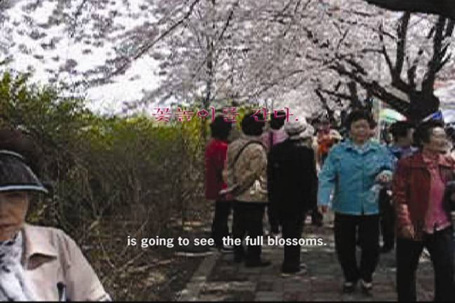
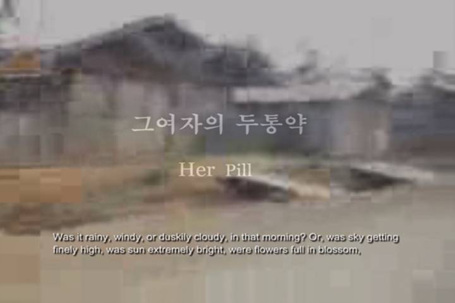
Siren eun young jung’s early works focus on illuminating personal narratives, exploring women's lives, and challenging conventional norms that define gender and identity. Her approach involved expanding personal experiences into the social domain, thus pursuing a critical aesthetics of resistance. Works such as Her Pill (2006), In Full Blossom (2006), and Asthma (2006) visualize the existence of women in everyday contexts, amplifying thematic intensity through poetic narration of tragic narratives. By presenting the nuanced struggles of female existence, jung effectively critiques the societal constructs surrounding gender roles and identity.

Since 2009, jung has deepened her exploration of gender performativity through the ‘Yeoseong Gukgeuk Project’. This project investigates the repetitive training and enactment of “masculinity” by female actors who take on male roles in Yeoseong Gukgeuk, a genre of Korean traditional theatre. Works such as The Unexpected Responses (2009) and The Masquerading Moments (2009) document this process, deconstructing the boundaries and norms of gender, and emphasizing how gender is socially constructed through repeated performance. By doing so, jung challenges fixed gender binaries, revealing the fluidity and performativity of identity.

Her reinterpretation of Yeoseong Gukgeuk is not merely a historical restoration but a contemporary reevaluation of its subversive potential. Jung examines how this traditional genre resists gender norms by intentionally performing “incorrect” masculinity, thus exposing the artificiality and constructedness of gender roles. By contextualizing Yeoseong Gukgeuk within feminist and queer theory, she offers a critical perspective on the historical and cultural politics of gender performance.

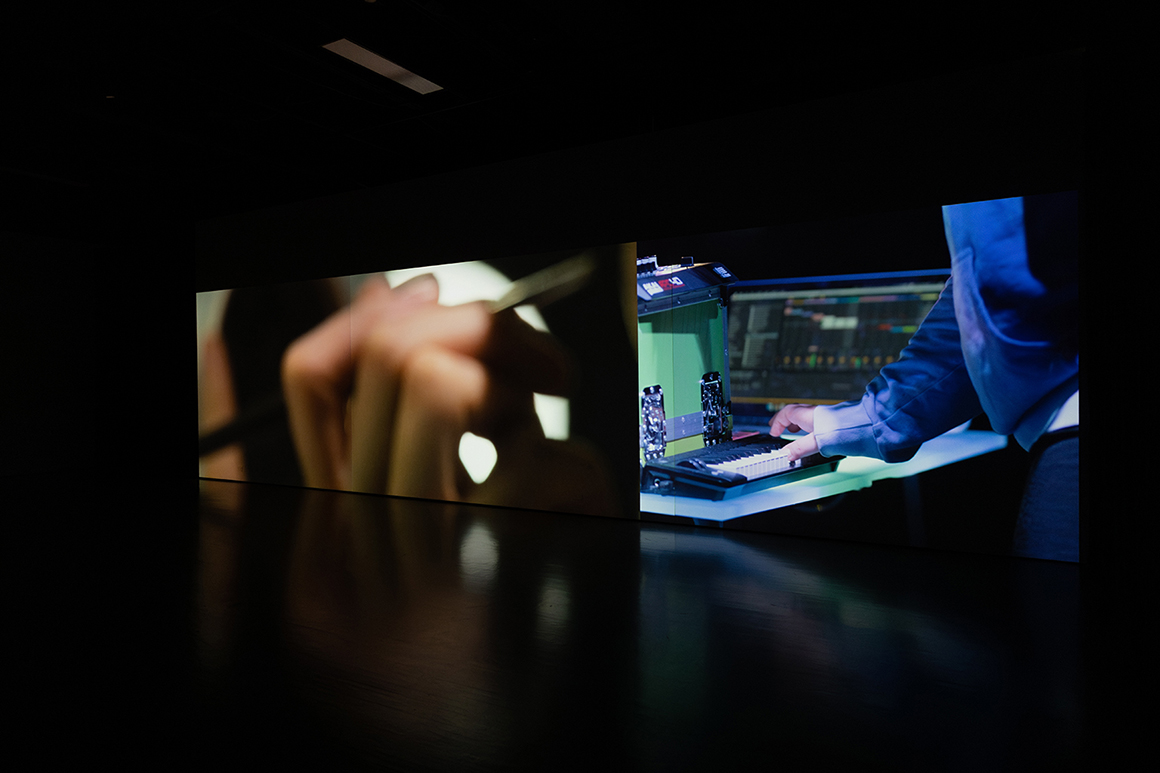
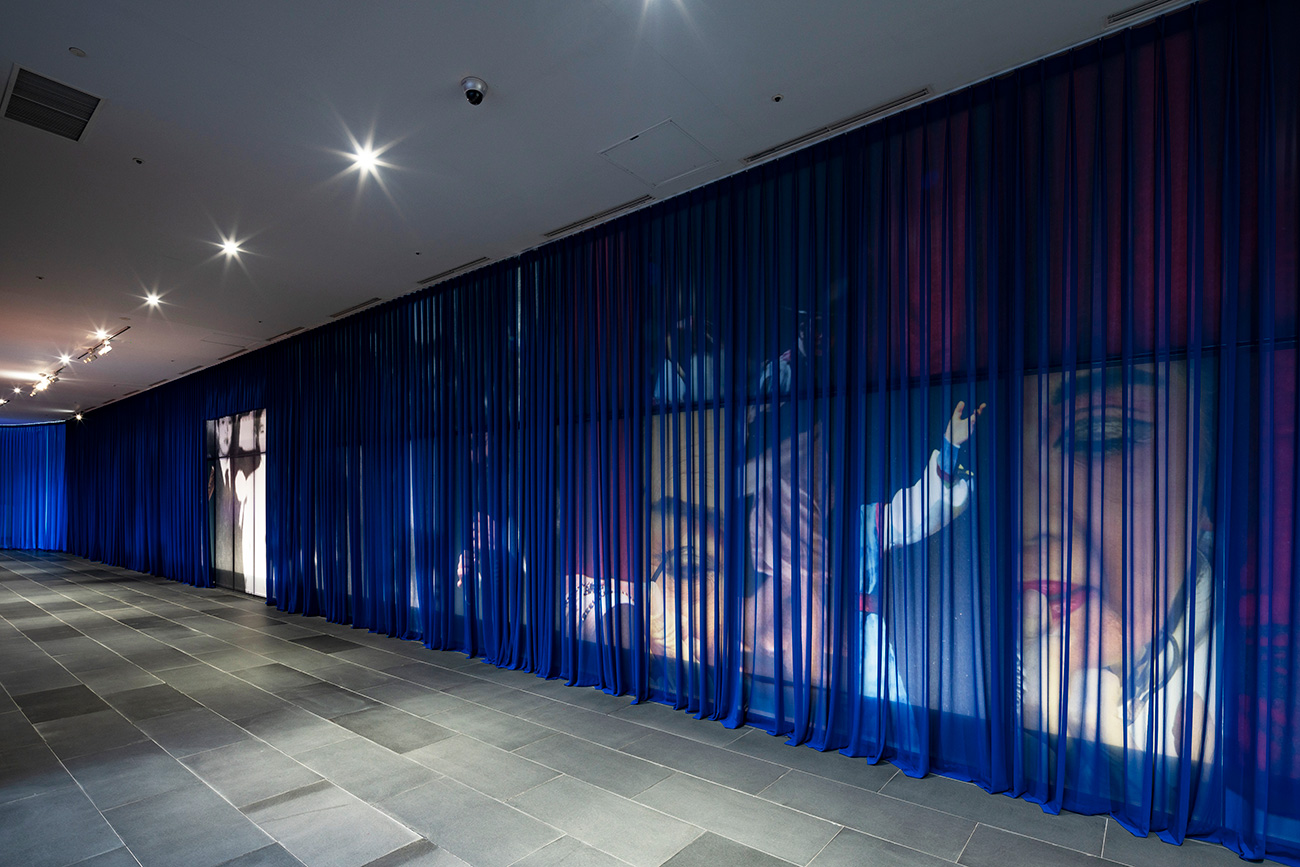
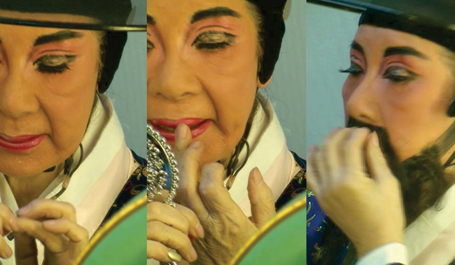
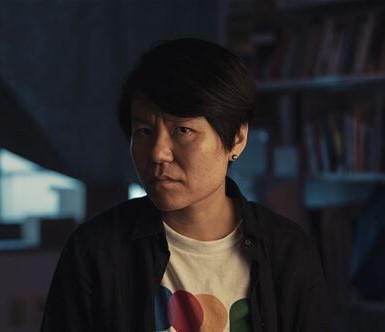
At 《Korea Artist Prize 2018》, jung received the award for her meticulous exploration of two fundamental concepts: ‘gender’ and ‘tradition.’ Works like Deferral Theatre (2018) and I am the King (2018) continue the trajectory of the ‘Yeoseong Gukgeuk Project’, showcasing the last generation of Yeoseong Gukgeuk performers. By juxtaposing tradition with contemporary performance practices, jung deliberately suspends historical definitions, inviting viewers to engage with Yeoseong Gukgeuk as an evolving cultural practice. Rather than presenting a conclusive narrative, she emphasizes the fluid and deferred nature of gender identity and historical memory.

Style & Contents

Jung's feminist perspective initially emerged through an emotive and intimate mode of expression rooted in personal narratives. Her early works are characterized by a poetic sensibility that captures the existential nuances of female identity. However, she gradually evolved her methodology by employing in-depth interviews with real-life figures, collecting archival materials, and reenacting performances. These strategies enabled her to reconstruct the historical context and contemporary significance of Yeoseong Gukgeuk, a traditional Korean theater genre performed exclusively by women.

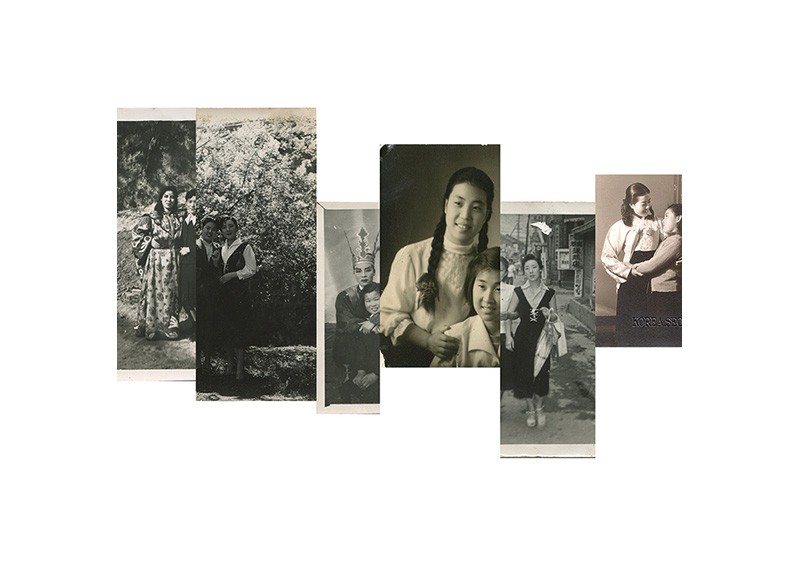
Deeply fascinated by Yeoseong Gukgeuk, jung conducted extensive research on its prominent performers, including Cho Geum-aeng, Jo Young-sook, and Lee So-ja. Her investigative rigor is particularly evident in her focused study of Cho Geum-aeng, a star who rose to fame in the 1950s. By meticulously analyzing Cho's personal archive, jung explores the complex interplay between Cho's public persona as a celebrated male-role performer and her private identity as a woman. In Off/Stage: Cho Geum-aeng (2012), jung documents the tension between the exaggerated masculinity Cho performed on stage and the residual traces of femininity in her everyday life. This juxtaposition reveals the liminal and ambiguous nature of gender performativity, highlighting how identity is constructed through repetitive acts rather than innate essence.

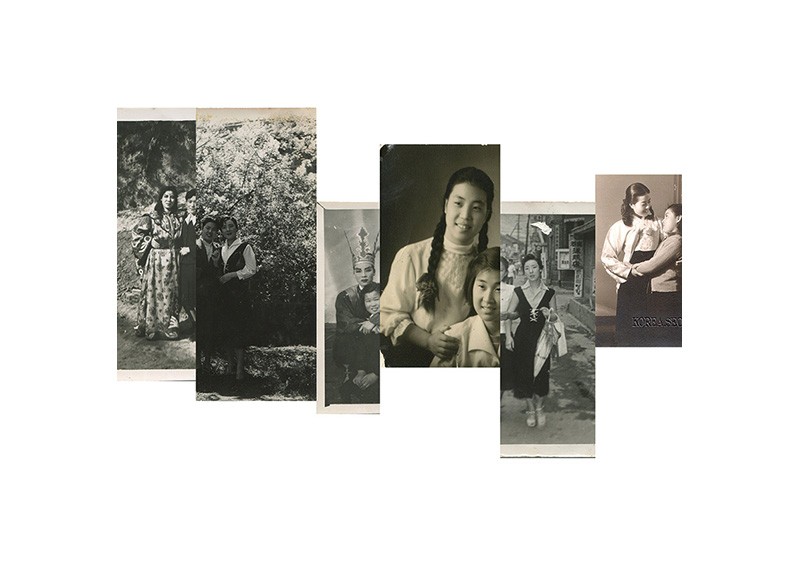
Jung critically examines Cho Geum-aeng's dual identity as both a revered male-role actor and a woman negotiating societal norms. By doing so, she underscores how gender is not an inherent attribute but a performative construct shaped by cultural repetition and historical context. One of the most striking examples of jung’s narrative reconstitution is her reinterpretation of Cho’s “fake wedding photo,” in which Cho is depicted as the groom while her female fan poses as the bride. This staged photograph, found in Cho's personal album, intriguingly erases all traces of Cho's three marriages to men, suggesting an alternative narrative of identity and desire. Jung utilizes this image as a motif to explore issues of visibility, representation, and authenticity, challenging conventional understandings of gender and historical documentation.

Through her performative archival practice, jung not only reconstructs the historical trajectory of Yeoseong Gukgeuk but also reconfigures the ways in which gender, identity, and memory are represented and remembered. By emphasizing the performative nature of historical narratives and the fluidity of gender identity, jung’s work invites viewers to engage critically with the intersections of tradition, modernity, and queerness.

Topography & Continuity

Siren eun young jung’s work establishes a unique position in the art world by combining traditional Korean performance forms with gender politics. Particularly through works like Deferral Theatre (2018), she conceptualizes the deferral of judgment on gender norms and embodies queer politics as a form of political artistic practice, thereby expanding the discourse on gender and identity. Moving forward, jung is expected to continue making a significant impact in the art world through her multidimensional works that challenge and subvert gender norms and engage with practices of queer resistance.

Works of Art

Power of Anomalous and Queer Artistic Practices

Exhibitions