


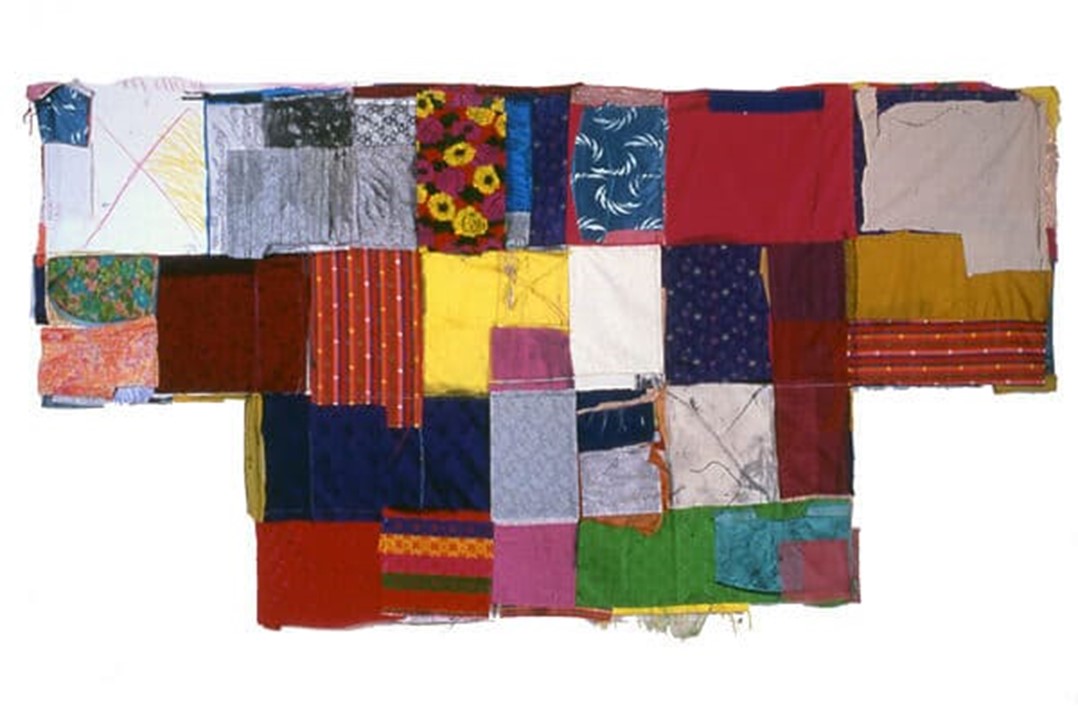
Five Bottari - K-ARTIST

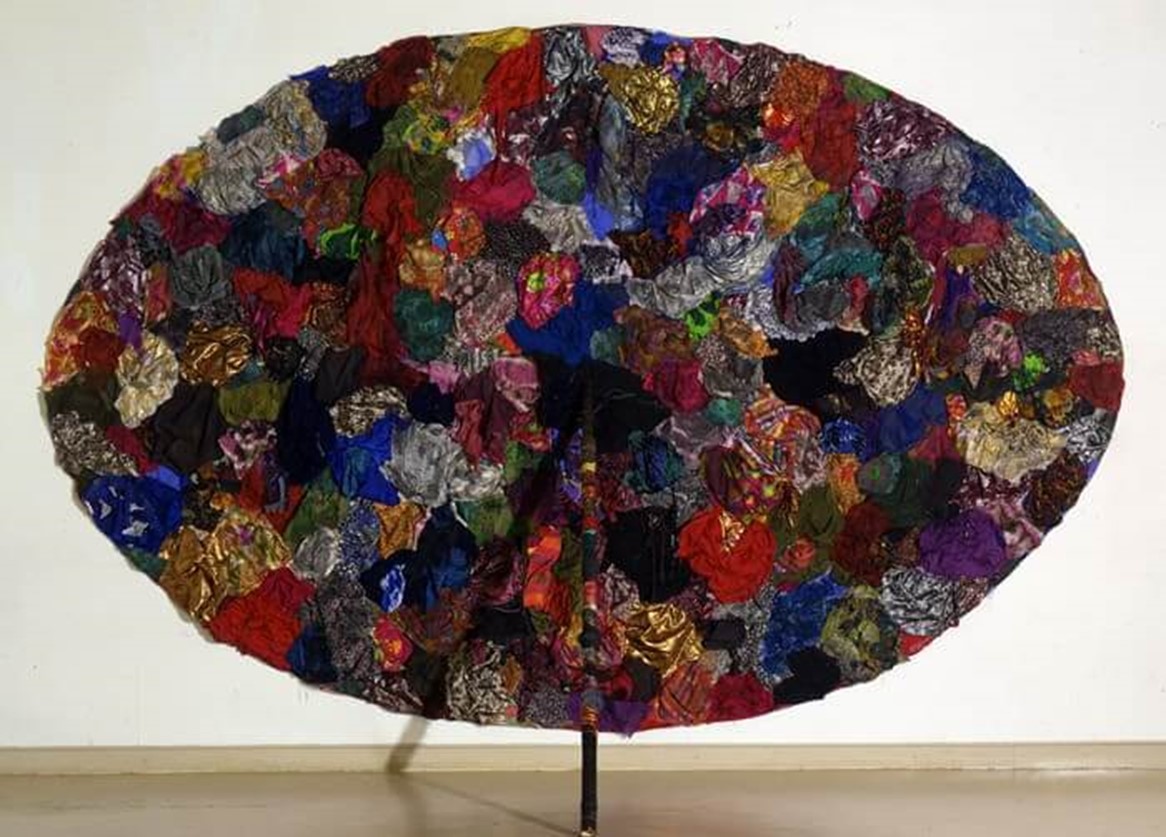
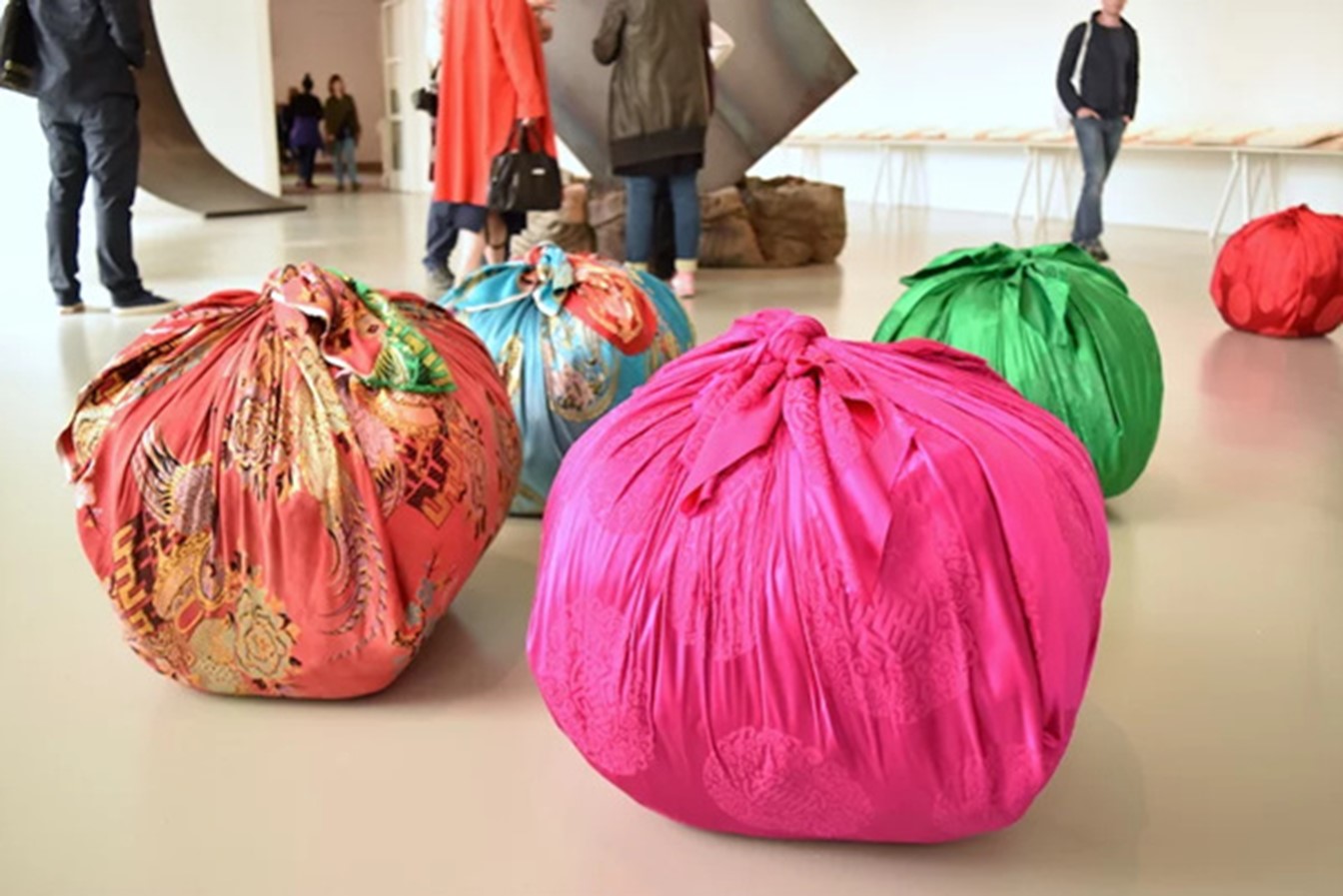
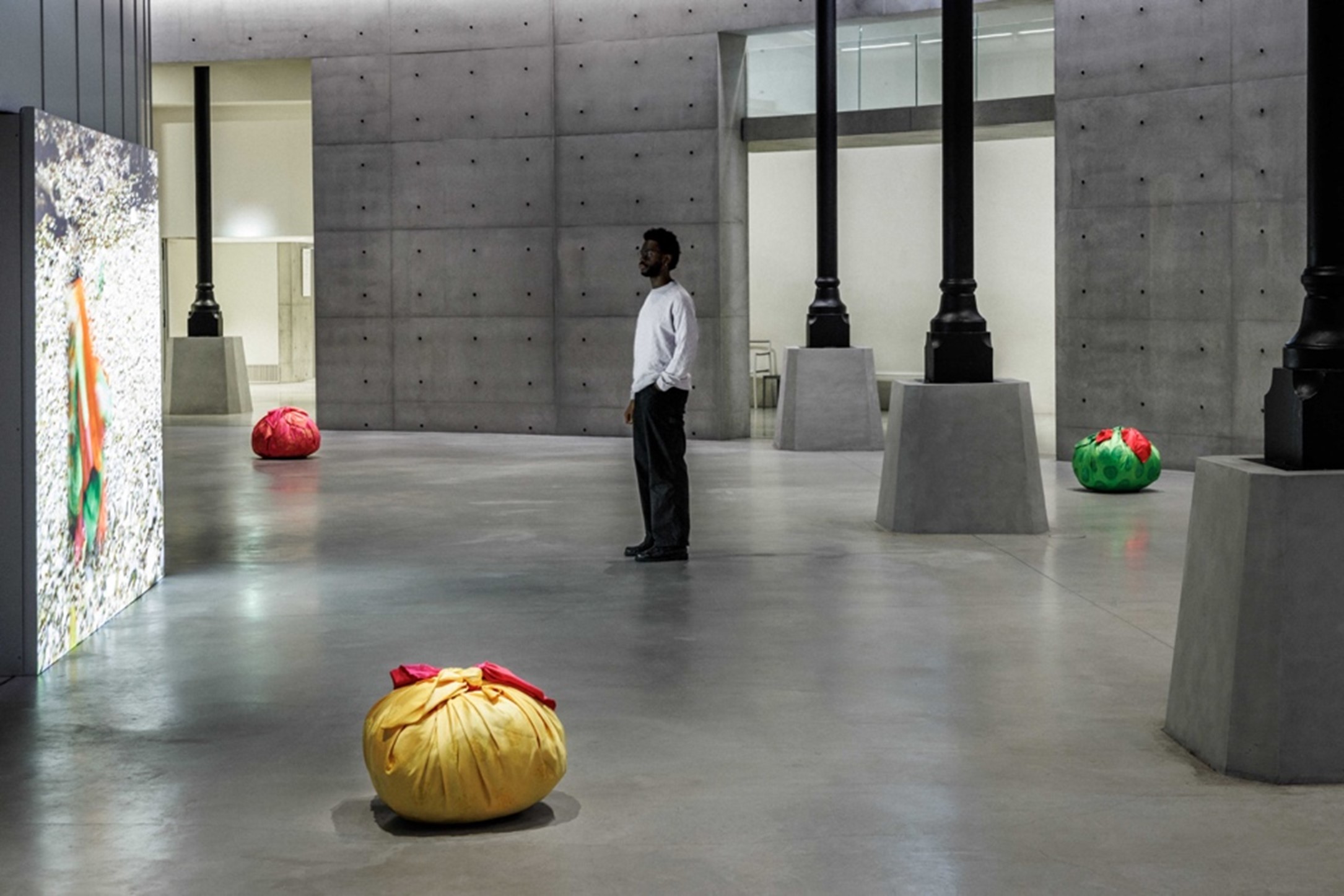
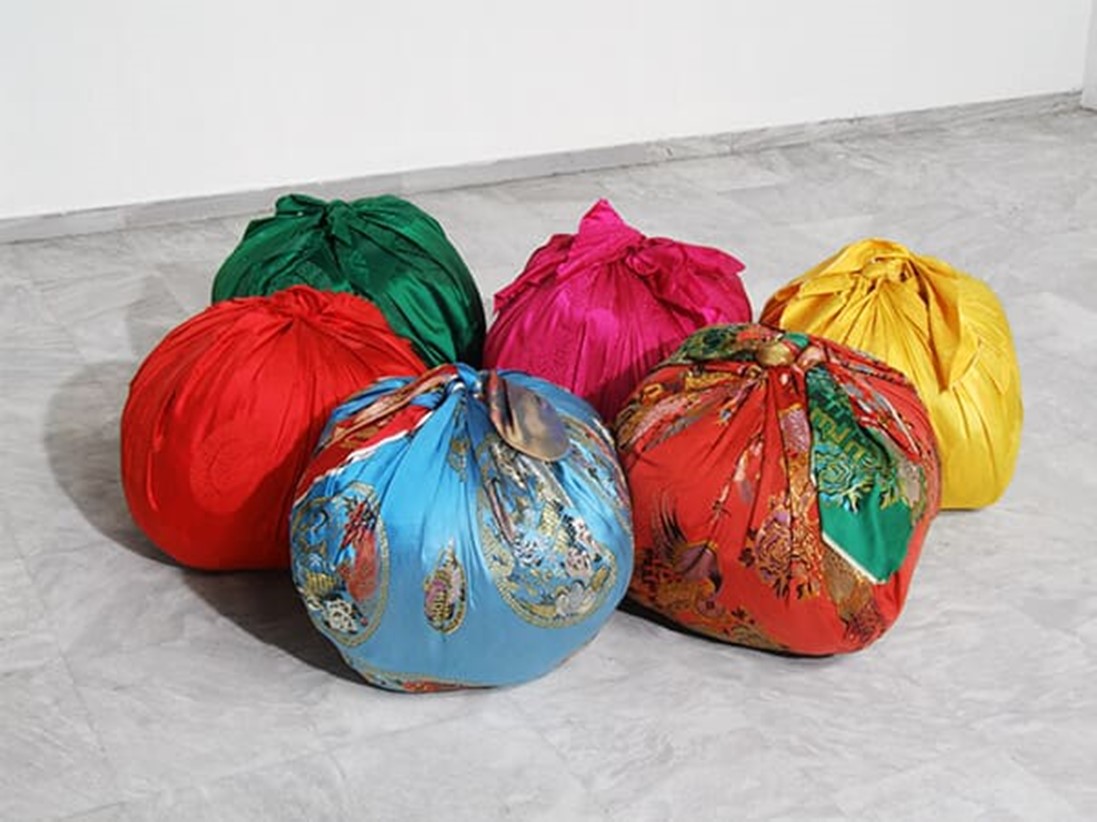
Five Bottari

2017
Used Korean Bedcovers, Used Clothing
Variable
About The Work

Kim Sooja has consistently expanded the boundaries of contemporary art, exploring themes of identity, borders, mobility, memory, and the universal experience of human existence. Her works transcend the boundaries between the individual and society, space and time, fixity and fluidity, raising profound philosophical inquiries into presence and absence, corporeality and immateriality. Her artistic approach merges Eastern aesthetics and philosophy with Western modern art perspectives, conveying universal messages that resonate across cultures and generations.

Solo Exhibitions (Brief)

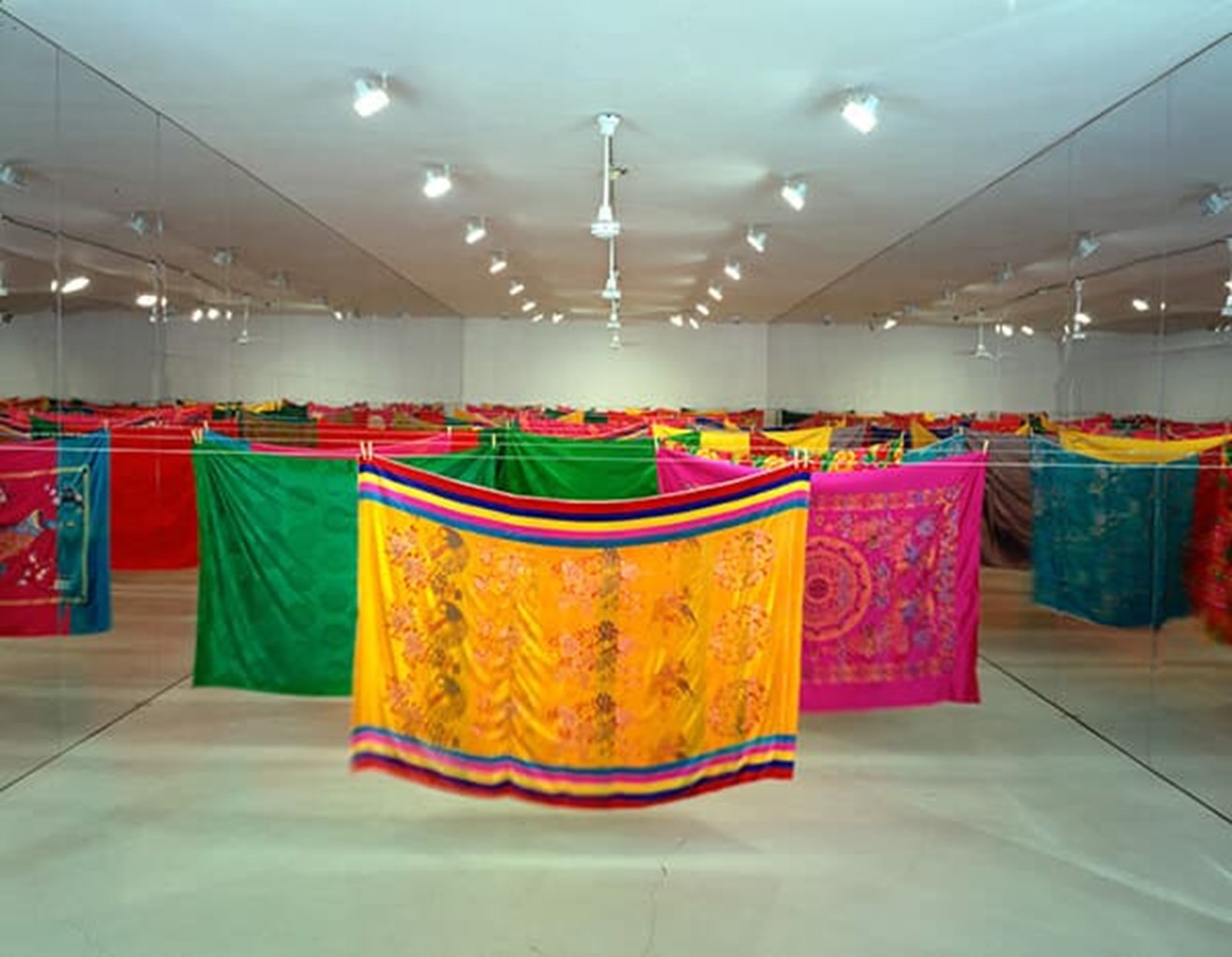
Kim Sooja held her first solo exhibition in 1988 at Gallery Hyundai in Seoul, South Korea. She gained recognition through exhibitions such as 《Sewing into Walking》 (1997, Le Magasin - Centre National d'Art Contemporain, Grenoble, France) and 《A Needle Woman》 (1999, Center for Contemporary Art, Kitakyushu(CCA), Kitakyushu, Japan).

In the 2000s, the artist made a significant impression on audiences worldwide with solo exhibitions such as 《A Needle Woman》 (2001, MoMA P.S.1, New York, USA), 《A Laundry Woman》 (2002, Kunsthalle Bern, Bern, Switzerland), and 《Conditions of Humanity》 (2003–2004, The Musée d'art Contemporain de Lyon, Lyon, France).

In 2013, Kim Sooja represented South Korea at the Korean Pavilion in the 《Venice Biennale》, gaining international acclaim. Her works were further showcased in 《Thread Routes》 (2015, Guggenheim Museum Bilbao, Bilbao, Spain) and 《Hyundai Commission Series 2016: Kim Sooja — Geometry of Mind》 (2016, Museum of Modern and Contemporary Art, Seoul, South Korea). In 2024, she presented 《To Breathe — Constellation》 at Bourse de Commerce – Pinault Collection in Paris, France.

Group Exhibitions (Brief)

Kim Sooja began her artistic career by participating in domestic group exhibitions in the late 1970s. Her first group exhibition was 《The 6th Independents》(1978, Museum of Modern and Contemporary Art, Deoksugung, Seoul, Korea). She gained international recognition through the traveling exhibition 《Traditions / Tensions》(1996-98, Queens Museum of Art, New York, USA; Vancouver Art Gallery, Vancouver, Canada; Art Gallery of Western Australia, Perth, Australia). In 1998, she participated in 《The 24th São Paulo Biennial》(São Paulo, Brazil), followed by 《The 48th Venice Biennale》(1999, Venice, Italy), establishing her global reputation.

In the 2000s, Kim Sooja participated in prominent exhibitions such as 《The 3rd Gwangju Biennale》(2000, Gwangju, Korea), 《The 71st Whitney Biennial》(2002, Whitney Museum of American Art, New York, USA), and 《The 51st Venice Biennale》(2005, Venice, Italy), further elevating the stature of contemporary Korean art.

More recently, she has participated in 《Urgent Conversations》(2016, National Museum of Contemporary Art Athens, Athens, Greece), 《Immateriality》(2022, 21st Century Museum of Contemporary Art, Kanazawa, Japan), 《Fabric》(2023, Peter Blum Gallery, New York, USA), and 《Y/OUR Nature》 (2023, Ho-Am Art Museum, Yongin, Korea).

Awards (Selected)

Kim Sooja has been recognized for her contributions to art with numerous awards both domestically and internationally. Early in her career, she received the Song-Eun Art Award (1991, Seoul, Korea) and the Korean Culture & Arts Foundation Award (1996, Seoul, Korea), solidifying her reputation in the Korean art scene. In 2000, she was honored with the Paradise Culture Foundation Award (Seoul, Korea).

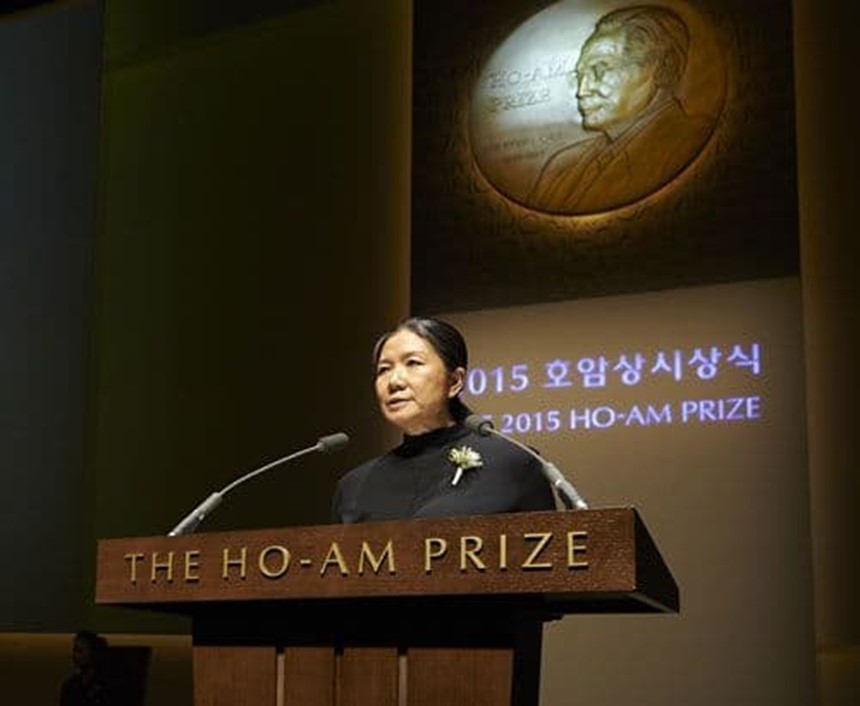
Her international acclaim grew with the Visual Arts Award (2007, Foundation for Contemporary Arts, New York, USA) and the prestigious John Simon Guggenheim Memorial Foundation Fellowship Award (2013–2014, USA). In 2015, Kim Sooja was recognized in Korea with the HO-AM Prize for Lifetime Achievement in the Arts (Seoul, Korea) and the Ha Chong Hyun Art Award (Korea).

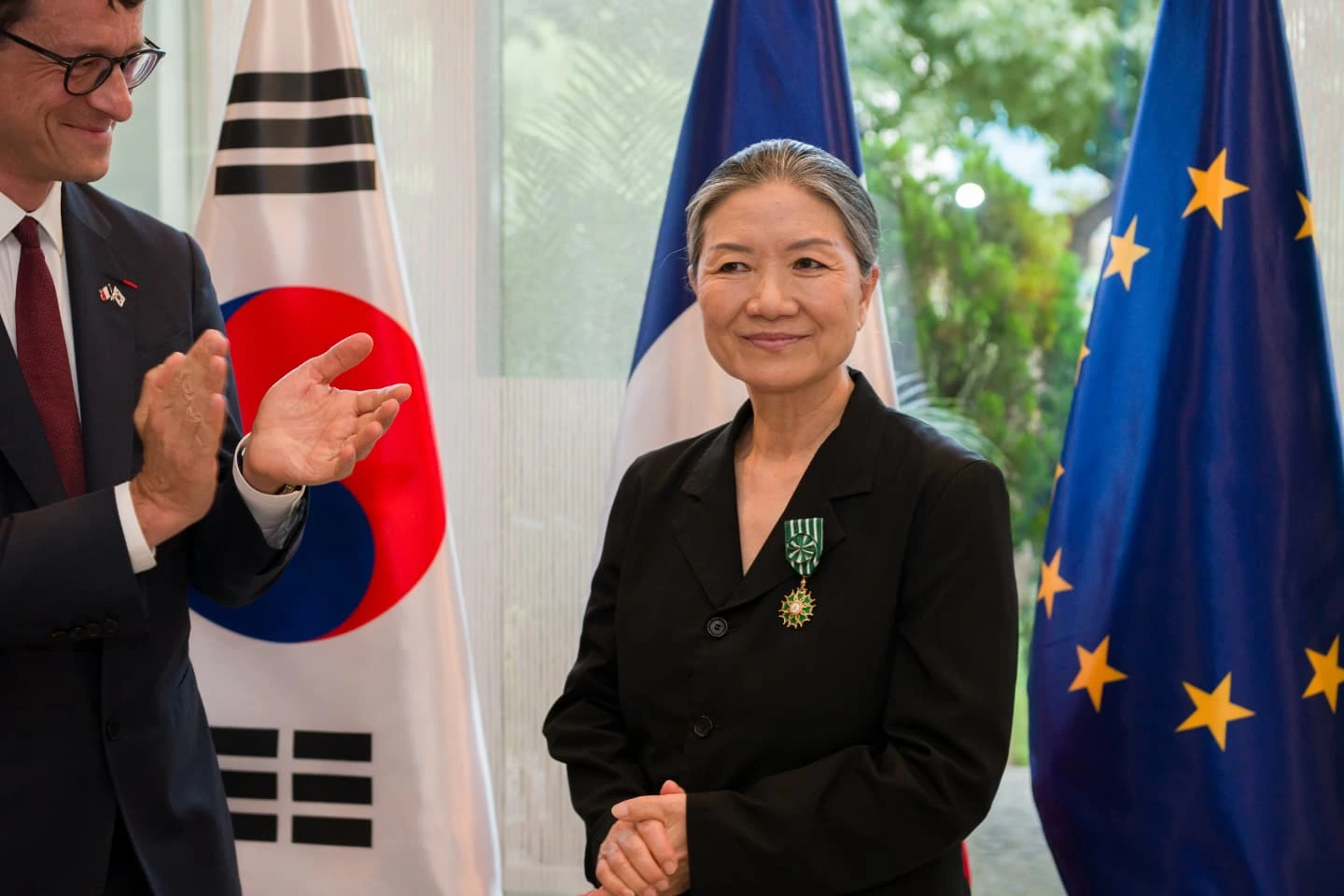
In 2017, Kim Sooja received the Chevalier de l’Ordre des Arts et des Lettres from the French Ministry of Culture, acknowledging her contributions to global art and culture. Most recently, she was awarded the Okgwan, The Order of Cultural Merit (2021, Seoul, Korea) and the 34th Fukuoka Prize for Arts and Culture (2024).

Collections (Selected)

Notable public collections of Kim Sooja’s works include the National Museum of Modern and Contemporary Art (MMCA) (Gwacheon, Korea), Seoul Museum of Art (SeMA) (Seoul, Korea), Leeum Museum of Art (Seoul, Korea), Museum of Modern Art (MoMA) (New York, USA), Whitney Museum of American Art (New York, USA), Pinault Collection (Paris, France), Sammlung Goetz (Munich, Germany), and Microsoft (Seattle, USA).

Works of Art

Expresses the Lives with Bottari Cloth

Originality & Identity

Kim Sooja has consistently expanded the boundaries of contemporary art, exploring themes of identity, borders, mobility, memory, and the universal experience of human existence. Her works transcend the boundaries between the individual and society, space and time, fixity and fluidity, raising profound philosophical inquiries into presence and absence, corporeality and immateriality. Her artistic approach merges Eastern aesthetics and philosophy with Western modern art perspectives, conveying universal messages that resonate across cultures and generations.

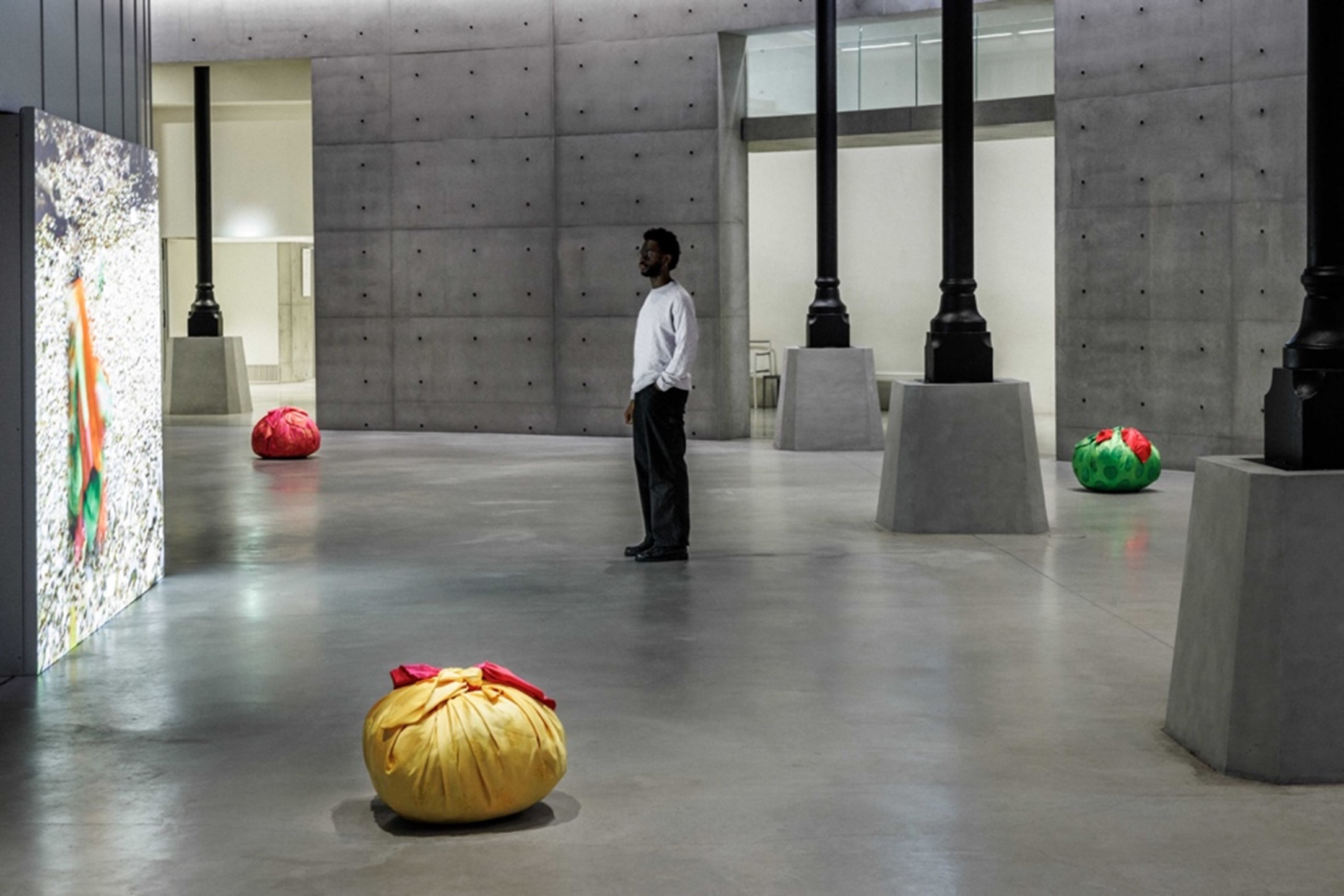
Her artistic exploration is largely structured around two conceptual axes: the "needle" and the "bottari". The needle symbolizes the act of stitching and mending, functioning as an element that sutures and reconnects ruptures in the world. The bottari, a traditional Korean fabric bundle, represents mobility and inclusivity, encapsulating an individual’s life and history while evoking broader issues of migration, exile, borders, belonging, memory, and identity. By transforming the physical object of the bottari into an artistic language, she visually articulates the interconnectedness of life and death, past and present, and the individual and the collective.

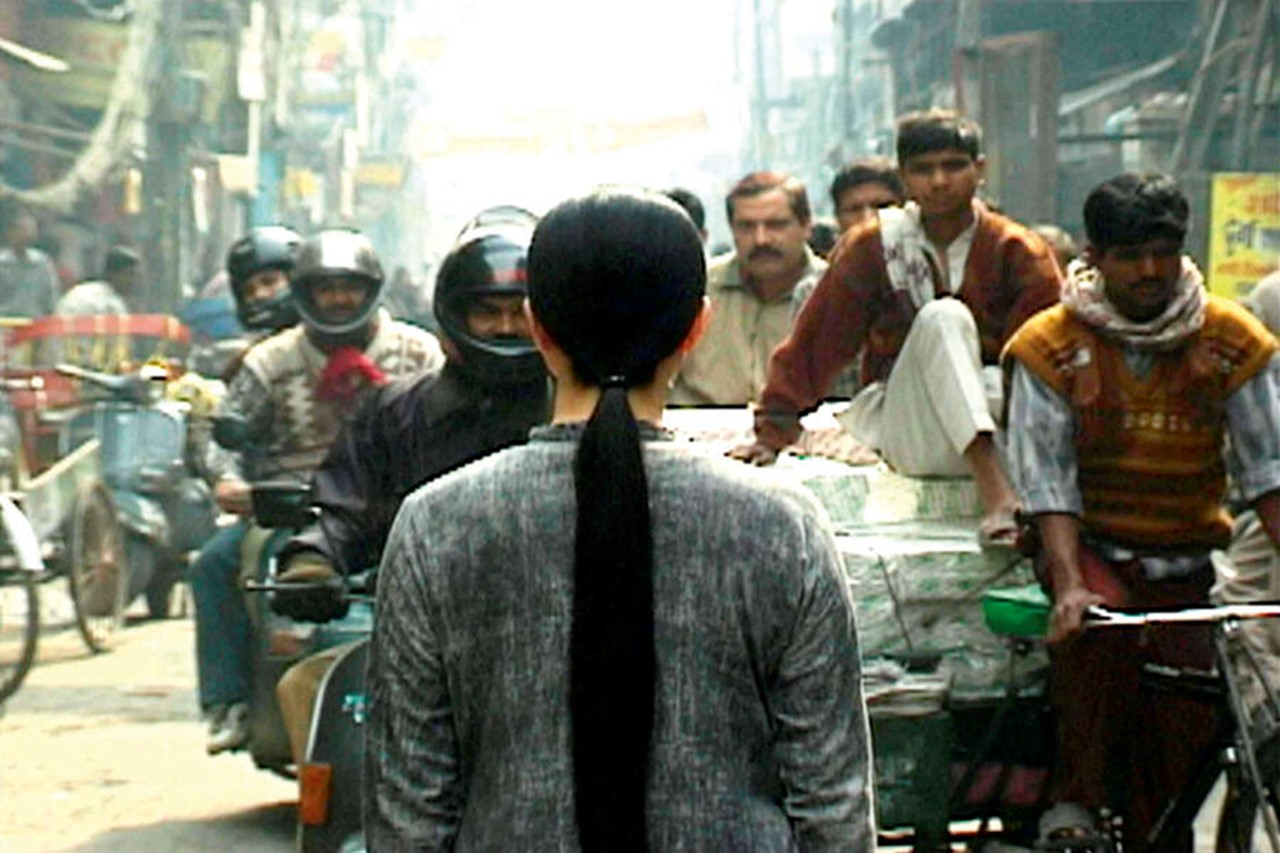
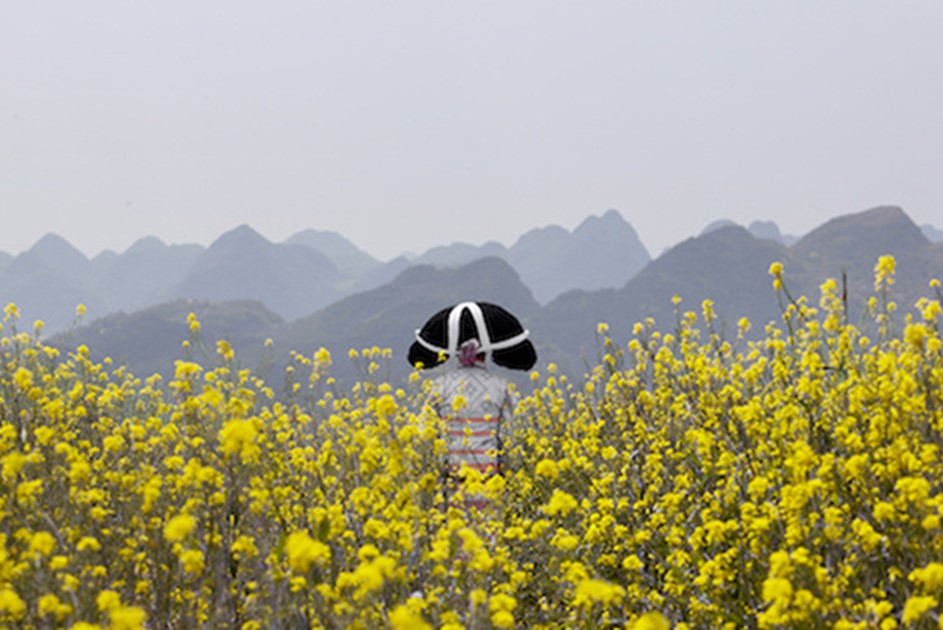
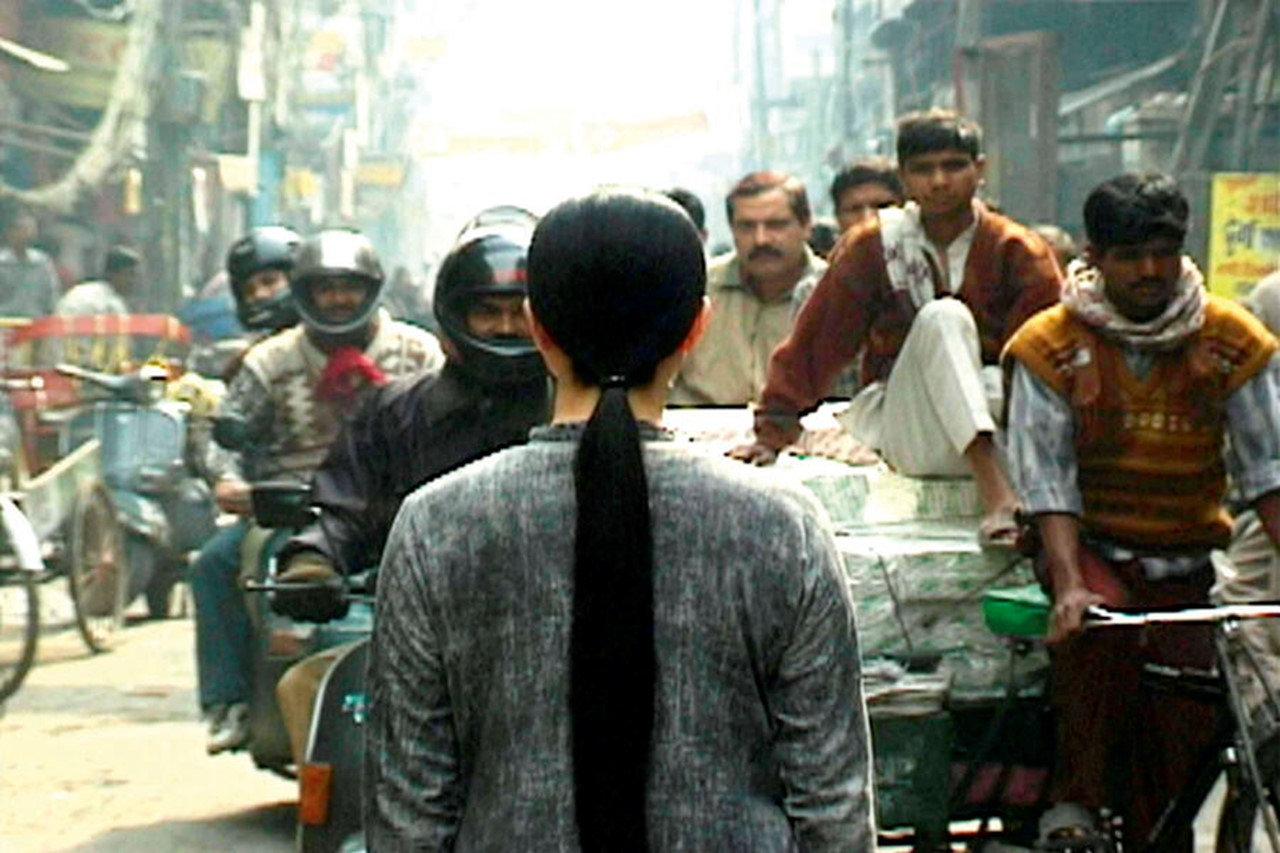
One of her most representative works, A Needle Woman (1999–2001) explores human existence by depicting the artist standing motionless amidst the chaos of urban environments. By removing movement and embracing stillness, she amplifies the presence of the individual within the flow of the city and its crowds. The audience, observing the artist from behind, is compelled to reconsider their own relationship with the world.

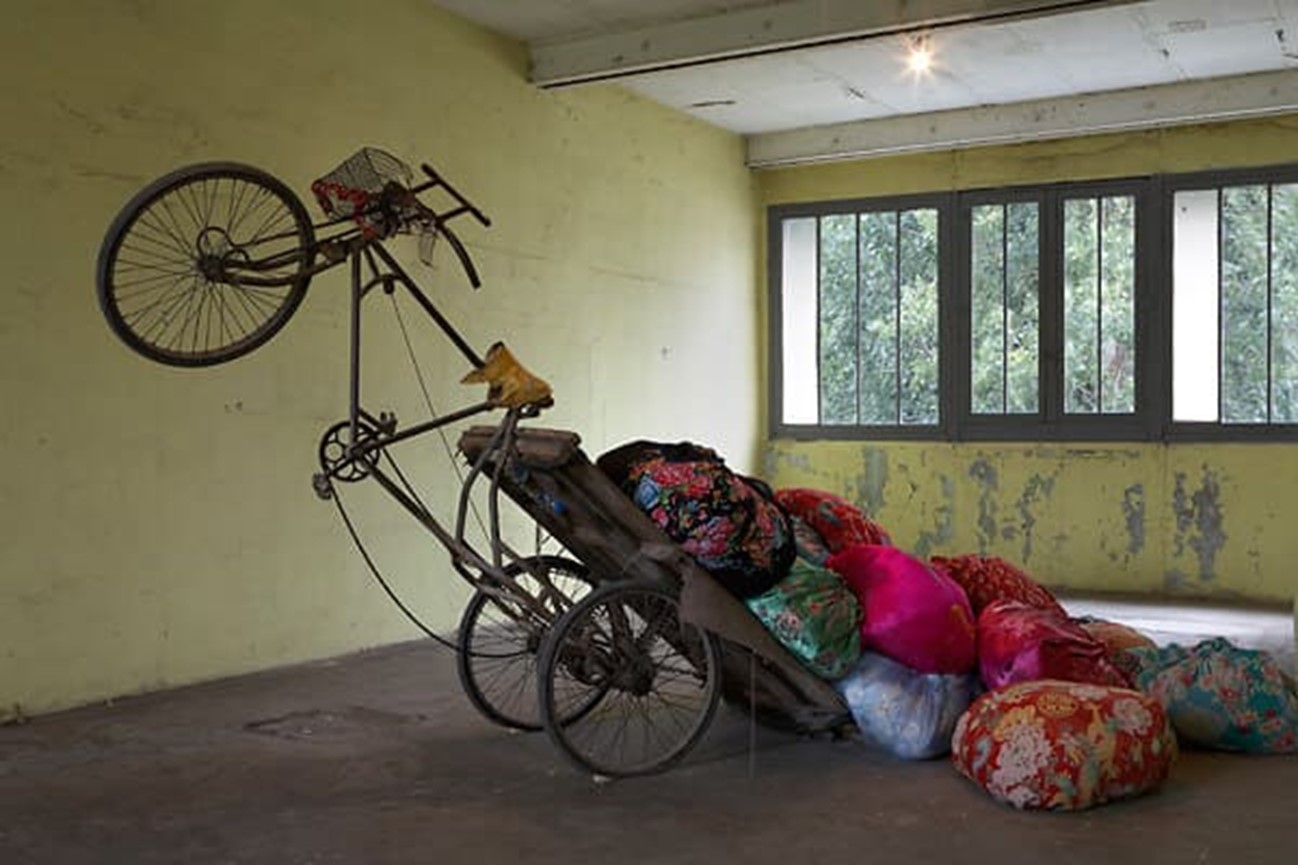
In Cities In The Move – 2727km Bottari Truck (1997), she traveled across Korea on a truck loaded with bottaris, visually manifesting themes of migration, displacement, and the transient nature of memory and identity. This work encapsulates the uncertainty and resilience experienced by migrants, offering a poignant reflection on the movement of lives across borders.

Style & Contents

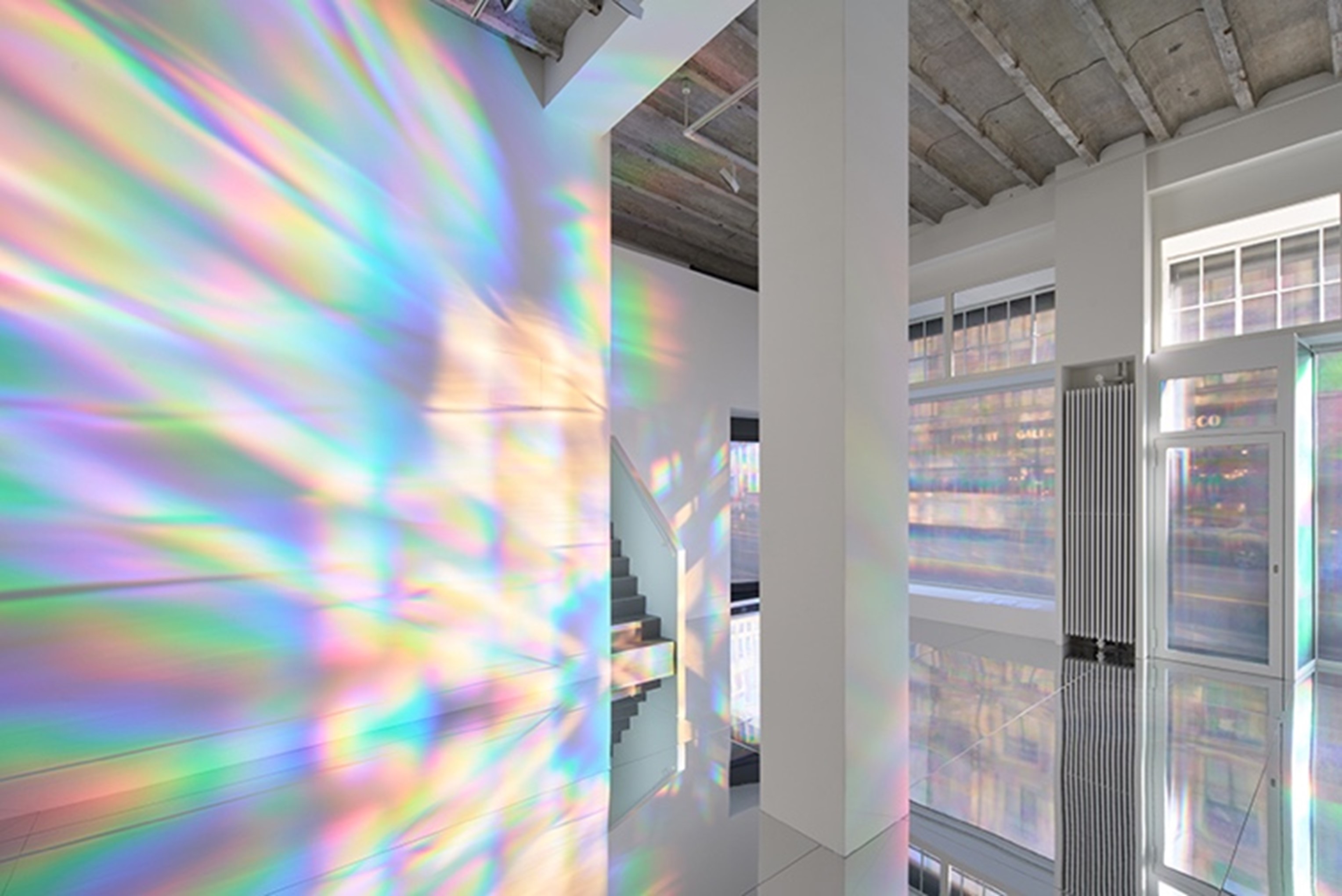
Kim Sooja creates multi-layered sensory experiences through diverse materials and media, including performance, installation, video, photography, and sculpture, exploring concepts of space and body, light and reflection, fixity and fluidity. Her works often use the space itself as a canvas, inviting viewers to experience the space directly and creating an immersive artistic engagement.

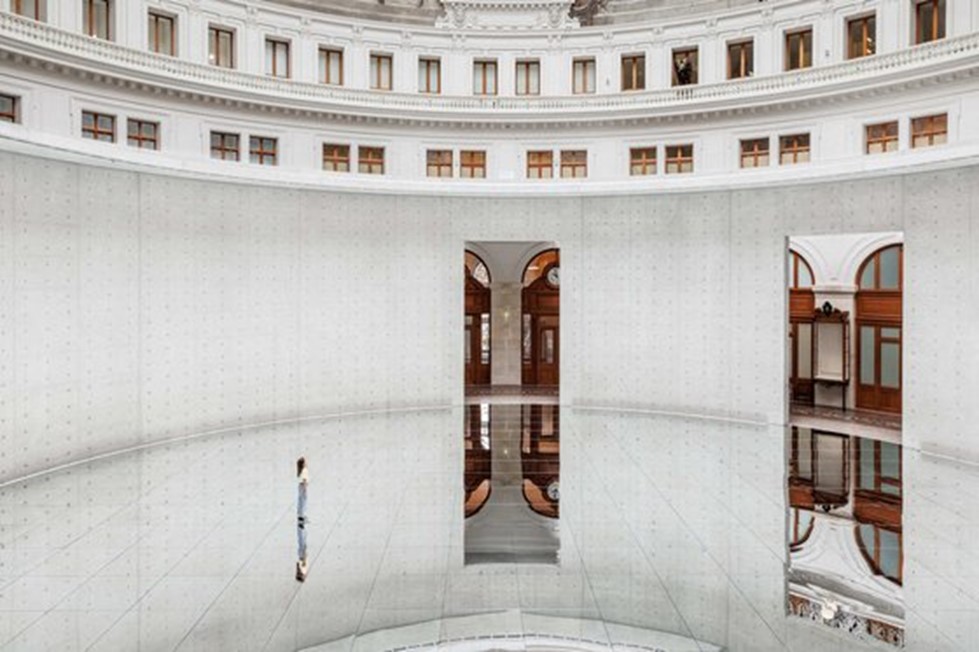
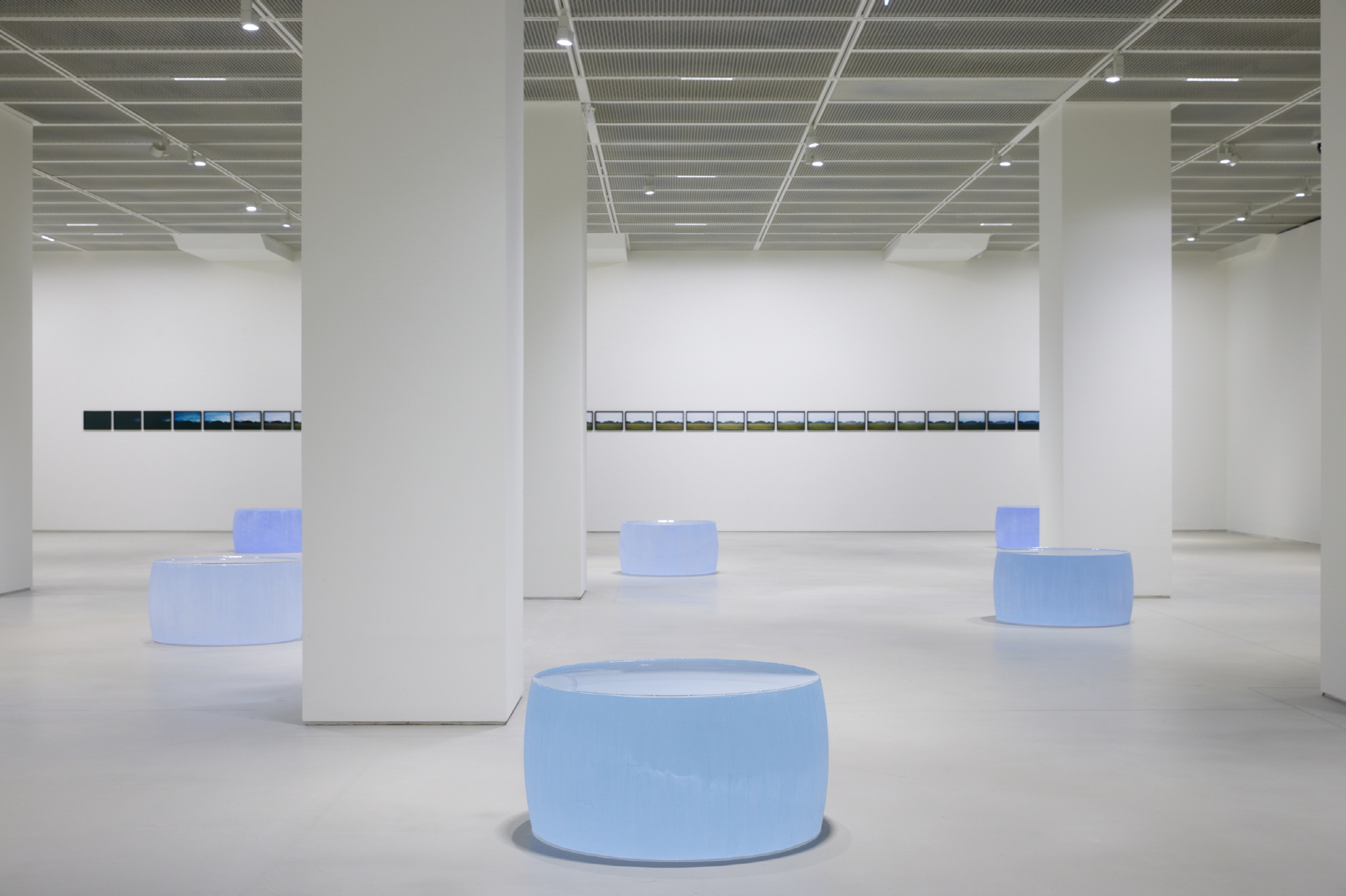
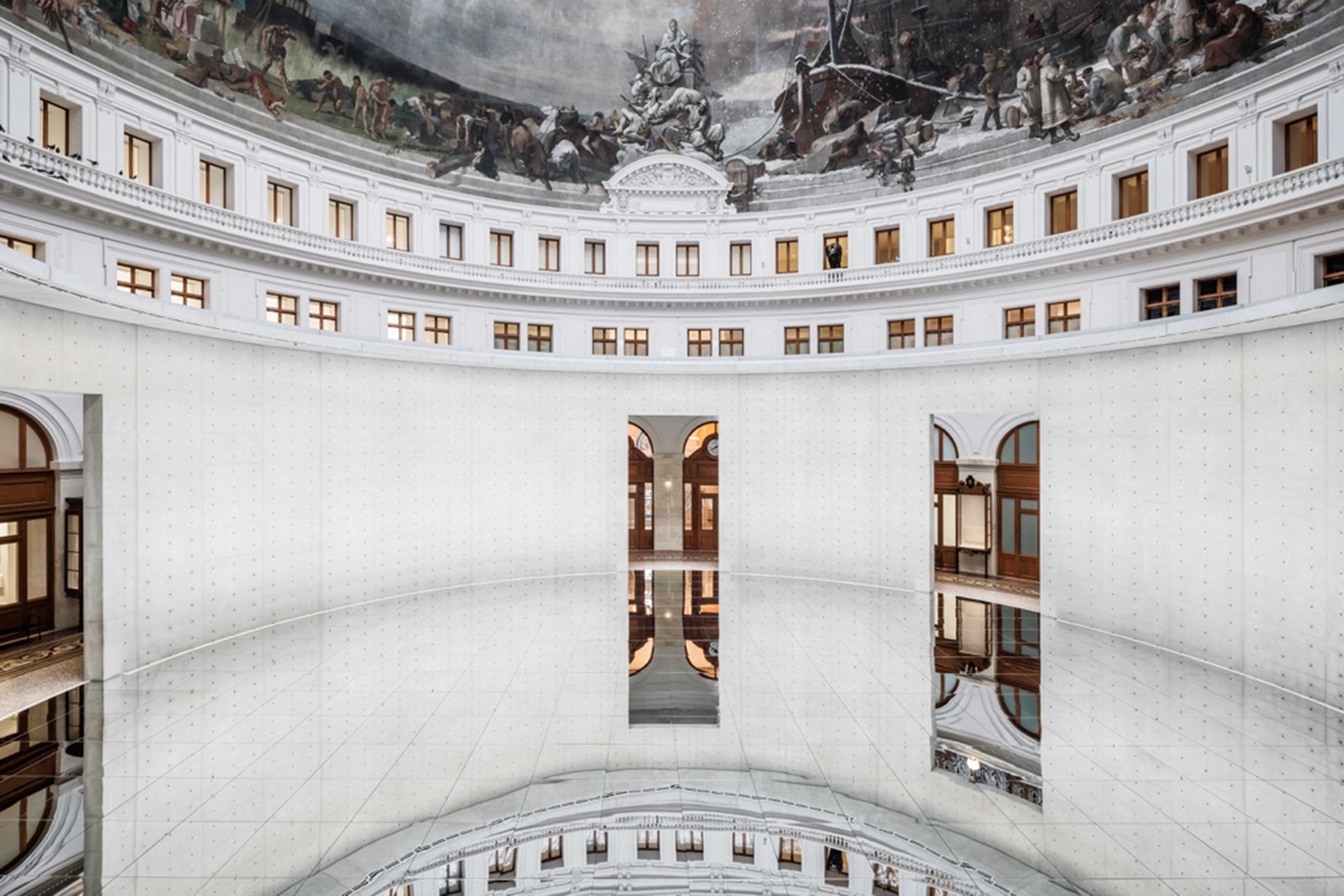
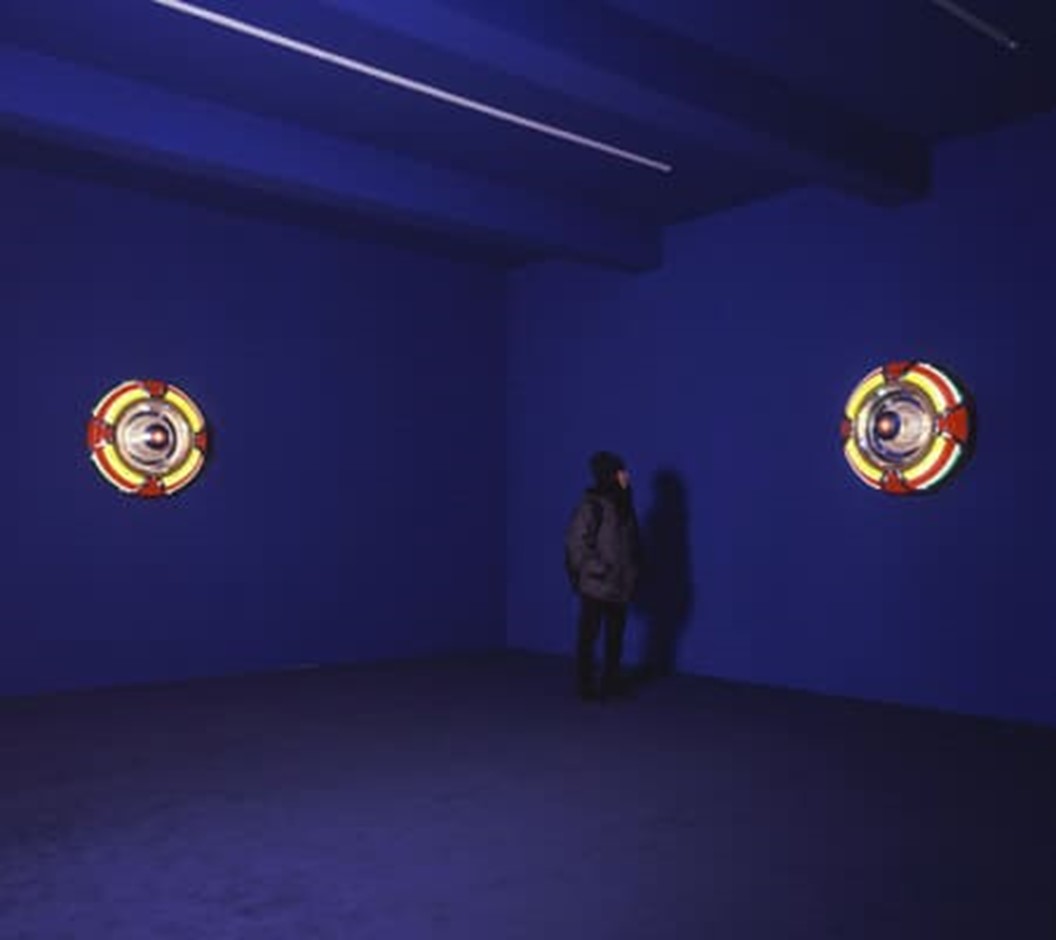
Her Kim Sooja, ‘To Breathe’ series transforms spaces through light and mirrors, redefining the relationship between space and viewer. In To Breathe – Constellation (2024), , presented at 《Le monde comme il va》 (2024), she covered the Rotunda of the Bourse de Commerce with mirrors, creating an immersive experience that destabilizes spatial perception. In this work, she distorts architectural structures and dismantles gravity through optical illusions, prompting viewers to reconsider the relationship between themselves and the space around them.

Her works often emphasize immateriality, questioning presence and absence through elements of disappearance, trace, reflection, and projection. In particular, Archive of Mind(2016) is a participatory installation where visitors shape clay into spheres with their hands, engaging in a meditative process that connects creation, memory, and the body. This work highlights the importance of human creativity and self-reflection, moving beyond aesthetic experience to provoke philosophical contemplation on art and human existence.

Topography & Continuity

Kim Sooja is recognized as an artist expanding the boundaries of contemporary art, having participated in major international exhibitions and biennales. She has been featured in the Venice Biennale (2007, 2013, 2019), held a retrospective at Mori Art Museum (2012), and presented a solo exhibition at the Bourse de Commerce (2024). She has also distinguished herself at various international art events in Japan, earning recognition as a bridge between Asia and Europe.

Through continuous experimentation and formal innovation, Kim Sooja expands art beyond static objects into immersive and participatory experiences, dissolving the boundary between the viewer and the artwork. Her works create sensory experiences that transcend time and space, using digital media, light, mirrors, and natural materials. Through these explorations, she examines the interconnectedness of personal experience and collective memory, East and West, and past and present, securing her place as a significant figure in contemporary art.

Kim Sooja deeply investigates how human experiences are transformed and preserved within time and space, capturing the moments when the boundaries between art and life blur. Her work is both a record of the changing era and an experimental process that poses profound philosophical questions about human existence.

Works of Art

Expresses the Lives with Bottari Cloth

Articles

Exhibitions