Crimson Head - K-ARTIST

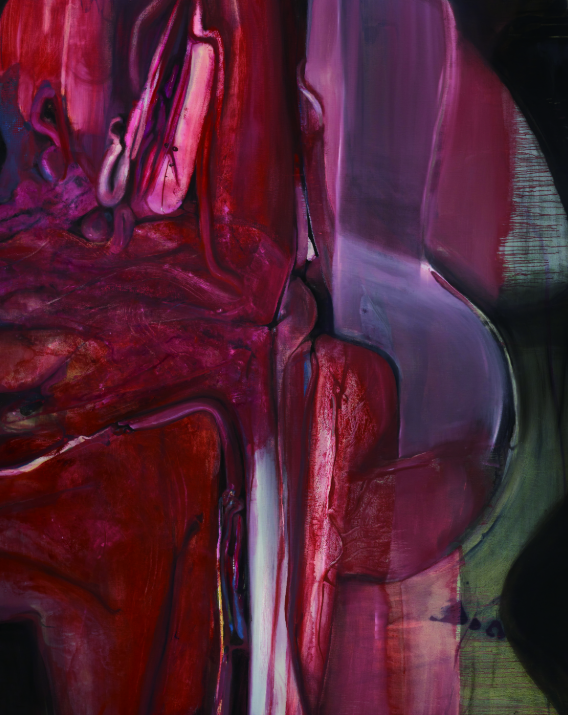
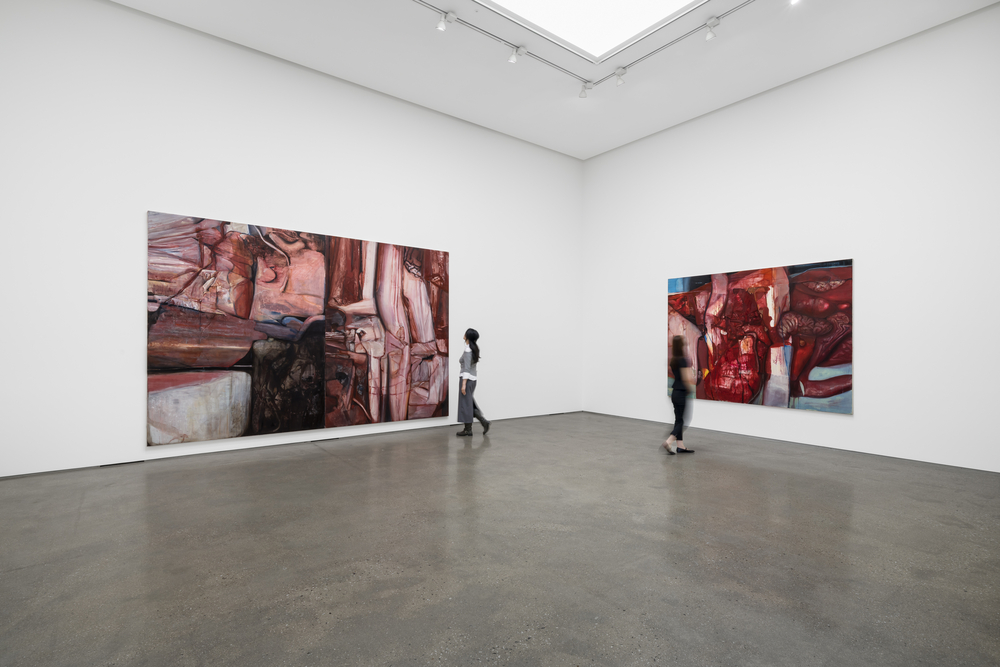
Crimson Head

2024
Oil on canvas
291 × 218 cm
About The Work

Keunmin Lee explores new possibilities for painting by translating the ambivalent layers of emotion—anxiety and consolation, loss and recovery—into a visual language. Drawing on hallucinations and sensory experiences stemming from his own pathological experiences, he transforms illness and suffering into a creative and subversive artistic language.

Through this process, he seeks not only to liberate personal symptoms from their pathological status but also to explore the potential for resistance against the social systems that define human beings.

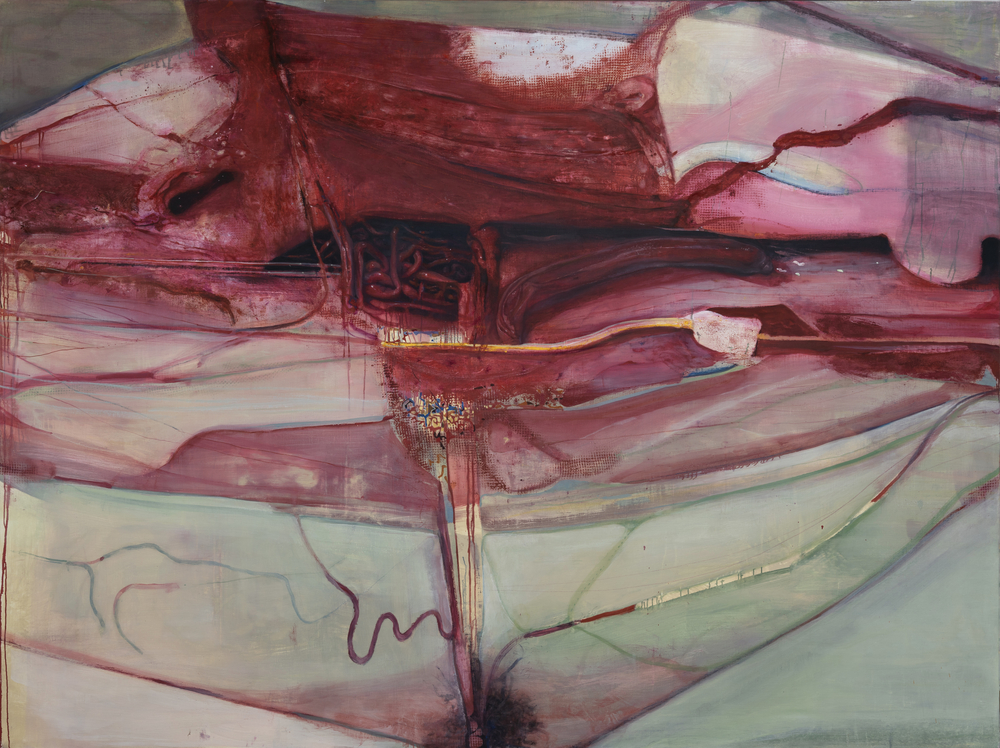
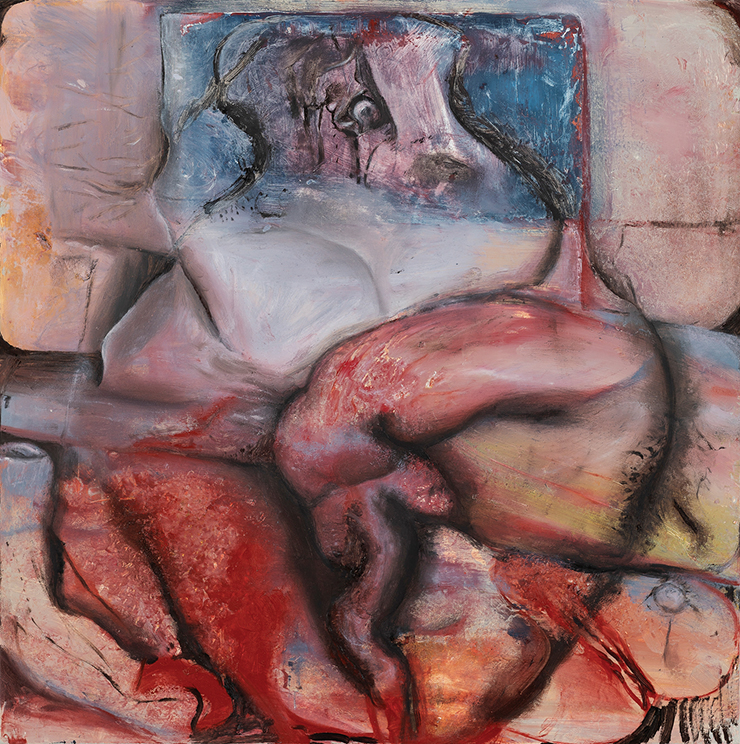
His paintings feature fragmented bodies and organs, alongside metaphorical and abstract forms whose meanings are not readily discernible. Enlarged or diminished according to the artist’s psychological perspective, these forms come together to construct inner landscapes.

Lee brings onto the canvas beings that have been excluded or left undefined by the norms and linguistic systems of reality, seeking to affirm their inherent significance. This gesture also embodies a will toward healing: an aspiration to escape a world of pain and oppression and emerge as a whole and autonomous being.

Rather than simply reproducing the fragmented bodily images he witnessed in hallucinations, Lee revisits the abstract sensations and subtle emotions he experienced at the time, synthesizing them into cohesive, organic images. The resulting compositions are charged with explosive energy as forms intertwine, collide, and erupt.

These images embody both the artist’s intimate psychological landscape and an expression of liberation from the social norms and structures that have constrained him. Through painting, Lee further renders visible psychological truths that existing systems cannot fully grasp, transforming illness and suffering into active materials for aesthetic and philosophical inquiry.

Solo Exhibitions (Brief)

Lee has held solo exhibitions including 《Before It Becomes a Scene》 (PKM Gallery, Seoul, 2026), 《When Hallucination Is No Longer a Symptom》 (Galerie Derouillon, Paris, 2025), 《Awakening Boundaries》 (26SQM, PARKSEOBO FOUNDATION, Seoul, 2025), 《Realizing Boundaries》 (Peres Projects, Berlin, 2024), and 《And then none were sick》 (Space K, Seoul, 2022).

Group Exhibitions (Brief)

Lee has also participated in numerous group exhibitions, including 《Like a punch to the guts》 (Galerie Derouillon, Paris, 2026), 《iwillmedievalfutureyou2》 (Lilith Performance Studio, Malmö, Sweden, 2025), 《I Am Your Body: Chapter 2 – Flesh》 (Kunsthal Aarhus, Aarhus, Denmark, 2024), 《Embodied Depths》 (Nexx Asia, Taipei, 2023), and 《Recombinant》 (Lehmann Maupin, Seoul, 2022).

Residencies (Selected)

In 2016, Lee participated in the residency program at Pioneer Works in New York. His

Residencies (Selected)

Lee’s works are held in the collections of Space K, the PARKSEOBO FOUNDATION, and Colección SOLO in Spain, among others.

Works of Art

Painting as an Act of Resistance and Liberation

Originality & Identity

Keunmin Lee's practice focuses on how personal experiences are defined and interpreted according to social standards. Since 2001, Lee has drawn on the hallucinations he experienced while hospitalized following a psychiatric diagnosis as a central subject of his paintings. What he witnessed at the time were scenes in which human or animal-like bodies appeared fragmented into muscles, skin, and internal organs, floating in space or becoming entangled with one another.

Rather than regarding these experiences solely as medical symptoms, Lee recognized them as images that could be expressed through his own visual language. At the same time, he became attentive to the process by which an individual's unique temperament and experiences are classified through diagnostic labels and codes, questioning the ways society distinguishes between normality and abnormality, rationality and irrationality.

His early drawing The Portrait of Hallucination(2007), the painting of the same title, The Portrait of Hallucination(2013), and his solo exhibition 《The Portrait of Hallucination》(Gallery Dam, Seoul, 2013) demonstrate how these concerns took shape through concrete images.

By giving the form of portraiture to nameless beings encountered in his hallucinations, Lee brings onto the canvas the appearances and emotions of those whose existence is not readily acknowledged in reality. Here, painting becomes both a means of recording his experiences and an attempt to perceive existence independently of the definitions imposed by society.
 
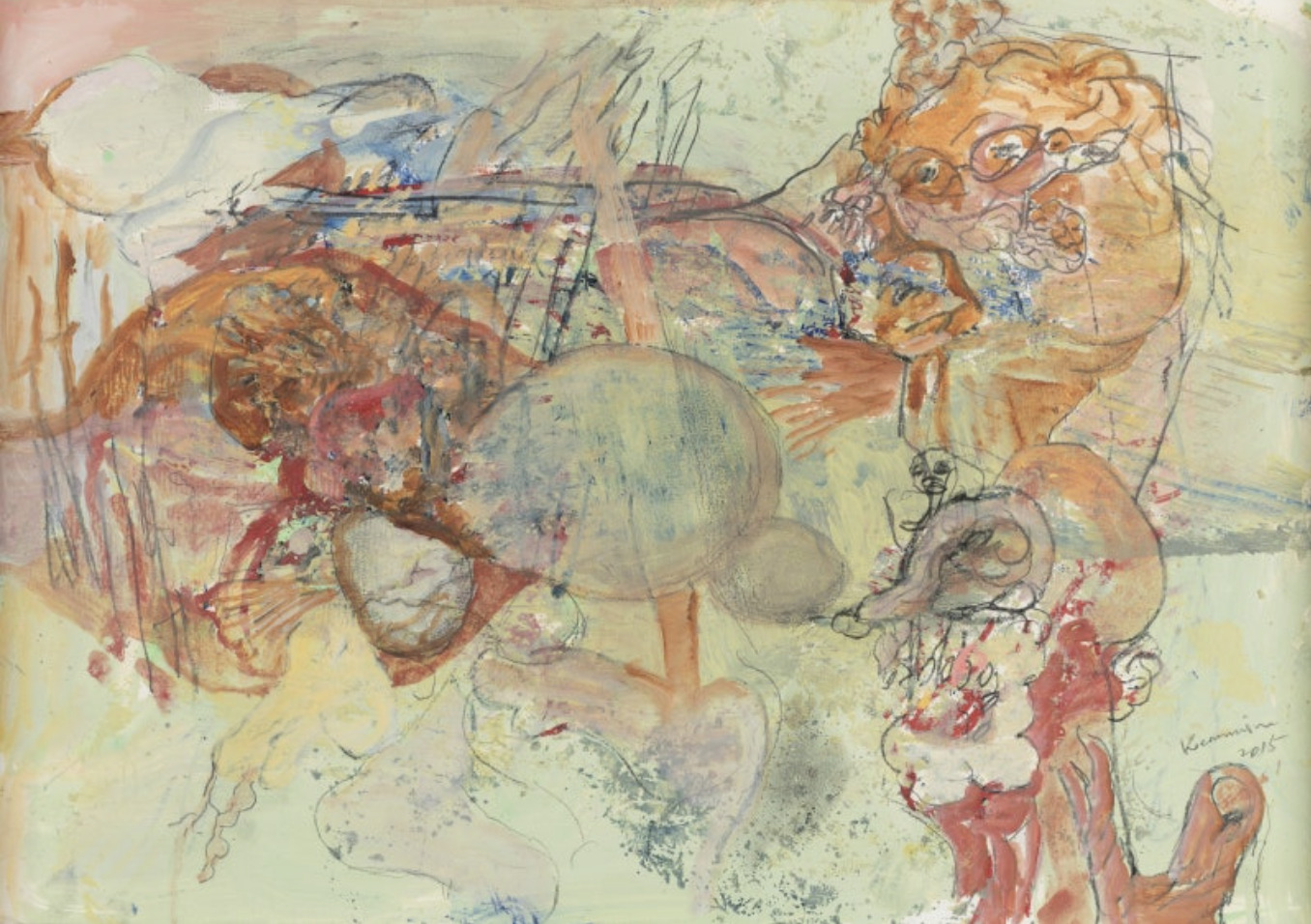
From the mid-2010s onward, these interests expanded further through the relationship between personal memory and the body. In the ‘Refining Hallucinations’(2015–) series, Lee repeatedly draws forms that remain in his memory, exploring how sensations from past experiences become intertwined with present imagination.

Rather than attempting to reconstruct his hallucinations precisely, he reconfigures the atmosphere, emotions, and bodily responses associated with those experiences through painting.

This approach became particularly evident in 《And then none were sick》(Space K, Seoul, 2022). Heart and Penis(2021) questions the social gaze that classifies and defines the body through intertwined forms of a heart and genitalia, while Oral Communication(2021) conveys experiences that are difficult to articulate through language by employing fragmented bodily imagery and sensory textures.

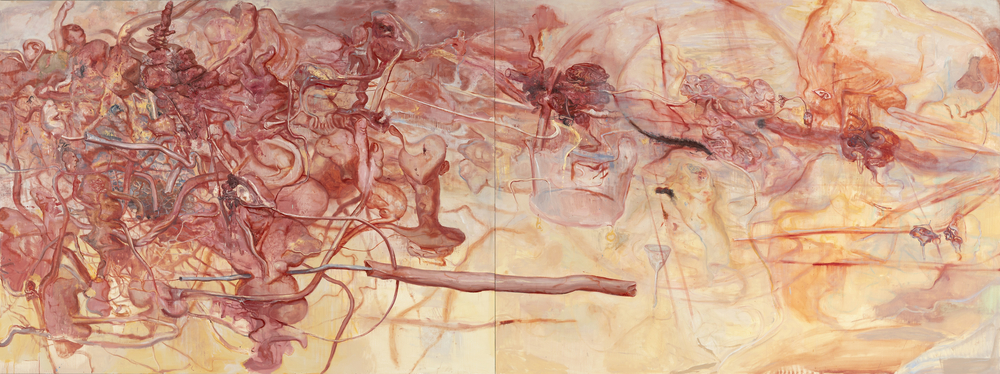
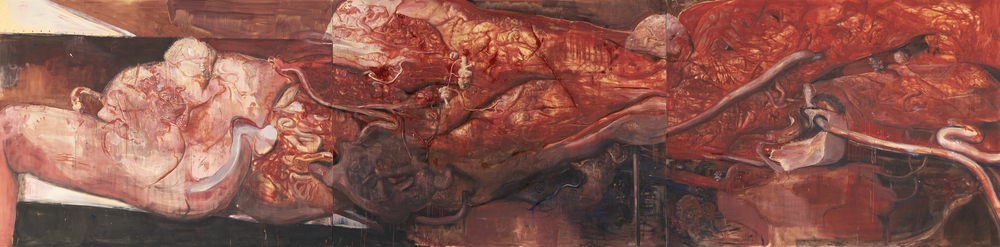
Measuring approximately ten meters in width, Matter Cloud(2021) imagines the brain as both a physical substance and a place where memories, thoughts, and wounds accumulate. Within the painting, memories and wounds build up like sediment, while new organisms grow among them, forming an inner landscape where psychological turmoil and creative possibilities coexist. During this period, Lee's practice developed beyond the visualization of personal suffering toward an exploration of the incomplete and unpredictable nature of human existence itself.
 
Subsequently, Lee continued to examine the relationship between individuals and society through fragmented bodily forms, while placing greater emphasis on the process through which memories generate new images. In 《Realizing Boundaries》(Peres Projects, Berlin, 2024), works such as Encounter in the Mountains(2023) and Flesh Construction(2023) explored states of transition where reality and hallucination, and the interior and exterior of the body, become intertwined.

In 《Awakening Boundaries》(26SQM, PARKSEOBO FOUNDATION, Seoul, 2025), rather than explaining hallucinations and suffering through fixed meanings, he articulated the complex emotions and psychological movements arising from them through the language of painting. This development became even more apparent in 《Before It Becomes a Scene》(PKM Gallery, Seoul, 2026).

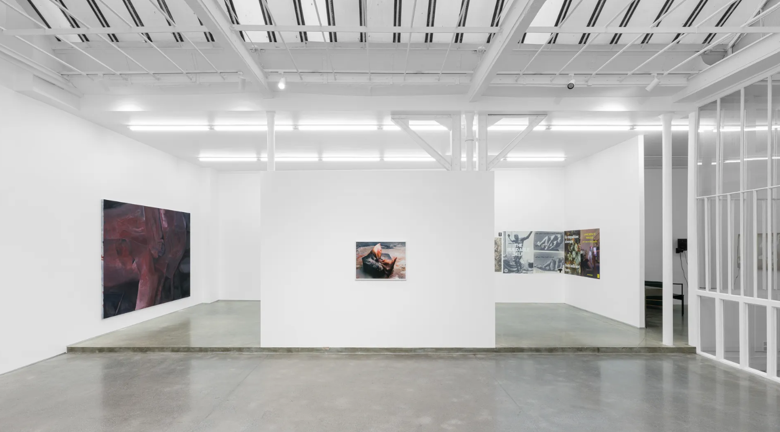
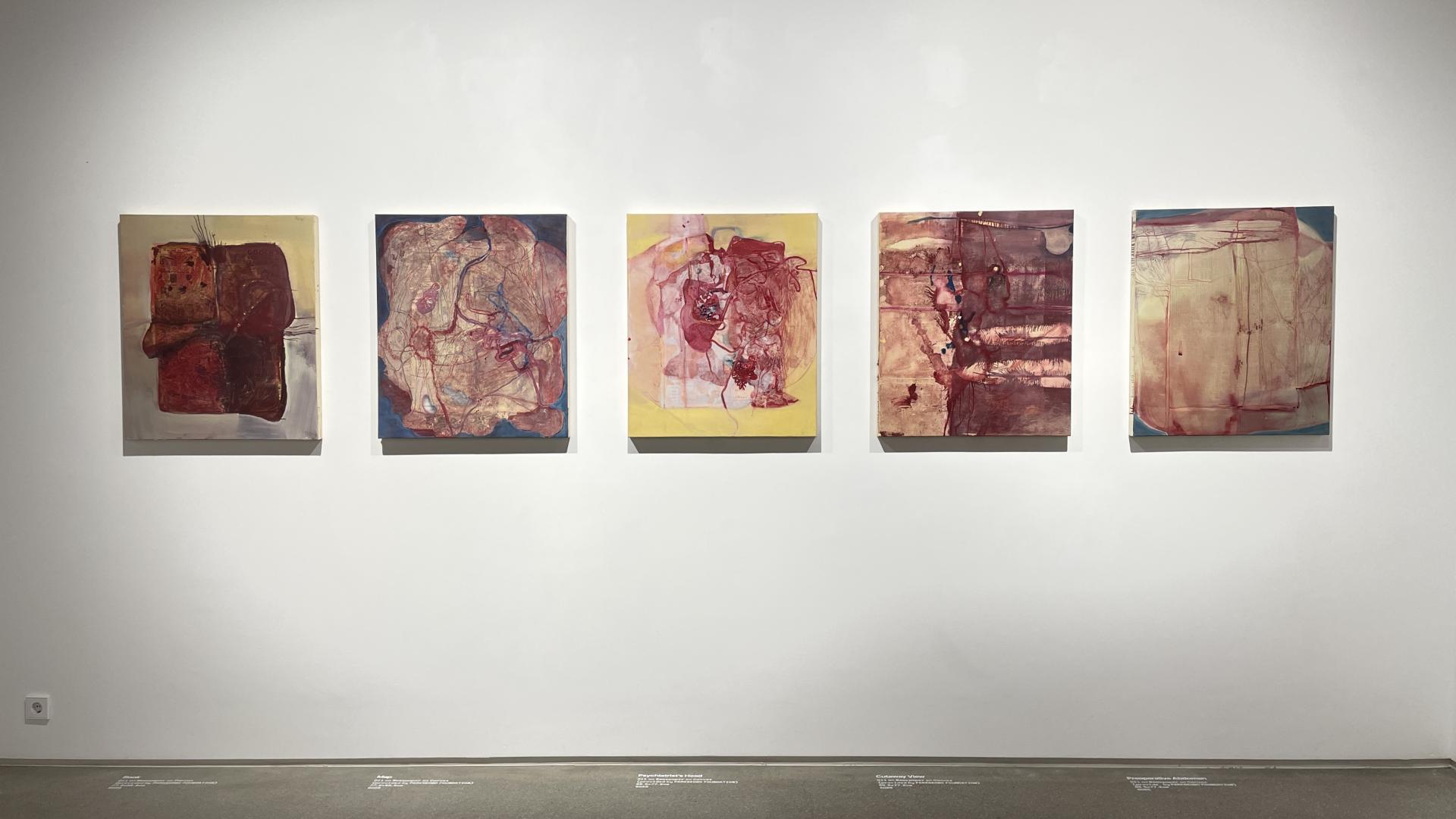
The word "scene" in the exhibition title refers to a situation constructed and defined according to particular intentions or standards. Lee explores the state preceding such construction, when hallucinations and sensations have not yet been assigned medical or social labels. In works including Organic Plate(2026), Connected Body(2026), and Psychiatrist's Head(2026), the body appears as both a collection of separate organs and an organic entity whose parts remain interconnected and continually changing.

Through these works, Lee sustains his longstanding inquiry into the impossibility of reducing a human being to a single diagnosis or category, inviting viewers to reconsider the complexity of human existence and the individuality of sensory experience through painting.

Style & Contents

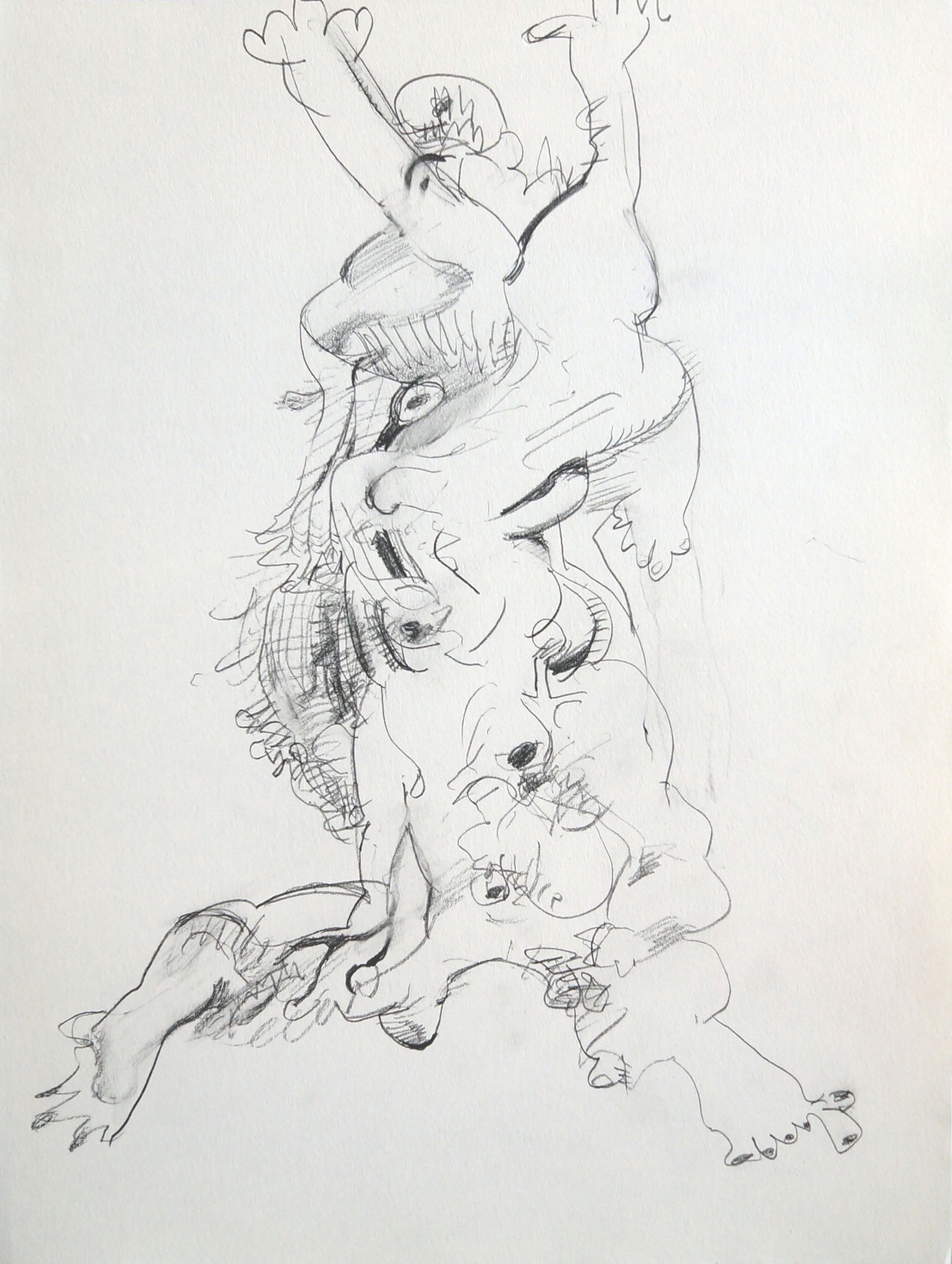
Keunmin Lee's paintings are characterized by compositions that combine forms reminiscent of the human body with abstract fields of color. In his early drawing The Portrait of Hallucination, he used pencil to record unfamiliar creatures and figures, giving portrait-like specificity to subjects that do not exist in reality.

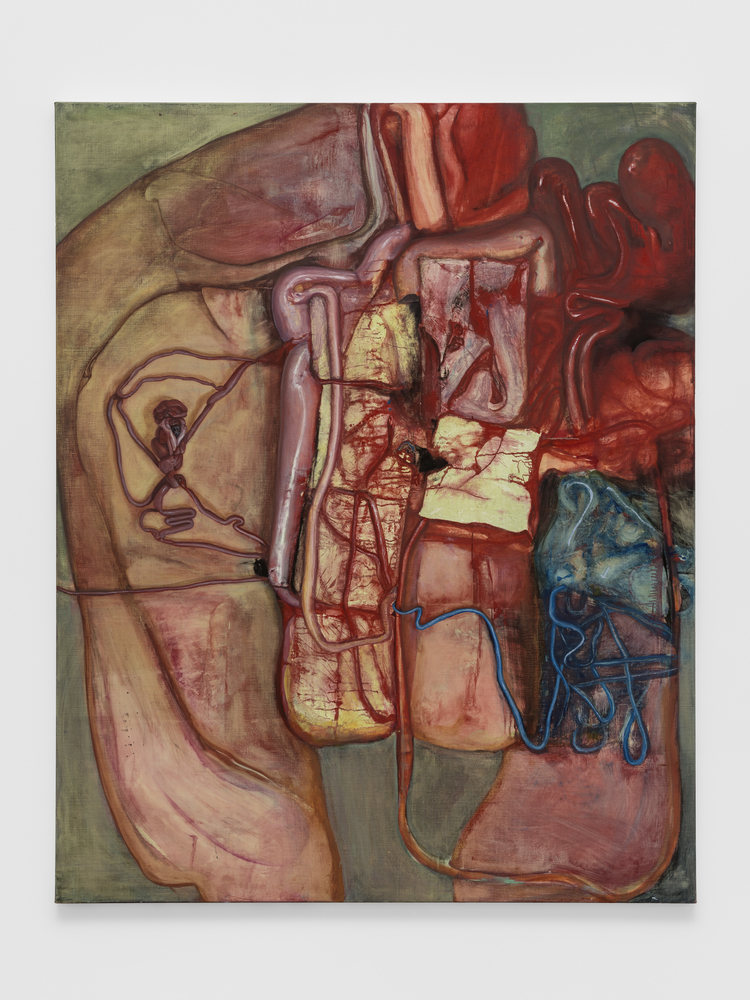
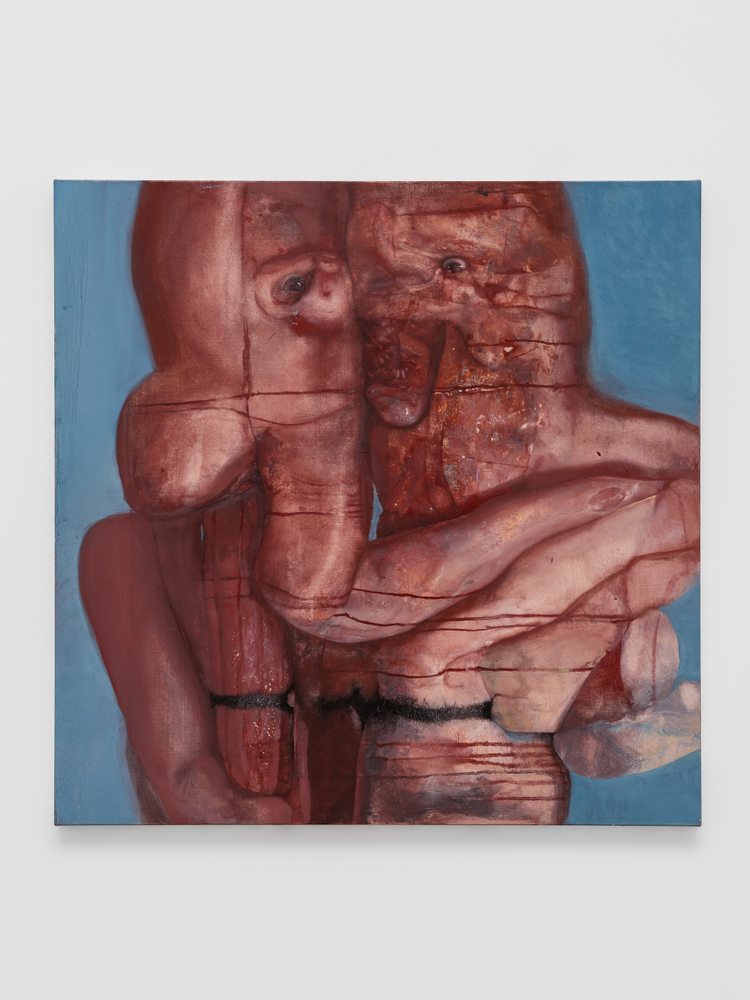
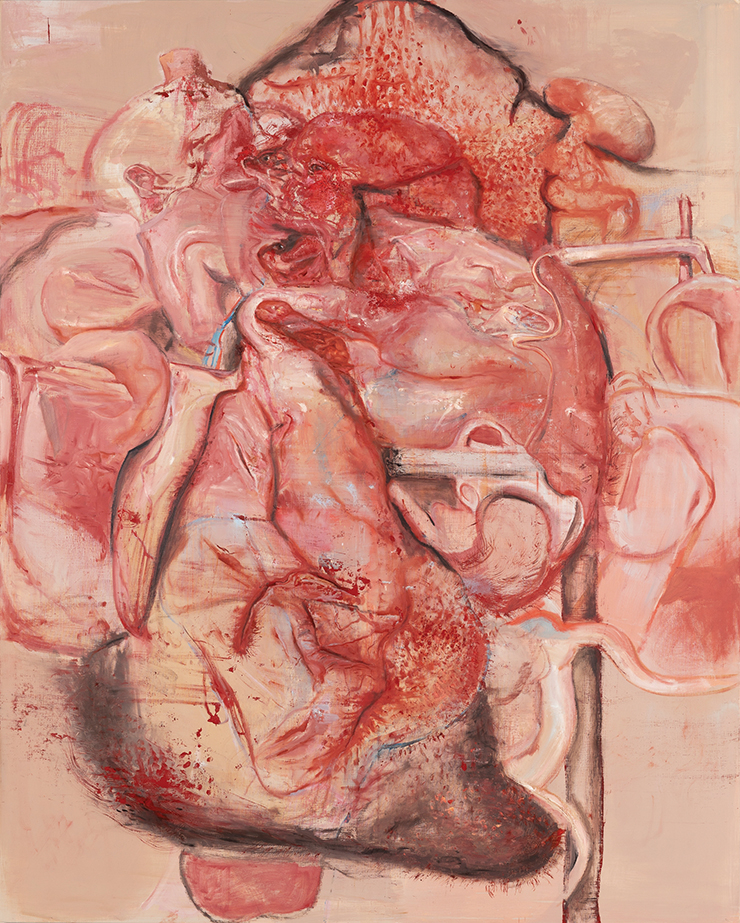
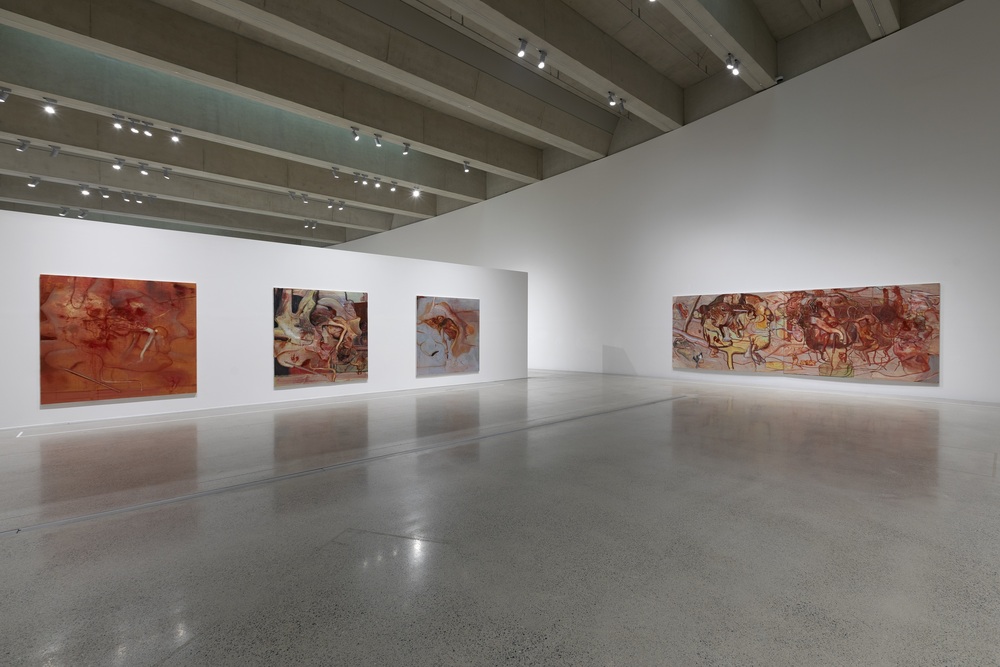
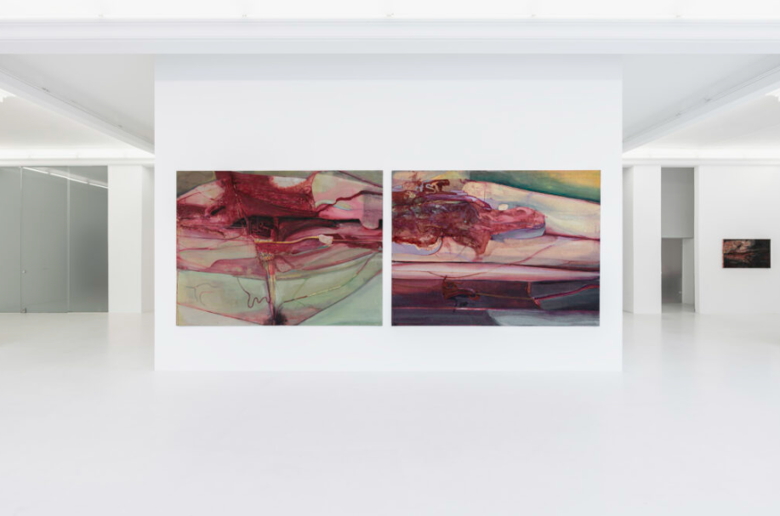
In his subsequent oil paintings, forms resembling muscles, pieces of flesh, organs, blood vessels, and skin become entangled and enlarged, creating distinctive bodily landscapes. These images are not anatomically accurate representations of the body but are constructed from fragments of hallucinations and emotions retained in the artist's memory.

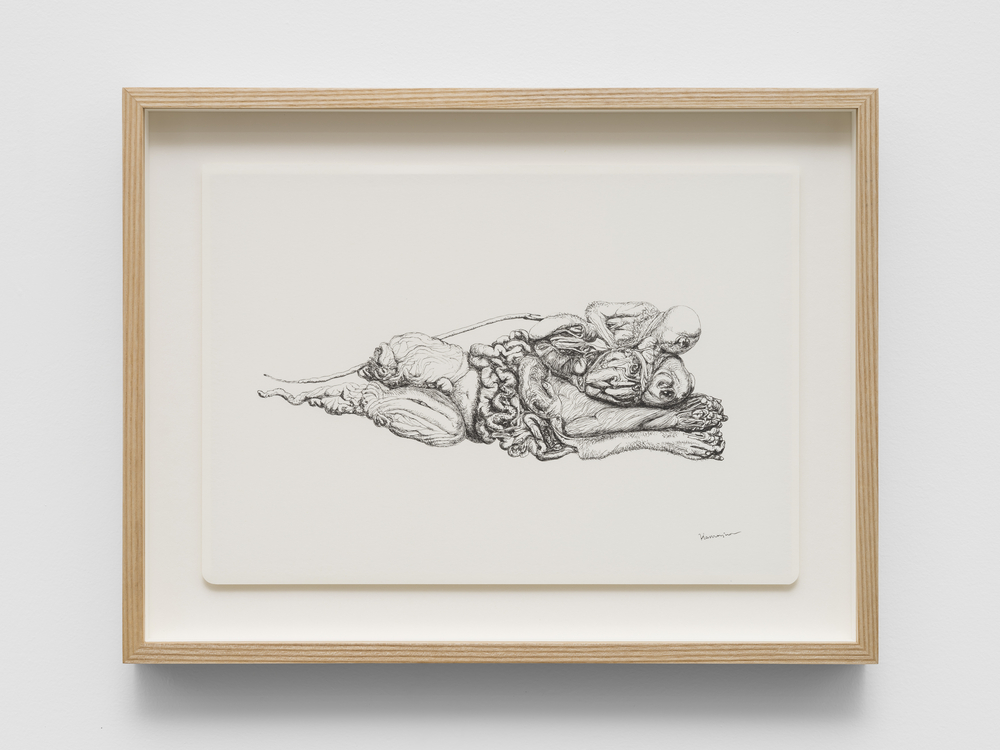
Automatism, a technique in which lines emerge through the movement of the hand without preliminary sketches or detailed plans, plays an important role in the ‘Refining Hallucinations’ series. As new lines and details are added to spontaneously generated forms, the compositions gradually develop into shapes resembling the bodies or faces of living creatures.

Throughout this process, Lee recalls past experiences while also drawing on memories of forms he has already painted or inventing entirely new images. His work is therefore less a direct reproduction of specific scenes than an image generated through the repeated interaction of memory and spontaneous gestures.
 
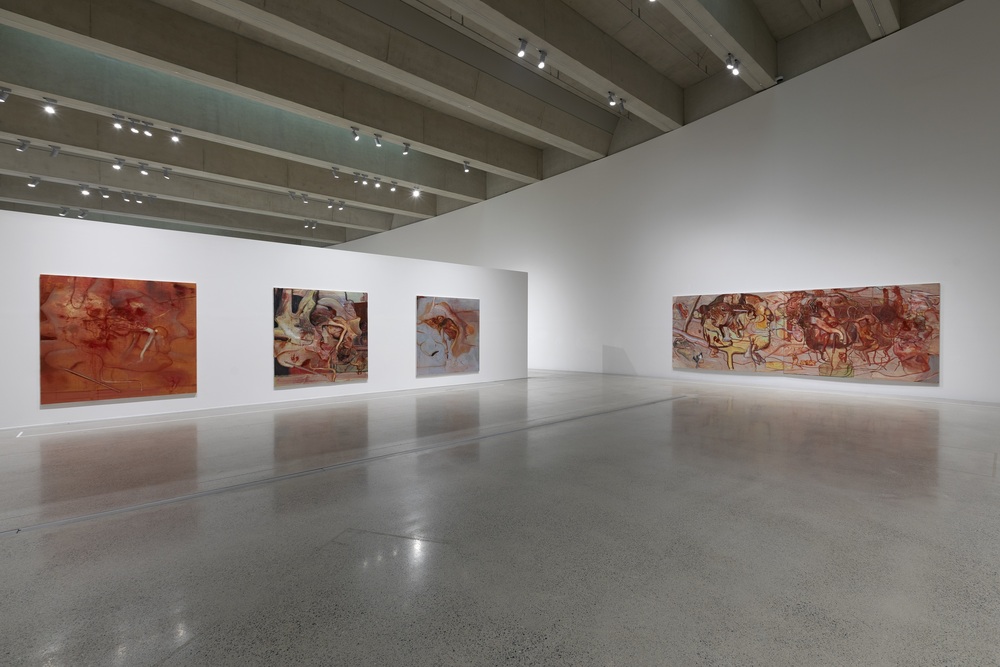
Entering the 2020s, Lee's paintings became increasingly monumental in scale and more intense in their bodily expression. Presented in 《And then none were sick》, Matter Cloud unfolds enormous masses and bodily fragments reminiscent of the brain and internal organs across three canvases. In Tangled Memories(2021), forms resembling bodily tissues overlap across a broad pictorial surface, suggesting the ways memories become entangled and accumulate.

Works such as Paranoia Sequence(2021) and Injured Dumber(2021) similarly combine bodily imagery with psychological tension. The recurring reds in Lee's paintings evoke blood, flesh, and internal organs, yet their purpose extends beyond producing violent or provocative imagery. The blues and greens that appear among these red tones recall bruised skin or coagulated blood, conveying bodily wounds and shifting emotional states.

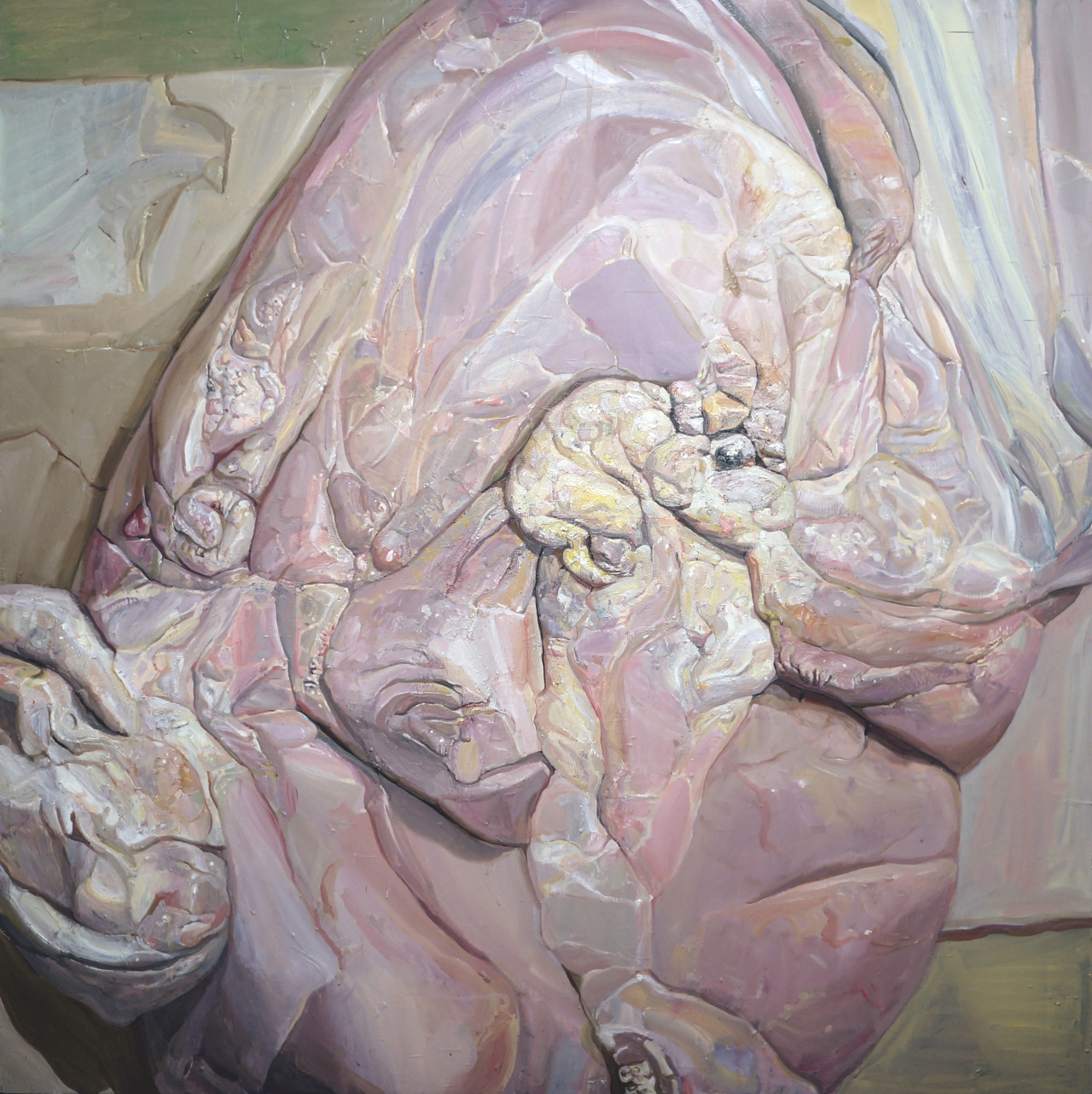
Lee works without a predetermined subject, repeatedly rotating his canvases in different directions and refining spontaneously generated forms before determining their final composition. Thickly layered paint, delicate brushwork, and disrupted fields of color evoke sensations of viscosity, moisture, and the tactile qualities of wounds. These expressions bring together memories of the visual, tactile, and olfactory sensations he experienced during hallucinations, encouraging viewers to encounter the paintings through their own bodily responses.
 
In his subsequent works, Lee's approaches to bodily forms became increasingly varied. In Encounter in the Mountains, presented in 《Realizing Boundaries》, scratched marks, vigorous brushstrokes, and intricate details coexist within a single composition, vividly revealing how forms disintegrate and reconnect. In Flesh Construction, he combined oil paint with plastic wrap to intensify the material textures reminiscent of skin or the surfaces of internal organs.

In Connected Skin(2024) and Connected Skin III(2024), bright blues become prominent alongside reds, expressing the body's interior and exterior and the traces of wounds through more complex color relationships. In 《Before It Becomes a Scene》, these experiments unfold through both large-scale oil paintings and drawings.

The 2026 work Refining Hallucinations captures spontaneously emerging creatures through free-flowing ink and pen lines, while Organic Plate uses oil paint and plastic wrap to evoke the surfaces of biological tissue more directly. In Connected Body, interconnected and interpenetrating bodily forms blur the boundaries between individual organs.

In his recent practice, Lee continues to vary material textures, the relationships between forms, and color arrangements while maintaining his established visual language that moves between abstraction and figuration. The bodies he depicts do not remain fixed or complete but emerge as continually changing images through the interaction of memory, emotion, and material expression.

Topography & Continuity

Keunmin Lee's practice begins with deeply personal sensory memories, yet connects them to broader questions about the social structures through which human beings are defined and classified. At first glance, his paintings may resemble organic abstraction or surreal bodily imagery, but their forms originate in memories of hallucinations he actually experienced and his ongoing attempts to reinterpret them.

Lee questions whether a diagnosis imposed upon him can serve as an absolute definition of an individual, demonstrating how pathological experiences can be transformed into an artistic language. This approach resonates with Art Brut and Outsider Art, although Lee does not confine his experiences to a particular art-historical category or pathological identity.

Compared with artists who approach the human body primarily through its social symbolism or anatomical structure, Lee's distinctive method lies in freely dismantling and reassembling bodily forms based on the sensations of remembered hallucinations. Images of flesh, muscles, and organs become both traces of suffering and materials from which new forms emerge. This approach reflects his commitment to reinterpreting personal experience through art and discovering possibilities beyond the meanings prescribed by society.
 
His practice has naturally expanded from painting as an expression of personal interiority toward a broader reflection on social relationships and institutional structures. While his early The Portrait of Hallucination gave faces and forms to beings encountered in hallucinations, 《And then none were sick》 unfolded bodily images and memories across monumental canvases, questioning the boundaries between normality and illness.

His subsequent two-person exhibition 《Recombinant》(Lehmann Maupin, Seoul, 2022), presented with Mandy El-Sayegh, connected the two artists' bodily imagery and personal experiences to examine how individuals can represent themselves within institutional and social systems. In works leading from 《Realizing Boundaries》 to 《Before It Becomes a Scene》, Lee has continued to experiment with reconstructing memory and sensation through painting rather than preserving hallucinations merely as records of particular events.

Even as his compositions have become increasingly complex and refined, the belief that a human being cannot be reduced to a single piece of information or diagnosis has remained constant. His work encourages us to perceive the human body and mind not as objects of control and classification but as entities that continually change.

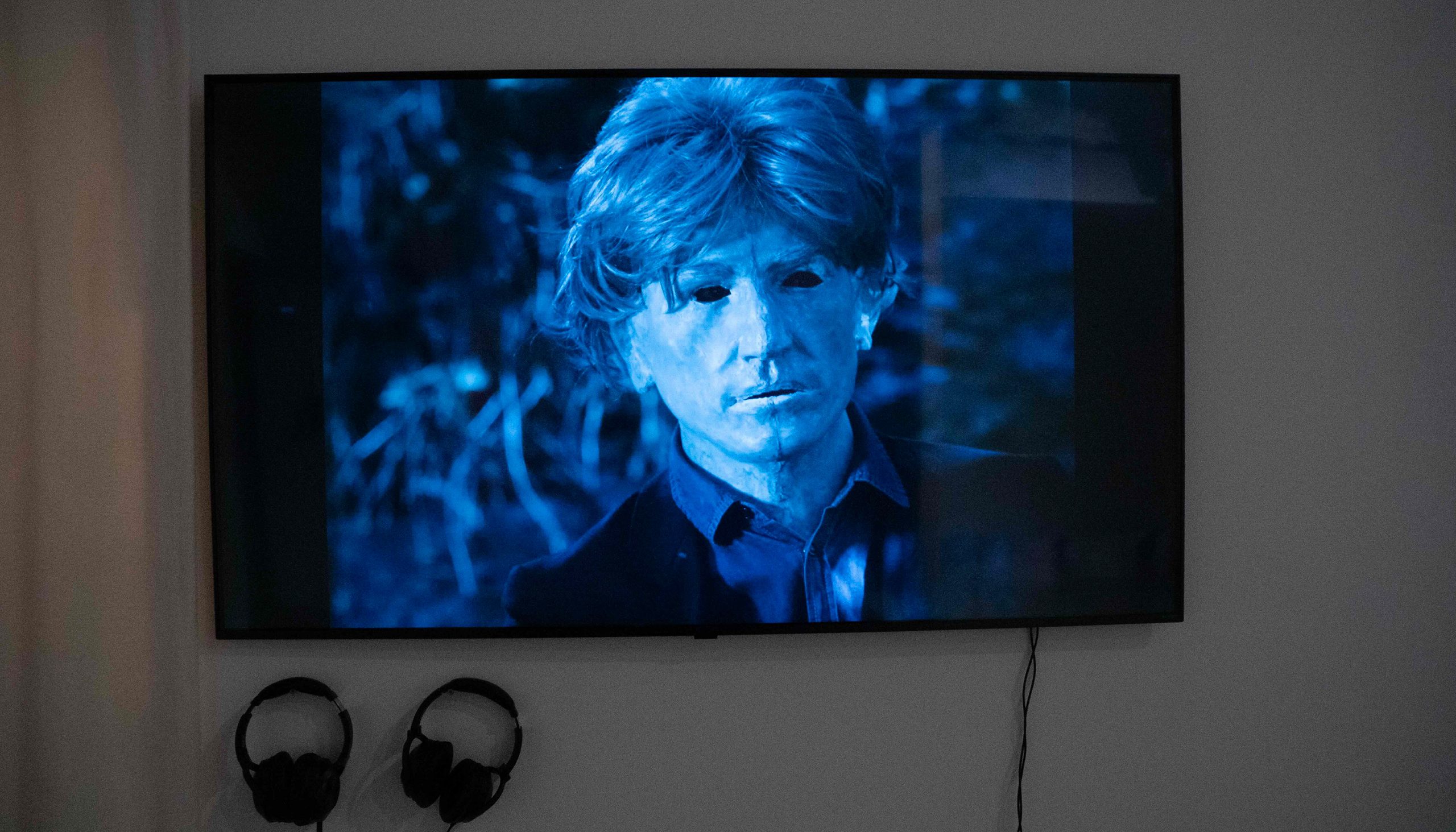
Lee's recent interest in the phenomenon of "hallucination" in generative artificial intelligence also suggests new points of connection between his longstanding concerns with memory, images, definitions, and classification and the ways technology interprets human experience.
 
Keunmin Lee has participated in a wide range of international exhibitions, situating his practice within broader discussions of the body, identity, and social institutions. His activities across Korea and abroad demonstrate how a practice originating in personal pathological experiences can engage with universal human concerns beyond national and cultural boundaries.

Rather than arriving at a conclusion of overcoming or healing suffering, Lee's paintings find meaning in continuing to observe sensations and forms of existence that resist easy explanation. While society hastens to assign names and categories in order to understand human beings, his paintings create time and space to look more closely at what remains beyond those definitions.

Works of Art

Painting as an Act of Resistance and Liberation

Articles

Exhibitions

Activities