
Drifting Ashen Flake Opaque - K-ARTIST

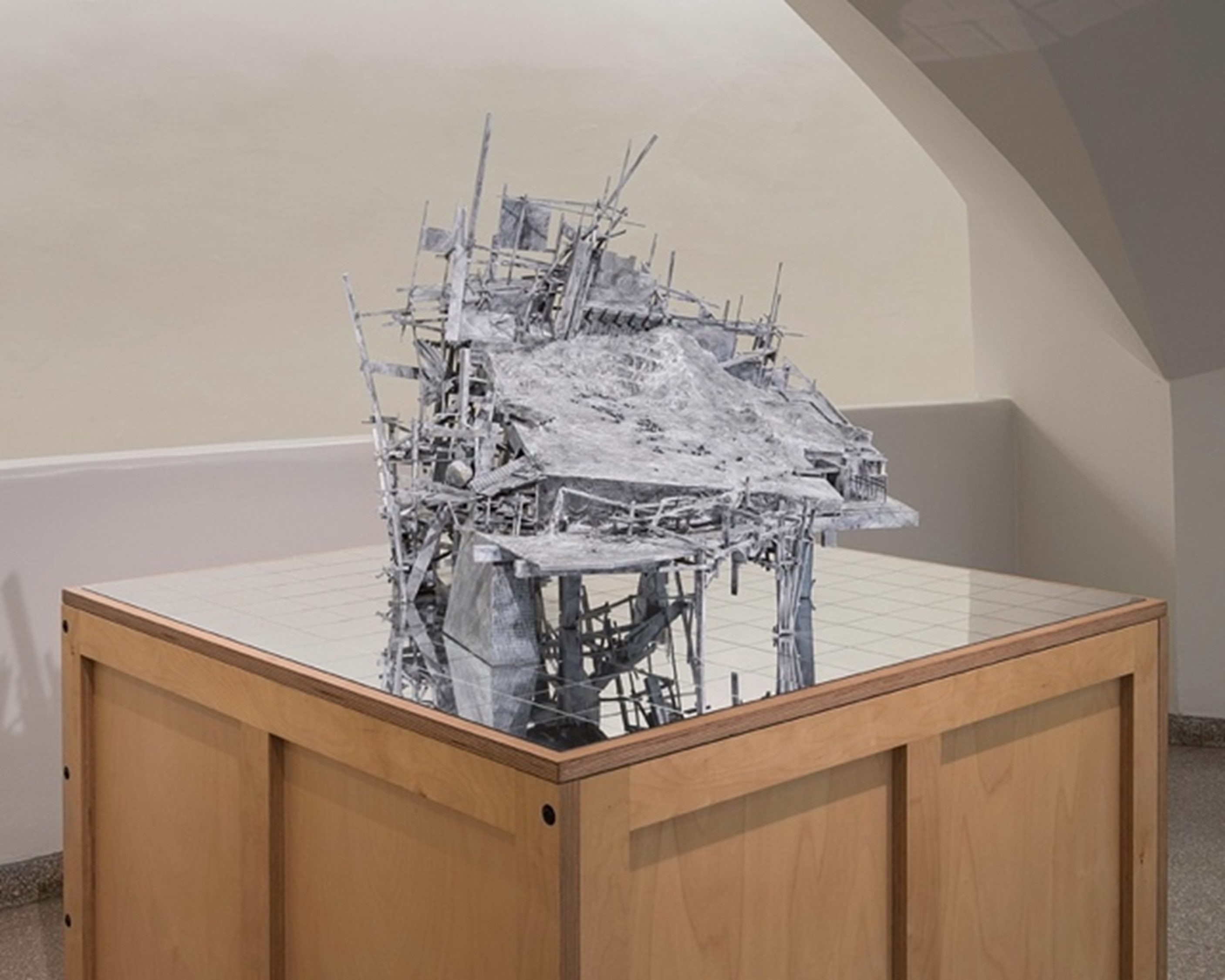
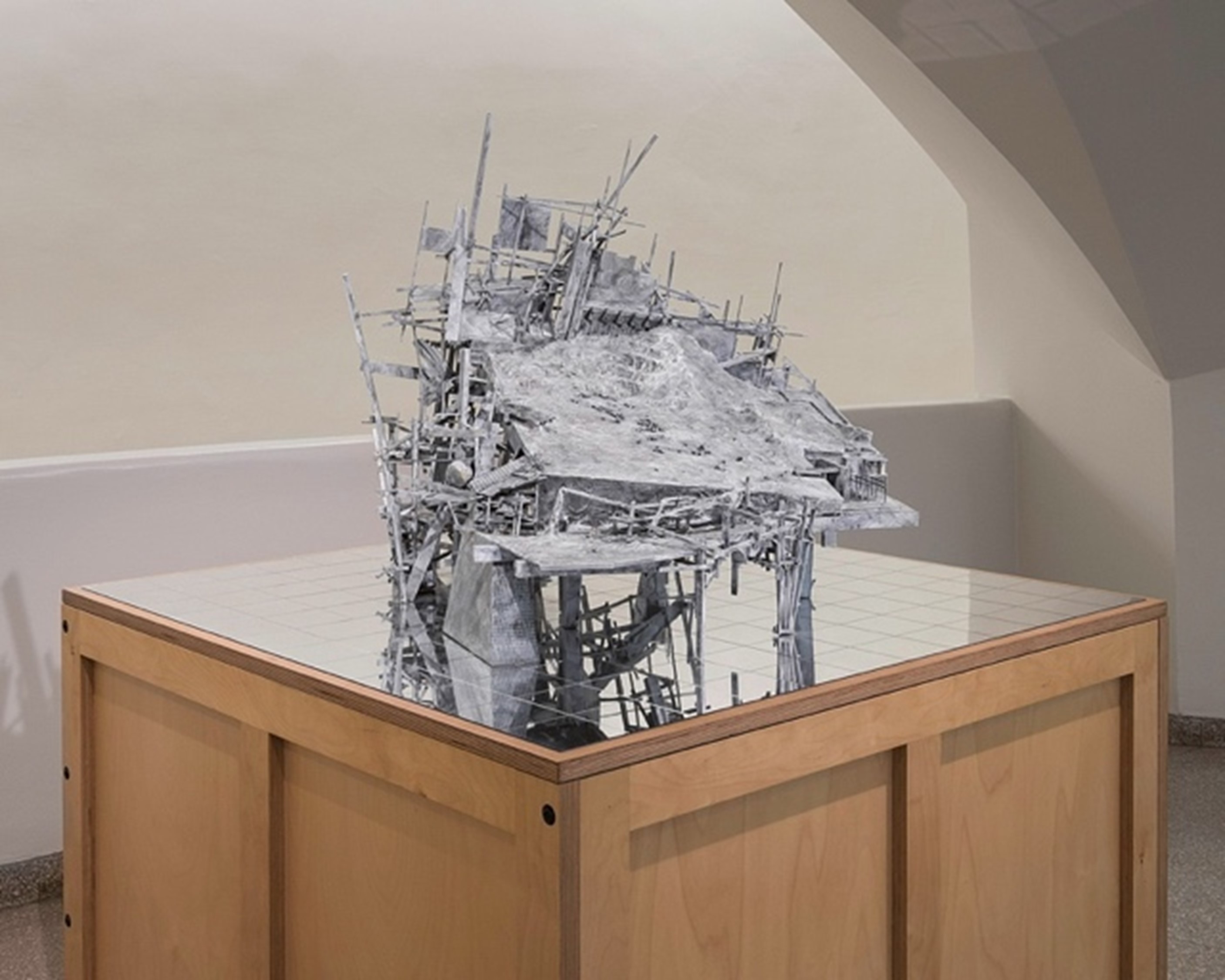
Drifting Ashen Flake Opaque

2008
Wood, acrylic mirror, polyurethane, paper, glass beads, and acrylic paint
158.8 x 121.9 x 121.9 cm
About The Work

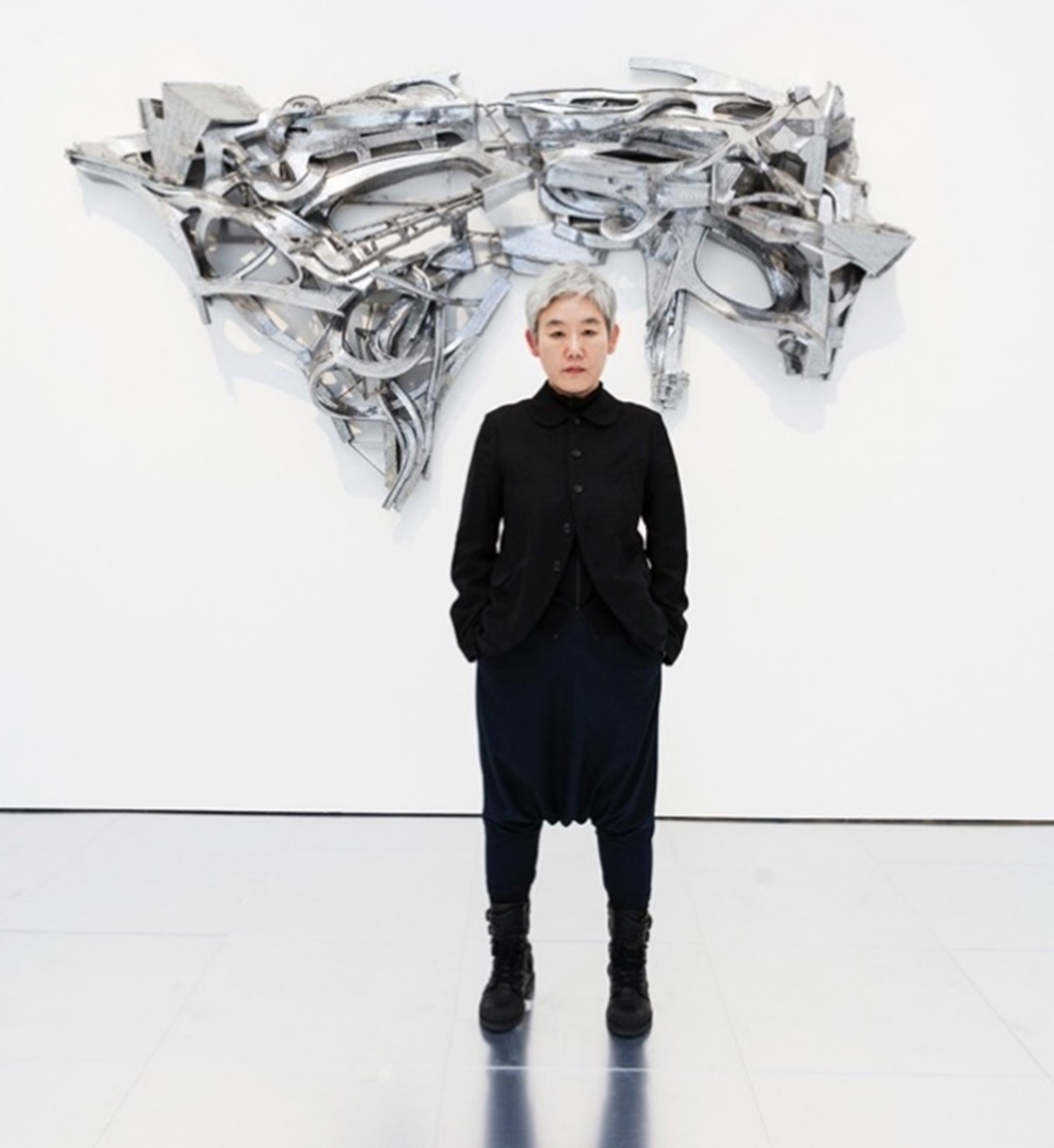
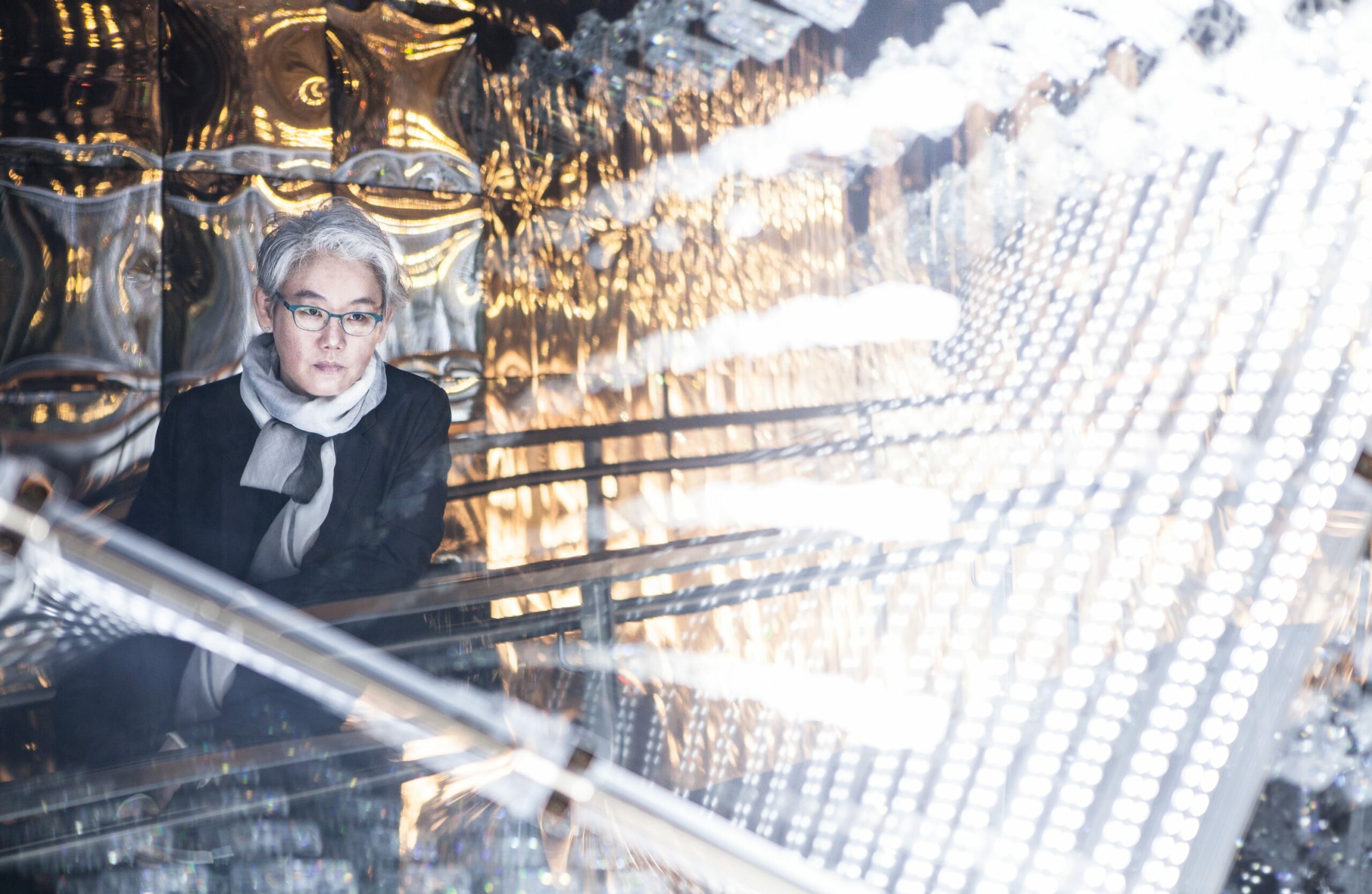
Lee Bul occupies a unique position in contemporary art, critically exploring the contradictions of modern society, the desire for utopia, and the anxieties of dystopia. Her work simultaneously reveals both the vulnerabilities and potential of human existence, raising philosophical questions about technology, history, and power structures.

Her artistic practice can be summarized as an "expansion of boundaries" and a "hybrid imagination." By transcending the borders between humans and machines, tradition and modernity, reality and fantasy, she creates new aesthetic possibilities while maintaining a dual perspective on the utopian ideals and dystopian consequences arising from technological advancements. This ambivalence extends to the ethical dilemmas of progress, ultimately leading to fundamental philosophical inquiries about human nature.

Solo Exhibitions (Brief)

Lee Bul held her first solo exhibition at IL Gallery (Seoul, Korea) in 1988, marking the beginning of her career as an artist. She later gained international recognition through exhibitions such as 《Projects》(1997, The Museum of Modern Art, New York, USA) and 《Venice Biennale》(1999, Venice, Italy).

Entering the 2000s, Lee held numerous solo exhibitions at major global institutions, including 《Life Forever》(2002, New Museum, New York, USA), 《Lee Bul》(2008, Fondation Cartier pour l’art contemporain, Paris, France), and 《Lee Bul: Crashing》(2018, Hayward Gallery, London, UK; Gropius Bau, Berlin, Germany), solidifying her position as a leading contemporary artist.

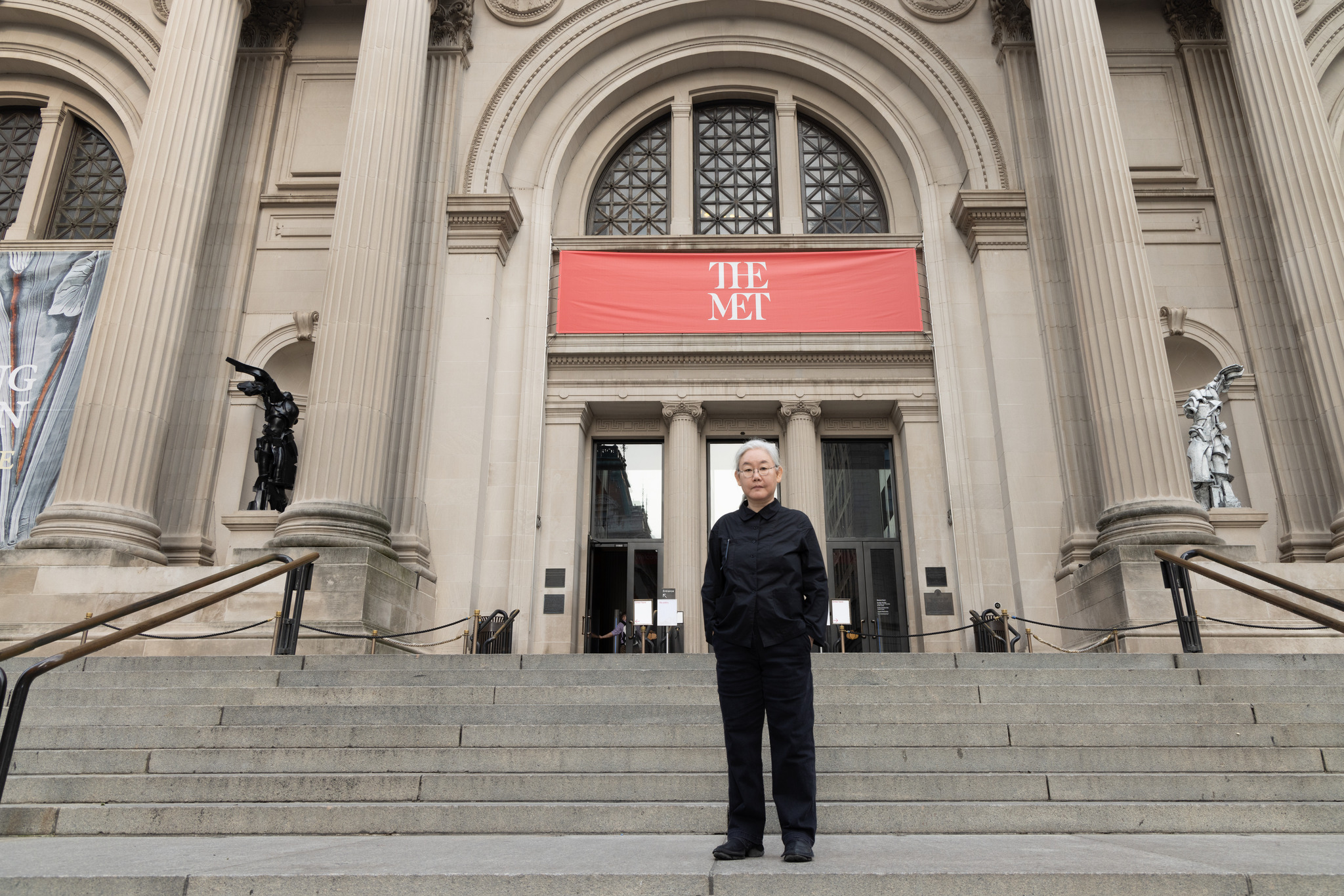
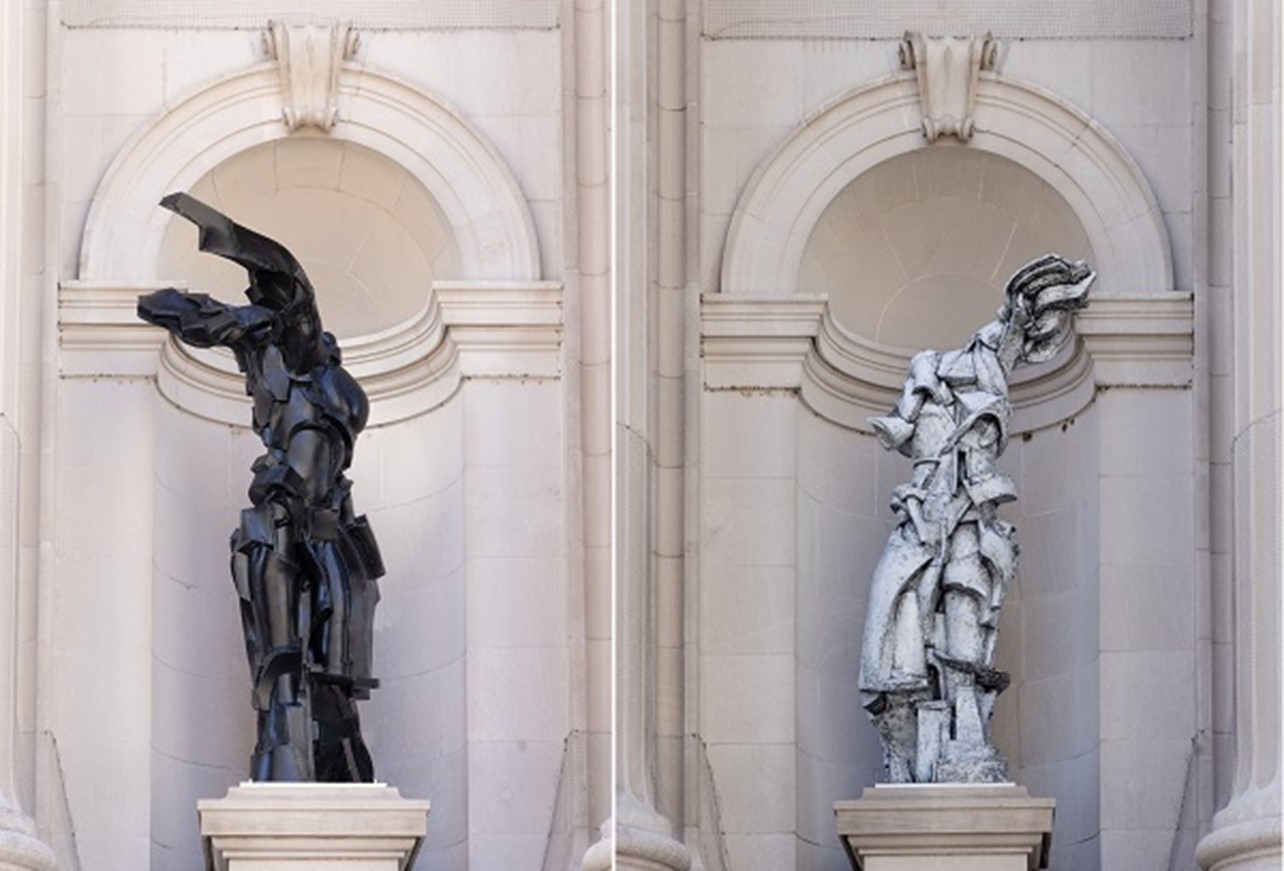
In 2012, she became the first Asian female artist to hold a large-scale retrospective at Mori Art Museum (Tokyo, Japan) with 《From Me, Belongs to You Only》. In 2024, her major commission project 《The Genesis Façade Commission: Lee Bul, Long Tail Halo》 was installed on the façade of The Metropolitan Museum of Art (New York, USA), further cementing her international recognition.

Group Exhibitions (Brief)

Since the 1990s, Lee Bul has participated in numerous prestigious biennales and group exhibitions, significantly contributing to the international presence of Korean contemporary art. She garnered attention at the 《Venice Biennale》 (1999, Venice, Italy), where she was invited to both the International Exhibition curated by Harald Szeemann and the Korean Pavilion.

She has also participated in significant exhibitions such as 《Media City Seoul》(2000, Seoul Museum of Art, Seoul, Korea), 《Transformation》(2010, Museum of Contemporary Art Tokyo, Tokyo, Japan), 《Storylines: Contemporary Art at the Guggenheim》(2015, Solomon R. Guggenheim Museum, New York, USA), and 《Gwangju Biennale: Minds Rising, Spirits Tuning》(2021, Gwangju, Korea).

More recently, her works have been exhibited in 《Dans l’air, les machines volantes》(2023, Hangar Y, Meudon, France) and 《Supernatural – In the Same World》(2023, Oulu Museum of Art, Oulu, Finland), where she presented unique interpretations of technology and human existence.

Awards (Selected)

In 1998, Lee Bul was shortlisted for the Hugo Boss Prize(Solomon R. Guggenheim Museum, New York, USA). In 1999, she received the Special Prize at the Venice Biennale(Venice, Italy). In 2014, she was awarded the Noon Art Prize at the Gwangju Biennale(Gwangju, Korea), and in 2019, she won the Ho-Am Prize for the Arts(Seoul, Korea).

Collections (Selected)

Lee Bul’s works are part of major museum collections, including the National Museum of Modern and Contemporary Art(Gwacheon, Korea), Leeum Museum of Art(Seoul, Korea), Art Sonje Center(Seoul, Korea), Amorepacific Museum of Art(Seoul, Korea), The Museum of Modern Art(New York, USA), Tate Modern (London, UK), and M+ Museum(Hong Kong).
Works of Art

Hybrid Beyond Boundaries

Originality & Identity

Lee Bul occupies a unique position in contemporary art, critically exploring the contradictions of modern society, the desire for utopia, and the anxieties of dystopia. Her work simultaneously reveals both the vulnerabilities and potential of human existence, raising philosophical questions about technology, history, and power structures.

Her artistic practice can be summarized as an "expansion of boundaries" and a "hybrid imagination." By transcending the borders between humans and machines, tradition and modernity, reality and fantasy, she creates new aesthetic possibilities while maintaining a dual perspective on the utopian ideals and dystopian consequences arising from technological advancements. This ambivalence extends to the ethical dilemmas of progress, ultimately leading to fundamental philosophical inquiries about human nature.

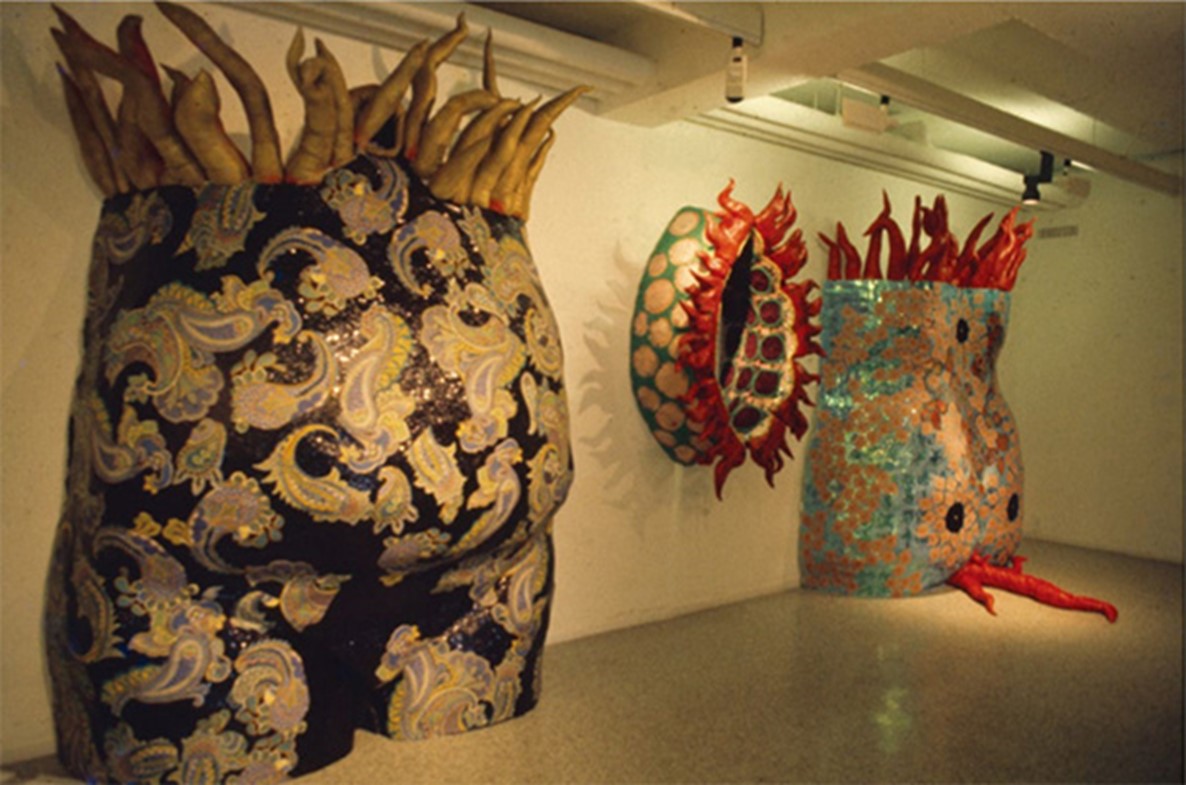
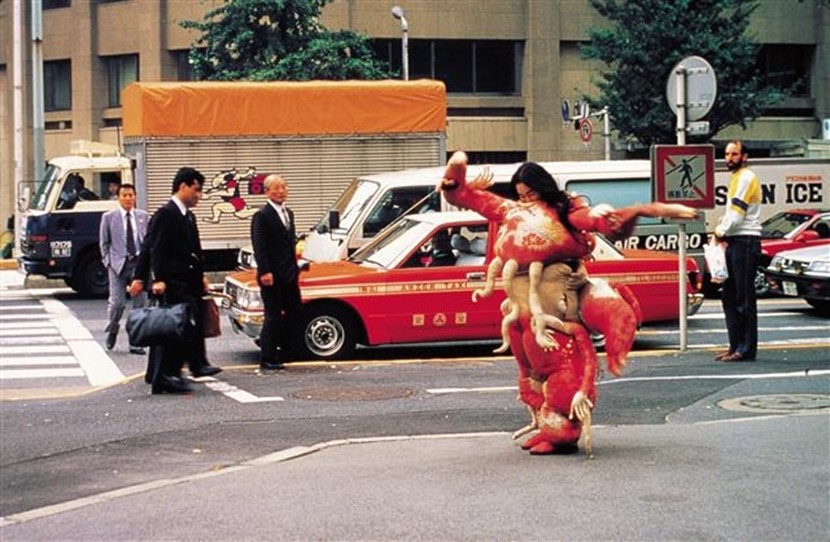
Lee Bul’s early performance works focused on using the body as a medium to convey political and social messages. One of her seminal works, 《Sorry for Suffering – You Think I’m a Puppy on a Picnic?》(1990), featured the artist transforming her body into a monstrous form with tentacle-like appendages, wandering through the streets of Seoul and Tokyo. This performance not only examined personal vulnerability but also conveyed a powerful resistance against both personal and societal oppression of women. Over time, Lee transitioned beyond performance, expanding her visual language through installation, sculpture, and drawing.

Style & Contents

Lee Bul experiments with materials and forms to create multi-layered visual experiences. One of her key works, 〈Majestic Splendor〉(1997), consists of sequined fish vacuum-sealed in plastic, symbolizing the powerlessness felt by women amid disgust and the fragility of life. The work gained notoriety when the rotting fish emitted a powerful stench, intensifying its intended message and provoking a visceral reaction from viewers.

Her 〈Cyborg〉(1998) presents hybrid human-machine figures with incomplete forms, addressing the anxieties and desires surrounding genetic engineering and cosmetic surgery. These works critically examine the idealization of the human body while offering new perspectives on the evolving relationship between humanity and technology.

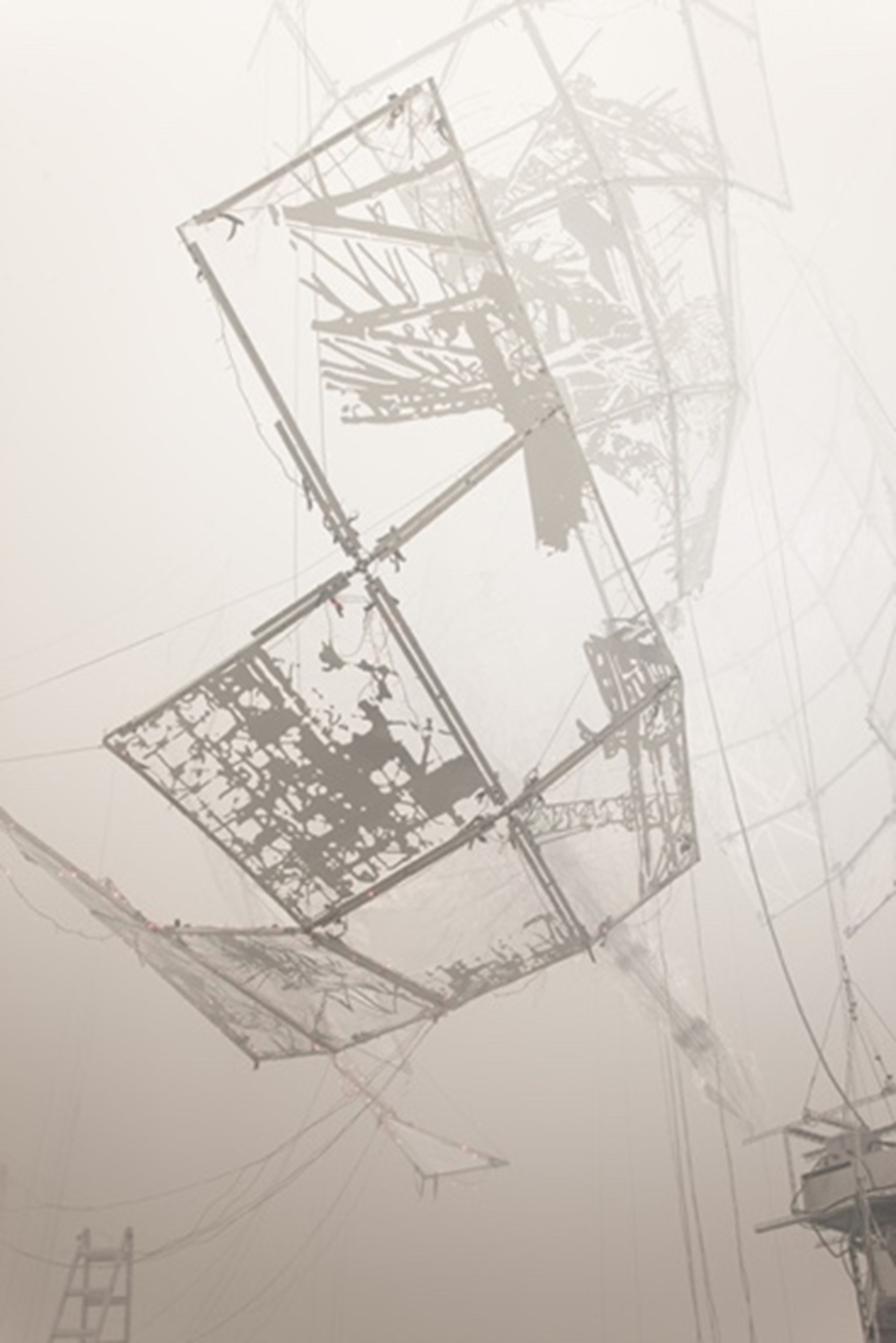
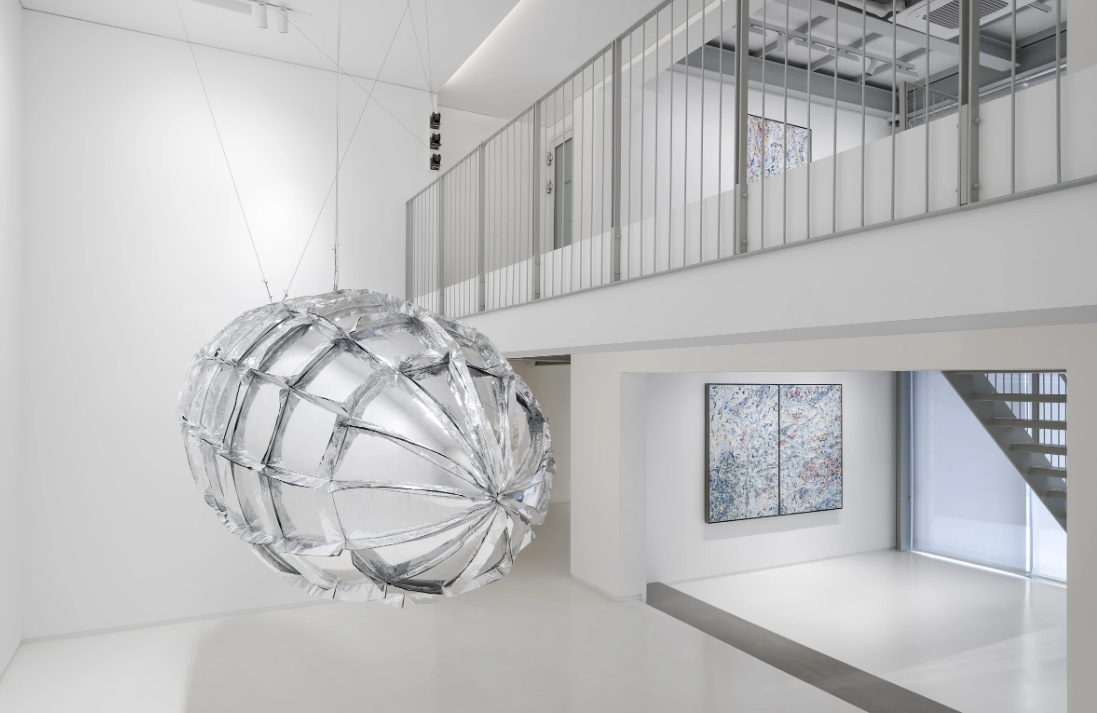
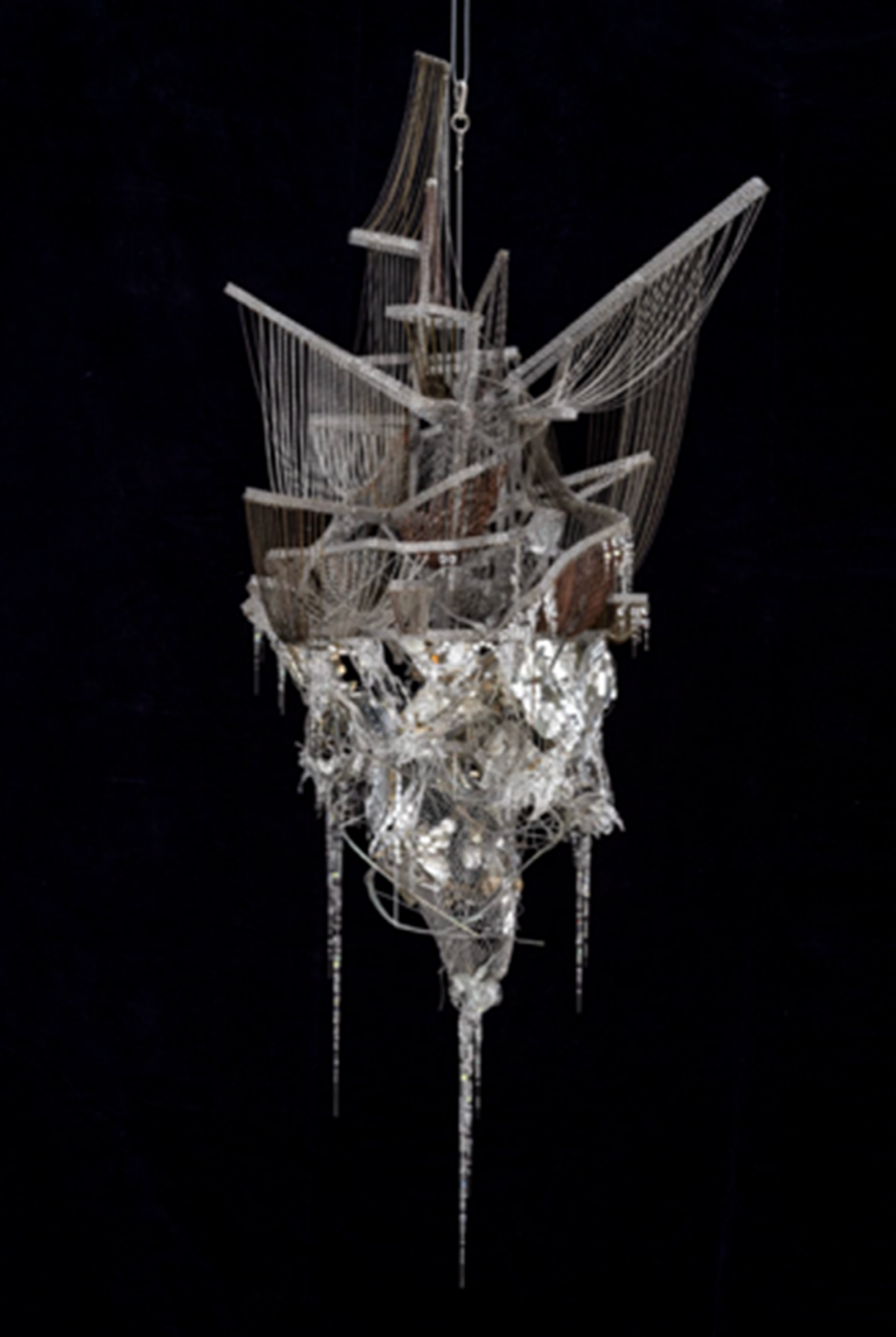
For the 20th Biennale of Sydney, Lee Bul exhibited 〈Willing to be Vulnerable〉(2015–2016), an immense installation replicating the Hindenburg Airship, a symbol of modernity, to metaphorically depict technological aspirations and their inevitable failures.
 
*Hindenburg Airship : Originally built in 1936 in Germany, the Hindenburg Airship represented the pinnacle of early 20th-century aviation technology. However, its catastrophic explosion in 1937 resulted in the deaths of 36 people, starkly illustrating the limits of idealistic technological ambition and overconfidence in progress.

Topography & Continuity

Lee Bul has played a crucial role in reshaping the landscape of contemporary Korean art. She is the only Korean artist to have been invited to the Venice Biennale’s main exhibition twice(1999, 2019). In 2012, she became the first Asian female artist to hold a major retrospective at Mori Art Museum (Tokyo, Japan), marking a significant milestone in international art history.

By proactively addressing themes of technological progress and ethical dilemmas through diverse media, Lee Bul deeply investigates the complex relationships between personal experience and societal structures. Continuously pushing the boundaries of contemporary art, she remains a key figure in expanding its scope and discourse.

Works of Art

Hybrid Beyond Boundaries

Exhibitions