The Eye - K-ARTIST

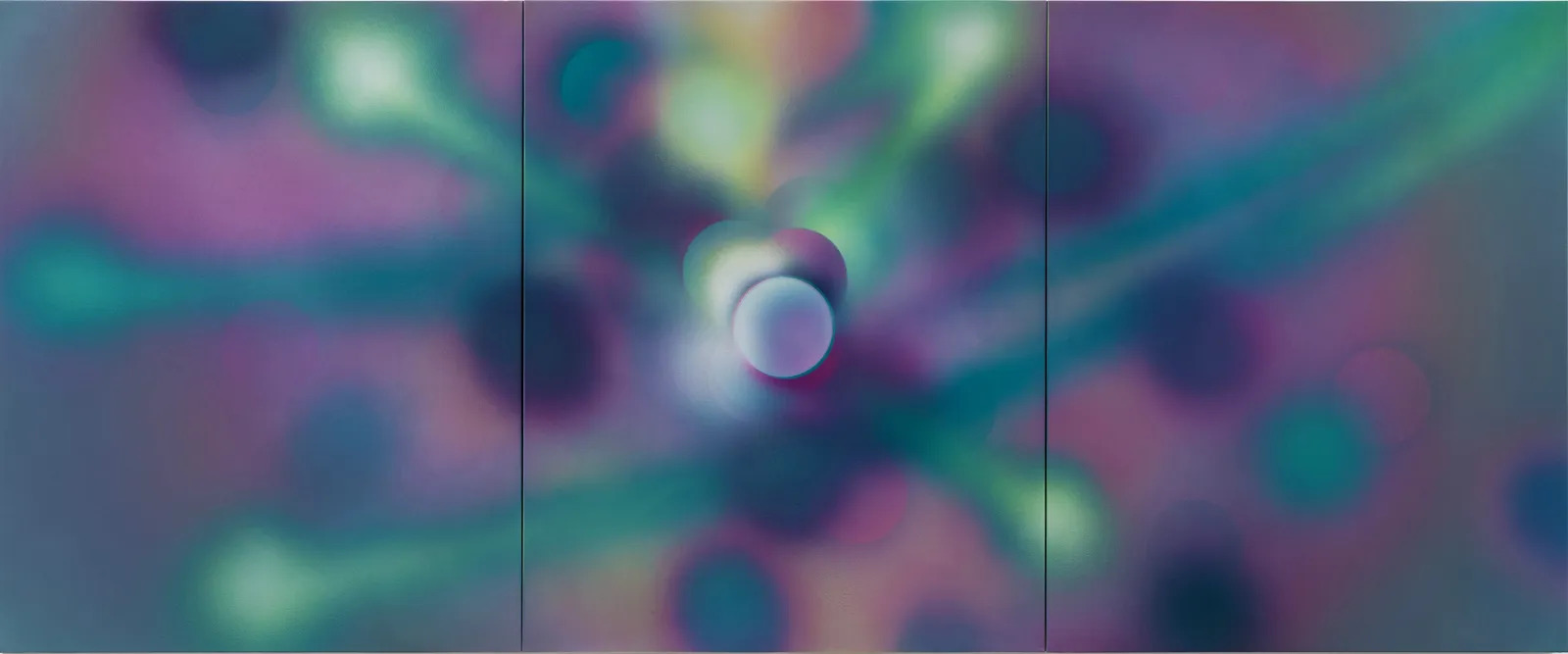
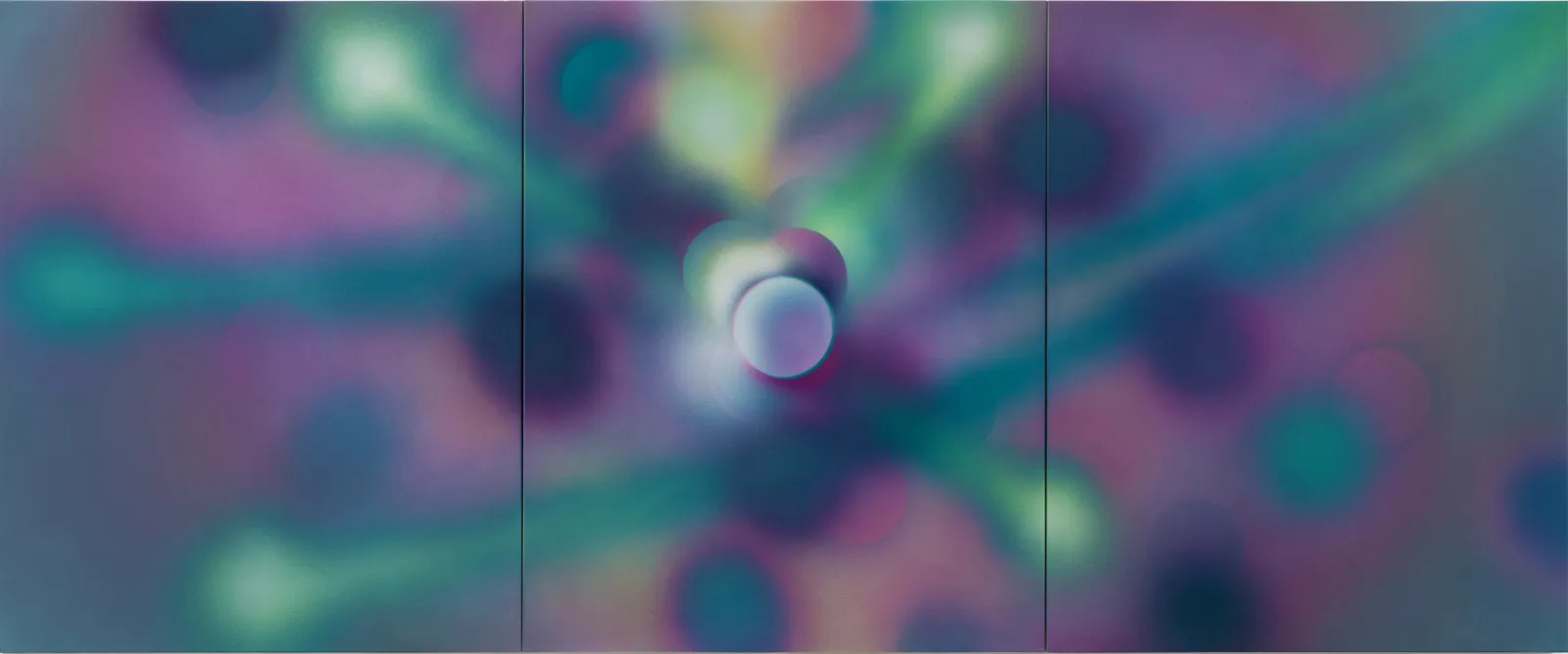
The Eye

2025
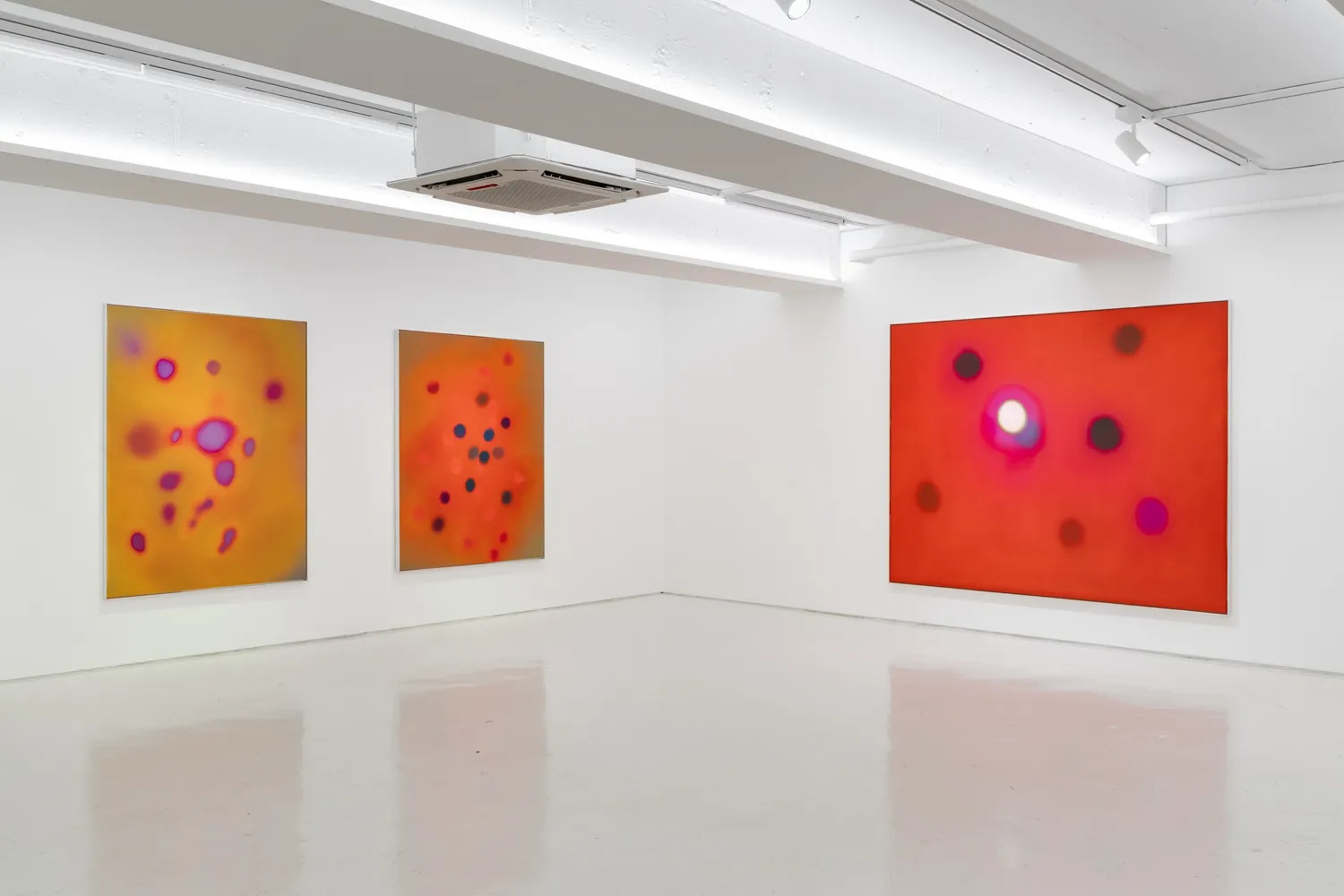
Oil on canvas
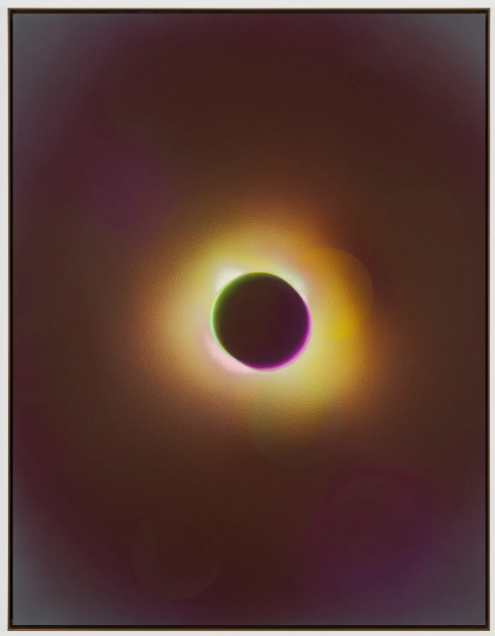
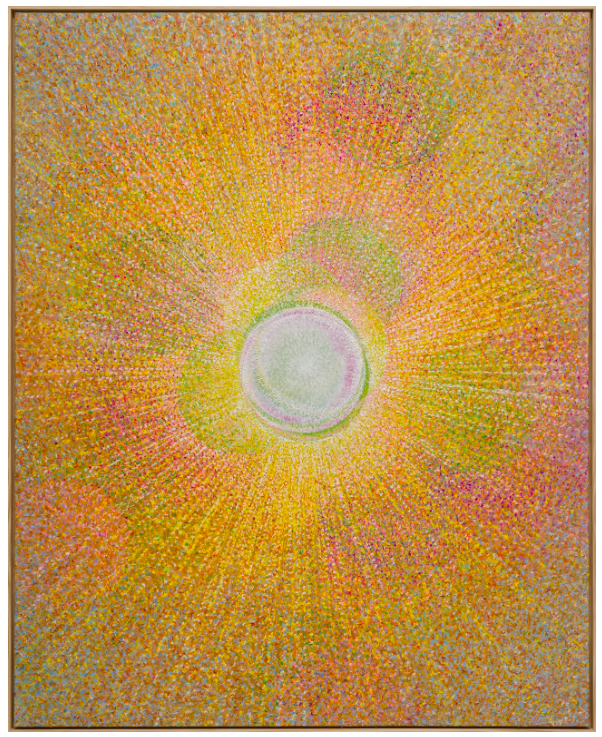
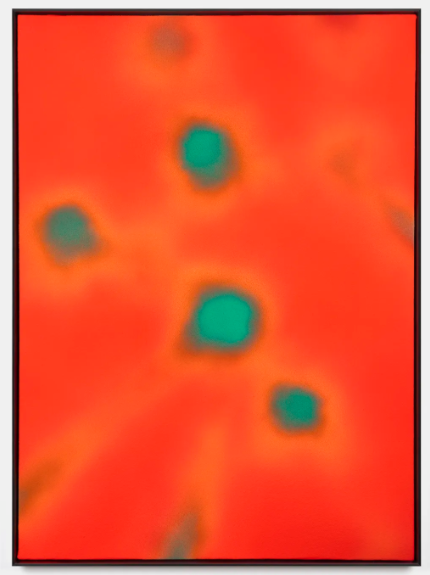
Each 162.2 x 130.3 cm (3 pieces)
About The Work

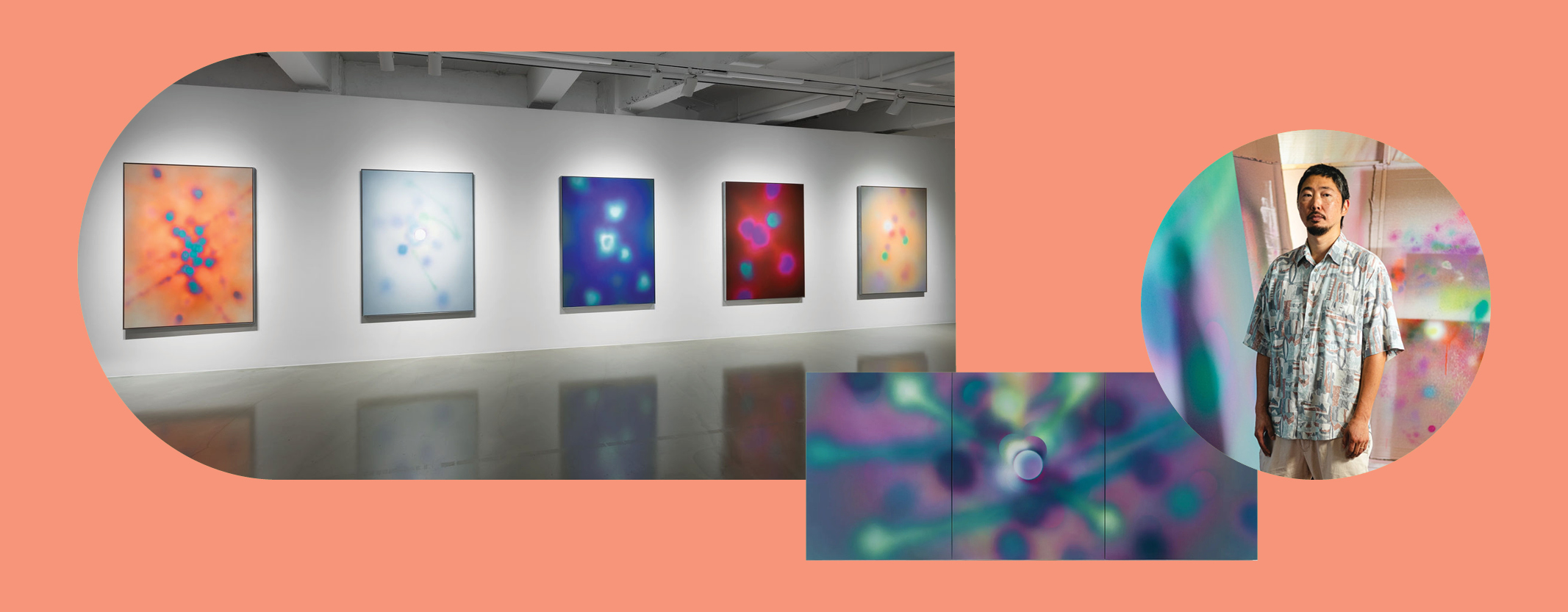
Jimok Choi has questioned the traditional definitions and conventions of painting, redefining it as “the sum of sensory experiences” and expanding its conceptual boundaries. Beginning with the deconstruction and reconfiguration of the “frame” as both a physical and conceptual boundary, he explores new possibilities for painting grounded in the sensory and embodied experiences unique to human beings.

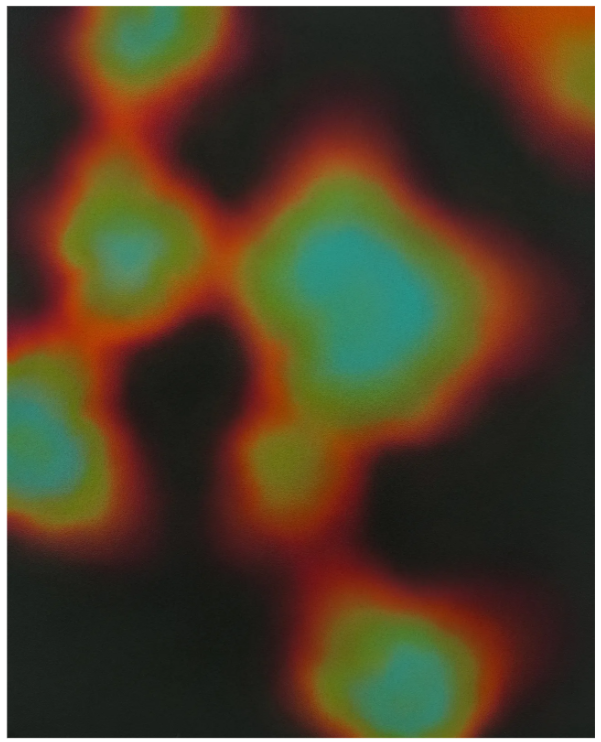
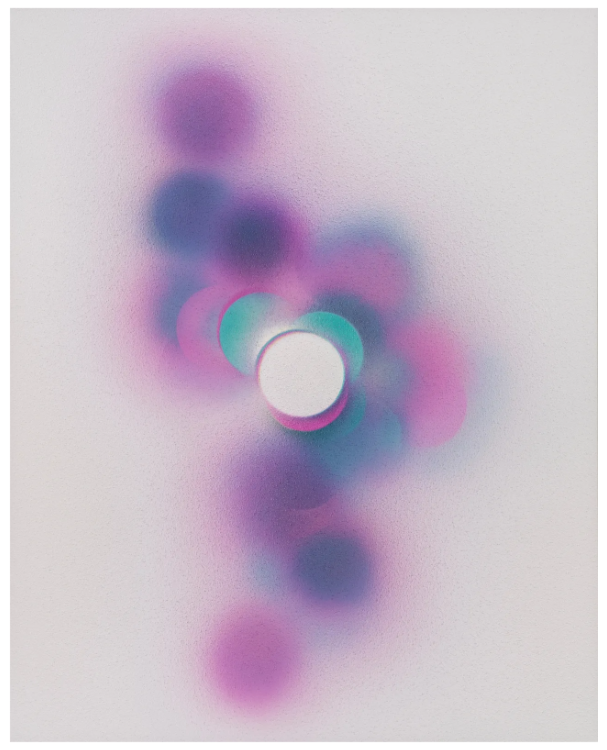
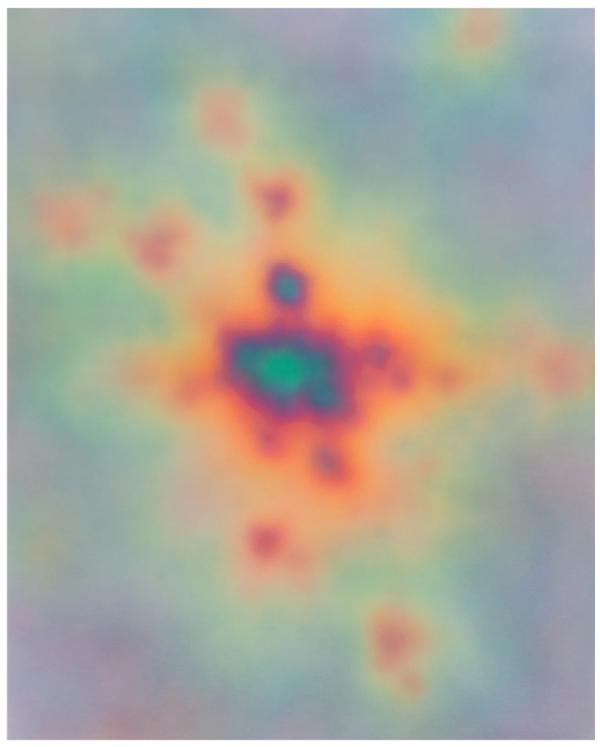
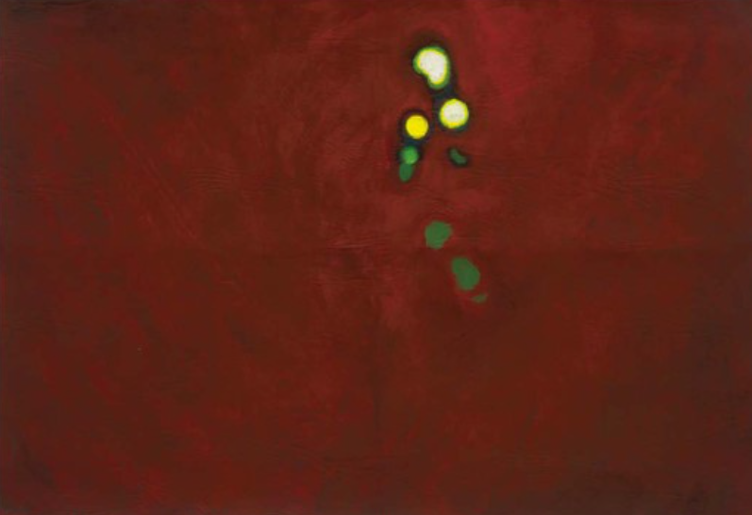
Focusing on afterimages as a physiological phenomenon of human visual perception, Choi has brought this phenomenon into the realm of painting, developing a distinctive body of work he calls “Perceptual Painting.” He translates visual illusions that emerge randomly in the wake of disappearing light into the materiality of pigment, rendering the process through which images form and fade on the retina through variations in color and texture.

His paintings also induce optical illusions and afterimages on viewers’ retinas through intense saturation and complementary color contrasts, prompting them to experience sensations that arise within their own visual systems beyond the colors depicted on the canvas. 

Originating in the artist’s embodied experience, his paintings encounter each viewer’s perceptual processes to generate new sensory layers. By capturing uniquely human perceptual experiences that even advanced technologies cannot fully reproduce, Choi’s work reveals both the distinctive possibilities and the enduring necessity of painting as a medium in the contemporary era.

Solo Exhibitions (Brief)

Choi has held solo exhibitions including 《A Hundred Suns》 (Gallery Baton, Seoul, 2025), 《The Light of Absence》 (Chapter II, Seoul, 2023), 《Logic-Enter Outside》 (Kim Chong Yung Museum, Seoul, 2022), and 《OPEN》 (Kang Contemporary, Berlin, 2020).

Group Exhibitions (Brief)

Choi has also participated in numerous group exhibitions, including 《Whispers Toward the Outside》 (Daegu Art Museum, Daegu, 2026), 《Against Ornament, Against the Object》 (Gallery Baton, Seoul, 2026), 《25th Ha Jungwoong Young Artist Invitaion Exhibition: LIGHT 2025》 (GGwangju Museum of Art, Ha Jungwoong Museum, Gwangju, 2025), 《Vanishing, Emerging》 (Gyeonggi Museum of Modern Art, Ansan, 2024), 《Metamorphosis》 (Kim Chong Yung Museum, Seoul, 2024), 《Brilliant Cut》 (Gallery Baton, Seoul, 2023), and 《Half Opened Door》 (Chapter II, Seoul, 2022).

Awards (Selected)

Choi has received several awards, including the Muthesius Prize, First Place (2014), and the DAAD Prize from the German Federal Foreign Office (2009).

Residencies (Selected)

Choi has participated in residency programs at Chapter II Residency (2022) and Künstlerhaus in Germany (2014).

Residencies (Selected)

Choi’s works are held in the collections of Chapter II, Incheon Bank Art, KD Collection in Hong Kong, and UOVO in the United States.

Works of Art

Perceptual Painting as the Sum of Sensory Experiences

Originality & Identity

Jimok Choi's practice begins with questions about what constitutes painting and who determines its boundaries. Since his studies in Germany, he has been interested not only in the physical frames surrounding paintings but also in the conceptual frameworks that distinguish the inside from the outside of objects, art from everyday life, and artists from viewers.

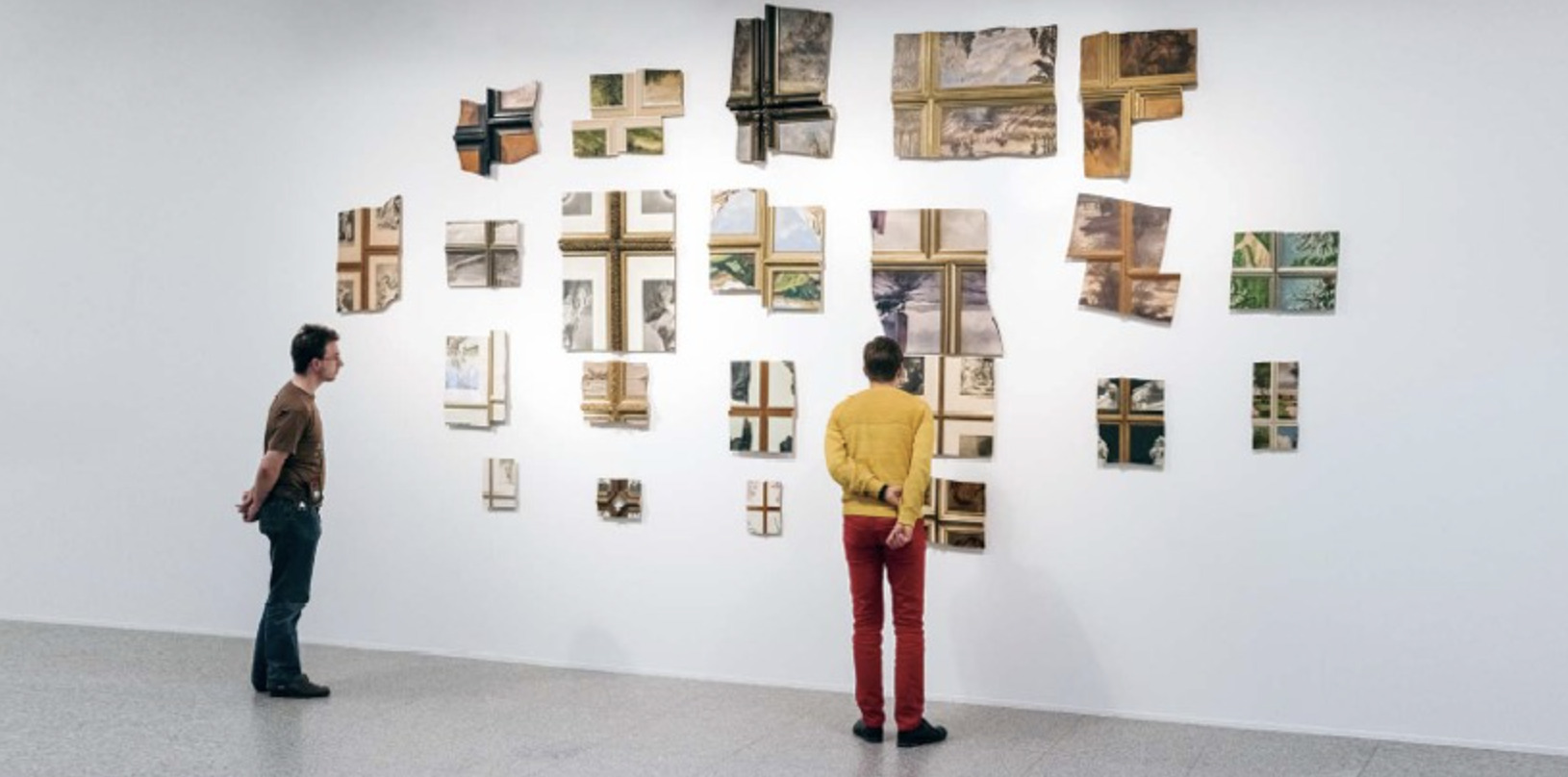
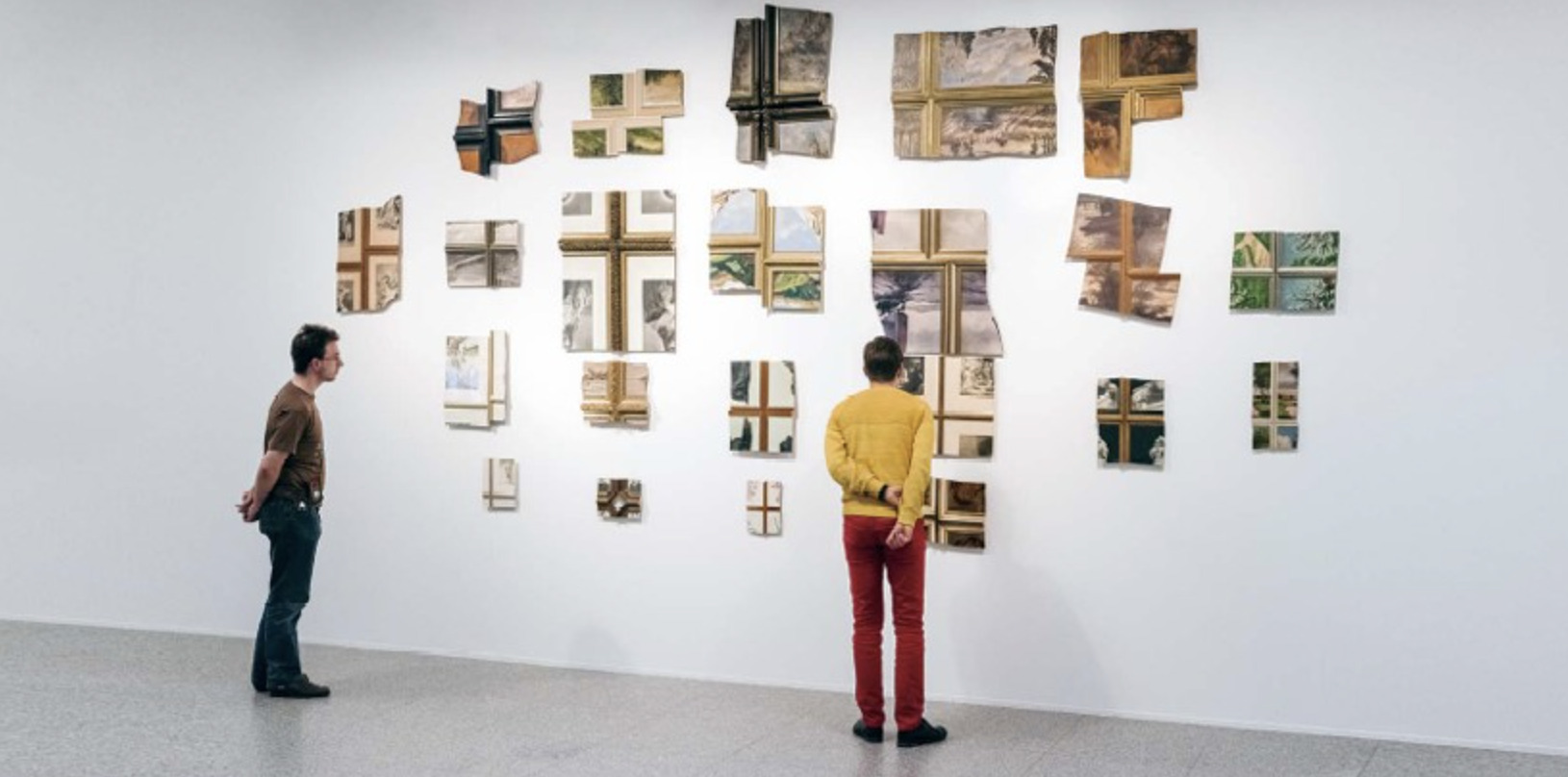
In Windows Vista(2013), Choi cut through framed paintings, photographs, and prints collected from flea markets, reversing and reassembling their interior and exterior elements. As the frames that once defined the outer boundaries of the works became internal structures, the boundaries that had defined the objects were transformed into components of new images.

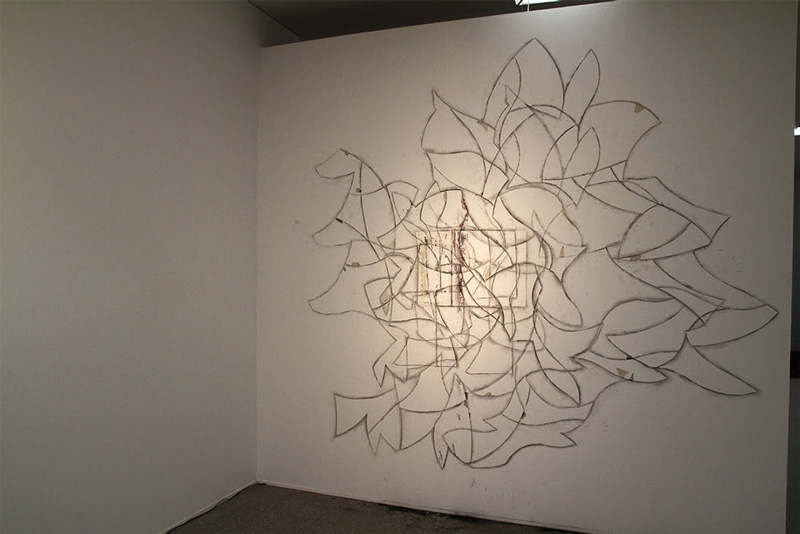
In Final cut-Im Quadrat(2013), he repeatedly cut and reconnected square sheets of paper, demonstrating how the disappearance of one boundary simultaneously generates another. These experiments continued in his solo exhibitions 《Final Cut》(O’NewWall Ejuheon, Seoul, 2017) and 《Painting》(Space CAN, Seoul, 2019).

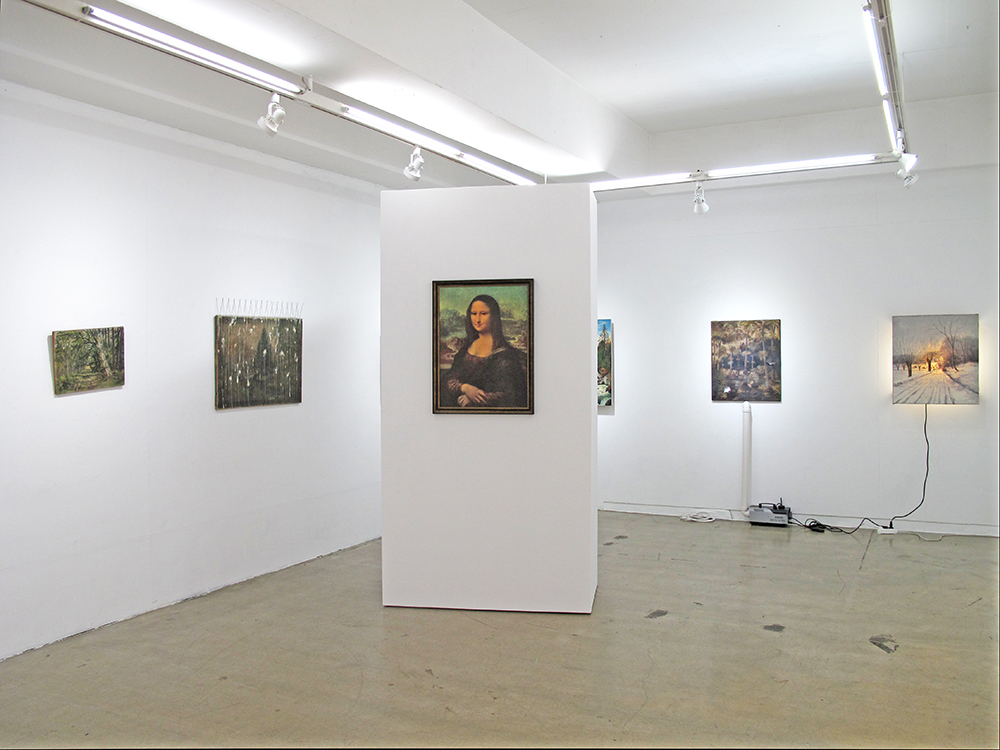
In 《Painting》, in particular, he combined existing paintings with everyday objects and mechanical devices, encouraging viewers to operate the works themselves. Through this approach, he began to consider painting not as a finished image but as an experience continually shaped through the processes of production, exhibition, and viewing.
 
This inquiry developed into a more structural investigation in 《Logic-Enter Outside》(Kim Chong Yung Museum, Seoul, 2022). Through the simple acts of cutting and intersecting sheets of paper, Choi created geometric structures that reversed the relationship between looking outward from within and looking inward from outside.

Here, the frame no longer functions as a boundary that confines an object but becomes a passage connecting different perspectives. Choi subsequently directed this interest toward human vision and the interior of the body. In fact, his exploration of the relationship between the eye and perception began as early as 2007, during his initial studies in Germany, when he observed various visual phenomena, including binocular vision, changes in focus, optical illusions, and afterimages.

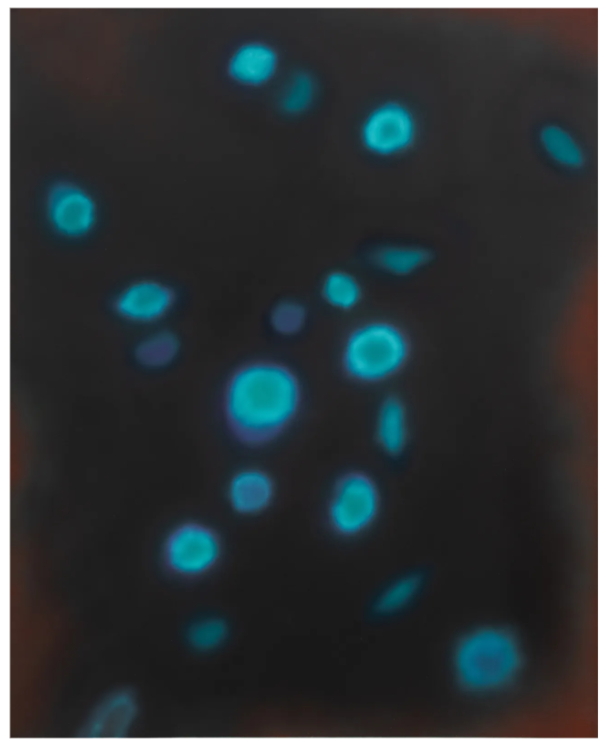
This interest took shape as a sustained painting practice in 《The Light of Absence》(Chapter II, Seoul, 2023). Focusing on the afterimages that appear when one closes one's eyes after exposure to light, Choi shifted from representing objects in front of the eye to depicting images generated by the visual organ itself. Works such as Two Suns(2022) and The Light of Absence(2023) explore the colors and forms that remain and change on the retina after light has disappeared, revealing that seeing is an interaction between the external world and the body.
 
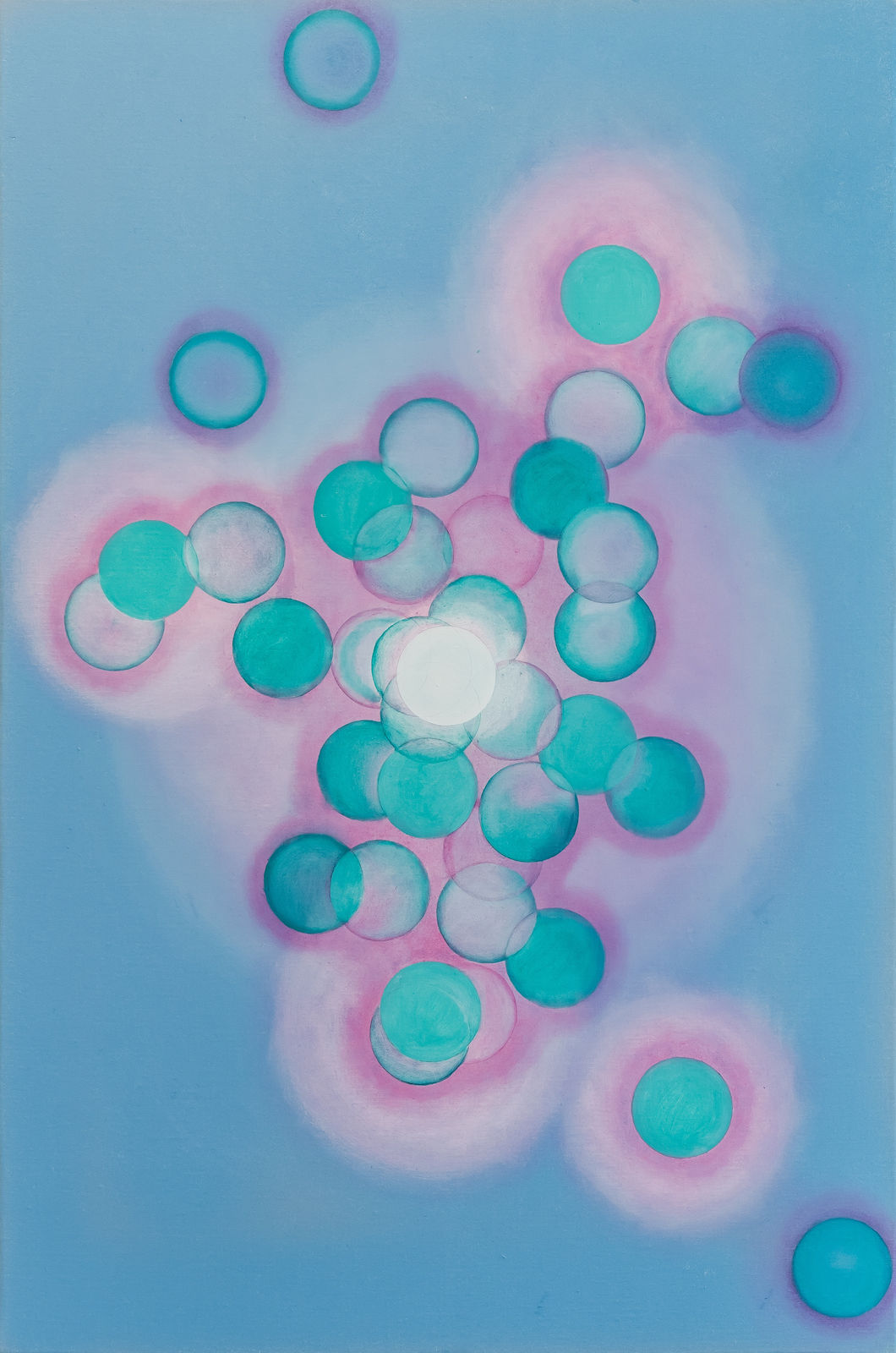
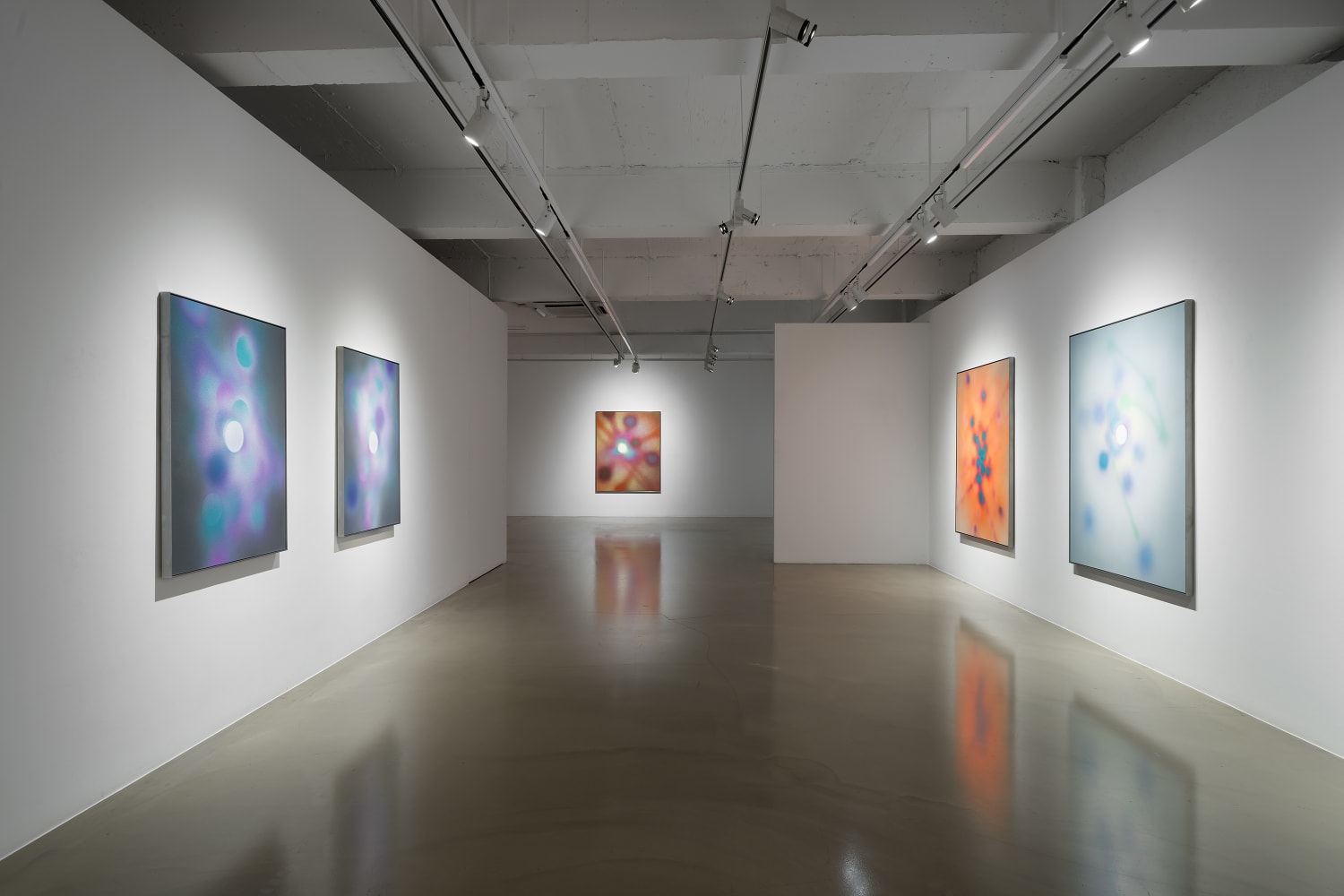
This investigation became more fully articulated through what Choi calls "Perceptual Painting" in 《A Hundred Suns》(Gallery Baton, Seoul, 2025). For Choi, afterimages are both bodily responses to light and subjective images that continually change according to memory and sensation. The ‘Afterimage’ series, including The Eye(2025), translates colors and forms generated within the eye, rather than visible landscapes in the external world, into painting.

At the same time, the intense colors and contrasts between complementary hues induce new afterimages on the retinas of viewers encountering the works. The audience-participatory performance Your Retina Is My Canvas(2025) demonstrates this idea more directly. As viewers experience the visual phenomena originally perceived by the artist through their own eyes and bodies, painting becomes a work completed through the addition of the viewer's perception to the image created by the artist.

His early experiments in dismantling physical frames have thus expanded into a reconsideration of the act of seeing and the role of the perceiving subject.

Style & Contents

From the beginning of his career, Jimok Choi has moved between painting, installation, objects, and performance, transforming the conventional forms of artistic media. In Windows Vista, he cut and reassembled existing paintings and frames, transforming the structure of two-dimensional painting into a three-dimensional arrangement.

In Final cut-Im Quadrat, he developed the repetitive acts of cutting and attaching paper into a drawing performance and wall painting. Both works begin with the familiar rectangular form, but the relationship between interior and exterior changes through cutting and rearrangement. In 《Painting》, these methods expanded to incorporate a wider variety of materials and sensory experiences.

Choi combined old paintings collected from flea markets and eBay with lighting fixtures, household objects, and electrical devices, blurring the boundaries between painting and installation. In one work incorporating a massage machine into a painting, the movement of the device creates the impression that the landscape itself is moving, while viewers can lean against the canvas and receive an actual massage. By introducing touch and bodily responses into the experience of viewing, Choi explored how painting might extend beyond the visual image.
 
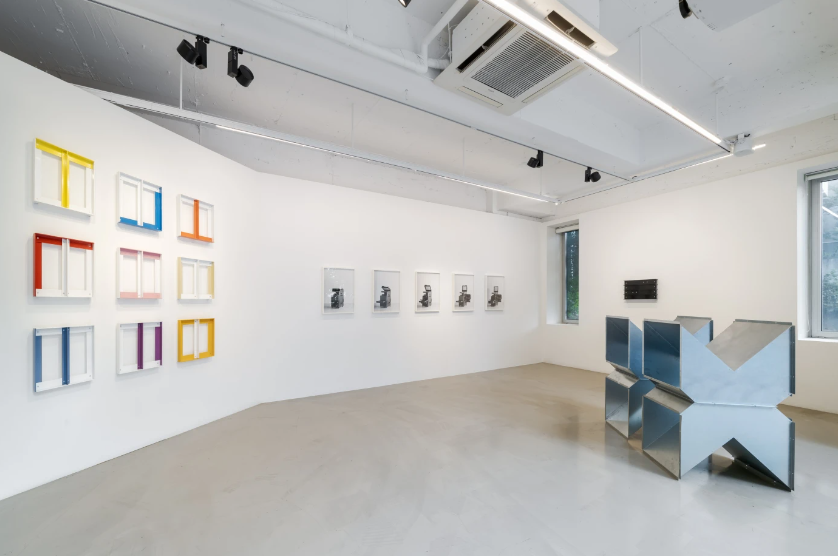
In 《Logic-Enter Outside》, geometric structures and spatial relationships became more important than the combination of everyday objects. Forms created by cutting and intersecting A4-sized sheets of paper retain the original rectangular structure while reversing the direction between inside and outside.

Choi extended these principles of cutting and intersection into a wall installation combining rectangular objects and drawings, connecting individual works through Knocking, positioned at the center of the exhibition space, and lines drawn across the floor. Each work functions both as an independent sculptural element and as part of the overall spatial composition.

As viewers move through the exhibition, the relationships between the works change according to their positions and lines of sight, allowing otherwise invisible geometric principles and structures to emerge as spatial experiences. Whereas cutting initially served to dismantle established orders, it had developed by this stage into a method of generating new structures and examining the relationships between them.
 
In the subsequent ‘Afterimage’ series, Choi's practice shifted from installations and objects toward painting on canvas, while his experiments with techniques of representation became increasingly refined. He observes the colors and forms that appear when he closes his eyes after exposure to light, records his memories of these rapidly changing afterimages through tablet drawings and written notes, and then translates them onto canvas. What matters here is that afterimages have no fixed form: their colors, brightness, and boundaries continually change over time.

In 《The Light of Absence》, Choi used an airbrush and pigments designed to minimize reflection to translate these immaterial visual experiences into paint. Fine particles of color sprayed through the airbrush create softly blurred fields and seemingly floating forms, while specialized lighting enhances the shifting effects of colors and their complementary hues.

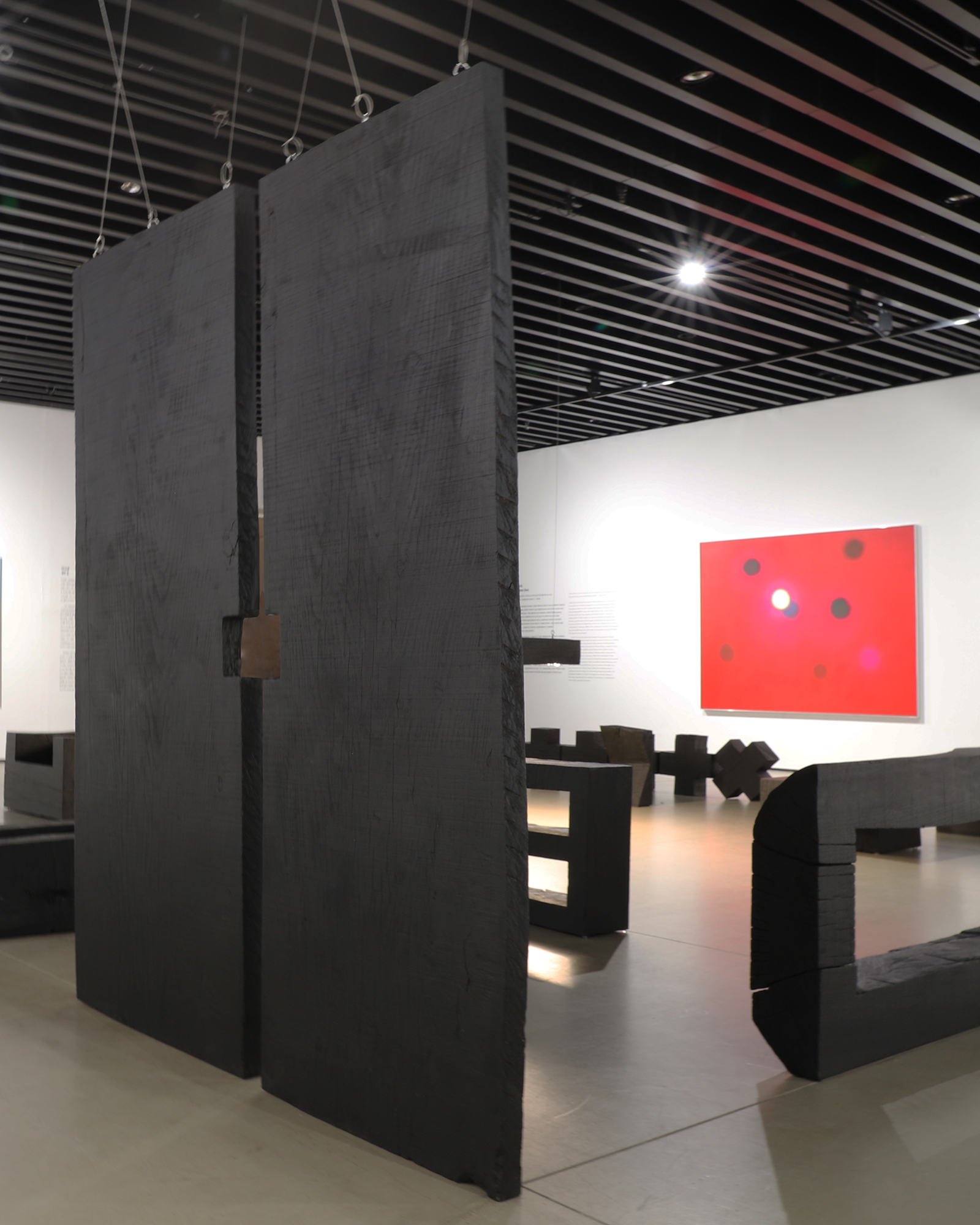
In The Eye, presented in 《A Hundred Suns》, dominant afterimages appear as dense, fluid masses of color, while fading images are rendered through lightly dispersed particles of pigment. In contrast, areas painted with a brush deliberately establish distinct boundaries, creating effects reminiscent of overlapping light waves.

His interest in light and visual impressions continues in recent paintings such as Blind Landscape(2026). By combining the properties of airbrushing, brushwork, pigments, and lighting, Choi reconstructs images that emerge and disappear on the retina, incorporating the viewer's visual responses into the work itself.

Topography & Continuity

The central question running through Jimok Choi's practice concerns how far the boundaries of painting can be expanded. In his early works, he challenged the physical structure of painting by cutting and reassembling frames and objects. He subsequently sought to transform the experience of viewing through audience participation and the relationship between artworks and exhibition spaces.

More recently, by taking the physiological responses of the retina as the starting point for painting, he has investigated not only what painting shows but also how human beings see. This development represents both a formal return from installation and performance to two-dimensional painting and an extension of his longstanding concerns into the realm of bodily sensation.

A distinctive characteristic of Choi's "Perceptual Painting" is that it draws on concrete visual experiences while employing abstract colors and forms. Unlike approaches to abstract painting that emphasize geometric composition or the artist's inner expression, Choi records phenomena occurring on the retina and encourages new visual responses within the bodies of viewers. By making the act of looking itself part of the experience and formation of the work, his paintings assign a more active role to the viewer.
 
This approach takes on particular significance at a time when technologies for producing and reproducing images are rapidly evolving. Choi emphasizes that although photography and artificial intelligence can generate visual images, sensory experiences arising from the body's response to light cannot necessarily be reproduced in the same way for every individual.

For him, painting is both a means of recording fleeting sensations in material form and a medium through which viewers can become newly aware of their own perception. While viewers touched and operated paintings in his early installations, their eyes and retinas now respond directly to his recent paintings, completing the experience of viewing.

His participation in 《Against Ornament, Against the Object》(Gallery Baton, Seoul, 2026), alongside artists such as Carl Andre, Robert Mangold, and Liam Gillick, also situates his work within a context that examines relationships between artistic form, viewer perception, and bodily experience. Choi's practice leaves room for further exploration of the physical conditions and perceptual possibilities of painting through the relationship between pigment and light, as well as exhibition environments that engage the viewer's senses.

Having begun by transforming the frame of painting and subsequently bringing human perception itself into the pictorial realm, his work continues to suggest new possibilities for reconsidering the relationship between images and sensory experience.

Works of Art

Perceptual Painting as the Sum of Sensory Experiences

Articles

Exhibitions

Activities