CAPTCHA Tweet - K-ARTIST

CAPTCHA Tweet

2013
Projector, computers, monitors, keyboard, mouse
Approx. 600 x 300 x 100 cm

About The Work

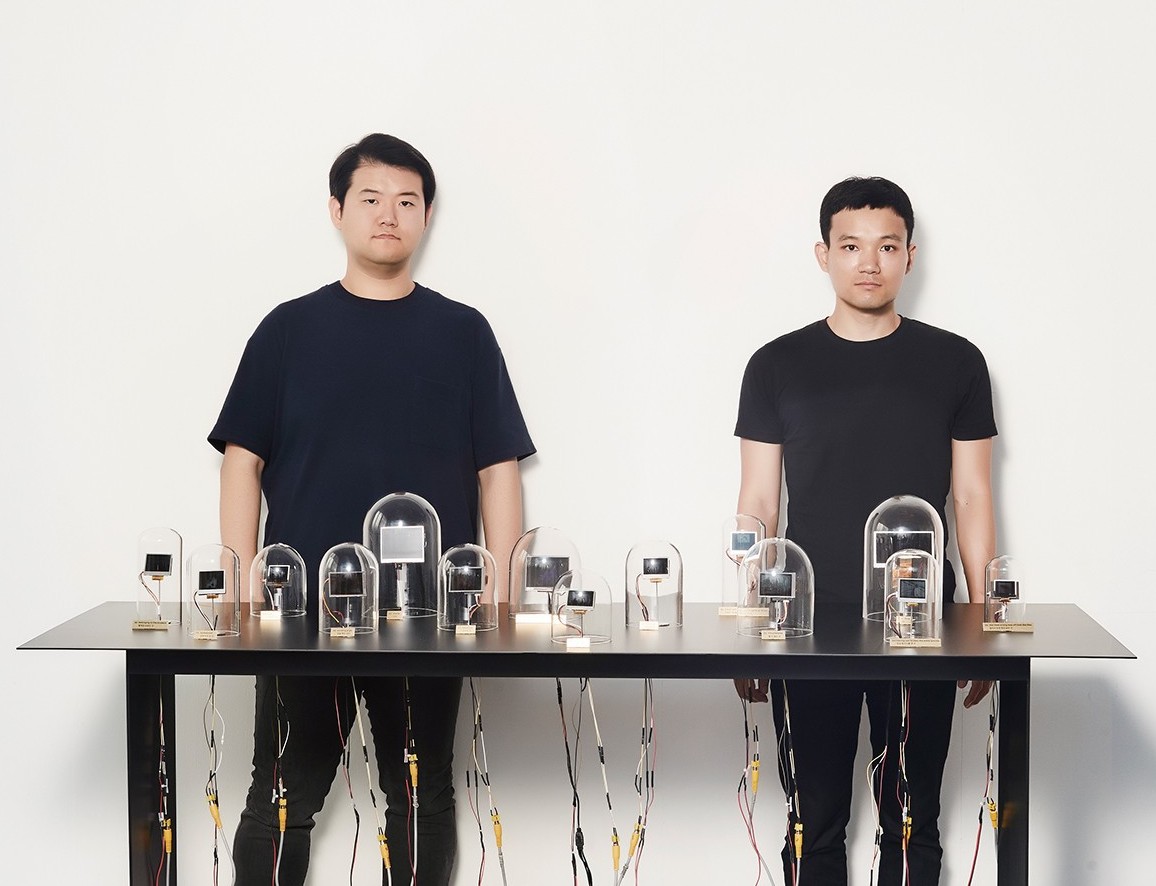
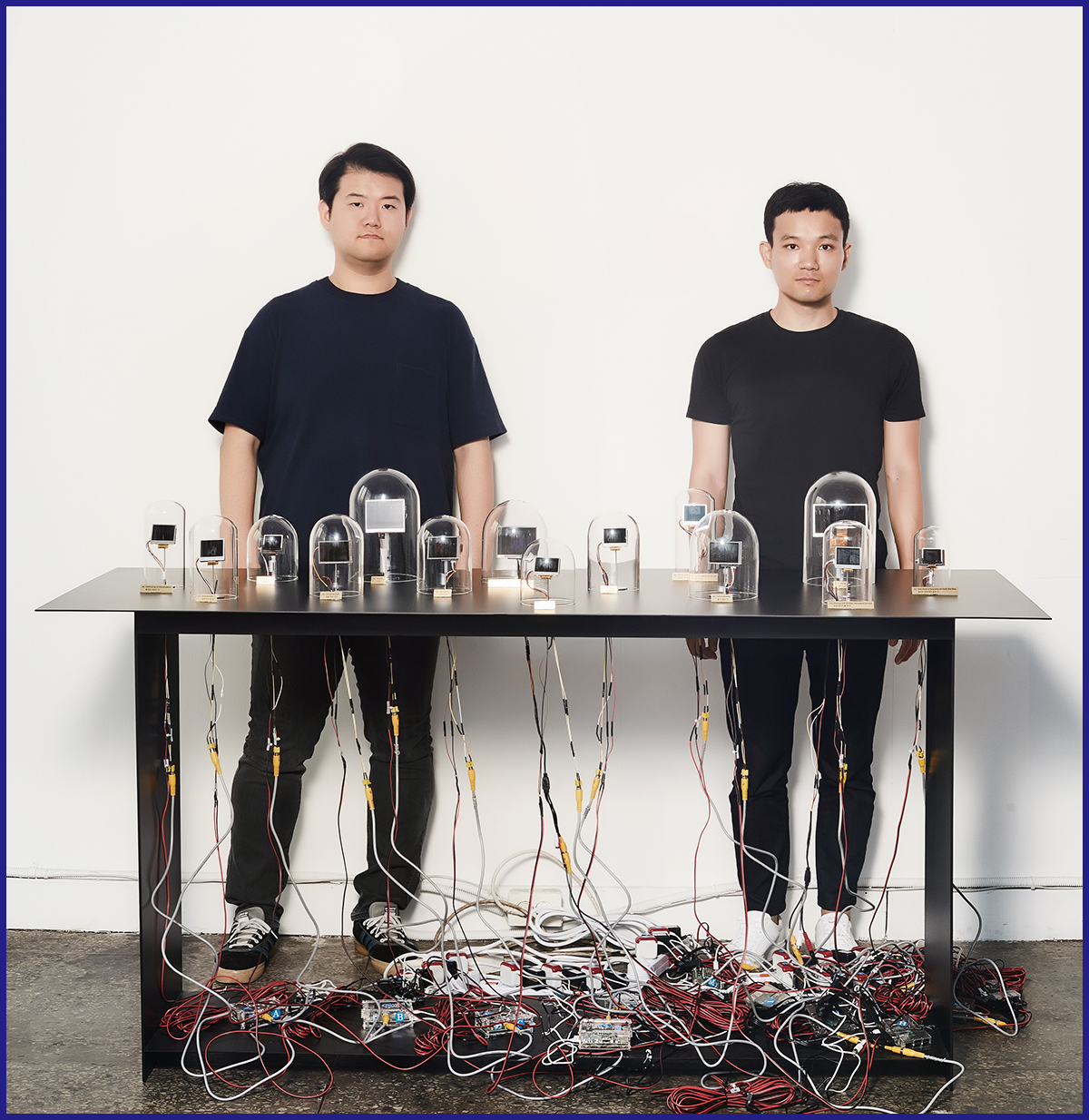
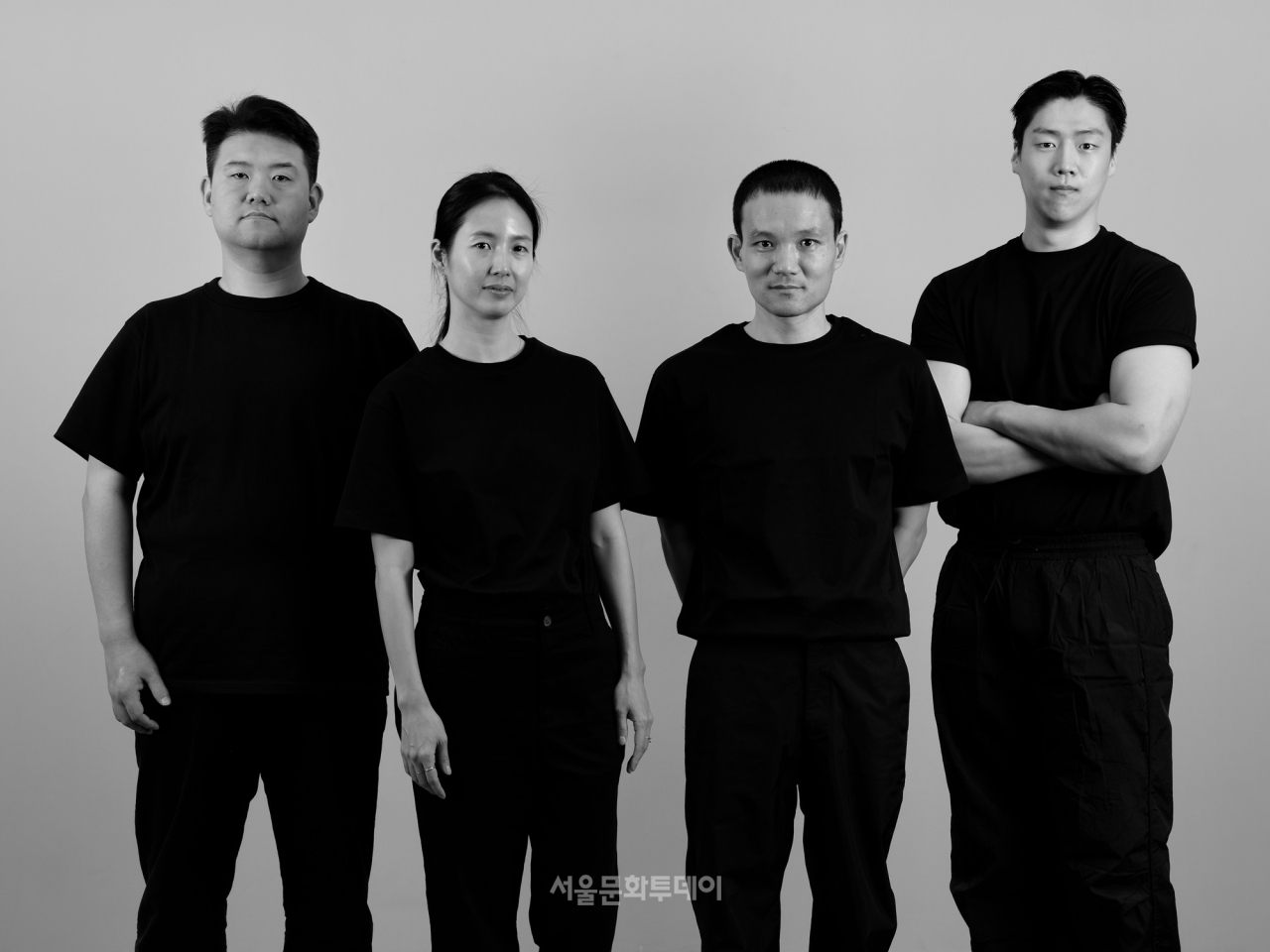
Shinseungback Kimyonghun explore how humans and machines perceive and interpret the world, examining the impact of technological advances on human perception and thought. Bringing together backgrounds in computer science and visual art, the two artists have investigated the relationship between humans and technology through the fields of computer vision and artificial intelligence since beginning their collaboration in 2012.

In their work, artificial intelligence is both an entity that understands the world based on the knowledge and criteria of judgment established by humans and a subject through which to reconsider human systems of perception. Examining how technology operates leads them to question what humans see, how they understand what they perceive, and the criteria by which they distinguish and interpret the world.

Working primarily with computer vision and artificial intelligence algorithms, Shinseungback Kimyonghun employ a range of media, including photography, video, installation, interactive objects, and performance. They transform phenomena arising from technological processes into artistic expressions by modifying widely used technologies or combining them with software of their own making.

In doing so, they bring together image production, real-time computation, and physical performance, translating the mechanisms of technology and their outcomes into forms that viewers can directly observe and experience.

As artificial intelligence becomes increasingly involved in image production and everyday decision-making, their work examines both the human perspectives through which technology is understood and the ways in which machines interpret the world, raising questions about the significance of human perception and cognition in an evolving technological environment.

Solo Exhibitions (Brief)

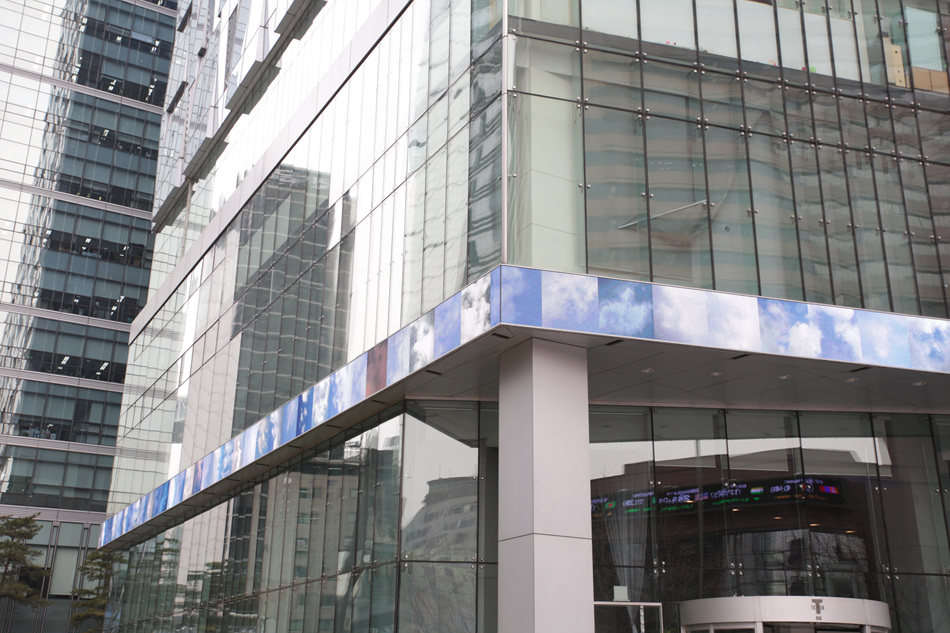
Shinseungback Kimyonghun presented solo media façade exhibitions in Seoul and Daejeon in 2016 and 2017, organized by Art Center Nabi.

Group Exhibitions (Brief)

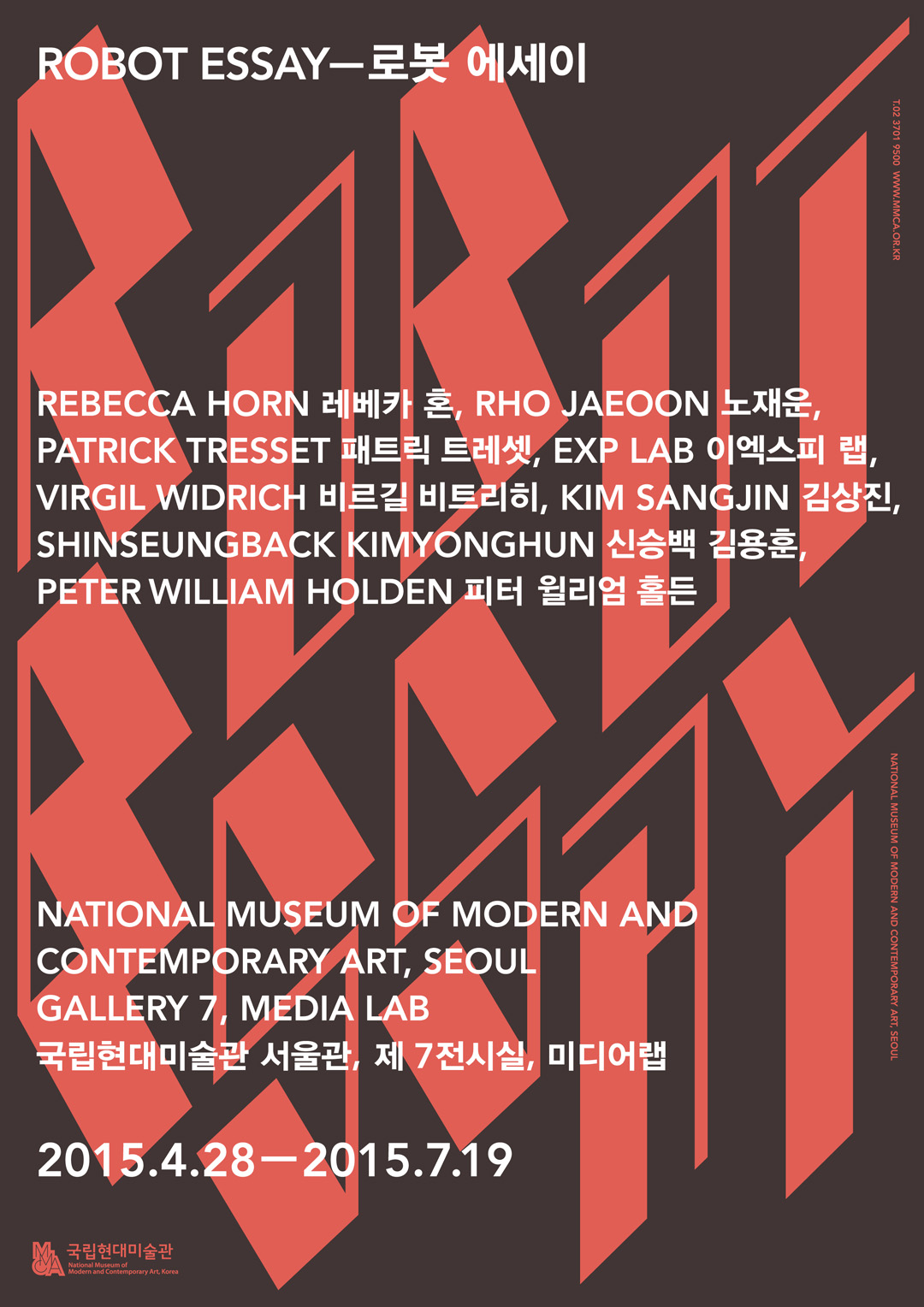
Shinseungback Kimyonghun has participated in group exhibitions at the National Museum of Modern and Contemporary Art, Korea (2015, 2019), ZKM | Center for Art and Media Karlsruhe (2015), Ars Electronica Center (2015), Mildred Lane Kemper Art Museum (2016), NTT InterCommunication Center (2019), UCCA Edge (2022), and Seoul Museum of Art (2024).

Awards (Selected)

Shinseungback Kimyonghun received an Honorary Mention in the Interactive Art + category at Prix Ars Electronica in 2020.

Collections (Selected)

Works by Shinseungback Kimyonghun are held in the collections of the Seoul Museum of Art and KAIST Art Museum.

Works of Art

Human Senses and Perception in a Changing Technological Landscape

Originality & Identity

Shinseungback Kimyonghun explores how humans and machines perceive and interpret the world, examining the impact of technological development on human perception and thought. Bringing together backgrounds in computer science and visual arts, the duo has investigated the relationship between humanity and technology through computer vision and artificial intelligence since beginning their collaboration in 2012.

In their practice, AI operates through knowledge and systems of judgment constructed by humans, while simultaneously offering a means of reconsidering human perception itself. Their examination of technological processes raises fundamental questions about what humans see, how they understand the world, and the criteria through which they distinguish and categorize its elements.

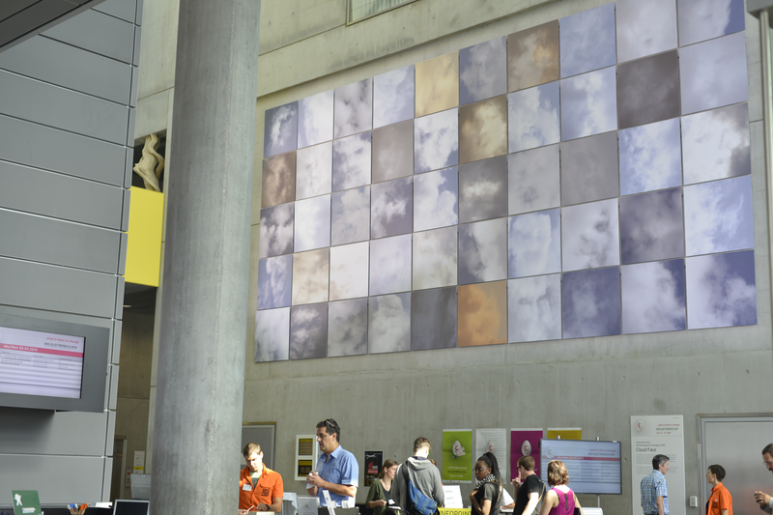
Central to their practice are the concepts of perceptual error and imperfection. Their early work Cloud Face (2012) reveals similarities between human imagination and machine error through instances in which artificial intelligence mistakenly identifies clouds as human faces.

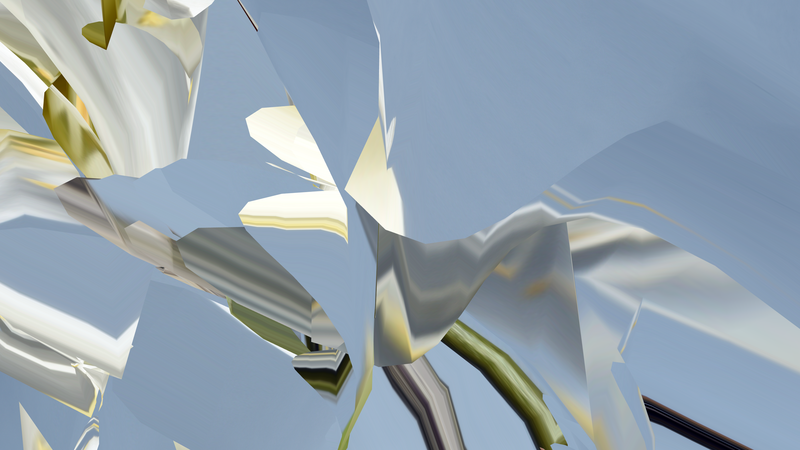
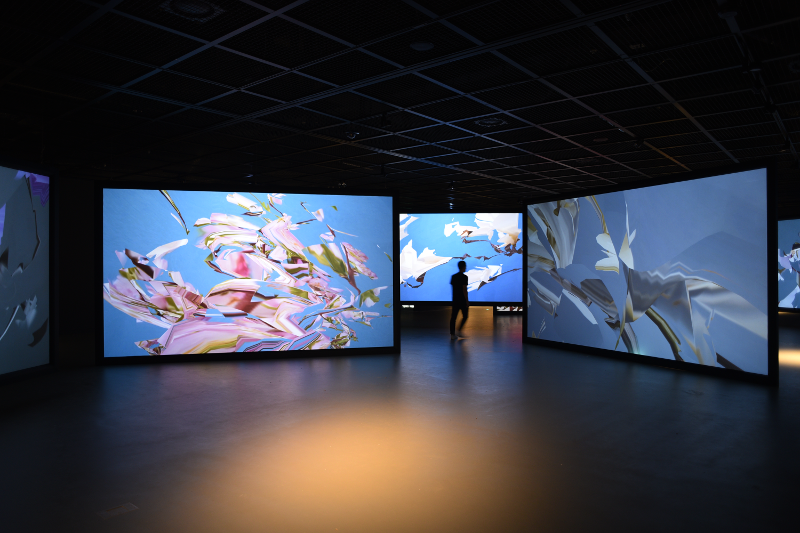
Cat or Human (2013) explores the ambiguity of visual judgment through algorithms that confuse human and feline faces, while Flower (2016–2017) presents images that AI continues to recognize as flowers even when they no longer resemble flowers to the human eye. In these works, errors reveal the different ways humans and machines interpret the world, prompting viewers to reconsider familiar visual conventions and the limitations of perception.

Their investigation of perception extends into philosophical questions surrounding the criteria of classification and judgment. Animal Classifier (2016) applies Jorge Luis Borges's arbitrary taxonomy of animals to artificial intelligence, exposing the imperfections of human systems of knowledge and categorization.

In Nonfacial Portrait (2018–ongoing), the artists invite painters to create portraits that remain recognizable as faces to humans while escaping detection by AI, exploring the possibility of visual experiences unique to human perception. Both works question how the criteria used to distinguish objects and assign meaning are established. They also reconsider the sensory and interpretive capacities that may remain distinctly human in an era when technological judgments increasingly mediate human perception.

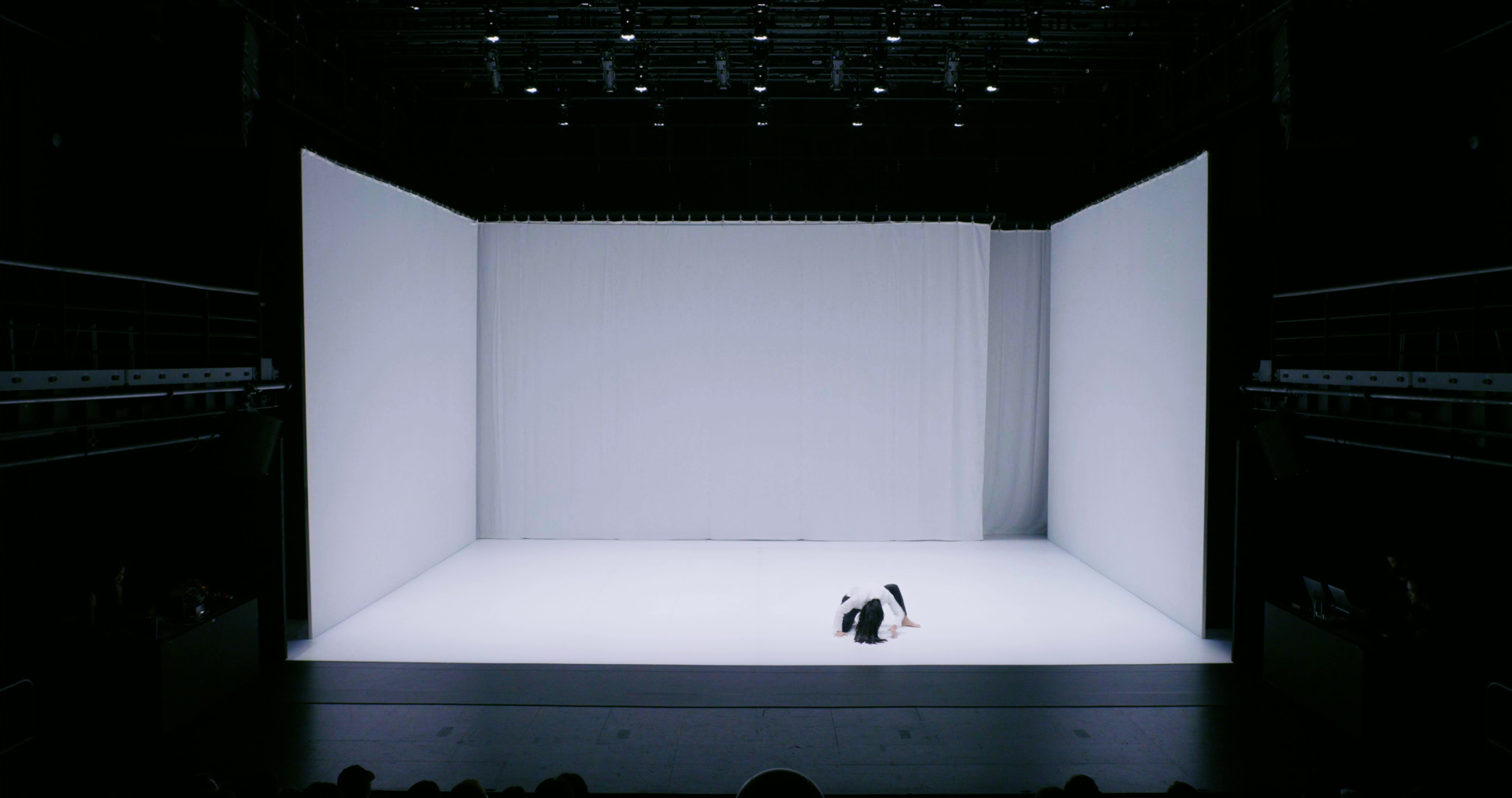
These concerns extend beyond vision to encompass emotion, the body, and collective human experience. Mind (2019) transforms emotional data extracted from visitors' facial expressions into the sounds of ocean waves, revealing relationships between individual emotions and collective states of mind. Nondance Dance (2022) explores movements that artificial intelligence cannot recognize as dance, reconsidering human bodily expression and the criteria underlying machine judgment.

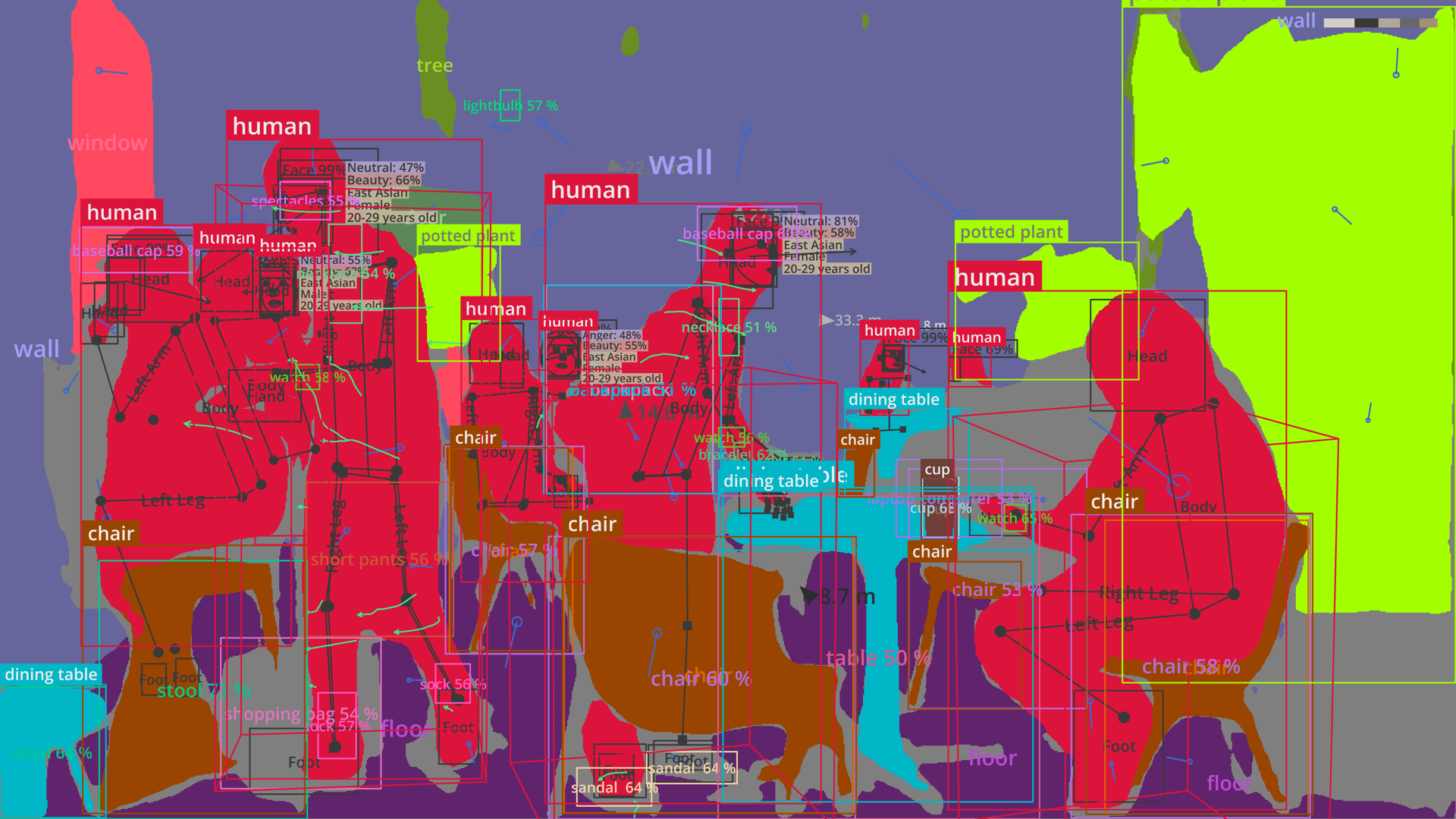
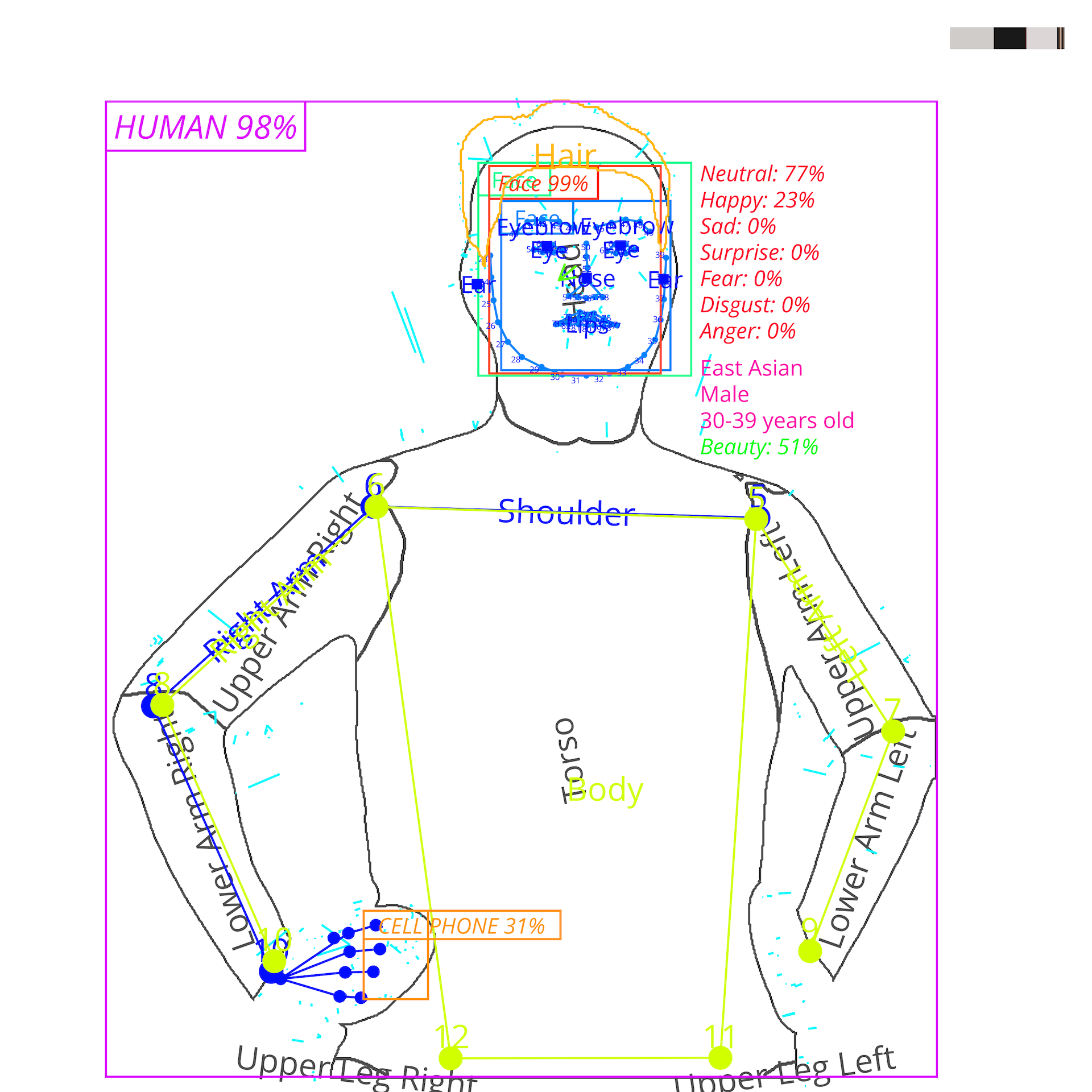
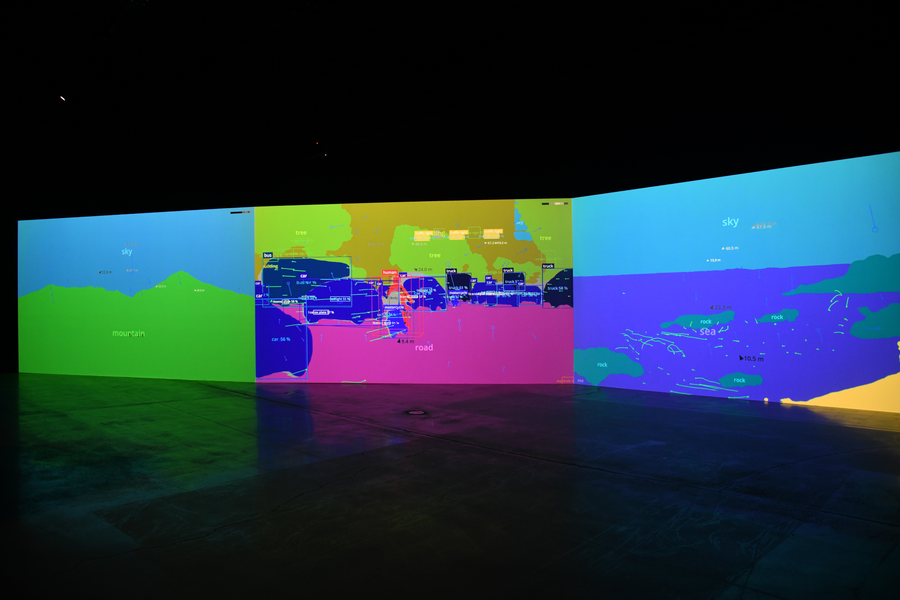
More recent works, including Analytic Portrait (2024) and Analytic Scape (2025), examine how AI analyzes and reconstructs human subjects and their surroundings, presenting new realities shaped by machine perception.

Through these investigations, Shinseungback Kimyonghun demonstrates how evolving technologies may transform our understanding of humanity, while continuing to explore future relationships in which humans and artificial intelligence mutually influence one another's perceptions and experiences.

Style & Contents

Shinseungback Kimyonghun employs a wide range of media, including photography, video, installation, interactive objects, and performance, with computer vision and artificial intelligence algorithms at the core of their practice. The duo selects widely available technologies, modifies them, or combines them with custom software to transform phenomena arising from technological processes into artistic expressions.

Their early work Cloud Face (2012) presents photographs of face-like forms identified in clouds by a face detection algorithm, while Cat or Human (2013) juxtaposes the results of algorithms that confuse human and feline faces. In these works, the selection and arrangement of images serve as essential compositional elements that reveal the processes underlying artificial intelligence's judgments.

The collection, classification, and transformation of data also constitute key methods in their artistic practice. A Million Seasons (2013) transforms one million photographs collected for each season into individual pixels representing their average colors, creating images of the four seasons composed of vast quantities of visual data. The 'Portrait' series (2013) generates distinctive portraits of films by averaging faces detected throughout their individual frames.

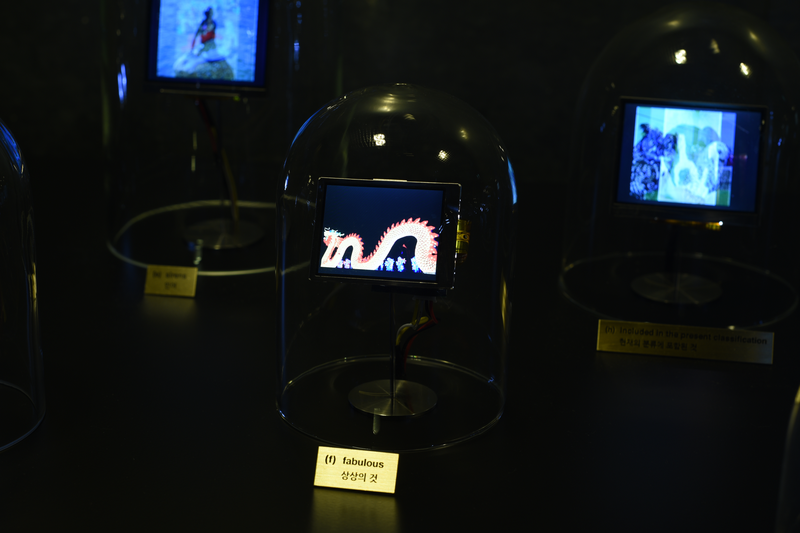
Animal Classifier (2016) displays the results of AI-based animal image classification across fourteen monitors, while Flower (2016–2017) distorts and abstracts images within the limits of what artificial intelligence can still recognize as flowers. Through processes of collection, averaging, classification, and transformation, computational operations determine the visual composition of their works, revealing how data can take the form of new images.

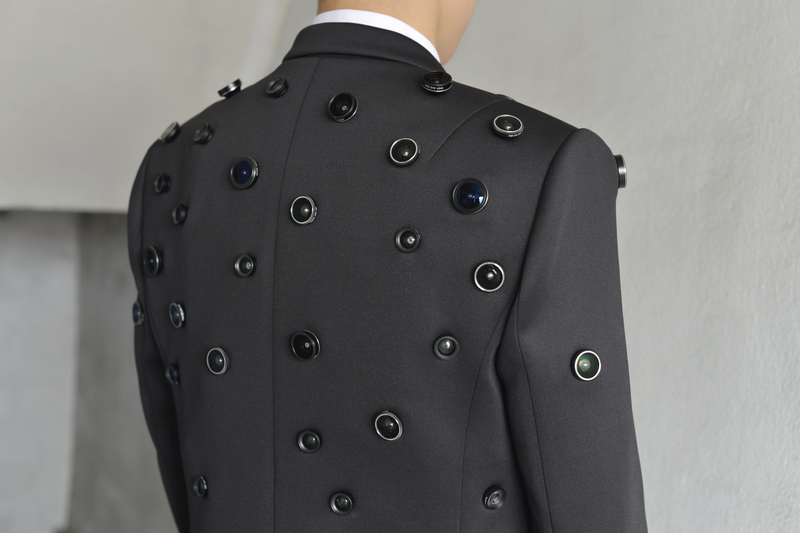
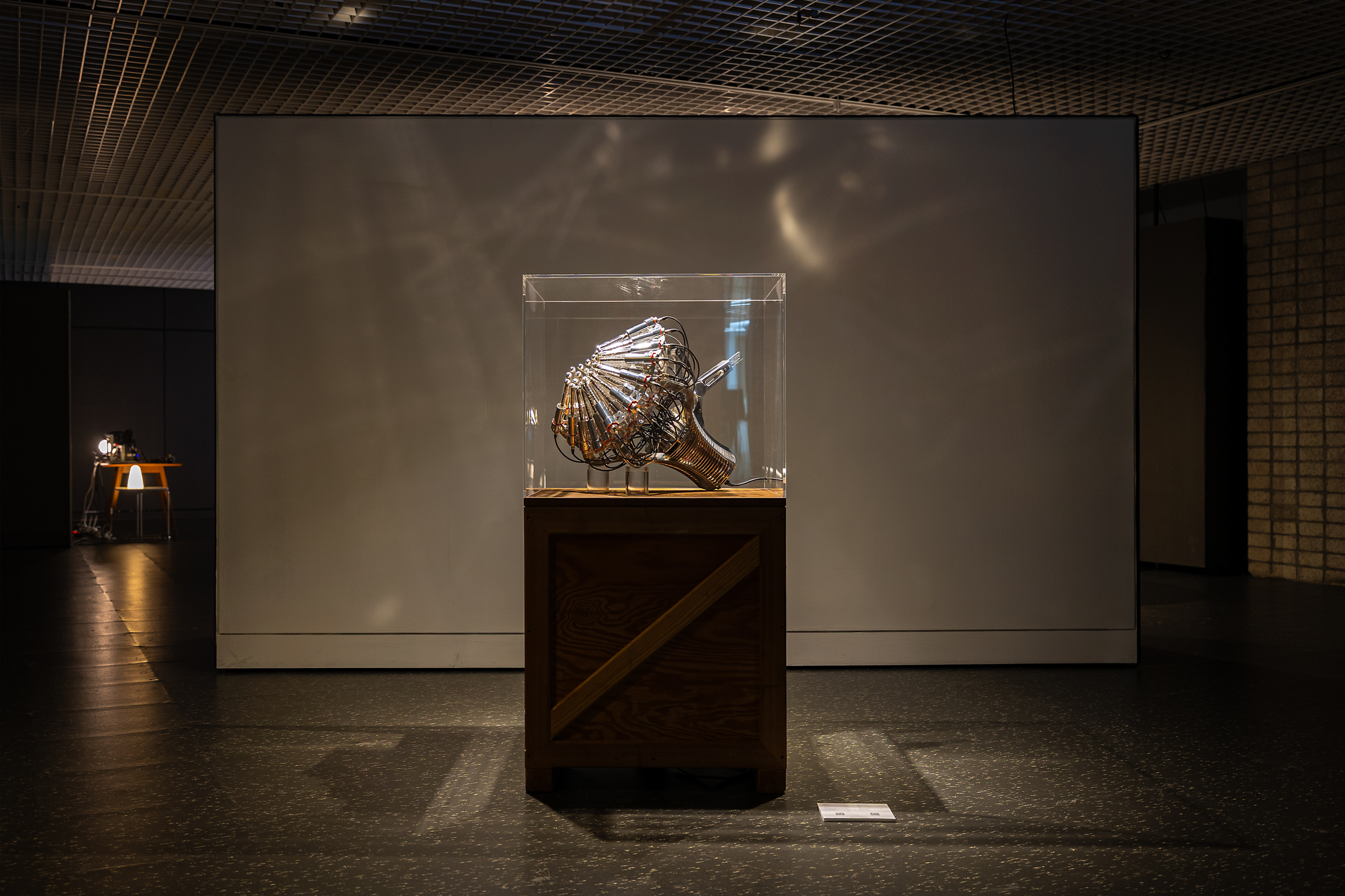
Shinseungback Kimyonghun also creates installations that combine digital technologies with physical devices, engaging viewers' bodies and senses directly. Nonfacial Mirror (2013) responds to viewers by turning away whenever it detects a face, while Aposematic Jacket (2014) incorporates multiple cameras into a wearable garment that can be exhibited as an object or activated through performance.

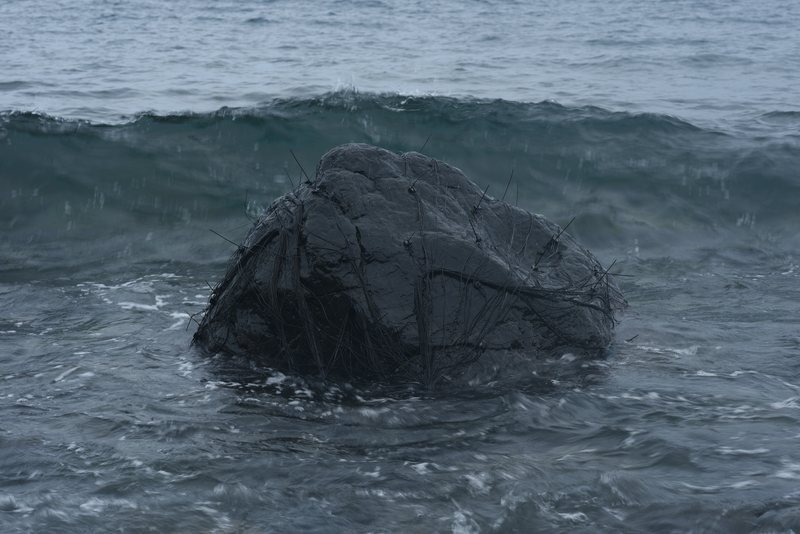
Stone (2017) collects data from sensors installed on a rock along the coast of Ulleungdo Island and transmits the signals to a structure inside the exhibition space, allowing visitors to physically experience the impact of waves. In Mind (2019), emotional data analyzed from visitors' faces is translated into the movement of the sea and the sounds of waves.

Through these works, information from digital systems is translated into movement, sound, and tactile experiences, rendering interactions between technology and humans perceptible through the senses.

More recently, the duo has expanded its modes of expression by integrating AI analysis directly into creative processes and collaborating with artists from other disciplines. Nonfacial Portrait (2018–ongoing) invites participating painters to create portraits while monitoring the responses of face detection algorithms, while Nondance Dance (2022) incorporates AI judgments of dancers' movements into the performance through sound and lighting, influencing its progression.

Analytic Portrait
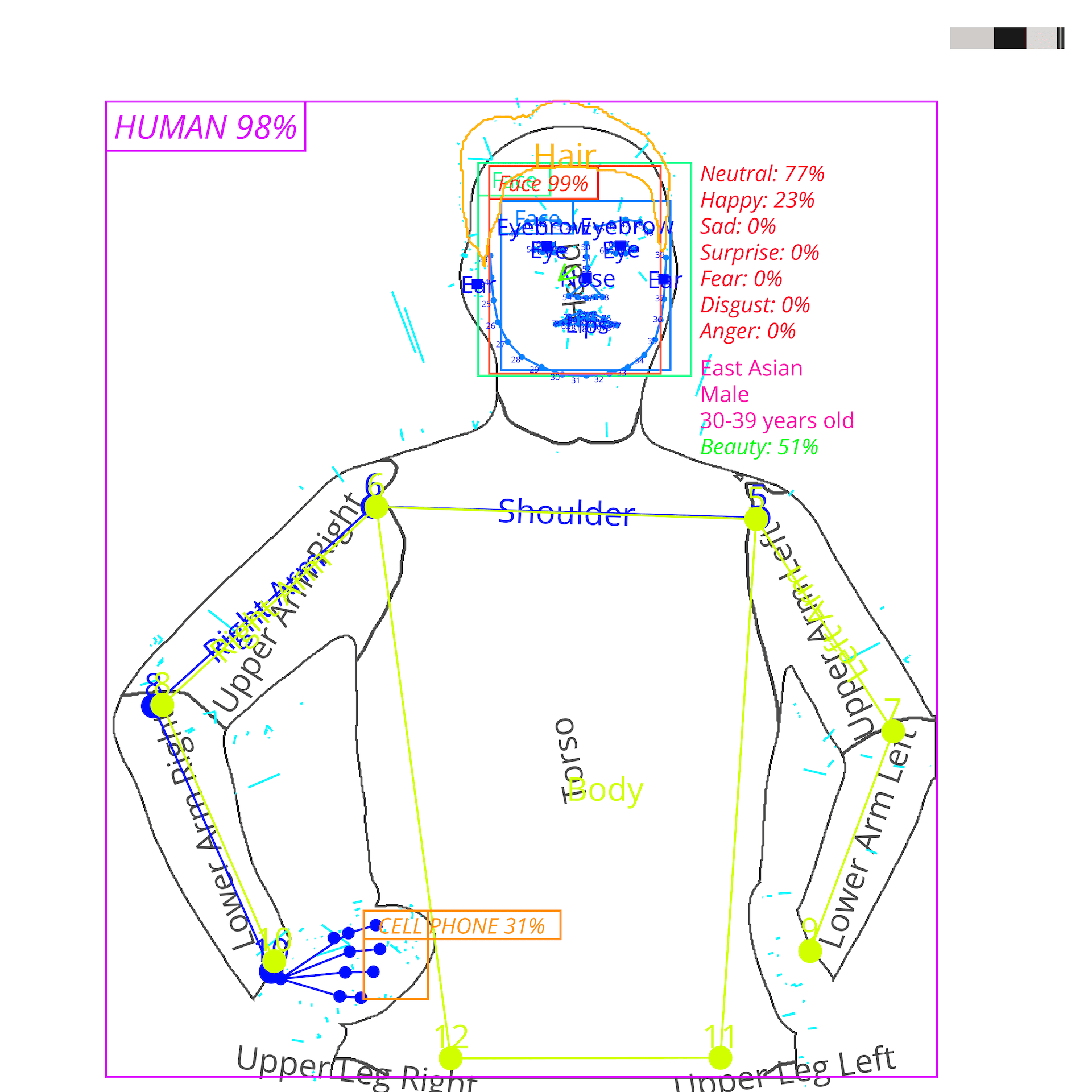
(2024) constructs portrait images by integrating the results of fourteen computer vision algorithms analyzing human subjects, while the 'Analytic Scape' series (2025) reconstructs data extracted from urban and natural landscapes into visual elements such as outlines, colors, and symbols.

By organically combining image production, real-time computation, and physical performance, their practice has developed forms that allow audiences to directly observe and experience technological processes and their outcomes.


Topography & Continuity

Shinseungback Kimyonghun has continuously explored the relationship between artificial intelligence and art since the early 2010s, when digital technologies began to play an increasingly significant role in everyday life and visual culture. Since forming the duo in 2012, they have developed a distinctive practice within media art by employing computer vision technologies to reveal differences between human and machine perception while examining the mechanisms and social implications of technology.

Their particular attention to errors and unexpected phenomena within existing AI algorithms encourages critical reflection on the human judgments and values embedded in technological systems. These concerns resonate with broader discussions about how machine-generated judgments should be understood and interpreted in contemporary society, where images and data have become fundamental to communication and information production.

Their practice has gained international visibility through exhibitions and institutions dedicated to media art and technological experimentation. In 2014, they were selected as Featured Artists at the Ars Electronica Festival, presenting an extensive selection of their projects. Their works have subsequently been exhibited at institutions and events including ZKM | Center for Art and Media Karlsruhe, the National Museum of Modern and Contemporary Art, Korea, Seoul Mediacity Biennale, and NTT InterCommunication Center.

In 2020, their work Mind received an Honorary Mention in the Interactive Art + category at Prix Ars Electronica, recognizing their exploration of interactions between technology and audiences. Through these activities, the duo has consistently contributed to international media art discourse surrounding the questions that advances in artificial intelligence raise for contemporary artistic practice.

A defining characteristic of their practice over more than a decade is the sustained development of their initial inquiries in response to technological change.

Their investigation of machine vision, beginning with Cloud Face (2012), has continued through Flower (2016–2017) and Nonfacial Portrait (2018–ongoing), extending into more recent works such as Analytic Portrait (2024) and Analytic Scape (2025). While their earlier works focused on moments of misrecognition by artificial intelligence, more recent projects explore how multiple algorithms analyze human subjects and environments and reconstruct their findings into new images.

In particular, the ongoing Nonfacial Portrait project continues to test differences between human and machine vision by updating its algorithms in response to technological advances. This continuity demonstrates how developments in AI provide opportunities to revisit established questions and generate new directions in their artistic practice.

Meanwhile, Shinseungback Kimyonghun's practice has expanded from visual perception to encompass sensory experience, bodily performance, and interdisciplinary collaboration. Stone (2017) and Mind (2019) connect human sensory experience with natural phenomena through technology, while Nondance Dance (2022) and Nondance Dance 2 (2024) integrate dance and artificial intelligence to examine the relationship between movements interpreted by machines and human bodily expression.

These developments demonstrate how their longstanding interest in the relationship between humanity and technology continues to generate diverse forms of artistic experimentation. As artificial intelligence becomes increasingly involved in image production and everyday decision-making, their work continues to examine both human perspectives on technology and machine interpretations of the world, raising enduring questions about the significance of human perception and sensory experience within a rapidly changing technological environment.

Works of Art

Human Senses and Perception in a Changing Technological Landscape

Articles

Exhibitions

Activities