Flow Noise II - K-ARTIST

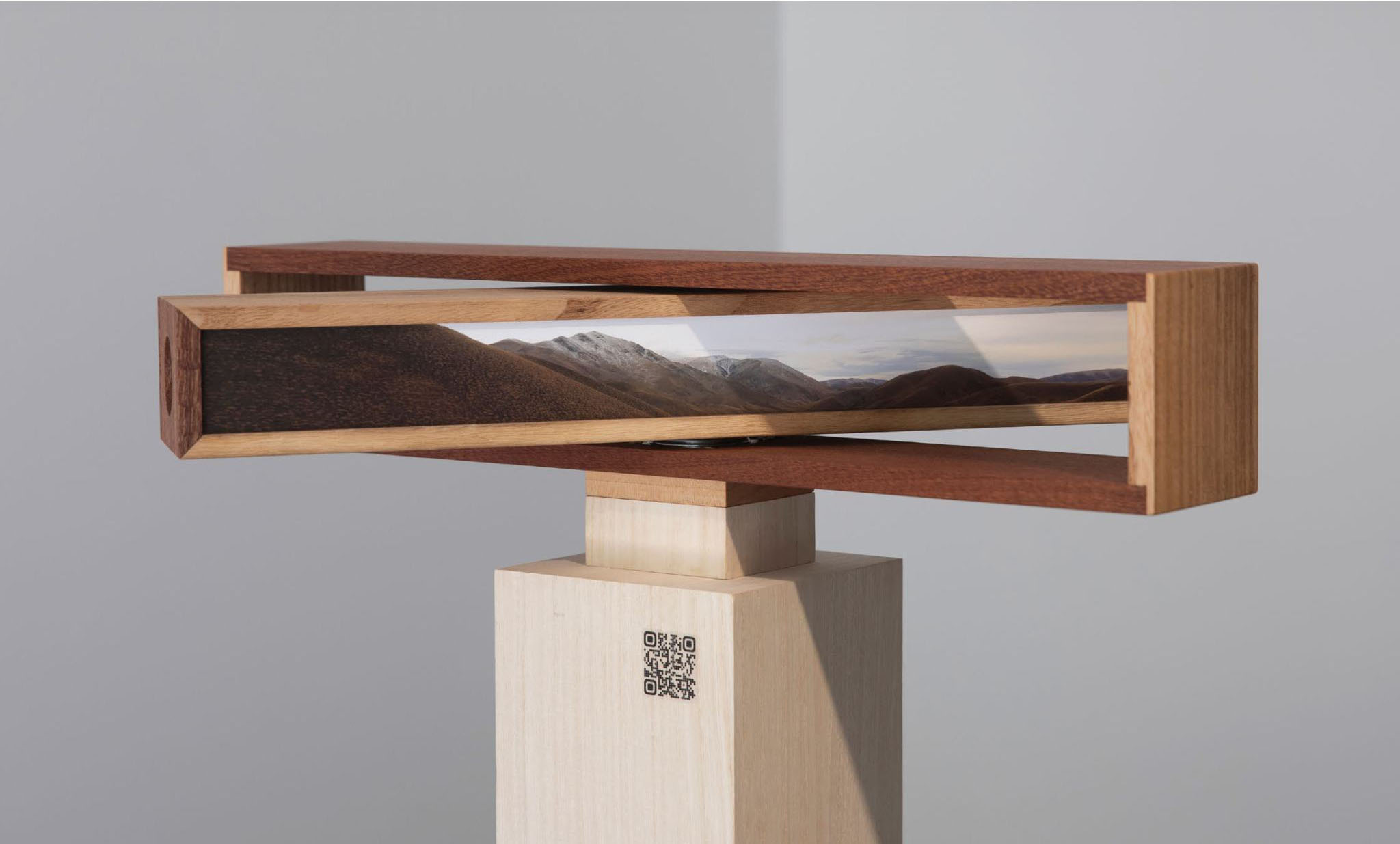
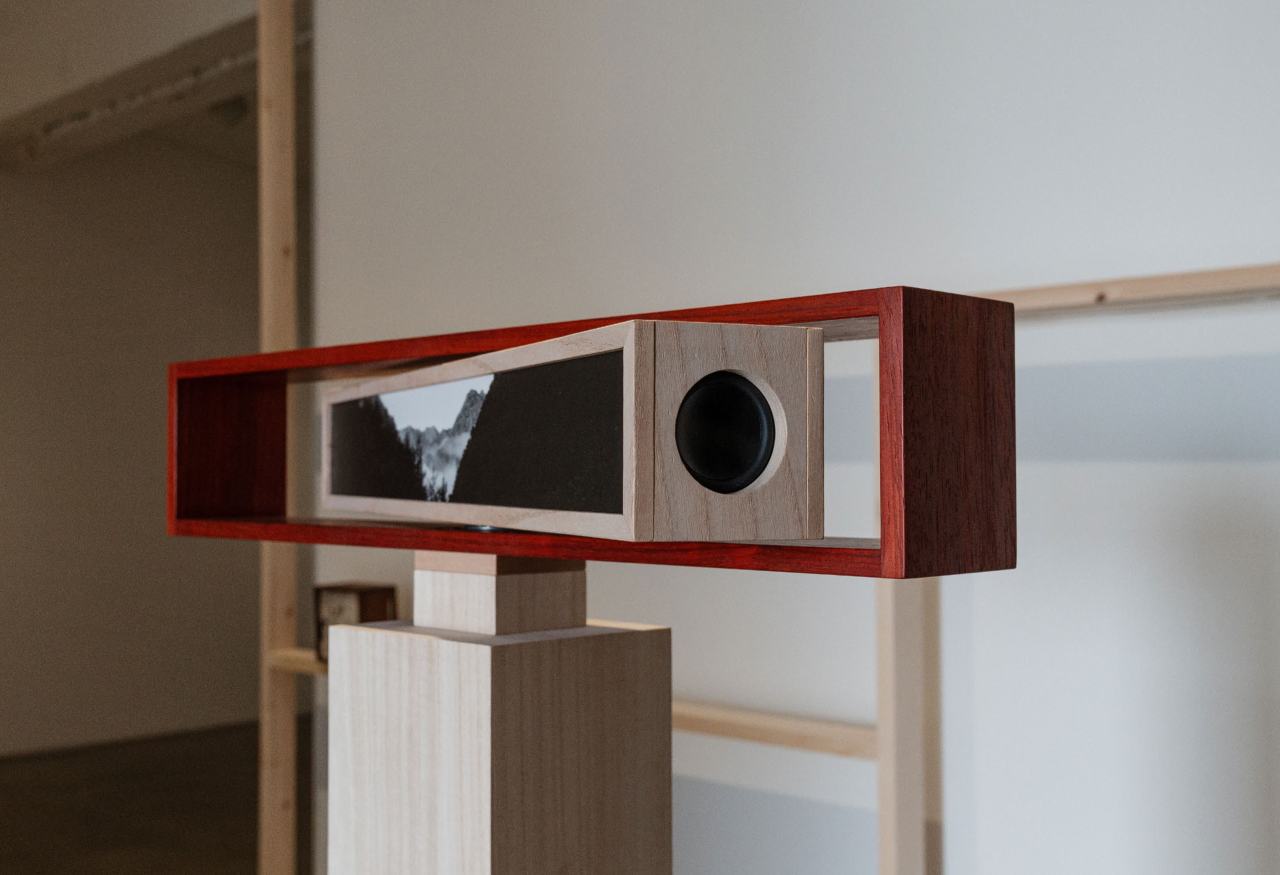
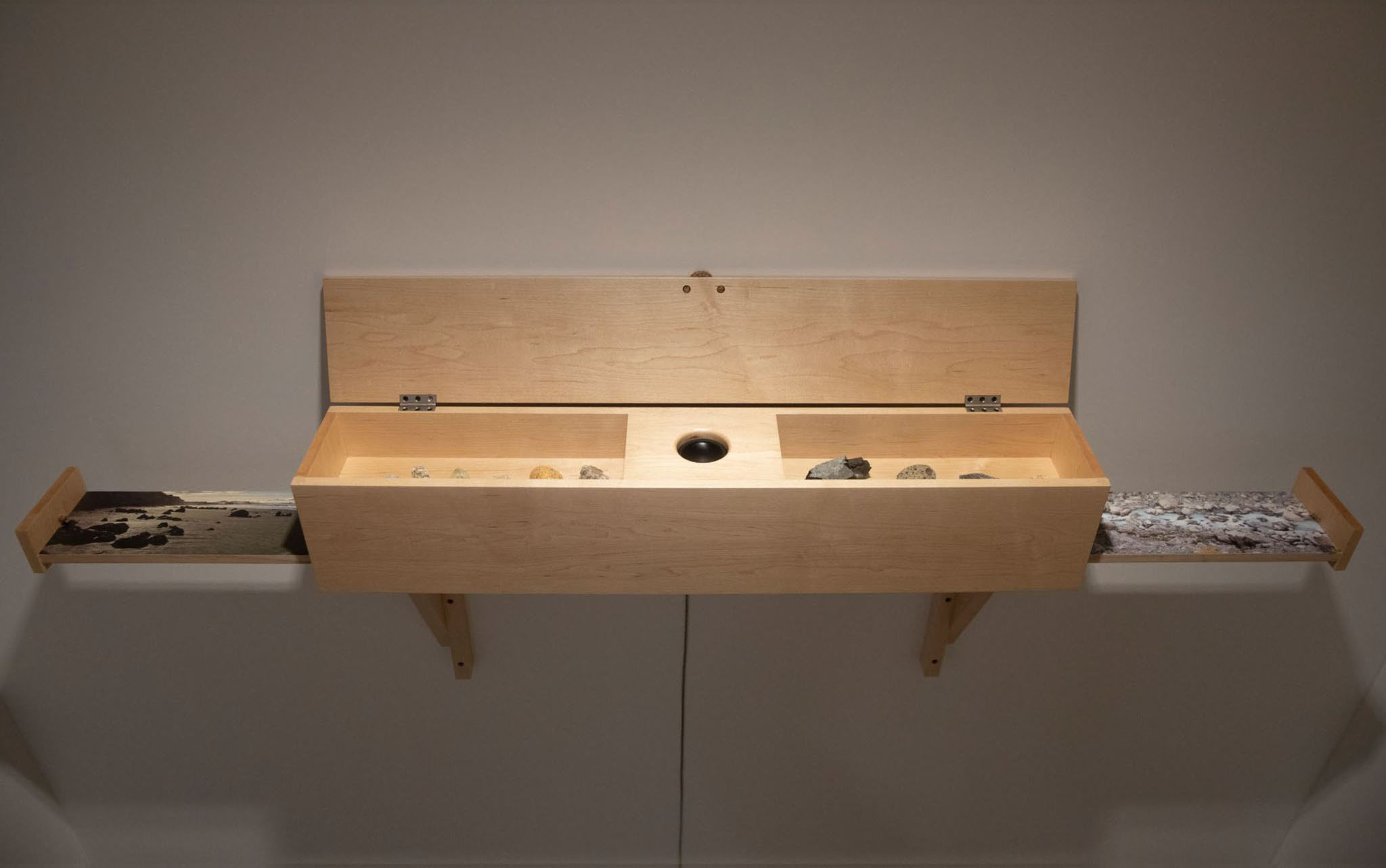
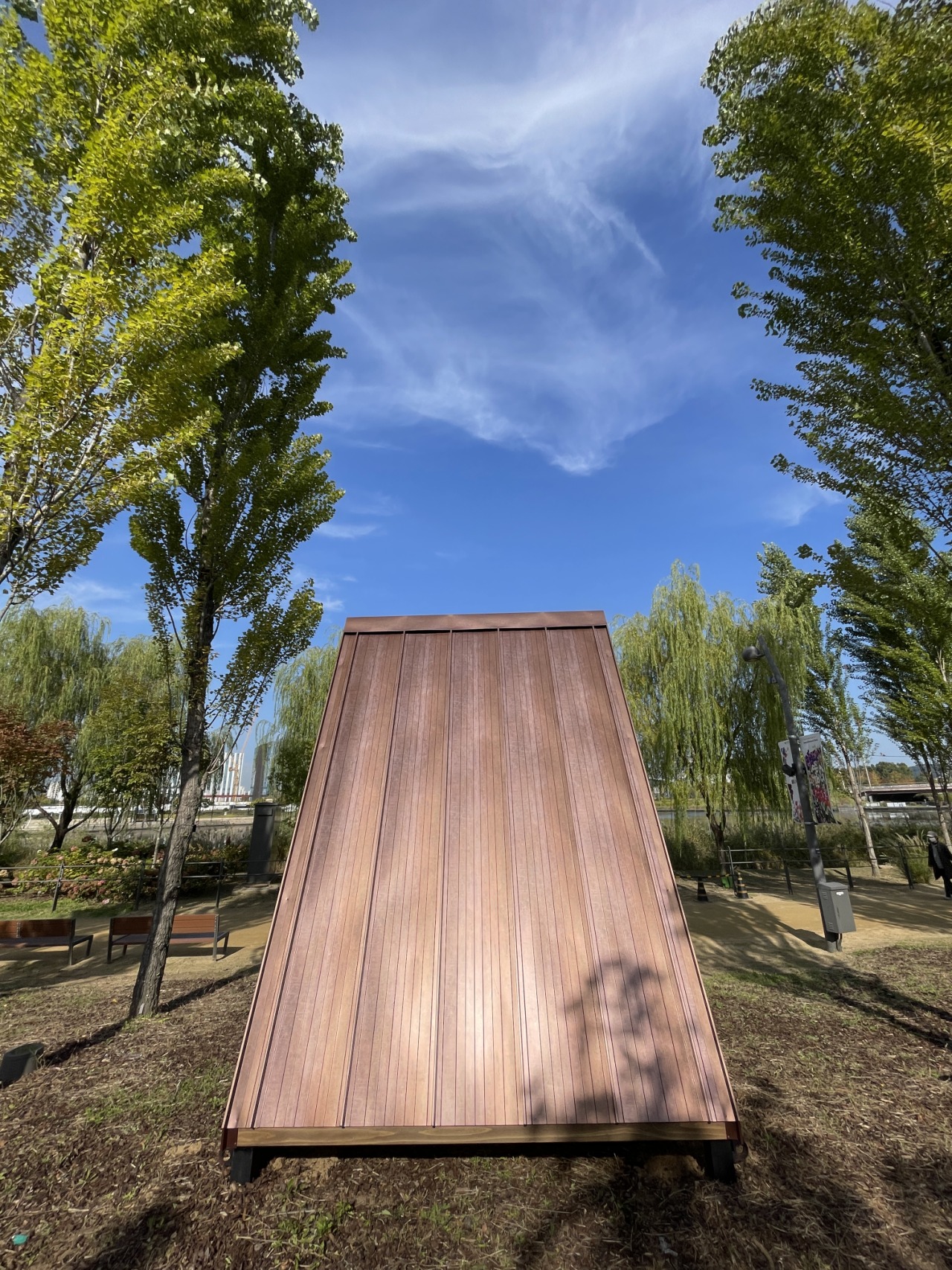
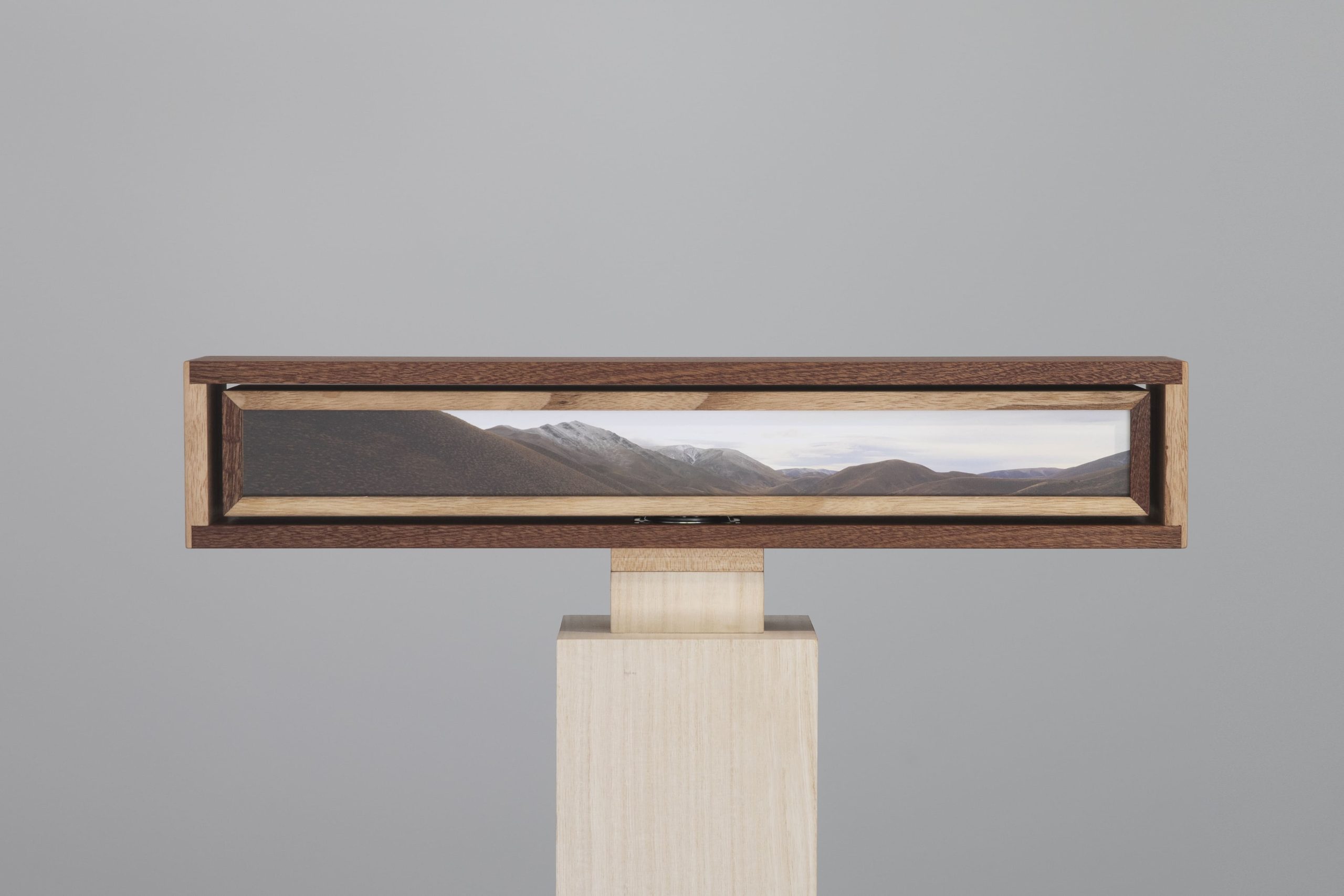
Flow Noise II

2024
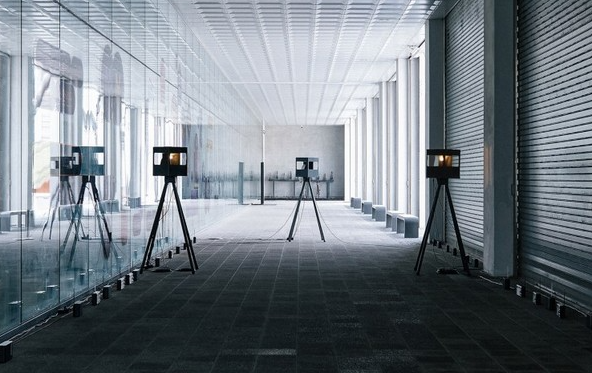
Mixed Media (wood, speaker, amplifier, image, 2-channel sound)
60 x 9.3 x 106 cm
About The Work

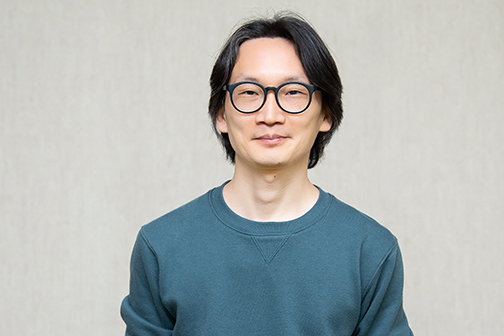
Kim Joon explores the invisible structures of the environments we inhabit, along with the layers of time, memory, and relationships accumulated within them, using sound as his medium.

His interests range from electromagnetic signals generated by urban infrastructure and mechanical sounds in industrial settings to subtle vibrations in natural environments and the movements of living organisms. By capturing sounds that often escape ordinary hearing or go unnoticed, he reveals the histories and social and environmental conditions embedded in specific places.

His practice begins with on-site research and sound collection in particular locations, followed by processes of documentation, transformation, editing, and spatial reconstruction.

Using a range of recording equipment, including microphones and electromagnetic field detectors, he gathers mechanical sounds and electromagnetic signals from urban environments, as well as subtle vibrations from nature, and transforms them into multichannel sound installations. In this process, sound functions both as information that carries traces of a place’s environment and history and as a material for artistic composition.

In particular, the methodology he describes as the “visualization of hearing” gives tangible spatial and material form to otherwise imperceptible acoustic phenomena, allowing viewers to physically experience the direction, distance, and vibration of sound. Through the technical process of sound collection and formal experimentation that transforms it into a sensory experience, Kim brings to light the invisible traces embedded in specific places.

His work also documents changing environments and reflects on how humans relate to the world, continually expanding the social and ecological possibilities of sound art.

Solo Exhibitions (Brief)

Kim Joon has held solo exhibitions at KAIST Art Museum (2025), BAIK ART (2024), SONGEUN (2022), and Project Space SARUBIA (2016).

Group Exhibitions (Brief)

Kim Joon has participated in major group exhibitions at Bangkok Art and Culture Centre (2025), Seoul Museum of Art (2025, 2023), Secession, Vienna (2024), Asia Culture Center (2023, 2020), National Museum of Modern and Contemporary Art, Korea (2022), Ilmin Museum of Art (2017), ARKO Art Center (2016, 2015), and Daegu Art Museum (2014).

Awards (Selected)

Kim Joon was awarded the Grand Prize at the 18th SONGEUN Art Award in 2018.

Residencies (Selected)

Kim Joon has participated in residency programs including Far East Creative Studio (2024), ACC Residency (2023), Seoul Art Space Geumcheon (2019), The Physics Room (2017), MMCA Residency Goyang (2016), Incheon Art Platform (2014), Gasworks Residency (2014), and SeMA Nanji Residency (2012–2013).

Collections (Selected)

Kim Joon's works are held in the collections of the National Museum of Modern and Contemporary Art, Korea (MMCA), Seoul Museum of Art (SeMA), Busan Museum of Contemporary Art, Gyeonggi Museum of Modern Art, Cheongju Museum of Art, Datz Museum of Art, Gyeonggi Children's Museum, and SONGEUN Art and Cultural Foundation.

Works of Art

Exploring Place, Memory, and Layers of Time Through Sound

Originality & Identity

Kim Joon explores the invisible structures of our surroundings and the histories, memories, and relationships embedded within them through sound. His interests extend from electromagnetic signals emitted by urban infrastructure and mechanical noises of industrial sites to subtle vibrations and movements of living organisms in natural environments.

Sounds that escape ordinary auditory perception or pass unnoticed in everyday life become clues to understanding the historical and social conditions of particular places. For Kim, listening serves as a method of reconsidering familiar surroundings and reflecting on phenomena that exist beyond the limits of human perception.

This inquiry took shape in Feedback Field (2012), developed in Berlin, Germany. By detecting electromagnetic signals that persisted as former military facilities were transformed into public spaces, Kim drew attention to the technological and historical traces concealed beneath visible changes in the urban environment. In Another Time, Another Order (2016), he collected sounds from Euljiro, a district facing redevelopment, revealing the rhythms of urban life shaped by industrial history and everyday labor.

Empty City (2018) similarly transformed perceptions of familiar urban noise by presenting recordings of daytime sounds during the quiet hours before dawn. Through these works, Kim examines urban transformation and the relationships among those who inhabit these environments, directing attention toward phenomena frequently overlooked amid technological development and urban renewal.

His engagement with geology and acoustic ecology has expanded this investigation from human social environments to the extensive timescales of nature and ecological relationships. Ecosystem: Signals of City, Signals of Nature (2018) brings together sounds collected from cities and natural environments, encouraging reflection on the reciprocal relationships between human activity and ecological systems. In Hardened Pieces (2017) and Pendulate Pieces (2022), his research into rocks and geological formations approaches timescales extending far beyond human experience.

This interest continued through 《Reservoir of Senses》 (2024) and 《ECO LOG: A Sonic Diary of Nature》 (2025), developing into an exploration of environmental change and disappearing ecological memories preserved in the sounds of nature. By examining the relationships among urban and natural environments, human and nonhuman entities, Kim invites reconsideration of how we inhabit and interact with the Earth's ecosystems.

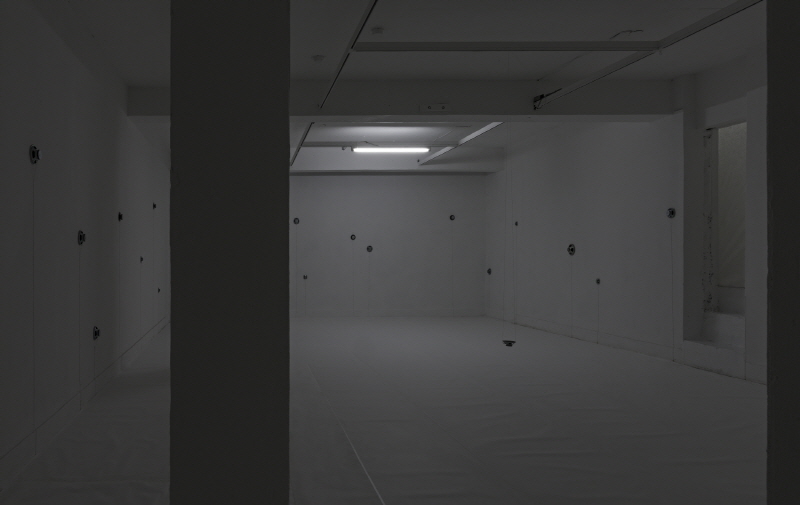
Another central concern in Kim's practice is the reconstruction of memory and sensory experience through sound. Recordings gathered from particular locations carry the spatial conditions of their origins alongside the artist's emotions, bodily sensations, and personal memories. In his 2026 solo exhibition 《Layers of Unseen》, Kim further investigated the relationship between geological environments and human culture by focusing on the intermingling of natural sounds, religious rituals, and everyday noises encountered in Indonesia's volcanic regions.

Visitors interpret these recordings through their own experiences and memories, imagining different landscapes even when listening to the same sounds. Attentive to this subjective dimension of listening, Kim questions what we choose to hear, what we habitually overlook, and how changes in our listening practices might transform our understanding of the world.

Style & Contents

Kim Joon's artistic practice begins with site-specific field research and sound collection, followed by processes of documentation, conversion, editing, and spatial reconstruction. Using various recording devices, including microphones and electromagnetic field detectors, he collects mechanical noises and electromagnetic signals from urban environments alongside subtle vibrations from nature, transforming them into multichannel sound installations.

Throughout this process, sound functions both as a source of information about the environmental and historical conditions of a place and as material for sculptural composition. His methodology, which he describes as the "visualization of hearing," translates invisible sonic phenomena into spatial and physical forms, allowing visitors to experience the direction, distance, and vibration of sound through their bodies. The integration of technical sound collection with sculptural experimentation is a defining characteristic of Kim's practice.

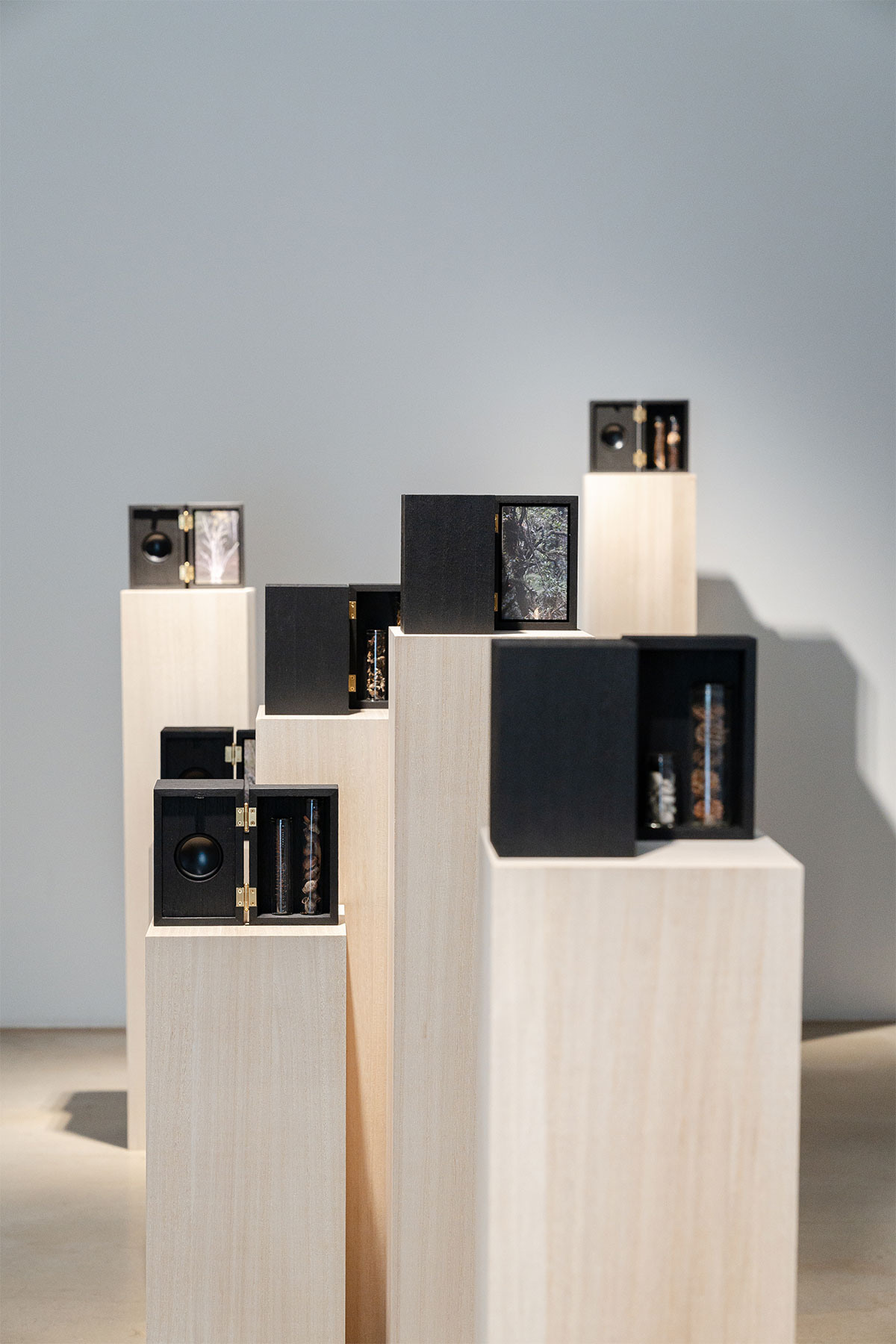
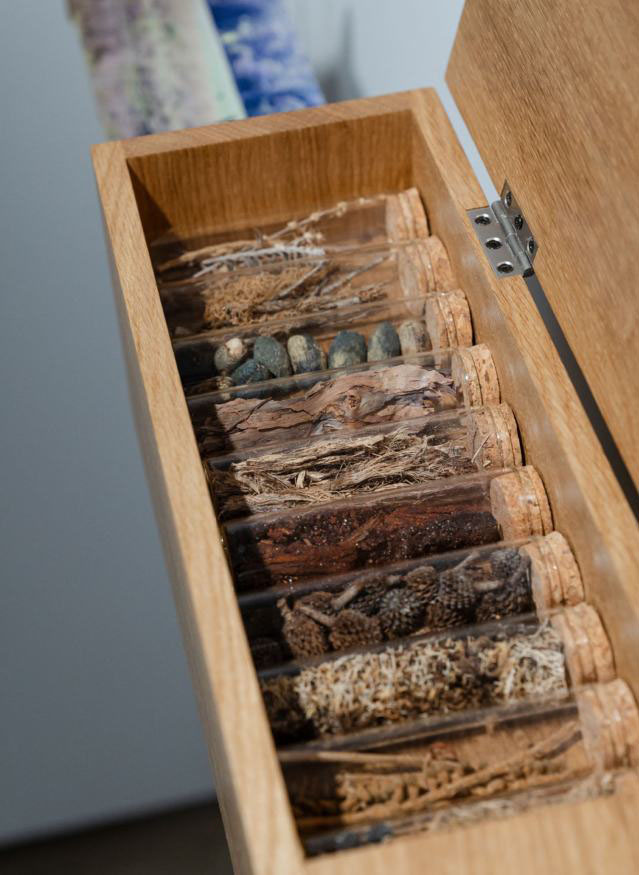
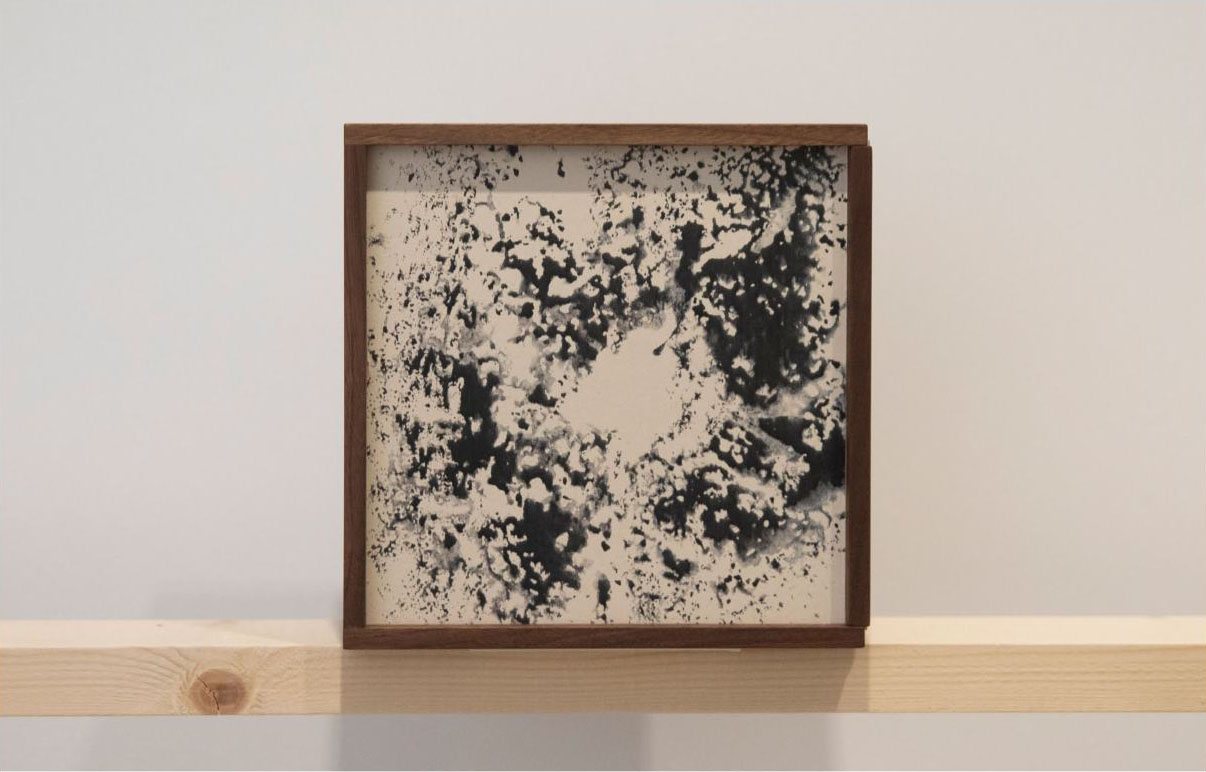
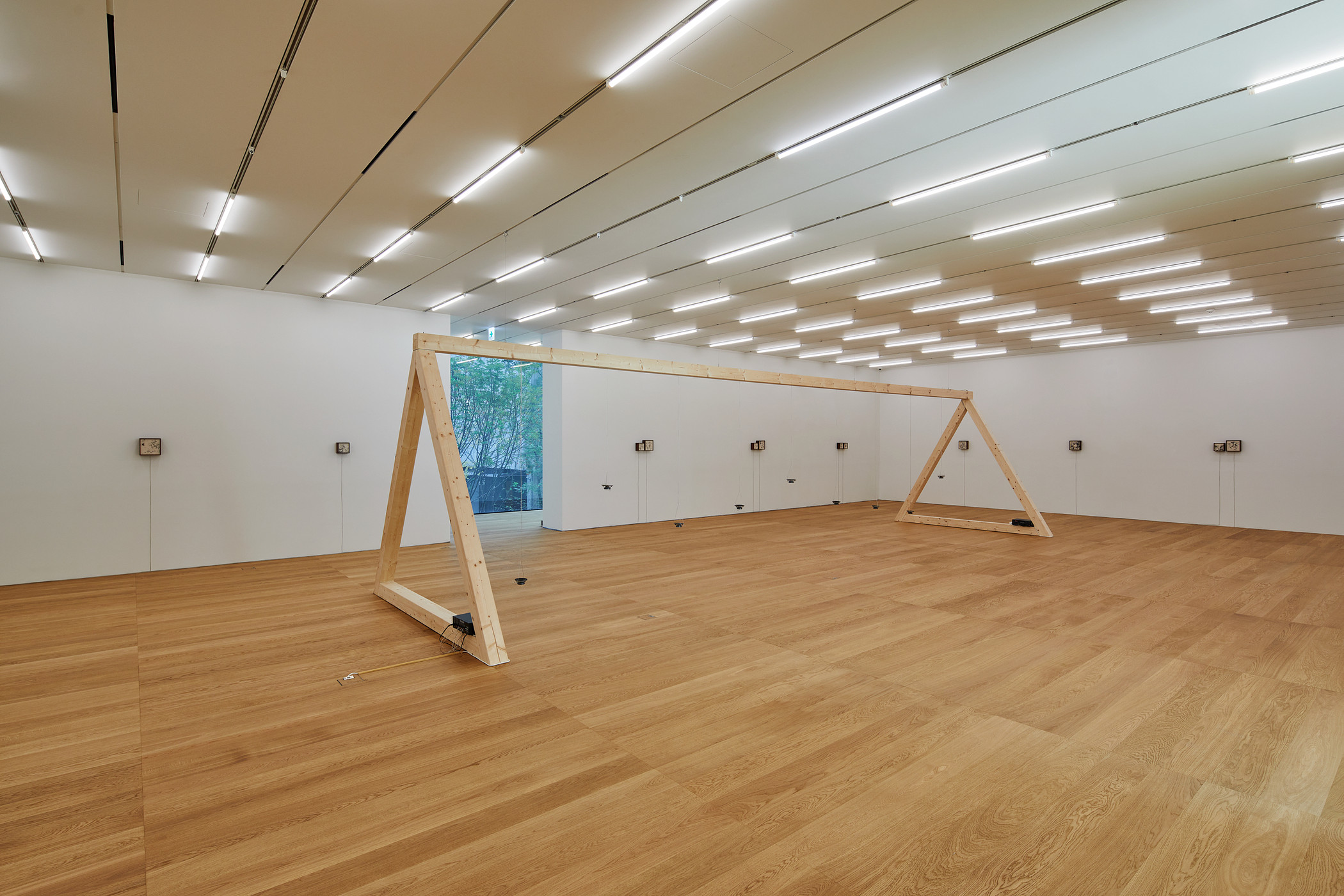
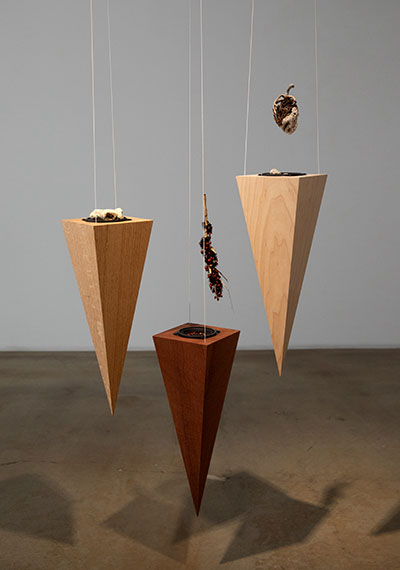
A distinctive formal feature of Kim's installations is the use of wooden archival furniture and sound boxes. He incorporates speakers and audio equipment into familiar structures such as drawers, display stands, and boxes, combining recorded sounds with photographs, geological specimens, and rubbings of rock surfaces.

Hardened Pieces (2017) brings together rubbings, collected stones, and sound to translate geological research into sensory experience, while Passed Times, Remaining Space (2022) reconstructs records accumulated through years of fieldwork into archival furniture.

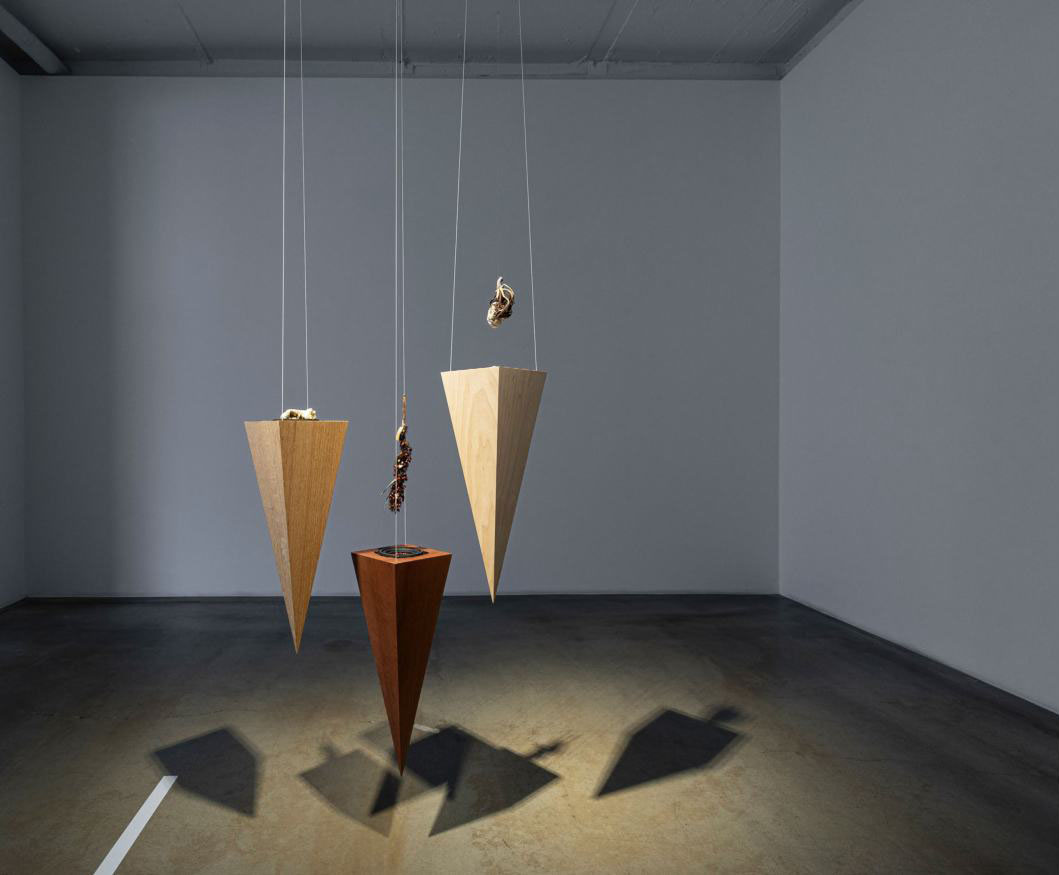
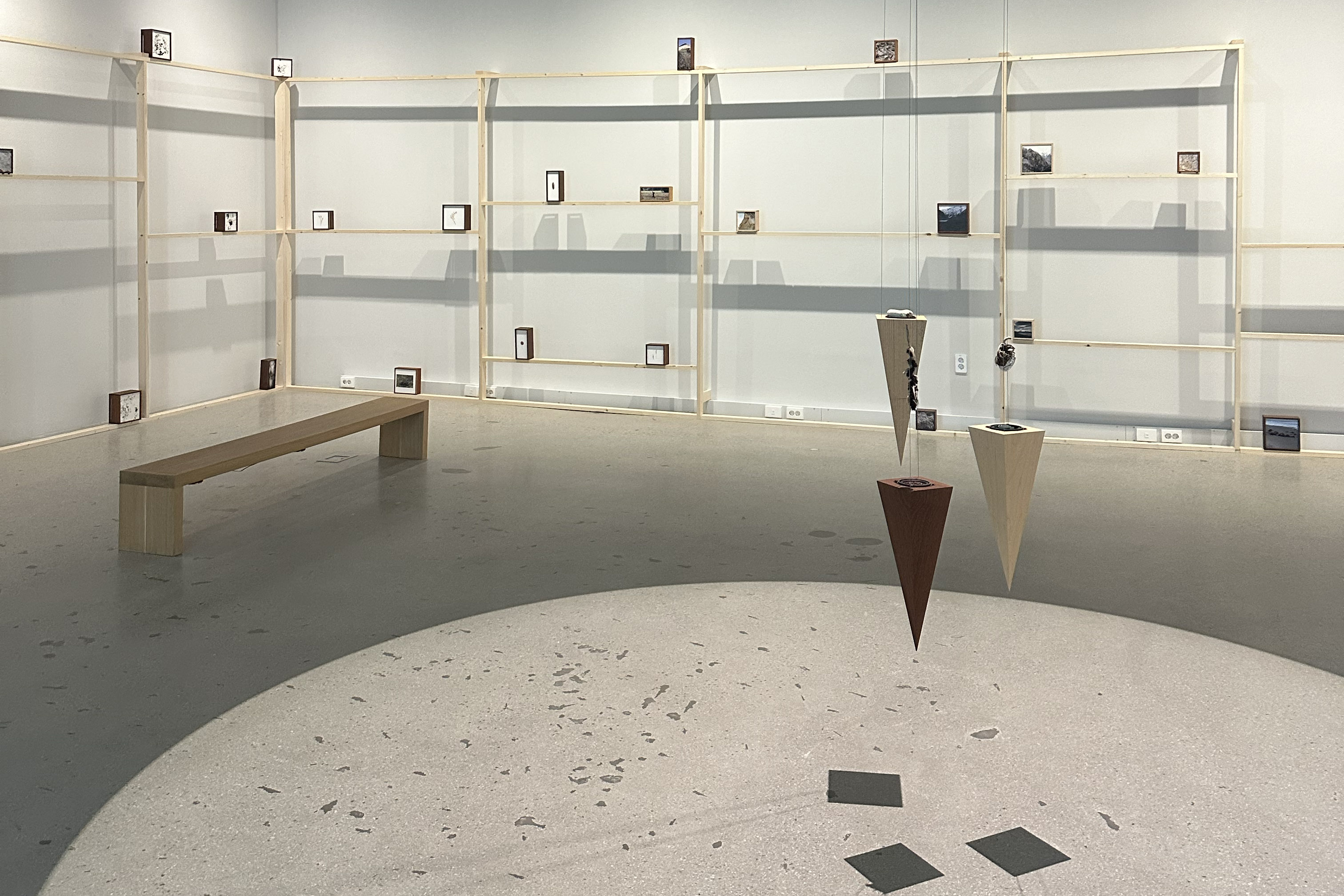
In Pendulate Pieces (2022), sound boxes arranged along the walls and moving structures allow recorded sounds to resonate with physical movement. Through these works, the archive takes on a three-dimensional form that visitors can directly approach and explore, establishing a close relationship between the preservation of information and its sensory experience.

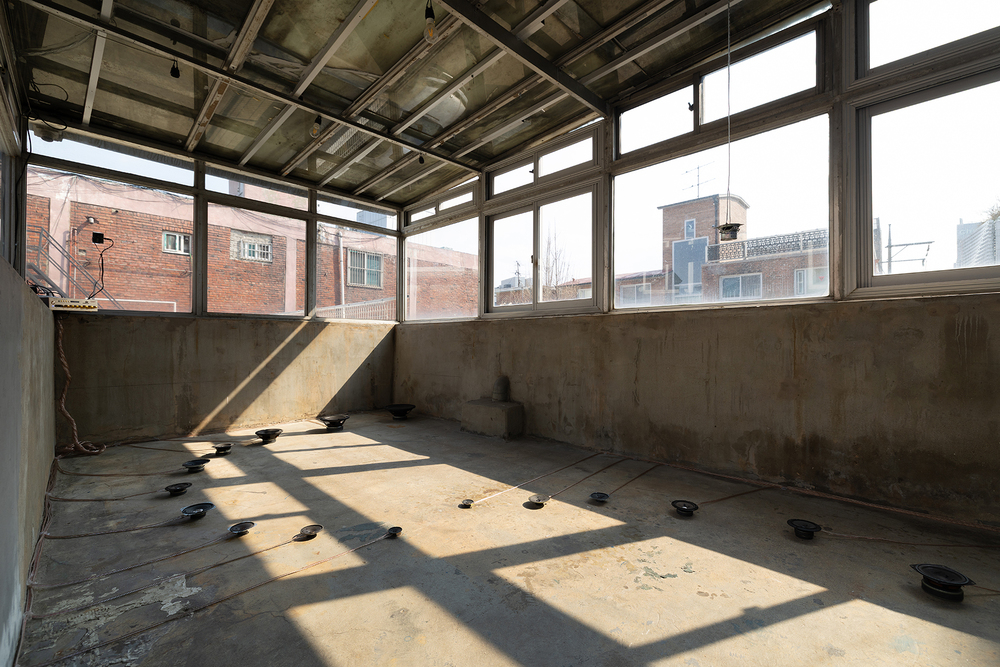
Site-specific installations that actively engage with the acoustic conditions of exhibition spaces constitute another important aspect of Kim's practice. Another Time, Another Order (2016) spatially rearranged sounds collected in Euljiro into a 25-channel installation, allowing visitors to experience different sonic relationships as they moved through the exhibition.

In Empty City (2018), recordings of daytime urban noise were played inside a transparent structure installed in a public square during the early morning hours, demonstrating how the same sounds can be perceived differently depending on time and environment. Tempest (2022) combined electromagnetic signal conversion devices, highly directional speakers, and a large sound mirror to create an auditory experience that changed according to the listener's position.

By engaging with the physical properties of sound and the architectural conditions of each space, Kim incorporates visitors' movements and modes of listening into the composition of his works.

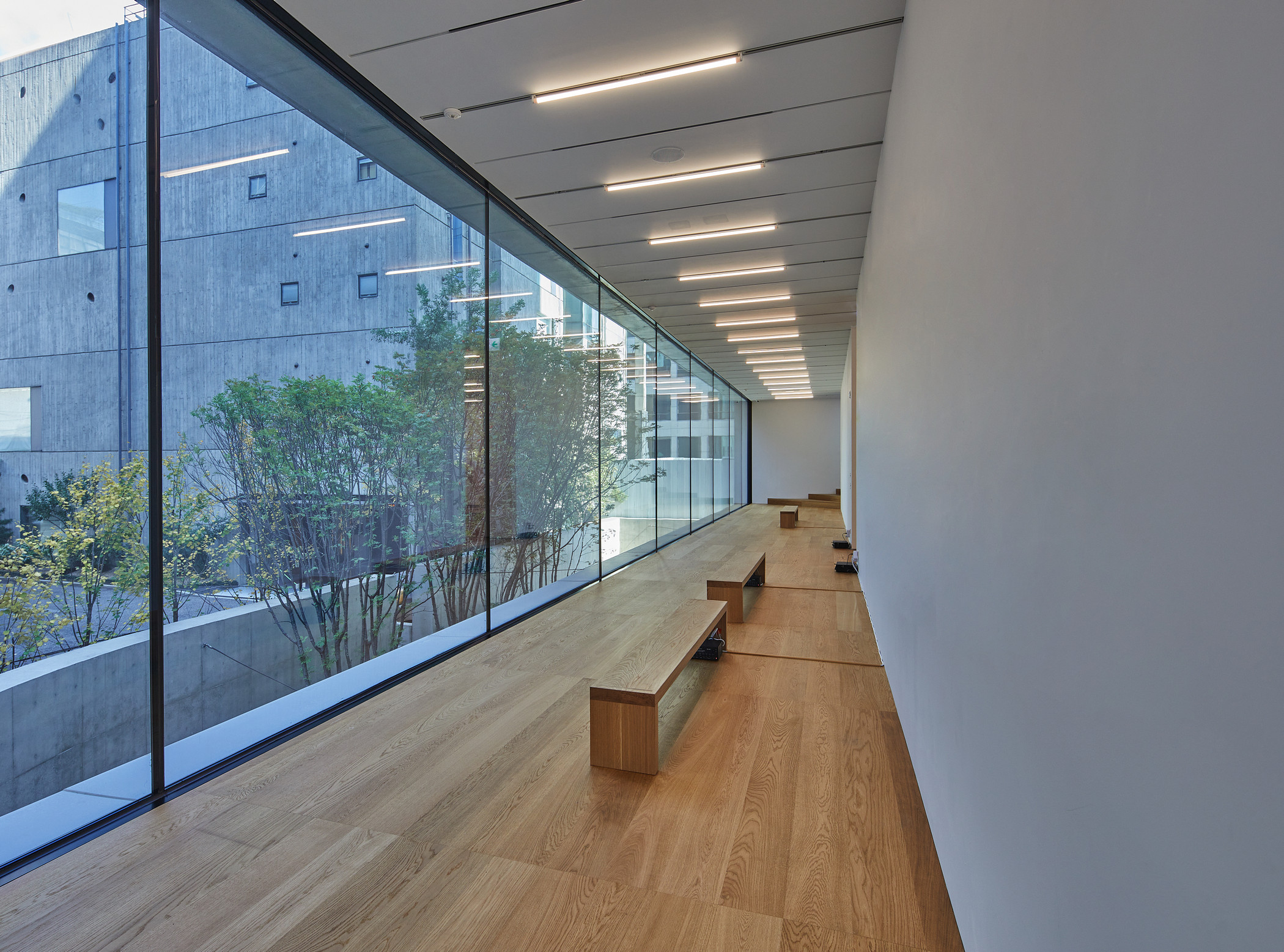
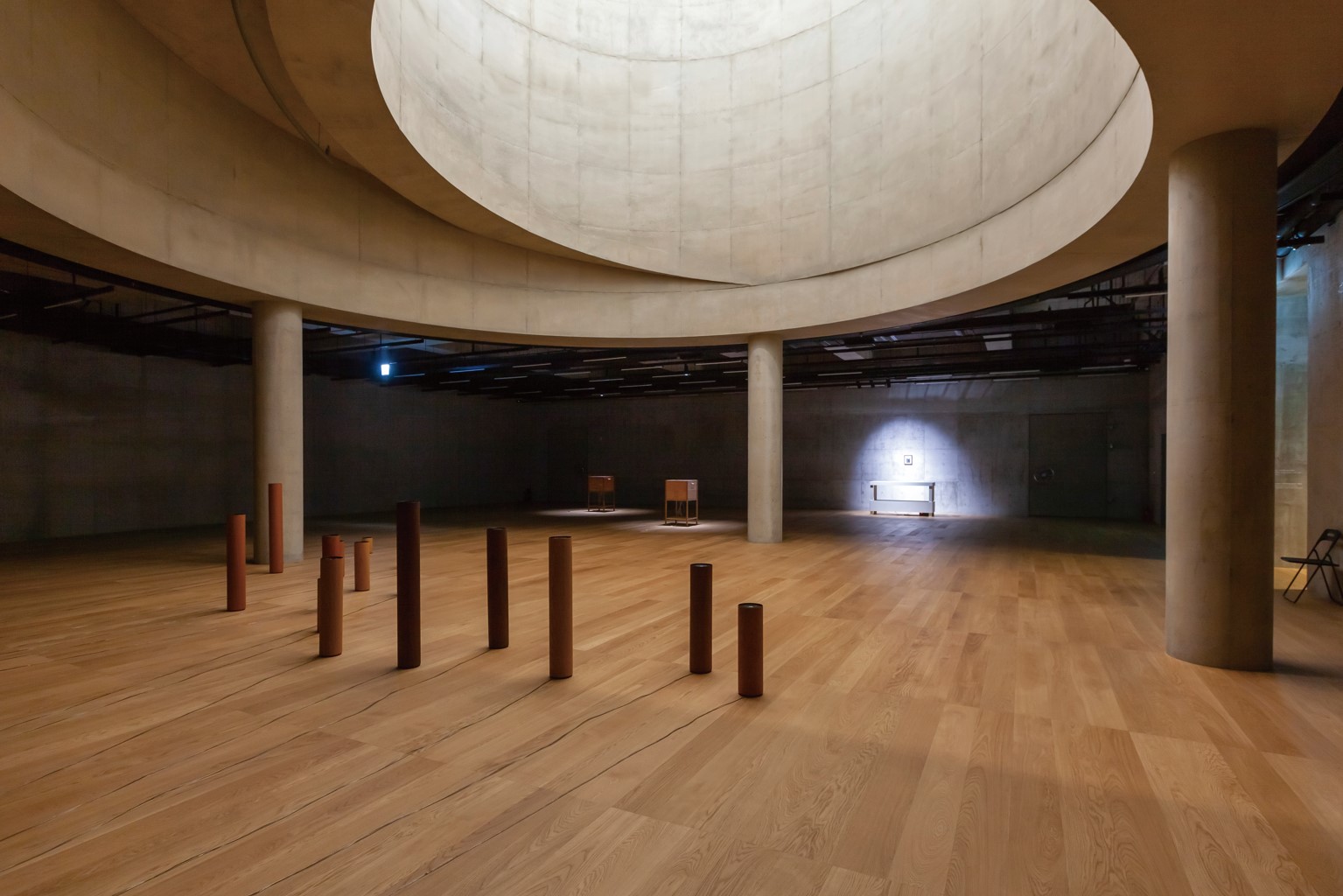
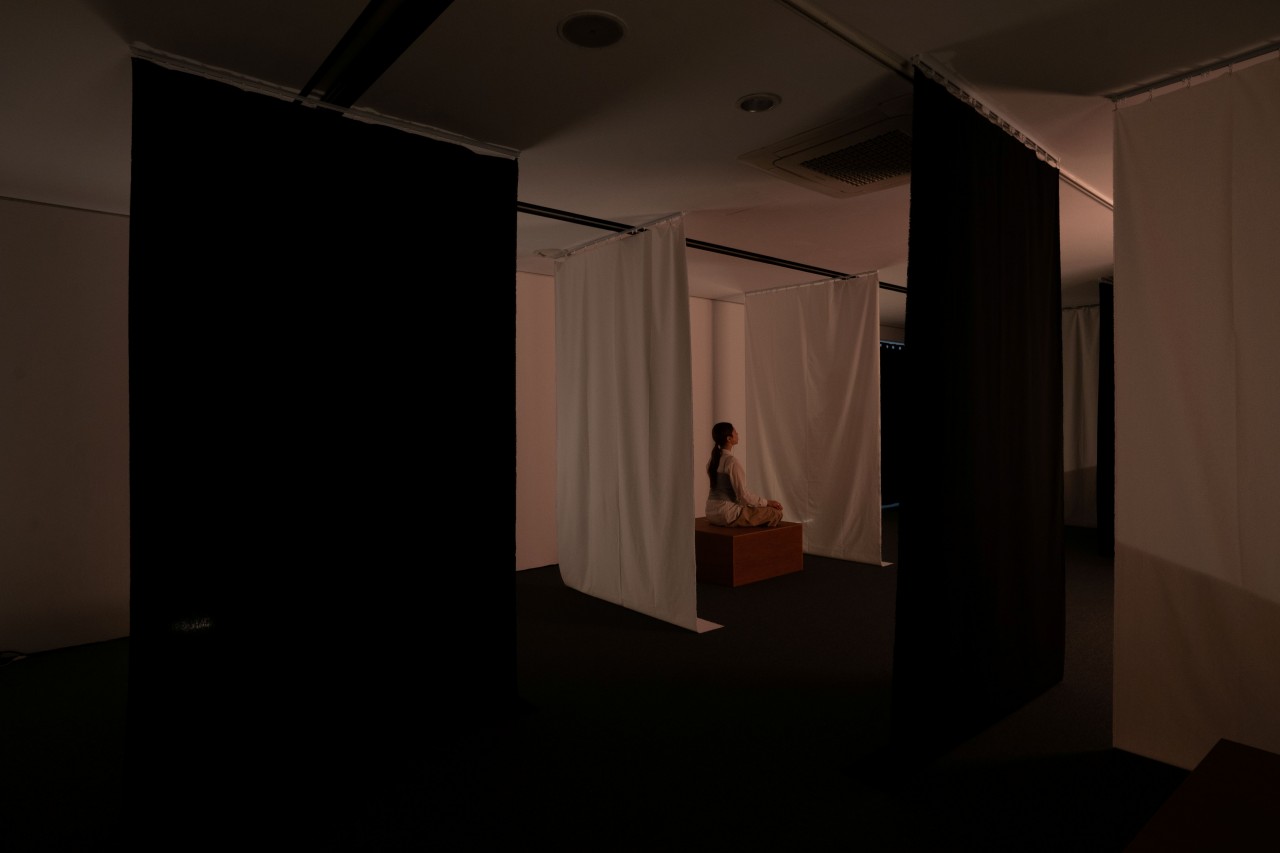
In his recent practice, Kim has further diversified his multisensory installations and forms of audience participation, connecting auditory, visual, and tactile experiences. In 《Reservoir of Senses》 (2024), sound benches, archival boxes, and pendulum structures encouraged visitors to engage with sound by sitting, opening drawers, and manipulating objects.

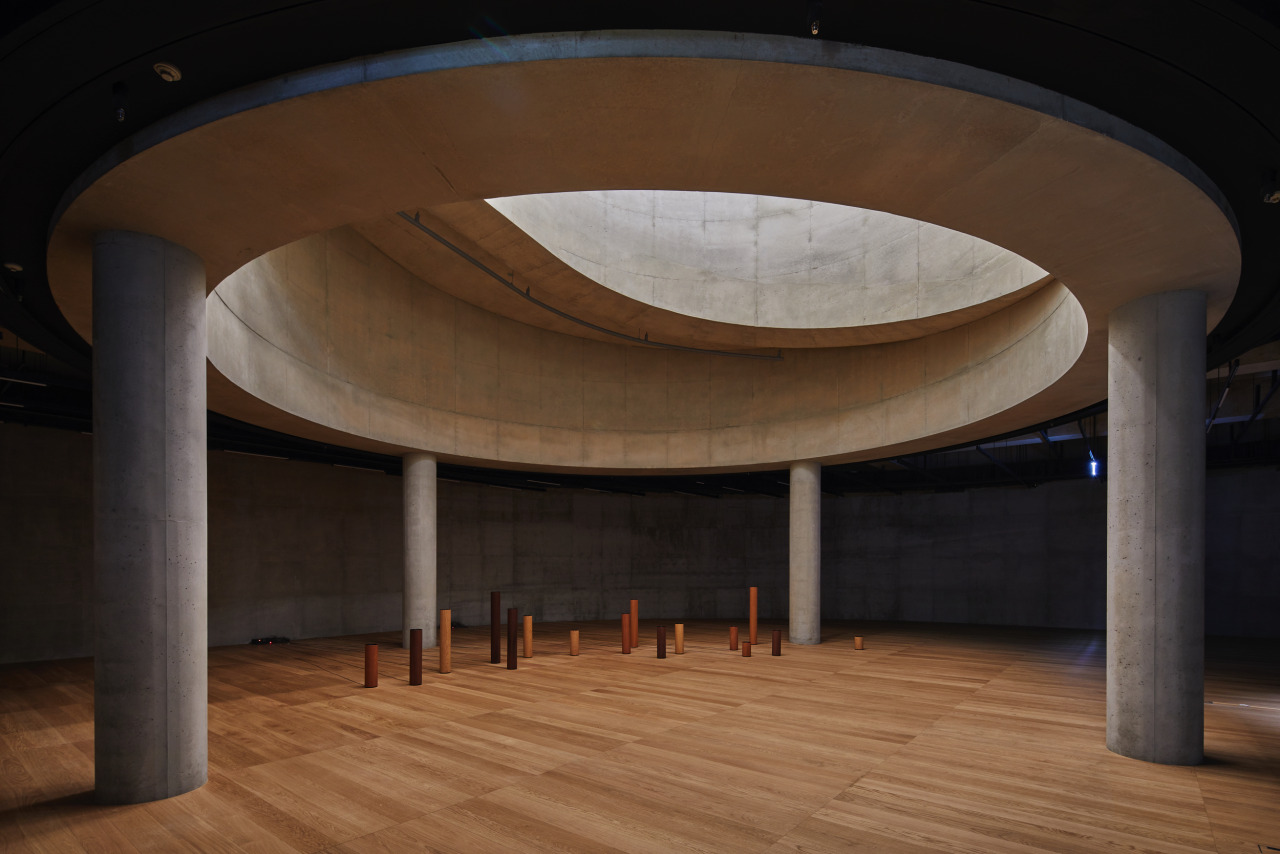
In 《ECO LOG: A Sonic Diary of Nature》 (2025), Flow Noise and Recess Stool invited visitors to physically experience the sounds and vibrations of the wind, while Deep Earth gave sculptural form to invisible movements above and beneath the Earth's surface through a triangular sound structure. Combining wood, rocks, plants, and audio equipment, these installations demonstrate Kim's distinctive sculptural language, in which natural materials coexist with technological media.

As visitors move between works, listen attentively, and interact with physical structures, they develop individual auditory experiences shaped by their own sensations and memories.


Topography & Continuity

Kim Joon has developed a distinctive artistic practice at the intersection of sound art, acoustic ecology, and site-specific art. Since the early 2010s, he has consistently engaged in field research and sound archiving, developing works that examine changes in social and natural environments through auditory experience.

His practice is characterized by the integration of soundscape research with contemporary installation art and the use of technological devices to reveal phenomena that are difficult to perceive through ordinary human senses. His approach, which connects urban history, industrial structures, and geological environments through close observation of specific sites, establishes a distinctive position within contemporary Korean sound art.

Kim's early practice focused on urban industrial facilities, areas undergoing redevelopment, and militarized and social boundaries. Beginning with Feedback Field (2012), which investigated electromagnetic signals in Berlin, he conducted research across diverse locations, including the changing ecology of Nanjido, industrial infrastructure in London, and labor environments in Euljiro, documenting their historical traces through sound.

His participation in residency programs at SeMA Nanji Residency, Gasworks in the United Kingdom, and MMCA Residency Goyang provided opportunities to expand his field-based research both domestically and internationally. Receiving the Grand Prize at the 18th SONGEUN Art Award in 2018 marked an important milestone in the recognition of his practice. He subsequently continued presenting research-based sound installations at institutions including the National Museum of Modern and Contemporary Art, Korea, and the Asia Culture Center.

During the 2020s, Kim's interests increasingly expanded from technological environments in cities to geological timescales and ecological transformations in nature. His solo exhibition 《Tempest》 (2022) developed his longstanding investigation of electromagnetic signals through new spatial configurations, while also introducing works that examined natural traces preserved in rocks and geological formations.

Subsequently, 《Reservoir of Senses》 (2024) brought together sounds and images collected from Gangwon-do, New Zealand, and Australia, reconstructing records accumulated through years of field research. This development reflects the gradual expansion of his research subjects while maintaining a consistent methodology of attentive listening and documentation.

His interests have evolved from artificial urban environments toward biological activity and geological transformation, while his commitment to understanding places through sound has remained central to his artistic practice.

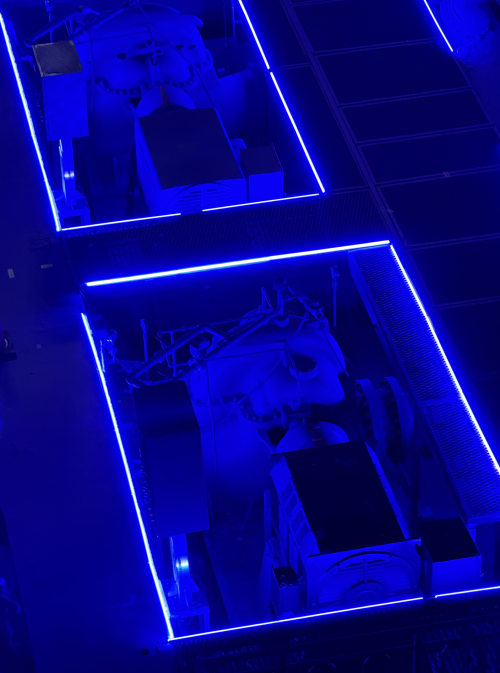
Kim's recent activities have further strengthened the connections between social environments and natural ecosystems that he has explored throughout his career. 《Resounding Remnants》 (2025) presented sounds of the Han River within a former water intake facility, examining the relationship between urban infrastructure and natural circulation, while 《ECO LOG: A Sonic Diary of Nature》 (2025) explored ecological change and the Earth's extensive history through sounds collected from various environments.

In 《Layers of Unseen》 (2026), he extended his research to volcanic regions in Indonesia, investigating environments where geological phenomena intersect with human cultural and religious practices. Throughout these developments, Kim has continually broadened the geographical scope of his research and the possibilities of his artistic media while maintaining his commitment to attentive observation and the sensory communication of invisible traces embedded in specific places.

His practice documents changing environments while encouraging reflection on how humans relate to the world, consistently expanding the social and ecological concerns addressed through sound art.

Works of Art

Exploring Place, Memory, and Layers of Time Through Sound

Articles

Exhibitions

Activities