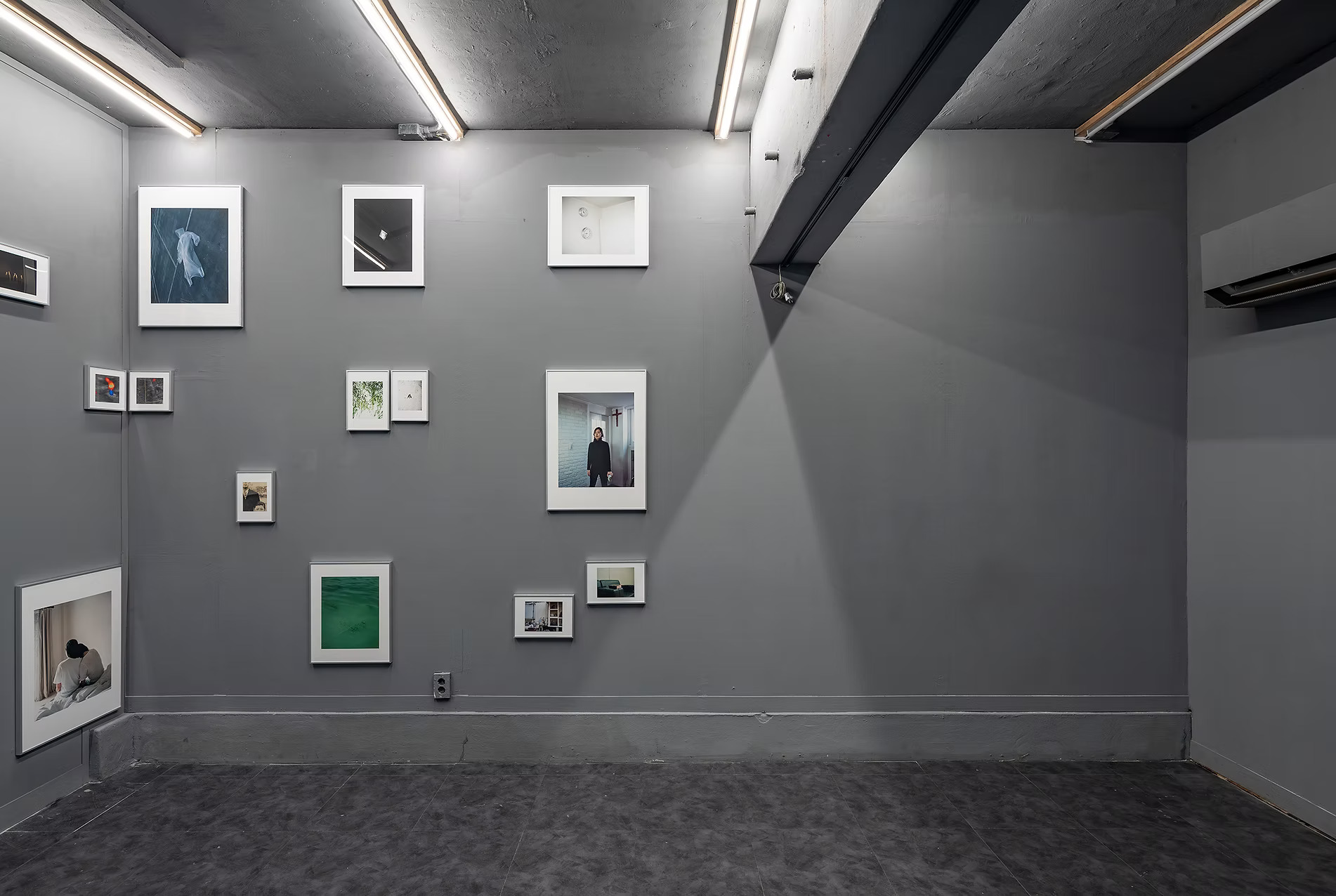
Grounding, Solidarity of light - K-ARTIST

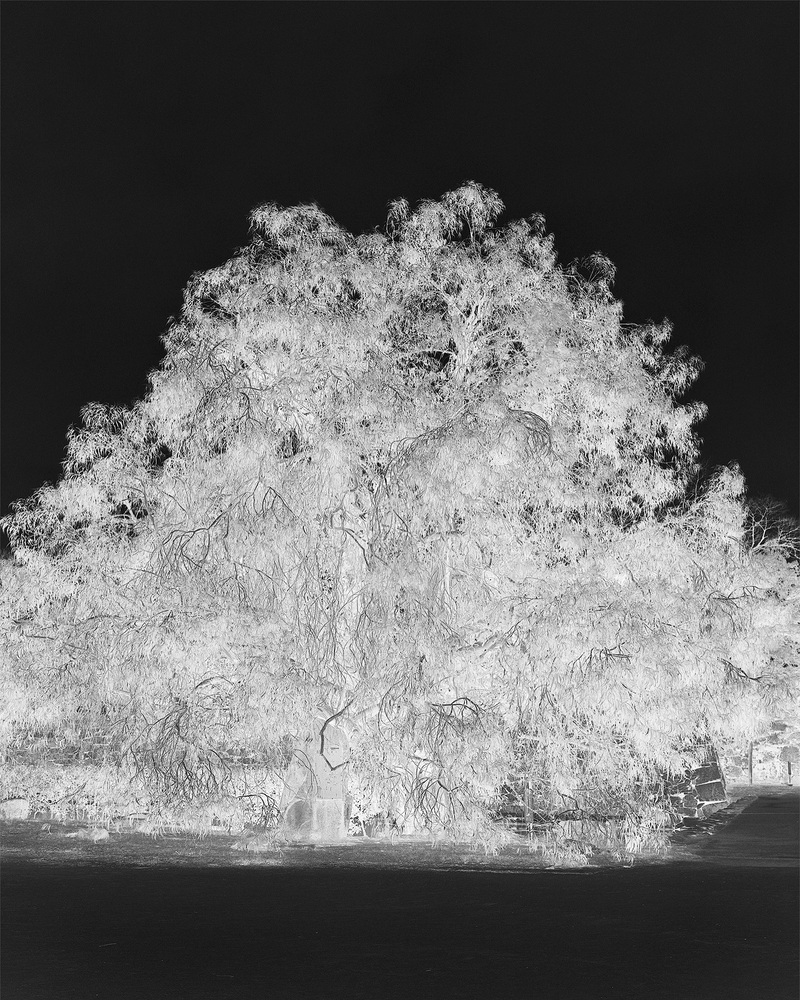
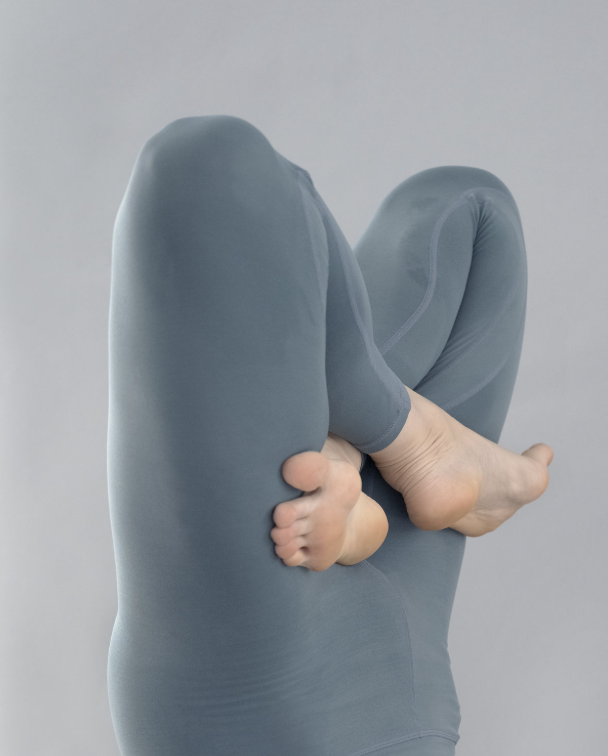
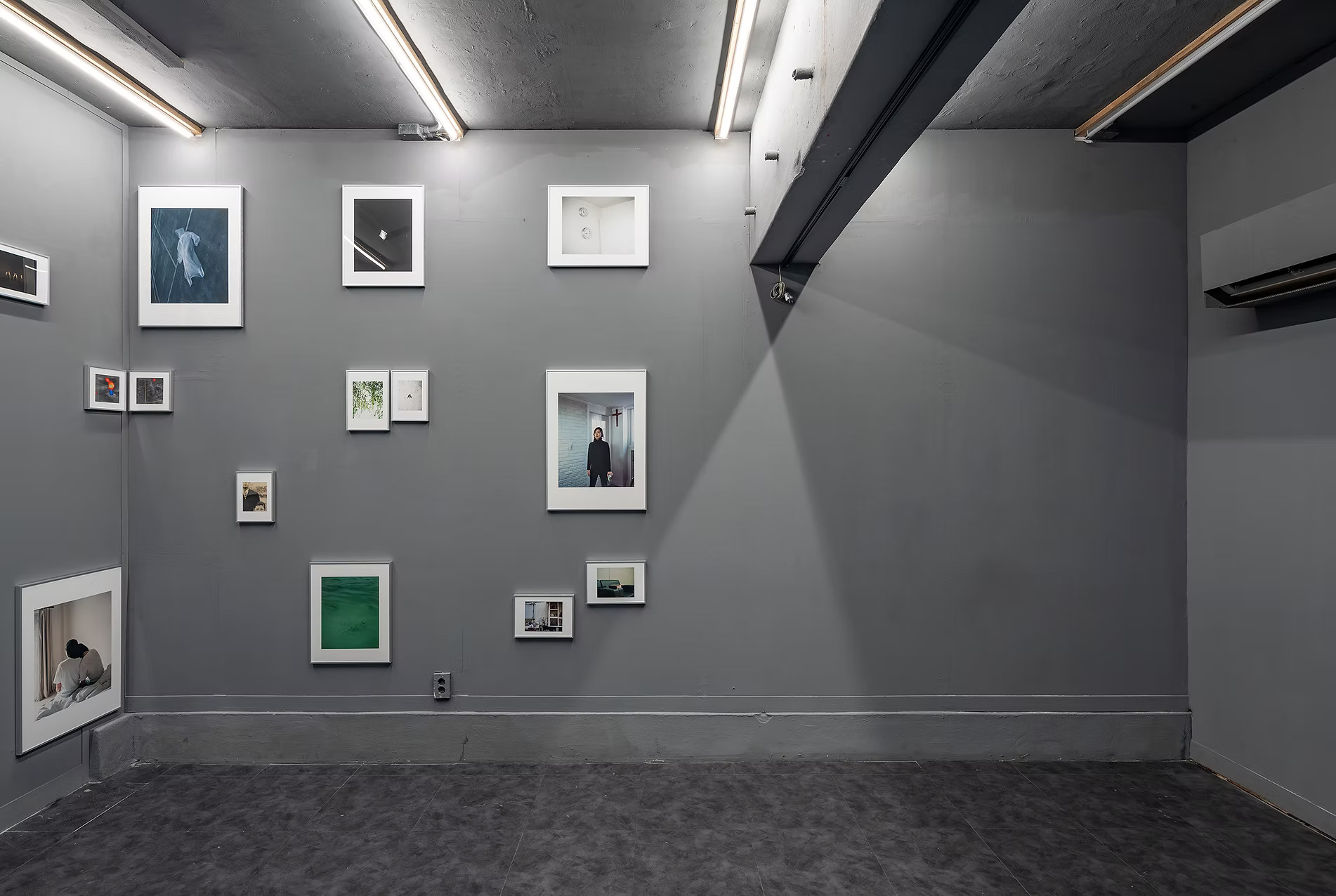
Grounding, Solidarity of light

2022
Archival pigment print
130 x 100 cm
About The Work

Minji YI focuses on the optical experiences and sensory “sight-lag” that emerge between seeing and not seeing. Building on these explorations, she has incorporated words and voices into her photographic practice. She further investigates how the act of seeing can extend toward other senses and the other, and how such experiences can take shape as new forms of photographic images.

For YI, photography is an entity that is both immaterial and material, brought into being through contact with light. The “sight-lag” she refers to describes the sensory gap that arises from the act of seeing.

This gap emerges between what is seen and what remains unseen, as well as between the moment a photograph is taken and the moment it reaches the viewer. It opens up the possibility of discovering scenes that lie beyond the boundaries of conventional visual experience.

While Minji YI’s photographs depict situations and scenes grounded in reality and everyday life, her gaze and attention to sound are directed toward a world that remains unseen and unheard. Minji YI photographs what she imagines to be unseen, excavating latent images that have yet to emerge amid the temporality of the “non-future” and recurring events.

Her practice raises questions about how the invisible can be sensed and recorded, while revealing the relationships of resonance that emerge among the earth, the body, light, and particles.

Solo Exhibitions (Brief)

Yi has held solo exhibitions including 《Futurenonfuture》 (Buyeon, Incheon, 2024), 《Only the future visits the past》 (Incheon Art Platform, Incheon, 2023), and 《Ghost Motion》 (Gallery Chosun, Seoul, 2021).

Group Exhibitions (Brief)

YI has also participated in numerous group exhibitions, including 《Born Under a Bad Sign》 (Mihakgwan, Seoul, 2026), 《Tilting toward Ground》 (Incheon Art Platform, Incheon, 2025), 《Oort Cloud》 (ARKO Art Center, Seoul, 2025), 《My Sky Your Sky》 (Whistle, Seoul, 2024), 《Anticipation of a Contingency》 (d/p, Seoul, 2022), 《Why Not Knowing, Why Not Remembering》 (Art Space Pool, Seoul, 2020), and 《Love Forever》 (HITE Collection, Seoul, 2019).

Residencies (Selected)

YI has participated in residency programs at MMCA Residency Goyang (2025), Incheon Art Platform (2023), and the SeMA Nanji Residency (2022).

Works of Art

Sensations Between the Seen and the Unseen

Originality & Identity

Minji YI has long focused on the gap between what a photograph reveals and the sensations it cannot capture. The term “sight-lag,” as used by the artist, refers both to the optical difference that arises when viewing an object from different positions and to the temporal distance between experiencing, remembering, and revisiting a scene.

This interest is connected to personal experiences of loss in her early ‘Light Volume’ (2015–2019) series. Around the time of her maternal grandmother’s death, YI photographed the objects, spaces, and faint traces surrounding her. As she retraced her grandmother’s life as a refugee, laborer, and deaconess who moved from Hwanghae Province through Yeonpyeongdo Island to Incheon, she found that the faces and scenes needed to fully reconstruct a person's life could not easily be gathered.

Instead, the photographs revealed times she had never witnessed, experiences that remained unnamed, and the absence of someone who had already passed away. Through these omissions and incomplete records, YI questions what photography can preserve and what it inevitably leaves behind.

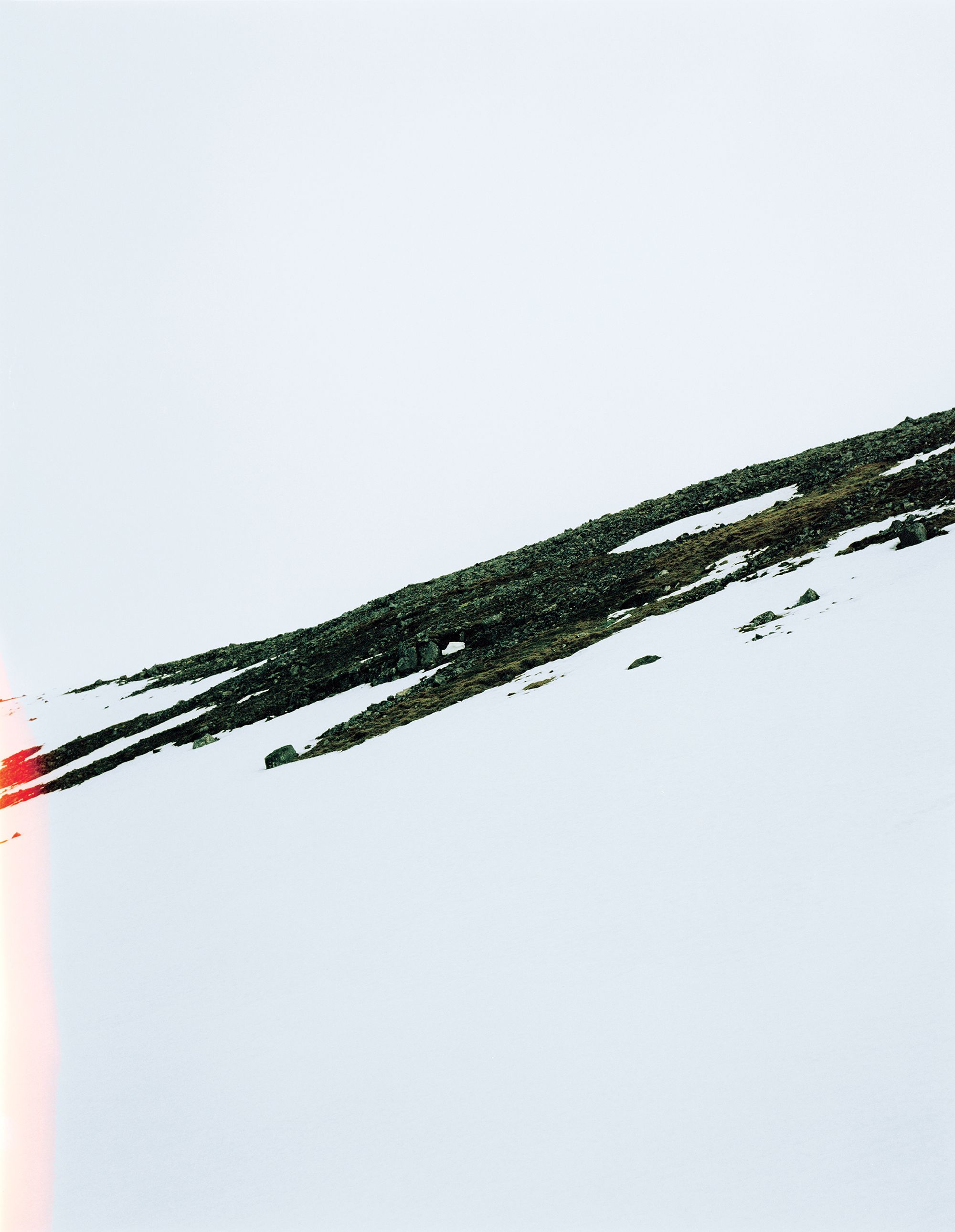
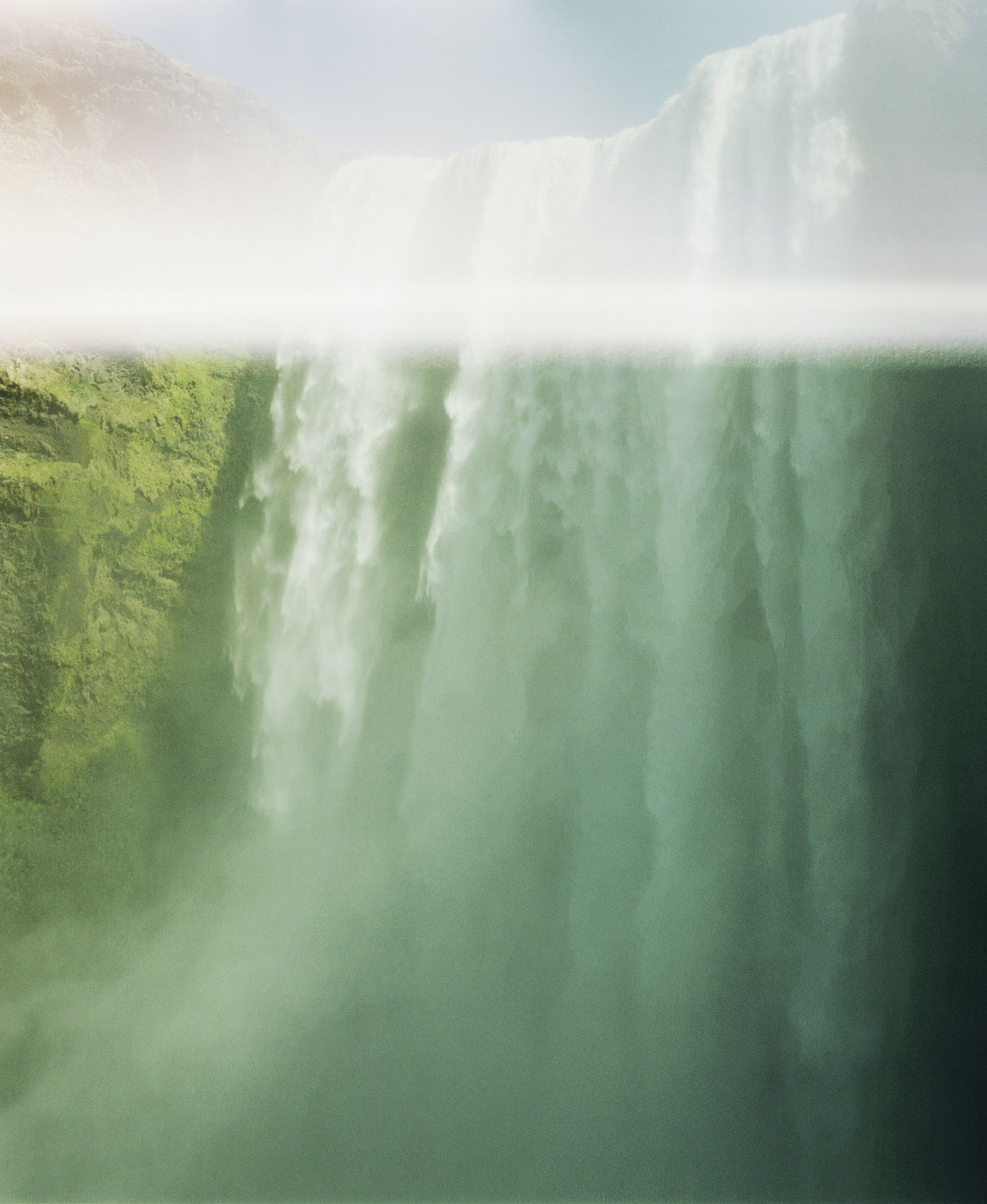
In the subsequent ‘sight-lag’ (2017–2018) series, she investigates differences in visual perception by observing Iceland’s landscapes under the midnight sun through screens, with the naked eye, and through a telescope. By presenting a situation in which it becomes difficult to determine one's position even when everything is brightly illuminated, she reveals that seeing the world and understanding it do not necessarily coincide.
 
These concerns take clearer shape through the relationship between the two series presented in 《Sight-lag》(Hapjungjigu, Seoul, 2018). While ‘Light Volume’ explores absence by following the breath and voice of a disappearing person, ‘sight-lag’ examines the visual experience of observing a landscape without being able to fully comprehend it.

Although the two series address different subjects, they are connected by a common question: how can we perceive what remains invisible? This interest subsequently expands toward the bodies and sensory experiences of others. In 《Ghost Motion》(Gallery Chosun, Seoul, 2021), YI focuses on the subtle movements of the body during the pandemic, when mobility and physical contact were restricted.

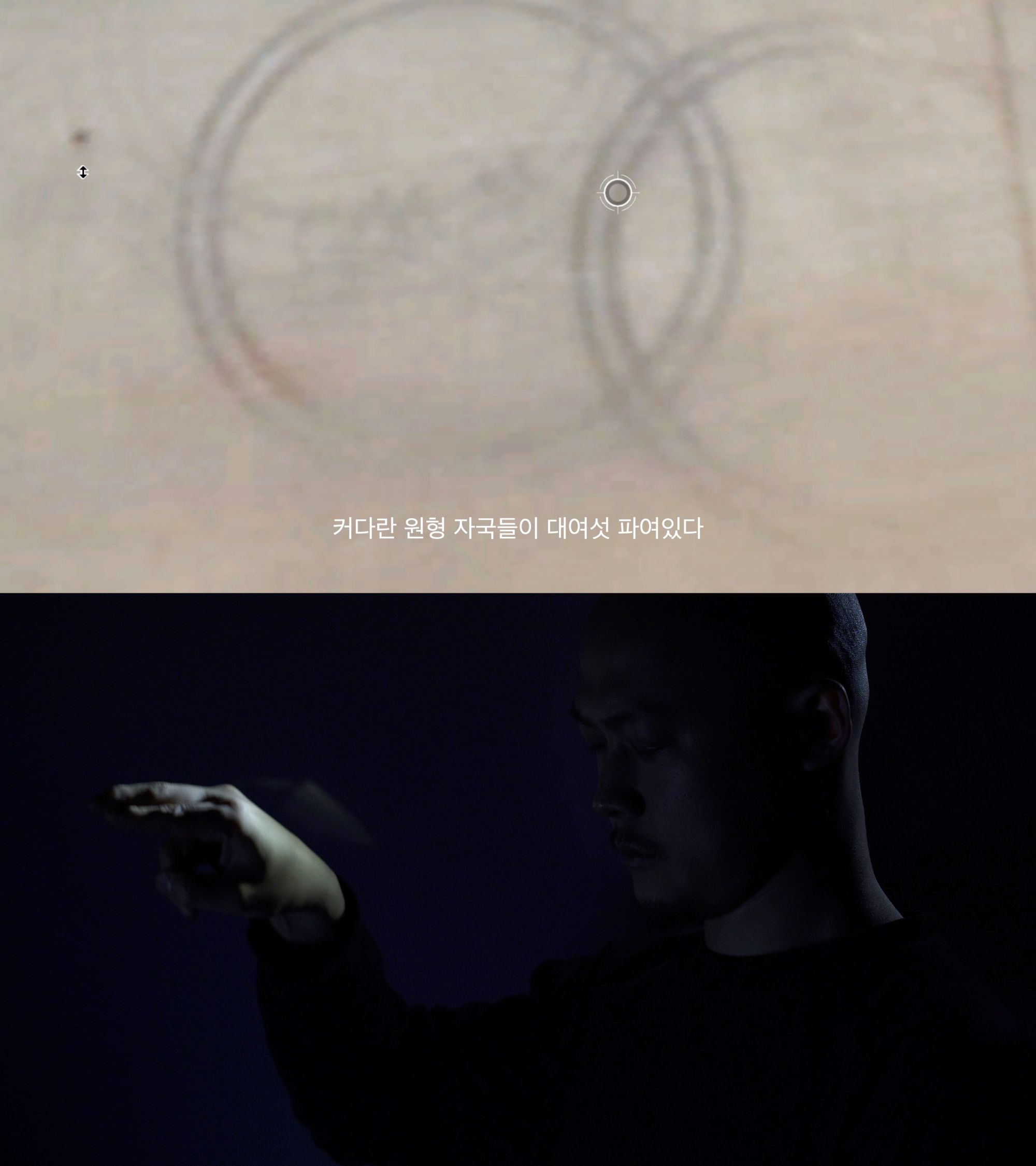
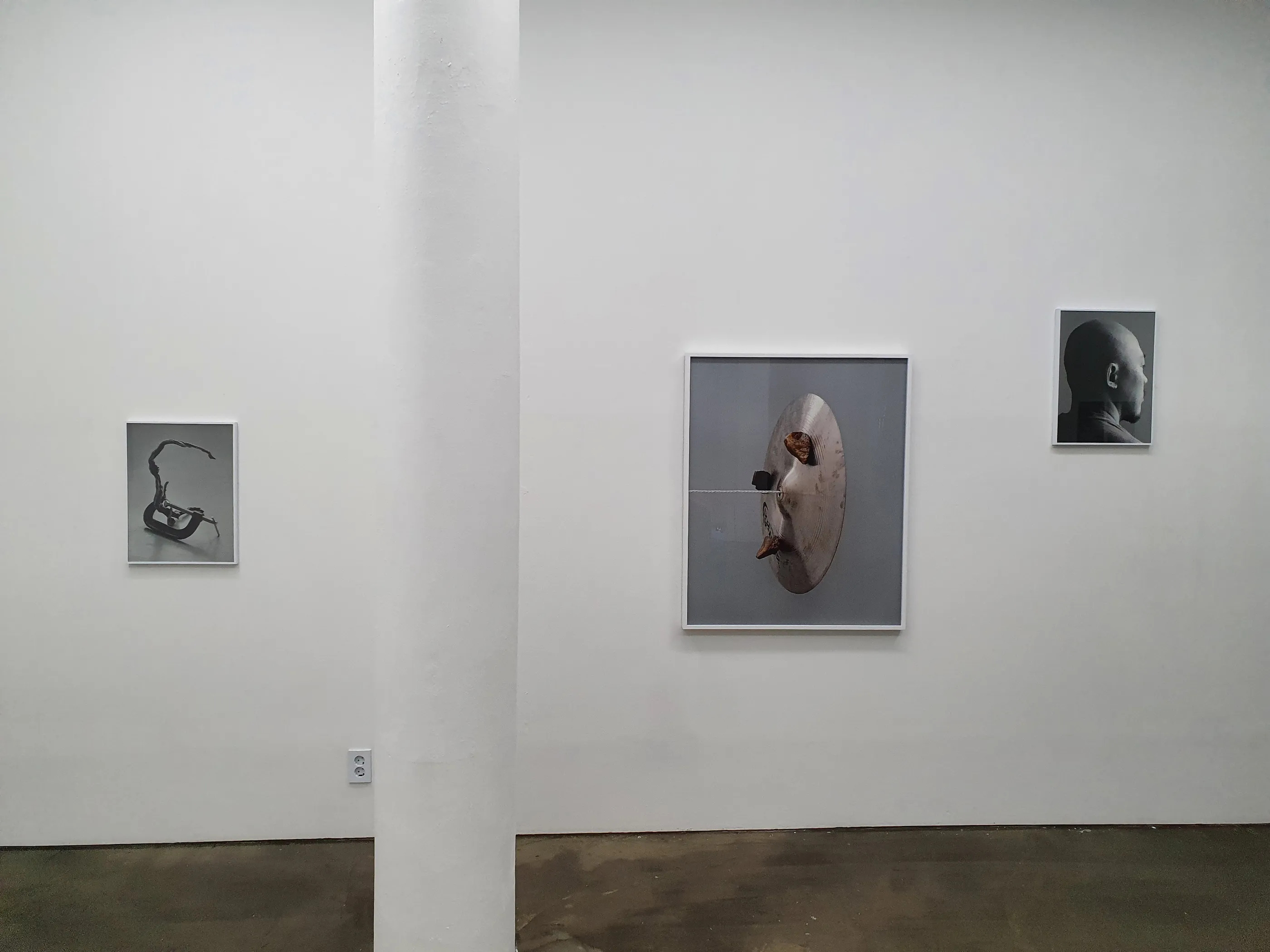
The breathing of yoga practitioners and the small repetitive gestures drummers use to maintain a beat may not be immediately visible, yet they shape bodily rhythms and the experience of time. In works such as Ghost Motion, Breath(2021), YI captures the afterimages of movement and sensations accumulated within the body, exploring how photography might reach beyond vision toward other senses, including sound, vibration, and touch.

During this period, the question of sight-lag, initially rooted in personal mourning, develops into a way of understanding the bodies and sensory experiences of others.
 
YI subsequently expands her investigation of personal memory toward family history and the passage of time embedded in places. 《Only the future visits the past》(Incheon Art Platform, Incheon, 2023) explores landscapes and periods she has never directly experienced by revisiting Incheon, where her maternal grandmother and mother once lived.

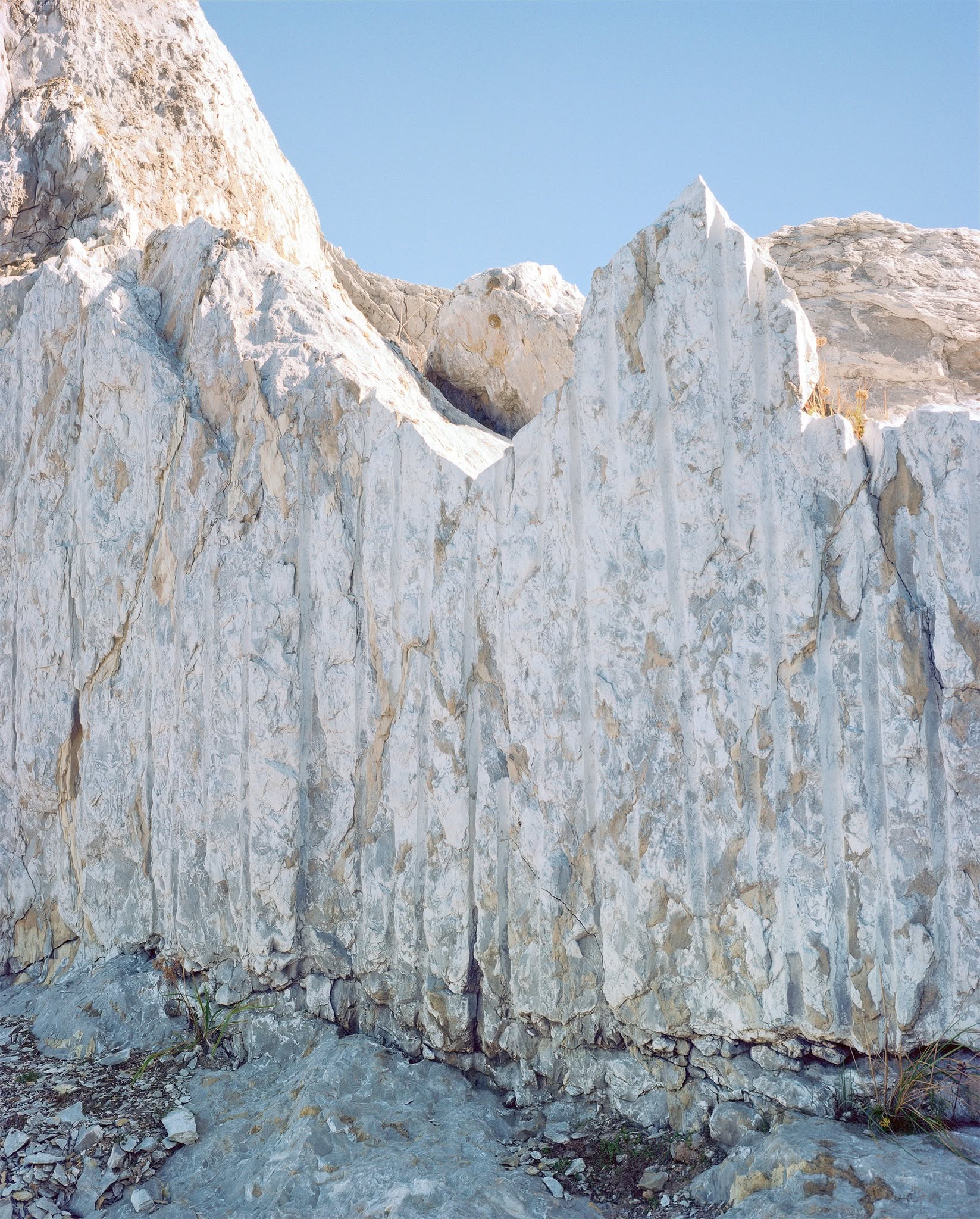
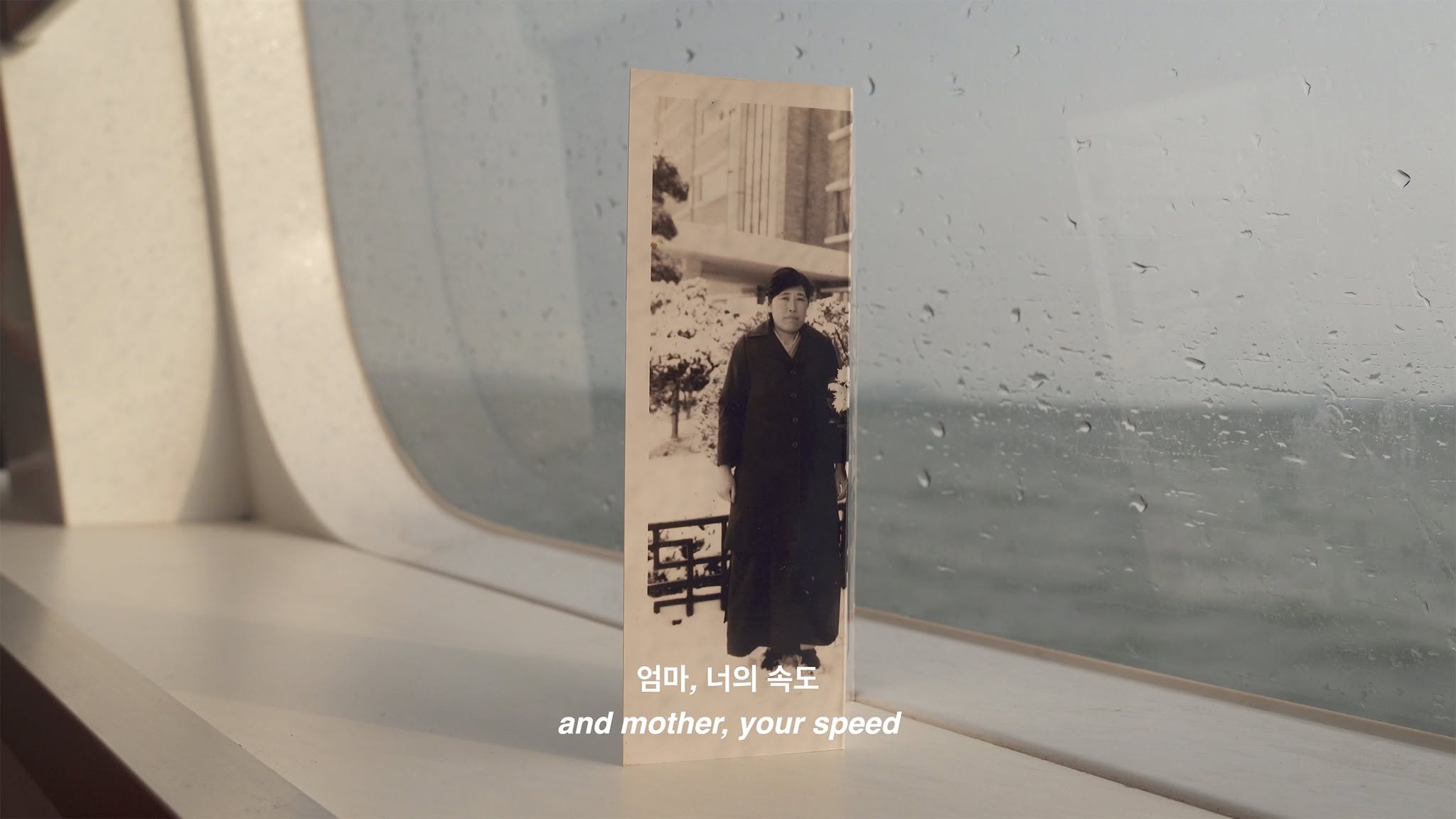
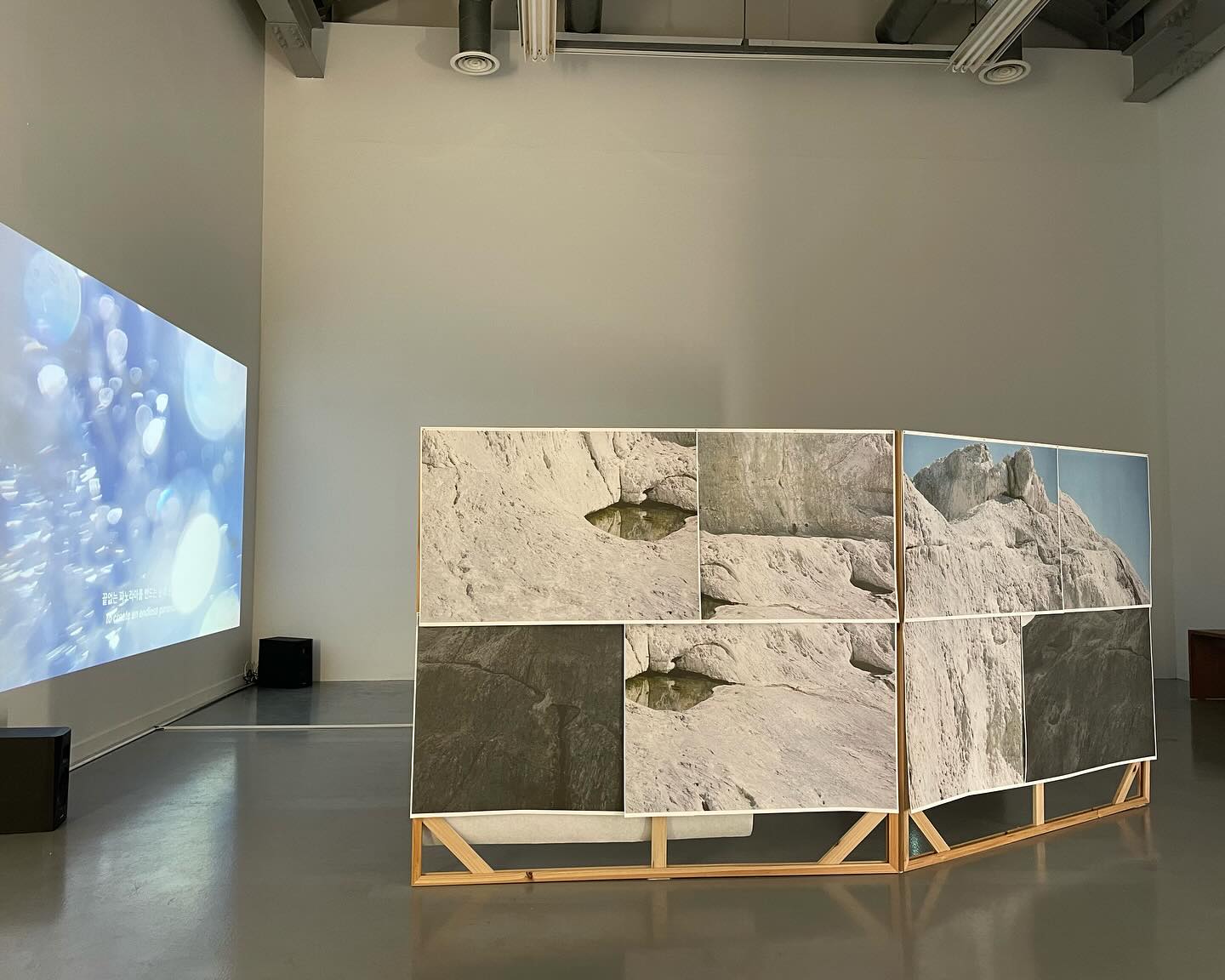
In the video work Only the future visits the past(2023), which shares its title with the exhibition, she follows the routes once traveled by her mother and superimposes perspectives from the past onto present-day landscapes through historical photographs and archival records. In the ‘Moonlight panorama’ (2023–) and ‘Blue archive’ (2023) series, she further develops these interests through Bunbawi, a limestone formation on Socheongdo Island in Incheon.

Stories of people who navigated by using white rocks reflecting moonlight as landmarks before the introduction of lighthouses invite viewers to understand landscapes not simply as geographical locations but as spaces where the experiences and memories of multiple generations have accumulated.

In 《Futurenonfuture》(Buyeon, Incheon, 2024), YI extends this overlapping sense of time to questions concerning disasters and urban transformation. Through a time capsule excavated from a park, reclaimed land that may eventually be submerged again by rising sea levels, and places preserving records of disasters, she explores how traces of the past can foreshadow the future and how the present might be reconsidered from a future perspective.

The “nonfuture” she proposes describes a condition in which the past and future can no longer be understood as separate temporalities, while photography becomes a medium through which different times and memories encounter one another.
 
In her recent works, these interests extend to post-disaster environments and traces of invisible matter. In the ‘Silver Screen’ (2025) series, YI connects the limestone terrain of Socheongdo Island with the silver particles that constitute photographic images, emphasizing how both landscapes and images are formed through the accumulation of minute material elements.

In the ‘Fallout, Light, Matter’ (2025) series, she examines traces of dust and radioactive substances that remain in the sea, atmosphere, land, and human body after a disaster. Fallout, light, matter—hibaku jumoku(2025) invites reflection on the time and traces that the invisible aftermath of disaster leaves upon nature and living beings.

This development demonstrates how her longstanding interest in the unseen has expanded from personal loss and memory toward the histories of places, collective experiences, and relationships between the environment and the body. For YI, photography goes beyond recording a fixed moment; it becomes a way of connecting a past she has never directly experienced and a future that has yet to arrive through the sensations of the present.

Style & Contents

Working primarily with photography, YI has expanded the sensory possibilities of images by combining them with video, text, sound, printing, and techniques of material transfer. In her early ‘Light Volume’ series, rather than directly representing her maternal grandmother’s face, she photographed the spaces and objects she had inhabited and the traces left in her surroundings.

Although the figure is absent from the photographs, the sustained attention directed toward these surroundings evokes the breath and voice of a person gradually disappearing. YI also incorporated image files, audio recordings, and text, connecting fragments of memory that could not be reconstructed through a single medium.

By contrast, in ‘sight-lag’, she uses photography to reveal differences in the devices and positions through which landscapes are observed. sight-lag, 63°31′55.55′′N 19°30′40.39′′W(2017) and sight-lag, 65°48′13.59′′N 22°16′20.44′′W(2017) present geographical coordinates in Iceland as their titles, yet within landscapes illuminated by the midnight sun, these precise coordinates cannot adequately explain visual experience.

The discrepancies between landscapes observed through screens, telescopes, and the naked eye challenge the belief that photography accurately represents its subjects and encourage viewers to imagine sensations that remain outside the photographed frame.
 
In 《Ghost Motion》, YI explores bodily rhythms through the relationship between still photographs and moving images. Observing the bodies of yoga practitioners and musicians, she records subtle movements occurring between breaths, beats, and repetitive gestures through photography and video. The shifts between sharpness and blur in Ghost Motion, Breath evoke afterimages of gestures that appear and disappear in an instant.

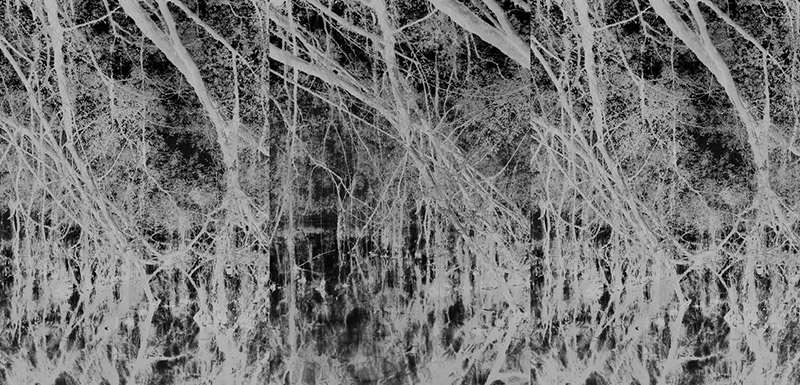
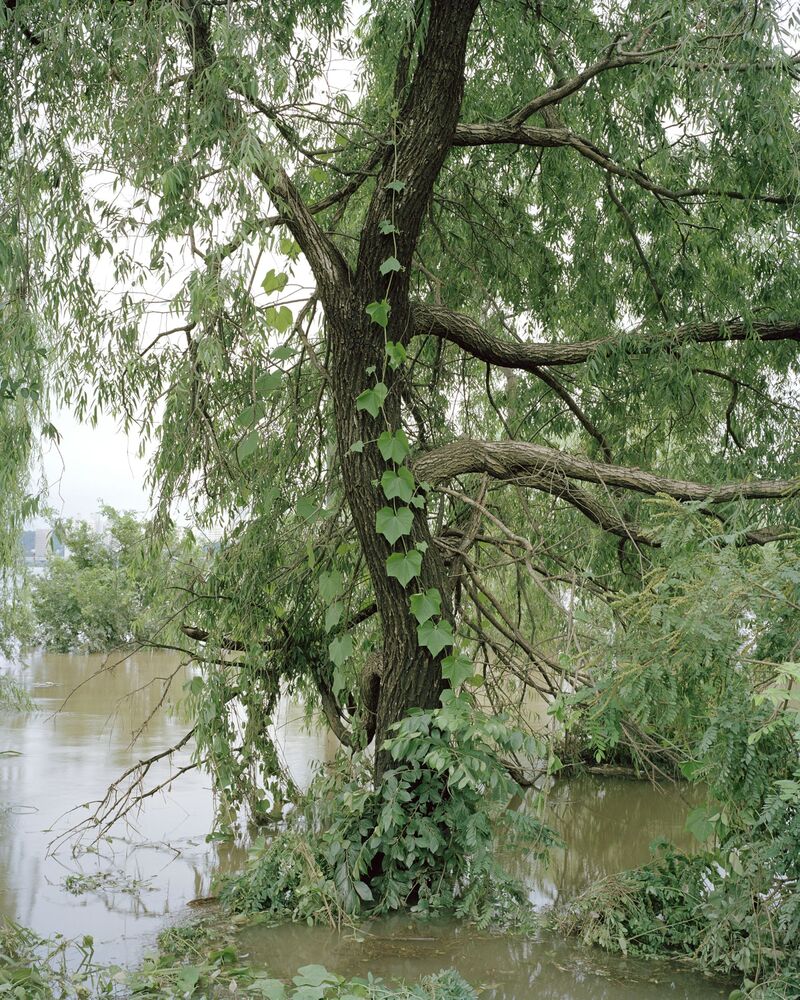
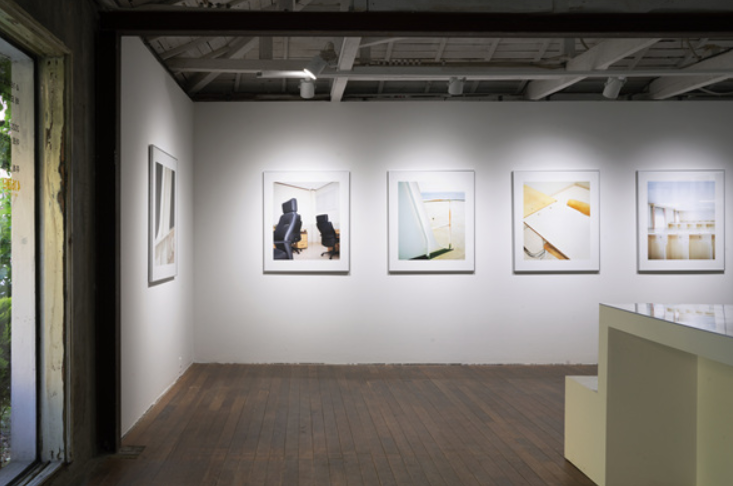
By juxtaposing still and sequential images, YI reveals the passage of time that cannot be contained within a single photograph, inviting viewers to sense sounds and vibrations that are invisible to the eye. This approach is connected to her continuing interest in light, sensation, and shared experience, also reflected in Grounding, Solidarity of light(2022).

Beginning with the fundamental principle that photographs are created through contact with light, YI explores the possibility of light functioning as a sensory medium connecting different bodies and places. During this period, her practice becomes increasingly concerned not only with what an image depicts but also with the sensations produced and communicated through the processes of photographing and viewing.
 
In 《Only the future visits the past》, the combination of photography, video, and archival materials becomes more pronounced. The multi-channel video Only the future visits the past interweaves her mother's memories, the landscapes of Incheon encountered by the artist in the present, and historical photographs discovered in local archives, connecting different temporalities and perspectives.

Drawing on the principles of stereoscopy, which uses the disparity between the two eyes to produce three-dimensional images, and panoramic photography, in which the field of vision expands through shifts in viewpoint, YI demonstrates how the act of seeing itself can become a process of reconstructing time and memory.

In ‘Moonlight panorama’ and ‘Blue archive’, she photographs the surface of Bunbawi on Socheongdo Island under changing conditions of light and movement, while transferring the rock's textures onto paper through frottage. Moonlight panorama(2024) records the terrain of an actual place and the changing conditions of light, while inviting viewers to imagine people navigating by moonlight in the past.

By translating visual landscapes into tactile traces, YI expands photography beyond the image into a medium capable of conveying the materiality and temporality of place. This approach was also presented in 《My Sky Your Sky》(Whistle, Seoul, 2024), giving concrete form to her longstanding exploration of sight-lag through histories embedded in places and material sensations.
 
In 《Futurenonfuture》, YI further diversifies her use of photography's material qualities. Lowland(2024) is a work that layers the paths of clouds and light with images of tidal flats and stones along a coastline in eastern Japan marked by memories of disaster. Produced using silkscreen printing in collaboration with the print production studio SAA, it brings together different elements of a post-disaster landscape.

Floatsam(2024, working title), created in collaboration with artist Seongu Lim, combines paper, photography, and objects to develop an archaeological imagination of remnants of memory that may one day be excavated. Through the layering of photographs, prints, and objects, these works materially reveal how multiple times and events accumulate within a single landscape.

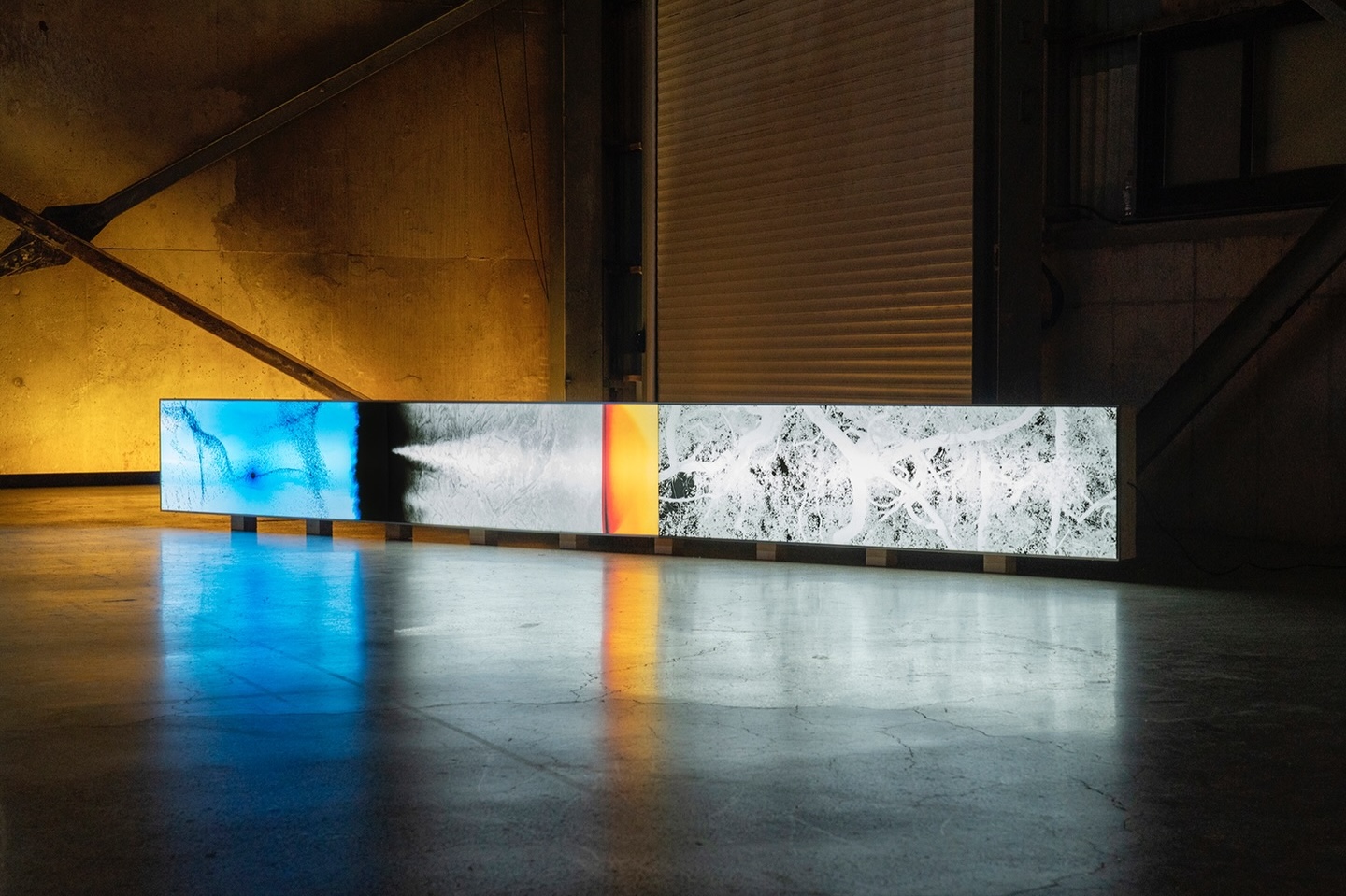
This investigation subsequently extends into the world of microscopic matter in ‘Silver Screen’ and ‘Fallout, Light, Matter’. Fallout, light, matter(2025) was produced through screen printing on paper, while Spectrum(2025) is an installation combining a light box, pigment prints, and screen prints. Through processes involving light, photosensitivity, and printing, YI translates invisible traces of atmospheric dust, minerals in the earth, and substances remaining in the body into images.

While her early photographs sought to preserve faint scenes surrounding the absence of a single person, her recent works use the properties of light, particles, paper, and photographic surfaces to reveal how nature, the body, and the temporalities of disaster are interconnected.

Topography & Continuity

A distinctive aspect of YI’s practice is her attention to the times and sensations that exist before and after a photographed scene but are not easily made visible within it. Starting from the understanding that photography records a particular moment, she instead traces the voices, movements, memories, and material traces that such records fail to contain.

Photographs surrounding her grandmother's absence, landscapes in which orientation becomes uncertain under the midnight sun, images following bodily rhythms, and records of coastlines where the times of different generations overlap all address different subjects, yet each contains experiences that cannot be fully explained by what is immediately visible.

Importantly, YI does not express these experiences solely through abstract imagery but connects them to the histories of specific people and places. Her family's migration route from Hwanghae Province to Incheon, Socheongdo Island near the inter-Korean division line, and coastlines marked by disasters are all places where personal memory intersects with social and historical conditions.

Compared with other photographic practices that investigate documentation and representation, YI’s approach is distinguished by its careful attention to undocumented sensations and the relationships between different temporalities, rather than the factual accuracy of information contained within images.
 
Her practice has evolved from personal mourning toward the bodies and sensory experiences of others, the memories of places and communities, and relationships between the environment and material substances. In ‘Light Volume’ and ‘sight-lag’, she explored absence and perception through the gap between what is seen and what remains unseen, while ‘Ghost Motion’ extended these concerns toward bodily movement and the transmission of sensations.

Later, in 《Only the future visits the past》 and 《Futurenonfuture》, she reconstructed memories passed down through generations and time accumulated within places through photography, video, archival materials, and printmaking. Her recent interest in light, dust, minerals, and the body, evident in ‘Silver Screen’ and ‘Fallout, Light, Matter’, revisits the fundamental materiality of photography while revealing environmental changes that are difficult to perceive directly.

Throughout this development, photography expands from a medium that preserves what has disappeared into a site where different sensations, temporalities, and forms of existence can connect. In particular, YI’s understanding of photography as a “plane of possibility” suggests that experiences of past and present, individuals and communities, need not remain confined within a single fixed image but can continually form new relationships.
 
Her recent works continue to explore new ways of approaching photography by extending questions rooted in family history toward coastlines, borderlands, and post-disaster environments. Through her attention to invisible traces left across different regions and historical periods, and her exploration of their relationships with light and matter, YI’s practice holds possibilities for further engagement with the histories of diverse places.

Ultimately, the questions she continues to pursue through photography concern how we remember what we have never seen and through what sensations we might encounter a time we have yet to experience.

Works of Art

Sensations Between the Seen and the Unseen

Articles

Exhibitions

Activities