Hashtag - K-ARTIST

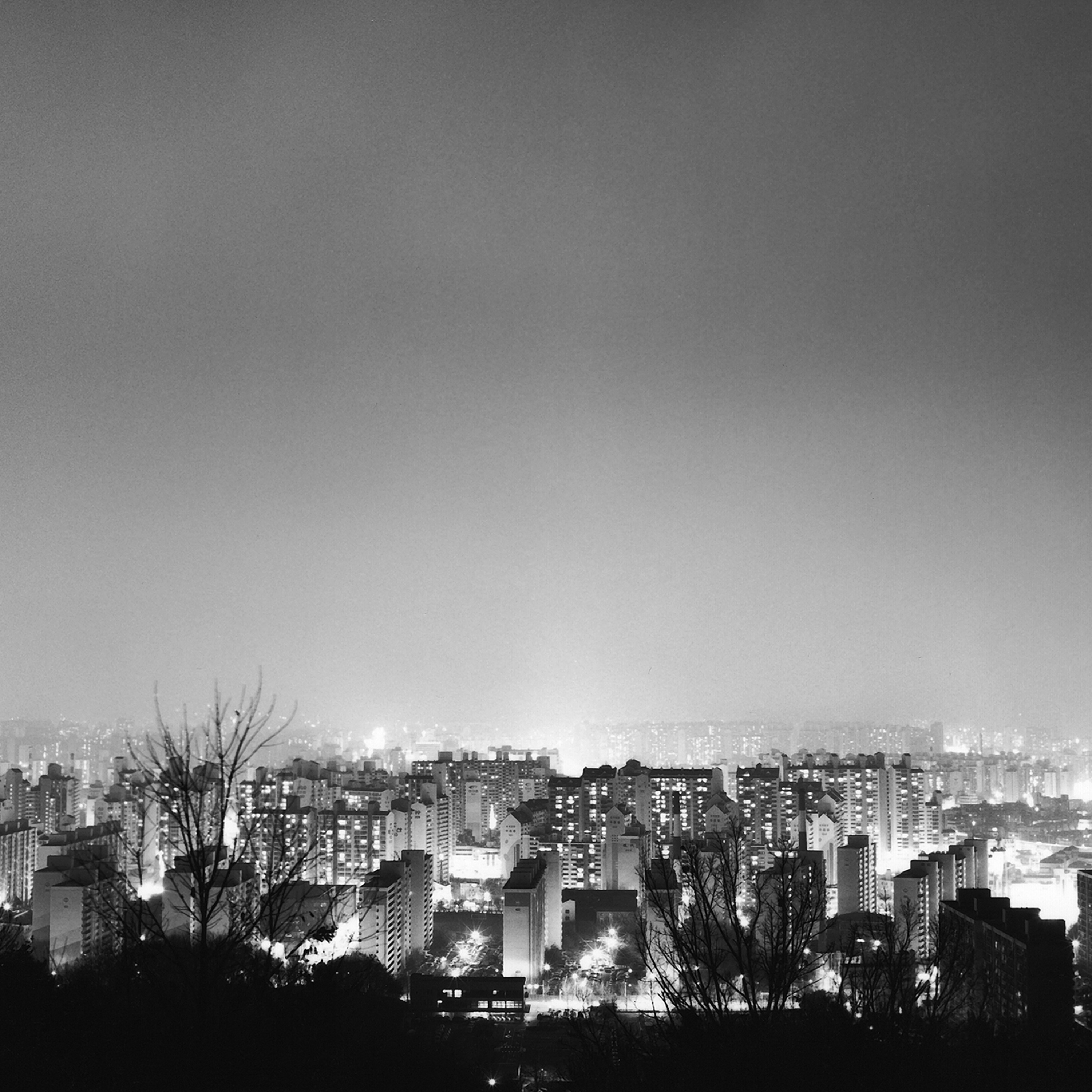
Hashtag

2017
Archival pigment print
180 x 120 cm
About The Work

Seungwon Yang’s practice begins with a question: Do the images and landscapes we readily accept as familiar truly reveal reality in its entirety? Challenging the belief that photography objectively documents the world, he has explored how the boundaries between the real and the imitation, and between fact and fiction, are constructed and transformed.

He also examines the contemporary social conditions that shape individual perception, bringing to light realities concealed beneath the surface of images and unsettling established structures of perception.

Working primarily with photography, Yang has continually expanded his methods and forms of image-making to include spatial staging, digital compositing, 3D modeling, and three-dimensional installation. His practice not only challenges the presumed truthfulness of photography but also broadens the range of subjects and forms it can represent.

The scenes in his works may appear real but are in fact manipulated, depict artificially constructed sites, or present imaginary landscapes that do not exist in reality.

When viewers begin to question the authenticity of an image, they are prompted to reconsider the information and experiences through which they judge reality. In particular, Yang reveals how social experiences and personal memories shape visual perception through specific objects and places. Moving between the real and the virtual, and between truth and fiction, his work raises questions about what we are actually seeing in an age saturated with images.

Solo Exhibitions (Brief)

Seungwon Yang has held solo exhibitions including 《Suspended Boundaries》 (Museum Hanmi, Seoul, 2025), 《Overwrite》 (N/A, Seoul, 2022), 《Glimpse》 (SeMA Storage, Seoul, 2021), and 《Covered Moment》 (HITE Collection, Seoul, 2019).

Group Exhibitions (Brief)

Yang has also participated in numerous group exhibitions, including 《The Collapse Manual》 (AOD Museum, Seoul, 2026), 《Shadow Index》 (Pipe Gallery, Seoul, 2025), 《The Observers Are Observed》 (Cheongju Museum of Art, Cheongju, 2024), 《The Hanging Gardens of Babylon》 (Nam-Seoul Museum of Art, Seoul, 2023), 《A Glimpse of Our Time》 (Kumho Museum of Art, Seoul, 2023), 《Another Letter to Nature》 (Culture Station Seoul 284, Seoul, 2023), and 《Summer Love》 (SONGEUN, Seoul, 2019).

Residencies (Selected)

Yang has been selected for artist residency programs at the SeMA Nanji Residency (2024), MMCA Residency Goyang (2023), Seoul Art Space Geumcheon (2022), and ACC Asiaplex Studio (2021).

Collections (Selected)

Yang’s works are held in the collections of the Gyeonggi Cultural Foundation, Seoul Museum of Art, and MMCA Art Bank.

Works of Art

Pseudo-Images That Disrupt Structures of Perception

Originality & Identity

Seungwon Yang’s practice begins with a question: do the images and landscapes we take for granted truly represent reality as it is? Questioning the belief that photography objectively records the world, Yang has explored how boundaries between reality and imitation, fact and fiction, are formed and transformed. These concerns emerged from the urban environment and social changes he encountered after moving from Icheon, Gyeonggi Province, to Seoul.

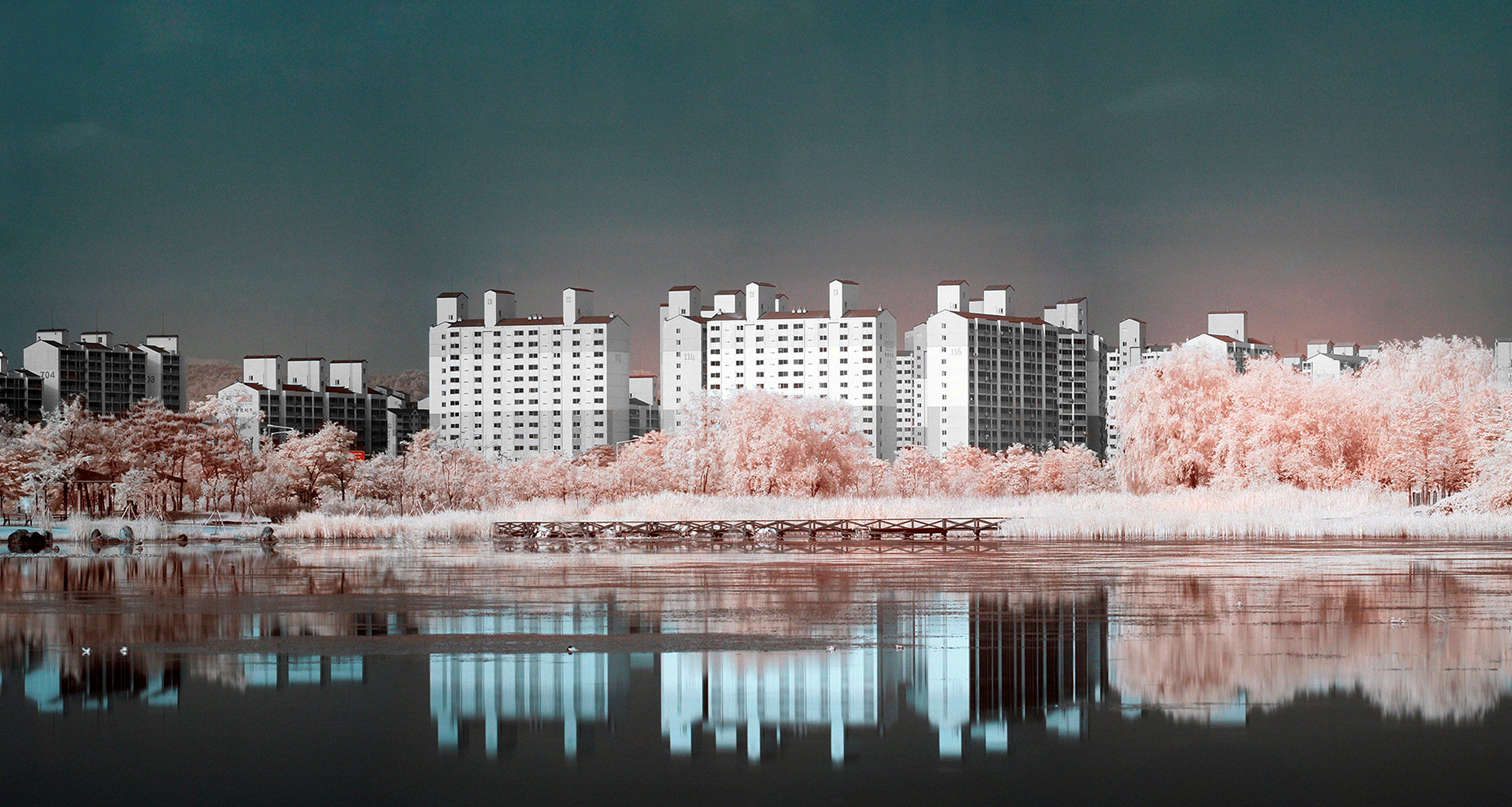
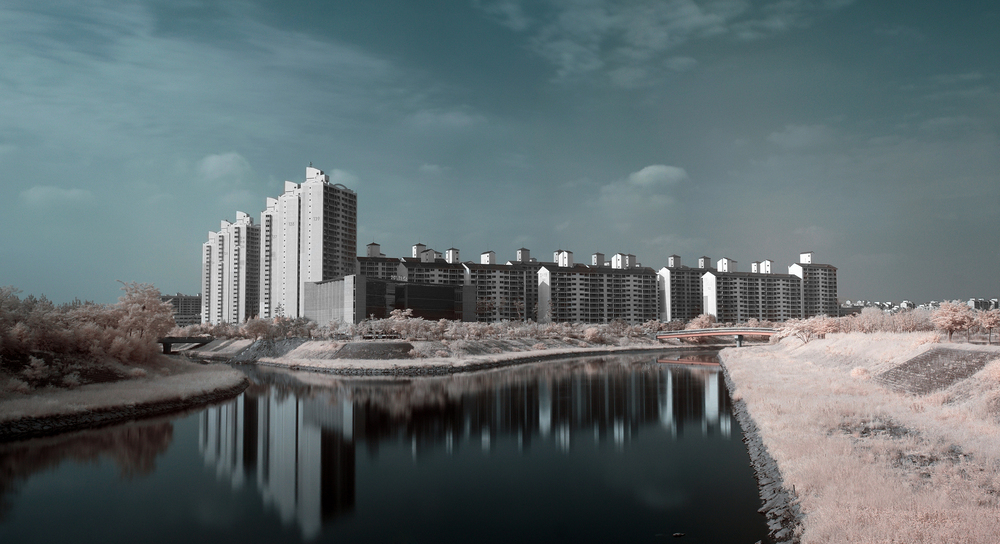
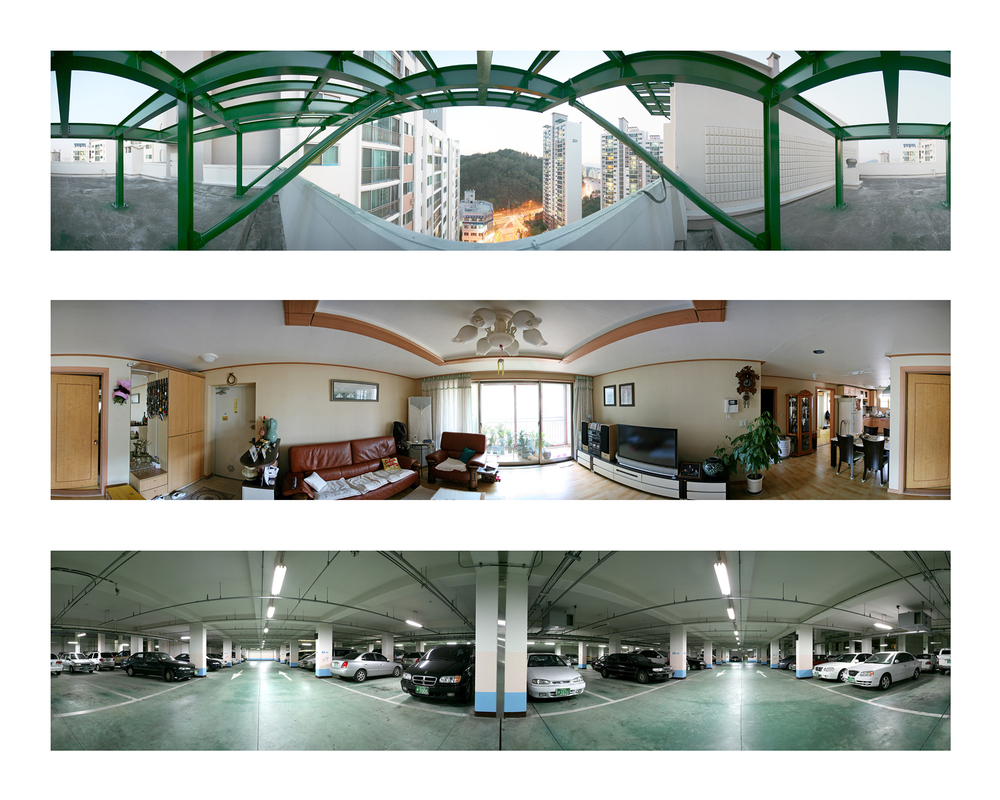
In his early ‘Real and Figure’ (2009–2010) series, he photographed apartment buildings and their surrounding natural environments using an infrared camera, revealing differences in how artificial and natural materials respond to light. Observing how residential spaces had become objects of speculation and wealth accumulation, he focused on the discrepancy between the original functions of objects and the values assigned to them by society.

Works such as Real and Figure #002 (2010) and A.S. APT (2009) present familiar urban landscapes in unfamiliar ways, questioning how we understand places. From this early period, Yang was concerned not simply with distinguishing the real from the fake, but with examining how social perceptions and experiences determine what is accepted as real.
 
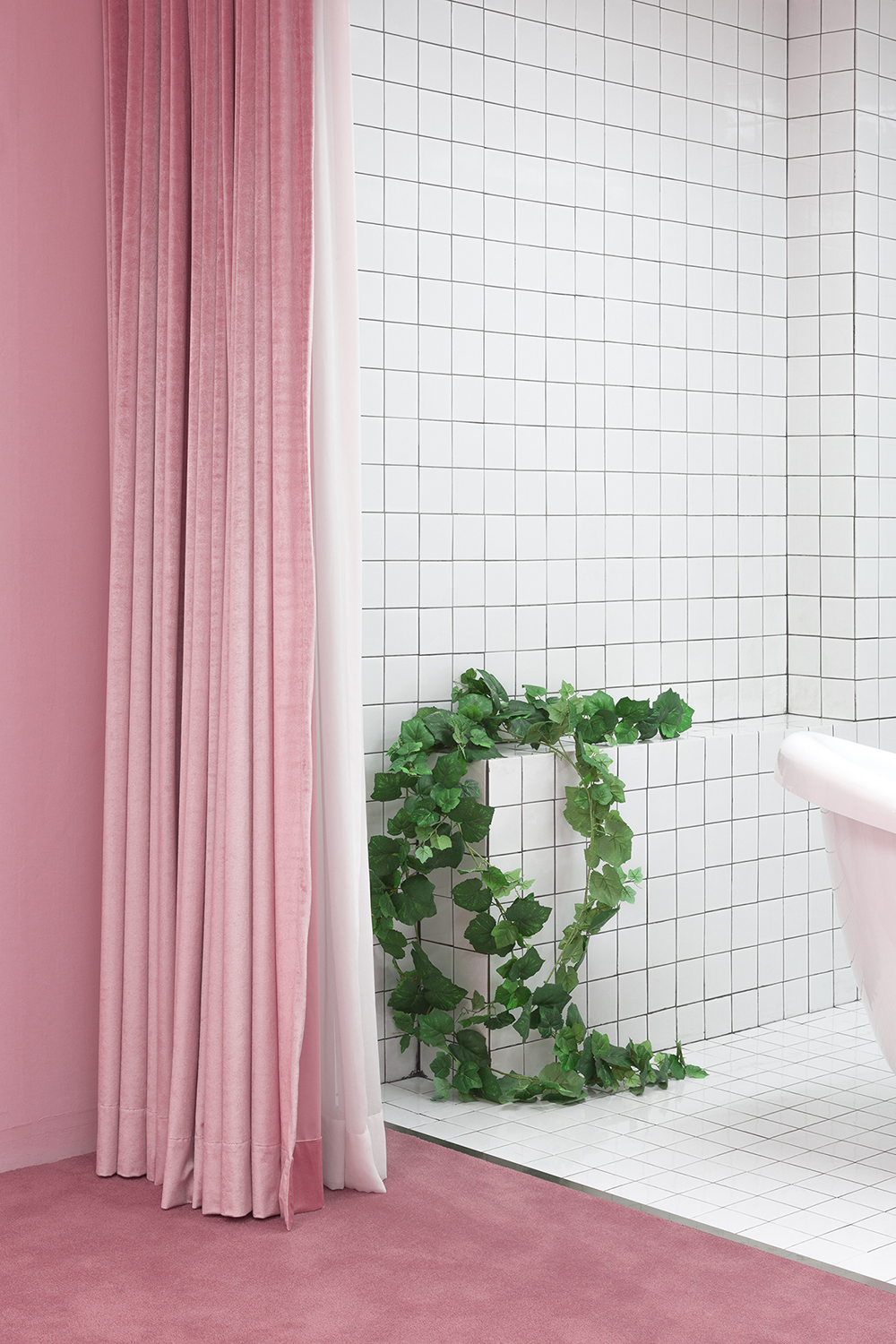
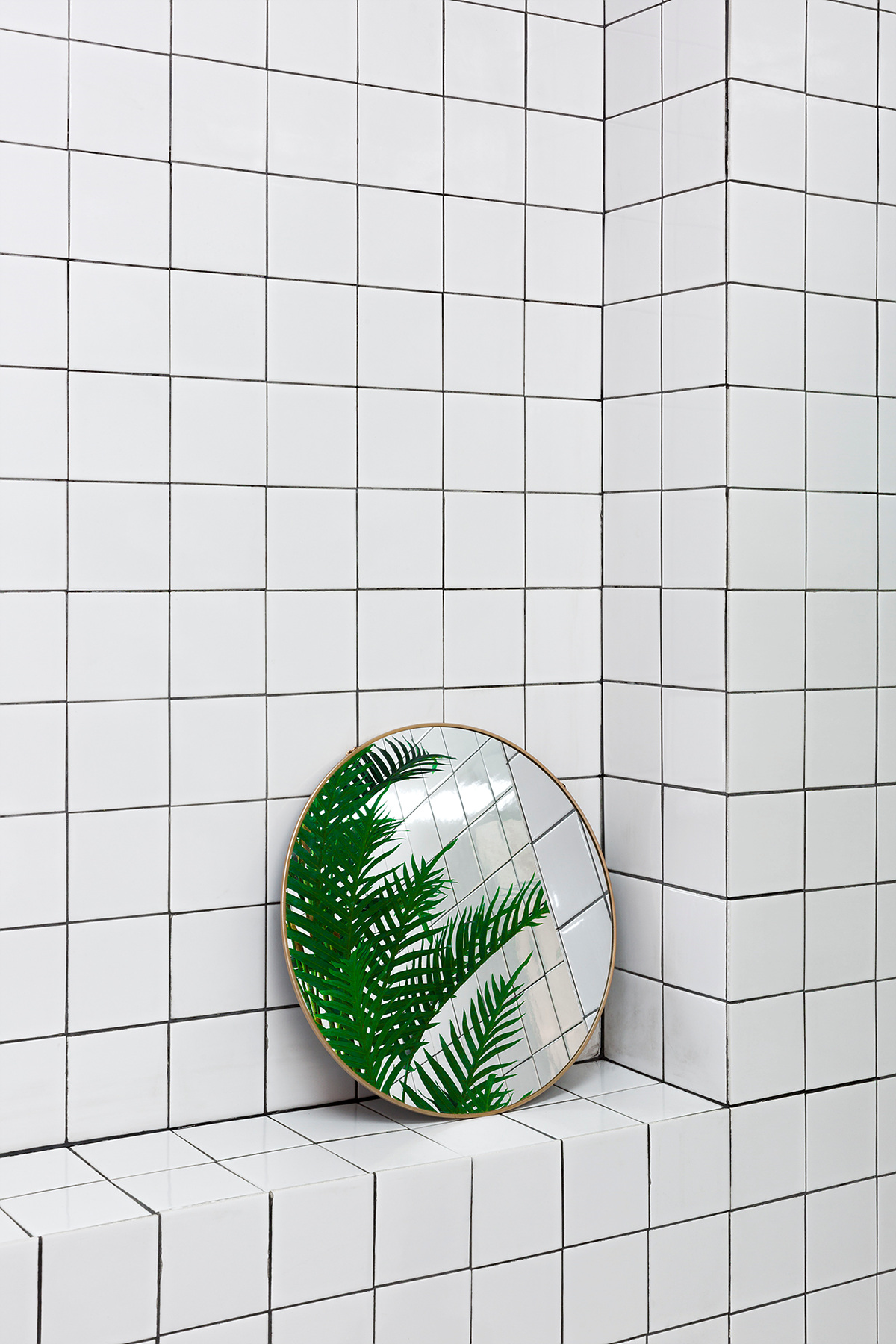
These interests developed into a more direct experimentation with the relationship between reality and imitation through his first solo exhibition, 《Hide-And-Seek》(Studio 148, Seoul, 2017). In Hashtag (2017), Yang analyzed the characteristics of places repeatedly represented and consumed on social media and recreated them in physical space, producing landscapes that appear familiar yet strangely artificial. Klein’s Bottle (2017) draws on a mathematical structure in which the distinction between inside and outside becomes ambiguous, challenging fixed perceptions of spatial boundaries.

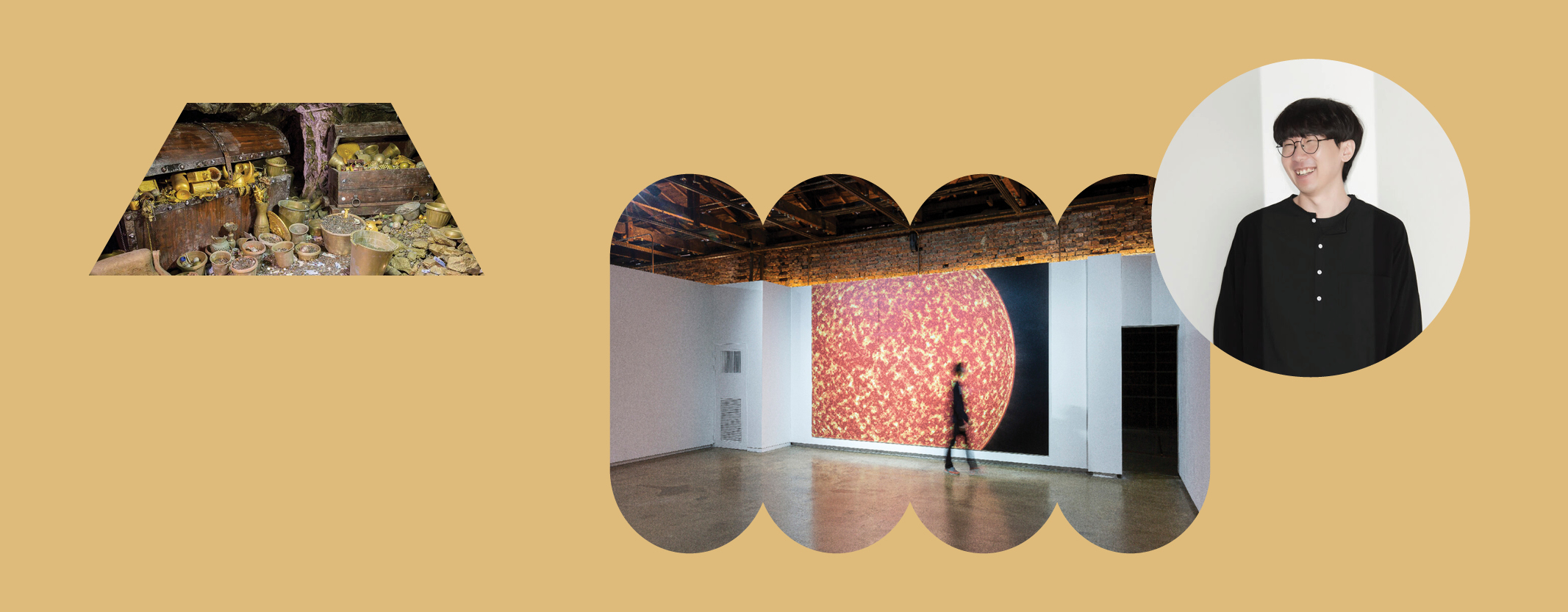
In his subsequent exhibition 《Ctrl+c, Ctrl+v》(SONGEUN Art Cube, Seoul, 2018), Yang moved beyond spaces he had staged himself to examine how artificially constructed places already existing in the real world come to be accepted as authentic. The ‘Gold-Dig’ (2018) series captures the coexistence of actual rocks and imitation rocks made of Styrofoam at a former mine converted into a tourist attraction.

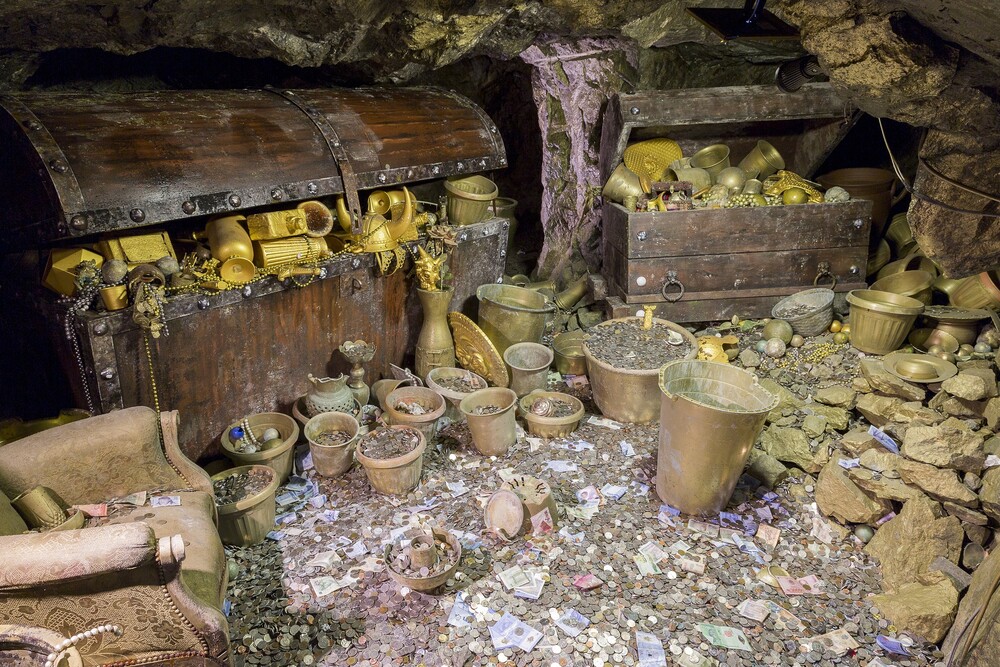
Repository (2018) focuses on visitors throwing money and making wishes in a space filled with artificial gold bars and decorative objects. Similarly, the ‘Rashomon’ (2018) series explores how replicas acquire a new sense of reality through people's beliefs and experiences, particularly through the act of praying before imitation Buddhist statues. During this period, Yang’s interests expanded beyond the authenticity of images to examine how human behavior and social contexts transform the meanings of objects and places.
 
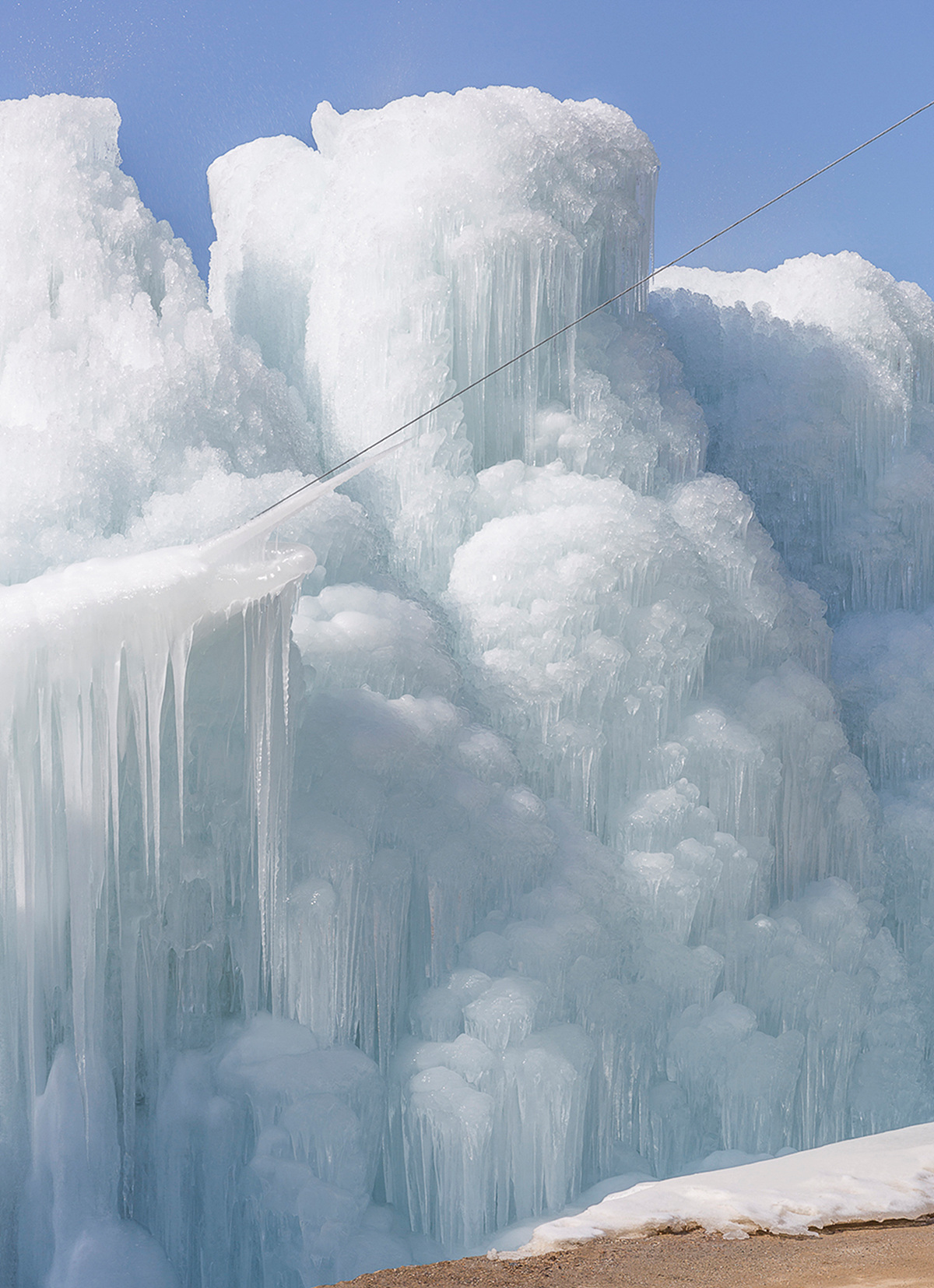
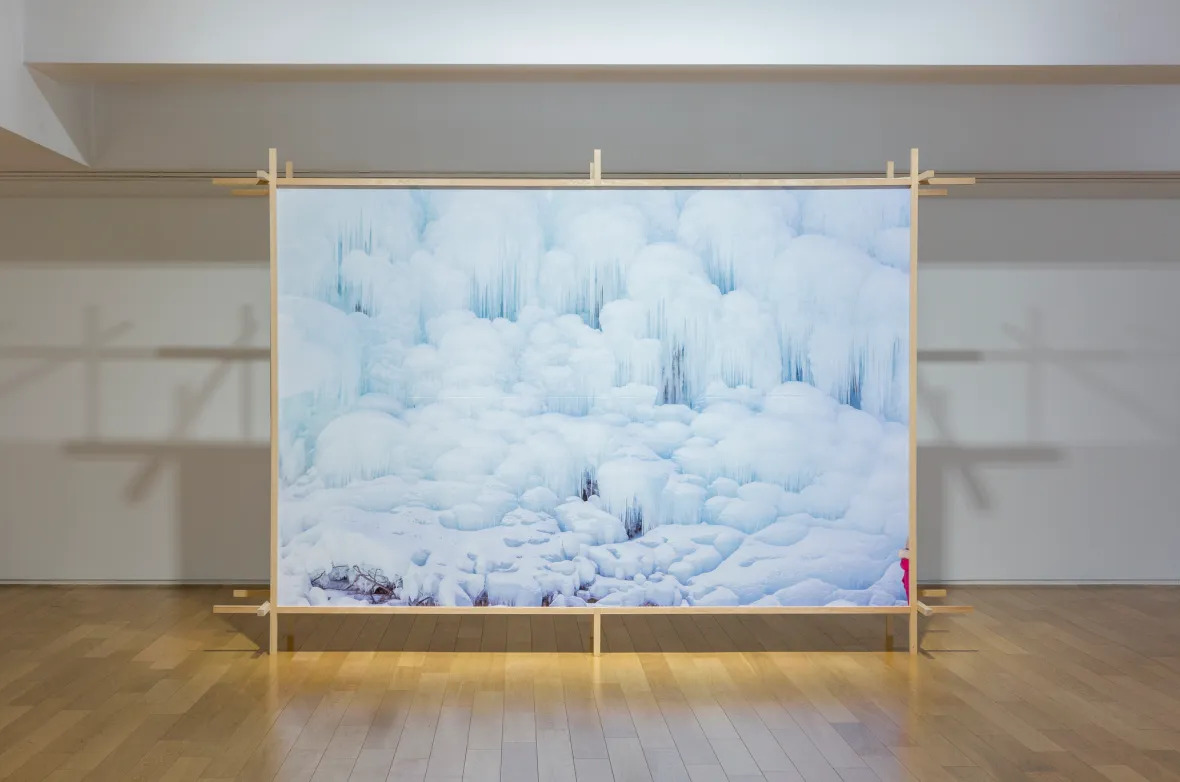
In 《Covered Moment》(HITE Collection, Seoul, 2019), Yang reveals the artificiality and violence concealed beneath beautiful natural landscapes created by humans. The trees photographed at an ice fountain festival on Chilgap Mountain appear to belong to an enchanting natural environment, but they are actually the result of water being sprayed onto trees and frozen.

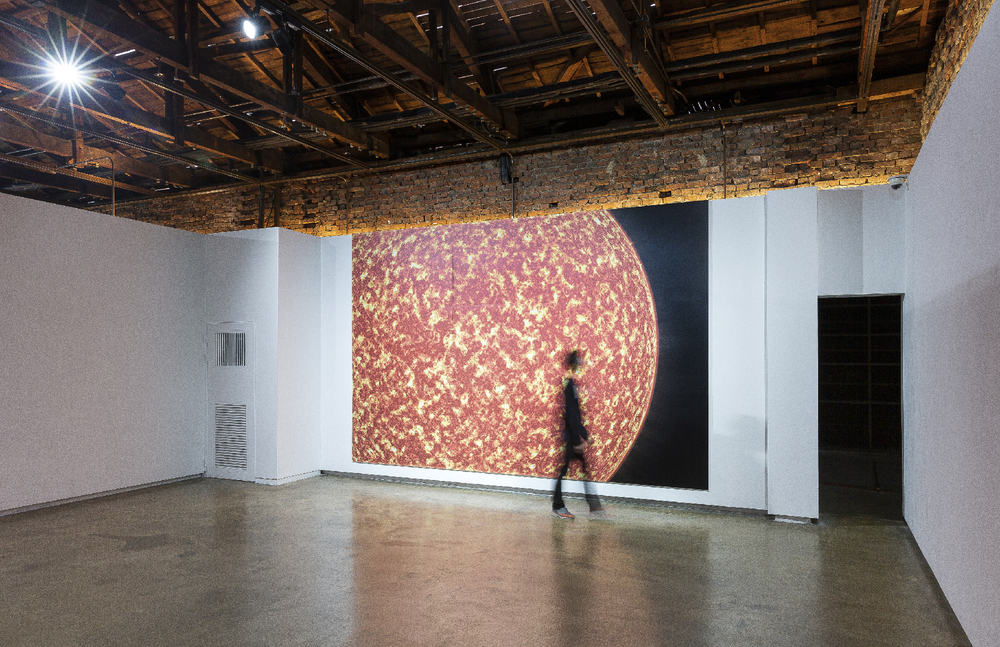
Through these landscapes, Yang questions how visual beauty can obscure our judgment of the processes through which such scenes are created. In 《Glimpse》(SeMA Storage, Seoul, 2021), he moves beyond photographing real landscapes in unfamiliar ways and begins producing “pseudo-images” that transform actual objects to evoke things that do not exist within the photographed scene.

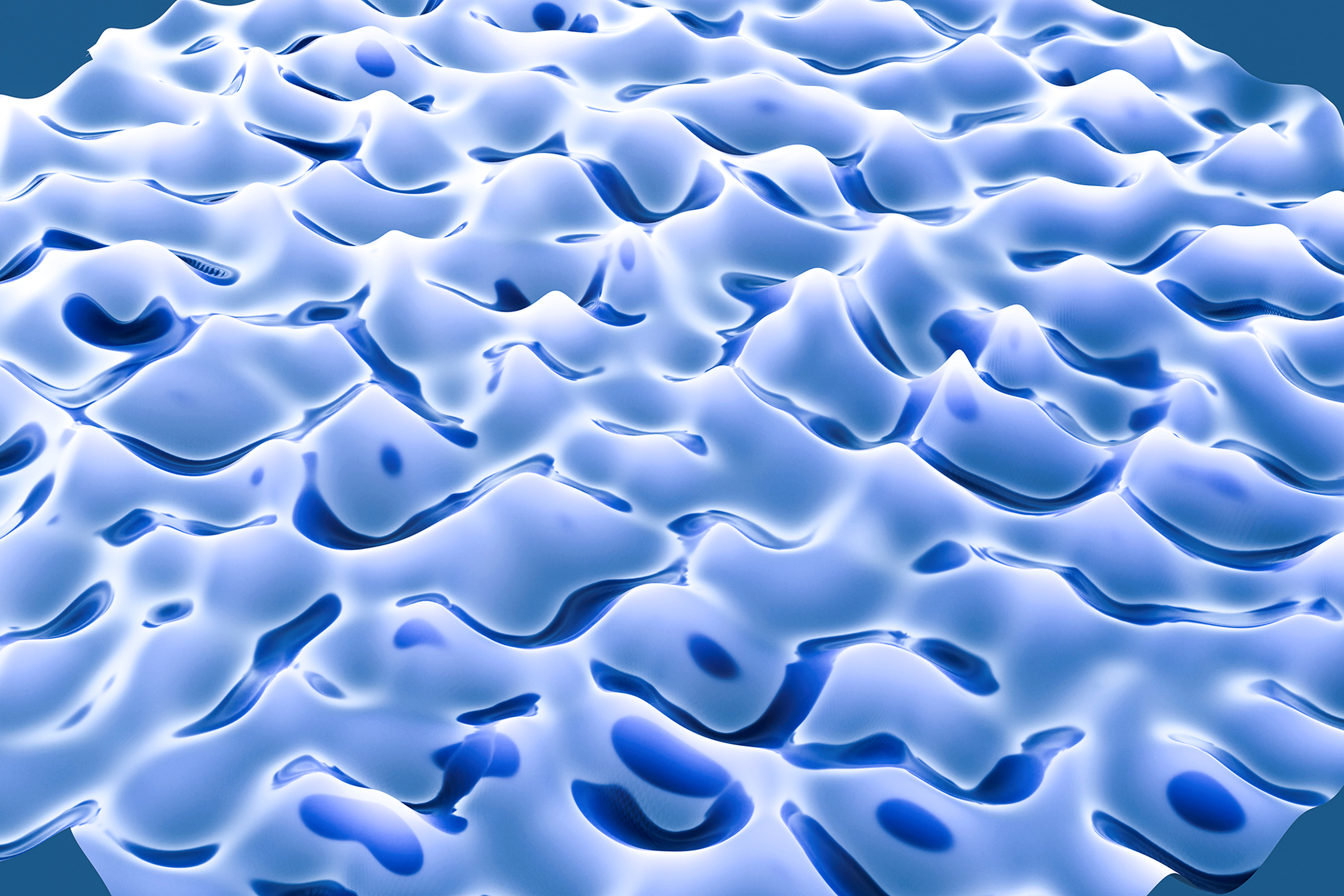
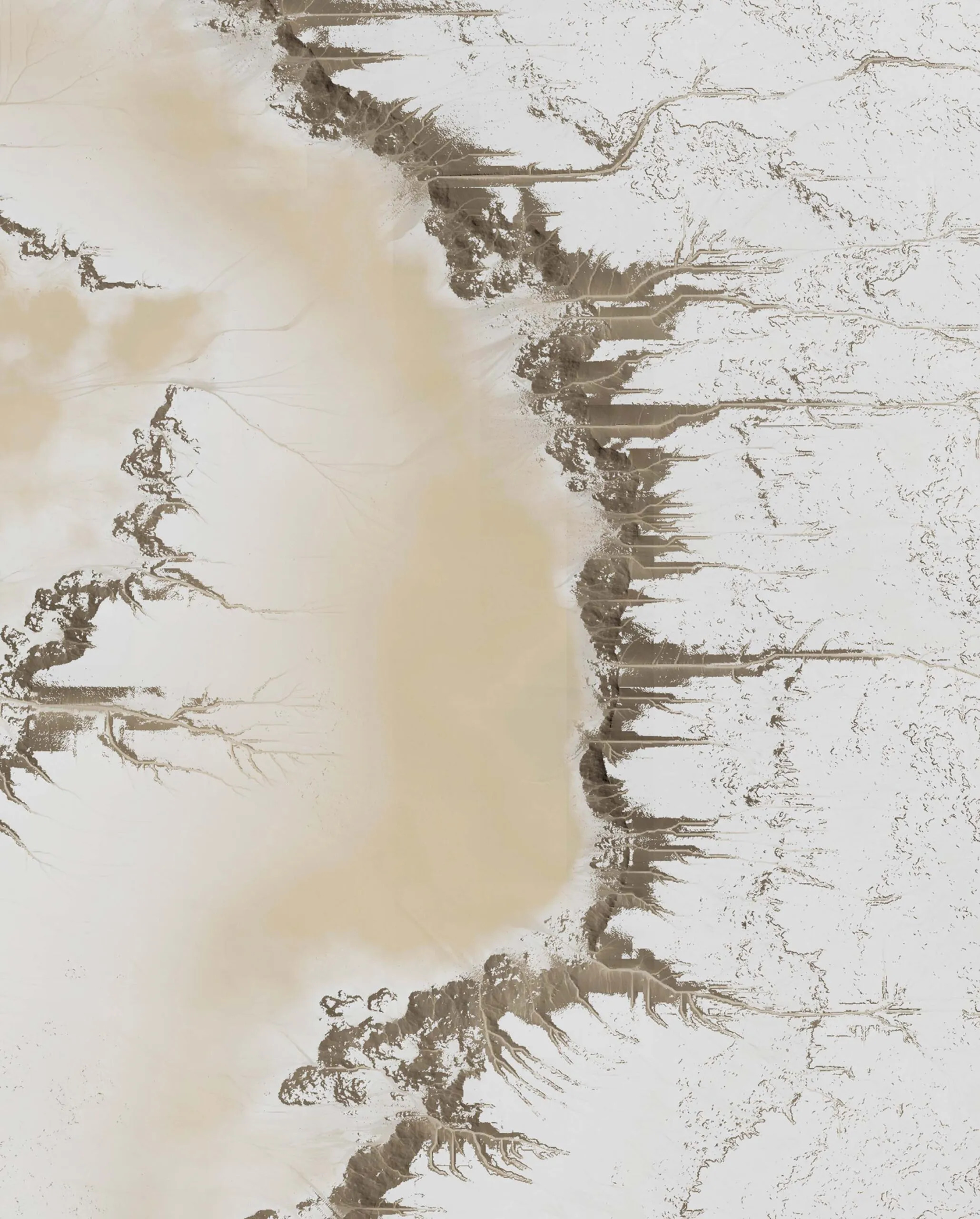
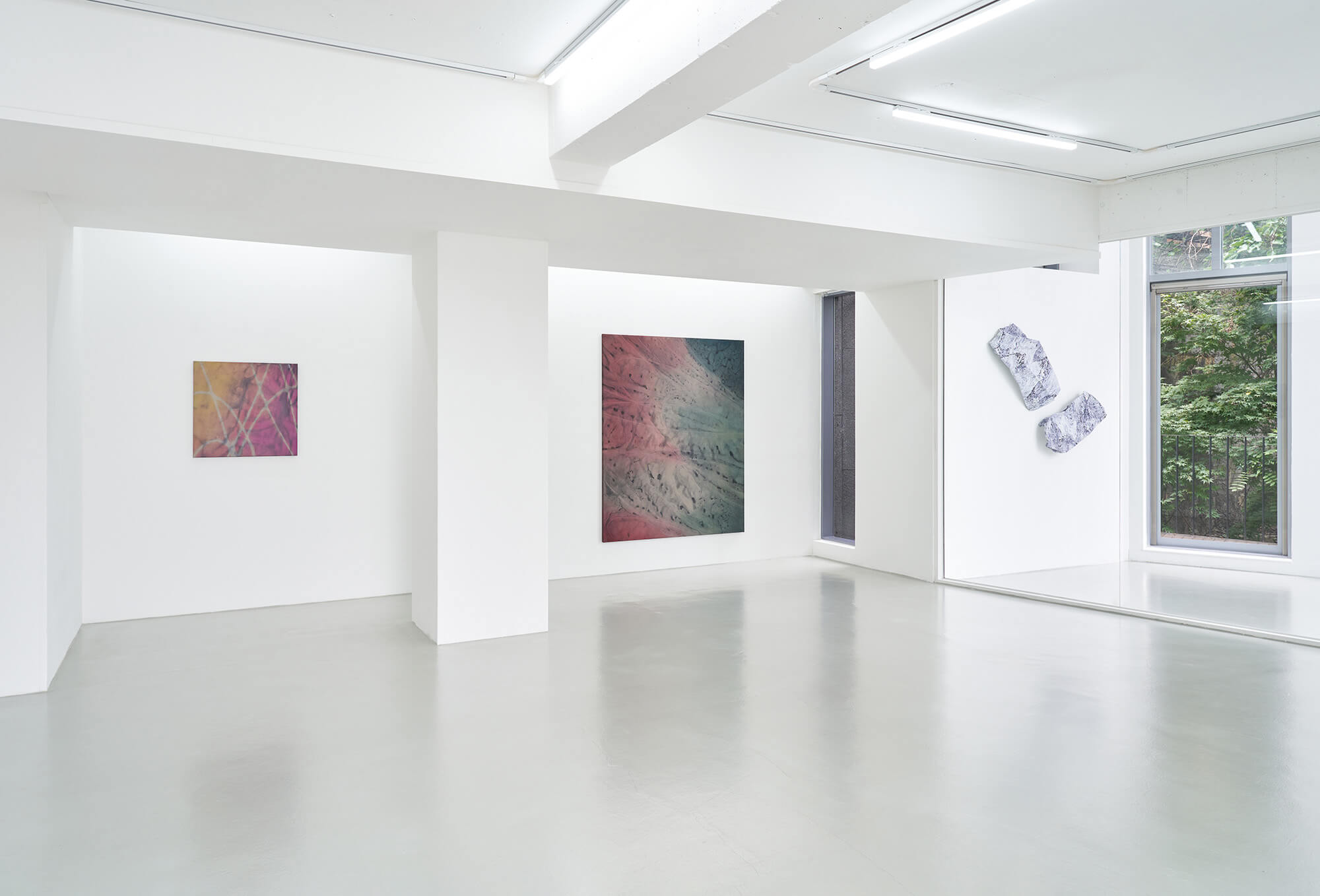
By associating the rough, rounded surface of a bath bomb with the sun and translating this association into an image, he reveals how we believe we can recognize things we have never directly experienced by relying on existing knowledge and visual information. These concerns become more fully developed in 《Overwrite》(N/A, Seoul, 2022). Yang applies photographic textures of actual natural and material surfaces to virtual terrains created through 3D modeling, producing landscapes that do not exist but seem strangely familiar.

In works such as Overwrite #13 (2022), viewers' sense of familiarity derives less from direct experience than from images and memories accumulated through mass media. In this way, Yang’s practice has evolved from imitating reality toward examining the very foundations upon which we determine what is real.
 
More recently, Yang has expanded these questions of perception into investigations of personal memory, sensory experience, and the material transformation of images. In 《The Hanging Gardens of Babylon》(Nam-Seoul Museum of Art, Seoul, 2023), he revisited the relationship between nature and artificiality through the garden as a symbolic representation of nature, while continuing to experiment with separating photographic images from their flat surfaces and presenting them in sculptural forms.

The ‘Fragments of Perception’ (2023–) series also reflects his interest in the relationship between fragmented images and memory. This development becomes more pronounced in 《Suspended Boundaries》(Museum Hanmi, Seoul, 2025). Drawing on the phenomenological concept of “epoché,” or the suspension of judgment, Yang invites viewers to temporarily set aside their habitual distinctions between reality and unreality and observe the changing states of images themselves.

In particular, he uses water, which flows, comes to rest, and changes form according to its environment, as a metaphor for the properties of memory. While his earlier works prompted viewers to question whether an image was real or fictional, his recent practice emphasizes that neither memory nor images exist in a fixed state, but continually change in response to external conditions. This development represents a natural extension of his early investigations into the boundaries between reality and imitation toward an exploration of how personal experiences and memories are formed.

Style & Contents

Beginning with photography, Yang has continually expanded his methods of image production to include staged environments, digital compositing, 3D modeling, and three-dimensional installations. In his early works, he employed the technical properties of the camera to reveal familiar landscapes in unfamiliar ways.

In ‘Real and Figure’, infrared photography produces different appearances on the surfaces of concrete buildings and vegetation, giving ordinary residential environments an unfamiliar visual texture. Later, in Hashtag, he extracted recurring characteristics of spaces represented in social media images and recreated them in physical settings for photography.

In Klein’s Bottle, he translated a mathematical concept into a spatial structure, constructing a place that would be difficult to experience in reality. During this period, photography functioned not as a medium that passively documented existing scenes, but as a tool through which the artist selected and arranged elements of reality to create new conditions of perception.
 
With 《Ctrl+c, Ctrl+v》, Yang began photographing not only spaces he had constructed himself but also actual locations that had already been artificially designed. In ‘Gold-Dig’, he captures theme park landscapes where genuine rocks and imitation rocks coexist, while Repository documents how visitors' actions generate new meanings within a space decorated with gold bars and gold-colored jars.

Meanwhile, Rashomon #1 (2018) is an installation in which various imitation Buddhist statues are reproduced in bronze and arranged in large numbers, revealing the relationship between originals and copies through the repetition of physical objects. Rashomon #2 (2018) arranges display structures shaped around Buddhist statues and artifacts like showcases in a luxury department store, highlighting the relationship between religious objects and consumer goods.

In 《Covered Moment》, Yang clearly captures the beautiful surfaces of ice-covered trees while presenting images that do not, on their own, reveal how these landscapes were created. In this way, even without directly manipulating photographs, he creates a discrepancy between viewers' initial impressions and the actual circumstances through his selection of subjects, photographic methods, and exhibition contexts.
 
Beginning with 《Glimpse》, Yang more actively expands the subjects of photographic representation from real objects to fabricated objects and digital imagery. By transforming an image originating from a small bath bomb into something resembling an enormous celestial body, he makes it difficult to determine the object's scale, distance, and actual identity.

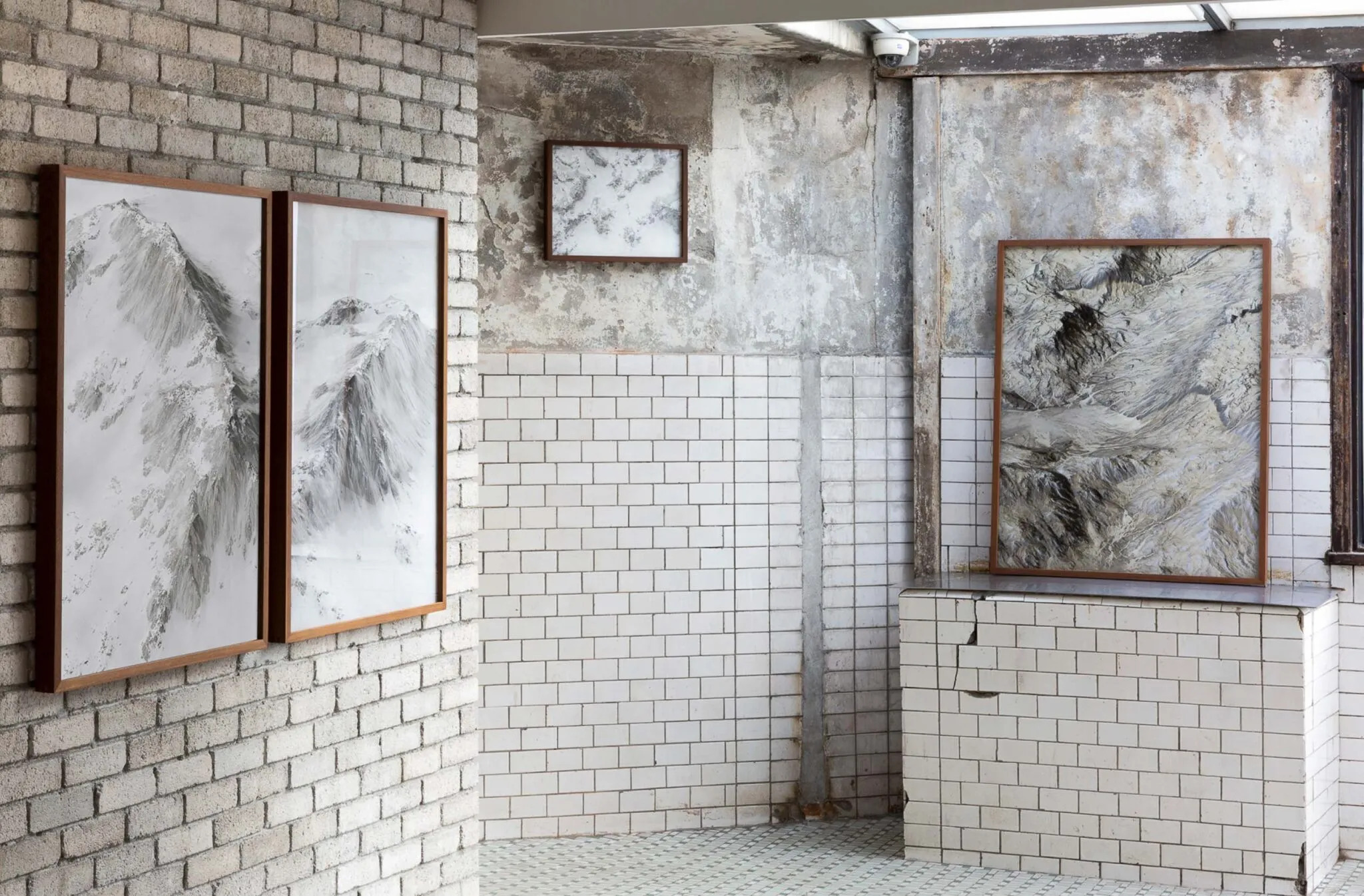
These experiments develop into the combination of 3D modeling and photographic imagery in 《Overwrite》. Works such as Overwrite #7 (2022), Overwrite #10 (2022), and Overwrite #32 (2022) evoke the surfaces of celestial bodies, glaciers, tidal flats, and rocky terrains, but are actually created by applying photographs of real surfaces, including soil and cement, to digitally constructed virtual forms.

Yang employs elevated, bird's-eye perspectives and wide image formats to allow viewers to perceive these expansive landscapes as unified scenes. At the same time, repeated textures and unnaturally smooth surfaces suggest that the images have been artificially constructed. Here, photography serves both as evidence of actual material surfaces and as a means of convincingly constructing worlds that do not exist.
 
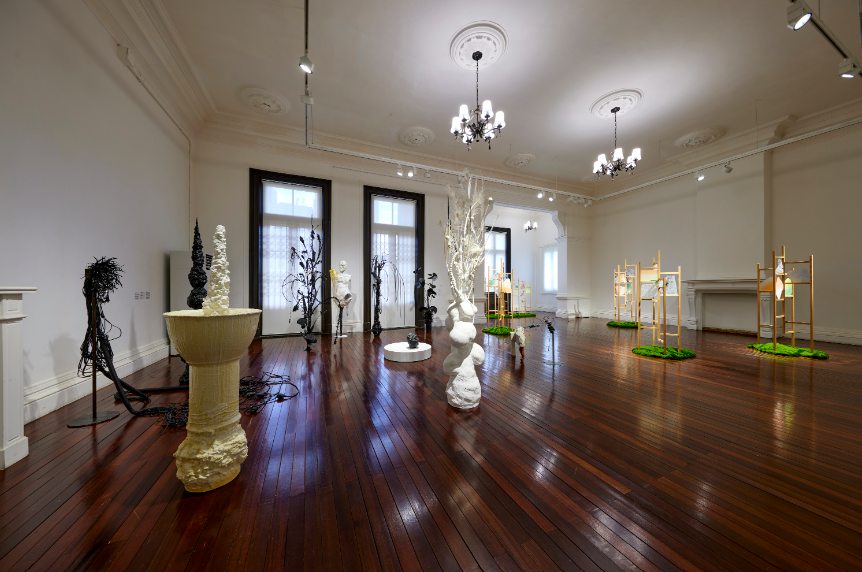
Yang subsequently turns his attention toward transforming the flat format of photography itself. In 《The Hanging Gardens of Babylon》, he combines photographic images with an artificial natural environment inspired by Japanese dry landscape gardens, while the ‘Fragments of Perception’ series explores ways of separating images into fragments or presenting them in irregular forms, like pieces of memory.

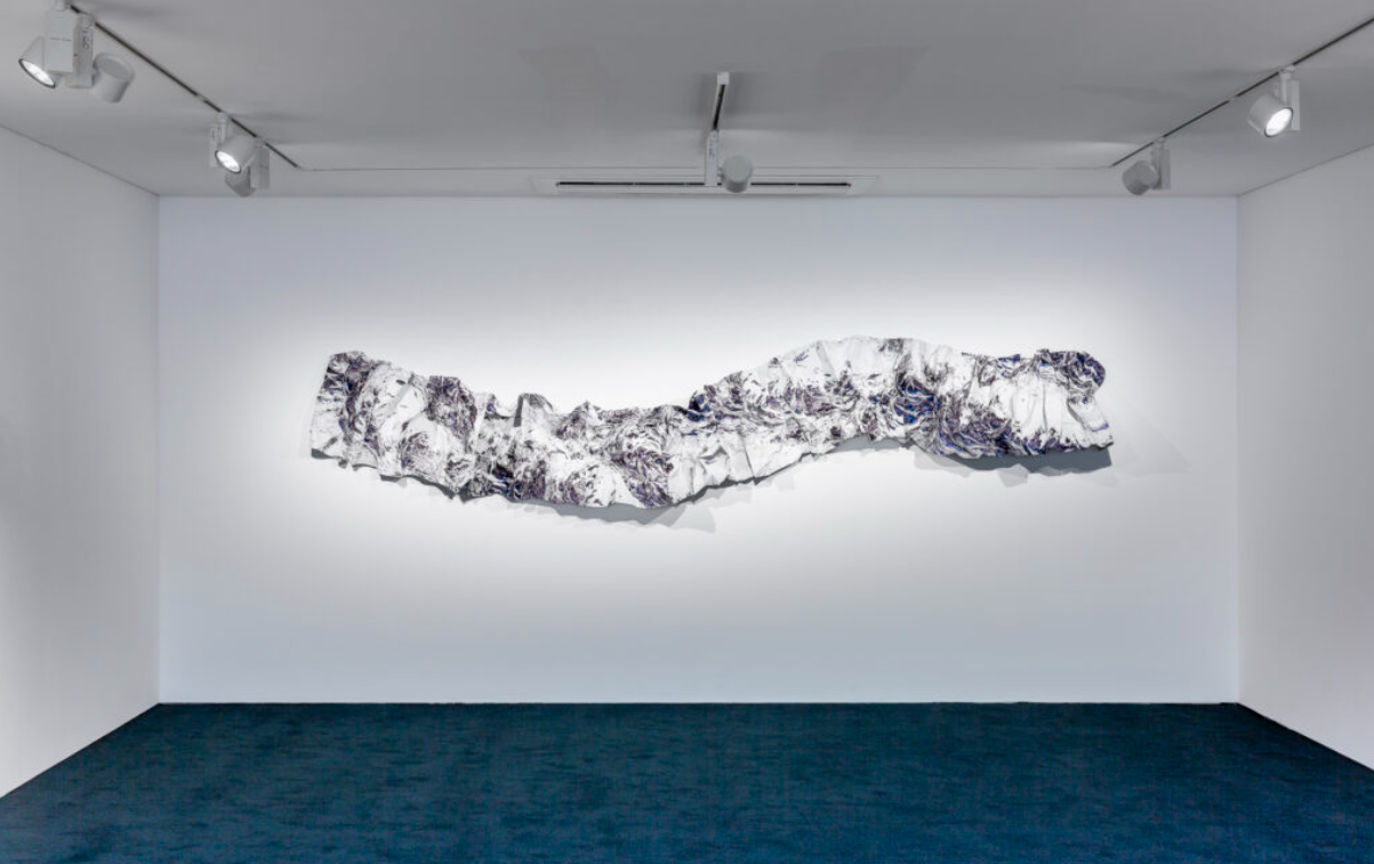
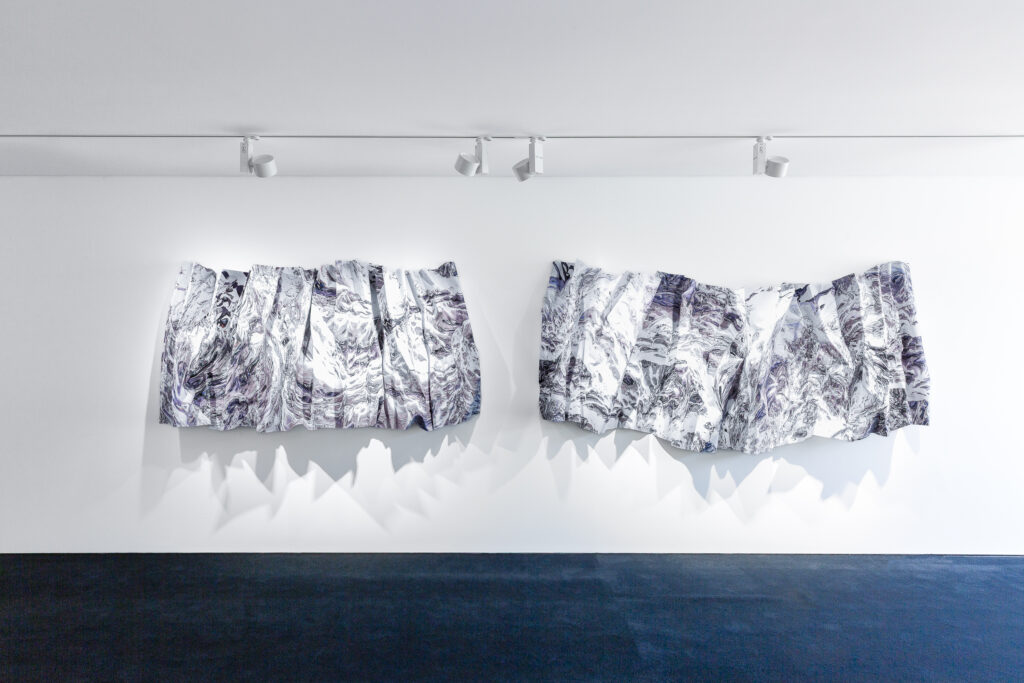
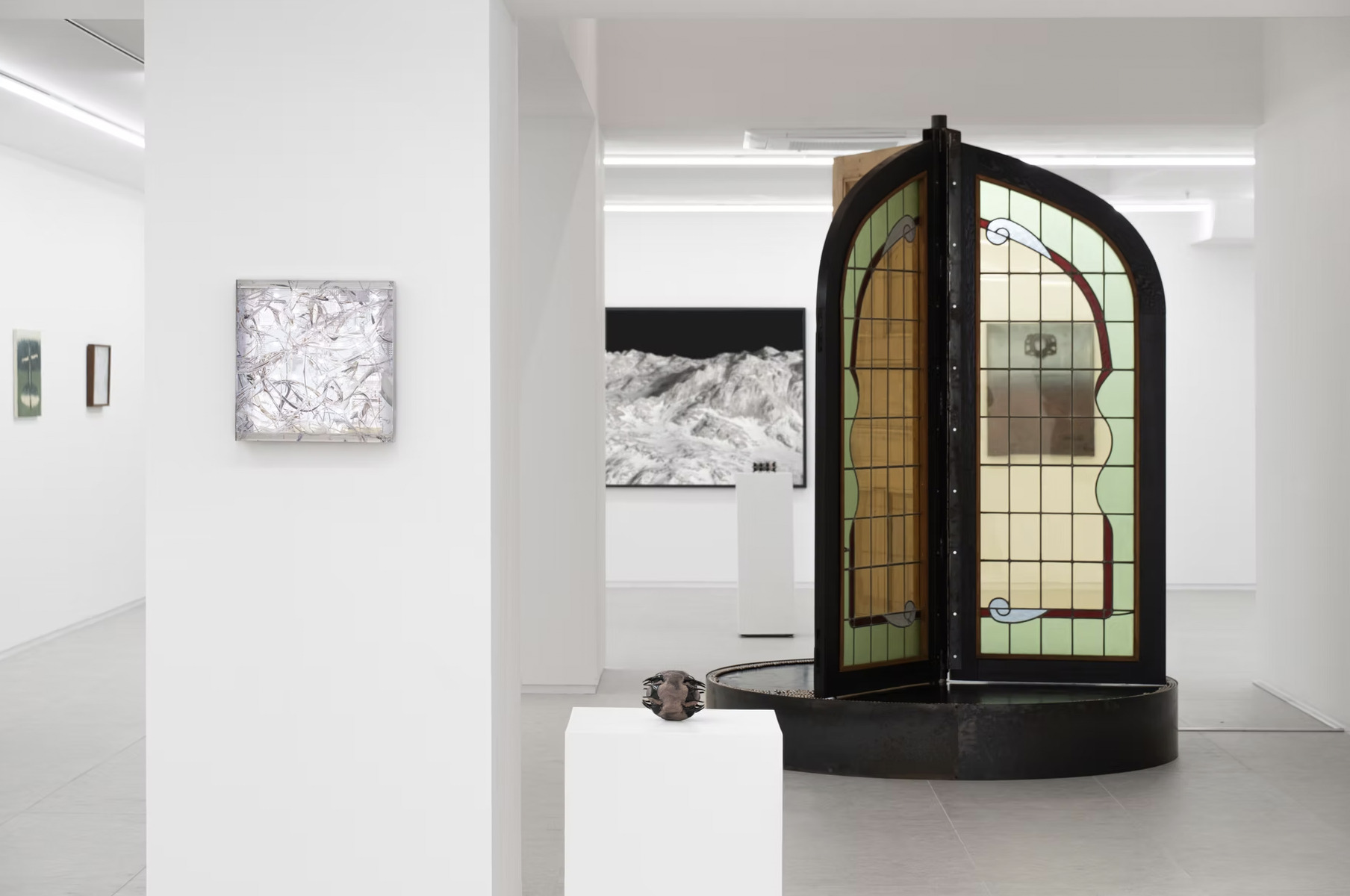
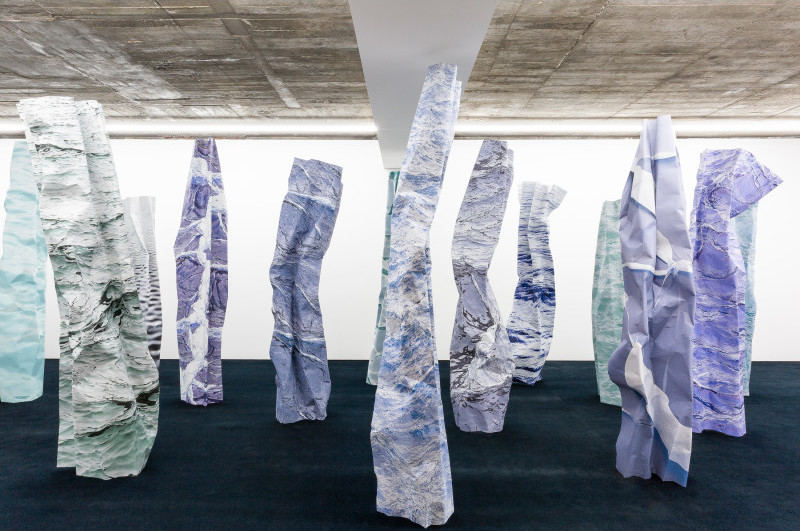
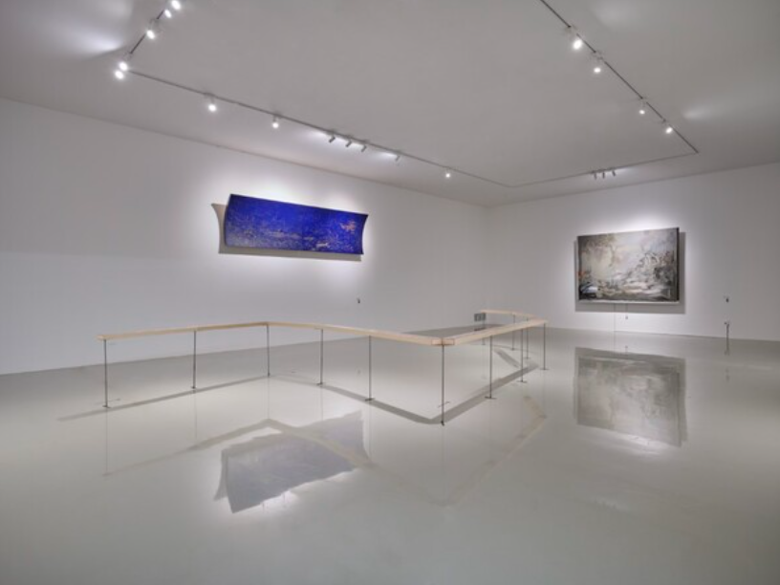
Works such as Fragments of Perception #S 1 (2023), Fragments of Perception 2px #4 (2023), and Fragments of Perception #S-4 (2024) reflect his attempt to move beyond the convention of understanding photographs as complete rectangular images. This approach develops further in 《Suspended Boundaries》, where Yang prints images of water onto aluminum panels and physically crumples and bends them by hand to create three-dimensional objects.

Images of water fixed onto flat surfaces acquire new contours and textures through physical transformation within the exhibition space. Rather than viewing the works only from the front, visitors move around them, experiencing how their appearance changes according to viewing angles and lighting.

In 《Shadow Index》(Pipe Gallery, Seoul, 2025) and 《The Collapse Manual》(AOD Museum, Seoul, 2025), these sculptural photographs were likewise presented as ways of expressing the fluidity of memory and its relationship with external environments. What began as experiments in altering the content of images has thus developed into a practice that transforms both the physical form of photography and the ways viewers encounter it.

Topography & Continuity

A defining characteristic of Yang’s practice is that he challenges the perceived truthfulness of photography while simultaneously expanding the range of subjects and forms the medium can accommodate. His photographs appear to represent reality accurately, yet they may depict manipulated scenes, locations that have already been artificially constructed, or virtual landscapes that do not exist.

When viewers begin to question the authenticity of these images, the works encourage them to reconsider the information and experiences upon which their understanding of reality is based. In particular, Yang uses specific objects and places to examine how social experiences and personal memories influence visual perception.

Apartment buildings where property value has overtaken the meaning of dwelling, mines and theme parks constructed for consumption, natural landscapes transformed into tourist attractions, and virtual terrains reconstructed through digital imagery are distinct subjects, but all question conventional ways of understanding reality.

Compared with practices that employ digital technology primarily to generate new imagery, Yang is less concerned with technological novelty itself than with the changes in perception that occur through the production and reception of images.
 
This concern has remained consistent throughout his practice, even as it has expanded in different directions. His early works examined how the essential functions and meanings of objects and places were altered by social conditions, while subsequent works investigated the boundaries between reality and fiction through artificially constructed spaces and replicas.

In 《Glimpse》 and 《Overwrite》, he explored the relationship between visual experience and memory by creating landscapes that viewers believed they already knew. More recently, he has continued to physically transform images into three-dimensional forms, conveying the fluidity of memory through the material properties of the works themselves.

This trajectory traces an expansion of photography from a recorded image to an object of manipulation and reconstruction, and ultimately to a material form that changes within physical space. These developments reflect Yang’s commitment to critically examining photography without abandoning its possibilities. In particular, the combination of water and imagery in 《Suspended Boundaries》 demonstrates how his longstanding questions about reality and fiction can extend into investigations of memory, sensation, and material transformation.
 
Yang has developed his distinctive visual language by moving between photography, digital technology, and sculptural installation. His recent interest in memory and materiality suggests possibilities for further experimentation with new materials and spatial experiences. Having moved from images that record reality to images that question and reconstruct it, his practice continues to ask how photography might exist and be experienced within an ever-changing visual environment.

Works of Art

Pseudo-Images That Disrupt Structures of Perception

Articles

Exhibitions

Activities