I Tell What You Believe 1 - K-ARTIST

I Tell What You Believe 1

2014
Performance
About The Work

Bona Park explores the conditions surrounding the production and reception of art, questioning the conventional distinctions between art and everyday life. She focuses on the interplay between objects displayed in museums and galleries, the labor involved in preparing exhibitions, and the actions and perceptions of visitors.

Through these relationships, she examines what is recognized as art and the conditions under which its meaning is established, critically reflecting on the authority that determines artistic creation and the meaning of artworks, as well as the institutional conventions that govern exhibitions.

Working across text, performance, video, installation, and publication, Park adapts the form of each work to the site in which it is presented and the situations that arise there. She often brings ordinary objects and everyday actions into an artistic context, or creates situations in which the meaning of a work emerges through visitors’ responses to conditions she has established.

For Park, art is not a finished product that conveys a fixed meaning, but an ongoing process of interpretation shaped by the people and circumstances surrounding it.

Park incorporates the everyday lives and experiences of people from diverse professional and social backgrounds into her practice, focusing on the relationships that emerge as they come together and collaborate. Working with a range of participants, from professional musicians and gallery attendants to technicians and other workers, she listens to their stories and brings their individual roles and experiences into dialogue through her artistic practice.

Grounded in an attitude of understanding and supporting others, she uses these encounters to reflect on the social conditions surrounding art and explore the possibilities for sustaining connections and relationships between people.

Solo Exhibitions (Brief)

Bona Park has held solo exhibitions at The Room at Total Museum of Contemporary Art (2009), Pingpong Art Space in Taipei, Taiwan (2011), Gallery Chosun (2013, 2019, 2024), and Cartel Space in Bangkok, Thailand (2019).

Group Exhibitions (Brief)

Bona Park has participated in group exhibitions including the New Museum Triennial in New York (2012), exhibitions at Leeum Museum of Art (2014), the Gwangju Biennale (2016), the Asia Pacific Triennial of Contemporary Art in Brisbane, Australia (2018), and exhibitions at the National Museum of Modern and Contemporary Art, Korea (2013, 2020, 2022), Seoul Museum of Art (2021), and Daegu Art Museum (2017, 2022).

Awards (Selected)

Bona Park received the Excellence Prize at the 15th SONGEUN Art Award (2015) and was selected for the 3rd SINDOH Artist Support Program (SINAP, 2013) and Art in Culture magazine's New Face Artist (2006).

Residencies (Selected)

Bona Park has participated in residency programs at SeMA Nanji Residency (2016), Delfina Foundation in London, UK (2015), Seoul Art Space Geumcheon (2011–2012), Pingpong Art Space in Taipei, Taiwan (2011), Gyeonggi Creation Center (2010), and Cittadellarte–Fondazione Pistoletto in Biella, Italy (2009).

Collections (Selected)

Bona Park's works are held in the collections of the Seoul Museum of Art (SeMA) and the Queensland Art Gallery | Gallery of Modern Art (QAGOMA), Australia.

Works of Art

Possibilities for Relationships Beyond the Conventions of Art and Society

Originality & Identity

Bona Park explores the conditions under which art is produced and experienced, questioning the conventional distinctions between everyday life and artistic practice. Her work examines the relationships among objects placed in museums and exhibition spaces, the labor involved in preparing them, and the actions and perceptions of viewers.

By relocating ordinary objects and everyday activities into artistic contexts, Park investigates what comes to be recognized as art and the conditions that make such recognition possible. In doing so, she calls into question the authority assigned to artistic creation, the determination of an artwork's meaning, and the institutional conventions surrounding exhibitions. For Park, art is not confined to a finished product conveying a predetermined meaning; it remains open to reinterpretation through the people and circumstances surrounding it.

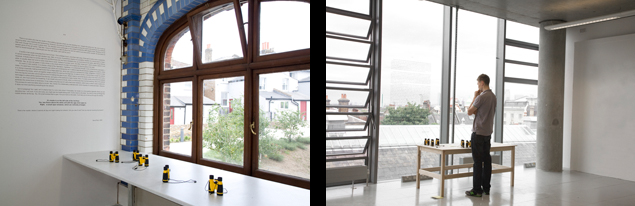
The relationship between fiction and reality is another central concern through which Park develops these questions. In her 'X' series, including X (2007), XX (2008), and X2 (2009), she invites viewers to observe actual spaces and individuals through narratives of her own construction, prompting them to question how they come to accept what unfolds before them as reality.

As viewers encounter discrepancies between what they see and the stories they have been told, they become aware of the extent to which personal expectations and imagination shape their perception of the world.

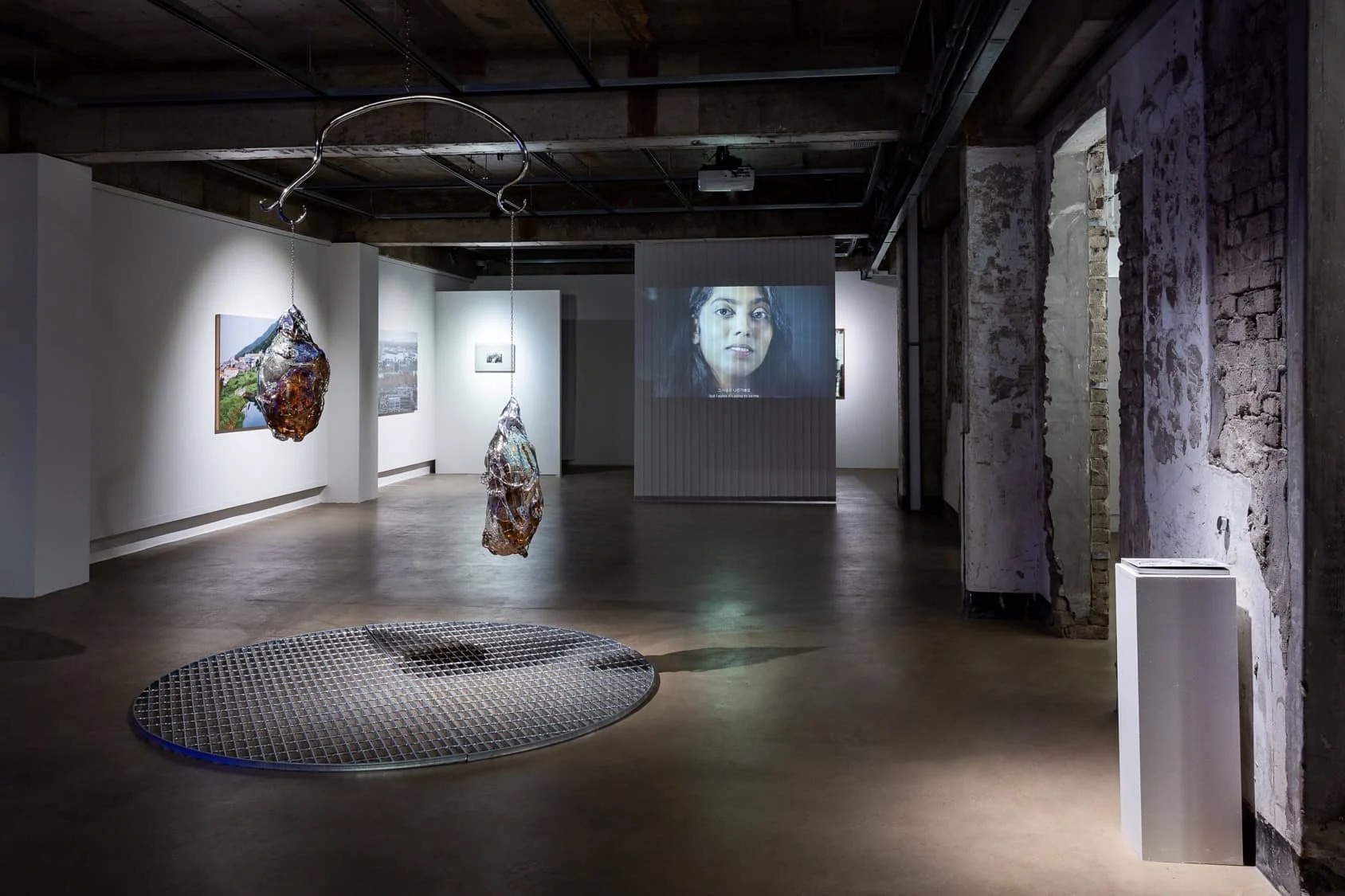
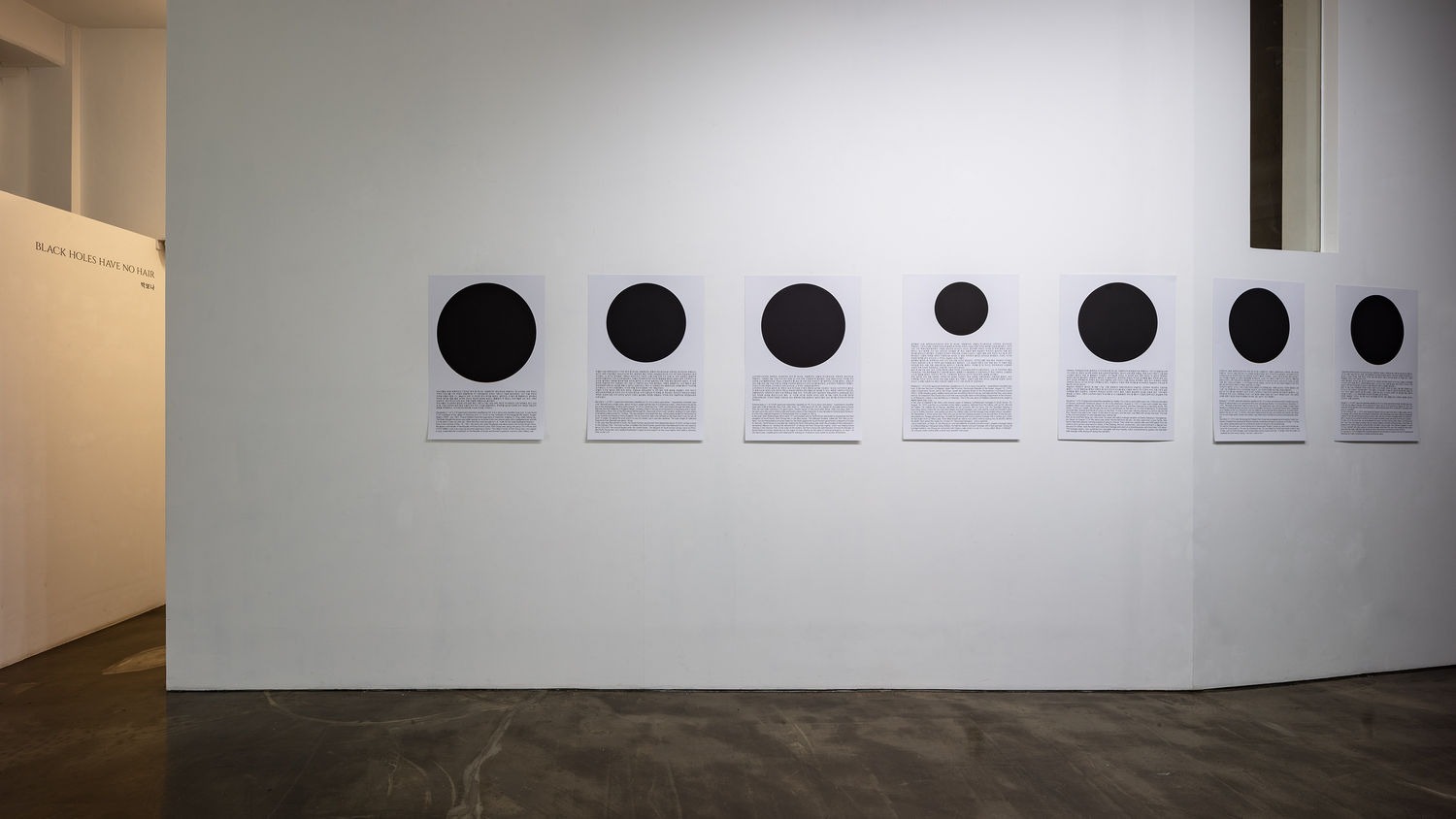
This concern also emerges in 《Black Holes Have No Hair》 (2019). Park traces hidden connections among seemingly unrelated historical events and images while revealing subtle differences between events and their narration or representation. Through these investigations, she examines how images and stories shape our beliefs about reality and how incomplete our seemingly unquestionable understanding of the world may be.

The labor and social relationships that make art possible have also remained central to Park's practice. In The Box in a Plastic Bag (La boîte-en-sac plastique) (2010), she investigates exhibition participants' eating habits and purchases groceries for them, bringing attention to the everyday lives and labor of those who support the production of exhibitions.

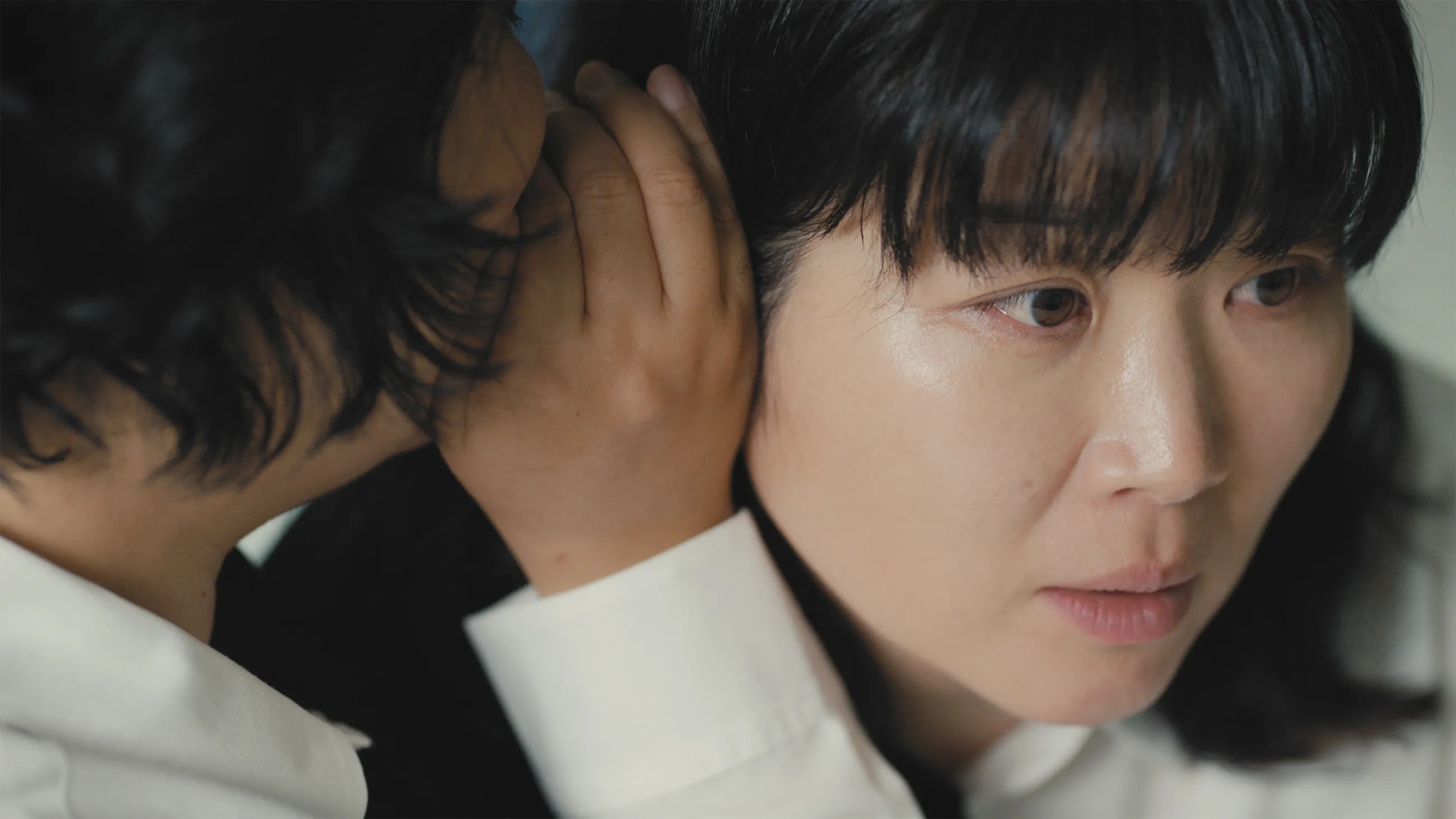
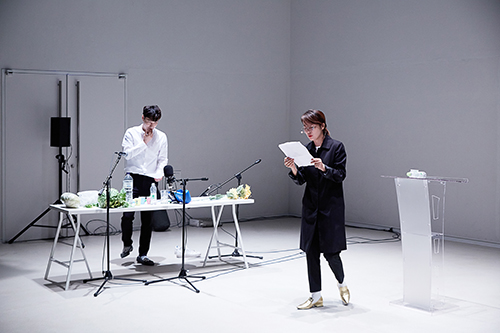
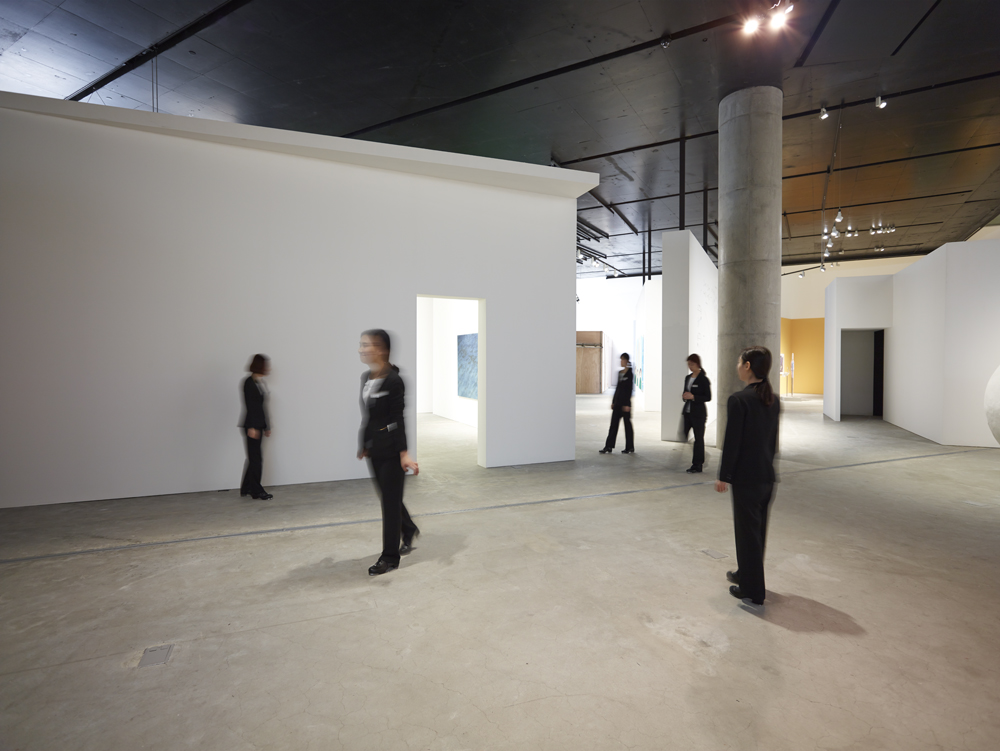
In I Tell What You Believe 1 (2014), she incorporates the movements and roles of museum invigilators into her work, while 《Kotakina Blue》 (2015) examines the production processes behind finished images through the labor of a Foley artist who creates sound effects for films. By focusing on the different professions and activities involved in artistic production, Park highlights how creative work depends on the time, skills, and collaboration of many individuals.

She further approaches labor and occupation as ways of understanding personal lives and histories, extending her inquiry to the human relationships and social structures formed through these activities.

In her more recent practice, these concerns have developed into a more explicit exploration of friendship, intimacy, and care. Originating from Park's engagement with WING, an organization supporting women, 《Whistlers》 (2024) addresses the trust and emotional bonds formed through relationships, presenting acts such as passing whistles from one person to another through shared breath and writing letters to friends.

Through meeting collaborators and listening to their stories, Park recognizes the relational significance of collaboration, connecting mutual understanding and support with artistic practice. This emphasis on intimacy brings greater clarity to the encounters and collaborations that have long sustained her work. While critically reflecting on the social conditions surrounding art, Park continues to explore the possibilities of human connection and the relationships through which people sustain one another.

Style & Contents

Bona Park works across various media, including text, performance, video, installation, and publications, flexibly adapting her approach to the specific locations and situations in which her works are presented. She frequently constructs situations in which the meaning of a work emerges through viewers' responses to conditions established by the artist.

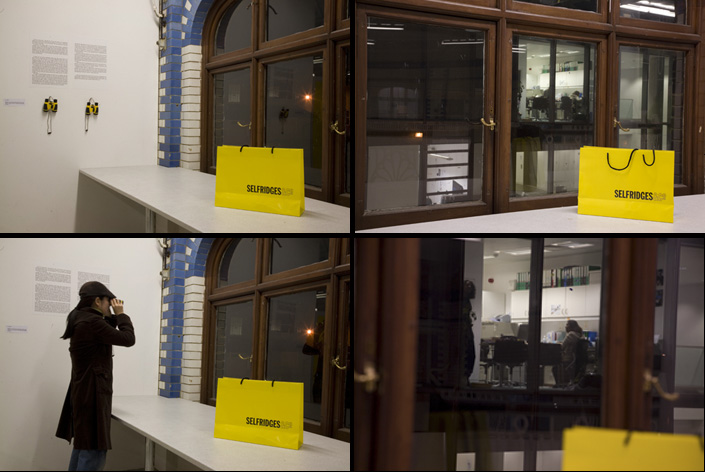
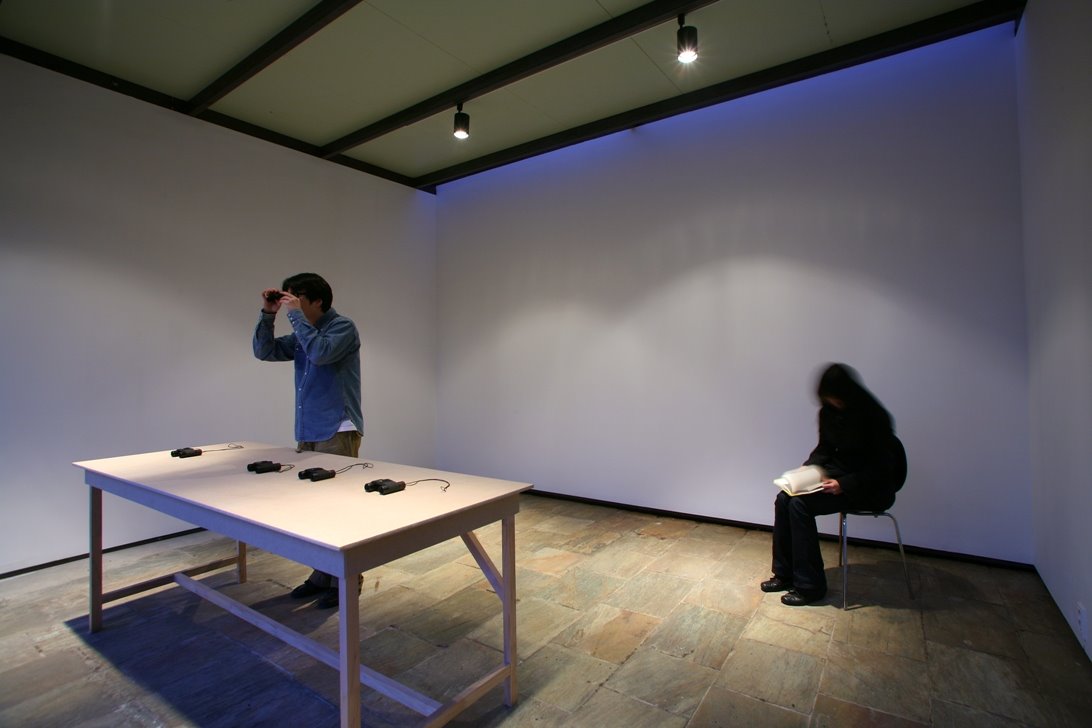
Her early 'X' series, including X (2007), XX (2008), and X2 (2009), exemplifies this approach. Combining fictional narratives of her own writing with windows and binoculars, Park encourages viewers to observe the surroundings beyond the exhibition space. As they follow the instructions embedded in the text, viewers encounter unexpected situations and come to recognize their own acts of observation as part of the artwork. In this way, Park assigns new functions to familiar objects, incorporating viewers' actions and interpretations into the structure of her work.

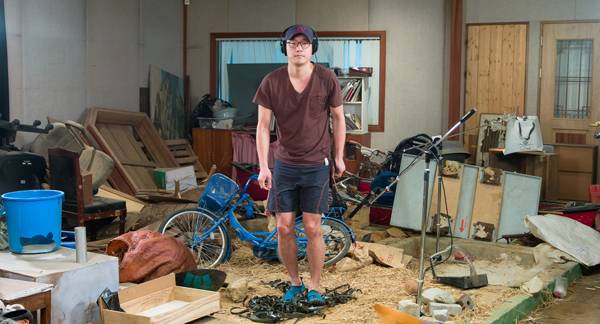
Park's performances are characterized by their incorporation of individuals' actual professions and everyday activities. She invites professional musicians, museum invigilators, technicians, and other workers to participate, proposing specific roles or conditions for them to perform. In The Box in a Plastic Bag (La boîte-en-sac plastique) (2010), exhibition participants were asked to carry plastic bags containing groceries purchased according to their individual eating habits.

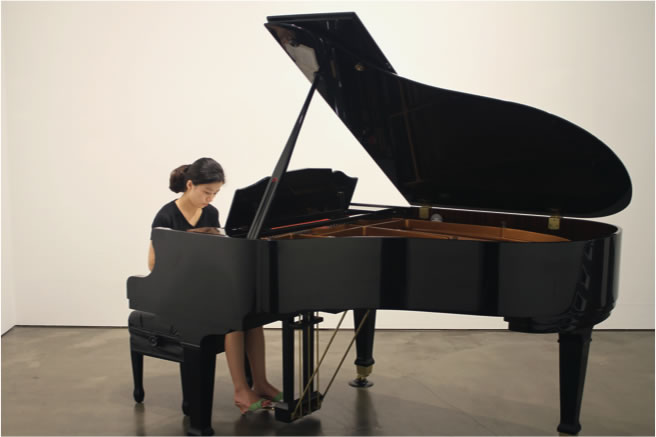
In 2'33'' (2013), a pianist remained in the exhibition space, intermittently performing a composition by Beethoven. In I Tell What You Believe 1 (2014), museum invigilators were instructed to walk through the galleries wearing tap-dancing shoes. Although these works begin with conditions established by the artist, they generate unforeseen outcomes through the participants' actual behavior and working environments. Park actively embraces the discrepancies between planning and execution, treating the unfolding process of performance as an essential part of the work itself.

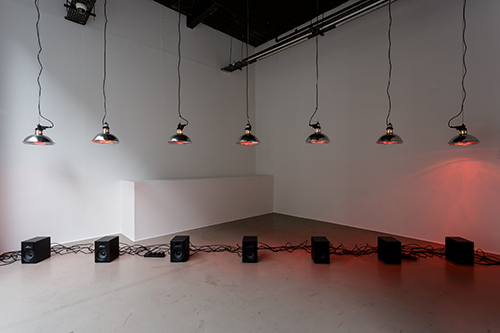
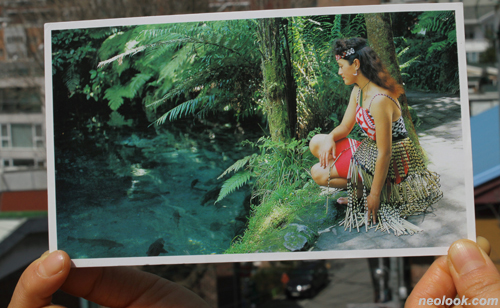
In her video and installation works, Park frequently reconstructs familiar methods of producing images and sounds or reveals the processes of documentation and reproduction. In 《Kotakina Blue》 (2015), she invented a fictional holiday destination and presented Kotakina Blue 1, a ten-channel video documenting the work of a Foley artist producing cinematic sound effects, alongside Kotakina Blue 2, which involved the act of photocopying tourist postcards.

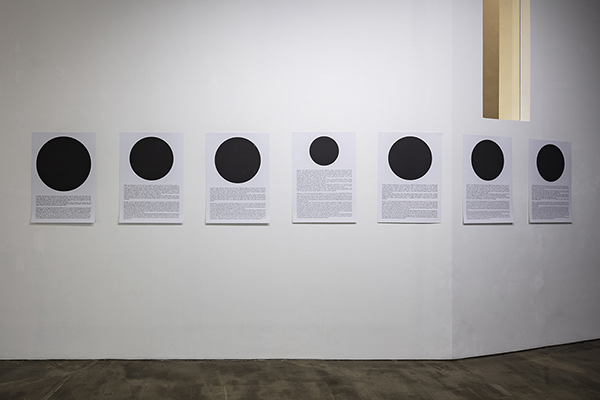
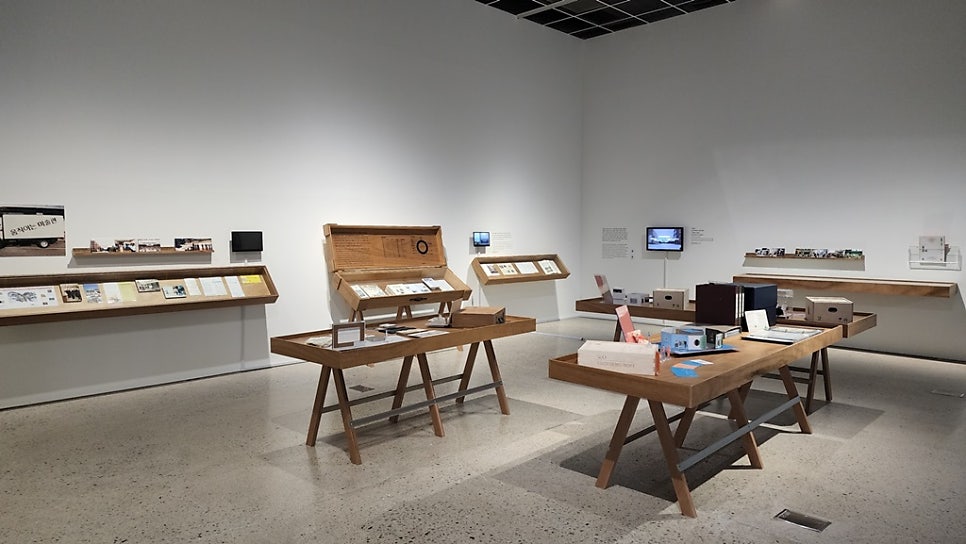
These works allow viewers to experience finished images and sounds while becoming aware of the artificial processes through which they are produced. In Black Square (2013), Park produced posters containing accounts of extinct animals and made them available for visitors to take away. In Black Hole 1 (2019), she presented posters connecting meteorite falls with historical events in Korea.

By bringing together printed materials, moving images, sounds, and everyday objects, Park incorporates the processes of collecting and communicating information, as well as those of reproduction and representation, into her artistic practice.

In her more recent works, Park increasingly translates personal expressions, such as voices, breathing, and letters, into performances and moving images. Presented in 《Whistlers》 (2024), Whistlers (2023) is a video documenting twelve women passing whistles from one person to another through shared breath, while Phwee Phwee Fweet Fweet (2024) features two actors reading six letters written to friends.

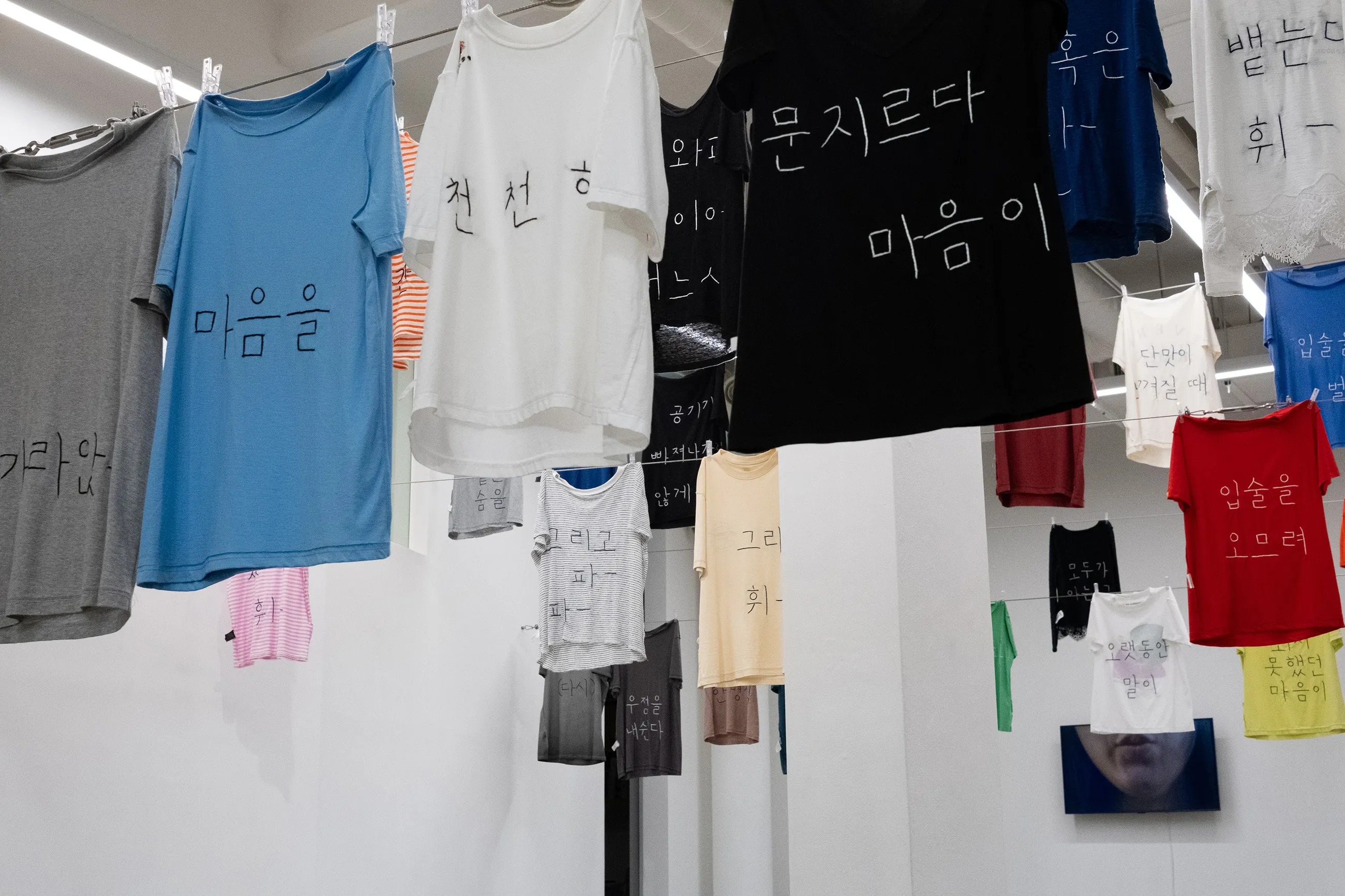
In How to Whistle (2024), the sentiments exchanged through whistling are transformed into a poem embroidered onto T-shirts donated by the artist's acquaintances. Park employs speech, sound, bodily movement, and personal records as materials through which emotions and memories circulate among individuals.

The voices and gestures of those involved in the creative process become essential elements in determining the form of these works. Rather than adhering to a fixed medium, Park combines different modes of expression according to the specific conditions of each project, carefully constructing the ways in which viewers encounter and experience her work.


Topography & Continuity

Bona Park's practice is closely connected to conceptual art, site-specific practices, and participatory performance that have developed in contemporary art since the 2000s. She has consistently explored the conditions under which everyday objects and actions come to be recognized as art, examining the conventions that shape relationships between exhibition spaces and their audiences.

Her early works, including the 'Rediscovering Flowerpots' series (2004), which incorporated discarded flowerpots, and the 'X' series initiated in 2007, demonstrate these concerns. By utilizing the boundaries between the inside and outside of exhibition spaces and deliberately redirecting viewers' attention, Park reveals how the meaning of art can shift according to its surroundings and the viewer's experience.

This approach has developed into a practice that examines the institutional authority of museums and galleries from within, while incorporating chance occurrences and unpredictable situations into the creative process.

During the 2010s, Park expanded her investigation of the institutional conditions surrounding art to encompass labor and social relationships. The Box in a Plastic Bag (La boîte-en-sac plastique) (2010) was presented in a new version at the 2012 New Museum Triennial in New York, involving local exhibition participants and demonstrating how the conditions established by the artist could change across different social and institutional contexts.

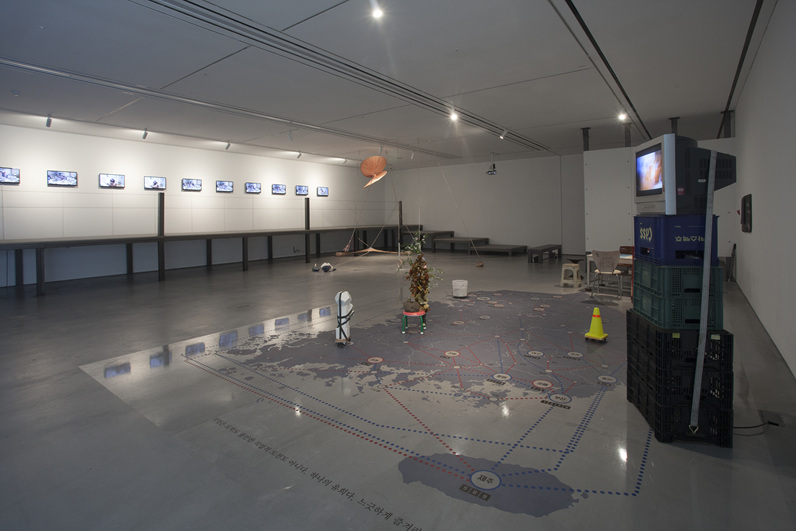
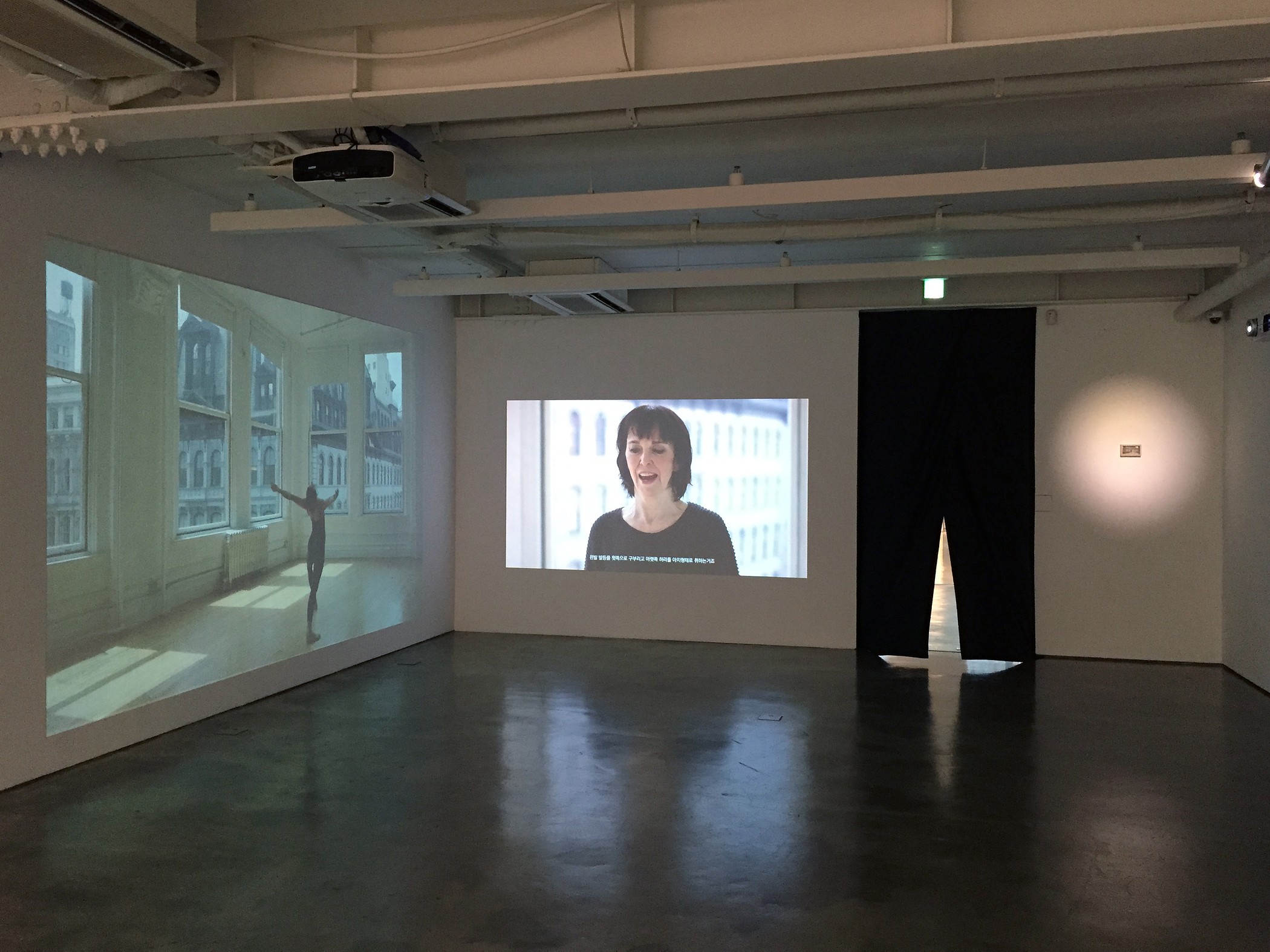
For the 5th Anyang Public Art Project (2016), she collaborated with citizens of Anyang to produce Paradise City, a work involving instrumental performances that extended her collaborative practice into the everyday life of the city. In Beyond the Sea (2018), presented at the 9th Asia Pacific Triennial of Contemporary Art, Park examined the increasingly precarious conditions of labor amid technological and industrial change through the experiences of film and television professionals, including a voice actor, lighting technician, and stunt performer.

These projects demonstrate her sustained engagement with the relationship between artistic production and social reality across museums, local communities, and cultural industries.

Another recurring characteristic of Park's practice is her commitment to reexamining familiar images and events to uncover relationships that remain hidden beneath their surfaces. Her early strategies of unsettling viewers' expectations and perceptions gradually developed into investigations of social events and historical records.

In 《Black Holes Have No Hair》 (2019), she brought together historical events, films, novels, and scientific concepts to explore subtle discrepancies between reality and representation. By juxtaposing seemingly unrelated events and tracing their connections, Park encourages viewers to reconsider the nature of the information and images they accept as factual.

Although her subjects have changed across different periods and media, she has consistently examined the relationship between the visible and the invisible, as well as the gaps between actual events and the narratives constructed around them. This sustained questioning of established perceptions and conventions remains a defining characteristic of her practice.

Her recent exhibition 《Whistlers》 (2024) brings the significance of collaboration and human relationships into sharper focus within this continuing trajectory. Having highlighted the professions and roles of those involved in exhibition production in her 2013 solo exhibition 《Friends》, Park has increasingly turned her attention to the trust and friendship that emerge through working together over time.

In 《Whistlers》, the sharing of breath, letters, meals, and conversations among women reveals the time and emotional commitment involved in sustaining relationships. Through labor, Park has encountered and developed relationships with others, and her recent work seeks to extend the sense of intimacy and connection arising from these experiences to viewers.

This development reflects an expansion of her critical engagement with the structures of art and society toward practices of mutual understanding and care. By continually developing her longstanding concerns through new encounters and experiences, Park explores how art can establish relationships between people and participate in shared social life.

Works of Art

Possibilities for Relationships Beyond the Conventions of Art and Society

Articles

Exhibitions

Activities