Texture Mapping - K-ARTIST

Texture Mapping

2019
Inkjet print 
178 x 178 cm
About The Work

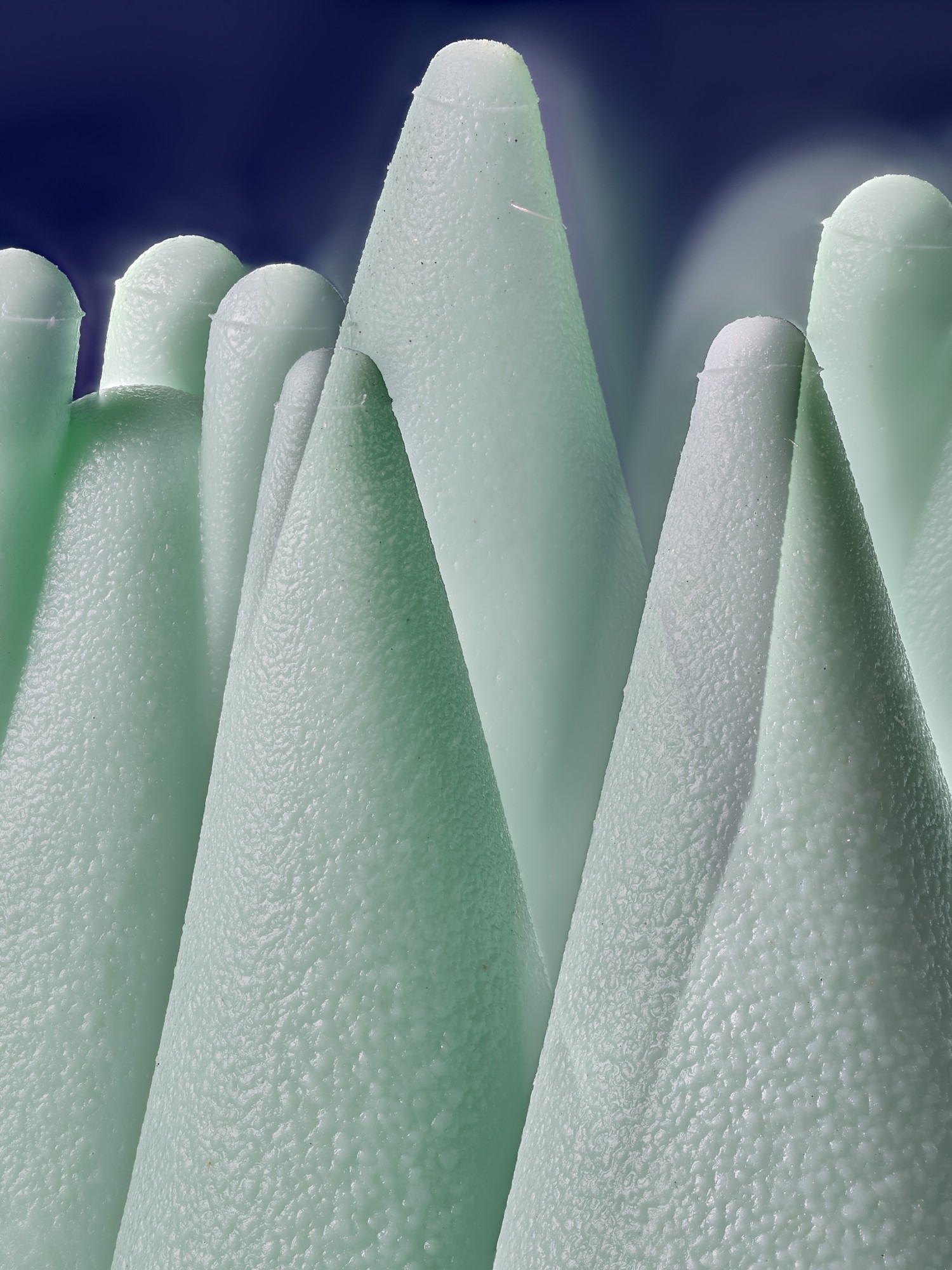
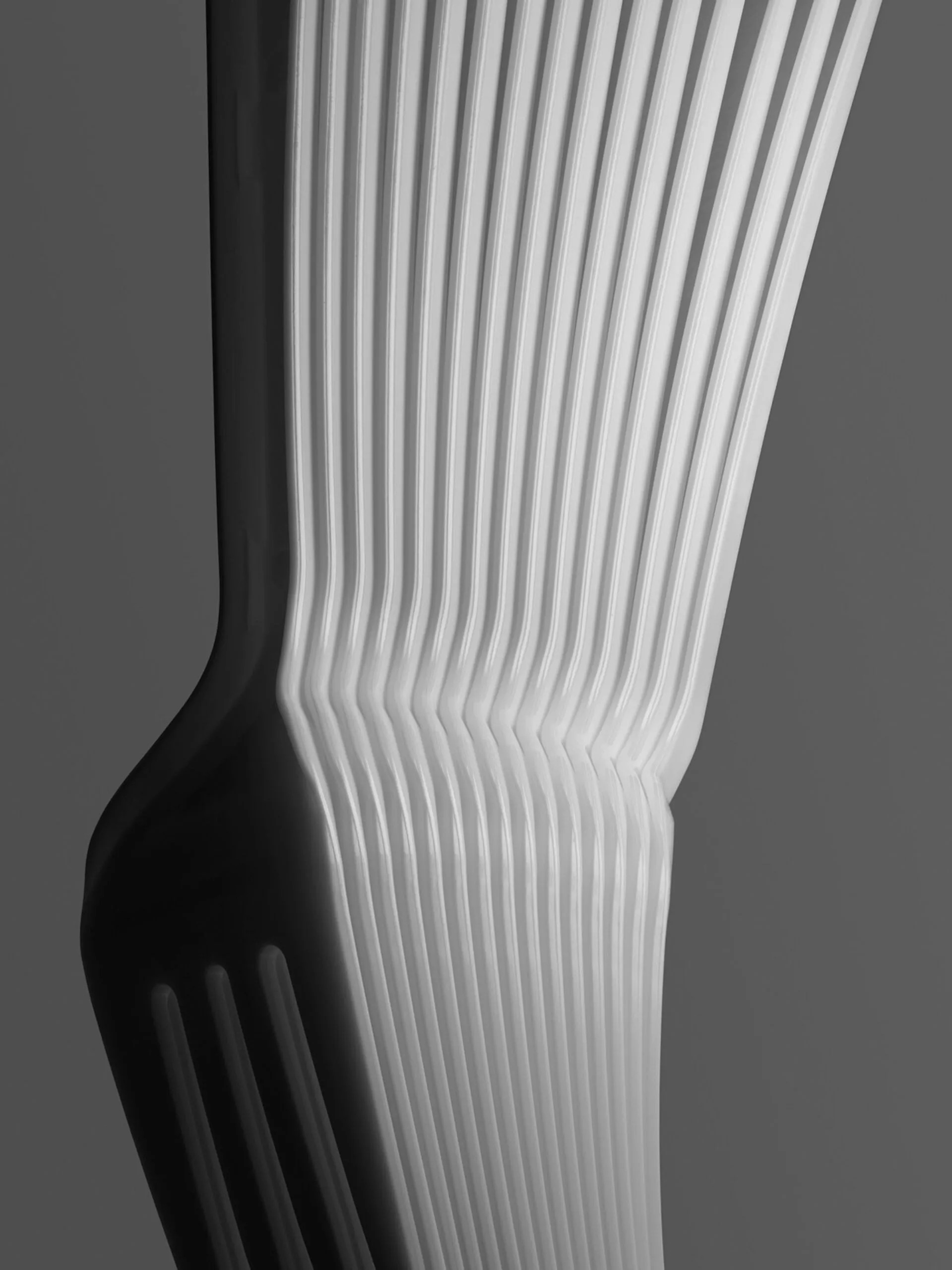
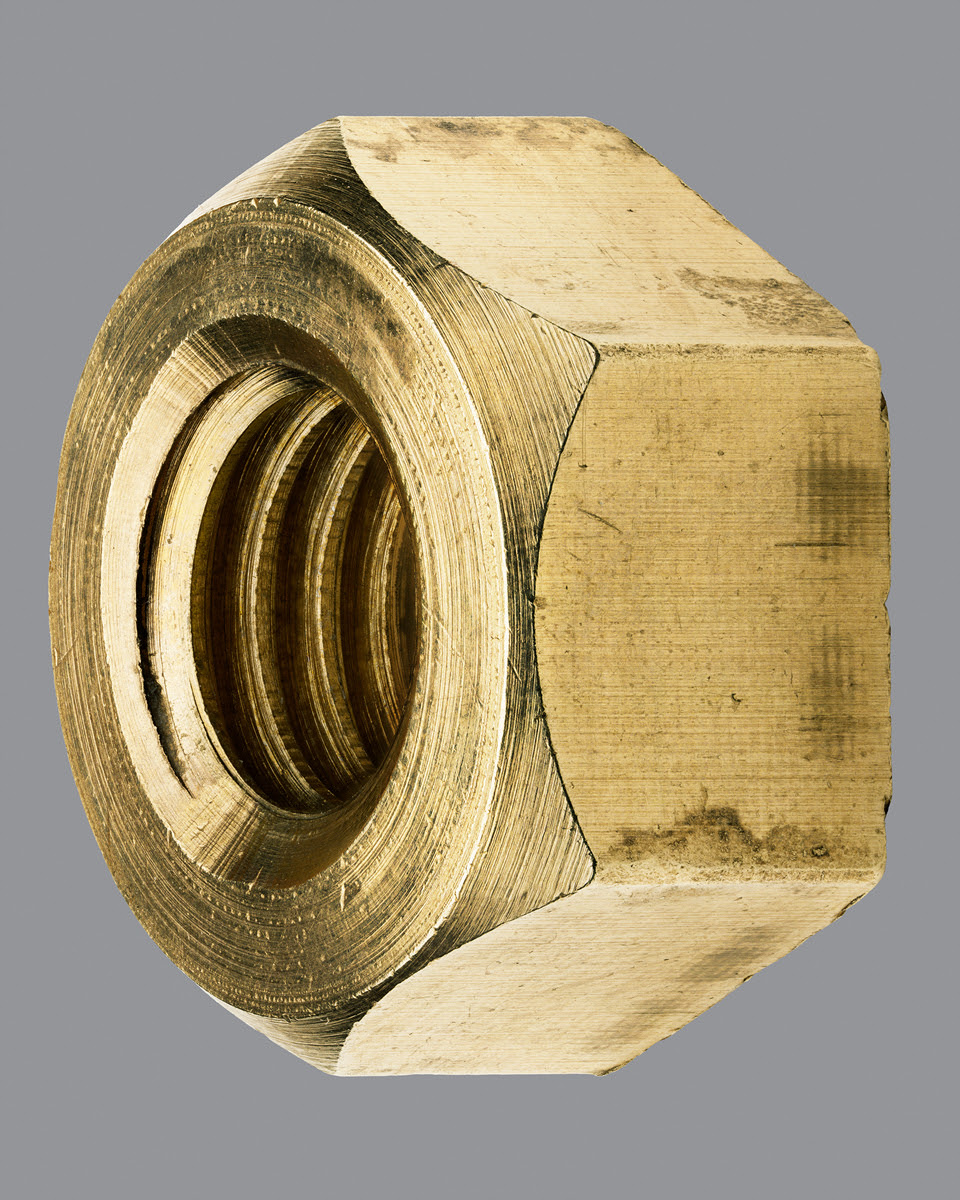
Kyoungtae Kim closely observes and photographs objects encountered in everyday life. By magnifying familiar subjects such as stones, screws, and books within the photographic frame, he accentuates their surface textures and minute details, rendering them unfamiliar and at times lending them a painterly quality. Through this approach, he explores the experience of looking at objects and the ways in which they are translated into images and perceived.

Kim employs a technique known as focus stacking, which combines multiple photographs to achieve uniform sharpness across the entire image. He takes hundreds of photographs at close range, then extracts the sharply focused areas from each image and merges them into a single composition.

This method reflects his understanding that when perceiving an object, we do not fix our gaze on a single point but instead shift our attention across different parts and synthesize the information gathered into a coherent whole.

The resulting photographs reveal the intricate details of objects’ surfaces while evoking a tactile sensation, as if they could be touched. Furthermore, by disrupting familiar optical perspectives, conventions of representation, and customary perceptions of scale, Kim prompts viewers to reconsider how they see and understand the world around them.

Through the sensory representation of photography, he challenges taken-for-granted visual conventions and explores new possibilities of perception.

Solo Exhibitions (Brief)

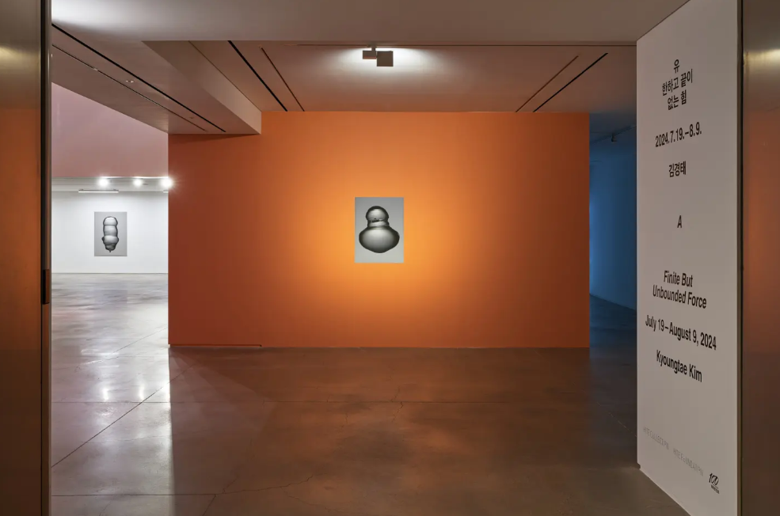
Kim has held solo exhibitions including 《A Finite But Unbounded Force》 (HITE Collection, Seoul, 2024), 《Linear Scan》 (Whistle, Seoul, 2022), 《Bumping Surfaces》 (DOOSAN Gallery, Seoul, 2021), and 《Dropping to the Surface》 (Whistle, Seoul, 2019).

Group Exhibitions (Brief)

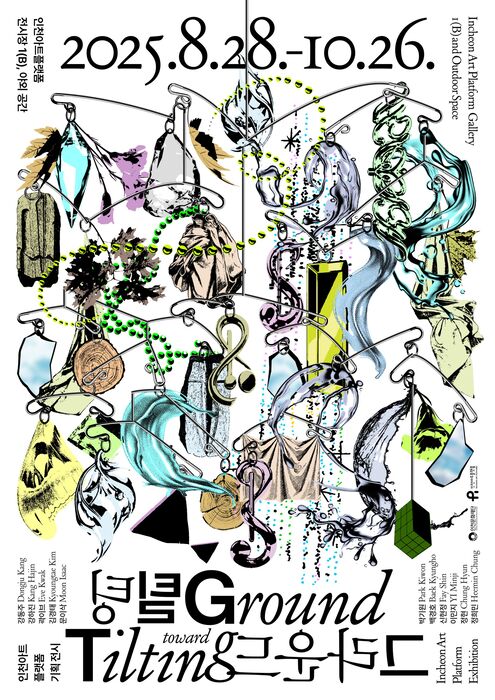
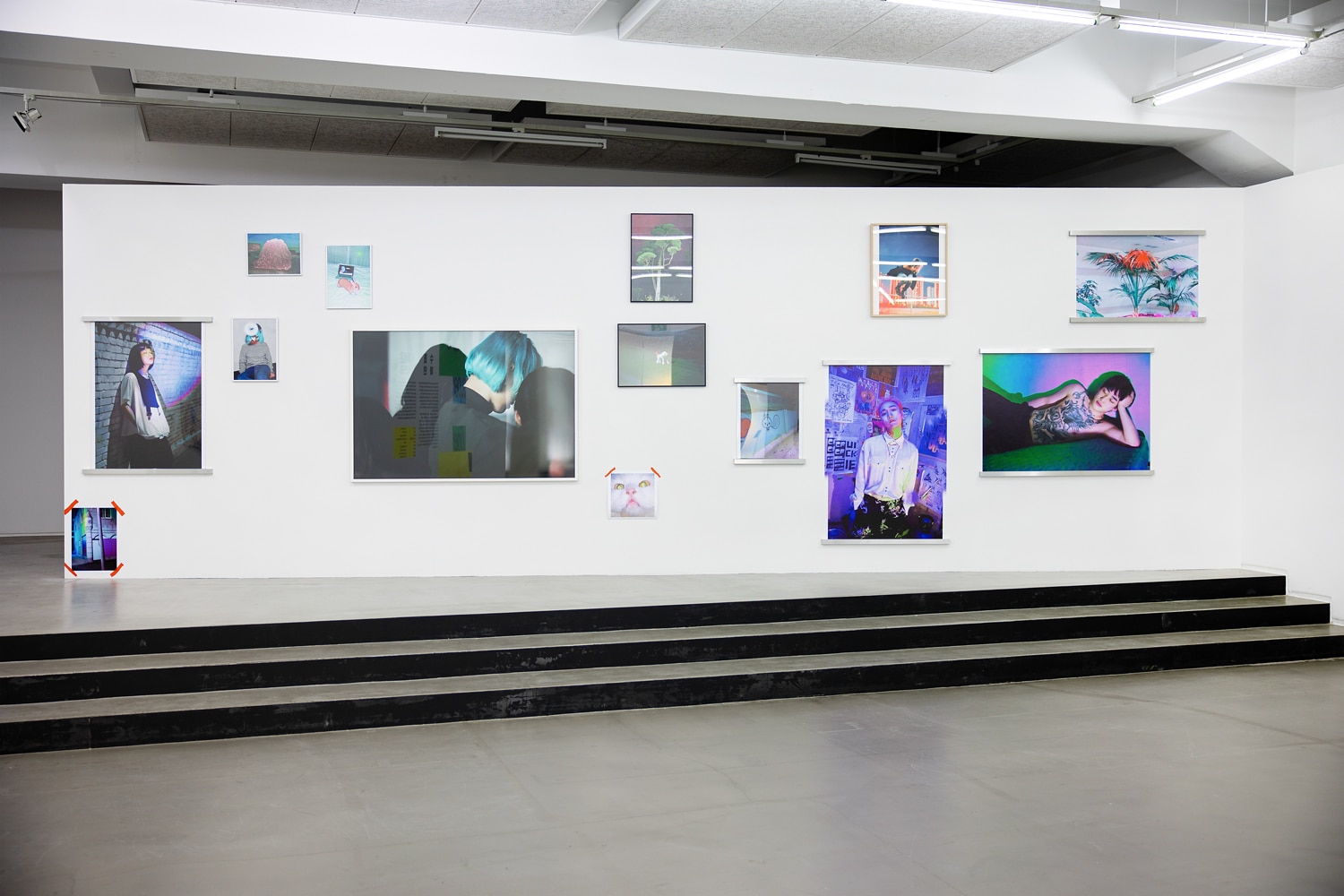
Kim has also participated in numerous group exhibitions, including 《Objects in Oscillation》 (Kukje Gallery, Seoul, 2026), 《Referential》 (HITE Collection, Seoul, 2026), 《Tilting toward Ground》 (Incheon Art Platform, Incheon, 2025), 《Open-Air Museum_Pungnap》 (Buk-Seoul Museum of Art, Seoul, 2024), 《Young Korean Artists 2023: Annotating the Museum》 (MMCA, Gwacheon, 2023), 《The 21st SONGEUN Art Award Exhibition》 (SONGEUN, Seoul, 2021), and 《Super-fine》 (Ilmin Museum of Art, Seoul, 2021).

Awards (Selected)

Kim received the 11th DOOSAN Yonkang Arts Awards in 2020.

Collections (Selected)

Kim’s works are held in the collections of institutions, including the MMCA and Seoul National University Museum of Art.

Works of Art

New Perceptions Through Sensory Representation in Photography

Originality & Identity

Kyoungtae Kim has consistently explored how we observe and perceive objects, creating photographic works that disrupt conventional optical perspective and our sense of scale. His photographs closely examine and magnify familiar objects such as stones, screws, and books, revealing surface textures and structures that are difficult to discern with the naked eye.

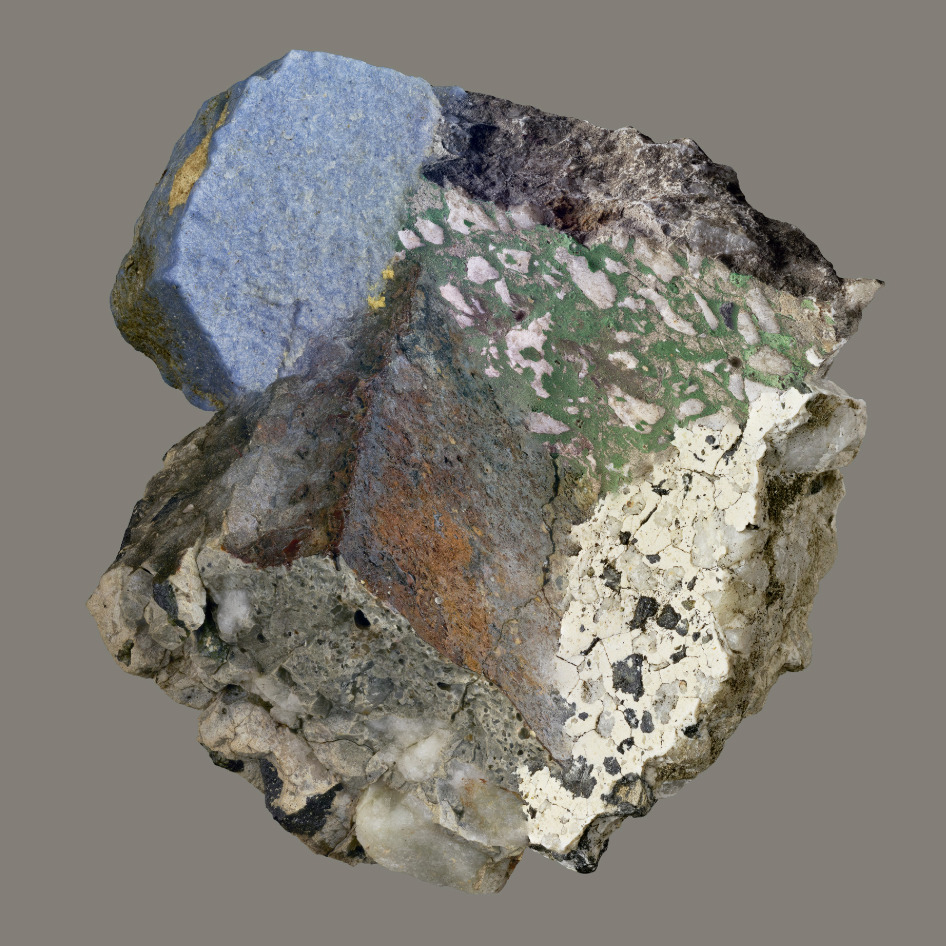
In his early ‘On the Rocks’ (2013) series, Kim enlarged pebble-sized stones to more than 20 times their actual size, presenting the fine particles and forms of natural minerals as unfamiliar landscapes. In Brass Hex Nut M11.IMG(2016), he captured the surface of a metal nut with exceptional clarity, highlighting the minute details of an industrially manufactured object.

Through these works, Kim draws attention to the fact that although we perceive objects as complete forms, our vision actually gathers information by observing different parts in succession and integrating them into a whole. His method of bringing every part of a photograph into uniform focus compresses this visual experience into a single image while making it difficult to determine the subject's actual size and depth.

For Kim, photography is therefore both a means of accurately documenting objects and a medium through which to reconsider the visual conventions we ordinarily take for granted.
 
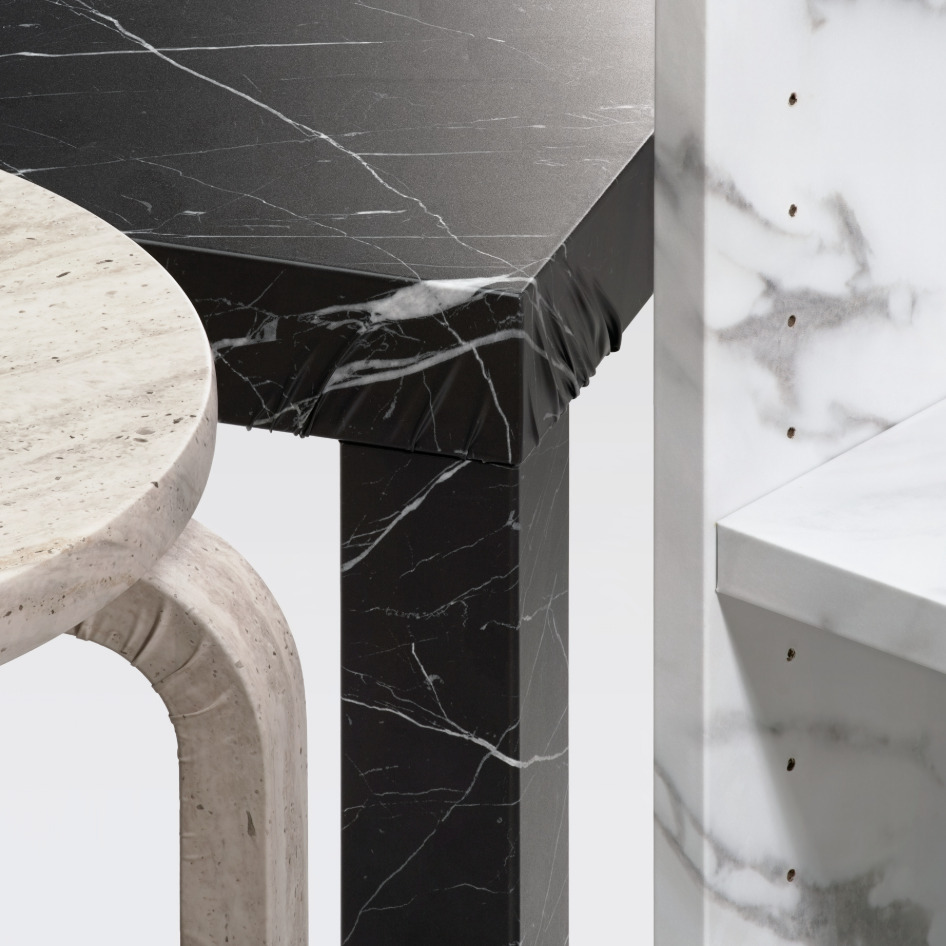
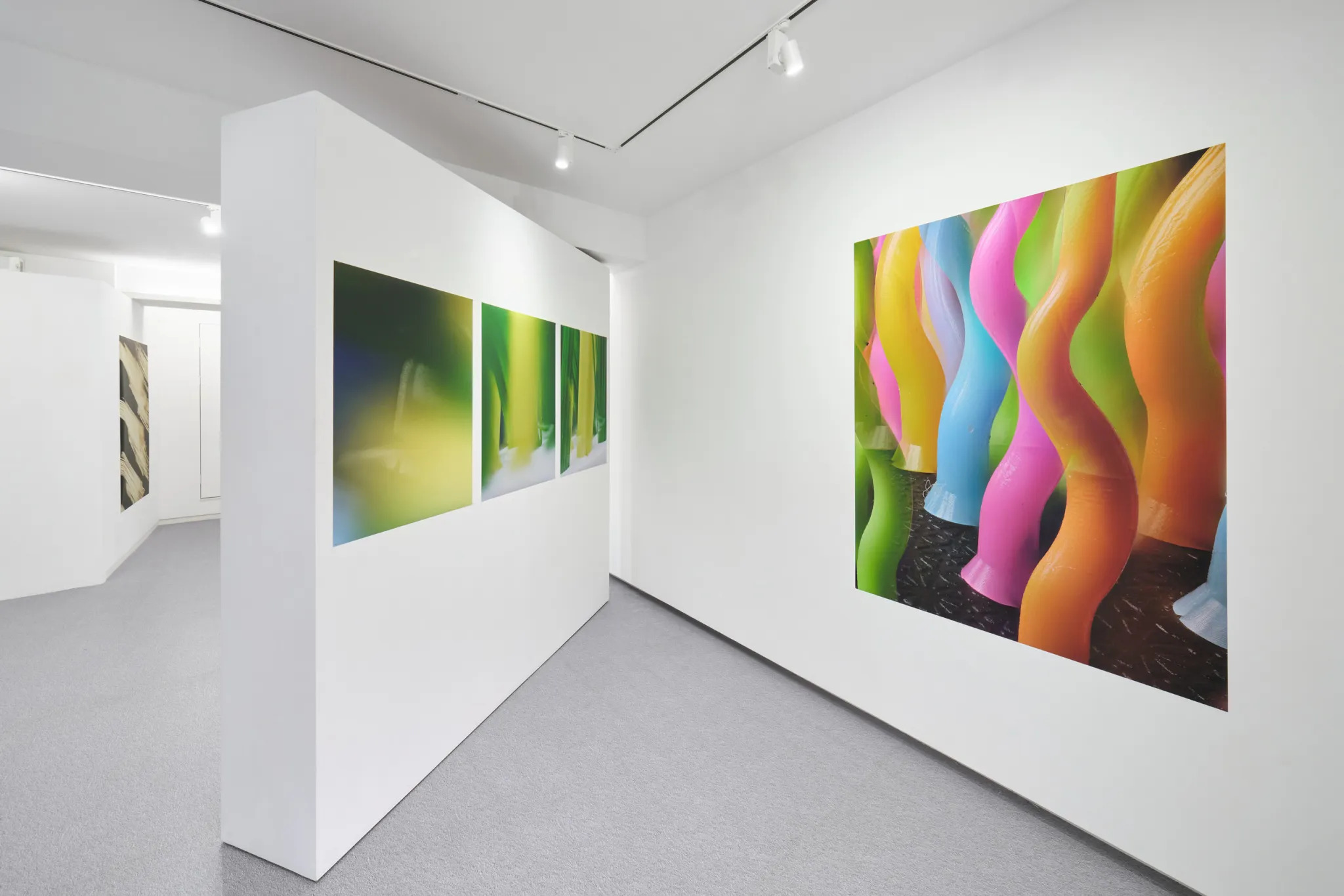
This interest gradually expanded from the surfaces of objects to the properties of materials, the structures of space, and the relationship between reality and imitation. In the ‘Texture Mapping’ (2019) series, Kim examined how artificial materials can appear to be genuine stone through the use of adhesive sheets printed with marble patterns.

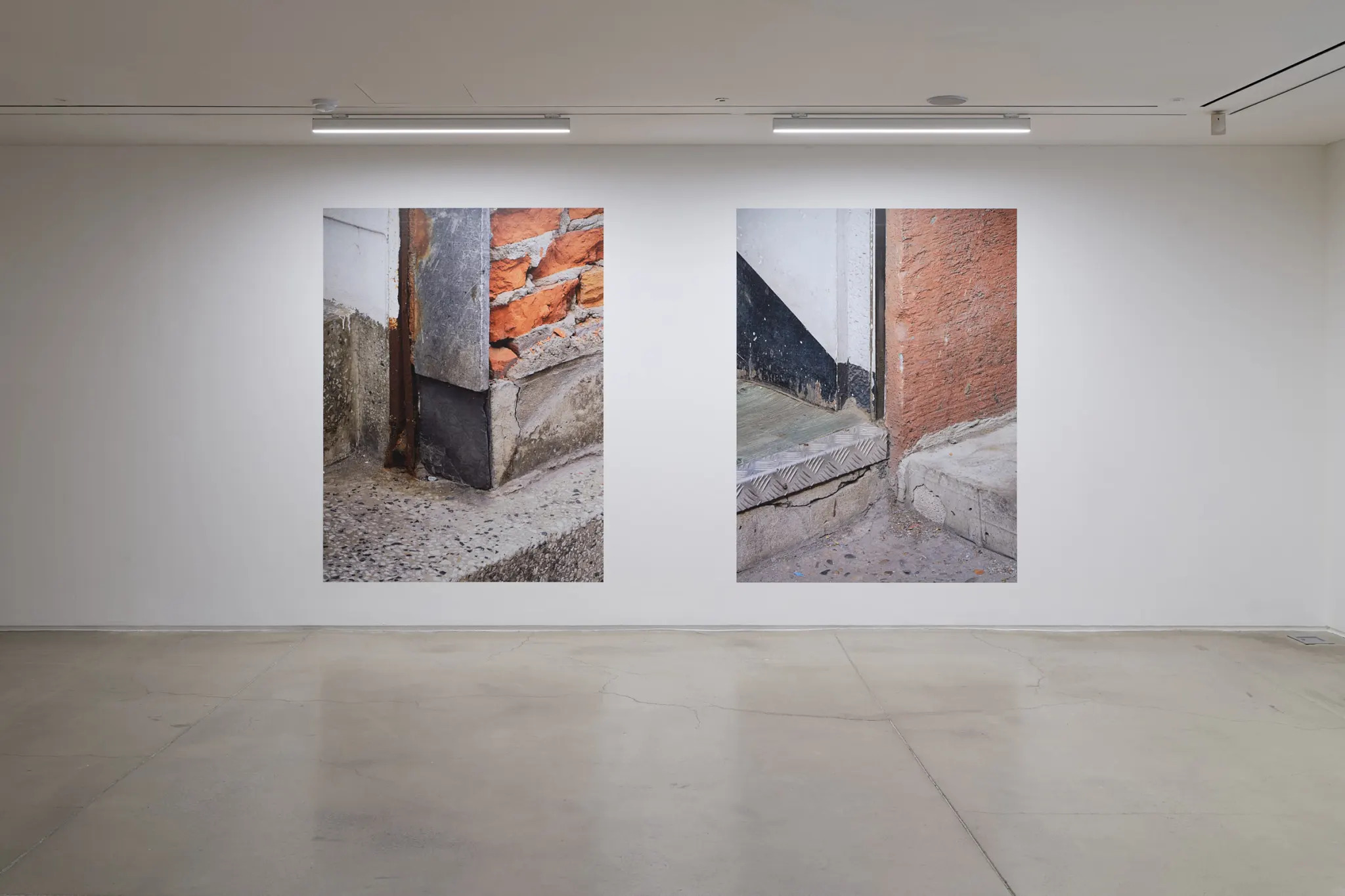
In the same year, his ‘Euljiro Angles’ (2019) series focused on the corners of buildings where different construction materials meet. By examining the gap between the structural information conveyed by architectural drawings and the physical materiality of actual buildings, he proposed another way of understanding space through close attention to its individual parts rather than the structure as a whole.

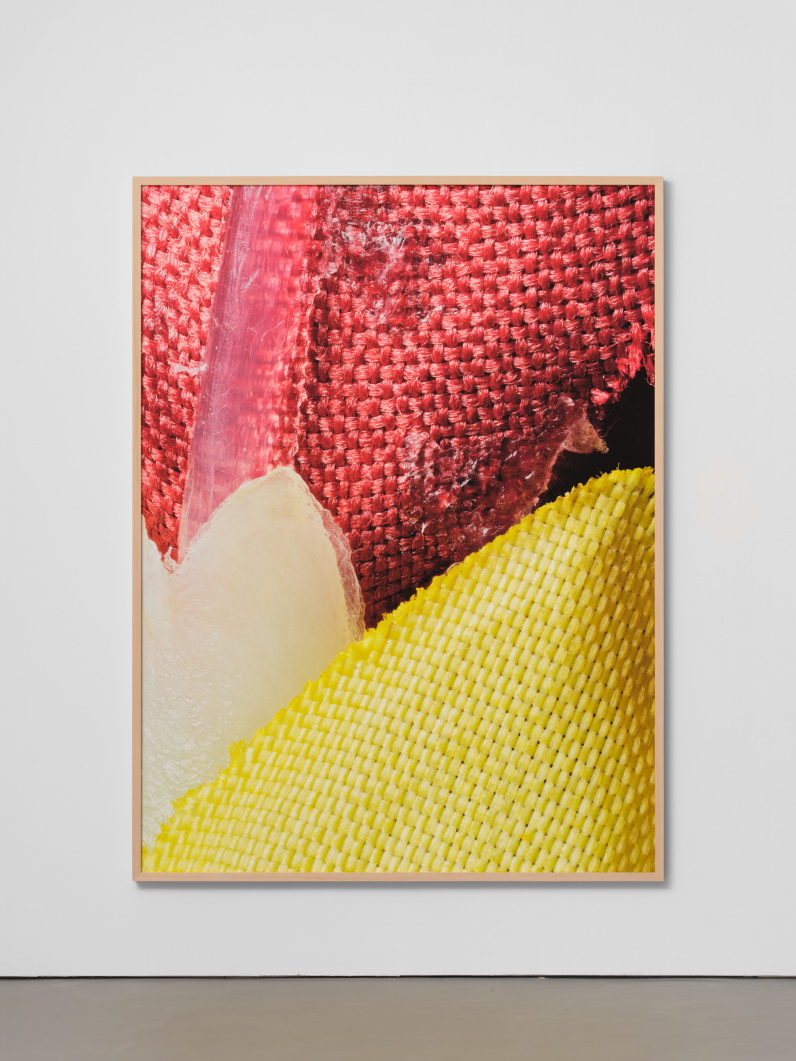
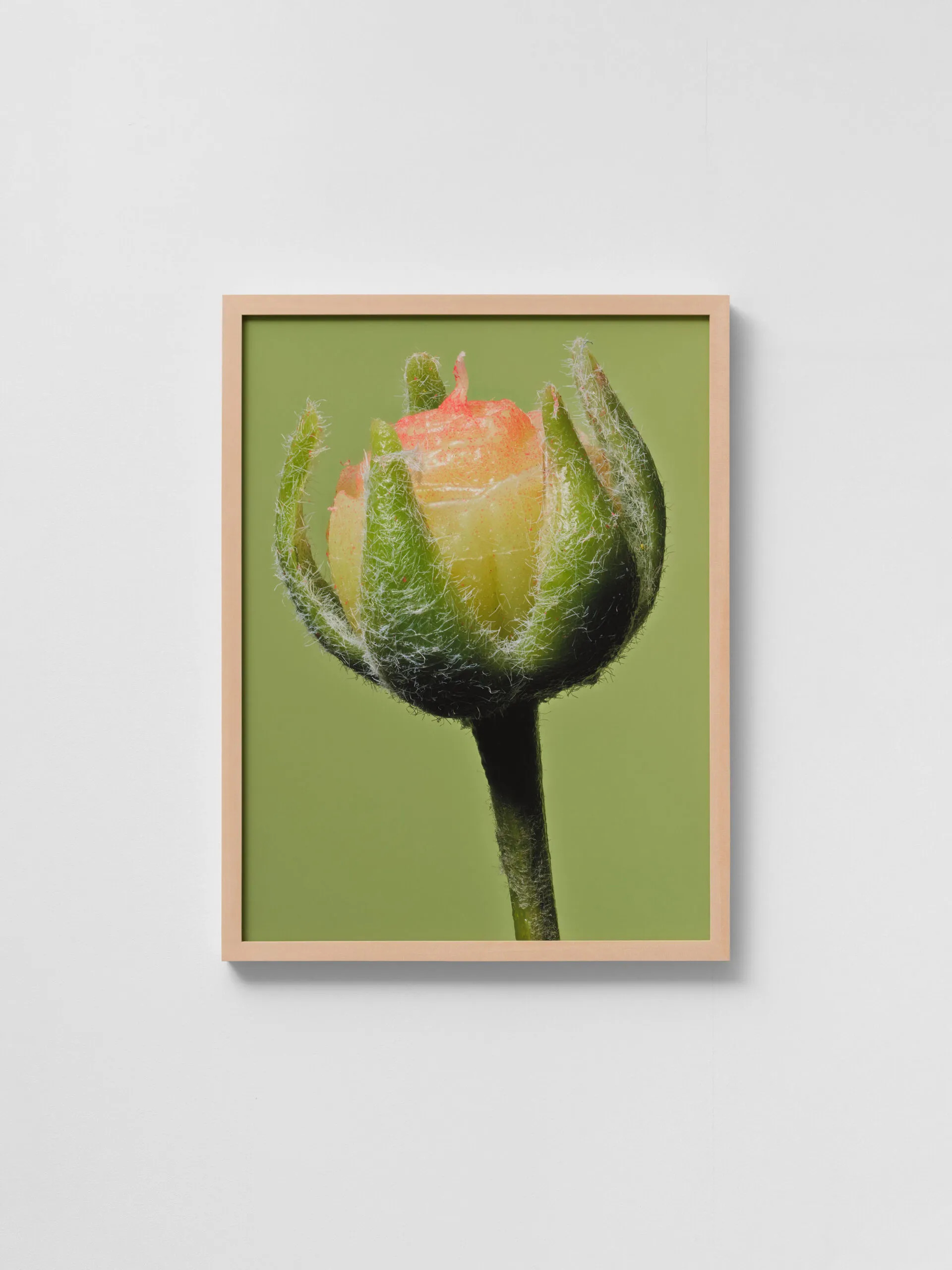
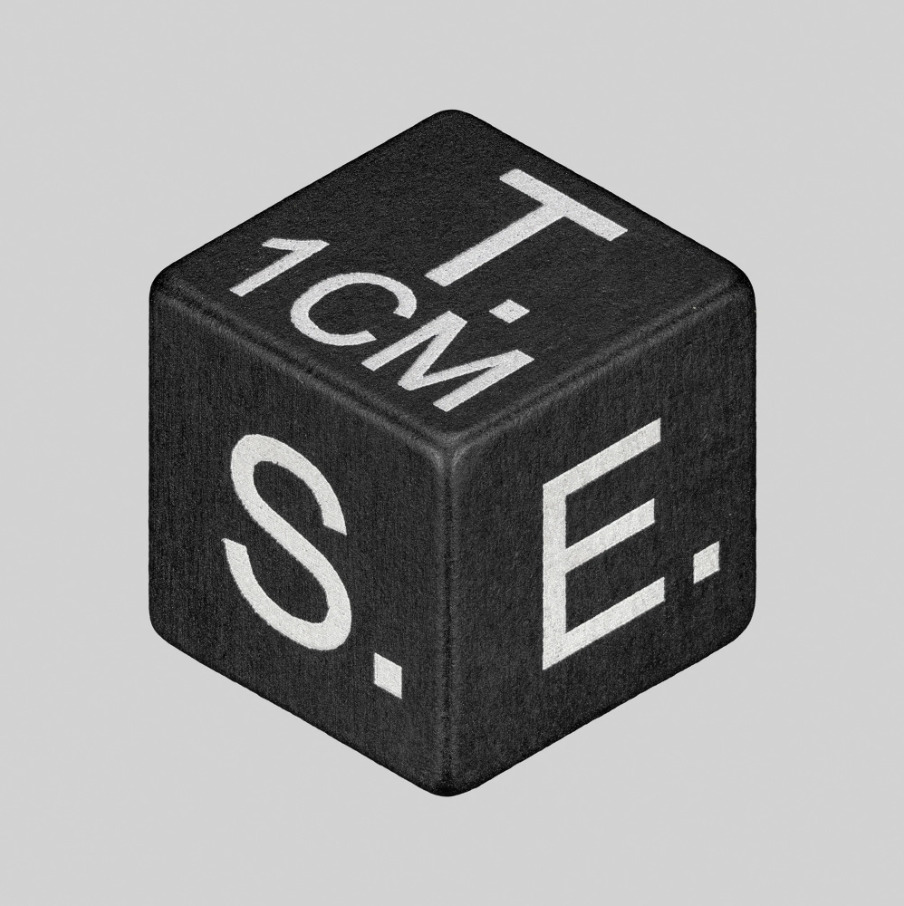
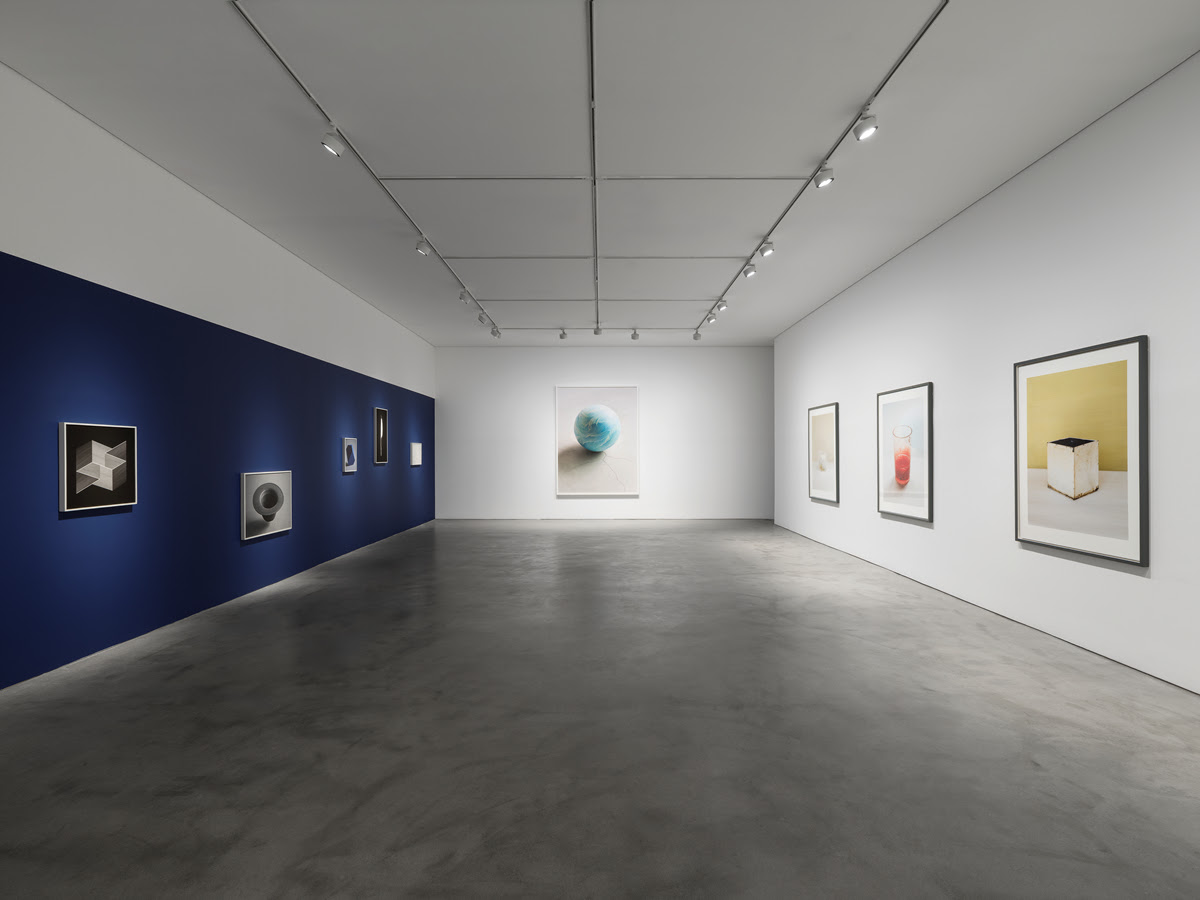
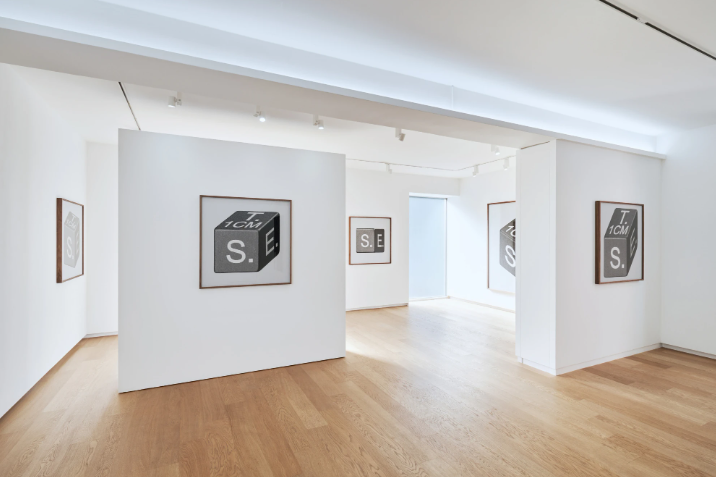
In his solo exhibition 《Dropping to the Surface》(Whistle, 2019), he magnified one-centimeter scale cubes, rendering the very standards used to measure the size of objects uncertain. Later, in 《Bumping Surfaces》(DOOSAN Gallery, 2021), he explored the textures of artificial materials designed to imitate nature, using artificial flowers as his subjects.

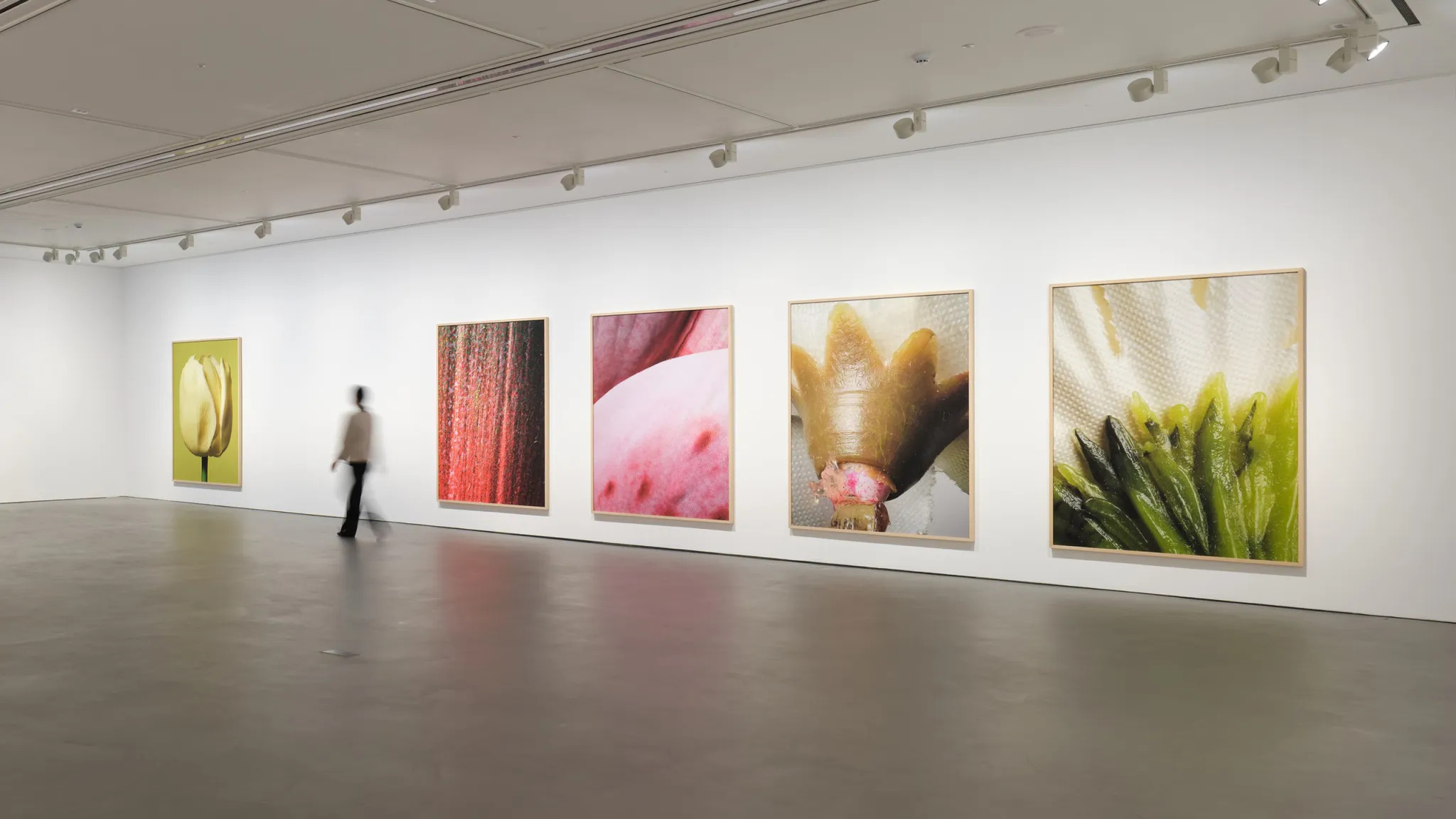
The woven fabric of the petals, traces of dye, and joints between plastic components and adhesive reveal the flowers' artificial construction, while acquiring independent sculptural qualities within the enlarged photographs. During this period, Kim's work addressed more concretely the differences between the physical reality of objects and the way we perceive them through images.
 
During the 2020s, Kim extended his investigation of focus and perspective into the realms of movement and time. In 《Linear Scan》(Whistle, 2022), he explored how the field of vision changes as the photographer approaches a subject and how structures invisible from a single viewpoint can emerge through the compositing of multiple images.

Whereas his earlier works concentrated on integrating information from different focal planes to render an object's surface with exceptional clarity, this exhibition shifted attention toward the visual information that changes with the observer's movement. Subsequently, in the ‘Figure O’ (2024) series, he captured fleeting moments of falling water droplets, presenting instants imperceptible to the human eye as fixed forms.

His solo exhibition 《A Finite But Unbounded Force》(HITE Collection, 2024) connected the macroscopic and microscopic worlds through diverse manifestations of water, ranging from the minute movements of droplets to clouds, rivers, glaciers, and dams. Kim's practice has thus expanded from the surfaces of small objects to architectural spaces, vast natural landscapes, and fleeting physical phenomena. Throughout this development, he has consistently questioned not only what we see but also the conditions under which seeing becomes possible.

Style & Contents

A central technique in Kyoungtae Kim's practice is focus stacking, a method of combining multiple photographs to overcome the focal limitations of a camera lens. The artist gradually approaches an object or shifts the focal plane while capturing numerous images, then extracts the sharpest areas from each photograph and combines them into a single composition. As a result, both near and distant parts of the subject appear evenly focused, reducing the differences in perspective and depth typically found in photographs.

In ‘On the Rocks’ and Reference Points 1(2018), he employed this technique to reveal the surfaces of objects in meticulous detail, creating an experience in which visual and tactile sensations seem to intersect. Scale Cube 1F(2019) and Scale Cube 1P(2019), presented in 《Dropping to the Surface》, magnified small cubes originally designed as measurement references to an unrealistic scale, producing images reminiscent of axonometric projection used in architectural drawings.

In Scale Cube 1F, in particular, the three visible faces of the cube are arranged with equal angles and brightness, making the three-dimensional object resemble a flat geometric figure or drawing. Through adjustments to photographic techniques, print sizes, and framing, Kim simultaneously reveals photography's documentary character and its abstract formal qualities.
 
Kim subsequently made more active use of the material properties and structures of his subjects, expanding the visual effects generated through photographic compositing. Works such as Bumping Surfaces - Amaryllis C(2021), Bumping Surfaces - Ranunculus A(2021), and Bumping Surfaces Lily C(2021), presented in 《Bumping Surfaces》, are large-scale photographic prints created from close-up images of artificial flowers.

Their surfaces clearly reveal the woven fibers of fabric petals, irregular traces of dye, and joints between synthetic materials. Rather than removing or retouching these details, Kim leaves them intact, allowing viewers to discover unfamiliar aspects of objects through close observation of their surfaces.

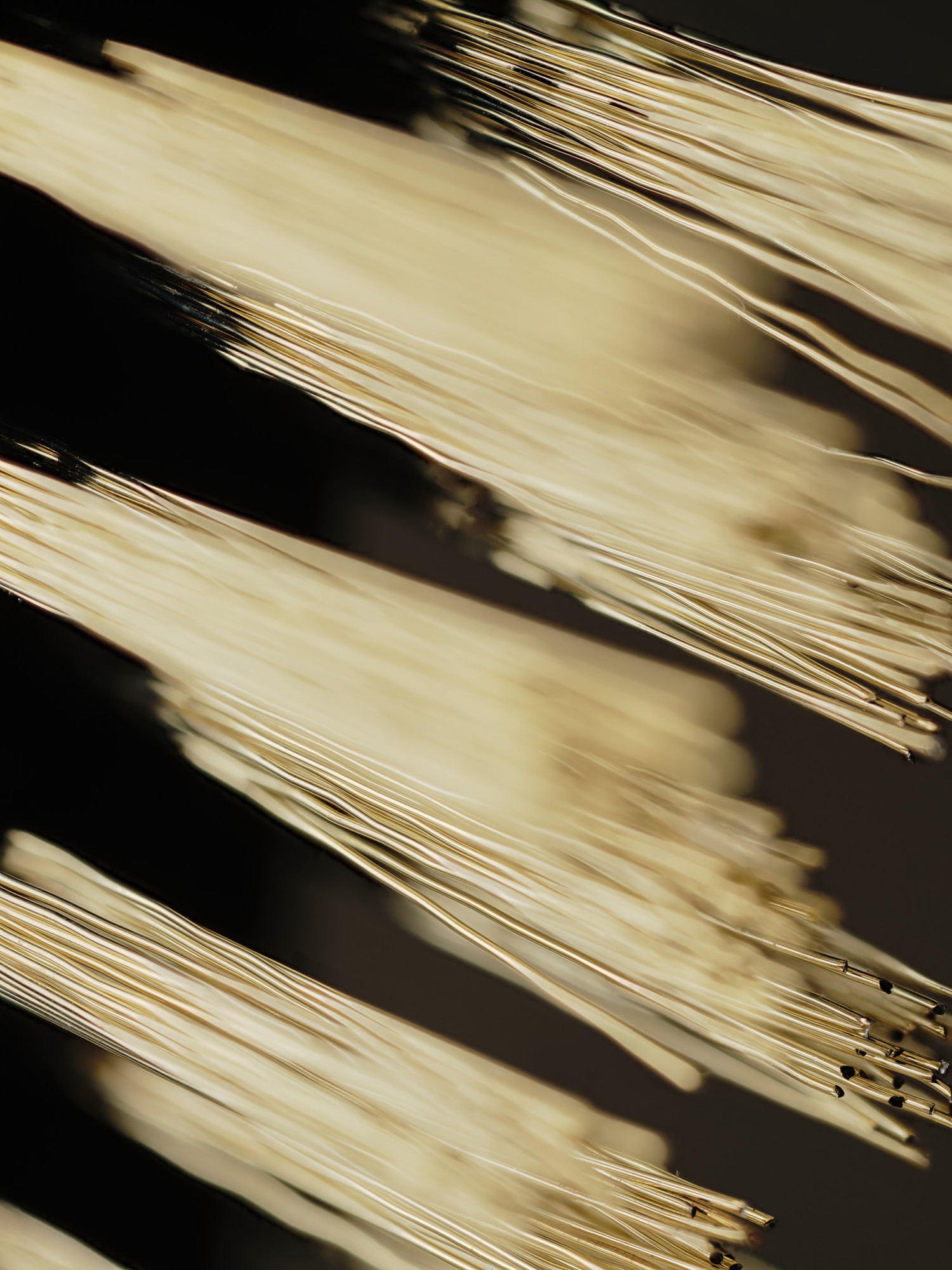
In 《Linear Scan》, he adopted a different approach to the principles of focus stacking by selecting objects with repeatedly intersecting thin structures, such as toothbrushes and small brushes. In works including Brass Wire 1B(2022), Crossing Surfaces SB2a(2022), and Crossing Surfaces RB1a(2022), changes in shooting distance reveal previously concealed sections or produce overlapping forms from different focal planes.

Kim presented these images either individually or in pairs, allowing viewers to compare the movement of the gaze and focal point. Works such as Serial Compositions PF3(2022) and Serial Compositions PS2(2022) similarly continue his approach of repeatedly observing and reconstructing the structures of objects within a single frame. In this process, photographic compositing becomes more than a tool for increasing sharpness; it serves as a means of expressing how human vision perceives an object as a unified whole.
 
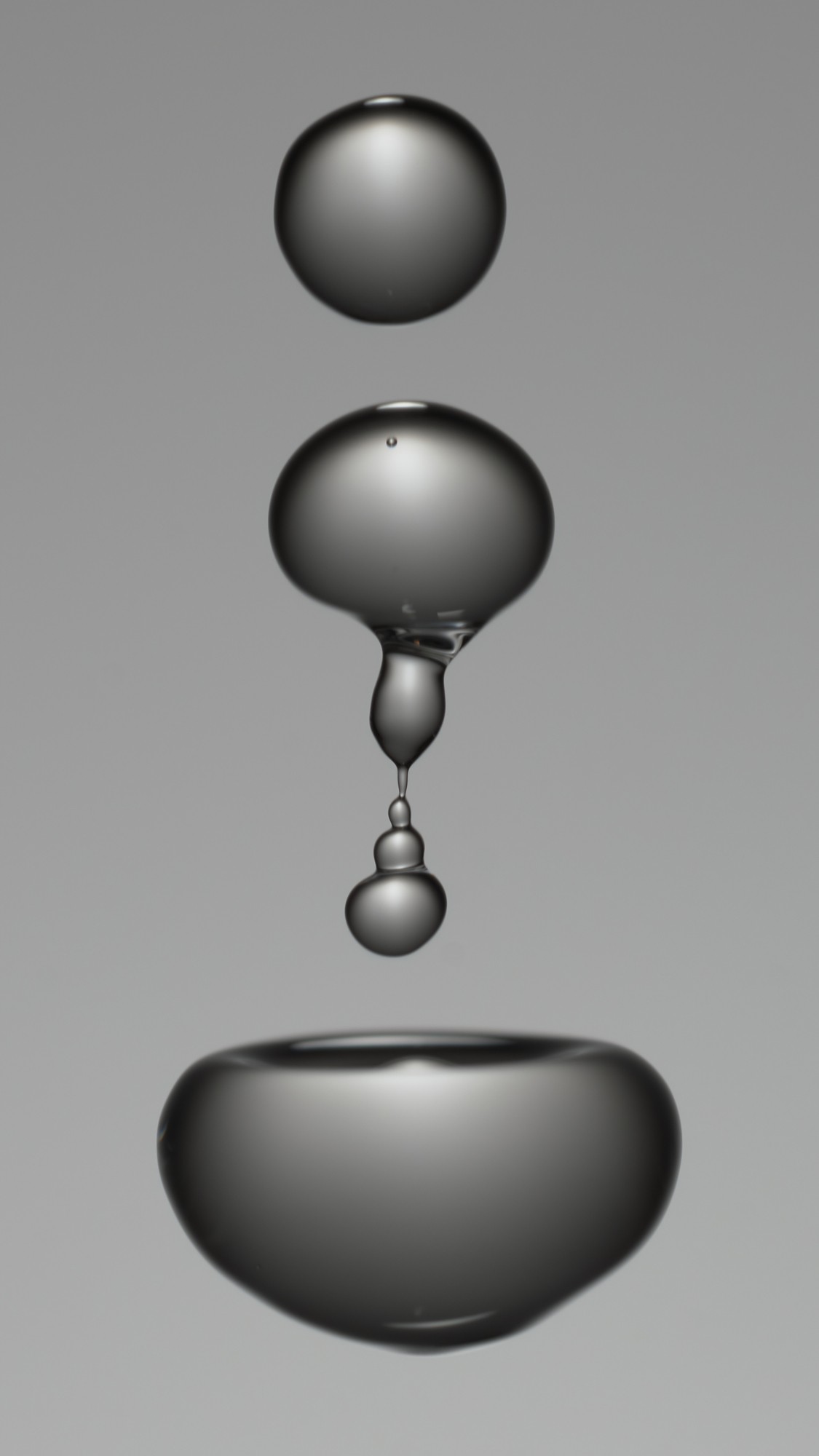
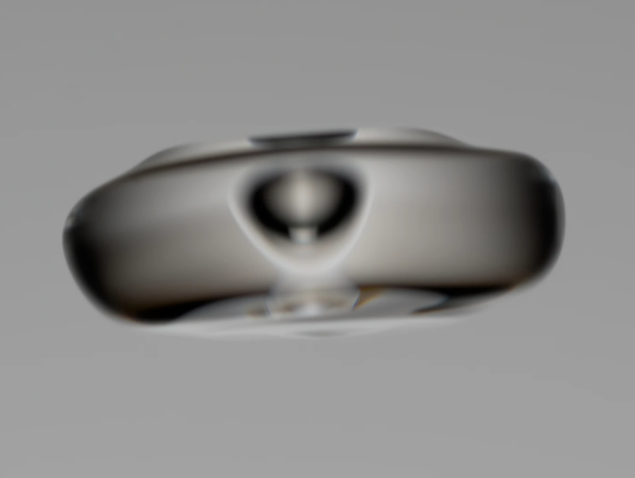
More recently, Kim has moved beyond photographing the surfaces of static objects to experiment with capturing fleeting physical phenomena. In Figure O 137(2024), from the ‘Figure O’ series, he freezes the moment of a falling water droplet, making the fluid substance appear almost like a sculpture.

To achieve this, he employed devices that regulate the volume and intervals of falling droplets, along with speedlights that emit flashes lasting only a few ten-thousandths of a second. Water droplets continuously change shape under the influence of air resistance, gravity, and surface tension, and photography captures these transformations at temporal scales invisible to the naked eye.

In 《A Finite But Unbounded Force》, Kim presented images of water at various scales, including minute droplets, clouds, rainbows, water surfaces, glaciers, fountains, and dams. Although these works remain connected to his earlier practice through meticulous observation and the deliberate design of photographic conditions, his subjects and technical approaches have expanded from reconstructing the forms of stationary objects to capturing moments of continuously changing matter.

Scenes in which a tiny water droplet appears as a monumental sculptural form or an expansive landscape is rendered as a single flattened image once again challenge our conventional perceptions of scale, distance, and time.

Topography & Continuity

Kyoungtae Kim's photography combines persistent observation of everyday objects with precise photographic techniques to create unfamiliar visual experiences from subjects we believe we already know. While still-life photography often focuses on the symbolism of objects or the artist's emotional response to them, Kim concentrates on the material information that constitutes their surfaces and the processes through which they are represented as images.

Rather than assigning specific narratives to objects, he reveals their details with the greatest possible clarity, paradoxically making their scale and spatial depth increasingly ambiguous. His distinctive approach lies in using focus stacking not merely to produce high-resolution photographs but also to manipulate the relationship between focus and perspective and actively reveal the visual transformations that emerge during compositing.

The objective documentation of an object's surface and the resulting appearance of an unrealistic image have consistently coexisted throughout his practice. His work thus moves beyond the question of how accurately photography can represent reality to examine how technologies designed to achieve precision can transform our perception of the world.
 
Kim has developed these interests in various directions according to the scale and characteristics of his subjects. In works featuring small stones, metal nuts, scale cubes, artificial flowers, and brushes, he explored the surfaces and structures of objects through magnification and the compositing of different focal planes.

In the ‘Euljiro Angles’ series and the photobook 『From Glaciers To Palm Trees: Tracking Dams in Switzerland』(2021), which documents dams in Switzerland, he extended his observations to architecture and natural environments. While 《Linear Scan》 subsequently examined the movement of viewpoints and the overlapping of visual information, 《A Finite But Unbounded Force》 revealed the diverse states of water and the invisible physical forces acting upon it.

His works have been presented in various contexts addressing photographic materiality, digital images, still life and sculpture, and the act of observation through group exhibitions such as 《Super-fine》(Ilmin Museum of Art, 2021), 《Young Korean Artists 2023: Annotating the Museum》(MMCA, 2023), 《Tilting toward Ground》(Incheon Art Platform, 2025), 《Referential》(HITE Collection, 2026), and 《Objects in Oscillation》(Kukje Gallery, 2026).

In particular, the ‘Euljiro Angles’ series, presented in 《Referential》, demonstrates how photography can document and prompt a renewed understanding of the physical structures of architecture, connecting his practice to broader discussions of the relationship between photography and sculpture.
 
Drawing on his experience across graphic design and photography, Kim has developed a distinctive visual language. Through publications including the photobooks 『On the Rocks』(2013), 『Angles』(2016), and 『Dropping to the Surface』(2019), he has also sustained his interest in image composition, sequencing, and the physical forms of printed materials.

In 2020, he received the 11th DOOSAN Yonkang Arts Award, and his works are held in the collections of institutions including the National Museum of Modern and Contemporary Art, Korea (MMCA), and Seoul National University Museum of Art. At the heart of Kim's practice is an ongoing investigation into the relationship between human vision and the photographic technologies that extend its capabilities.

From the surfaces of microscopic materials to vast natural phenomena, his work demonstrates photography's potential to rediscover familiar aspects of the world through precise observation. As technological developments continue to transform the ways images are produced, his approach, grounded in observation and experimentation, provides a foundation for further exploring the expressive possibilities of photography.

Works of Art

New Perceptions Through Sensory Representation in Photography

Articles

Exhibitions

Activities