Liquid Light O.4 - K-ARTIST

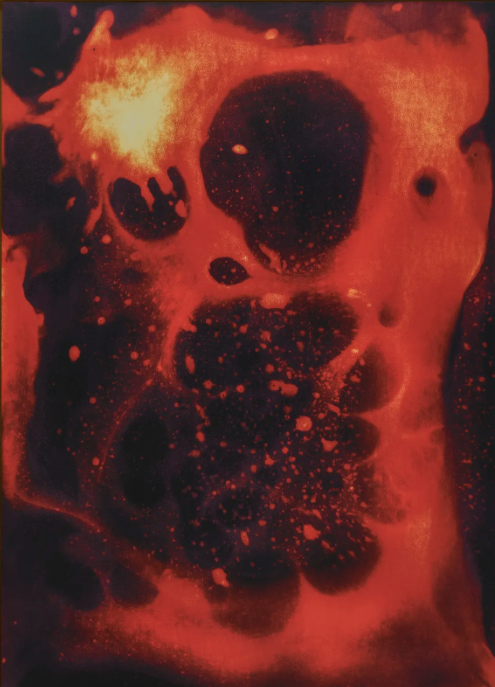
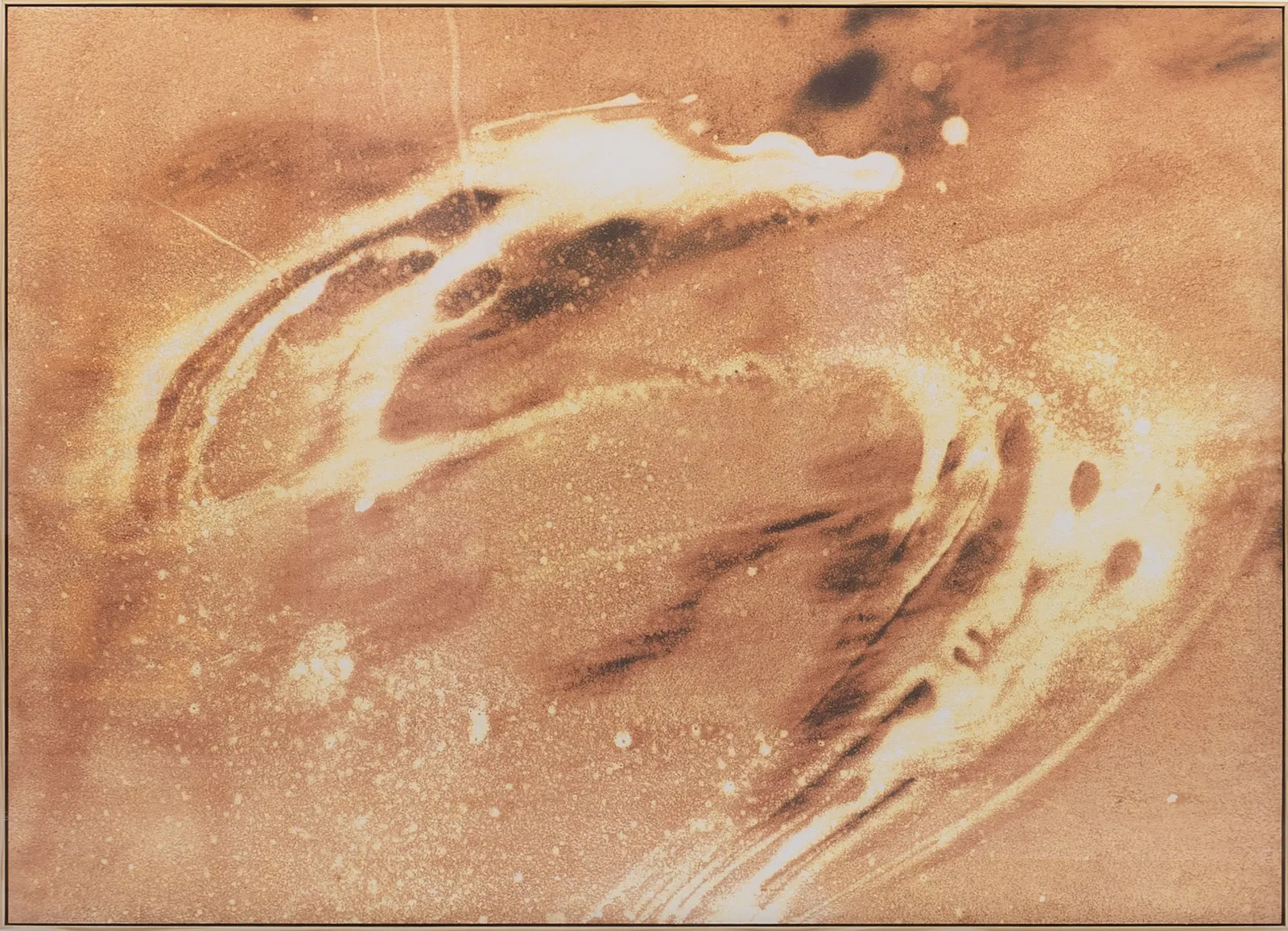
Liquid Light O.4

2026
Digital print on wood panel
160 x 115 cm
About The Work

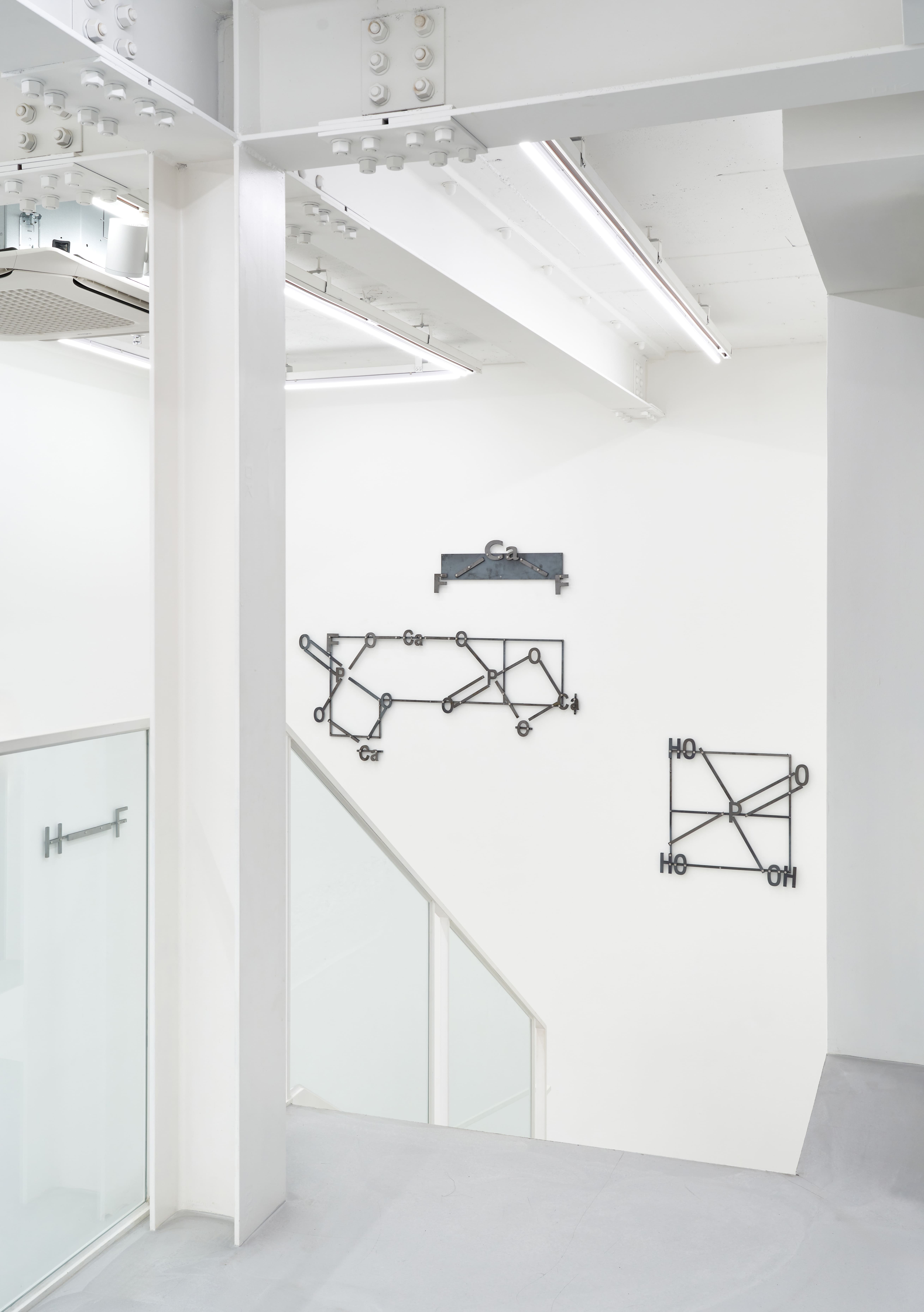
Seulki Ki works primarily with photography, exploring how images are produced and experienced in contemporary society, as well as the medium-specific conditions that shape them. Building on this inquiry, she extends the possibilities of photography through a range of formats, including books, videos, and photographic installations.

In particular, Ki focuses on the reality captured by photography, the layers concealed within it, and the illusions generated by images. Through scenes incidentally captured in the fluid flow of everyday life and traces of images situated within the seemingly weightless hierarchy of digital pixels, she seeks to reveal a form of photographic reality that exists beyond technical perfection.

Ki’s practice explores the relationships between the materiality of photography, the spaces surrounding it, and the interplay between reality and illusion embedded in images. By challenging the conventions of traditional photography and seeking new forms of media practice, she raises questions about what photography reveals today and how it operates and transforms in the contemporary context.

Solo Exhibitions (Brief)

Ki has held solo exhibitions including 《Liquid Light》 (Chapter II, Seoul, 2026), 《Geist in the Exhibition》 (Kimheesoo Art Center, Seoul, 2024), 《Portrait, Still Life, Landscape》 (Ilwoo Space, Seoul, 2023), and 《Current Exhibition》 (Gallery Damdam, Berlin, 2021).

Group Exhibitions (Brief)

Ki has also participated in numerous group exhibitions, including the 13th Seoul Photo Festival 《Come Back Home》 (The Photography Seoul Museum of Art, Seoul, 2026), 《spam and scam》 (Gallery SP, Seoul, 2025), 《Far, Far Side of the World》 (Korean Cultural Center in Japan, Tokyo; Korean Cultural Center in Hong Kong, Hong Kong; Korean Cultural Center in Osaka, Osaka, 2024), 《Anthología: Ten Enchanting Spells》 (Buk-Seoul Museum of Art, Seoul, 2023), 《New Moon》 (Gyeonggi Museum of Modern Art, Ansan, 2022), and 《Super-fine》 (Ilmin Museum of Art, Seoul, 2021).

Awards (Selected)

Ki received the 13th Ilwoo Photography Award in 2023.

Residencies (Selected)

Ki has participated in the DOOSAN Residency New York (2018), Fukuoka Asian Art Museum Residency (2016), and MMCA Residency Goyang (2014–2015).

Works of Art

On How Photographic Images Function Today

Originality & Identity

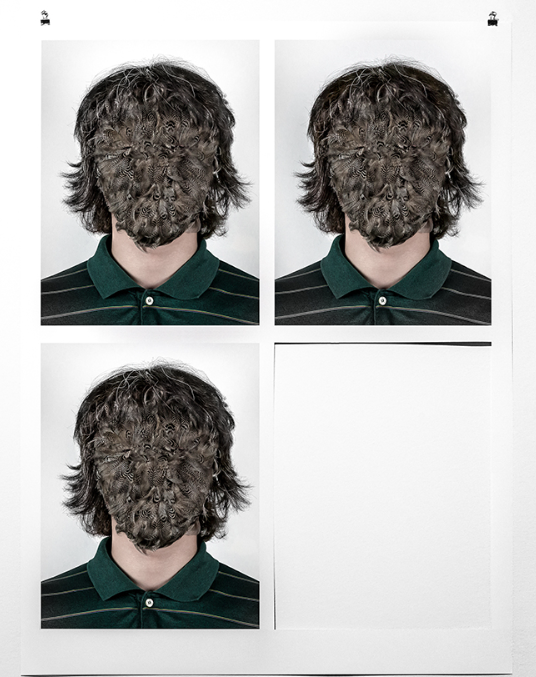
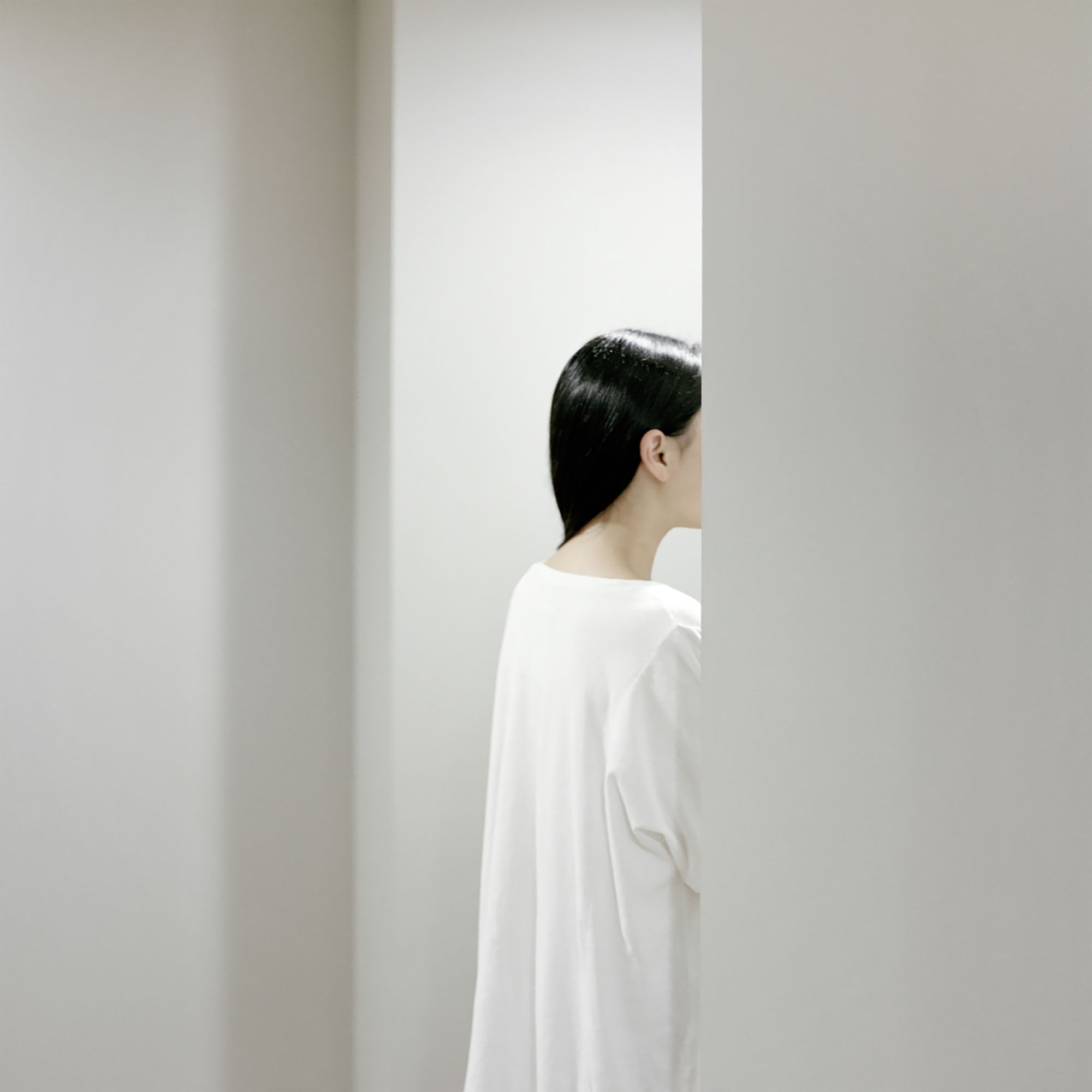
Seulki Ki focuses on the gap between the world we see and the world that actually exists. She has explored how human perception interprets the external world through personal experiences, habits, and limited information rather than perceiving it as it is. In her early ‘Unfamiliar Corner’ (2012) series, Ki concealed parts of familiar everyday spaces while revealing only fragments of the human body, prompting curiosity about spaces beyond the photographic frame.

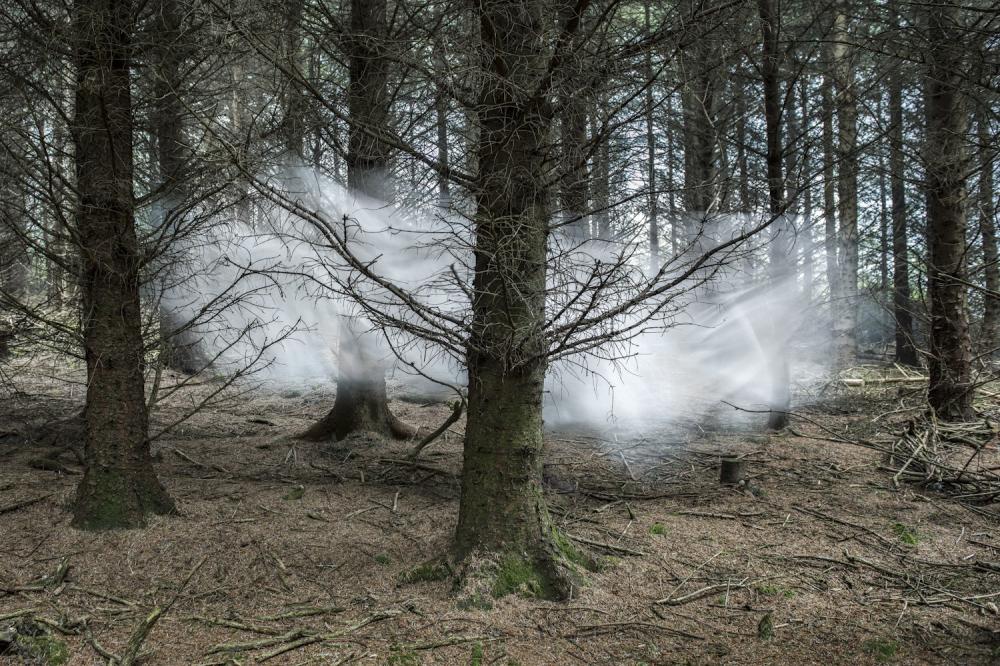
In the ‘Crystal Lake’ (2013) series, she combined colors, light, and irregular patterns to create abstract forms that invite viewers to imagine three-dimensional spaces that do not actually exist within the two-dimensional image. The subsequent ‘Post Tenebras Lux’ (2014) series drew on her experience of being unable to clearly perceive her surroundings in dense fog, exploring ambiguous forms created by light, darkness, and movement.

During this period, photography served not as a means of accurately representing subjects but as a medium for revealing the imagination arising from sensory errors and incomplete perception.
 
This interest gradually expanded from personal perception to the experiences and inner worlds of others. In the ‘The Moment of Chewing Gritty Sand’ (2015) series, Ki sought to translate psychological experiences into images based on responses to questions about situations that evoke anxiety or a sense of crisis.

Her subsequent solo exhibition 《Sub/Ob-Ject》(DOOSAN Gallery, 2017), inspired by the anxieties and aspirations of visitors to a shrine she encountered in Fukuoka, Japan, explored the blurring of boundaries between subject and object, consciousness and the unconscious, as she absorbed and reconstructed the stories of others.

The following year, 《Theater Near Me》(DOOSAN Gallery New York, 2018) employed theatrical staging to encourage viewers to consider both the moments fixed within photographs and the time existing before and after them. While her early works invited viewers to imagine invisible spaces, her practice during this period evolved toward exploring emotions, narratives, and layers of time that remain outside the visible image.
 
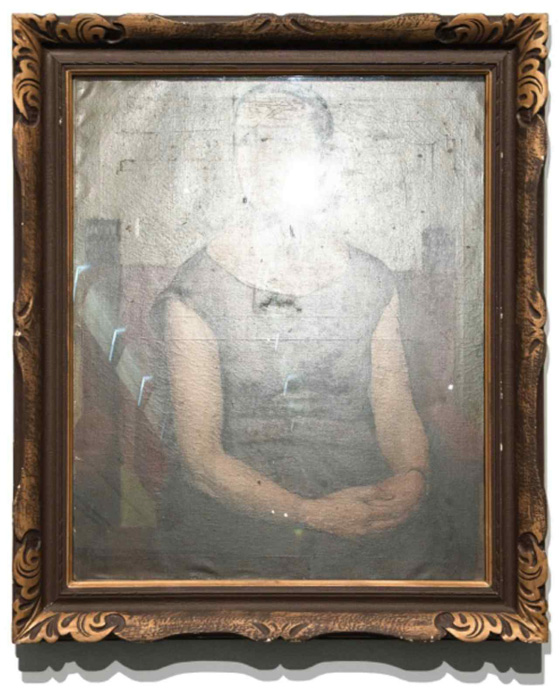
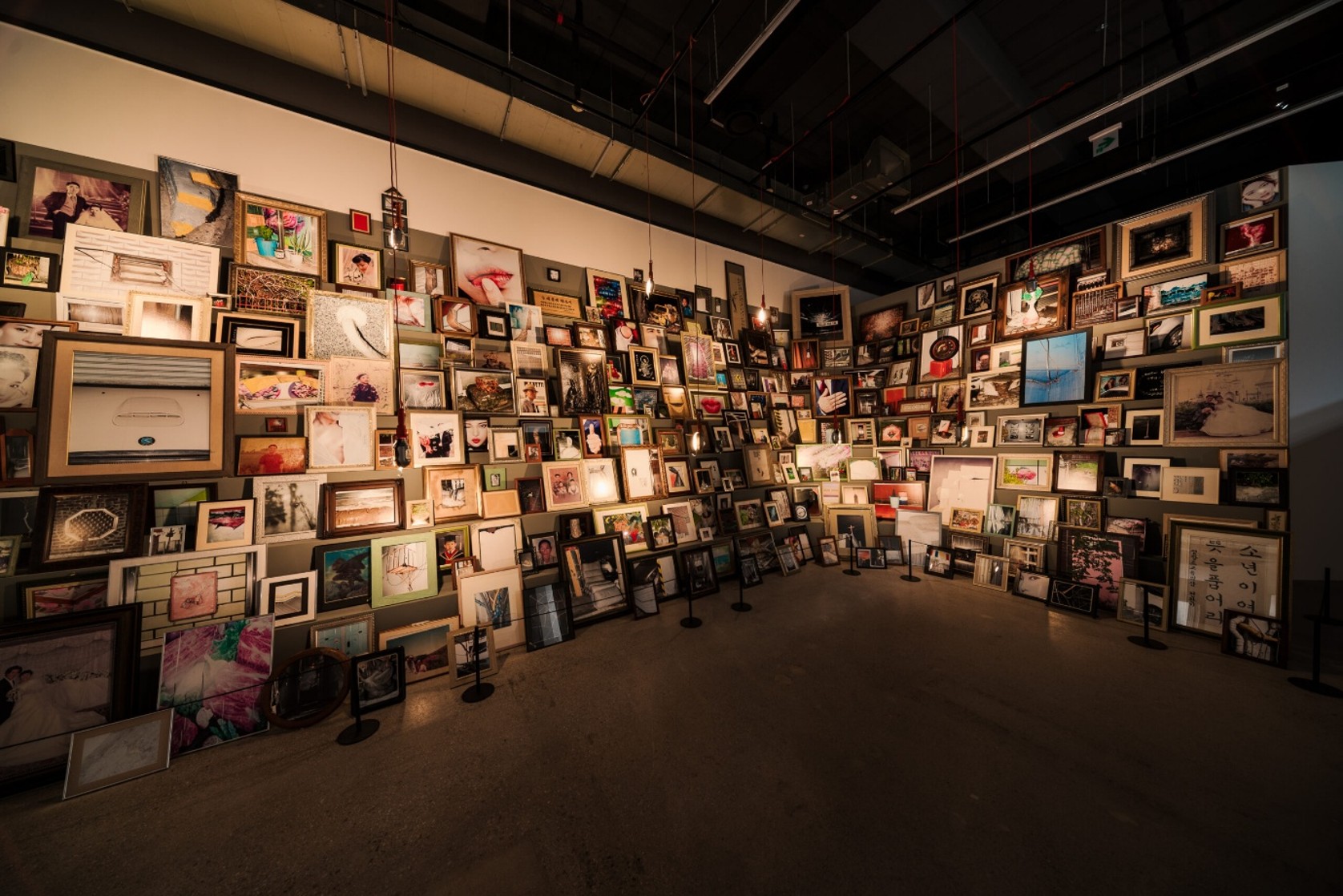
Ki's attention subsequently shifted from what we see through photography to what photography reveals and conceals. In 《Private Life》, she examined how images are stored and consumed as data in digital environments. In 《Portrait, Still Life, Landscape》(Ilwoo Space, 2023), she reconsidered the reality of photography by deliberately including elements typically excluded from photographs of paintings, such as frames, shadows, and reflected light.

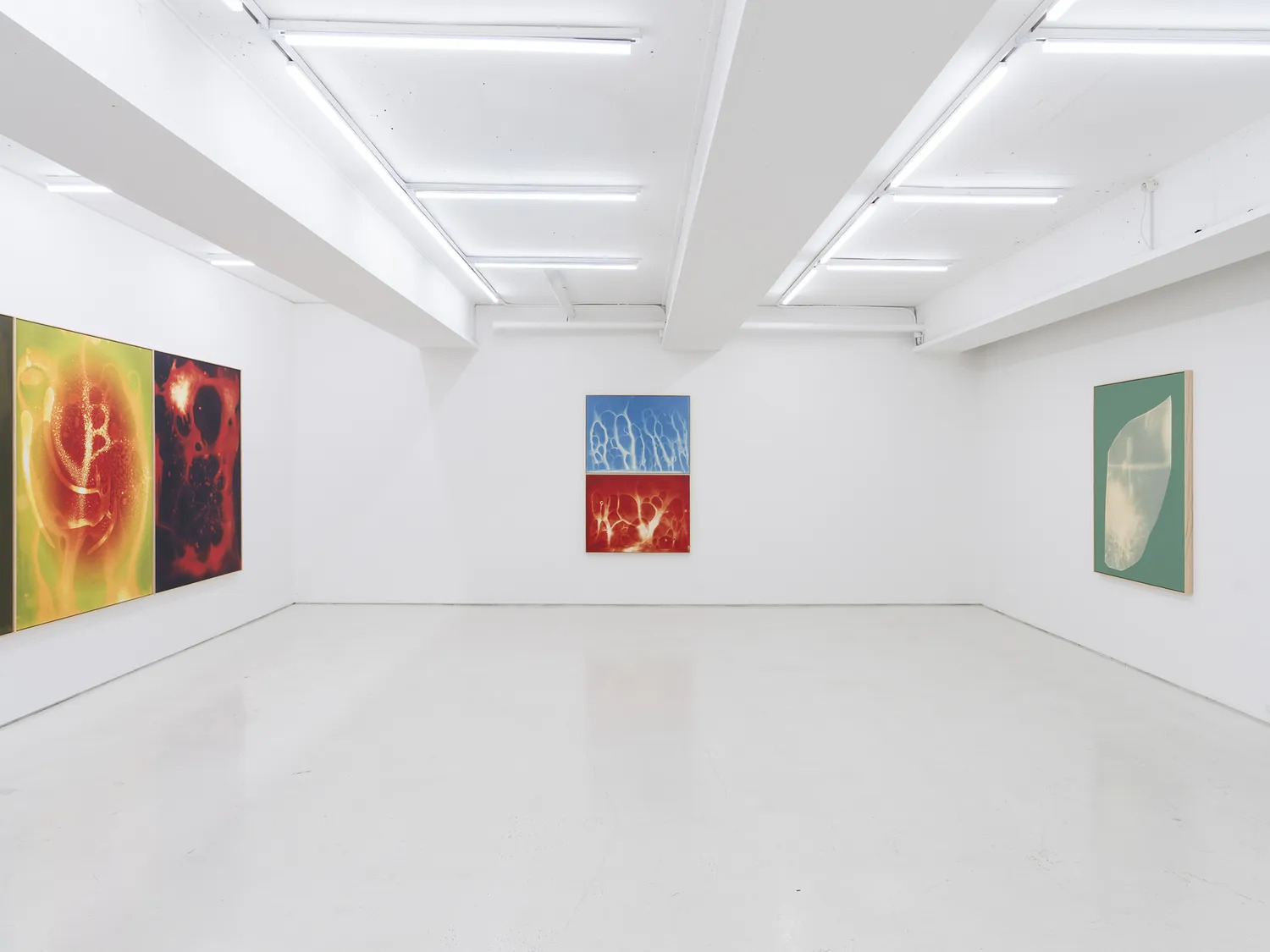
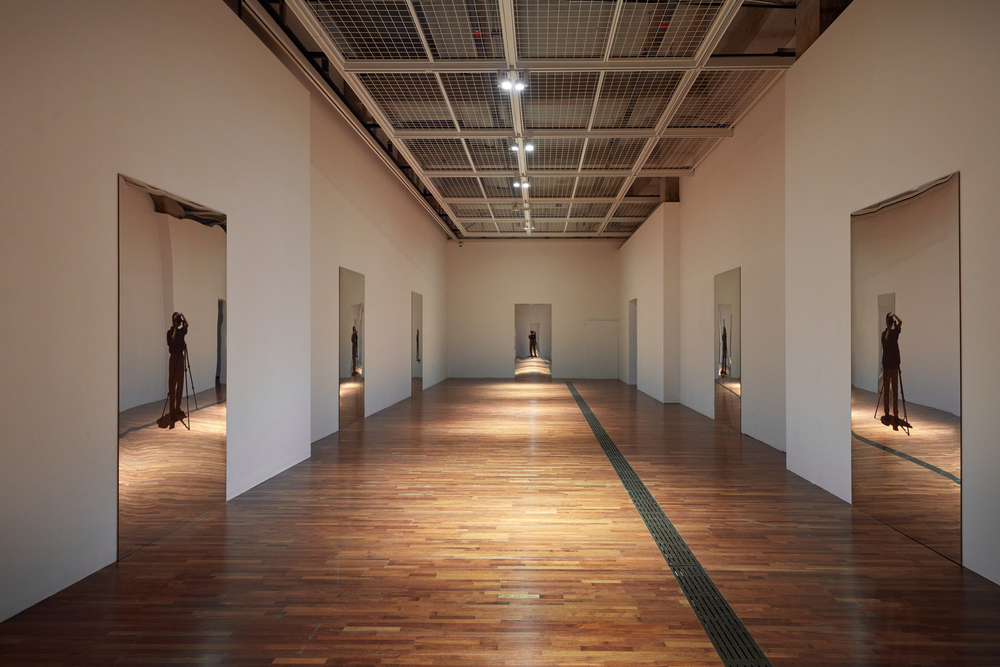
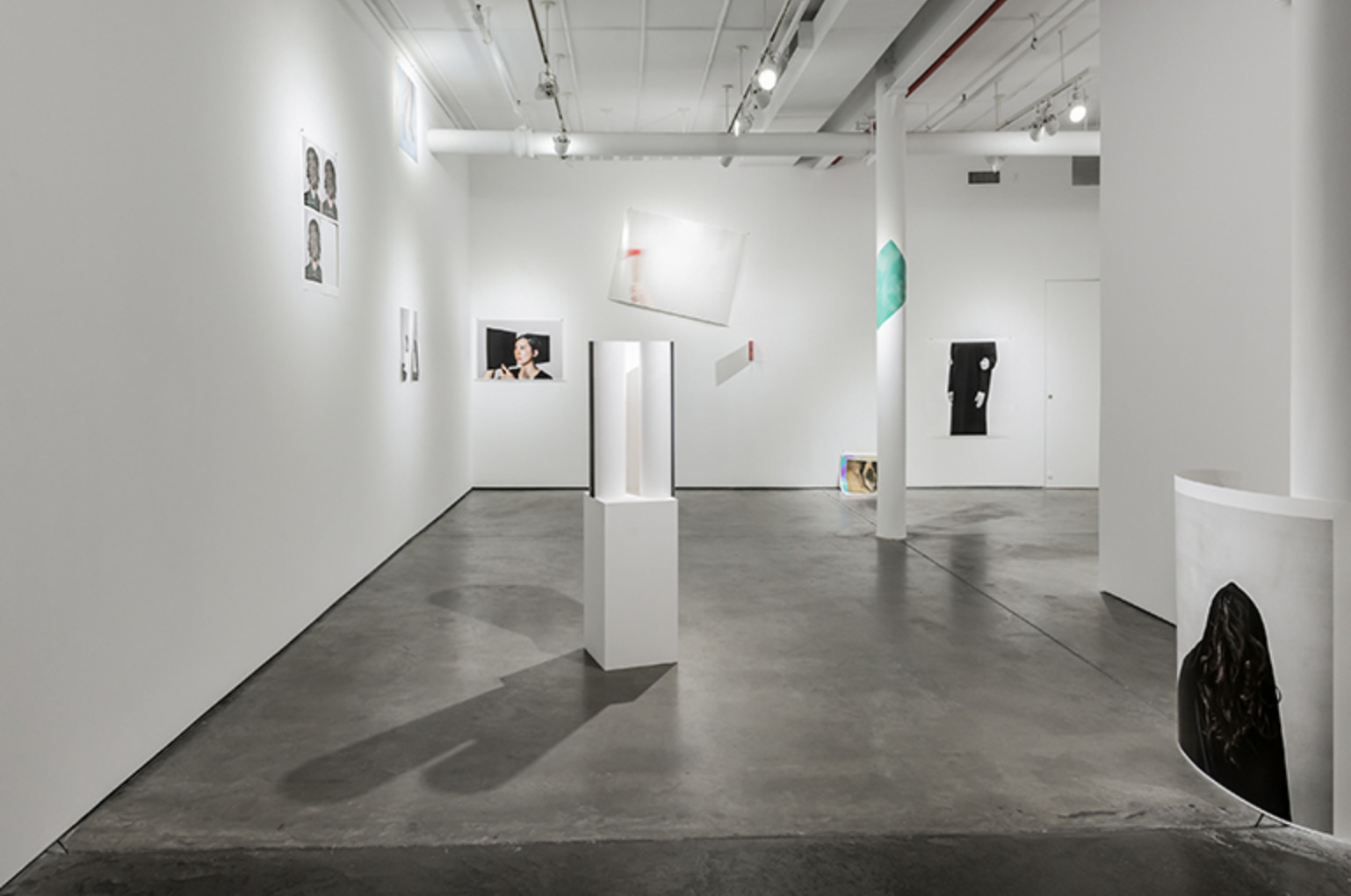
In 《Geist in the Exhibition》(Kimheesoo Art Center, 2024), she further complicated the relationship between the viewer and the viewed subject through the reflections and distortions of mirrors. More recently, 《Liquid Light》(Chapter II, 2026) took the process of image formation itself as its subject rather than photographing external objects.

Ki's practice has thus expanded from investigating the uncertainty of perception to examining the structures of photographic representation and the conditions of image production. At its core lies a persistent questioning of the familiar belief that photography presents objective facts, alongside an effort to uncover the various conditions that remain invisible beneath the surface of images.

Style & Contents

Working primarily with photography, Seulki Ki has combined performance, objects, video, and installation to shape the relationship between spaces inside and outside the photographic frame and the viewer's perception. In her early ‘Unfamiliar Corner’ series, she positioned fragments of her own body at spatial boundaries, connecting visible and invisible areas.

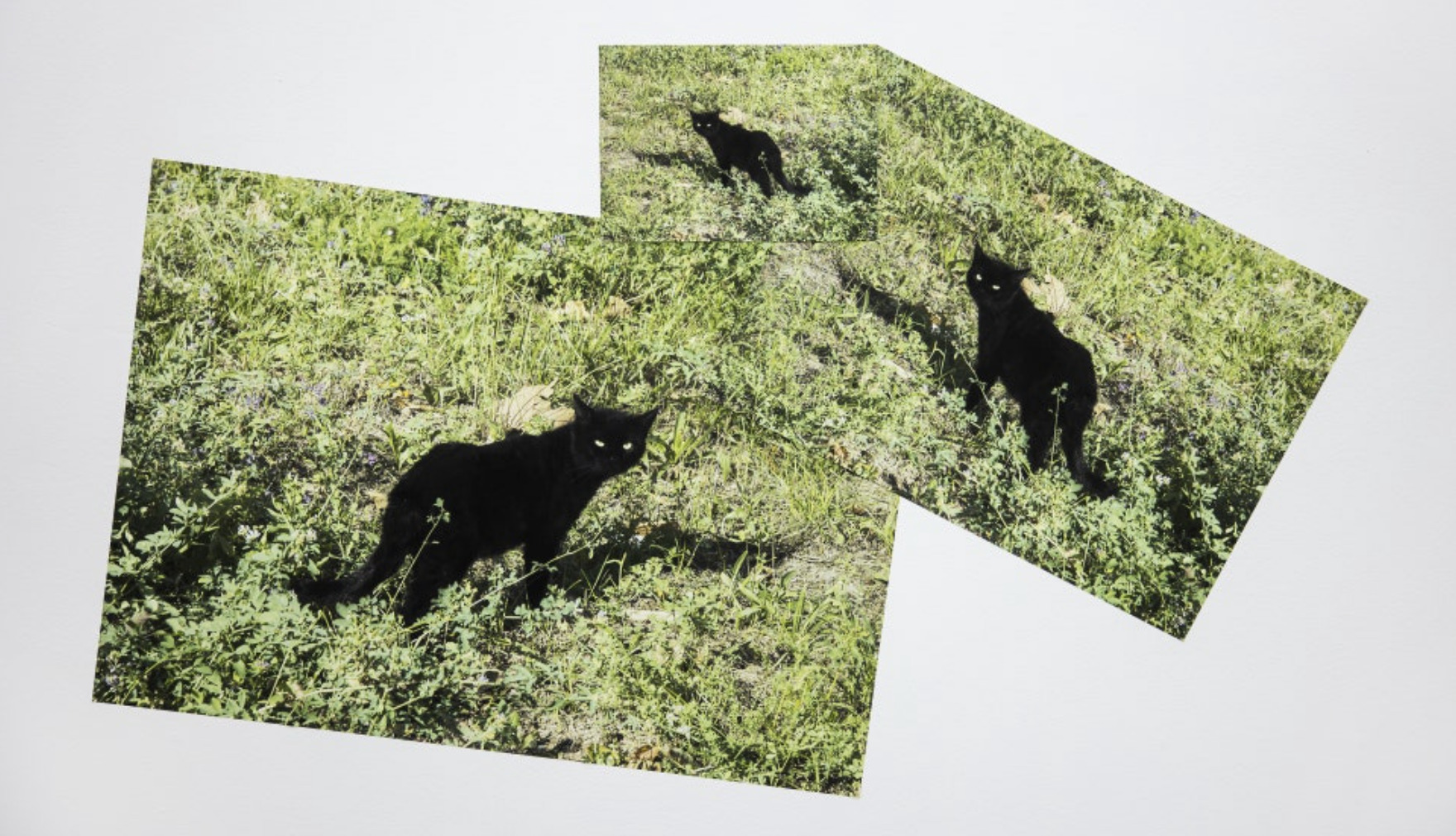
In ‘Crystal Lake’, she combined colored planes and patterns, using light reflection and transparency to create optical illusions in which flat images appear three-dimensional. In the ‘Imputed Scenery’ series, she inserted flat animal silhouettes of her own making into actual landscapes and deliberately blurred the focus, staging scenes in which fictional subjects appear to exist in reality.

Meanwhile, the ‘haze’ series transformed photographs of flowing water into abstract images through interventions in the black-and-white printing process. In ‘Post Tenebras Lux’, she moved fabric suspended from tree branches and recorded its traces through long exposures, producing forms resembling fog or vapor.

In works such as ‘the ongoing moments’ and ‘the Boundary’, she also presented the processes through which images were completed in the form of slide videos or archival displays, treating not only the photographic results but also their production processes as integral parts of the work.
 
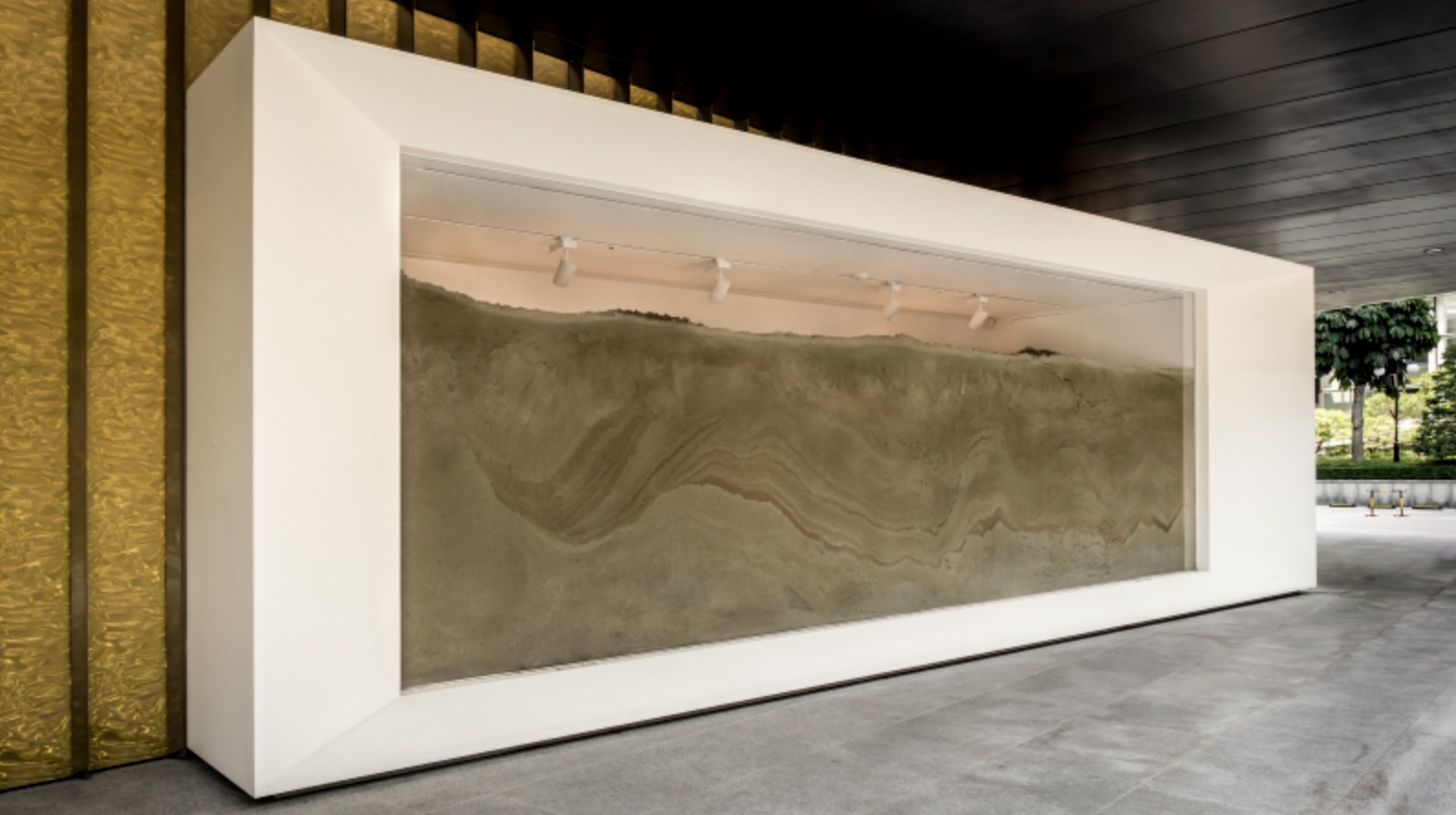
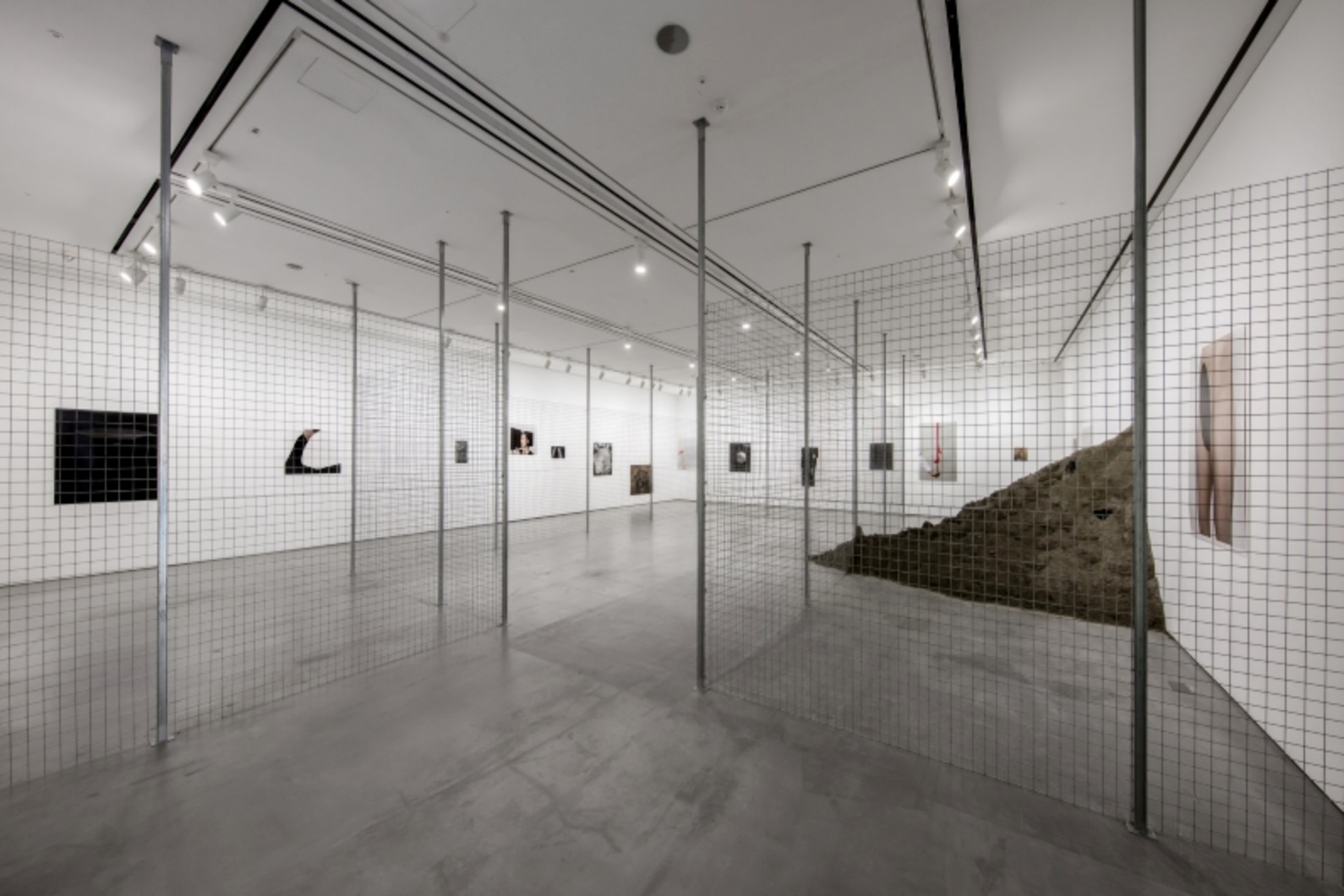
From 2017 onward, the exhibition space itself became an increasingly important means of expression alongside her methods of photographic staging. In 《Sub/Ob-Ject》, Ki installed wire fencing at a distance from the walls, preventing viewers from approaching the photographs closely. In In the Sand(2017), she used sand as an installation material to give physical form to emotions latent in the unconscious.

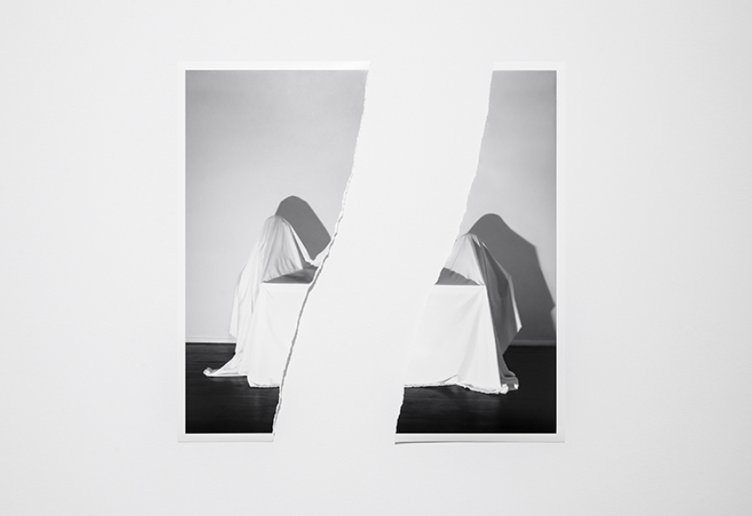
By imposing physical restrictions on the act of viewing photographs, these arrangements allowed audiences to directly experience the psychological distance and discomfort central to the works. In 《Theater Near Me》, Ki borrowed the theatrical technique of tableau vivant, arranging the gestures of models into frozen scenes.

The photographic frame became a stage, the models functioned as actors, and viewers were invited to imagine narratives beyond the frame through fragmentary scenes. In this way, she expanded the process through which images acquire meaning into the entire exhibition space by incorporating the viewer's movement, distance, and gaze into photographic production and staging.
 
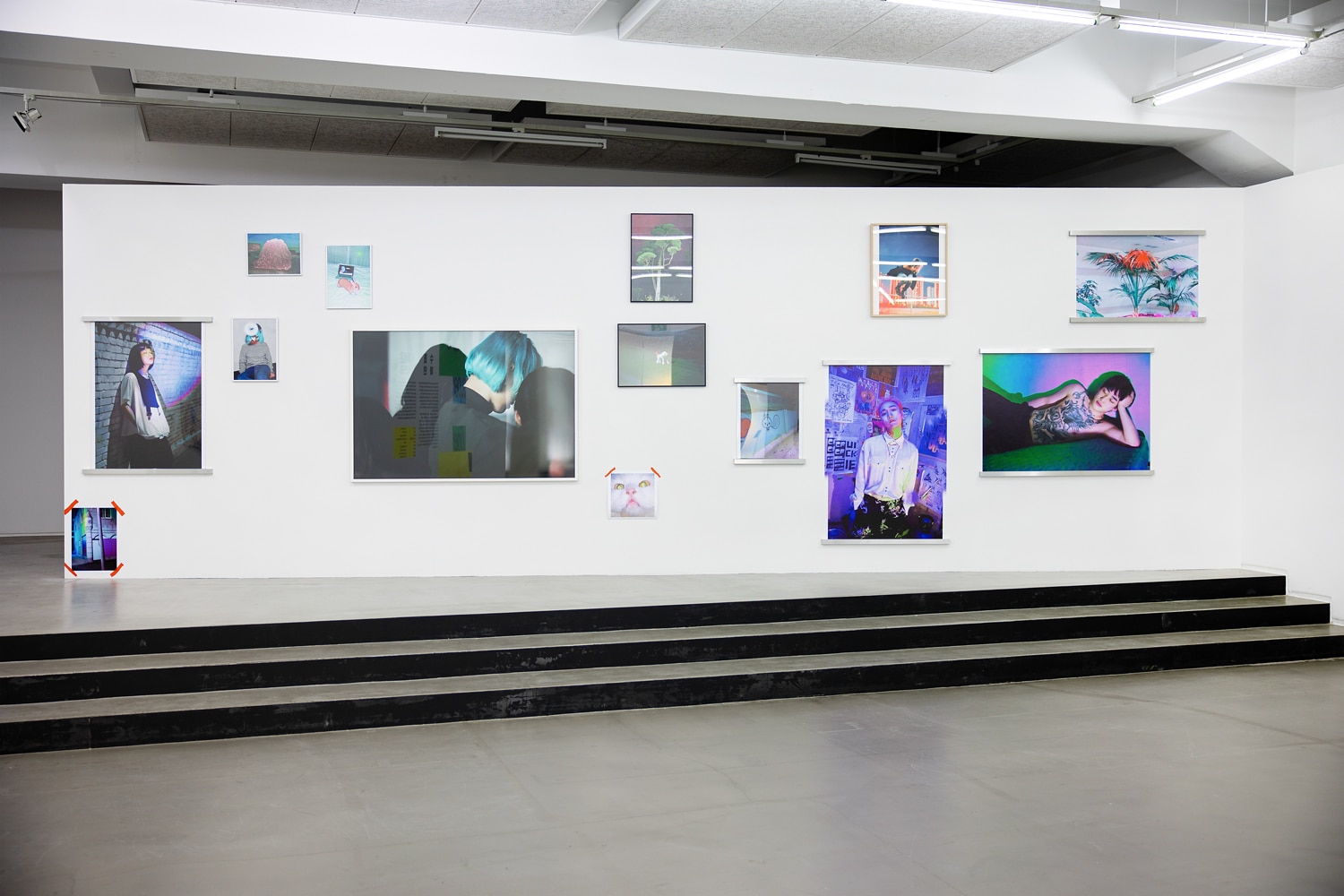
Her experiments with digital images and the materiality of photography became more concrete during the 2020s. In Photos, Library, All Photos, Select Items, Edit, Done(2021), Ki selected and rearranged photographs stored chronologically on her mobile phone to create a collage, which she then translated into a spatial installation drawing on the characteristics of disposable printed materials such as advertising leaflets and posters.

Photographs such as Untitled(2023) and Untitled (Detail)(2023), presented in 《Portrait, Still Life, Landscape》, took modern Korean figurative paintings as their subjects while incorporating not only the paintings themselves but also their surrounding frames, lighting, shadows, reflected figures, and exhibition spaces into a single image.

Through this approach, she created an effect in which different layers of reality overlap within a flat photograph. In 《Geist in the Exhibition》, she combined photography and mirrors to superimpose photographed images onto spaces reflected in real time, allowing the works to be experienced differently depending on the viewer's position and movement.

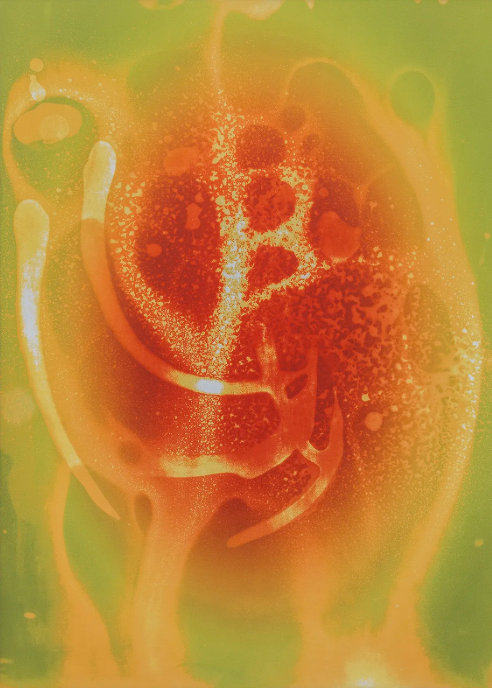
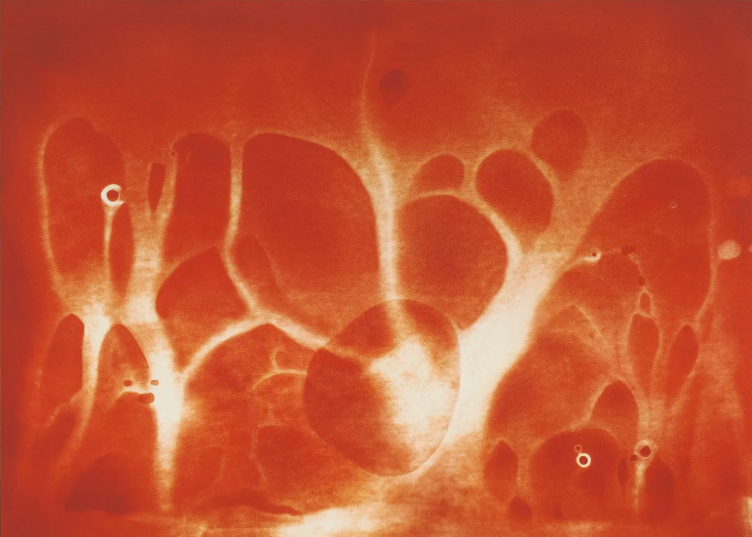
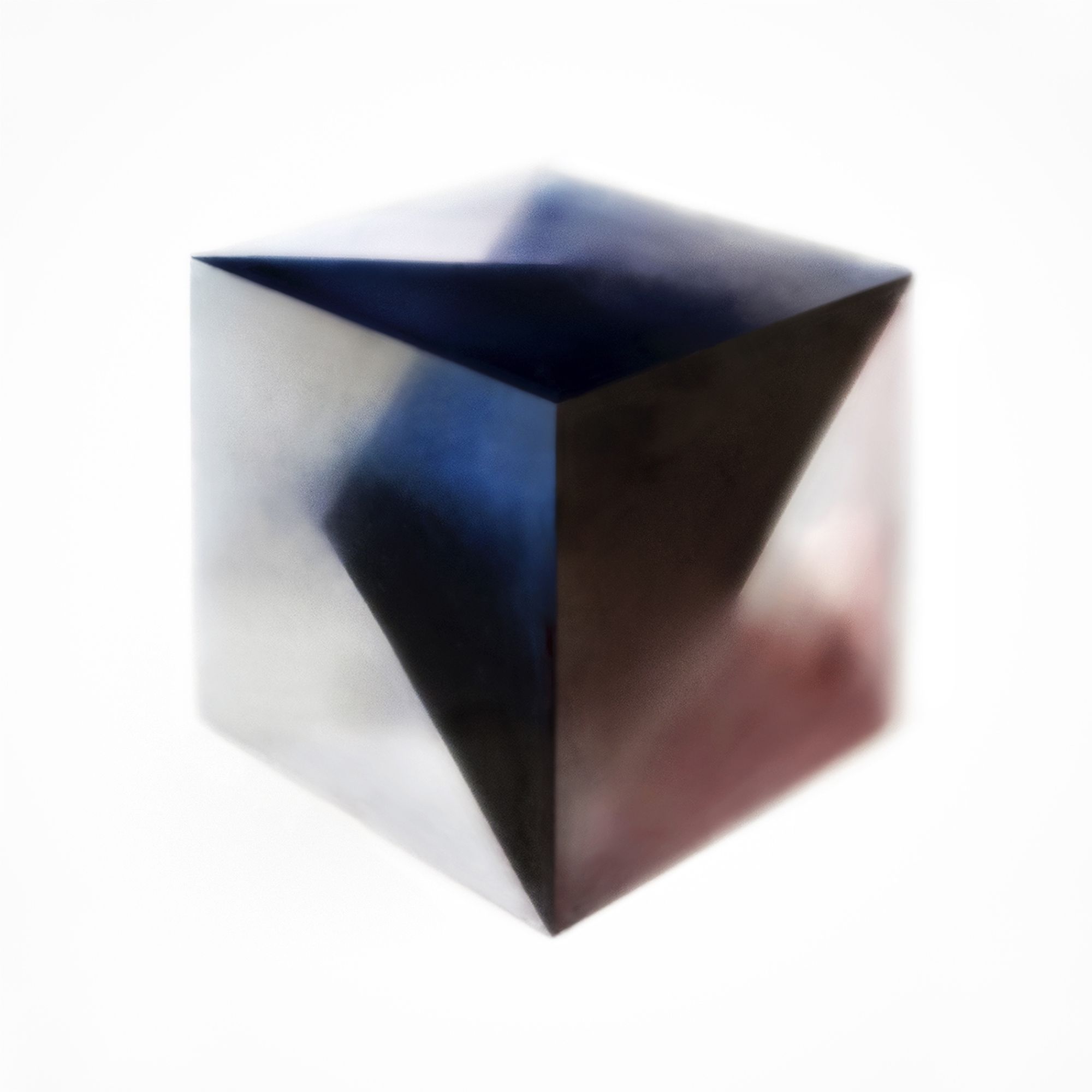
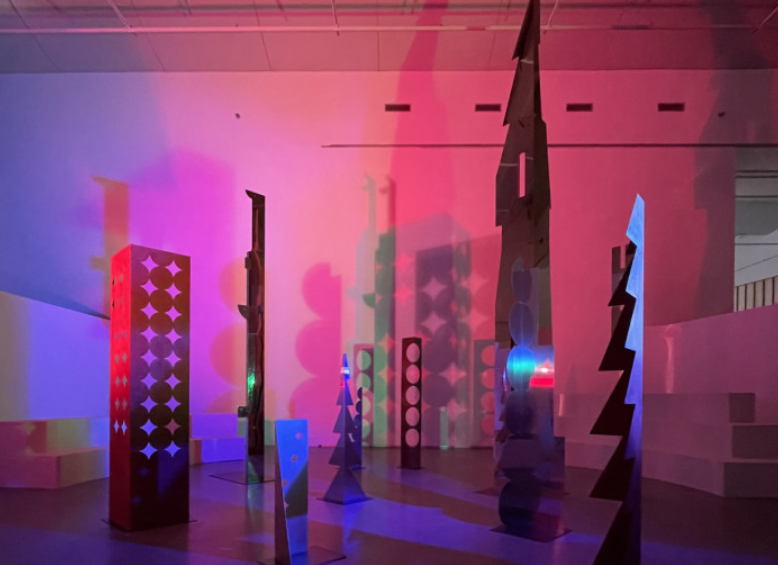
Her recent ‘Liquid Light’ (2026) series marks another shift through the production of photographic images without a camera. Works such as Liquid Light E.2(2026) are created by printing color charts onto photographic paper and then controlling the concentration and reactions of bleach and ink-removing agents to generate forms. The traces left as chemicals flow across the surface and remove colors become the content of the image, transforming photography from a record of external subjects into a process that reveals material reactions and the artist's intervention.

Topography & Continuity

Seulki Ki approaches photography through the conditions under which images are produced and perceived. From the beginning of her practice, she has been interested not only in how photographic subjects are presented but also in how viewers receive and interpret them. Compositions that render familiar spaces unfamiliar, staged scenes that combine reality and fiction, long exposures that capture bodily movement, and viewing environments that integrate photography and installation have all served to reveal the gap between sensation and perception.

Rather than prioritizing technical perfection in photography, Ki has actively incorporated elements generally regarded as errors or unnecessary information. Blurred focus, incomplete forms, unintended reflections, structures that restrict access, and surfaces altered by chemical reactions become essential conditions for generating new images in her work. Her approach to the medium demonstrates a clear continuity in the way she employs photography's representational capacity while simultaneously questioning the mechanisms that make such representation possible.
 
Her practice also displays distinctive characteristics within broader efforts to expand the boundaries between photography and other media. Among artistic approaches that extend photography into sculpture and installation, Ki stands out for carefully constructing the very situations in which viewers encounter photographs, rather than simply altering the physical form of images.

In 《Enfolded Order》(Space K Seoul, 2015), she examined ways of perceiving space through diverse photographic series, video, and archival presentations. In 《Sub/Ob-Ject》 and 《Theater Near Me》, she incorporated psychological distance and theatrical temporality into exhibition arrangements.

She subsequently participated in group exhibitions including 《Super-fine》(Ilmin Museum of Art, 2021), 《New Moon》(Gyeonggi Museum of Modern Art, 2022), and 《spam and scam》(Gallery SP, 2025), continuing to investigate the circulation of digital images, the materiality of photography, visual errors, and questions of perception within the changing landscape of contemporary photography.

In her more recent works, from 《Geist in the Exhibition》 to 《Liquid Light》, the scope of her experimentation has broadened toward making the artist's own intervention visible through reflection, distortion, and the processes of image formation and disappearance.
 
From staged photography to spatial installations, the reconstruction of digital images, and recent experiments with camera-less photography, Ki's practice has evolved through the discovery of new questions within the photographic medium. As the production and consumption of images continue to change rapidly, her sustained attention to the material conditions of photography and human perception suggests further possibilities for expanding her practice across diverse media and exhibition environments.

Works of Art

On How Photographic Images Function Today

Articles

Exhibitions

Activities