Way in/out - K-ARTIST

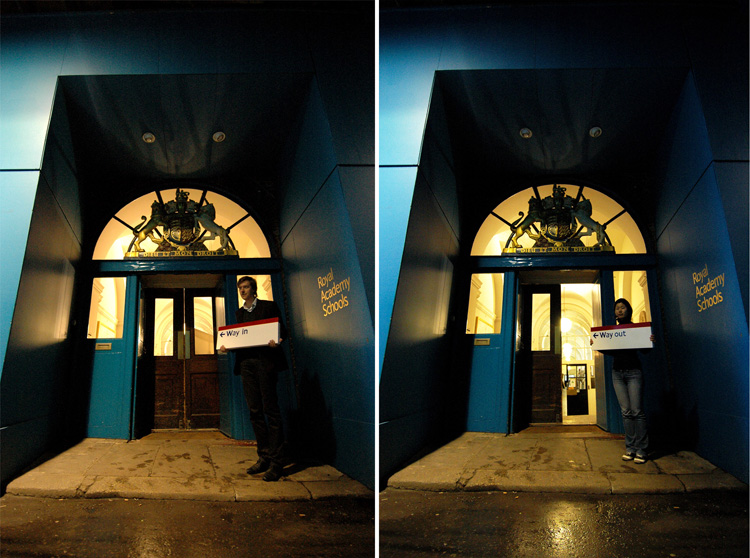
Way in/out

2009
Backlit print on light box
84 x 118.8 cm
About The Work

Jaeyeon Chung is interested in how individuals form and acquire their memories, historical perceptions, aesthetic sensibilities, and identities through their lives within social groups and communities, including the family, society, and nation. She also seeks to view the world from a perspective that transcends national and regional boundaries.

In particular, Chung explores the relationship between the individual and the collective through the lens of place, focusing on the ruptures that emerge between socially established orders and individual experiences. For the artist, place is not a fixed physical space but a domain in which history, institutions, power, and memory overlap, continually transforming its meaning.

This exploration of place leads Chung to question how individual tastes and identities are shaped within the framework of social values. In this process, memory emerges not as a record that preserves the past as it was, but as something continually reconstructed through acts of forgetting, selection, and interpretation.

Furthermore, Chung reveals how narratives accepted as historical facts can also be shaped by particular purposes and perspectives, reconsidering how collective memory is formed and transmitted. Rather than simply accepting socially established standards, she brings to light the contradictions and uncertainties inherent within them, seeking new ways of understanding the relationship between the individual and the world.

Solo Exhibitions (Brief)

Jaeyeon Chung has held solo exhibitions at Gallery the C (2024), Cheongju Art Studio (2022), and SeMA Storage (2019), among others.

Group Exhibitions (Brief)

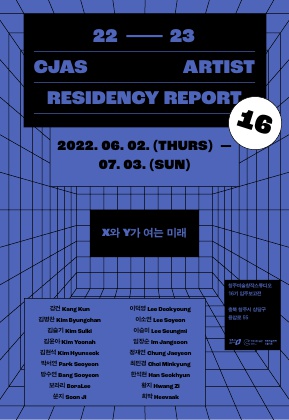
Jaeyeon Chung has participated in group exhibitions at the Florence Trust (2011, 2012), Seoul National University Museum of Art (2015, 2018), SeMA Nanji Residency (2018), Alternative Space LOOP (2019), Kuandu Museum of Fine Arts (2020), Boan1942 (2022), and Cheongju Art Studio (2023), among others.

Residencies (Selected)

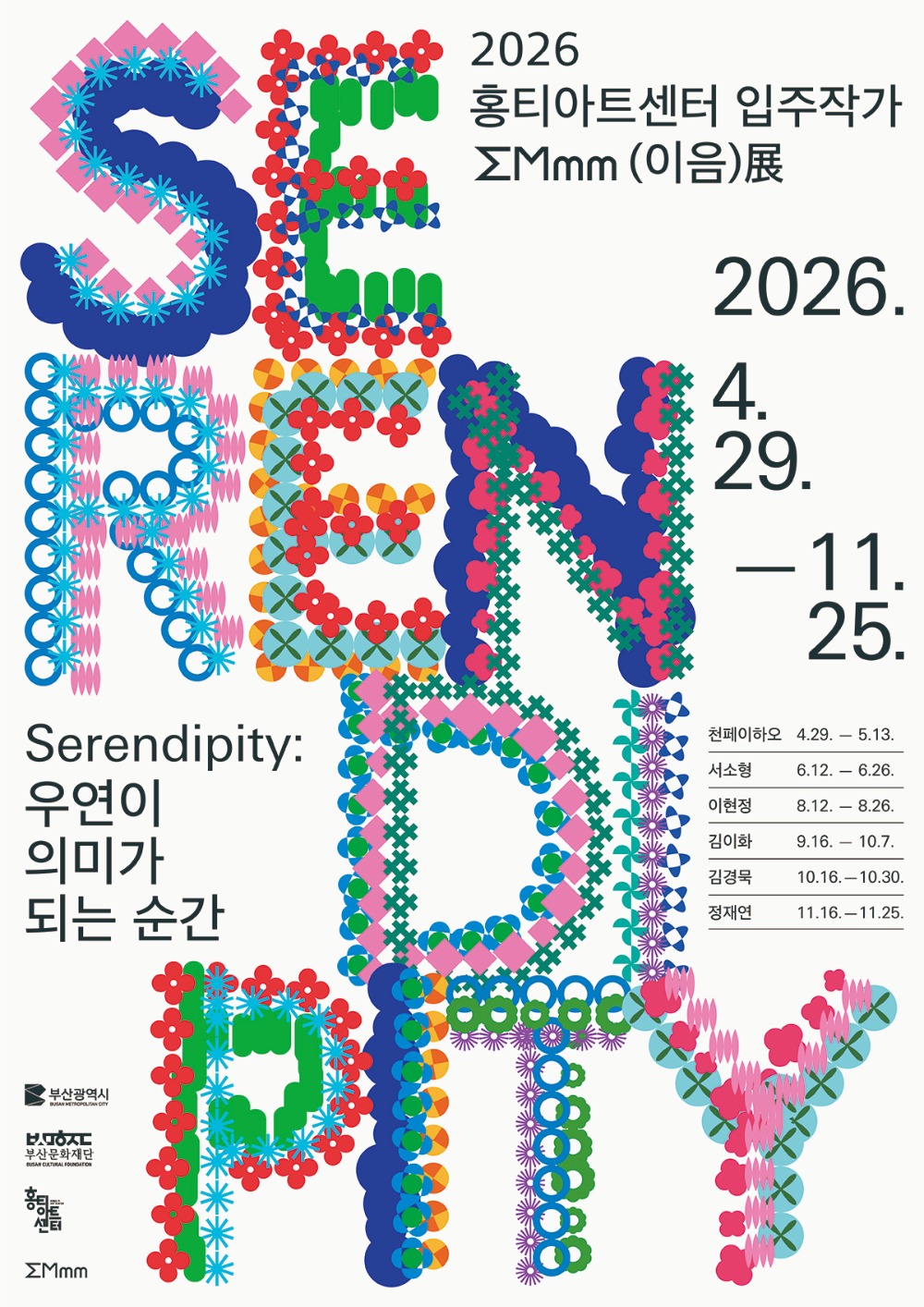
Jaeyeon Chung has participated in residency programs at Hongti Art Center (2026), Cheongju Art Studio (2022), Tokyo Arts and Space (2019), SeMA Nanji Residency (2018), ZK/U – Center for Art and Urbanistics (2015), Artist Residency TEMI (2014), and the Florence Trust (2011–2012), among others.

Collections (Selected)

Works by Jaeyeon Chung are held in private collections in Seoul and London.

Works of Art

Ruptures Between Social Order and Individual Experience

Originality & Identity

Jaeyeon Chung explores the relationship between individuals and collectives through the medium of place, focusing on the tensions that emerge between socially established orders and personal experience. For Chung, a place is not a fixed physical space but a shifting field of meaning shaped by overlapping histories, institutions, power structures, and memories.

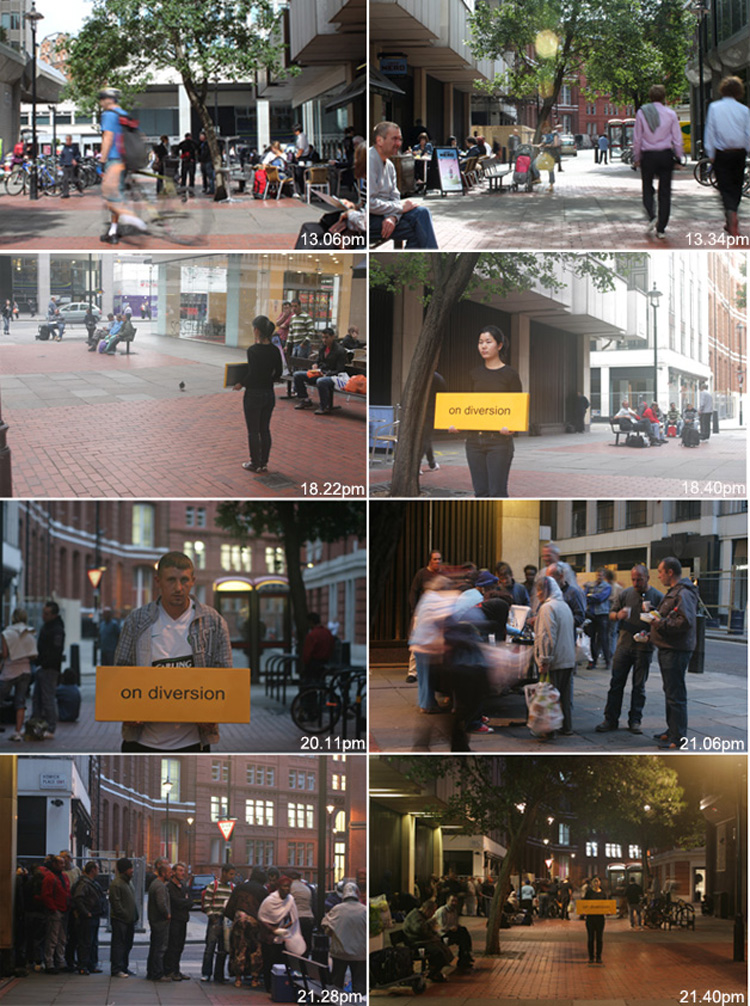
Her early works questioned who holds the authority to determine how public spaces are used, owned, and accessed through individual interventions in shared environments. Works such as Howick Place (2010), Opening Project (2013), and Dialogue (2014) reveal how the same place can be experienced differently depending on an individual's social position and circumstances, prompting a reconsideration of the boundaries between the public and private realms.

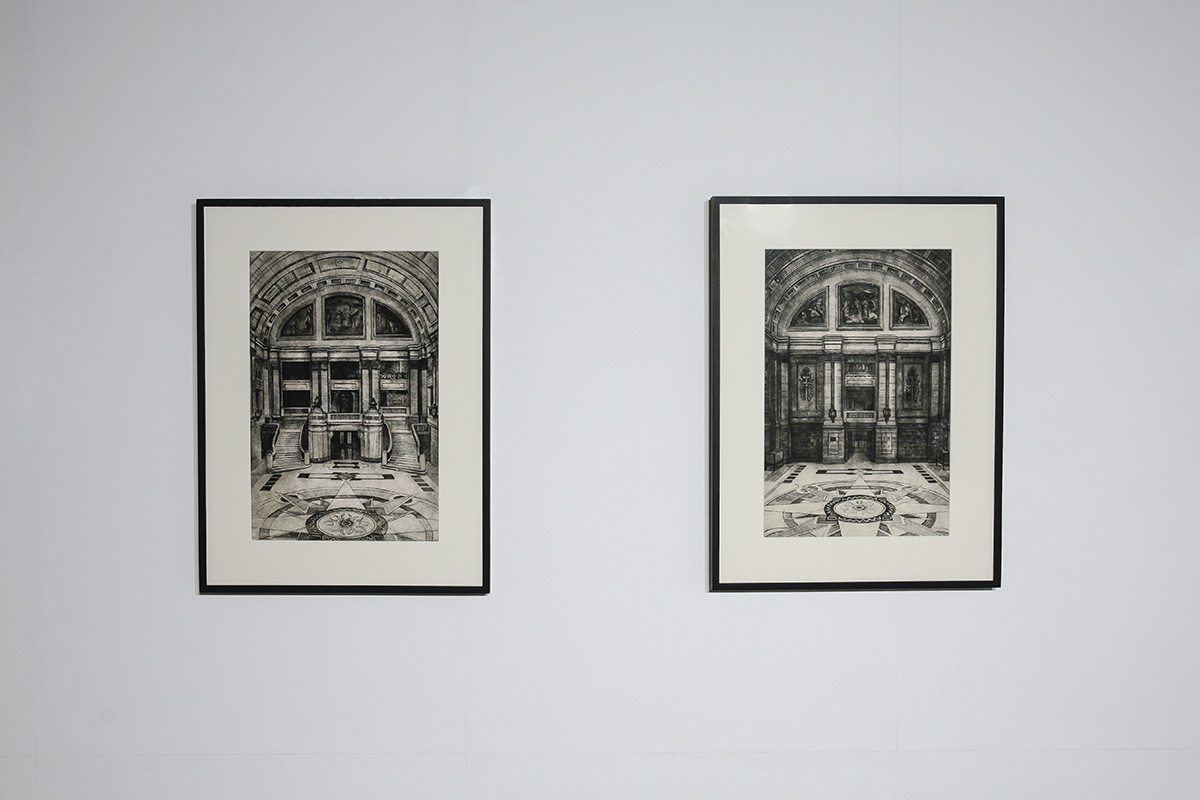
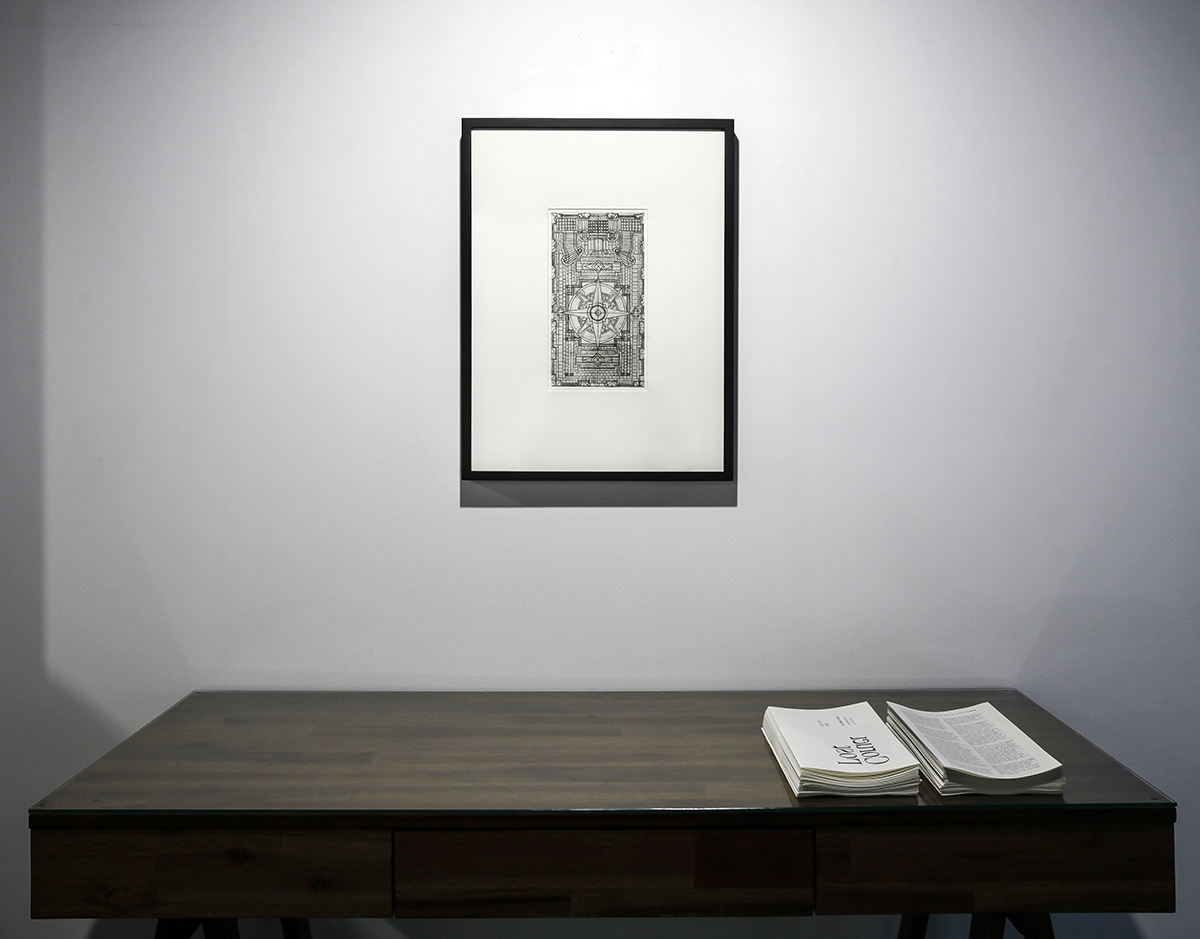
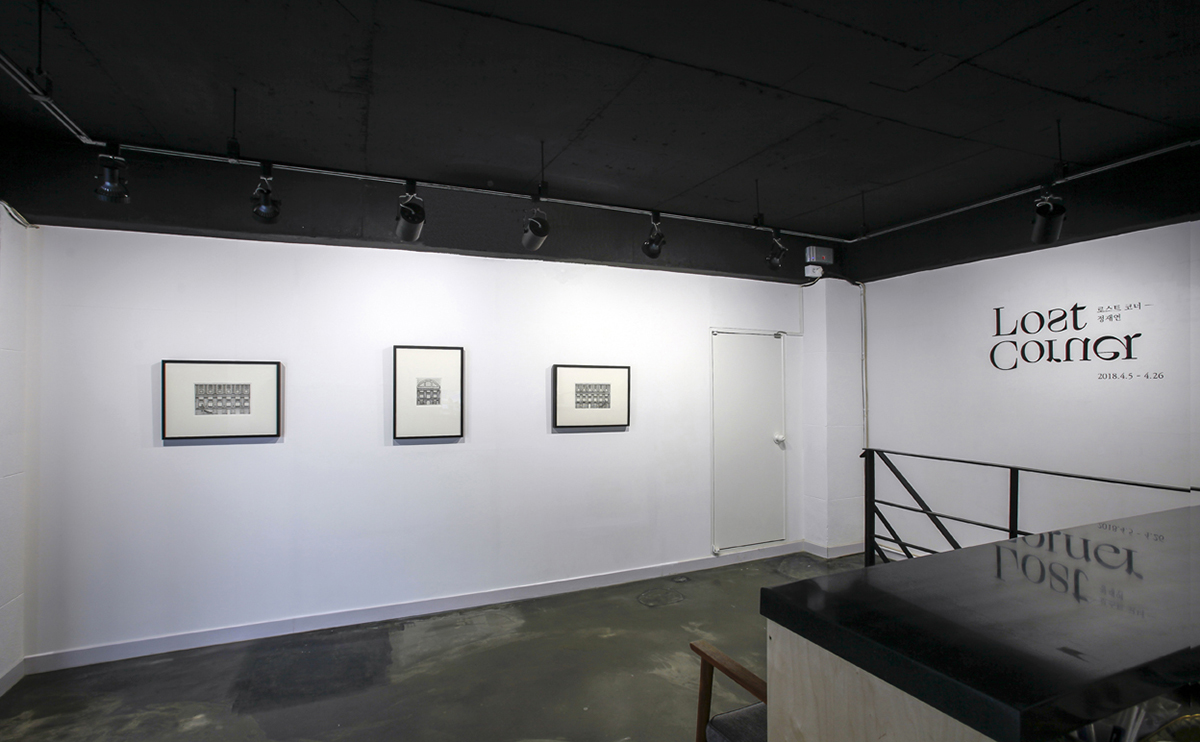
Around 2016, Chung's interests expanded from interventions in physical spaces to questions of memory and historical narratives embedded within places. This shift is reflected in Retrace (2017) and her solo exhibitions 《Lost Corner》 (2018) and 《Lost Corner_Memory Archive》 (2019). Drawing on her childhood memories, Chung revisits the former Government-General of Korea building, which was subsequently used as the National Museum of Korea before its demolition.

Her childhood fascination with the architectural beauty of a building officially associated with Japanese colonial rule conflicts with the dominant historical understanding of the site, raising questions about how personal taste and identity are shaped by social values. In this process, memory emerges not as a faithful preservation of the past but as something continuously reconstructed through forgetting, selection, and interpretation.

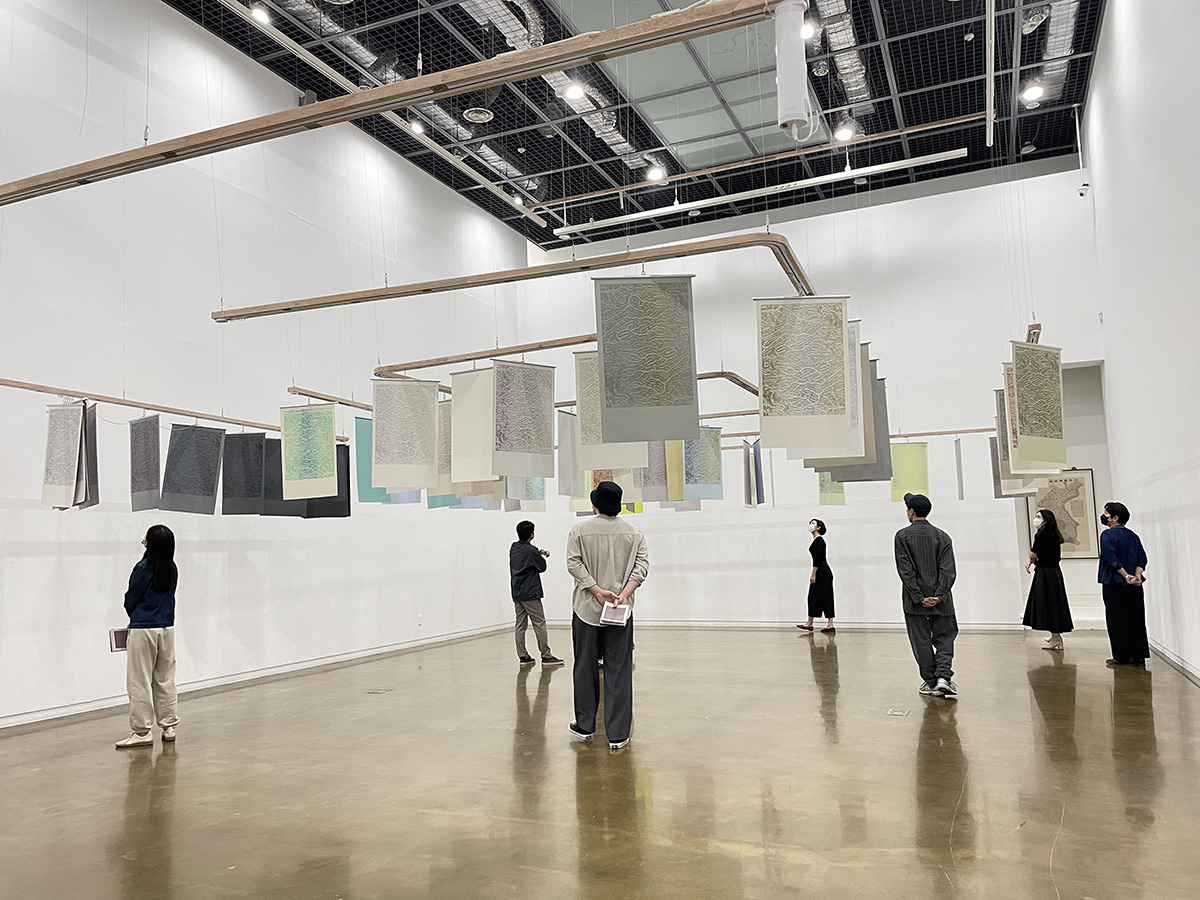
These concerns have developed into an investigation of the systems through which historical facts are constructed and transmitted. K-93 (2022) examines how the myth surrounding Kim Jeong-ho, the cartographer who created the Daedongyeojido map, has been reproduced and assigned different political and cultural meanings across historical periods.

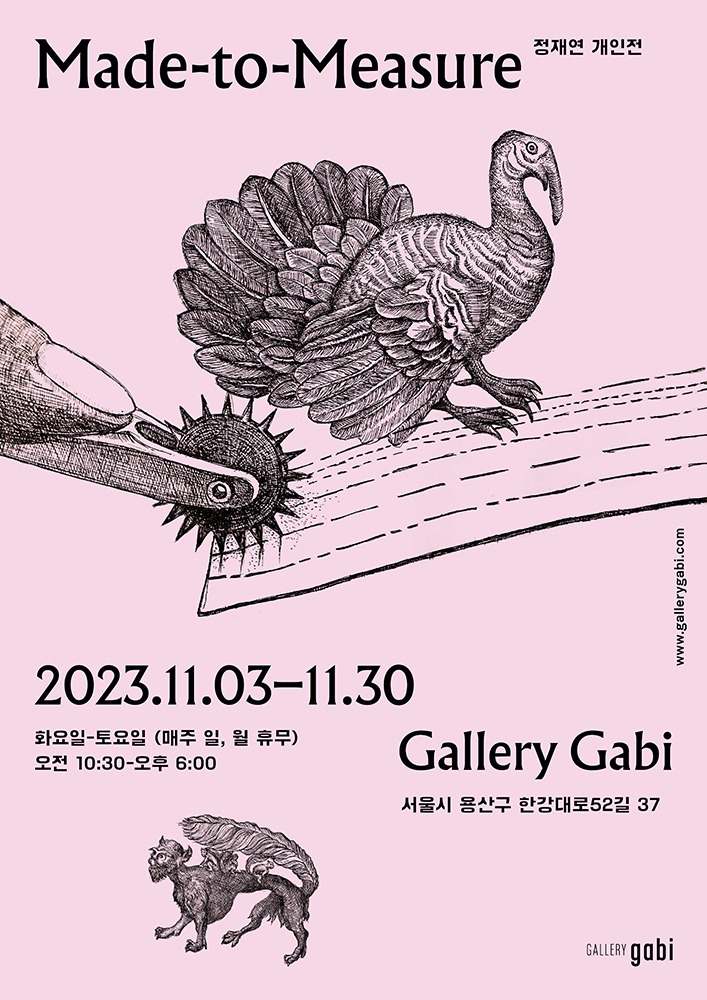
By revealing how narratives accepted as historical facts may be shaped by particular intentions and perspectives, Chung reconsiders the formation and transmission of collective memory. In her solo exhibition 《Made-to-Measure》 (2023), she extends these questions to the concepts of maps and boundaries.

Recognizing that maps, often regarded as objective representations of the world, are themselves shaped by the perspectives of their makers and the conditions of their time, Chung examines the limitations of standards that define nations and regions while seeking to redefine her own cultural identity within these frameworks.

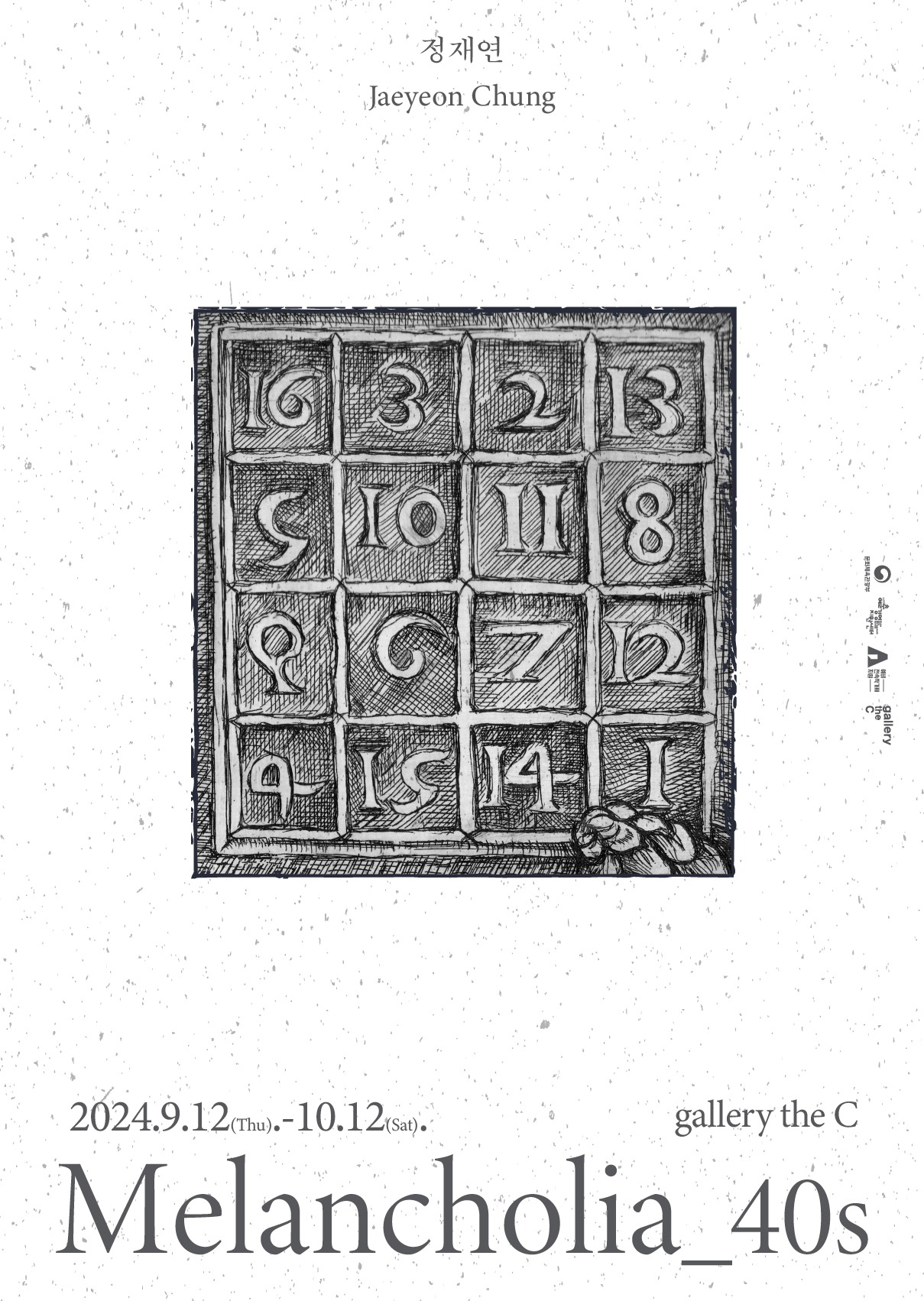
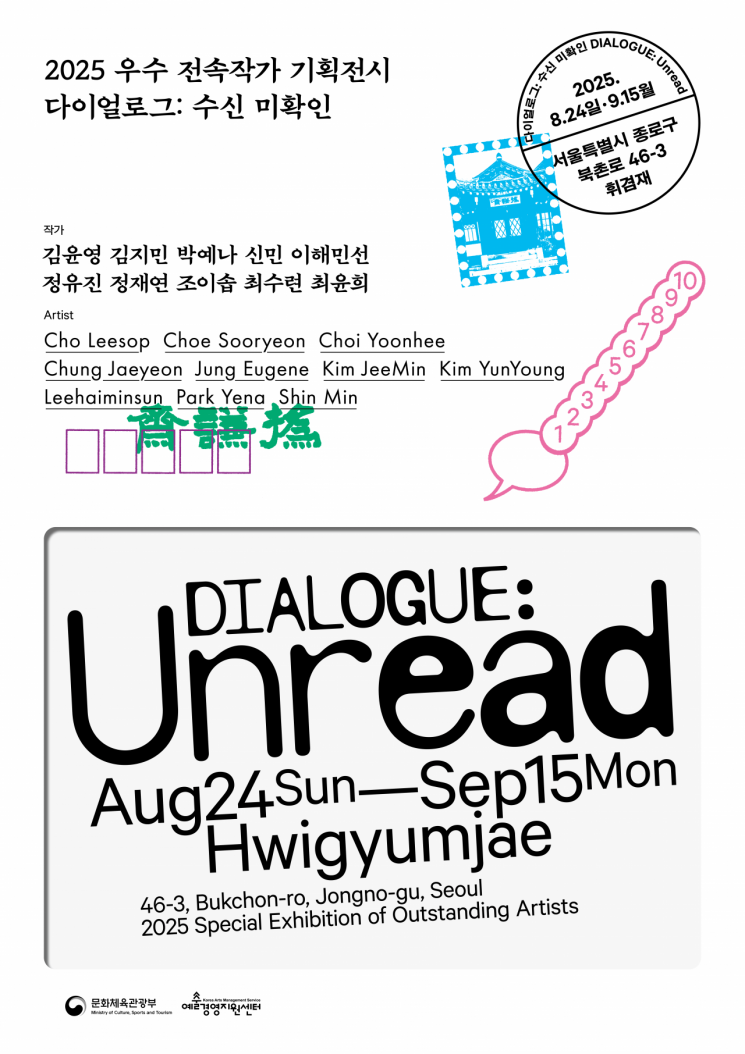
More recently, Chung's inquiries into society and history have turned toward her own existence as an artist and the conditions of artistic creation in a changing world. In 《Melancholia_40s》 (2024), she draws on Albrecht Dürer's Melencolia I (1514) to explore the anxiety and sense of crisis experienced by artists amid rapid technological advancement.

Beyond a fear of technological change, the exhibition raises questions about whether the knowledge, aesthetic sensibilities, and creative approaches cultivated over time can remain relevant in new circumstances. Chung's practice thus unfolds as a process of inquiry that begins with personal experience, moves through the structures of place, history, and community, and ultimately returns to the self.

Rather than accepting socially established standards as given, she exposes their contradictions and uncertainties, seeking new possibilities for understanding the relationship between individuals and the world.

Style & Contents

Jaeyeon Chung does not confine herself to a particular medium or visual language, instead exploring forms appropriate to the subjects and situations she encounters. Her early works primarily involved introducing everyday objects or actions into public spaces to create subtle shifts within familiar environments.

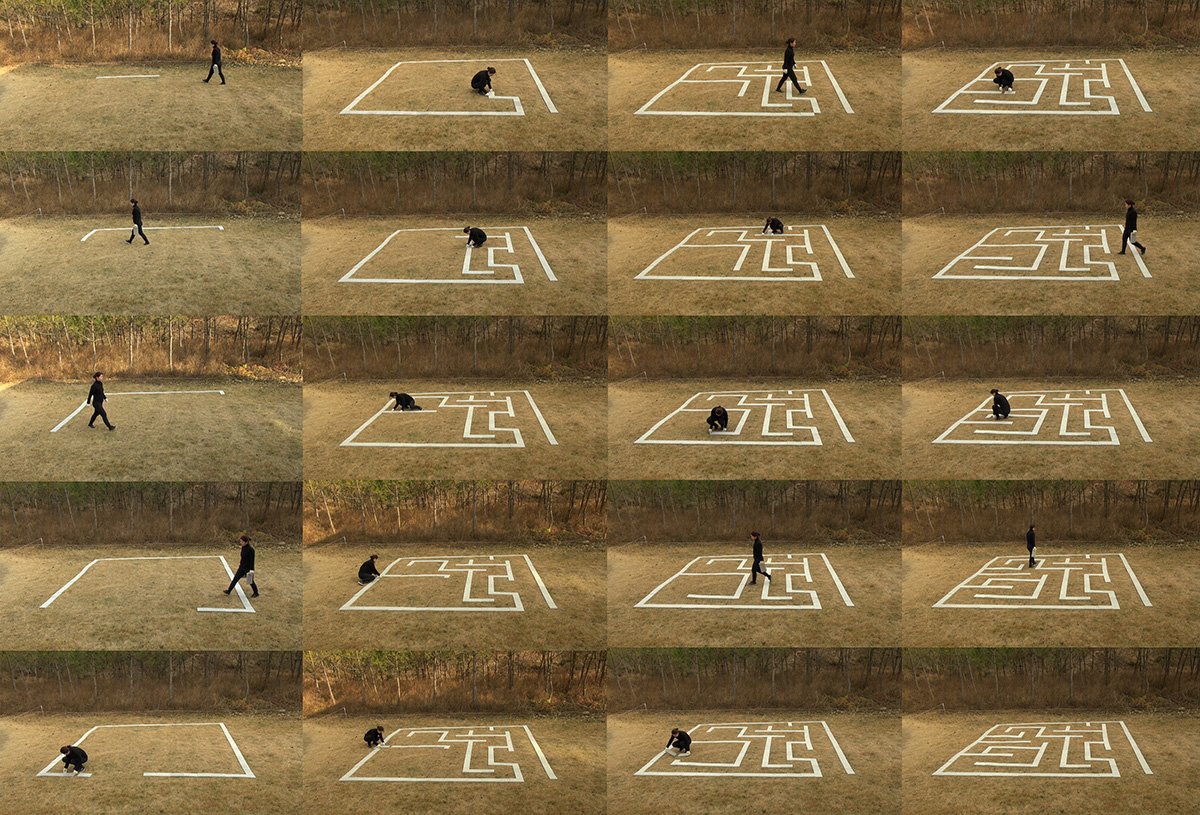
In Howick Place (2010), she performed the simple act of standing in a London street holding a traffic sign, revealing how perceptions of the same place change according to the time of day and its users. In Dialogue (2014), she installed a table with adjustable lighting to explore relationships between individuals sharing a space.

Rather than presenting self-contained sculptural objects, Chung constructs situations whose meanings emerge through audience participation and response. Her early practice is characterized by minimal interventions that disrupt established spatial orders and incorporate unexpected reactions into the work itself.

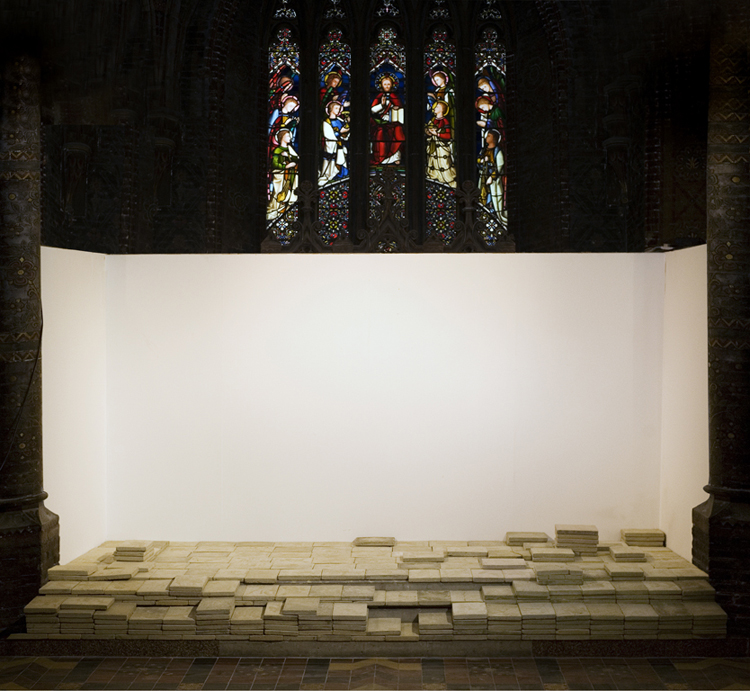
Chung's interventions in space also take shape through repetitive bodily actions and the rearrangement of objects. In 7/24 (2011), she produced and stacked cement blocks daily as a way of adapting to an unfamiliar residency environment. The repetition of this simple labor became both a process of accumulating time and a performative practice through which the individual established a relationship with the surrounding space.

In St. Saviour’s Emergency Private Shelter (2012), she repurposed the same cement blocks to construct an imaginary private shelter, accompanied by a promotional video that reimagined the site's history and function.

In these works, ordinary materials function less through their inherent sculptural qualities than through the meanings they acquire in different spatial and contextual arrangements. By altering the functions of objects or introducing subtle disruptions into existing environments, Chung encourages viewers to reconsider the familiar purposes and structures of a place.

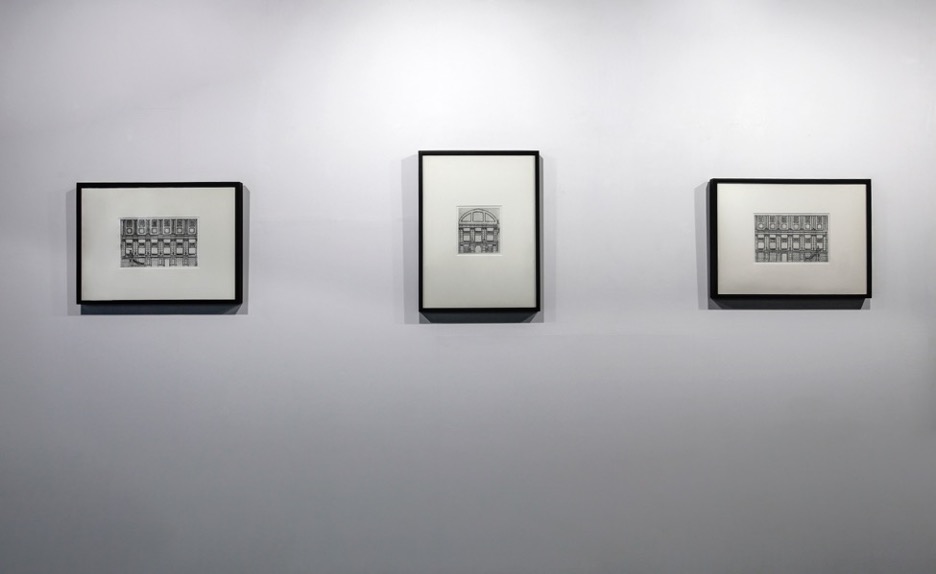
Since 2016, Chung has expanded her approach from temporary interventions in physical spaces toward long-term research-based projects combining printmaking, video, installation, and archival materials. In Retrace (2017), she reconstructed architecture from memory through etching, juxtaposing architectural imagery with records of books she had previously borrowed to trace the formation of her personal aesthetic sensibilities.

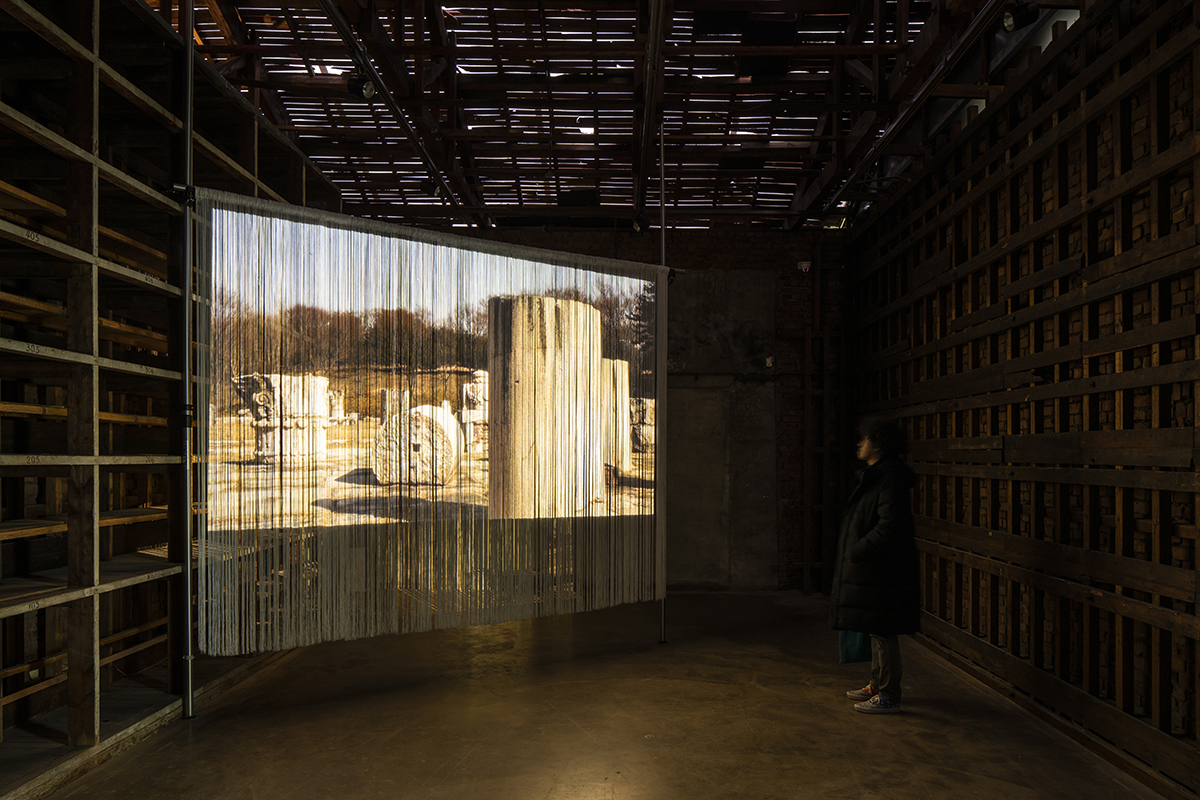
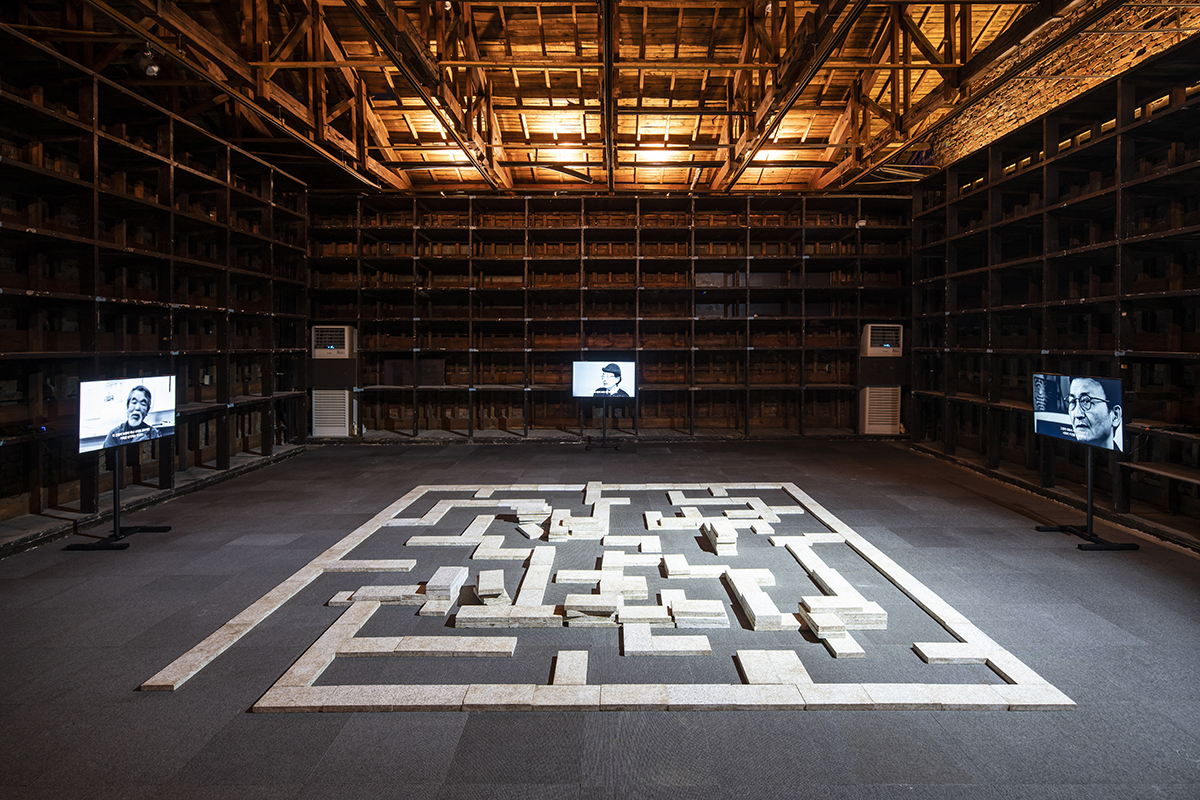
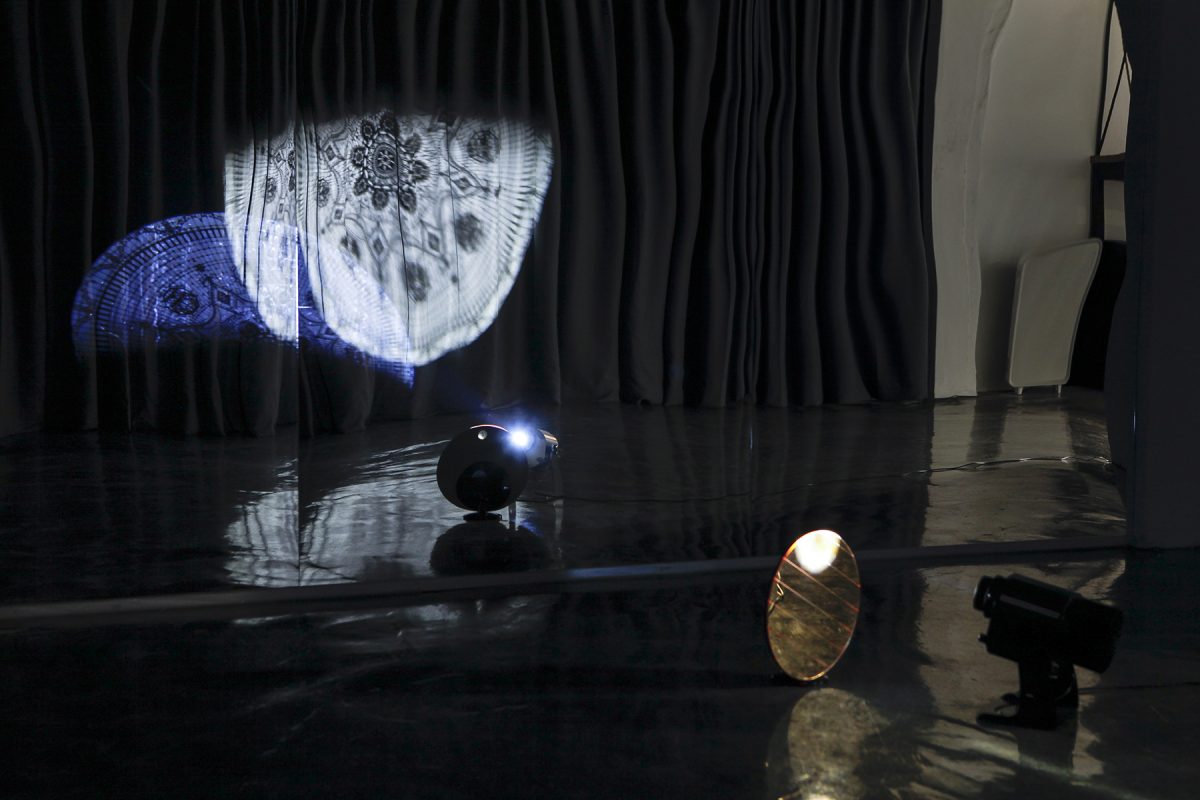
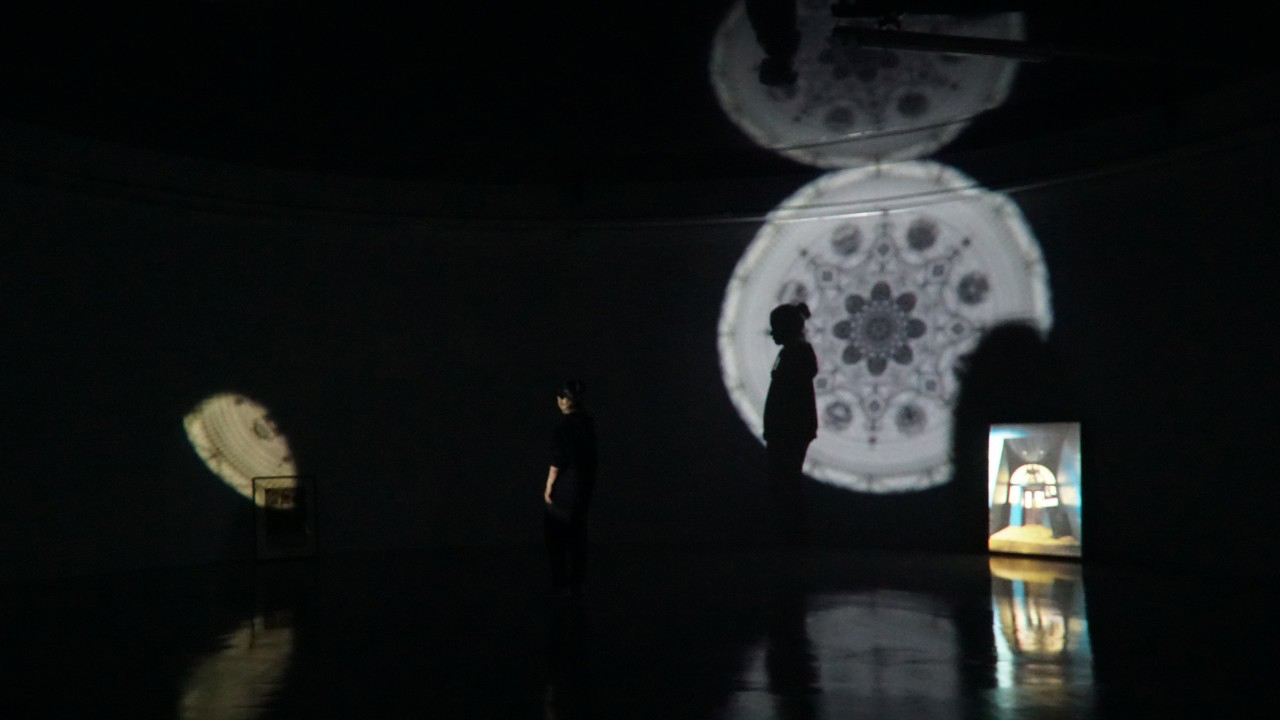
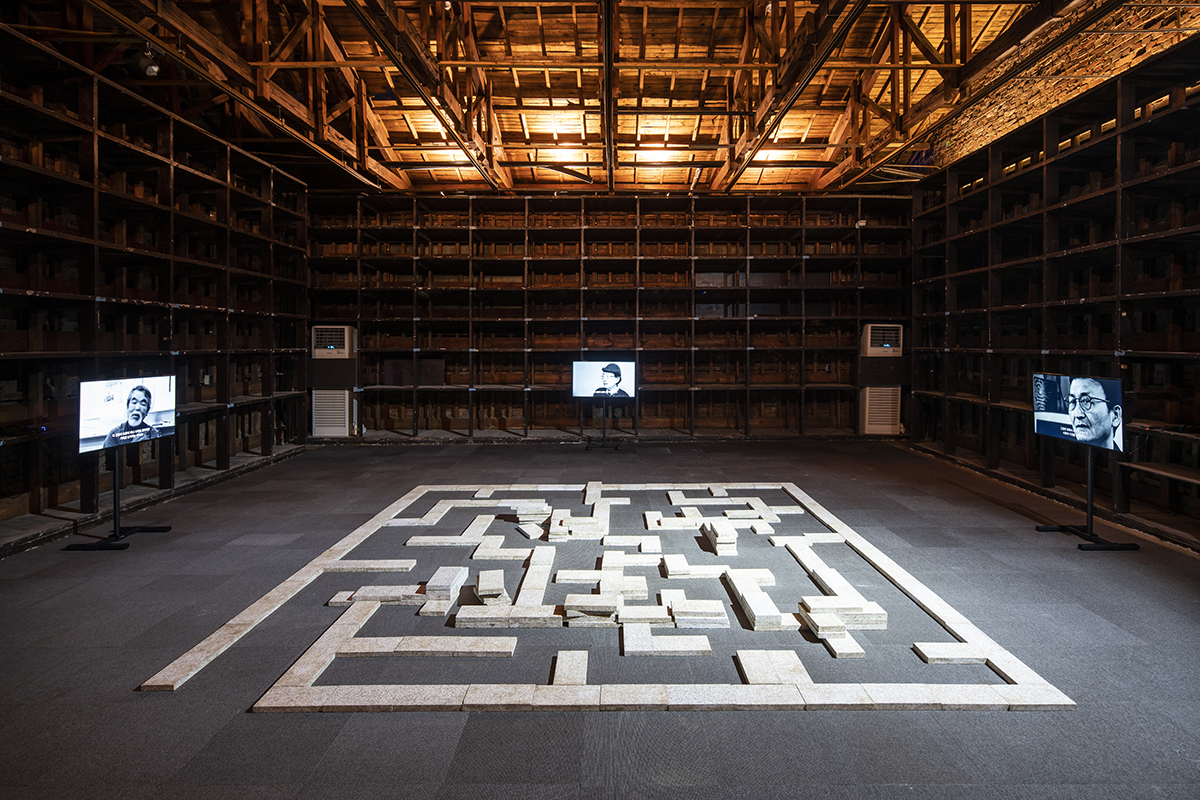
Her subsequent exhibitions 《Lost Corner》 (2018) and 《Lost Corner_Memory Archive》 (2019) employed etching, video projection, interviews, and historical documents to visualize divergent memories surrounding a demolished building. In particular, the three-channel video installation Memory Archive (2019) interweaves different voices and records, revealing the multiple layers of history that resist a unified narrative.

During this period, juxtaposition gradually replaced the wit and situational reversals of her earlier works as a central expressive strategy, inviting viewers to interpret the discrepancies and gaps between different materials and images.

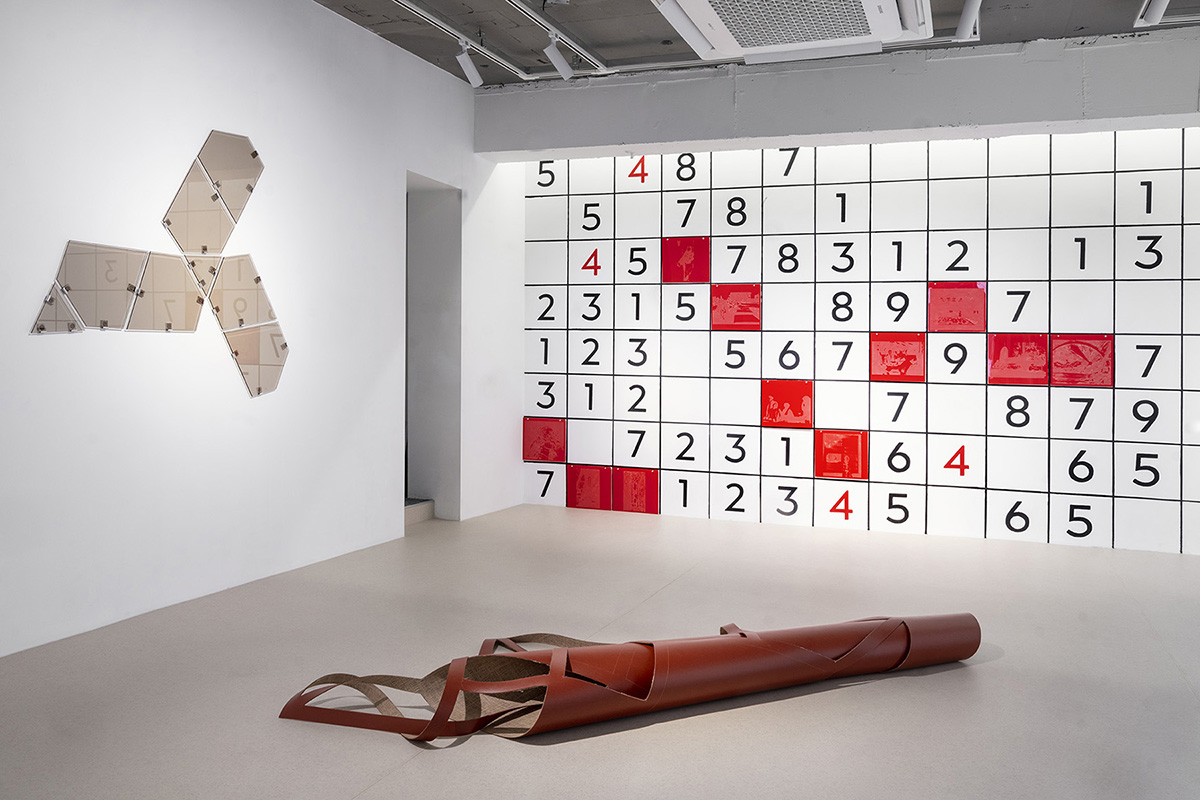
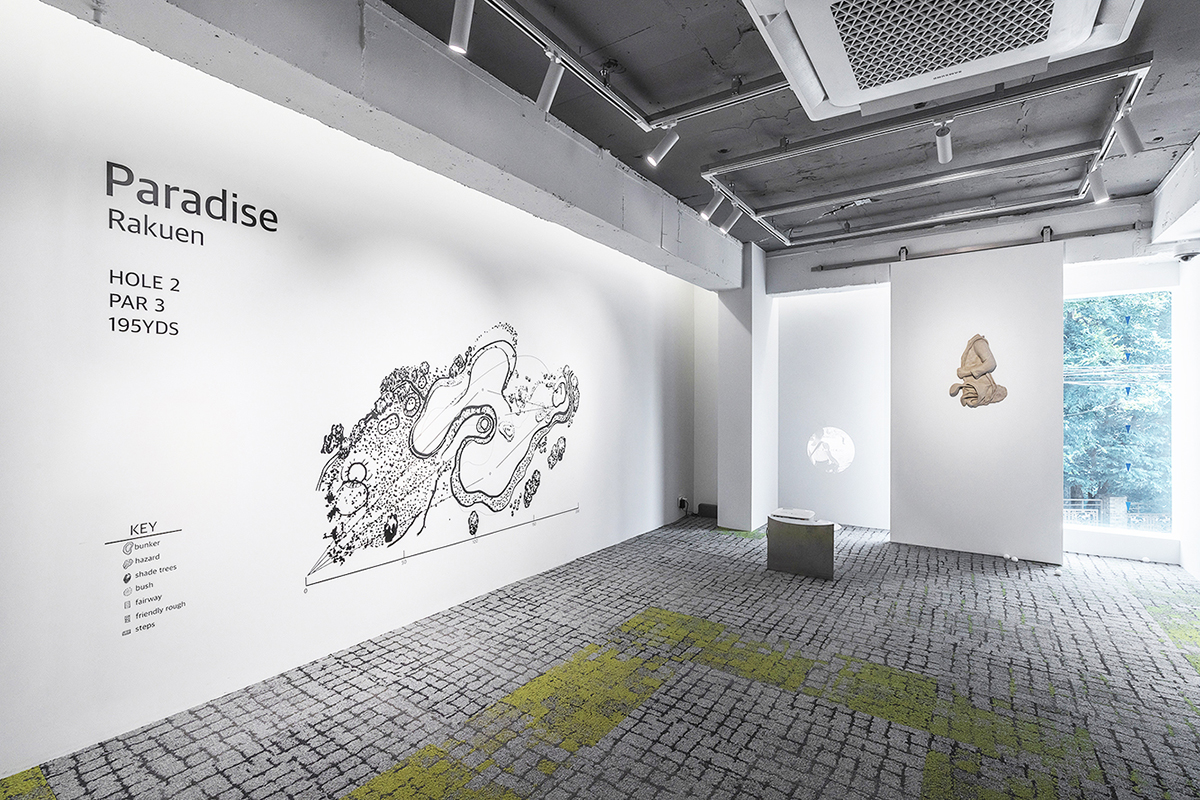
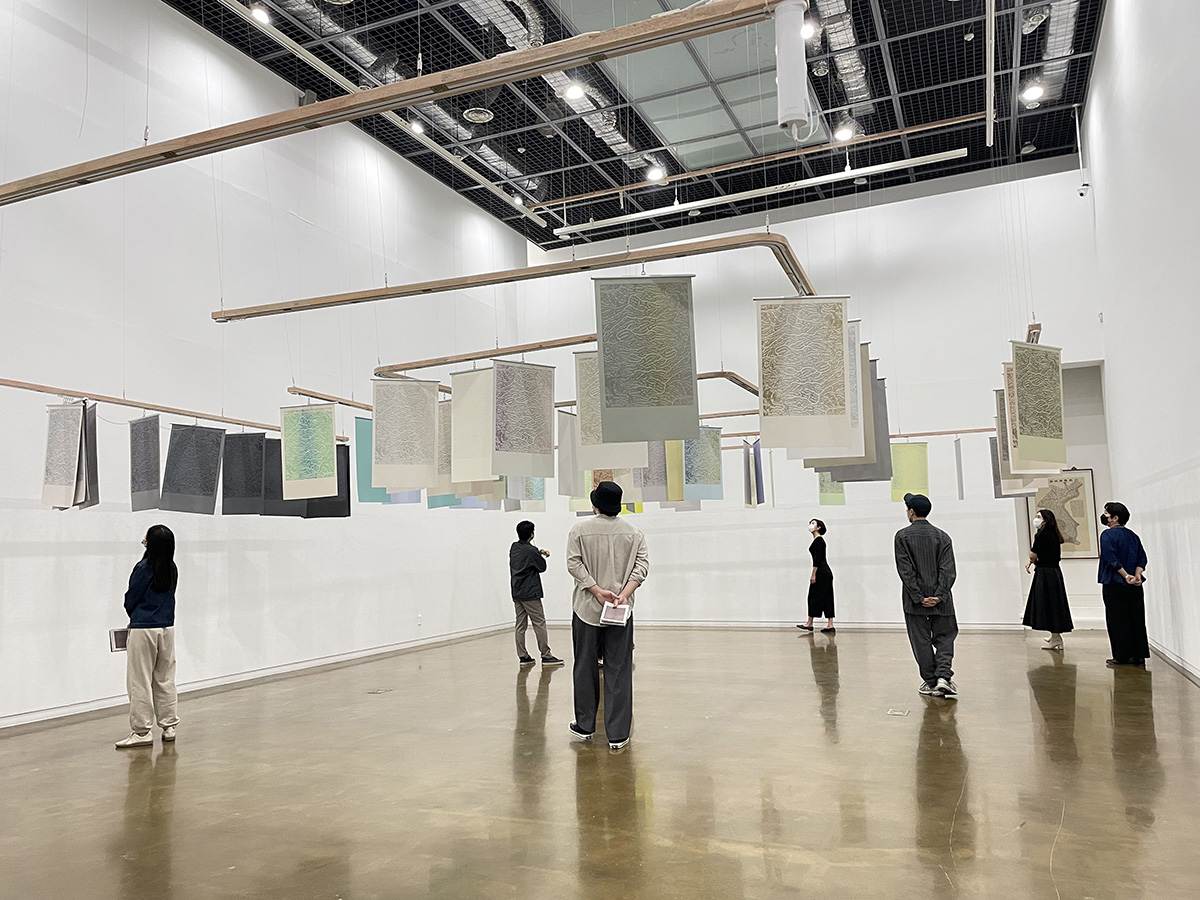
In her more recent practice, Chung continues to expand her expressive range by exploring the material qualities of printmaking alongside the possibilities of new media. K-93 (2022) is an installation combining 90 letterpress prints on paper with a motorized rail, motor, and wood, introducing mechanical elements into the process of reexamining historical records. In her solo exhibition 《Made-to-Measure》 (2023), she dismantled and reconstructed maps to transform established standards and boundaries into new visual configurations.

In 《Melancholia_40s》 (2024), she drew inspiration from Albrecht Dürer's engraving and presented eight new works across printmaking, objects, and installation. Across these projects, Chung continually acquires and applies new techniques and materials, organically connecting research, production, performance, and documentation. In her practice, media are not predetermined means of expression but experimental tools selected and transformed in response to the subjects of her inquiry.


Topography & Continuity

Jaeyeon Chung's practice has evolved from contemporary public art and site-specific interventions into research-based visual art exploring historical memory and cultural identity. Having begun developing her practice through studies in the United Kingdom and international residency programs, Chung approached everyday public spaces as sites of artistic experimentation, questioning the social conventions and institutional authority that shape their use.

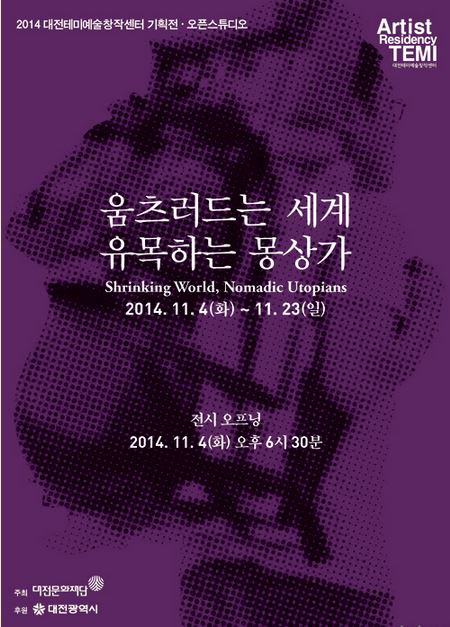
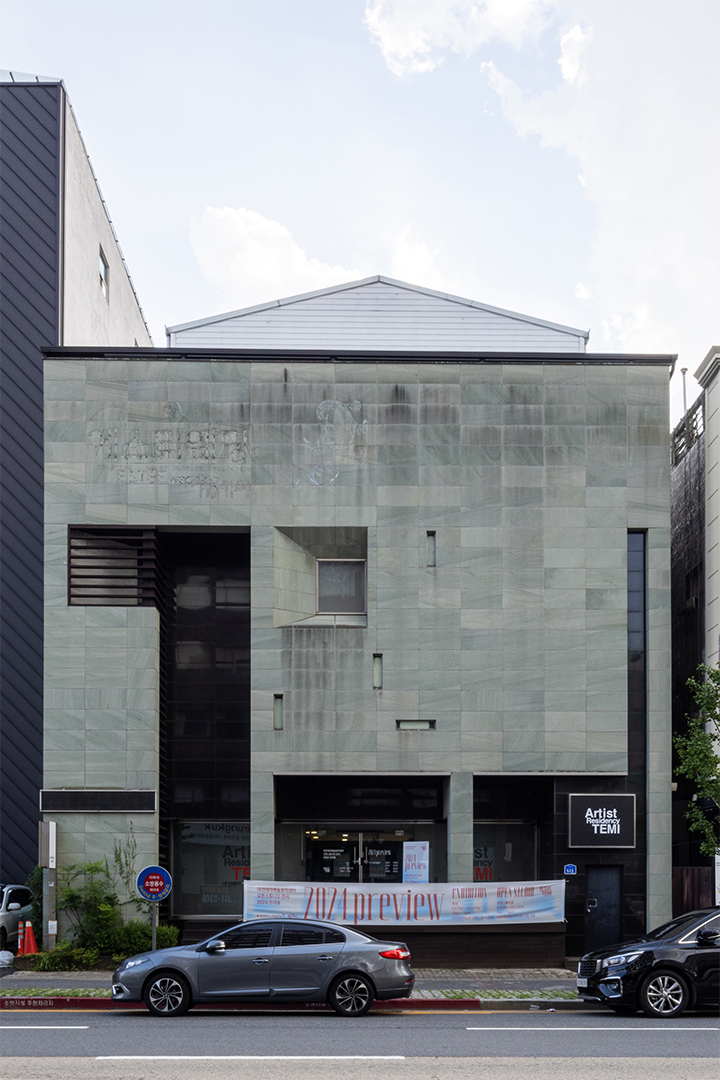
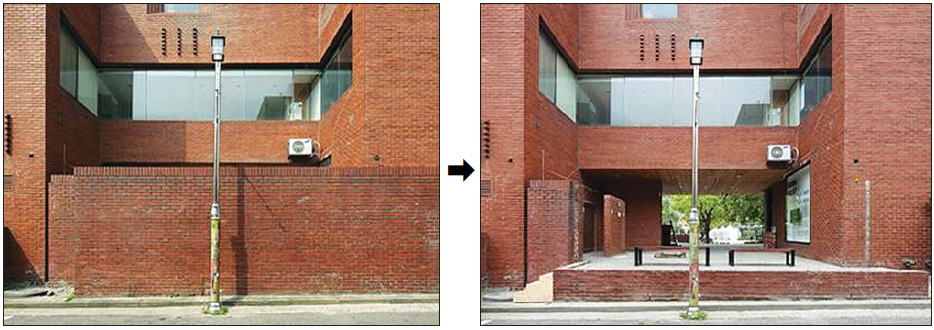
In particular, Opening Project (2013), a collaborative project involving the demolition of a wall at Arko Art Center, and Dialogue (2014), presented at Artist Residency TEMI, connected questions of access to and use of public space with physical transformations of sites and the experiences of participants. These projects situate her practice within broader developments in contemporary art that emphasize interventions in places and the formation of relationships as artistic processes, rather than the presentation of self-contained art objects.

The transformation of Chung's practice around 2016 can be understood not as a departure from her earlier concerns but as an expansion of those questions into deeper historical and cultural dimensions. While her early works explored the boundaries between publicness and private experience within physical spaces, her subsequent practice shifted toward investigating how collective memory and individual historical consciousness are formed.

Beginning with Retrace and continuing through 《Lost Corner》 (2018) and 《Lost Corner_Memory Archive》 (2019), her inquiry developed into a long-term research project that expanded personal memories of a historical building into public records and the testimonies of others.

Rather than presenting definitive conclusions, Chung juxtaposes divergent records and interpretations, encouraging viewers to examine the discrepancies between them. Although the focus of her interventions has shifted from physical places to historical narratives, her commitment to questioning established orders has remained consistent.

The scope of Chung's practice has also expanded through residency programs and exhibitions across different regions in Korea and abroad. Her early experiments with place, developed during residencies at the Florence Trust in the United Kingdom and in Graz, Austria, continued in diverse regional and institutional settings, including Artist Residency TEMI, SeMA Nanji Residency, and Cheongju Art Studio.

The spatial conditions, histories, and experiences of users associated with these residencies have served not merely as backgrounds for artistic production but as catalysts for discovering new questions. Chung has continued to broaden her artistic activities through experiences in different creative environments, including an exchange residency at Tokyo Arts and Space in 2019 and a residency at Hongti Art Center in 2026.

These experiences of mobility and exchange connect with her approach to comparing and investigating the historical and social contexts of different places, rather than remaining within a single geographical or cultural perspective.

In her recent works, Chung continues to reconsider familiar standards in response to changing times and environments. In K-93 (2022), she examined how narratives commonly accepted as historical facts are constructed, while 《Made-to-Measure》 (2023) explored the limitations of the standards through which maps divide and represent the world.

《Melancholia_40s》 (2024) extended these inquiries to the anxiety and questions of identity experienced by the artist herself amid technological advancement and changes in the conditions of artistic creation. Rather than establishing a consistent visual style, Chung has continually acquired new techniques and approaches in response to the questions she encounters, adjusting the direction of her practice along the way.

The continuity of her work lies not in particular subjects or forms of expression but in her persistent questioning of accepted facts and familiar conventions, and her efforts to reveal the multiple perspectives underlying them. In this way, Chung's artistic practice continues to evolve through an ongoing reassessment of her own position in relation to a changing world.

Works of Art

Ruptures Between Social Order and Individual Experience

Articles

Exhibitions

Activities