Work - K-ARTIST

Work

2023
Single-channel video
22min 5sec
About The Work

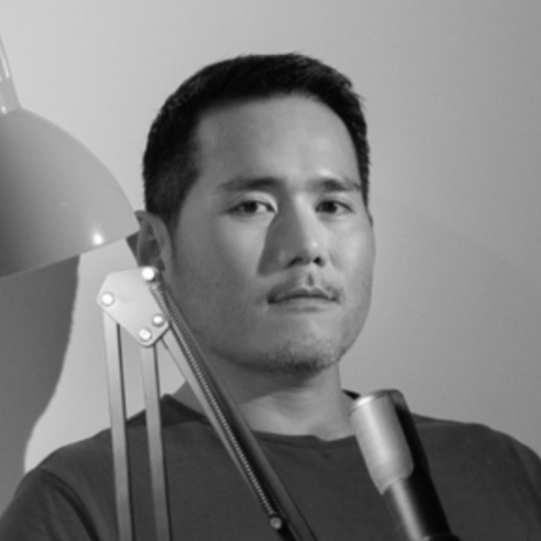
Sejin Song explores the boundaries between the individual and society, collecting representations of gender, race, and informational errors embedded in visual culture while examining the standards and forms of discrimination inherent in technologies, including optical devices. He is particularly interested in the role of media technologies and time in the formation of collective memory.

Through video, installation, and performance, he reconfigures from a near-futuristic perspective how media disseminate, connect, and reproduce not only spaces, political and historical events, but also personal narratives such as rumors.

Beginning with glass-based works, Song’s practice has expanded into video and performance, driven by his interest in the tensions between the individual and the collective. Over time, his focus has shifted beyond direct conflicts between individuals and groups toward questions of how those situated at their boundaries are perceived and how they can communicate.

He also examines how contemporary technologies can reproduce historically ingrained biases concerning gender, race, and the body within data and systems of classification. These concerns ultimately lead to broader social questions: What information is recorded, who determines how it is classified, and what comes to be defined as normal or abnormal?

Song views technology as a mechanism that both reflects the memories and experiences of individuals and groups and shapes the society in which we live. Through diverse media, he reveals how technology selects, erases, and distorts personal memories, time, and identity. His work not only examines the broader relationship between technology and society but also captures points of friction among individuals with different ways of living, bringing to light the complex, multilayered networks of relationships that constitute society.

Solo Exhibitions (Brief)

Song has held solo exhibitions including 《Aged Technology》 (Seoul Art Space Geumcheon, Seoul, 2024), 《Behind》 (SPACE ÆFTER, Seoul, 2023), and 《Mutualism》 (Elephant Space, Seoul, 2022).

Group Exhibitions (Brief)

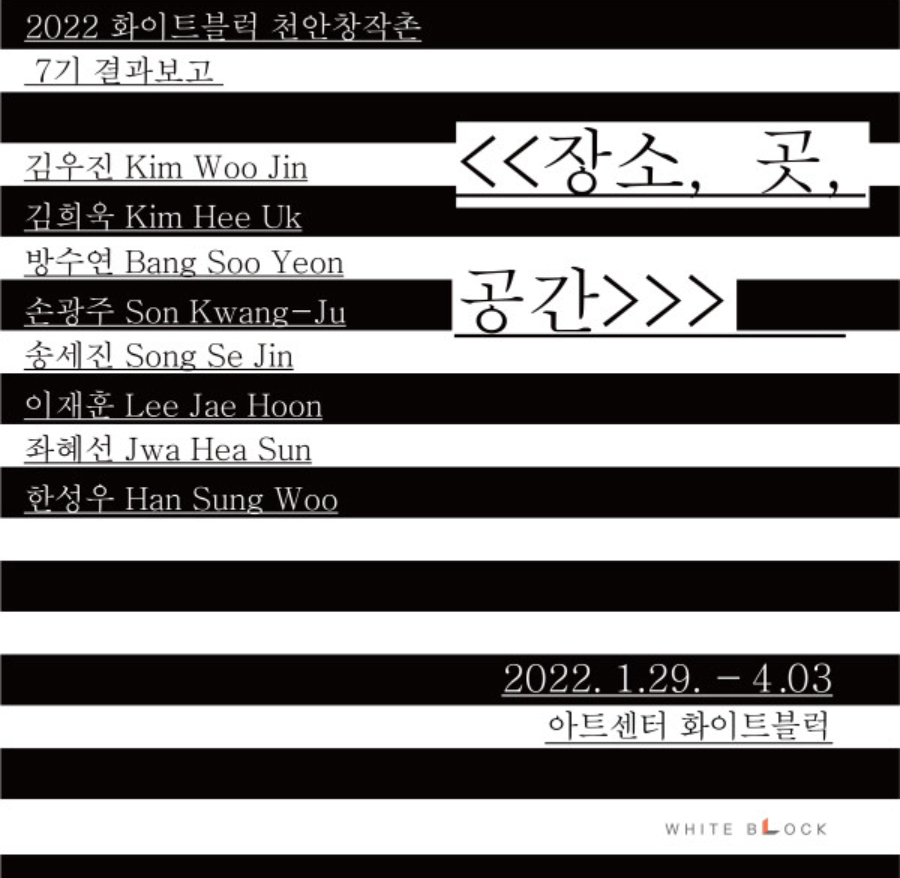
Song has also participated in numerous group exhibitions, including 《Spectrosynthesis Seoul》 (Art Sonje Center, Seoul, 2026), 《Far, Far Side of the World》 (Korean Cultural Center in Japan, Tokyo; Korean Cultural Center in Hong Kong, Hong Kong; Korean Cultural Center in Osaka, Osaka, 2024), 《Foreverism: Endless Horizons》 (Ilmin Museum of Art, Seoul, 2024), 《To You, I Say》 (MMCA Residency Goyang, Goyang, 2023), 《Place, Site, Space》 (Art Center White Block, Paju, 2022), and 《The Society of Individuals》 (Busan Museum of Contemporary Art, Busan, 2021).

Residencies (Selected)

Song has participated in residency programs at Seoul Art Space Geumcheon (2024), MMCA Residency Goyang (2023), SeMA Nanji Residency (2022), and White Block Residency (2020–2021).

Collections (Selected)

Song’s works are held in the collections of institutions, including the Busan Museum of Contemporary Art and Art Center White Block.

Works of Art

Those Excluded by Technological Classification Systems

Originality & Identity

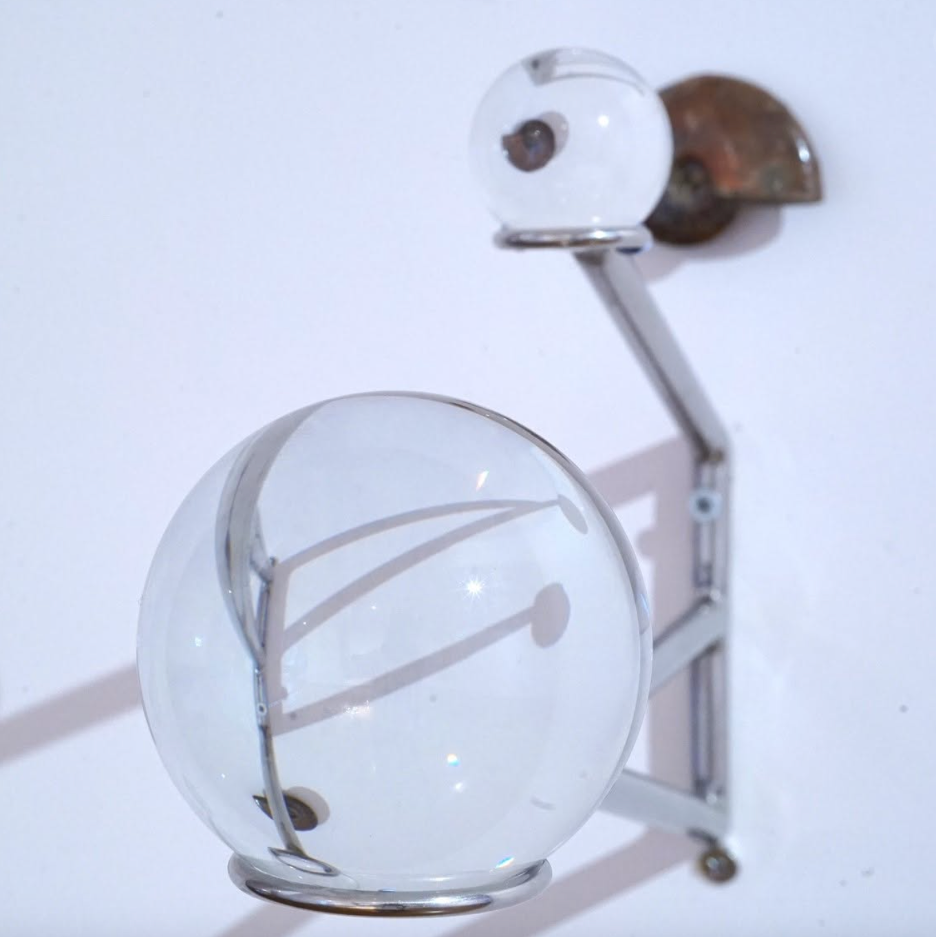
Sejin Song’s practice begins at the boundary where the individual and the collective meet. In his early work, he found this issue within the very process of working with glass. Glassblowing involves a craft discipline that demands particular forms and standards of completion while also requiring collaboration among several people.

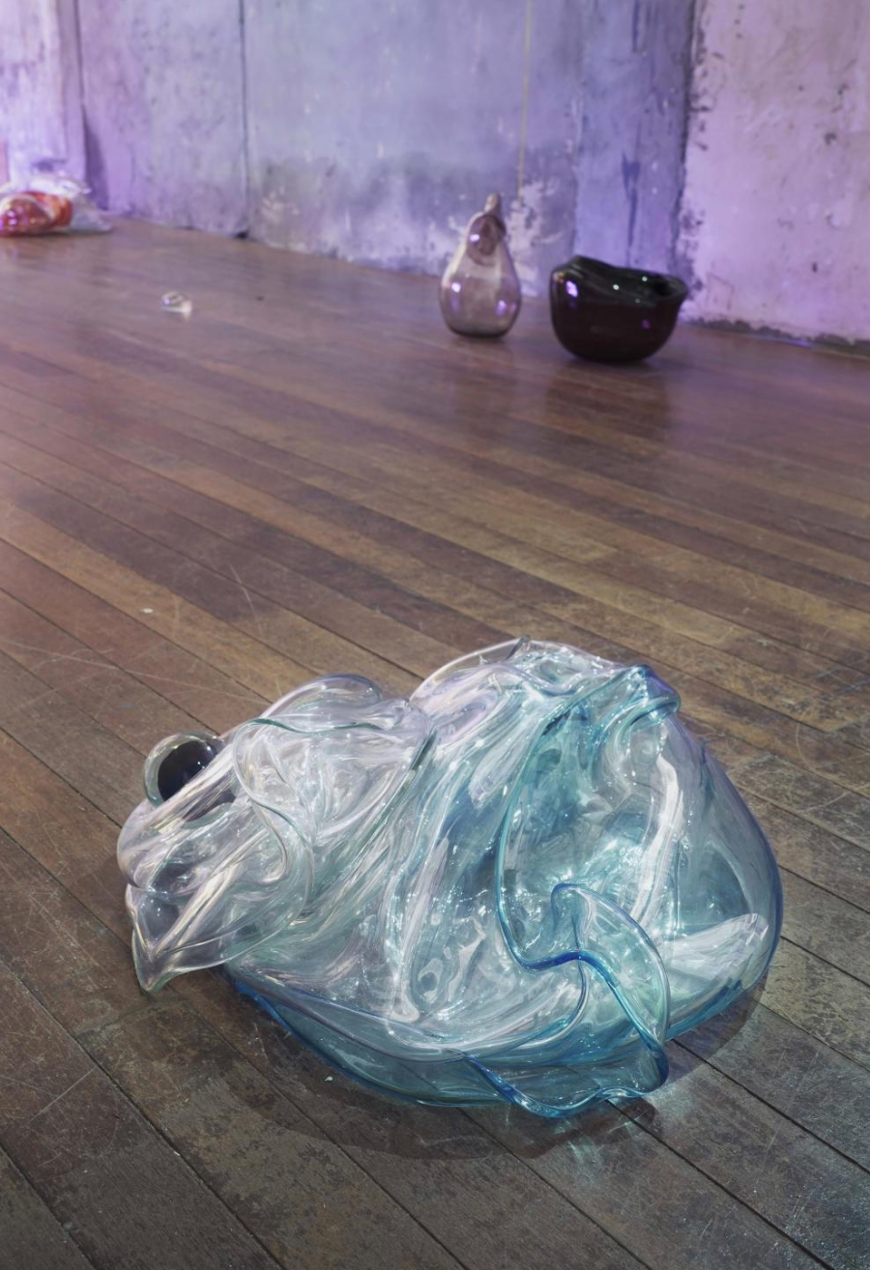
Song understood this as analogous to the processes through which individuals are standardized and socialized. In the ‘Inhale’(2017–2019) series, he performs glassblowing alone despite its conventional reliance on collaboration, then stacks and remelts the completed vessels to deliberately disrupt prescribed forms and norms.

The cracks produced as different pieces of glass contract and fuse are not merely material failures, but traces of different entities colliding and entering into new relations. From this period onward, “difference” in Song’s work becomes not an error to be eliminated, but an important clue for revealing the relationship between individuals and collectives.
 
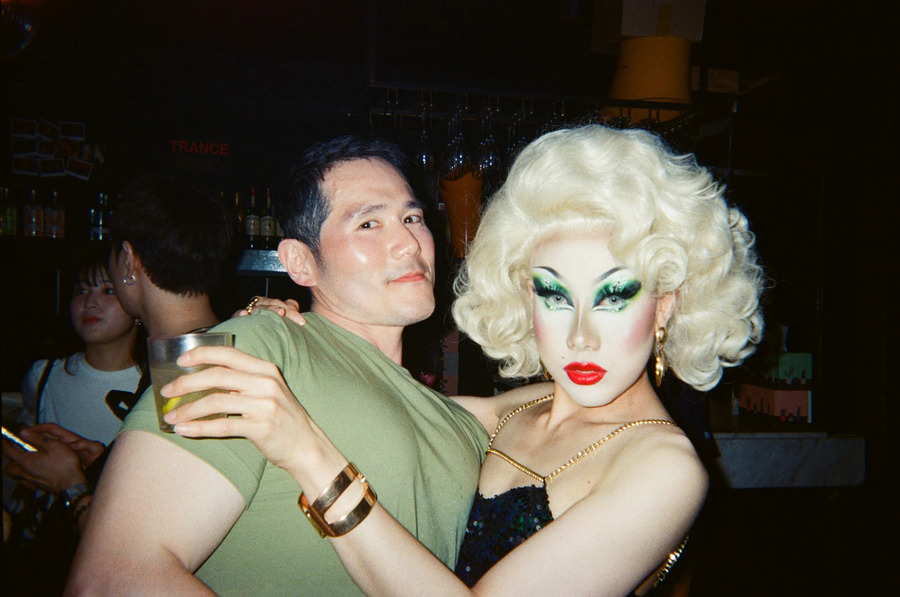
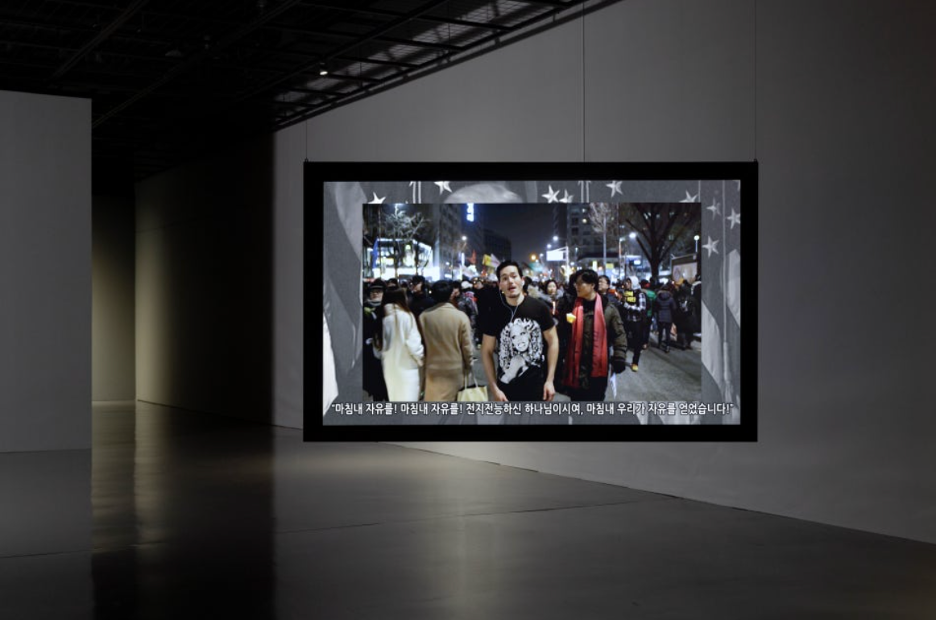
This interest expands from glass into video and performance, extending toward questions of gender, race, politics, gaze, and power. In Lip-Sync For Your Life(2016), Song performs drag within the collective political space of a presidential impeachment rally, simultaneously revealing solidarity and conflict among the state, the collective, and the individual. Martin Luther King Jr.’s speech, images of Donald Trump, and drag culture intersect within the same work, showing that gender, race, and political ideology are not separate issues but multiple standards through which society is constituted.

Later, in Timid mate Gay Head said to his daughter Martha one day while affixing postage stamps to envelopes as a part-time job(2019), Song addresses the boundaries between language and non-language, human and nonhuman, mainstream and marginal through a character who loses the ability to speak human language. At this point, his interest expands from direct conflict between the individual and the collective toward the question of how beings positioned between boundaries can be perceived and communicate.
 
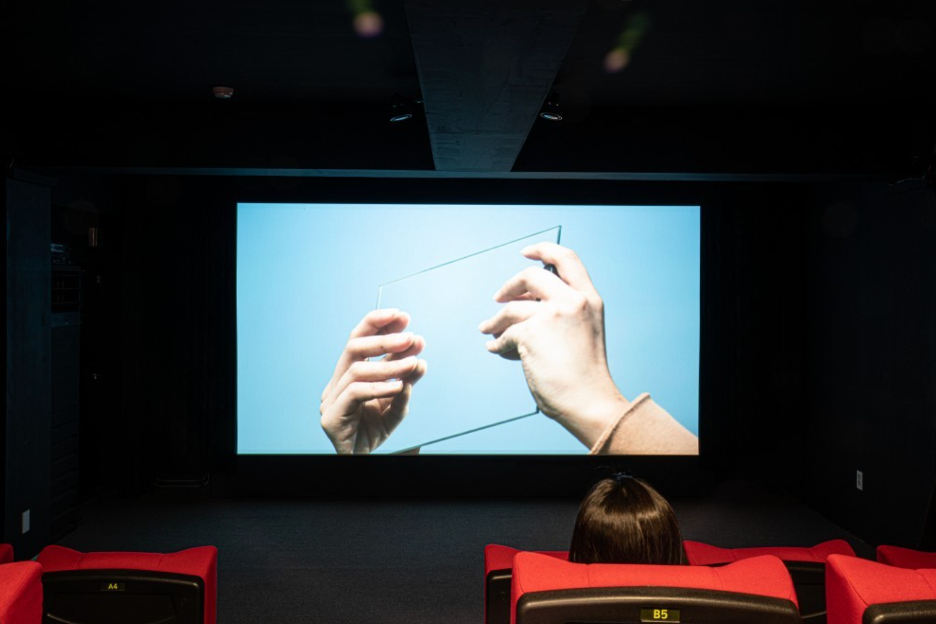
Till Death Do Us Part (Ongoing Project for 10 Years)(2021) extends these concerns into the power relations of the camera and the gaze. In this long-term project based on the narrative of Faust, the work features an actor unable to read a script in front of the camera, a figure unafraid of others’ gazes, and a performer required to move a mirror according to the director’s instructions.

Song reveals not only what happens during filming but also what occurs in front of and behind the production process, examining the hierarchy that naturally forms between “the one who looks” and “the one who is looked at.” In the solo exhibition 《Mutualism》(Elephant Space, Seoul, 2022), his attention expands again toward memory and information. Individual experience does not exist independently, but is continuously revised and refracted as it becomes entangled with social memory, online information, and fake news.

Mushroom and Meditation
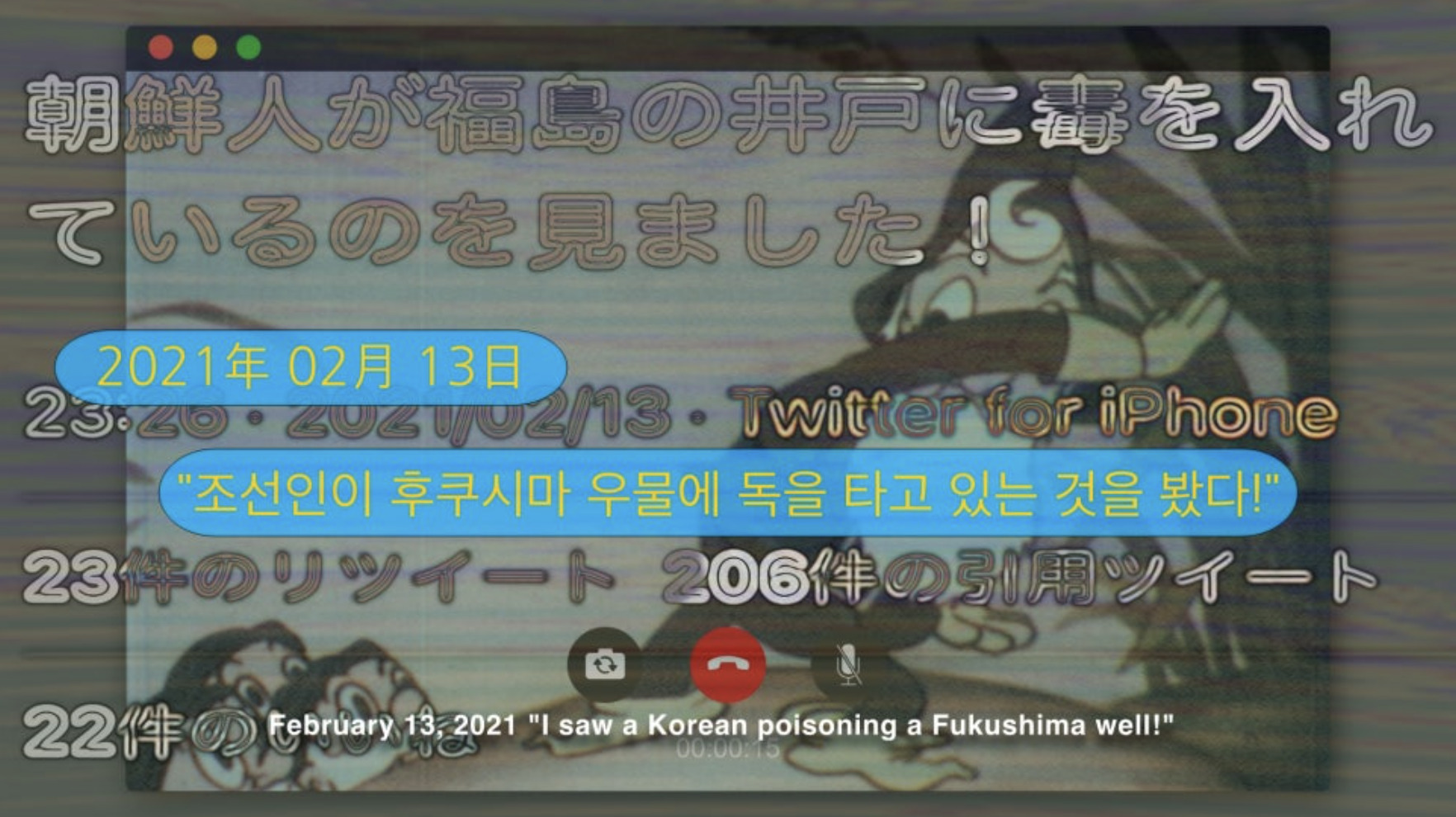
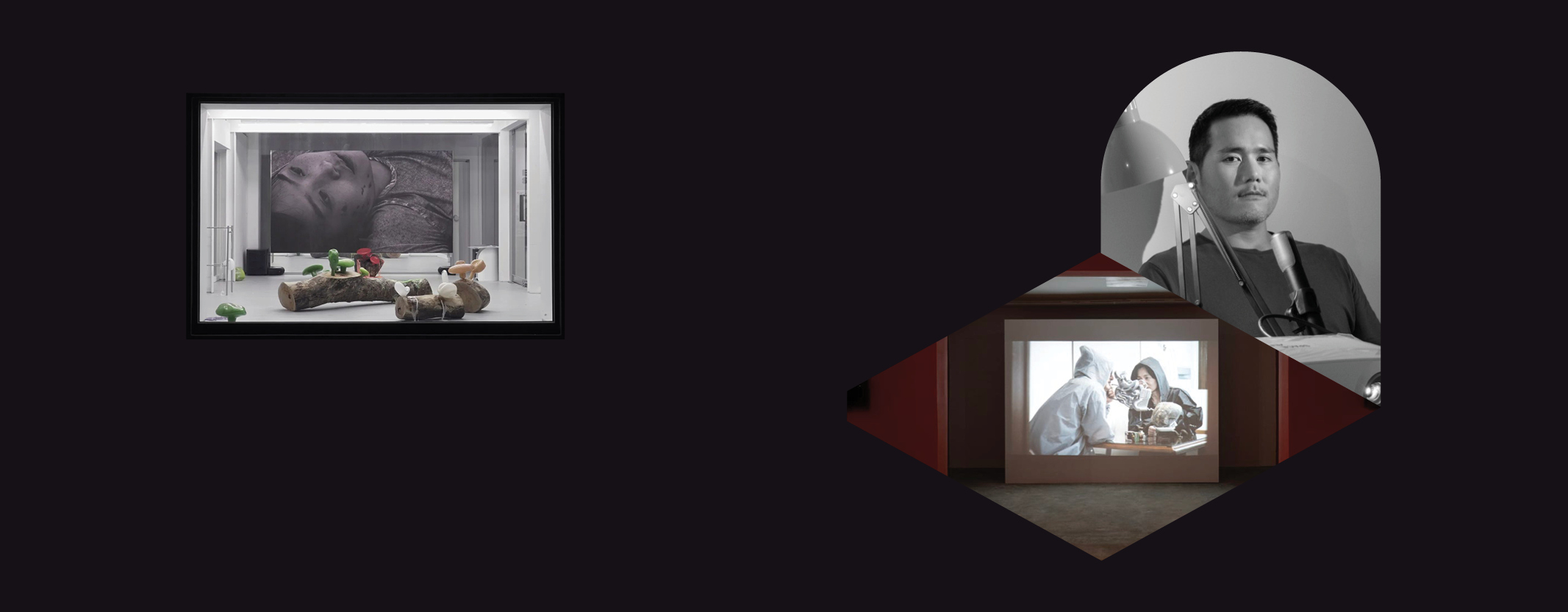
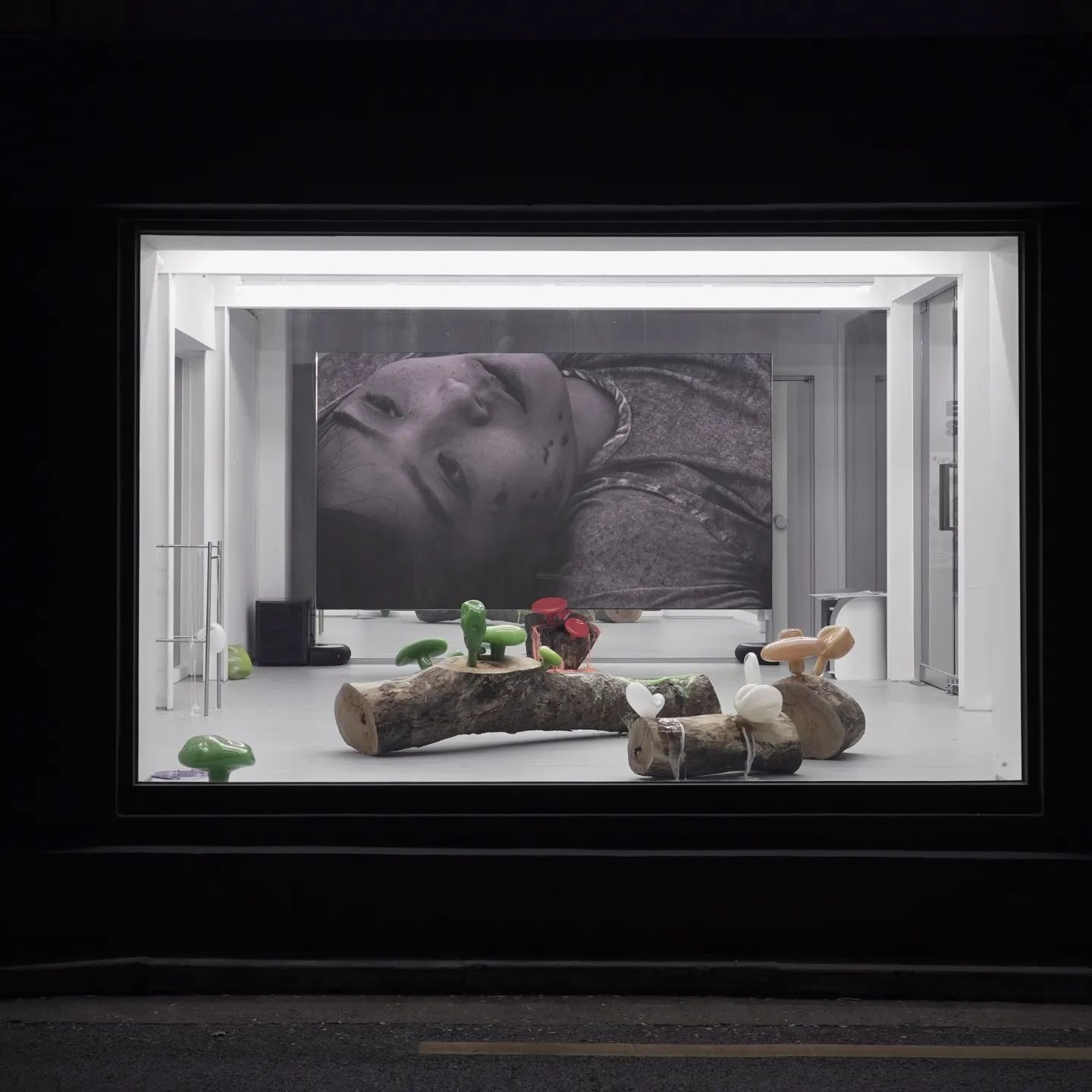
(2022) connects the rumors that triggered the massacre of Koreans after the Great Kantō Earthquake with the spread of mycorrhizal networks, the internet, age spots on the skin, and memories remaining in the body, viewing the circulation of information and memory as a single network.
 
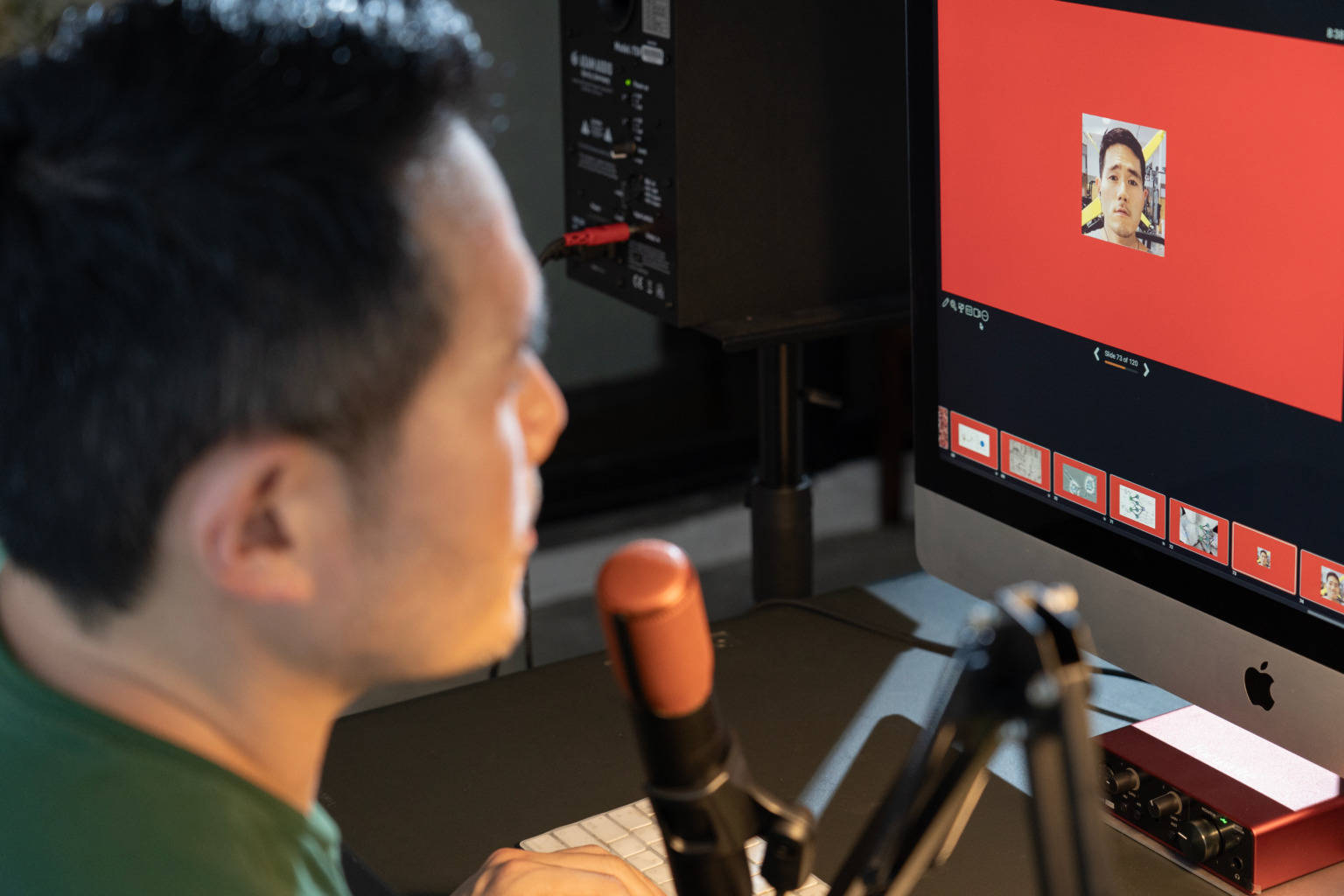
From 2023 onward, Song’s interest in memory and information becomes directly connected to bodily aging and AI technology. Aged Technology(2023) begins with the artist’s own experience of tinnitus and juxtaposes bodily malfunction with outdated systems of classification embedded in data-training technologies. Song focuses on the fact that although AI may appear to be neutral technology, it can reproduce historically accumulated biases concerning gender, race, and the body within datasets and classification systems.

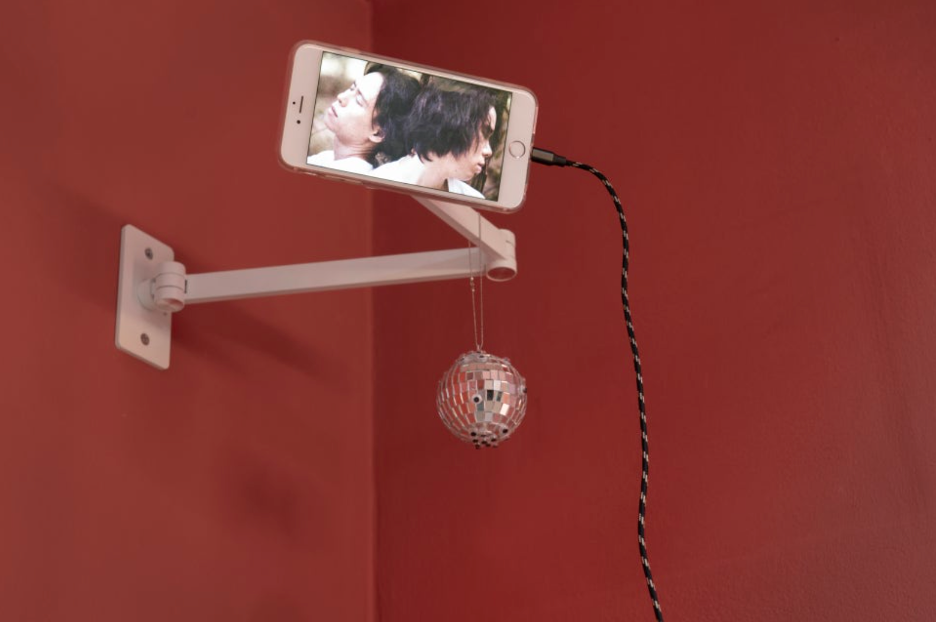
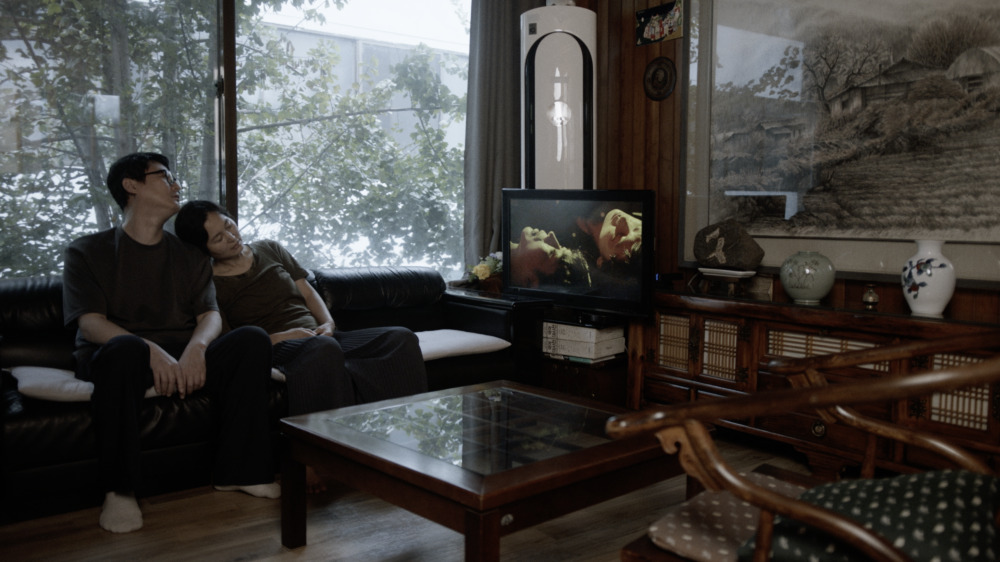
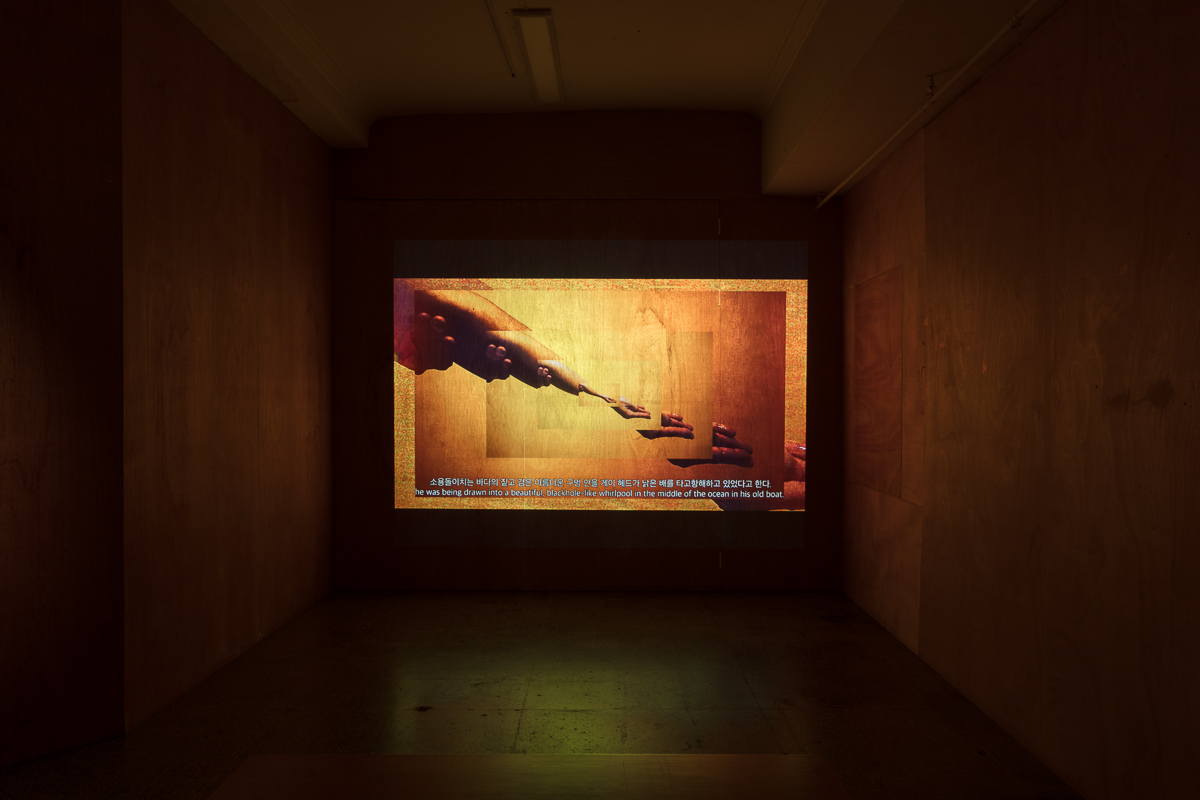
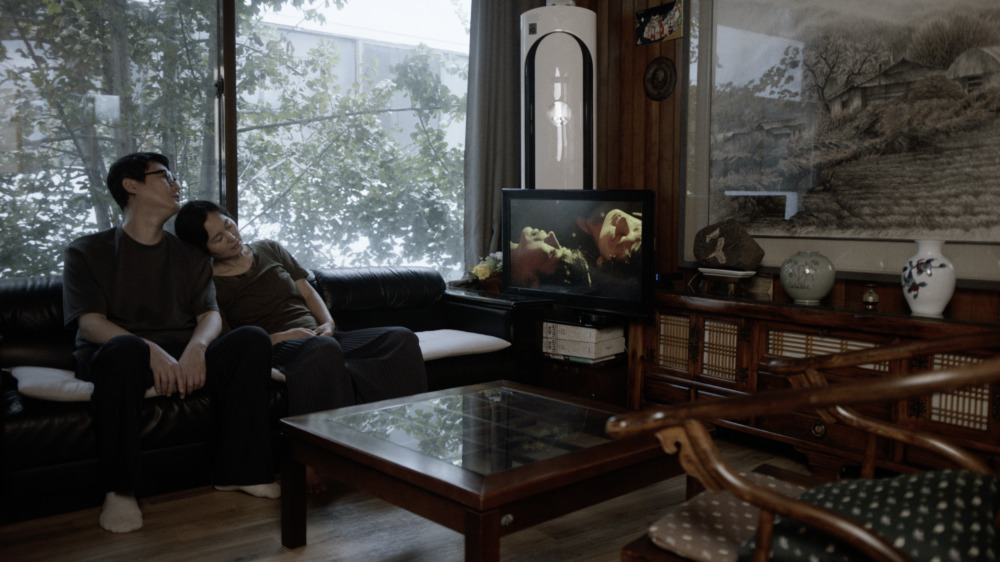
Created in the same year, Work(2023) approaches this issue through the science-fiction premise of time travelers in the year 2065 and the personal experience of tinnitus following a breakup. Later, in 《Aged Technology》(Seoul Art Space Geumcheon, Seoul, 2024) and Aged Technology: Denial and Inability(2024), Song imagines a future AI unable to reconstruct parts of Itaewon omitted from official records, suggesting that those who were never recorded may disappear again within future technologies.

For Song, the question of technology ultimately leads to a social question: what information is recorded, who performs the classification, and what remains categorized as normal or abnormal.

Style & Contents

Sejin Song moves fluidly between glass, video, performance, installation, and text. In his early work, glass was not simply a sculptural material but a medium through which both the body and society could be understood. Glass expands through breath, contracts according to temperature, and breaks or fuses depending on differences in force.

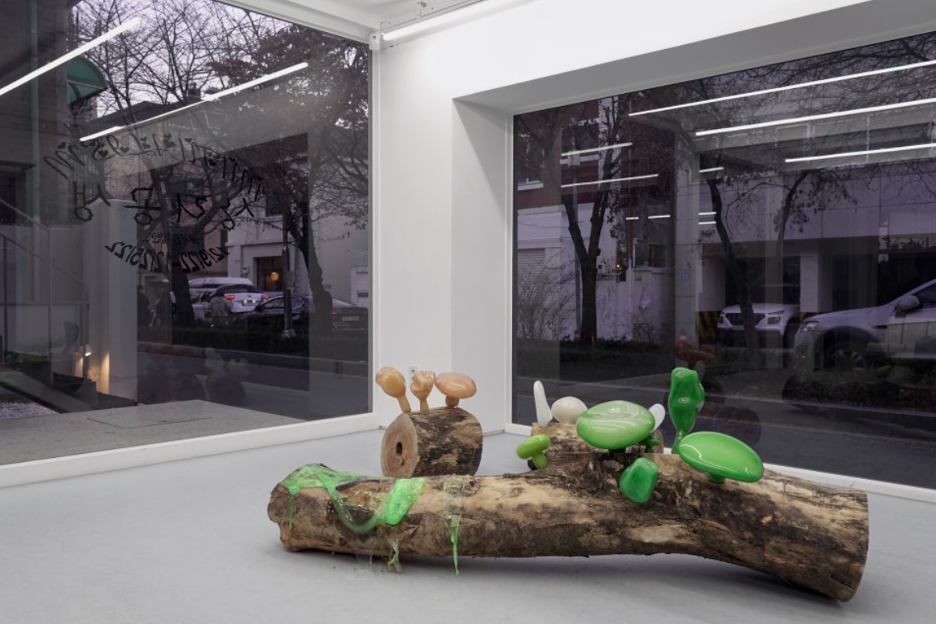
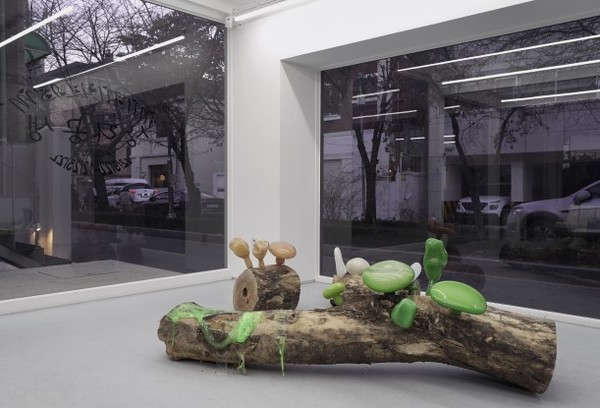
swell/Mushroom(2022) connects glass whose internal space is created by blowing air into it with the expansion of mushrooms and memories stored in the body, while shrink/Breath(2022) does the opposite, removing air from within to create a collapsing form that reflects moments when breath and emotion are released in solitude. Because the material itself repeatedly undergoes expansion and contraction, fusion and fracture, glass becomes a device that gives concrete form to relationships between the individual and the collective, memory and the body.
 
In his video works, Song combines actual records with fiction in order to connect different times and forms of information. Timid mate Gay Head said to his daughter Martha one day while affixing postage stamps to envelopes as a part-time job constructs fictional characters and events within the real setting of Martha’s Vineyard, using sign language and text as primary modes of communication.

Till Death Do Us Part (Ongoing Project for 10 Years) likewise presents both the front and back of the camera, incorporating the filmmaking process itself into the narrative. Song’s videos therefore do not focus on reenacting or explaining particular events, but on showing how different images and languages enter into relation. Because perspective and information continually shift even within a single narrative, viewers are asked to determine for themselves what occupies the center and what remains at the margins.
 
After 《Mutualism》, Song’s method of connecting seemingly unrelated historical events, natural phenomena, and personal sensations through comparison and metaphor becomes more pronounced. In Mushroom and Meditation, the circulation of false information and mycorrhizal networks belong to entirely different domains, yet they are connected through the shared structure of “spreading.”

In Work, presented in the solo exhibition 《Behind》(SPACE ÆFTER, Seoul, 2023), tinnitus becomes the central point of connection. Real sound and nonexistent sound, present and memory, personal separation and the politics of data classification overlap within a single science-fiction narrative. By deliberately combining images, photographs, language, and sound encountered through research in unfamiliar ways, Song gives formal expression to the idea that memory is not an accurate record but incomplete data subject to continuous revision.
 
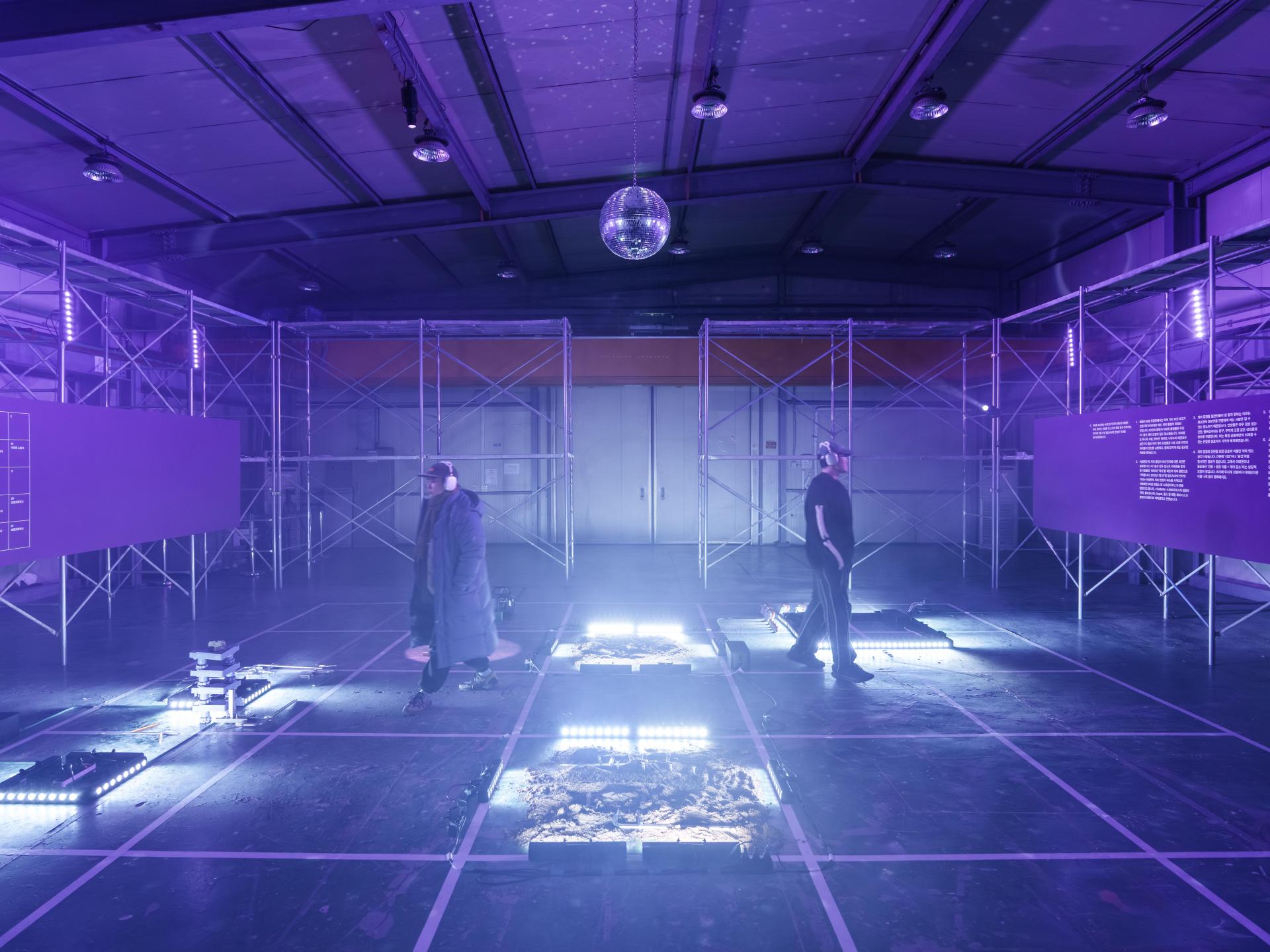
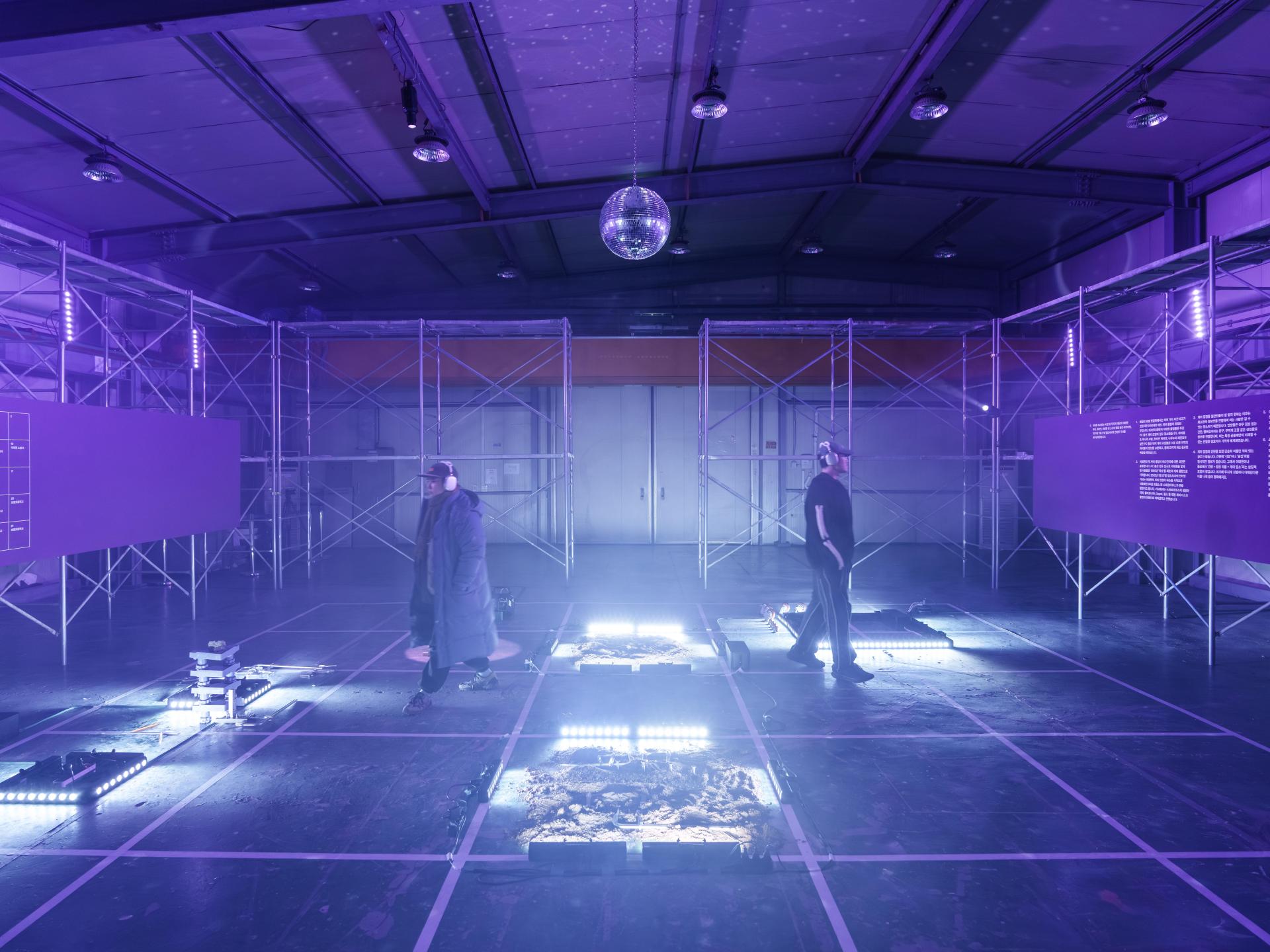
More recently, the viewer’s body and choices have entered directly into the structure of the work. In Aged Technology: Denial and Inability, two audience members are each paired with a performer and move across a map of Itaewon onstage while listening to different sets of public data and oral records within the same location. Because each person encounters different information even while occupying the same space, their memories of that place are formed differently.

The ‘Practice of the way to seeing’ series and Zoom in - Practice of the way to seeing 2(2024) use optical devices such as convex lenses to reveal that the act of “seeing” is not a straightforward reception of reality but a process shaped and distorted through technological conditions and social standards. In Song’s practice, media does not merely contain content; it functions as a structure for testing the very ways in which we see, record, and remember the world.

Topography & Continuity

Cracks in glass, distortions produced by human memory, tinnitus as a bodily signal, incorrect AI classifications, and materials omitted from official records all exist outside ideals of accuracy and completeness. Yet Song uses precisely these gaps to identify what society defines as normal and what it excludes.

The problem of standardization that first emerged in his glass practice shifted toward questions of gender, race, and political gaze, and later expanded into memory, information, AI, and systems of data classification. Although his media and subjects have continually changed, one question persists throughout his work: who creates the standards, and where do those who fall outside them go?
 
Another distinctive aspect of Song’s practice is his tendency to approach large-scale social issues through the body and individual sensation. Even while dealing with major subjects such as the Great Kantō Earthquake, colonialism, AI bias, and collective memory, he connects them to intensely personal experiences such as tinnitus, breathing, age spots on the skin, and memories of separation.

Work
, presented in 《Far, Far Side of the World》(Korean Cultural Center in Japan, Korean Cultural Center in Hong Kong, Korean Cultural Center in Osaka, 2024), likewise begins its exploration of vast temporal and technological questions with a sound heard by a single individual. Unlike practices that directly analyze technological society or data politics, Song shows how systemic problems arrive within an individual body and emotional life.

His science-fiction settings and near-future narratives therefore function not as fantasies for escaping reality, but as devices for viewing present structures from a slightly different angle.
 
The development of his practice moves from “the collision between the individual and the collective” to “the process through which memory and information are produced,” and further toward “the ways technology transmits past biases into the future.” In the ‘Inhale’ series, the individual’s resistance to established production conventions was central, while in Lip-Sync For Your Life, individual resistance encountered the political collective.

In 《Mutualism》, the relationship shifts toward one in which the individual and society infiltrate and reshape one another’s memories. In Aged Technology and Aged Technology: Denial and Inability, Song goes further, examining how data accumulated by society becomes a standard for future judgment through technology.

In his recent work, past, present, and future do not remain separate. Records from the past operate again within present-day technology, while choices made in the present determine what will be remembered in the future. Song’s work continues to search for and reconnect beings that are erased or distorted within this cycle.

In this sense, the idea of “refraction,” which began with the material properties of glass, has extended into questions of gaze, memory, data, and AI. As technology becomes increasingly sophisticated, Song’s practice continues to trace the outdated standards and missing voices that remain embedded within it.

Works of Art

Those Excluded by Technological Classification Systems

Articles

Exhibitions

Activities