Minkyu
Hwang’s practice begins by revisiting anxieties and crises that cannot be
easily resolved in reality through the worldviews of animation and science
fiction that were familiar to him in childhood. The 2011 Great East Japan
Earthquake became an important turning point in his work, as the robots and
heroes he had once admired as a child suddenly seemed like nothing more than
“lumps of plastic” incapable of exerting any real power in the face of
disaster.
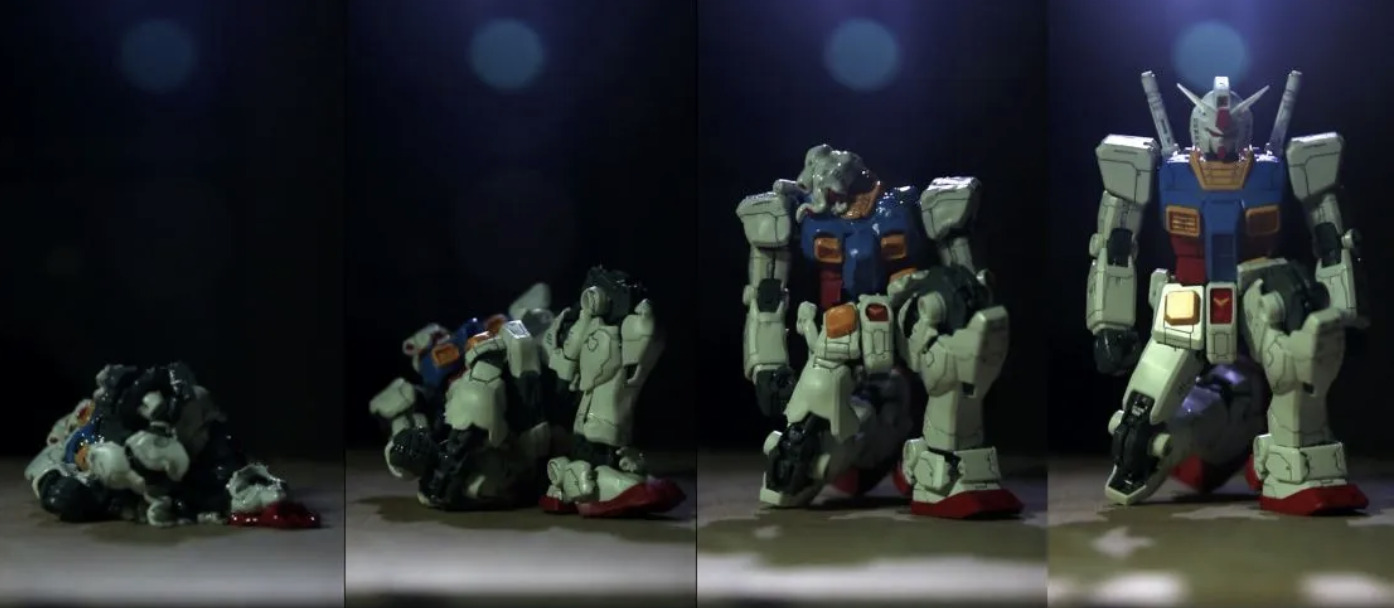
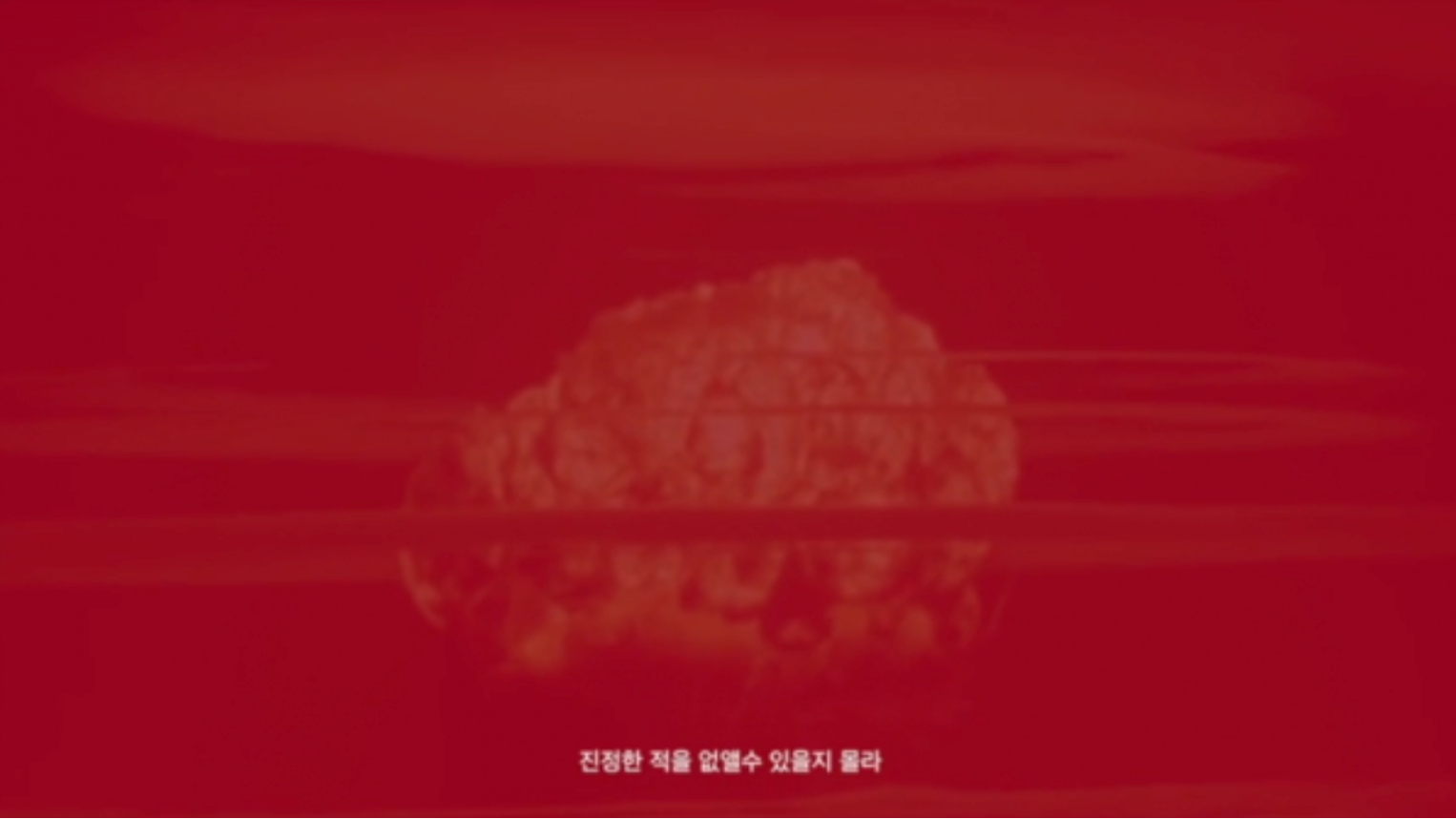
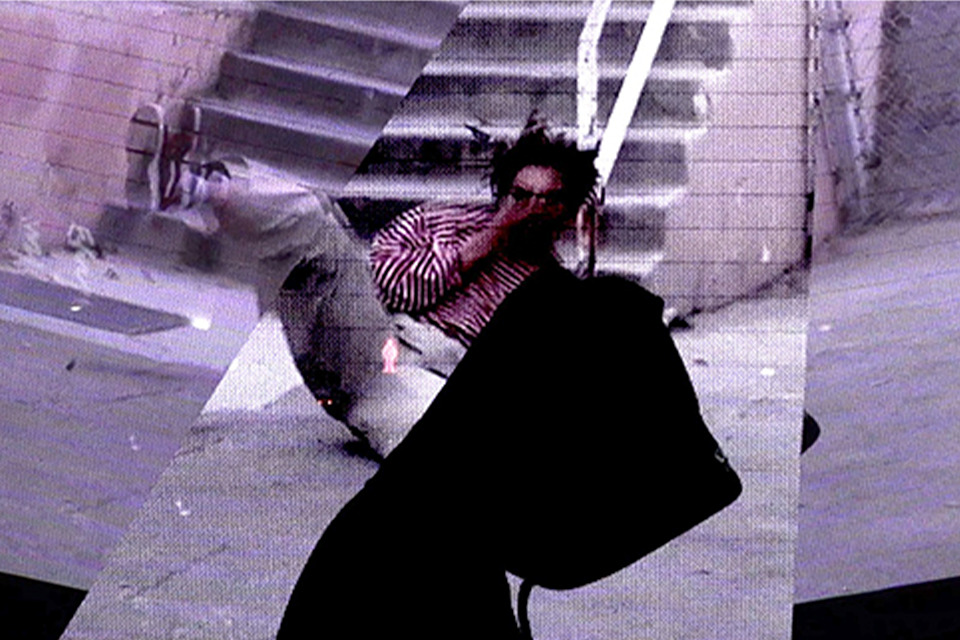
In 2015 odyssey(2015), he physically melts a
plastic model and then revives it within the video, revealing the gap between
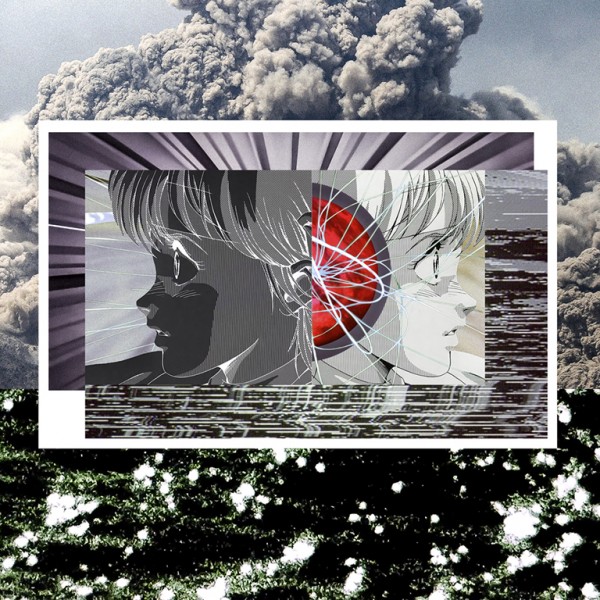
fiction and reality. In I’ll protect you(2015) and
Protect me(2017), he adopts the familiar narrative of
waiting for a hero who will save the world, yet never allows that hero to
actually appear.
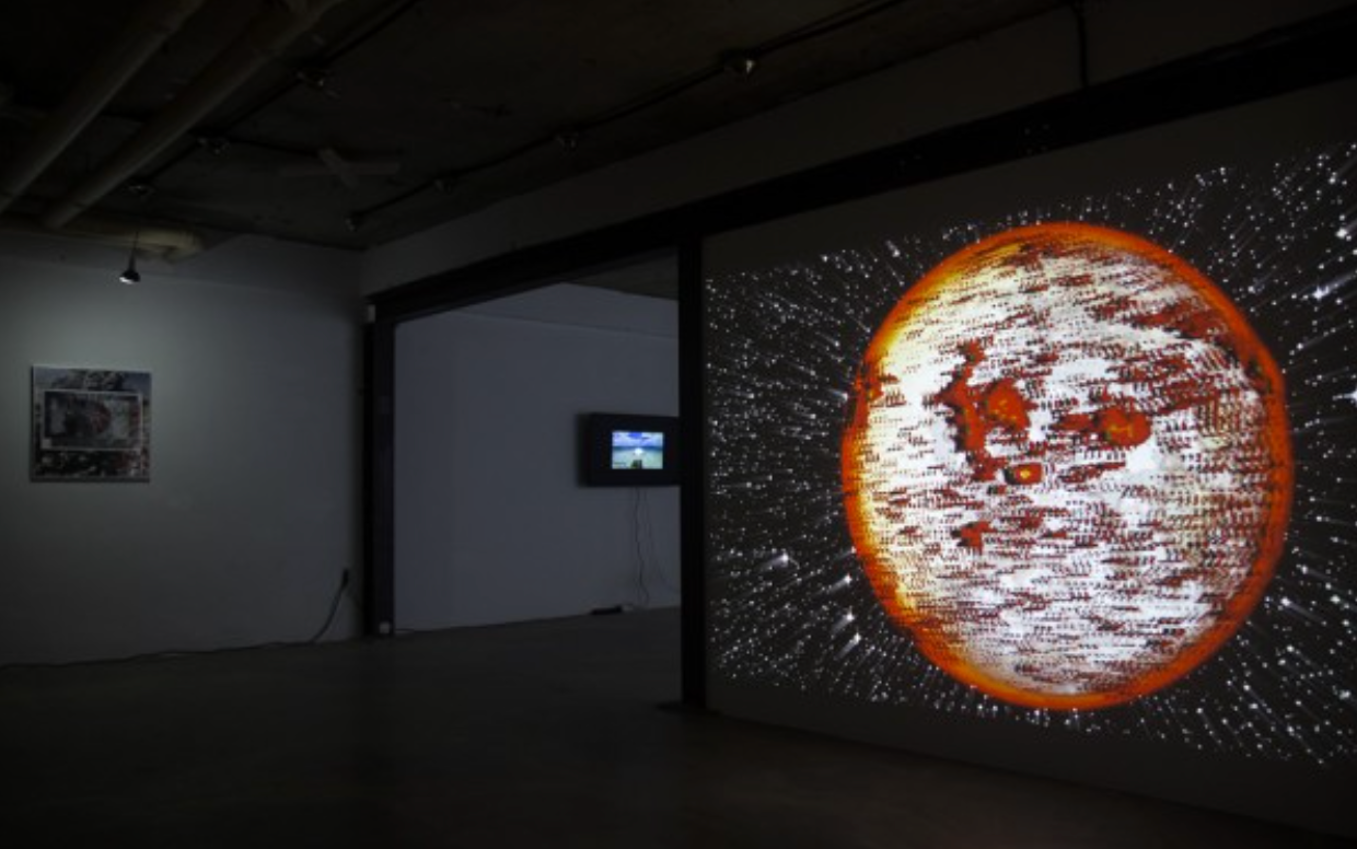
In the solo exhibition 《これは愛ですか。 This Is Love?》(out_sight, Seoul, 2018), the hero remains only as a voice,
disasters continue, and in the place where a savior might have appeared there
remains only a small, lightweight lump of plastic. For Hwang, the hero
functions less as a symbol of salvation than as a device that exposes the human
expectation of and dependence on a form of rescue that does not exist in
reality.
These
concerns gradually expand into the question of how an individual can live in a
world where reality and fiction are increasingly intertwined. Into the
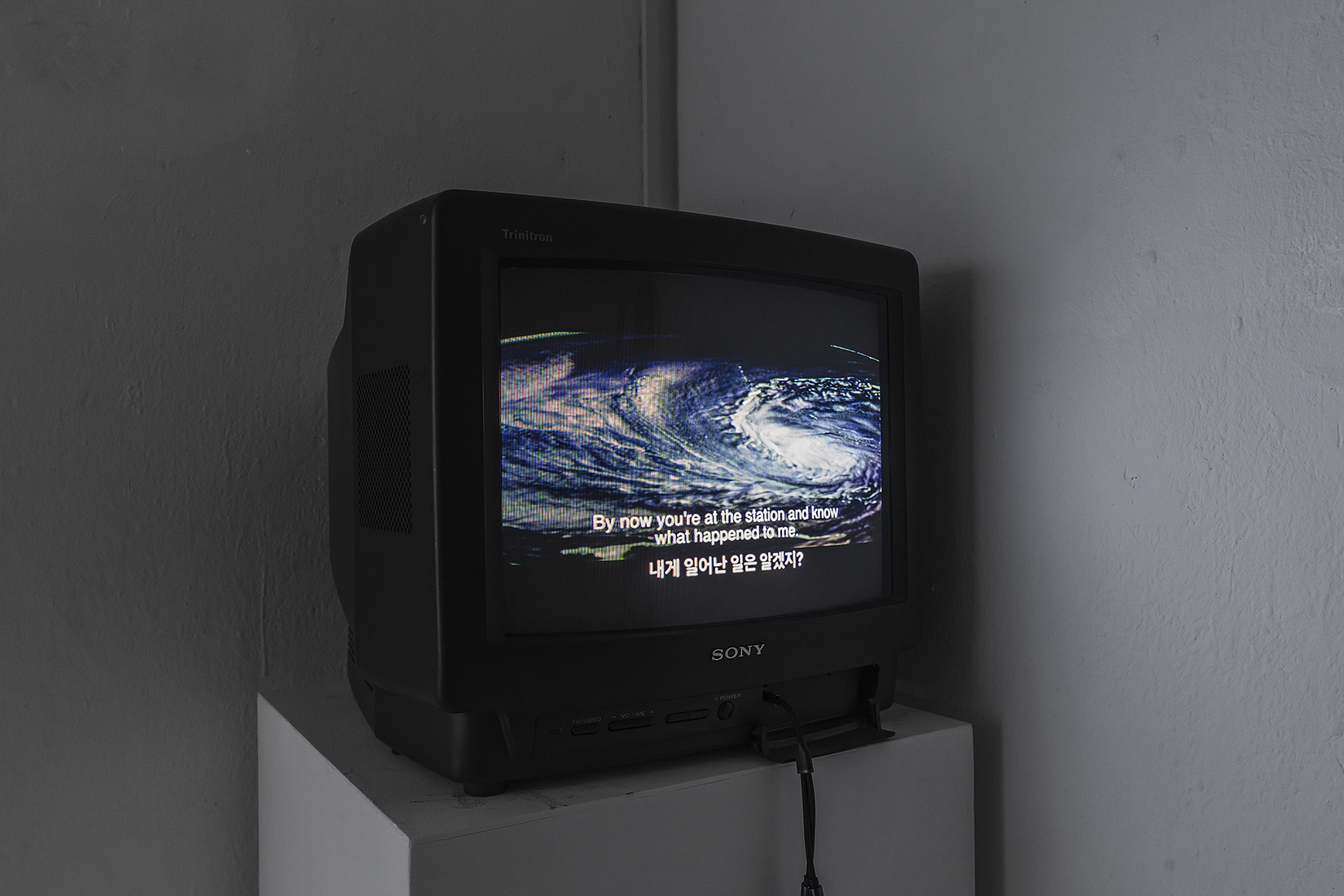
wild(2020) presents an individual who, having accepted the absence of
a hero, attempts to carve out a life through his own will, only to have that
resolve shaken by the control and isolation brought about by the pandemic.
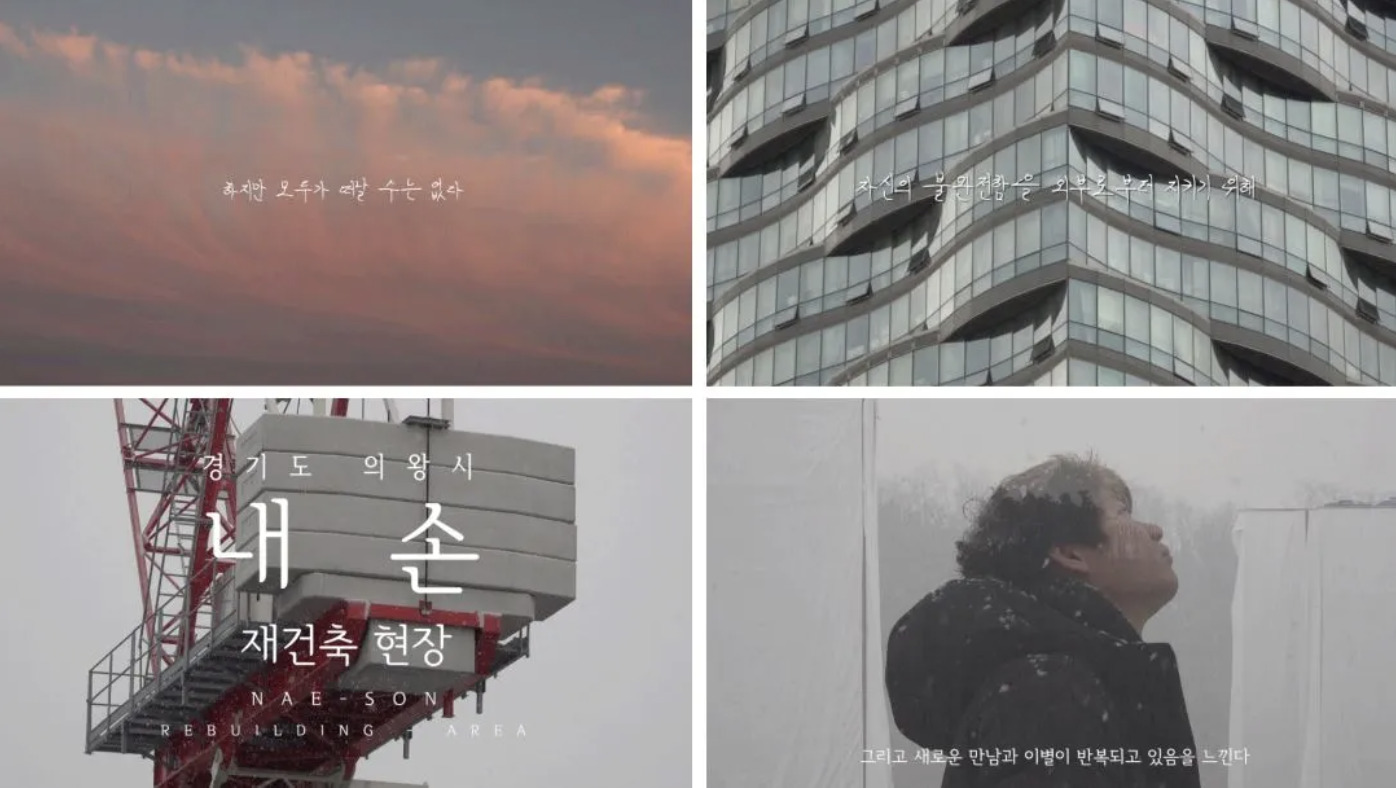
Created in the same year, The end of our base(2020) combines
the real experience of a friend facing eviction because of an administrative
problem with a government-supported rental deposit loan and the
popular-cultural premise of entering a hip-hop audition.
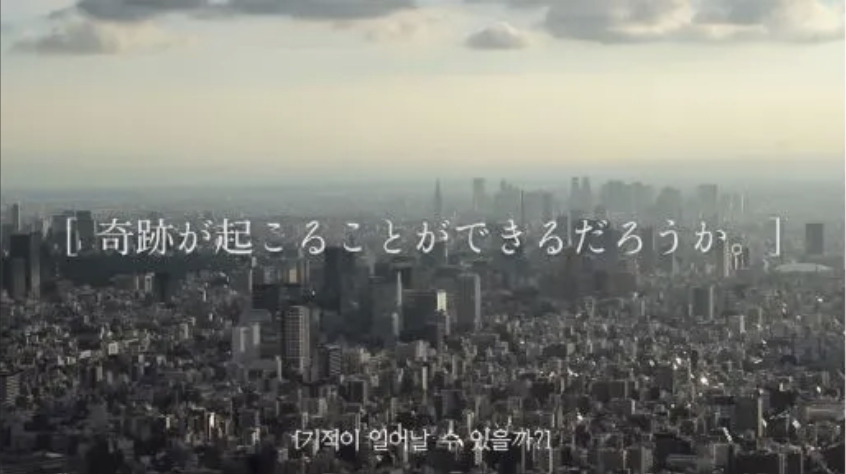
As seen in the solo
exhibition 《Sing a Miracle》(The Reference, Seoul, 2020), Hwang during this period overlaps
realities that individuals cannot easily control—housing insecurity, economic
inequality, and contradictions within social systems—with the emotional
atmosphere of fin-de-siècle animation. A major crisis is no longer something
distant, but something already taking place within ordinary conditions such as
housing, livelihood, and labor.
After the
pandemic, the worldview of his practice shifts as scenes once imagined by
science fiction and dystopian narratives begin to overlap more directly with
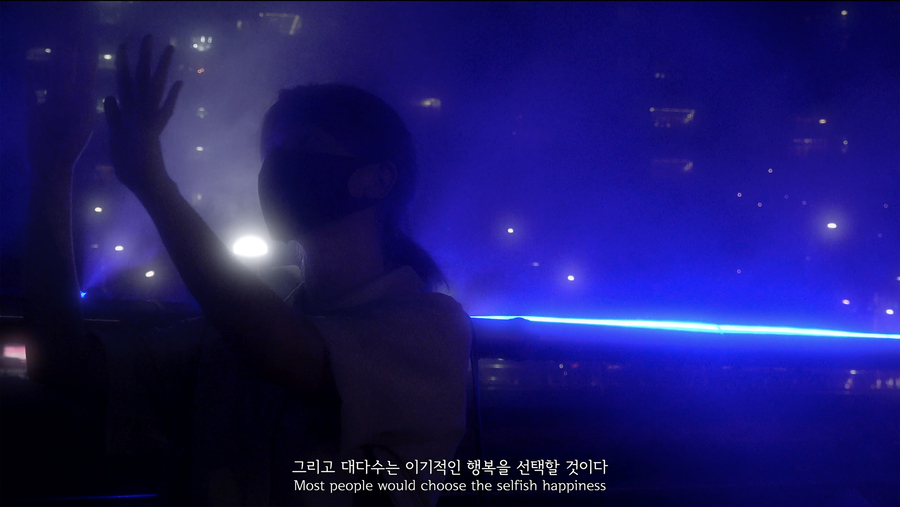
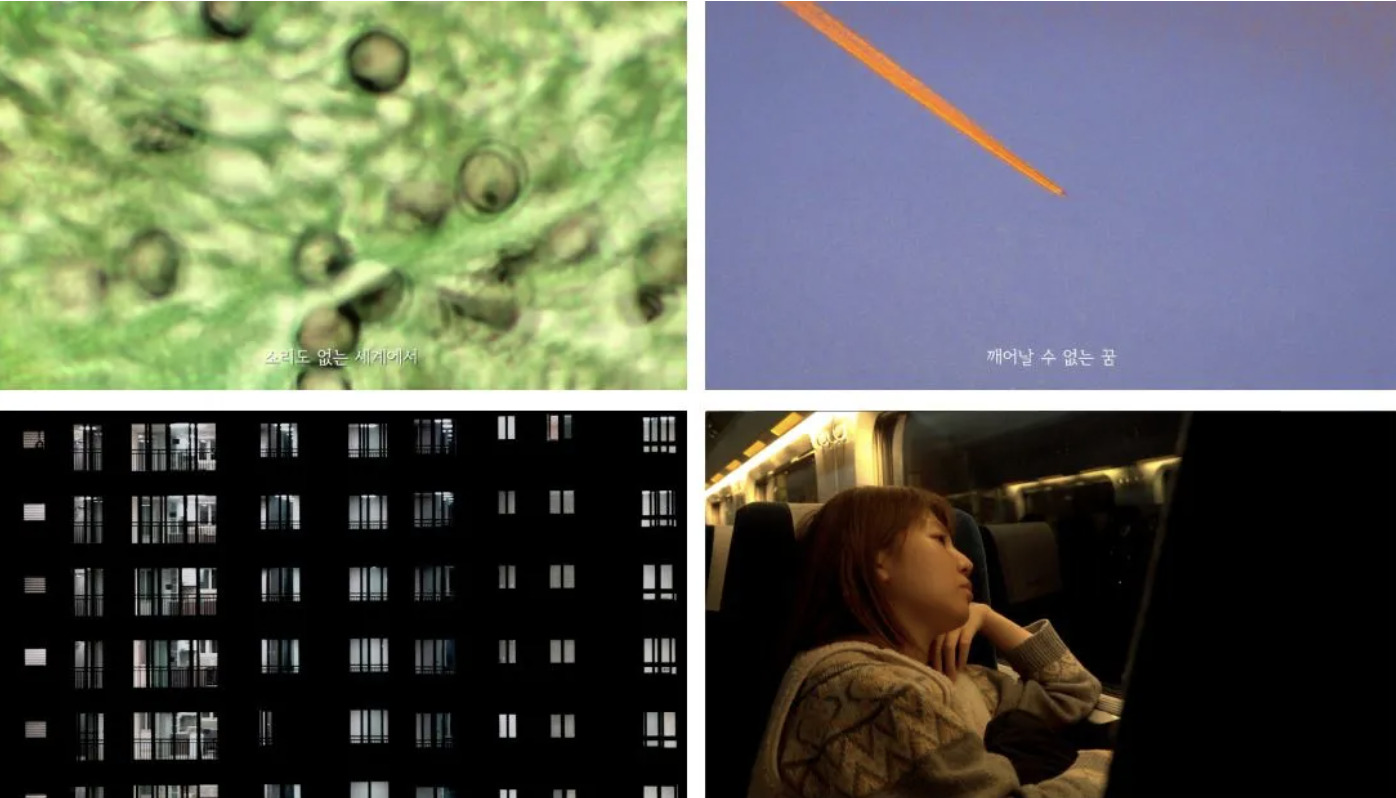
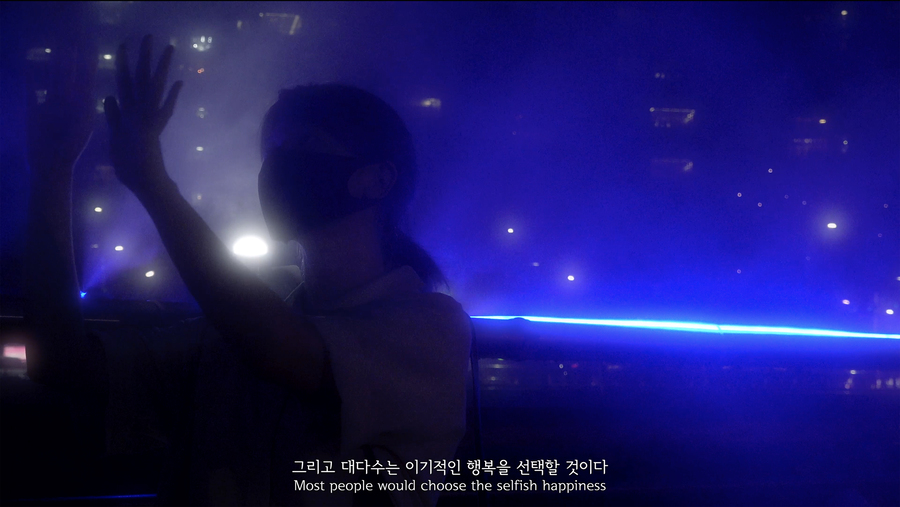
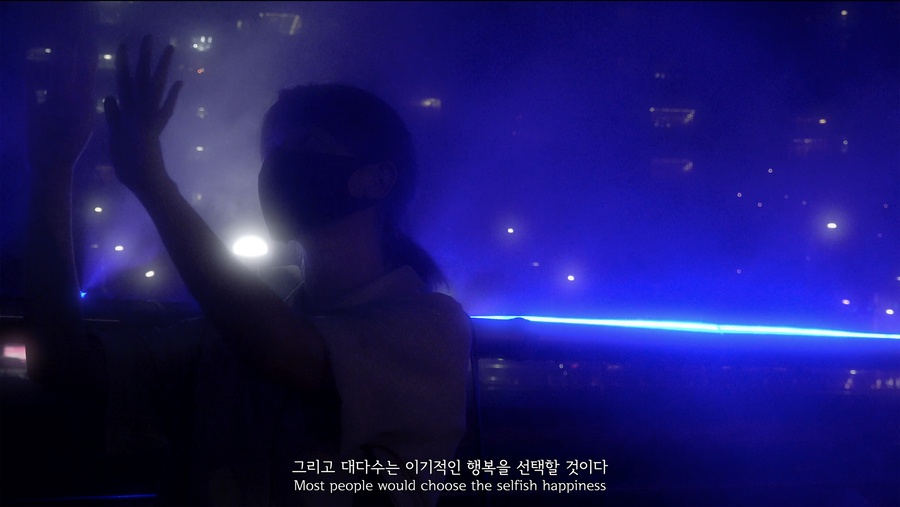
reality. Jeongwol: The New Year(2023) records the everyday
lives of Hwang’s mother and spouse while the artist remains in his hometown of
Busan during COVID-19, interweaving images of Haeundae’s high-rise apartments
and emptied urban landscapes with environmental concerns such as rising sea
levels and the Fukushima wastewater issue.
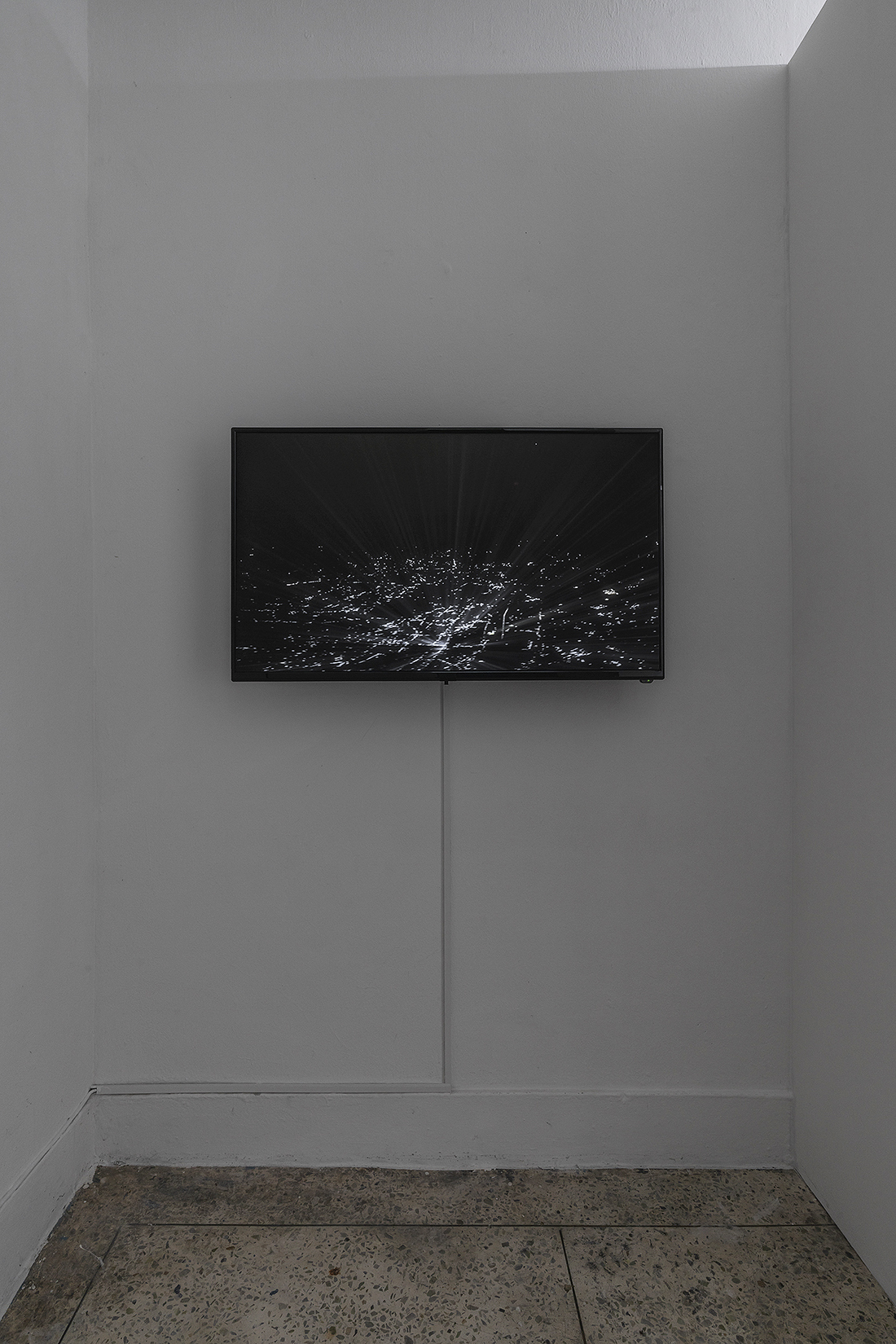
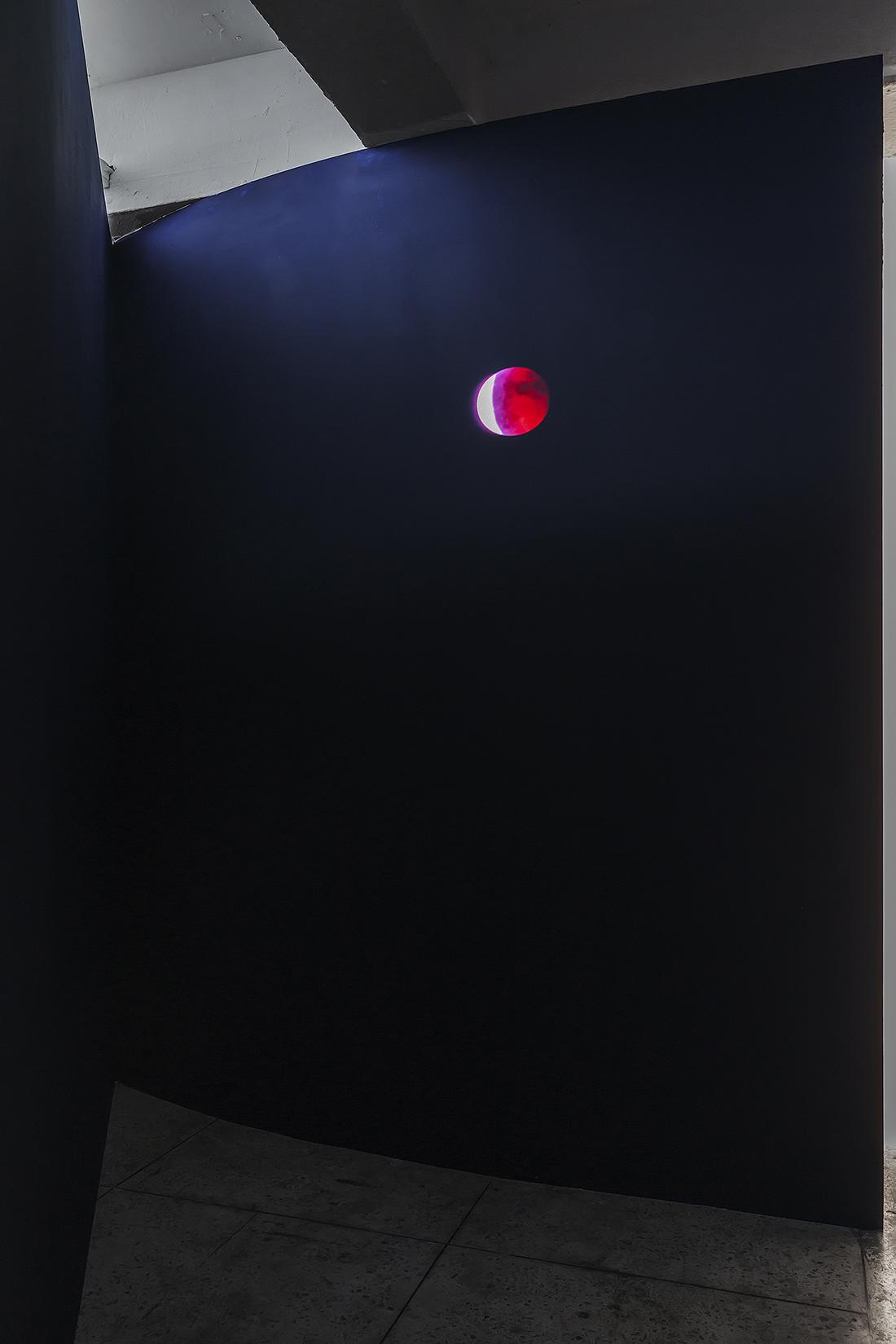
In 《Out of the Blue》(Project Space Sarubia,
Seoul, 2023), Hwang reduces the overt presence of 1990s Japanese subculture
that had strongly characterized his earlier work and expands his references
toward science fiction literature, the humanities, and environmental issues.
Yet the central questions remain: what can humans rely on in an uncertain
world, and what do we attempt to protect in crises beyond our own control?
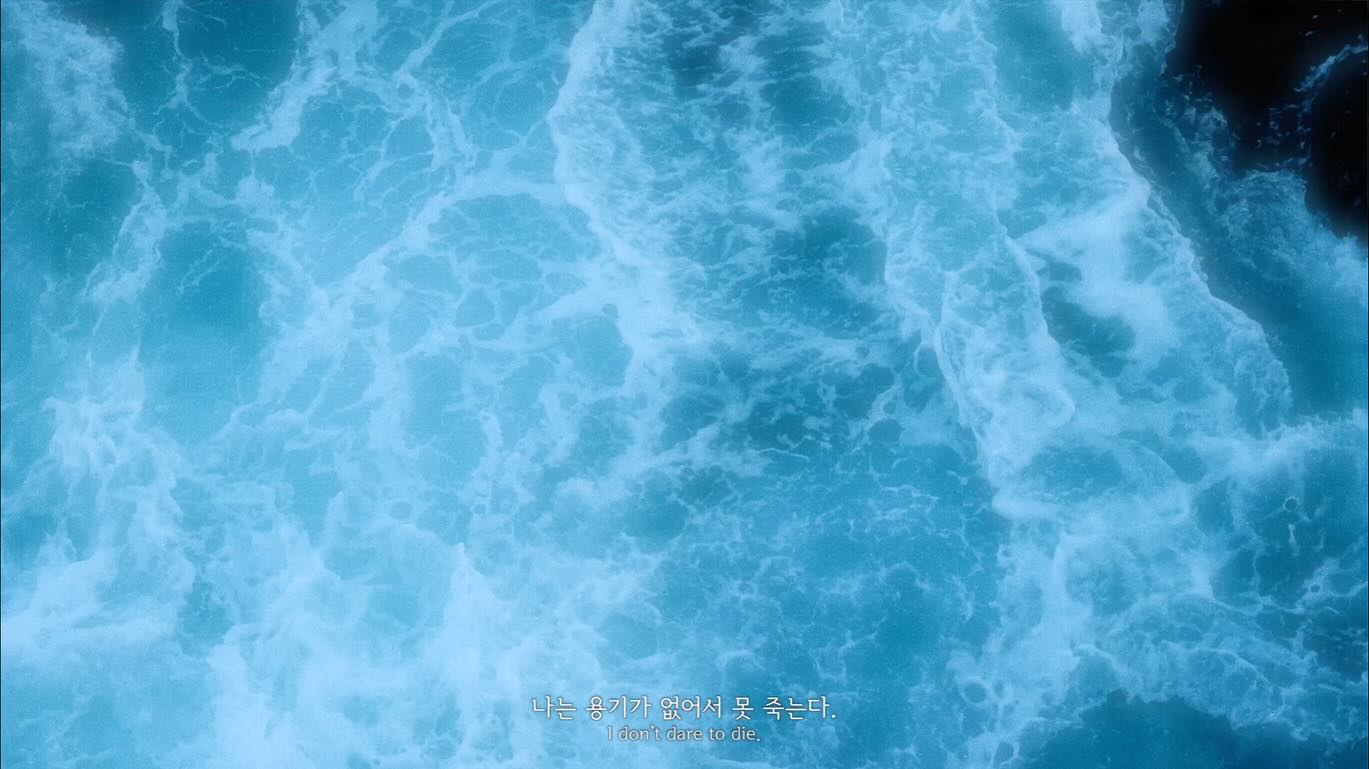
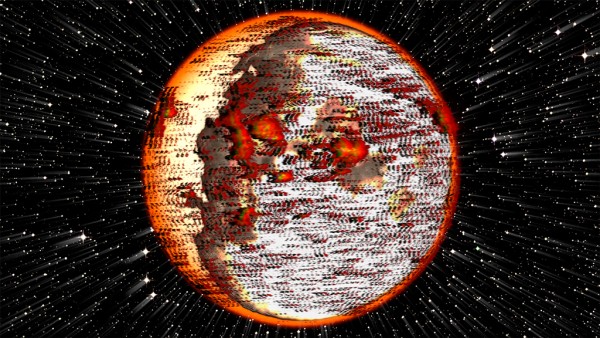
After Blue(2023), which brings together Protect
me, Into the wild, and Jeongwol: The New
Year into a single trajectory, considers human time as a continuous
story of searching for a hero, confirming that hero’s absence, and eventually
recognizing the impossibility of living without relying on others.
More
recently, these questions have moved away from social catastrophe and anxiety
about the future toward the more immediate concerns of family, love, illness,
life, and death. Hwang increasingly regards the figures in his work not simply
as characters within a narrative, but as specific people with whom he shares
his life. PULSE(2025) documents his mother during her
illness and addresses life and death, grief and love.
Whereas his mother and
spouse previously appeared as figures representing individuals living through
an uncertain world, the relationships he shares with them have now become
central subjects in themselves. As Hwang has described his work as “a
historical record capturing moments of the people I love,” his dystopian
worldview is gradually moving beyond imagining the destruction of the world and
toward asking how we look at, remember, and live with one another even within
an unstable reality.



.jpg)