Protect me - K-ARTIST

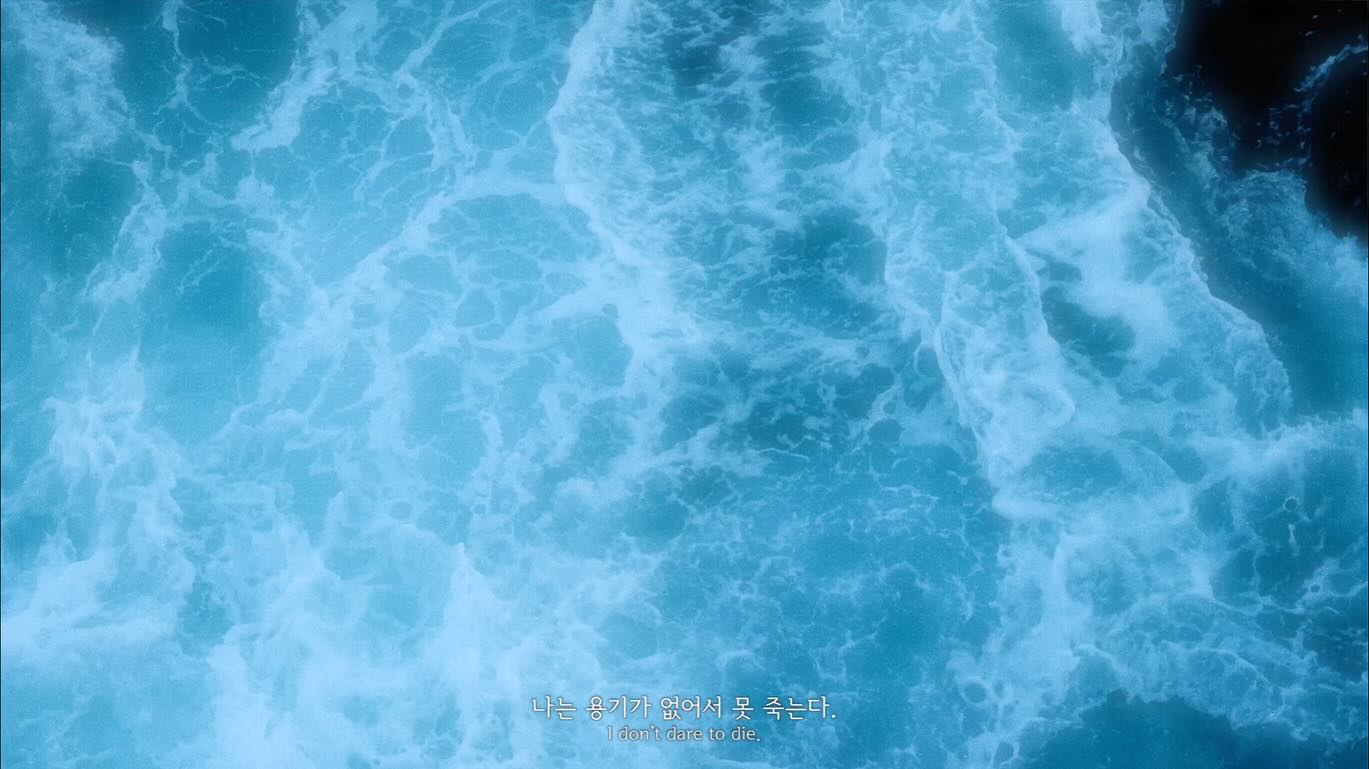
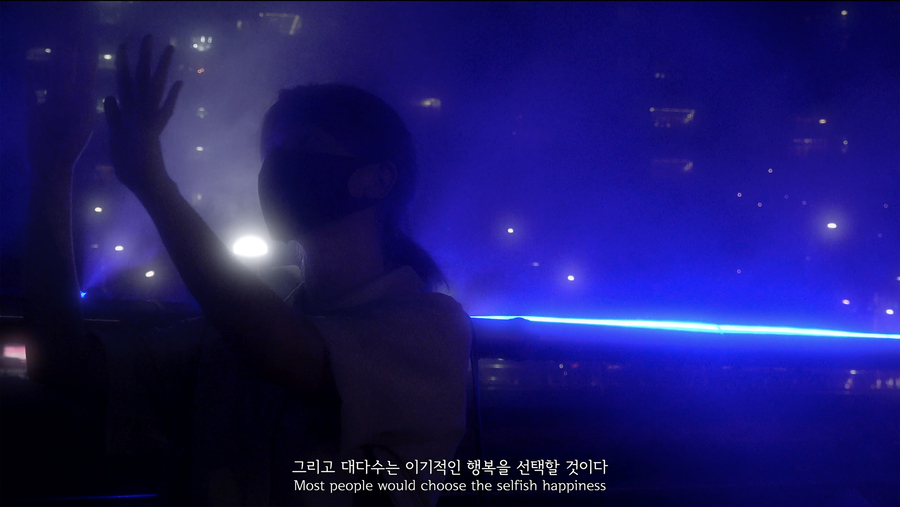
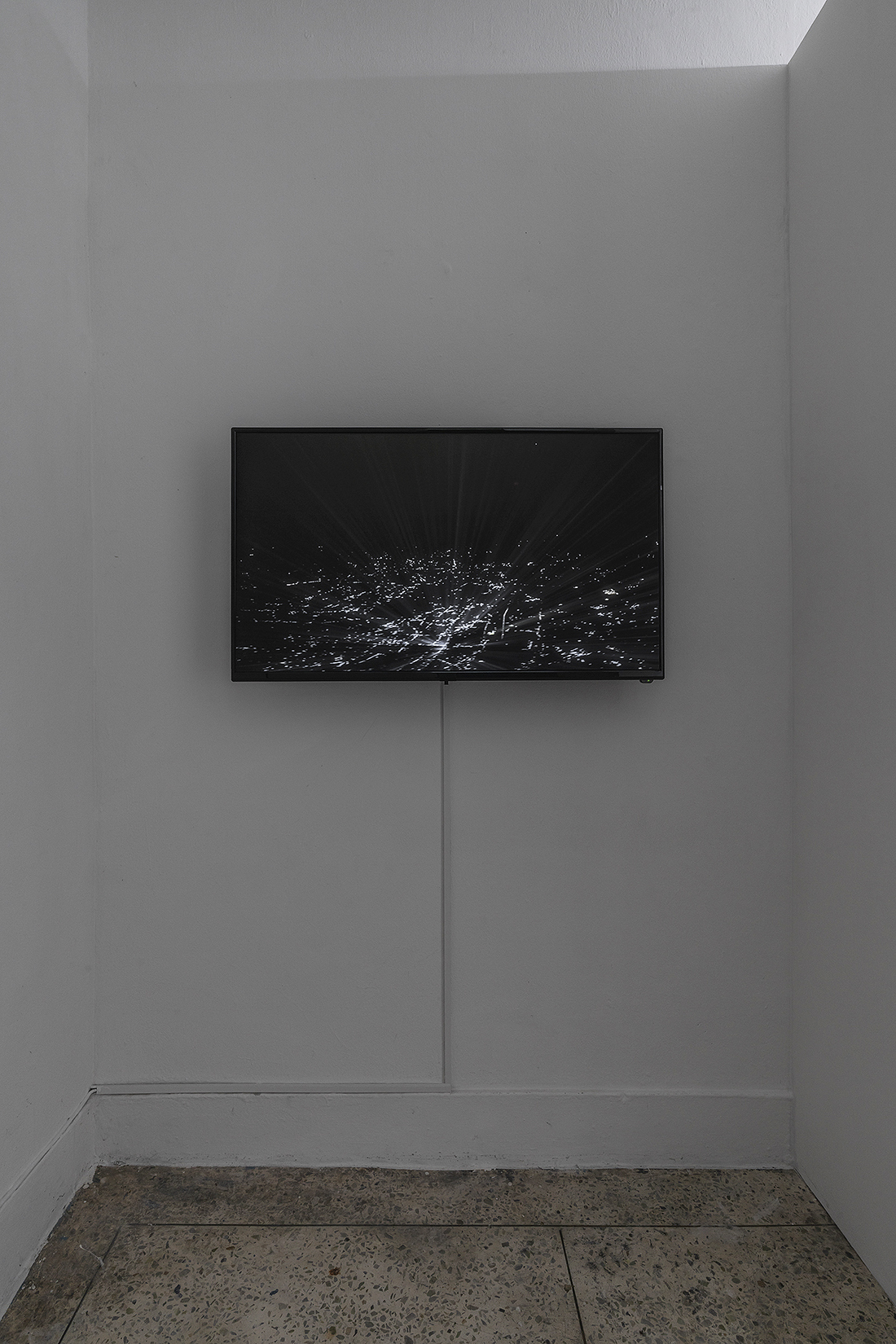
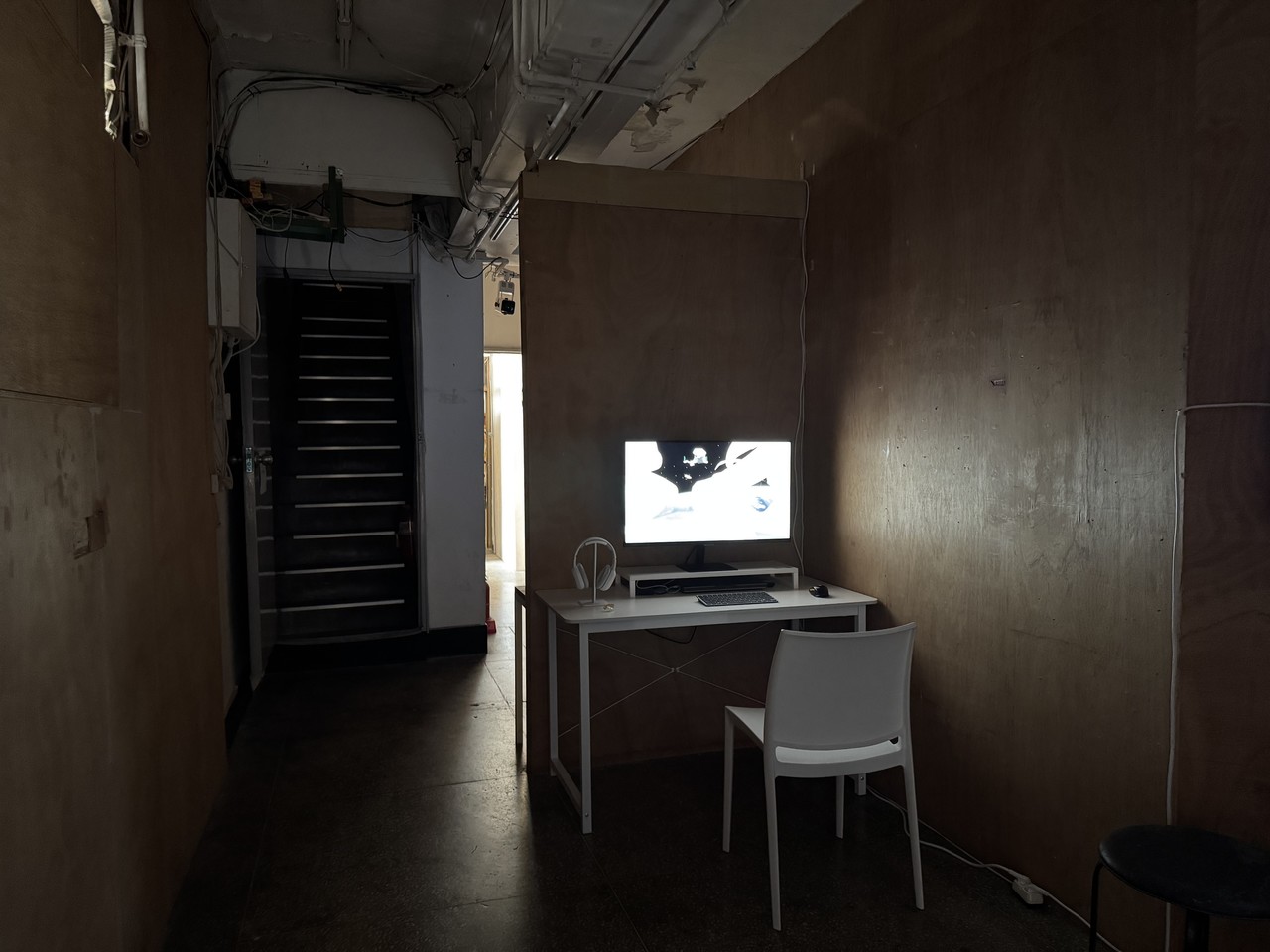
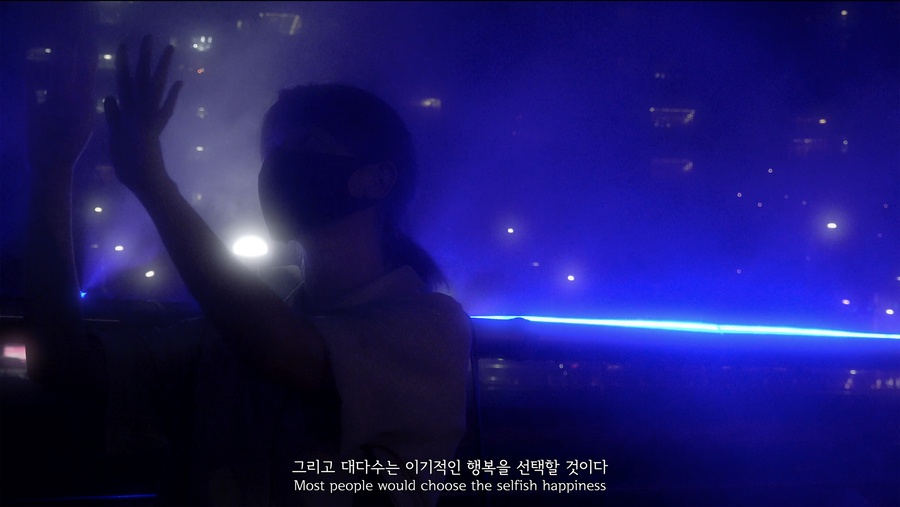
Protect me

2017
HD video
25min
About The Work

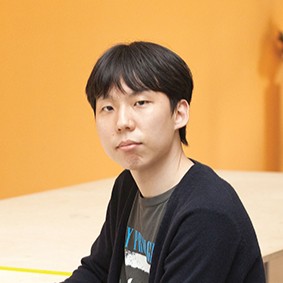
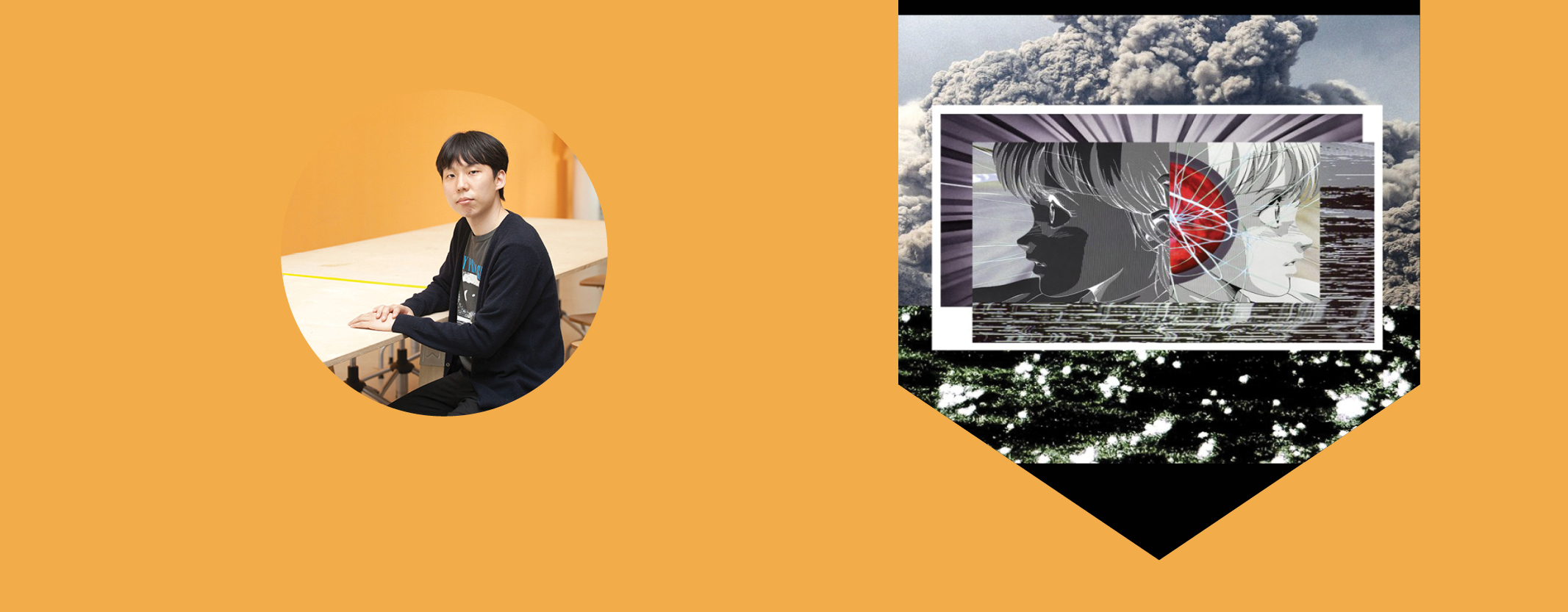
Minkyu Hwang uses animation-inspired editing techniques and formats to reveal the imperfections of society and human vulnerability. By appropriating and reconfiguring existing images and footage, he reflects on contemporary events and social phenomena while developing a distinctive fictional world through the mockumentary format, which traverses the boundaries between reality and the virtual.

Drawing particularly on the subcultures of the 1980s and 1990s, Hwang has constructed a fin-de-siècle worldview through which he captures the unstable aspects of contemporary society. To gather source material for his work, Hwang films and collects a wide range of footage and images, from vlogs featuring family members and acquaintances to news and current affairs programs, as well as films and animations rooted in subculture.

He reconfigures these materials into mockumentaries infused with science fiction elements and fictional scenarios, creating new narratives and worlds in which reality and the virtual intertwine. Although the resulting scenes may initially appear unreal, they soon reveal points of contact with reality, bringing viewers face to face with the world as it exists in the present.

Situated at the intersection of the ambiguous boundary between reality and the virtual, intimate accounts of everyday life, and seemingly far-fetched, expansive dramatic worlds, Hwang’s work reveals the unstable underside of reality while seeking alternative ways forward. In his works, fictional scenarios serve as devices for illuminating aspects of the real world and capturing the vulnerability of human beings as they confront recurring crises.

Through this approach, Hwang raises questions about where the self—as both an individual and a member of society—stands in the present and where it is headed.

Solo Exhibitions (Brief)

Hwang has held solo exhibitions including 《Out of the Blue》 (Project Space Sarubia, Seoul, 2023), 《After Blue》 (Goyang Artist Residency Heaum, Ilsan, 2023), and 《Sing a Miracle》 (The Reference, Seoul, 2020).

Group Exhibitions (Brief)

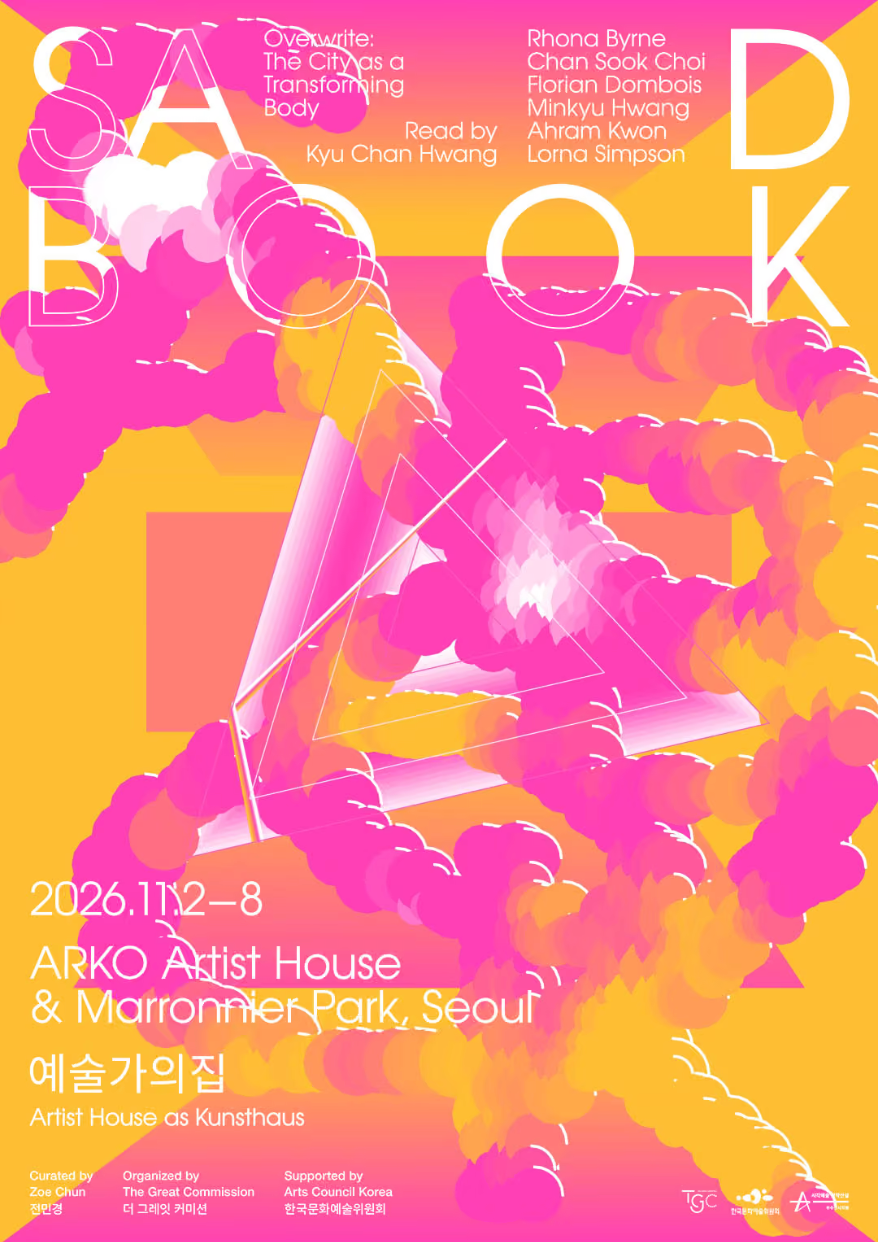
Hwang has also participated in numerous group exhibitions, including 《SAD BOOK》 (ARKO Artist House, Seoul, 2026), 《An Undecomposed Night》 (Chamber, Seoul, 2026), 《Poetic Forensic》 (Sahng-up Gallery, Seoul, 2025), 《FOREVERISM: Endless Horizons》 (Ilmin Museum of Art, Seoul, 2024), 《Move》 (The Necessaries, Seoul, 2023), 《Society of Person》 (Wumin Art Center, Cheongju, 2020), and 《Image, Silhouette, and Motion》 (Gyeonggi Museum of Modern Art, Ansan, 2019).

Awards (Selected)

Hwang was selected as a ‘Public Art New Hero’.

Residencies (Selected)

Hwang has participated in residency programs at the SeMA Nanji Residency (2025–2026), Goyang Artist Residency Heaum (2022–2023), and Cheongju Art Studio (2017).

Works of Art

The Hidden Side of Reality at the Intersection of the Virtual and the Real

Originality & Identity

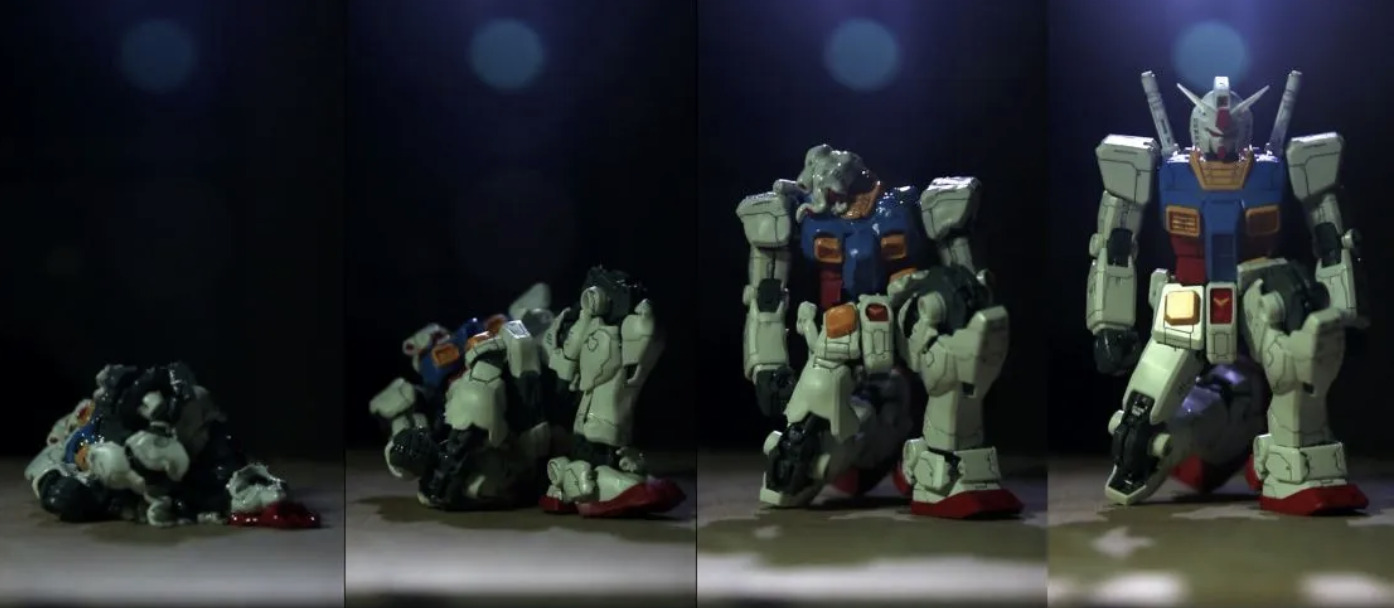
Minkyu Hwang’s practice begins by revisiting anxieties and crises that cannot be easily resolved in reality through the worldviews of animation and science fiction that were familiar to him in childhood. The 2011 Great East Japan Earthquake became an important turning point in his work, as the robots and heroes he had once admired as a child suddenly seemed like nothing more than “lumps of plastic” incapable of exerting any real power in the face of disaster.

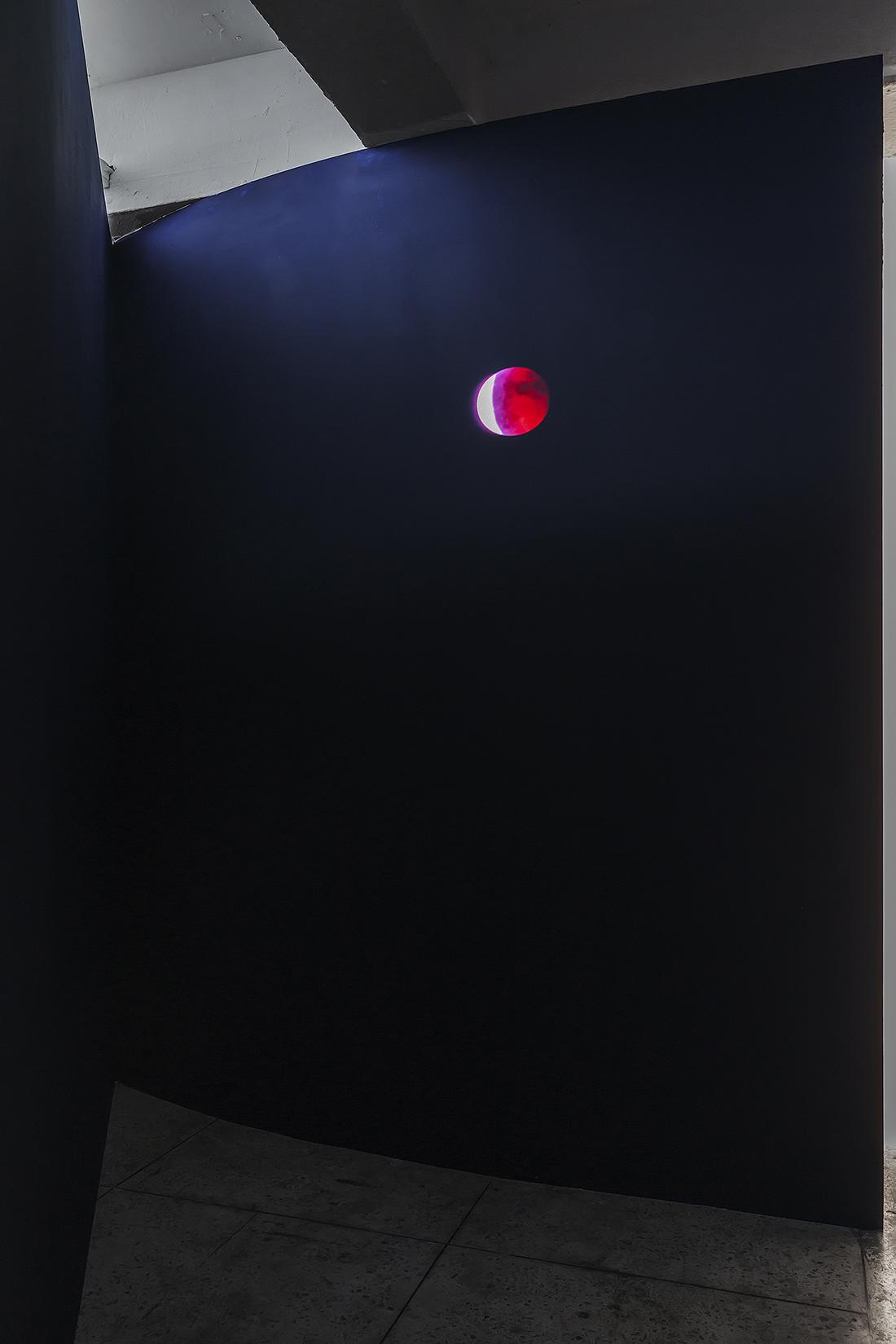
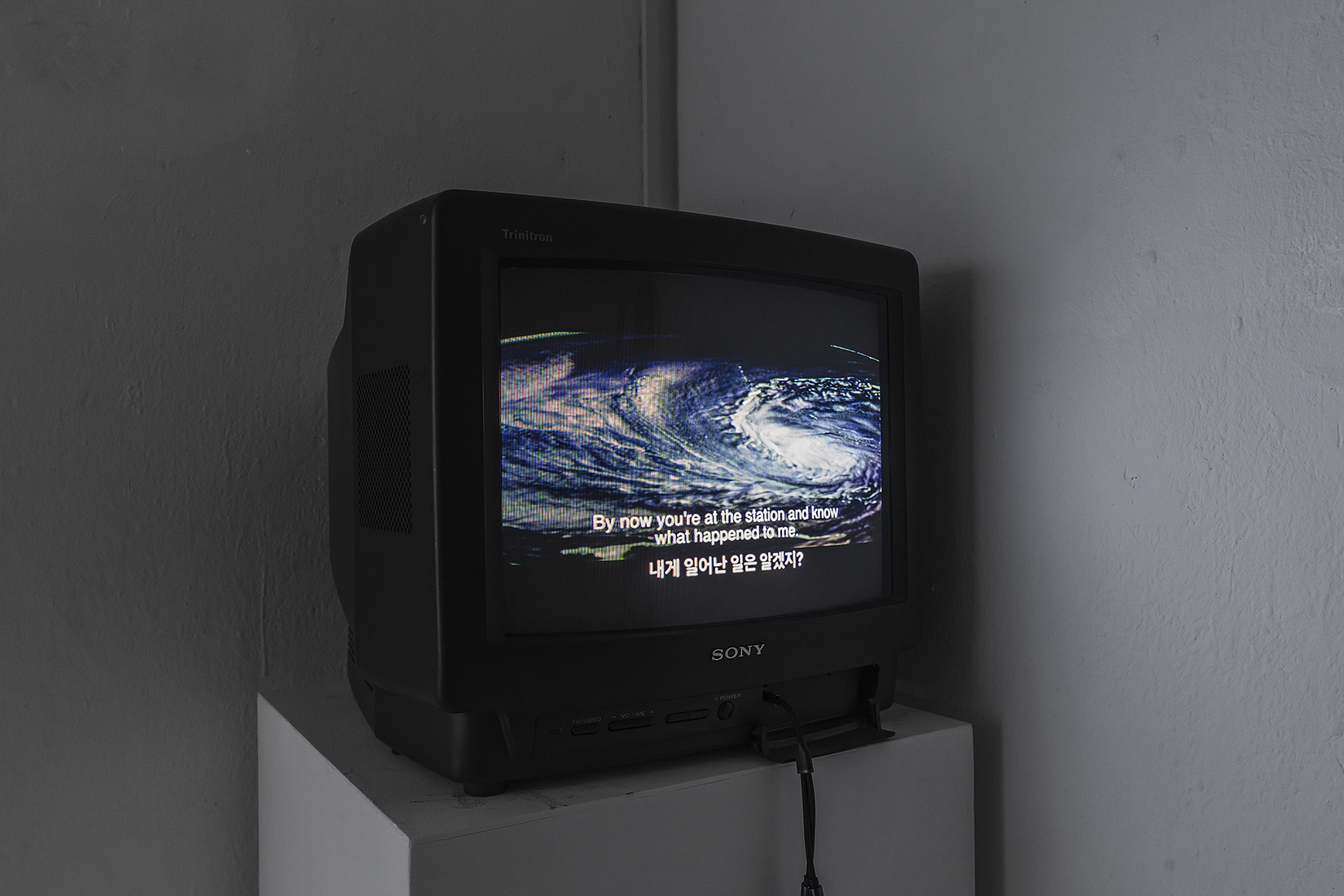
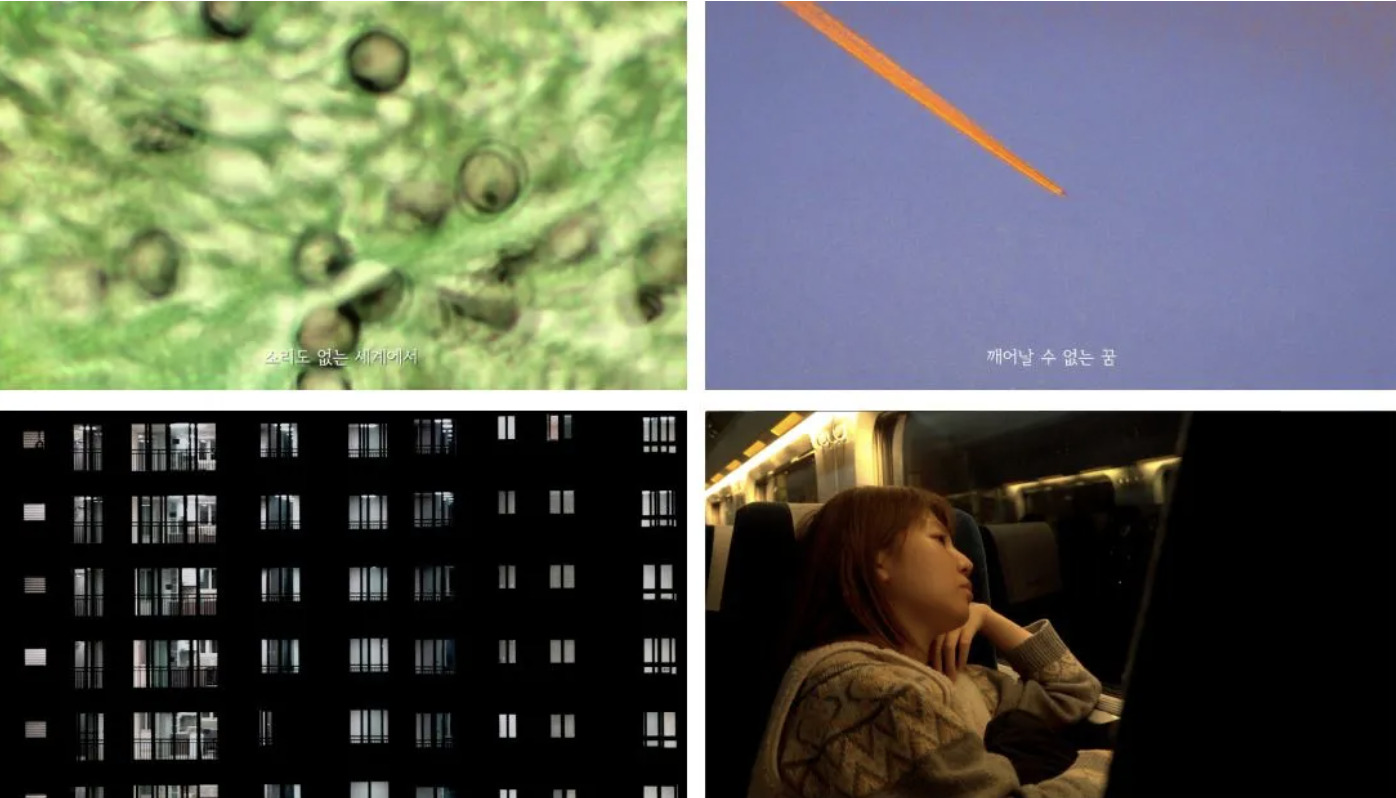
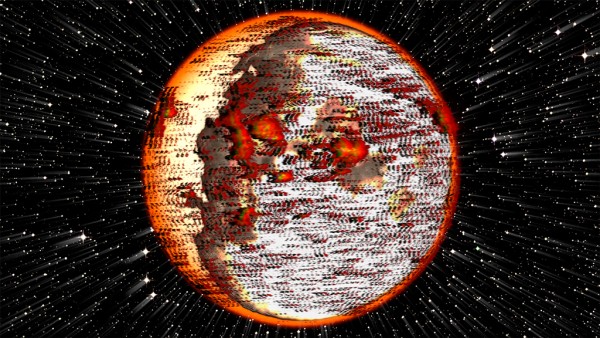
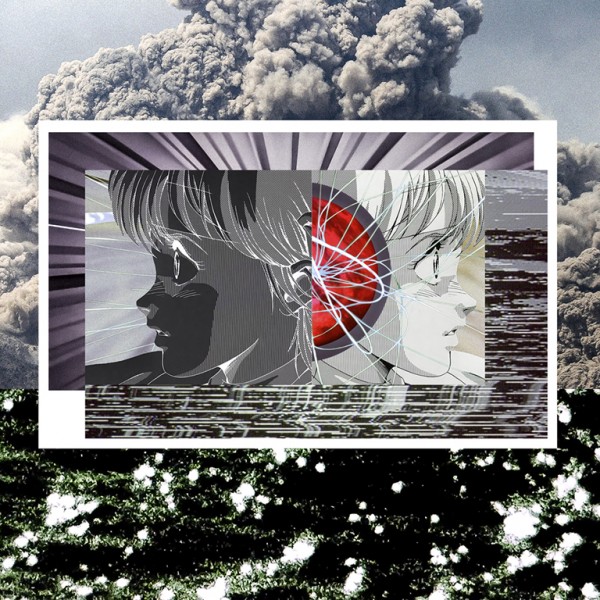
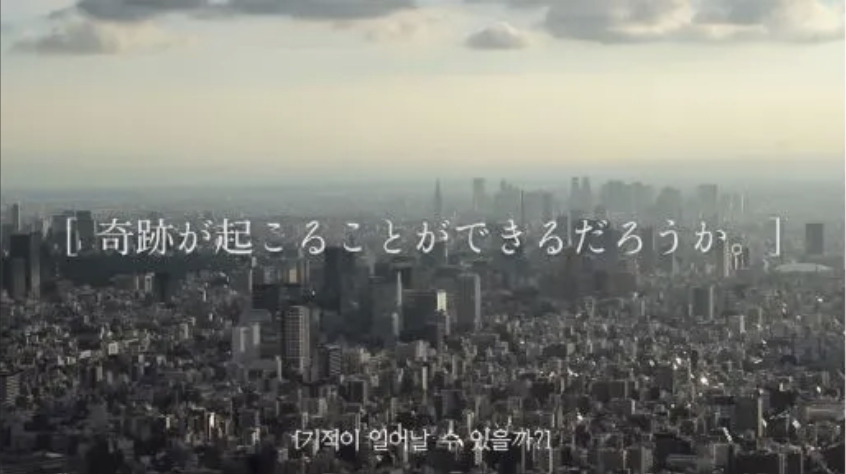
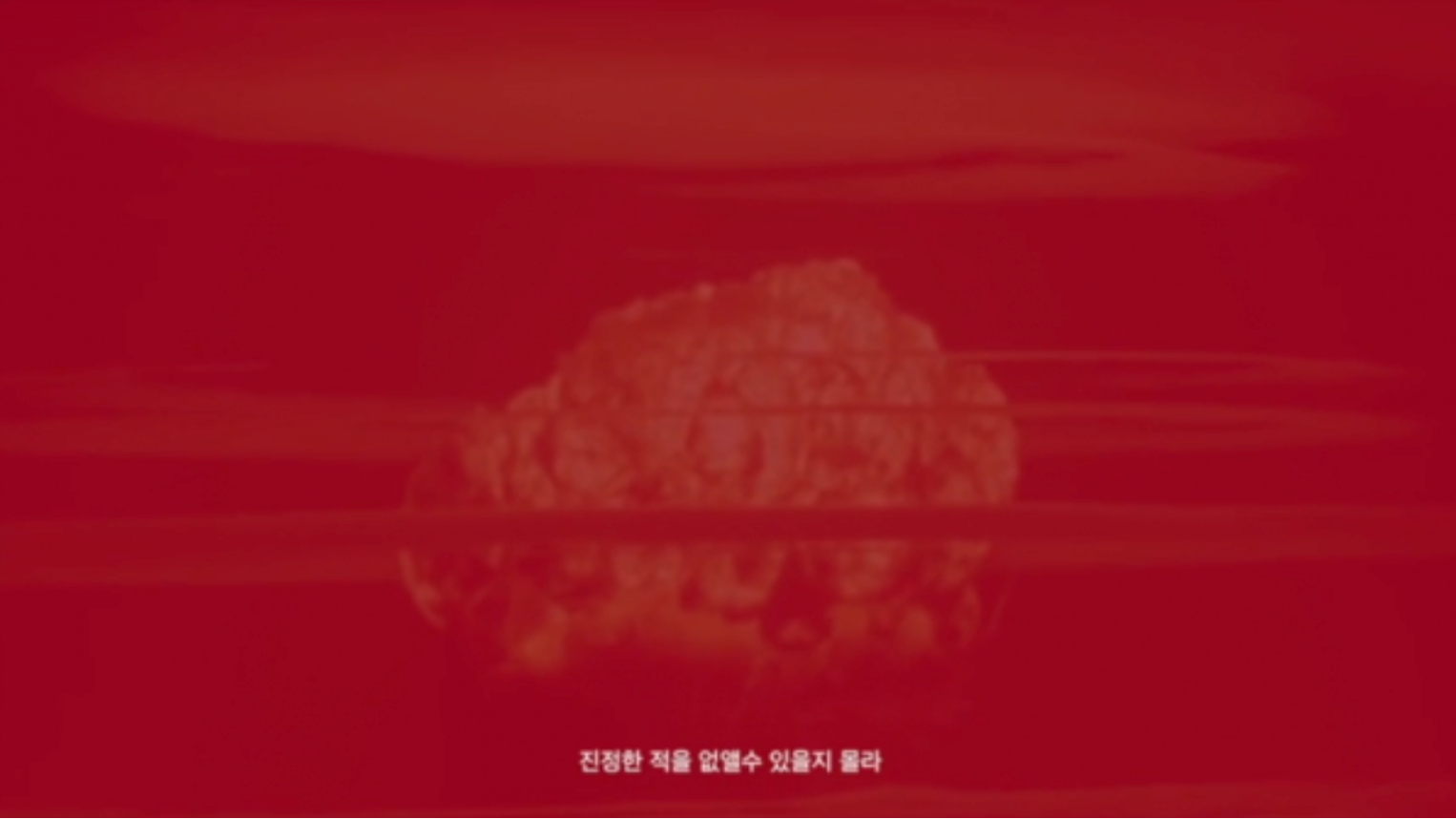
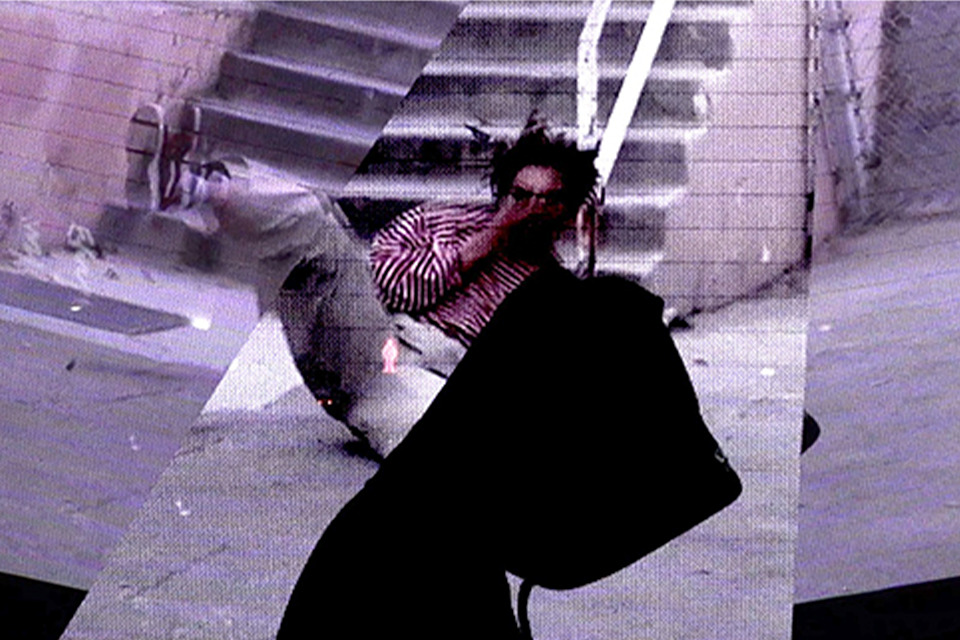
In 2015 odyssey(2015), he physically melts a plastic model and then revives it within the video, revealing the gap between fiction and reality. In I’ll protect you(2015) and Protect me(2017), he adopts the familiar narrative of waiting for a hero who will save the world, yet never allows that hero to actually appear.

In the solo exhibition 《これは愛ですか。 This Is Love?》(out_sight, Seoul, 2018), the hero remains only as a voice, disasters continue, and in the place where a savior might have appeared there remains only a small, lightweight lump of plastic. For Hwang, the hero functions less as a symbol of salvation than as a device that exposes the human expectation of and dependence on a form of rescue that does not exist in reality.
 
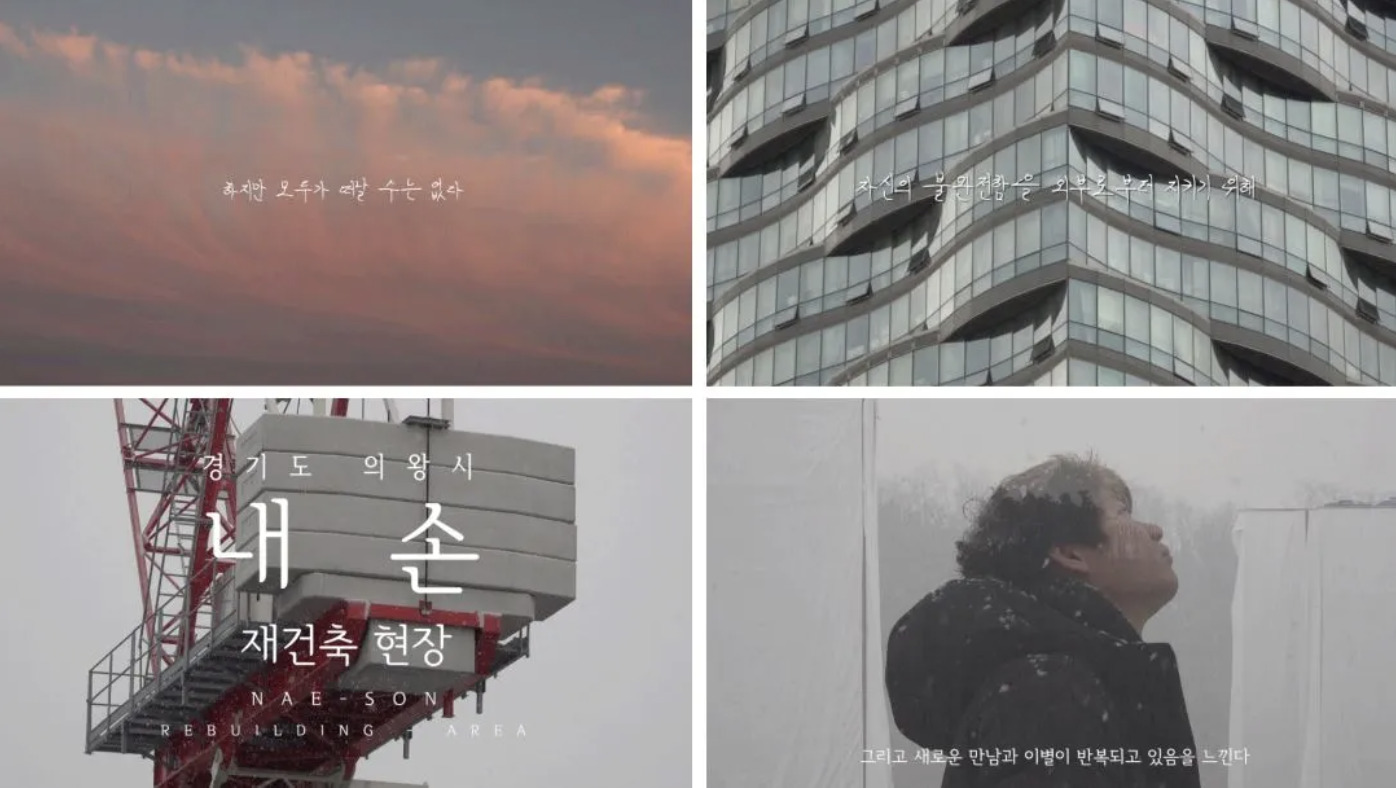
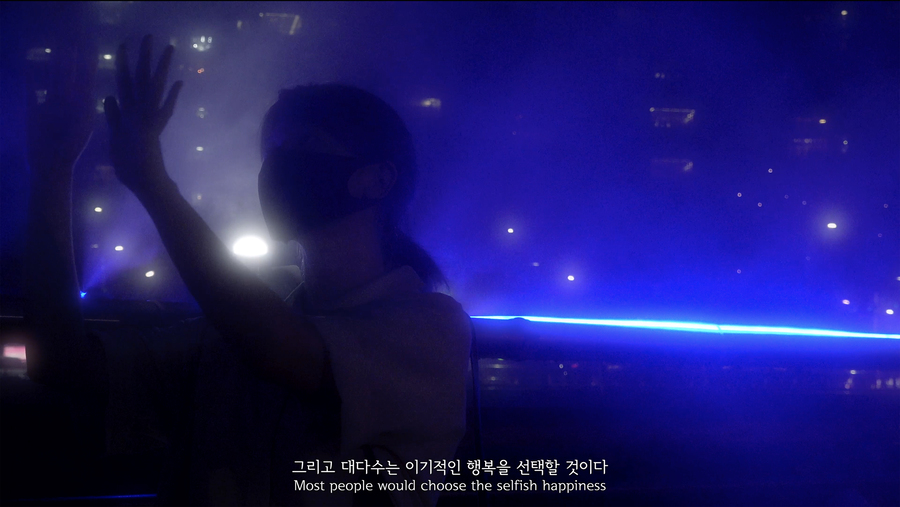
These concerns gradually expand into the question of how an individual can live in a world where reality and fiction are increasingly intertwined. Into the wild(2020) presents an individual who, having accepted the absence of a hero, attempts to carve out a life through his own will, only to have that resolve shaken by the control and isolation brought about by the pandemic.

Created in the same year, The end of our base(2020) combines the real experience of a friend facing eviction because of an administrative problem with a government-supported rental deposit loan and the popular-cultural premise of entering a hip-hop audition.

As seen in the solo exhibition 《Sing a Miracle》(The Reference, Seoul, 2020), Hwang during this period overlaps realities that individuals cannot easily control—housing insecurity, economic inequality, and contradictions within social systems—with the emotional atmosphere of fin-de-siècle animation. A major crisis is no longer something distant, but something already taking place within ordinary conditions such as housing, livelihood, and labor.
 
After the pandemic, the worldview of his practice shifts as scenes once imagined by science fiction and dystopian narratives begin to overlap more directly with reality. Jeongwol: The New Year(2023) records the everyday lives of Hwang’s mother and spouse while the artist remains in his hometown of Busan during COVID-19, interweaving images of Haeundae’s high-rise apartments and emptied urban landscapes with environmental concerns such as rising sea levels and the Fukushima wastewater issue.

In 《Out of the Blue》(Project Space Sarubia, Seoul, 2023), Hwang reduces the overt presence of 1990s Japanese subculture that had strongly characterized his earlier work and expands his references toward science fiction literature, the humanities, and environmental issues. Yet the central questions remain: what can humans rely on in an uncertain world, and what do we attempt to protect in crises beyond our own control?

After Blue(2023), which brings together Protect me, Into the wild, and Jeongwol: The New Year into a single trajectory, considers human time as a continuous story of searching for a hero, confirming that hero’s absence, and eventually recognizing the impossibility of living without relying on others.
 
More recently, these questions have moved away from social catastrophe and anxiety about the future toward the more immediate concerns of family, love, illness, life, and death. Hwang increasingly regards the figures in his work not simply as characters within a narrative, but as specific people with whom he shares his life. PULSE(2025) documents his mother during her illness and addresses life and death, grief and love.

Whereas his mother and spouse previously appeared as figures representing individuals living through an uncertain world, the relationships he shares with them have now become central subjects in themselves. As Hwang has described his work as “a historical record capturing moments of the people I love,” his dystopian worldview is gradually moving beyond imagining the destruction of the world and toward asking how we look at, remember, and live with one another even within an unstable reality.

Style & Contents

Hwang’s most distinctive formal approach is the mockumentary, in which documentary material is mixed with fictional premises. He collects and re-edits images from different sources, including vlogs of family and friends, footage filmed during trips and walks, news and current affairs programs, and scenes and dialogue from animation and film. In his earlier work, the editing styles, dialogue, soundtracks, and heroic narrative conventions of Japanese animation from the 1980s and 1990s served as major references.

In 《Twisted Sekai》(Cheongju Art Studio, Cheongju, 2017), he combined actual incidents and landscapes recorded during a trip to Japan with a fictional scenario, creating a world in which it becomes difficult to determine what is real and what has been constructed. The everyday footage itself is real, but narration, editing, and the appropriation of pre-existing images build a fictional worldview around it. This disjunction produces the fundamental tension in Hwang’s moving-image practice.
 
The found footage used by the artist functions as more than quotation or collage; it demonstrates how images from the past can come to explain the present. In The end of our base, most of the dialogue, apart from the protagonist’s actual voice, is taken from pre-existing subcultural material and combined with a real housing crisis and the narrative of a hip-hop audition.

The fin-de-siècle melancholy of earlier animation and the economic insecurity of a younger generation overlap within the same frame, creating the impression that the language of old fiction is describing contemporary reality. Conversely, Hwang also places news footage and images of actual events within fictional narratives.

As a result, viewers can no longer easily maintain a simple distinction in which news is fact and animation is fiction. This connects with the context of 《Poetic Forensic》(Sahng-up Gallery, Seoul, 2025), which examines unstable boundaries between records and data, truth and fiction.
 
Through Jeongwol: The New Year, this formal language becomes drier and more observational. Hwang films his family and the city of Busan without elaborate staging, yet the actual landscape of Haeundae itself begins to resemble a futuristic city once seen in science fiction films. Information about the pandemic and environmental disaster seeps into ordinary scenes of his mother preparing for Jeongwol Daeboreum, walking with a companion animal, visiting the hospital, or drinking with her daughter-in-law.

In 《After Blue》(Goyang Artist Residency Heaum, Goyang, 2023), he chronologically connects Protect me, Into the wild, and Jeongwol: The New Year, reconstructing the recurring narratives of anxiety and salvation from the individual works into a single extended temporality. The center of gravity thus shifts from the active appropriation of animation toward sustained observation of actual people and places.
 
What becomes particularly important within this shift is the artist’s gaze toward people close to him. Rather than directing actors or unfamiliar subjects, Hwang records people with whom he has shared long periods of his life—his mother, spouse, and friends. Their actions and conversations are largely unstaged, and the artist discovers facial expressions, words, and changes in relationships that he did not notice at the time of filming by later returning to and editing the files.

In PULSE, this attitude becomes even more direct. His approach moves from using family members to articulate a social crisis toward recording in order to look at and understand family itself. Hwang’s mockumentaries therefore function less as a genre for elaborately constructing fiction than as an editing method that allows reality, rendered invisible through familiarity, to be seen again as something strange.

Topography & Continuity

The most distinctive characteristic of Minkyu Hwang’s practice is the way he naturally overlaps vast dystopian narratives with extremely private everyday histories within the same frame. While moving-image works dealing with disasters and social issues often directly analyze the causes or structures behind events, Hwang begins within the radius of his own life: a honeymoon, a friend’s housing crisis, or a walk with his mother.

Onto these experiences he layers animated heroes, the end of the world, prophecies from science fiction, and events from the news, showing the anxiety of an era as it is actually felt by an individual. Disasters in his works are therefore always large in scale, while the ways in which they are experienced remain small and specific. Even when the world may be approaching destruction, the figures continue to walk, eat, work, and worry about housing. This collision of scales produces the distinctive emotional tone of Hwang’s work.
 
Another characteristic is that nostalgia does not function merely as a feeling of reminiscence. For Hwang, 1990s animation and science fiction are both childhood tastes and tools for reading the present. The fin-de-siècle sensibility that appears strongly in early images and videos such as Time to Live(2018) gradually expands toward cyberpunk, dystopian literature, environmental disaster, and technological society.

Much like the questions of repetition and persistence of past images addressed in 《FOREVERISM: Endless Horizons》(Ilmin Museum of Art, Seoul, 2024), popular culture from the past returns in Hwang’s work not as a vanished trend but as a language for explaining contemporary reality. Crucially, however, he does not remain within those images. The more closely the fictions once created to imagine the future begin to resemble actual reality, the closer he brings his camera toward the reality he himself inhabits.
 
Following the development of his practice, the center gradually moves from “the individual waiting for a hero” to “the individual attempting to live through his own strength,” and finally to “the individual living through relationships with others.” In Protect me, the absence of the hero who might save the world becomes apparent, while in Into the wild, the individual who accepts this absence attempts to endure on his own.

By Jeongwol: The New Year, however, skepticism toward the possibility of complete self-reliance emerges alongside the increasing importance of relationships with his mother and spouse. In PULSE, this change becomes more pronounced, as the artist’s interest shifts from a worldview anticipating disaster toward the question of how to look at and love another person in the face of life and death.

The sense of anxiety and crisis present since his earliest works has not disappeared, but a new direction emerges in his growing tendency to seek ways of enduring it not through an external hero, but within intimate relationships.
 
In Hwang’s practice, science fiction and mockumentary are not devices for escaping reality but detours through which reality can be seen more clearly. As the distance of his camera continues to narrow toward family, love, and loss, his world increasingly develops as a long “personal history” that records reality while moving back and forth between vast future catastrophes and the most intimate moments of everyday life.

Works of Art

The Hidden Side of Reality at the Intersection of the Virtual and the Real

Articles

Exhibitions

Activities