Triangle, Circle, Square - K-ARTIST

Triangle, Circle, Square

2008
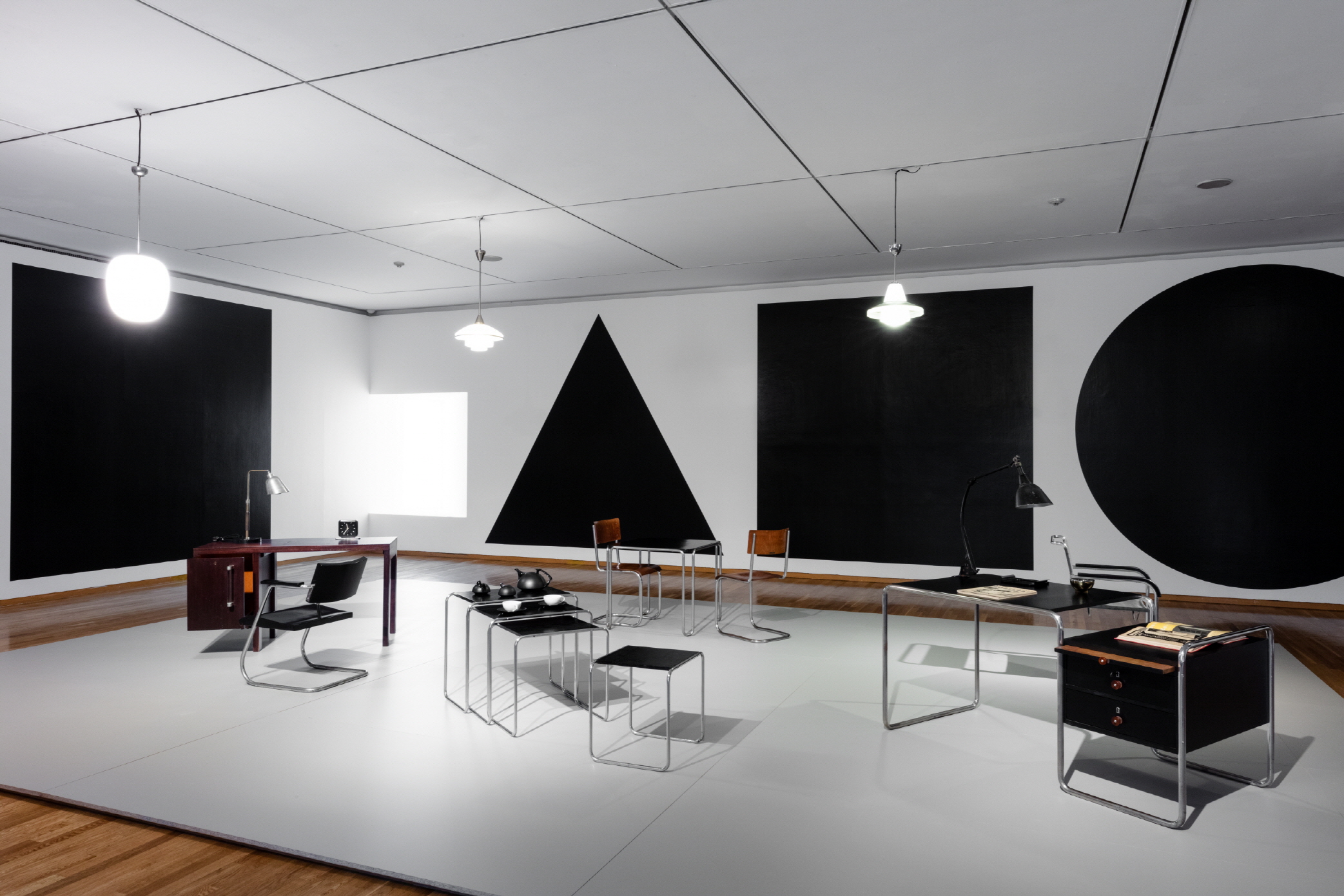
Live video installation, Mixed Media
Dimensions variable
About The Work

Kyungwoo Han explores the structure of visual experience across sculpture, video, and installation. His practice begins with questions about how we perceive and understand objects. Although vision is a fundamental sense through which we perceive the external world, taking things before our eyes at face value is far from straightforward.

The same object can take on entirely different meanings depending on what we look at, where we view it from, and what images and information we have encountered previously. Han examines the gap between image and reality, focusing on how memory, knowledge, and social conventions shape visual experience.

Through a range of visual media, Han disrupts familiar sensory systems and gives formal expression to moments of perceptual shift. Visual reversals created through optical illusions remind us that even what we believe to be objective fact may depend on limited viewpoints and learned assumptions. In doing so, his work prompts viewers to confront the fact that their ways of seeing and interpreting objects are by no means absolute.

In Han’s practice, visual experience extends beyond the recognition of an object’s outward appearance, becoming an opportunity to reflect on the very ways in which we have come to understand the world. By revealing the limits of perception through shifts in how we see, Han explores the possibility of understanding the familiar world from new perspectives.

Solo Exhibitions (Brief)

Kyungwoo Han has held solo exhibitions at Alternative Space LOOP (2011), SongEun Art Space (2014), Hyundai Motorstudio Seoul (2017), and Gallery Simon (2021), among others.

Group Exhibitions (Brief)

Kyungwoo Han has participated in group exhibitions at the Bronx Museum of the Arts (2008), Leeum Museum of Art (2012), Guangdong Museum of Art (2012), National Museum of Modern and Contemporary Art, Korea (2014, 2016), Busan Museum of Art (2014), Seoul Museum of Art (2014), and Museum SAN (2019), among others.

Awards (Selected)

Kyungwoo Han received Second Prize in the AHL Foundation Visual Arts Award (2007) and the Grand Prize in the 11th SONGEUN Art Award (2011).

Residencies (Selected)

Kyungwoo Han has participated in residency programs at Lower Manhattan Cultural Council's Swing Space (2007), Yaddo (2009), SeMA Nanji Residency (2012), MMCA Residency Goyang (2013), and Gallery Purple Studio (2018).

Collections (Selected)

Works by Kyungwoo Han are held in the collections of the National Museum of Modern and Contemporary Art, Korea, MMCA Art Bank, Seoul Museum of Art, SONGEUN Art and Cultural Foundation, Smith College Museum of Art, and Seoul National University Hospital, among others.

Works of Art

The Moments of Perceptual Shift

Originality & Identity

Kyungwoo Han’s artistic practice begins with questions about how we perceive and understand the world around us. Although vision plays a fundamental role in human perception, seeing an object as it truly is proves far more complicated than it might seem. The same object can acquire entirely different meanings depending on where and how it is viewed, as well as the images and information one has previously encountered.

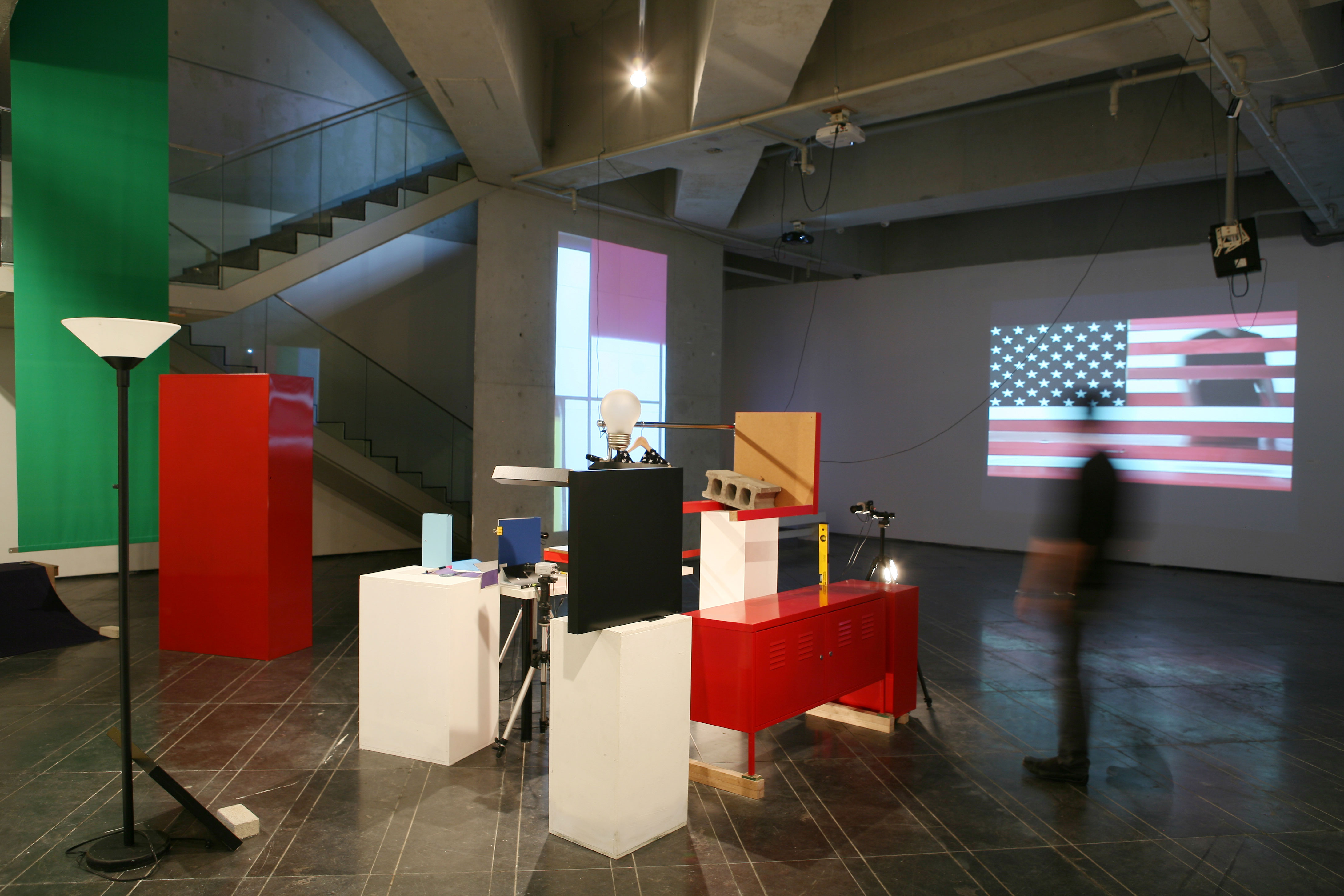
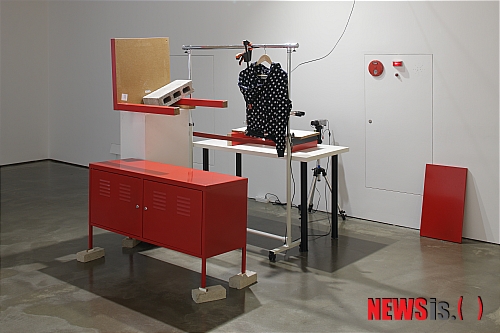
Han examines the ways in which memory, knowledge, and social conventions shape visual experience, exploring the discrepancies that arise between images and their physical realities. In his early works, Red Cabinet (2005), Tableau with Objects (2008), and Star Pattern Shirt (2011), he meticulously arranges everyday objects to produce familiar images, including television color bars, Mondrian’s abstract compositions, and the American flag.

When the actual structures behind these images are revealed, viewers are prompted to reconsider the assumptions underlying their initial interpretations. Such visual reversals suggest that even what we believe to be objective facts may depend on limited viewpoints and learned conventions.

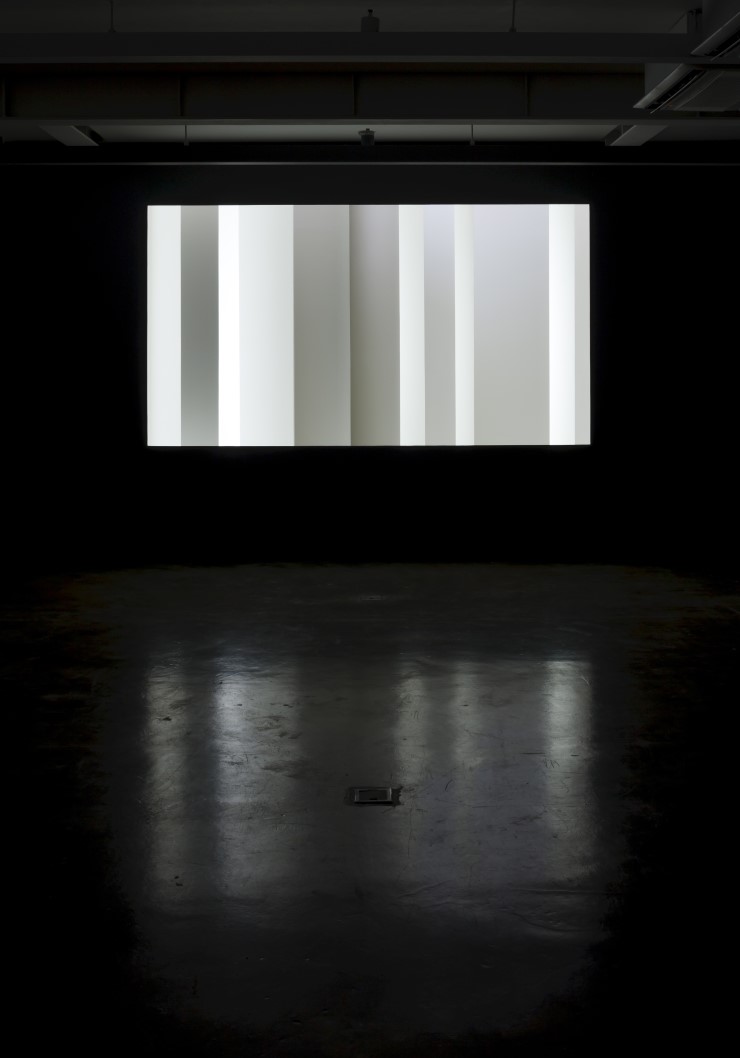
Han’s interests gradually extend beyond the mechanisms of optical illusion to examine how people assign meaning to particular images and come to accept those meanings as established conventions. Reclaiming a Hat (2013) recreates the familiar image of the boa constrictor digesting an elephant from Antoine de Saint-Exupéry’s The Little Prince through a live video image of an actual fedora.

The work draws attention to the paradox that, as the story became widely known, the image of the boa constrictor itself developed into a new convention of perception. Through this reversal, Han demonstrates how our understanding of images changes according to historical circumstances and cultural experiences.

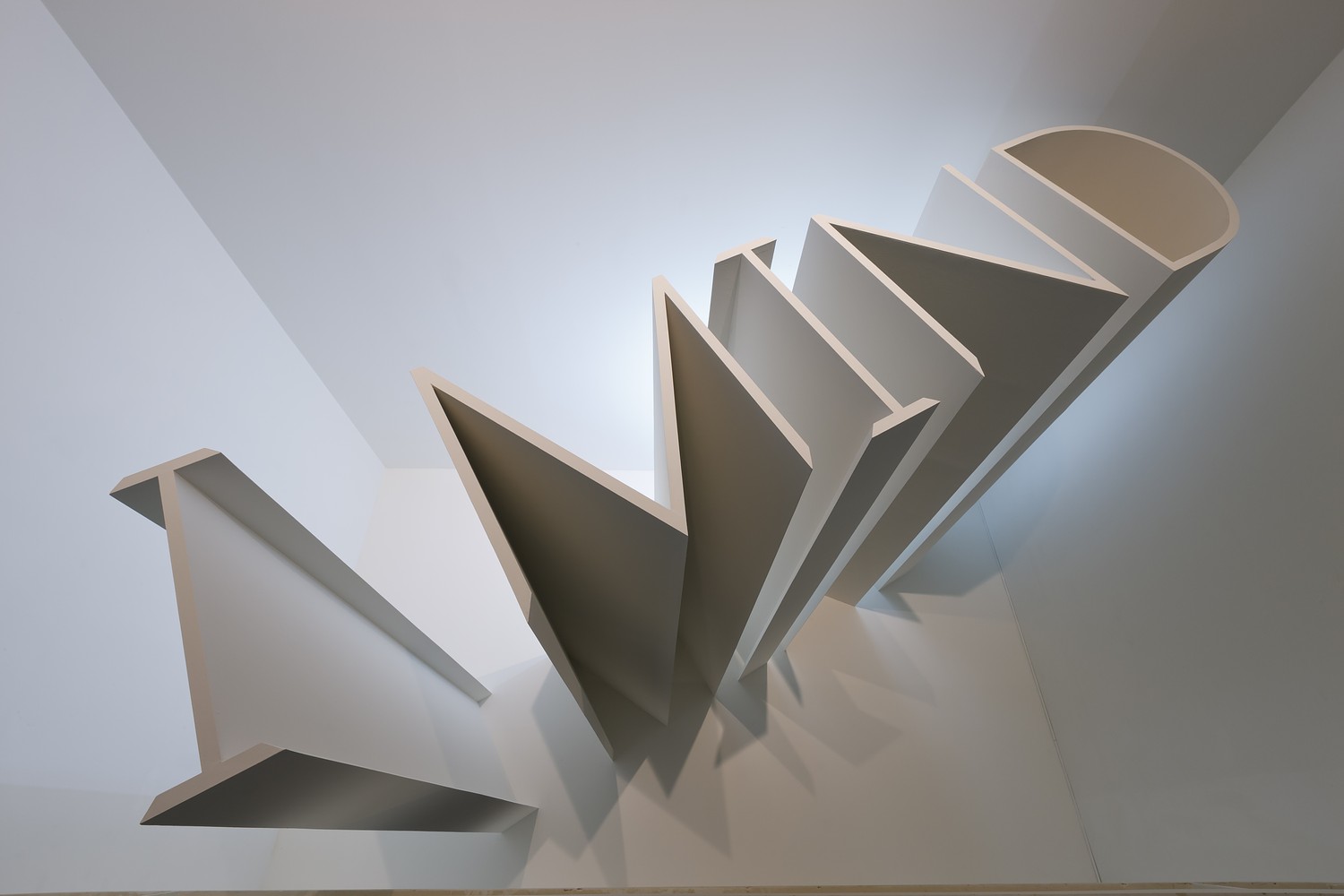
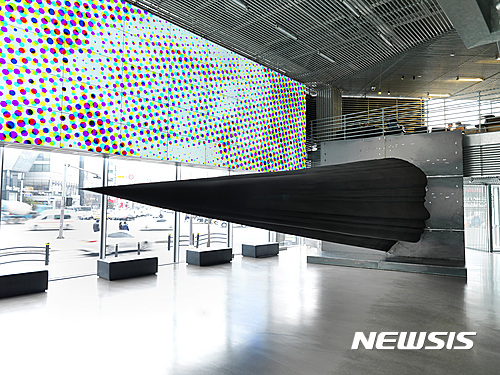
In I MIND (2014), a structure that initially appears as an arrangement of abstract tonal planes gradually reveals itself as three-dimensional lettering when viewed from another position. The experience of arriving at different interpretations of the same object illuminates the relationship between seeing and thinking.

The possibility that the “I” in the work may refer to the artist, the viewer, or the artwork itself further raises questions about the identity of the perceiving subject. For Han, visual experience becomes an opportunity to reflect on the ways in which we have come to understand the world, extending beyond the mere recognition of an object’s outward appearance.

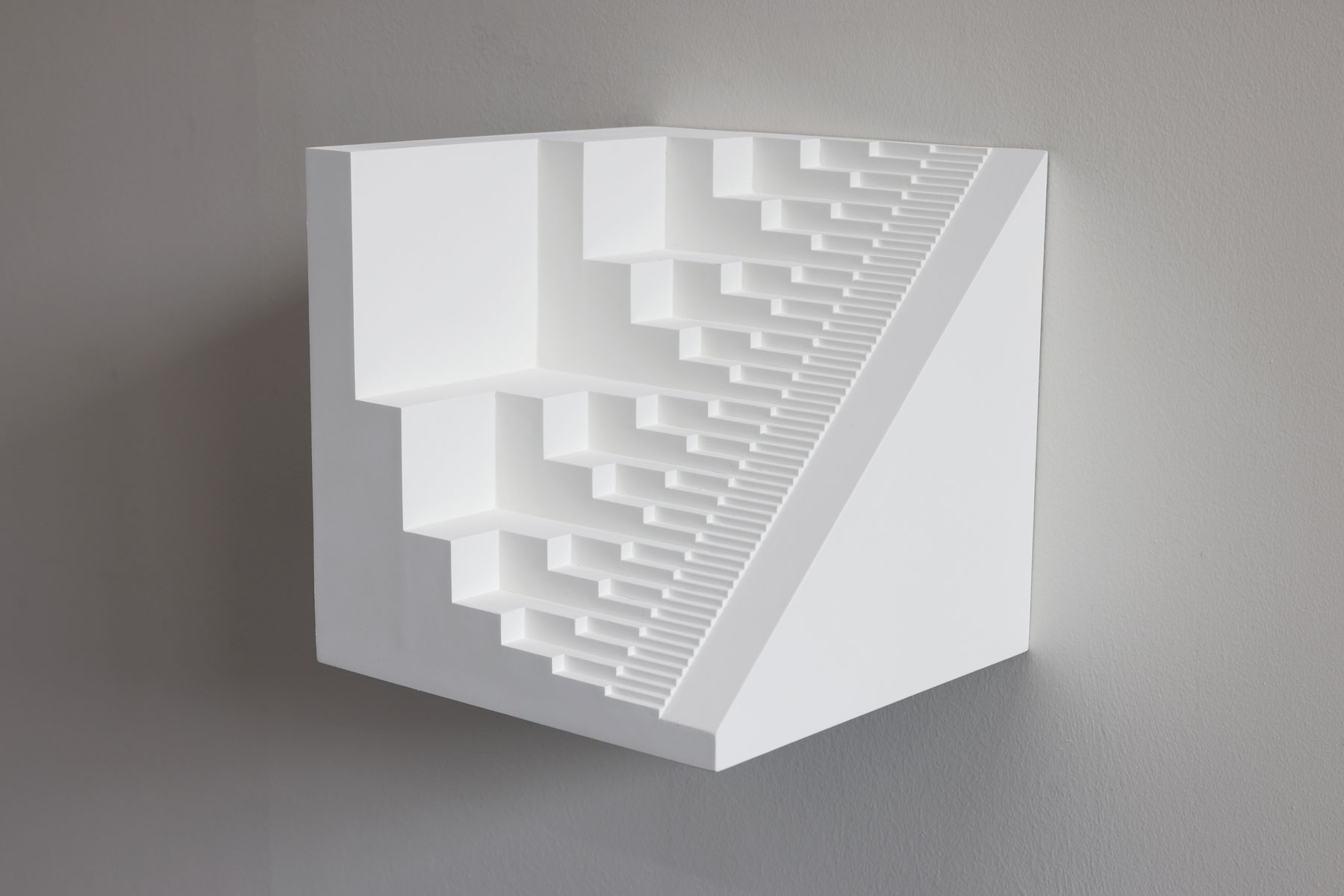
These concerns subsequently develop into an examination of the values assigned to objects and the beliefs through which people understand their surroundings. Reversed Relations (2019) reverses the relationship between original and reproduction by recreating the form of an artificial climbing hold, itself modeled after natural rock, using natural stone.

As a form originating in nature passes through an artificial standard before being reconstructed in natural material, the work questions conventional distinctions between authenticity, originality, and imitation. In his 2021 solo exhibition 《Anechoic Figures》, Han expands this inquiry beyond vision to address sound and communication.

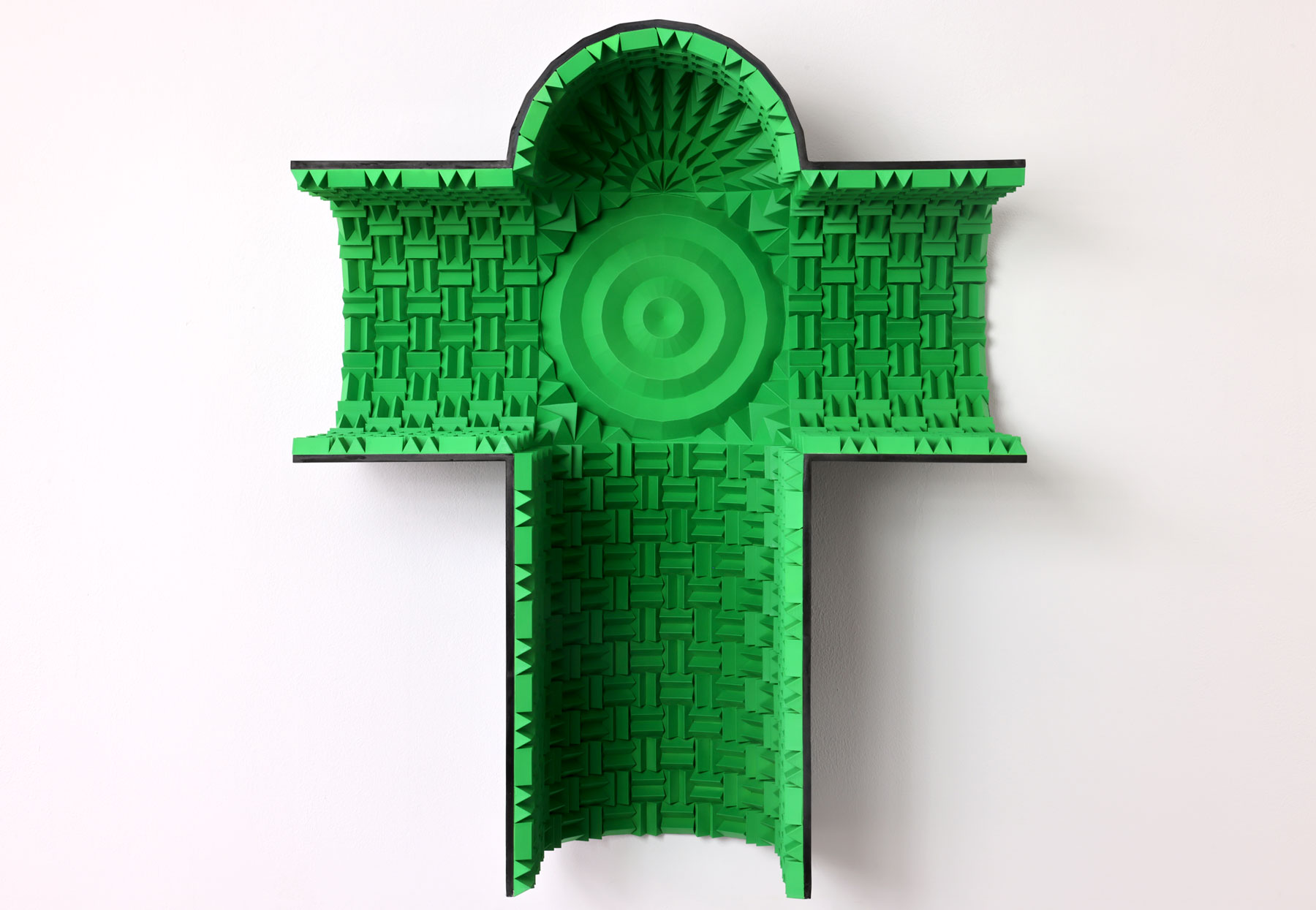
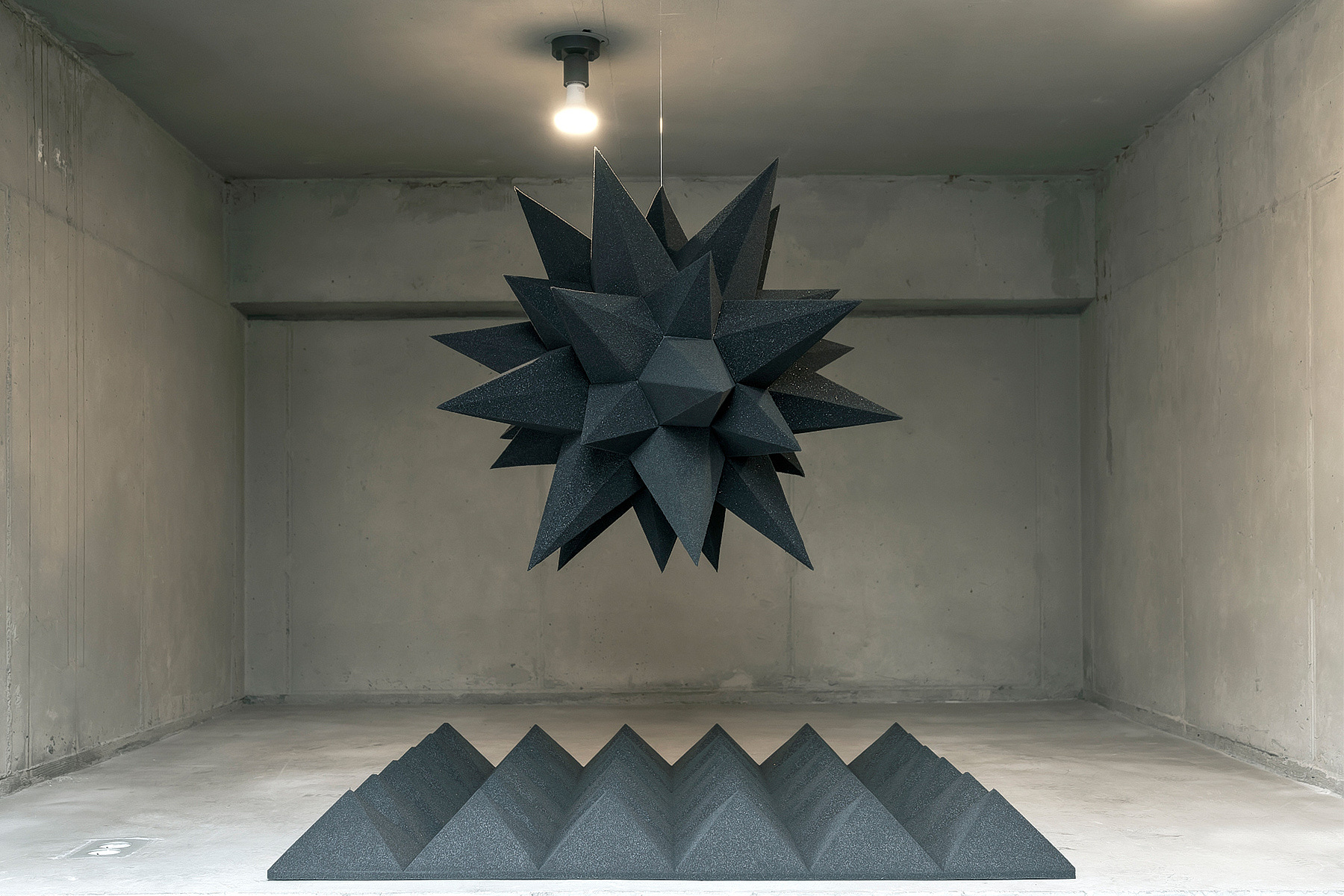
Drawing on the principles of anechoic chambers, which absorb sound reflections, he transforms objects that people have invested with value and trust into sculptural forms that remain unresponsive to external sounds. Confronted with the absence of reverberation, viewers are encouraged to consider whether meaningful communication is possible with the objects onto which they project their beliefs. This experience reveals the subjective and potentially unilateral nature of the meanings people assign to the world, while questioning how familiar systems of value are formed and sustained.

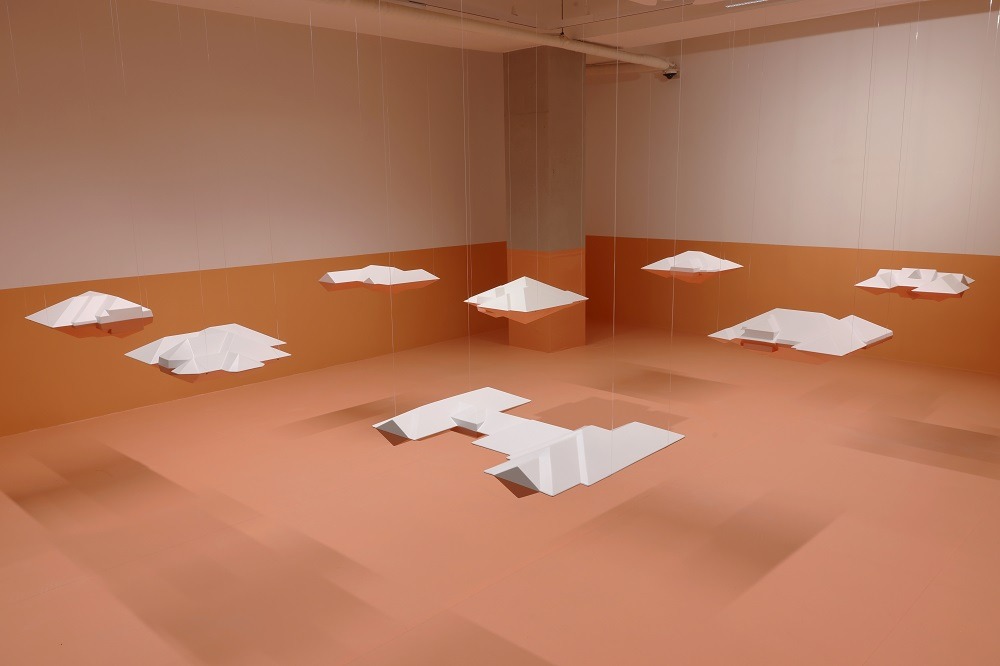
More recently, Han has connected his longstanding investigation of perception to contemporary social and environmental realities. His 2025 solo exhibition 《Warm Horizon》 reconstructs landscapes affected by the climate crisis and environmental pollution through symmetry, reflection, and the transformation of images.

New Landscape
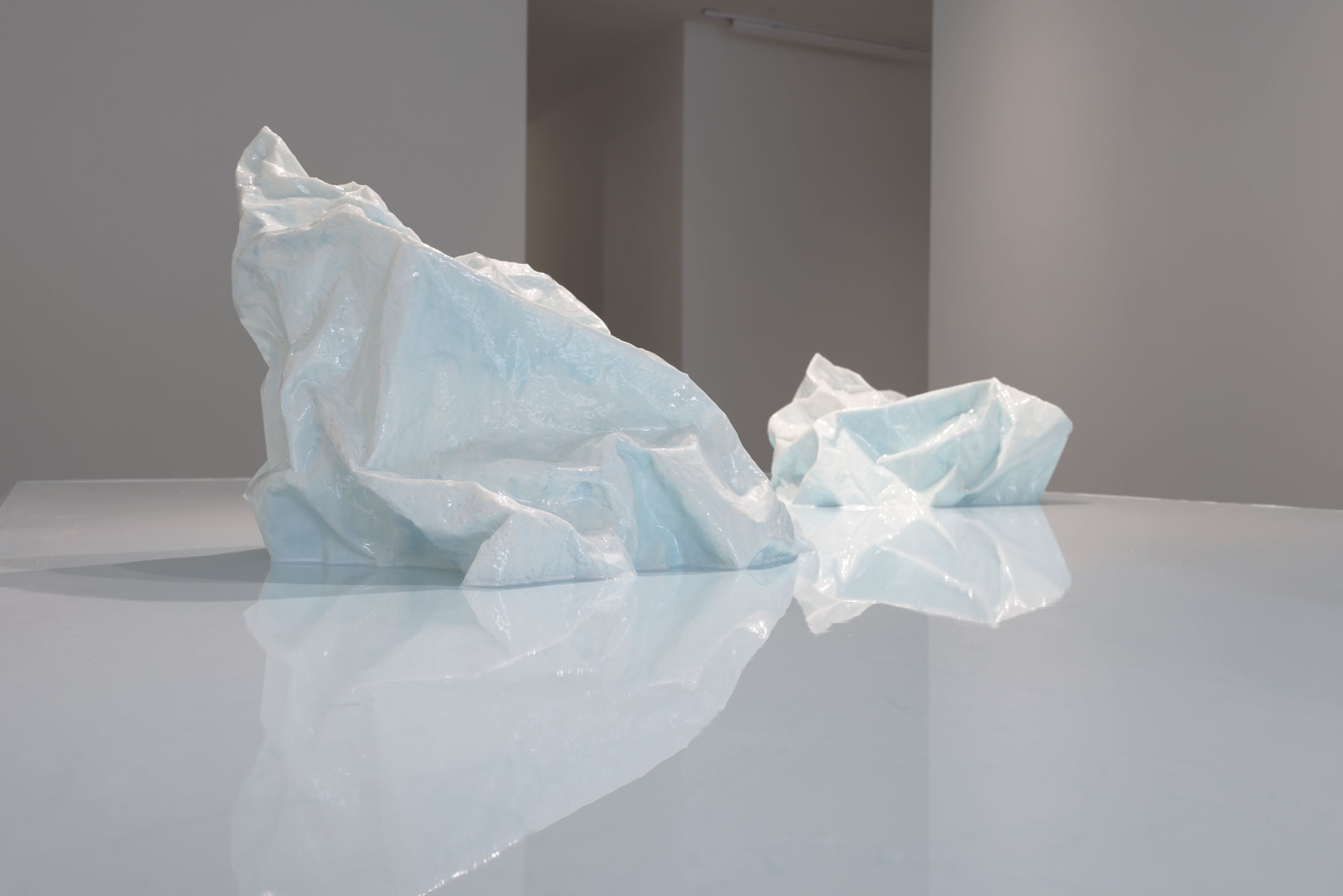
, which depicts a flooded residential area, and Plastic Islands, which presents plastic bags in forms resembling icebergs, transform images of disaster and waste into unfamiliar scenes of beauty. Viewers are drawn to the visual appeal of these landscapes while gradually becoming aware of the environmental crises they embody. Here, beauty serves as a means of sustaining attention toward realities that are easily overlooked or avoided.

While Han’s early works encouraged viewers to reconsider their individual perceptions through discrepancies between images and physical objects, his recent practice increasingly examines how images of contemporary crises are perceived and consumed. Through these shifts in perception, Han continues to expose the limitations of established ways of seeing and explore possibilities for understanding the familiar world from renewed perspectives.

Style & Contents

Kyungwoo Han works across video, sculpture, photography, and installation, consistently focusing on how images are constructed through the arrangement of objects and the manipulation of viewpoints. In his early video works, he meticulously calculates camera positions, spatial distances, and the proportions of objects to transform three-dimensional spaces into seemingly flat images.

Works such as Red Cabinet (2005), Tableau with Objects (2008), and Star Pattern Shirt (2011) arrange everyday furniture and objects so that they resemble familiar visual icons when observed from particular viewpoints. Using fixed cameras and relatively short video durations, Han directs viewers’ attention toward the screen before revealing the physical reality behind the images through the movement of objects or the appearance of figures.

His 2011 solo exhibition 《Red Cabinet》 further developed this approach by connecting live surveillance-camera footage with the actual objects arranged throughout the exhibition space. The images on the screens and the scattered objects initially appear unrelated, yet the movements of viewers reveal that they belong to the same physical environment. Through carefully orchestrated visual sequences and restricted fields of vision, Han makes the conditions under which an image is produced an integral part of the work itself.

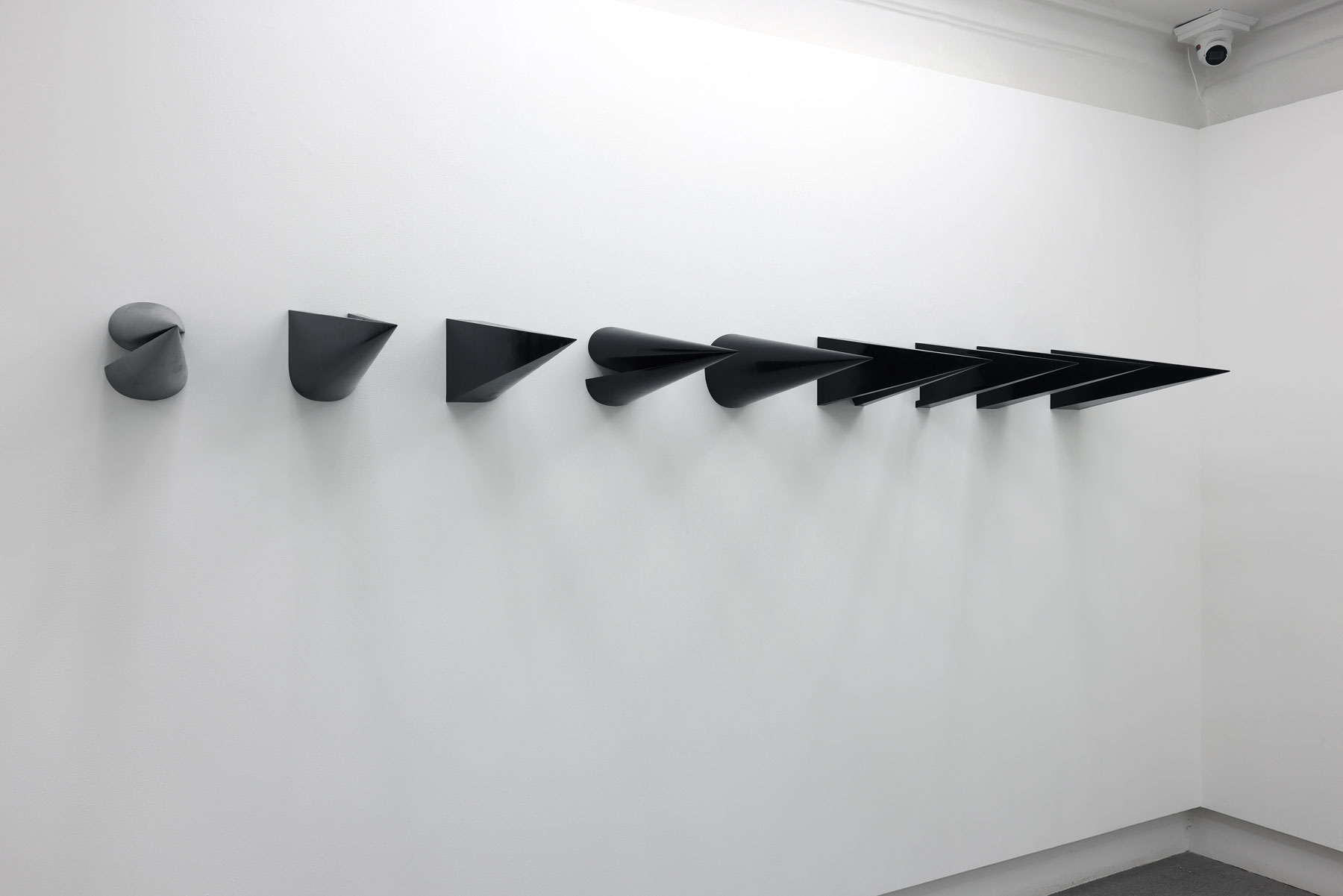
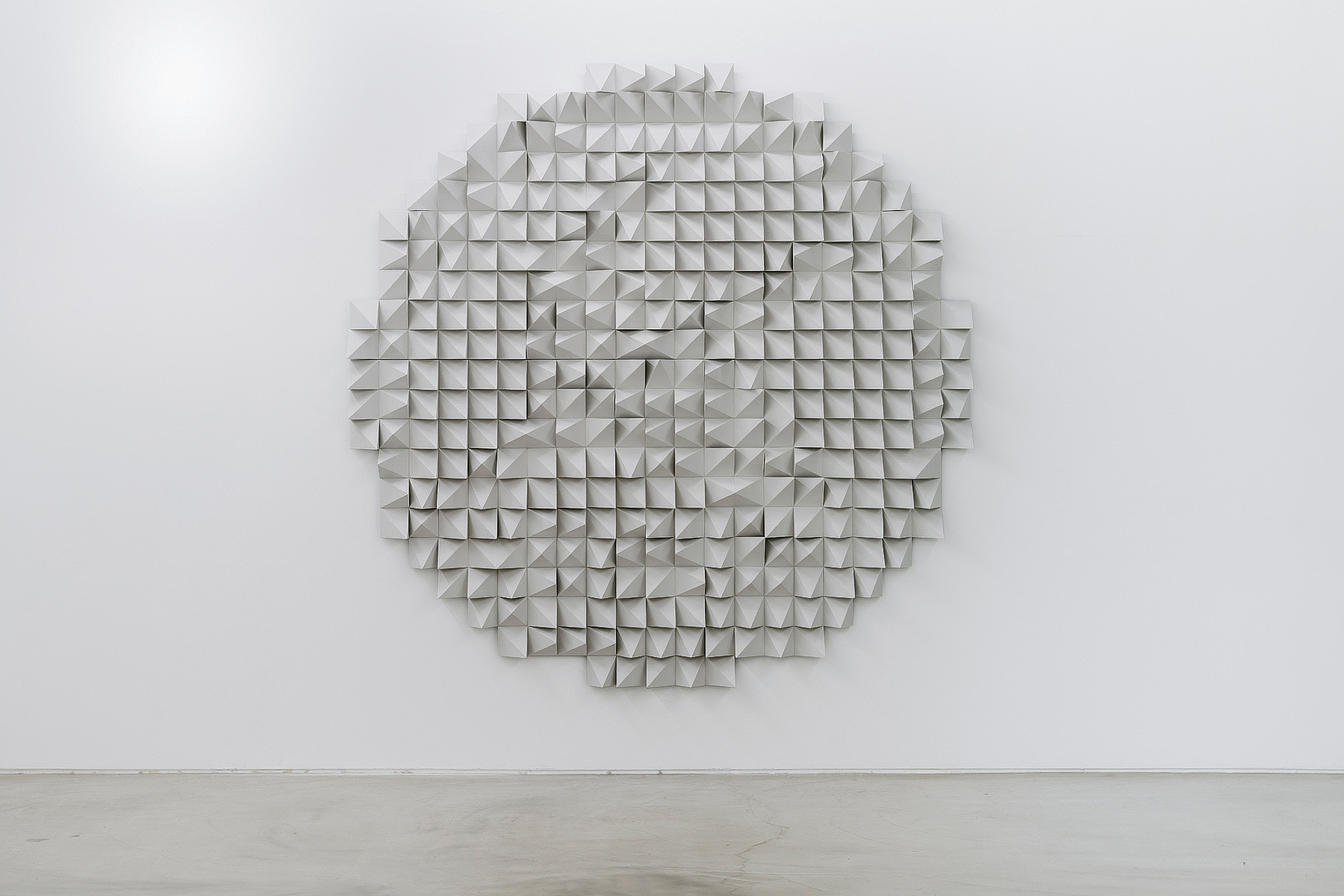
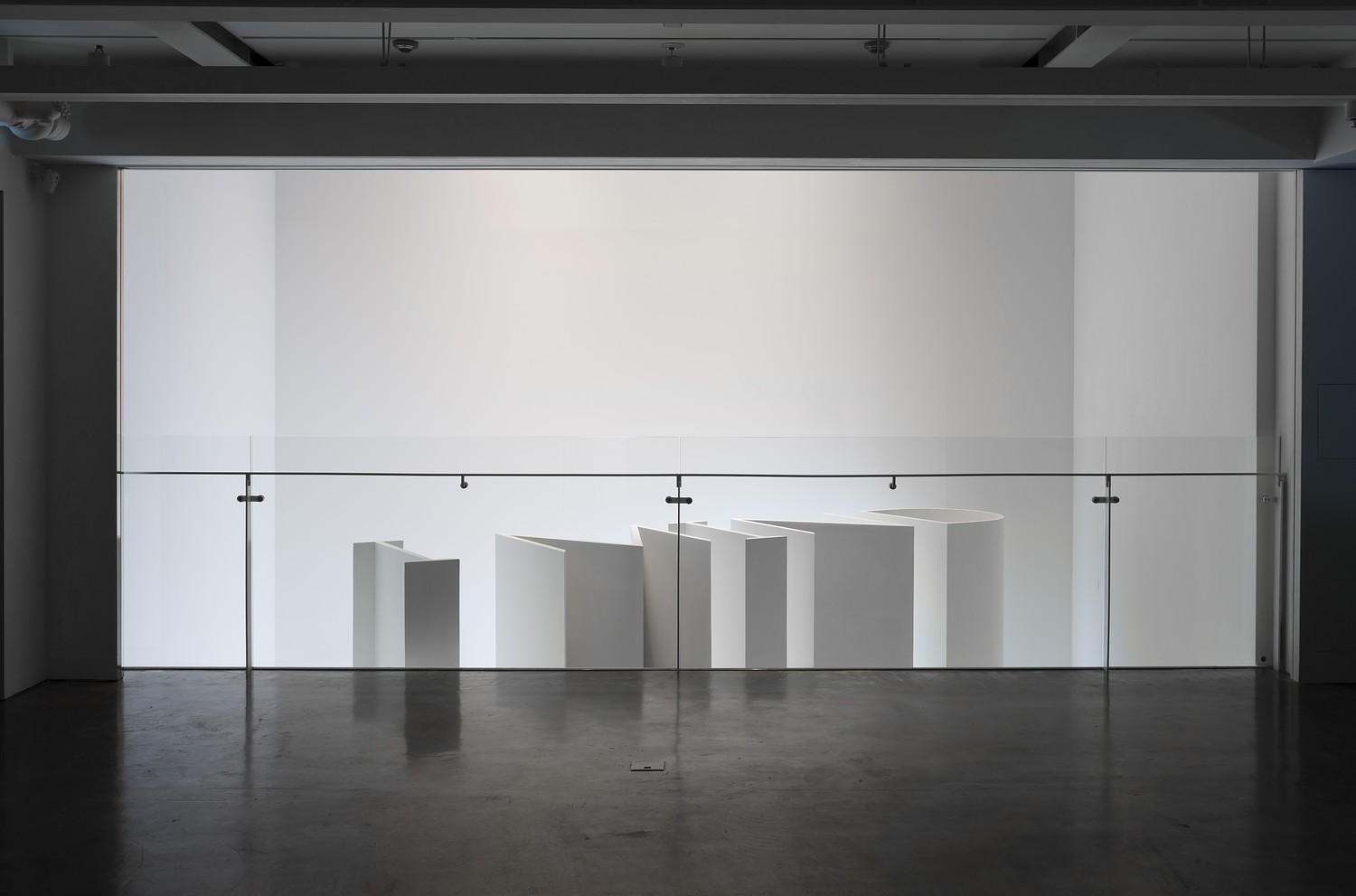
This meticulous calculation of viewpoints extends into spatial installations that require viewers to move physically around the work. While Triangle, Circle, Square (2008) explores a three-dimensional structure that appears as a triangle, circle, or square from different directions, I MIND (2014) incorporates the architectural conditions of the exhibition space and the movement of visitors into its composition.

Constructed from plywood and paint, the large-scale installation initially appears from the front as a flat arrangement of vertical planes in varying shades of gray. As viewers approach, however, its obliquely positioned three-dimensional elements become apparent, while the words “I MIND” can only be read when the structure is observed from the floor above.

Moving through the exhibition, viewers encounter a succession of distinct forms that prompt them to reinterpret what they have previously seen. By encouraging visitors to observe the forms before recognizing the letters, Han introduces a temporal interval between visual perception and linguistic comprehension. In this way, the viewing position and sequence of movement become essential to the experience of his installations, while the exhibition space itself organizes the gradual transformation and discovery of images.

Symmetry, reflection, and shadow are equally recurrent formal strategies in Han’s practice. The symmetrical compositions employed in works such as Merge (2006) and Green House (2009) bring together disparate spaces and objects to produce visual arrangements that do not exist in their apparent form.

This interest becomes particularly evident in the photographic work Plastic Rorschach (2014), for which Han photographed crumpled plastic bags and arranged the resulting images in bilateral symmetry, creating compositions reminiscent of the inkblots used in the Rorschach test. The accidental folds of the plastic acquire shapes resembling animals or human bodies through symmetrical arrangements, inviting a range of interpretations informed by viewers’ imaginations.

In Projected Specimen (2014), created in the same year, Han employs the relationship between light and shadow. He cuts and distorts taxidermied animals to produce silhouettes resembling familiar hand-shadow figures, projecting their shadows onto the walls.

Both works involve the deliberate transformation of ordinary or recognizable subjects into familiar images, yet the experience changes when the material conditions underlying these images are revealed. By manipulating the relationships between photography, sculpture, and projected imagery, Han makes visible the processes through which visual resemblance is constructed.

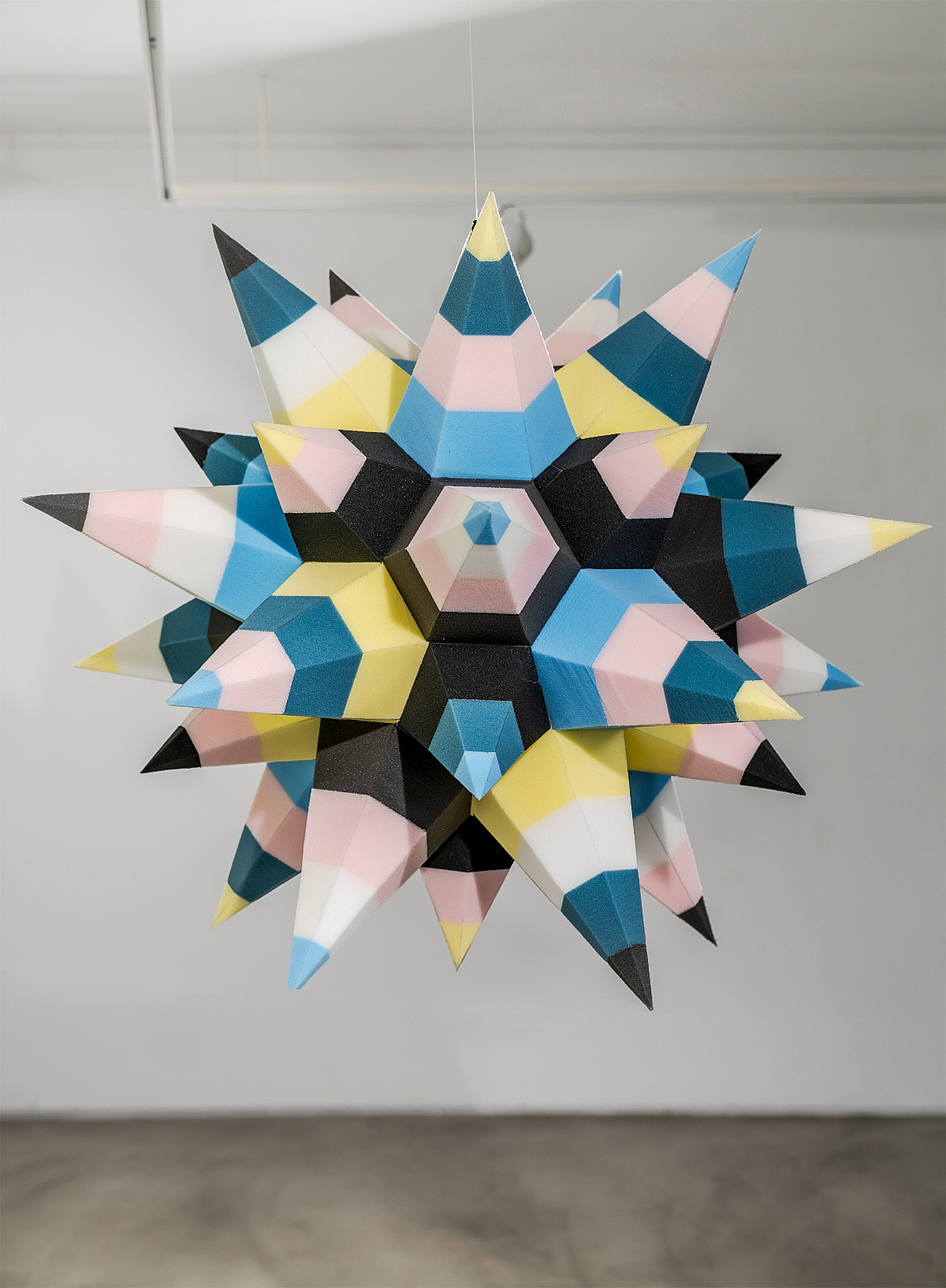
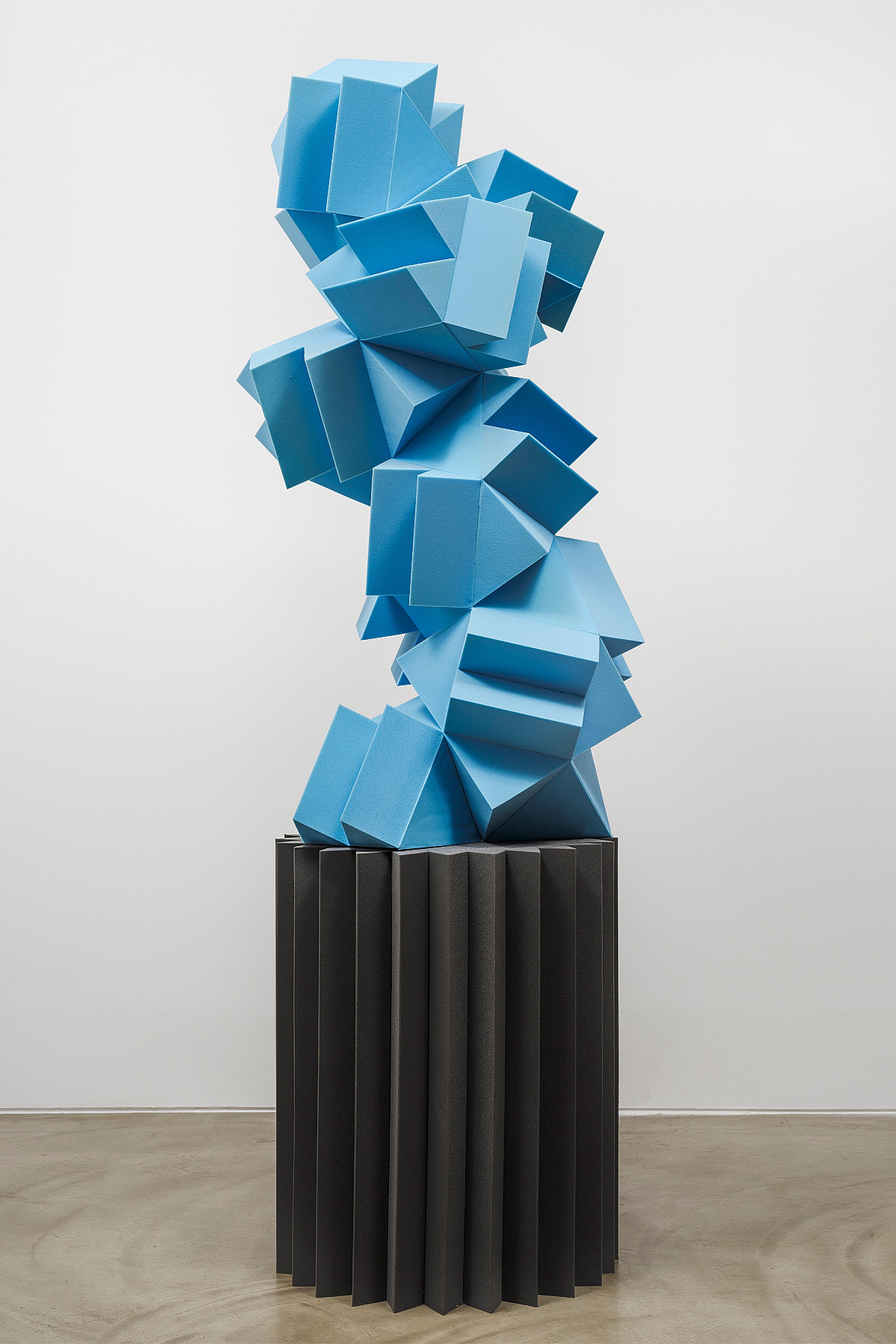
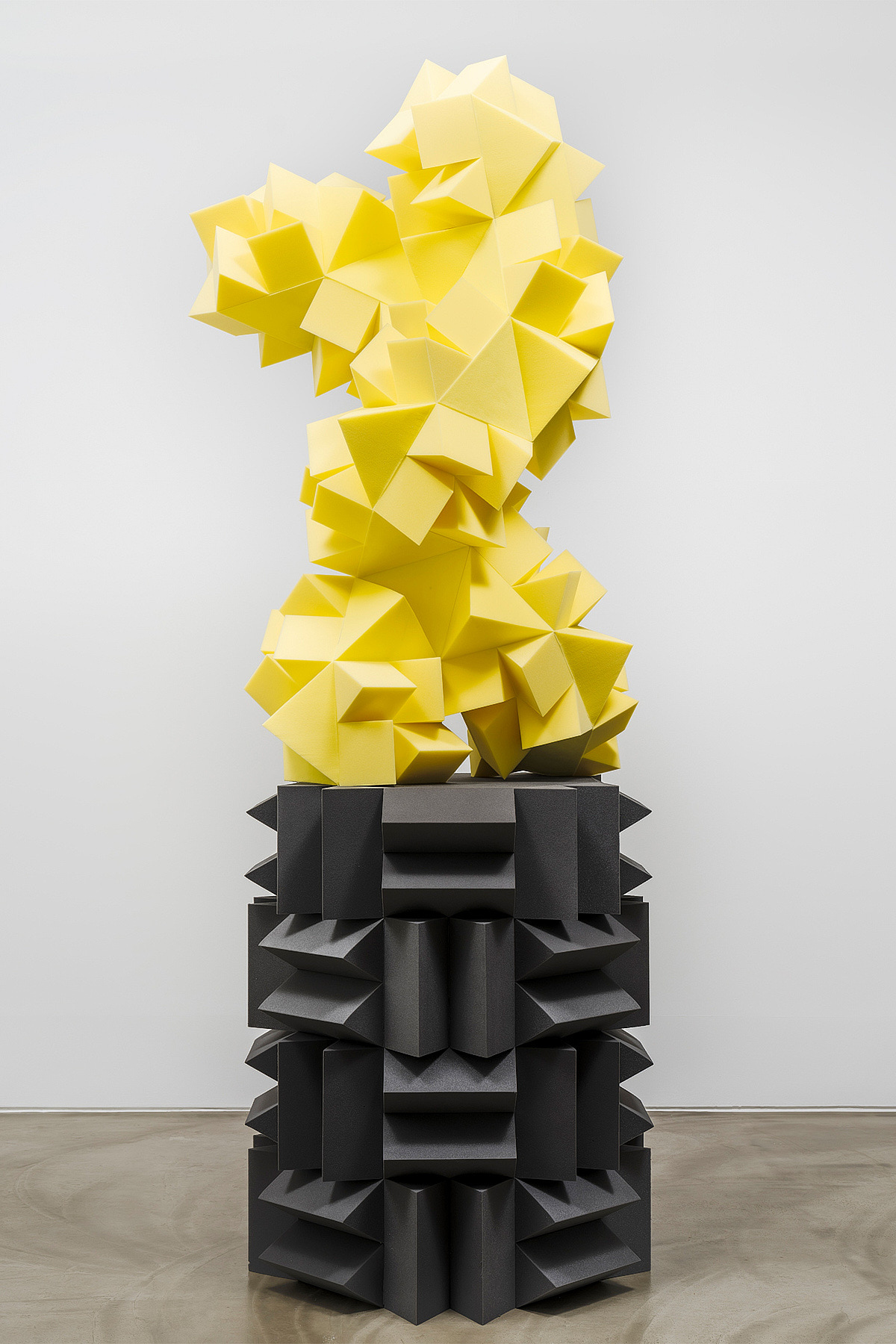
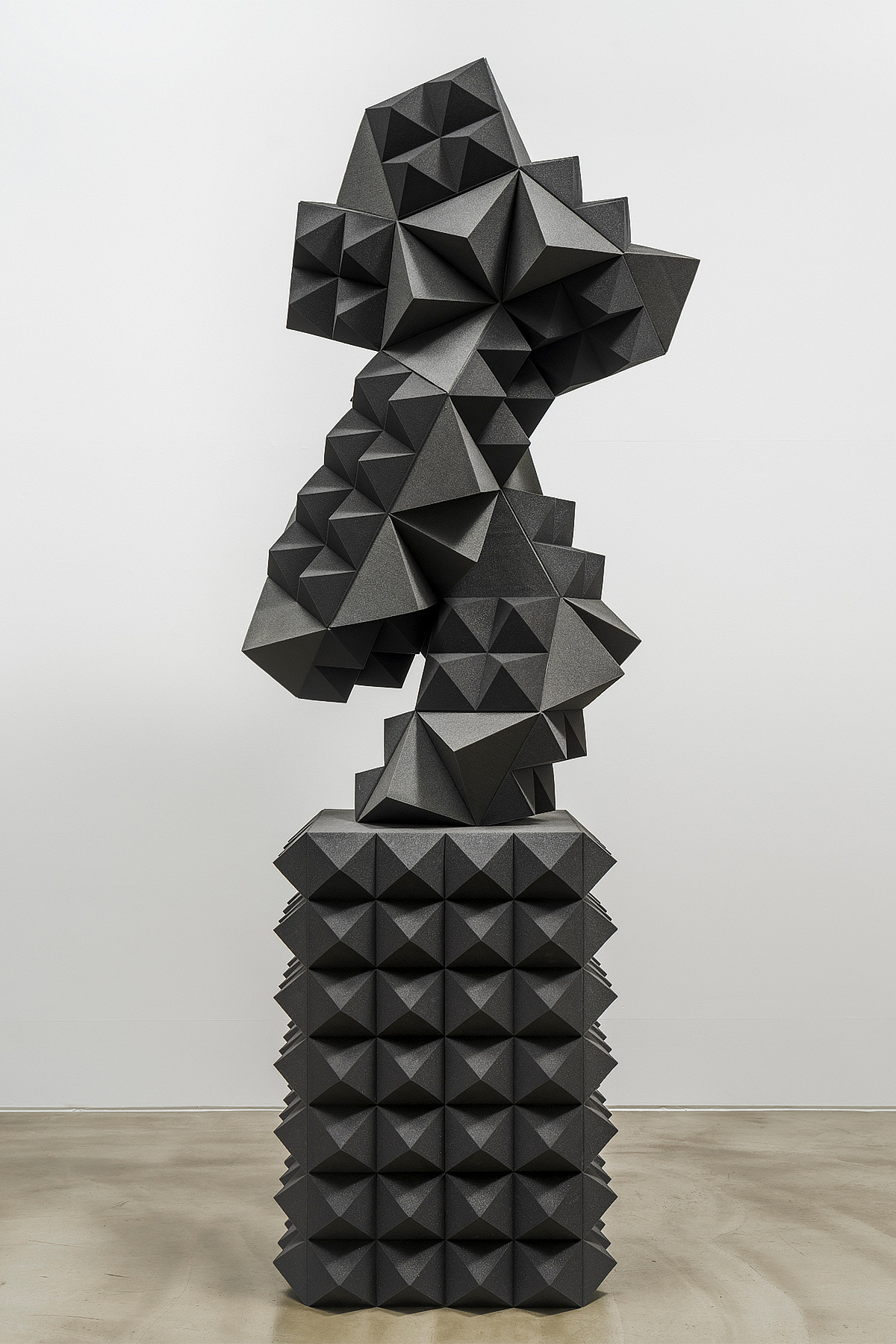
In his more recent works, Han continues to develop these formal strategies while expanding his engagement with material properties and sensory experience. His 2021 solo exhibition 《Anechoic Figures》 introduced sculptures made with sound-absorbing materials based on the principles of anechoic chambers, incorporating the experience of diminished sound reflection into the work.

These sculptural forms, which do not respond to external sounds, combine visual presence with acoustic absence and invite viewers to reconsider their sensory relationship with the artwork. In his 2025 solo exhibition 《Warm Horizon》, Han connects his established vocabulary of symmetry and reflection to environmental concerns.

New Landscape reconstructs the rooftops of flooded buildings into compositions resembling reflections on water, using the gallery’s staircase and circulation routes to evoke the physical sensation of descending beneath the surface. Meanwhile, Plastic Islands recreates plastic bags through 3D printing and coats them with blue resin, transforming them into sculptural forms reminiscent of icebergs floating in the ocean.

In the 'Shimmering Horizon' series, he photographs the accidental forms of plastic bags and arranges them in vertical symmetry, simultaneously evoking horizons and submerged landscapes. Throughout his practice, Han has combined the physical properties of objects with the visual order of images. His recent works further extend this approach by incorporating the coexistence of beauty and discomfort into their expressive content.


Topography & Continuity

Kyungwoo Han has consistently explored the structures of visual experience through a practice that crosses the boundaries of sculpture, video, and installation art. After studying sculpture at Seoul National University and film, video, and new media at the School of the Art Institute of Chicago, he began his artistic career in the United States, experimenting with a range of media and spatial configurations.

His works from the mid-2000s onward reconsider the relationships between objects and screens, physical spaces and represented images, at a time when digital imagery had become an integral part of everyday visual experience. By combining video and installation to encourage viewers to question their own perceptions, Han makes the materiality of objects and the physical conditions of space visible within technologically mediated images.

This approach resonates with developments in contemporary media art that examine the relationship between technologically produced illusions and human perception. At the same time, Han has developed a distinctive artistic vocabulary through which everyday objects and concise visual devices translate complex questions of perception into tangible experiences.

Following his return to Korea in 2011, Han’s solo exhibition 《Red Cabinet》 at Alternative Space LOOP and his receipt of the Grand Prize at the 11th SONGEUN Art Award marked an important stage in the recognition of his work within the Korean art scene. In subsequent solo exhibitions, including 《Standard Disorder》 (2012), 《I MIND》 (2014), and 《Uncommon Sense》 (2015), he expanded his early investigations of viewpoints and optical illusions to examine the standards governing perception, established conventions, and the identity of the perceiving subject.

His participation in major exhibitions, including 《Art Spectrum 2012》 and 《2014 Busan Biennale》, further situated his practice within broader discussions of contemporary art. In his 2019 solo exhibition 《Natural Exhibition》, Han presented artificial objects modeled after nature as subjects of artistic inquiry, exploring the criteria through which people determine the value of objects.

His practice has thus evolved from an investigation of visual discrepancies toward questions concerning the identity and authenticity of objects and the socially constructed conventions of perception. Throughout these developments in form and medium, Han has maintained a consistent interest in the conditions under which human judgments are formed.

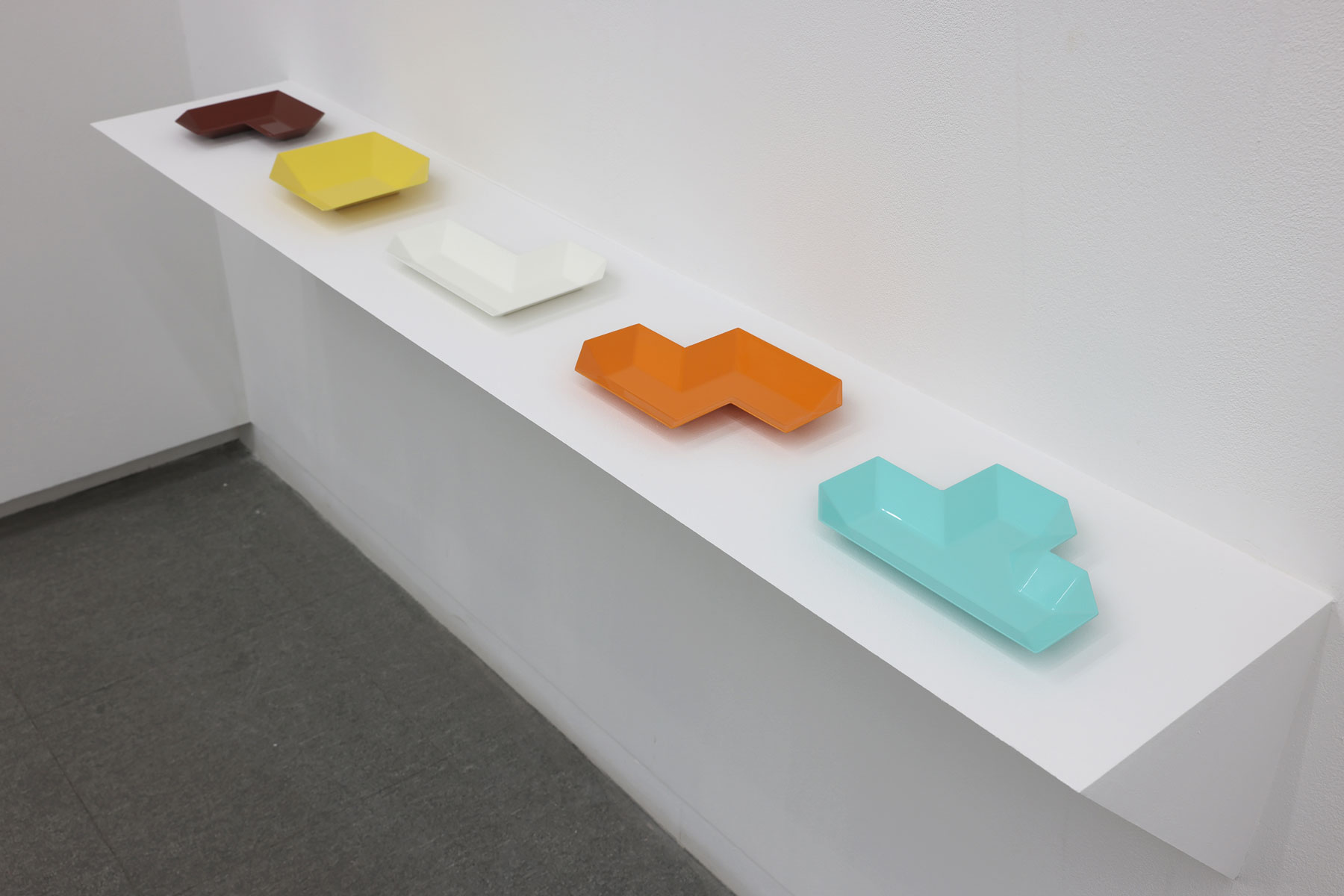
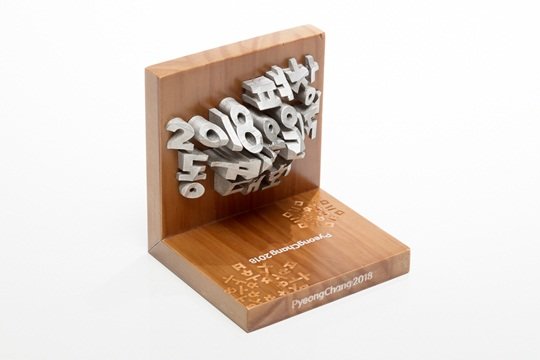
Han’s practice has also extended beyond museums and galleries into public art, design, and collaborative projects. He participated in the Songdo Art City Public Art Project in 2015 and the Hangang Art Park project in 2018, while also designing podiums and trays for the PyeongChang 2018 Olympic Winter Games.

These activities demonstrate how his sculptural interests have expanded into urban environments and functional objects beyond conventional exhibition settings. In public contexts, the surrounding environment, users’ experiences, and functional requirements become significant considerations, allowing Han’s longstanding investigation of spatial relationships and viewpoints to acquire new contexts.

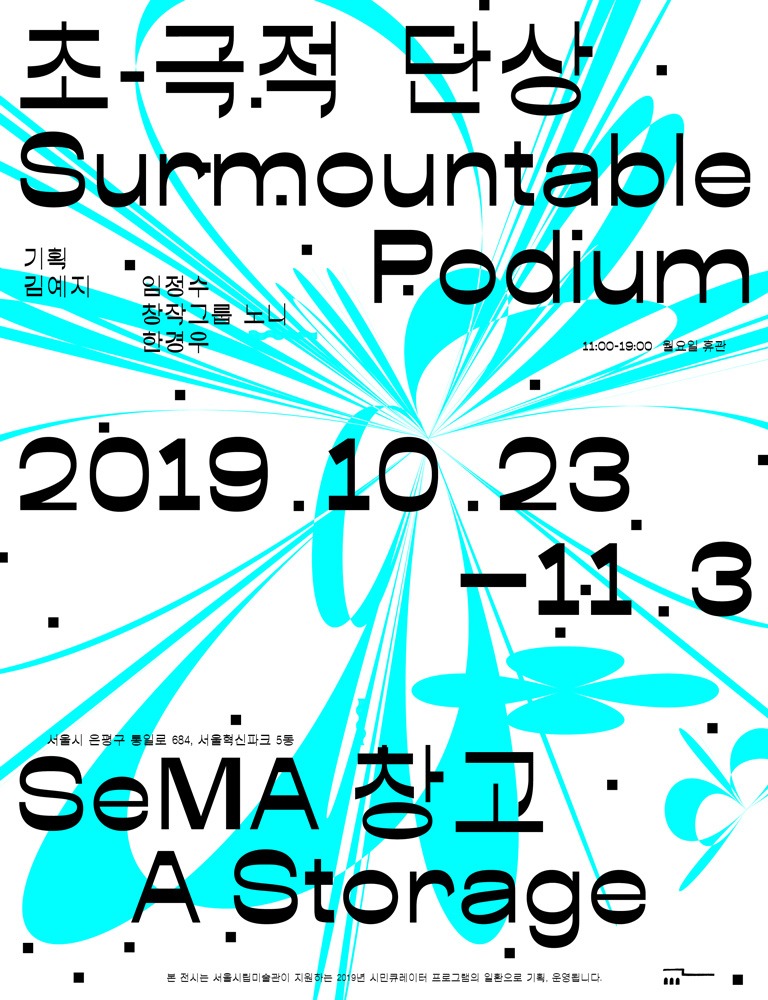
Drawing on his background in sculpture and his experience with video and new media, he continues to move fluidly between art, design, and everyday objects. His participation in the 2019 exhibition 《Surmountable Podium》 at SeMA Storage further reflects this approach through an examination of the relationship between scenography and exhibition spaces. While engaging with the distinct conditions of different creative fields, Han maintains a common concern with organizing viewers’ experiences and encouraging new interpretations of familiar objects.

In his recent practice, Han’s established visual vocabulary has continued to evolve, encompassing auditory experience and environmental concerns. His 2021 solo exhibition 《Anechoic Figures》 addressed the limitations of human belief and communication through conditions in which sound reflections are absorbed, while 《Warm Horizon》 (2025) approached the contemporary reality of the climate crisis through symmetry, reflection, and the transformation of images.

In particular, the 'Shimmering Horizon' series revisits the plastic bags and symmetrical compositions employed in the earlier 'Plastic Rorschach' series of 2014, connecting questions of individual psychological projection to landscapes associated with environmental pollution and disaster. This development demonstrates how established formal strategies can acquire new meanings when situated within changing social contexts.

Han has long examined the limitations of visual perception, and his recent works increasingly explore the relationship between how individuals perceive the world and the responsibilities they bear toward it. The continuity of his practice lies in his sustained commitment to reformulating familiar questions in response to changing realities, allowing his artistic language to develop without losing its underlying concerns.

Works of Art

The Moments of Perceptual Shift

Articles

Exhibitions

Activities