Indication - #1 - K-ARTIST

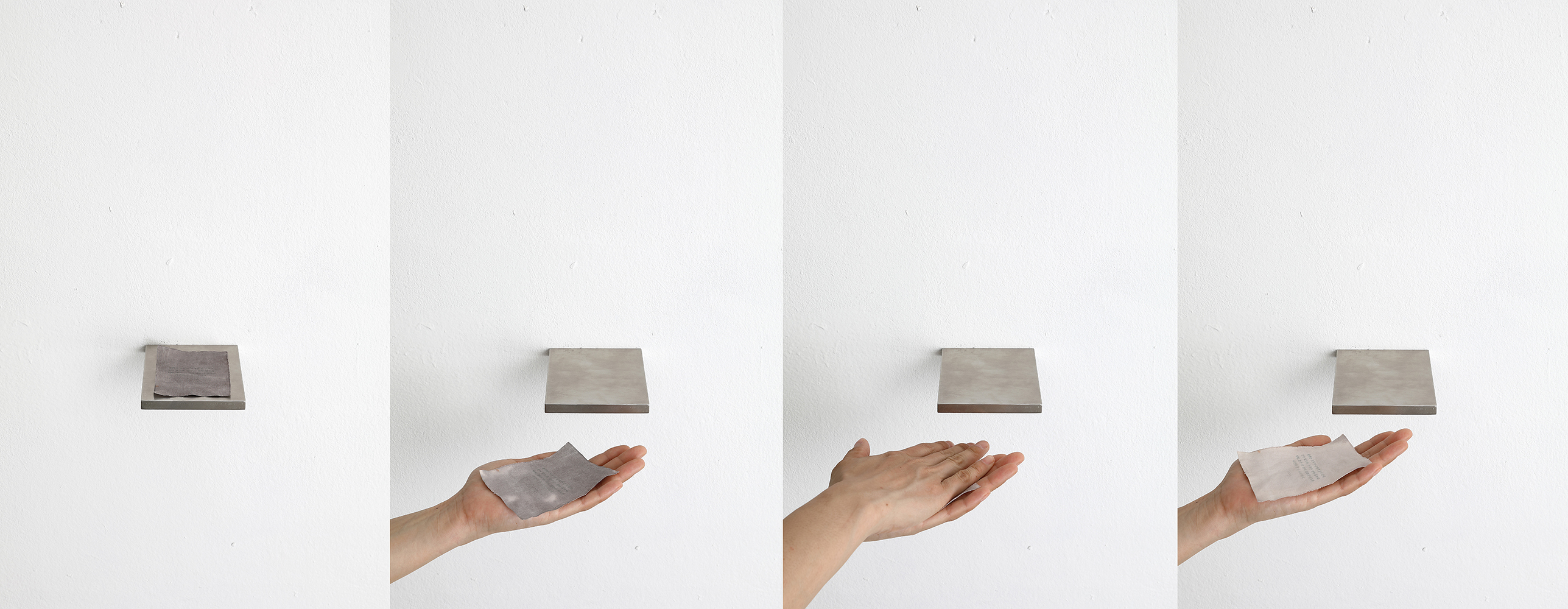
Indication - #1

2008
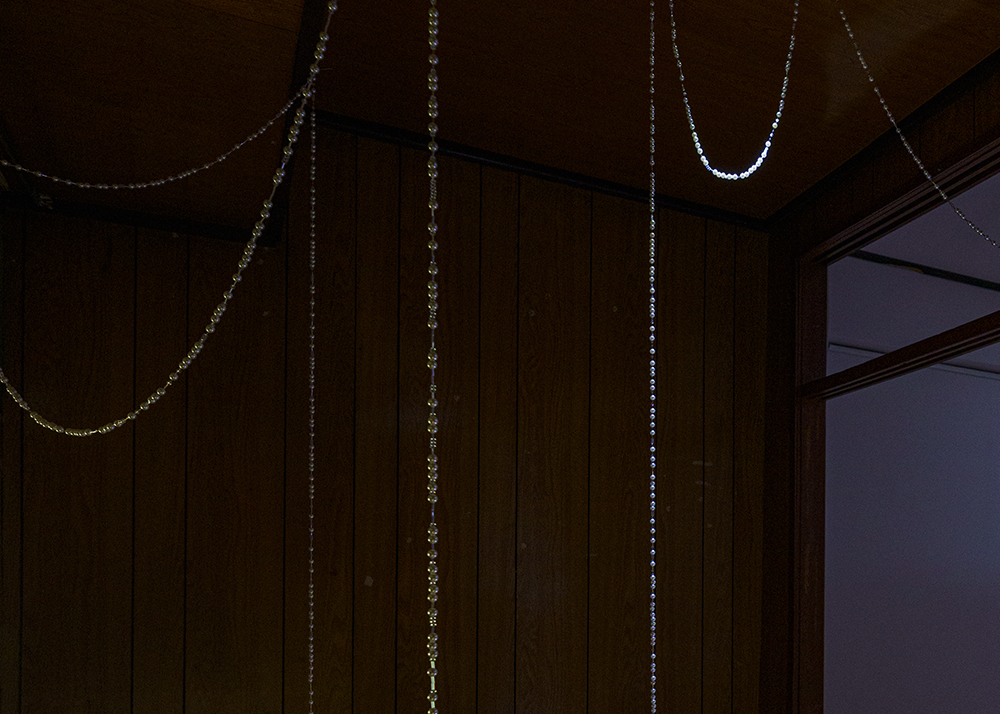
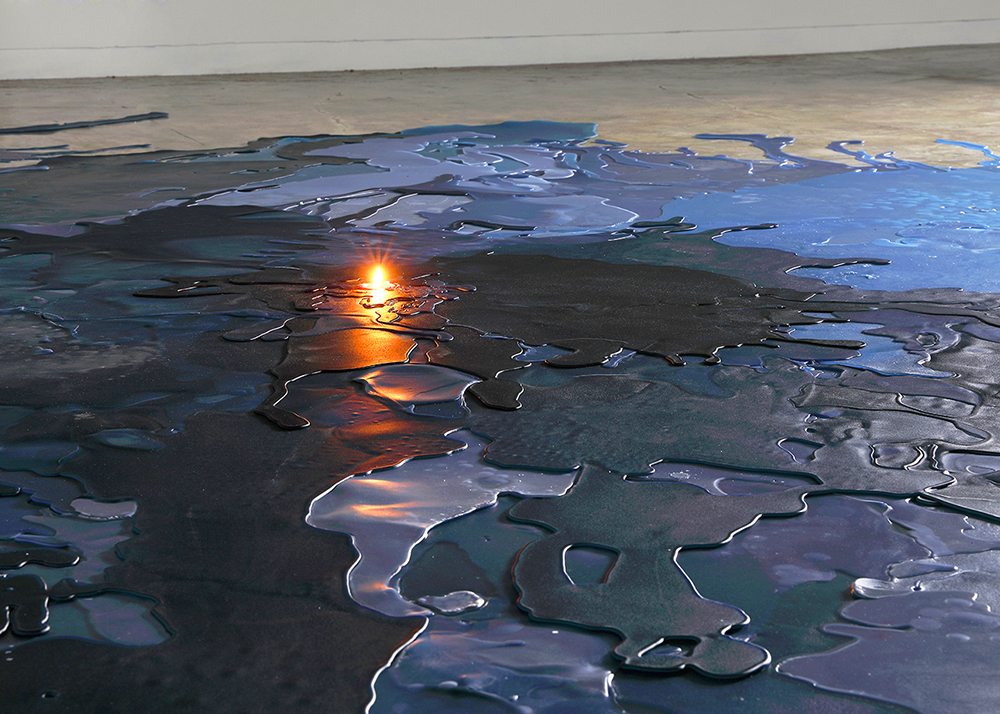
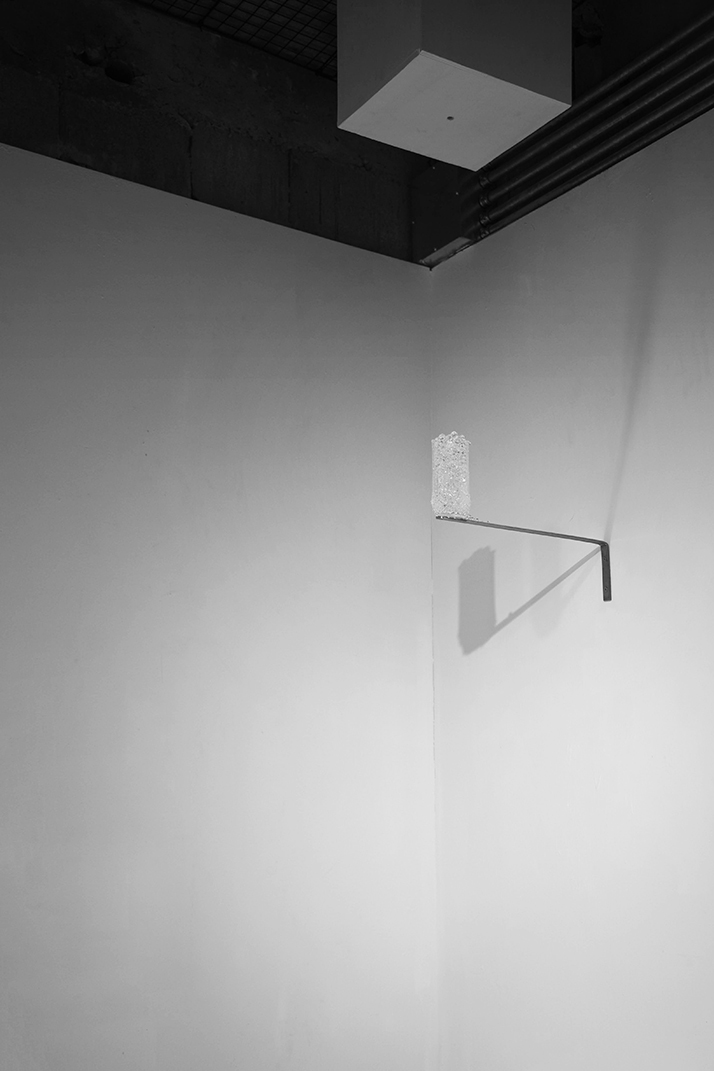
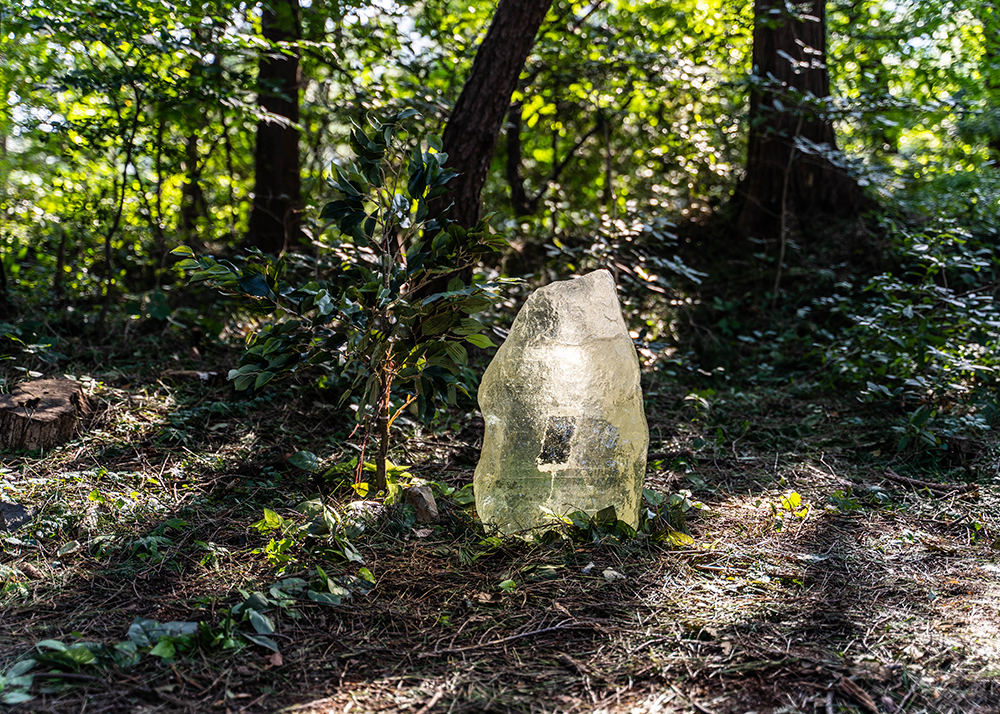
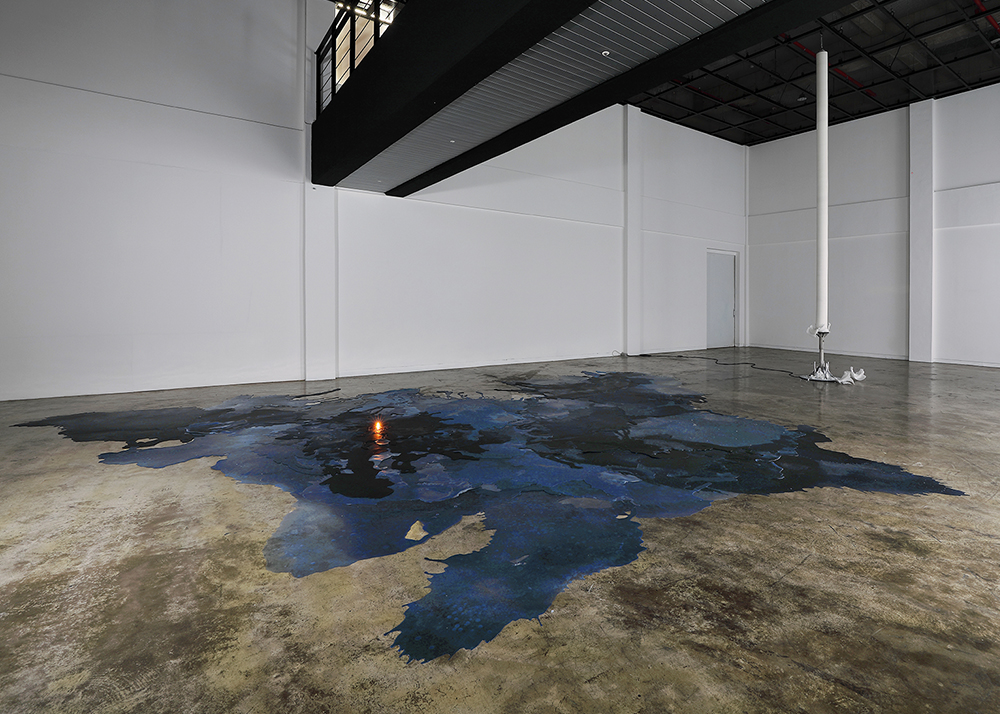
Construction waste, heater
Dimensions variable
About The Work

Doki Kim explores the multilayered structures of the world, encompassing the universe and nature, society and culture, matter and energy, and time and space. She develops multimedia installations using light, heat, gravity, and language as points of departure.

Her practice begins with fundamental questions such as “Who are we, and how do we exist?” Focusing on the physical forces that shape the world, she investigates the conditions through which human existence, perception, and memory are formed.

Her gaze extends beyond the visible forms of objects to the unseen phenomena that make them possible. By examining the laws of nature that operate independently of human will or perception, she sheds new light on the order of the world that we have long taken for granted and the meaning of existence within it.

Her curiosity about scientific principles leads to philosophical reflection on existence. For Kim, understanding the world also entails observing the movements of matter and energy that surround her and reconsidering the relationships she forms with other beings within them.
To visualize the elements that shape particular “situations” within the physical space of the world, Kim works with a range of non-art materials, from natural objects to industrial materials and everyday items.

Through the processes of assembling and dismantling these materials, she engages in meticulous, repetitive acts to reveal dimensions of their material properties that might otherwise remain concealed. This process of disassembly brings the fundamental characteristics of objects to light, while the accumulation of repeated gestures allows her to actively shape the volume and form of the resulting works and record the passage of time.

Solo Exhibitions (Brief)

Doki Kim has held solo exhibitions at Gallery Baton (2024), Hongti Art Center (2021), and Kim's Art Field (2018), among others.

Group Exhibitions (Brief)

Doki Kim has participated in group exhibitions at the Museum of Contemporary Art Taipei (2026), Nam June Paik Art Center (2026), Busan Museum of Contemporary Art (2025), Ha Jungwoong Museum of Art (2023), Gwangju Museum of Art (2023), and Busan Museum of Art (2023), among others.

Awards (Selected)

Doki Kim was selected as one of the 23rd Ha Jungwoong Young Artists by the Gwangju Museum of Art in 2023 and received the Purchase Prize from the University Art Museum, Tokyo University of the Arts, in 2008.

Residencies (Selected)

Doki Kim was an artist-in-residence at Hongti Art Center in 2021 and participated in Tsushima Art Fantasia in Japan from 2016 to 2019.

Collections (Selected)

Doki Kim's works are held in the collections of the University Art Museum, Tokyo University of the Arts, Museum of Contemporary Art Busan, and Samyang Corporation.

Works of Art

On Human Existence Within the World’s Multilayered Relationships

Originality & Identity

Doki Kim’s artistic practice begins with the fundamental question, “Who are we, and how do we exist?” Through her exploration of physical forces that govern the world, such as light, heat, time, and gravity, Kim investigates the conditions through which human existence, perception, and memory take shape. Her curiosity extends beyond the visible appearance of objects to the unseen phenomena that make their existence possible.

By examining natural laws that operate independently of human intention or perception, she invites viewers to reconsider the familiar order of the world and the meaning of existence within it. Her scientific curiosity is thus closely intertwined with philosophical inquiries into the nature of being. For Kim, understanding the world also involves observing the movements of matter and energy that surround us and reconsidering the relationships we establish with other beings.

Central to these concerns are the movement and transformation of energy and the passage of time. Her investigations into thermodynamics and entropy are particularly connected to her understanding of the finite nature of human life. Just as heat flows from warmer regions to cooler ones and matter undergoes continuous transformation, human existence unfolds within the irreversible passage of time.

In A Single Pillar (2006), heat emerges as an invisible force that nevertheless affects its surrounding environment, while HereNow (2018) explores the relativity of individually experienced time through a clock that moves backward. Drawing on these physical phenomena, Kim questions how different beings come to share the same world.

The encounters and separations of individuals, each living according to their own sense of time, remain subject to uncertainty and chance. Time, in this context, is understood as a condition experienced differently through individual lives and relationships, rather than a uniform measure shared by all.

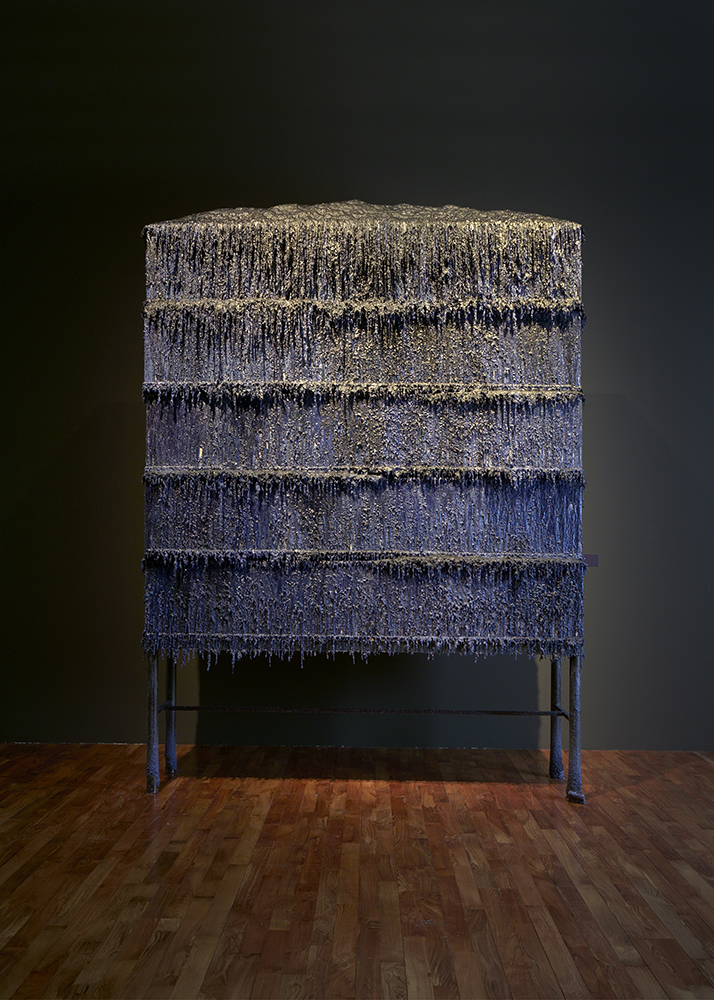
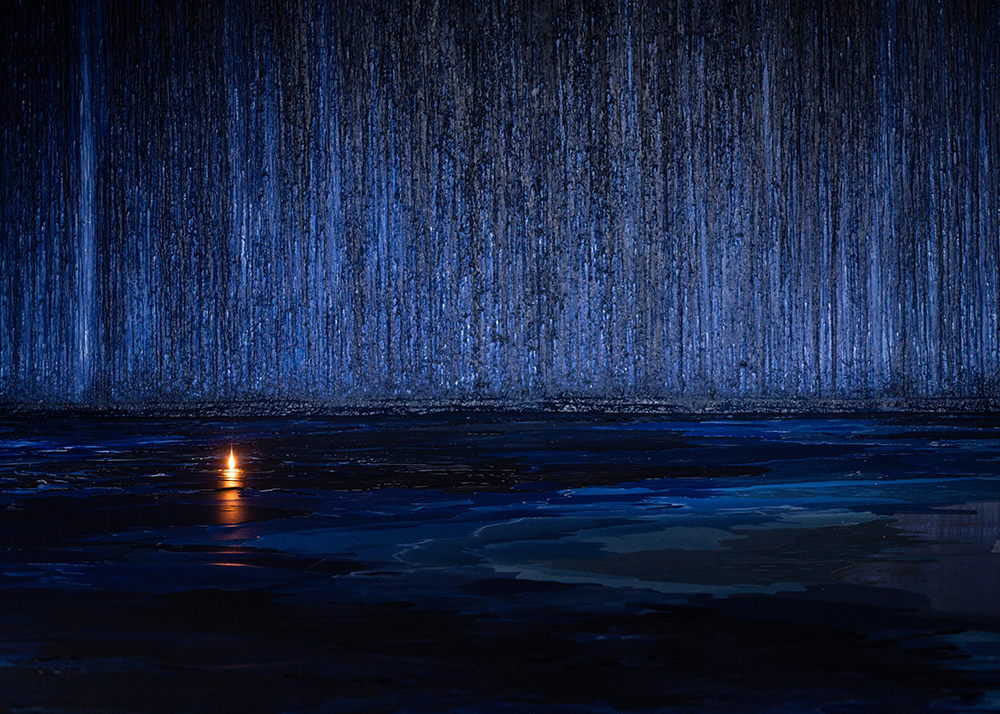
The recurring themes of death and disappearance in Kim’s work are closely related to this understanding of temporality. She pays particular attention to the warmth, traces, and unexpressed emotions left behind by those who have passed away. In Cover with the Night (2023), the traces of paraffin flowing down the surface of a coffin reveal the time involved in the material’s transformation, evoking the remnants of a life that persist beyond death.

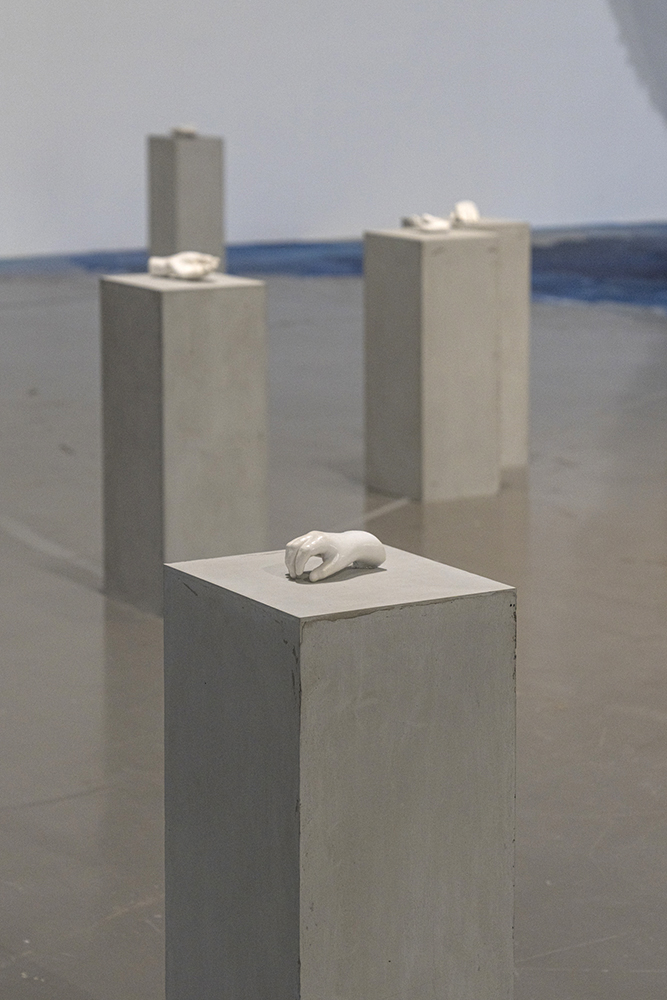
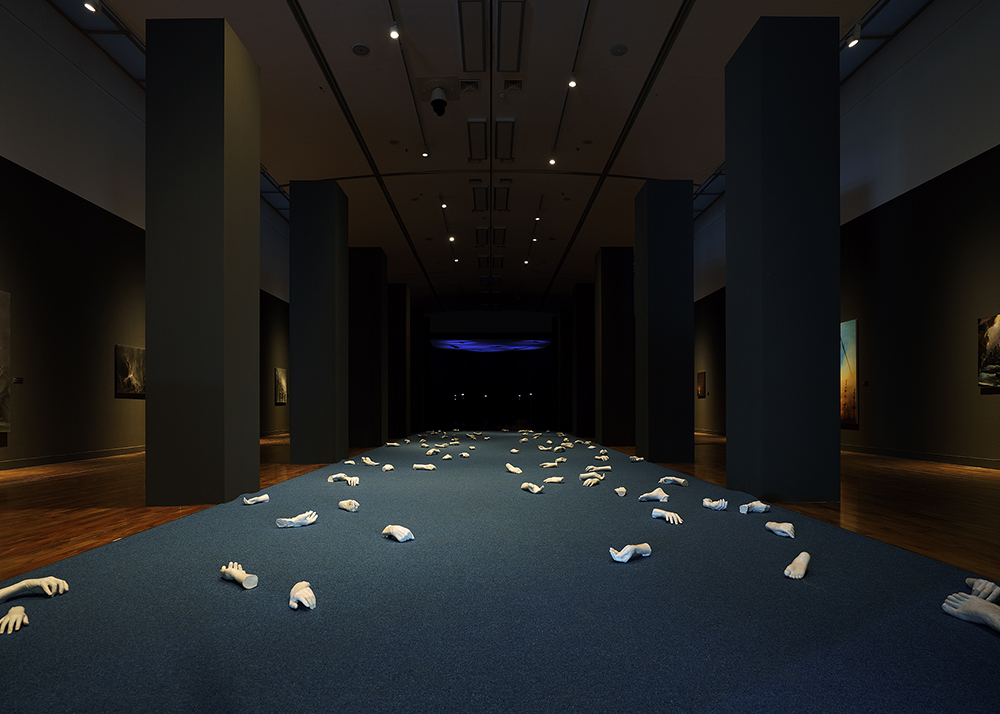
In White Shadows (2023), plaster casts of the hands of people known to the artist contain heating elements whose warmth recalls the bodily presence of others. Through such works, disappearance becomes an occasion to summon the memories and sensations of those who remain. “Night,” another recurring motif in her practice, also carries particular significance.

Within the darkness, where all recognizable forms seem to have vanished, possibilities that have yet to take shape remain latent. This understanding of life and death, creation and dissolution as interconnected processes reflects an acceptance of human finitude and a sense of compassion toward vulnerable forms of existence.

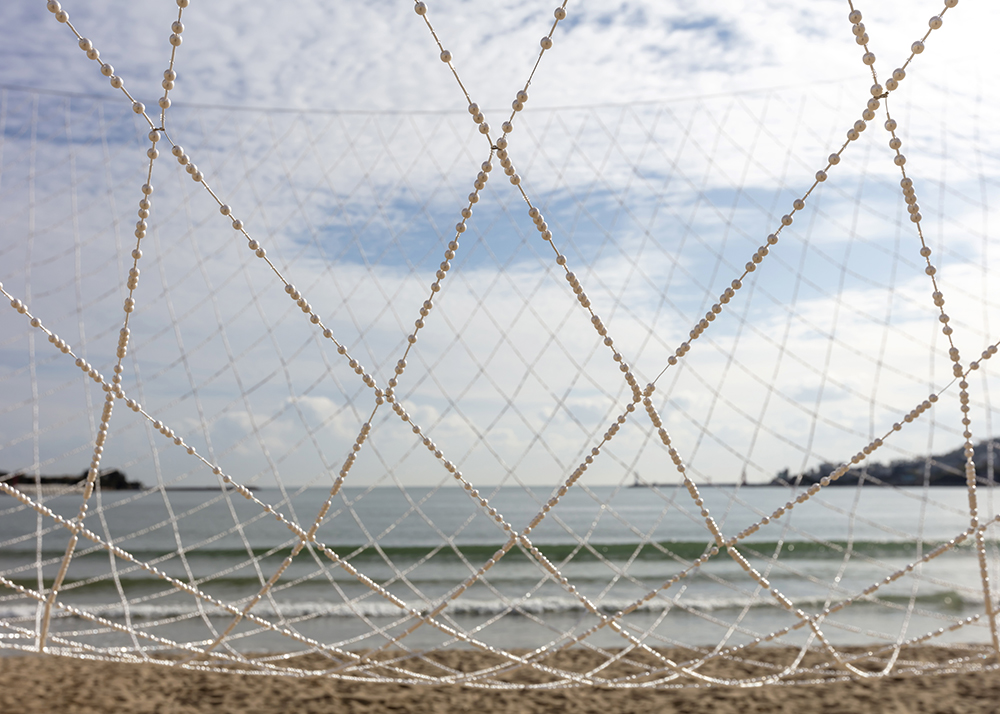
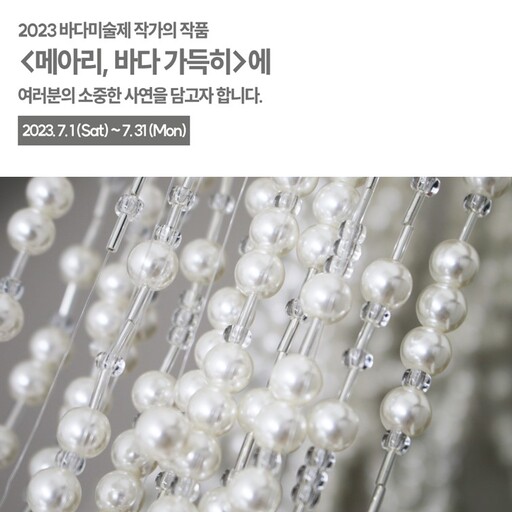
Kim’s attention to individual lives gradually expands into a contemplation of cosmic order and the interconnectedness of all beings. In Echo, Filled in the Sea (2023), she collected stories that members of the public had been unable to communicate to others and translated them into Morse code, exploring the possibility of connecting private memories with the experiences of others.

Her subsequent exhibition 《The Apple and The Moon》 (2024) drew on the familiar anecdote of Newton’s discovery of gravity to evoke how small, everyday objects and the vast universe are governed by the same physical principles. Images in which the surface of an apple resembles a planet or a flame evokes a cosmic landscape challenge the ways we distinguish and perceive the world.

The recognition that seemingly distant beings and objects with entirely different properties are connected through relationships of matter and energy constitutes a central aspect of Kim’s artistic vision. This perspective ultimately situates humanity within the larger universe. It is at the intersection of her investigation into the immense forces governing the world and her desire to understand and remember fragile, fleeting lives that the distinctive emotional sensibility of Kim’s practice emerges.

Style & Contents

Doki Kim has developed an installation practice that allows viewers to experience invisible forces such as light, heat, and gravity through their senses. To this end, she employs a wide range of industrial materials and everyday objects, including LED displays, electrical wires, paraffin wax, plaster, concrete, and heaters.

By closely examining their physical properties, Kim dismantles and recombines these materials, exploring new ways for them to function beyond their conventional purposes. In her early work A Single Pillar (2006), she embedded heaters within a concrete pillar to generate an invisible current of warm air, while Form of memory (2010) employed heat-sensitive panels and a thermal camera to produce images that appeared and disappeared in response to changes in temperature.

In these experiments, physical phenomena serve simultaneously as artistic materials and as means of transforming viewers’ perception. By disrupting the familiar functions of objects and expanding the possibilities of sensory experience, Kim invites audiences to encounter movements of the world that are ordinarily difficult to perceive.

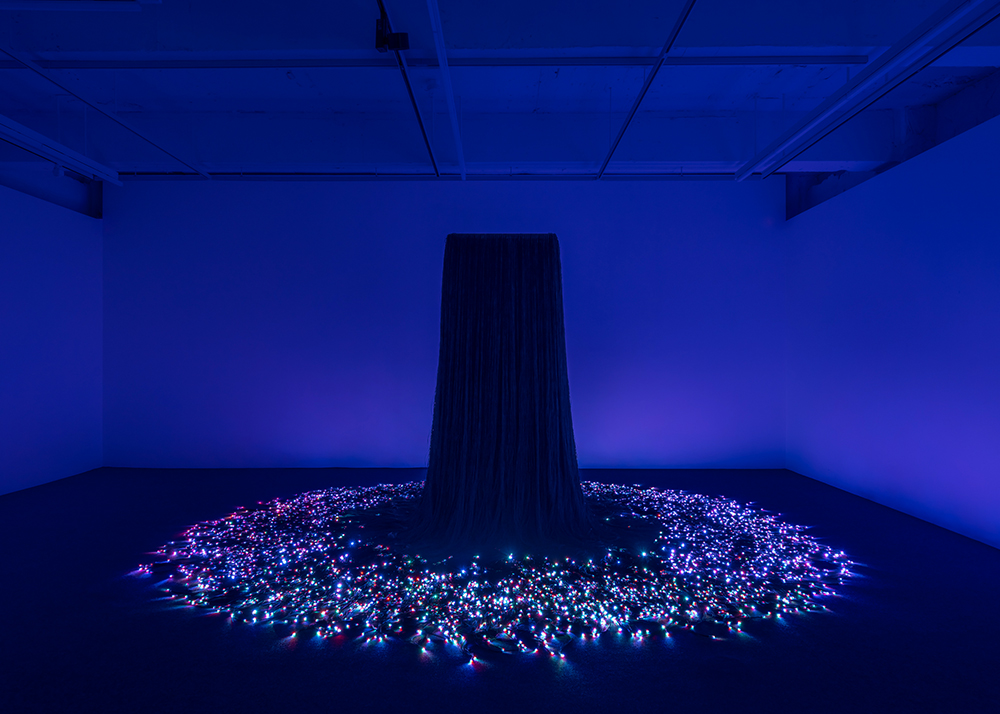
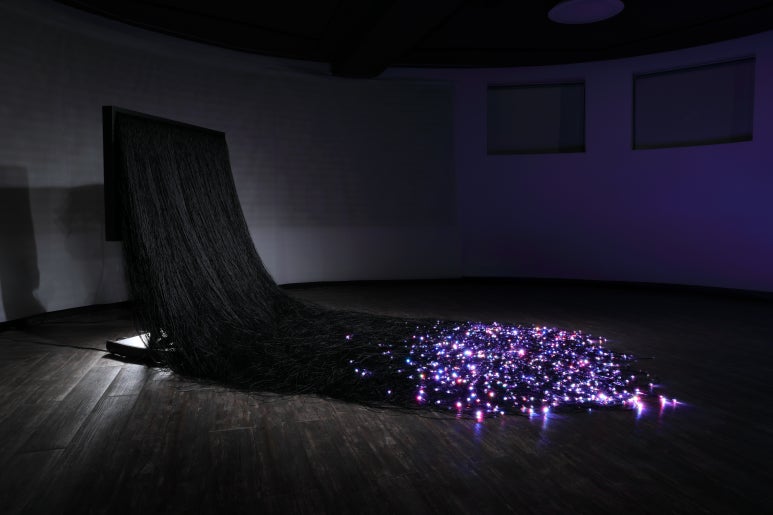
The dismantling of the fundamental structures of moving-image media reveals a distinctive aspect of Kim’s sculptural language. In Quantum Dream (2018), she separated the individual pixels of an LED display and reconnected them with electrical wires, transforming the video image into the movements of individual points of light.

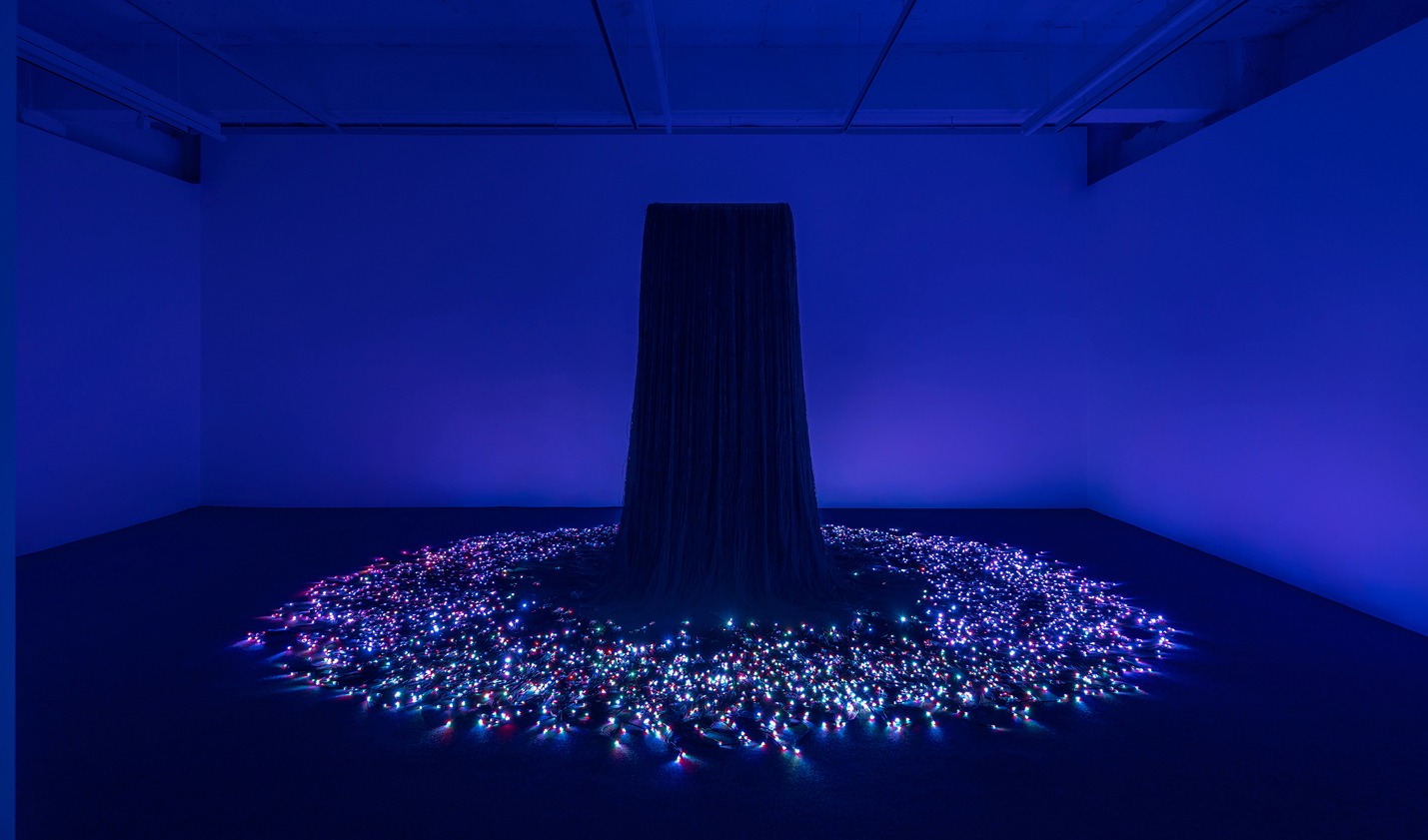
Images and sounds evoking significant moments in human life, including birth, marriage, and death, intersect with the irregular flickering of dispersed pixels, disrupting conventional narrative continuity. This experimentation continued through A Scattering Time (2019) and Blue Hour (2023), culminating in Umbra (2024). In Umbra, a rectangular LED structure and countless pixels arranged in a circle across the floor generate a stream of light, dispersing the moving image to the point where its original form becomes difficult to recognize.

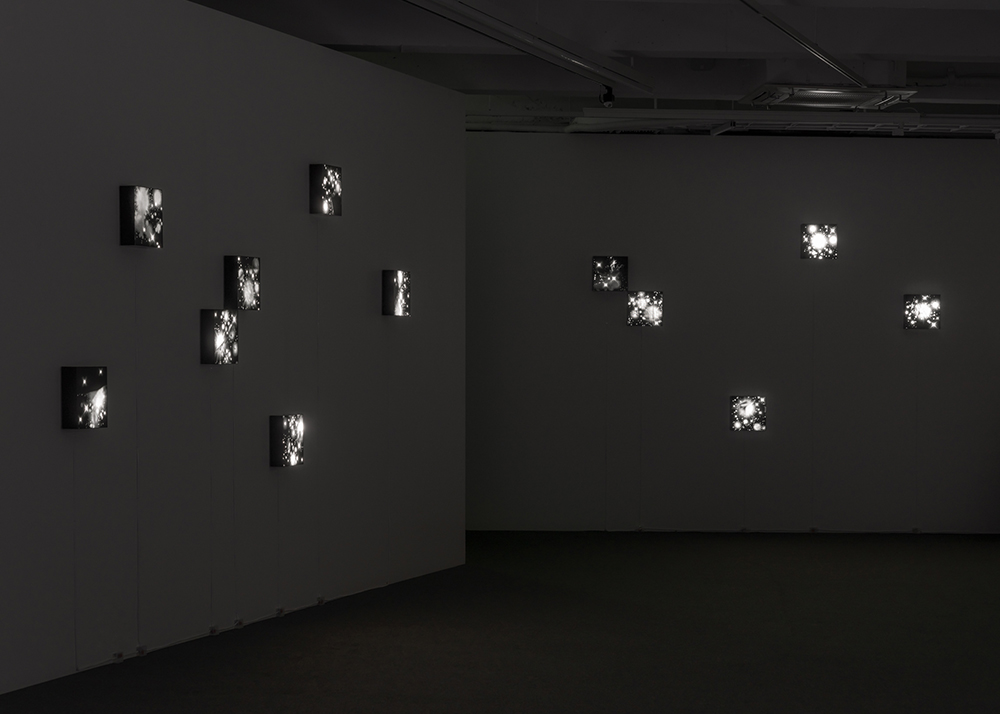
Meanwhile, Partial Solar Eclipse (2024) intermittently reveals scenes from nature and everyday life through LED modules positioned at intervals throughout the space. Images of an apple’s surface resembling a planet or flames evoking the cosmos unsettle the viewer’s perception of the scale and identity of familiar objects. Through the spatial expansion of the screen’s flat structure and the physical disassembly of images, Kim develops a formal language that moves fluidly between moving image and installation, abstract light and tangible objects.

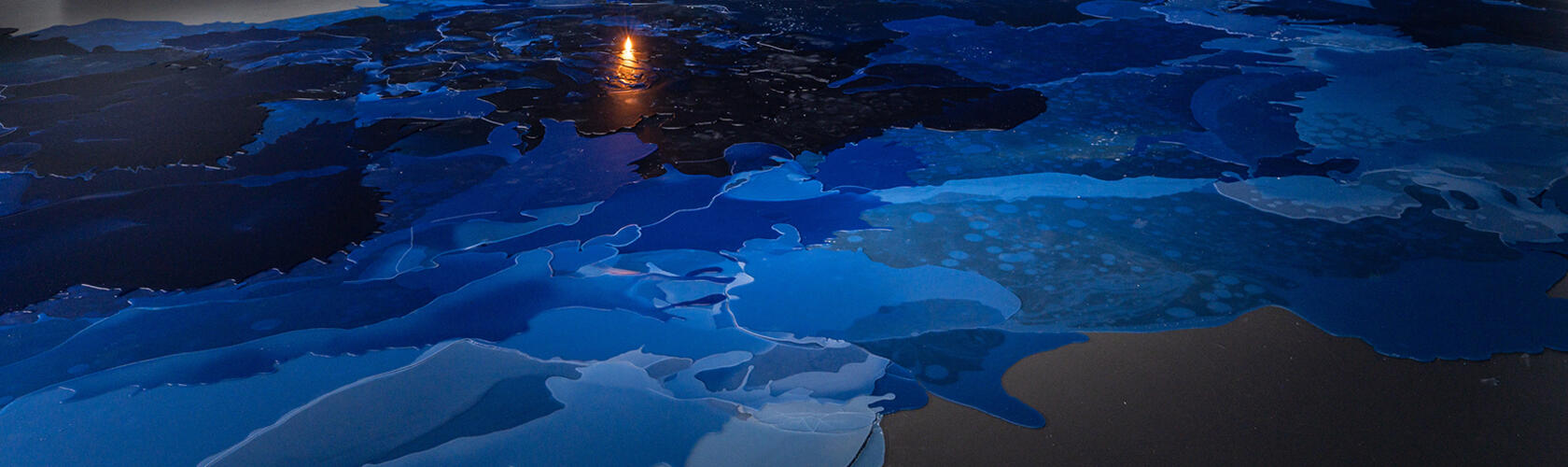
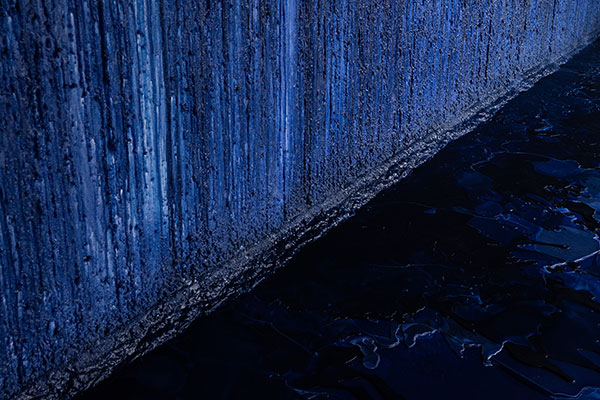
In her works involving paraffin wax, the transformation of material in response to heat and the repetition of physical processes play a central role. Heated paraffin melts and flows before solidifying again as its temperature decreases, leaving visible traces of gravity, viscosity, and the passage of time upon its surface.

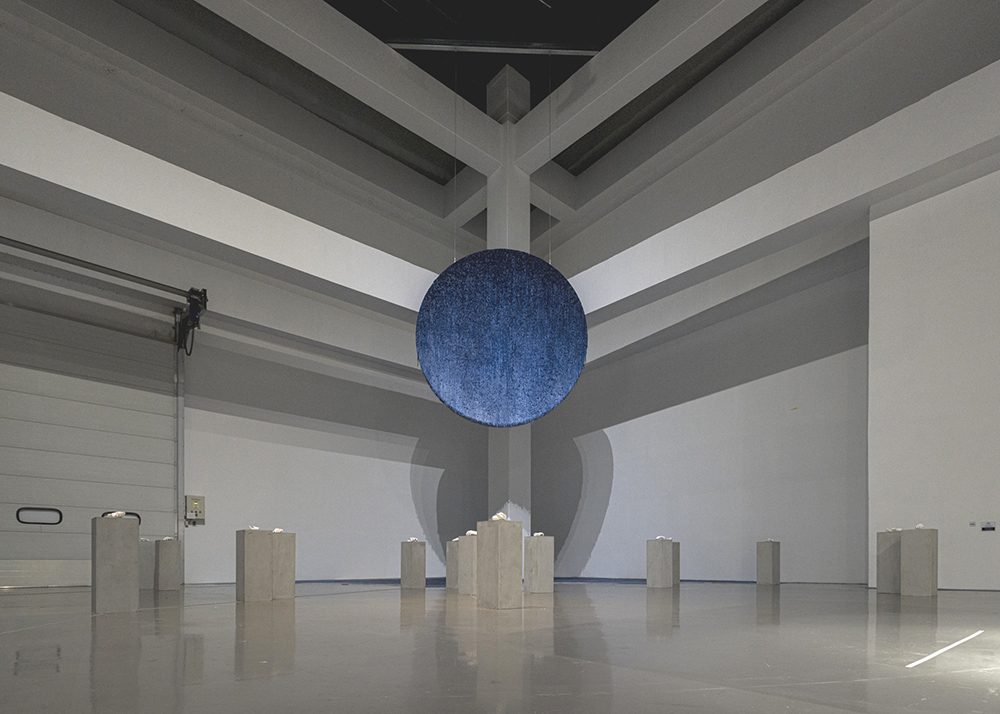
Kim exploits these properties by repeatedly applying paraffin to structures and spaces, gradually building volume and texture. The traces of wax covering the coffin in Cover with the Night (2023) and the monumental circular structure of Song of the Night (2025) reveal the processes through which material flows and accumulates.

In Requiem (2025), a heated steel plate was designed to descend under its own weight, gradually melting a column of paraffin and allowing the work’s form to change over the course of the exhibition. Unexpectedly, the melted paraffin solidified and began supporting the column again, eventually preventing the steel plate from descending further. Kim embraces such contingencies arising between carefully planned procedures and the independent behavior of materials, incorporating the possibilities of forms and transformations generated by matter itself into her practice.

Exhibition spaces and viewers’ bodies also play integral roles in Kim’s installations. She adjusts the scale, arrangement, and sensory intensity of her works according to the dimensions and architecture of a space and the paths through which visitors move. In Our Cold Time (2022), a sensor triggered the release of powder whenever a visitor entered a particular area, allowing successive footsteps to accumulate as material traces over time.

White Shadows (2023) and White Voices (2025), composed of casts taken from people’s hands, contain heating elements that allow viewers to experience warmth through direct contact. In the exhibition 《Seeing with Ten Fingers》 (2025), Kim arranged the hand sculptures beneath the monumental paraffin structure of Song of the Night like a constellation, bringing the intimate sensation of bodily warmth into proximity with an overwhelming sculptural form.

Canon (2025) similarly emphasizes the participation of visitors, who enter the installation, make physical contact with its elements, and interact with one another. Kim’s practice thus combines vision, touch, bodily movement, and the passage of time, calling for active sensory engagement. Through the reciprocal relationship between material transformation and embodied experience, invisible forces and the connections between different forms of existence become tangible.


Topography & Continuity

Doki Kim has developed a distinctive artistic direction through her early experiments in Japan and her subsequent practice based in Busan, Korea. Having studied Intermedia Art at Tokyo University of the Arts, she began investigating the relationship between physical phenomena and human perception in the mid-2000s.

Early works such as A Single Pillar (2006) and Form of memory (2010), which employed invisible thermal energy to explore the relationships between space, the body, and sensory experience, established an important foundation for her later practice. Following graduation, Kim experienced a period during which she was unable to sustain her independent artistic work.

After returning to Busan, however, an opportunity to assist another artist with production prompted her to resume her practice. Her solo exhibition 《Quantization》, held at Kim’s Art Field Museum in 2018, brought together experiments developed after this renewed engagement with artmaking.

Exploring quantum mechanics and relative time through moving images and installations, Kim translated her longstanding inquiries into energy and existence into a newly developed sculptural language. Throughout the interruptions and subsequent resumption of her artistic career, her desire to understand the underlying mechanisms of the world remained consistent, while her methods evolved in response to changing circumstances and experiences.

Working in Busan has provided Kim with opportunities to engage closely with the characteristics of exhibition spaces and the experiences of local communities. The exhibition 《PEER REVIEW: Quantum Dream》 (2019), held at the project space of Lab C, focused on Quantum Dream, offering an opportunity for close examination of its technical construction and philosophical implications.

Kim subsequently presented exhibitions at a range of local venues, including 《Death of a Ghost》 (2021) at Hongti Art Center and 《Swallowing Voice and Meeting the Moon》 (2022) at Youngjumansion. At Youngjumansion, a renovated residential building, the architecture, visitors’ movements, and sensory encounters with the artworks became closely interconnected.

This attention to place developed into a process of collecting stories from local residents for Echo, Filled in the Sea (2023), presented at Sea Art Festival 2023. Words that participants had been unable to communicate to others were translated into Morse code and incorporated into a monumental net-shaped installation suspended along the seashore.

Moving between independent art spaces, public institutions, and outdoor exhibitions in Busan, Kim has continued to develop the scale of her installations and the forms of participation they invite. Encounters with local communities and the particular experiences associated with each site have remained influential in shaping both the production and meaning of her work.

By the mid-2020s, Kim’s activities had expanded to commercial galleries in Seoul and major art institutions across Korea, bringing her practice into dialogue with new curatorial contexts. Her participation in 《MY YOUNG & SAD DAYS》 at the Busan Museum of Art and an exhibition at the Ha Jungwoong Museum of Art, Gwangju Museum of Art, both in 2023, introduced her work within broader currents of contemporary artistic practice.

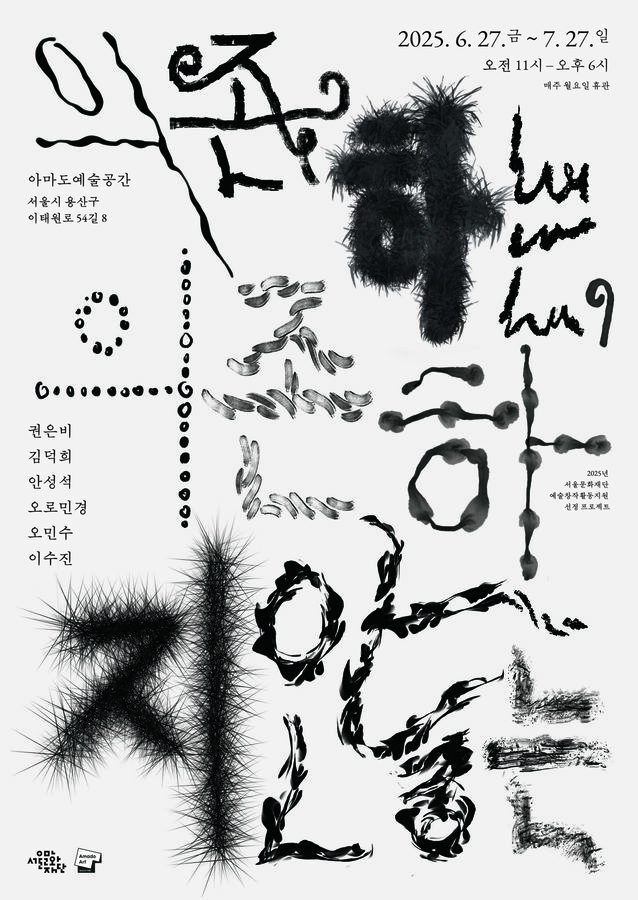
Her 2024 solo exhibition 《The Apple and The Moon》 at Gallery Baton brought together her evolving pixel-based works and paraffin installations, extending her investigation of the physical order of the world toward a cosmic scale. In 2025, her participation in 《Seeing with Ten Fingers》 at the Busan Museum of Contemporary Art foregrounded touch and embodied experience, while 《Reliance and Independence》 at Amado Art Space addressed the mechanisms of capitalist society and the interdependence of different forms of existence.

These developments demonstrate how Kim’s practice intersects with media art, sculptural installation, and participatory artistic approaches. While maintaining a sustained interest in matter and energy, she has continued to diversify her exploration of sensory experience and social relationships in response to the questions raised by different exhibitions.

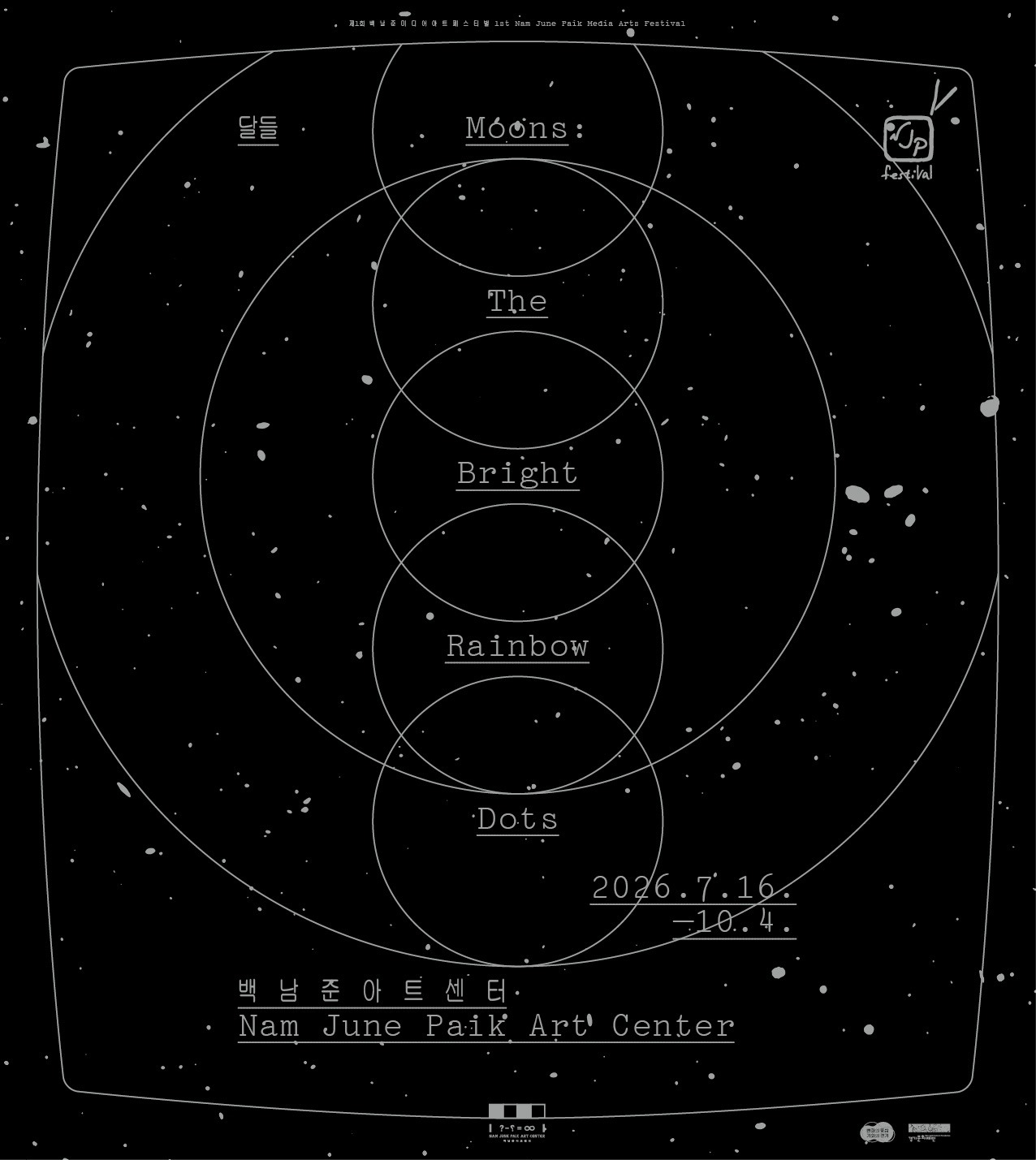
Kim’s recent activities have further extended these investigations into contexts encompassing historical memory, social care, and cosmic imagination. In 2026, she participated in 《Moons: The Bright Rainbow Dots》 at the Nam June Paik Art Center, contributing to an exhibition that explored the moon and planetary thinking through contemporary perspectives on media technology and the universe.

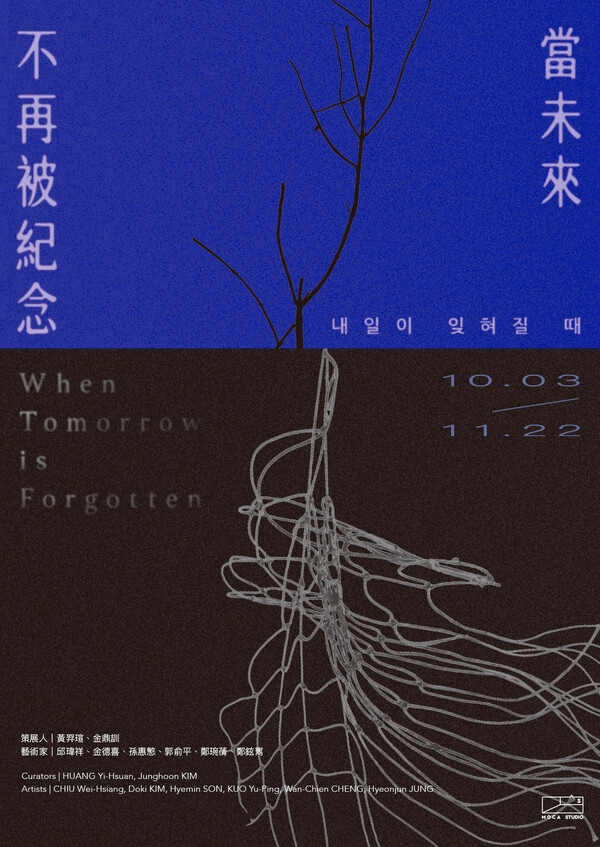
In the same year, she presented newly commissioned works at the reopened Busan Museum of Art and participated in 《When Tomorrow is Forgotten》 at the Museum of Contemporary Art Taipei, jointly organized with the Busan Cultural Foundation. Addressing the emergence of super-aged societies in Korea and Taiwan, the latter exhibition examined questions of care, memory, and changing social structures.

Drawing on her personal experience of caregiving labor, Kim incorporated spaces, objects, and traces of work from caregiving environments into her artistic practice. This development demonstrates how her early investigations of invisible physical forces have gradually extended toward an examination of the social relationships and structures that sustain human life.

From Japan to Busan and Seoul, and subsequently to international art institutions, Kim’s artistic trajectory reflects a consistent commitment to connecting science and philosophy with personal experiences and collective memory. Through sustained experimentation with materials and sensory perception, she continues to incorporate changing conditions of life and contemporary social concerns into her work.

Works of Art

On Human Existence Within the World’s Multilayered Relationships

Articles

Exhibitions

Activities