O dust - K-ARTIST

O dust

2023
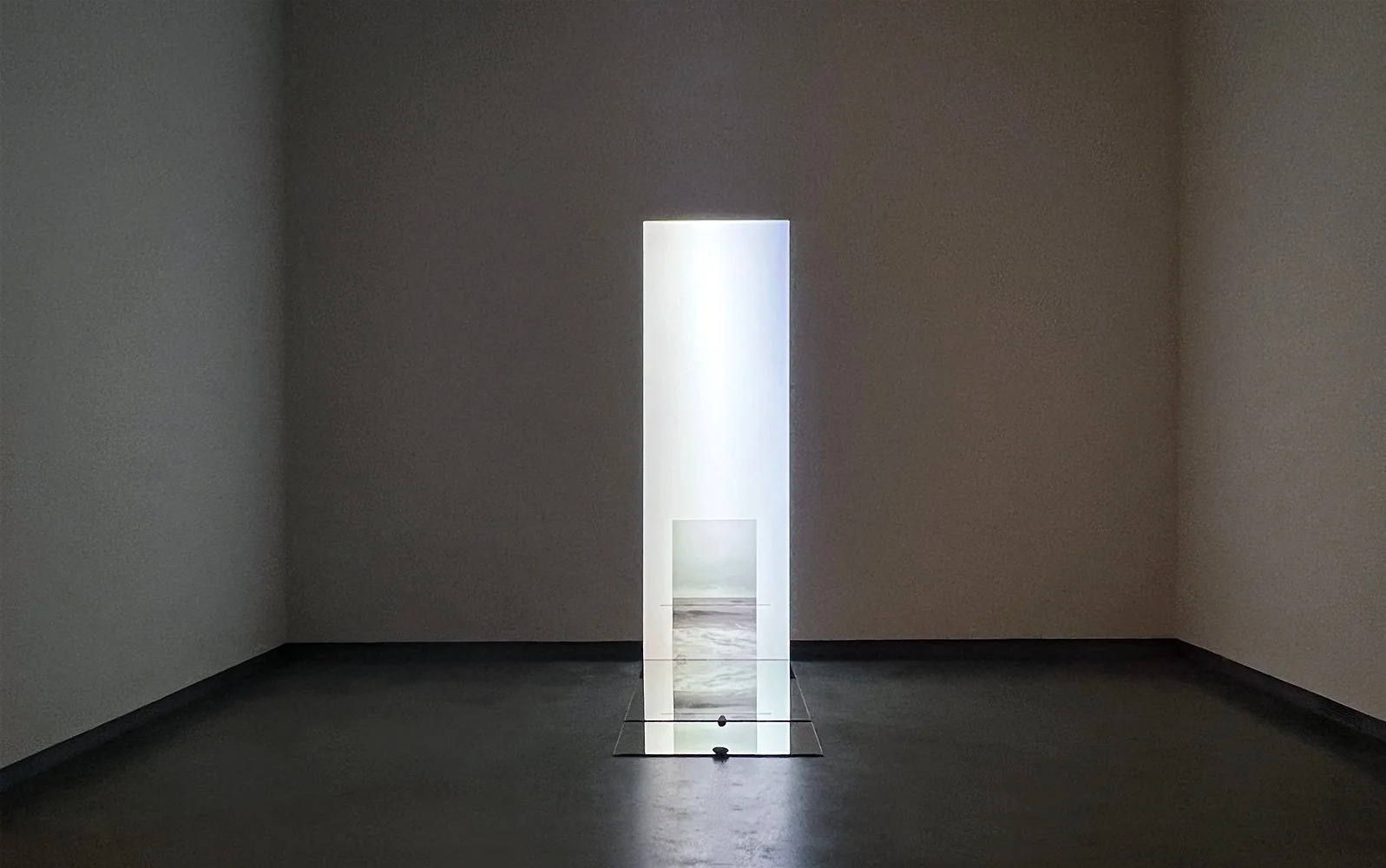
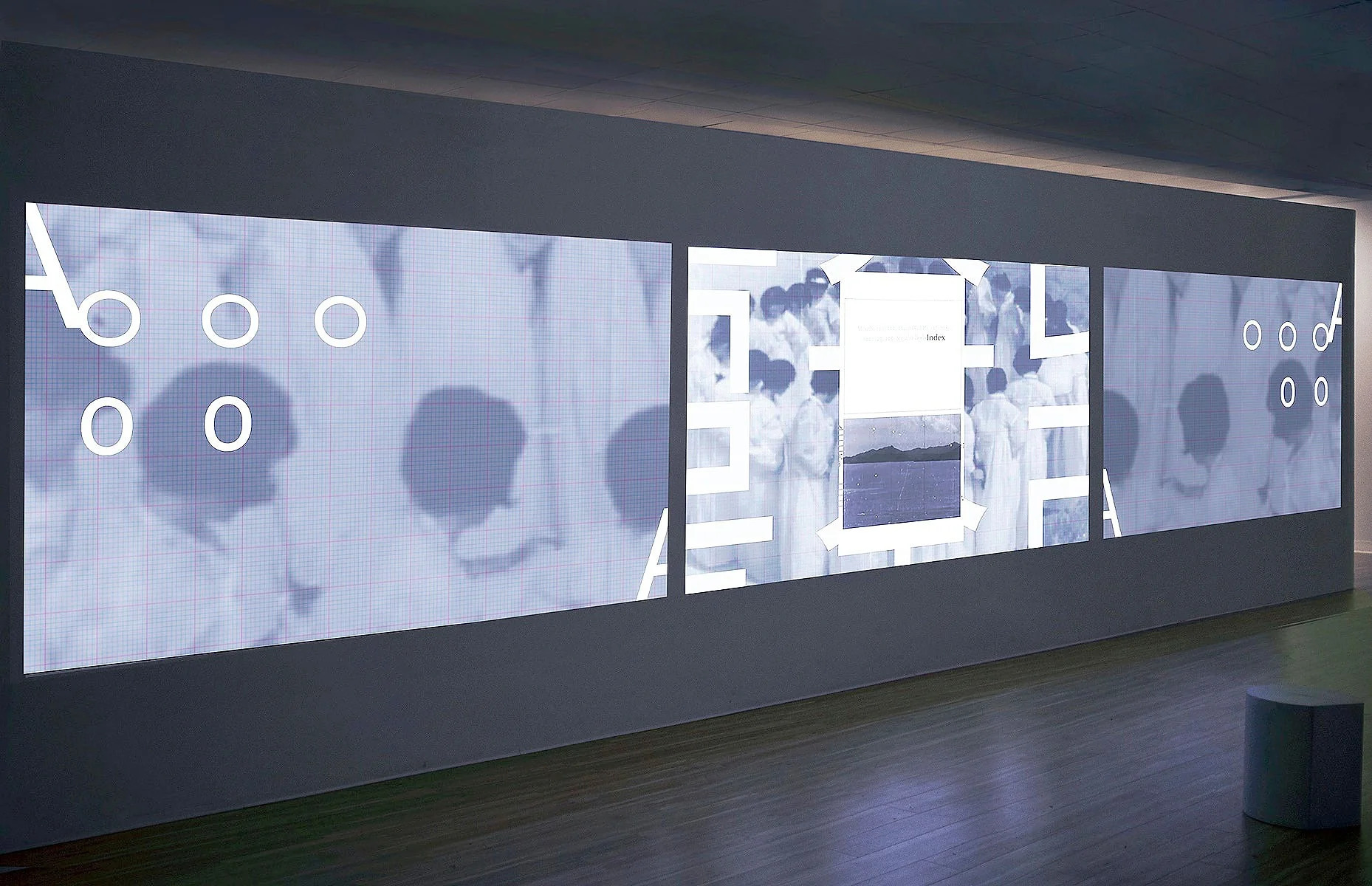
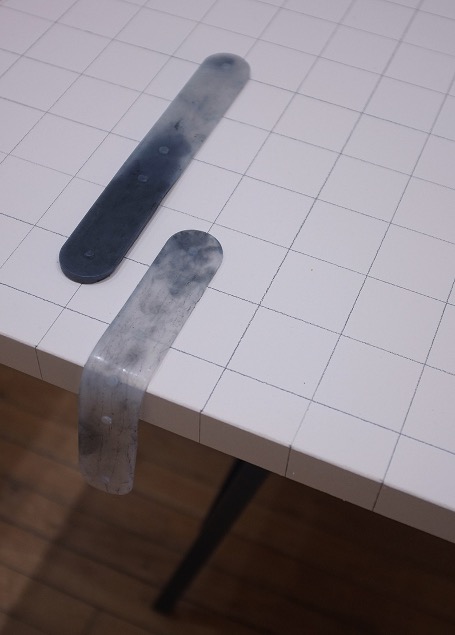
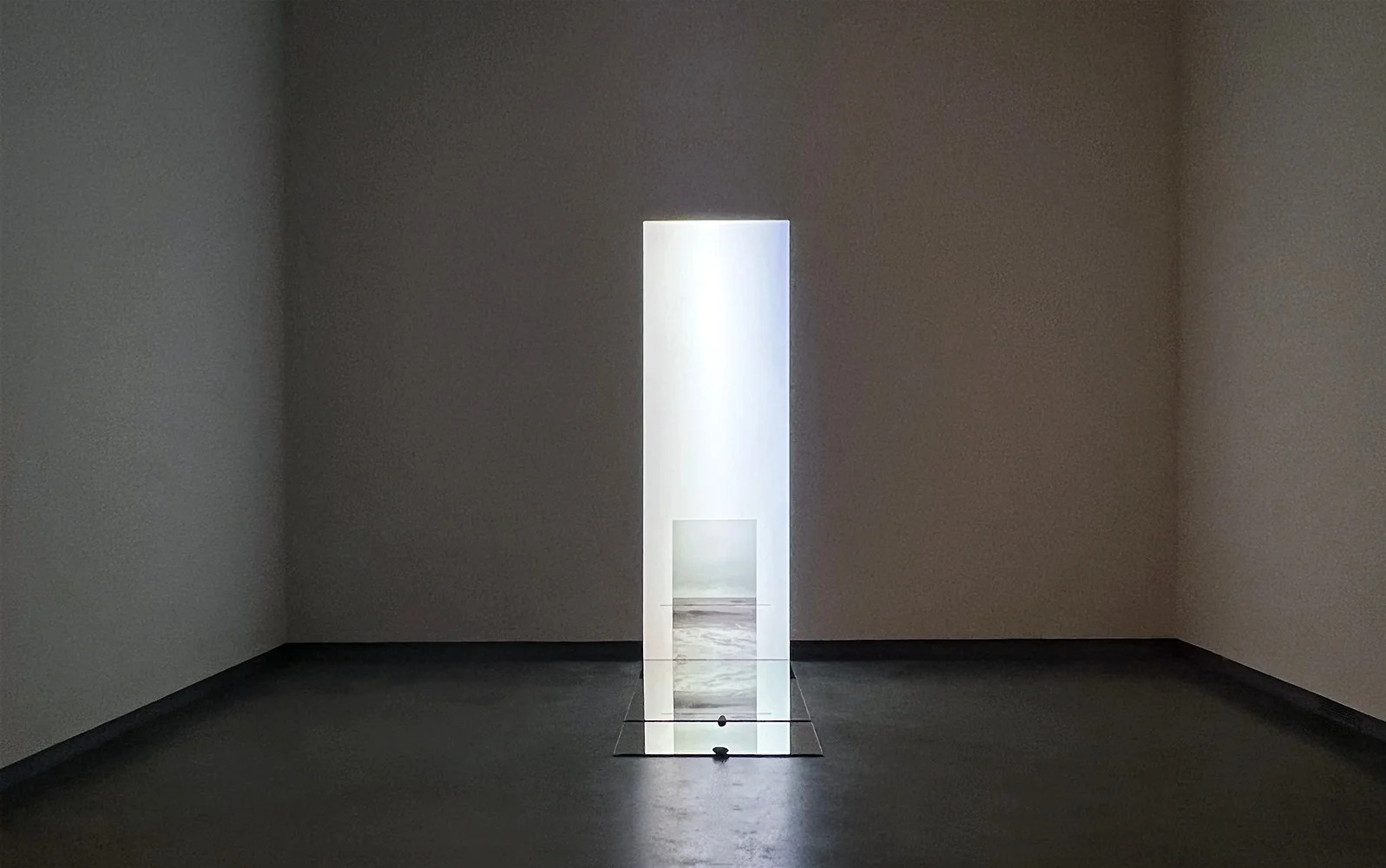
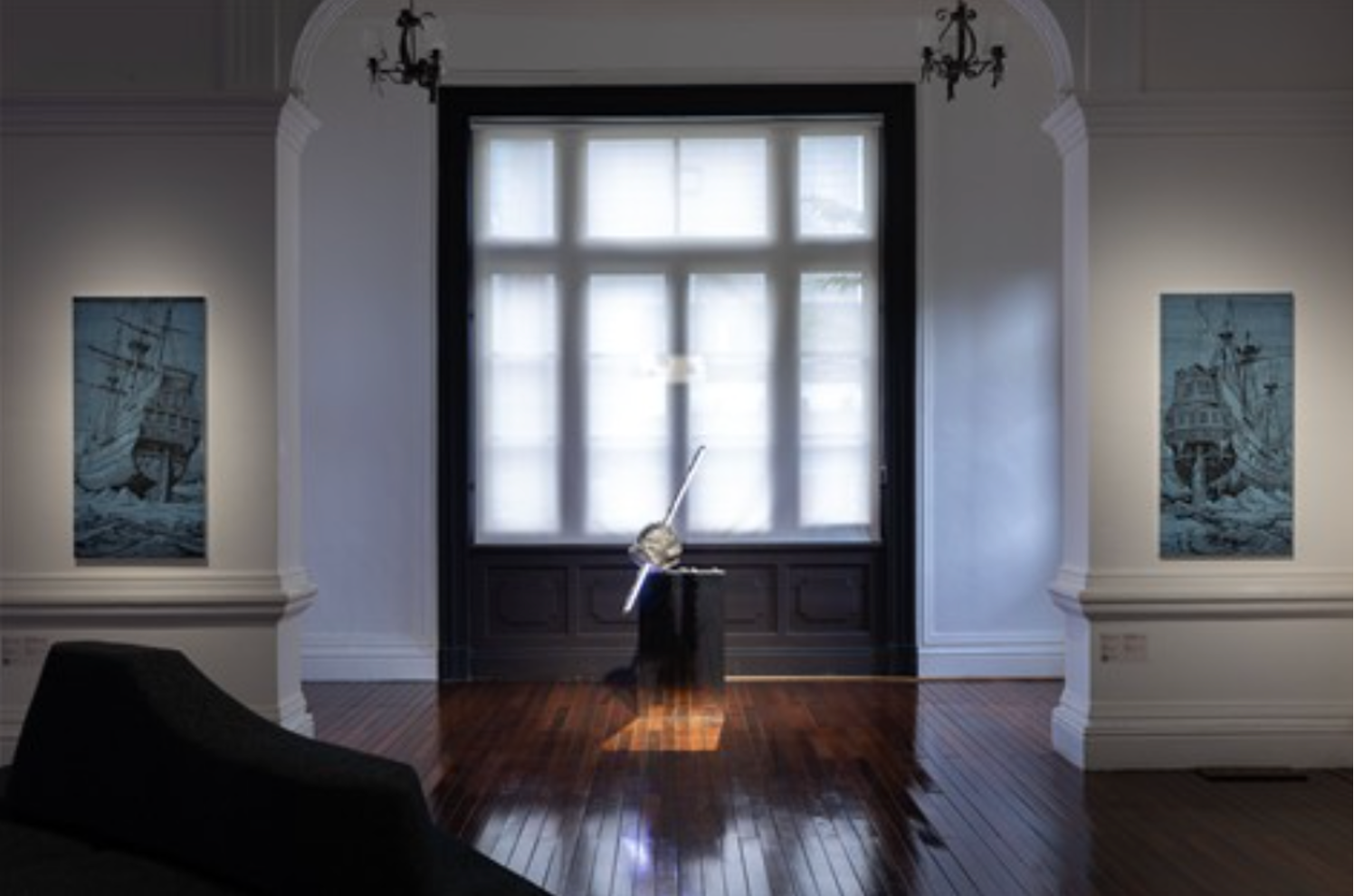
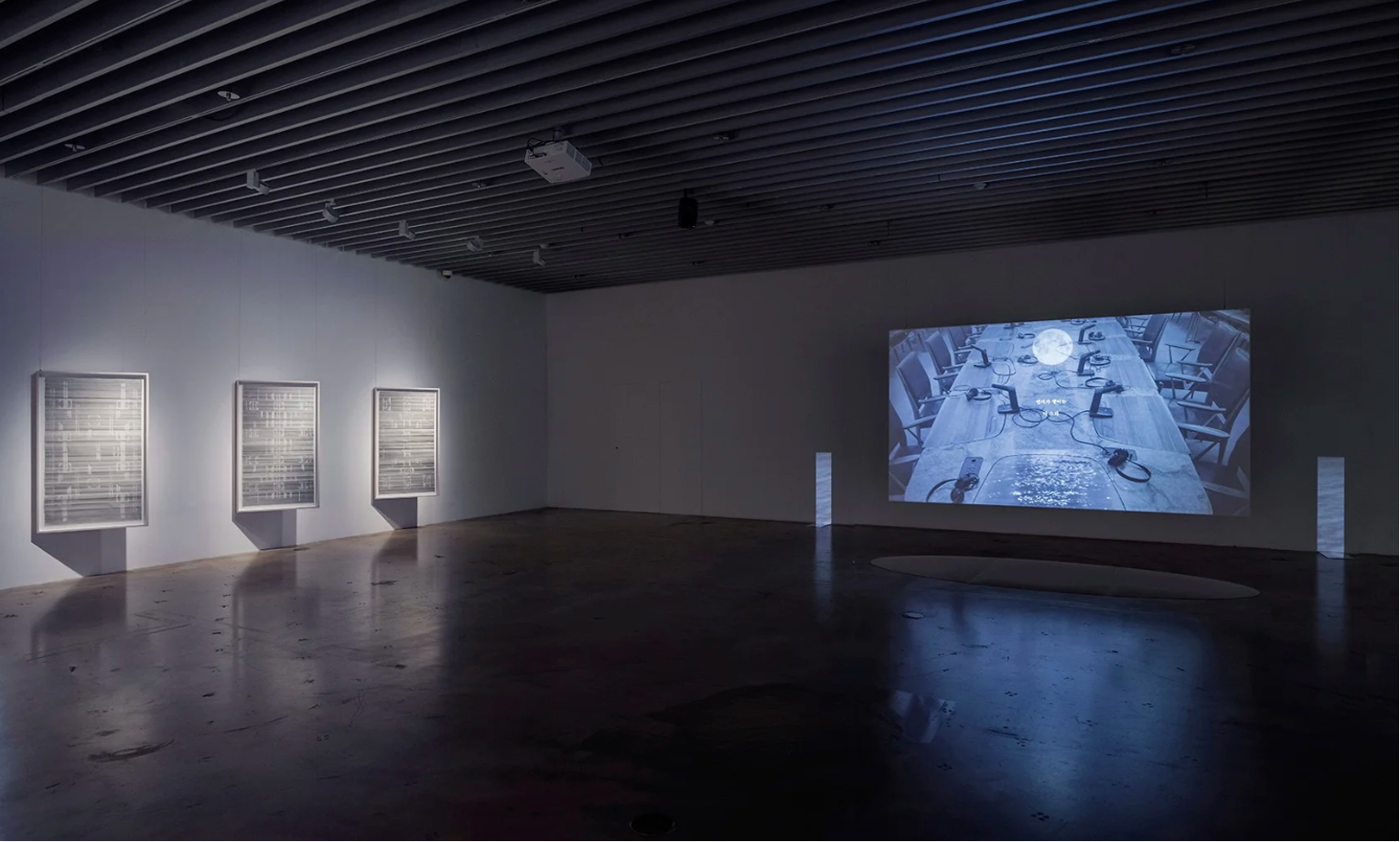
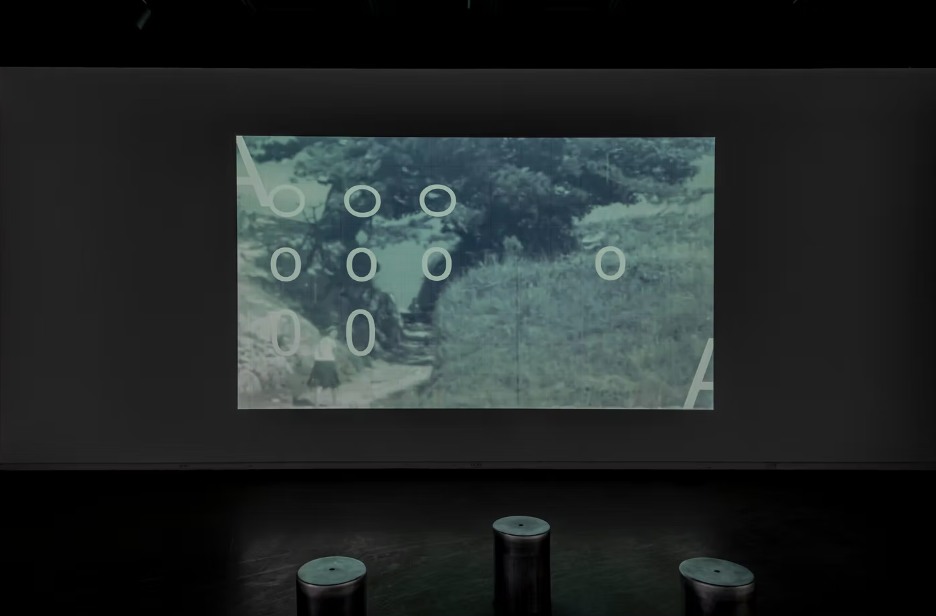
3 channel video installation, 3 mirrors. 7 min 6 sec (video), with sound
Dimensions variable (installation) 
About The Work

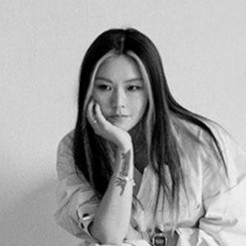
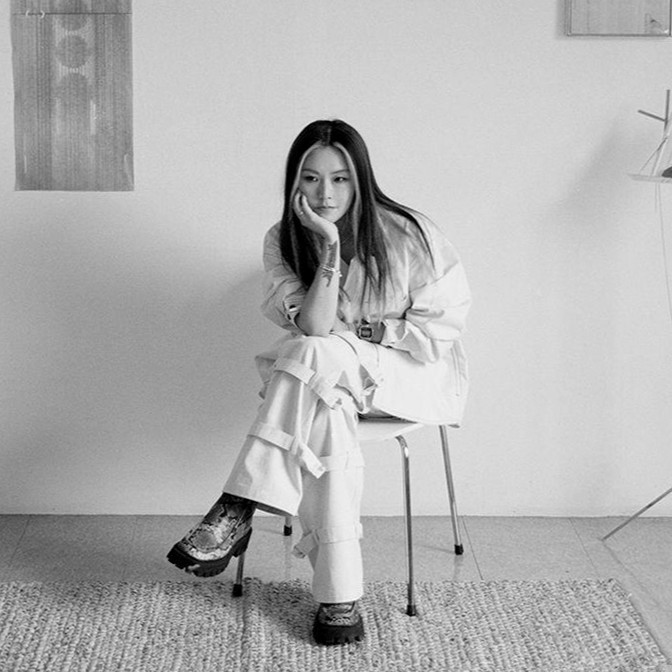
Jesse Chun explores language and poetics through a range of media, including video, drawing, sculpture, and installation. Drawing on historiography, translation, and colonial language systems, Chun disrupts and abstracts existing linguistic structures to explore nonlinear meanings, temporalities, and the realm of the untranslatable.

Born in Korea and having lived in Hong Kong, Canada, and the United States, Chun has developed an interest in non-English languages, including Indigenous languages and neologisms, and particularly in how non-Western narratives and histories are marginalized and transformed. Chun fragments the structures of English, often regarded as the world’s “common language,” while capturing diverse visual, auditory, and semiotic moments.

Through a process of “unlanguaging” achieved through abstraction and mistranslation, Chun seeks to neutralize the violence and structures of domination embedded in English. As a result, the works are imbued with the strange, cyclical nuances generated by language, meaning, and legibility.

Chun’s practice unfolds an expansive field of semiotic possibilities and cosmologies, envisioning poetic languages and moments that transcend the physical and mental boundaries within which meaning is formed in the world.

Chun’s artistic practice brings to light untranslatable sensations residing within the individual and the silenced voices surrounding translation and migration, while engaging with and transcending the sociopolitical contexts of language. Through audiovisual abstraction, Chun creates ruptures in social and semiotic structures, proposing possibilities for alternative forms of communication and solidarity.

Solo Exhibitions (Brief)

Chun presented her first survey exhibition in Korea, 《시, language for new moons》 (Seoul Museum of History, 2023), as part of the 12th Seoul Mediacity Biennale. Her solo exhibitions also include 《밤, 낮, 달, 비, Speaking in Tongues》 (Commonwealth and Council, Los Angeles, 2024) and 《And verse (혼잣말의 언어 그리고 cosmos)》 (Gallery TPW + public billboards, Toronto, 2022).

Group Exhibitions (Brief)

Chun has also participated in numerous group exhibitions, including the 14th Seoul Mediacity Pre-Biennale 《Inheriting the Future》 (Nam-Seoul Museum of Art, Seoul, 2026); 《Speaking in Tongues》 (Institute of Contemporary Art, Los Angeles, 2026); 《Open Hands》 (Gallery Hyundai, Seoul, 2024); 《Tongue of Rain》 (Art Sonje Center, Seoul, 2024); and 《Nostalgics on Realities》 (Thaddaeus Ropac, Seoul, 2024).

Awards (Selected)

In 2020, Chun was awarded the Joan Mitchell Foundation Painters & Sculptors Grant.

Collections (Selected)

Chun’s works are held in the collections of major institutions, including the Seoul Museum of Art, the Museum of Modern Art Library in New York, the Smithsonian Institution in Washington, D.C., and the Metropolitan Museum of Art Library in New York.

Works of Art

An Abstract Poetic Language Giving Voice to Untranslatable Moments

Originality & Identity

Jesse Chun’s practice begins with the understanding that language is not simply a tool for communication, but a system that classifies people, organizes power, and determines what can be read and what is excluded. Born in Korea and having lived across Hong Kong, Canada, and the United States, Chun experienced firsthand the hierarchies between dominant languages such as English and non-English languages.

Her early work voiceless consonants(2019) transforms voiceless consonants from English pronunciation lessons into barely audible whispers and soundscapes, while her solo exhibition 《enunciating silence and》(1708 Gallery, Richmond, 2019) dismantled the mechanisms surrounding English-language learning and bureaucracy, including EFL/ESL textbooks, pronunciation tutorials, test papers, and watermarks.

From this period onward, Chun began to focus on how the ability to read and use language “correctly” can determine social belonging and authority, deliberately mistranslating and disassembling “proper language” in order to destabilize its structures.
 
These concerns became more clearly articulated through Chun’s distinct methodology of “unlanguaging” in 술래 SULLAE(2020). The work fragments English into phonemes and voiced and voiceless consonants while recalling Chun’s childhood memories of ganggangsullae, connecting the collective gestures of Korean women singing and moving in circles beneath the moon to a decolonial metaphor.

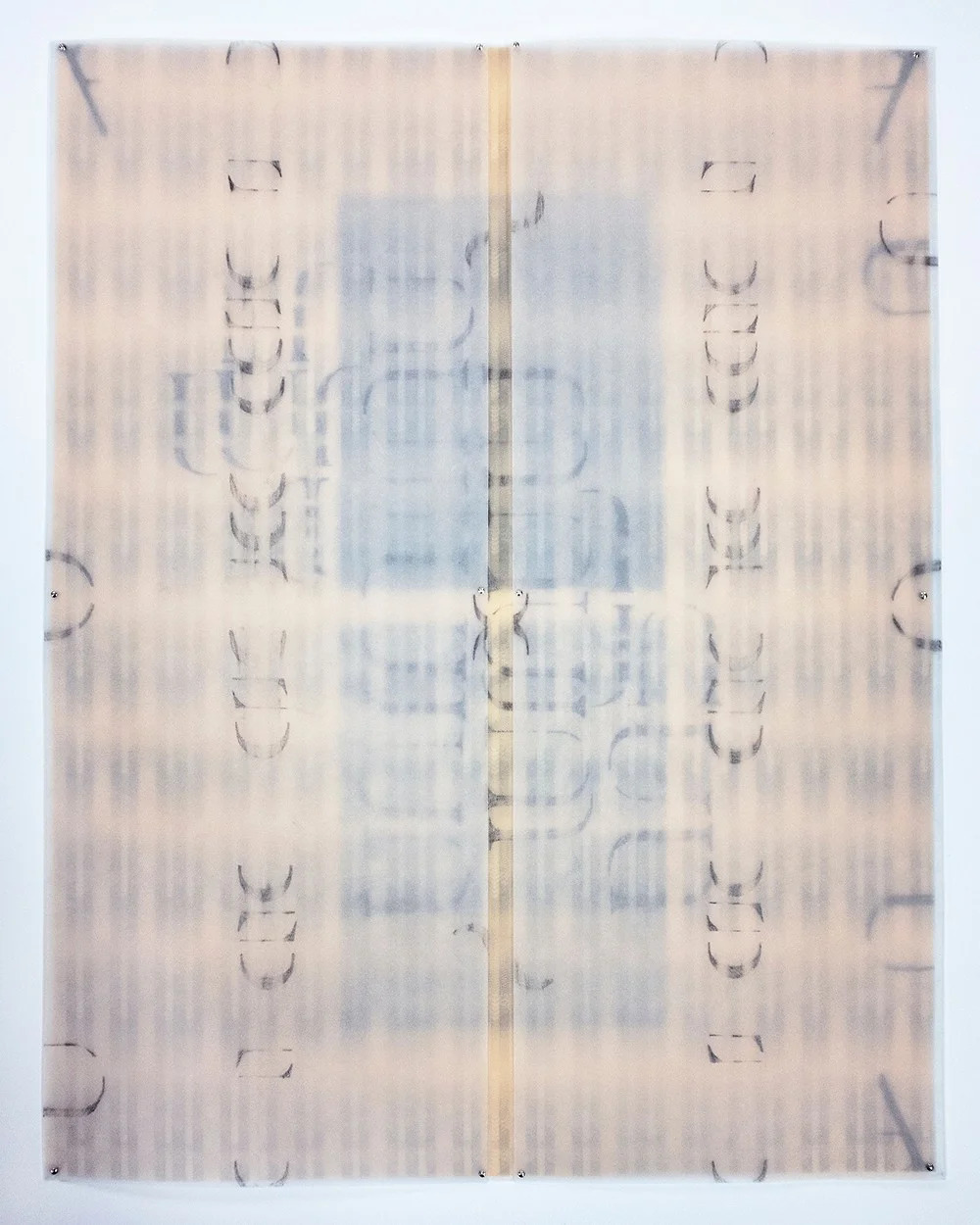
This development continued in the ‘Score for Unlanguaging’(2021–) series, in which Roman alphabets and bureaucratic watermarks are layered and erased, transforming English from readable sentences into abstract signs and “scores.” Rather than replacing English with another language, Chun’s approach loosens the assumption that linguistic meaning can ever be fixed, creating space for new relationships and interpretations to emerge.
 
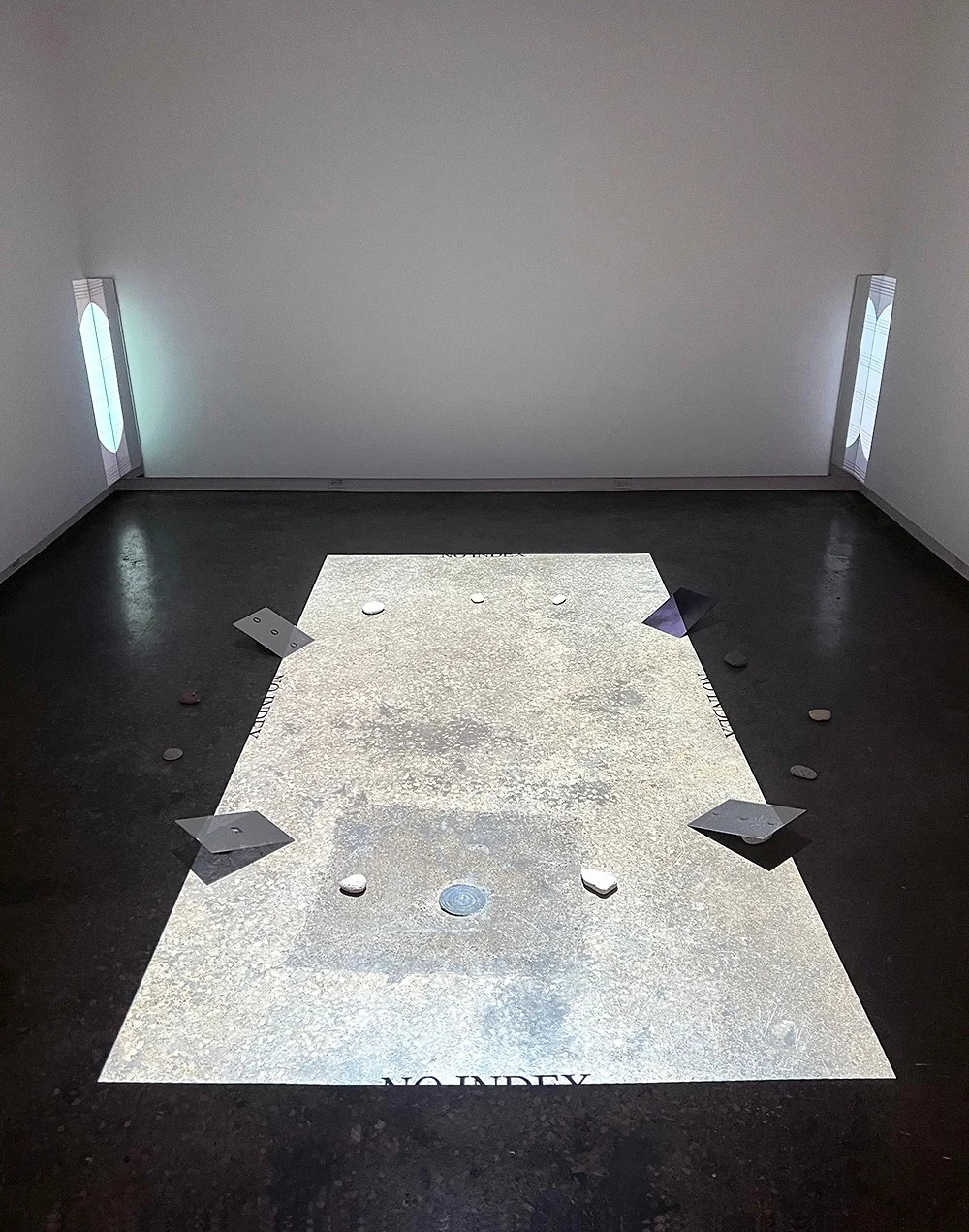
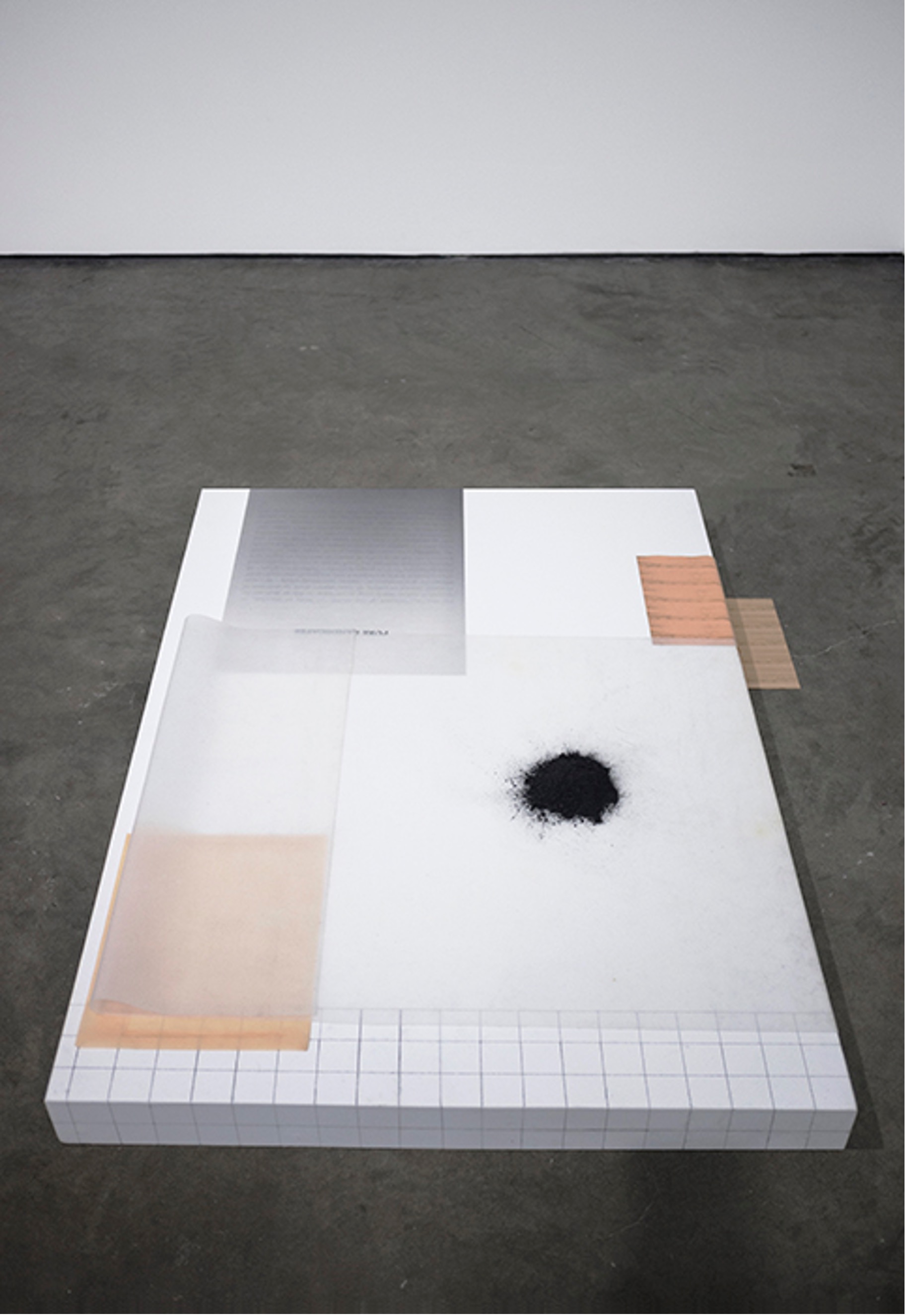
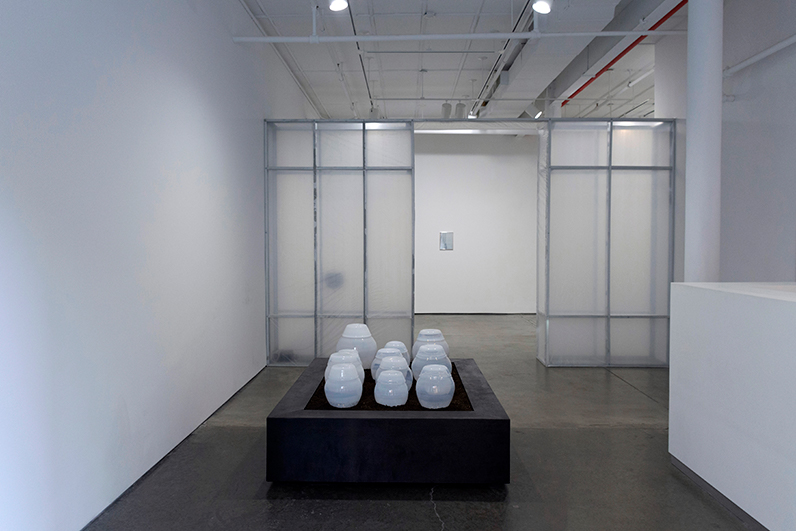
From 2022 onward, this practice of unlanguaging expanded toward poetry, mistranslation, and cosmic time. And verse(혼잣말의 언어 그리고 cosmos)(2022) combines stones, text, index pages, transparent acrylic, and moving images to transform the order of writing and grammar into nonlinear poetry, while the ‘시: sea’(2022–) series embraces the gap in which the Korean word “시” can be misheard in English as “sea,” treating mistranslation as an active poetic form.

Here, mistranslation is not understood as failure, but as a condition through which new meanings can emerge. As these works were brought together in 《시, language for new moons》(Seoul Museum of History, Seoul, 2023), Chun’s investigation of language developed into a broader poetics connecting diaspora, the untranslatable, time, and memory.
 
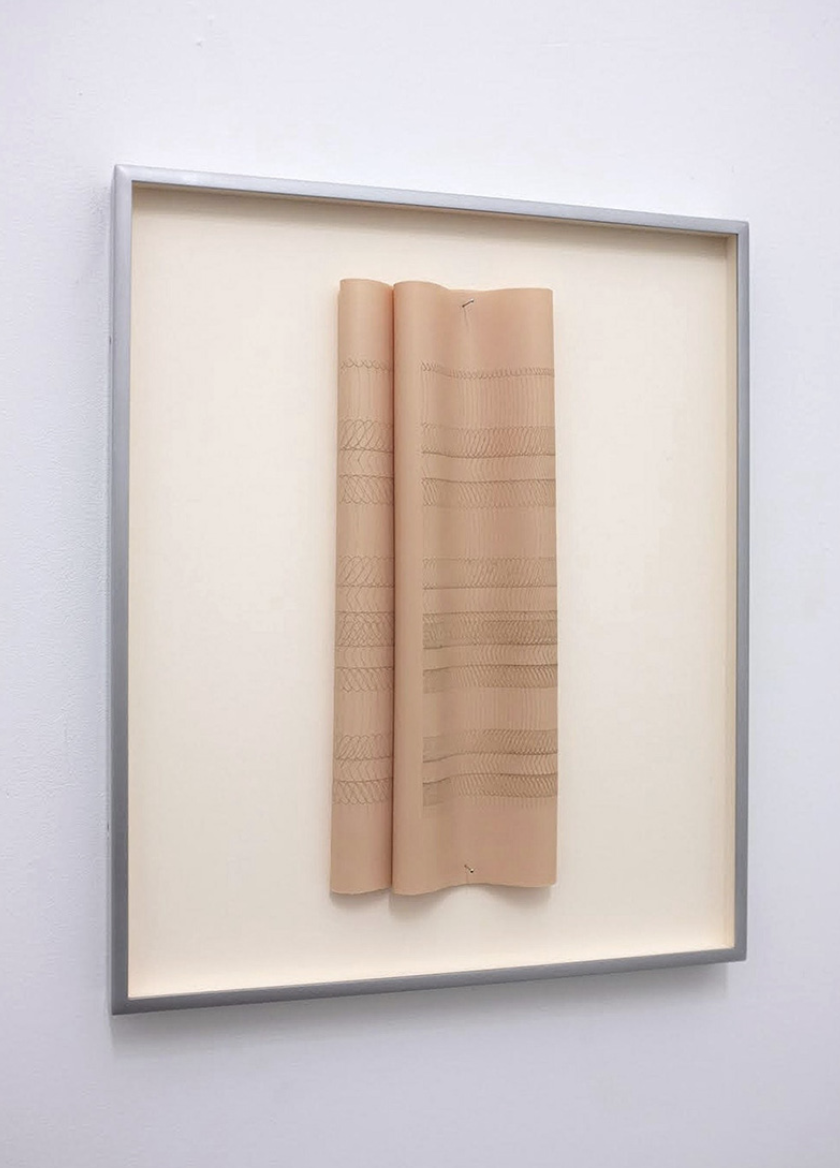
More recently, Chun’s family history and Korean shamanic, folk, and Buddhist practices have become increasingly central to her work, further expanding the scope of language. The ‘시: concrete poem’(2023–) series combines seolwiseolgyeong, a Korean shamanic paper-cutting technique, with the idea of “writing as practice” that Chun experienced through her grandmother, producing hanji works that exist between legibility and illegibility.

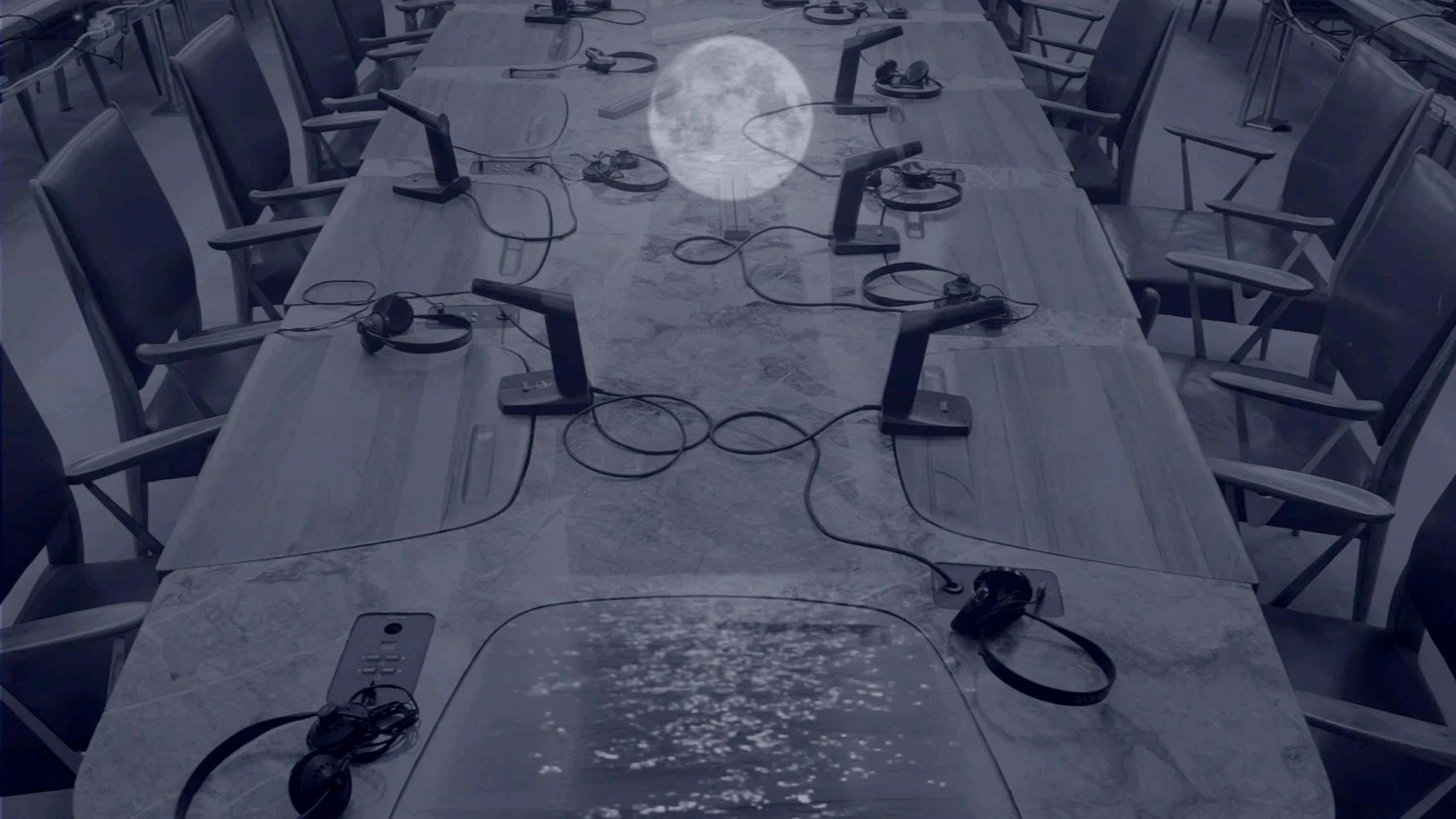
O dust
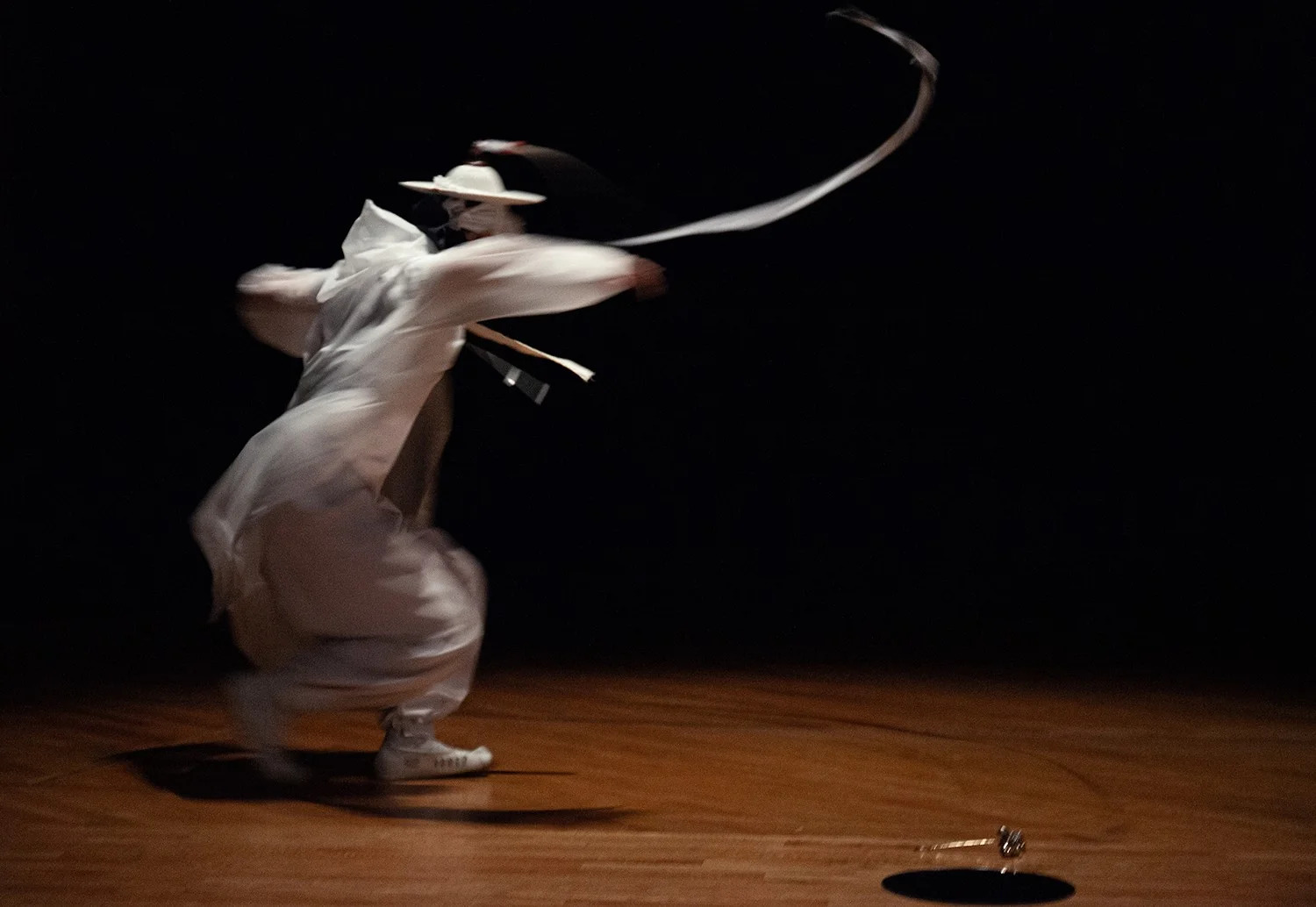
(2023) examines who has the authority to historicize culture and language through UNESCO’s interpretation systems and Intangible Cultural Heritage archives, while also recalling Chun’s grandmother, a Korean folk dancer whose life was never formally historicized.

These concerns continue in 시( )Nawi( )Fugue (an improvisation, an offering, a reading)(2026), a polyphonic performance linking the artistic lineage of Theresa Hak Kyung Cha with sinawi, fugue, and improvisational reading. What began as an effort to dismantle the power structures of language has expanded into an exploration of how speech and body, memory and spiritual lineage, can be translated into and connected with one another.

Style & Contents

Jesse Chun works across moving image, drawing, sound, sculpture, installation, and performance, yet these media are connected by a shared method of breaking down and reorganizing language. In her early practice, existing linguistic mechanisms embedded within institutions became important materials.

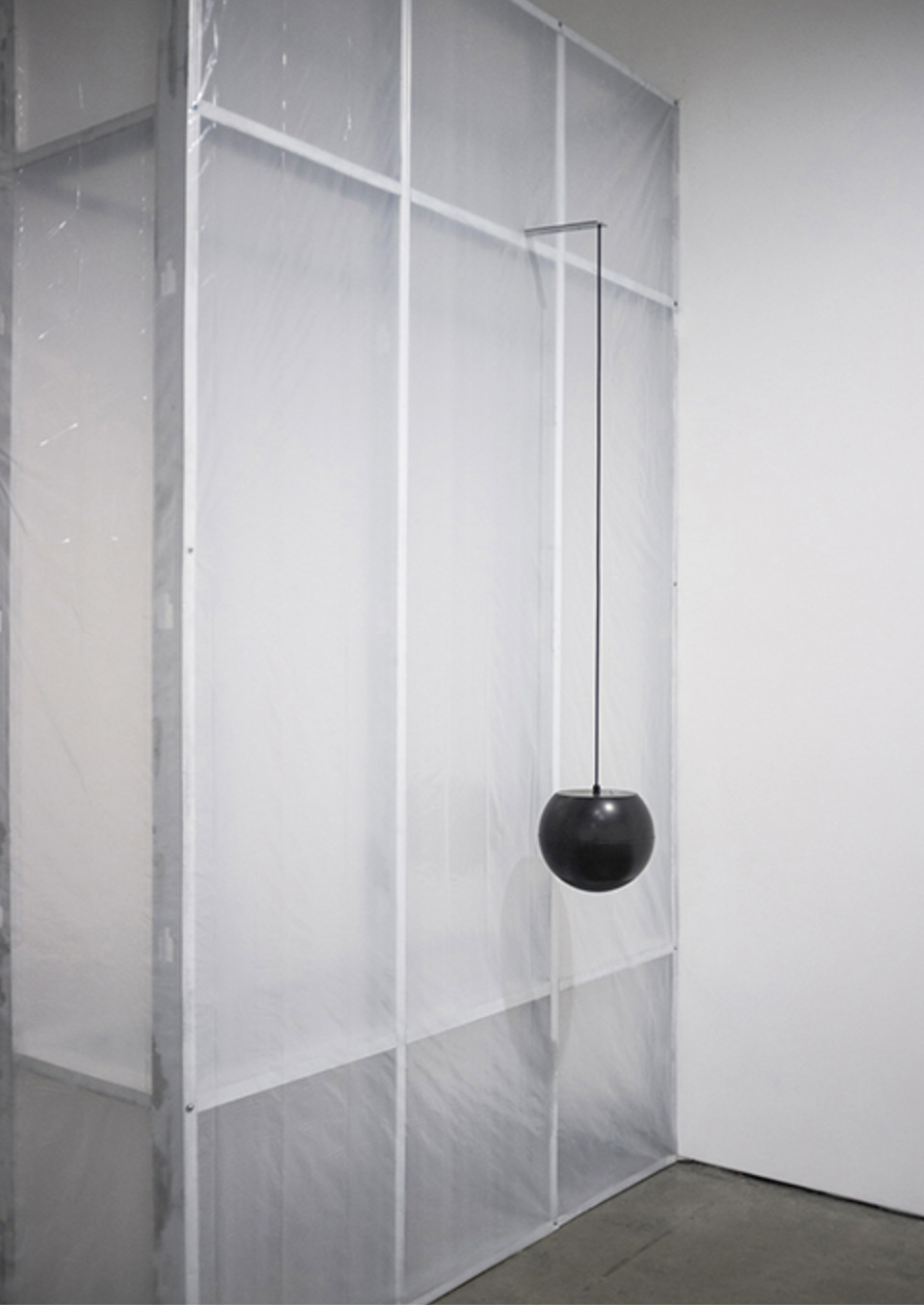
In the group exhibition 《DOOSAN Art LAB New York 2020: stain begins to absorb the material spilled on》(DOOSAN Gallery New York, New York, 2020), Chun used English pronunciation audio, airport speakers, bureaucratic watermarks, graphite, and other materials to transform institutional systems of reading and authentication into visual and sonic forms.

By manipulating alphabet construction toys into limp abstract shapes rather than proper letters, or fragmenting pronunciation lessons until they approached silence, she directly disrupted the rules of language at the level of material and form.
 
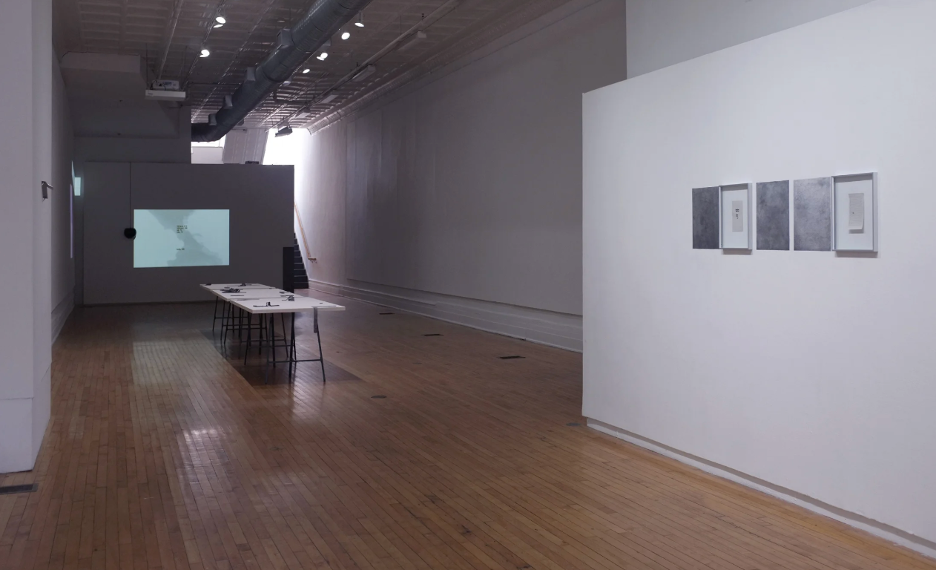
Her drawings later evolved from images to be viewed into “scores” that could be performed and interpreted. Score for unlanguaging no. 082721(2021) moves between legibility and abstraction through repeated and layered Roman alphabet stencils, graphite, pigment, and watermarks. Chun does not fix these drawings as completed images, but instead opens them up to other artists, who are invited to “translate” them freely.

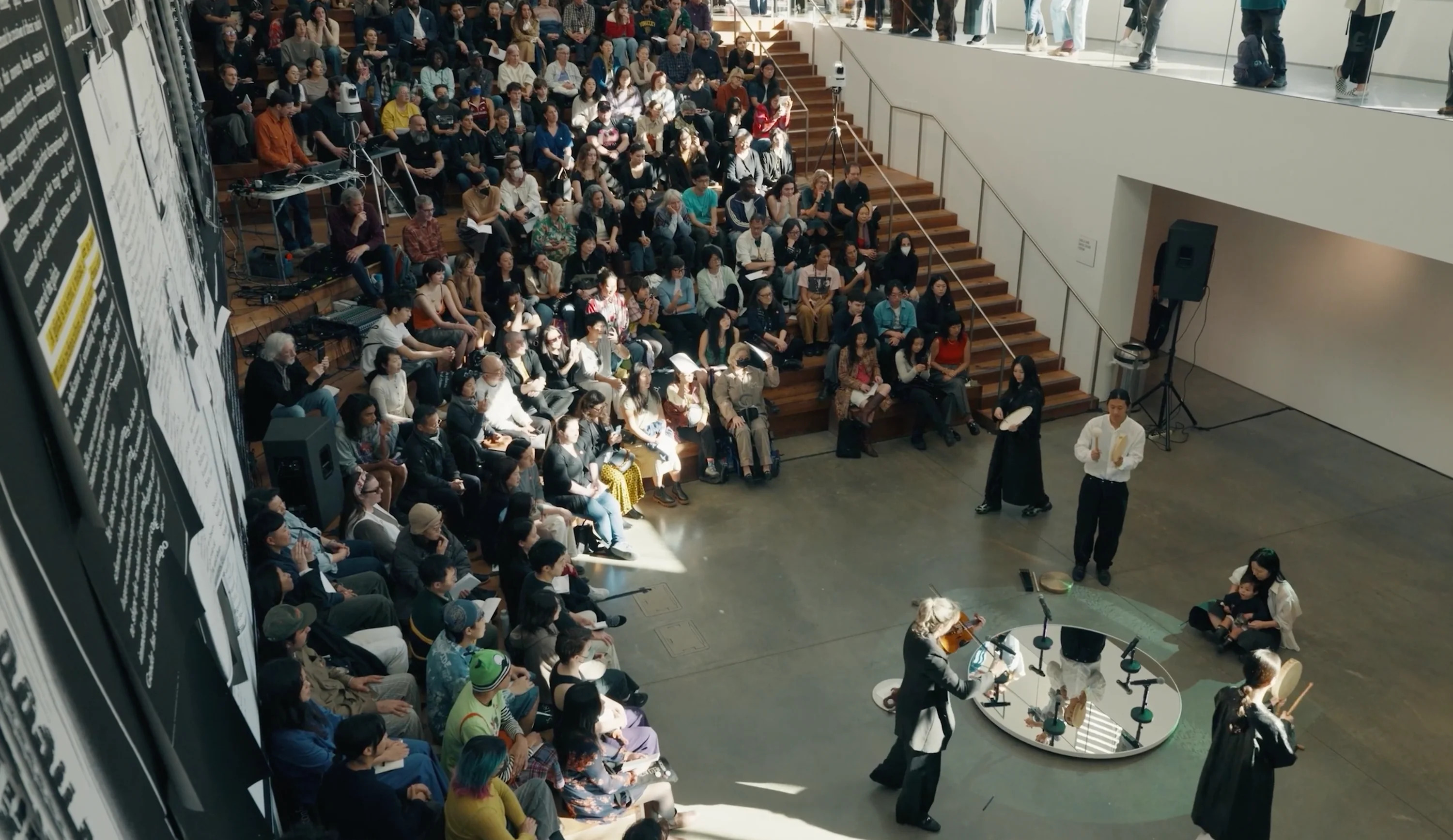
In Score for unlanguaging (천지문 and Cosmos): Activation(2024), Chun collaborated with Korean folk performance artists Yeonhee to transform the drawing into a performance of movement, sound, and breath. Presented in the group exhibition 《Tongue of Rain》(Art Sonje Center, Seoul, 2024), the work demonstrates how visual signs can be rewritten into entirely different temporalities and sensations as they pass through another person’s body.
 
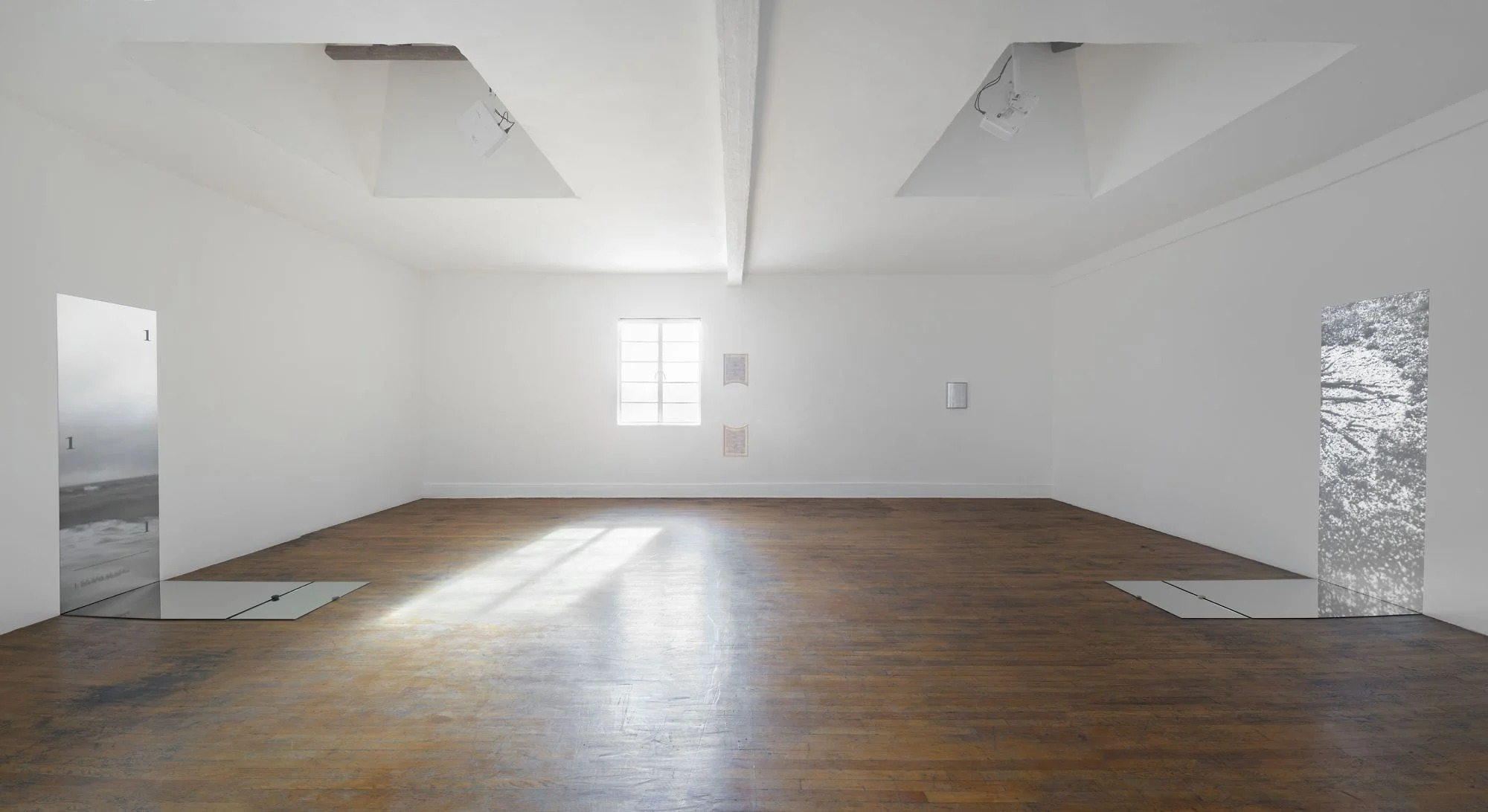
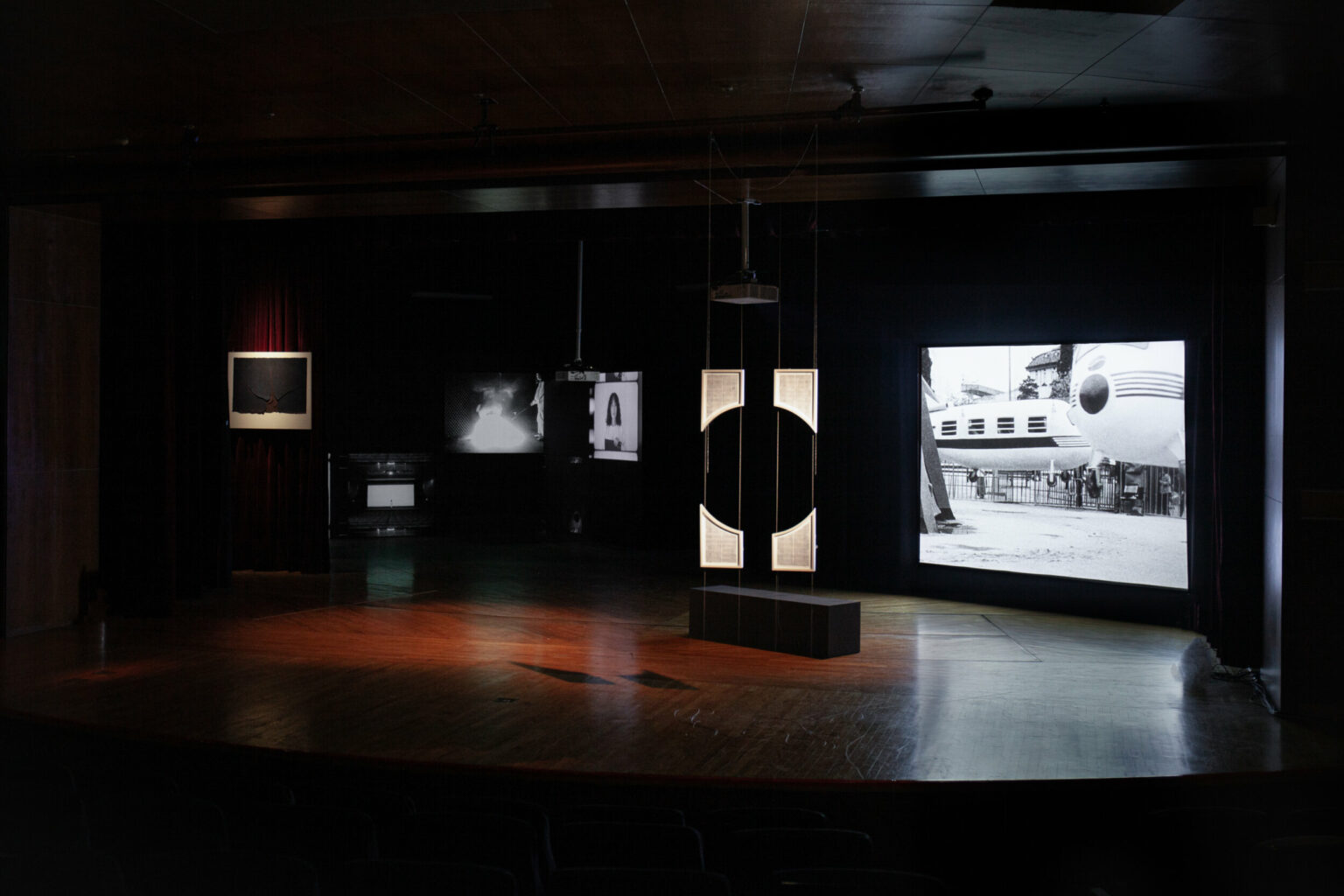
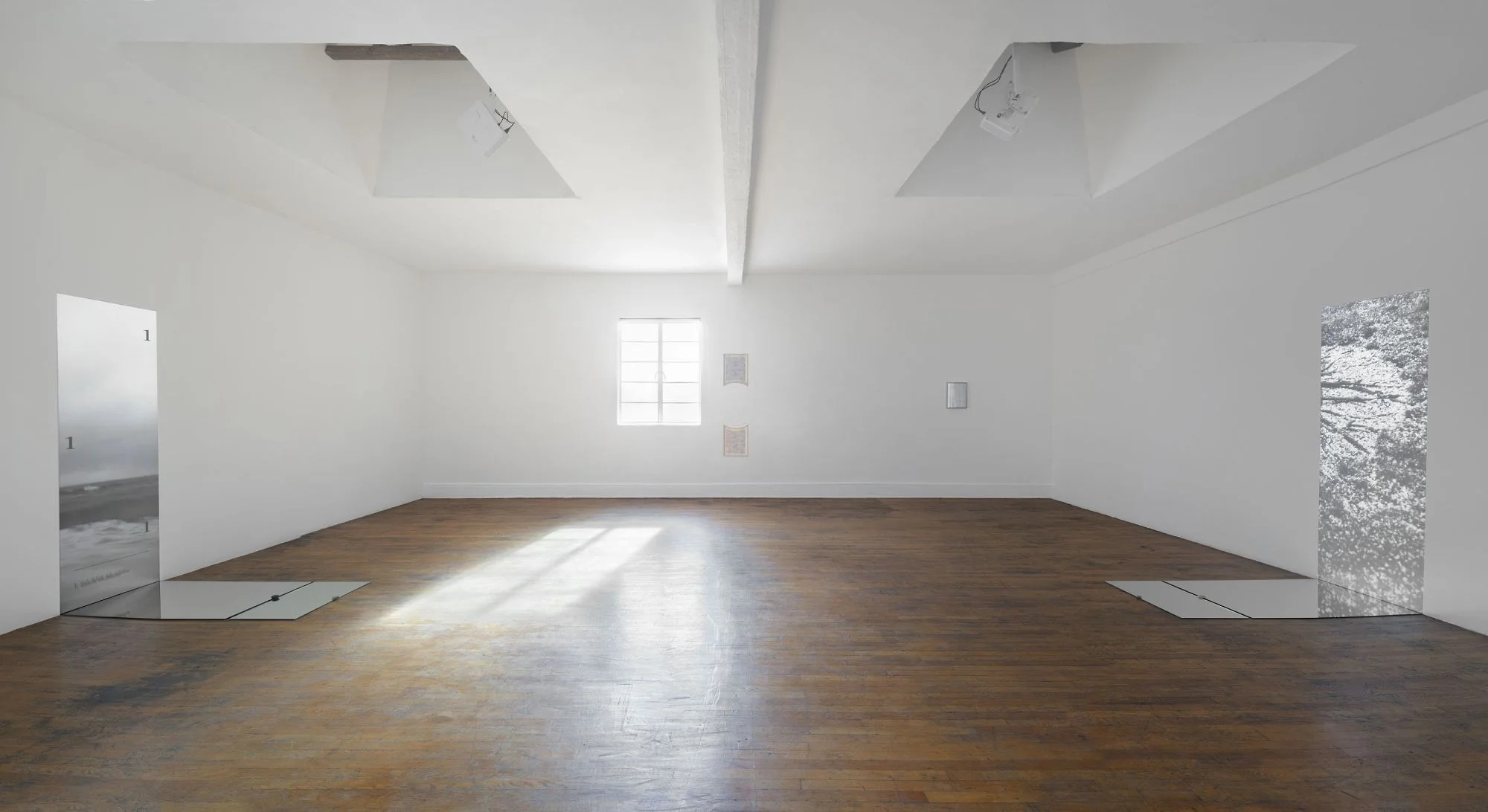
In her moving-image works, the instability of language expands into the structures of space and time. 시: sea (2565)(2022) combines black-and-white moving image, mirrors, rocks, and silence to construct the video itself as a sculptural space, emphasizing the rhythms produced by mistranslation and fragmented text rather than a clear narrative. In O dust, Chun films the interpretation booths, microphones, empty conference rooms, and Intangible Cultural Heritage archives at UNESCO headquarters, juxtaposing “officially translated language” with the memories that remain outside of it.

The voice of a French interpreter, Chun’s own voice, multilingual texts, and murmurs overlap to create a moving-image grammar that cannot be fully reduced to a single language. In Chun’s films, translation functions less as a process of accurately delivering information than as an editing method through which different times and voices fall out of alignment and generate new meanings.
 
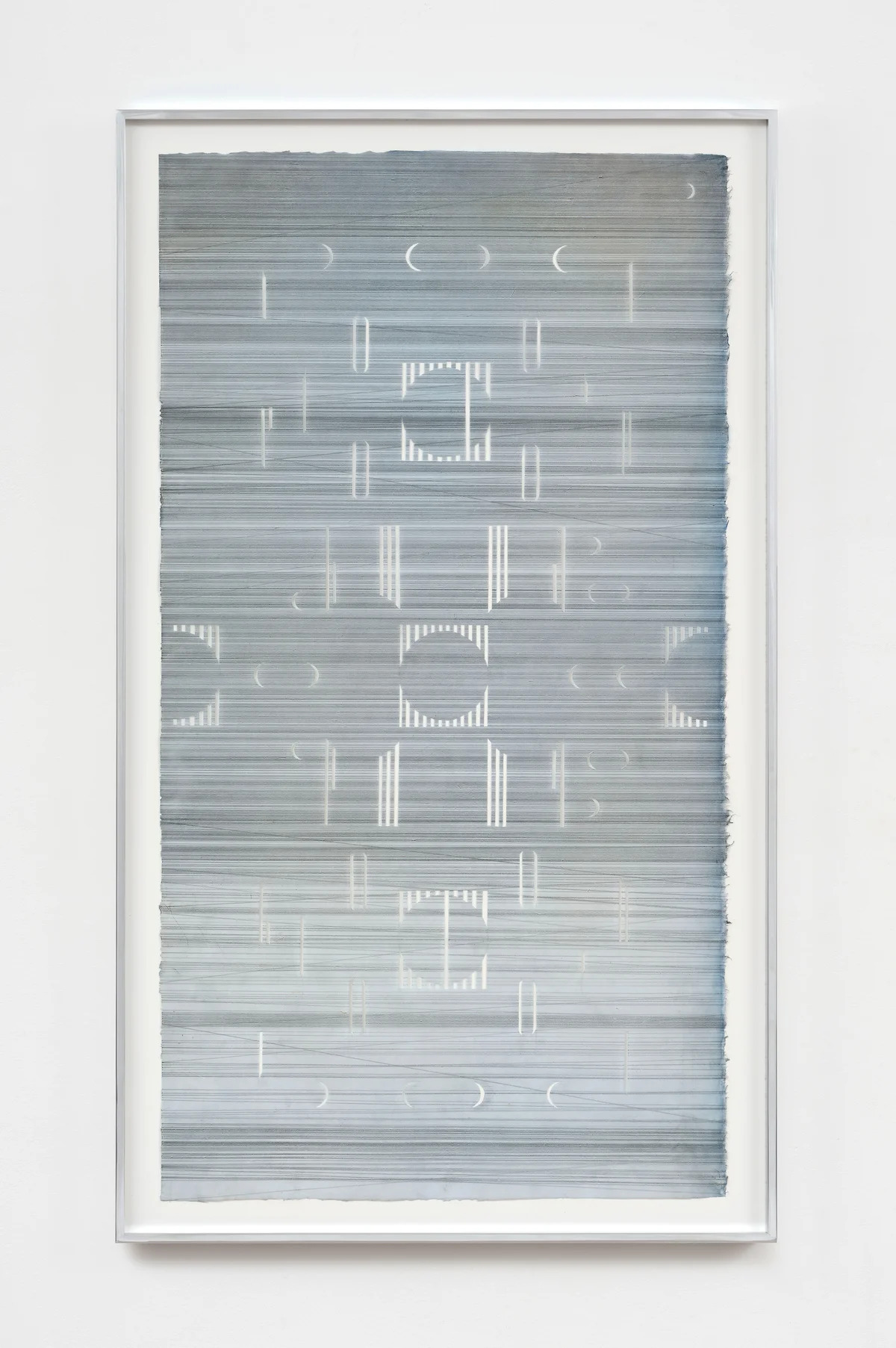
In Chun’s recent hanji and performance works, these experiments with language become increasingly embodied and performative. 시: concrete poem (no. 041924)(2024) is made by drawing countless graphite lines on lacquered hanji and meticulously cutting them by hand, transforming signs that hover between Korean and English, such as O and ㅇ, together with their surrounding voids, into an abstract writing system. The remaining paper, the removed spaces, and the shadows created between them all become part of the work.

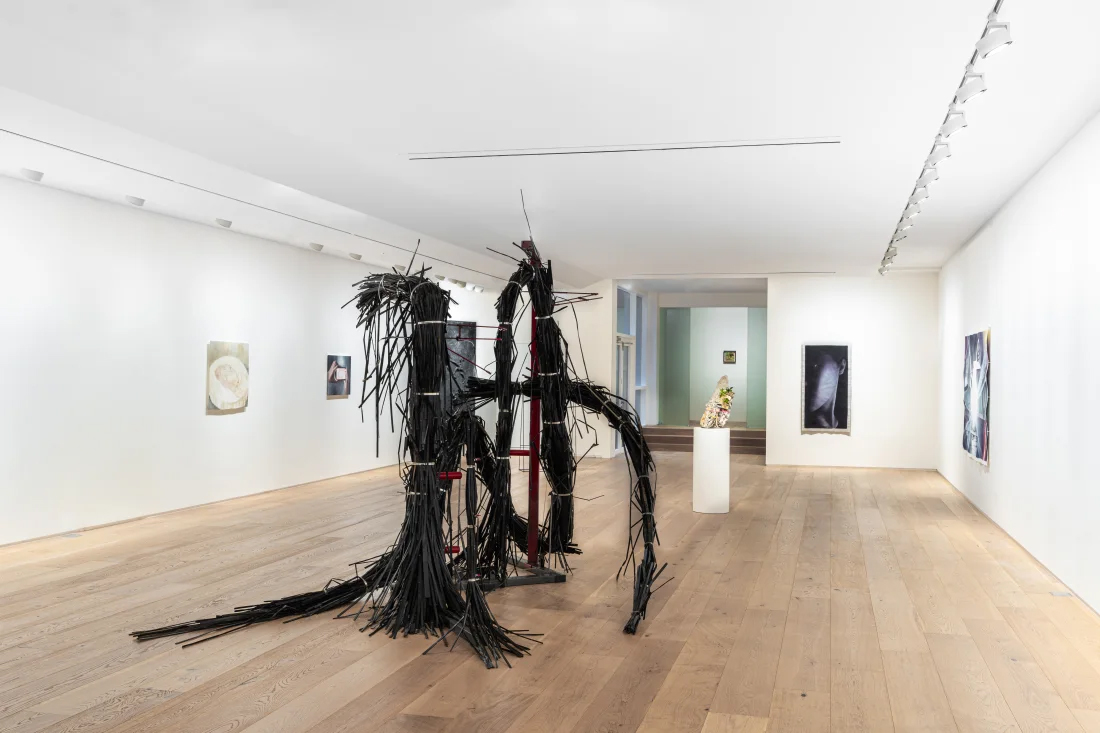
In the solo exhibition 《밤, 낮, 달, 비, Speaking in Tongues》(Commonwealth and Council, Los Angeles, 2024), these hanji works were presented alongside moving-image sculptures, suspended drawings, and sound, allowing language to expand from something read into a sensory force that activates the entire space. In Chun’s recent performances, these scores and signs are further combined with other artists’ voices, music, and improvisation, allowing the work to be activated anew each time rather than arriving at a single finished form.

Topography & Continuity

While other practices addressing language and colonialism often focus on recovering the meaning of particular histories or texts, Jesse Chun reconstructs the very form and sensation of language by cutting, layering, mistranslating, and disassembling letters, pronunciation, documents, and systems of translation.

What matters in her work is less determining what constitutes an accurate translation than observing what kinds of new meanings and relationships can emerge from states of incomplete translation. English therefore appears both as a dominant language and as a material that can be dismantled, while Korean and shamanic signs likewise function not as fixed traditions but as open passages connecting different times and forms of existence.
 
The development of Chun’s practice has consistently moved toward this idea of an “open language.” Her early work focused on exposing the power structures embedded in English-language education and bureaucracy. With 술래 SULLAE, her diasporic memories and Korean oral traditions entered the work more directly, while the ‘Score for Unlanguaging’ series transformed language into a structure that others could perform.

The ‘시: sea’ and ‘시: concrete poem’ series later incorporated mistranslation, empty space, shadow, and silence into the very fabric of language. More recently, 시( )Nawi( )Fugue (an improvisation, an offering, a reading) brings together women artists across generations, family memory, music, and improvisation in a collective act of utterance. A practice rooted in personal experiences of migration has thus expanded toward matrilineal memory, artistic lineage, and collective forms of practice.
 
In this sense, Chun’s work occupies a distinct position in relation to conceptual and text-based practices that use language. Rather than centering readable sentences, she extends language toward sounds and breaths that precede the sentence, the gaps between characters, and the bodily time required to cut paper or repeatedly draw lines.

At the same time, she does not simply cite shamanism, sinawi, ganggangsullae, or hanji as images of traditional culture, but reactivates them within her existing methodology of “unlanguaging” and connects them to a diasporic present. In this way, Korean traditions and decolonial critiques of language become part of a single continuous inquiry into how language, time, and memory are transmitted and transformed.
 
Since presenting her first solo survey in Korea, 《시, language for new moons》, at the 12th Seoul Mediacity Biennale, Jesse Chun has shown her work at institutions including Art Sonje Center, Thaddaeus Ropac Seoul, Museum of Contemporary Art Toronto, Queens Museum, and Commonwealth and Council, and received the Joan Mitchell Foundation Painters & Sculptors Grant in 2020.

As seen in her recent performance presented in Theresa Hak Kyung Cha’s retrospective 《Multiple Offerings》(Berkeley Art Museum and Pacific Film Archive, Berkeley, 2026), Chun’s practice has expanded from dismantling language toward creating spaces where different voices, generations, and spiritual and cultural memories can be articulated together. This trajectory suggests that the untranslatable will continue to function in her work not as a lack, but as a site from which new forms of communication and relation can begin.

Works of Art

An Abstract Poetic Language Giving Voice to Untranslatable Moments

Articles

Exhibitions

Activities