A day hedgehog - K-ARTIST

A day hedgehog

2009
퍼포먼스, 디지털 프린트
10 x 15 cm
About The Work

Mi-jung SHIN explores the lives of people who have lost their place due to external forces such as forced migration, deportation, and displacement, as well as the physical and psychological spaces they have yet to reclaim. She has created video works that examine how migrants within local communities are viewed as “others” (Autre) and the memories of those who have lived under this gaze. 

Her videos are primarily based on oral accounts and archival materials collected through fieldwork. Working within the tension that emerges at the intersection of images and records, she experiments with constructing micro-narratives. When beginning a project, SHIN often moves to the region itself, meets local residents, and collects interviews, private records, photographs, letters, maps, diaries, newspapers, and administrative documents. 

SHIN’s archive does not simply organize existing historical sources; instead, it places personal materials that were rarely treated as significant in official records alongside history itself.  Tracing accounts of local residents and outsiders, departure and return, migration and remigration, she captures scenes and voices of lived experience that cannot be fully conveyed through historical narratives alone. 

Through this process, the artist reconsiders the significance of vanished places and the people who once inhabited them. In this way, SHIN follows the lost places of individuals whose voices have been erased or marginalized, bringing their personal memories of these places back to life through images and sound.

Solo Exhibitions (Brief)

SHIN has held solo exhibitions including 《Three Voices, a World Unveiled》 (Pohang Museum of Steel Art, Pohang, 2024), 《City × Island × Archive》 (SeMA Bunker, Seoul, 2021), and 《Leaving Hometown》 (MOHA Art Studio, Ulsan, 2018).

Group Exhibitions (Brief)

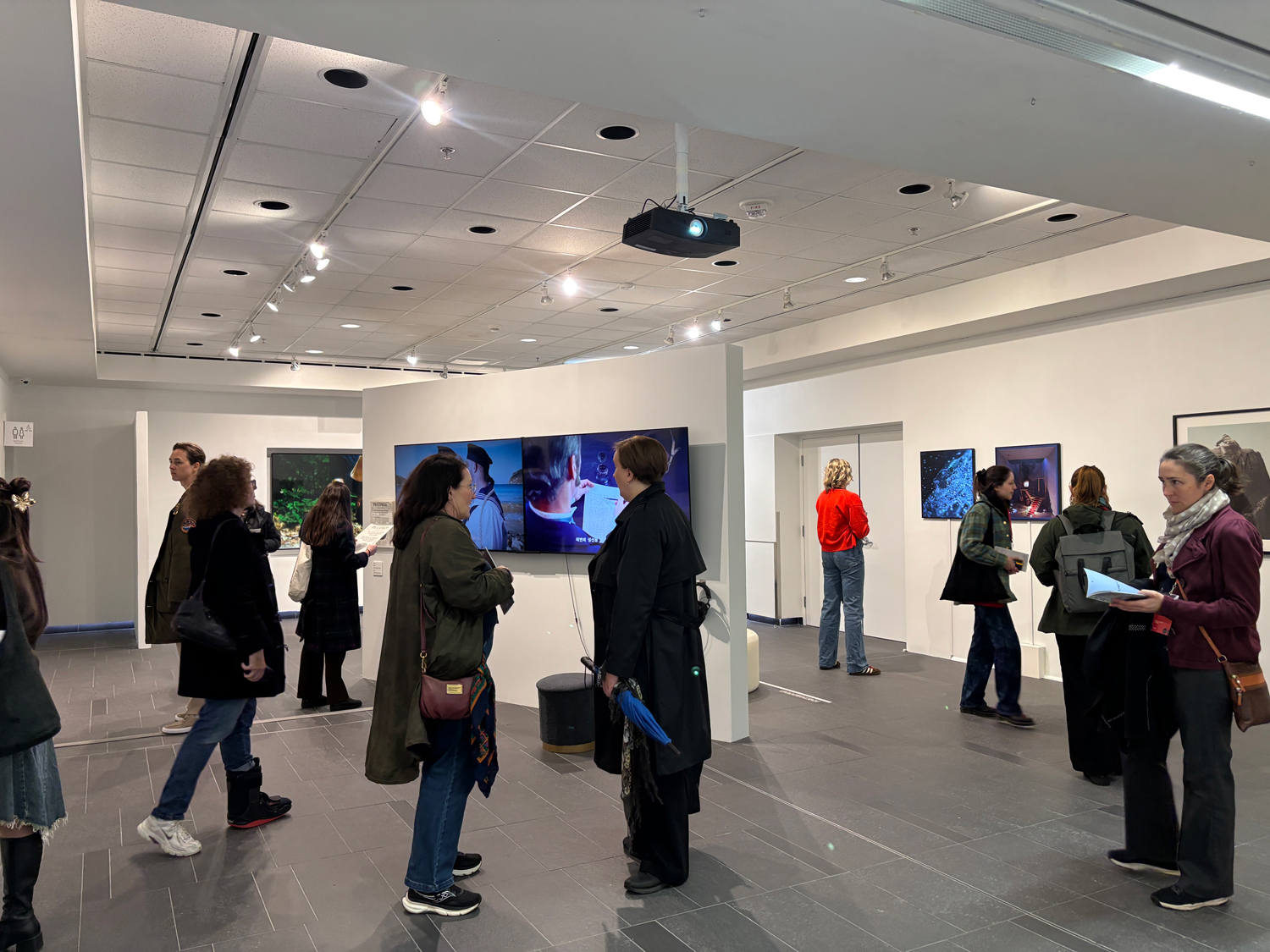
SHE has also participated in numerous group exhibitions, including 《Perhaps, All of Us》 (Korean Cultural Centre Canada, Ottawa, 2026), 《SONGEUN × UNBOXING PROJECT: Generative Forms》 (SONGEUN, Seoul, 2026), 《The Museum Founded on Artworks》 (Daejeon Museum of Art, Daejeon, 2025), 《Prelude: With a Heart Singing Stars》 (Seoul Museum of Art, Seoul, 2025), 《DMZ OPEN Exhibition: Passage》 (Camp Greaves, Paju, 2024), 《I Want to Love Us》 (Buk-Seoul Museum of Art, Seoul, 2024), and the 《The 23rd SONGEUN Art Award Exhibition》 (SONGEUN, Seoul, 2023).

Awards (Selected)

SHIN was selected as the 19th Jang Doo-kun Art Award winner in 2023.

Residencies (Selected)

SHIN has participated in residency programs at THAV in Taipei (2024), Seoul Art Space Geumcheon (2023), the MMCA Residency Goyang (2022), and the Nanji Residency (2019).

Collections (Selected)

SHIN’s works are held in the collections of various institutions, including the MMCA Art Bank, Daejeon Museum of Art, Ulsan Museum of Art, and Seoul Museum of Art.

Works of Art

Micro-Narratives of Places Accumulating Time and Memory

Originality & Identity

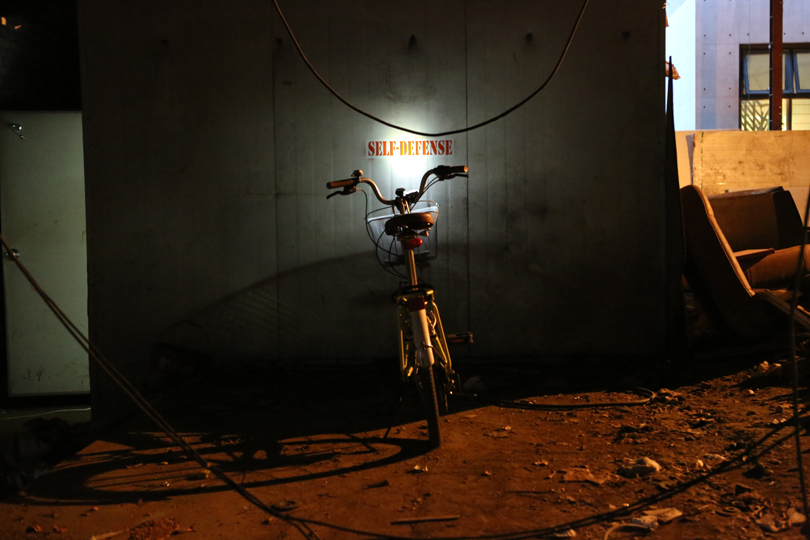
Mi-jung SHIN’s practice examines how individuals are displaced, remembered, and repositioned within the societies and places that surround them. In her early solo exhibition 《SELF-DEFENSE》(Abandoned Factory in Mullae-dong, Seoul, 2014), she addressed anxiety and self-defense arising in relationships with others, as well as the boundaries between public and private spheres.

The abandoned factory, awaiting redevelopment, was a place from which workers had been displaced due to lease disputes, and an actual theft occurred while the exhibition was being prepared. As a result, the questions of the “individual unable to defend oneself” and the “place unable to defend itself” came into direct contact with reality.

Through 《A Theft Case at an Abandoned Factory》(Mullae Art Factory, Seoul, 2014) and 《RE.CONSTRUCTION》(Space 1326, Changwon, 2015), her focus shifted from personal anxiety to people deprived of their places of life by capital and development. These experiences became a turning point through which “place” emerged as a central concept in SHIN’s subsequent practice.
 
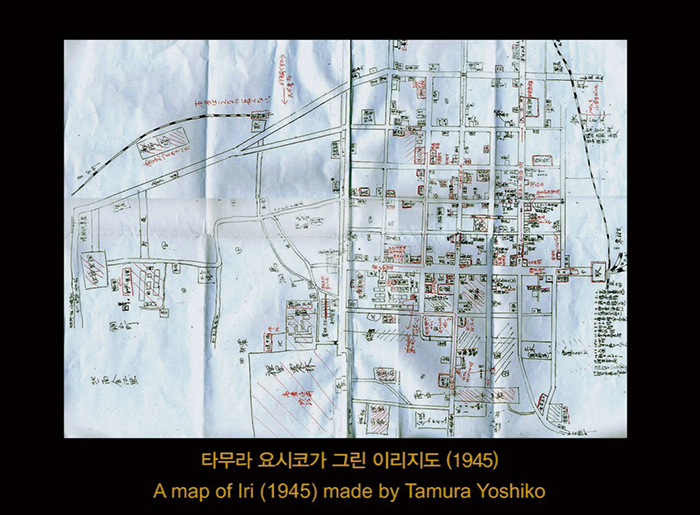
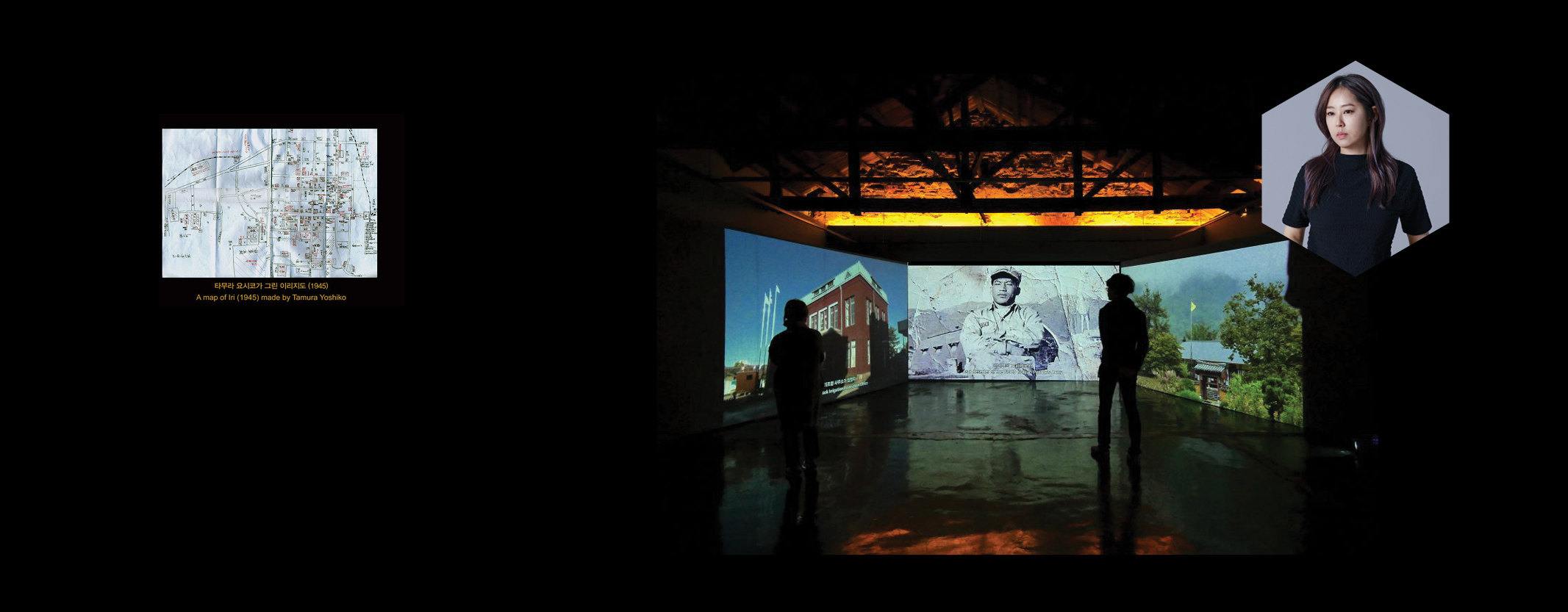
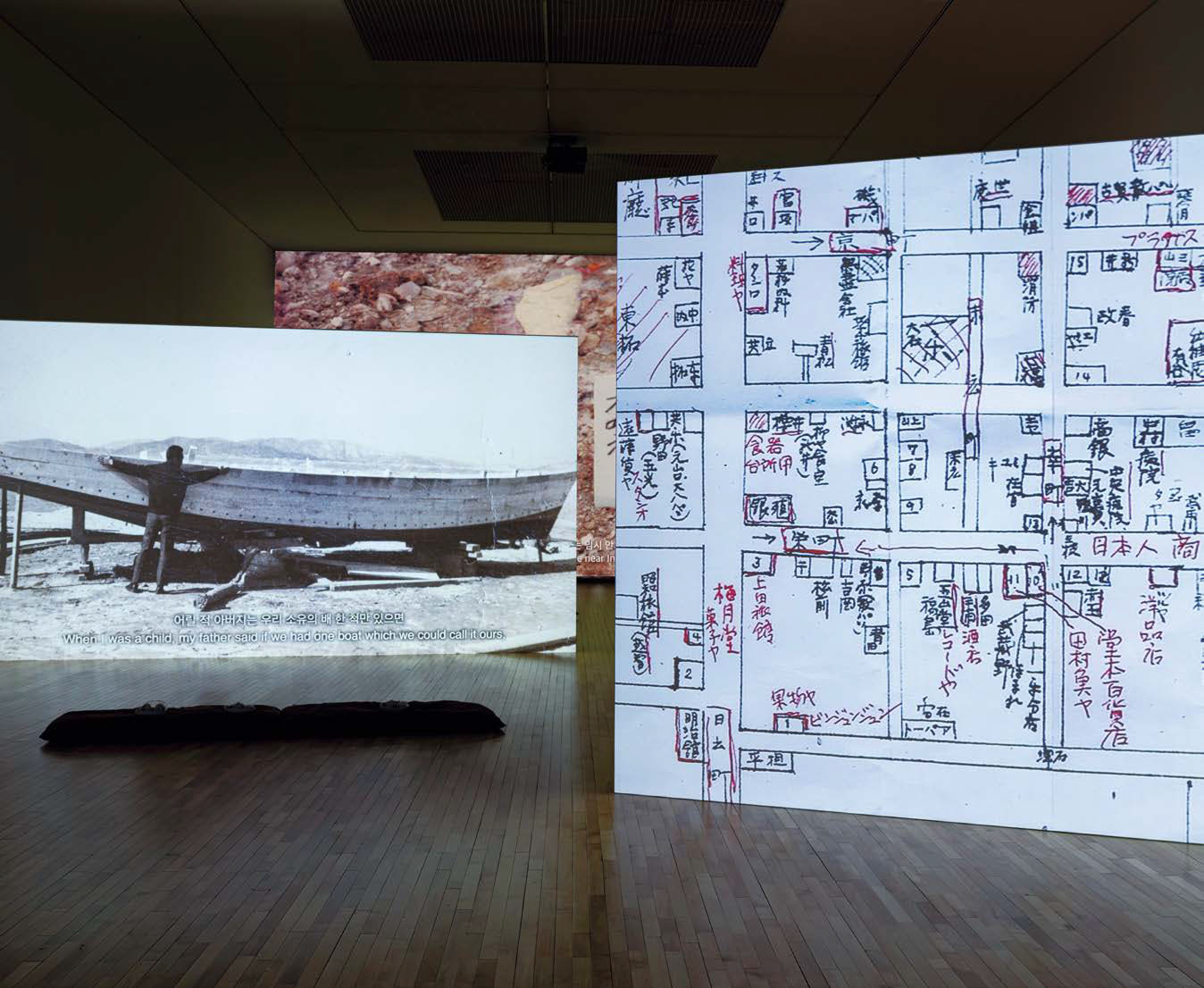
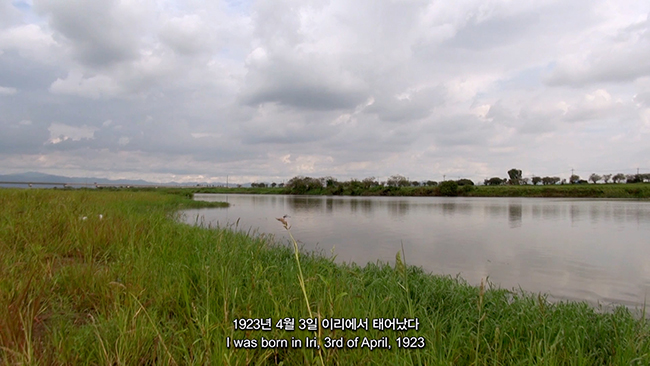
SHIN later began to understand place not simply as a geographical space, but as a site in which human time, memory, and identity accumulate. Colony/Memory(2015) follows the memories of Yoshiko Tamura, who was born in Iri during the Japanese colonial period and had to leave for Japan after Korea’s liberation.

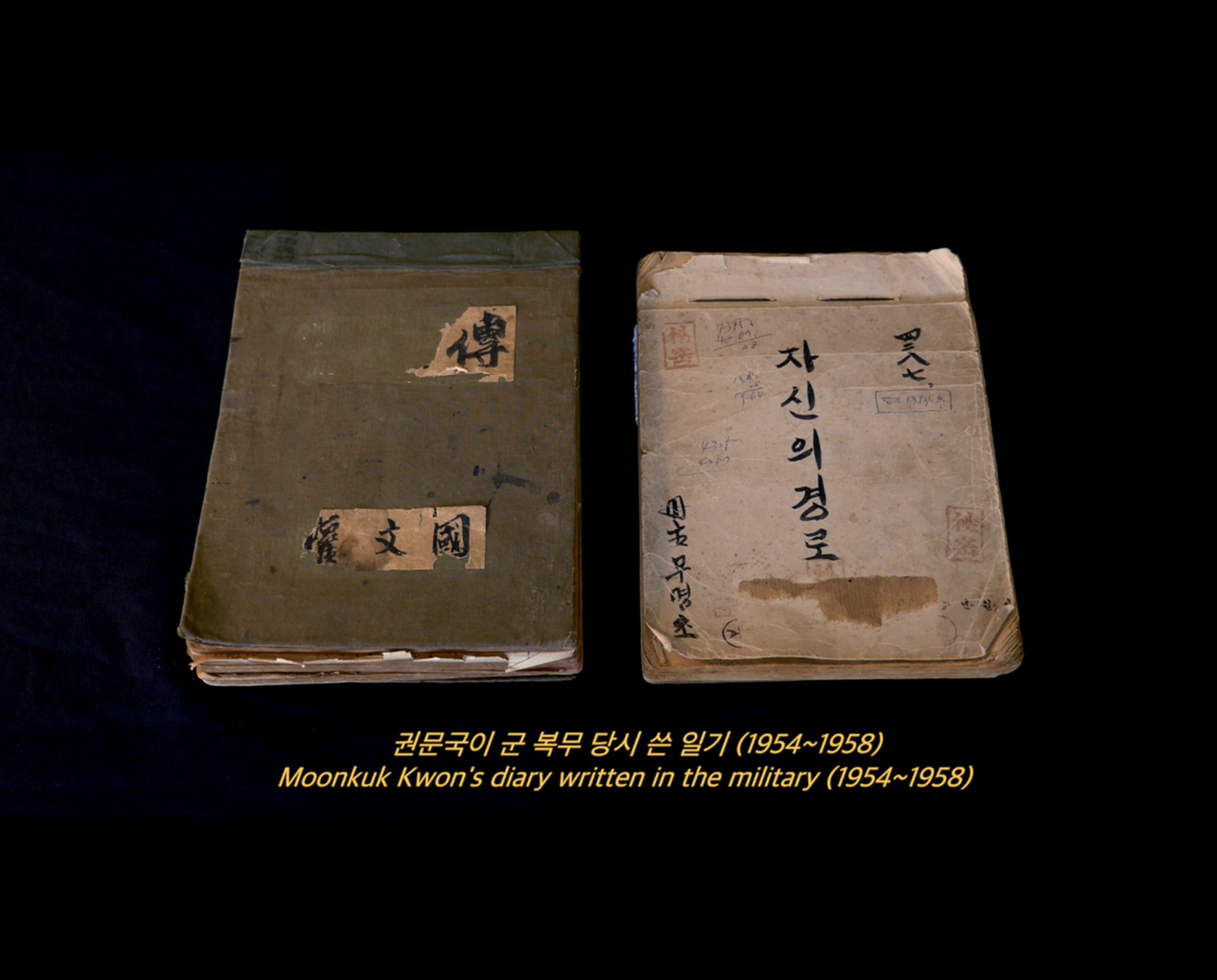
Within the grand historical framework of colonialism, the work reveals the complex way in which Iri remained a “hometown” in the memory of a Japanese woman, showing that national history and individual emotion do not necessarily move in the same direction. Path of My Life(2016) considers division and war through the diary and voice of displaced person Gwon Mun-guk, whose life passed through both the North Korean People’s Army and the South Korean military.

The Way of Faith
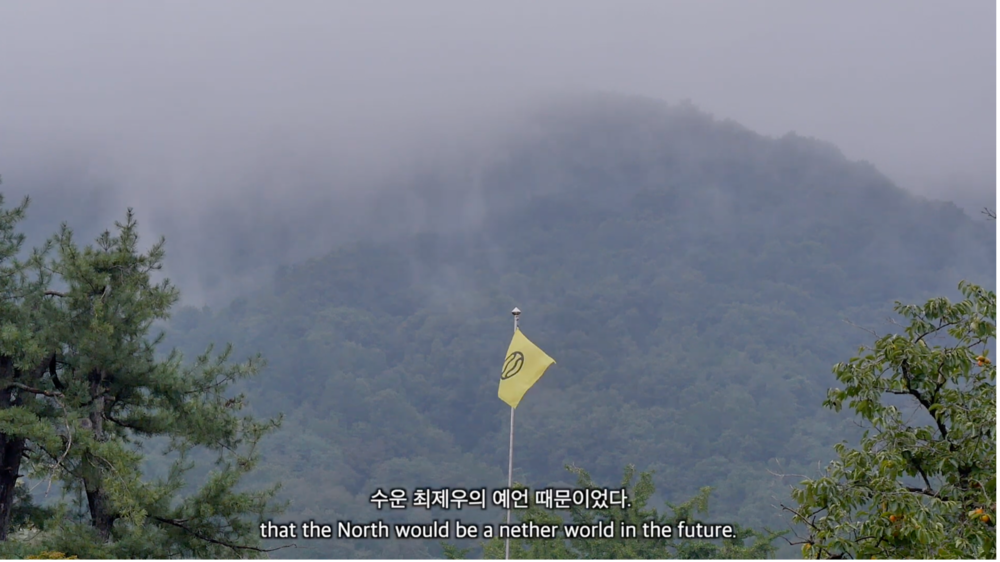
(2017) explores religious belief, migration, and settlement through the life of Lee Chun-hui, who moved south following her Suwoongyo faith. During this period, SHIN established a method of reading the textures of history through the lives of individuals who were forced to move and adapt within it, rather than explaining history through grand narratives.
 
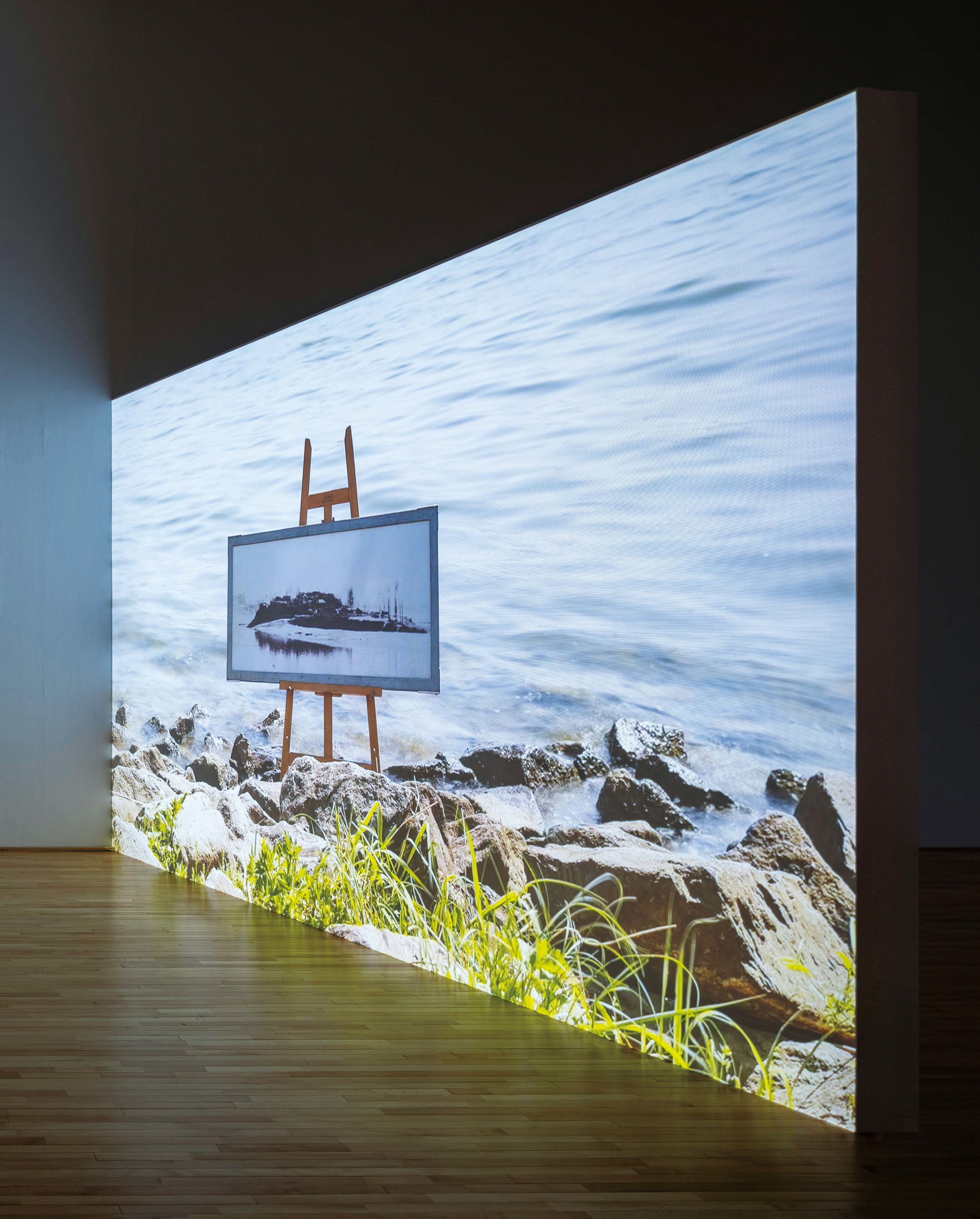
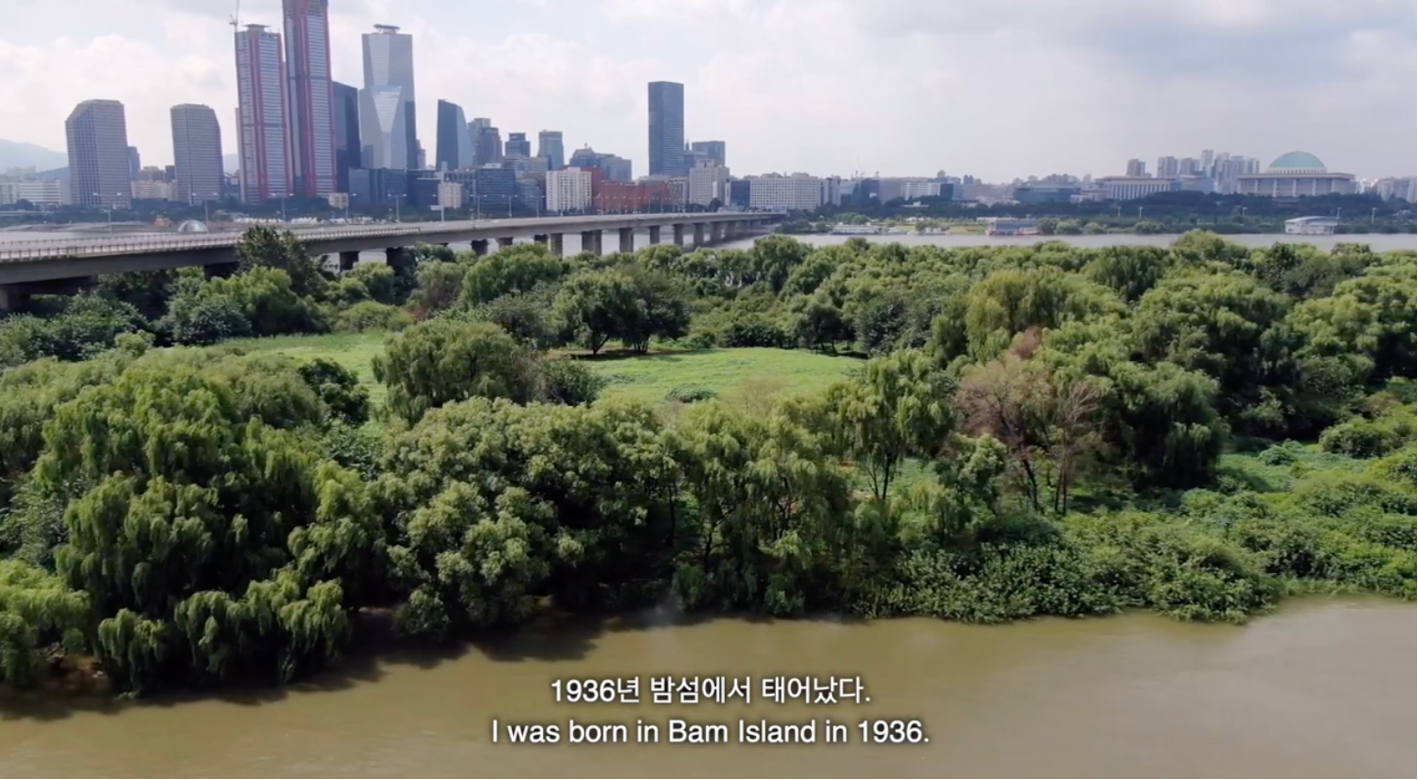
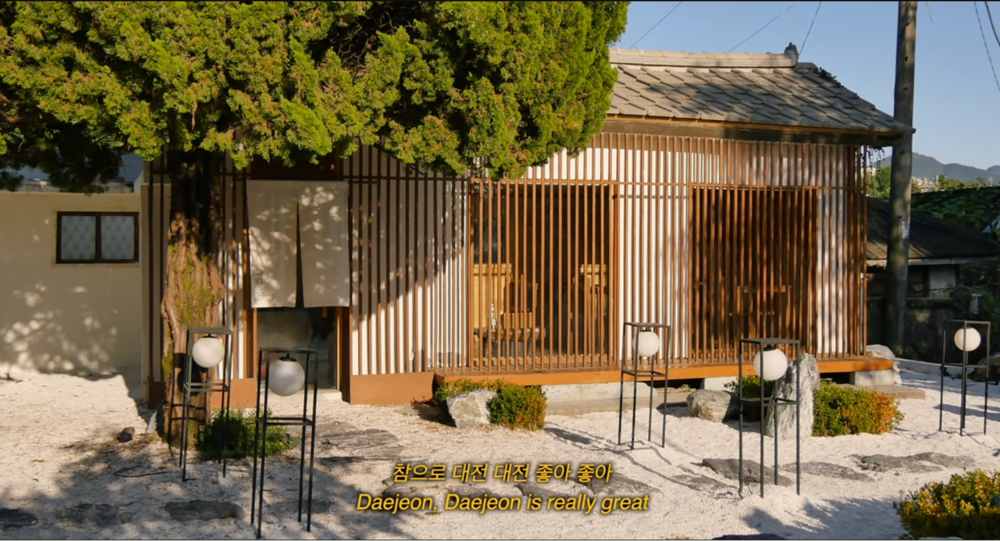
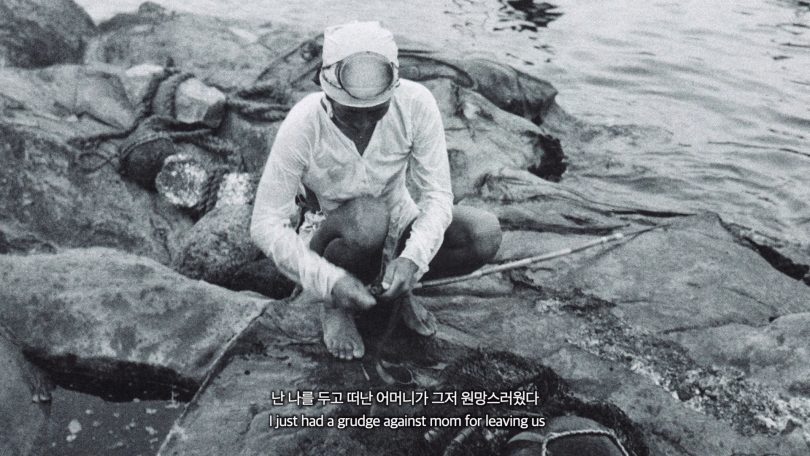
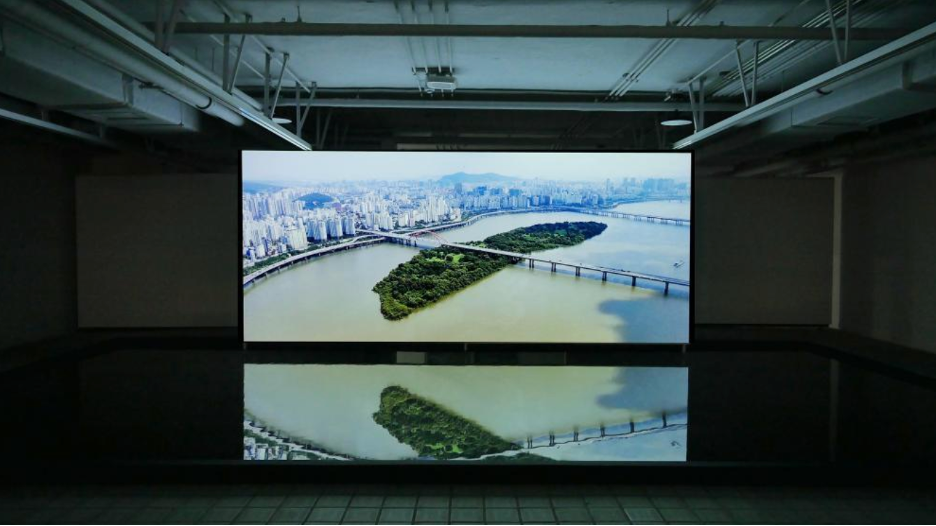
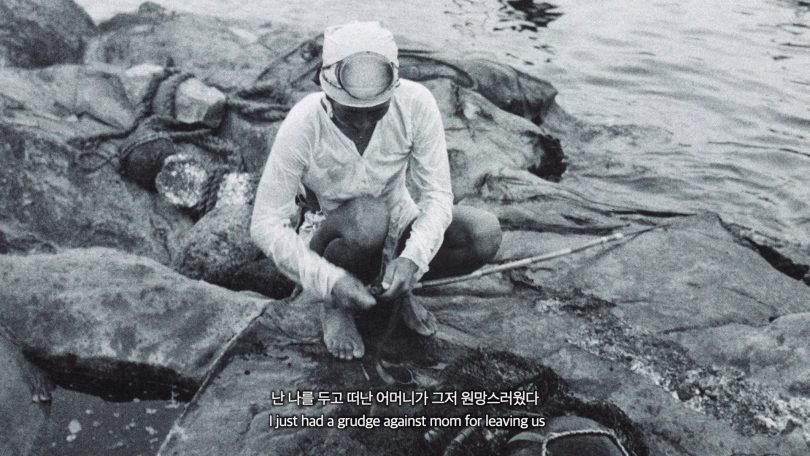
This concern expands into different forms of migration and displacement in Leaving Hometown(2018), Daejeon Station(2020), and Yul-do(栗島)(2020). Yang Sun-taek, a haenyeo who settled in Ulsan after living through the Jeju 4·3 Incident and industrialization; Michiyuki Hagimoto, who was born in Soje-dong, Daejeon, during the Japanese colonial period and later left for Japan; and Il-yong Lee, who lost his hometown when Bamseom was blasted as part of the Han River Development Plan, all lived under different historical conditions, yet each was separated from a place they once inhabited.

SHIN’s concern here is not simply to document victimhood, but to consider how a place continues to exist within an individual’s identity even after departure. In 《City × Island × Archive》(SeMA Bunker, Seoul, 2021), this question expands from personal memory toward collective memory by placing individual recollections alongside the history of urban development.
 
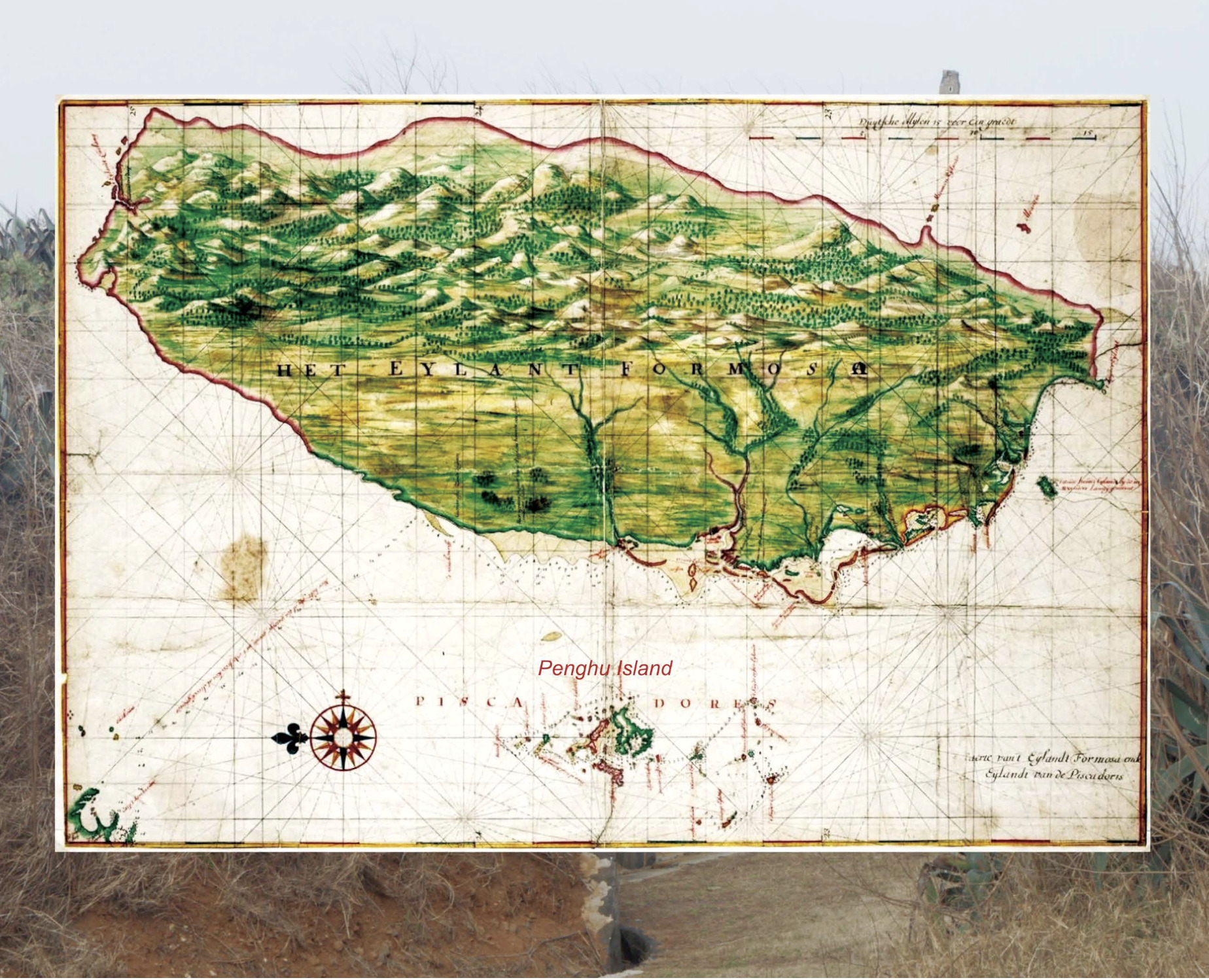
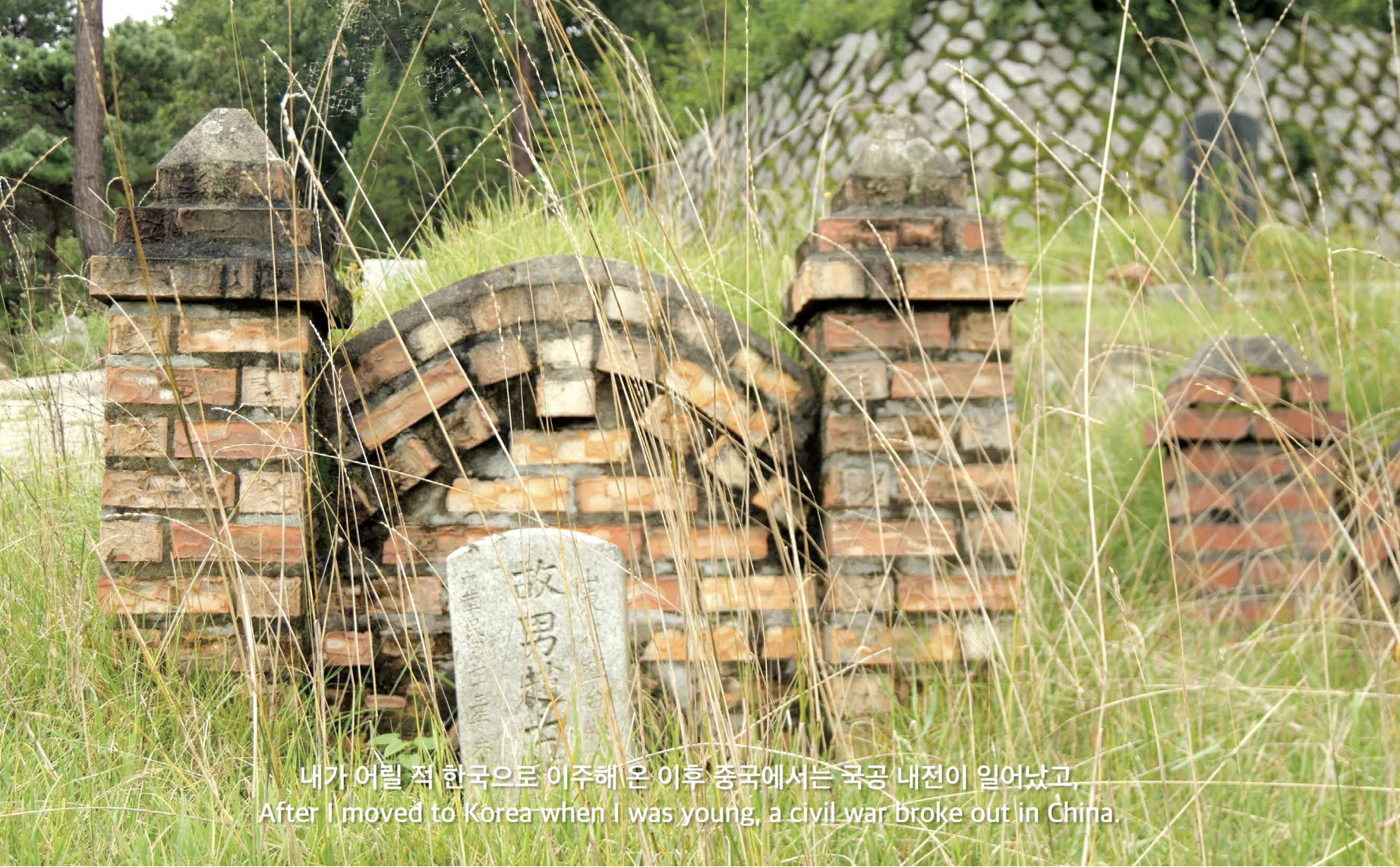
In her recent works, the questions of testimony and restoration have become increasingly complex. Taiwan, the Foreign Land, and the Other(2023) examines hybrid identity through the life of Seong-jeong Kim, a Korean-Chinese individual who belonged fully to neither China, Taiwan, nor Korea, revealing an identity that cannot be explained solely through nation or nationality.

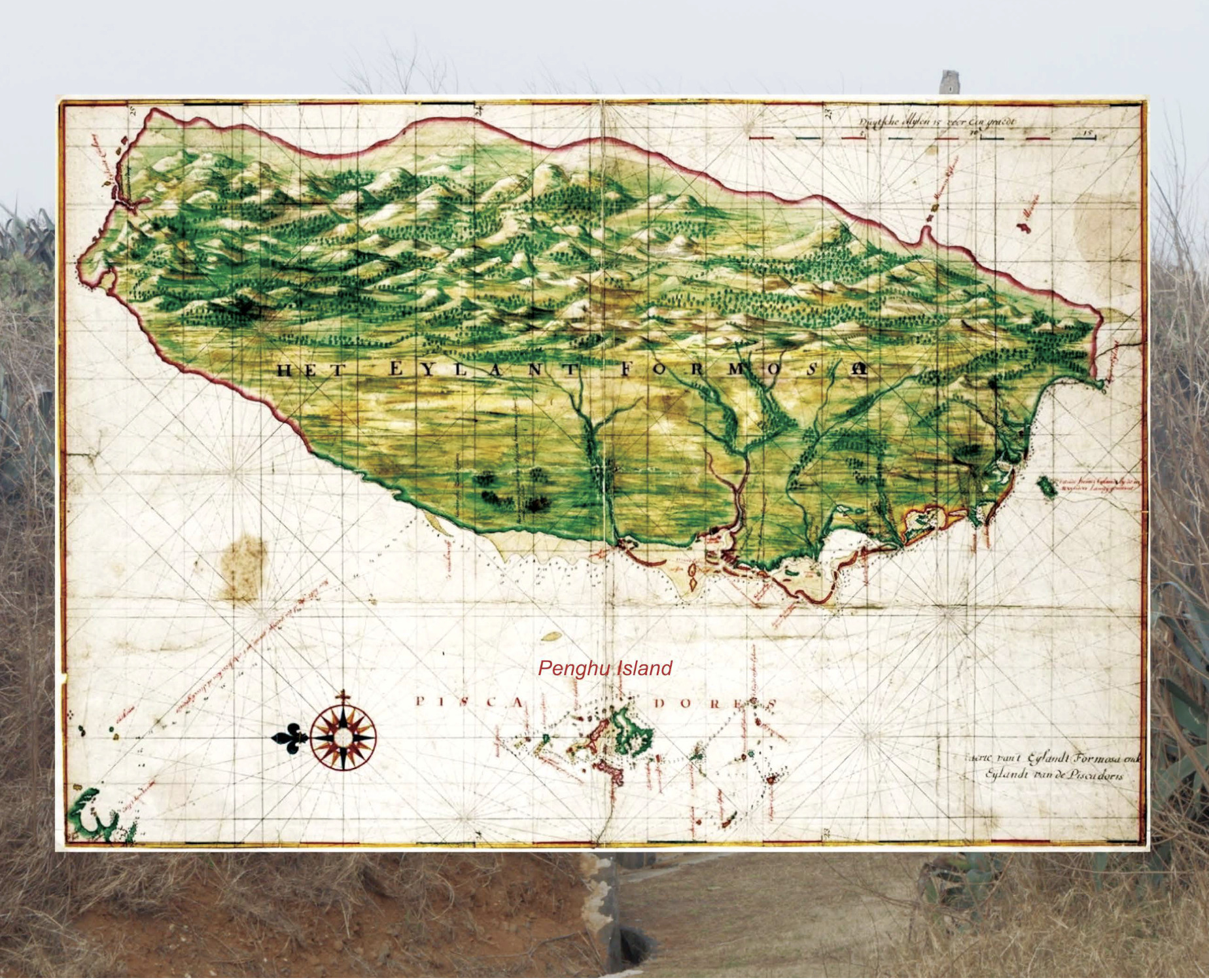
By contrast, Penghu Island(2024) removes the first-person narrator and the individual name that had previously occupied the center of SHIN’s work, searching instead for another way of remembering the dead through the empty sites and traces left by the 1949 Penghu 713 Incident. An Island Once Again(2025) returns to Bamseom, which recovered its ecology after being forcibly destroyed, and expands the subject of memory from the human to nature and the place itself.

What began as a practice of recording individual loss is now moving toward questions of who can become the subject of memory and how place and life might reveal their own time beyond human language.

Style & Contents

Mi-jung SHIN works primarily with video and archival installation. At the foundation of this practice is fieldwork, through which she spends extended periods of time in specific locations researching people and places. When beginning a project, SHIN often moves to the region itself, meets local residents, and collects interviews, private records, photographs, letters, maps, diaries, newspapers, and administrative documents.

In Colony/Memory, a map of Iri drawn entirely from Yoshiko Tamura’s memory becomes central to the narrative, while in Path of My Life, Gwon Mun-guk’s diary from the war and his military service is reread through his own voice. In The Way of Faith, records from the Suwoongyo religious community are placed alongside the livelihood and migratory history of an individual. SHIN’s archive does not simply organize existing historical sources; instead, it places personal materials that were rarely treated as significant in official records alongside history itself.
 
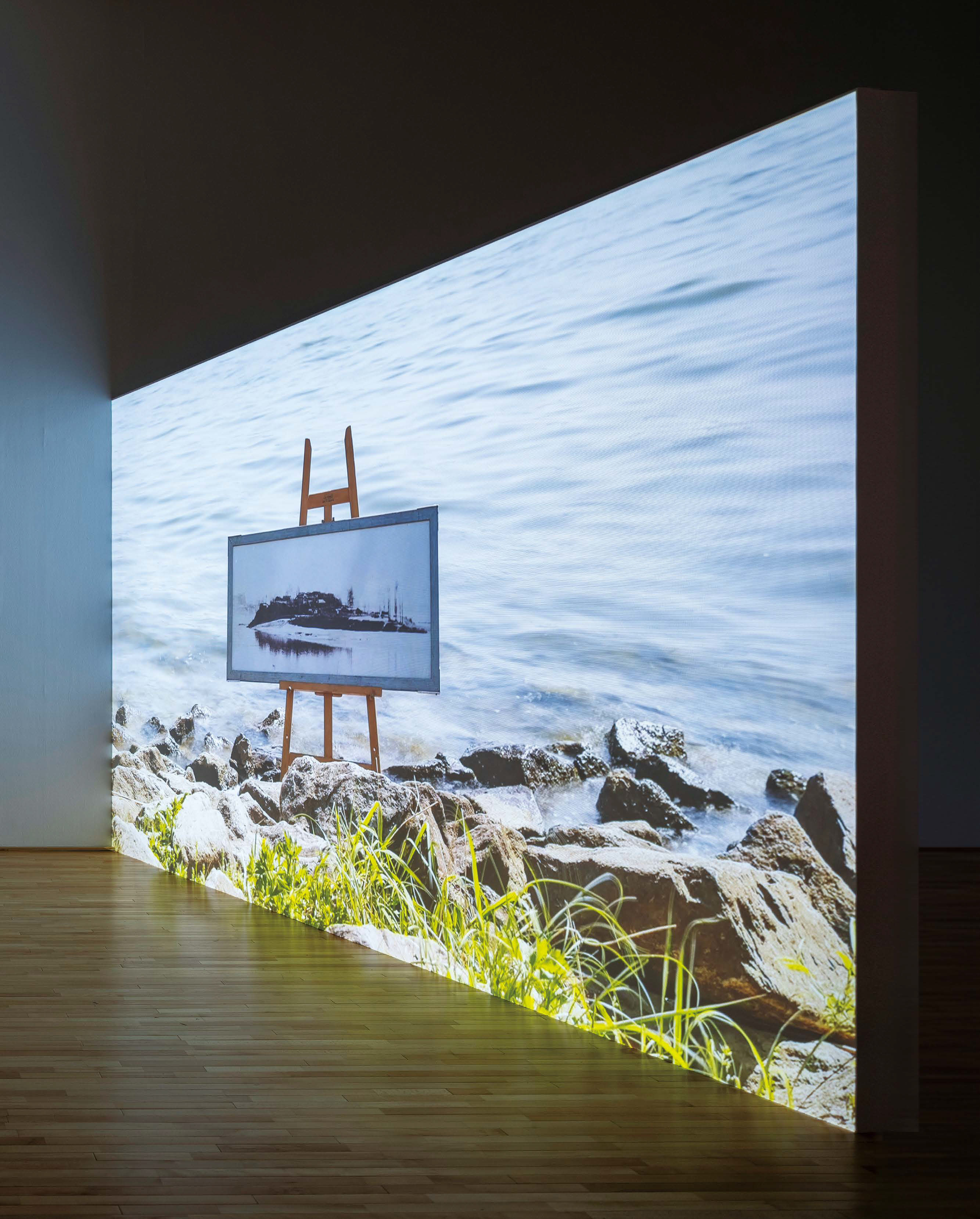
In her videos, present-day landscapes play a role as important as interviews and narration. In Path of My Life, the waves, grass, insect sounds, and natural landscapes of Sokcho do not directly reproduce Gwon Mun-guk’s loss of his hometown, but instead become a space that receives and holds that emotion. In Leaving Hometown, the sea is not presented as a tourist landscape, but as a site of labor and survival for a haenyeo who migrated from Jeju to Ulsan.

In Daejeon Station, present-day Soje-dong, the railway residences, trains, and the city stand in for a vanished past, while in Yul-do(栗島), the current landscape of Bamseom holds both an individual’s memory and the history of urban development. An important formal characteristic of SHIN’s video practice lies in accepting that past events cannot be reenacted or fully restored, and instead allowing the past to be sensed indirectly through the landscapes that remain in the present.
 
The artist has also deliberately restrained the use of music that directly guides emotion. Voices, waves, wind, rustling grass, and surrounding environmental sounds make up the primary soundtrack of her videos, leaving room for viewers to judge and feel the images through their own experiences rather than being led toward a predetermined emotion.

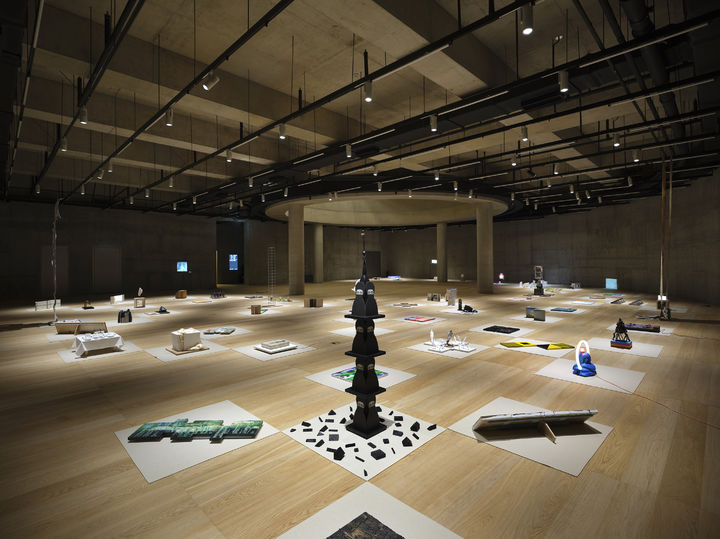
The archives presented alongside the videos further support this approach. In 《City × Island × Archive》, private materials belonging to former Bamseom residents were exhibited together with newspapers, news footage, satellite images, and official documents, presenting a single place as a layered structure of different records.

In 《Three Voices, a World Unveiled》(Pohang Museum of Steel Art, Pohang, 2024), personal memory, place, and national history likewise intersect through materials and moving images operating on different levels. Video and archive are therefore not positioned so that one proves the other, but rather so that each reveals the gaps in the other.
 
In Penghu Island, this moving-image language shifts further. The specific first-person testimony that had previously led her works disappears, while empty land, aging buildings, negative images, and sound take the place of the absent event. This gap is connected not simply to a lack of archival material, but to the ethical question of how far an artist can speak on behalf of the life of someone who has already died.

In An Island Once Again, the regenerated ecology of Bamseom and the transformation of the land come to the foreground in place of human testimony. Beginning with video archiving that carefully recorded individual voices, SHIN’s recent work has expanded toward an experiment in whether silence, empty images, and changes within nature itself can also function as forms of testimony.

Topography & Continuity

At the core of Mi-jung SHIN’s practice is an insistence on looking first at the name and place of a person who actually lived through history, rather than at history as a grand narrative. Colonial rule, national division, war, industrialization, urban development, migration, and diaspora form the historical background of her works, yet history appears in her videos through specific individuals such as Yoshiko Tamura, Gwon Mun-guk, Lee Chun-hui, Yang Sun-taek, Michiyuki Hagimoto, Il-yong Lee, and Seong-jeong Kim.

They can be categorized as “Japanese,” “displaced persons,” “migrants,” or “Korean-Chinese,” but SHIN places their individual voices, memories, and senses of home before those categories. Another important aspect of her practice is that she does not fix historically marginalized individuals solely within narratives of victimhood, but also addresses complex cases in which the position of the colonizer and the experience of displacement can coexist within a single person.
 
Even compared with other archival practices, SHIN’s method places less emphasis on the quantity of material or on reconstructing historical facts than on asking “how can a place be sensed again?” Maps, diaries, photographs, and official documents are important, but they are not sufficient on their own. The past becomes active again only when these records encounter seemingly ordinary present-day landscapes such as streets, seas, railways, and the site where a vanished island once stood.

In her work, place therefore operates less as a backdrop for an event than as a subject through which memory is continually renewed. The way one region contains memories of another, and one individual’s memory is permeated by the experiences of others and by national history, is also central to the concept of place that SHIN has developed over time.
 
A significant recent development lies in the way SHIN has begun to reassess the testimonial method she herself established. In her earlier works, finding vanished voices and reviving them through first-person narration was central. In Taiwan, the Foreign Land, and the Other, however, the subject of testimony becomes unstable when the son reads the words of his deceased father.

In Penghu Island, an individual name and voice disappear altogether. In An Island Once Again, the subject of memory moves beyond the human toward nature. Rather than abandoning her previous methodology, this shift can be understood as a process in which the question “How can one speak for those who have disappeared?” deepens into “How can one remember without speaking for them?” and further into “How can we listen to the time of nonhuman beings?”
 
Mi-jung SHIN received the 19th Jang Doo-kun Art Award in 2023 and recently presented the award recipient exhibition 《Three Voices, a World Unveiled》 at the Pohang Museum of Steel Art. As her perspective has expanded from small individual memories toward migration and violence across East Asia, and further toward the memories of nature and life, the relationship between place and record is likely to remain an important axis in her practice.

Her work continues to suggest ways of approaching beings and times that have yet to be fully captured by historical language, while continually renewing the terms through which place, memory, and testimony can be understood.

Works of Art

Micro-Narratives of Places Accumulating Time and Memory

Articles

Exhibitions

Activities