Always Always - K-ARTIST

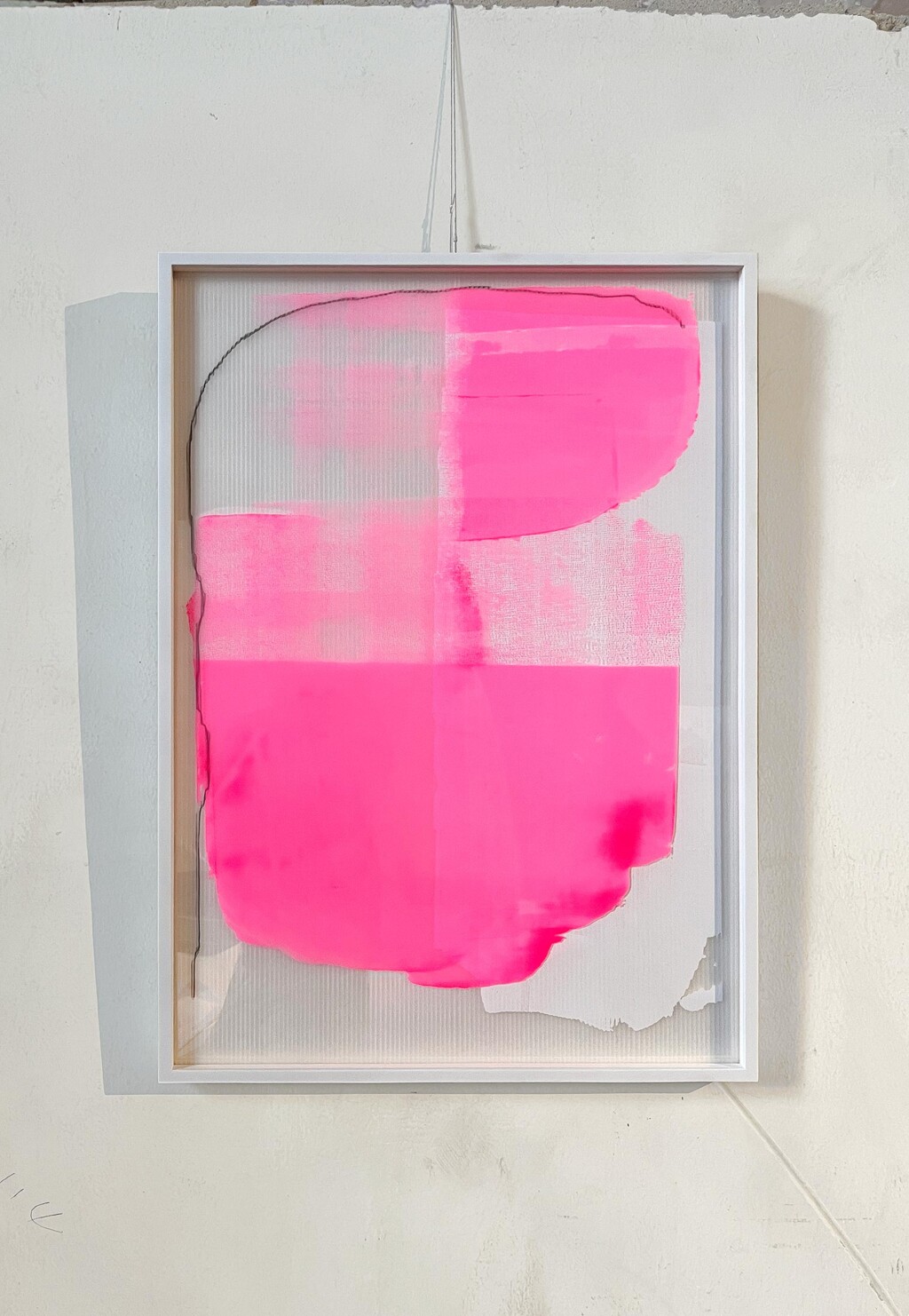
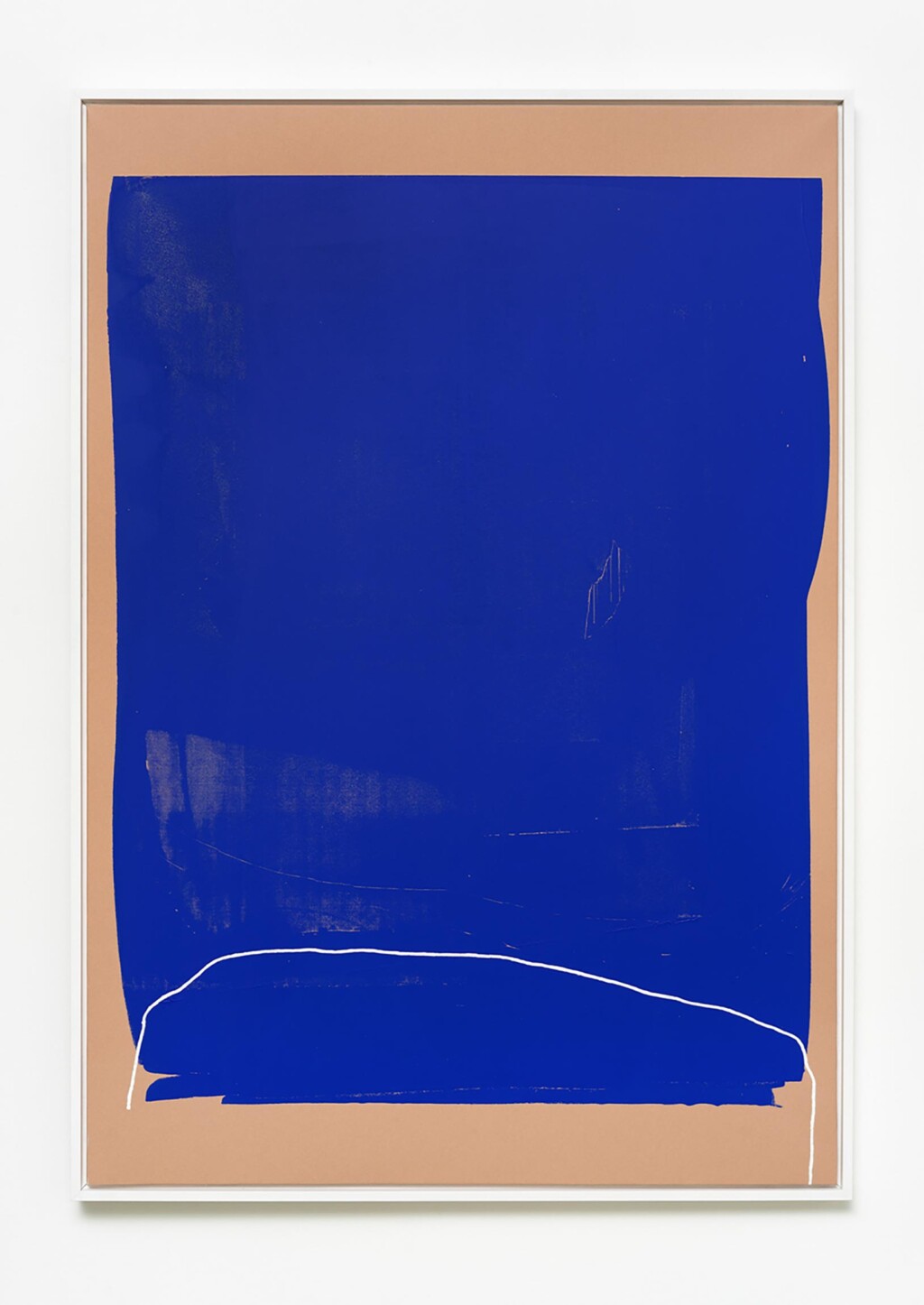
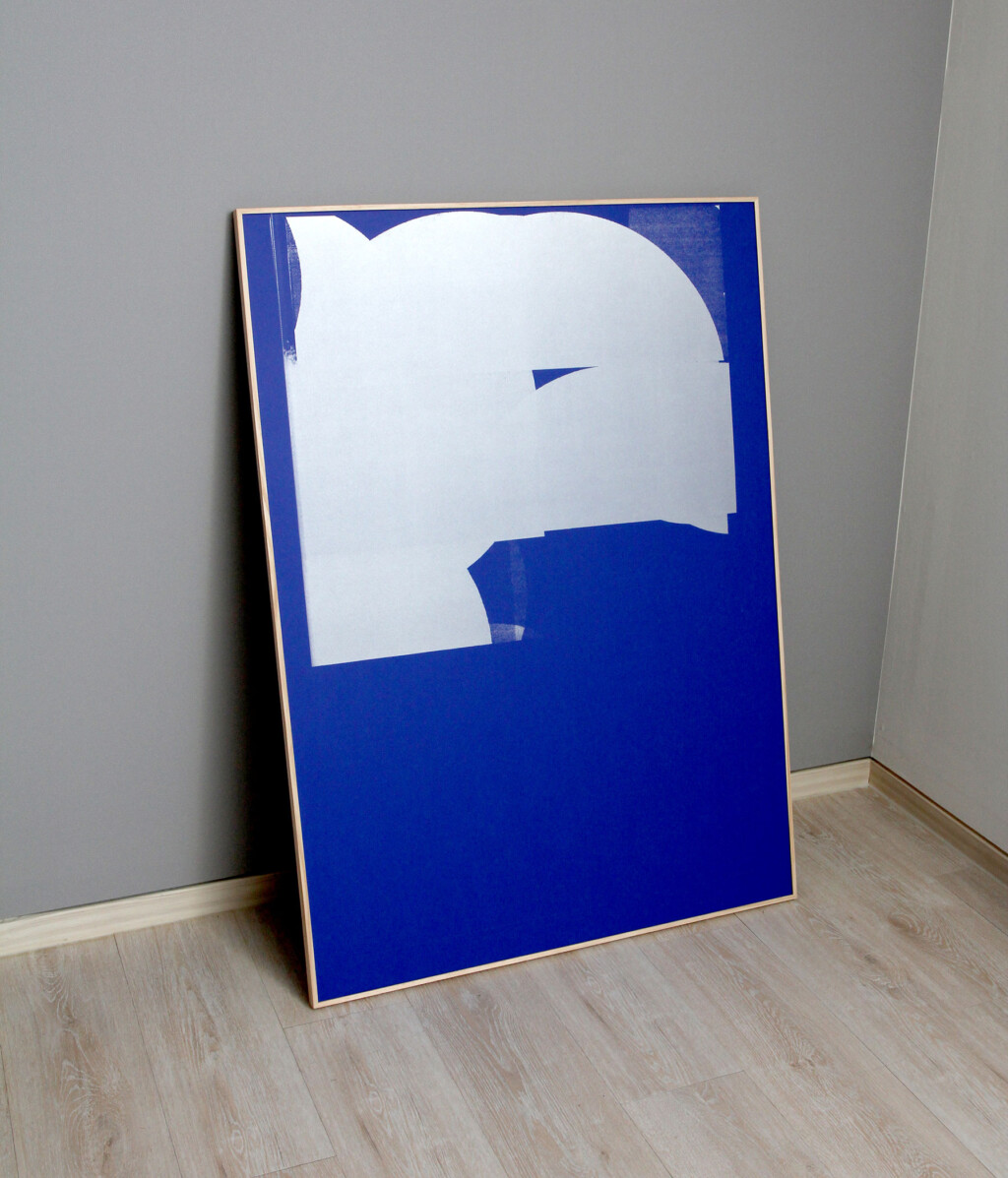
Always Always

2021  
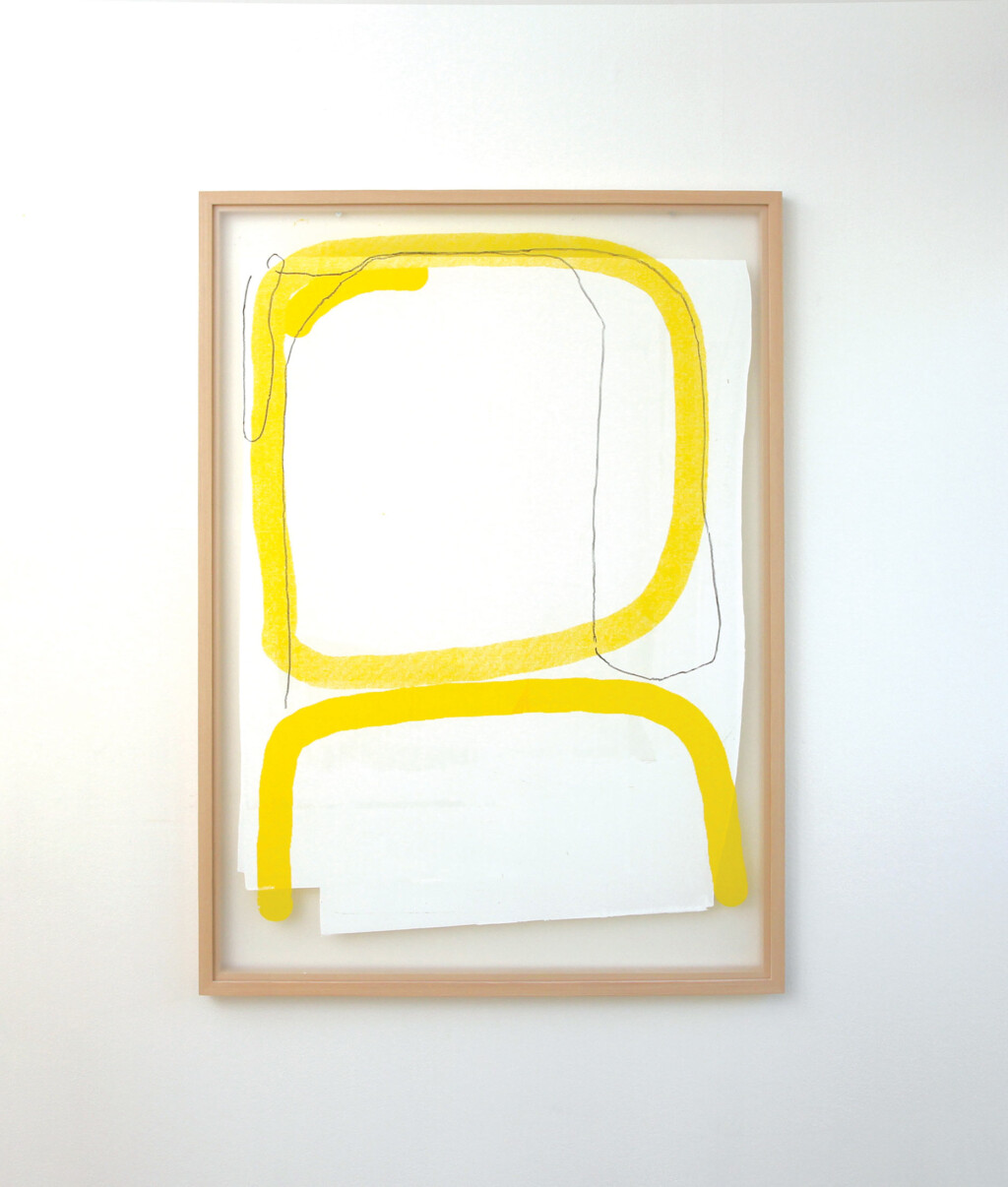
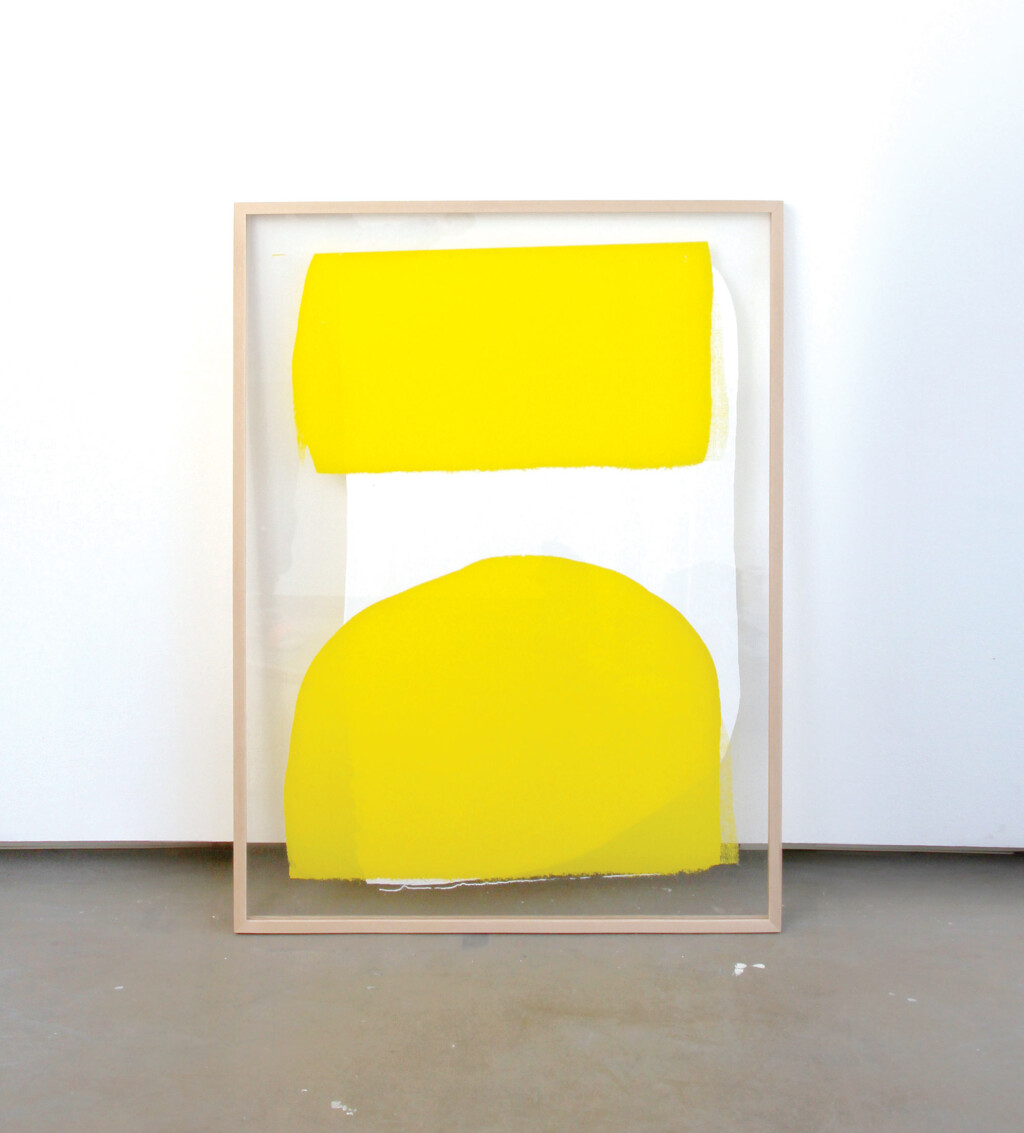
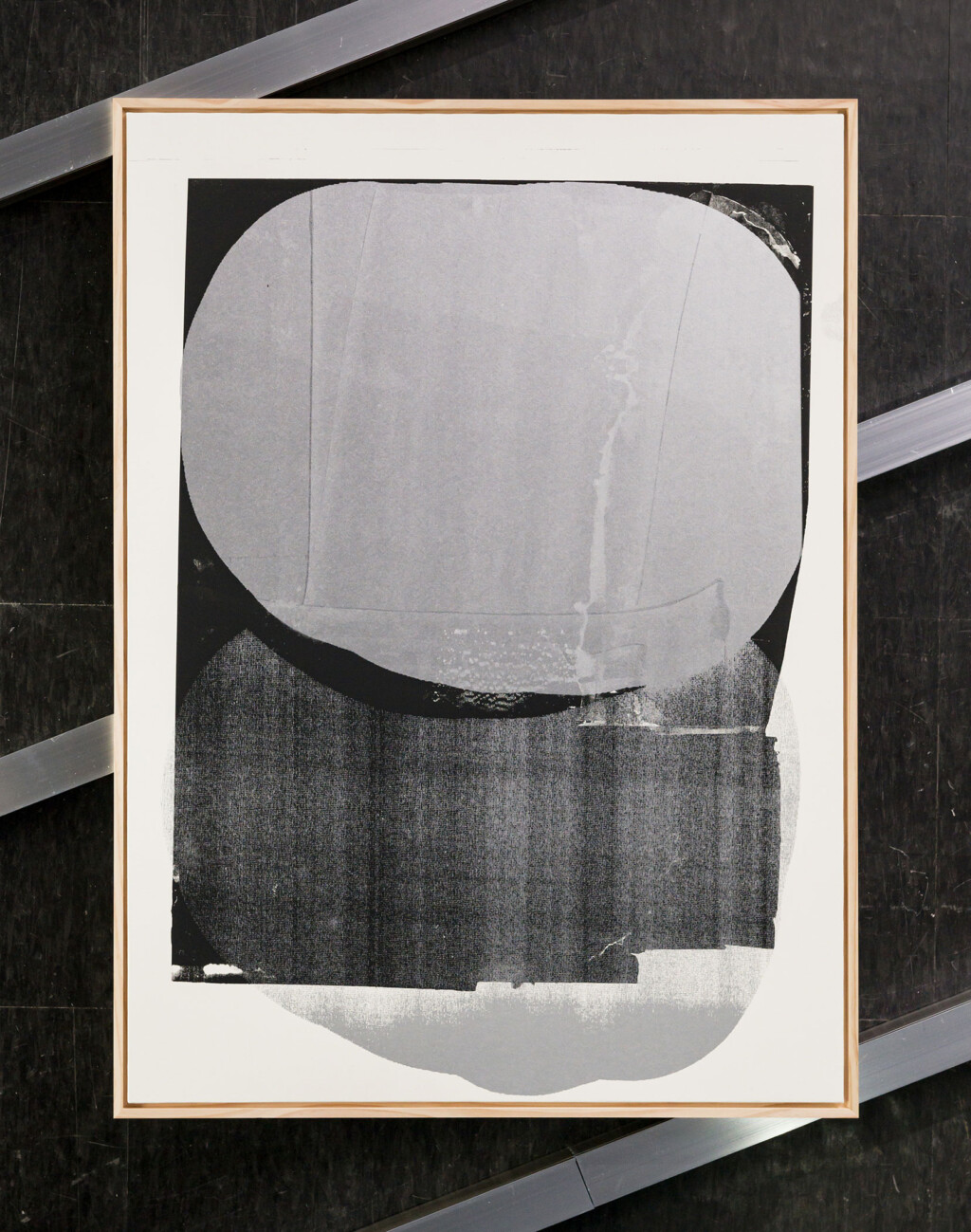
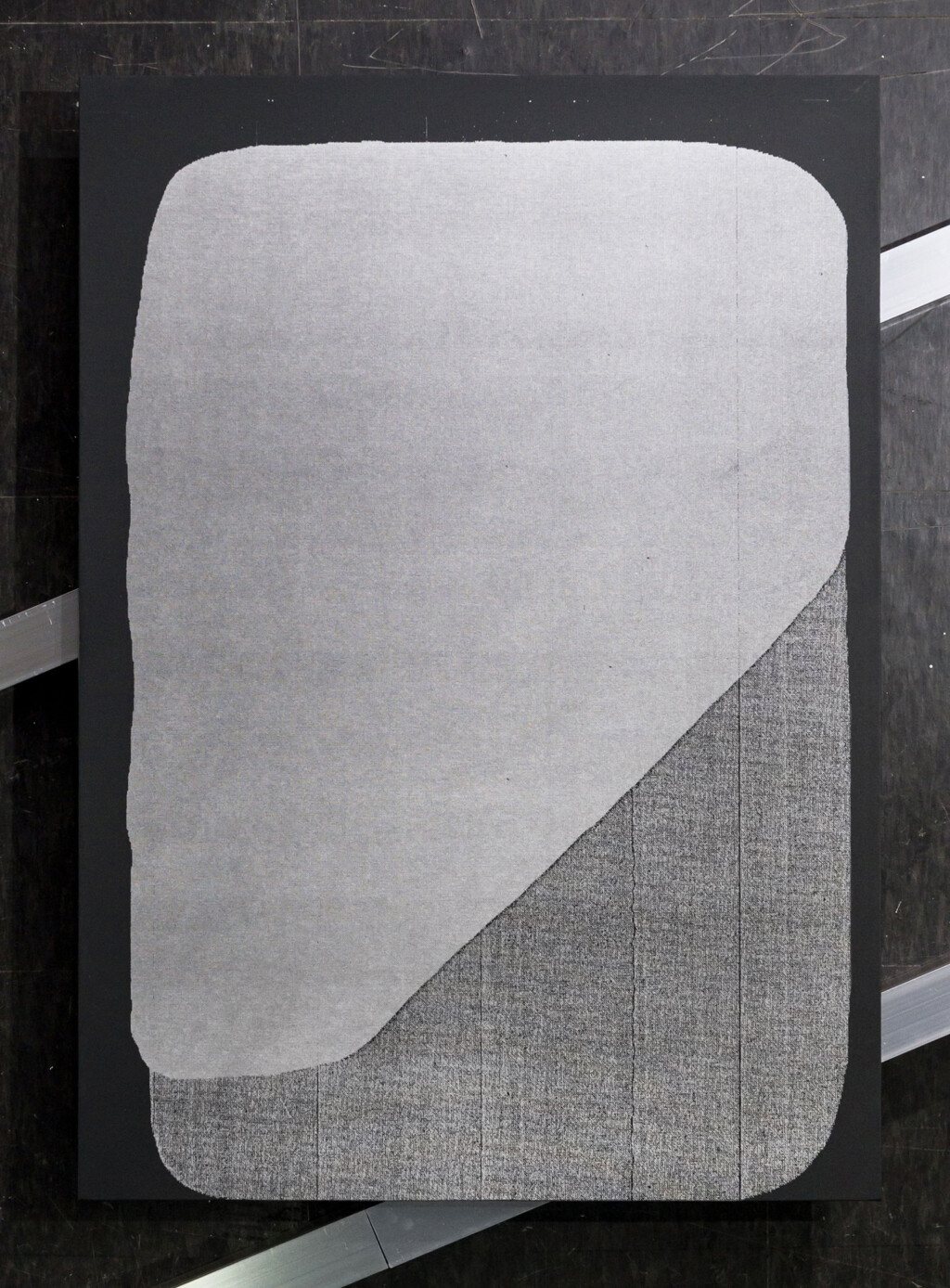
Monoprint, offset lithography with silver ink on colored paper  
78.8 x 109.9 cm
About The Work

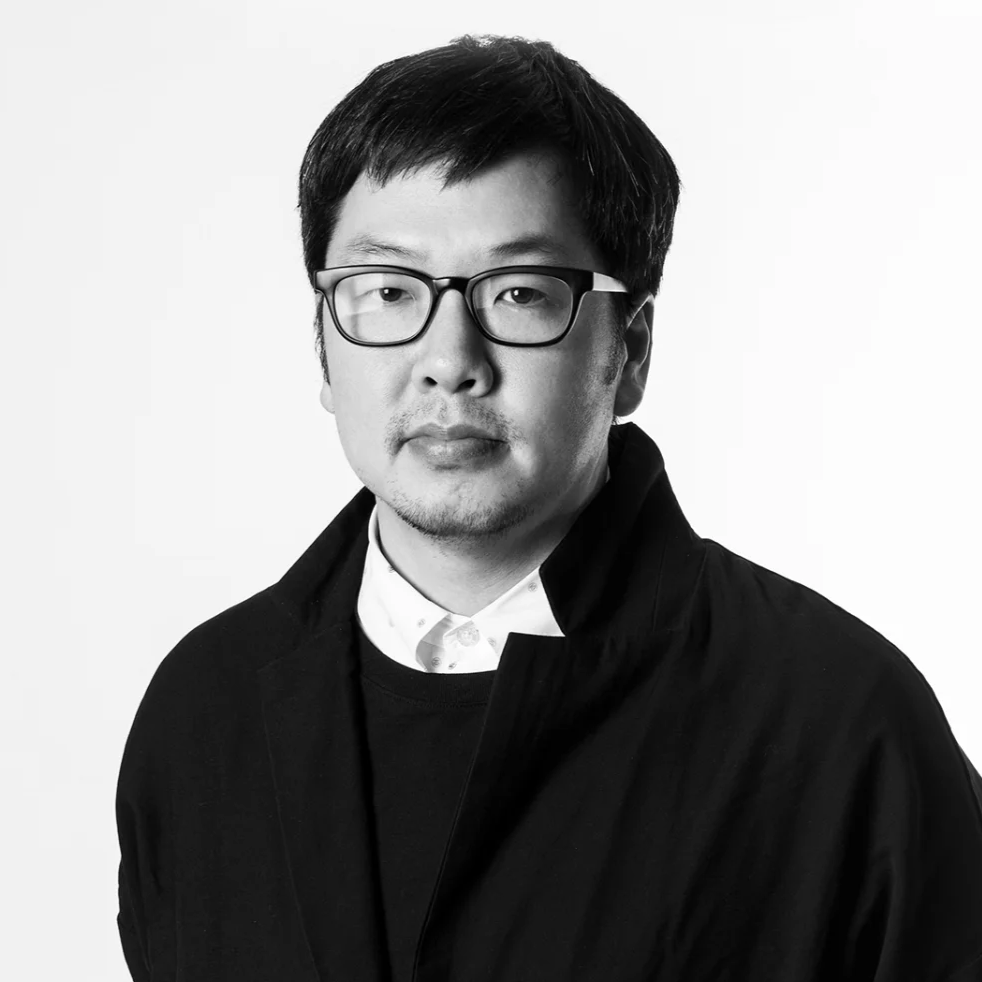
Chris Ro explores subjects that are difficult to capture visually, such as sound, humor, space, energy, and thieves, translating them into sensory imagery and spatial experiences. He focuses on intangible phenomena, including the rhythms of music, the atmosphere of a space, and the subtle emotions that emerge in human relationships.

Through the collision and interaction of visual elements, he has developed an expressive language that evokes auditory experiences. In doing so, he explores how viewers might perceive and interpret invisible phenomena through the sensory impressions conveyed by images.

Ro’s practice revolves around the tension and coexistence between logic and intuition, sound and silence, and beauty and humor. Describing himself as an intuitive and emotional person, he embraces a free approach to creation that resists predetermined meanings and logical order. For Ro, sound extends beyond musical listening to encompass movements, emotions, and atmospheres perceived through the body.

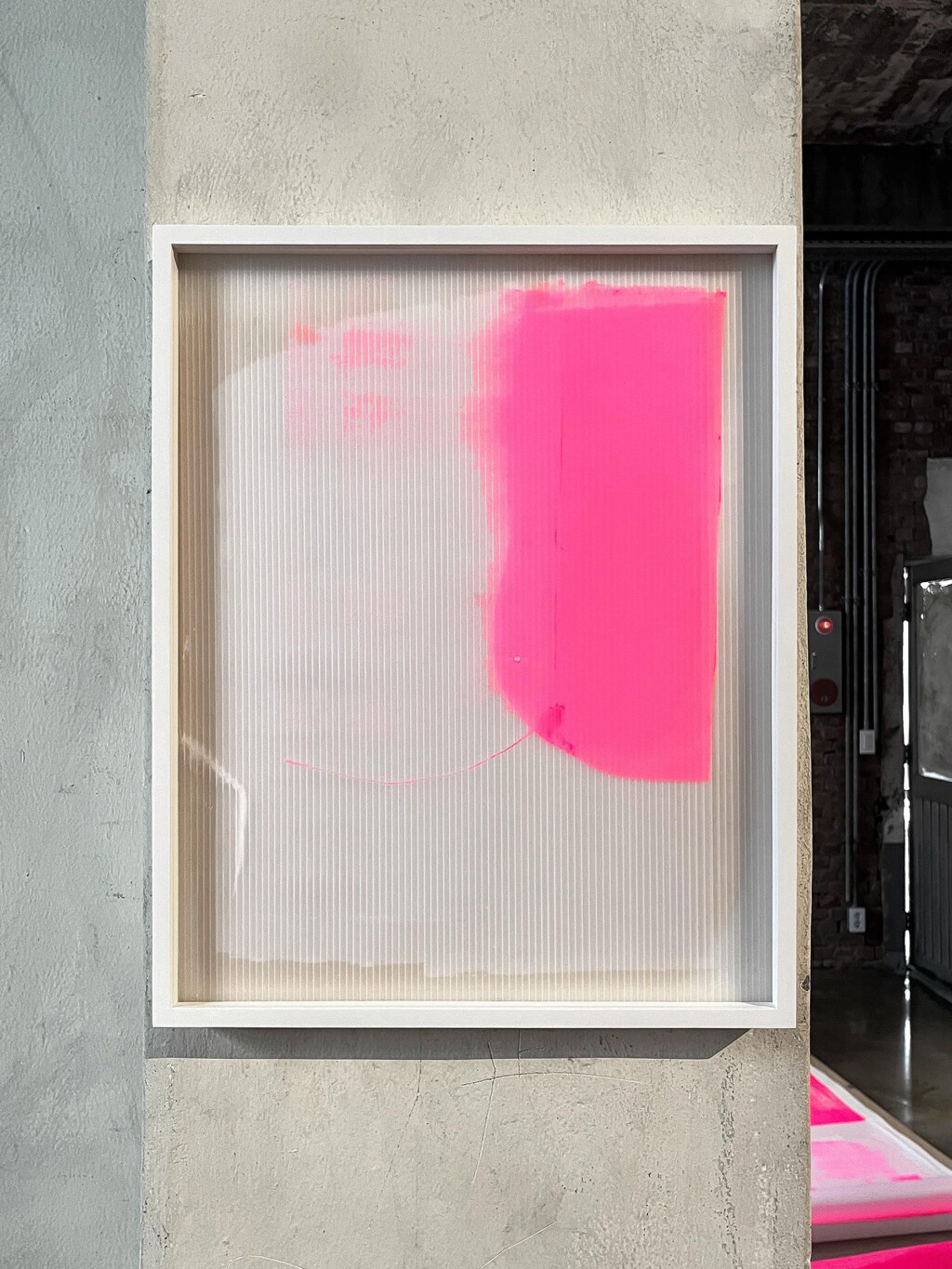
Working across a range of media, including painting, drawing, printmaking, animation, and installation, Ro articulates a distinctive visual language through free-form compositions of planes and lines. His two-dimensional works, which he categorizes as Surface, often feature overlapping and intersecting rectangular color fields, irregular curves, and organic forms.

Vivid colors and bold brushstrokes imbue the compositions with rhythm and a sense of movement. This visual language extends into his installation practice, where he orchestrates walls, floors, lighting, structures, and viewer circulation to create a rhythm that permeates the exhibition space.

Solo Exhibitions (Brief)

Chris Ro has held solo exhibitions at The WilloW (2024), A-Lounge (2023), shhh and NEW SPACE (2023), and d/p (2021).

Group Exhibitions (Brief)

Chris Ro has participated in group exhibitions at the Changwon Sculpture Biennale (2024), Culture Station Seoul 284 (2023, 2017, 2015, 2013), Platform-L Contemporary Art Center (2021), Die Neue Sammlung (2017), Moravian Gallery in Brno (2016), and Musée des Arts Décoratifs, Paris (2015).

Residencies (Selected)

Chris Ro has participated in the K11 Group X ArtReview Artist-in-Residence Programme (2024), the Visiting Artist Program at Otis College of Art and Design (2023), Residency Festa in Gyeongju (2021), and the Guest Designer Program at Vermont College of Fine Arts (2014).

Collections (Selected)

Chris Ro's works are held in the collections of the Victoria and Albert Museum, Musée des Arts Décoratifs, Die Neue Sammlung – The Design Museum, Seoul National University Museum of Art, Hongik Museum of Art, Platform-L Contemporary Art Center, National Hangeul Museum, and Letterform Archive.

Works of Art

Possibilities for Sensing and Interpreting Invisible Phenomena

Originality & Identity

Chris Ro explores themes that are difficult to capture visually, such as sound, humor, space, energy, and thieves, translating them into sensory images and spatial experiences. His practice focuses on phenomena whose forms remain fluid and undefined, including musical rhythms, spatial atmospheres, and subtle emotions arising from human relationships.

In particular, he has developed a visual language that evokes auditory experiences through the collision and interaction of visual elements. Through the sensory impressions conveyed by his images, Ro explores how viewers might perceive and interpret the presence of phenomena that cannot be directly seen.

A central conceptual concern in his practice is the tension and coexistence between logic and intuition, sound and silence, and beauty and humor. Describing himself as an intuitive and emotional person, Ro pursues a creative approach that allows freedom from predetermined meanings and logical structures. For the artist, sound extends beyond musical listening to encompass movement, emotion, and atmosphere perceived through the body.

In his solo exhibition 《Silent Laughter》 (2023), these interests expanded into an exploration of the possibilities of sound and humor embedded within silence. By bringing together seemingly incompatible emotions and concepts, he reveals the contradictions and subtle emotional qualities that emerge from their coexistence.

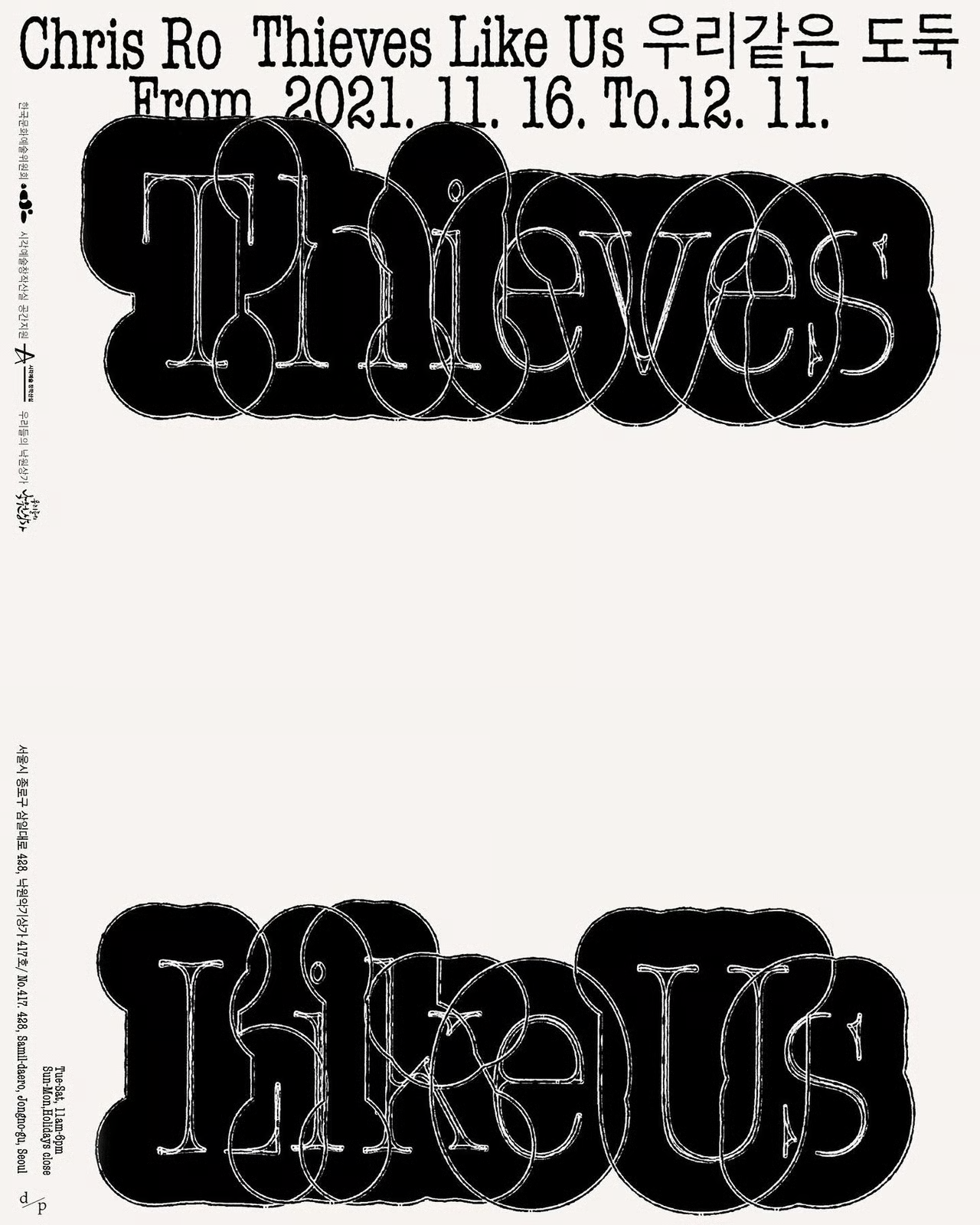
Ro has also maintained a sustained interest in the relationship between originals and reproductions within the processes of image production and transformation. In his solo exhibition 《Thieves Like Us》 (2021), he introduced the concept of “theft” as a metaphor for appropriation, repetition, and transformation in artistic creation. He examines how different methods of production, including drawing, animation, and printing, exchange images and generate new outcomes.

Here, the thief emerges as a figure who questions the boundaries of ownership and creativity, revealing an ethical ambiguity in which even the nature of what has been stolen remains difficult to define. This interest continued in his 2023 exhibition presented simultaneously at shhh, NEW SPACE, and an online platform, developing into narratives that explored the ownership of and relationships between time, space, and matter.

Writing, which became a prominent part of Ro's practice in 2021, has developed into an important element that introduces new meanings to his visual work. His stories, combining personal experiences with fiction, introduce specific circumstances and psychological dimensions to his images while leaving their meanings open to viewers' interpretations.

His interest in otherness, particularly in relation to his multicultural upbringing, has also informed narratives exploring belonging, relationships, and existential uncertainty. These concerns have subsequently expanded to encompass memories accumulated within places and stories excluded from historical records.

In 《Once Upon Now》 (2026), Ro combines historical documents, oral accounts, and imagination to examine traces of absence embedded within a particular space. His artistic identity has thus developed through a sustained engagement with sensations and narratives that remain invisible or difficult to articulate, continually translating them into new forms of visual language.

Style & Contents

Chris Ro's practice encompasses a wide range of media, including painting, drawing, printmaking, animation, and installation, with a distinctive visual language characterized by freely composed planes and lines. His two-dimensional works, which he categorizes as 'Surfaces', frequently feature overlapping or intersecting rectangular fields of color, irregular curves, and organic forms.

Vivid colors, bold brushstrokes, and subtle traces across the picture plane introduce a sense of movement and rhythm into otherwise static images. These forms undergo gradual transformations and combinations across individual works, developing a related vocabulary of visual elements. While his earlier images were often produced without titles, he gradually began assigning them sentence-like titles, introducing narrative qualities that suggest psychological states and particular situations.

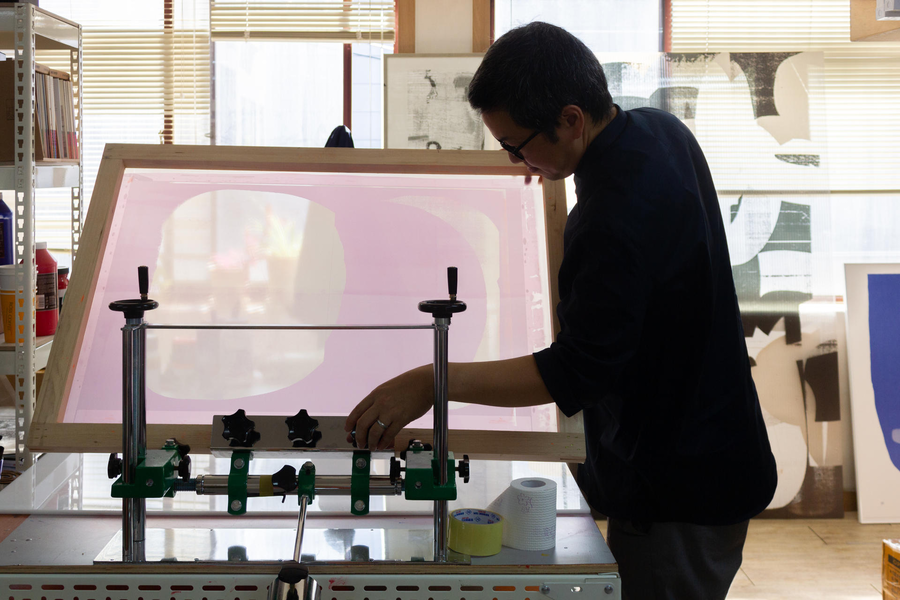
His creative process combines silkscreen printing, offset lithography, image transfer, digital drawing, and animation to experiment with the repetition and transformation of images. Ro animates hand-drawn forms, extracts individual frames from animations, and reproduces images using old photocopiers. Irregularities that emerge during these processes, such as ink bleeding, color misregistration, and uneven printing, become important formal elements in his work.

In the 'Process Diagram' included in the catalog for his solo exhibition 《Thieves Like Us》, he illustrated how markmaking, animation, and printing continually influence one another. By moving between analog and digital techniques, Ro introduces unpredictable variations even within repeated forms, allowing chance and intuition to play an increasingly significant role in the creative process.

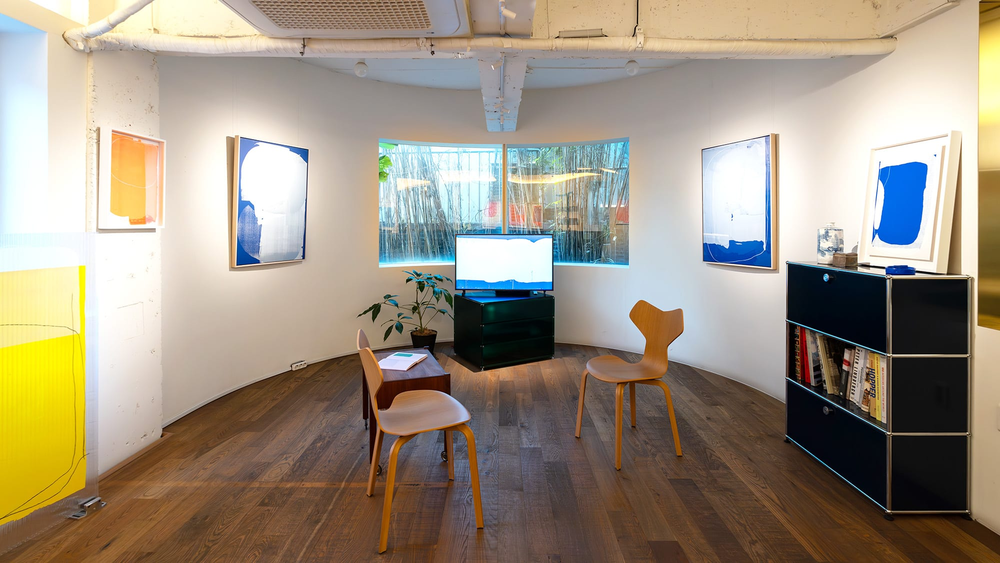
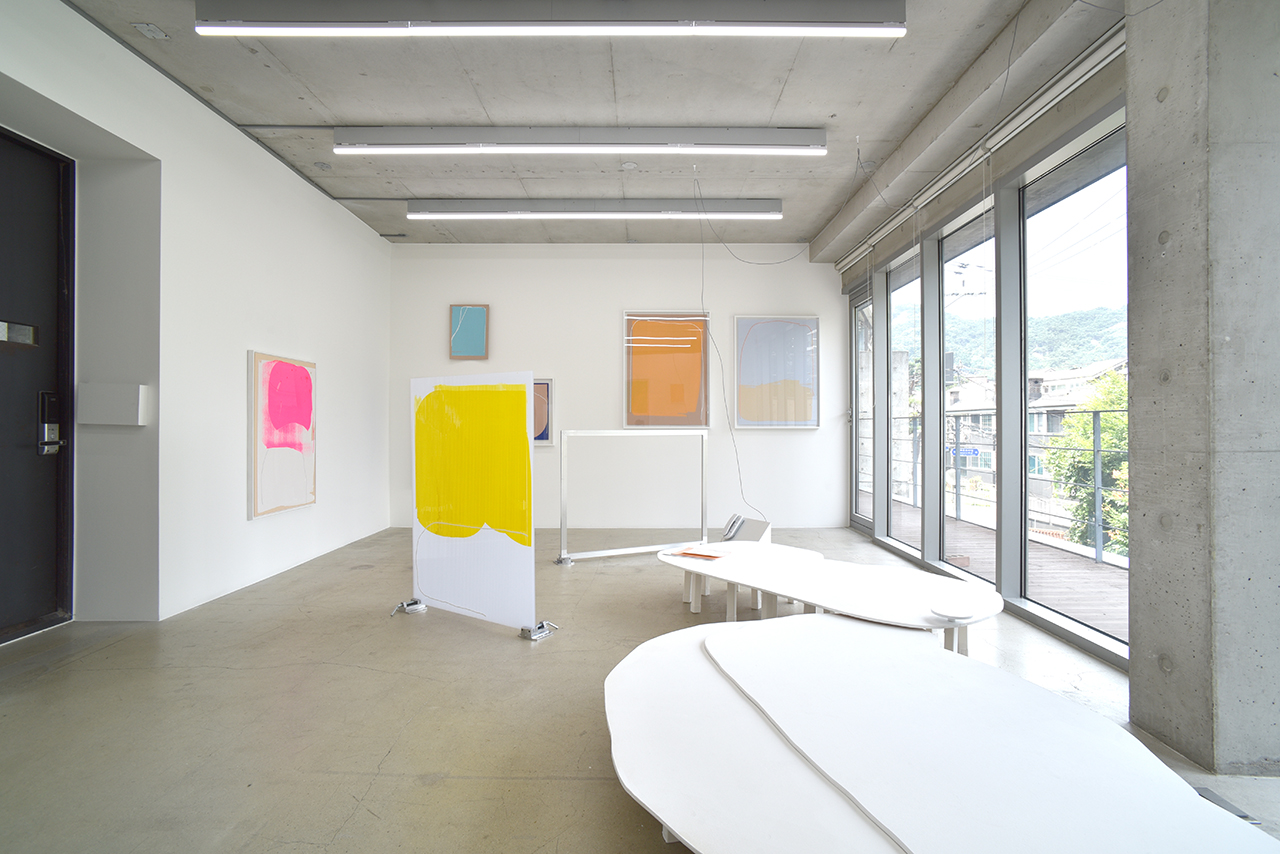
His two-dimensional works expand into three-dimensional compositions through installation and spatial design. Ro creates rhythms throughout exhibition spaces by adjusting the placement of walls, floors, lighting, and structures while considering visitors' movements. In his 2023 solo exhibition at shhh and NEW SPACE, he emphasized the tension between color and line by introducing yellow lighting and monitors into darkened spaces and installing two-dimensional works among wooden structures.

In the accompanying online exhibition, fluid images responded to scrolling and mouse movements, creating rhythms across the screen. Later, in 《Silent Laughter》 (2023), he brought together wall-mounted works, white platforms at the center of the gallery, and an intricate network of connected telephones, establishing relationships among images, objects, and the movements of visitors.

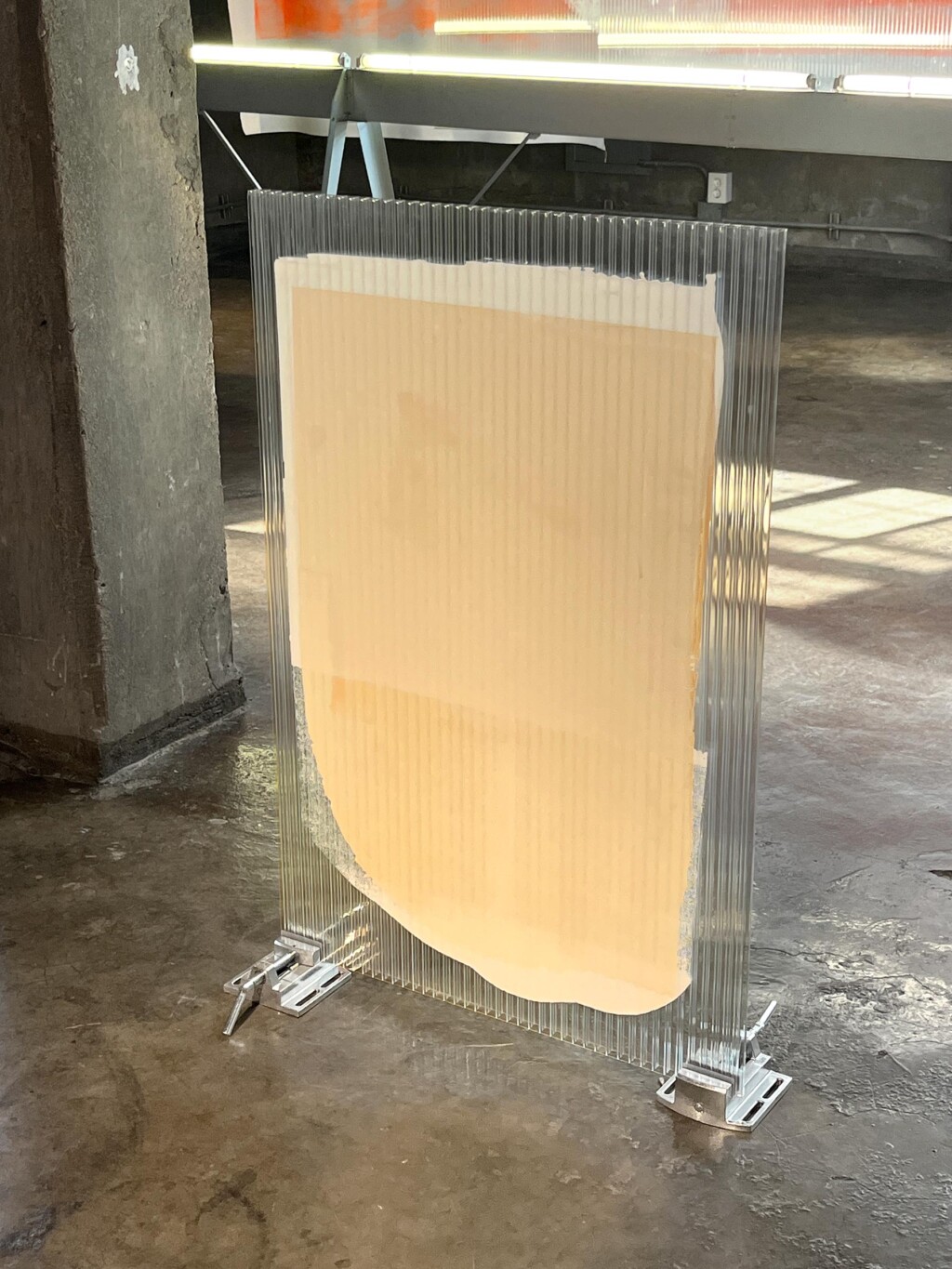
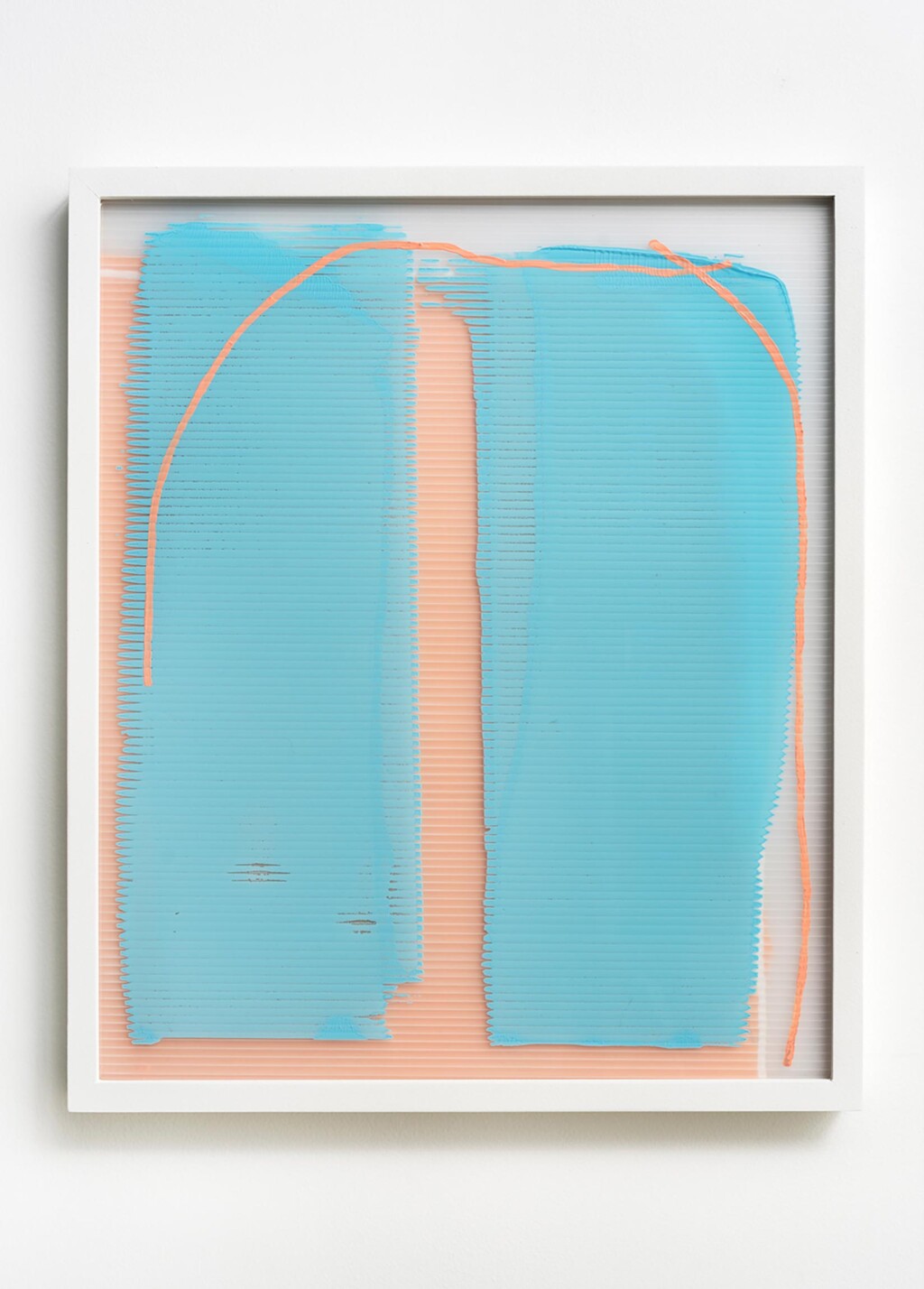
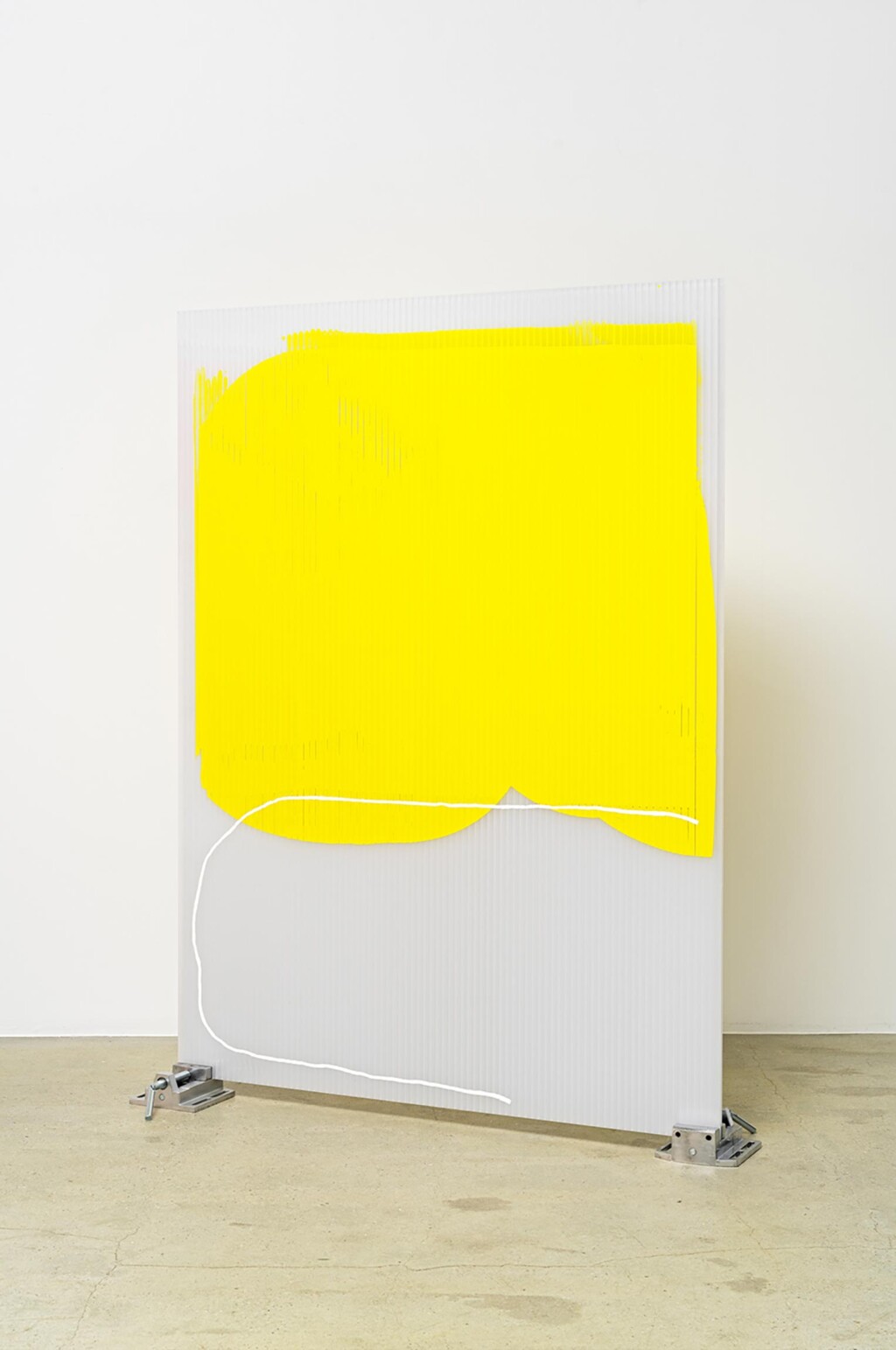
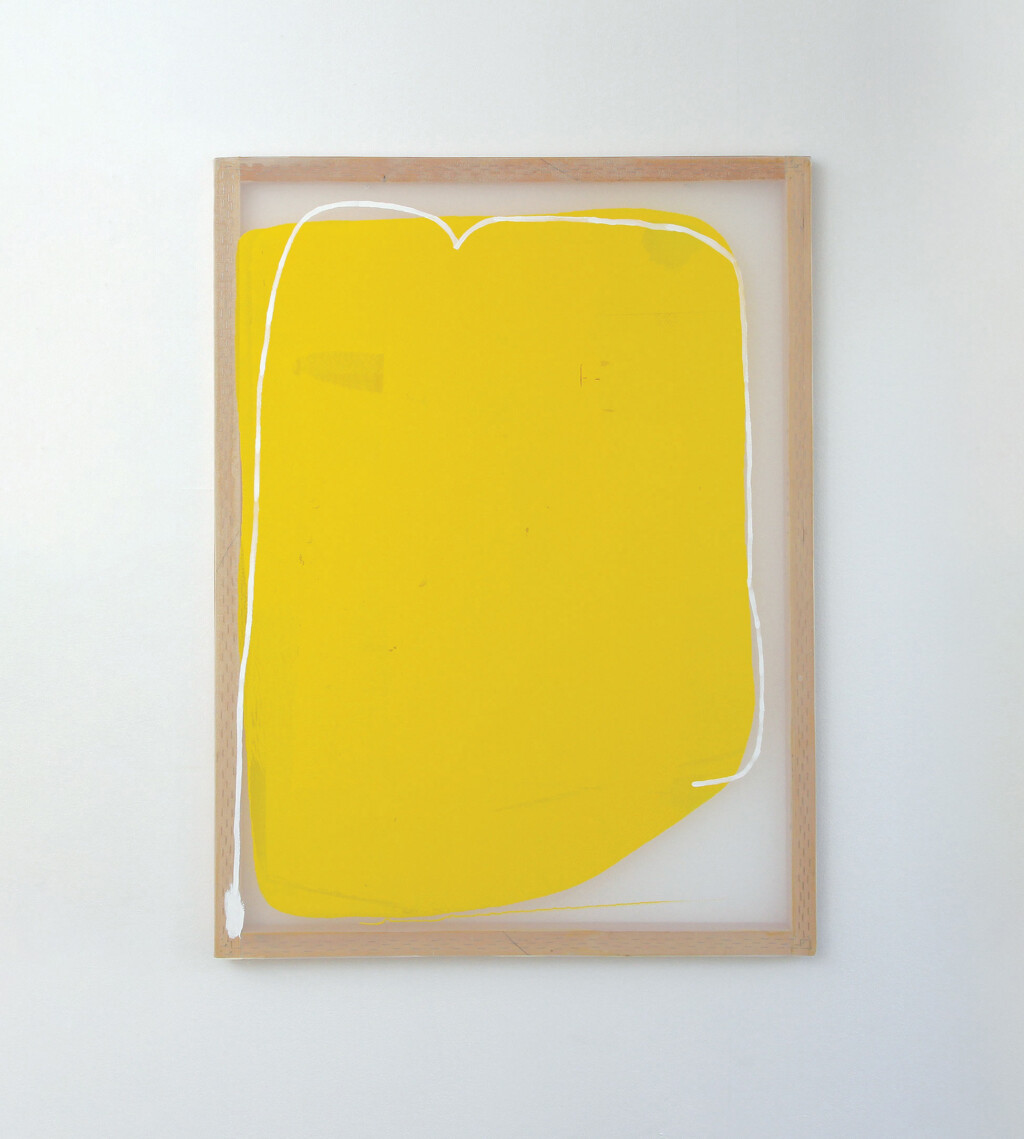
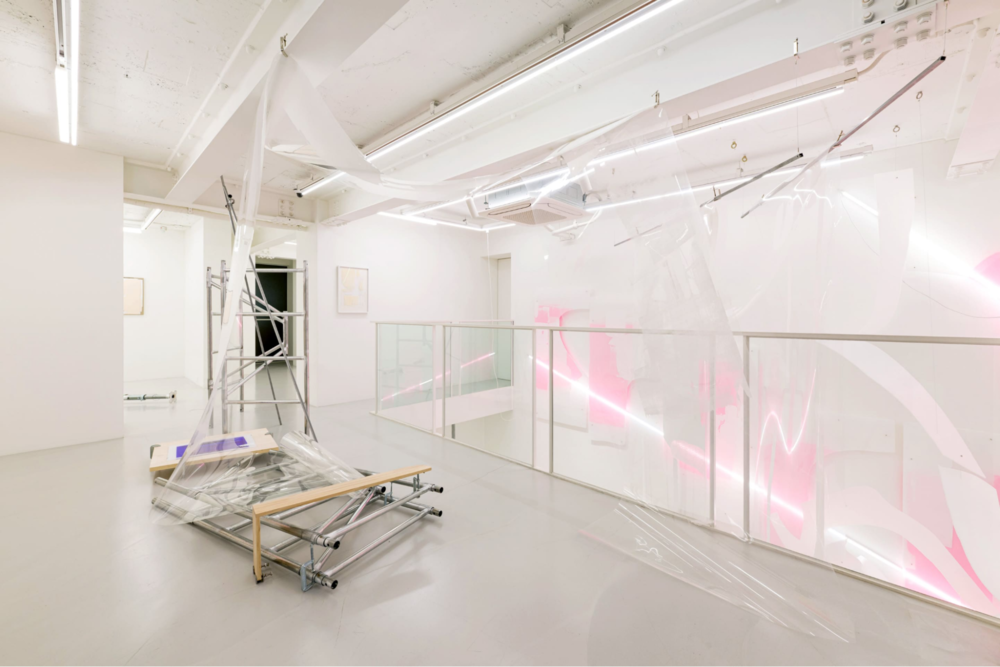
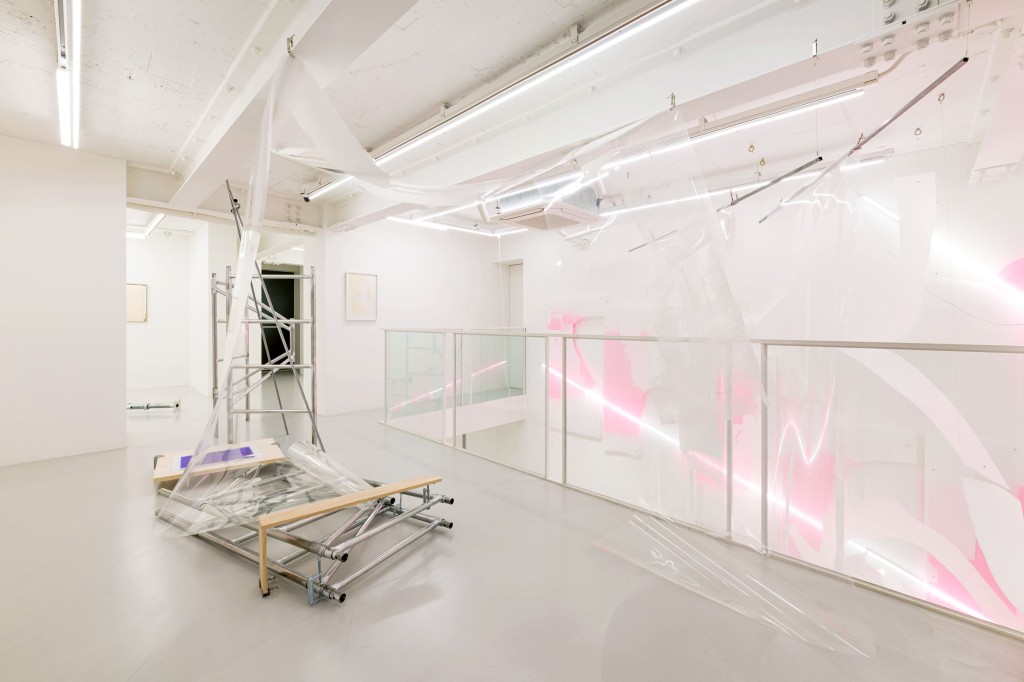
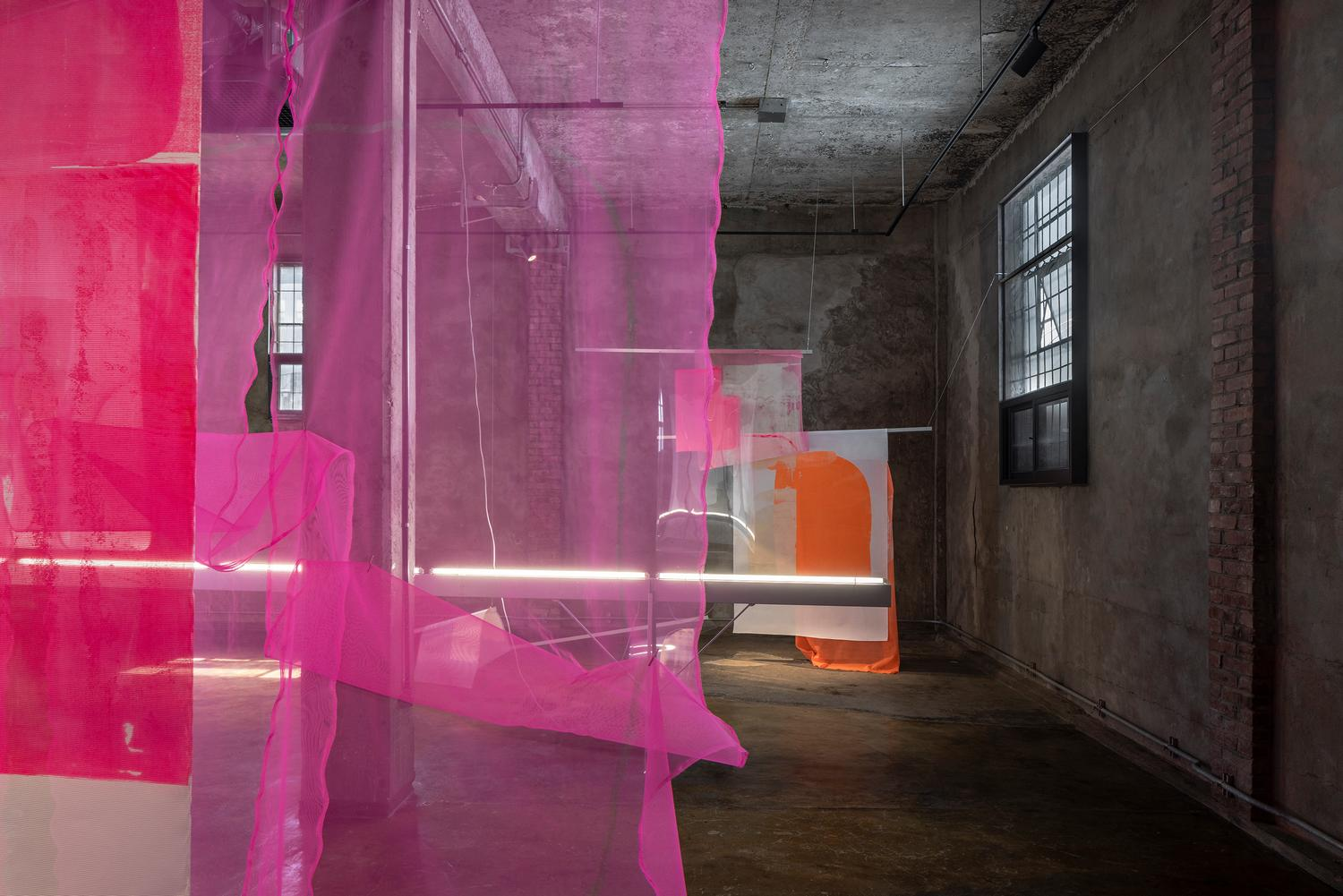
In his 2024 solo exhibition at The WilloW, Ro further explored the effects of overlapping and transparency through semi-transparent materials and the properties of silkscreen printing. In addition to canvas and paper, he worked with materials such as polycarbonate and polyethylene, incorporating the physical supports of his images into their formal compositions. Transparent and translucent surfaces reveal the surrounding space and other images behind them, creating perceptual variations according to the viewer's position.

As images originating from two-dimensional surfaces acquire physical depth and spatial relationships, their formal possibilities expand to encompass the surrounding environment and the viewer's perception. These developments reflect Ro's flexible approach to combining painting and installation while maintaining the material and visual characteristics of printmaking and graphic design.


Topography & Continuity

Chris Ro's artistic practice is rooted in architecture and graphic design, and the spatial thinking and principles of visual composition developed through these disciplines continue to inform his work. After studying architecture and working as a graphic designer, he expanded his practice into printing, typography, publishing, and motion graphics.

Following his relocation to Korea in 2010, he initiated Ondol, a bilingual publication project introducing Korean visual culture and design, exploring cultural research and exchange through the medium of design.

This experience encouraged his investigation into how images could function within relationships among culture, space, and people, extending beyond the practical applications of graphic design. His understanding of architectural structures and the compositional principles of graphic design have continued to inform his subsequent work in painting, installation, and moving images.

From the late 2010s onward, Ro increasingly developed abstract two-dimensional works combining printing and drawing, establishing a more sustained artistic practice. Through exhibitions including his 2019 solo exhibition 《Heart Stands Still》, he presented works composed of color fields, lines, and repetitive forms, exploring the relationship between visual movement and sound.

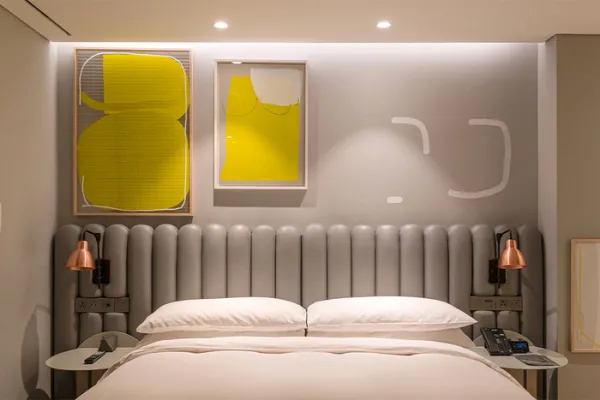
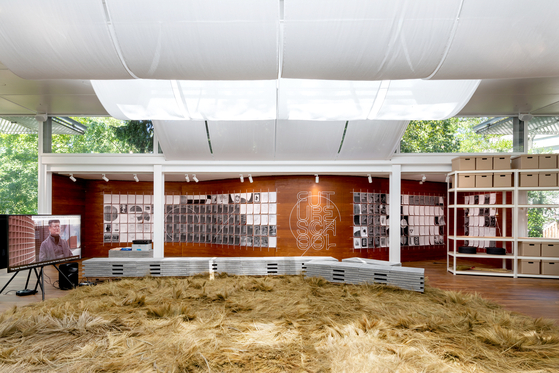
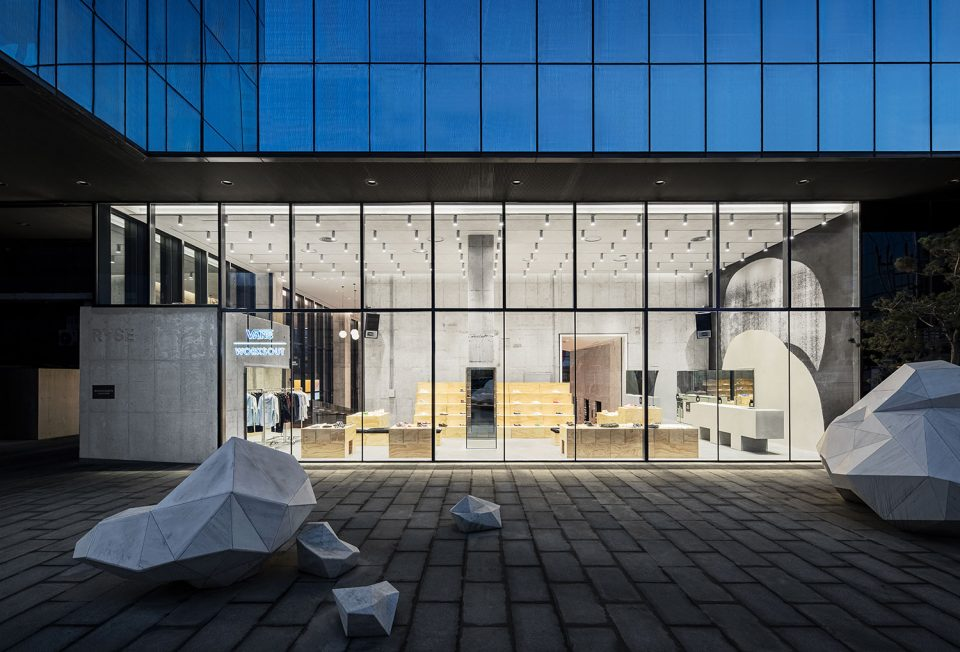
These interests also informed a series of graphic installations presented on the exterior of RYSE Hotel beginning in 2020. In 2021, he contributed to the graphic identity of the Korean Pavilion at the Venice Architecture Biennale while beginning to address the processes of image production and the ethical questions surrounding artistic creation through his solo exhibition 《Thieves Like Us》.

During this period, his practice developed into an increasingly expansive engagement with both graphic design and visual art, while his approach to integrating narratives with images became more clearly articulated.

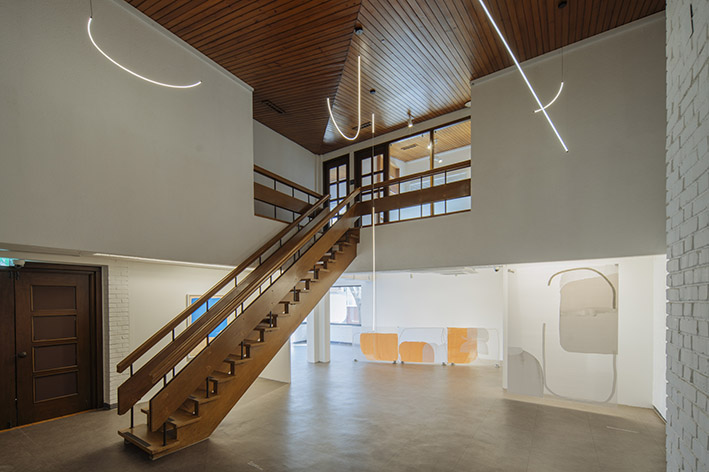
During the 2020s, Ro expanded his ongoing formal experiments into works responding to the characteristics of exhibition spaces and specific locations. In 《A Place Between Rhythm and Rhythm》 (2023), he examined the architectural structure of the Choi Man Lin Museum and the passage of time accumulated within it, creating installations that responded to the rhythms of the space.

In the same year, 《Silent Laughter》 deepened his exploration of sound and silence by connecting writing, installation, and visual forms. His 2024 solo exhibition at The WilloW employed transparent materials and spatial structures to examine relationships among artworks, places, and people, while his participation in the Changwon Sculpture Biennale extended his spatial experimentation. Across these projects, Ro has continued to move between media, incorporating the architectural conditions and atmospheres of individual locations into his visual language.

His recent work demonstrates an increasingly pronounced interest in the memories, temporalities, and undocumented narratives embedded within places. In his 2026 solo exhibition 《Once Upon Now》, Ro investigated the history of the building housing Gallery SP, along with surrounding urban development records and oral histories, reconstructing these materials through graphics, installation, and prose.

By combining architectural research with the repetition and transformation of images and fictional narratives, he examined how traces of the past interact with places in the present. This development remains connected to his longstanding interest in giving sensory expression to phenomena that cannot be directly seen, including sound, movement, and spatial atmosphere.

Expanding the formal experimentation rooted in graphic design into painting, installation, literary narratives, and site-specific research, Ro continues to explore the expressive possibilities of visual art and the ways in which it can shape human experience.

Works of Art

Possibilities for Sensing and Interpreting Invisible Phenomena

Articles

Exhibitions

Activities