Nameless Disease - K-ARTIST

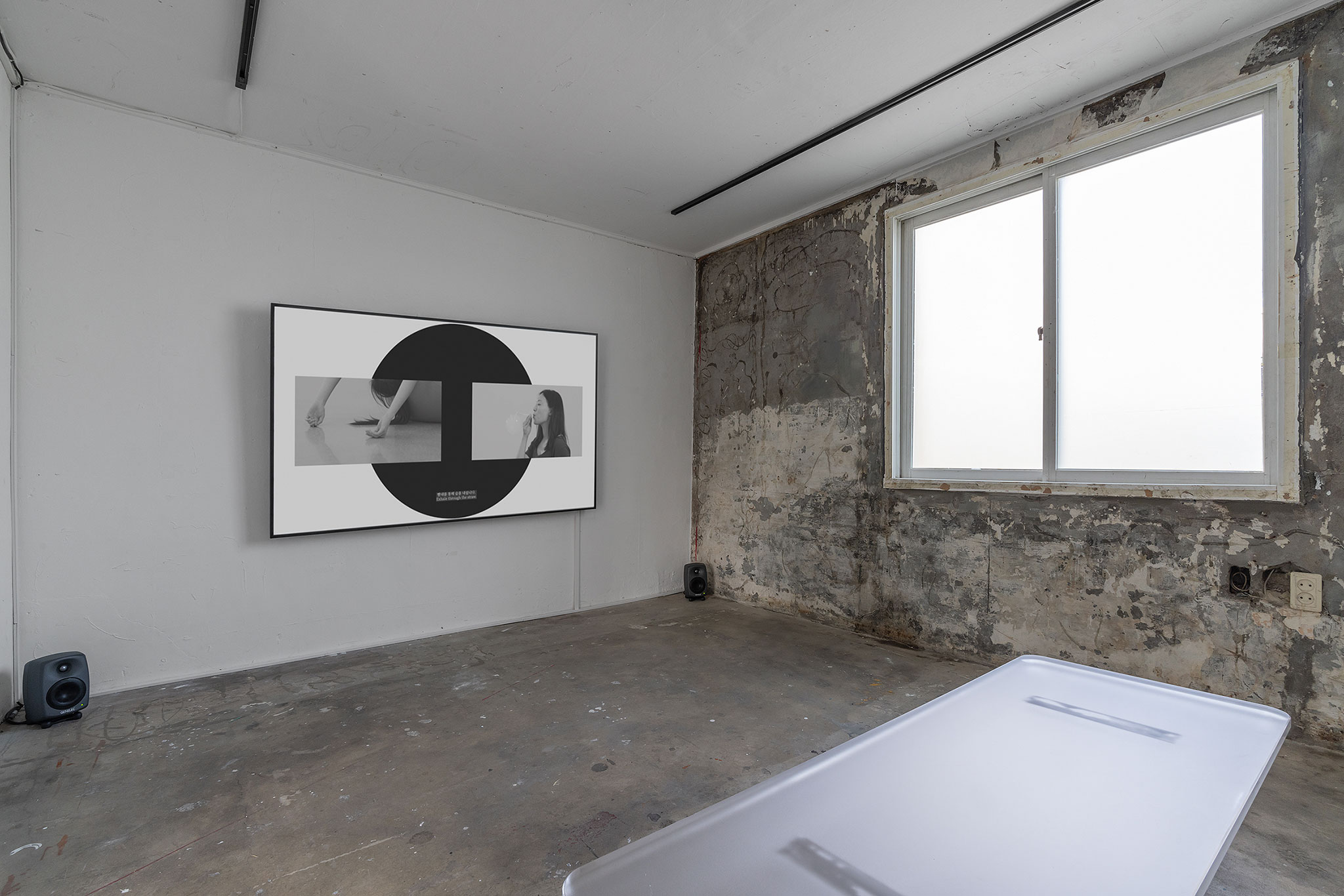
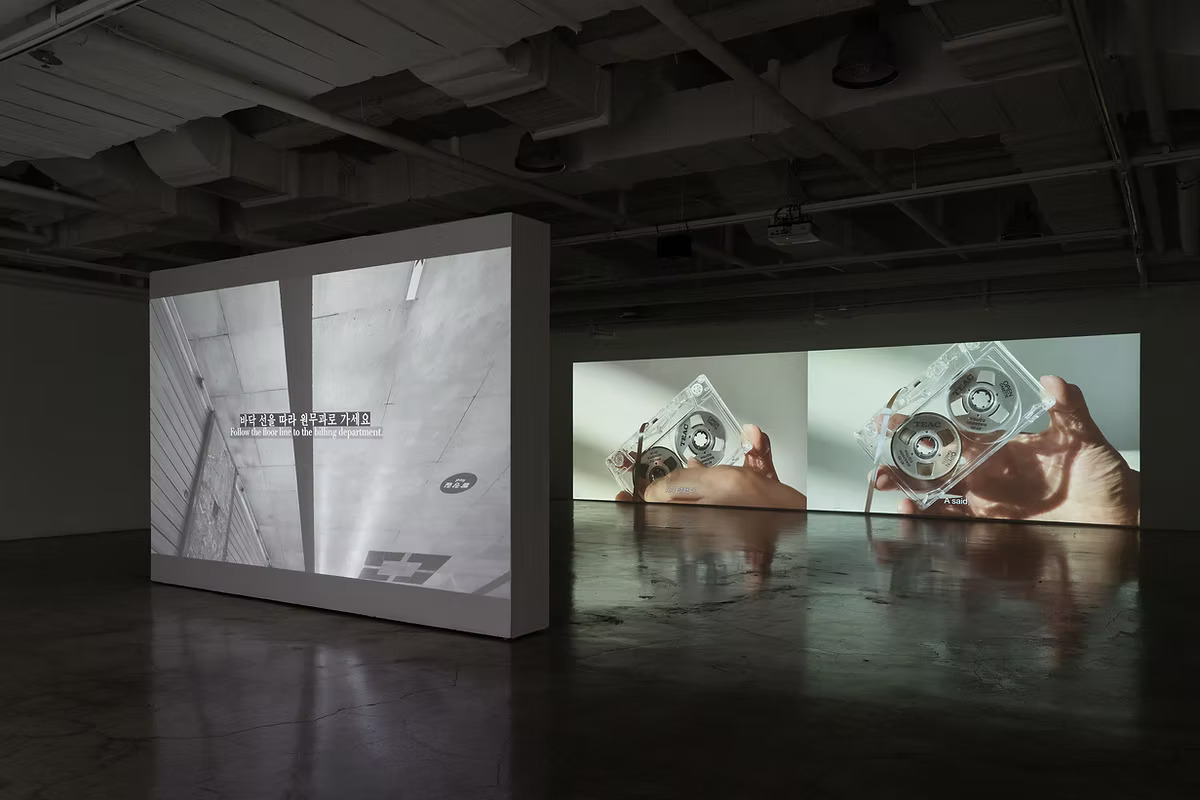
Nameless Disease

2016
2-channel video, loop
Dimensions variable
About The Work

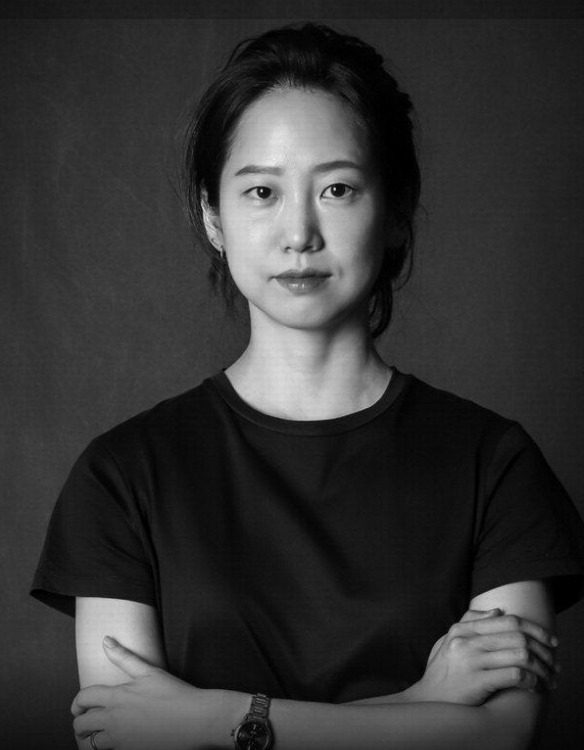
Seo Young Chang has explored the finite nature of existence within the cycle of life and death through video and installation. Moving between the ambiguous boundaries of the immaterial and the material, the inside and outside of the body, and life and death, her work reflects on the conditions of existence and the ways our bodies exist.

Chang’s interest in the body stems from her personal experience of unusual symptoms that could not be medically diagnosed. She focuses on bodies whose significance is diminished or erased when they fall outside society’s standards of being “healthy and productive,” exploring how bodies that struggle to be recognized as fully existing make their presence known. She also identifies and sheds light on bodies rendered other through structures of exclusion and marginalization shaped by social institutions and systems of power.

Furthermore, Chang approaches the body, subject to deterioration and transformation, as both a material and temporal entity, exploring shifts in the space and time it experiences. Through the body’s condition of requiring continual repair, replacement, and adjustment, she examines how we might sense the self as a material existence even within a technology-driven society.

By articulating, through artistic language, the friction between technological mechanisms and the body, as well as the interfaces that mediate between them, her work invites a reconsideration of the relationships among the body, technology, and time.

Solo Exhibitions (Brief)

Chang has held solo exhibitions including 《All No Grip》 (SPACE ÆFTER, Seoul, 2025), 《Fix Or Repair Daily》 (Wumin Art Center, Cheongju, 2025), 《Skid》 (Sindoh Art Space, Seoul, 2022), and 《A Blinding Future》 (Amado Art Space, Seoul, 2021).

Group Exhibitions (Brief)

Chang has also participated in numerous group exhibitions, including 2026 Title Match 《Inhwan Oh vs. Seo Young Chang: Human Error》 (Buk-Seoul Museum of Art, Seoul, 2026), 《Big Brother Blockchain》 (Nam June Paik Art Center, Yongin, 2024), 《Windows Reconstruction》 (Amado Art Space, Seoul, 2023), 《Anticipation of a Contingency》 (d/p, Seoul, 2022), 《SF 2021: A Fantasy Odyssey》 (Buk-Seoul Museum of Art, Seoul, 2021), and 《Young Korean Artists 2019: Liquid Glass Sea》 (MMCA, Gwacheon, 2019).

Awards (Selected)

In 2024, Chang received the 23rd Wumin Art Award.

Residencies (Selected)

Chang has been selected as an artist-in-residence at several residency programs, including the DOOSAN Residency New York (2019), Incheon Art Platform (2017), and the MMCA Residency Goyang (2016).

Collections (Selected)

Chang’s works are held in the collections of various institutions, including the National Museum of Modern and Contemporary Art, Korea; Busan Museum of Art; Busan Museum of Contemporary Art; Seoul Museum of Art; and DOOSAN Yonkang Foundation.

Works of Art

On Finite Beings Living Within the Cycle of Life and Death

Originality & Identity

Seo Young Chang has consistently explored people and things that clearly exist within society yet are treated as invisible, as well as uncertain states between presence and absence. In her early practice, she examined how an individual's sense of presence changes according to social recognition and visibility.

In First Steps(2008), a dancer wearing a straitjacket repeats restricted movements, revealing the condition of a person unable to act according to their own will. Box(2011) and Inside the Box(2011) draw on the story of a homeless person who died while seeking shelter from the cold in a makeshift structure, exposing the paradox of an individual who had been forgotten by society attracting attention only through death.

The Story of a Bear That Drowns Repeatedly Forever(2013) employs black humor to portray the tragedy of a polar bear repeatedly drowning as glaciers melt, while By the Time You Hear This, I Will Be Gone(2014) evokes an absent existence through the words and traces left behind after death. These early works question what society recognizes and what it erases at the boundaries between presence and absence, memory and forgetting, and life and death.
 
This interest became more specifically focused on physical existence after Chang personally experienced unexplained bodily symptoms that could not be medically diagnosed. For her, the body is something everyone possesses but never experiences under identical conditions. It is a finite form of existence that constantly changes through time, illness, and aging.

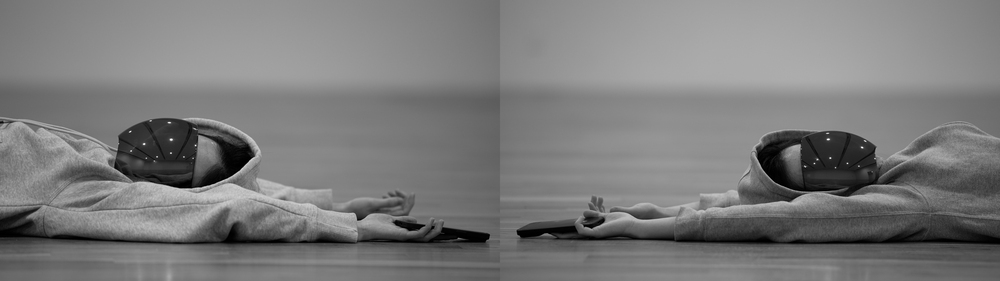
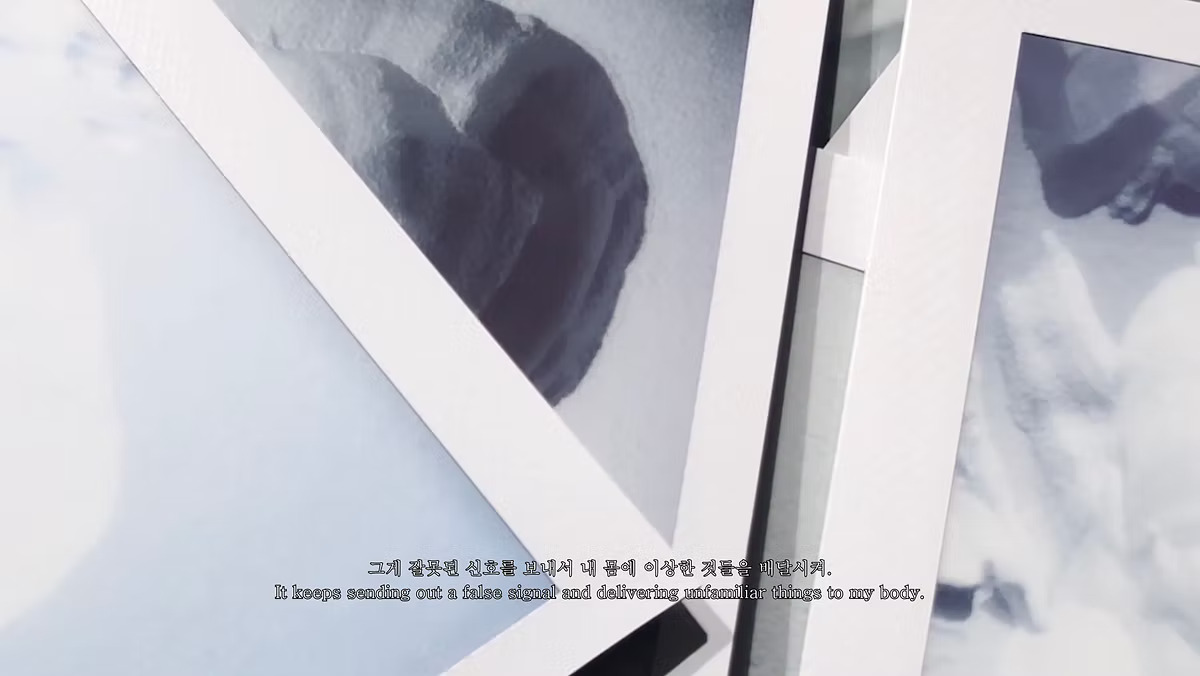
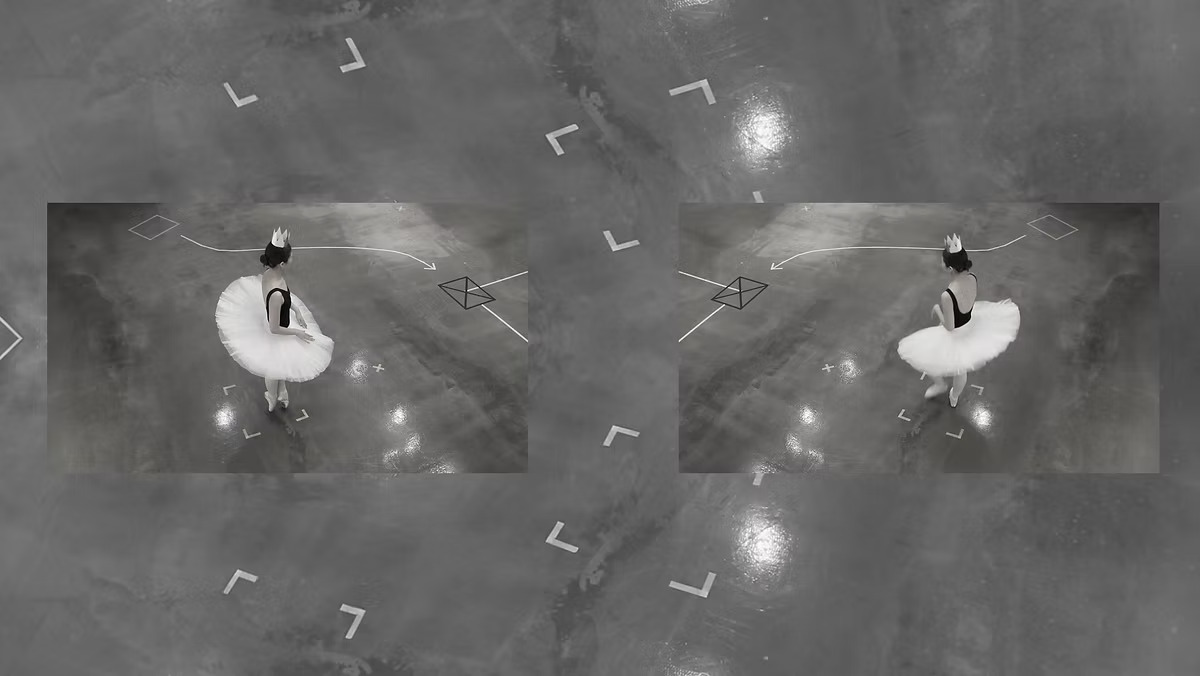
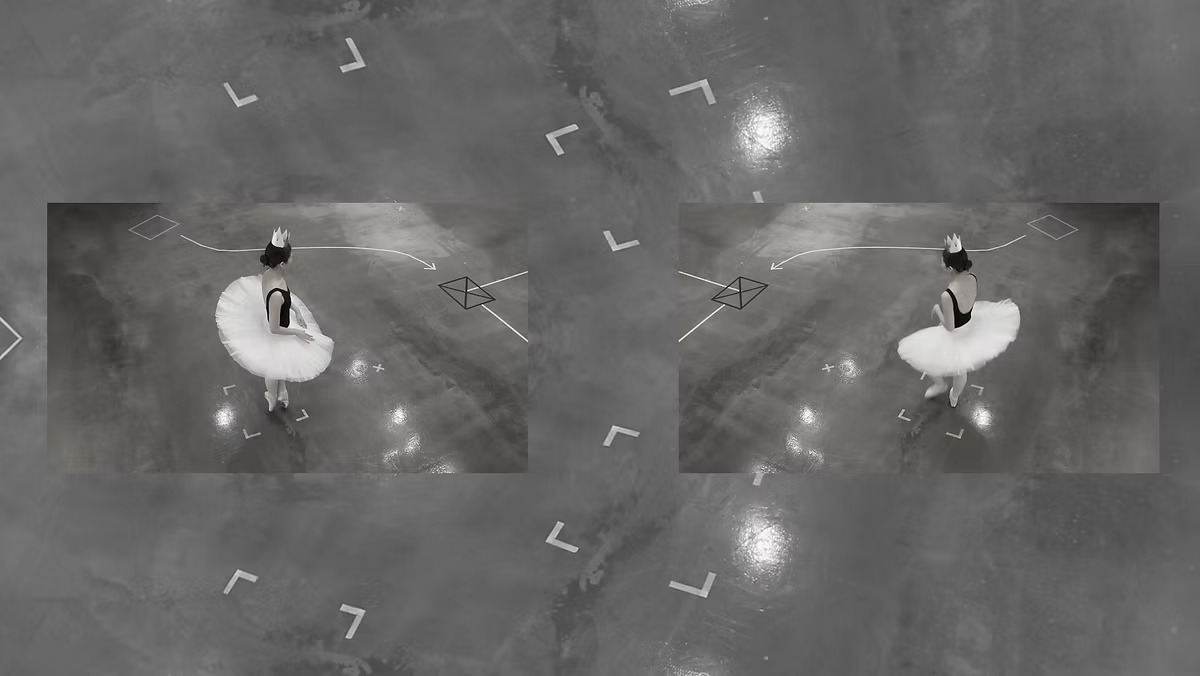
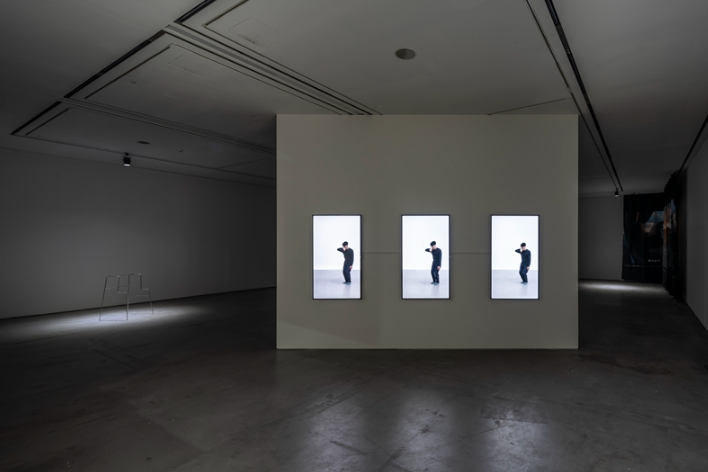
Monument for a Very Important Organ(2014) reverses the relationship between the body's interior and exterior through the story of a patient experiencing pain without receiving a medical diagnosis, while Nameless Disease(2016) portrays physical anxiety and helplessness through a figure repeatedly circling in place on tiptoe.

In her solo exhibition 《Black Hole Body》(CR Collective, Seoul, 2017), Chang introduced the concept of the "Black Hole Body" to describe a condition in which the body attempts to move forward but is continually pulled back by an internal force. In Circle(2017), Until Your Name Is Called(2017), and Keep Calm and Wait(2017), endlessly repeated movements and states of waiting draw attention to individuals whose bodies and experiences of time fall outside society's standards of physical normality and productivity.

Subsequently, Cream(2018) connects human skin with the leather of a dead animal, and anti-aging cosmetics with leather care products, rendering even the distinction between life and death uncertain.
 
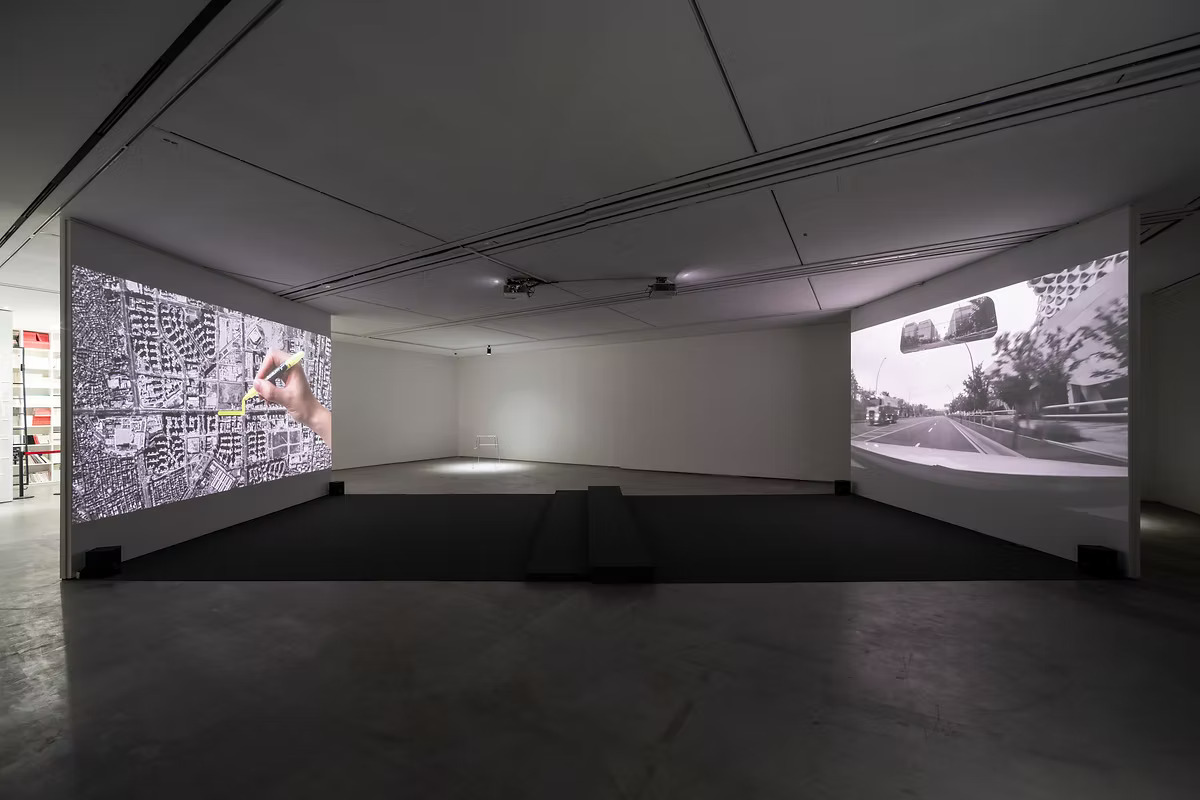
From 2019 onward, Chang's concerns expanded toward the relationship between the body's experience of time and its surrounding technological environment. Slipstream(2019) uses the movement of an automobile and navigation instructions to consider human life as a temporal journey with a beginning and an end.

Her solo exhibition 《A Blinding Future》(Amado Art Space, Seoul, 2021) explored the gap between the aging body and optimistic visions of future society. Cataracts(2021) presents the deterioration of vision over time, while Merry-Go-Round(2021) depicts time repeatedly returning to its point of origin. These concerns continued in 《Skid》(Sindoh Art Space, Seoul, 2022), where the acceleration of technology was contrasted with the delayed responses of bodily perception.

Later, in 《F.O.R.D. Fix Or Repair Daily》(Wumin Art Center, Cheongju, 2025), Chang compared the body, which requires constant repair and renewal, to technological systems, asking why human beings can still become lost within a society designed for efficiency. In 《Inhwan Oh vs. Seo Young Chang: Human Error》(Buk-Seoul Museum of Art, Seoul, 2026), she developed the concept of "Silicon Vanitas," contrasting a technological civilization that pursues perfection with the human body, which cannot escape malfunction and exhaustion.

Works such as Pollux's Mirror(2026) and This Memory(2026) extend her investigation to artificial intelligence, nonhuman entities, and a world after the disappearance of humanity, questioning what remains uniquely human as technology becomes increasingly advanced.

Style & Contents

Trained in sculpture, Seo Young Chang combines video, text, performance, sculpture, and installation, treating the time-based medium of video as a spatial and material form. Repetition, delay, and incomplete movements have been prominent features of her practice from the beginning.

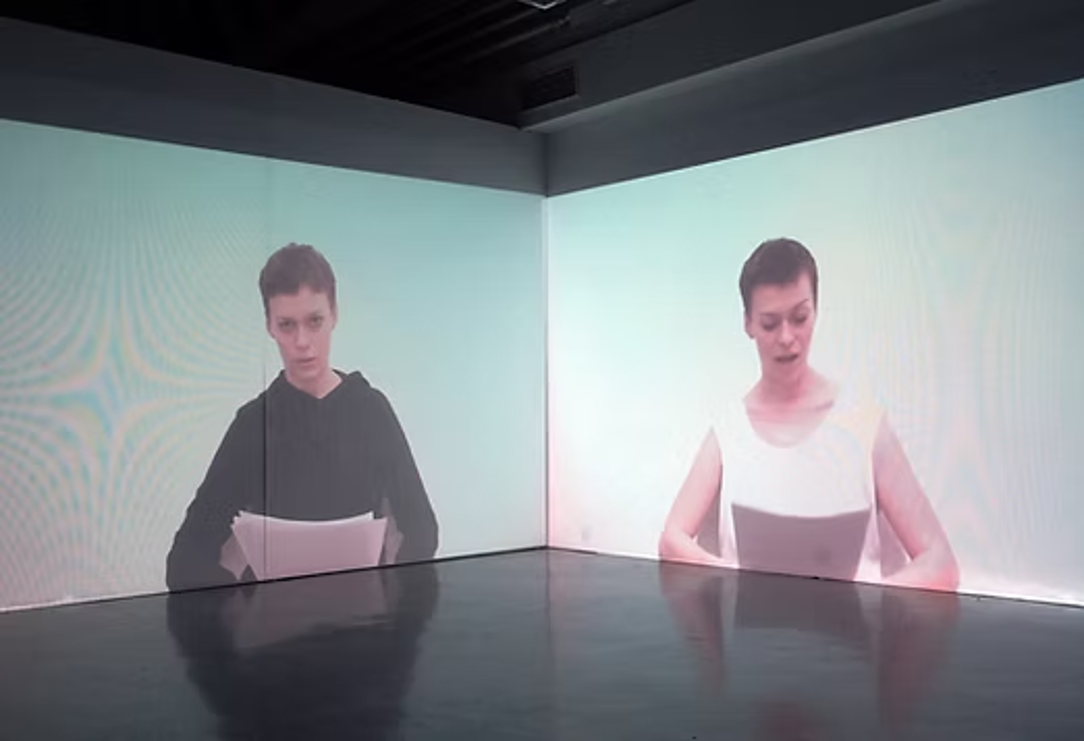
In Box, text is repeatedly typed and erased on the screen, while in Inside the Box, a performer mechanically recites disordered sentences that are later reconstructed through editing. In Complete Human(2014), a single performer assumes the roles of both the artist and an actor, presenting a divided sense of self. Who Is Lea?(2015) uses photographs, text, and explanations delivered by a docent in a video to question how an individual's identity is constructed.

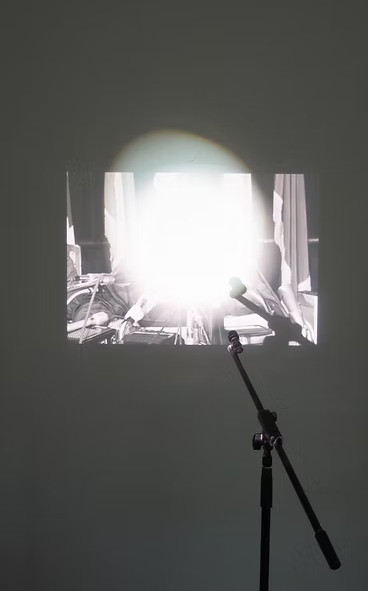
In Do Not Forget Me(2013), Chang directs a flashlight onto press photographs, erasing the faces of the people depicted, while Sphere of a Flat World(2016) combines street-view imagery of a restricted area of Deoksugung Palace with a white balloon, transforming the flatness of video into a three-dimensional experience. In these works, video becomes more than a screen recording reality; it functions as a sculptural medium that reconstructs the relationships between the inside and outside of an image, and between the real and the virtual.
 
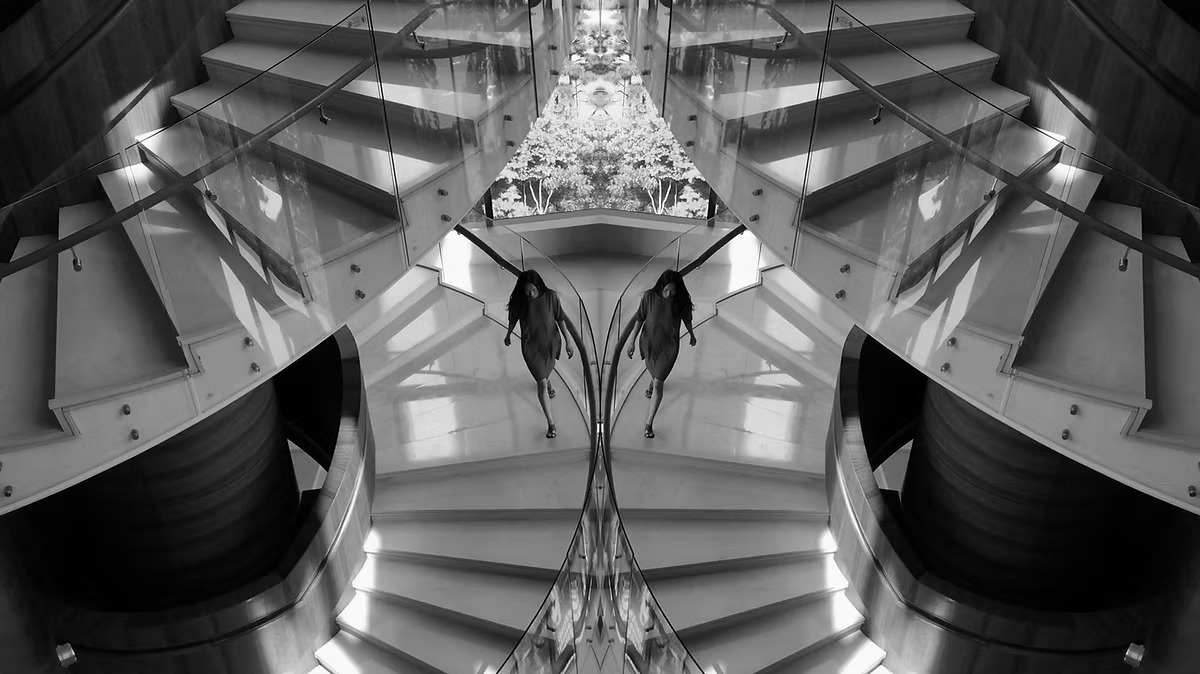
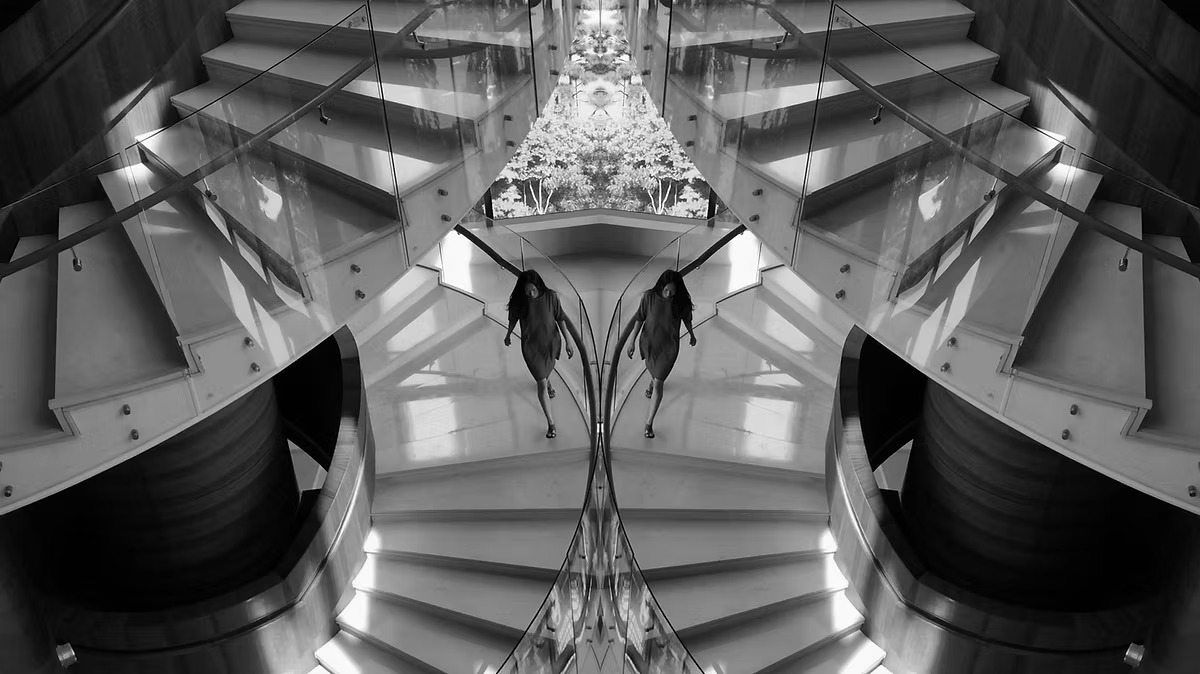
Chang has also developed ways of connecting bodily sensations with the technical properties of video. In Nameless Disease, she employs two-channel video and looping to depict an unending state of physical restriction, while in Circle, the figure descending a spiral staircase and the symmetrical screen composition connect repetitive movement with circulation inside the body.

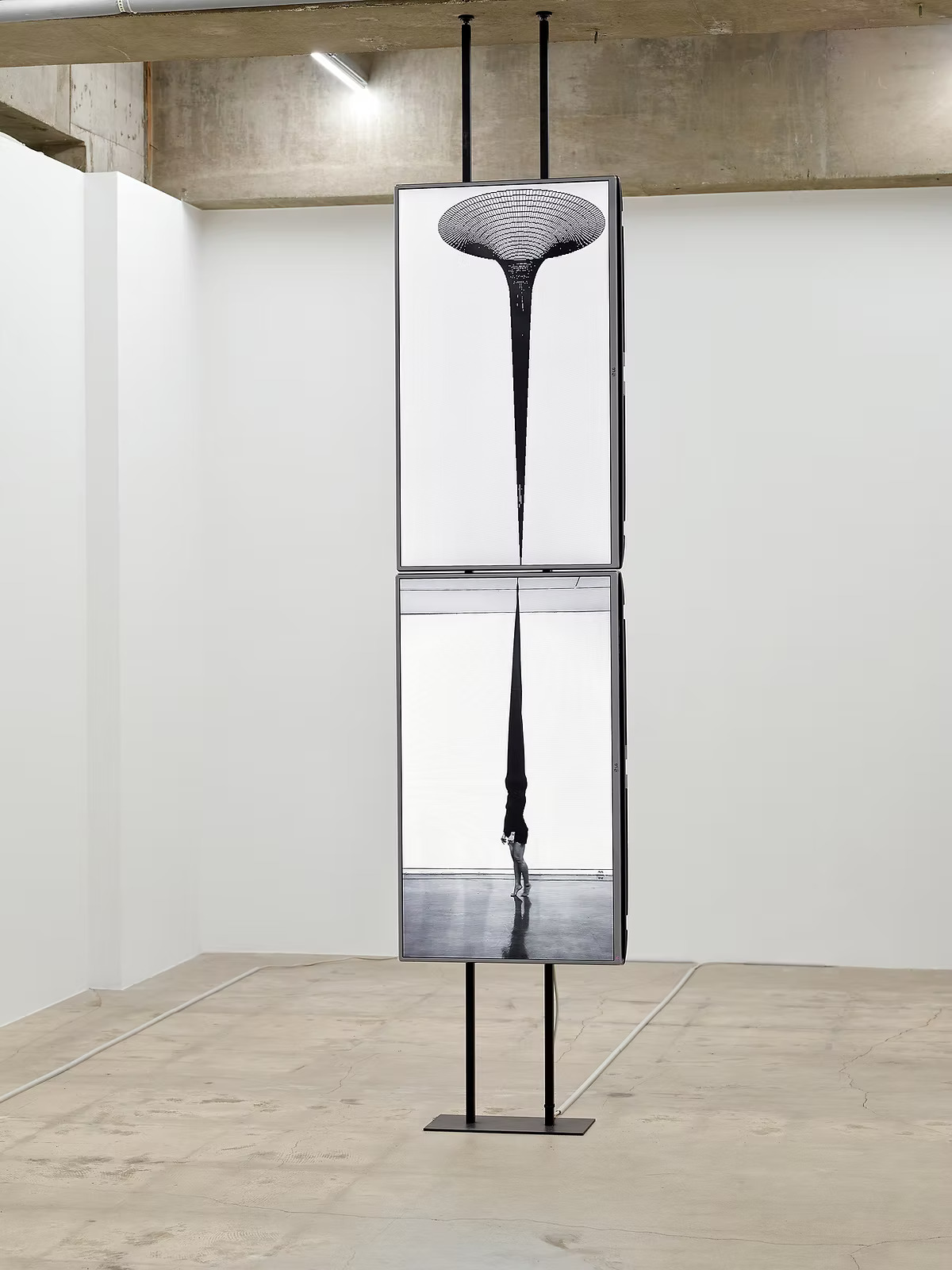
Until Your Name Is Called juxtaposes a ballerina's movements with a rotating image resembling a video-loading symbol, while Keep Calm and Wait uses repeated commands to create a situation of waiting and control. Buffering, looping, pauses, and delays are therefore not merely visual effects but devices through which viewers can sense the body's imperfect functioning.

Her approach to the body and time subsequently expanded through everyday subjects, including the skin and leather in Cream, the delivery process in Your Delivery(2019), and the automobile and navigation system in Slipstream. Through these subjects, Chang constructs situations in which the human body is managed, transported, and consumed in ways resembling objects or machines.
 
In 《A Blinding Future》, circles, spheres, eyeballs, lenses, and domes were interconnected, extending the investigation of vision and time throughout the exhibition space. Cataracts and Lens Tower(2019) depict the gradual loss of visual clarity, while AIR(2021) adopts the form of a guided meditation video, using breathing and bodily movements to evoke the experience of approaching death. Sphere, Dome, Pipe(2021) uses text to connect images and spaces, while Sparkler(2021) extends the relationship between light and vision across an extended video duration.

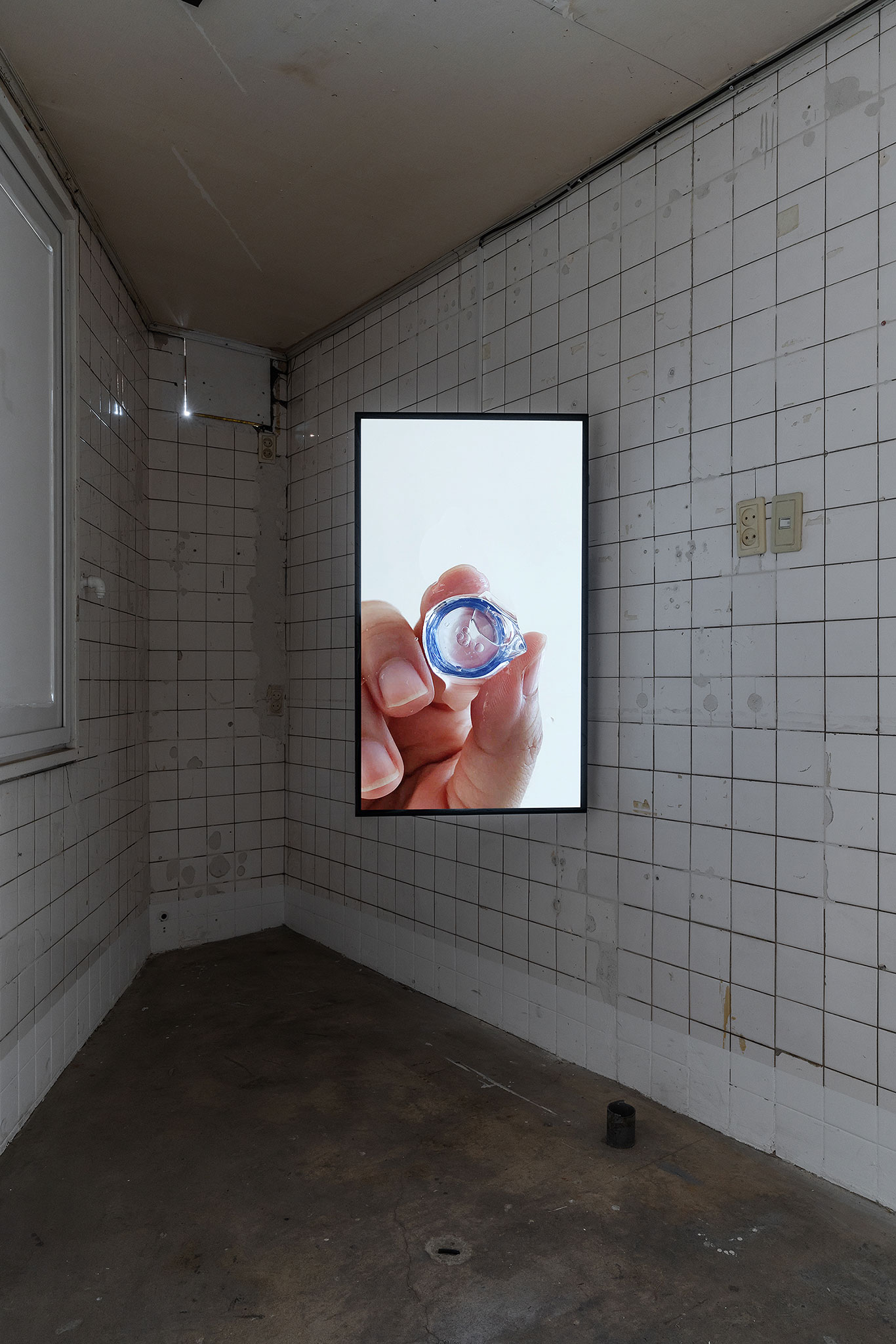
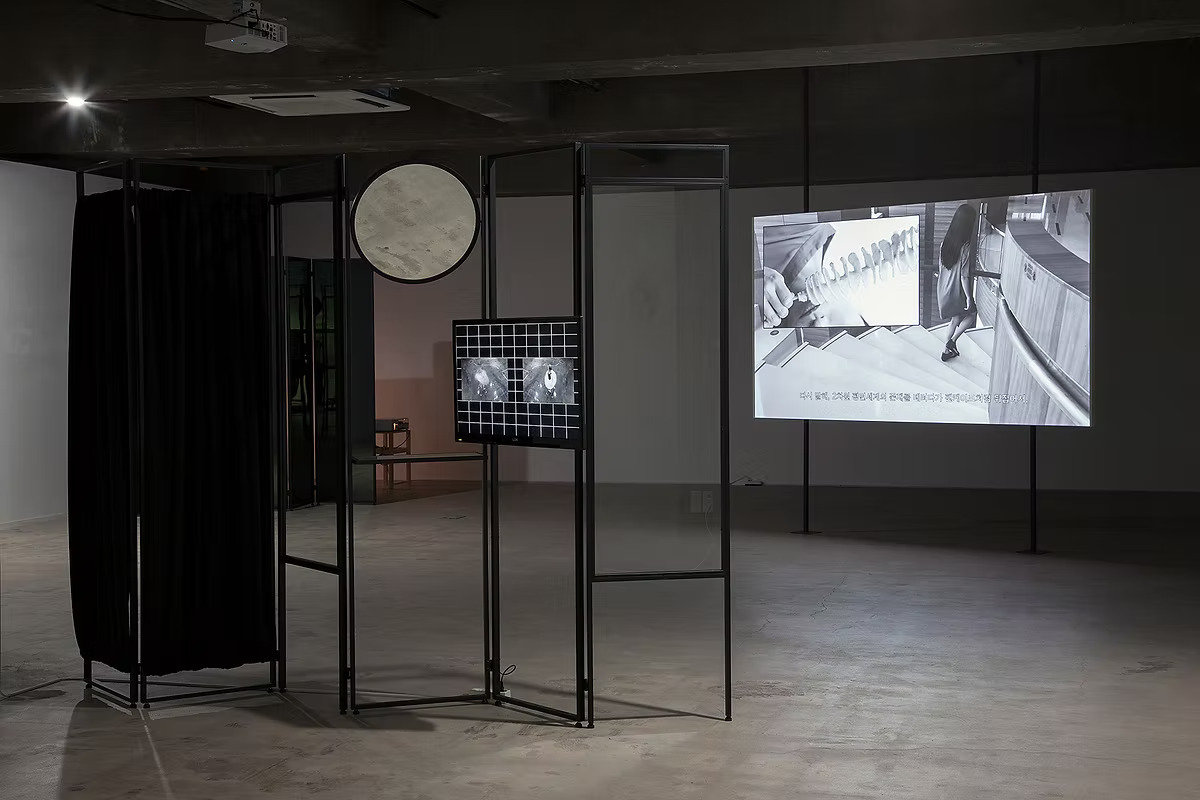
In 《Skid》, works including Hamburger(2019), Skid(2022), Drink Me Drink(2022), Pipe(2022), and Untitled(2022) are interconnected through the speed of automobiles, the movement of information, and the flow of fluids within the body. In particular, the elongated exhibition space, pipe structures, and sequences of images encourage viewers to discover relationships among the works through their own movement. Video, sculpture, and drawing function as independent works while simultaneously forming elements of a shared sensory pathway.
 
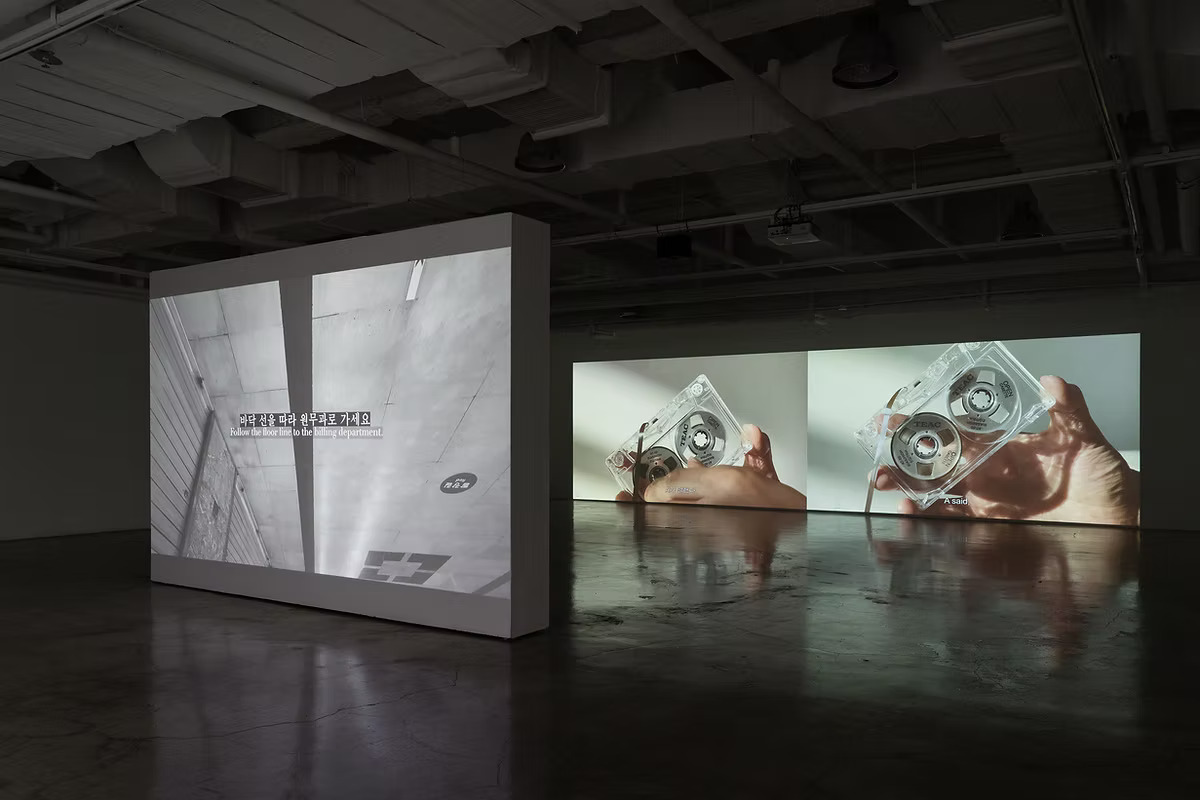
In her recent practice, this approach to spatial composition has developed into increasingly complex exhibition formats. The central work Fix Or Repair Daily(2025) in 《F.O.R.D. Fix Or Repair Daily》 presents a human body being reassembled within a technological system as it follows an automated route. A's Thread(2025) connects cassette tapes, changes in recording media, and memories of a family road trip, exploring the shared temporality of disappearance and renewal in data and the body.

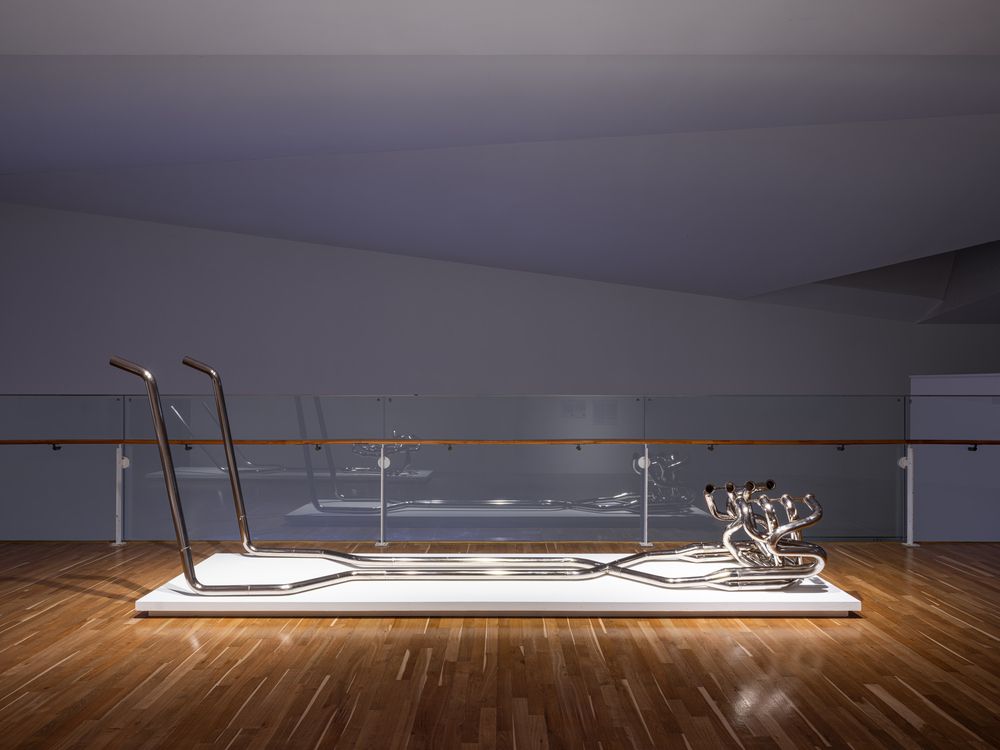
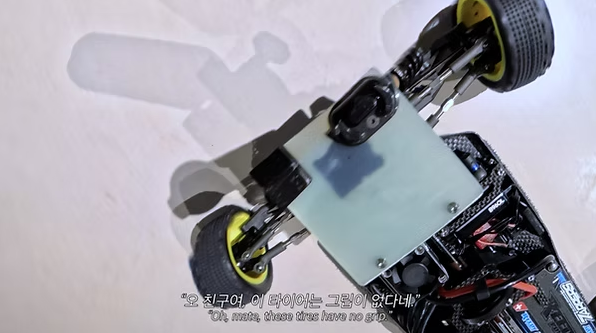
Chang also presented the earlier work Ecdysis(2021) alongside new pieces, demonstrating how the meaning of an artwork can change according to its exhibition context. This approach was further developed in 《Inhwan Oh vs. Seo Young Chang: Human Error》. All No Grip(2025) and its sculptural counterpart Smooth Muscle(2025) address the diminishing sense of human control within automated systems, while Exhausted(2026), a sculpture resembling an automobile exhaust system, connects the exhaustion of the body with that of the machine.

Pipe ver. 2(2026) transforms bodily circulation into an excessively extended system of pipes, while Hello, See You in the Cloud(2026) and This Memory imagine situations in which the human body has disappeared or only its memories remain. Beginning with repetition and editing in video, Chang has progressively incorporated sculpture, exhibition pathways, and viewers' bodily experiences, developing the relationships among individual works into an expressive form in their own right.

Topography & Continuity

Seo Young Chang has consistently expanded her interest in socially invisible existence toward questions of bodily finitude and technological environments. While her early works examined how society recognizes or erases individuals, her subsequent practice explored bodily sensations that cannot be explained through medical diagnoses or social standards of productivity. These concerns gradually developed into an investigation of the discrepancies between the speed of technology and the time experienced by the body.

For Chang, the body is neither simply an object of social oppression nor merely a biological entity. It is a form of existence that continually interacts with its external environment and perceives time and space differently according to its changing condition. Her ability to connect phenomena such as repetitive movements, endless waiting, and technological errors with the conditions of embodied life is central to her distinctive artistic language.

The progression from The Story of a Bear That Drowns Repeatedly Forever to Circle, Slipstream, and Fix Or Repair Daily demonstrates how her longstanding concerns with repetition and circulation have developed from social exclusion to illness and aging, and ultimately to questions concerning humanity's position within technological civilization.
 
In terms of medium, Chang does not restrict video to documentation or narrative communication. Instead, she works with its playback and interruption, the flatness of screens and the volume of installations, and the relationship between the time viewers spend watching works and the time they spend moving through exhibition spaces.

This approach shares characteristics with time-based media art and sculpture concerned with the materiality of the body, while establishing a flexible relationship between the two. Particularly distinctive is the way images and subjects from one work reappear in transformed forms in another, acquiring new meanings through their arrangement within an exhibition.

The exploration of the body's interior and exterior in 《Black Hole Body》 developed into an examination of vision and the world in 《A Blinding Future》, movement and speed in 《Skid》, and the interconnected operating structures of the body and technology in 《F.O.R.D. Fix Or Repair Daily》 and 《Inhwan Oh vs. Seo Young Chang: Human Error》. This continuity demonstrates that Chang's practice is shaped less by a particular medium or subject than by an enduring investigation into the conditions through which the body experiences the world.
 
Seo Young Chang received the 23rd Wumin Art Award in 2024 and presented a major body of work at Buk-Seoul Museum of Art as part of its 2026 Title Match exhibition. Her works are held in the collections of the National Museum of Modern and Contemporary Art, Korea; Seoul Museum of Art; Busan Museum of Art; Busan Museum of Contemporary Art; and DOOSAN Yonkang Foundation.

The intersection of bodily vulnerability and technological development is not confined to a particular region or culture, providing a foundation for her work to engage with audiences across different contexts. Her recent expansion into artificial intelligence, nonhuman existence, and the disappearance of memory suggests the potential for further investigations into technological civilization through the human body, while continuing to question the meaning of existence within an increasingly automated world.

Works of Art

On Finite Beings Living Within the Cycle of Life and Death

Articles

Exhibitions

Activities